




As cities confront increasingly complex challenges related to sustainability, technological transformation, aging infrastructure, and evolving social needs, architecture and interior design are being asked to do more than provide functional solutions. For designer Yuzheng Gan, design is not simply about shaping physical environments—it is about creating relationships, activating resources, and generating long-term social value.
Central to Gan’s work is a design perspective she describes as a “Relationship-generating System.” Rather than viewing space as a static container for predetermined activities, she understands architecture and interior environments as dynamic ecosystems capable of creating new relationships between people, communities, resources, and social systems. Inspired by natural fluidity, human perception, and patterns of social behavior, her research explores how spatial design can support interaction, participation, and collective experiences while responding to future social needs.
Building upon this perspective, Gan has developed a design methodology centered on Redefinition. Instead of focusing on the creation of entirely new architectural typologies, her work investigates how existing buildings, infrastructures, and institutional systems can be redefined to generate new forms of public value. Across different projects, she repeatedly asks a fundamental question:
How can design transform underutilized, overlooked, or highly specialized systems into resources that are more open, accessible, and beneficial to society?
This question has guided a body of work that challenges conventional assumptions about the role of architecture and interior design.
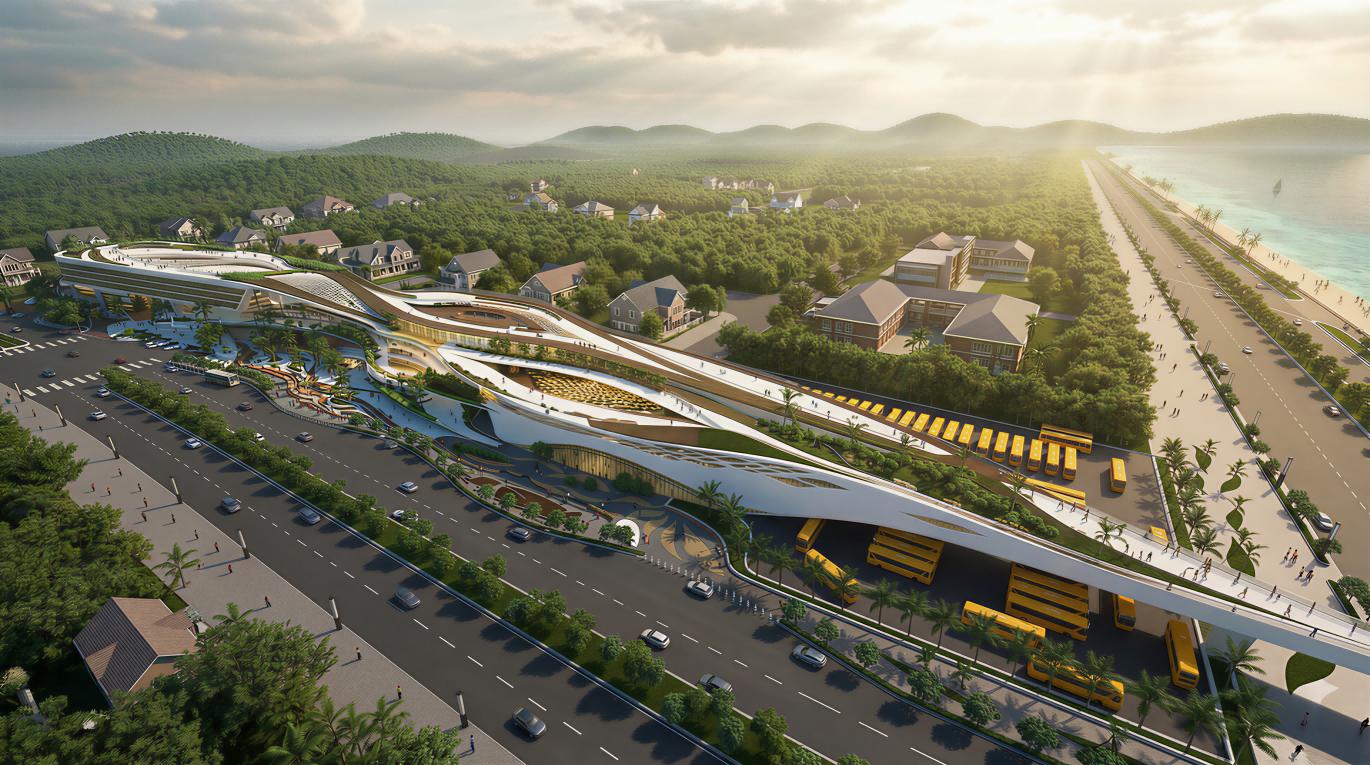
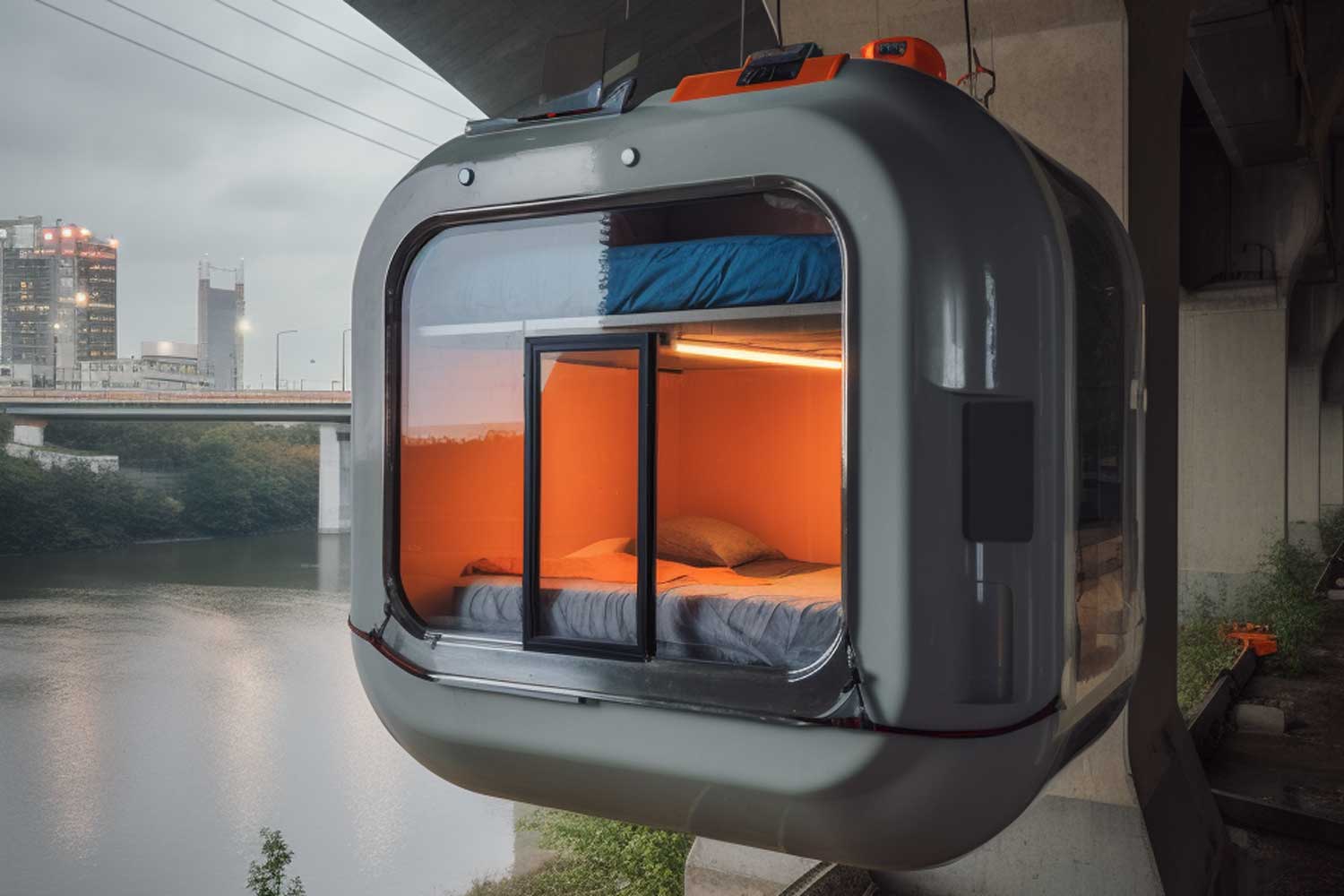
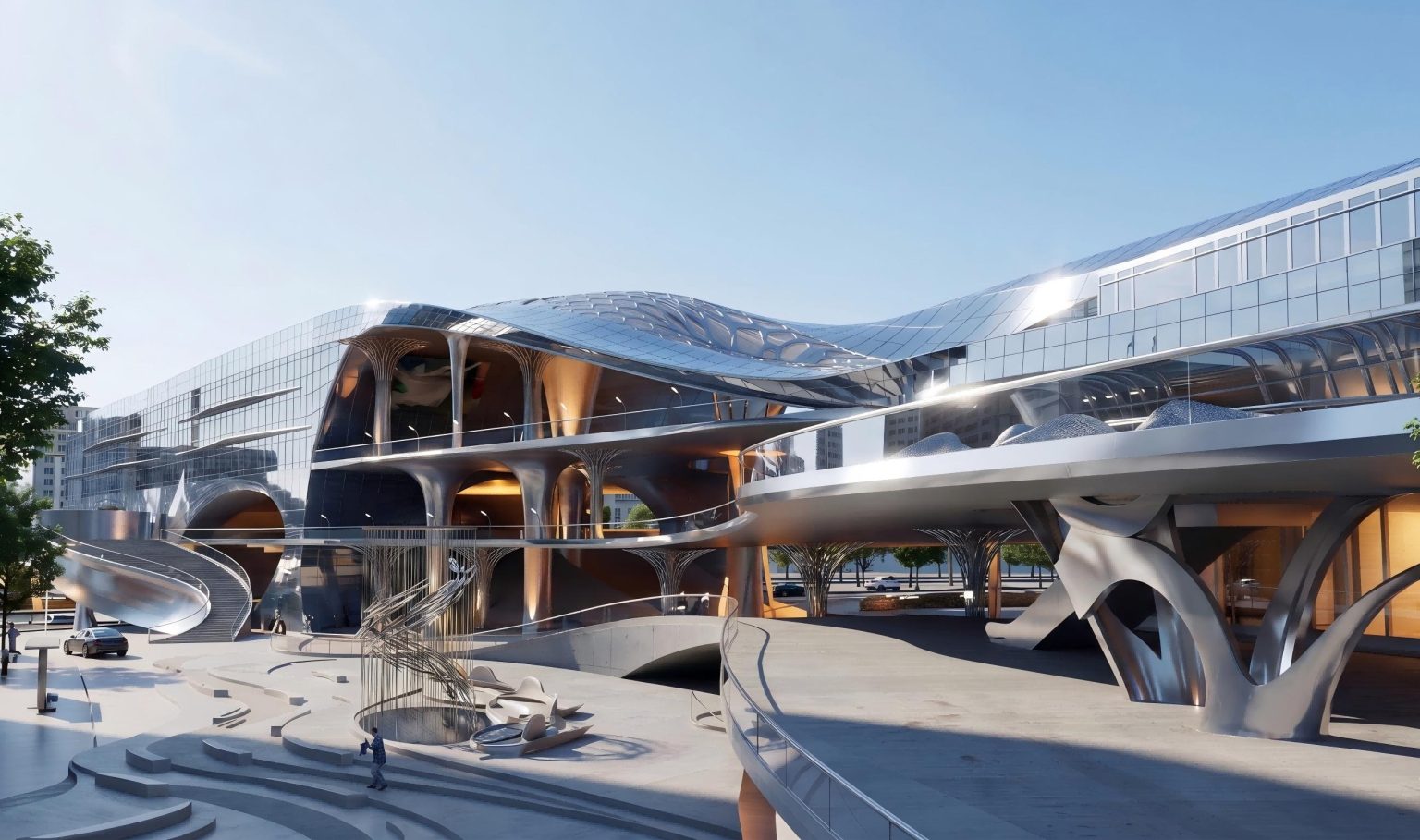
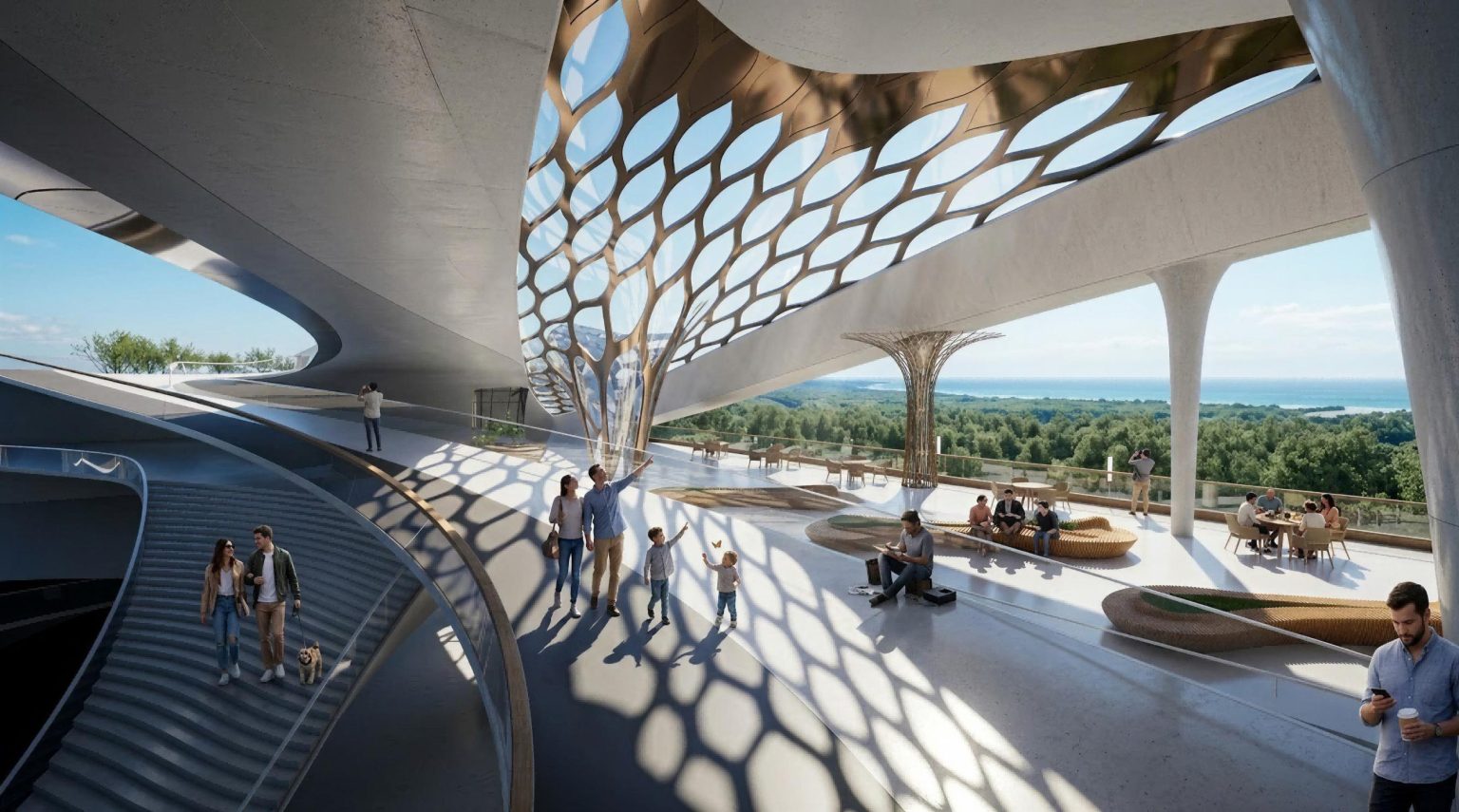
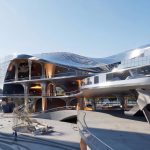
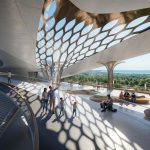
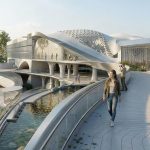
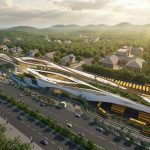
One example is FlowScape Hub, a project that reconsiders the social role of transportation infrastructure. Conventional transportation hubs are typically designed around efficiency and circulation, serving primarily as facilities for movement. In contrast, FlowScape Hub proposes a more expansive civic role.
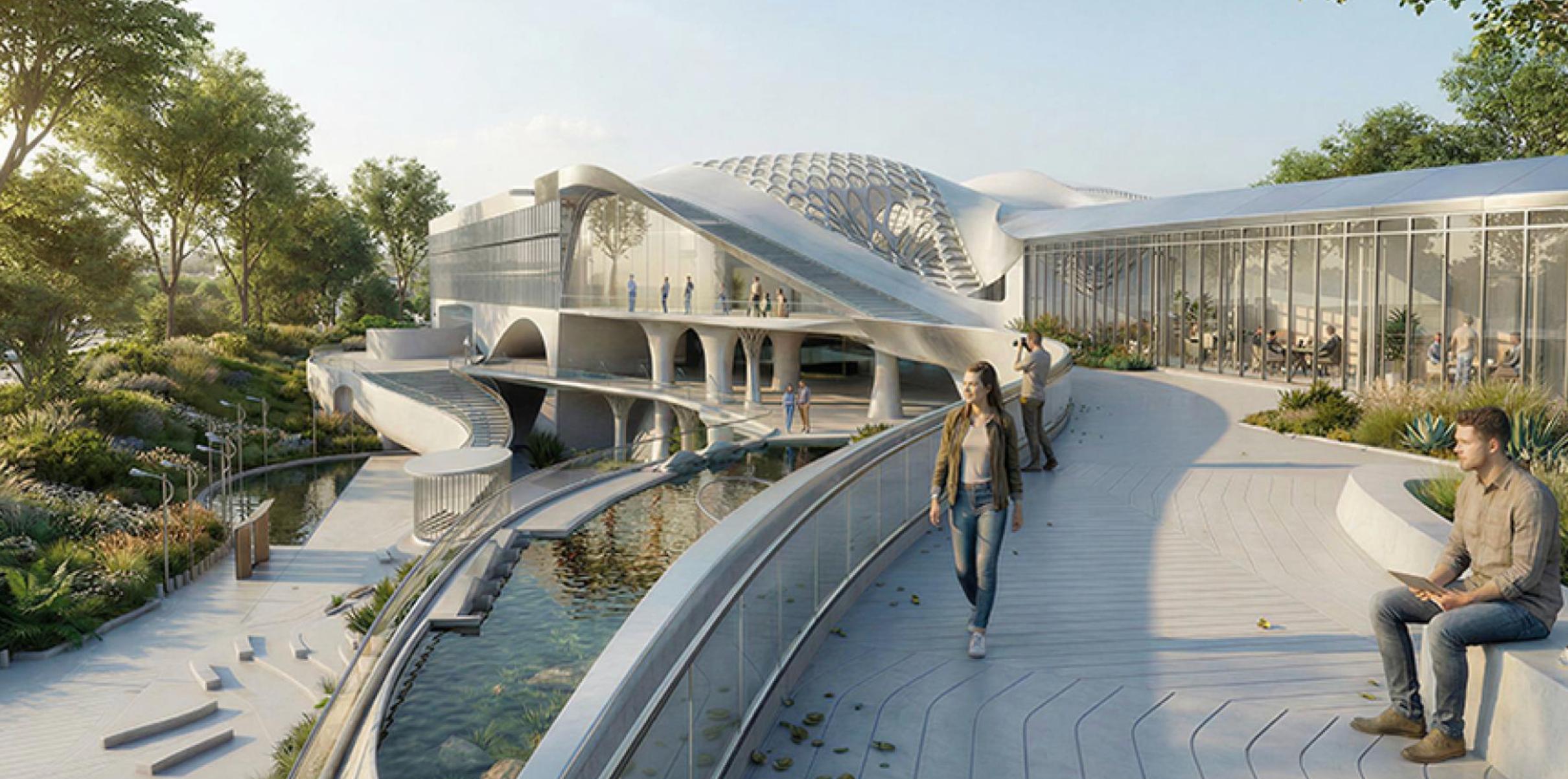
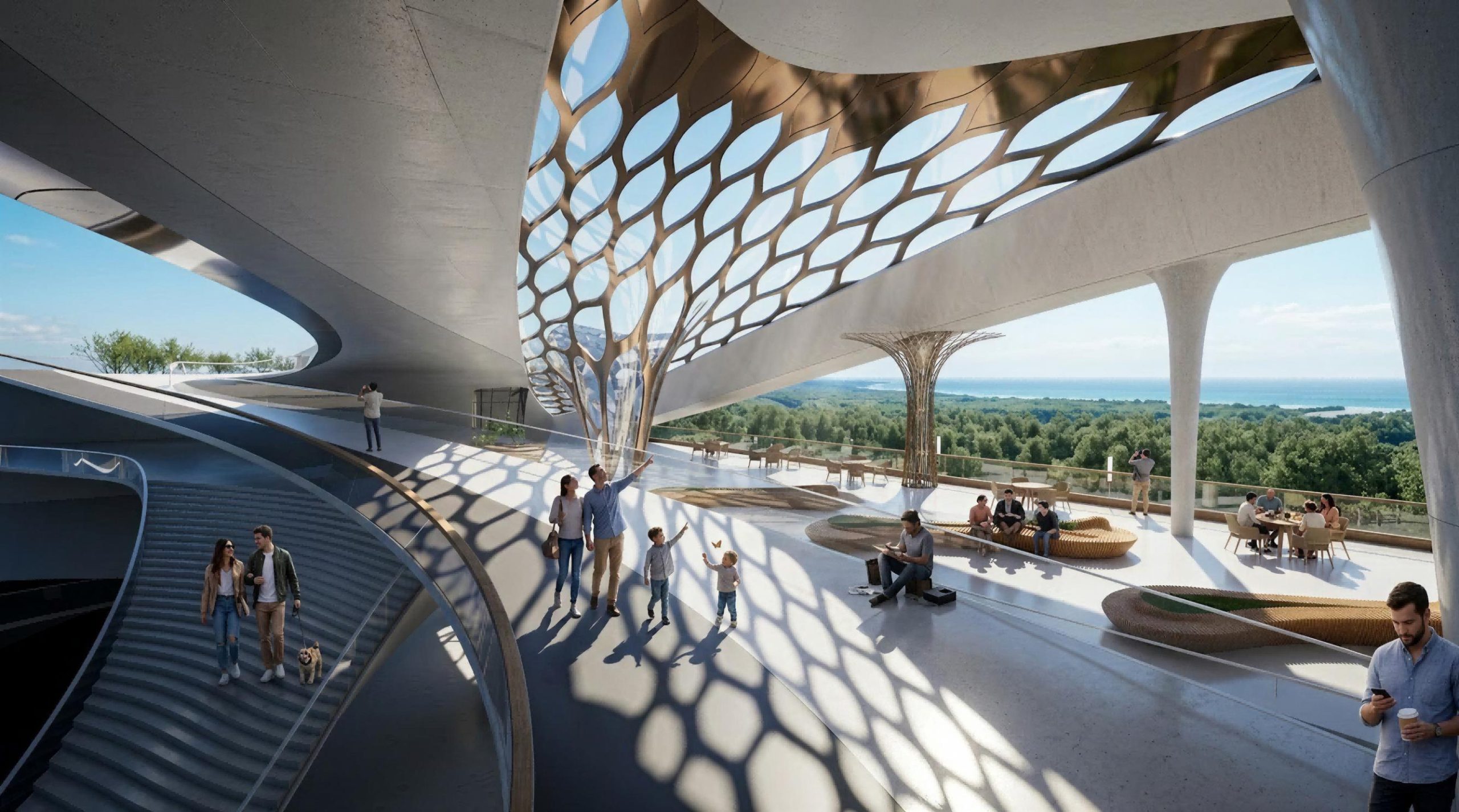
By integrating transportation systems, public gathering spaces, commercial activities, and urban landscapes into a unified framework, the project transforms infrastructure into a platform for community engagement and public life. Rather than functioning solely as a service facility, transportation infrastructure becomes a civic landscape that supports social interaction, urban vitality, and collective experiences. This vision received international recognition through the NY Architectural Design Awards Gold Award and the London Design Awards Platinum Winner.
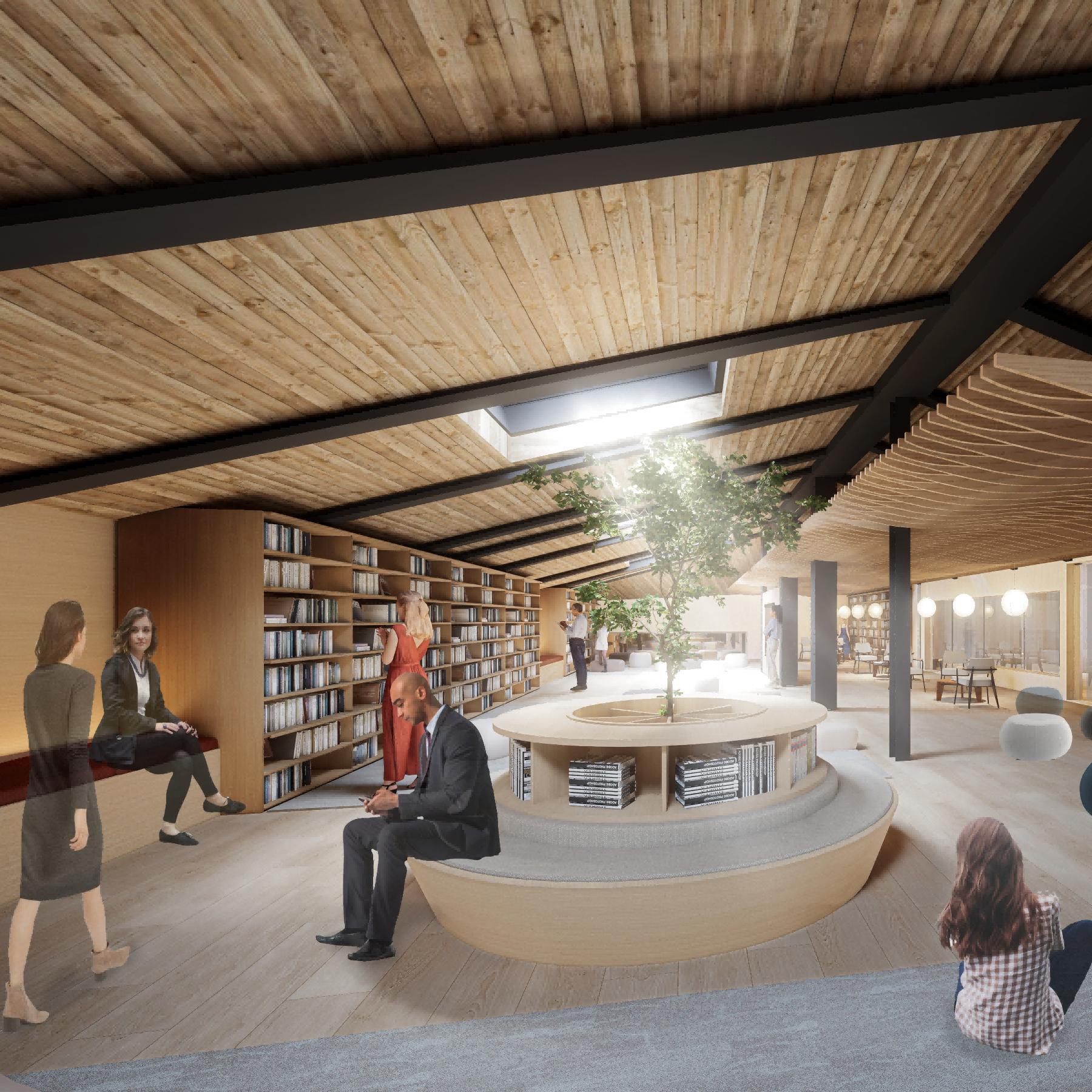
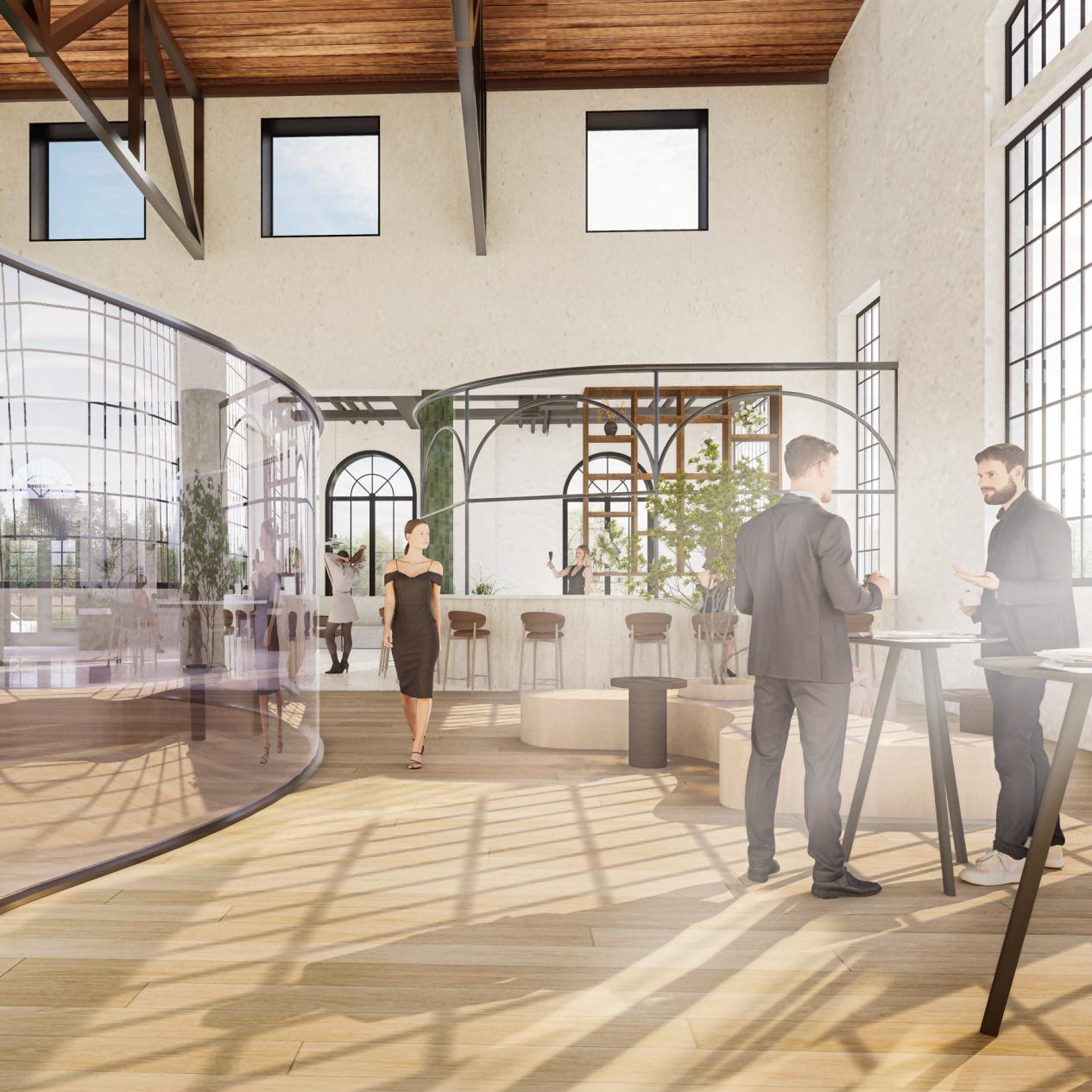
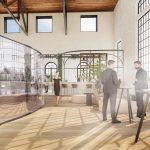
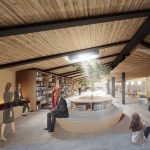
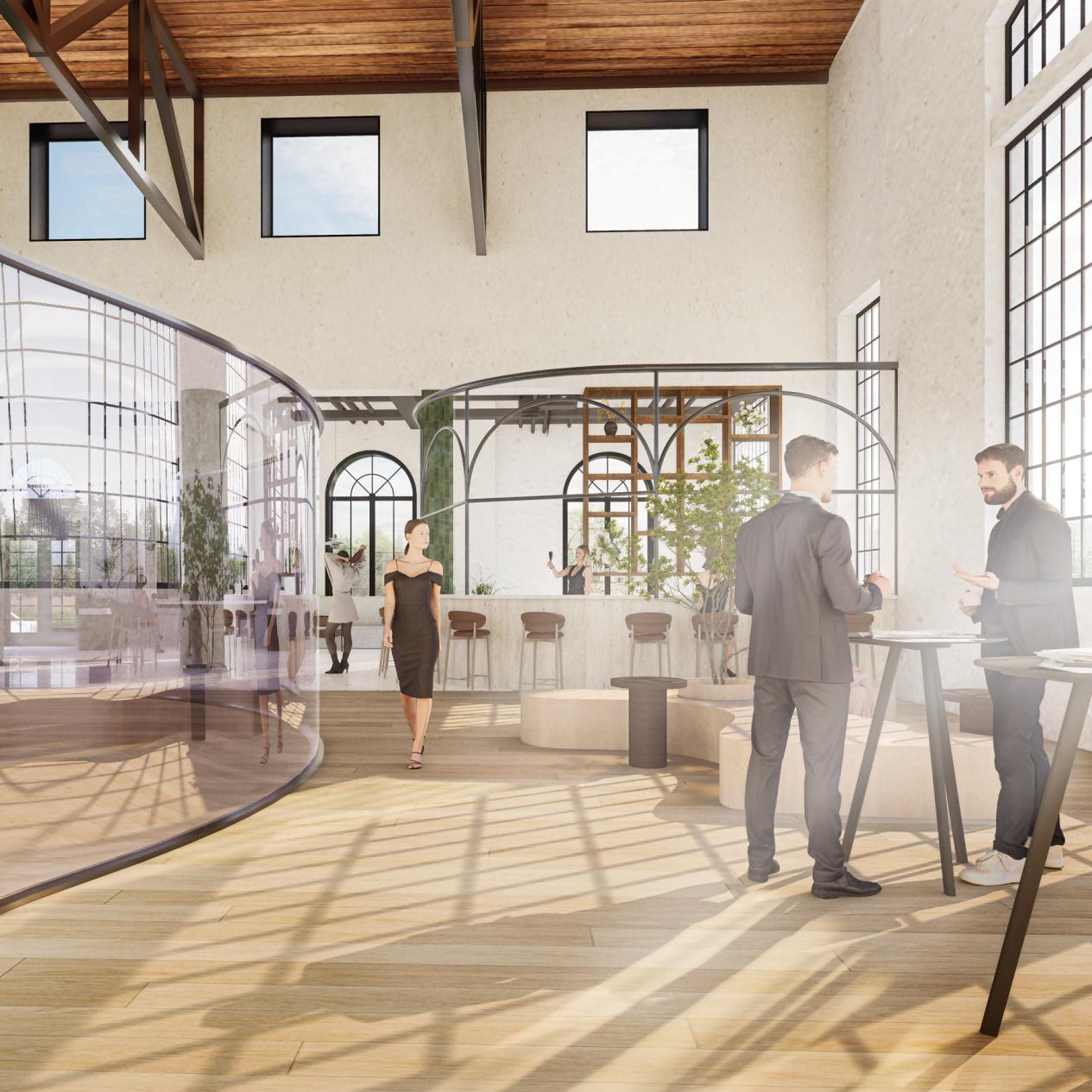
Another good example is HydroCommons, a project that reexamines the relationship between historic preservation and contemporary public life. Traditional preservation strategies often focus on protecting the physical integrity of heritage buildings. Gan proposes a broader approach: historic buildings should not only be preserved, but also continuously participate in society.
The project transforms an existing building into a shared platform integrating workspaces, exhibitions, educational programs, community events, and public activities. Through flexible spatial organization and adaptable modes of use, the building becomes an active social resource capable of evolving alongside changing community needs. Rather than treating heritage as something frozen in time, HydroCommons demonstrates how historic architecture can continue generating cultural, educational, and social value. The project received international recognition through the A’ Design Award.
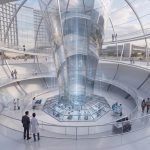
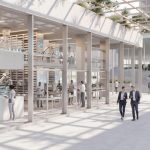
Beyond architecture and infrastructure, Gan’s research also explores the relationship between people and increasingly complex technological systems. In a healthcare-focused research project, she investigated how spatial design can help the public understand, engage with, and build trust in artificial intelligence, medical data systems, and future healthcare technologies.
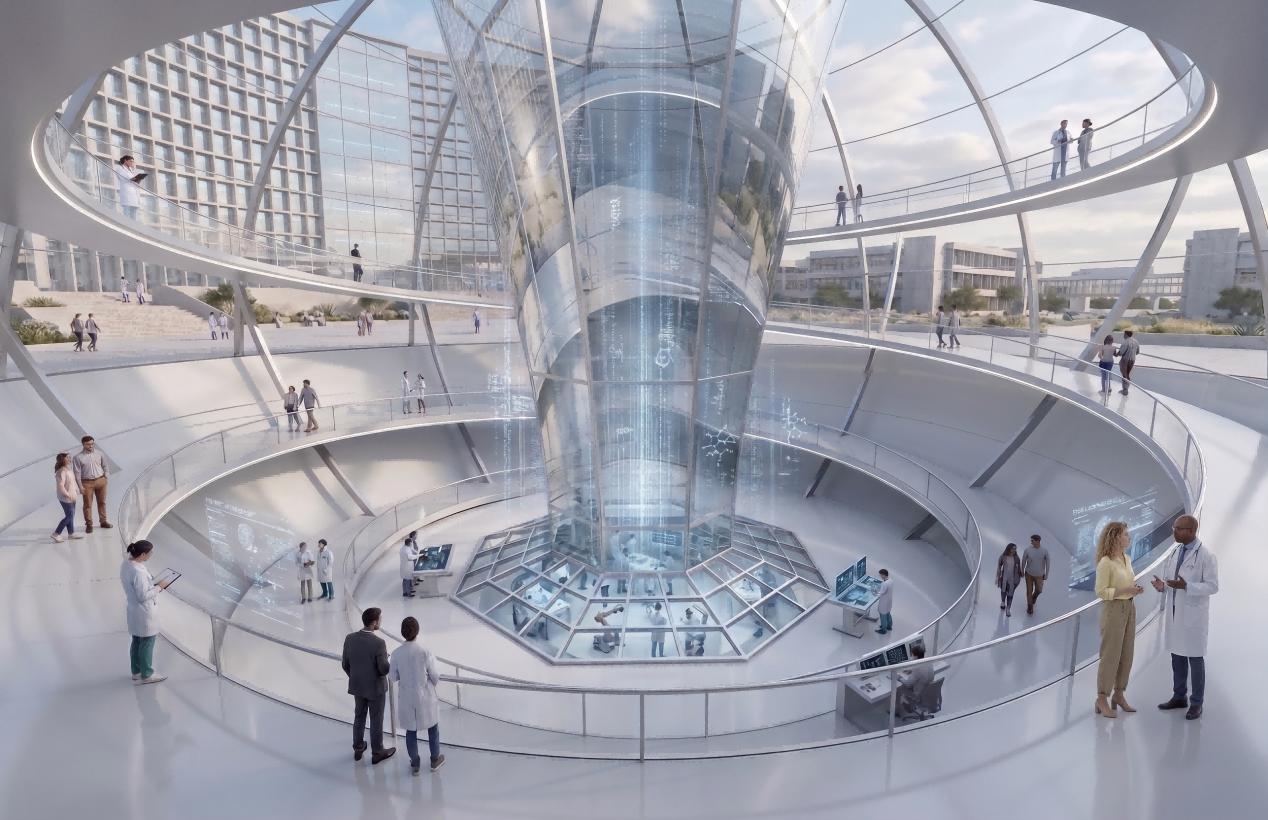
As healthcare increasingly incorporates AI-driven decision-making, predictive analytics, and data-centered services, public understanding becomes a critical challenge. Through transparent information environments, participatory interfaces, and spatial storytelling, the project transforms invisible technological processes into experiences that people can observe, understand, and navigate. Rather than focusing solely on how future technologies operate, the project examines how design can help society develop trust in technologies that will increasingly shape everyday life.
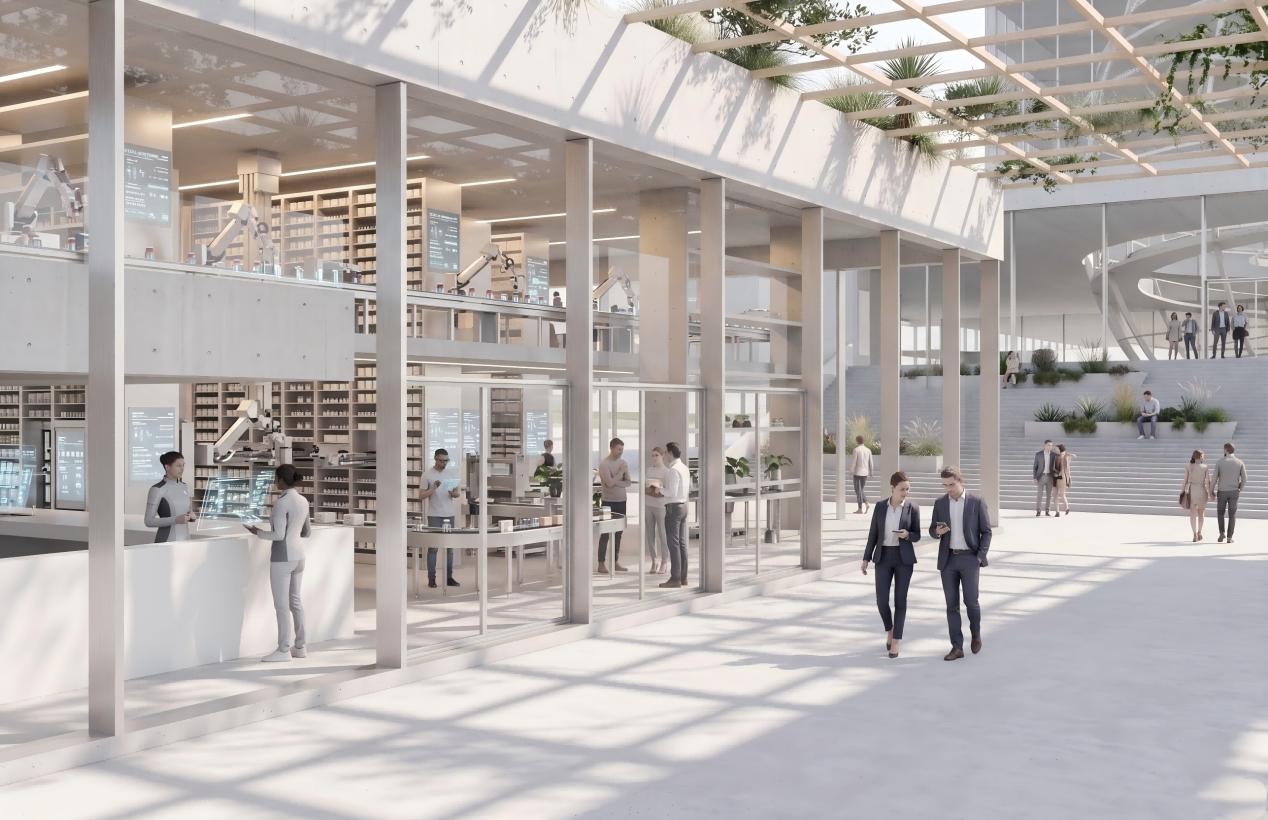
Across these projects, a consistent theme emerges: the transformation of closed or specialized systems into publicly accessible resources. Historic buildings become shared platforms. Transportation infrastructure becomes civic space. Healthcare environments become interfaces that help society understand and trust emerging technologies.
This approach also extends to Gan’s commitment to sustainability. Rather than prioritizing demolition and replacement, her work focuses on activating existing resources through adaptation and reuse. By extending building lifecycles, increasing spatial flexibility, and encouraging shared use, her projects seek to reduce waste while maximizing social and environmental value.
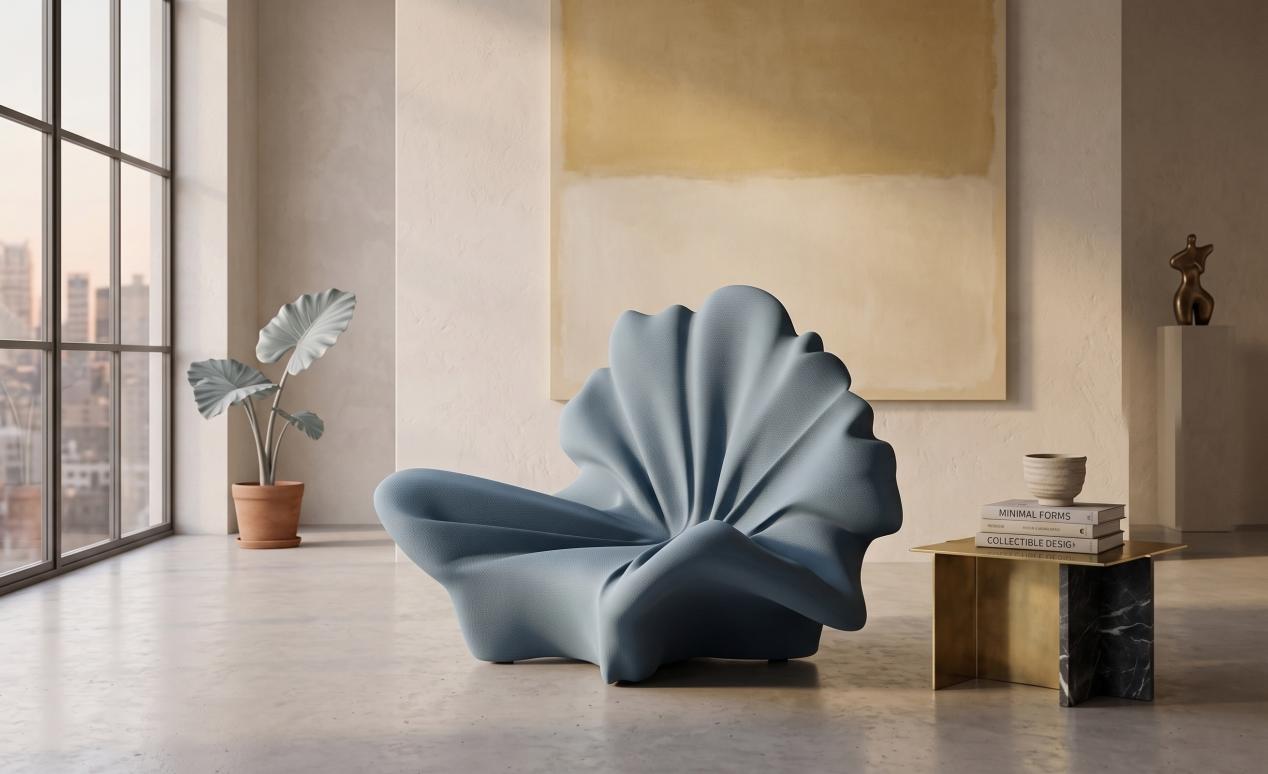
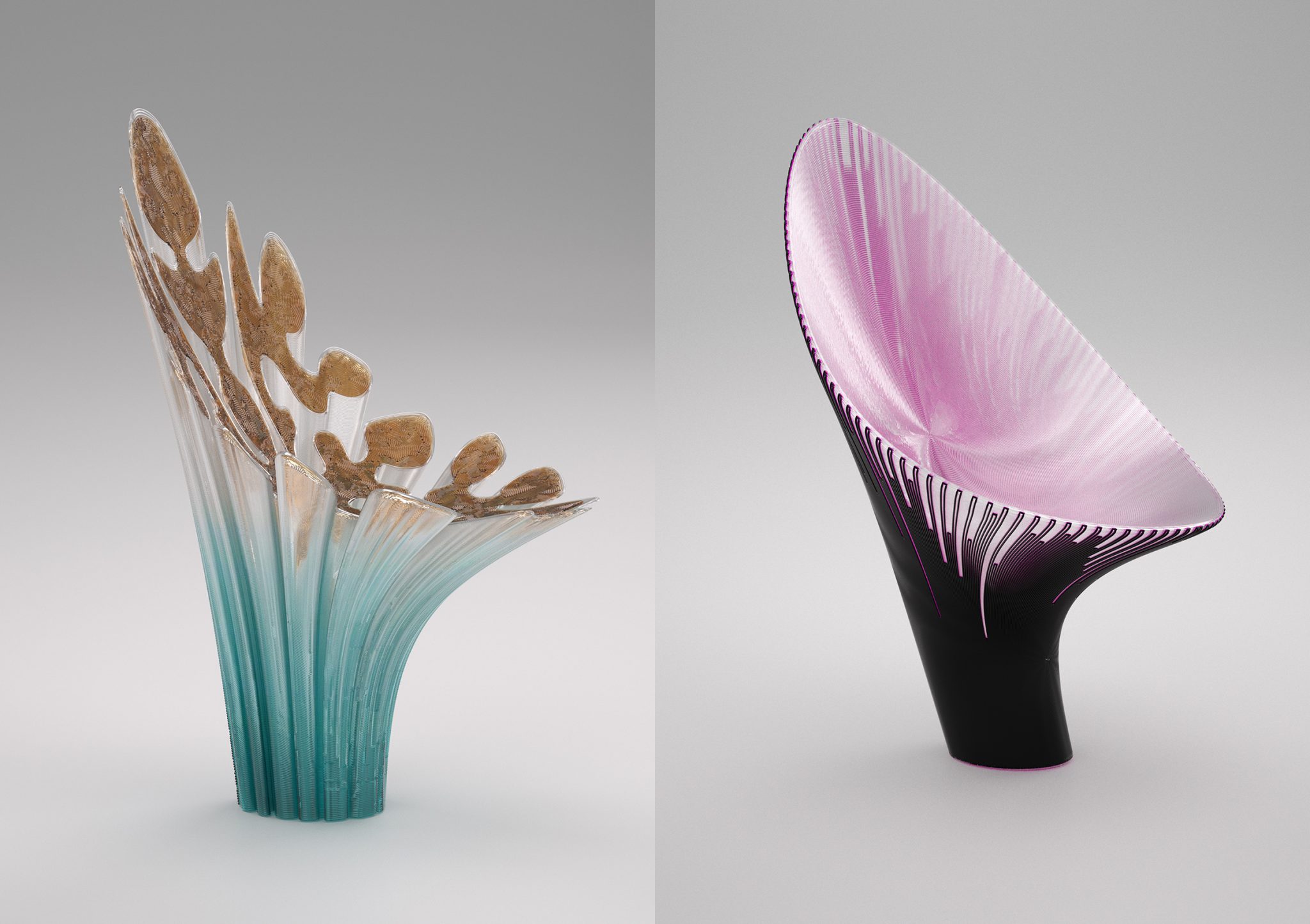
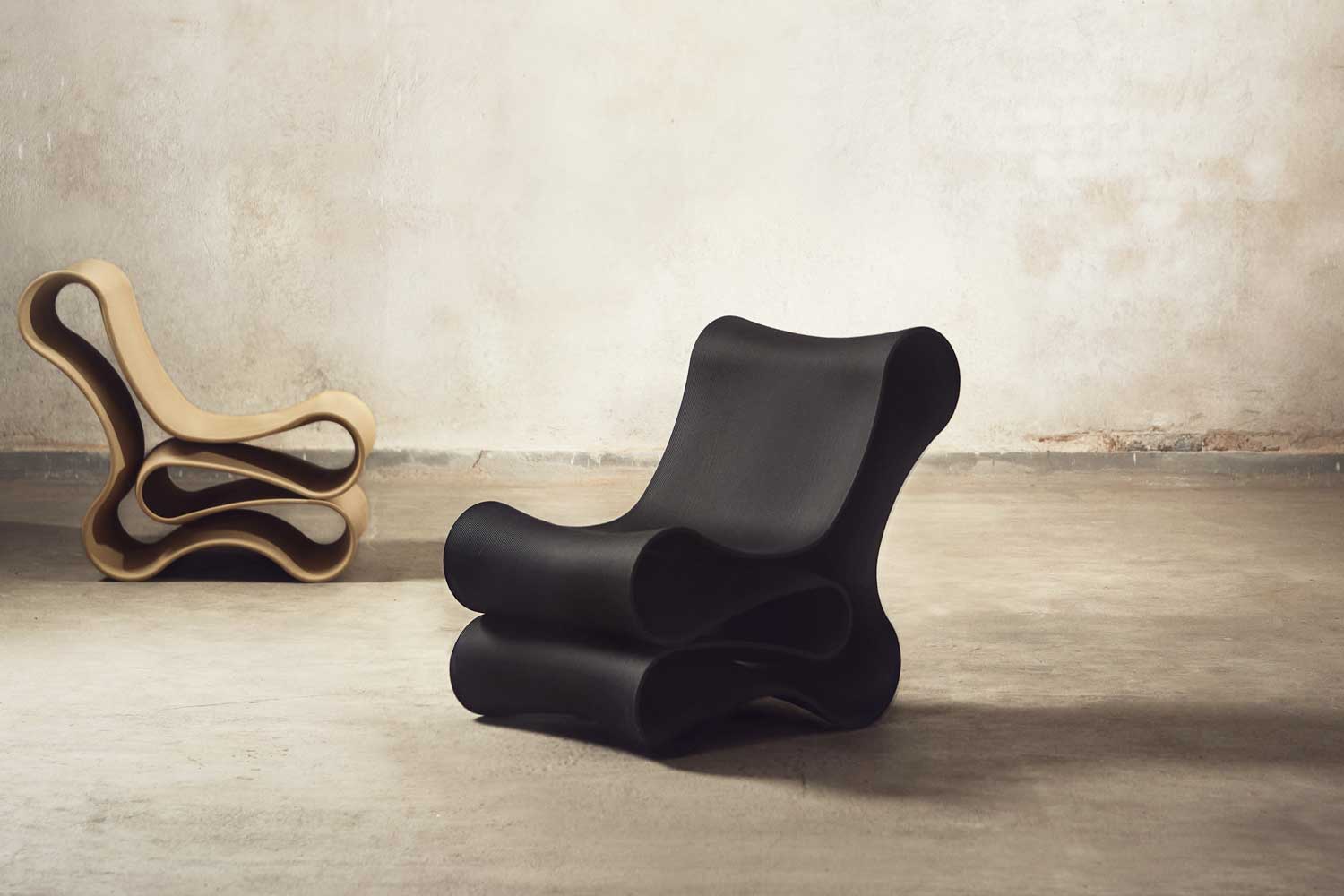
The impact of this work has been recognized through multiple international awards and exhibitions. In addition to receiving the A’ Design Award, NY Architectural Design Awards, and London Design Awards, Gan’s work was selected for exhibition at NYCxDESIGN Festival 2026. Her exhibited furniture project, Pleat Lounge, draws inspiration from the flowing geometry of lotus leaves, transforming natural folds into a fluid seating object that blurs the boundary between furniture and sculpture. The project reflects her broader interest in movement, adaptability, and the relationship between people and space across different scales.
What distinguishes Gan’s work is not a focus on a particular building type or design style, but a sustained effort to expand the role of design beyond physical form. Through the concepts of Relationship-generating Systems and Redefinition, she explores how architecture and interior design can move from a function-oriented model toward a social-system-oriented model—one that creates connections, activates resources, and generates long-term public value.
Rather than asking what new buildings should be created, her research asks a different question: what untapped possibilities already exist within the systems around us?
Through design, those possibilities can be revealed, redefined, and transformed into lasting social impact.