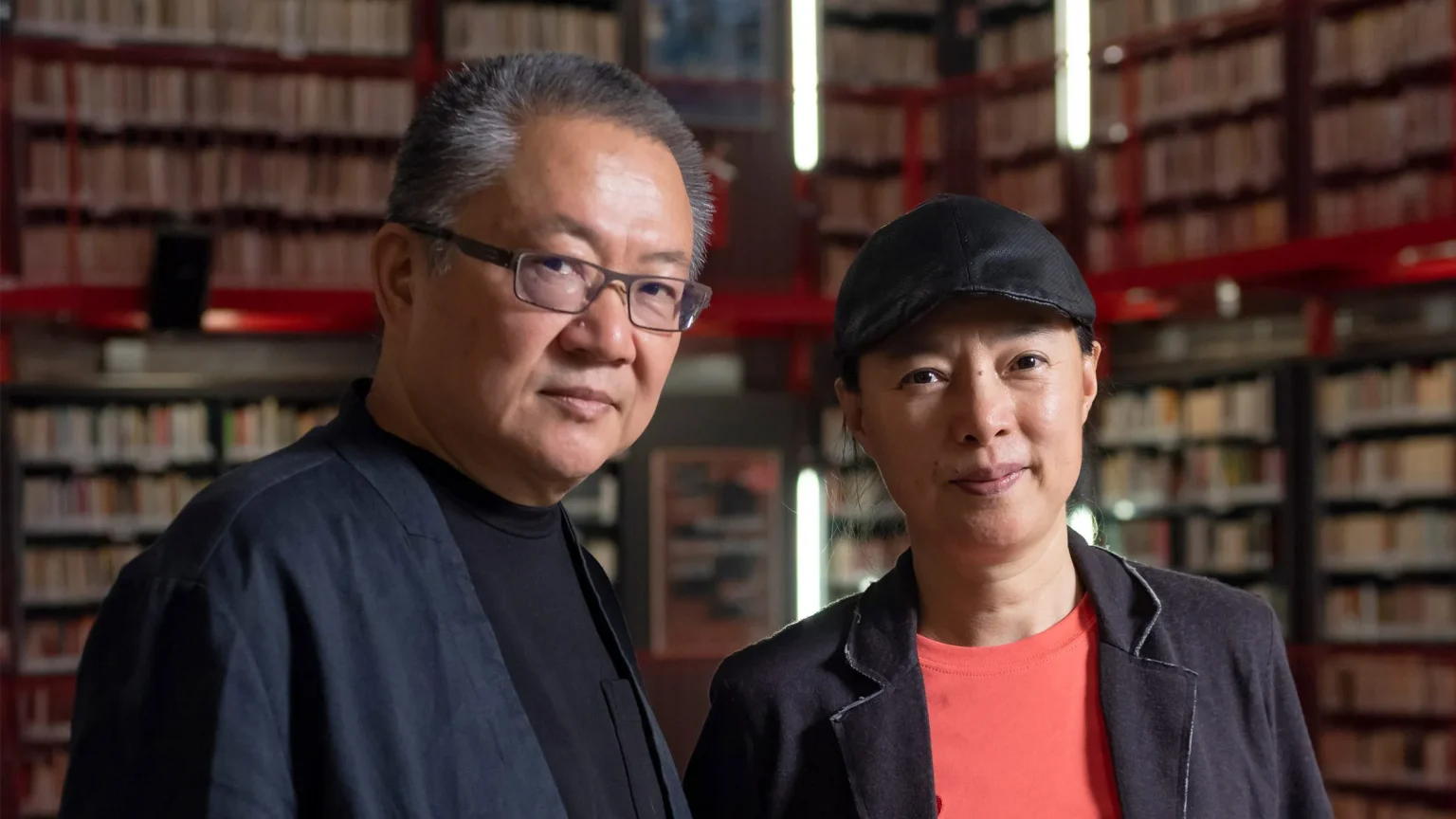
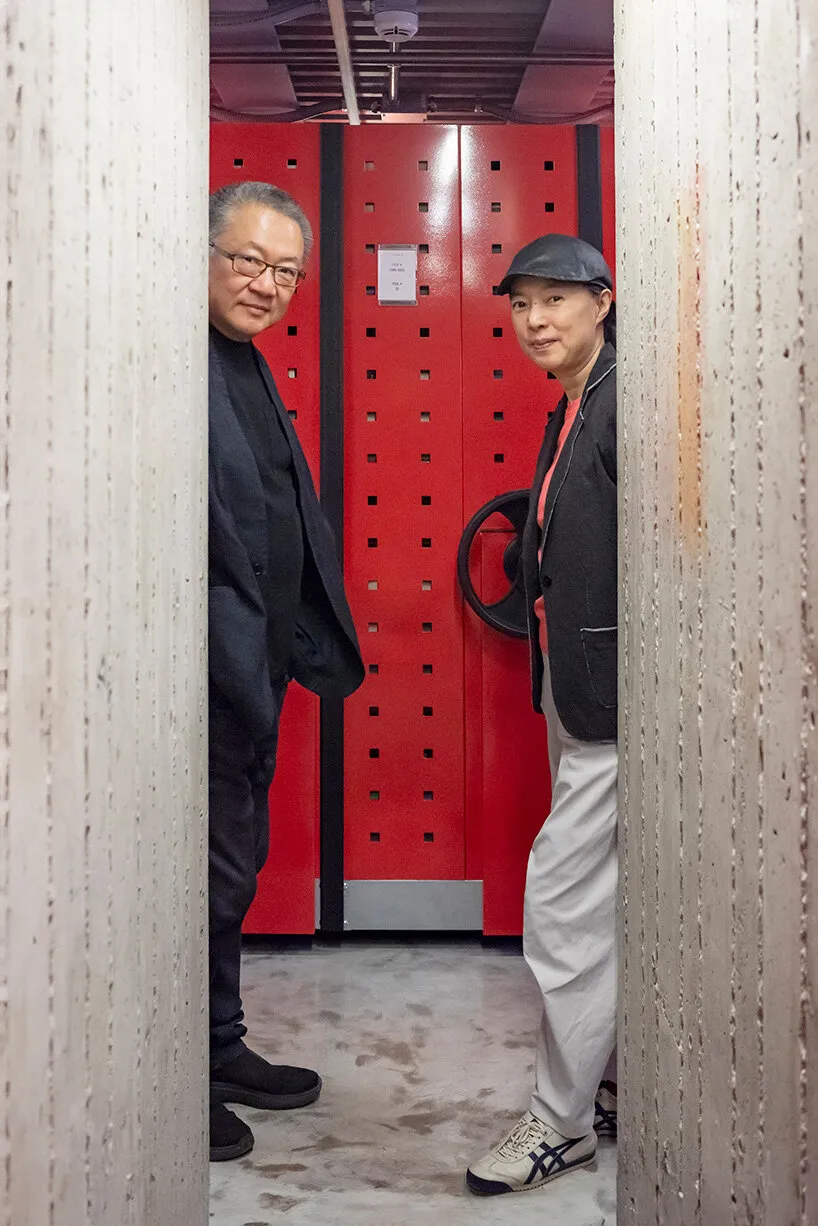

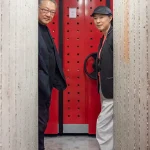
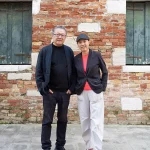
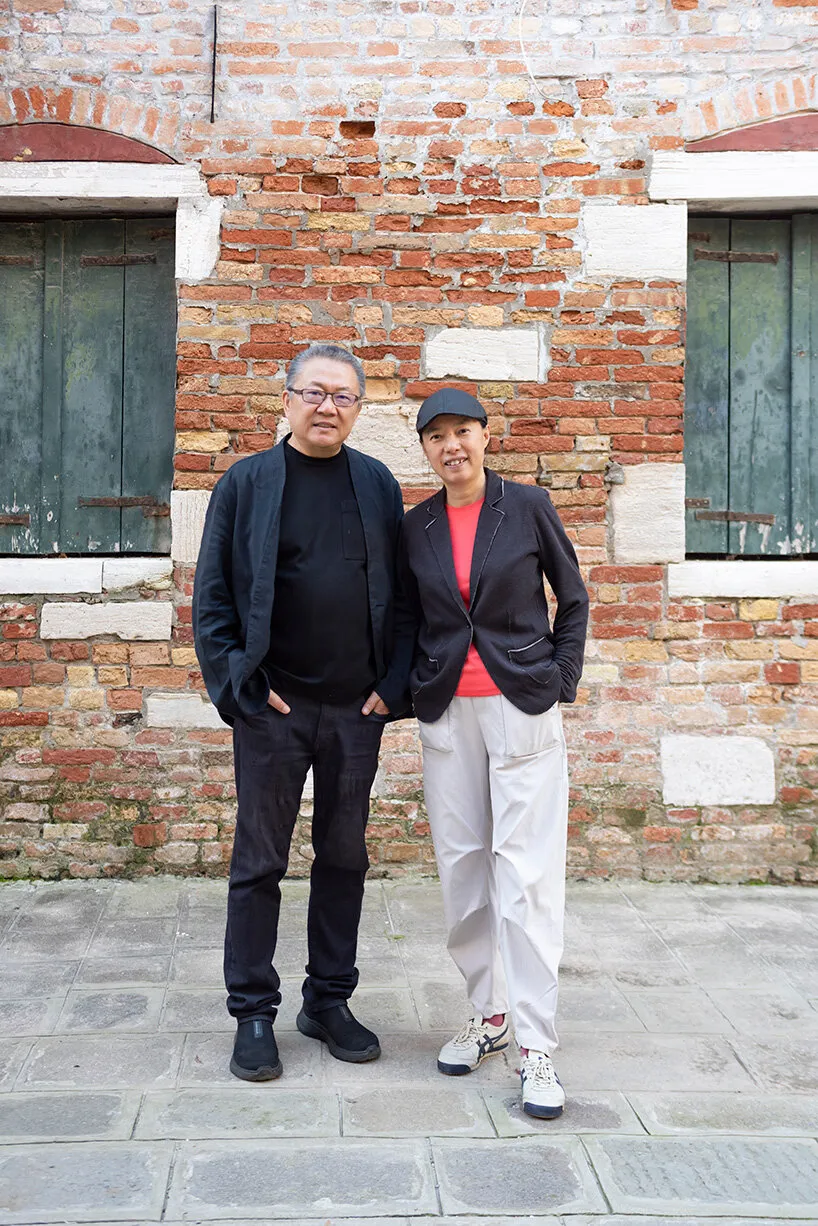
The 2027 edition of the Venice Architecture Biennale will carry a title: Do Architecture — For the Possibility of Coexistence Facing a Real Reality. Announced by curators Wang Shu and Lu Wenyu, alongside La Biennale president Pietrangelo Buttafuoco, the exhibition proposes a return to architecture as a physical practice.
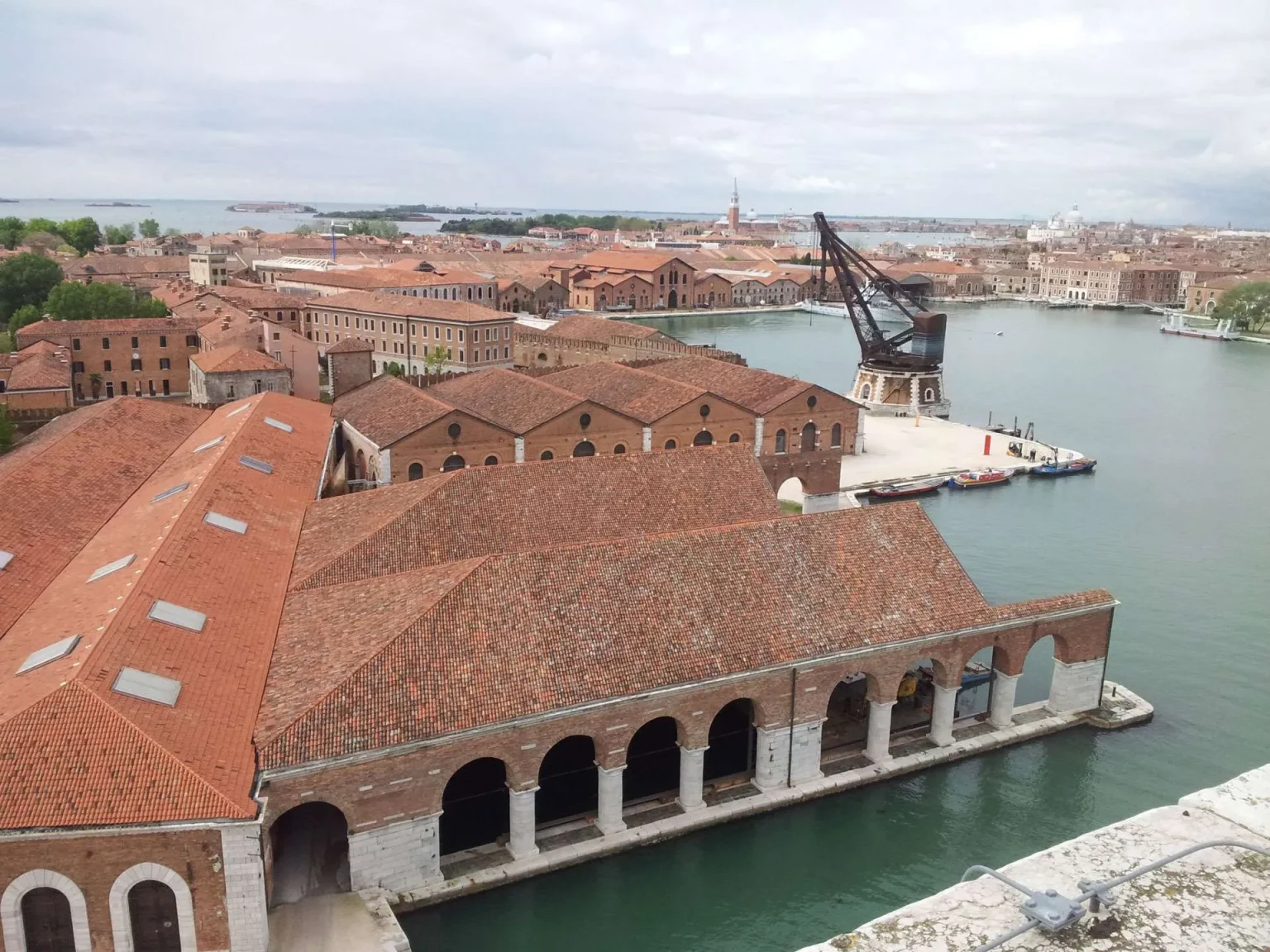
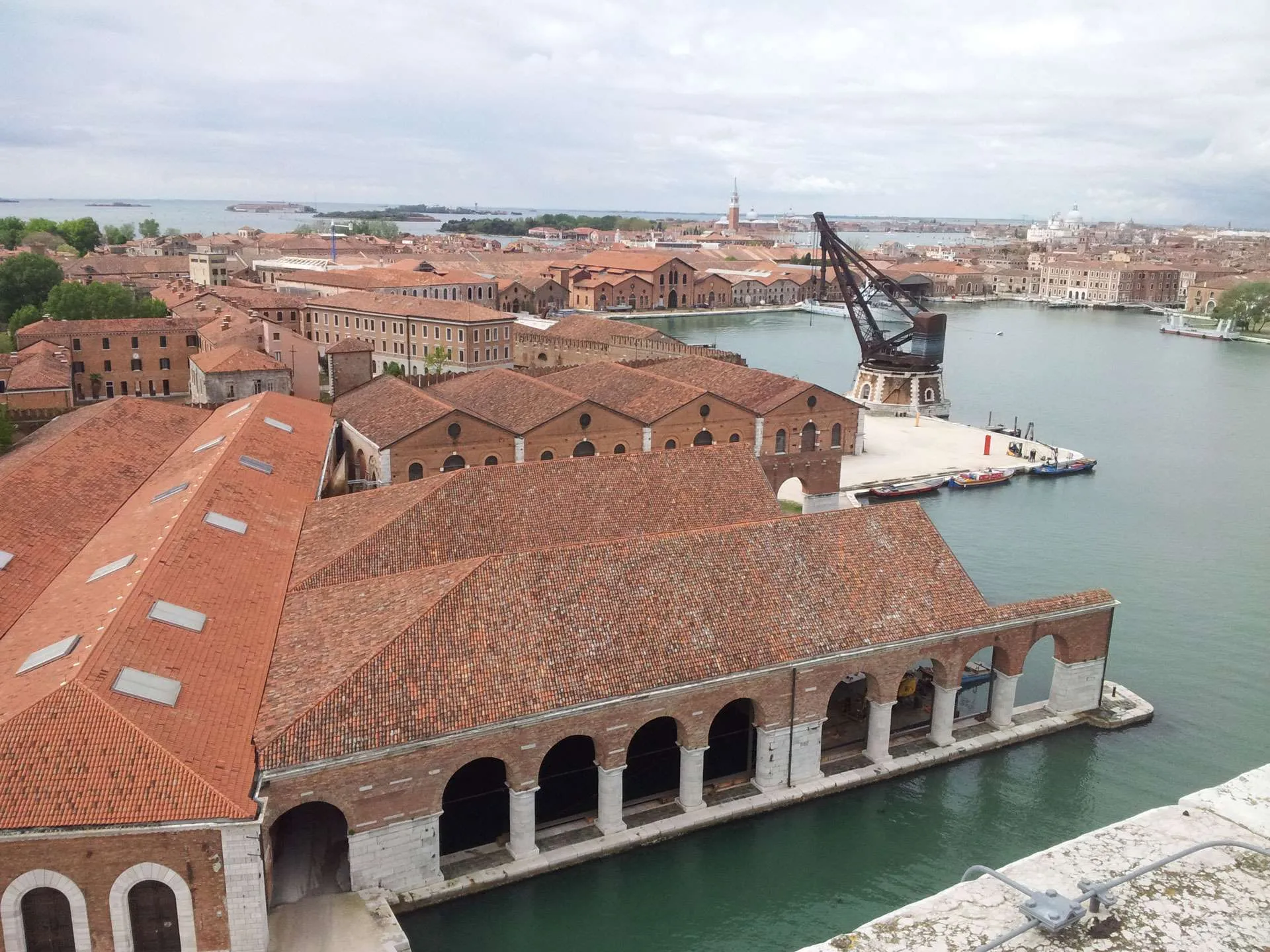
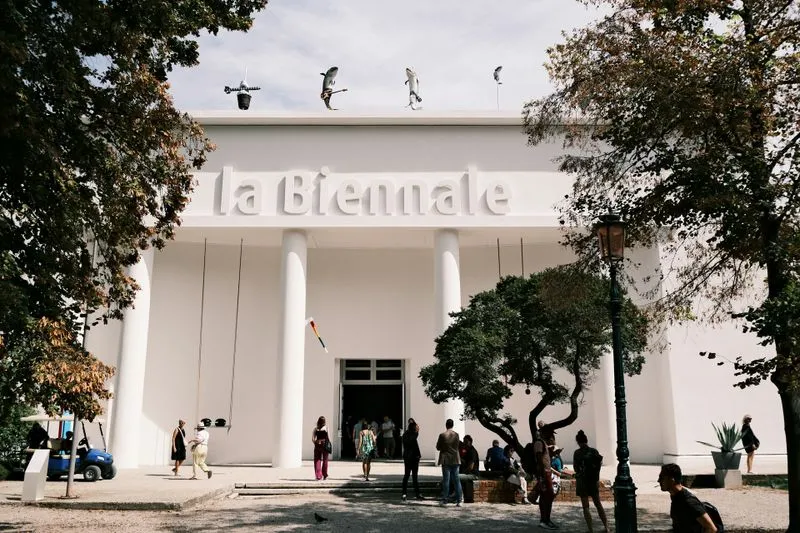
Scheduled to open from 8 May to 21 November 2027, with pre-opening days on 6 and 7 May, the 20th International Architecture Exhibition will once again unfold across the Giardini, the Arsenale, and venues throughout Venice.
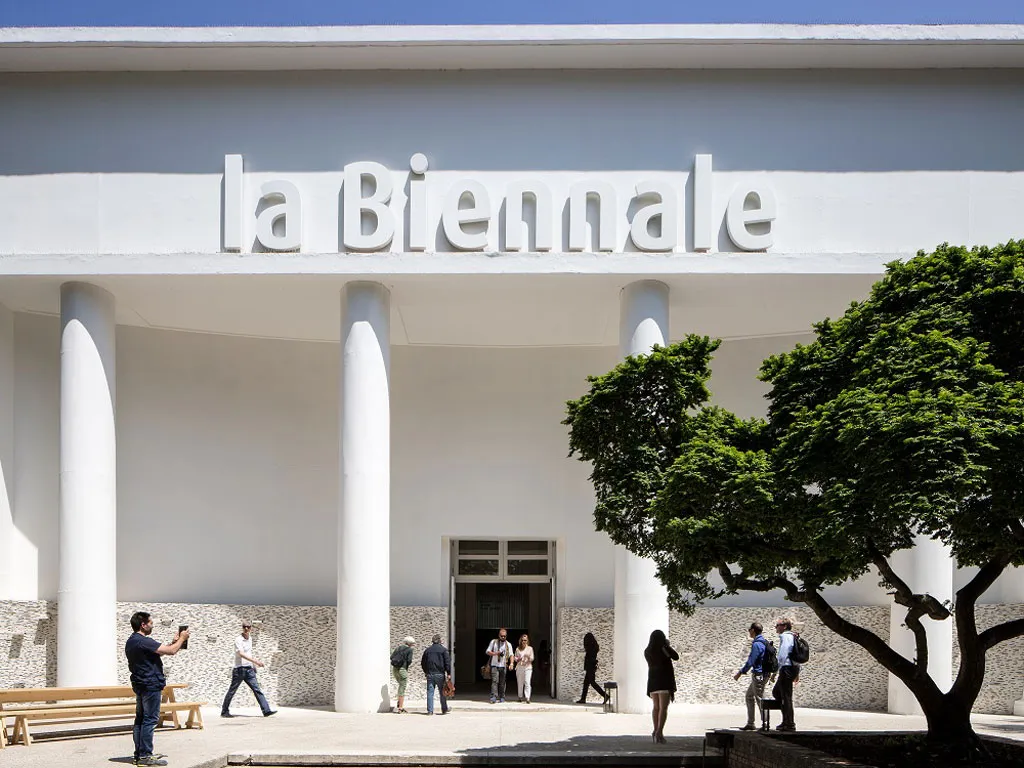
The announcement signals a notable shift in tone for the Venice Architecture Biennale. Wang and Lu are pushing for something more tactile: building grounded in materials, labor, landscape, and lived experience.
Architecture as Action
In their statement, Wang Shu and Lu Wenyu argued that architecture has become overly detached from the realities it claims to address. Their response is a theme built around action.
“Architecture is not only something to be discussed but, more importantly, something to be done first-hand,” the curators said. “The philosophy of architecture is a philosophy of how to do.”
The emphasis on “doing” is central to the exhibition’s direction. Instead of separating ecological thinking, craftsmanship, heritage, and innovation into competing camps, the curators frame architecture as a place where contradictions can coexist.
Their questions are intentionally practical. Can passive and active environmental systems work together? Can local materials stand alongside industrial construction? Can slower forms of craftsmanship survive within accelerated urban development? Can rural and urban models develop without erasing one another?
The Biennale title suggests that these tensions cannot be resolved through theory alone. They must be negotiated through the act of making buildings.
Wang Shu and Lu Wenyu’s Grounded Approach to Architecture
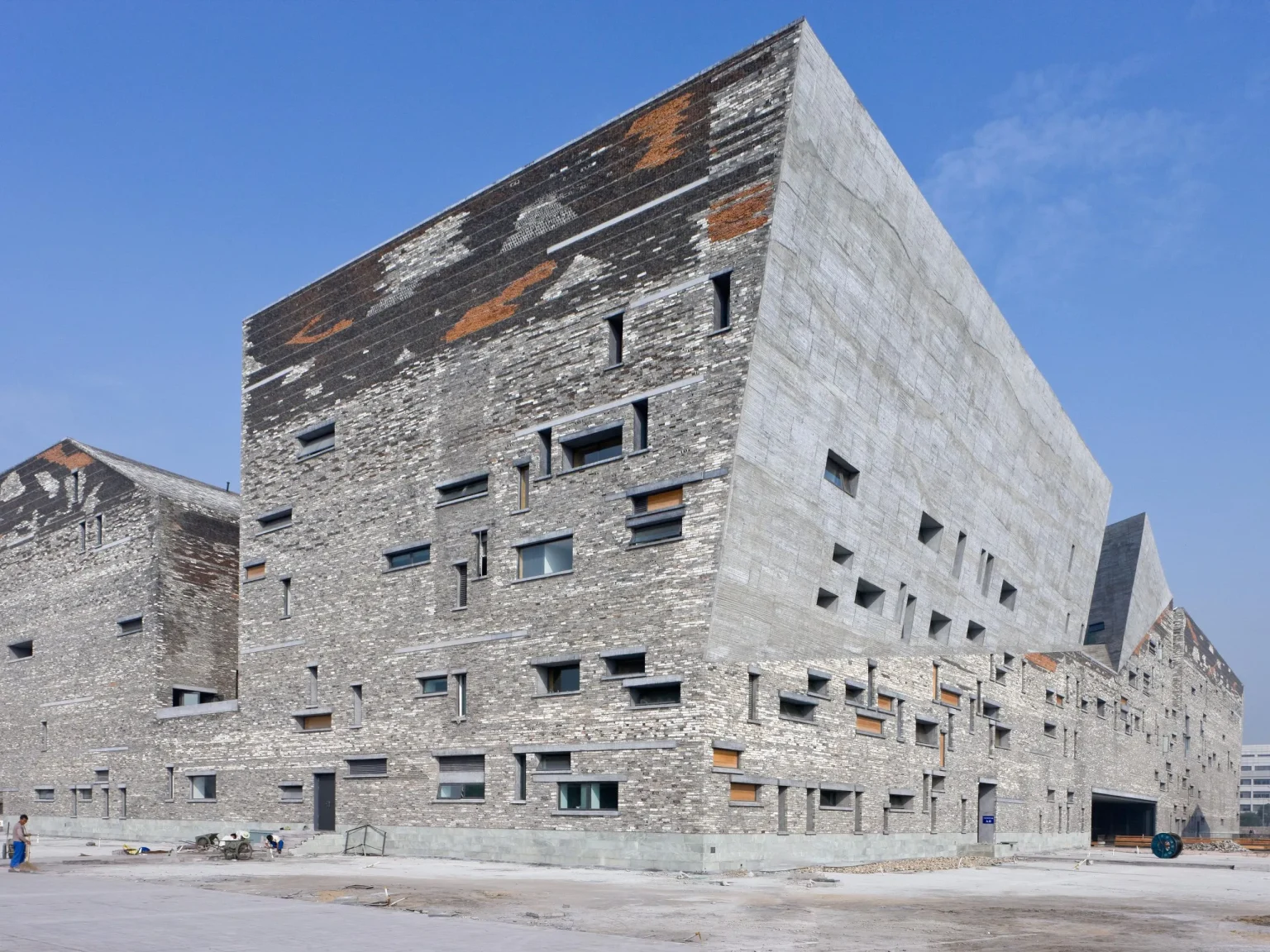
The appointment of Wang Shu and Lu Wenyu carries weight beyond the exhibition theme itself. The pair, founders of the influential Amateur Architecture Studio, have long argued for an architecture tied to local memory, recycled materials, and regional building traditions.
Wang Shu, who became the first Chinese architect to receive the Pritzker Architecture Prize in 2012, has consistently resisted the rapid homogenization of Chinese cities. Together with Lu Wenyu, his projects often combine contemporary spatial thinking with construction methods drawn from vernacular traditions.
Buttafuoco specifically cited their work on the China Academy of Art campus in Hangzhou during the announcement. He described the experience of moving through their buildings as “a formidable counter-example” to architecture driven purely by theory or image production.
For Buttafuoco, the curators’ approach represents a cultural position as much as an architectural one. In his remarks, he praised their resistance to spectacle and “global standardization,” pointing instead to architecture that evolves through reuse, slowness, and direct engagement with place.
Why the 2027 Venice Architecture Biennale Focuses on Climate, Culture, and Coexistence
The 2027 Venice Architecture Biennale arrives at a moment when architecture is under pressure to redefine its purpose. Climate collapse, resource extraction, housing crises, and rapid urbanization have exposed the limits of development models driven by speed and expansion.
Against that backdrop, “Do Architecture” reads less like a slogan and more like a challenge to the profession.
The curators are not rejecting technology outright. Instead, they are questioning whether technological progress alone can address environmental and social breakdown without reconnecting architecture to material reality.
Their framing also pushes back against the increasingly digital nature of architectural production. At a time when architectural imagery often circulates faster than buildings themselves, the Biennale appears set to foreground labor, construction, maintenance, and the physical experience of space.
The phrase “facing a real reality” translates to architecture must confront conditions as they are, not as rendered visions imagine them to be.
Venice Reflects the Themes of “Do Architecture”
The Venice Architecture Biennale has historically reflected broader cultural and political anxieties, and the 2027 edition is likely to continue that tradition through a quieter, more grounded lens.
National pavilions will return to the Giardini and Arsenale, accompanied by exhibitions staged across Venice’s historic fabric. Within that setting, the curators’ emphasis on coexistence feels especially resonant.
Venice itself remains a city suspended between preservation and survival, tourism and habitation, fragility and endurance. It is perhaps the ideal backdrop for a Biennale centered on balancing oppositions rather than erasing them.
What emerges from Wang Shu’s and Lu Wenyu’s announcement is not a call for nostalgia nor a rejection of modernity. Instead, it is a demand for architecture to recover its physical and ethical responsibilities.
In a period dominated by speed, simulation, and extraction, the curators are proposing something slower and more difficult: an architecture that touches the ground again.
Credit: La Biennale di Venezia