

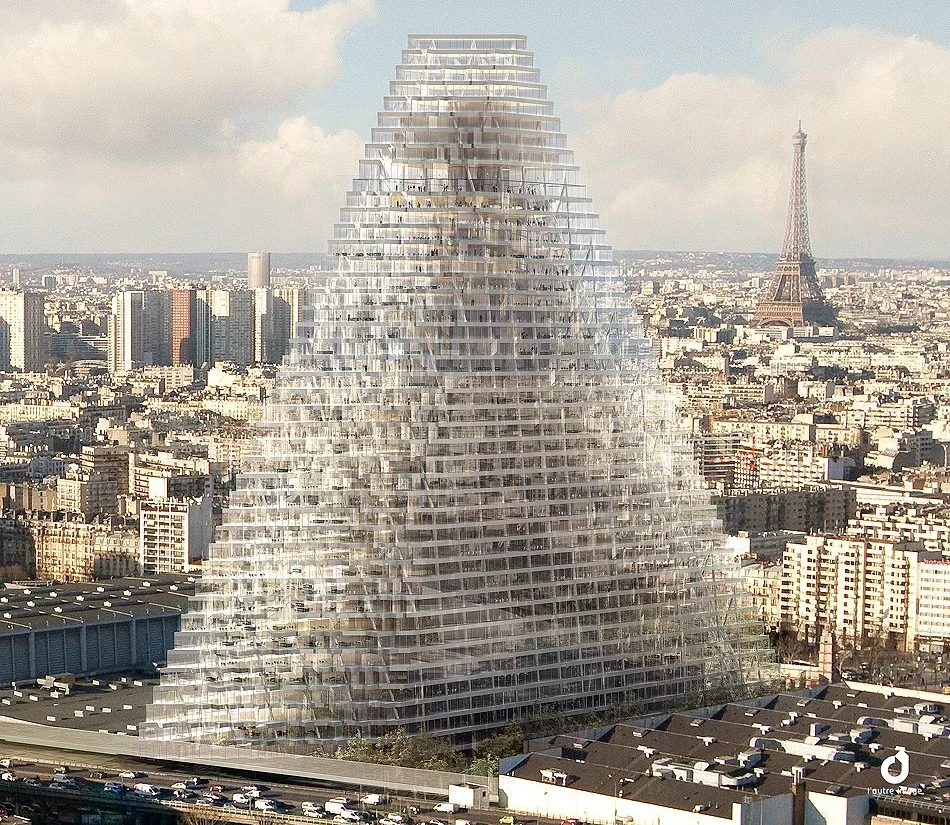
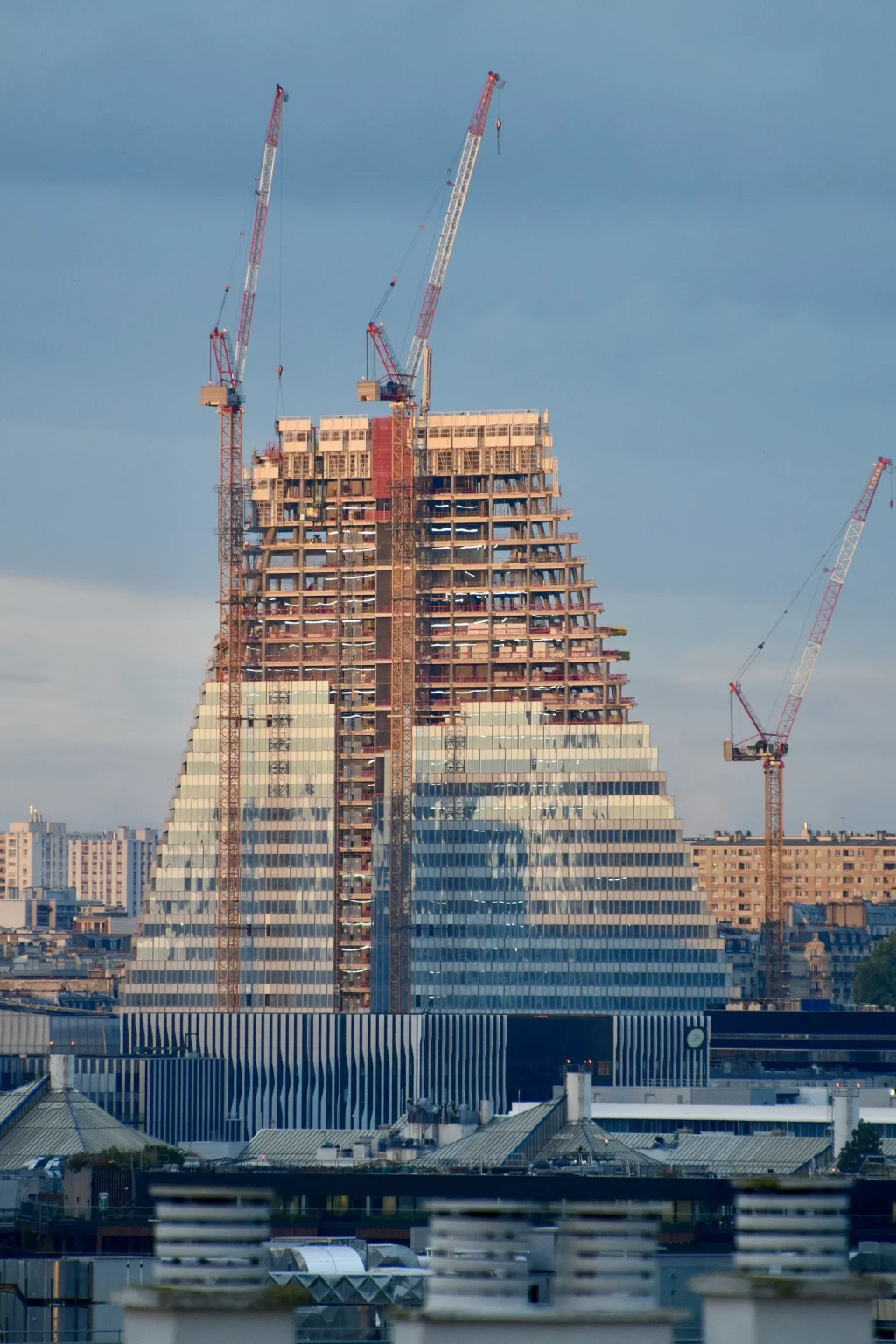
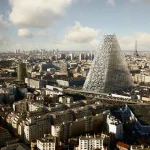
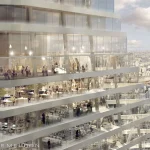
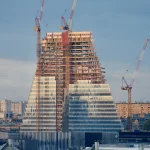
Paris is preparing to reshape its skyline with the completion of the long-awaited Tour Triangle, a striking glass skyscraper designed by Swiss architects Herzog & de Meuron. After years of political battles, legal challenges, and public controversy, the 180-meter tower has officially topped out, marking one of the most significant construction milestones in the French capital in decades.
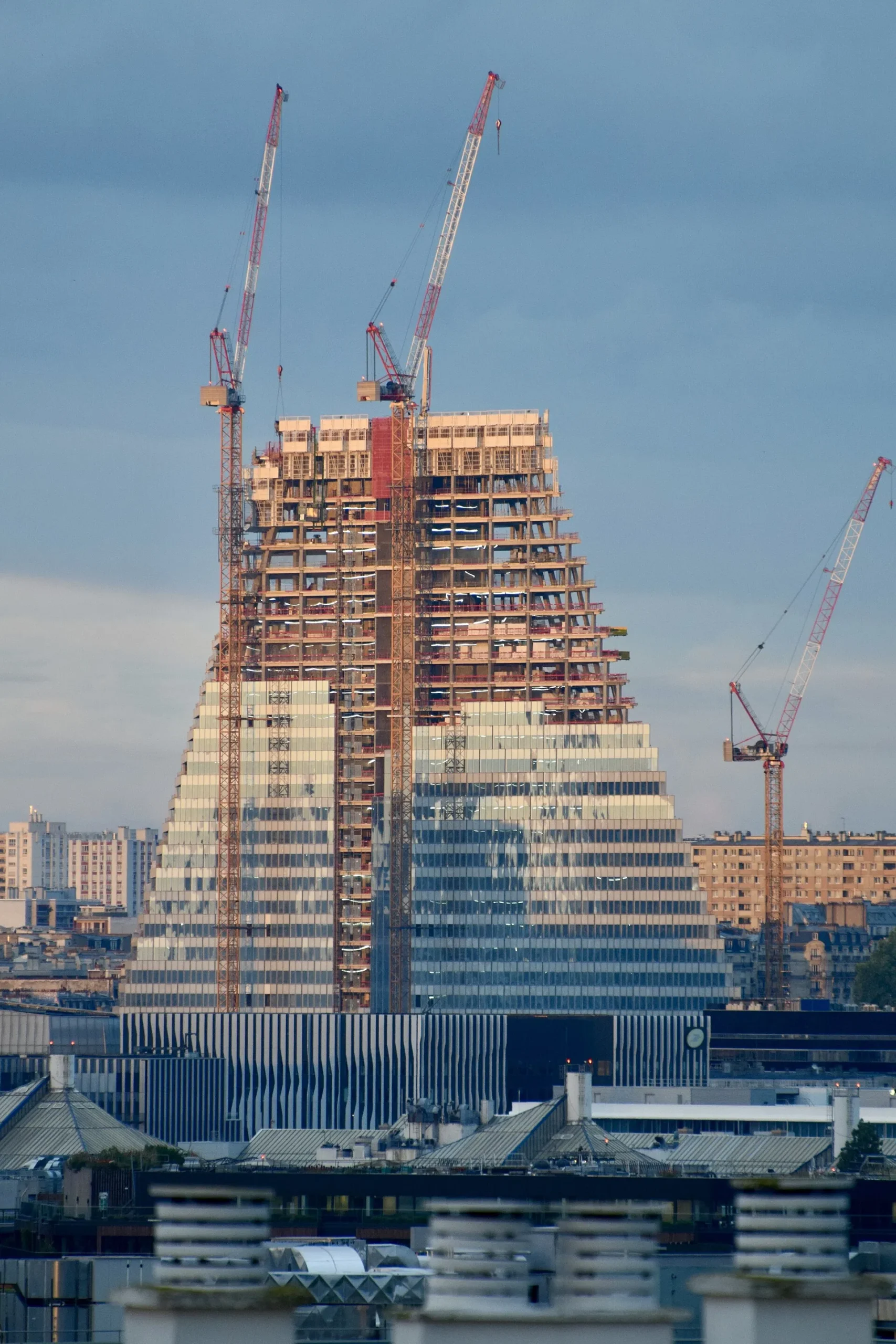
Located at Porte de Versailles in the city’s 15th arrondissement, the 42-story mixed-use tower is the first major skyscraper to rise within central Paris since the completion of the Montparnasse Tower in 1973. The project has become a symbol of the growing tension between preserving Paris’s historic low-rise identity and embracing modern urban development.
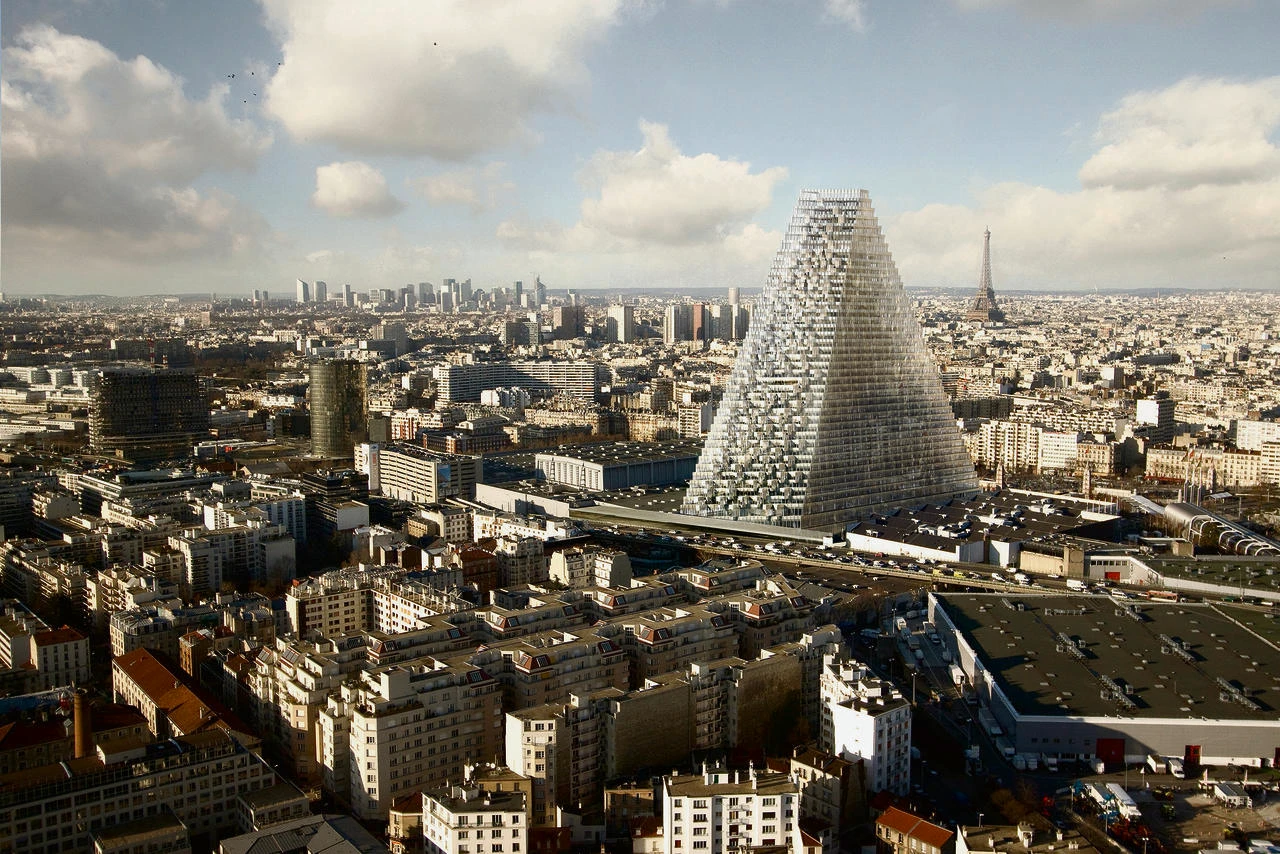
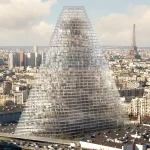
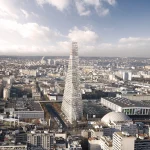
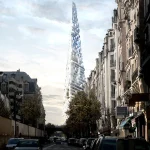
The tower’s unusual triangular form has made it one of the most recognizable architectural projects currently under construction in Europe. Depending on the viewing angle, the structure appears either as a thin glass blade or as a massive pyramid rising above the Paris skyline. Architects Herzog & de Meuron designed the building to reduce visual bulk while maximizing natural light and energy efficiency.
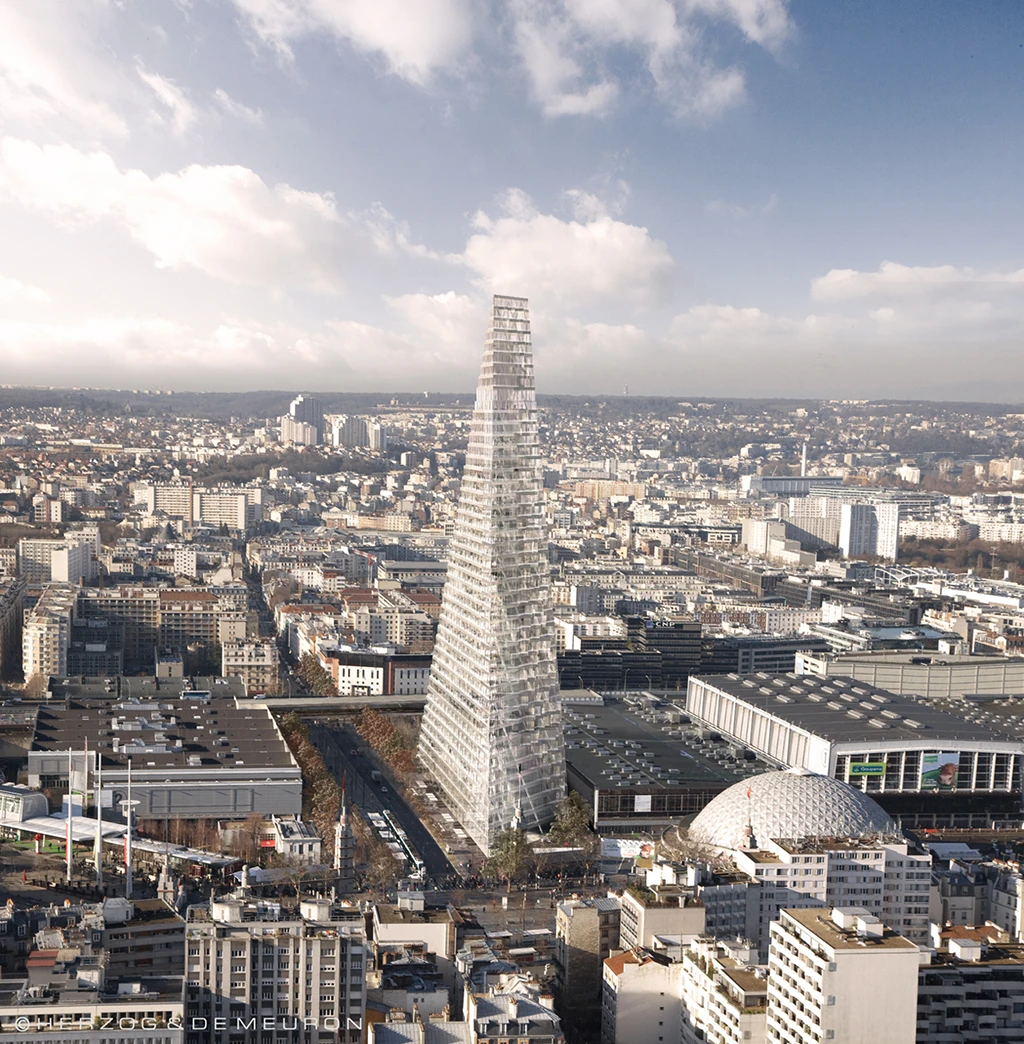
Construction of the Tour Triangle has been a turbulent process since the proposal was first introduced in 2008. Paris city councilors initially rejected the project in 2014 amid concerns over its height and impact on the city’s historic landscape. The plan was later approved in 2015, survived multiple court challenges, and finally entered full construction in 2022.
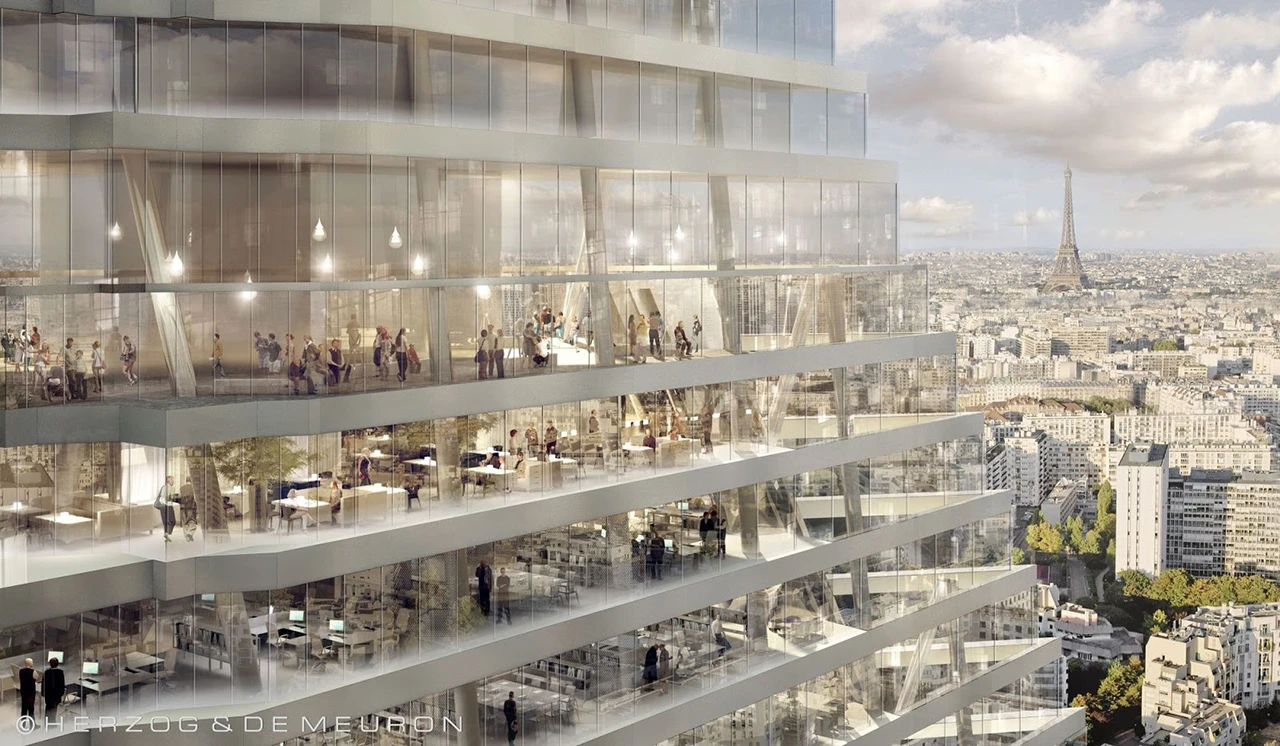
The skyscraper is expected to open by the end of 2026 and will include office spaces, a hotel, conference facilities, shops, restaurants, observation decks, and public cultural areas. Reports also suggest that an immersive panoramic attraction inspired by New York’s Summit One Vanderbilt could occupy the upper floors, offering sweeping views across Paris.
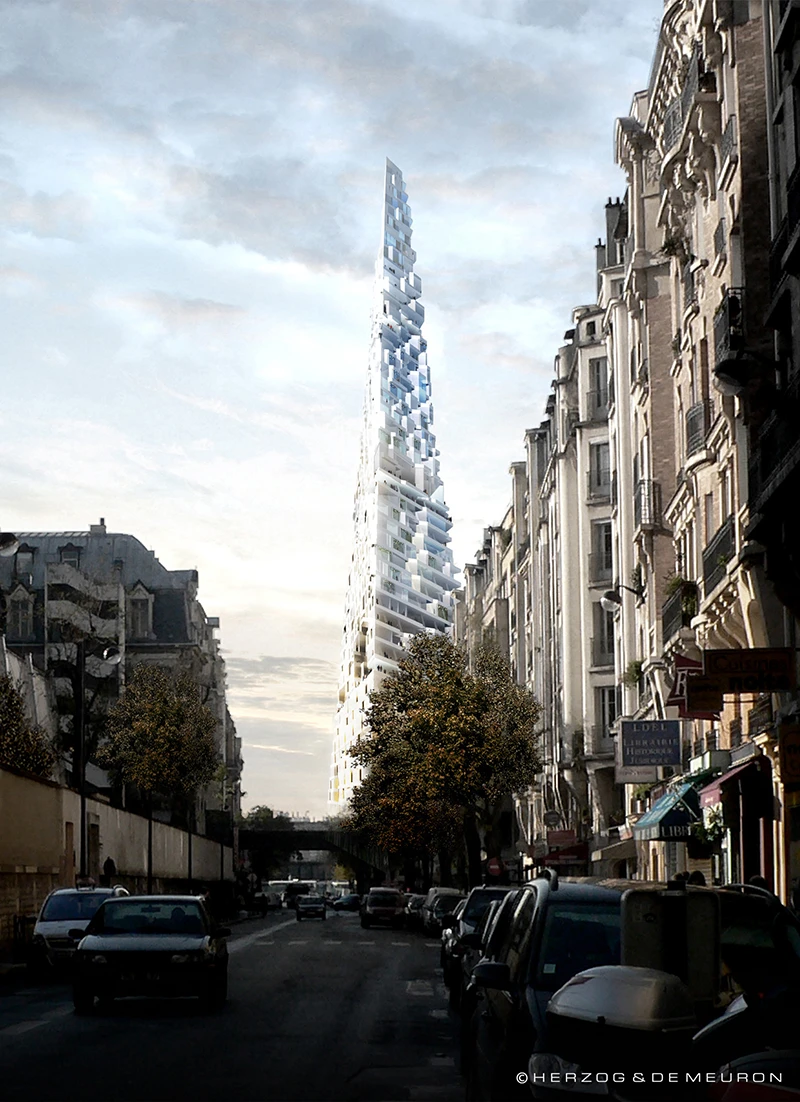
At 180 meters tall, Tour Triangle will become one of the tallest buildings in Paris, behind only the Eiffel Tower and the Montparnasse Tower. Developers say the project is designed with sustainability in mind, targeting major environmental certifications through energy-efficient systems, extensive glass façades for daylight optimization, geothermal technology, and reduced carbon emissions.
Supporters believe the tower signals a modern evolution for Paris and could help transform the Porte de Versailles district into a new business and cultural hub. Critics, however, continue to argue that the skyscraper disrupts the city’s traditional architectural character and risks opening the door to more high-rise development in central Paris.
Despite the debate, the topping-out ceremony confirms that Tour Triangle is no longer just a controversial proposal or futuristic rendering. After nearly two decades of planning and opposition, the glass pyramid is now a permanent addition to the Paris skyline.
Image Credit: Herzog & de Meuron