

The 2026 edition of the Tallinn Architecture Biennale places affordability, resource management, and long-term value at the center of architectural discussion. Organized by the Estonian Centre for Architecture, the biennale selected “How Much?” as the winning curatorial proposal for TAB 2026, curated by Stuudio TÄNA together with Mark Aleksander Fischer and Mira Samonig. The proposal examines how architecture can respond to economic, environmental, and social limitations without reducing quality or cultural value.
The biennale will take place in Tallinn from 9 September to 30 November 2026 and will include exhibitions, symposiums, installation programs, satellite events, and vision competitions. According to the organizers, the curatorial framework asks a direct but layered question: How much should architecture cost socially, environmentally, and economically over time?
The Winning Proposal: “How Much?”
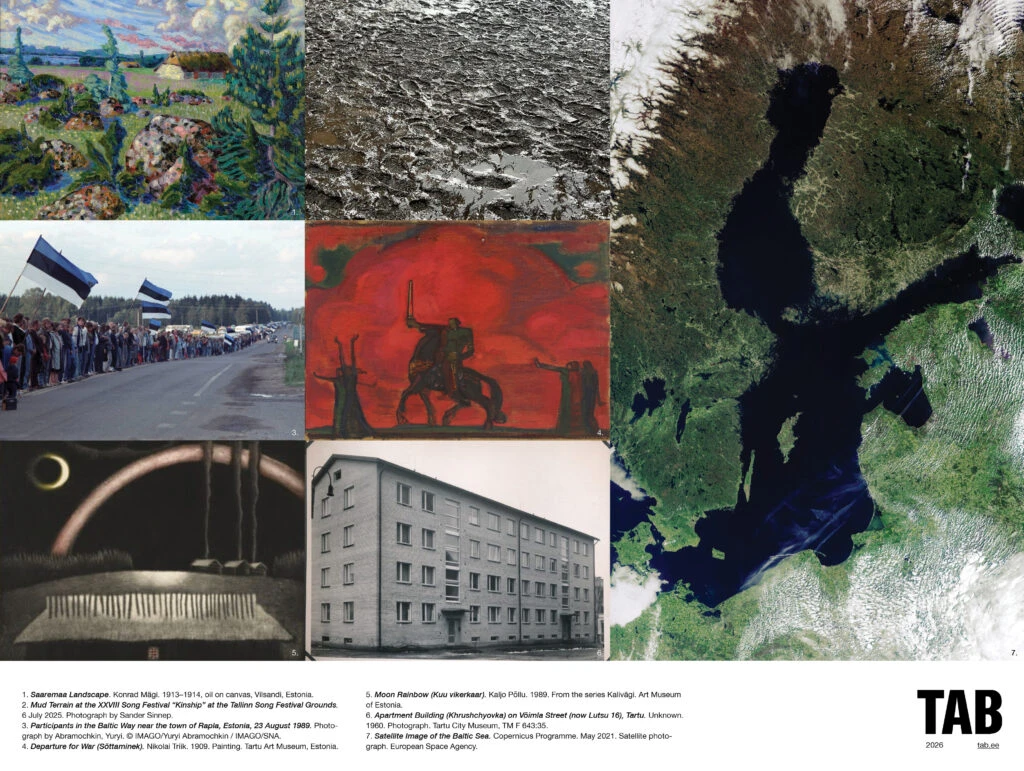
The winning TAB 2026 proposal, “How Much?”, focuses on the paradox of cheapness in architecture. Instead of treating affordability as simply reducing construction costs, the project investigates the hidden costs that accrue over decades, including environmental damage, poor spatial planning, and socially ineffective design.
The curatorial team argues that architecture should not only be inexpensive at the moment of construction but should also remain adaptable, durable, and socially valuable throughout its lifespan. Their approach examines themes such as the following:
- shared investment
- compact spatial organization
- adaptability and reuse
- longevity of buildings
- efficient use of materials
- systematic repetition and simplicity
These themes are intended to frame affordability as a design intelligence.
According to the TAB 2026 jury, the proposal stood out because it addressed austerity and scarcity not as problems to hide, but as realities that architecture must critically engage with. The jury also highlighted the project’s relevance beyond Estonia, especially at a time when many European countries are dealing with financial pressure, housing challenges, and debates about sustainable development.
Who Are the Winners?
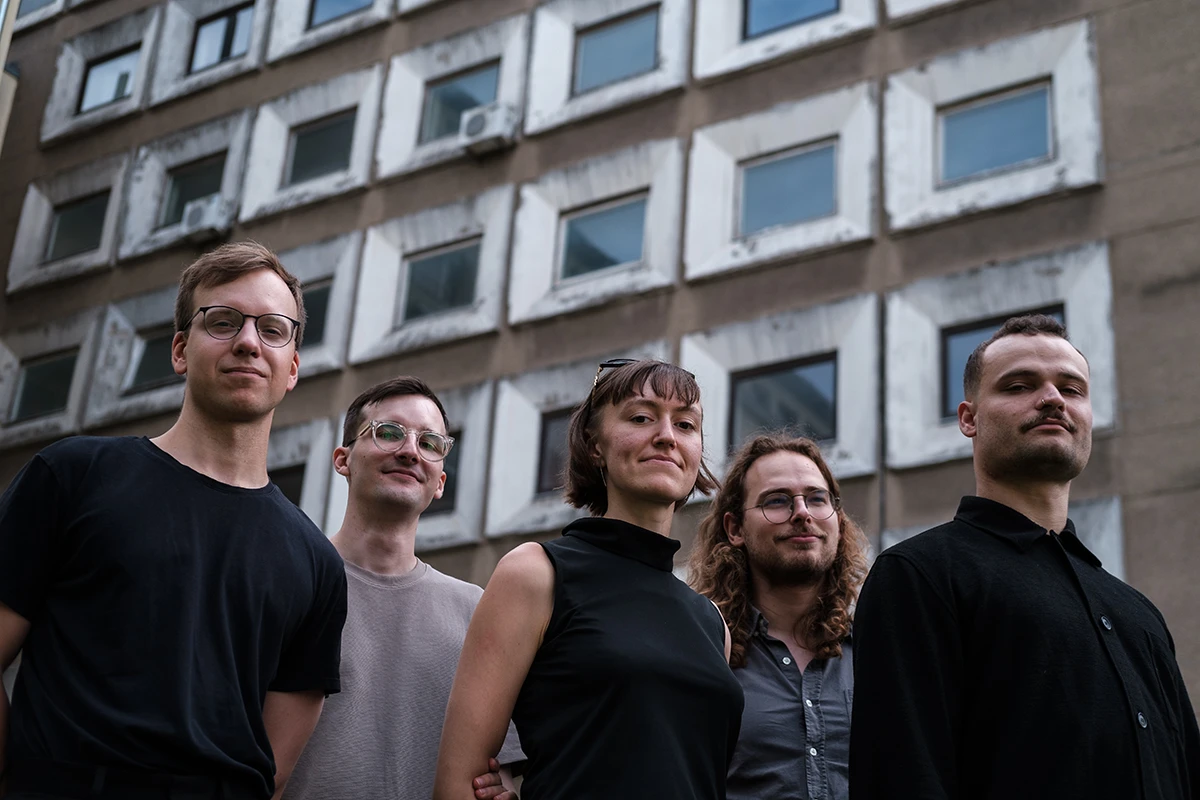
The winning team combines young Estonian architectural practitioners with international collaborators. Stuudio TÄNA is an Estonian collective founded in 2022 by Tristan Krevald, Kertu Johanna Jõeste, Ra Martin Puhkan, and Siim Tanel Tõnisson. Their work often focuses on everyday urban life, adaptive reuse, housing affordability, and the renovation of Soviet-era buildings.
Their methodology combines spatial research, fieldwork, stakeholder engagement, and post-occupancy analysis. The studio has become recognized for addressing architecture through practical and socially grounded strategies rather than formal spectacle.
The curatorial team also includes Mark Aleksander Fischer and Austrian collaborator Mira Samonig, expanding the biennale’s international perspective on affordability and spatial culture.
Second and Third Place Projects
The TAB 2026 curatorial competition also recognized two additional proposals that explored architecture through environmental and material perspectives.
“Atmospheric Biennale” — Second Place
The second-place proposal, “Atmospheric Biennale,” approached air as both an ecological and political architectural element. Developed by an international team including Rael Artel, Mascha Fehse, Daniel Kötter, and Anna Ptak, the project examined how buildings regulate temperature, moisture, sound, and environmental conditions.
The proposal connected the main exhibition venue with several Estonian locations, including Lasnamäe, Sillamäe, Narva-Jõesuu, and Pärnu. Through video walks and environmental installations, the project explored how architecture shapes invisible atmospheric conditions and how these conditions influence public life and health.
“Estonian Ex.Change” — Third Place
The third-place project, “Estonian Ex.Change,” focused on the circulation of materials, knowledge, and construction traditions. The proposal treated forests, timber, clay, Soviet housing systems, and local building methods as cultural infrastructures rather than static resources.
The curators proposed collaborations between Estonian and international architects to investigate how local construction knowledge could evolve through exchange and reinterpretation. The exhibition concept aimed to reveal the negotiations and frictions at play in architectural production.
The Significance of Tallinn Architecture Biennale (TAB) 2026
Since its founding in 2011, the Tallinn Architecture Biennale has become one of Northern Europe’s most significant architecture festivals. Each edition explores broader cultural and environmental questions through architecture, urbanism, exhibitions, and experimental installations.
TAB 2026 continues this direction by asking architects to reconsider the relationship between value and price in the built environment. The biennale encourages a discussion about restraint, maintenance, adaptability, and social usefulness.
The theme arrives at a moment when cities across Europe are confronting housing shortages, inflation, ecological pressure, and growing debates around sustainable urban development. Through “How Much?,” the curators position architecture as a field that must negotiate limited resources while still producing meaningful and lasting spaces.
Installation and Vision Competitions
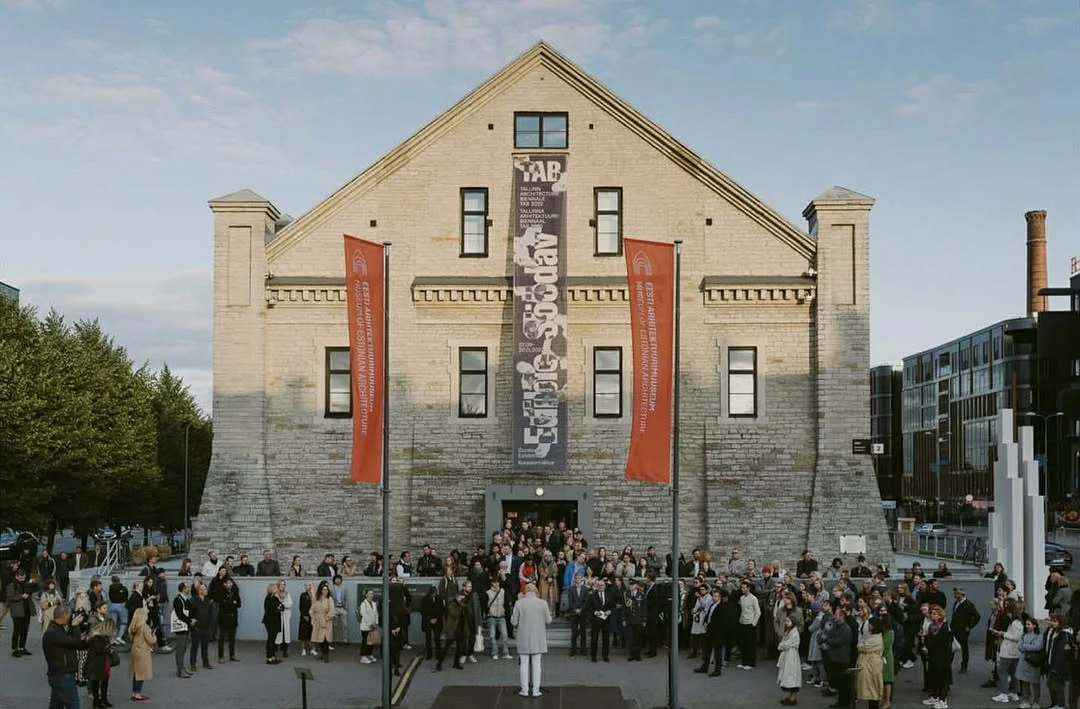
TAB 2026 has also launched related competitions connected to the biennale theme. The installation program competition, titled “Budget Bougie,” invites architects to rethink luxury through limited means by designing a temporary pavilion for the public space outside the Estonian Museum of Architecture in Tallinn’s Rotermann district.
Alongside this, the vision competition “From Void to Value” explores how neglected or underused urban spaces can gain new social and architectural meaning. Both competitions extend the central TAB 2026 question of how architecture can generate value without relying on excess consumption or spectacle.
Image Credit: @tallinnarchitecturebiennale