

Malaysia’s evolving architectural landscape explores coastal regeneration, vertical cities, and material innovation, where Malaysian architecture blends ecology, identity, and technology. Malaysia’s contemporary architecture is shaped by the overlap of city and coastline, tradition and technology, monument and infrastructure, all existing in a continuous state of negotiation.
Therefore, what emerges is not a fixed style but a design culture built on hybridity, where meaning is generated through connection. Across different building types and scales, a clear architectural tendency emerges: Malaysia is using design to reconnect fragmented urban, cultural, and environmental systems into unified spatial narratives.
Malaysian Architecture is Reclaiming the Waterfront as Civic Infrastructure
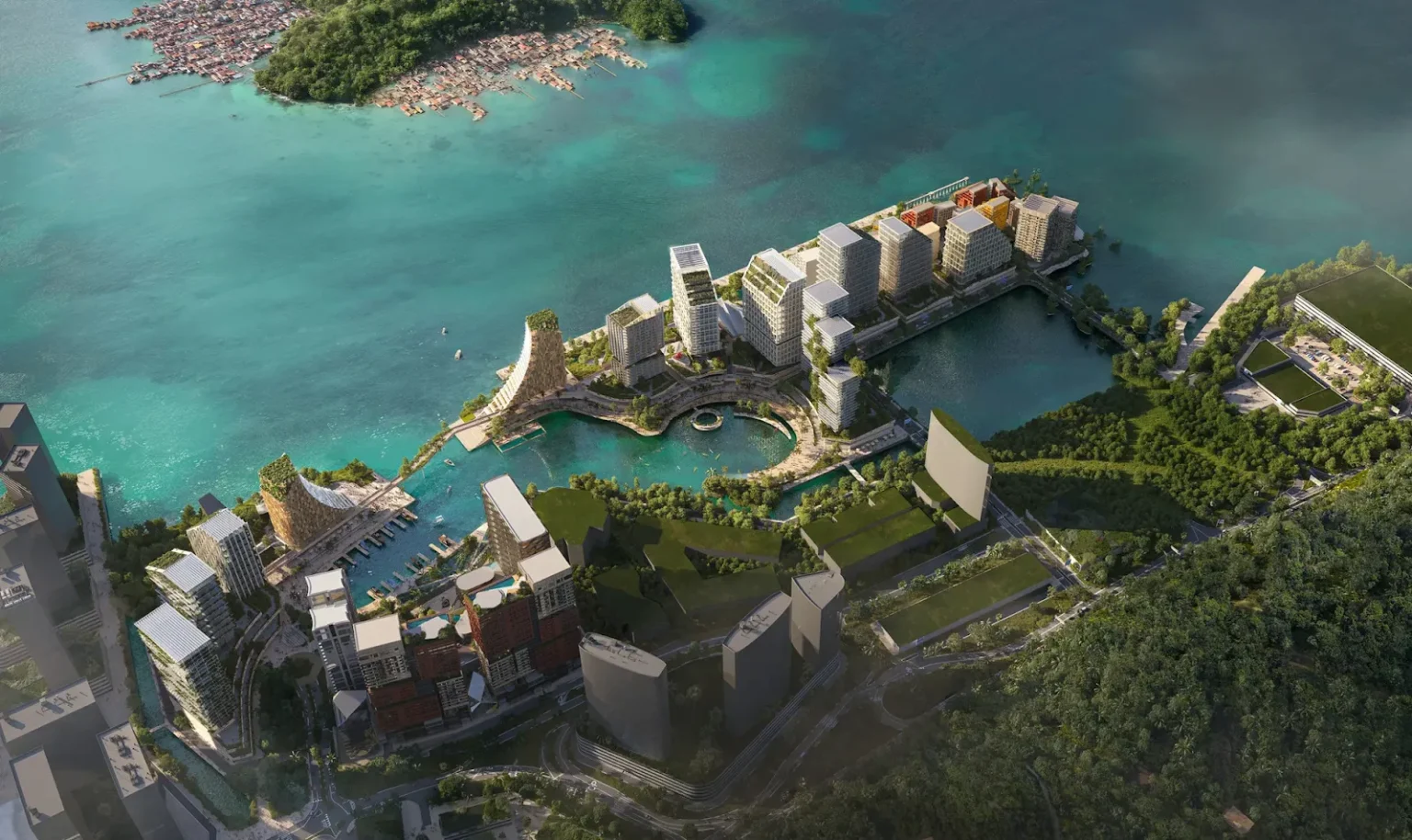
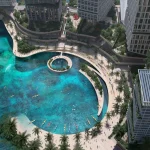
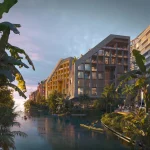
Snøhetta’s Jesselton Docklands masterplan repositions Kota Kinabalu’s waterfront as a living urban edge. Instead of treating the sea as a boundary, the project transforms it into an active civic surface where mobility, leisure, commerce, and ecology intersect.
The masterplan by Snøhetta is driven by the idea of porous connectivity, where public spaces flow toward the water, transport systems are integrated with pedestrian networks, and cultural programs are embedded within the shoreline experience. The port is not limited to trade but becomes a threshold of arrival and interaction.
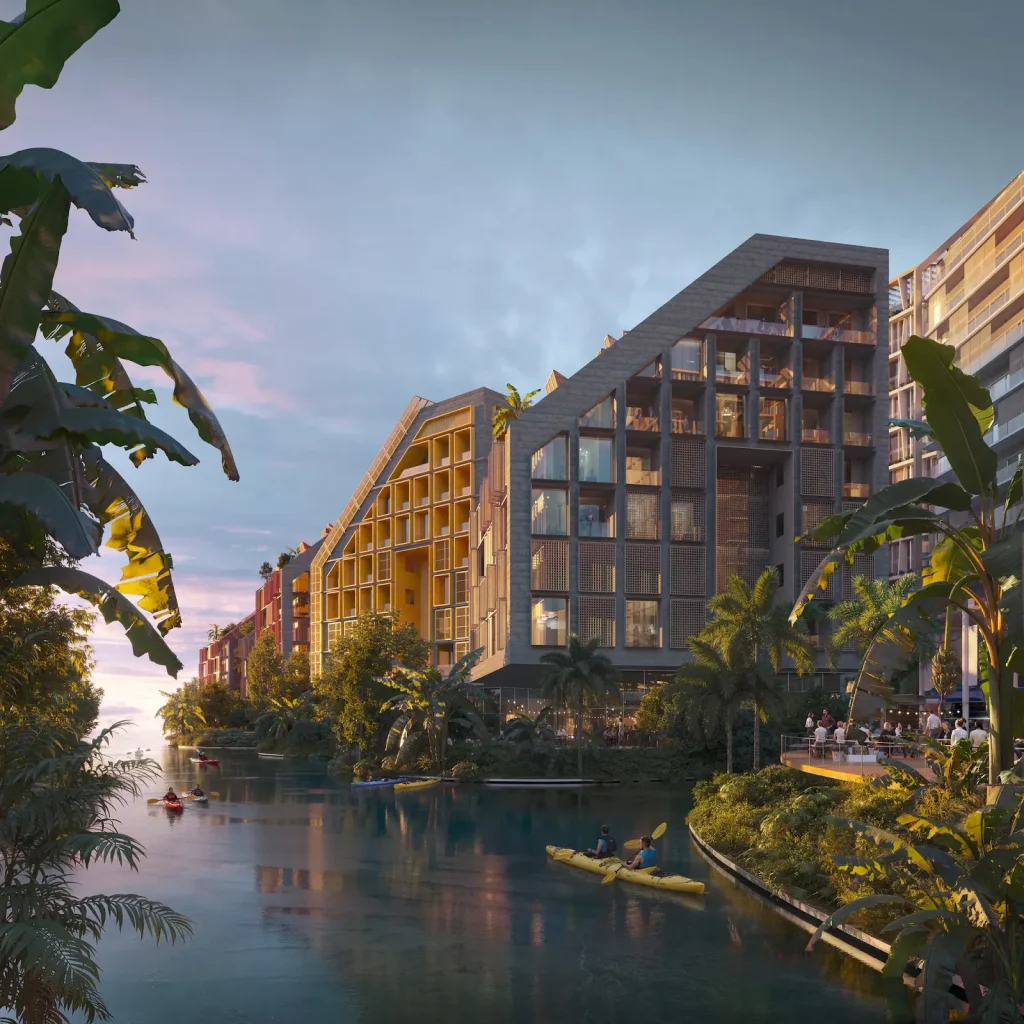
This reflects a wider Malaysian tendency in coastal cities: the waterfront is being reactivated as public infrastructure, not just redeveloped as real estate. Architecture here becomes a mediator between land and maritime systems, dissolving the traditional separation between city life and natural edge conditions.
Megastructure as Identity and Urban System
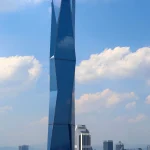
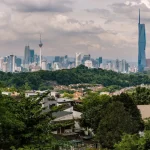
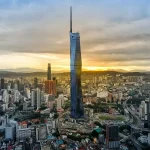
In Kuala Lumpur, Merdeka 118 rises as an architectural object and national statement, as the skyscraper is a layered urban system that integrates transit, commercial space, and the public realm into a single vertical framework.
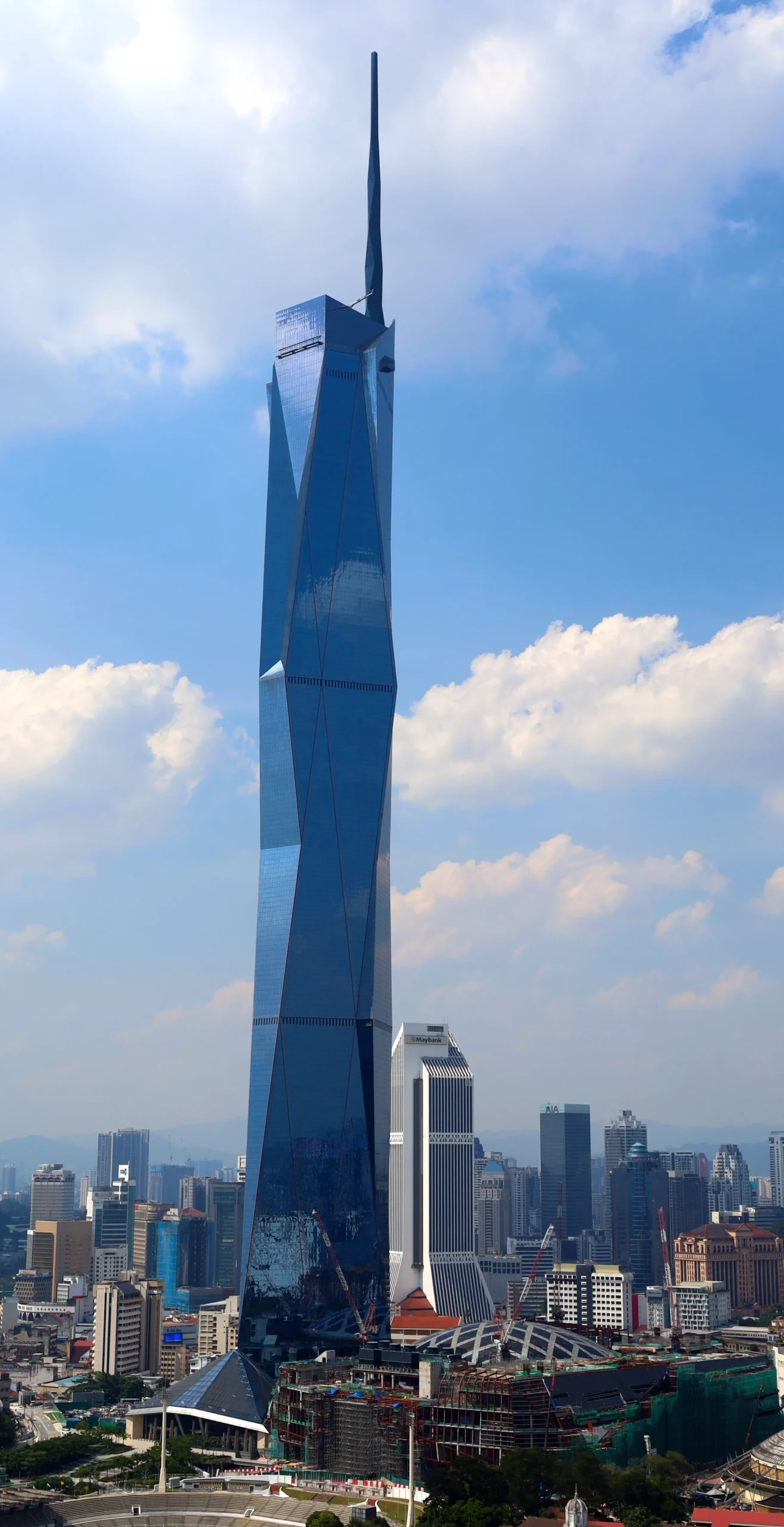
Merdeka 118 © Ahmad Ali Karim
Its faceted form is often read as symbolic, evoking cultural patterns and gestures of independence—but its deeper significance lies in its integration of infrastructure and narrative. The tower is embedded within a larger precinct strategy, where movement, occupation, and visibility are carefully orchestrated across multiple levels.
This signals an important shift in Malaysian high-rise development: the skyscraper is no longer an isolated icon, becoming a vertical extension of the city itself, organizing urban life while simultaneously projecting identity. Architecture here operates at two speeds, and that is global ambition in form and local specificity in meaning.
Climate-Driven Sacred Architecture
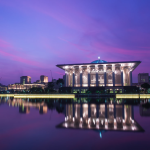
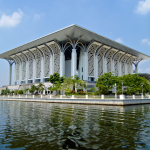
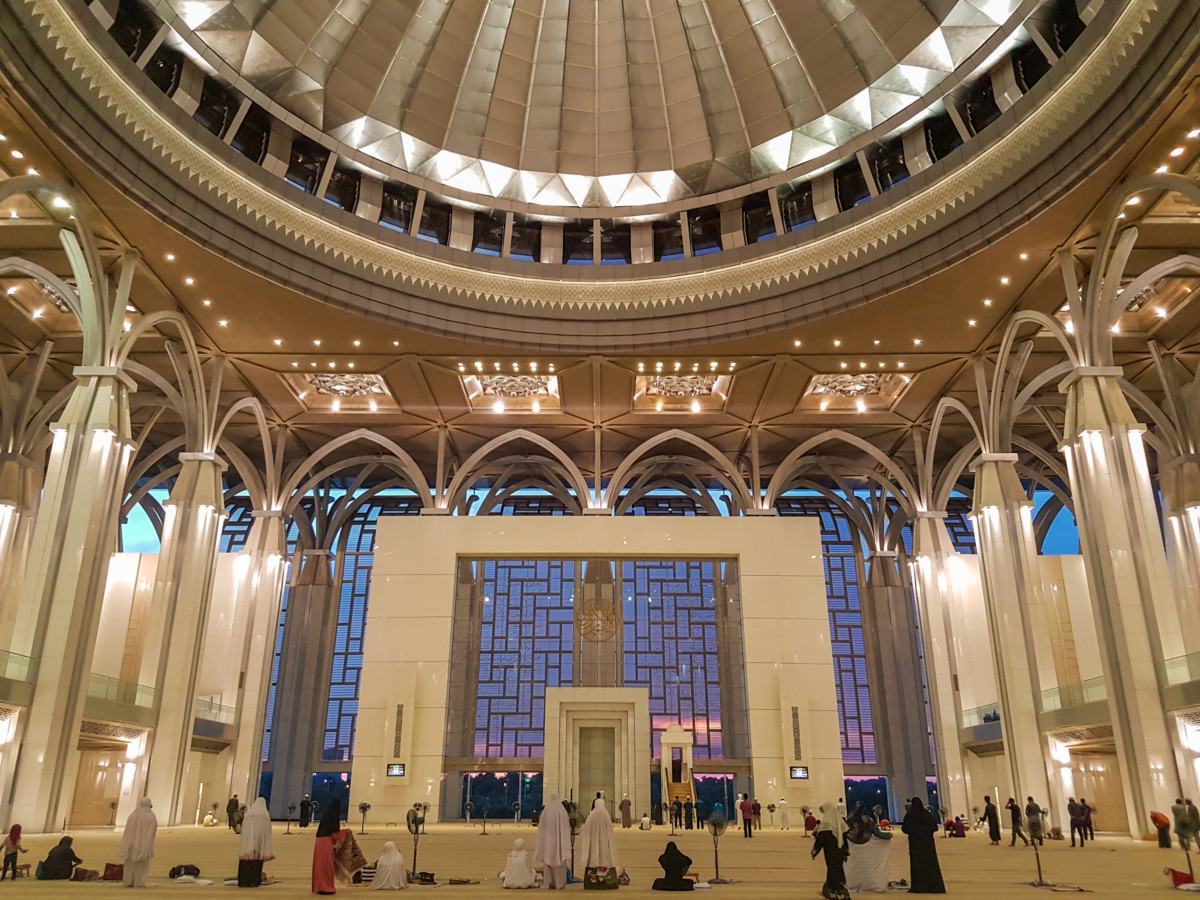
The Masjid Tuanku Mizan Zainal Abidin, often referred to as the “Iron Mosque,” represents a different but equally important direction in Malaysian architecture, where spirituality and environmental performance converge.
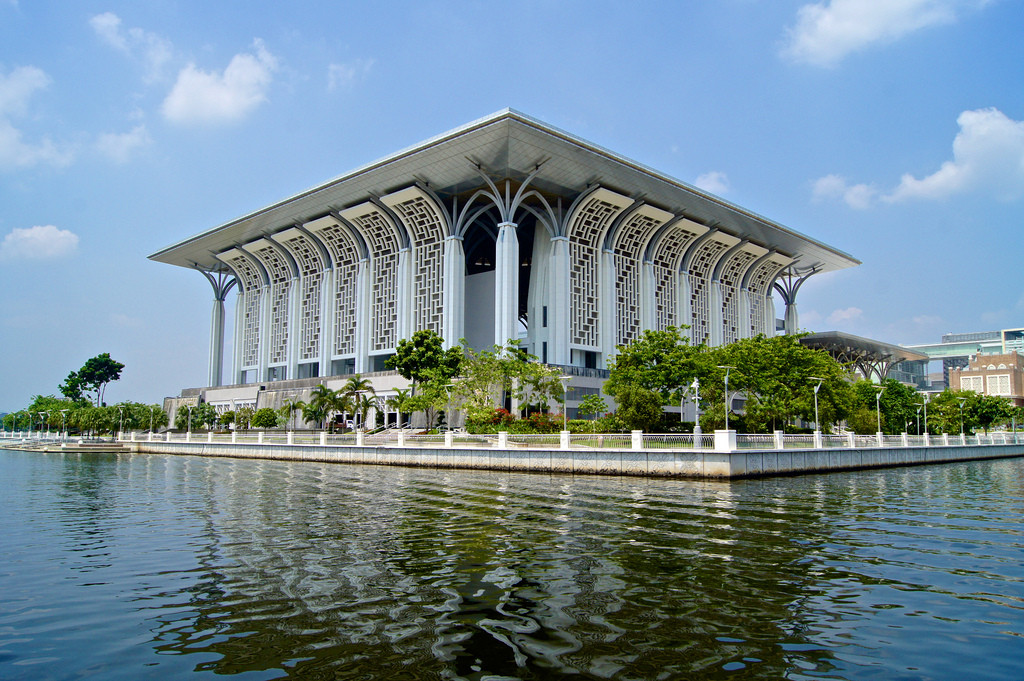
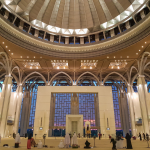
Wrapped in a stainless steel mesh skin, the mosque functions as a climatic filter that moderates sunlight, supports natural ventilation, and creates a soft, diffused interior atmosphere. It does not rely on heavy ornamentation; instead, the building achieves spatial depth through light, air, and material transparency.
What makes this project significant is its shift in sacred architecture from symbolic enclosure to environmental responsiveness. The mosque becomes a performative envelope, where material and climate work together to shape the spiritual experience.
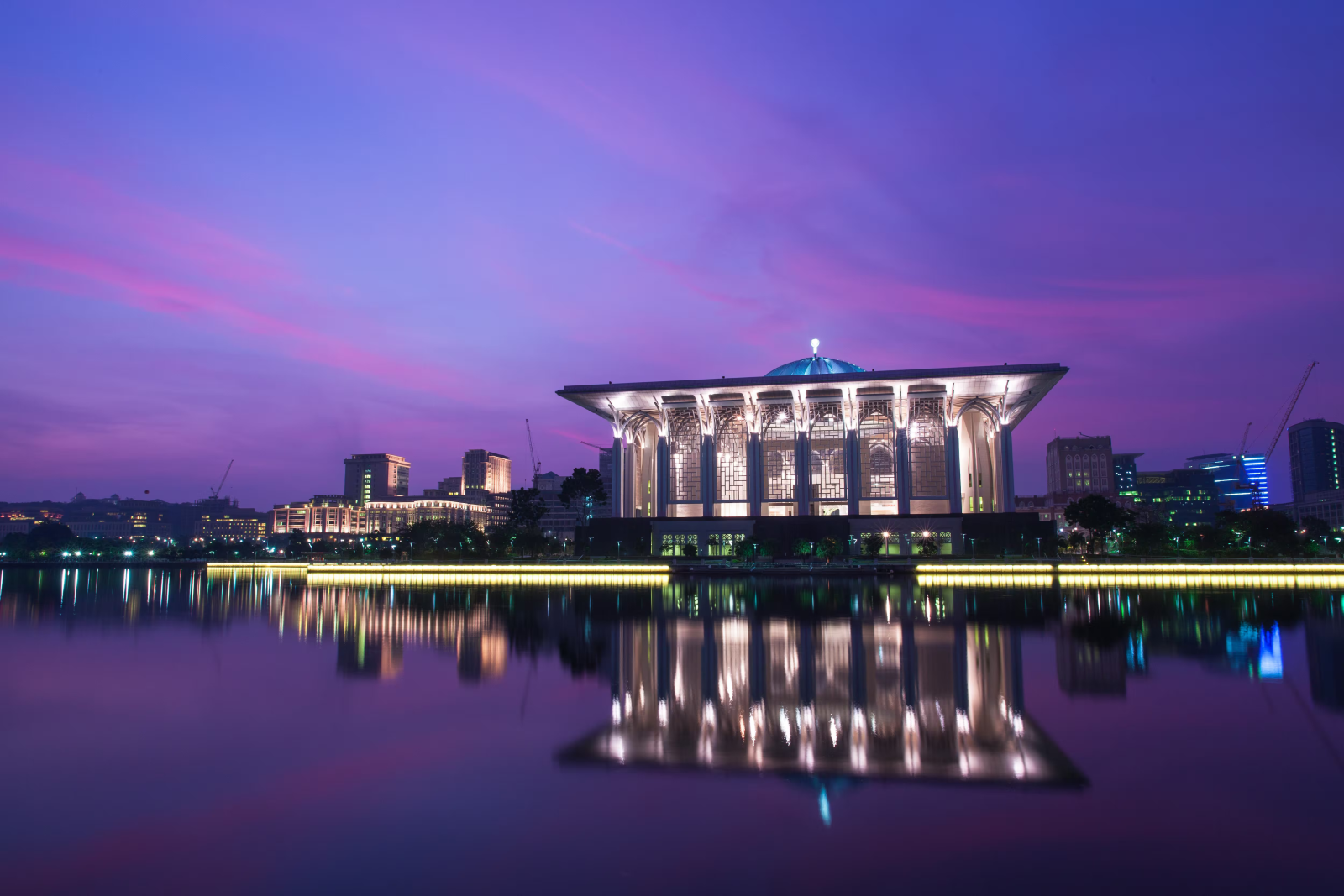
This reflects a broader design intelligence emerging in Malaysian architecture, where even religious buildings are increasingly shaped by sustainability, passive systems, and sensory refinement instead of purely formal expression.
Across these Malaysian contexts, a clear architectural direction emerges, and that is integration over isolation. The underlying trend is not stylistic unity but systemic thinking. In this condition, buildings become nodes in a larger cultural and environmental network, shaping a future where architecture is defined by relationships and not just boundaries. This evolving approach signals a shift toward more adaptive, resilient, and experience-driven environments where design responds to ecological pressures and cultural continuity, redefining how cities grow and connect.