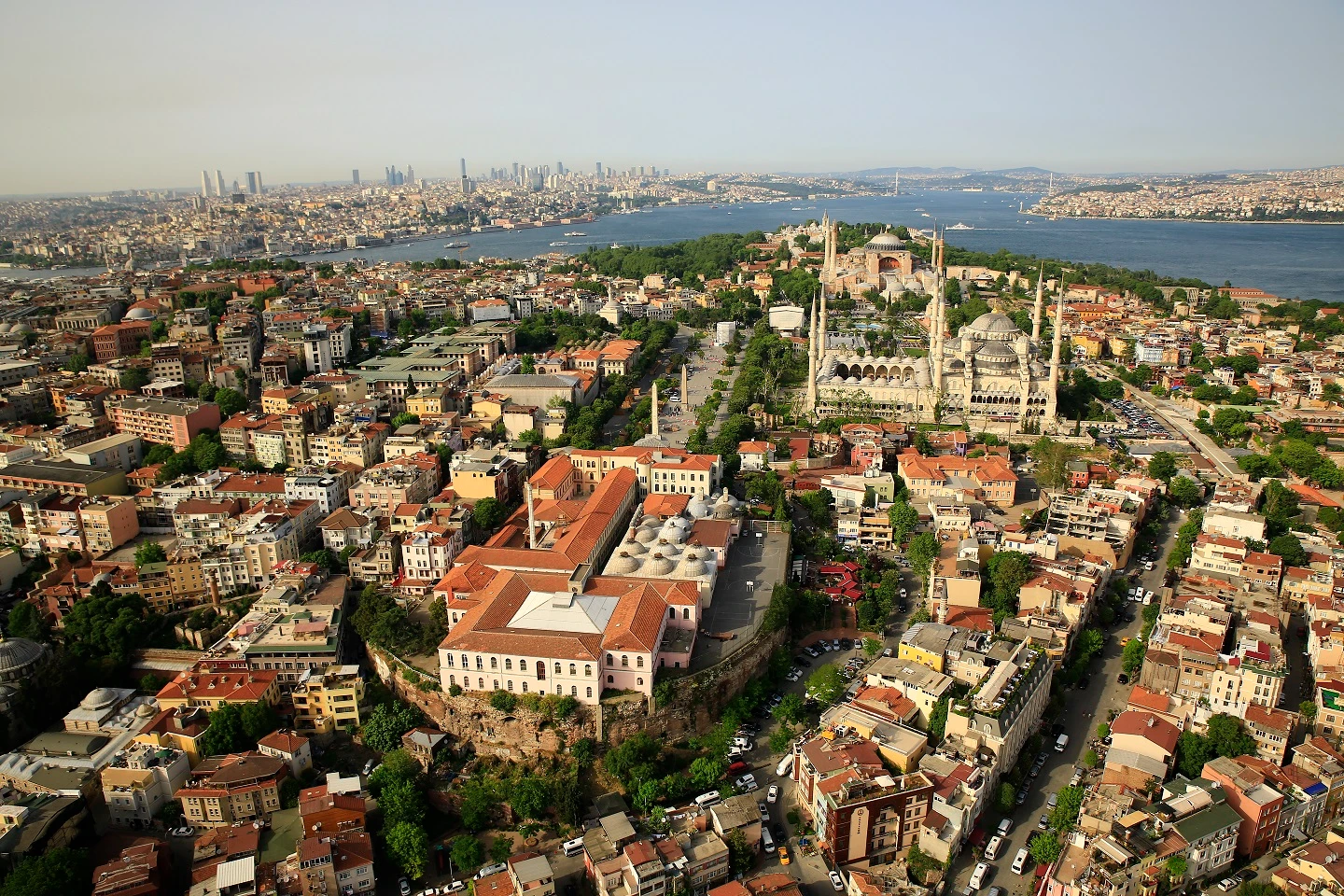


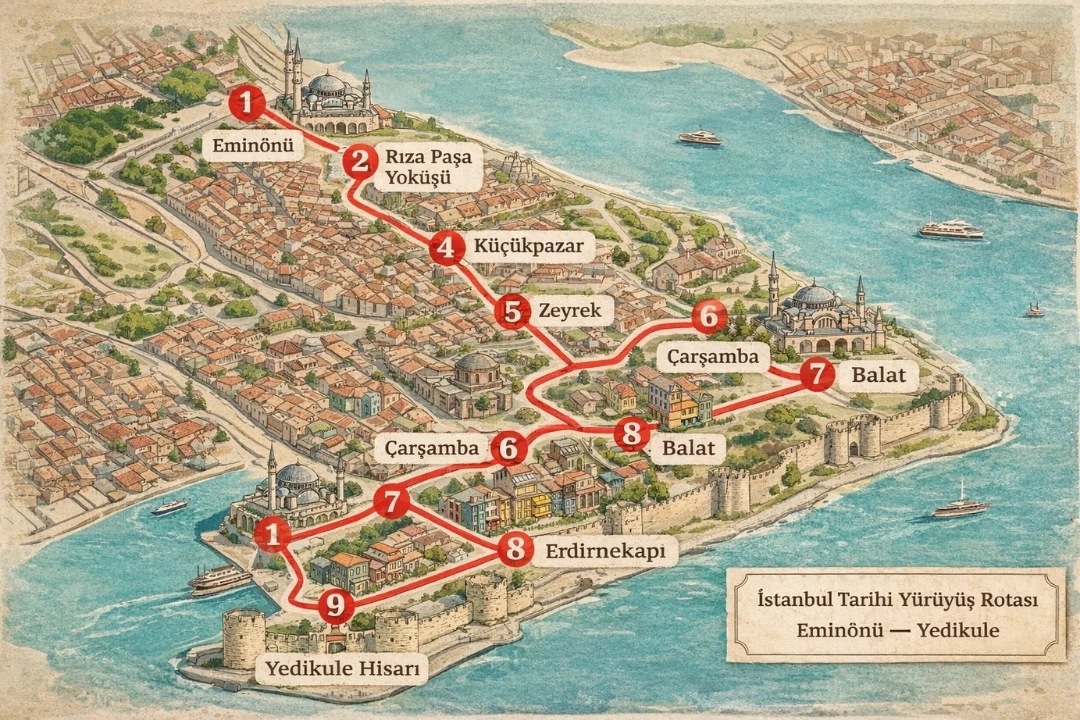






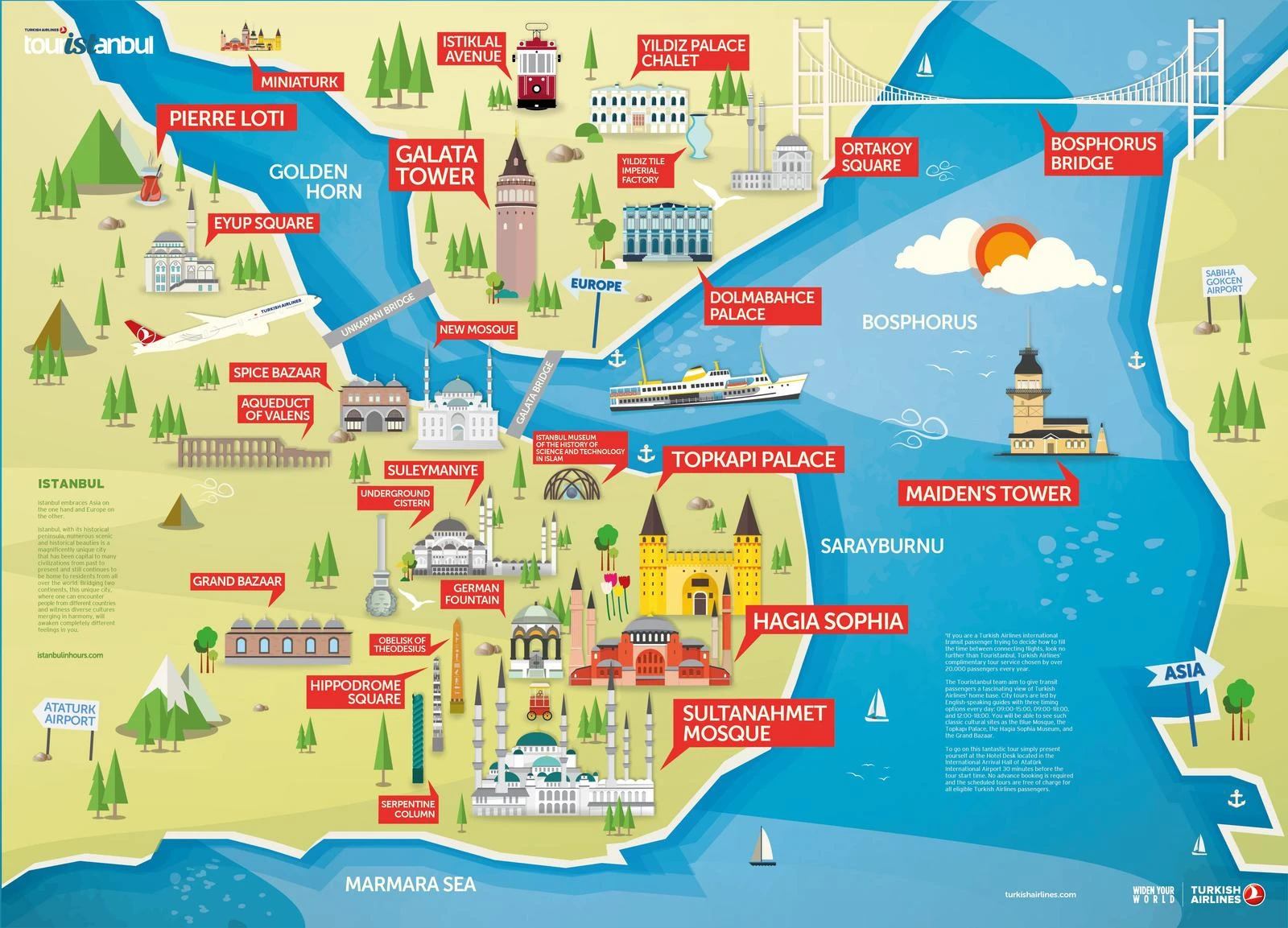
Istanbul is a fascinating city. Having been home to numerous civilizations throughout history, Istanbul boasts a wide variety of historical artifacts. With its monuments, streets, and unique spirit, Istanbul is a city that is truly enjoyable to explore. One of the best routes to understand the city lies within the Historic Peninsula. İlber Ortaylı, one of Turkey’s leading historians, points out that the historical peninsula, where Byzantine churches and Ottoman complexes are located in the same neighborhoods and along the same routes, offers a wonderful way to grasp Istanbul’s millennia-old history.
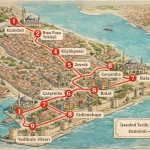
İlber Ortaylı (1947–2026), one of Turkey’s most celebrated historians, showed that history is far more than a record of the past and is also a way of understanding cities, societies, and the people who bring them to life. Through his insightful interpretations of Istanbul, he reshaped the way we perceive the city and shared important guidance on how it should be explored and understood. Stating that one can truly feel the spirit of a city simply by walking, Ortaylı offers an unforgettable walking experience with his 13-step route for those who wish to witness both the Ottoman and Byzantine heritage.
1. Eminönü
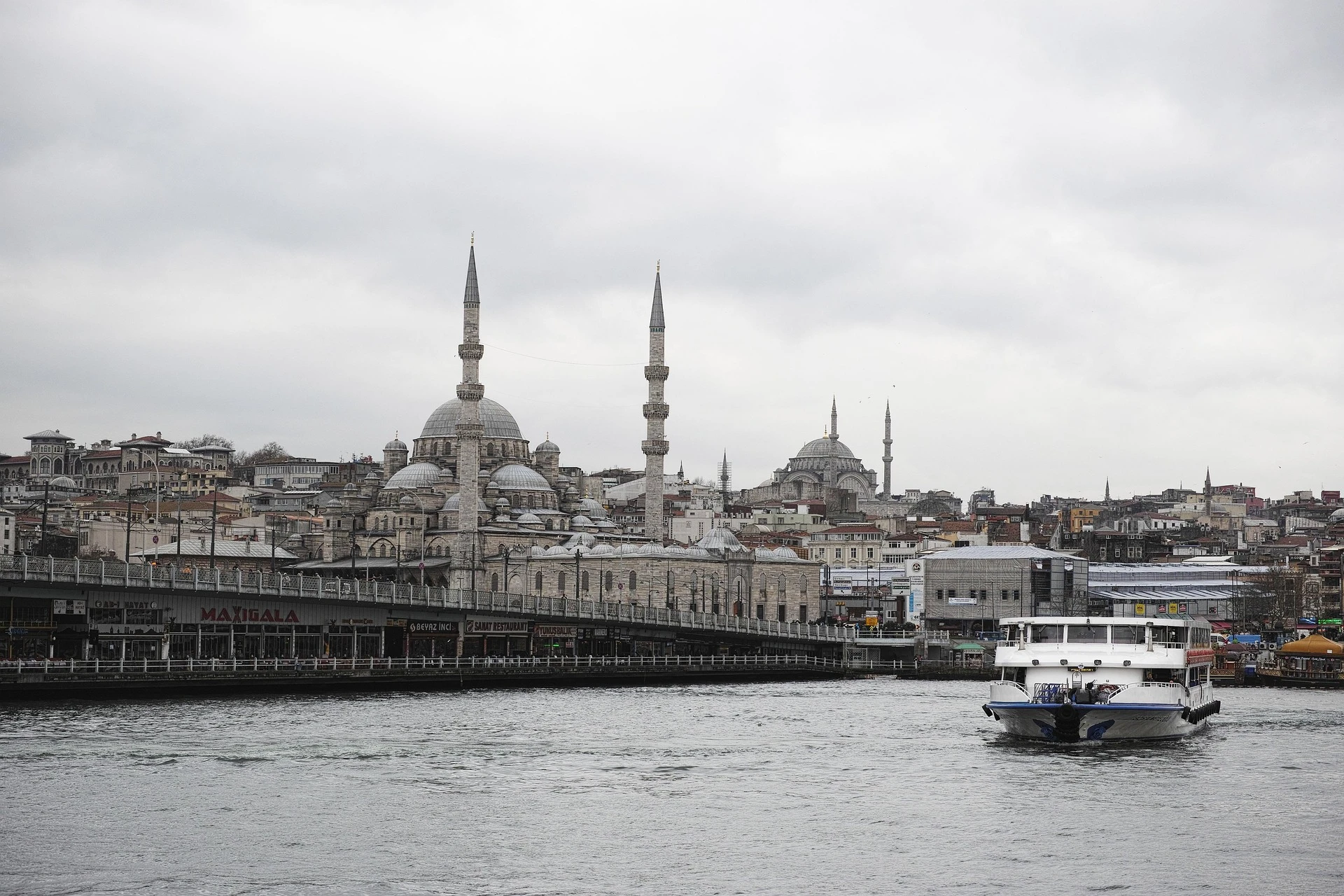
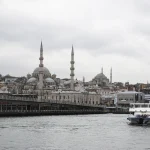
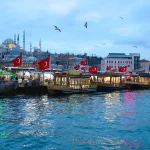
Eminönü is the starting point of İlber Ortaylı’s historical peninsula route. Shaped as a trade center during the Byzantine and Ottoman Empires, Eminönü has been Istanbul’s most important gateway to the sea for centuries. Due to its commercial and religious functions, it is an intensely used area and also serves as a significant gathering and dispersal space within the city, notable for its large open public areas.
With landmarks such as the Spice Bazaar, the New Mosque, and the historic Sirkeci Train Station, Eminönü remains one of the most powerful settings for experiencing Istanbul’s Ottoman architecture and layered cultural heritage.
2. Rıza Paşa Slope
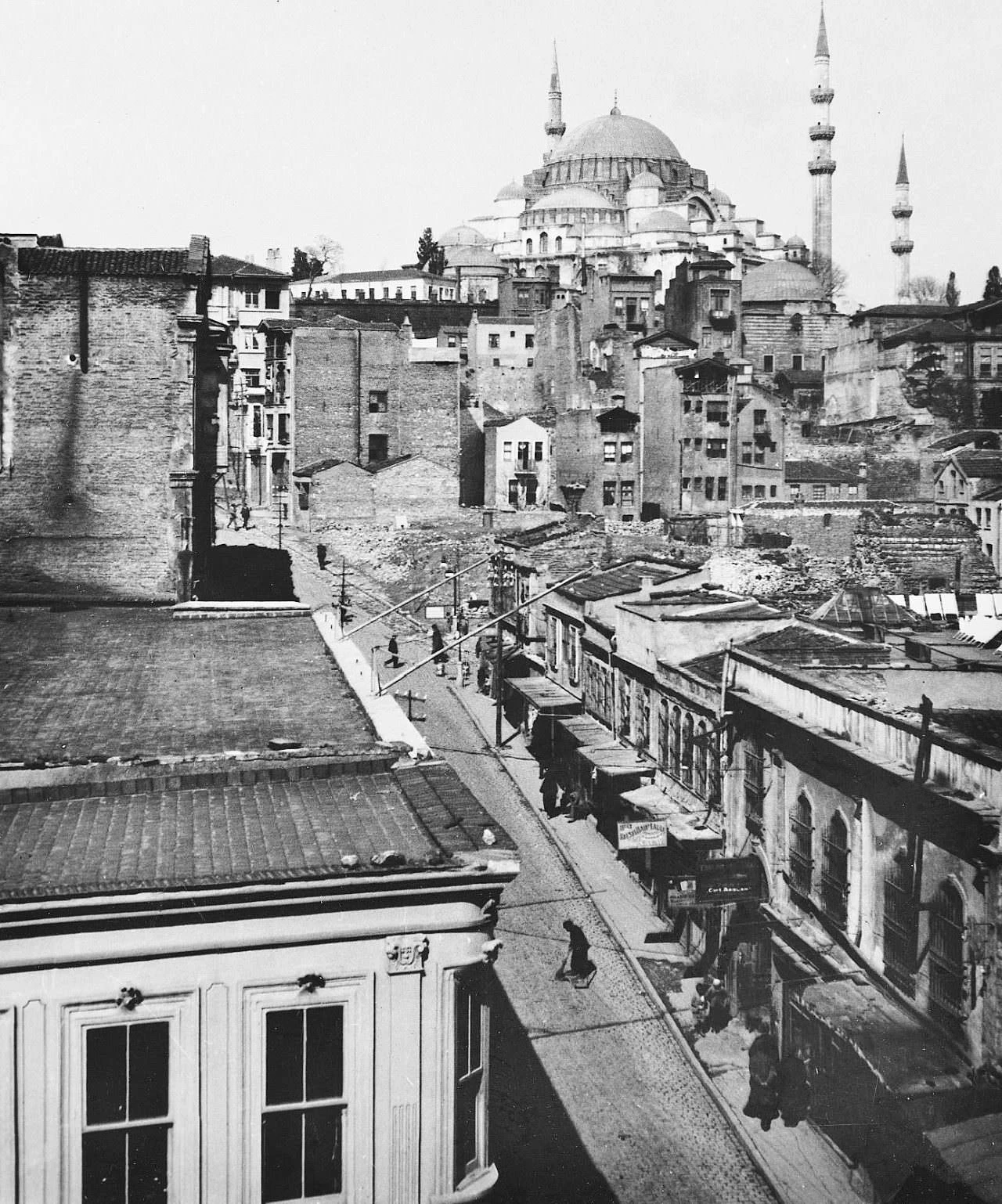
To reach Süleymaniye from Eminönü Square, one must climb the slope known as Rıza Paşa via Tahtakale. Rıza Paşa Slope, the second step of the route, is full of inns and bazaars, as it was the center of Ottoman trade. Accompanied by the sounds of seagulls and the scent of spices, this climb offers a journey through history along its unique streets.
One of Istanbul’s steepest and most vibrant historic trade axes, Rıza Paşa Slope is still lined today with traditional business inns where hardware, haberdashery, and textile products are sold.
3. Süleymaniye
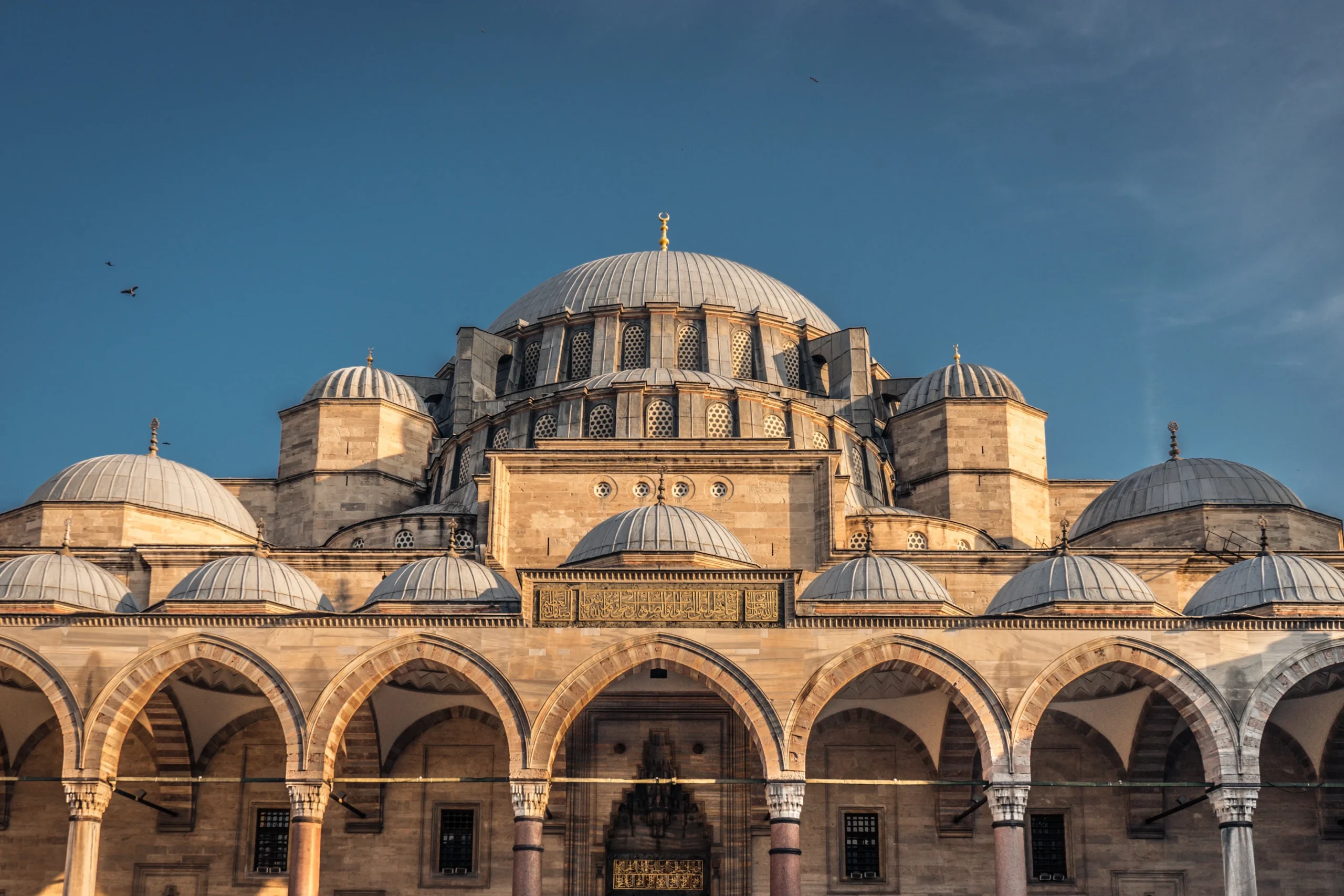
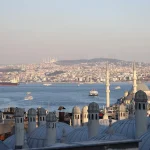
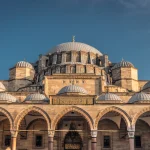
At the end of Rıza Paşa Slope, you arrive at Süleymaniye, the third stop of İlber Ortaylı’s Historic Peninsula route. Located on Istanbul’s third hill, Süleymaniye is a historic district that takes its name from the magnificent Süleymaniye Mosque, the masterpiece of Mimar Sinan. The Süleymaniye Mosque, with its balanced domes and semi-domes, reflects both architectural beauty and structural harmony, while also offering remarkable acoustics.
After exploring this exceptional mosque, visiting the surrounding madrasas and museums offers a deeper understanding of Ottoman approaches to education and art. Süleymaniye, which was the center of scholars and intellectual life during the Ottoman period, remains one of Istanbul’s most characteristic points today, with its houses overlooking the Golden Horn.
4. Küçükpazar
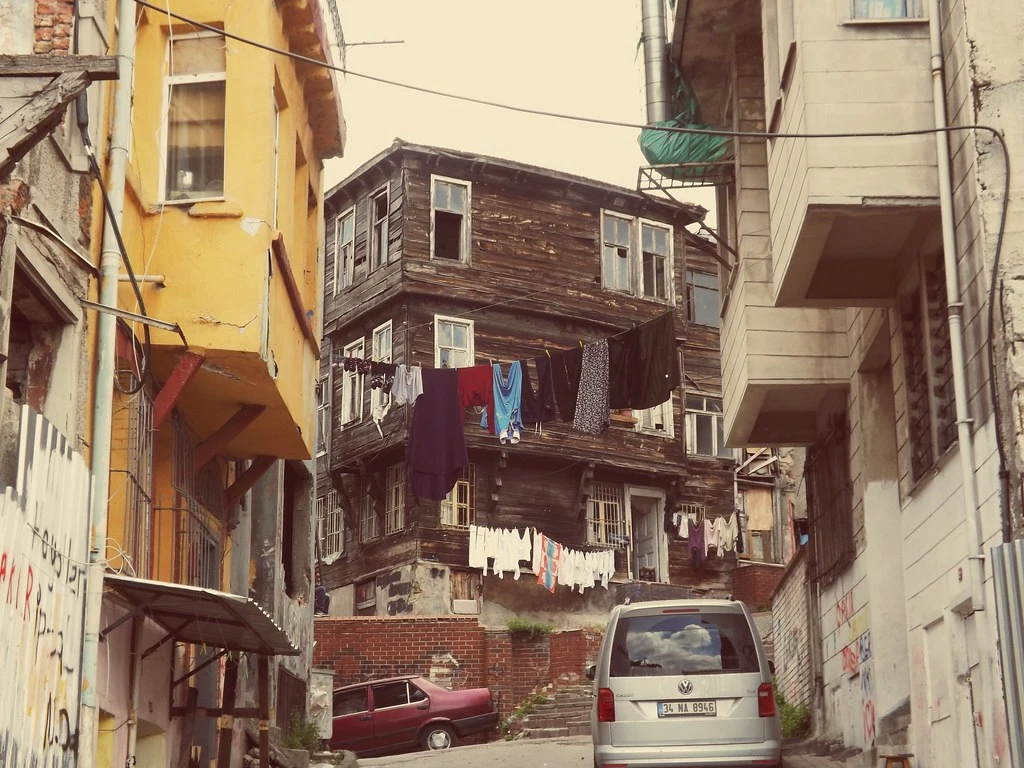
Küçükpazar, reached by walking downhill from Süleymaniye, is the 4th step of the route. Küçükpazar, one of Istanbul’s oldest residential and commercial districts, is located between Eminönü and Süleymaniye, stretching from the shores of the Golden Horn up toward the slopes. This region, with its streets full of historical depth, is fascinating with its historical inns and authentic neighborhood culture.
5. Zeyrek and Molla Zeyrek Mosque
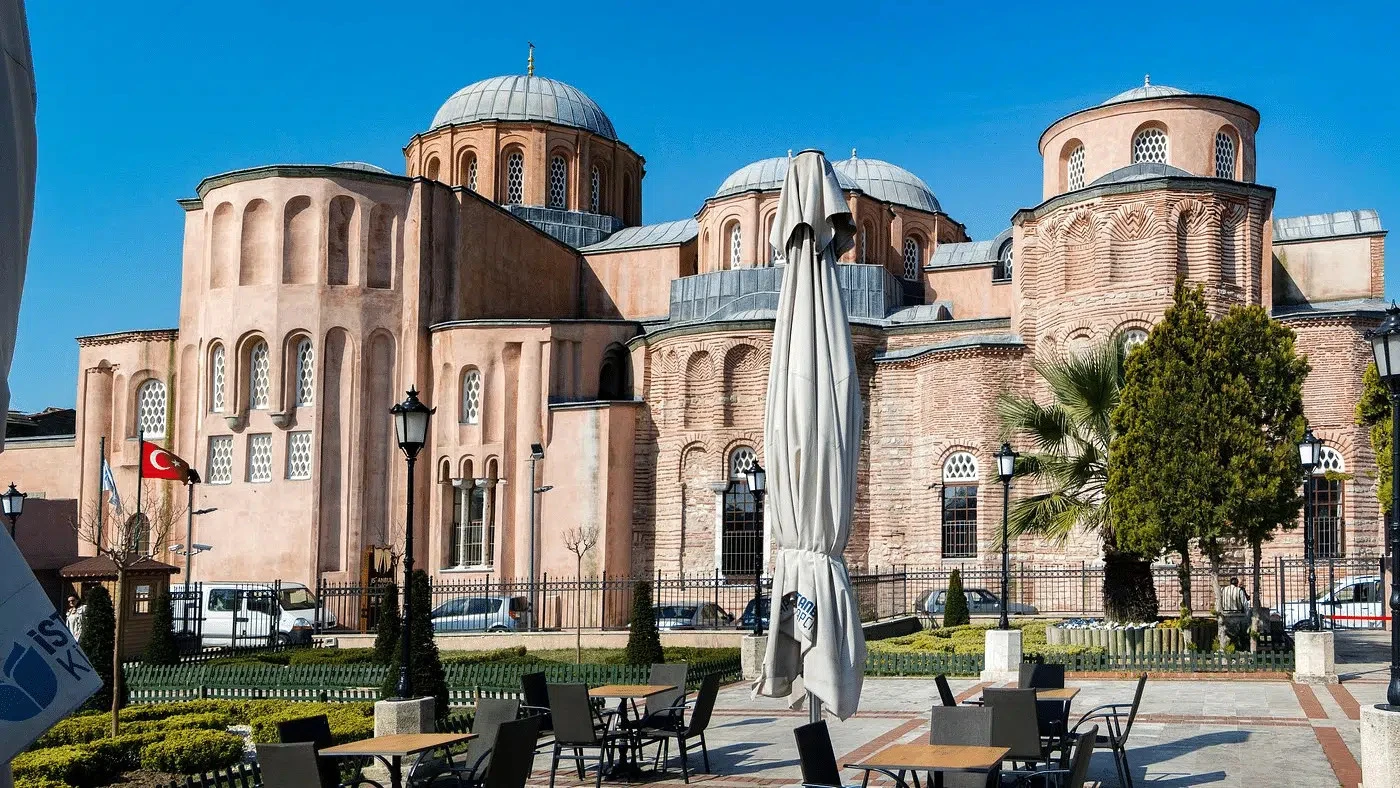
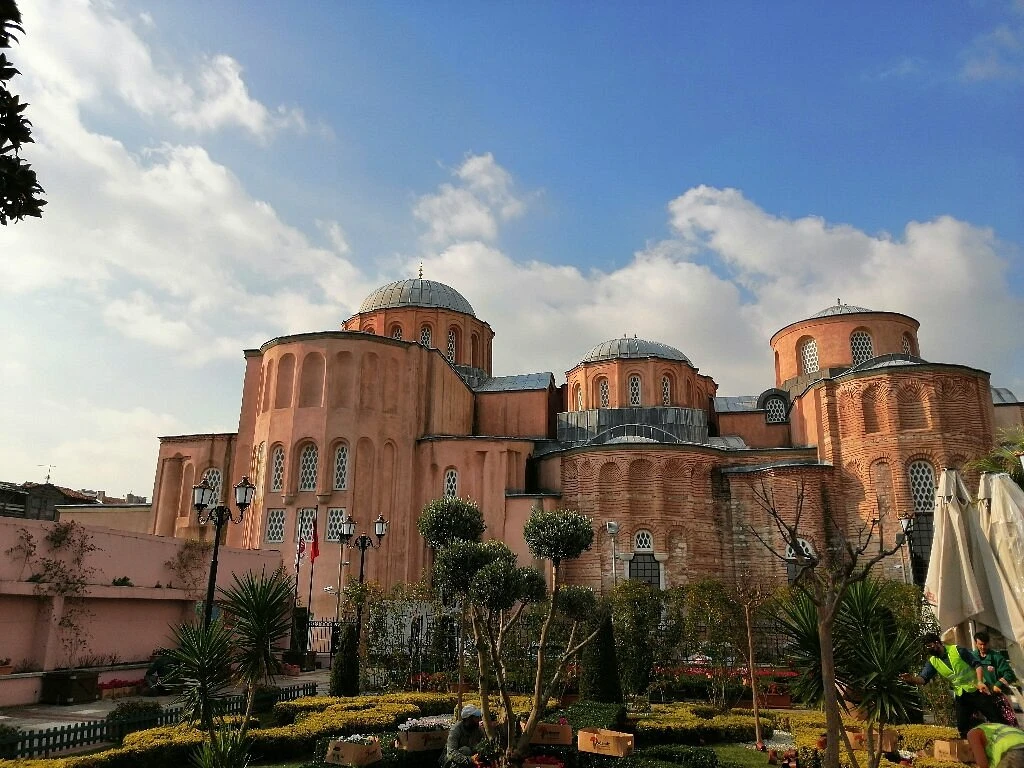
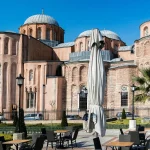
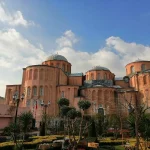
Zeyrek, the fifth stop of the 13-step Historic Peninsula route recommended by İlber Ortaylı to better understand Istanbul, is listed as a UNESCO World Heritage Site. One of the oldest districts where Byzantine and Ottoman textures intertwine, Zeyrek also offers a magnificent view over the Golden Horn from its hilltop setting.
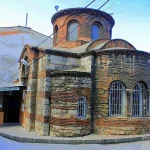
The district’s landmark, the Molla Zeyrek Mosque (formerly known as the Pantokrator Monastery), has a layered architectural character that combines traces of Byzantine church architecture with additions from the Ottoman period.
6. Fatih Çarşamba
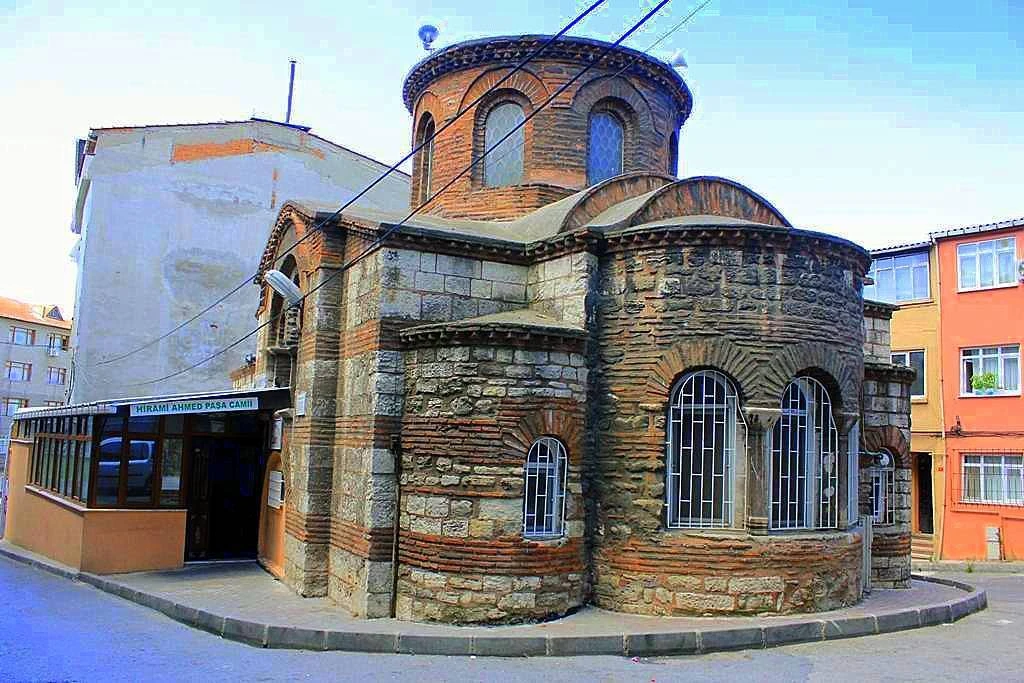
Fatih Çarşamba, a stop worth visiting while descending from Zeyrek toward Balat, is captivating with its Byzantine-era cisterns and narrow streets. Reflecting the diversity of the city, the area takes its name from the massive neighborhood market set up every week. Offering a modern reflection of traditional Ottoman bazaars, this neighborhood is a good stop to observe the oldest settlement fabric of Istanbul.
7. Balat
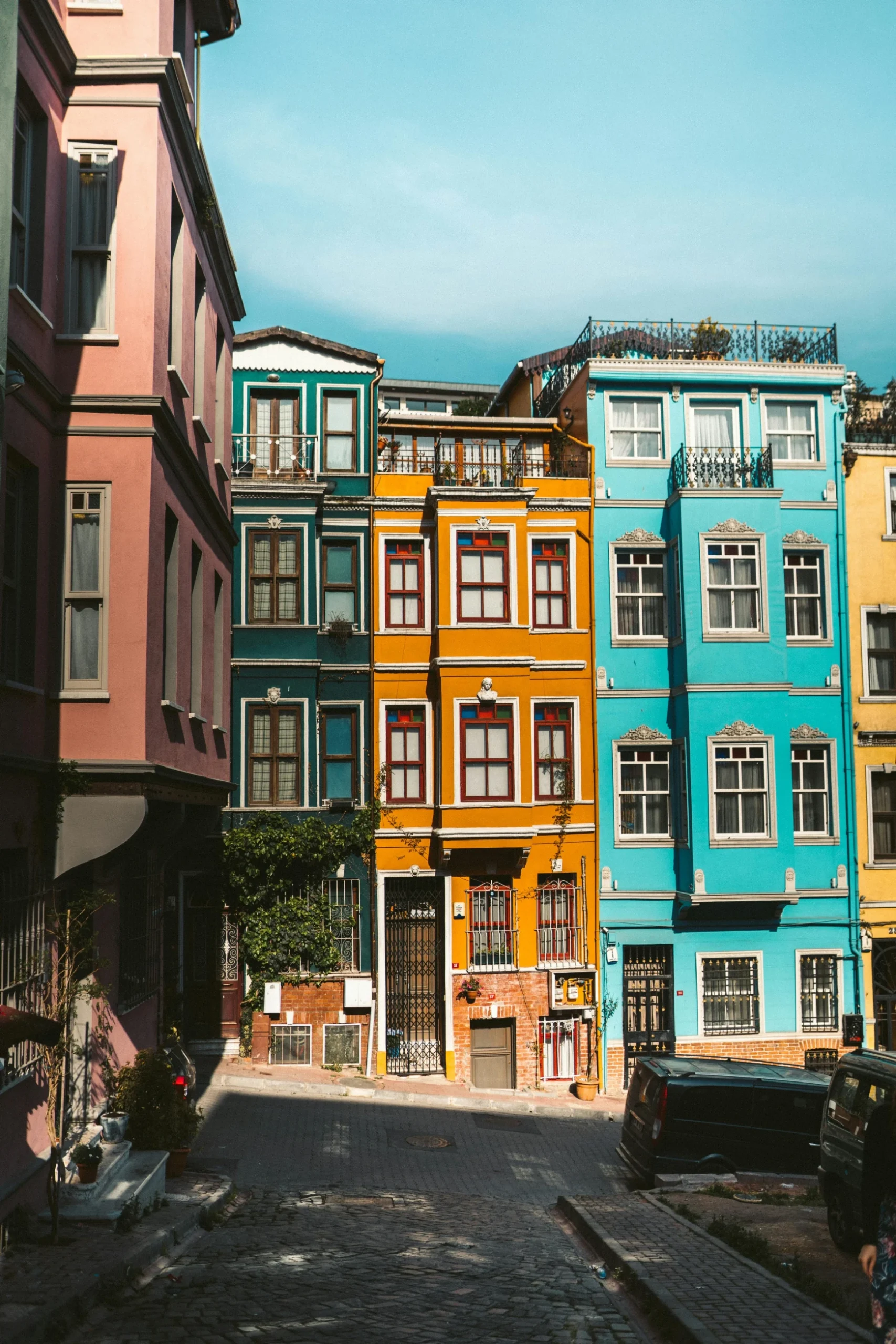
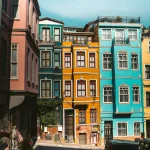
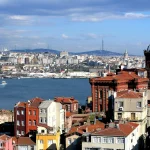
Balat, suggested by İlber Ortaylı as the 7th stop, is an attractive place for art lovers with its colorful houses, antique shops, and booksellers. Balat has a layered history, showing the influences of various empires that shaped Istanbul for centuries. This multicultural area, once home to diverse communities living side by side, evokes a sense of stepping back in time through the rich historical fabric it continues to preserve today.
8. Ayvansaray
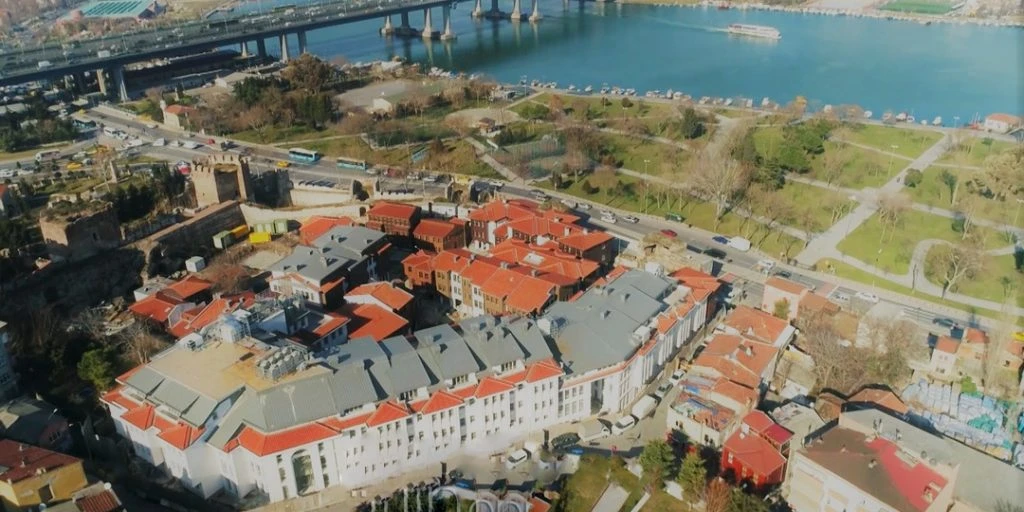
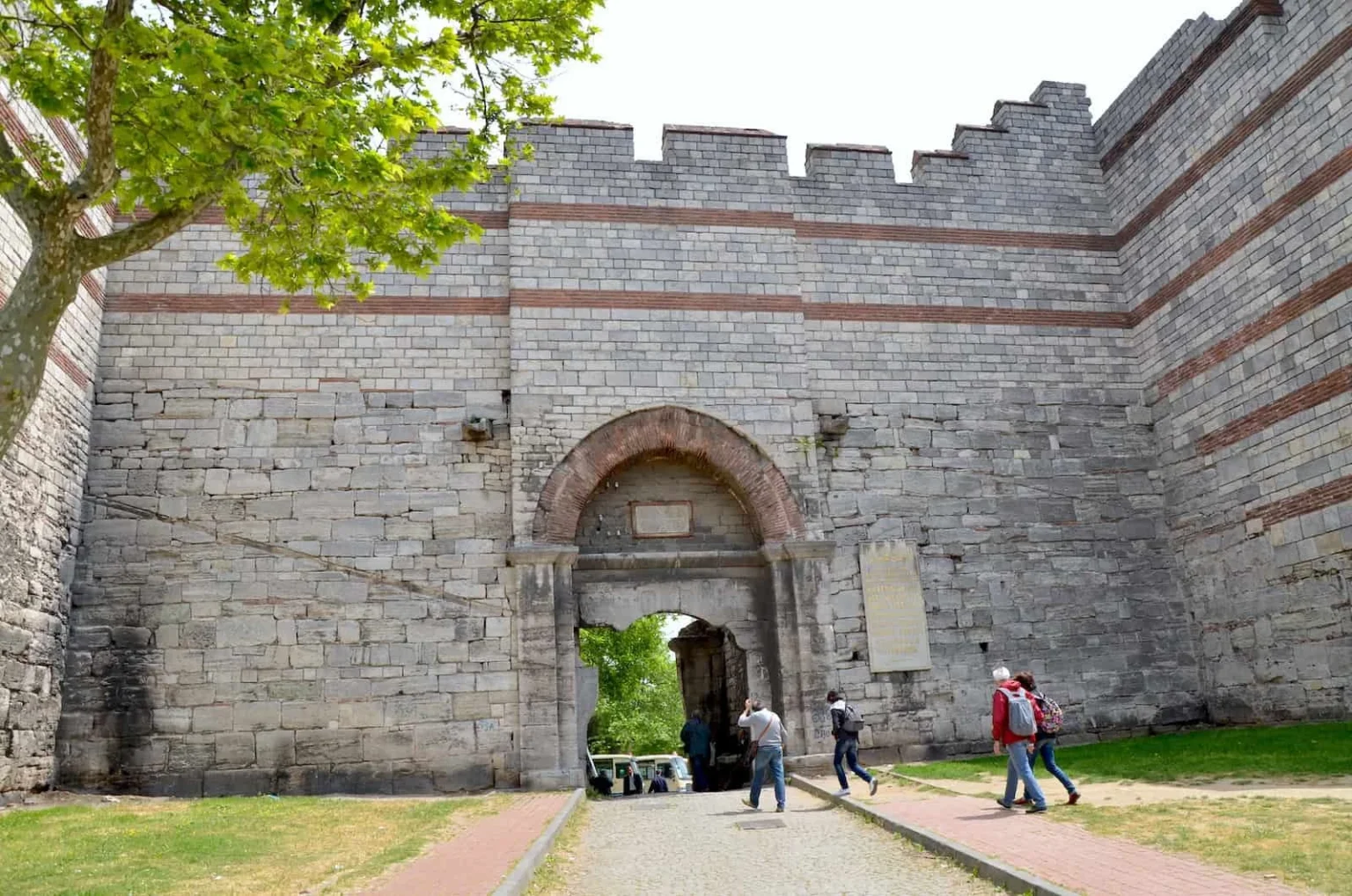
Walking from Balat toward the historic Byzantine walls, you reach Ayvansaray, the eighth stop on the route. Located at the very end of the Golden Horn, Ayvansaray is notable for its historical texture along the coastline as well as its old neighborhood culture. Historically, it was an entertainment center where the Gypsy guild and the Jewish community once lived.
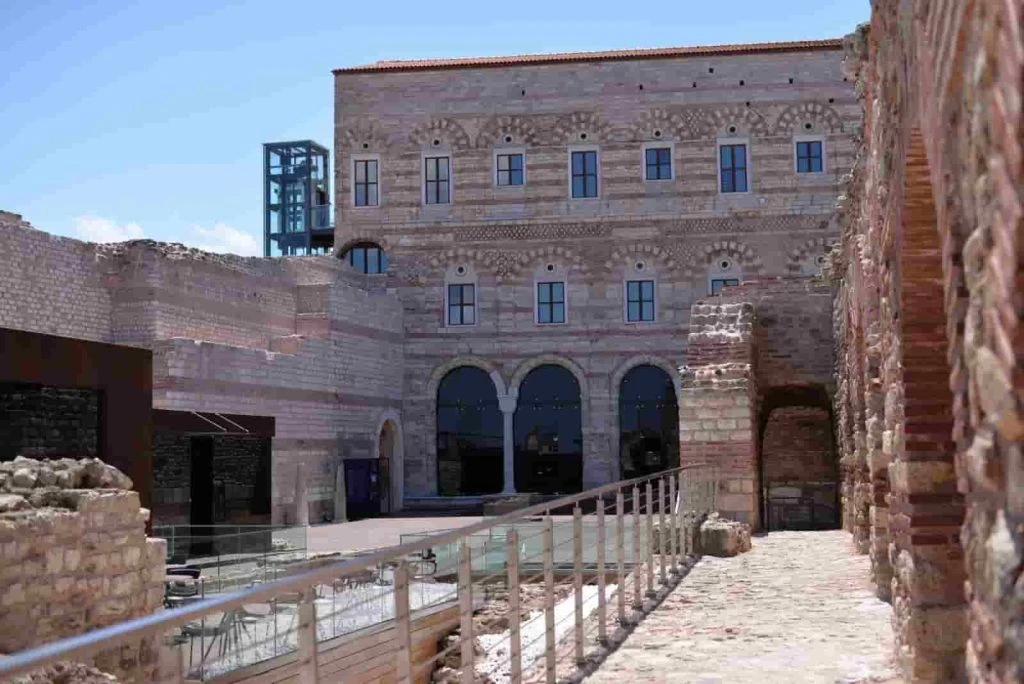
Ayvansaray also contains the remains of the Blaherna Palace, built in 451 by Pulcheria, the wife of Emperor Marcianus. During the Latin Crusader invasion of 1204, the palace was plundered, and today only its holy spring (ayazma) and church remain.
9. Edirnekapı
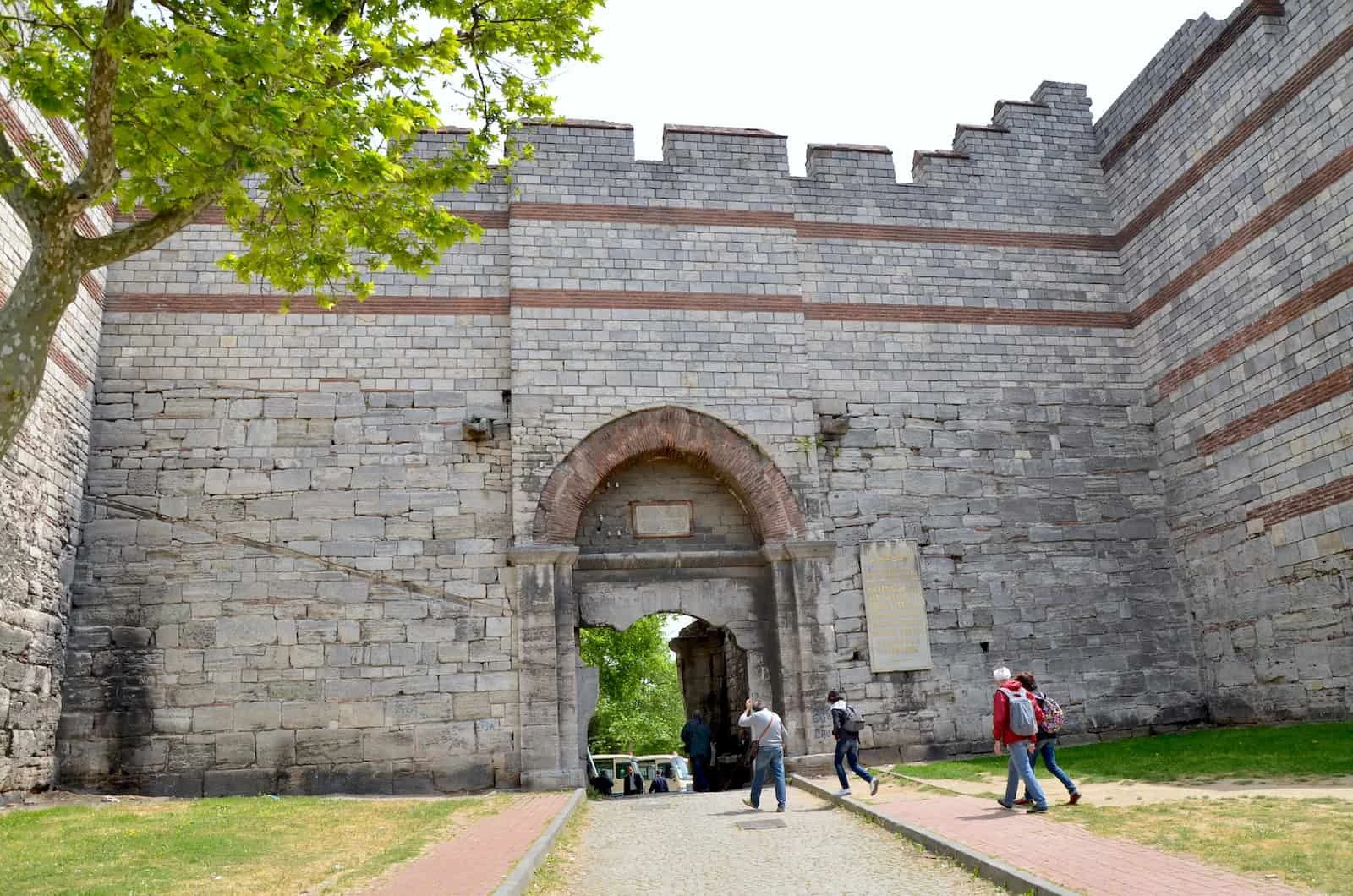
Located on Istanbul’s historic city walls, Edirnekapı takes its name from the main gate used by Ottoman sultans when departing for military campaigns. One of the city’s oldest districts, Edirnekapı, sits on Istanbul’s sixth hill and is home to the Mihrimah Sultan Complex. Designed by Mimar Sinan for Sultan Süleyman’s daughter Mihrimah, the Mihrimah Sultan Mosque within this second complex stands out as the largest and highest-domed mosque built for an Ottoman princess.
Edirnekapı is also home to the Kariye Mosque, renowned for its magnificent Byzantine mosaics, which marks the next stop on the Historic Peninsula route.
10. Kariye Mosque
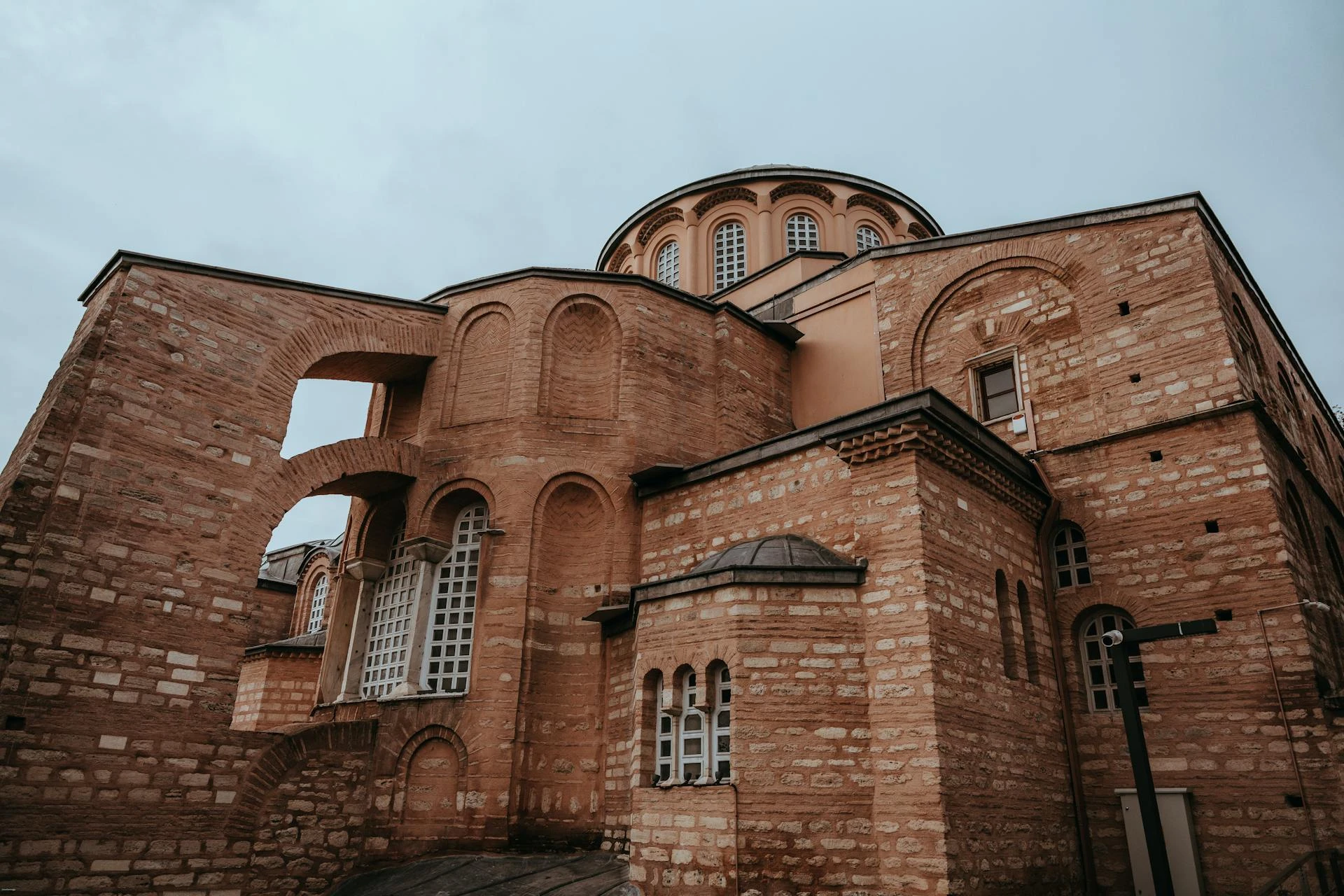
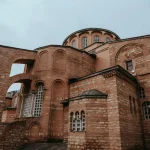
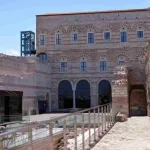
Decorated with mosaics and frescoes from the Byzantine period, the Kariye Mosque is one of the most distinguished examples of Eastern Roman art. Located right next to the Edirnekapı walls, Kariye consists of three main areas: the Outer Narthex, the Inner Narthex, and the Naos. The Naos, the main prayer area, contains three important mosaic panels. With the frescoes in the side chapel, the Parekklesion, the structure transforms into an art gallery.
11. Yedikule Fortress
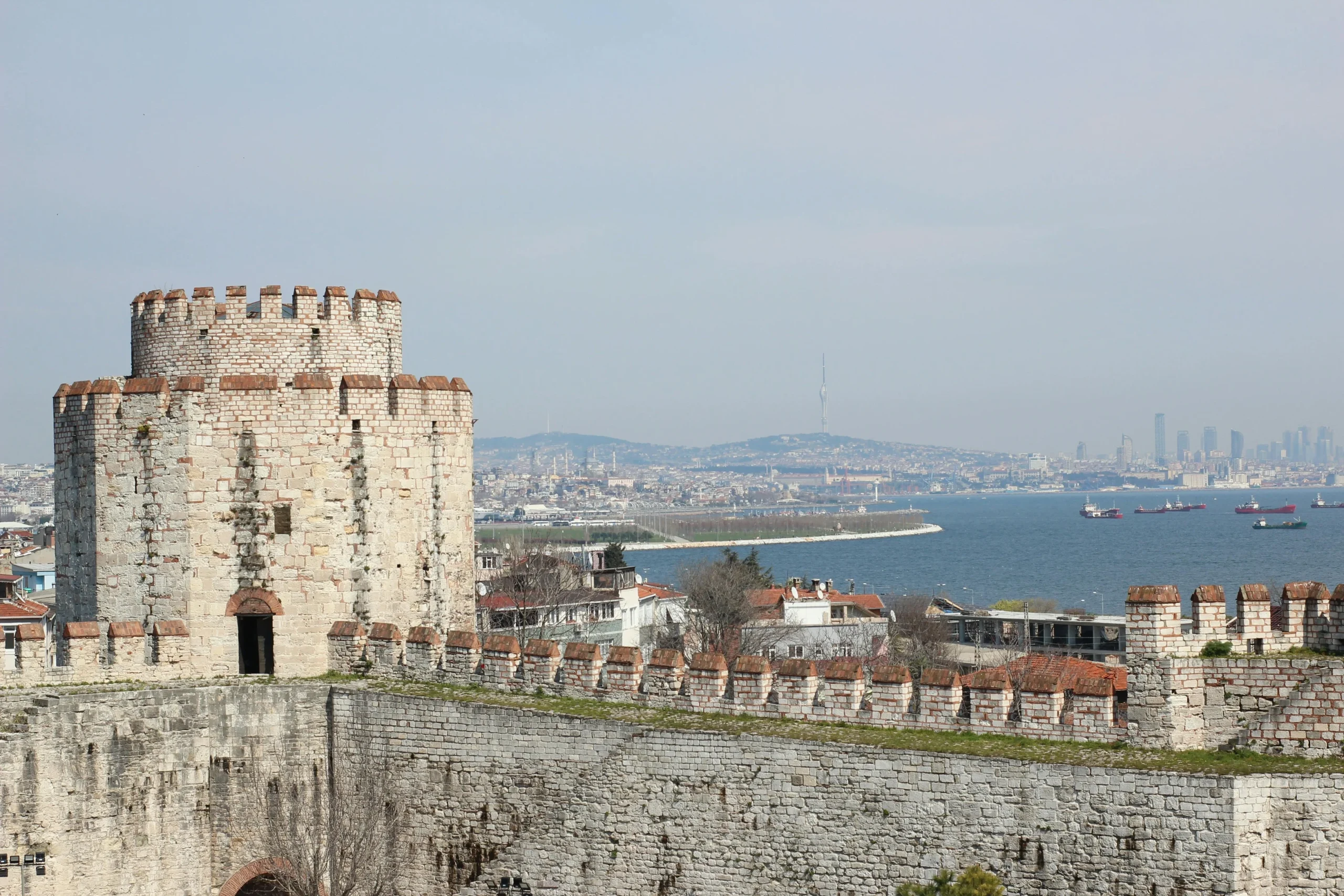
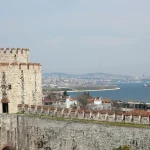
The Yedikule Fortress, which reflects Istanbul’s strategic importance throughout history, is the 11th stop on the historical peninsula route suggested by İlber Ortaylı. Originally built during the Byzantine period as the city gate known as the Porta Aurea, the fortress was expanded by Fatih Sultan Mehmet with the addition of three more towers. Offering a mix of older and relatively newer periods, the complex functioned as a dungeon equipped with cells, passages, and towers during the Ottoman period.
12. Beyazıt
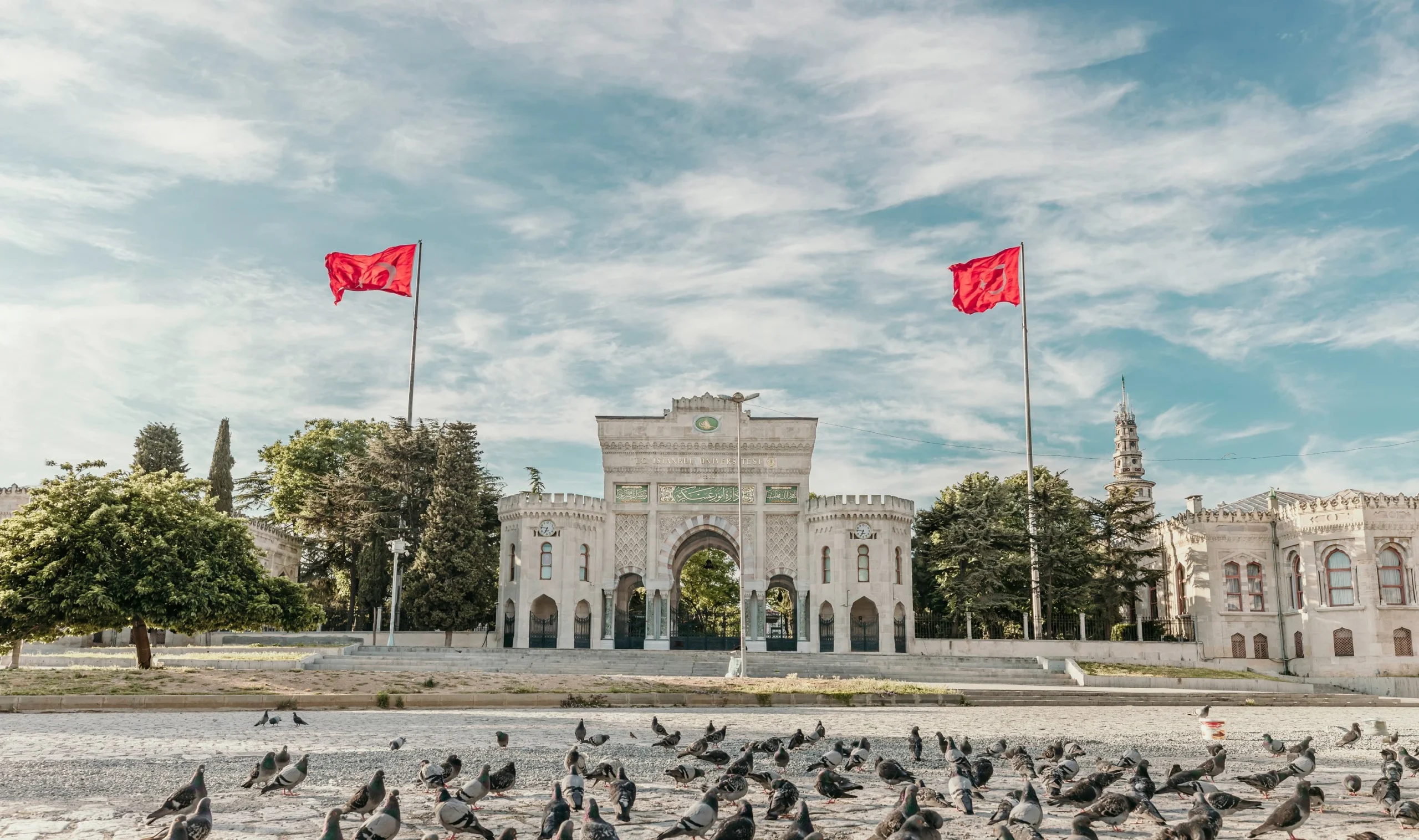
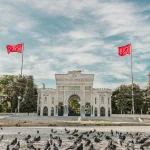
After visiting Yedikule, the route returns via Cerrahpaşa to reach Beyazıt. Located in the heart of Istanbul, Beyazıt has long been regarded as one of the city’s most important centers of education, culture, and commerce. The area, called Forum Tauri during the Byzantine period, was known as the largest center of Constantinople in the 4th century. Today, it is known for its structures, such as the Beyazıt Mosque, the State Library, and Istanbul University.
13. Sultanahmet
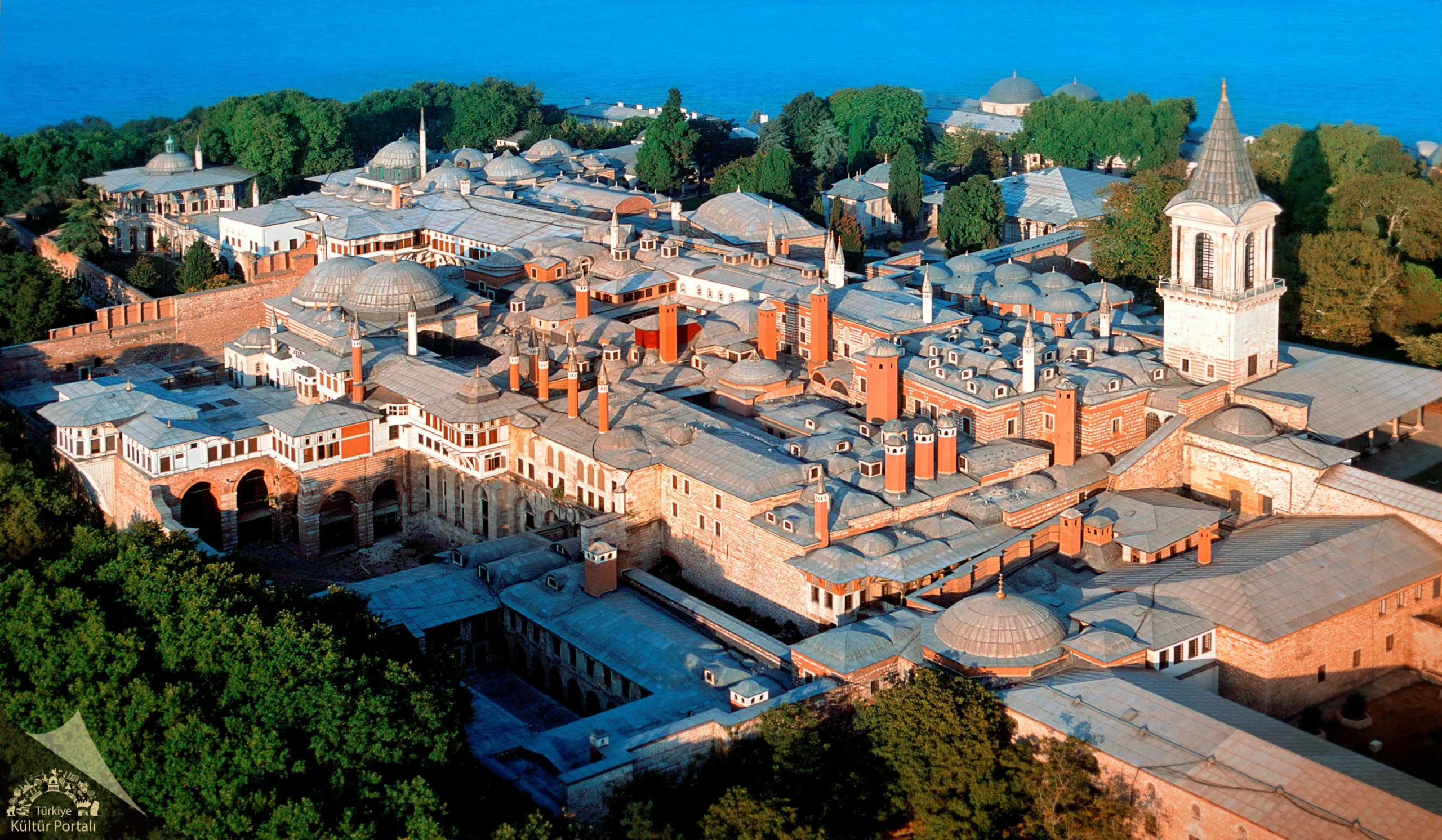
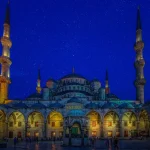
Sultanahmet, the final stop on İlber Ortaylı’s Historical Peninsula route, is an important historical district that served as the center of both the Byzantine and Ottoman Empires. Located in the very heart of the Historic Peninsula, the area takes its name from the Sultanahmet Mosque, built in the 17th century.
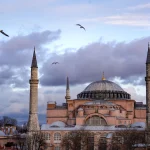
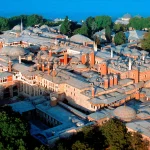
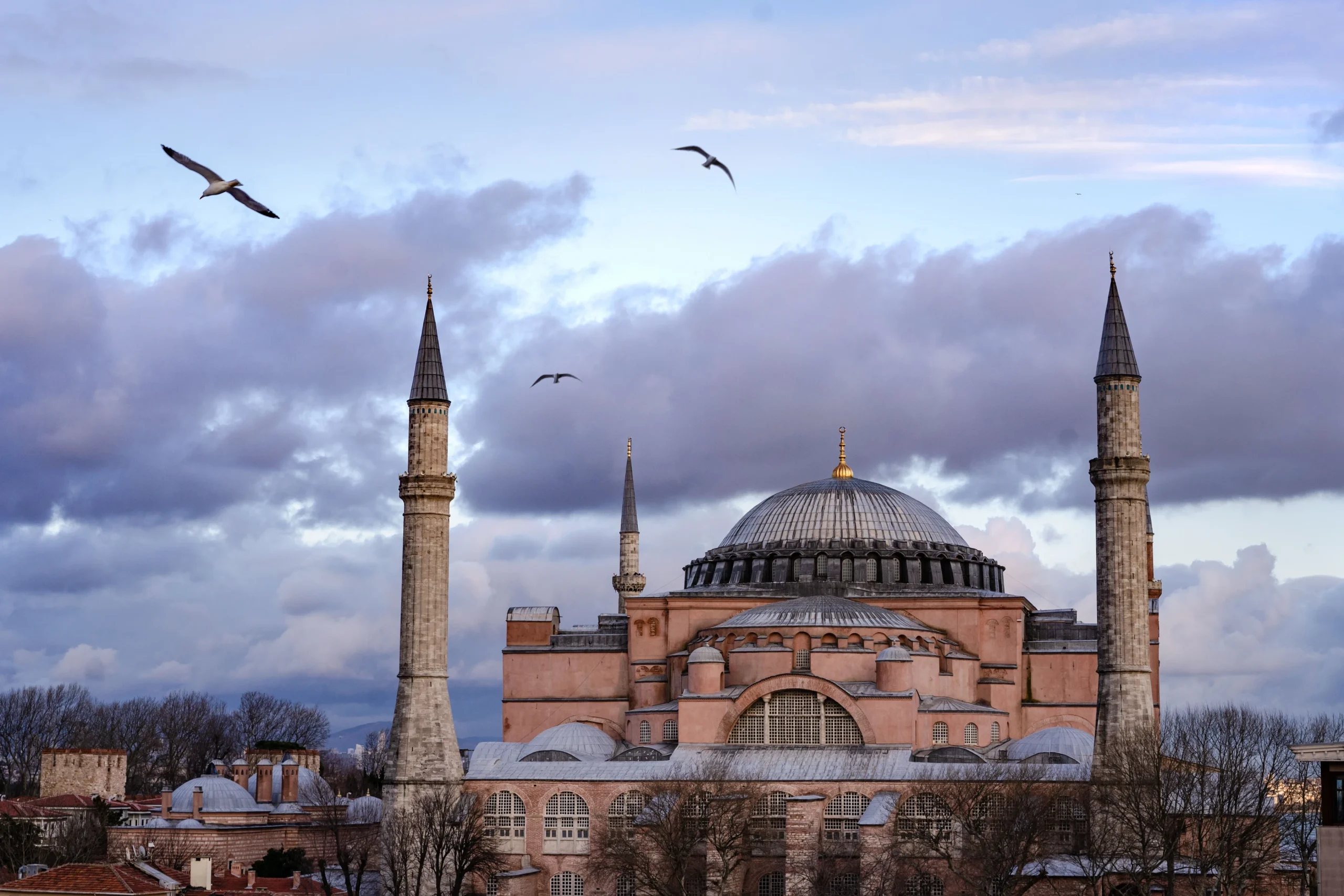
In addition to the Sultanahmet Mosque, one of the most mature examples of Ottoman mosque architecture, the area contains various historical beauties such as Hagia Sophia, one of the most important symbols of world architecture, the Basilica Cistern, and Topkapi Palace, which served as the main residence of the Ottoman sultans for centuries.
İlber Ortaylı’s 13-step route through Istanbul’s Historic Peninsula is more than a walking trail. It is a way to truly feel the city through its history, architecture, and culture. Instead of seeing Istanbul simply as a vast metropolis, Ortaylı invites people to experience it as a place shaped by layers of time, memory, and everyday life. To truly know the city, he suggests looking beyond the main avenues and wandering into the quieter side streets, where its deeper character still lingers.

“Istanbul is the richness of all humanity. It is a book whose pages can never be fully turned; a painting whose beauty can never be exhausted. We must protect this two-thousand-year-old world metropolis as carefully as our own eyes.” — İlber Ortaylı