



As Barcelona enters its year as World Capital of Architecture 2026, the Institute for Advanced Architecture of Catalonia (IAAC) marks this milestone with a renewed academic portfolio that consolidates its master’s programmes around a shared vision: preparing the next generation of architects, designers, and technologists to operate at the intersection of architecture, ecology, and advanced technologies.
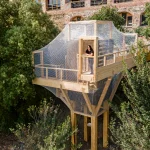
For 25 years now, IAAC has been at the forefront of architectural experimentation, pioneering new approaches to digital fabrication, advanced construction, robotics, bio-based materials, and artificial intelligence. This new academic stage formalises that trajectory, transforming what was once experimental into a structured educational framework designed to respond to the urgent challenges of the built environment.
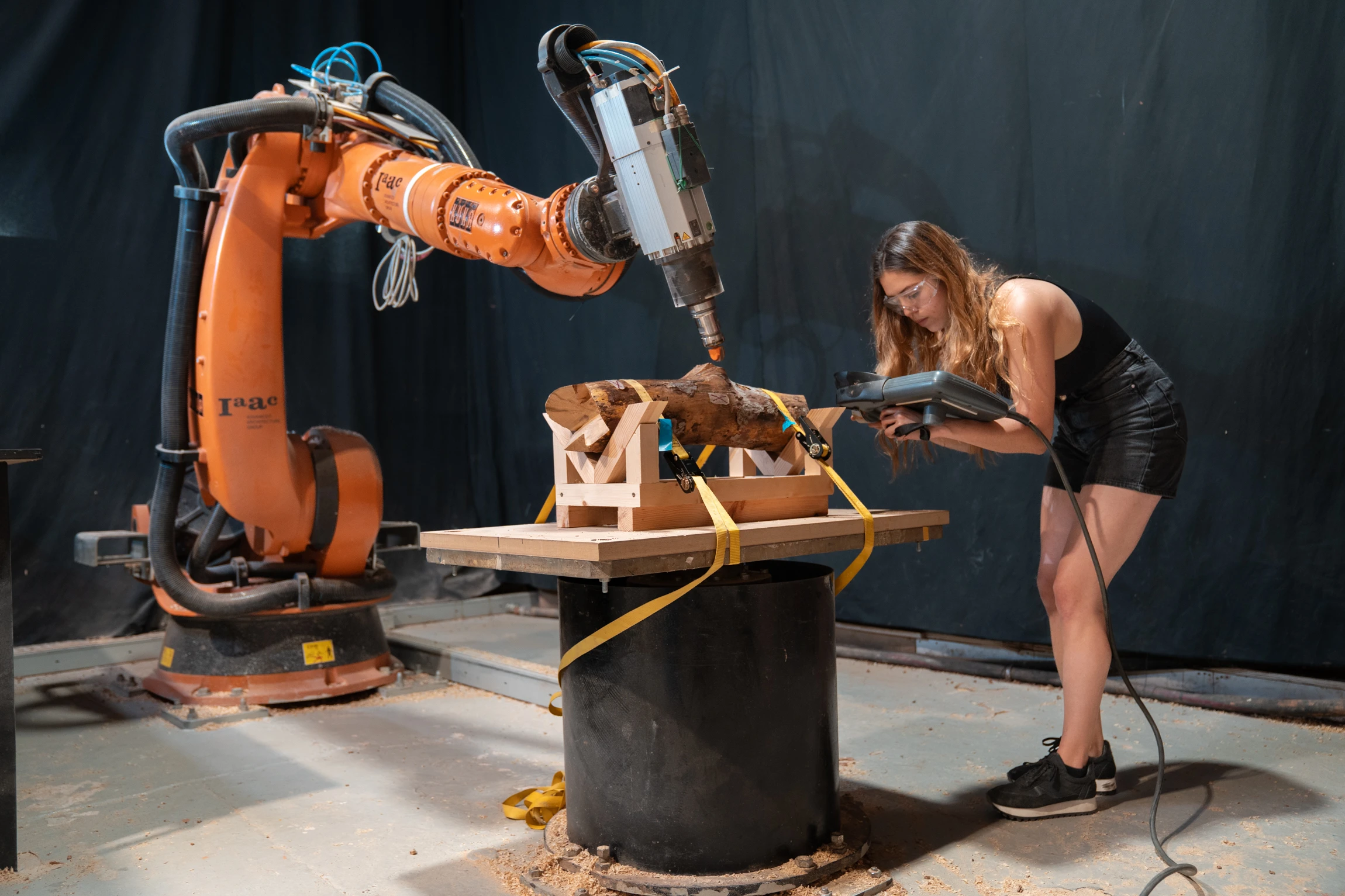
“At IAAC, we don’t wait for the future to arrive; we prototype it. Today, technologies such as AI, robotics, and advanced construction are no longer peripheral to architecture; they are central. Our mission is to equip the next generation with the tools, mindset, and agency to lead that transformation,” says Daniel Ibáñez, Director of IAAC.
A redefined academic portfolio
IAAC’s renewed academic offer is articulated through a set of master’s programmes, each embodying a distinct mode of learning while sharing a common hands-on, research-driven approach:
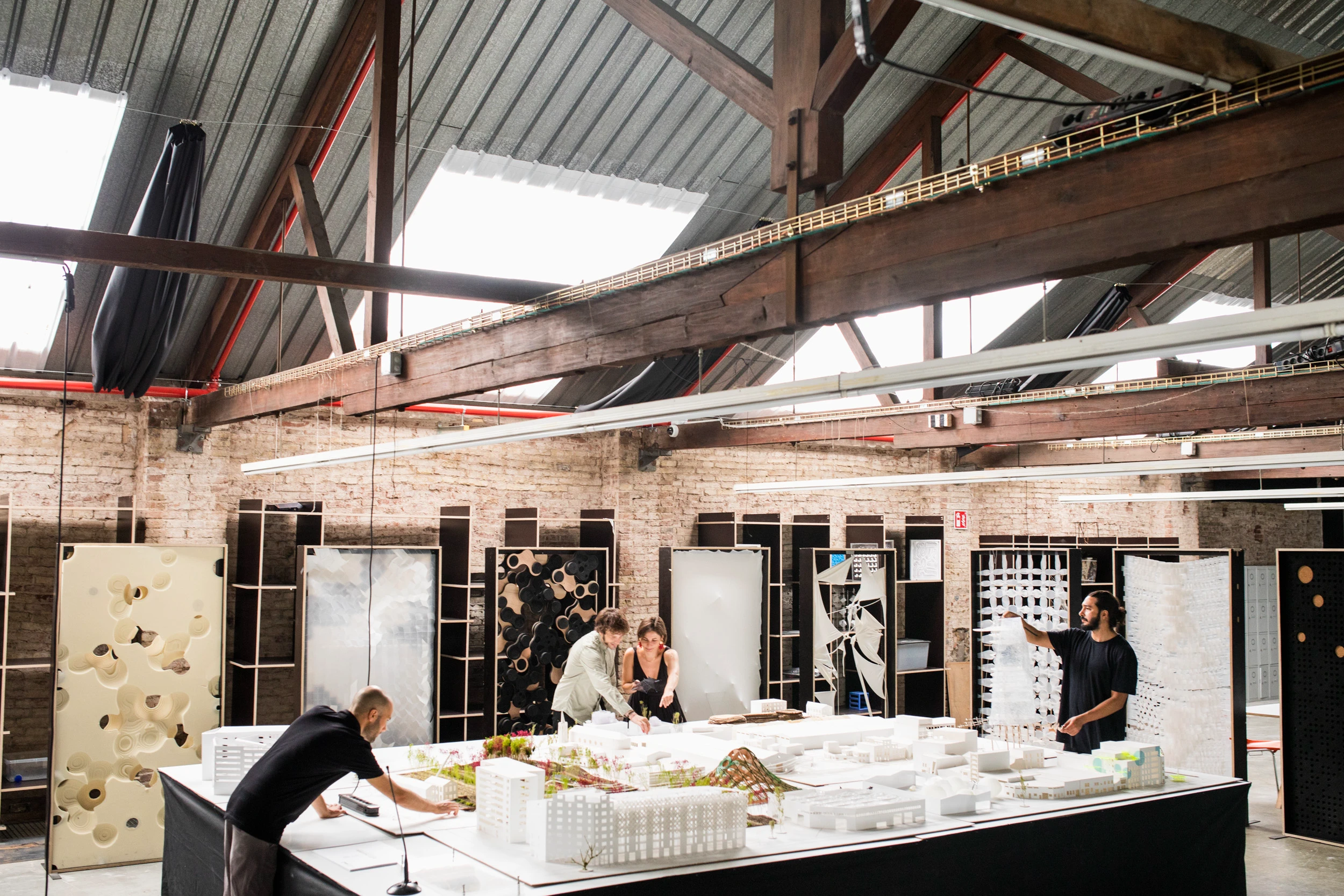
- Master in Advanced Architecture, IAAC’s flagship programme celebrating its 25th anniversary, offers a highly personalised academic path based in Barcelona. Students combine research, prototyping, and practice across areas such as urbanism, robotics, and bio-based materials within one of Europe’s most active innovation ecosystems.
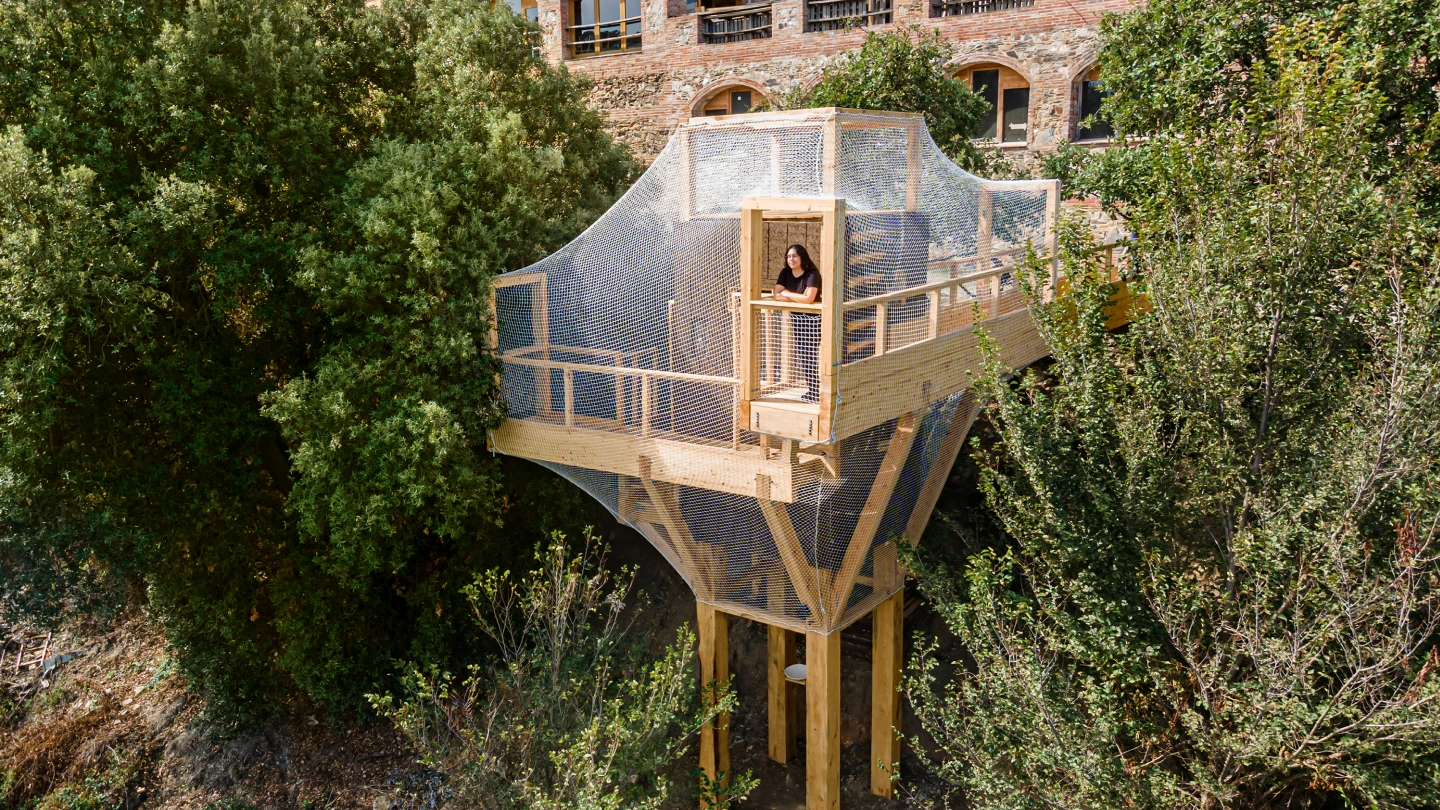
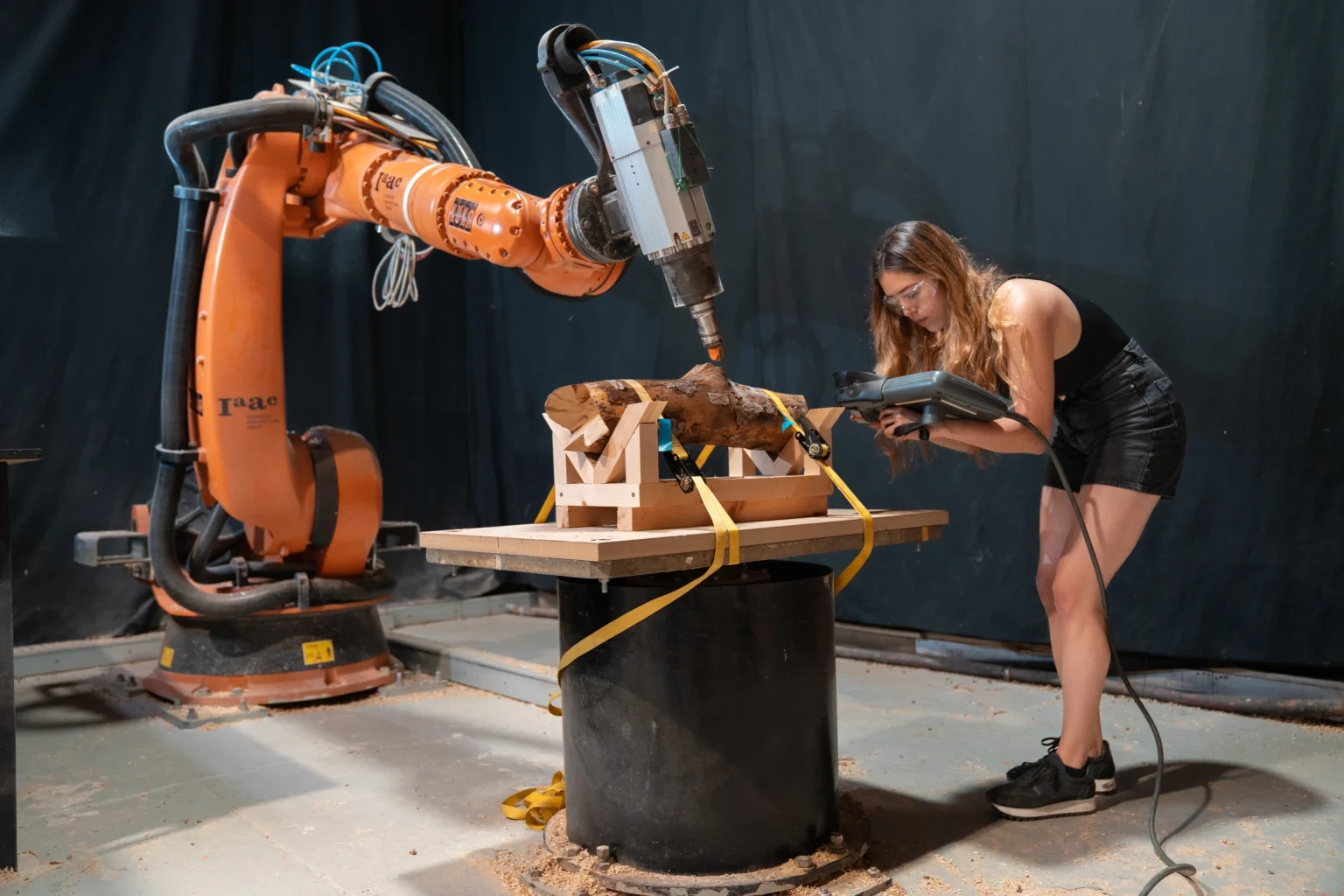
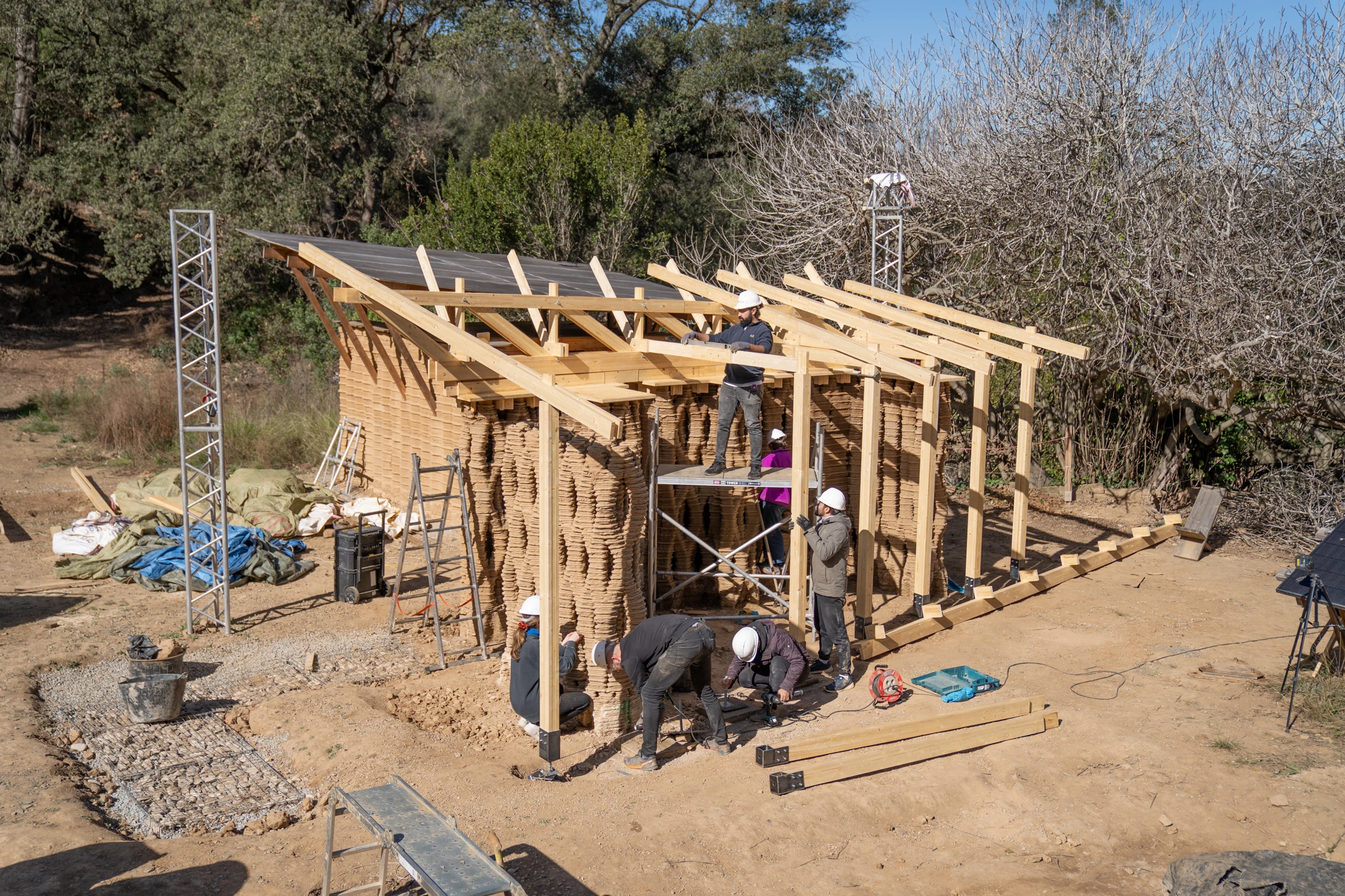
- Master in Ecological Architecture and Advanced Construction takes place at IAAC’s Valldaura Campus, a self-sufficient environment in the Collserola Natural Park. Here, architectural education is embedded directly within the ecosystem it seeks to transform, focusing on mass timber, regenerative strategies, and full-scale prototyping in response to the climate emergency.
- Master in AI for Architecture and Business Innovation positions artificial intelligence as both a design driver and a business catalyst. The programme explores AI as a transformative force across architecture, industry, and entrepreneurship, enabling students to develop new ventures and operational models.
- Master in Advanced Computational Design for Architecture, delivered fully online, connects a global cohort in real time. Focused on algorithms, data-driven design, and advanced digital workflows, the programme equips participants to lead the computational transformation of the AEC sector.
Complementing these programmes, the Master in Design for Emergent Futures, co-organised with ELISAVA Faculty of Design and Engineering, channels IAAC’s design culture through Fab Lab Barcelona, exploring design as a tool for social, ecological, and technological transitions rooted in digital fabrication and open-source practices.
“Each programme represents a different way of experiencing IAAC, whether tailored, immersive, entrepreneurial, computational, or design-led. What unites them is a learning-by-doing methodology grounded in experimentation and future-oriented thinking,” adds Areti Markopoulou, Academic Director of IAAC.
Applications for the 2026–27 Academic Year
This new academic chapter unfolds as IAAC plays an active role within the cultural and institutional framework of Barcelona World Capital of Architecture 2026, reinforcing its position as an international hub for education, research, and innovation.
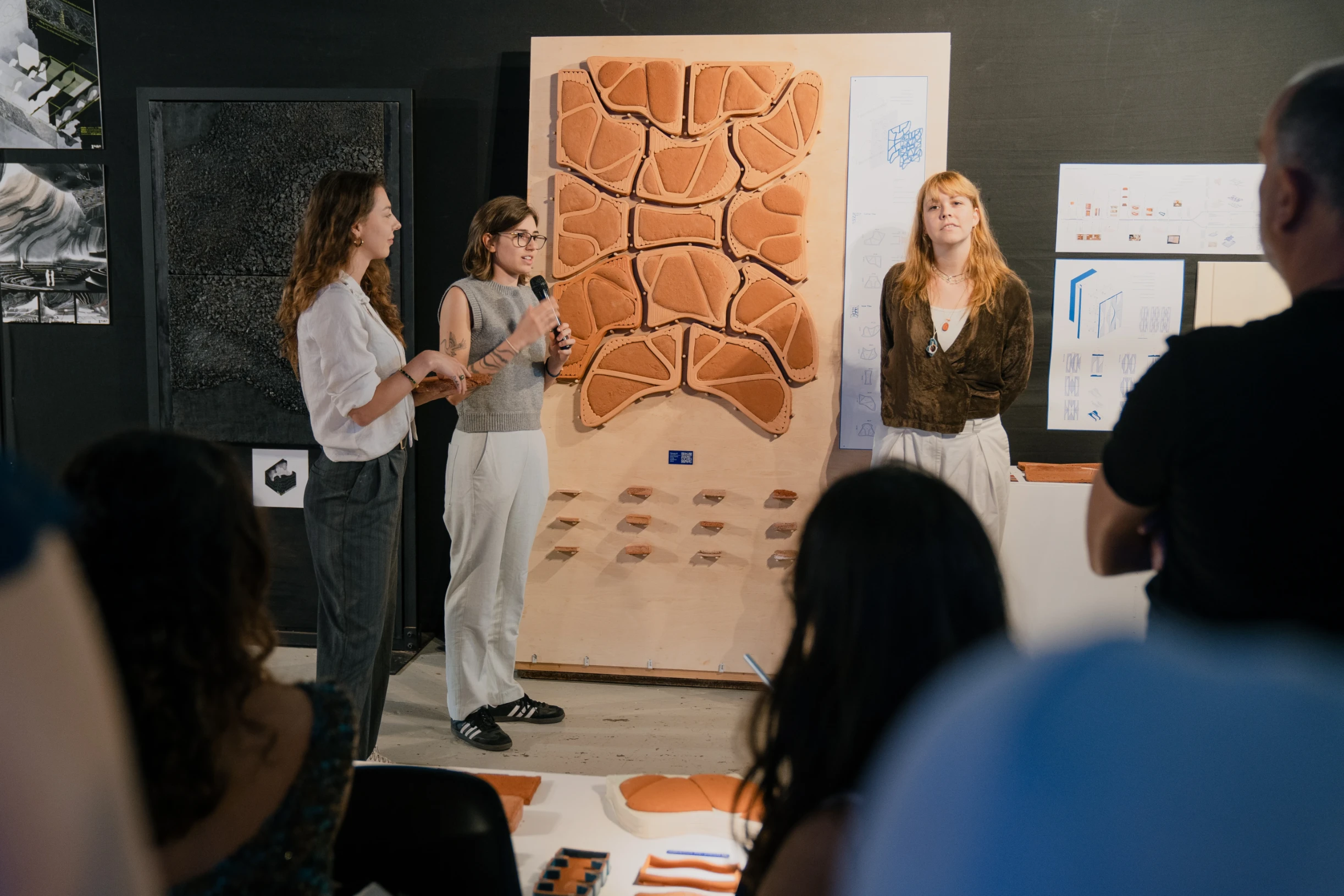
Applications for the 2026–2027 academic year are currently open. IAAC is also running its Scholarship Competition, offering partial scholarships to applicants whose proposals address global challenges in architecture, design, urbanism, and technology, with a key submission deadline on March 21, 2026. In parallel, IAAC will host a series of Programme Webinars from February 10 to 12, 2026, giving prospective students direct access to programme directors and academic teams.

With its renewed academic structure, IAAC approaches architecture as a field in constant evolution, one that must be actively prototyped to respond to a rapidly changing world.