

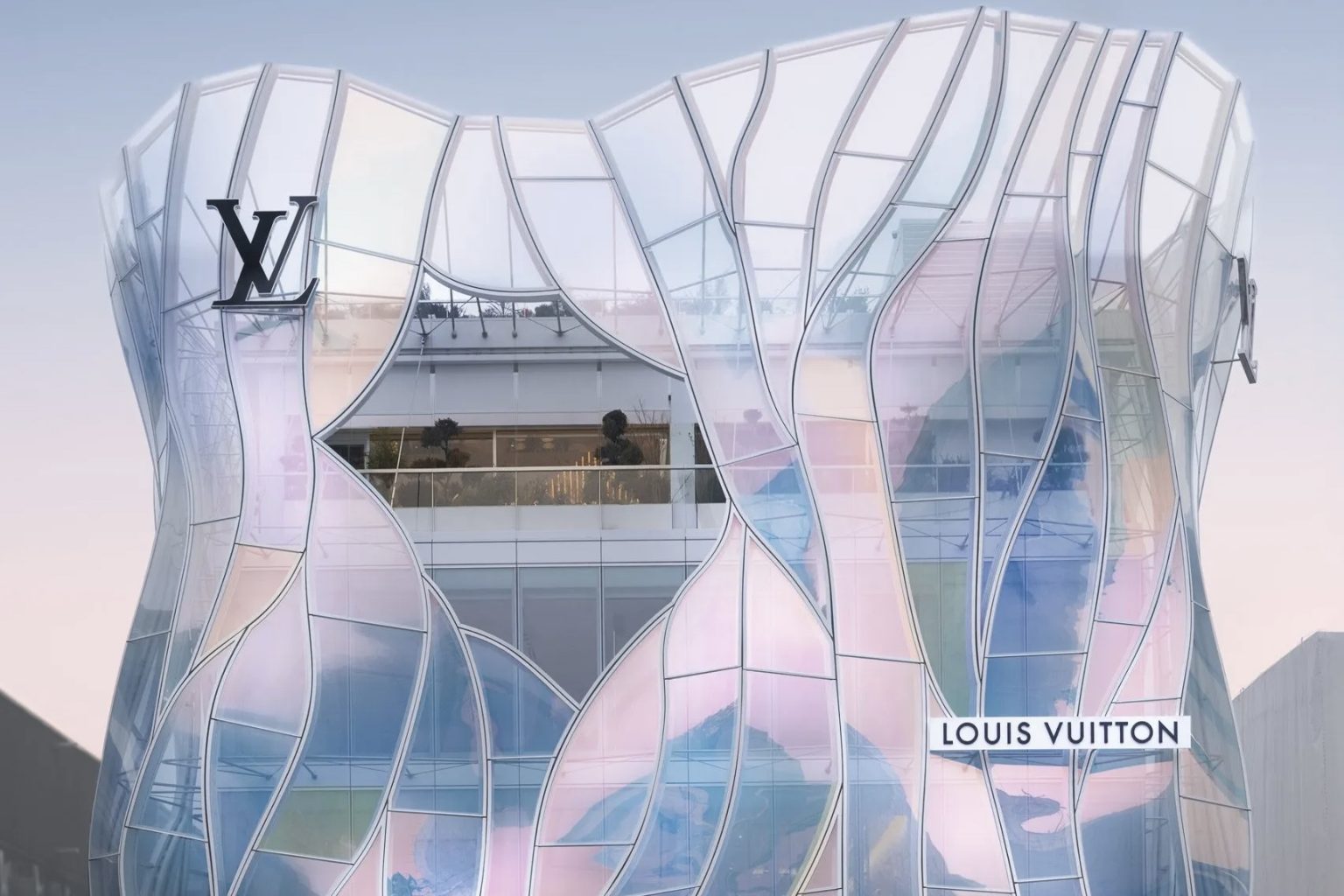


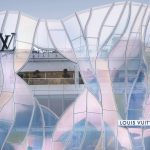
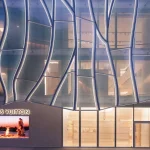
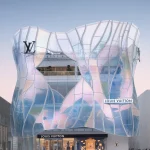
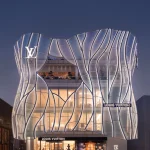
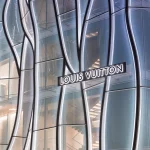
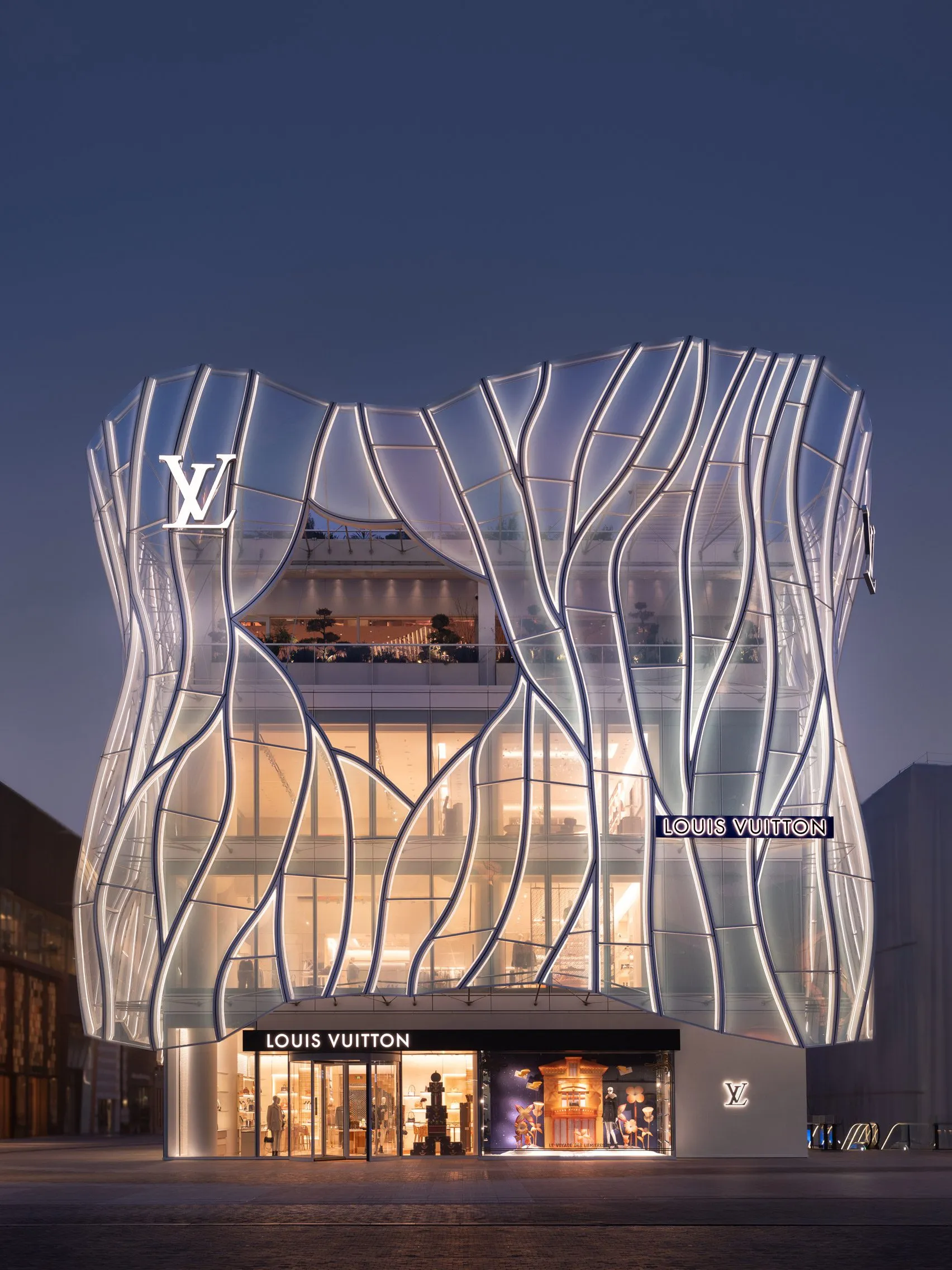
Louis Vuitton has officially opened its newest flagship store, Maison Louis Vuitton Sanlitun, in Beijing’s Taikoo Li retail district, marking a major step in the brand’s strategy for experiential luxury retail. Designed by Japanese architect Jun Aoki, the four-story structure is a purpose-built architectural project that goes beyond conventional retail space to fuse brand identity.
Jun Aoki’s Fluid Glass Design
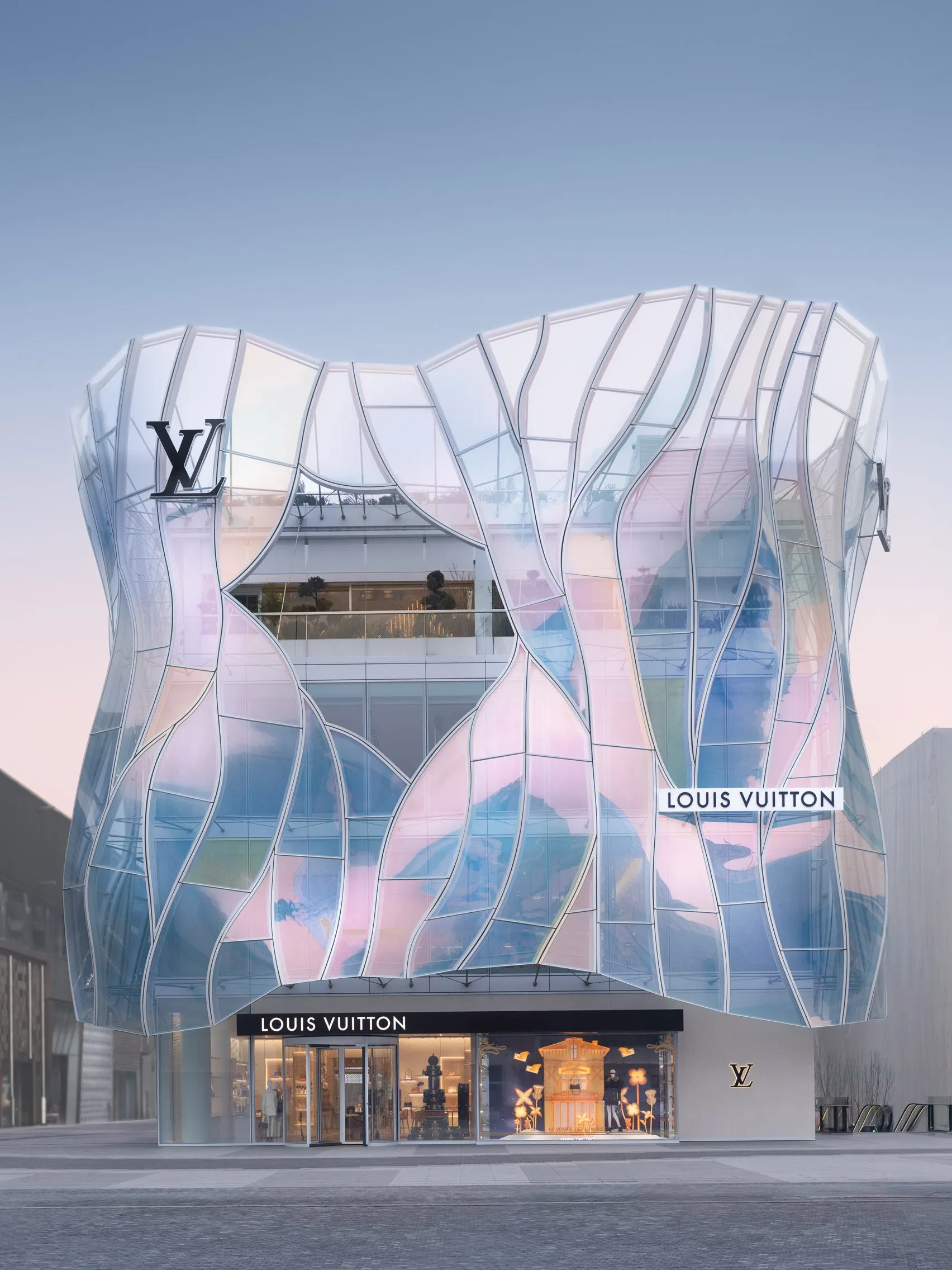
From the moment it opened on December 19, 2025, Maison Louis Vuitton Sanlitun stood out amid Sanlitun’s evolving luxury landscape, where global brands are redefining flagship stores that interact with cities and customers. The building is intended for design, community, and lifestyle experiences.
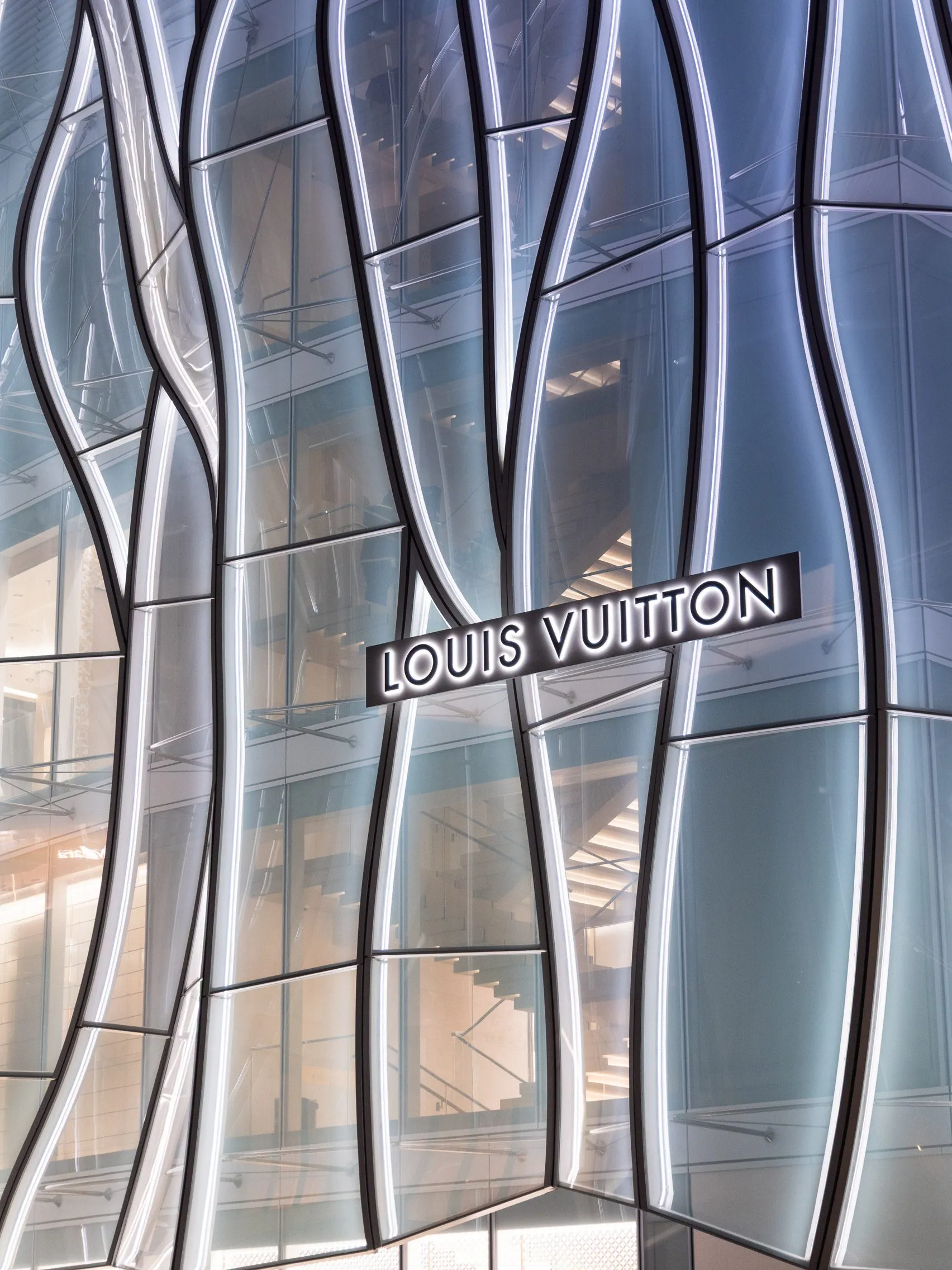
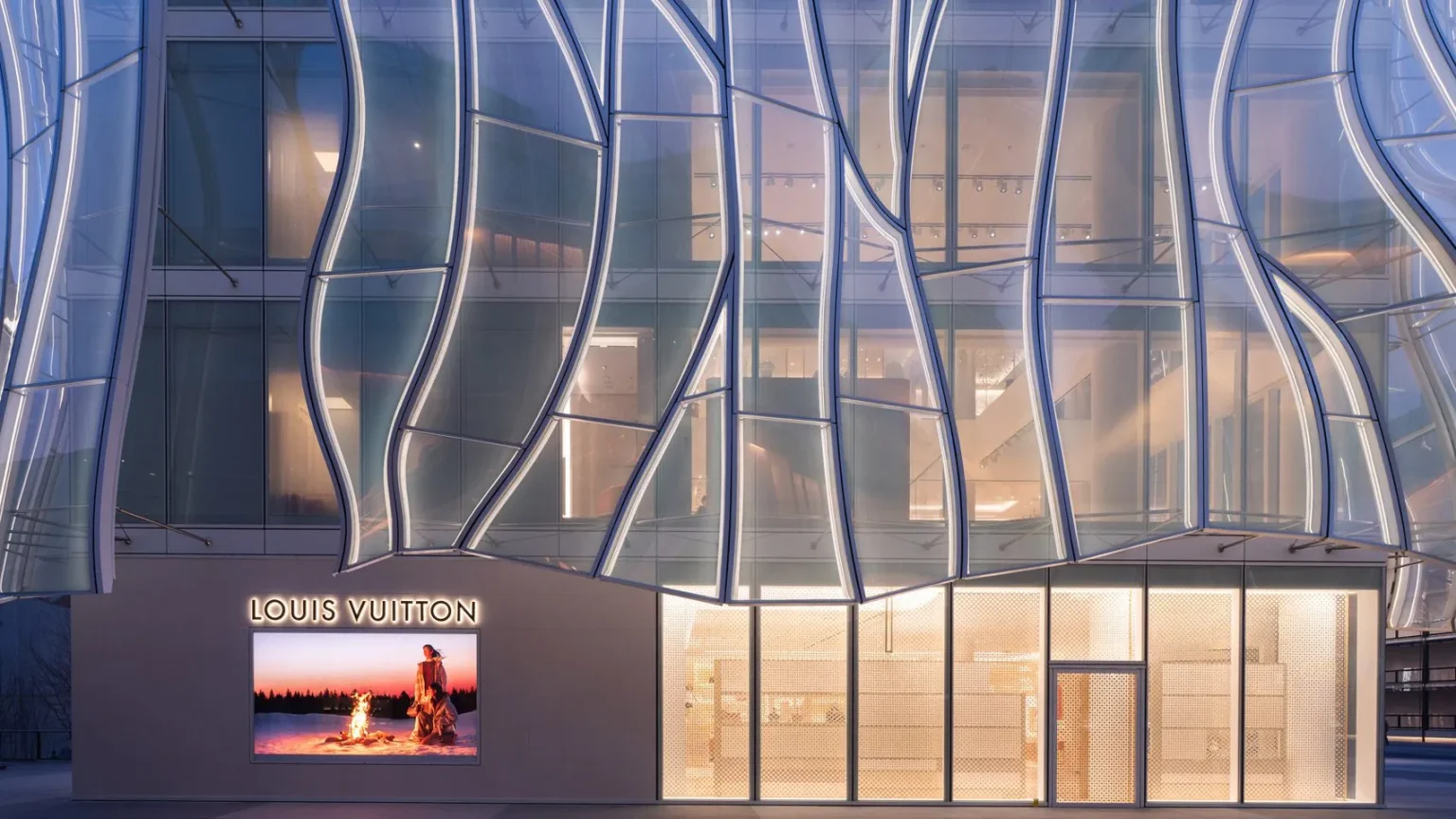
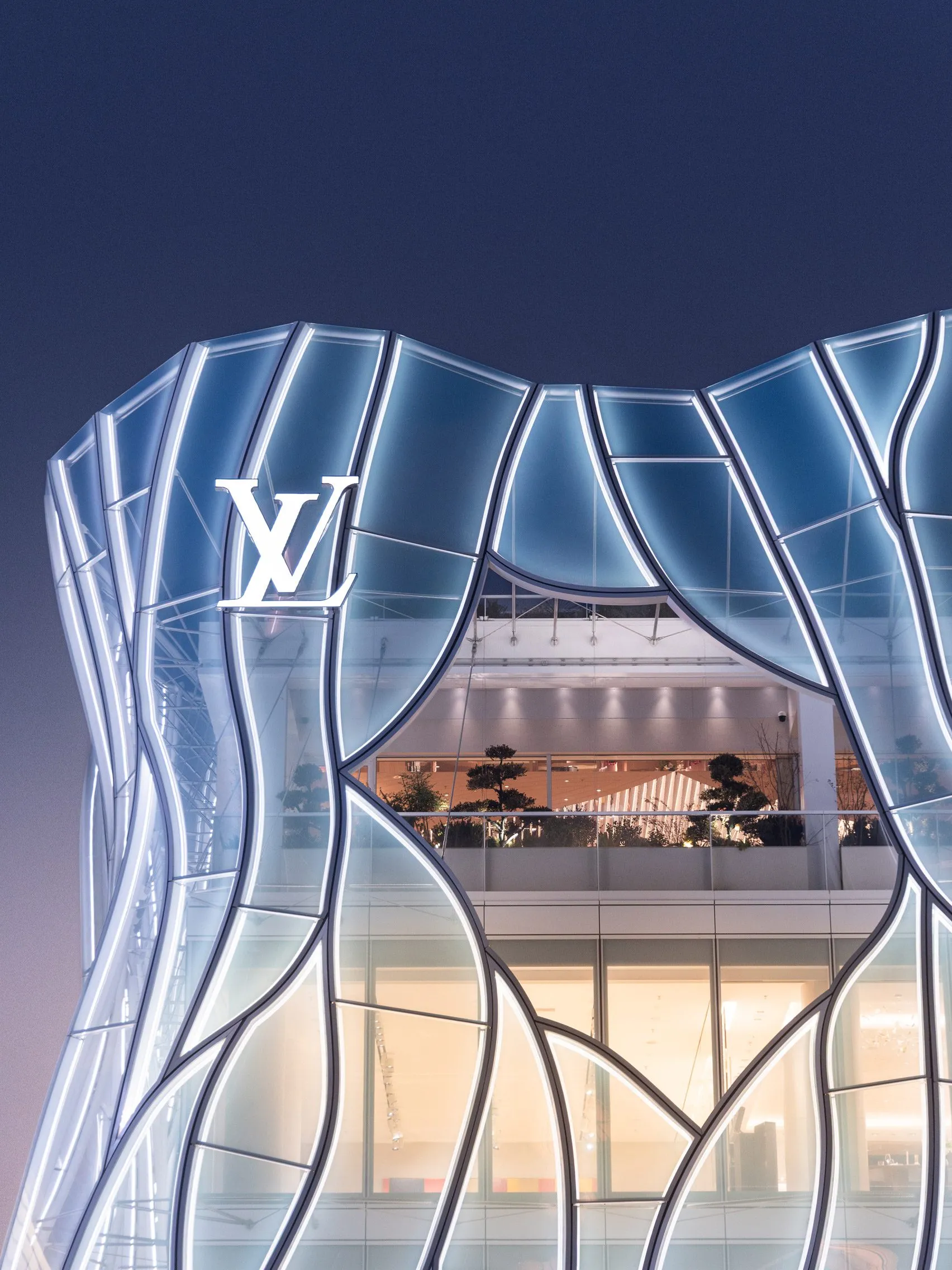
At a glance, the architecture communicates a clear deviation from traditional storefronts. The translucent facade is composed of hundreds of hand-curved glass panels that form an organic, layered surface. These panels vary subtly in contour, catching and refracting daylight in changing tones as the Beijing sky shifts, an effect that animates the building throughout the day and creates visual depth on the busy Sanlitun streetscape.
Inside Louis Vuitton’s New Sanlitun Flagship
The flagship is organized around a vertical central atrium that rises through three main levels. This atrium serves as the anchor for circulation and gives visitors visual continuity as they move upward through the house’s retail environments.
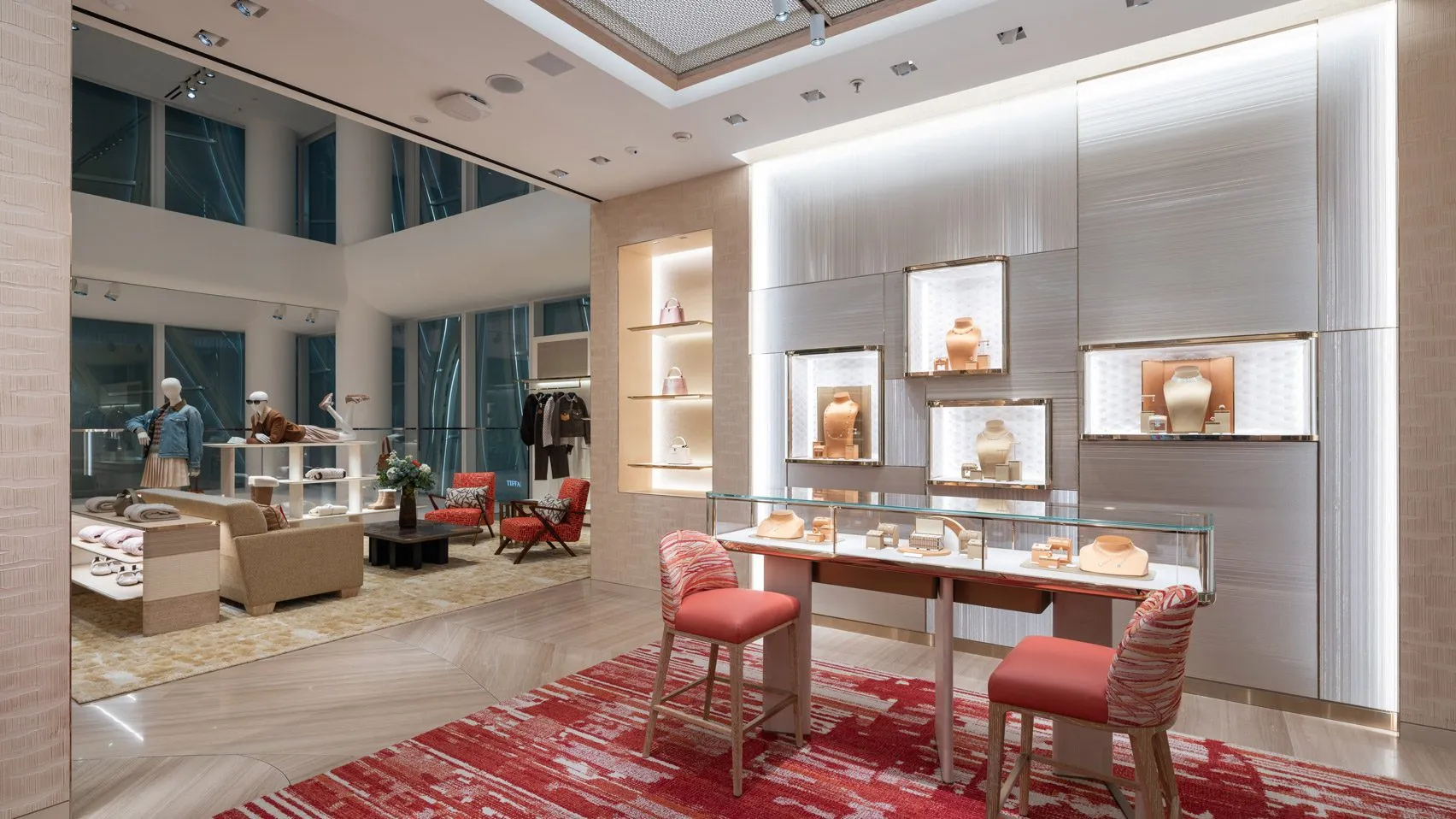
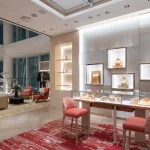
Each floor is planned with clear spaces for women’s and men’s collections, and leather goods, accessories, and beauty offerings are distributed along logical paths that balance visibility with openness. Circulation elements like staircases and escalators are integrated to maintain sightlines, keeping the interior legible and connected.
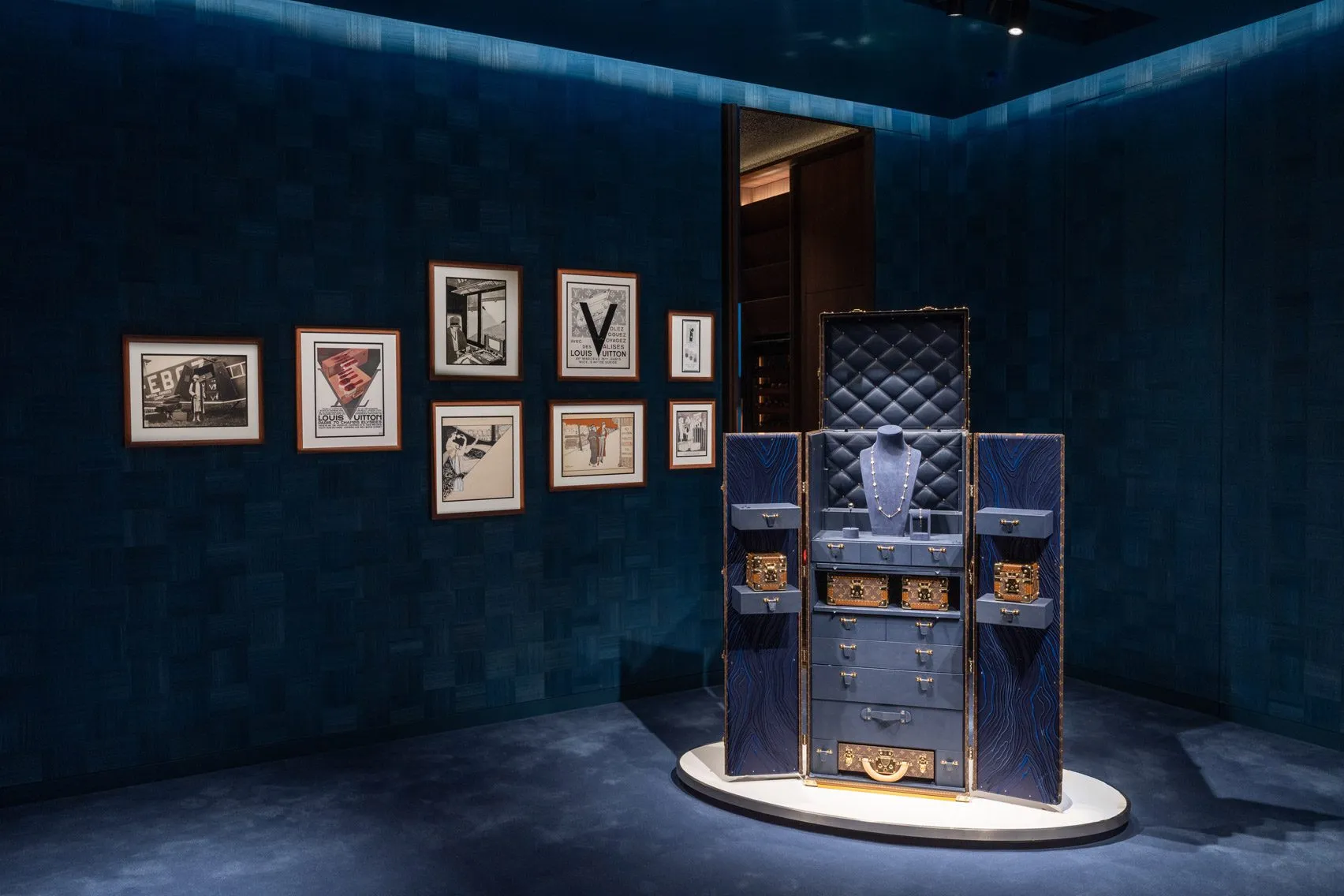
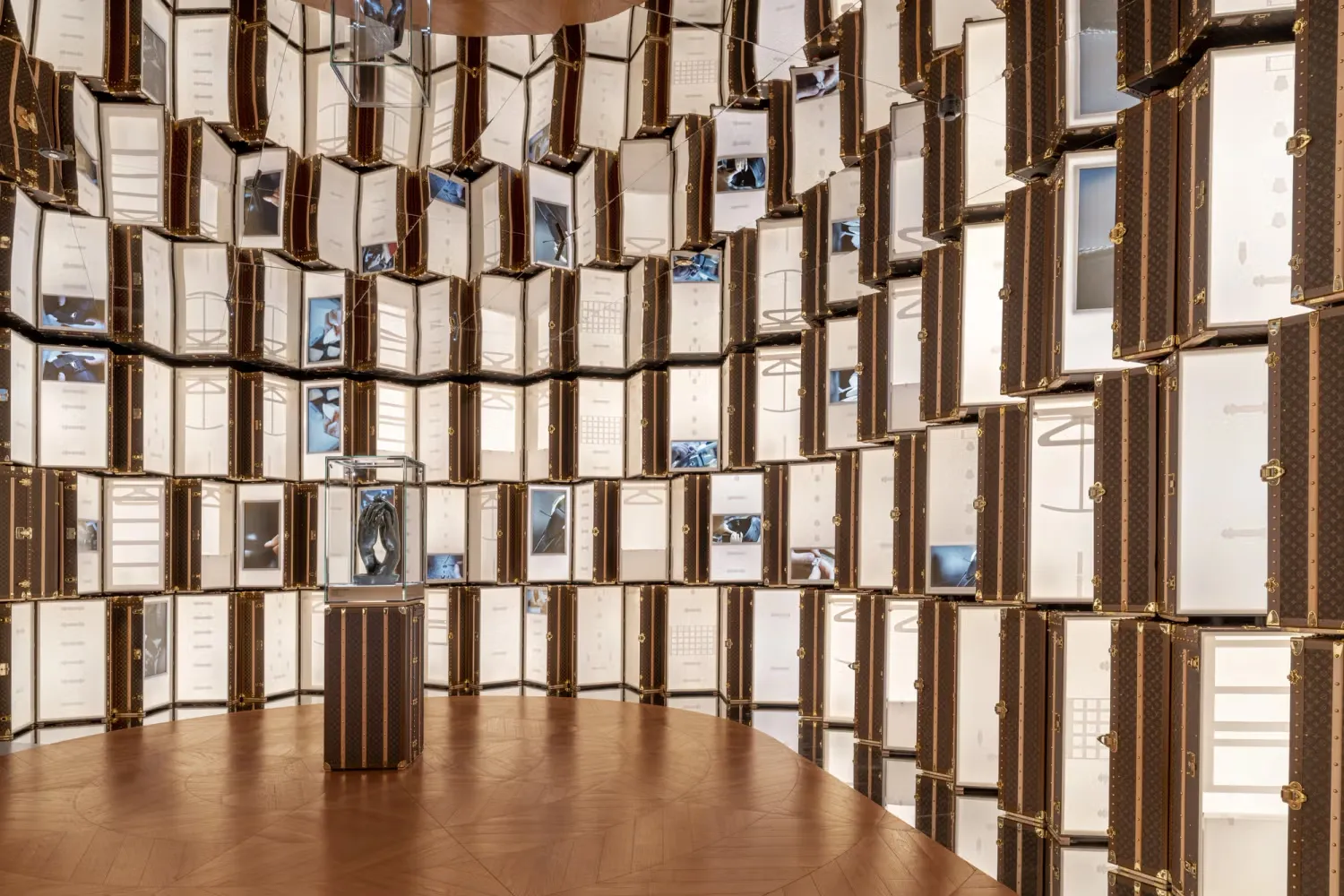
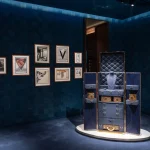
The inclusion of a dedicated Louis Vuitton level on the third floor, where furniture, textiles, and tabletop objects by designers including Patricia Urquiola and Cristian Mohaded are displayed in settings that feel closer to domestic spaces than conventional boutiques. This reinforces the idea that the flagship is about fashion, lifestyle, and design.
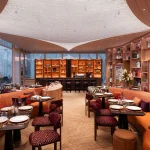
On the top floor, Le Café Louis Vuitton makes its debut in Beijing. It combines hospitality and social space under a single roof, a trend Louis Vuitton has been expanding in major cities around the world. The café begins with a mirrored vestibule that amplifies light and reflections, then opens into a dining area textured with continuous surfaces and details inspired by the brand’s craftsmanship, including references to iconic trunk proportions. There’s also a terrace overlooking Sanlitun, offering a place for social gatherings in an urban context.
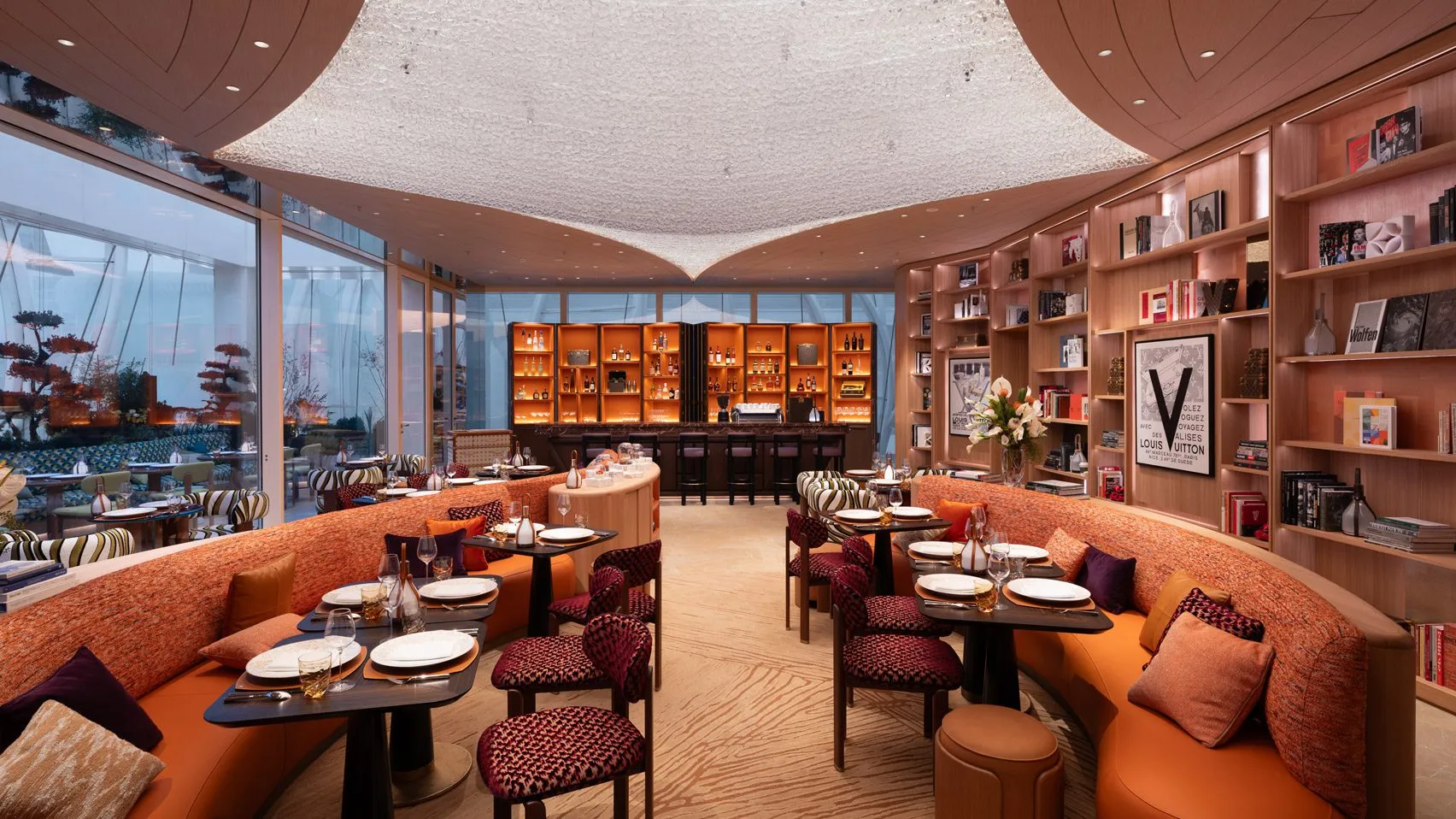
In design concept and execution, Jun Aoki’s work builds on a long-standing connection with Louis Vuitton, following earlier flagship projects such as the Tokyo and Osaka maisons. In Beijing, Aoki’s approach balances technical precision, material innovation, and cultural context, drawing inspiration from natural motifs like Taihu scholar’s rocks to shape a building that feels both grounded and fluid.
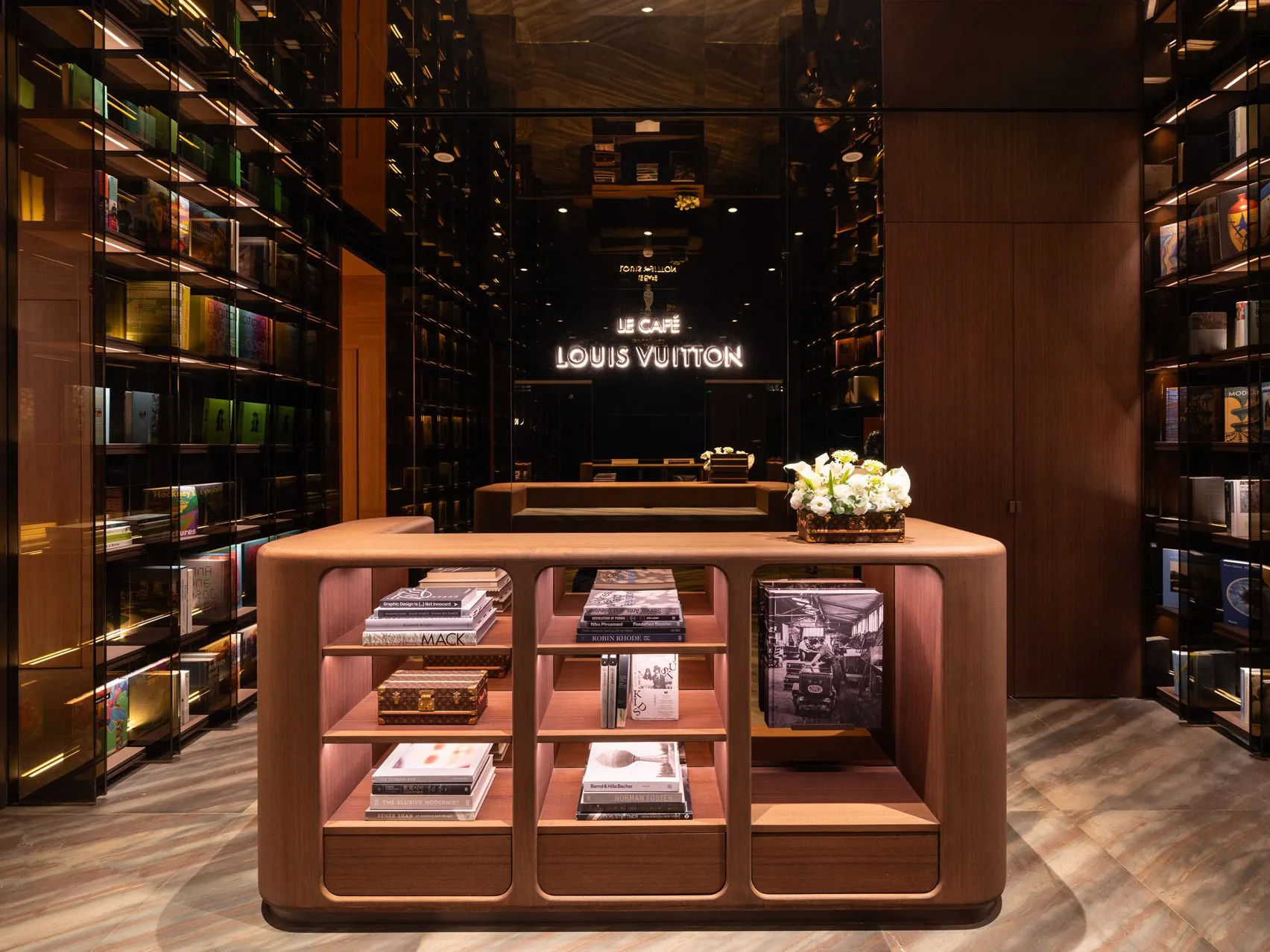
Maison Louis Vuitton Sanlitun is positioned squarely within that shift, functioning as an anchor for the district and a multi-sensory retail experience.
Image credit: Louis Vuitton