

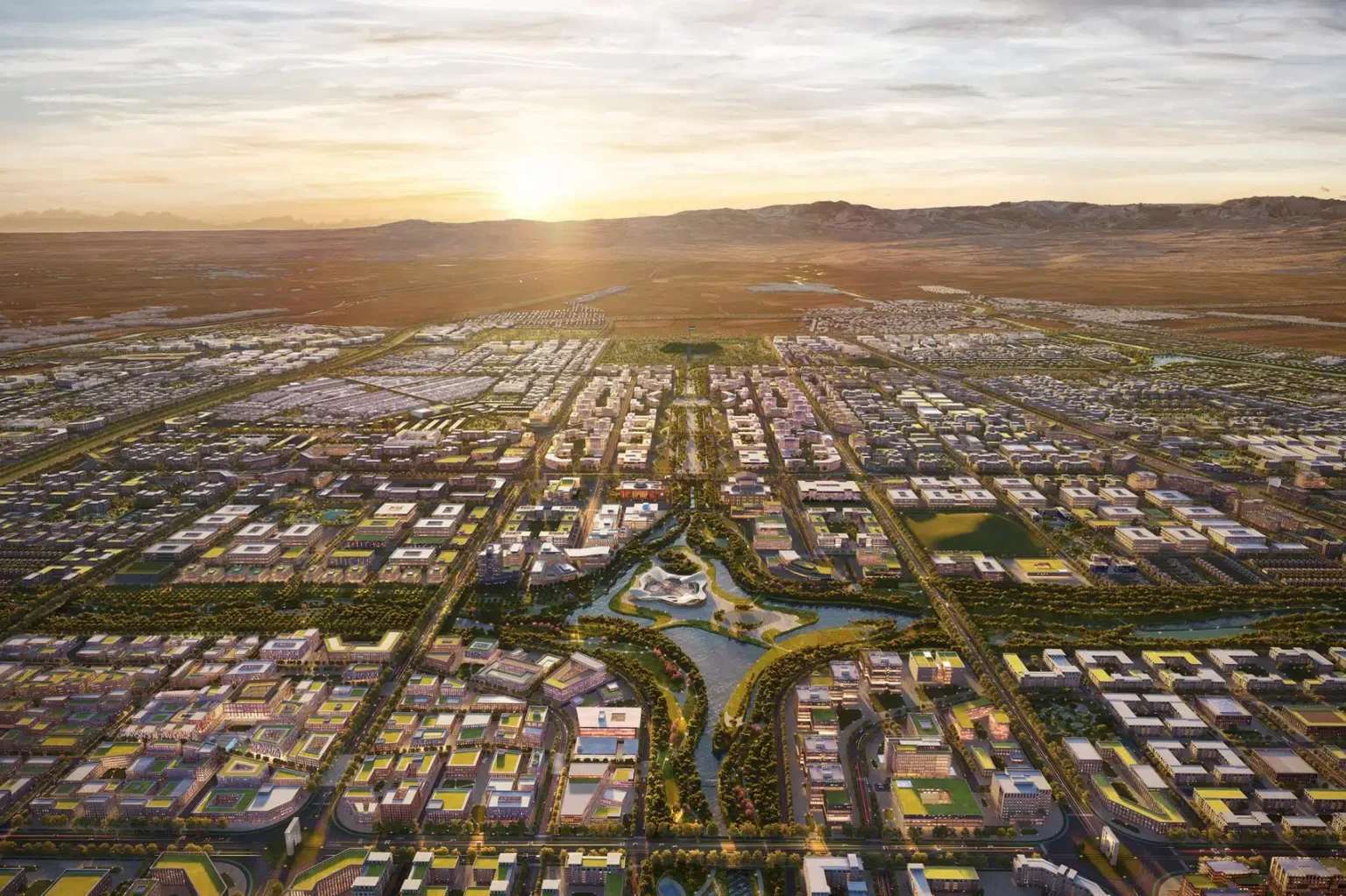

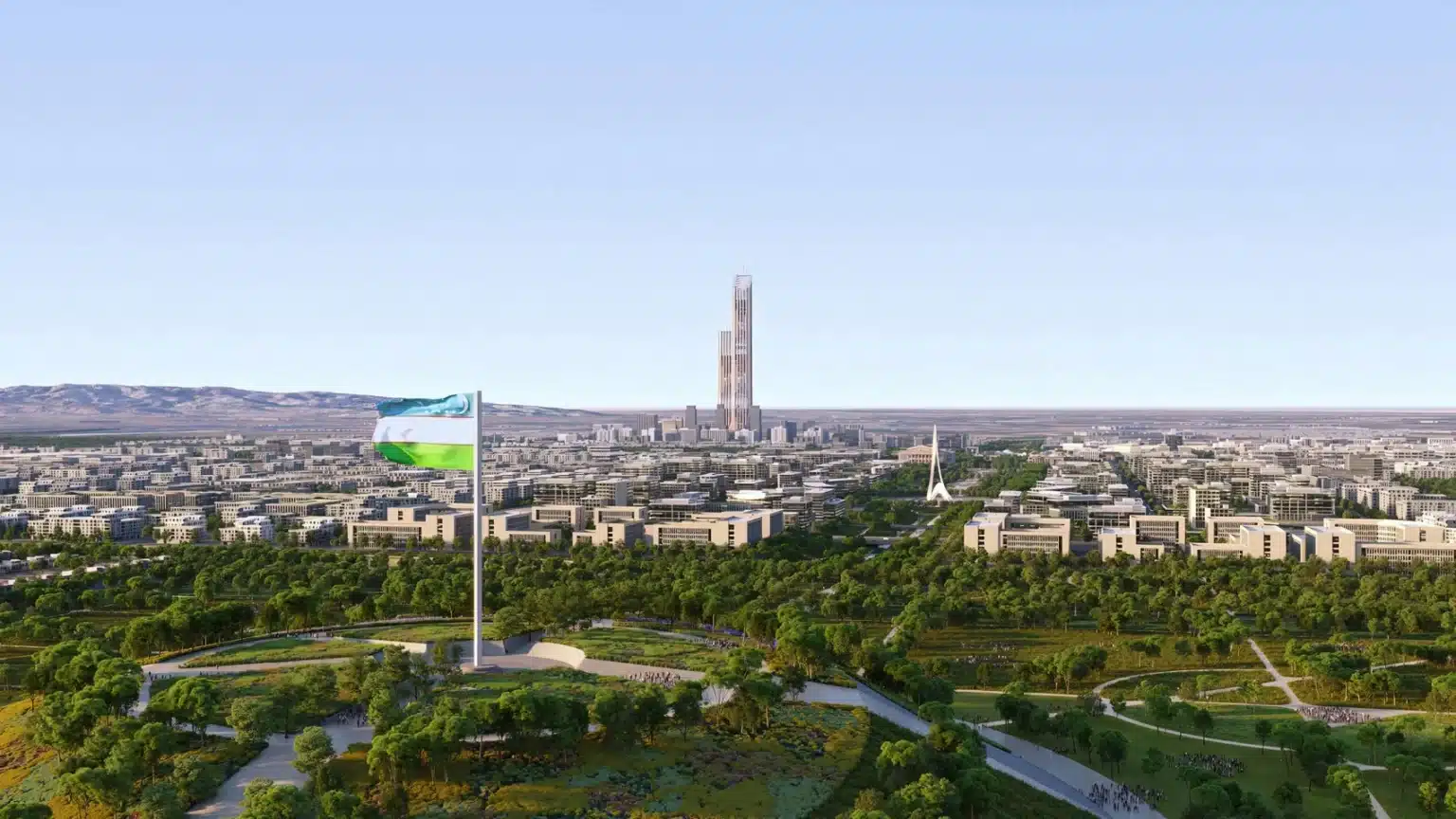



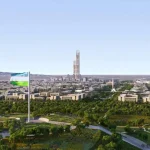
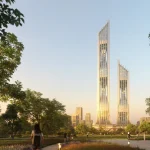


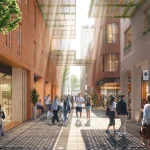
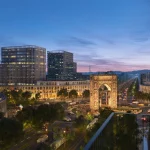
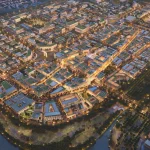

The New Tashkent project is conceived as a digital twin city of the historic capital of Uzbekistan. Driven by the vision of President Shavkat Mirziyoyev, the project addresses the systemic failures of the existing metropolis, including extreme pollution, obsolete infrastructure, and a diminishing green cover, while promoting smart solutions and sustainable living.
Smart Masterplan of Transformed Uzbekistan
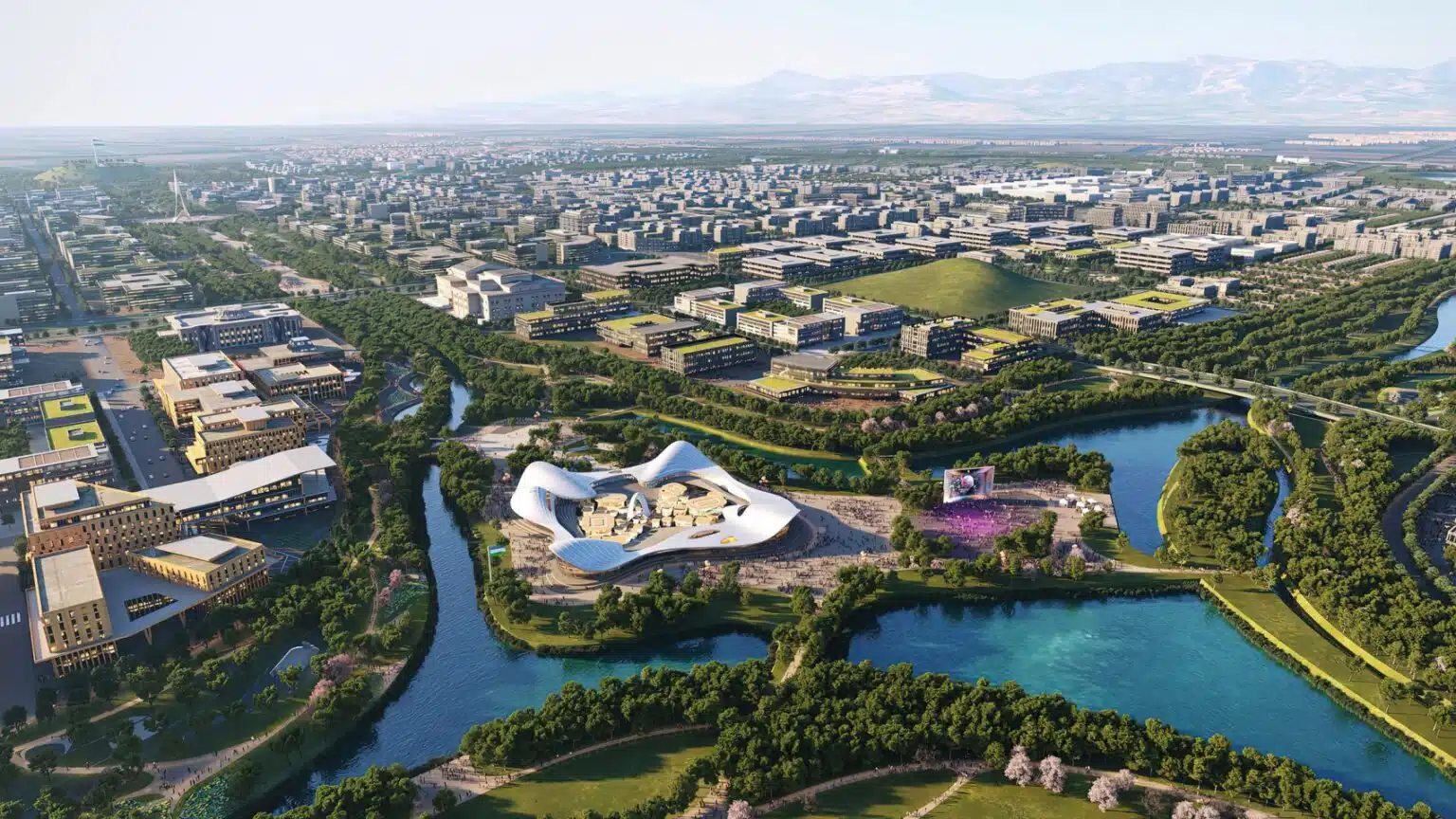
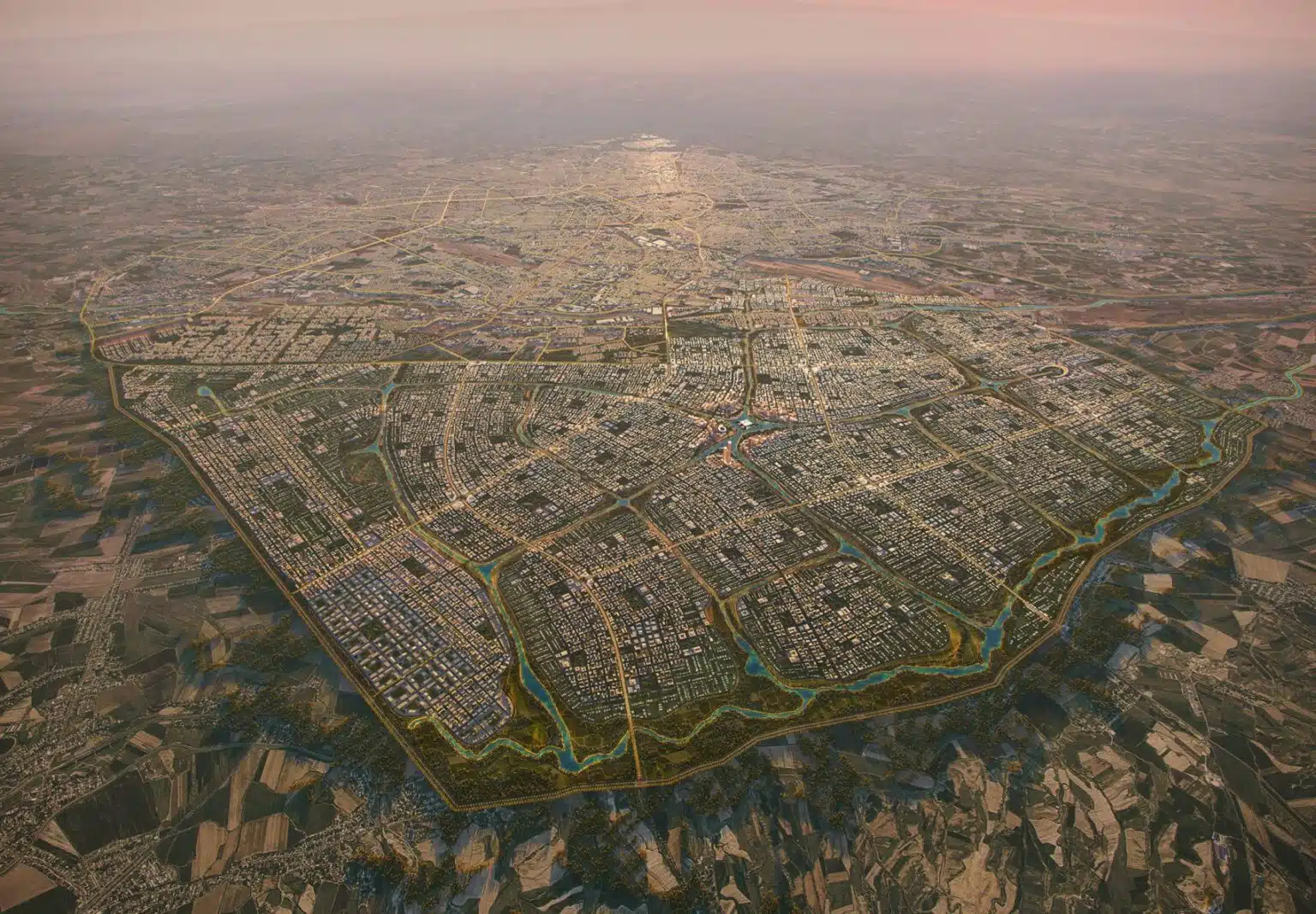
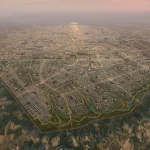
Spanning approximately 20,000 to 25,000 hectares to the east of the existing city, New Tashkent is designed to accommodate a projected population of 2.5 million residents. As of late 2025, the official population has reached 3.1 million, placing increased pressure on the city’s infrastructure, environmental controls, and green spaces.
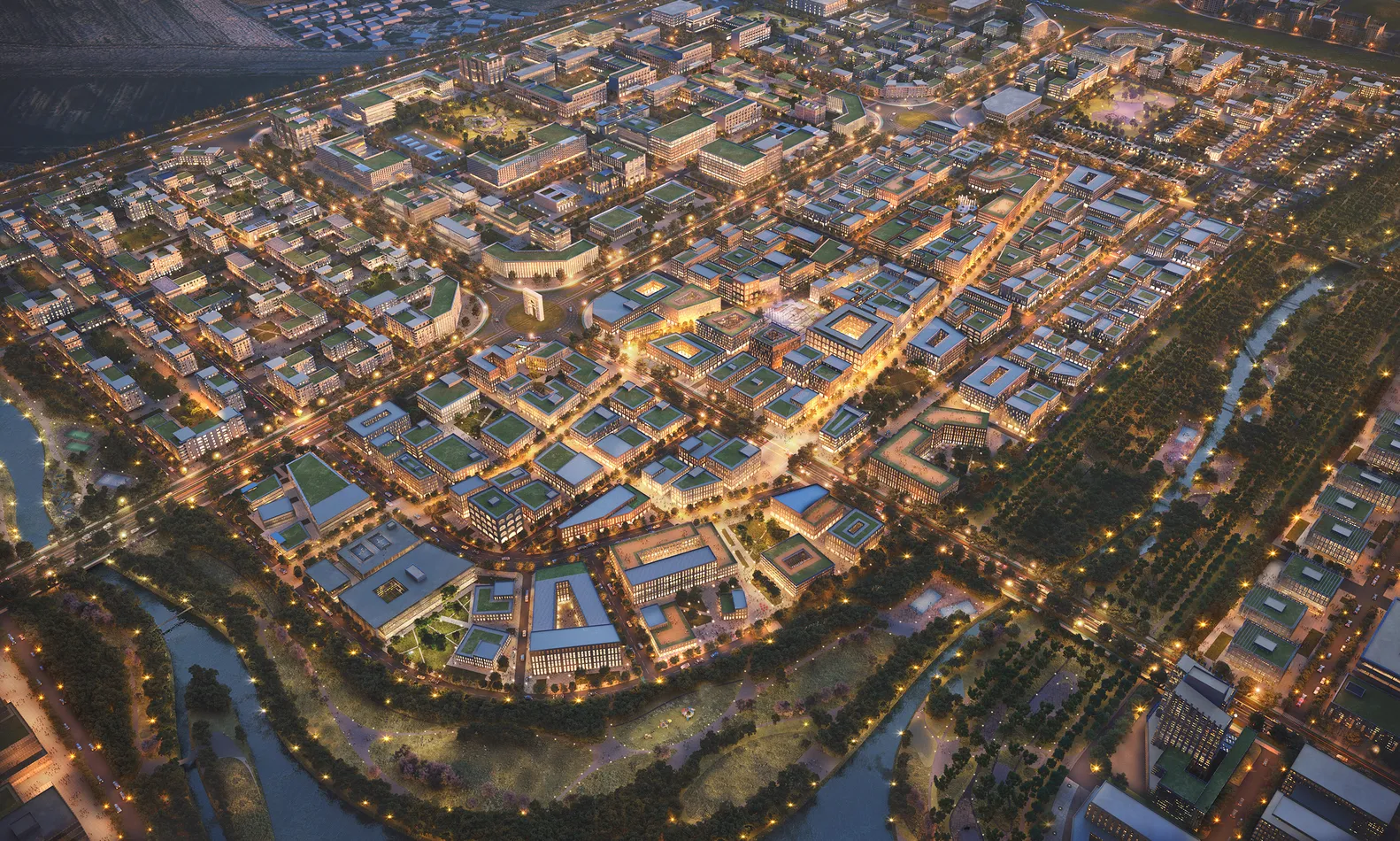
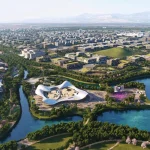
The New Tashkent master plan, developed by the British firm Cross Works, intervenes to address the city’s imbalances by creating a resilient and future-proofed urban framework. Strategically located between the Chirchiq and Karasu Rivers, the development utilizes natural mountain airflows and local hydrology to mitigate urban heat islands.
By relocating the administrative and cultural buildings to its new territory, the government aims to de-densify the old city, allowing for its preservation and revitalization while providing a clean slate for the Smart City and Green City concepts.
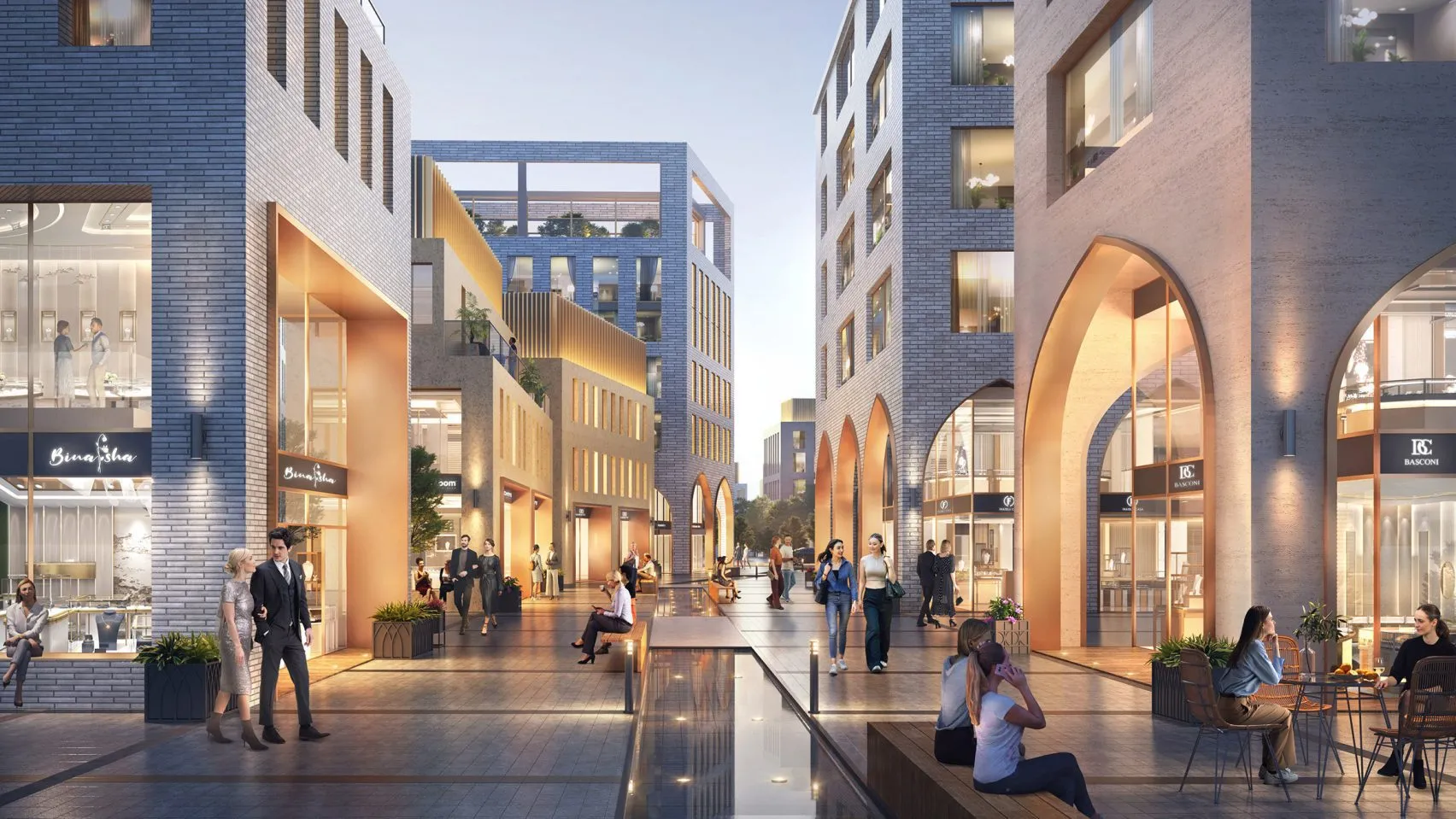
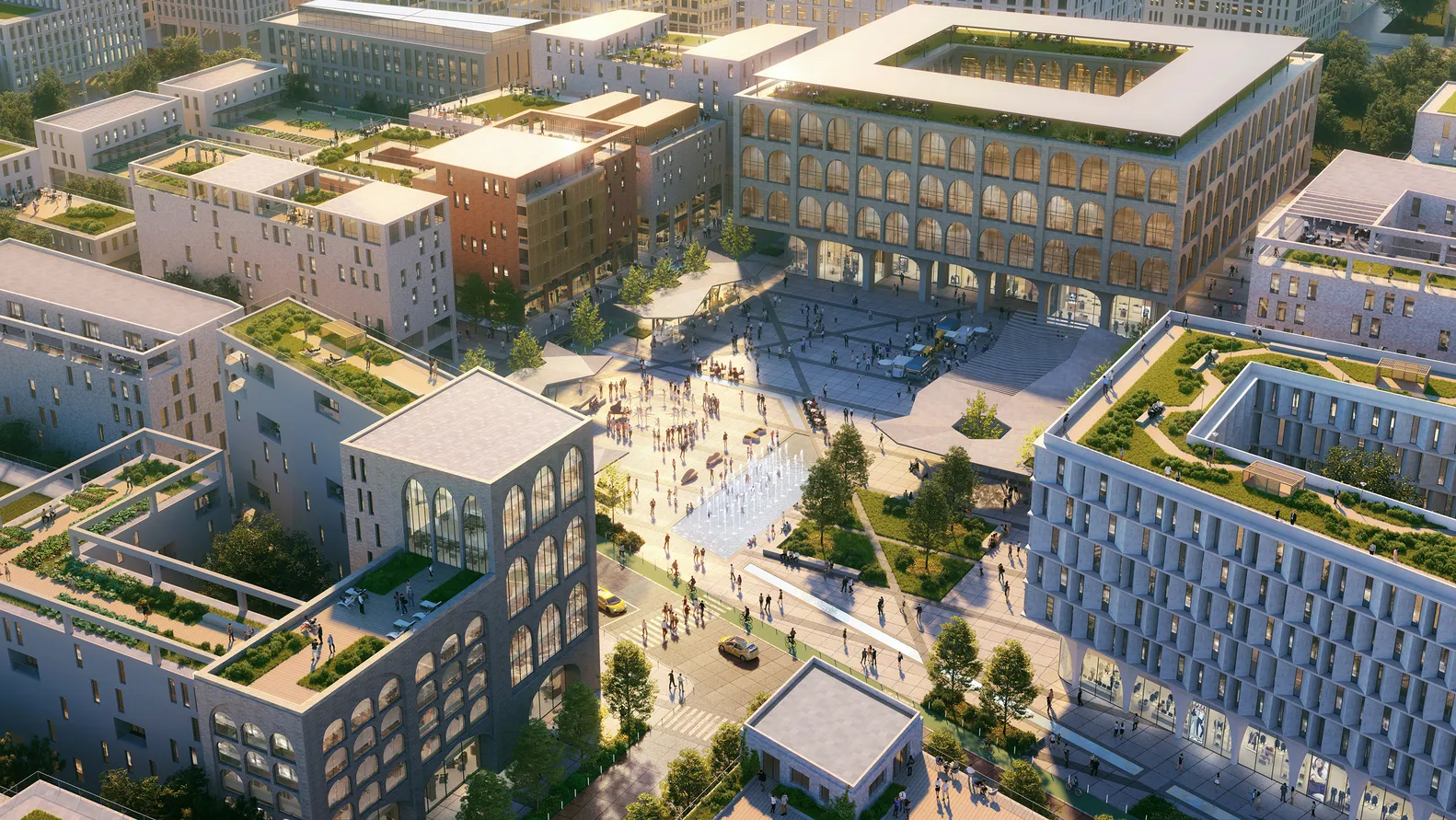
The new master plan employs a flexible, principle-based approach guided by the Tashkent Code that emphasizes human-scale development, cultural identity, and architectural diversity. The philosophy of design centers around the “15-minute city” model, ensuring that every resident can reach essential social infrastructure such as schools, kindergartens, primary healthcare clinics, and shopping districts within a 15-minute walk or cycle from their home. This strategy will reduce total car trips in the capital, thereby lowering carbon emissions and reducing the demand for massive road infrastructure, which frequently divides communities.

The Role of the Digital Twin
The New Tashkent is managed through a digital twin technology, a real-time, data-driven virtual replica of the city. Developed by Cross Works, it integrates 2D and 3D urban analyses, geolocated renders, and advanced forecasting tools.
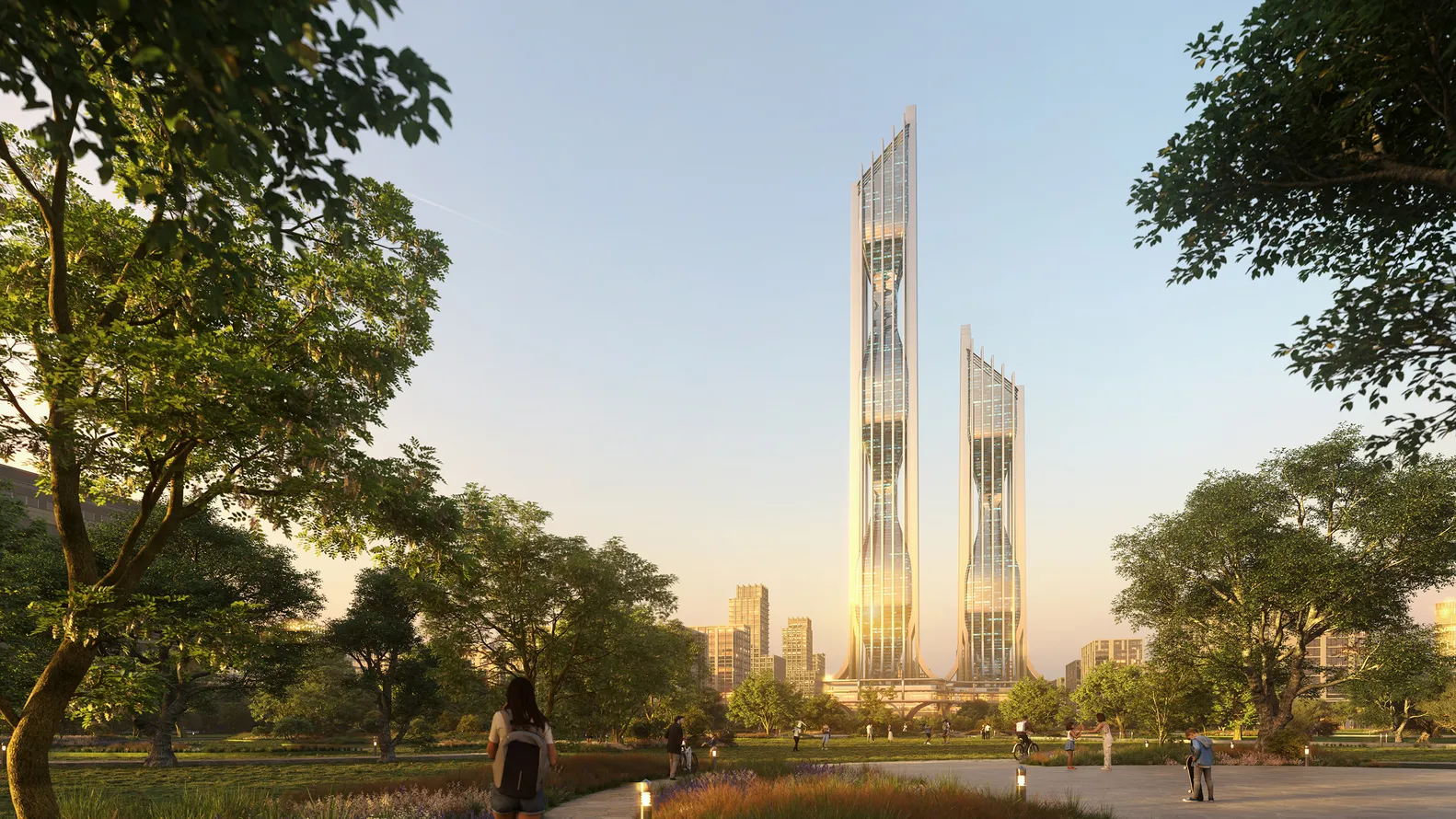
The digital twin acts as a transparency and decision-making tool, allowing stakeholders, investors, and local communities to visualize the project’s status and provide feedback. The construction of the New Tashkent follows a multi-stage timeline extending to 2045, with the first phase designed as District 1, focusing on the administrative and social core of the city’s growth.
The Ohangaron Smart City
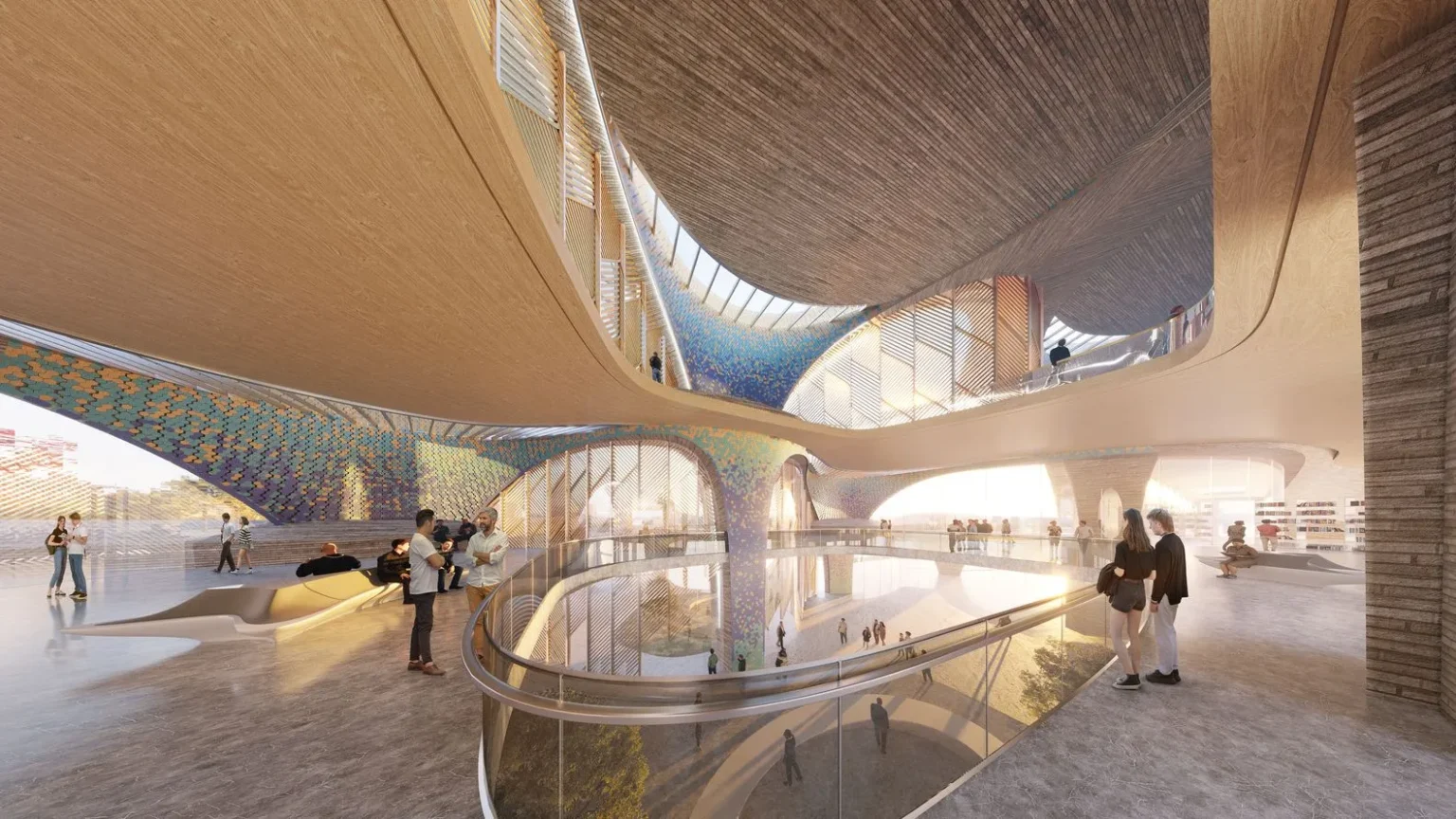
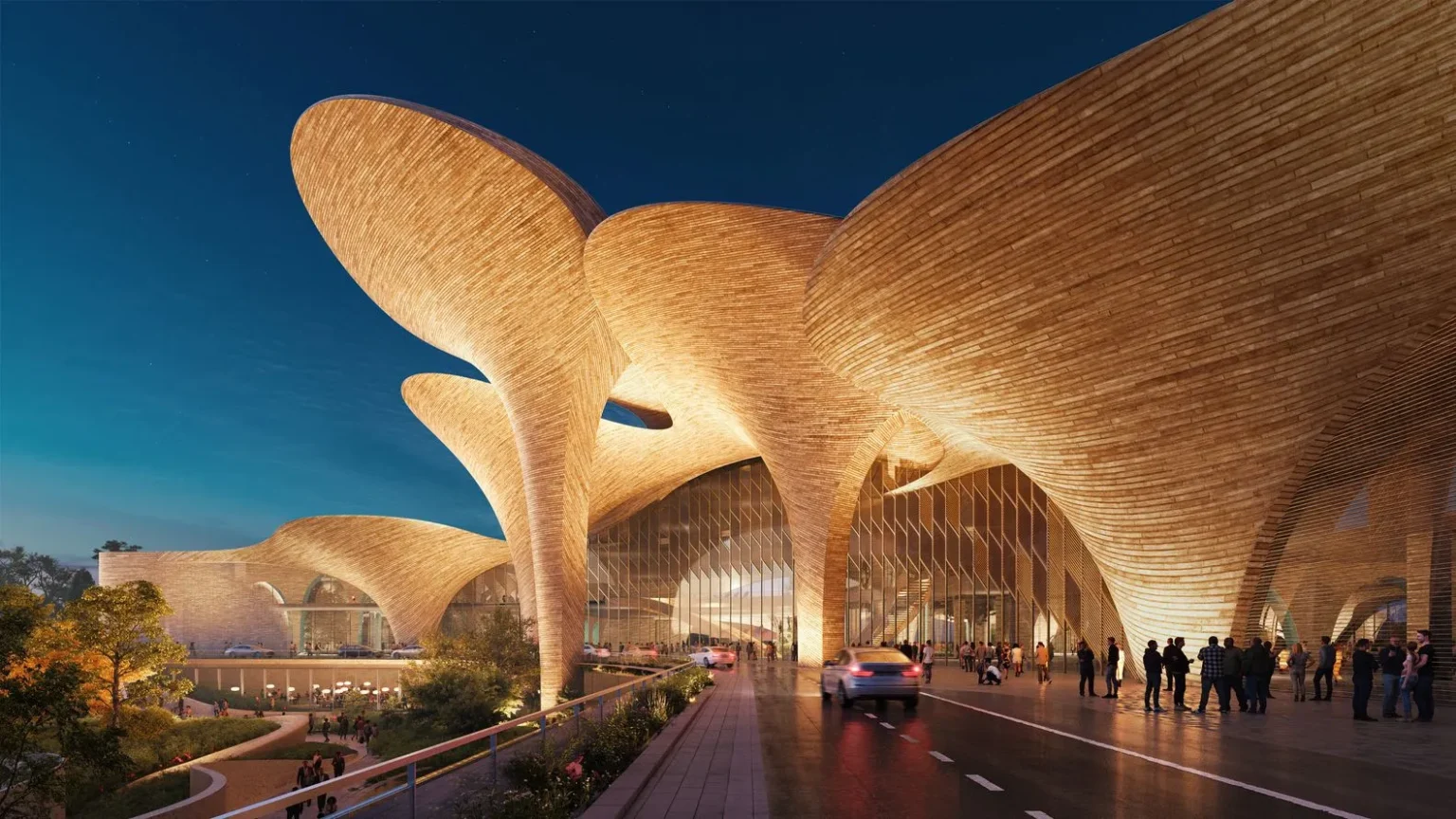
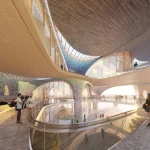
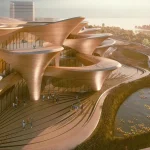
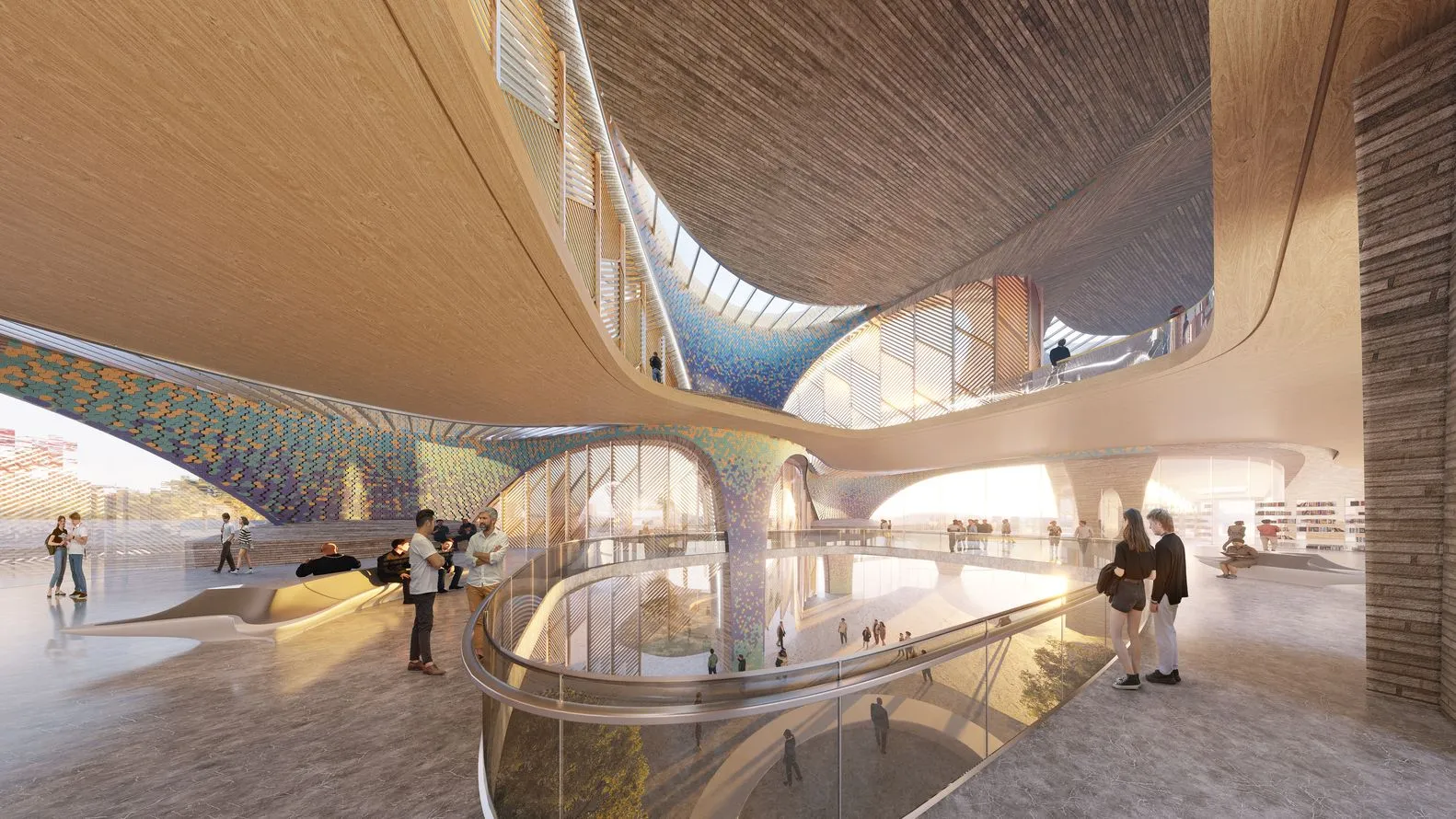
One of the visionary projects associated with the New Tashkent vision is the Central Asia Smart City in Ohangaron. Spanning 6,000 hectares, the project represents the largest single investment in Uzbekistan’s history, with a budget of $10 billion. While conserving the spiritual and cultural knowledge of the region, the centerpiece of the design is the 29,000-square-meter Alisher Navoi International Scientific Research Centre, designed by Zaha Hadid Architects. It is a multidisciplinary hub dedicated to the preservation and celebration of Uzbek literature, music, and linguistics.
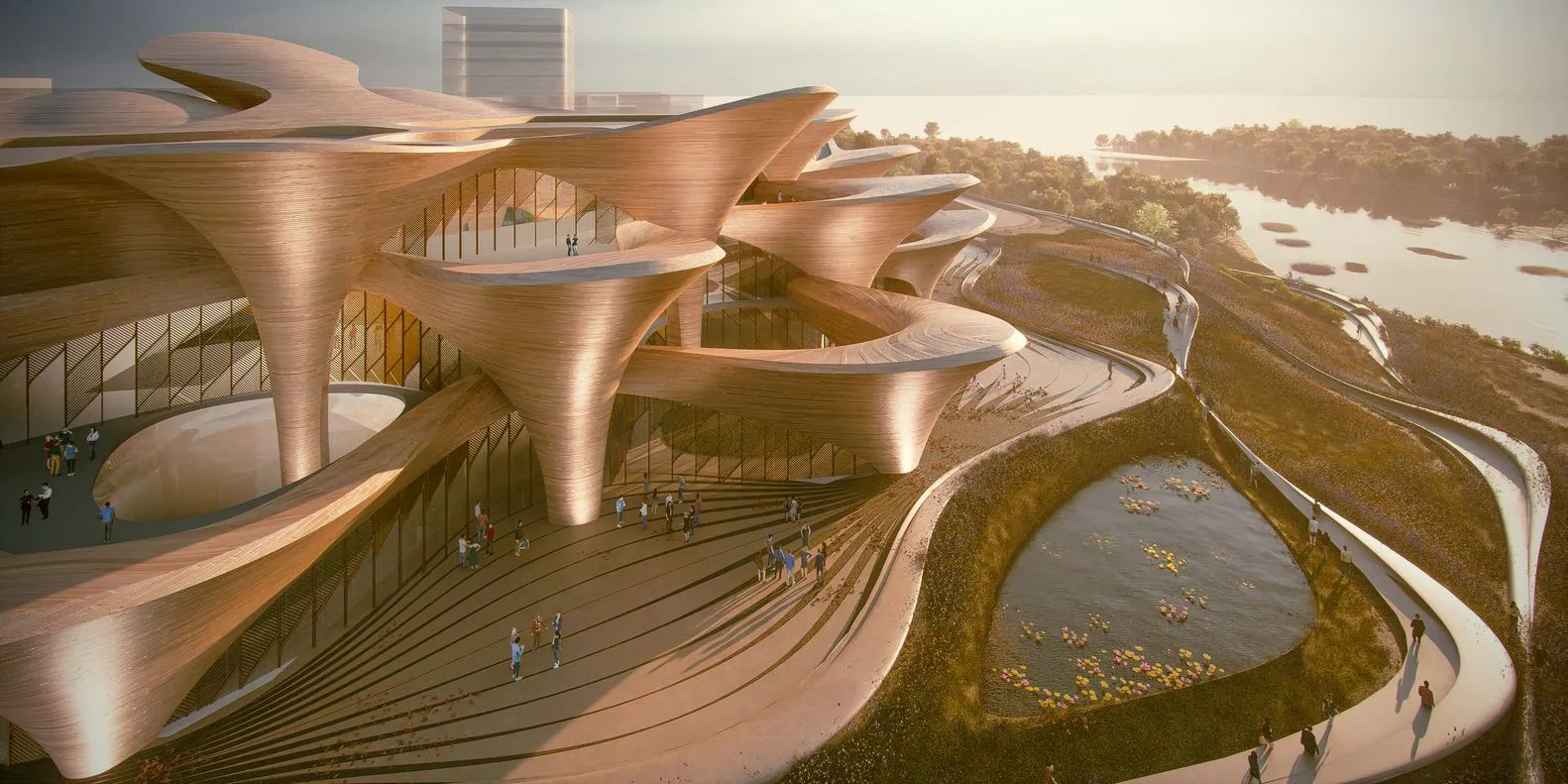
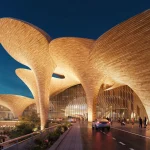
The architectural language of the center is conceptualized through arched facades and intricate interiors built from bricks produced in local Tashkent kilns, reflecting the geometric elegance of traditional Timurid and Islamic architecture. The design is inspired by the traditional Central Asian wind towers and reinterpreted as hollow arches to capture the breeze and channel natural ventilation throughout the building.
Credits: © Cross Works