


Snøhetta has never behaved like a conventional architectural office. Since its quiet beginnings in 1989 on the upper floor of an Oslo pub, the practice named after a remote Norwegian mountain has grown into a global studio whose work resists stylistic branding and instead leans into place, culture, and narrative. Across museums, opera houses, landscapes, and public institutions, Snøhetta approaches architecture less as an object and more as a civic and cultural proposition shaped by context.
Now operating from Oslo, New York, San Francisco, and Singapore, the interdisciplinary studio continues to work across scales and geographies with a consistent clarity of intent. Rather than repeating a recognizable formal language, Snøhetta allows each project to emerge from its surroundings, program, and social ambition. The result is a body of work that feels both diverse and cohesive, and a growing portfolio of projects that remain among the most closely watched in contemporary architecture.
Here are 10 of Snohetta’s most anticipated projects:
1. Shanghai Grand Opera House
Location: Shanghai, China
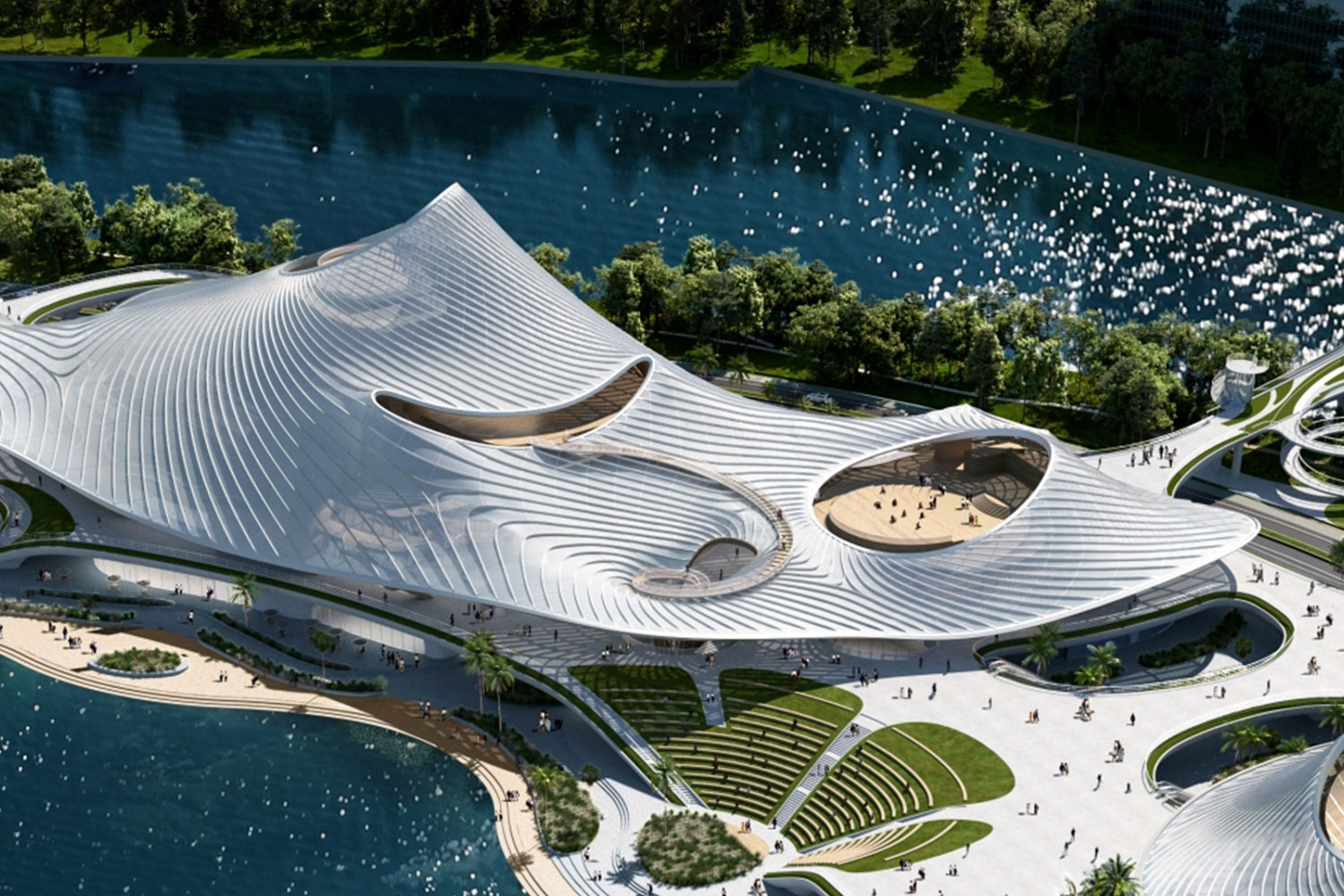
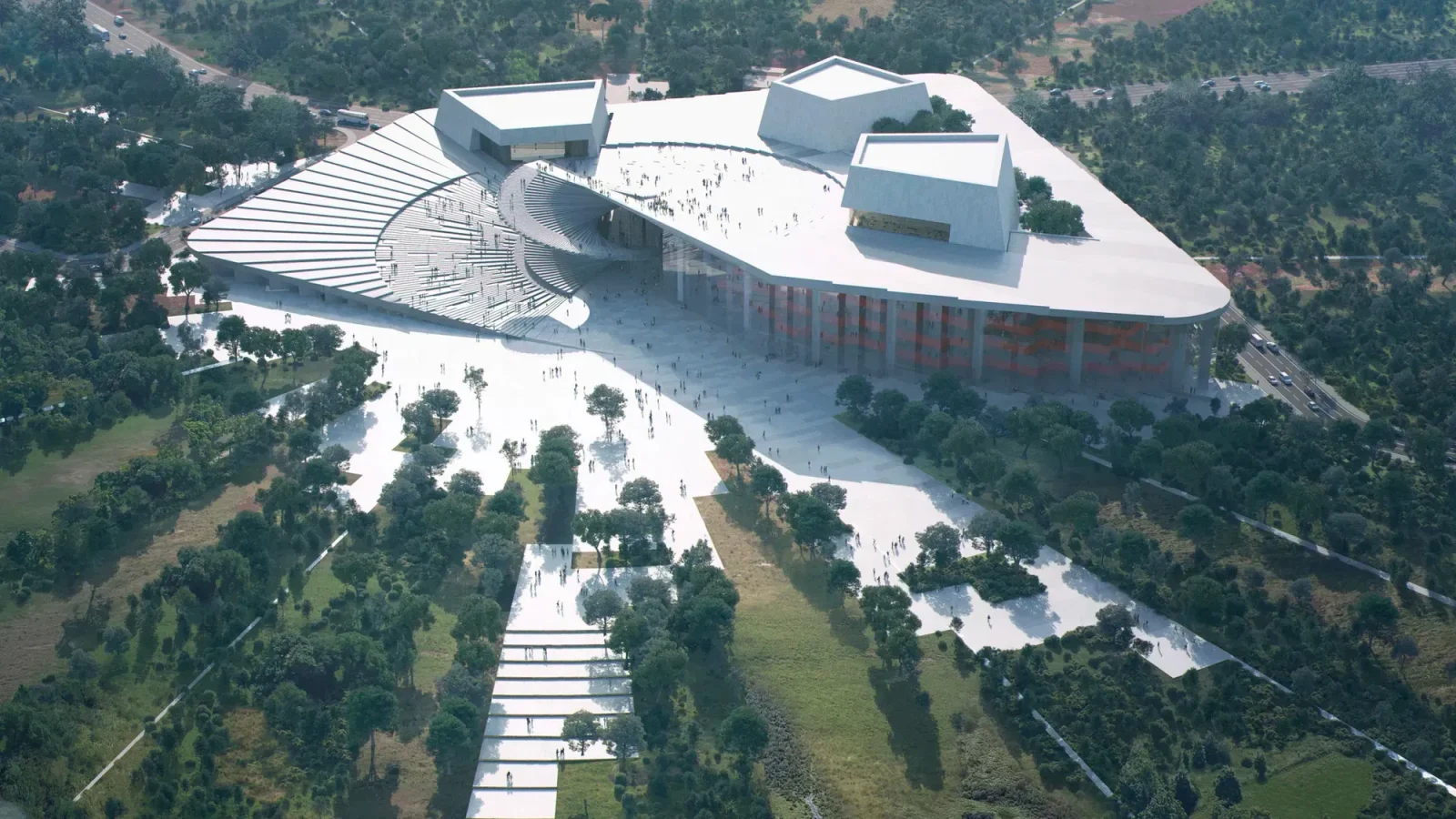
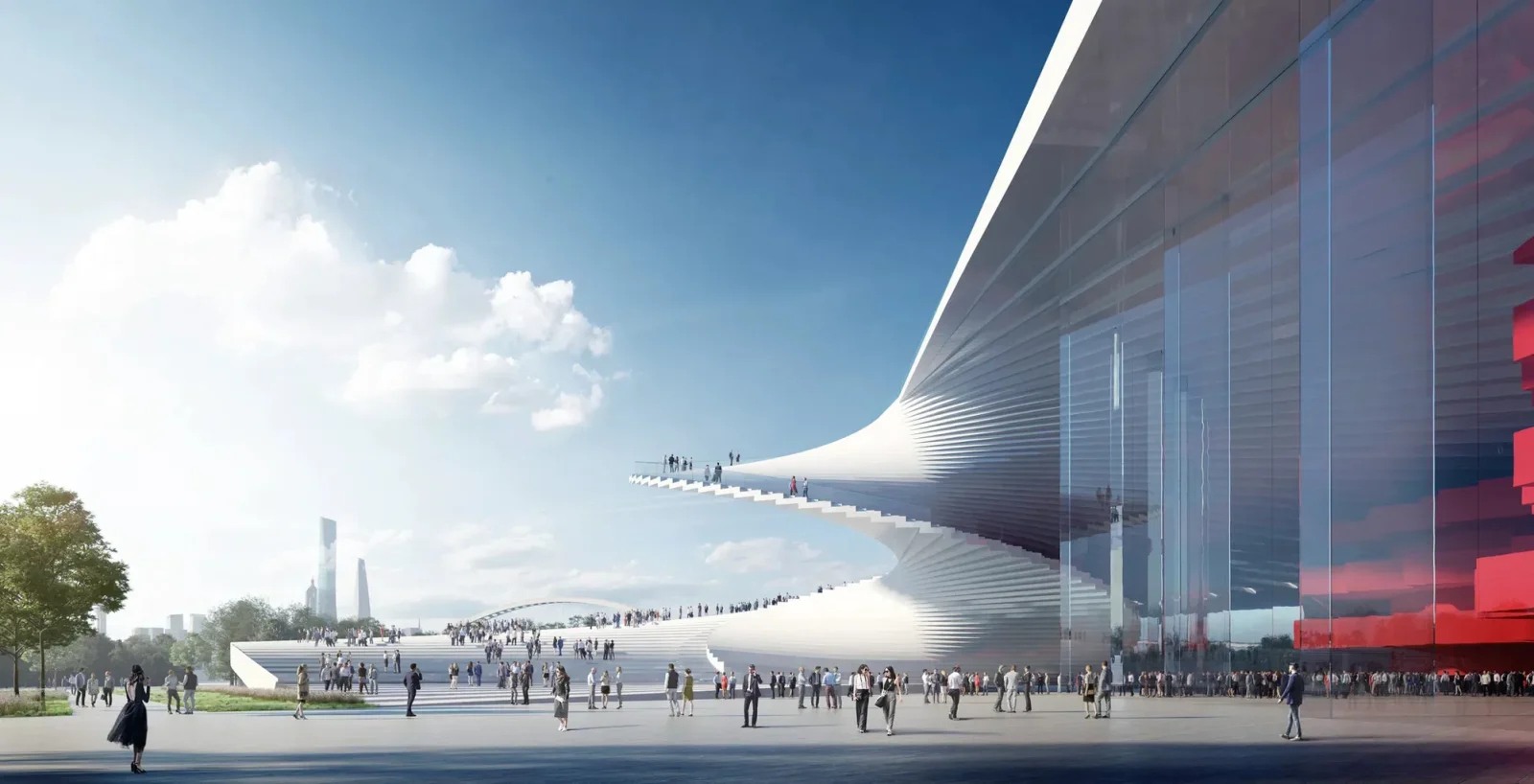
Designed with the motto “A destination for everyone,” the Shanghai Grand Opera House, with a completion date of 2026, is one of Snøhetta’s most anticipated projects. Having won an international design competition, Snøhetta developed the architectural, landscape, interior, and graphic design for the opera house. The Opera House aims to reach a wide audience by hosting traditional and classical concerts as well as experimental performances.
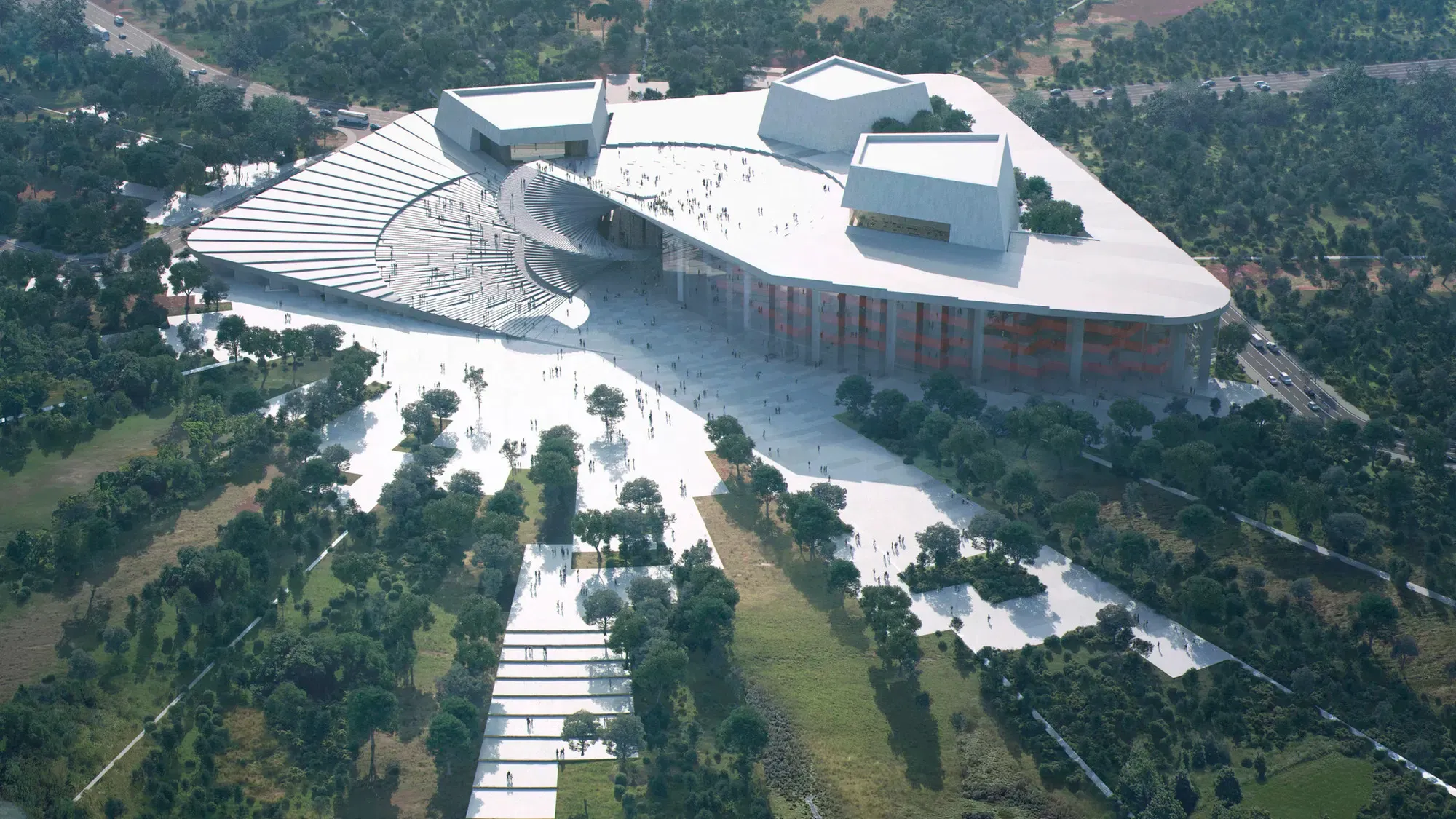
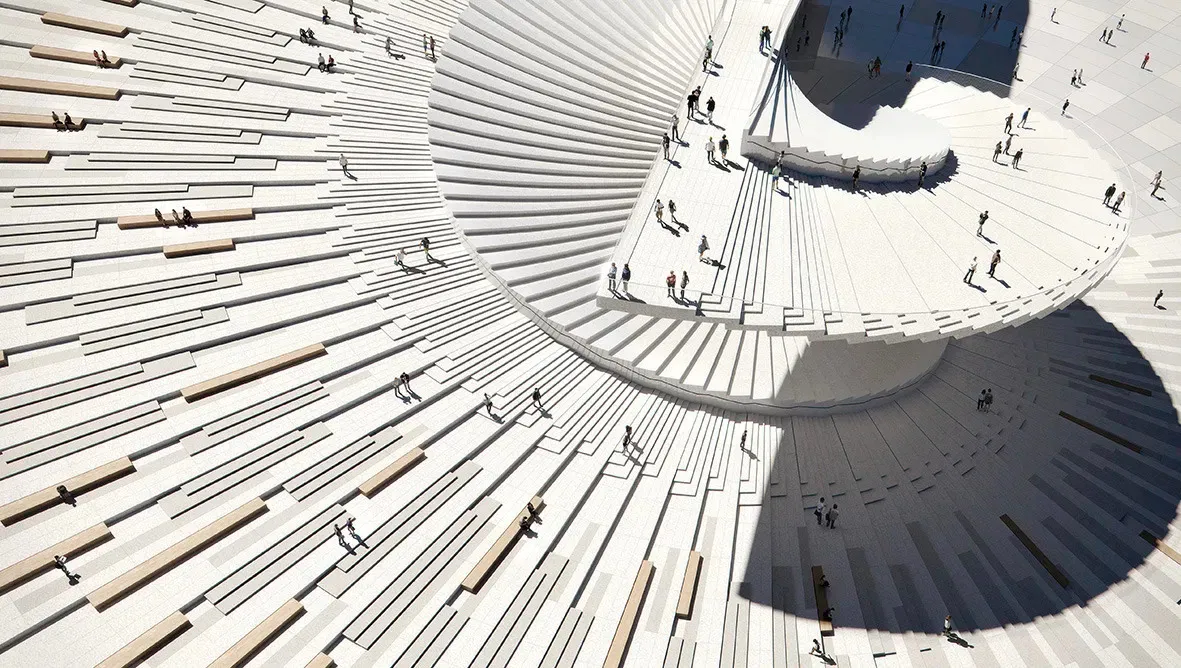
Planned as part of the country’s 13th Five-Year Plan, the Grand Opera House is located in the Expo Houtan district. This ecologically oriented neighborhood underscores the Opera’s mission of accessibility. Its expansive and expressive form, evoking movement, brings artists and the public together under one roof. The spiral roof surface, resembling an opening fan, captures the dance and dynamism of the human body. The radial movements of the roof create a spiral staircase, and these spiral movements extend throughout the entire project.
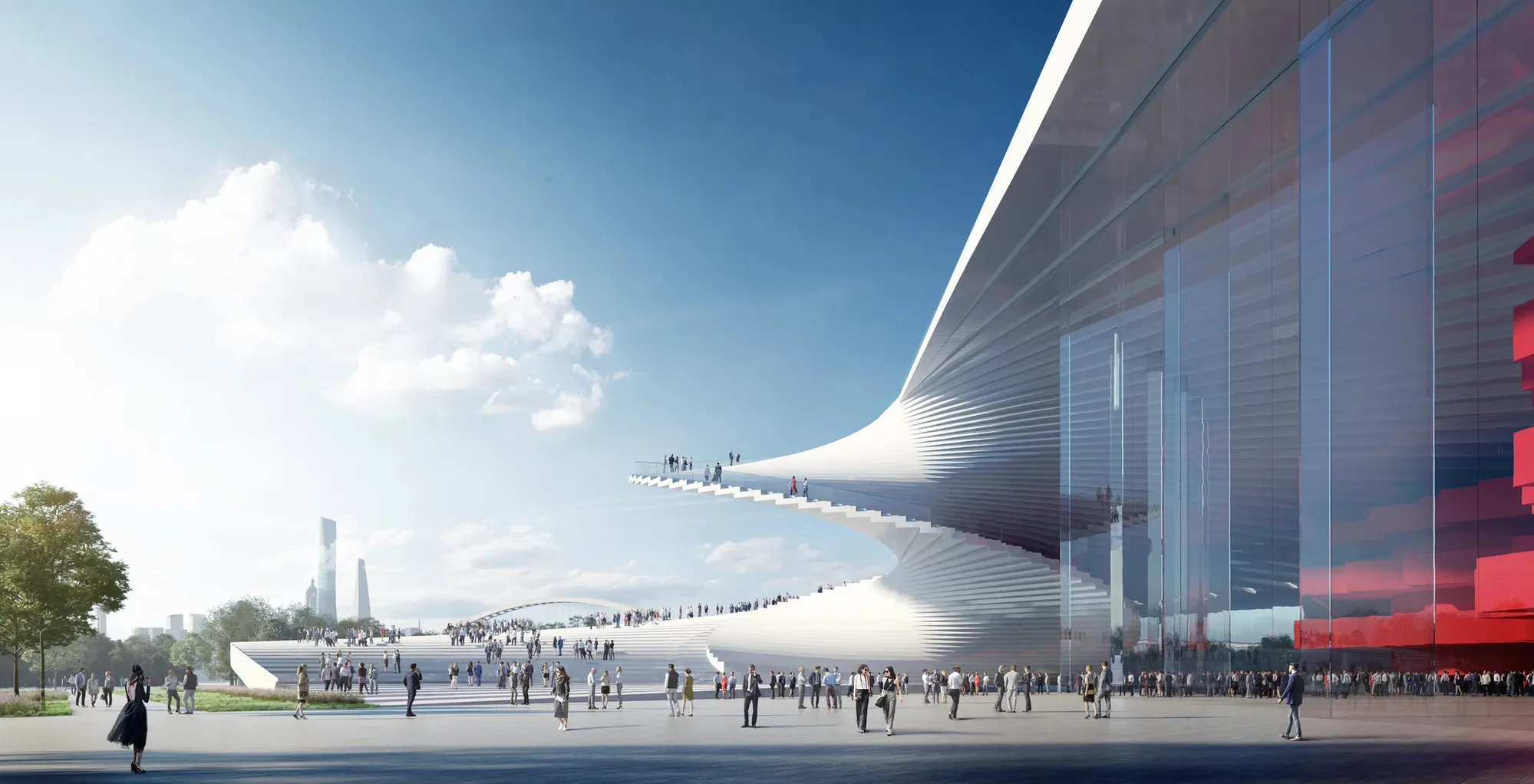
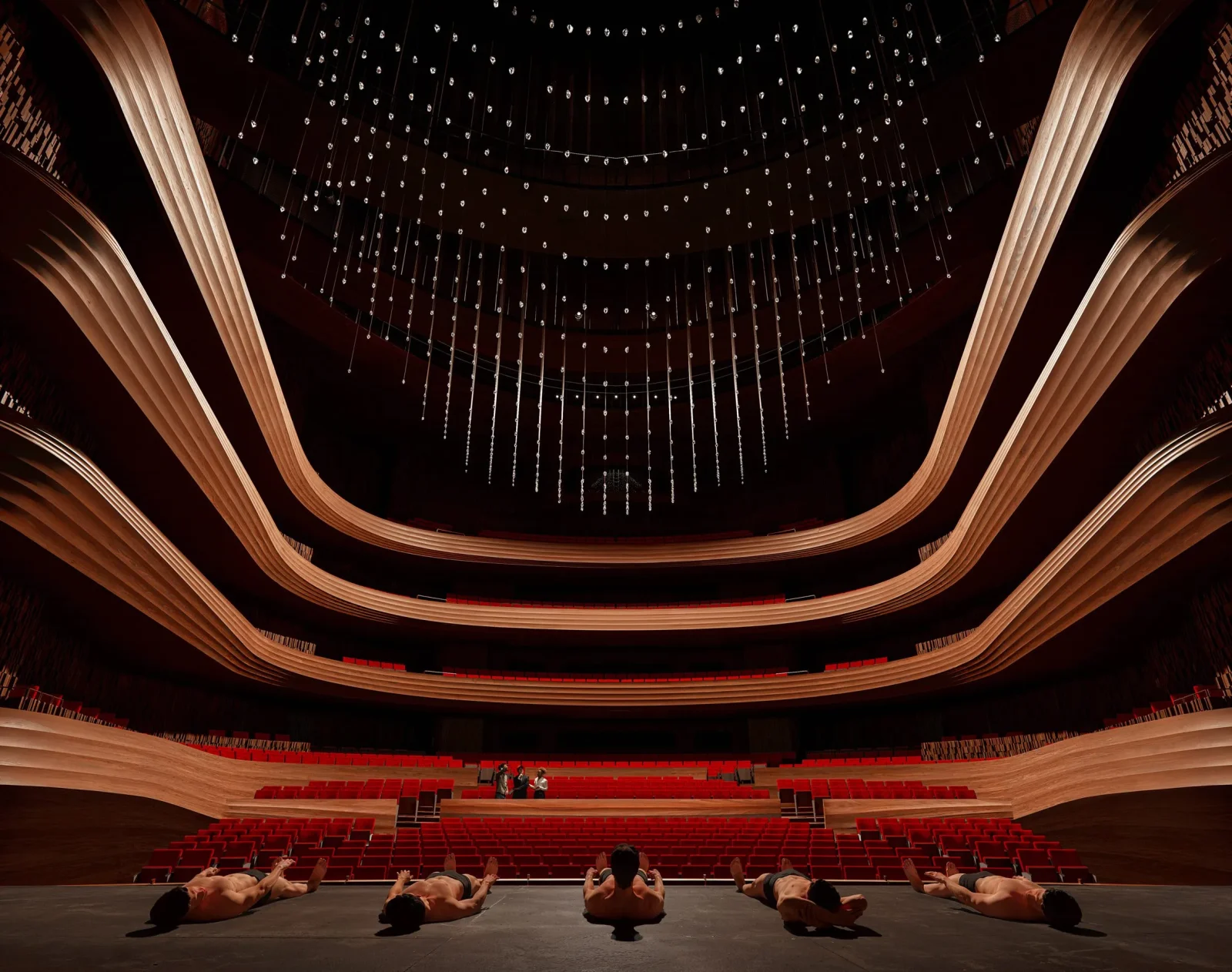
At the heart of the Opera is the 2,000-seat main hall, a finely tuned instrument offering state-of-the-art solutions and superior acoustics. A second stage, seating 1,200, provides an intimate setting for smaller productions, while a third stage, seating 1,000, offers flexible staging and seating arrangements. The main gallery floors and the dark red-stained wooden interior of the hall are crafted from oak to ensure excellent acoustics. The opera building’s white exterior contrasts sharply with the soft silk used in the interior cladding.
2. Düsseldorf Opera House
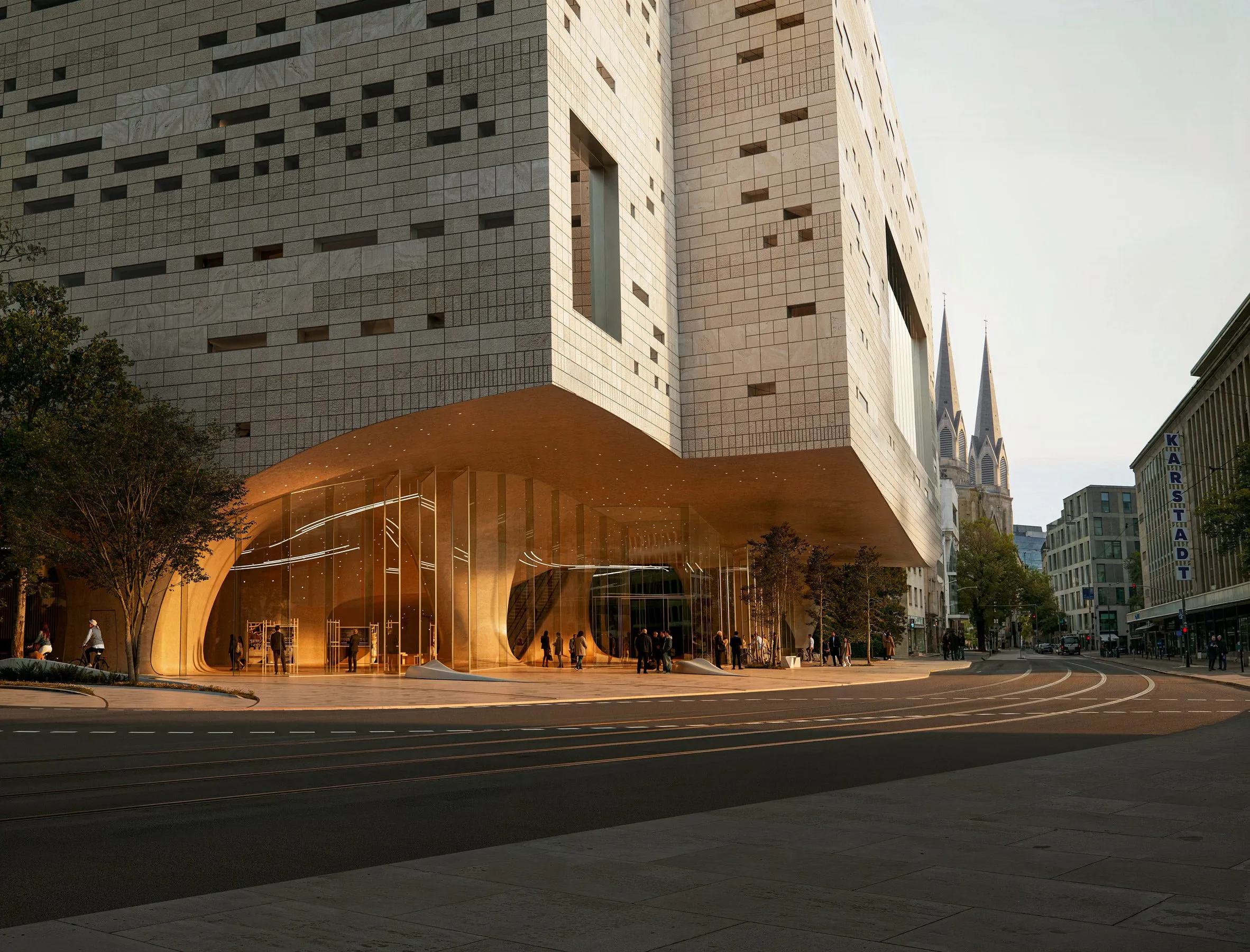
Location: Düsseldorf, Germany
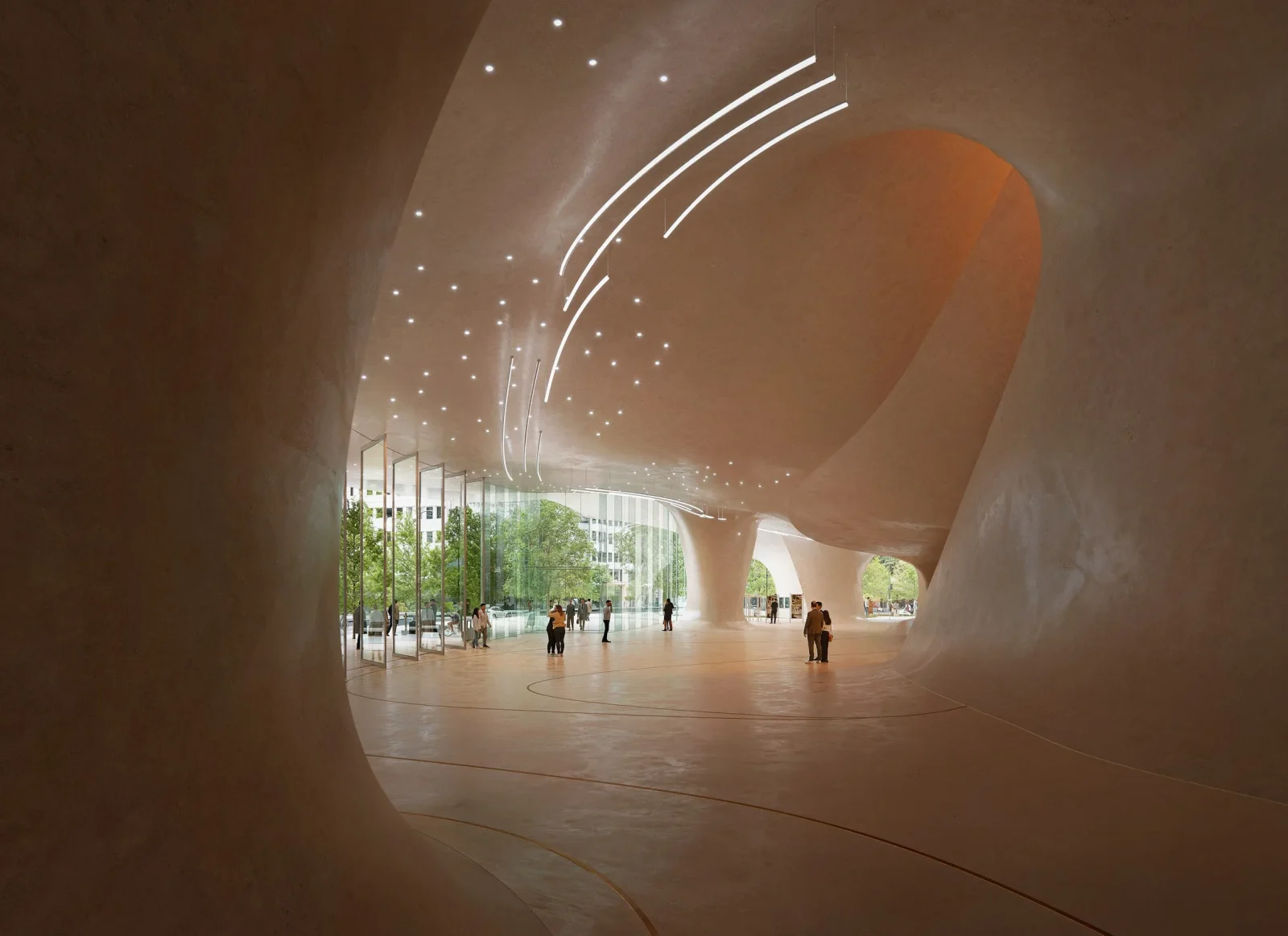
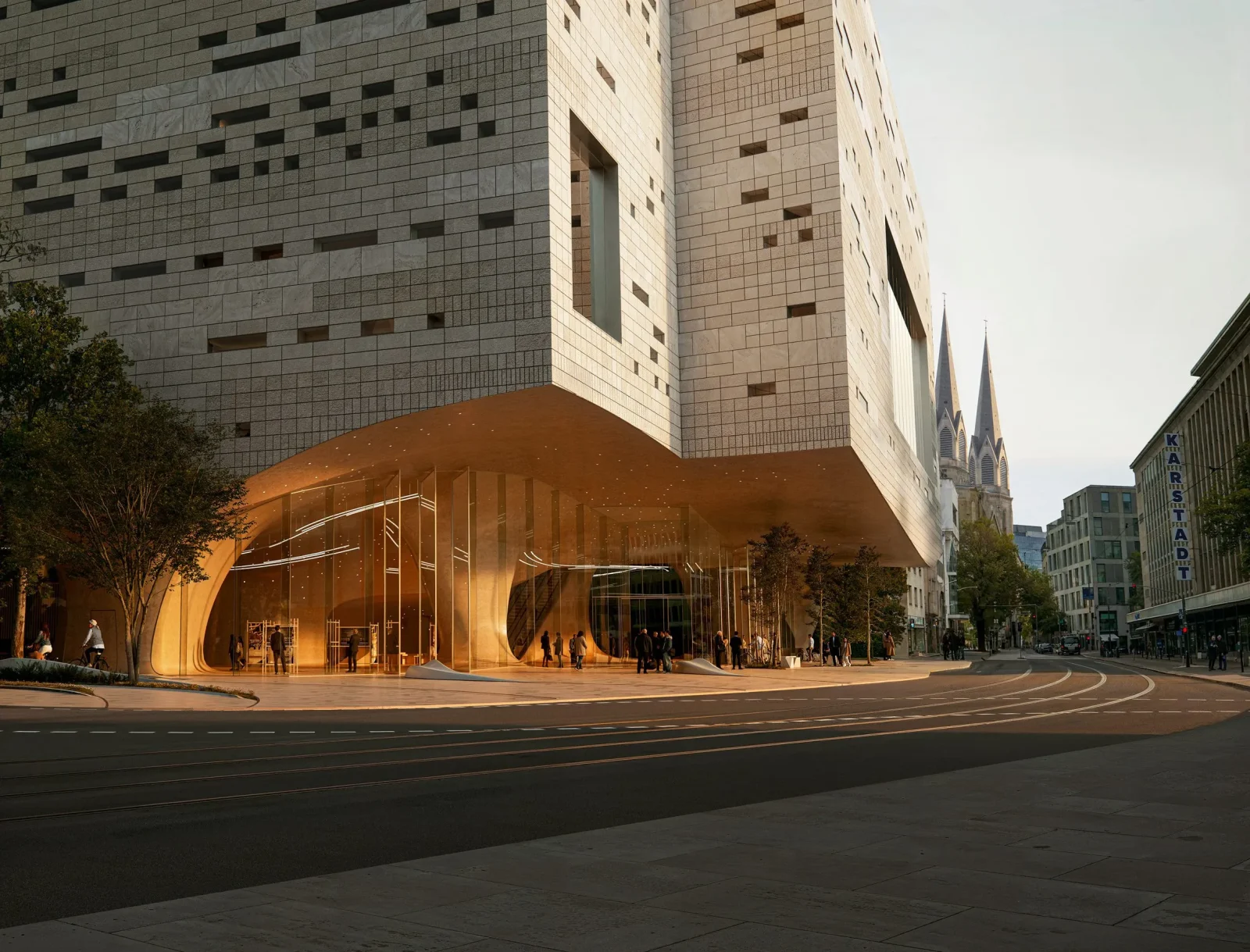
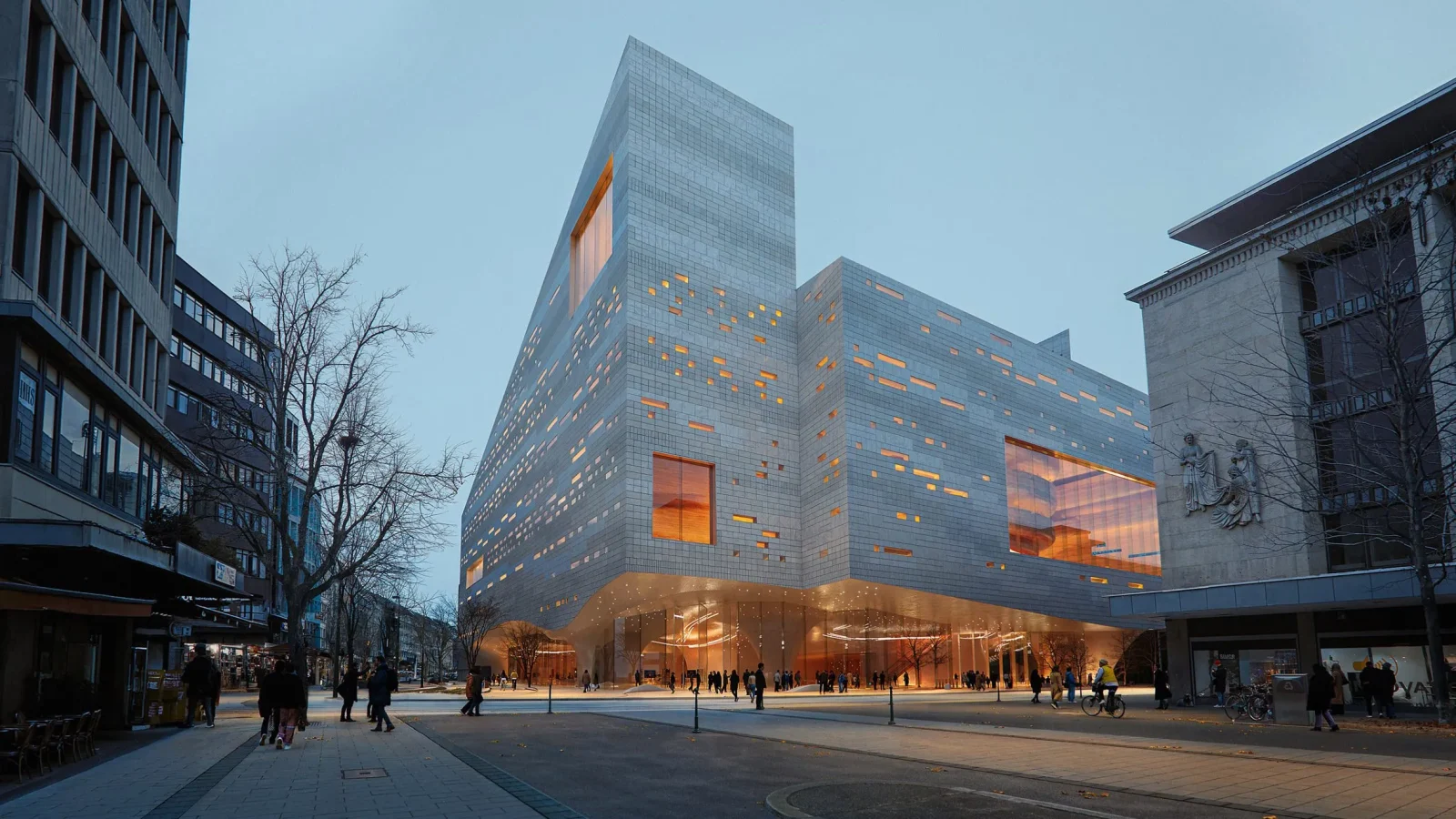
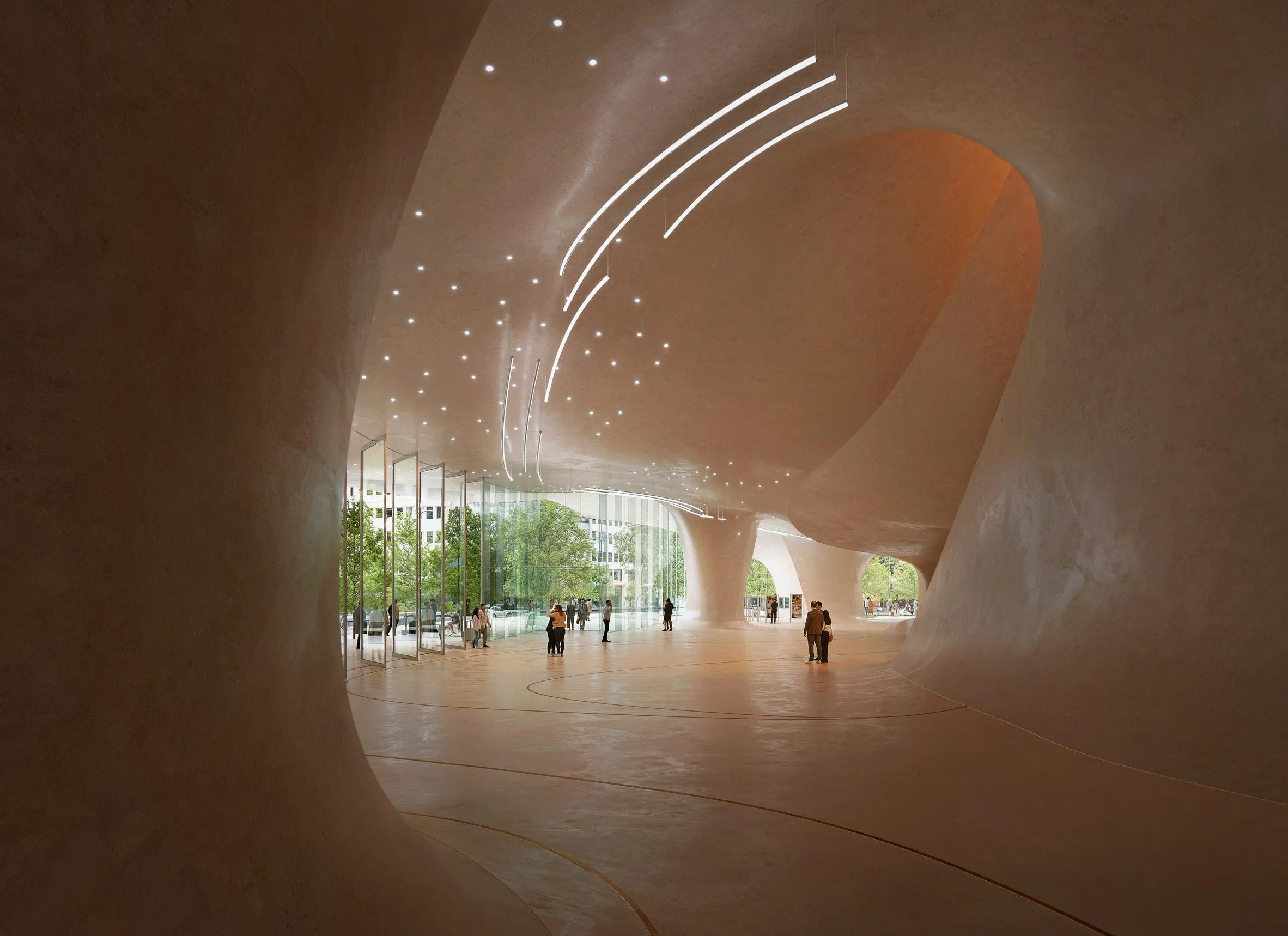
Located on a triangular block framed by three main streets, the compact Düsseldorf Opera House opens itself to the city through its cave-like ground floor, inspired by the meandering flow of the Rhine River, creating a shared civic form for Düsseldorf. Home to the Deutsche Oper am Rhein, the building also houses the Düsseldorf City Music Library and the Clara Schumann Music School.
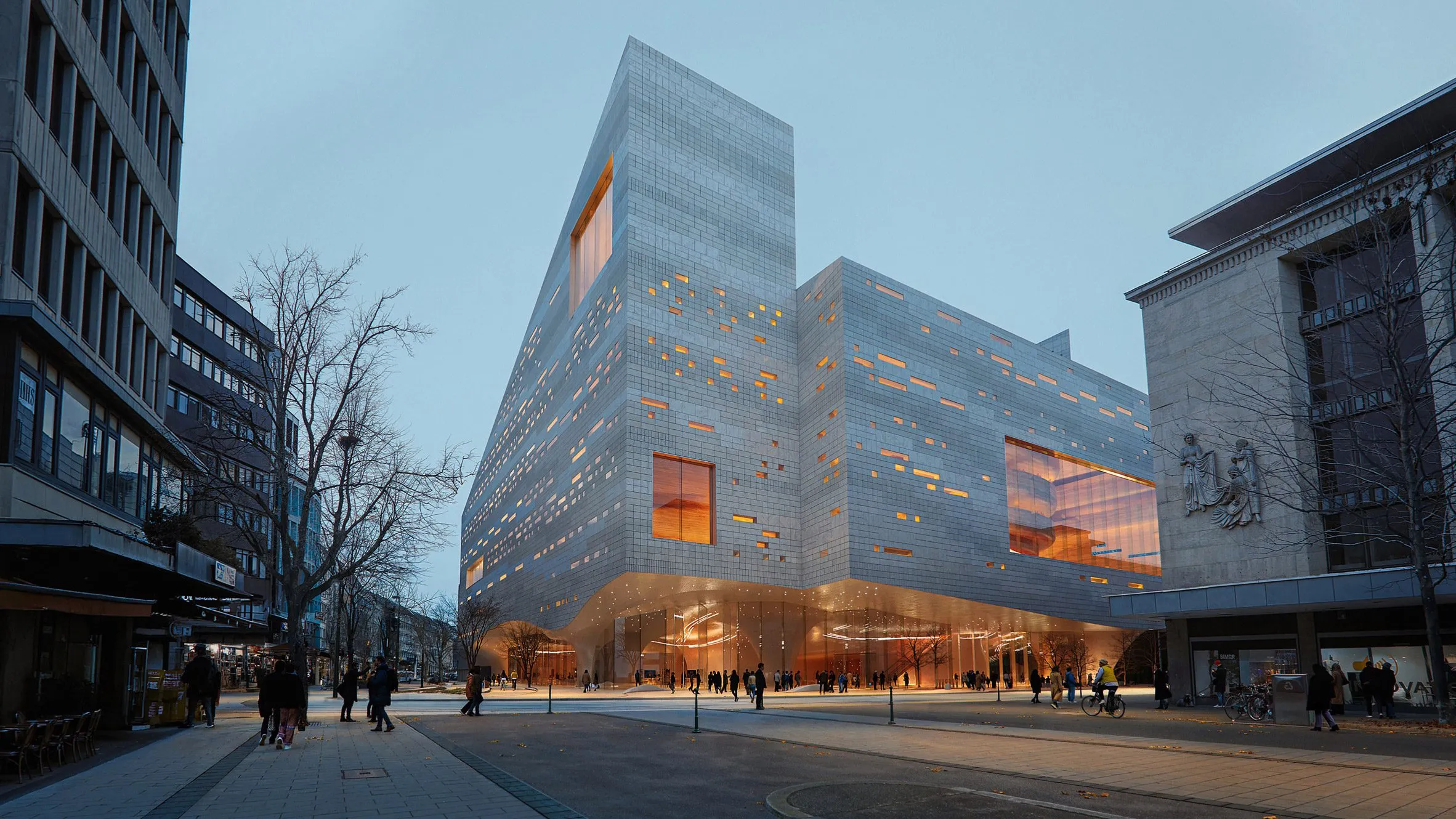
Designed by Snohetta, the ground floor, resembling an eroded cave, is an organic open space that has become the city’s new cultural arena. Inviting everyone to engage with its content, this carved-out design opens the ground floor in all directions, establishing broad connections between the opera house and its urban surroundings. The compact and effective building mass is divided into three asymmetrical and trapezoidal sections. The roofs of the figures slope in opposite directions; they descend relative to their surroundings and rise to announce the opera’s presence.
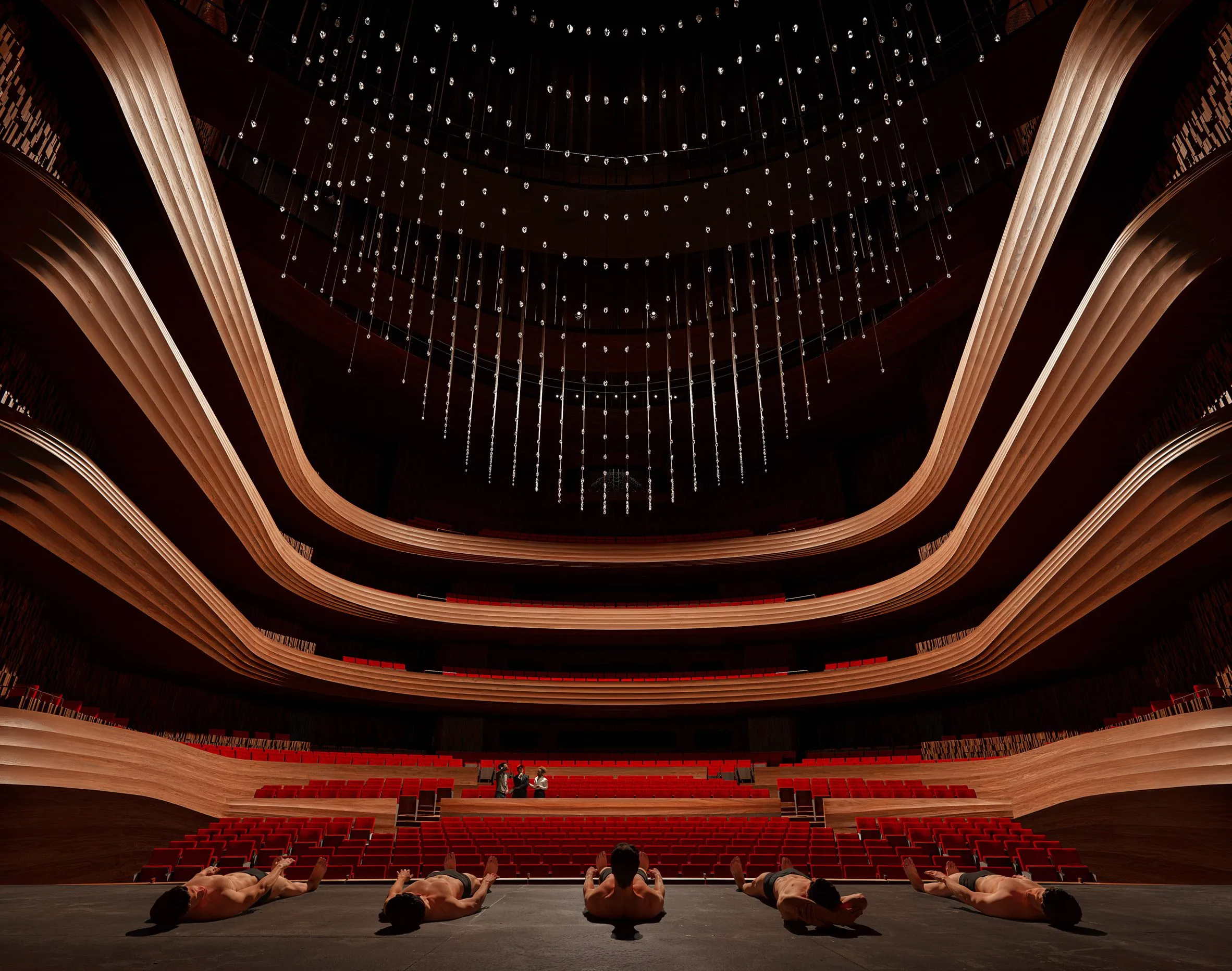
The light-colored, rear-ventilated natural stone façade not only harmonizes with Düsseldorf’s urban palette but also helps reduce heat gain during the summer months. Various stone module formats minimize material thickness and waste. Following the theme of the facade’s erosion, the interior spaces utilize mineral materials with a calm, tonal, and textured flow. The roof landscaping integrates photovoltaic panels, skylights, and technical infrastructure to create a biosolar roof.
3. Tukthuskvartalet
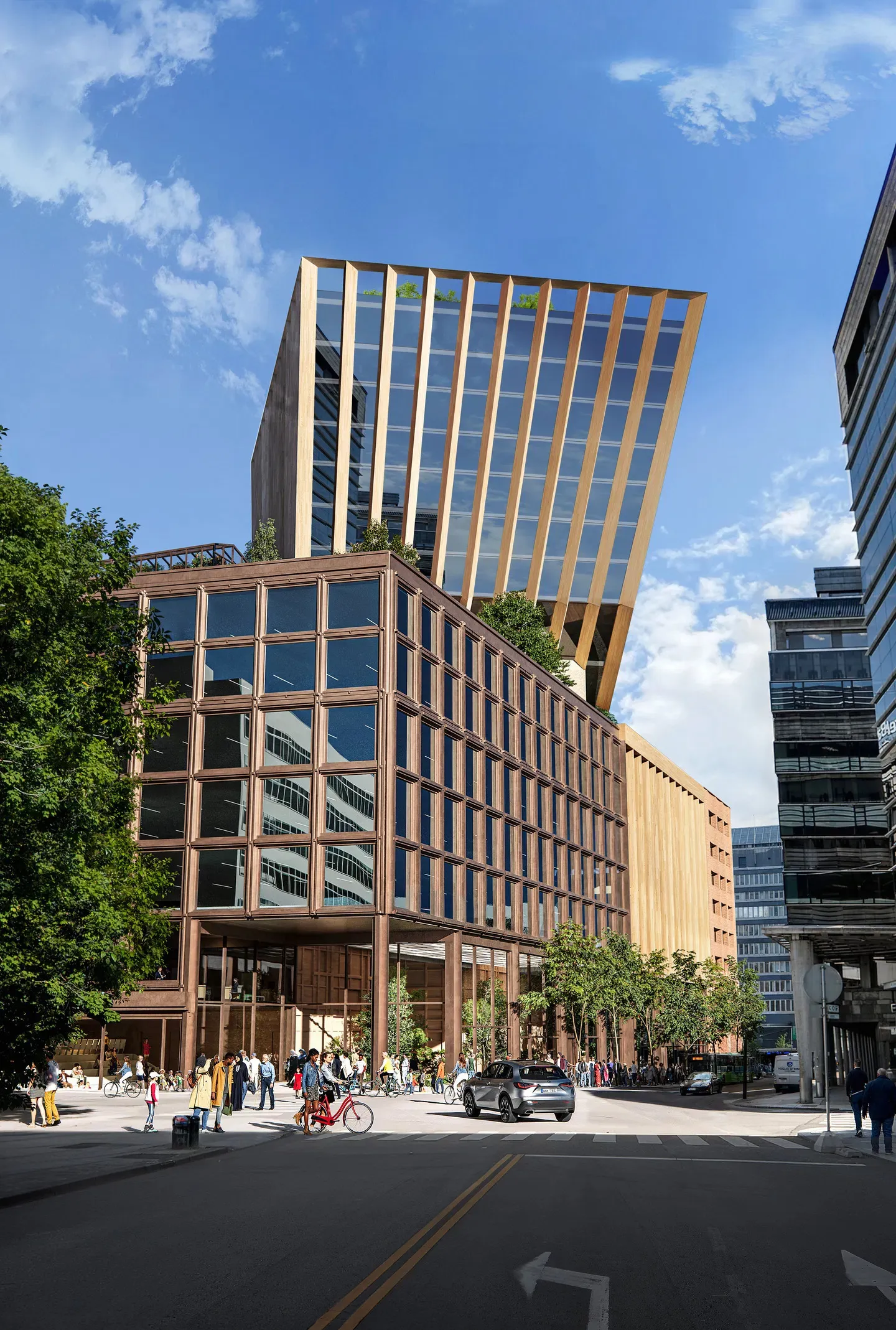
Location: Oslo, Norway
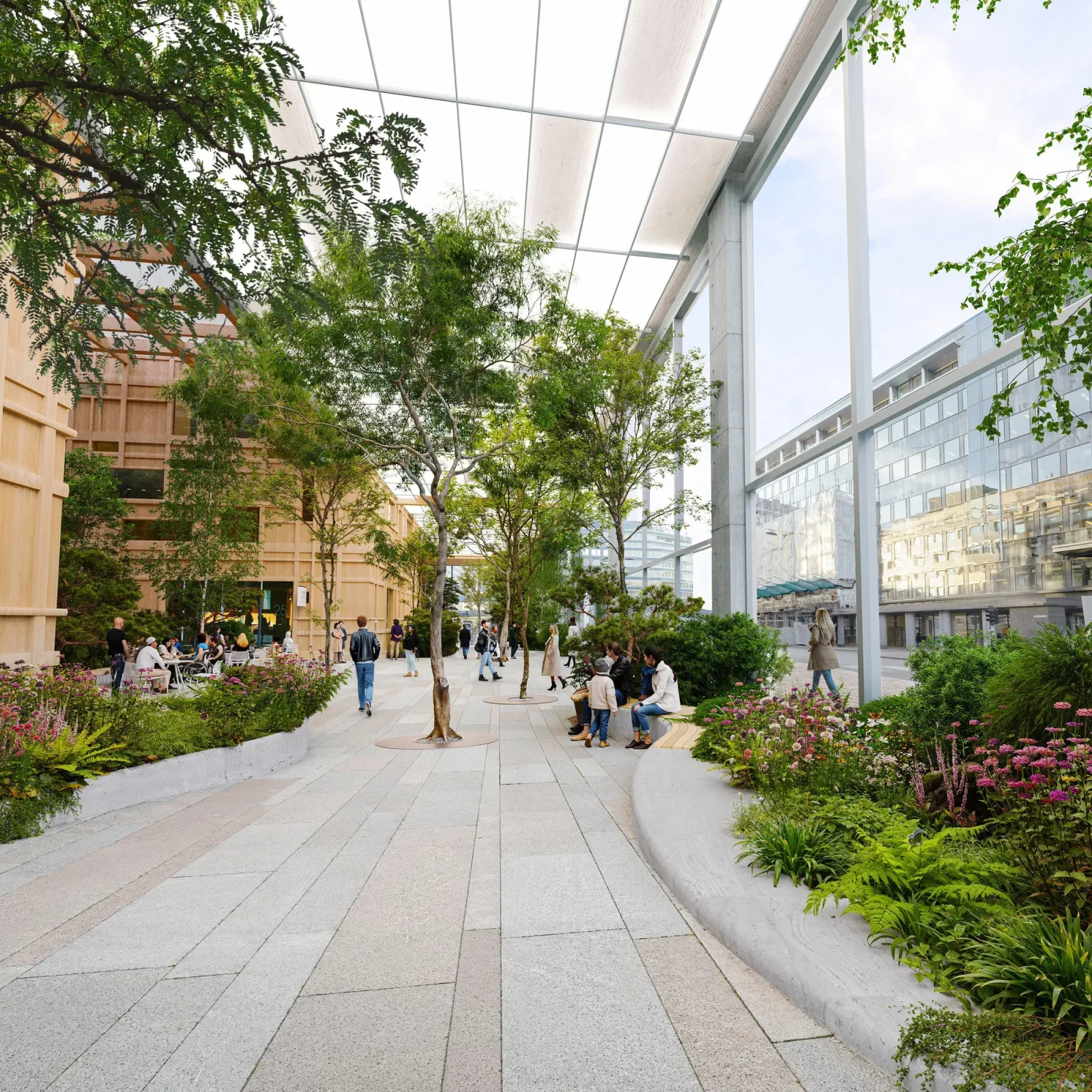
As one of Snøhetta’s most anticipated projects, Tukthuskvartalet is part of a new urban development initiative that revitalizes a centrally located yet long-underutilized area of the city, aiming to create an inclusive transformation in the heart of Norway’s capital. Named after the Cristiania Tukthus prison, founded in the 18th century and significant in Oslo’s history, Tukthuskvartalet’s central location and proximity to public transport make it an ideal starting point for creating a vibrant and inclusive neighborhood.
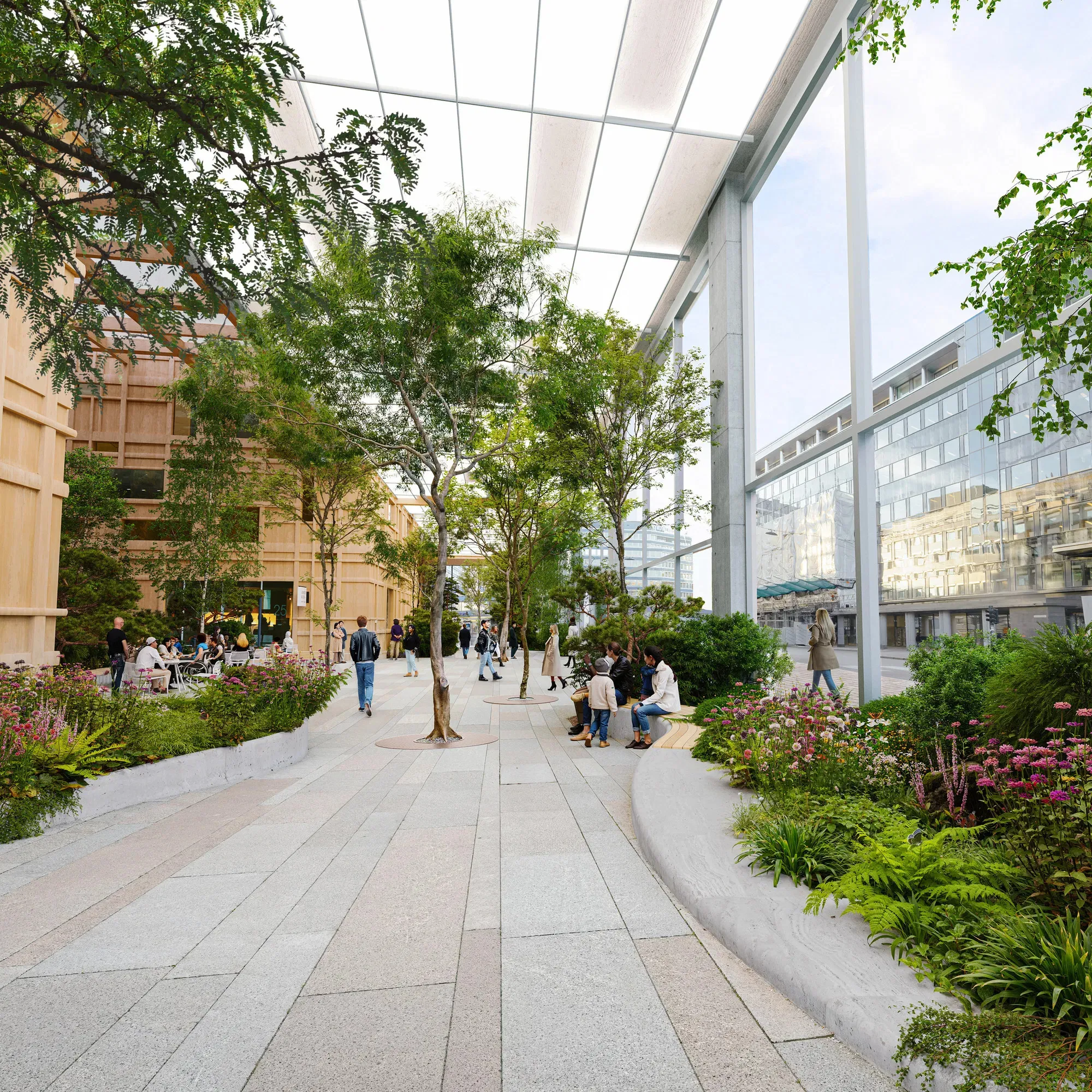
Snøhetta removed the floor slabs to create a large passage running through the building. This allows people to access a main walkway and an enclosed green space where they can spend time without needing to purchase anything. The ground floor houses public spaces, cafes, restaurants, a playground, and small retail shops, while the upper floors contain offices and residences.
4. Theodore Roosevelt Presidential Library
Location: Medora, North Dakota, USA
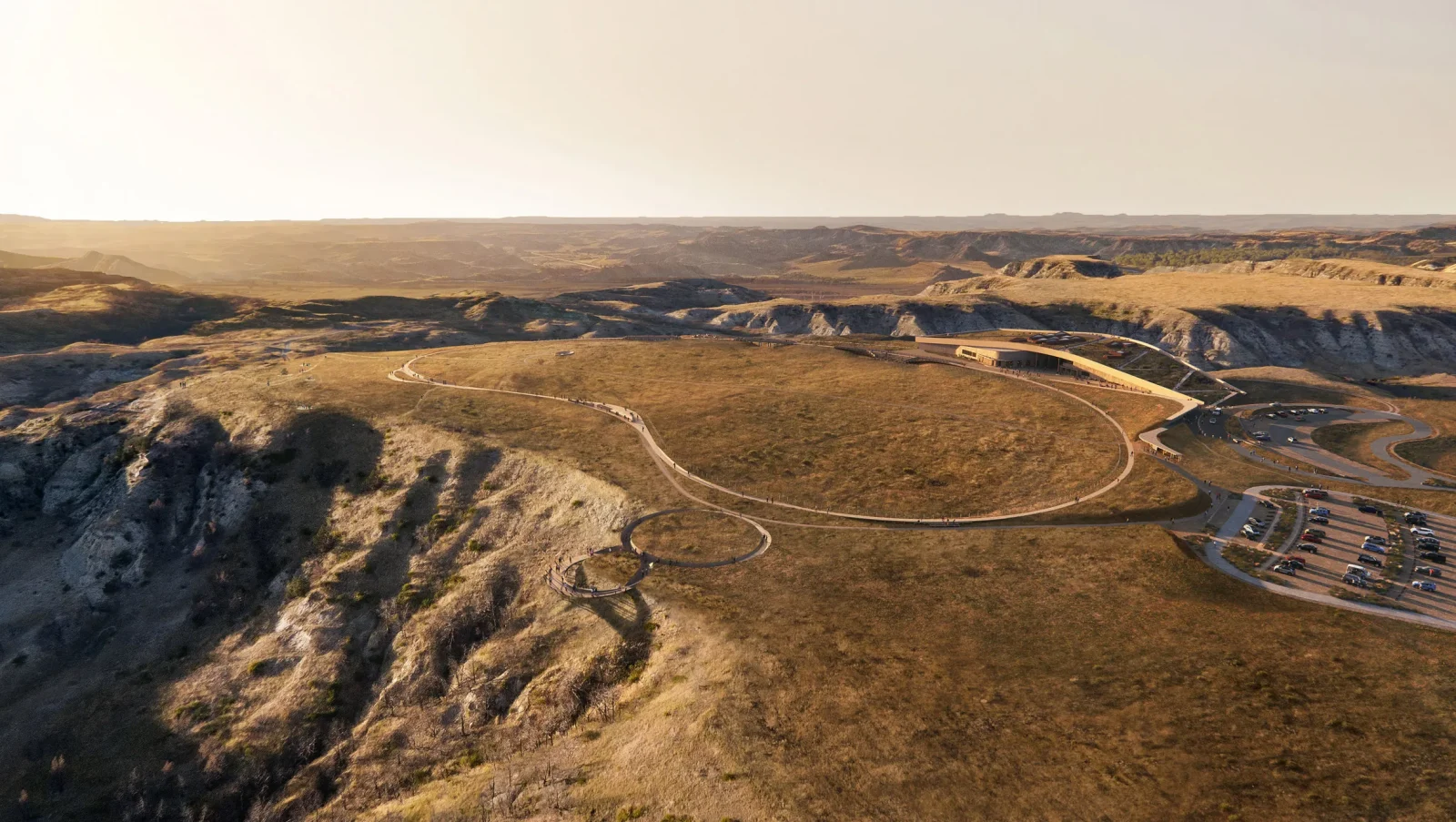
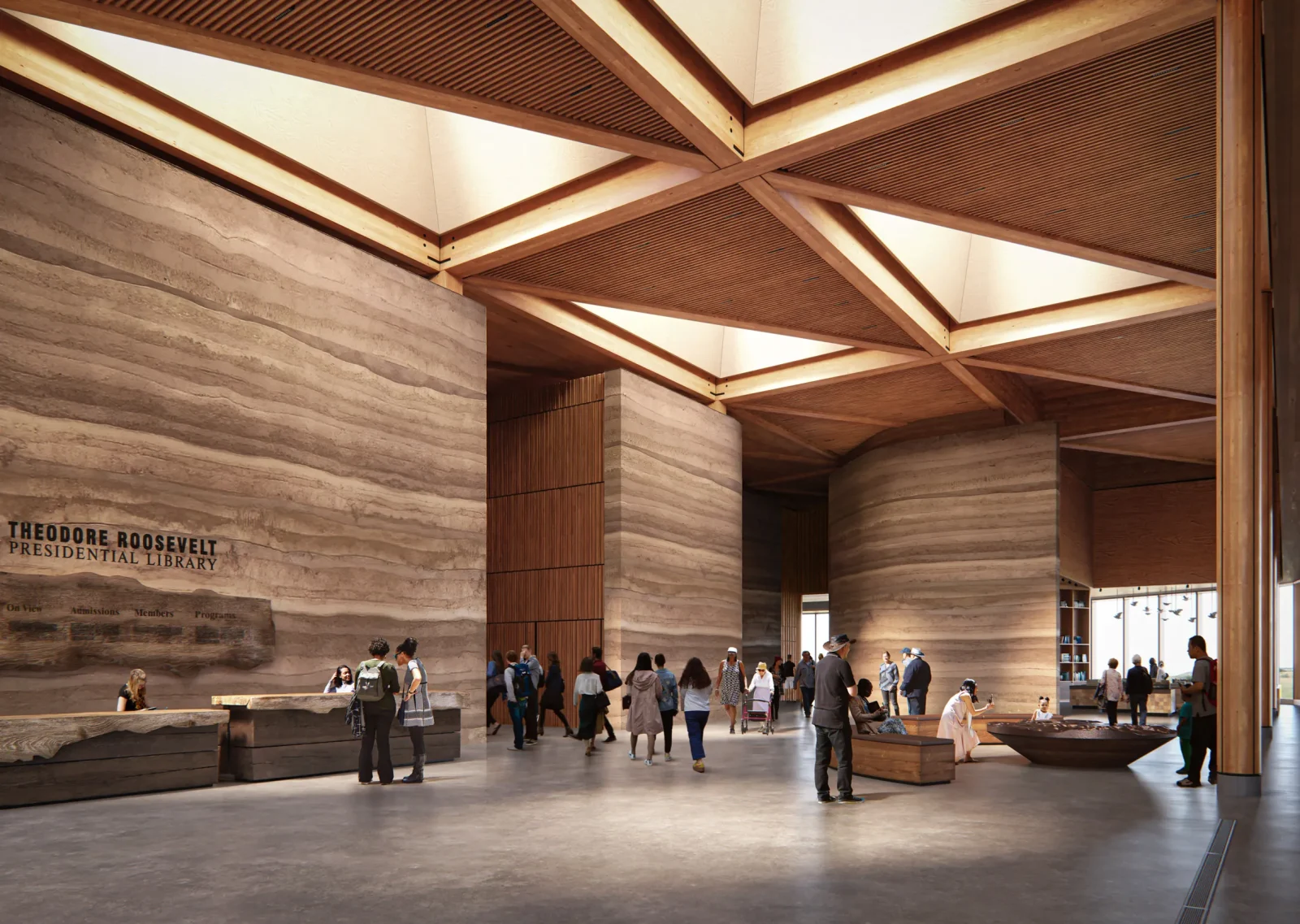
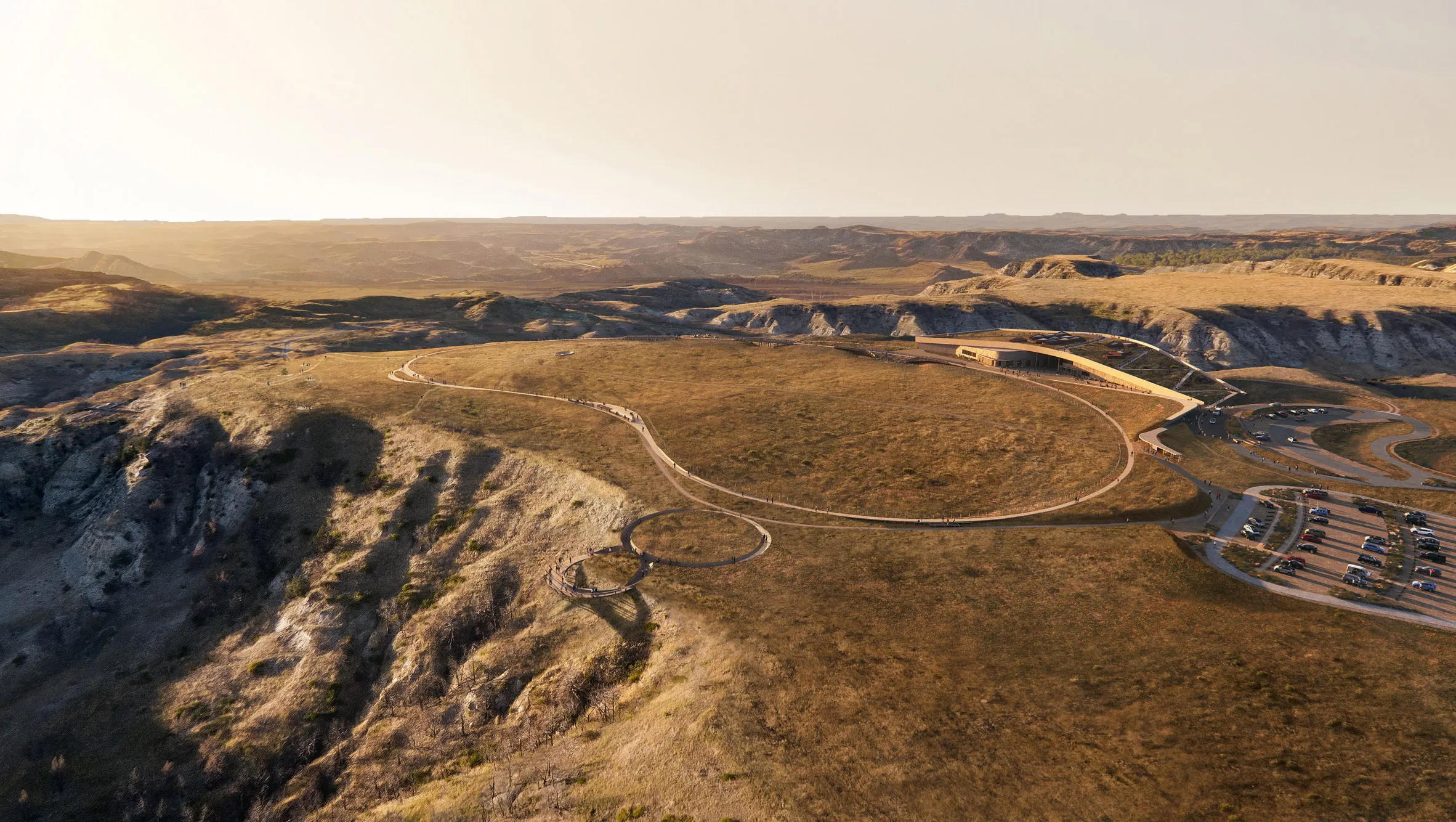
Designed by Snøhetta in 2020 and eagerly awaited for its completion, the Theodore Roosevelt Presidential Library draws inspiration from the president’s personal reflections on landscape, his deep connection to the environment, and the periods of quiet introspection and civic legacy that shaped his life. Visitors touring the library encounter adventurous trails that connect to the Maah Daah Hey Trail as well as a series of small pavilions.
Ranging from contemplative nooks to expansive viewpoints, these pavilions offer opportunities to experience Roosevelt’s trials and triumphs in dialogue with the landscapes that shaped him. The accessible rooftop, offering visitors breathtaking views, is a call to action connecting the modern visitor with Roosevelt’s legacy.
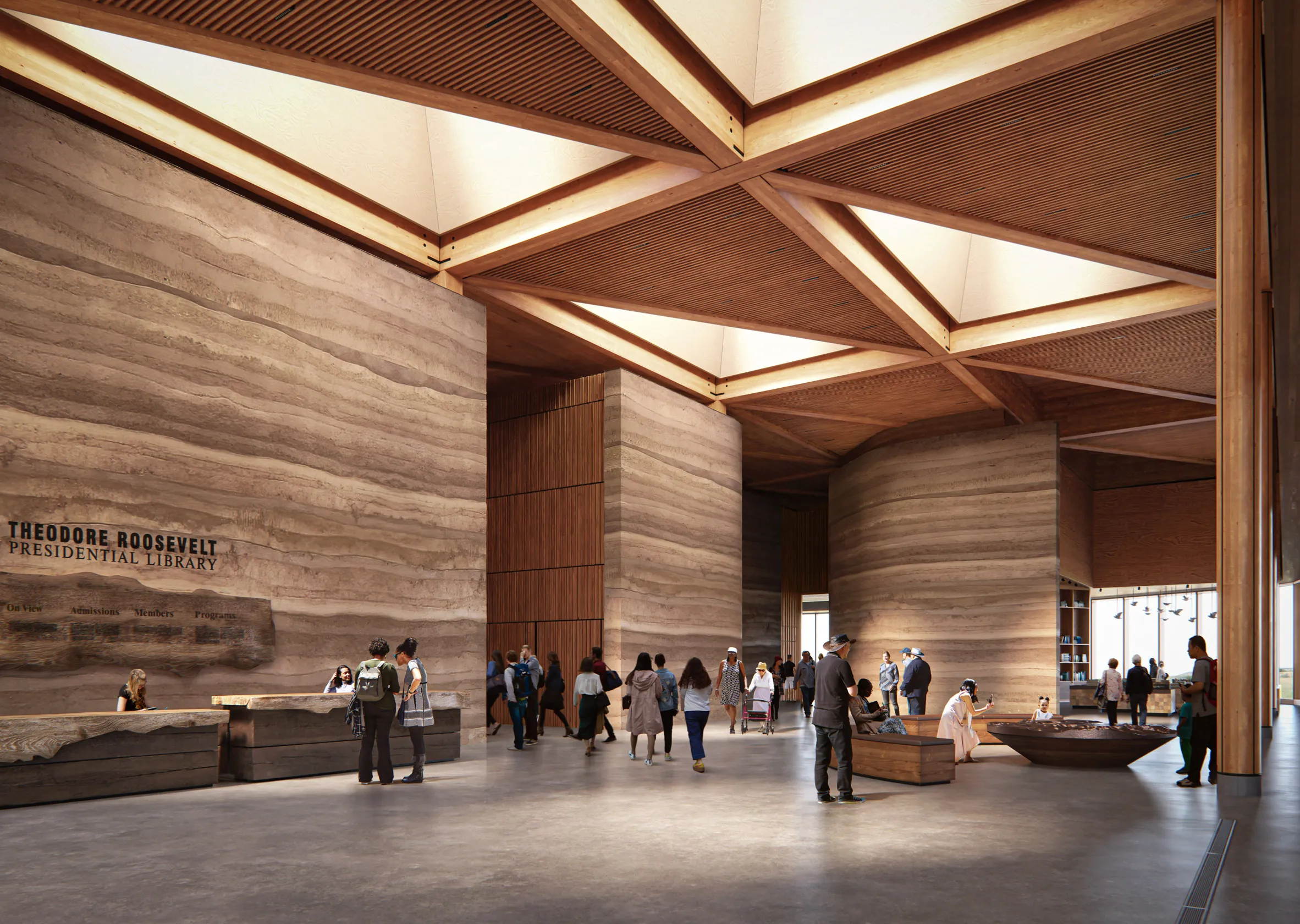
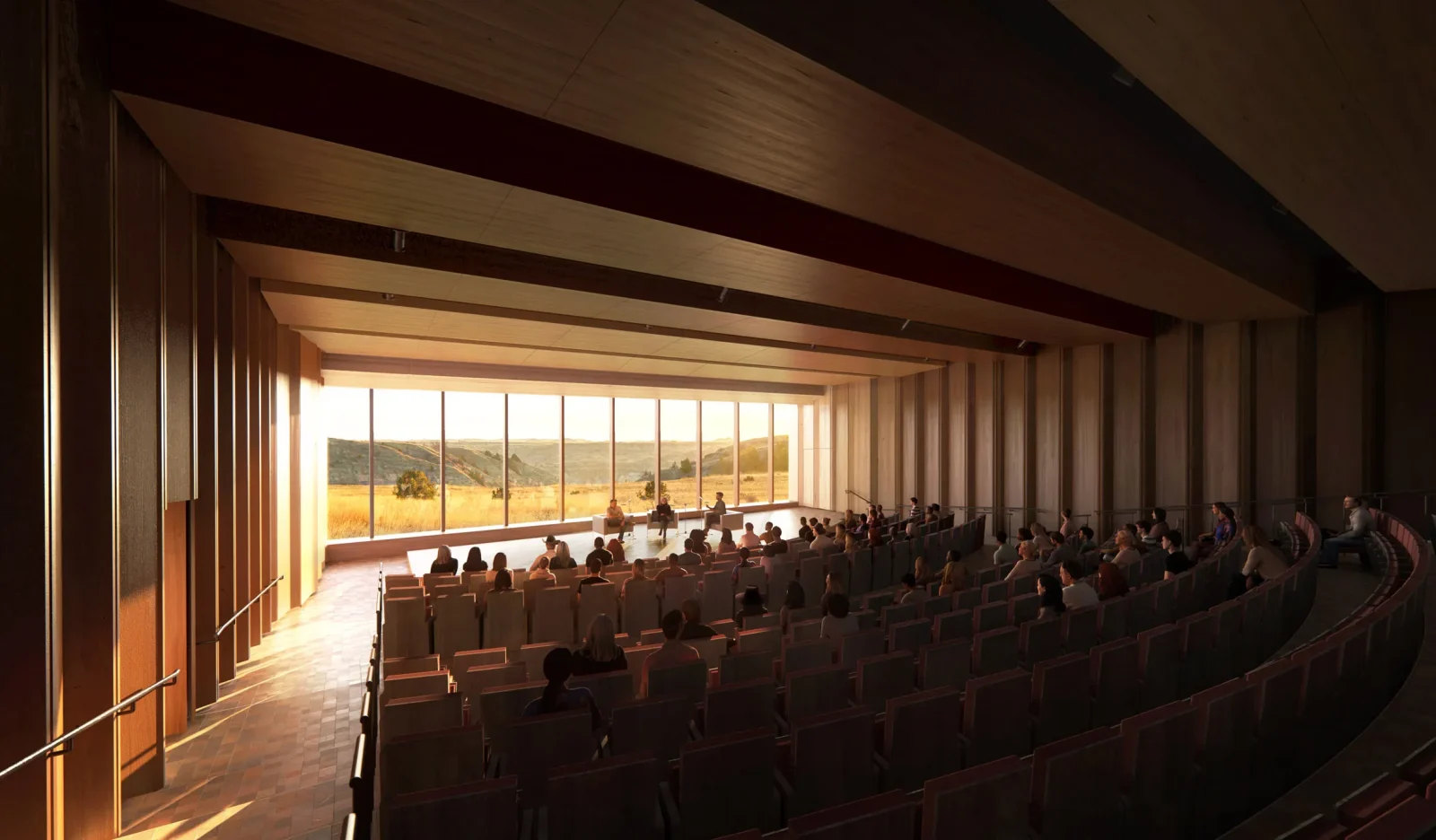
The Presidential Library, in harmony with the region’s unique ecology, reflects Roosevelt’s commitment to nature conservation, ensuring his memory is preserved. Interactive exhibition spaces, accompanied by a theater, merge under a landscaped roof, creating a central courtyard and verandas where visitors can sit and enjoy the view.
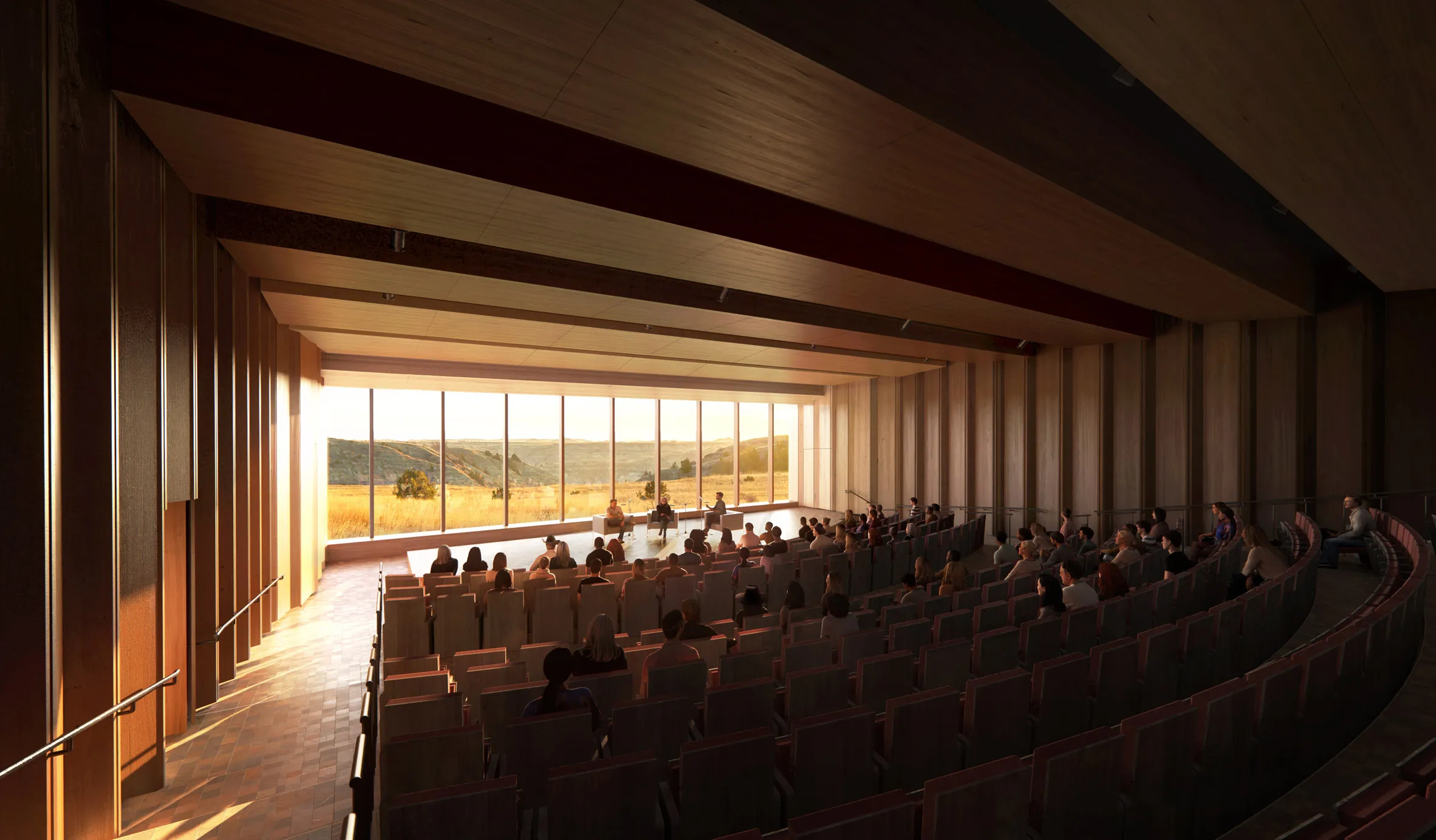
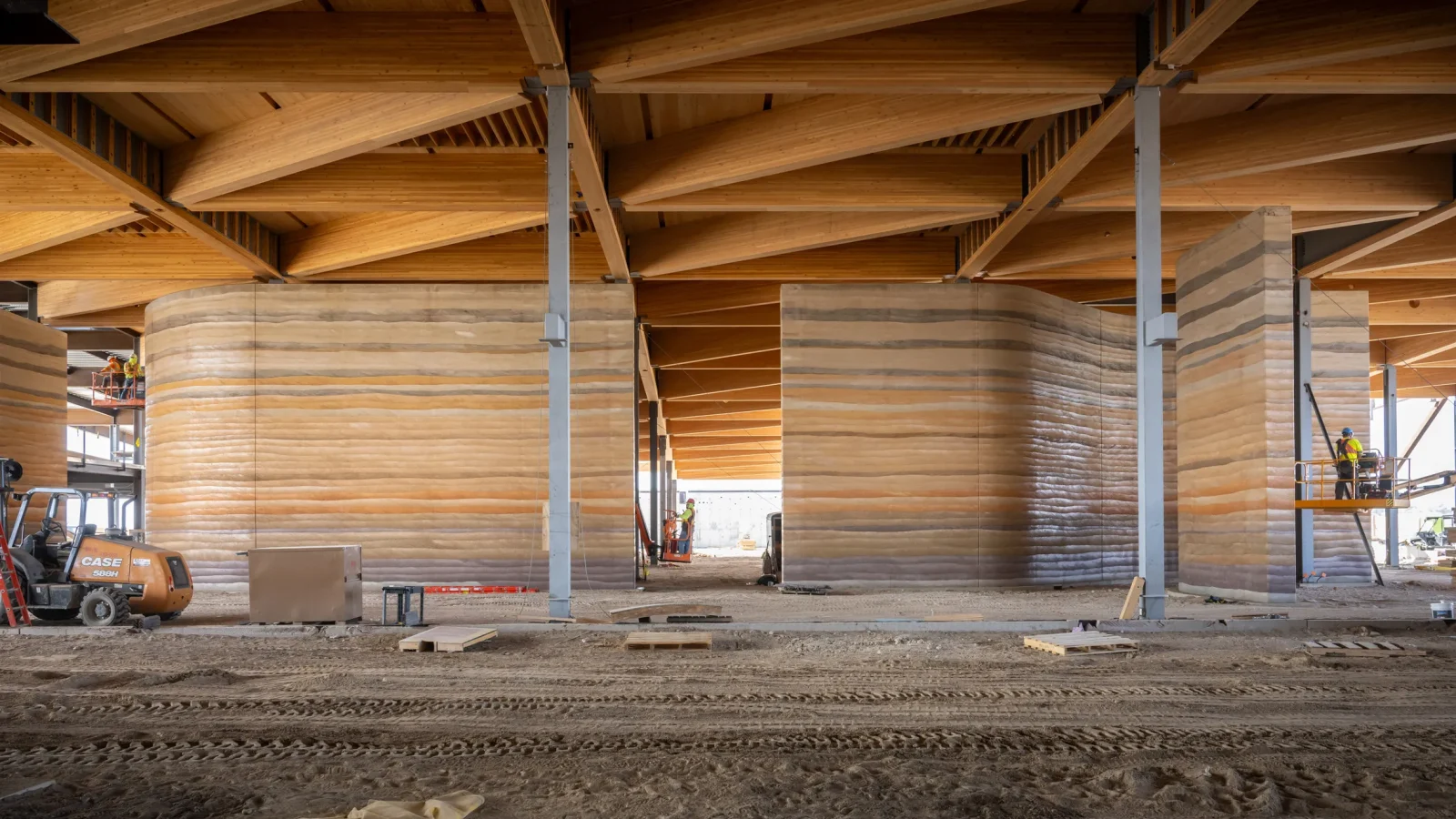
Constructed from locally sourced and renewable materials such as mass timber, the library’s advanced energy systems set a new standard for sustainable design in the region. With a design that reduces the impact of wind and other climatic conditions, the library remains accessible throughout all seasons.
5. Skamarken
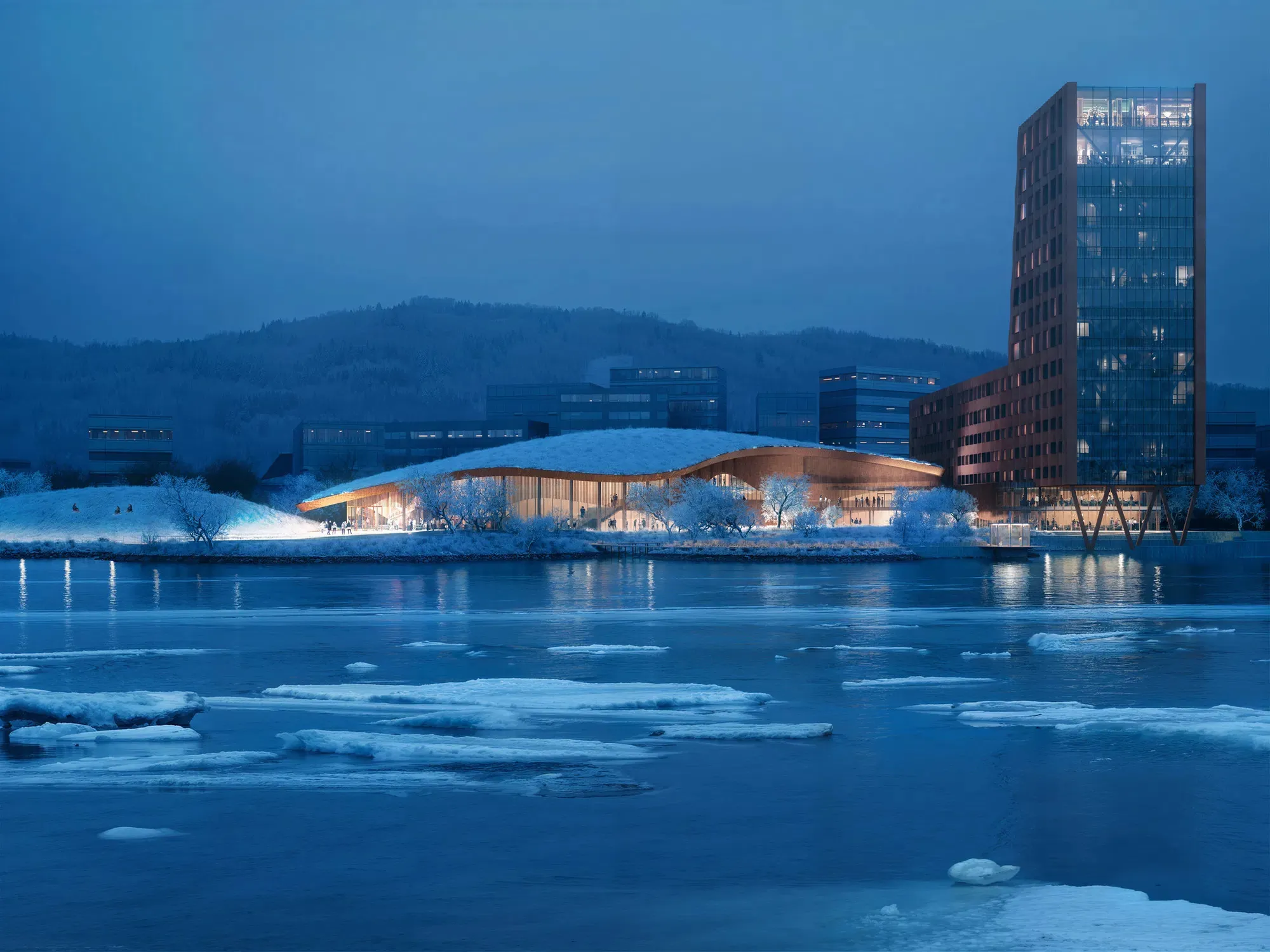
Location: Drammen, Norway
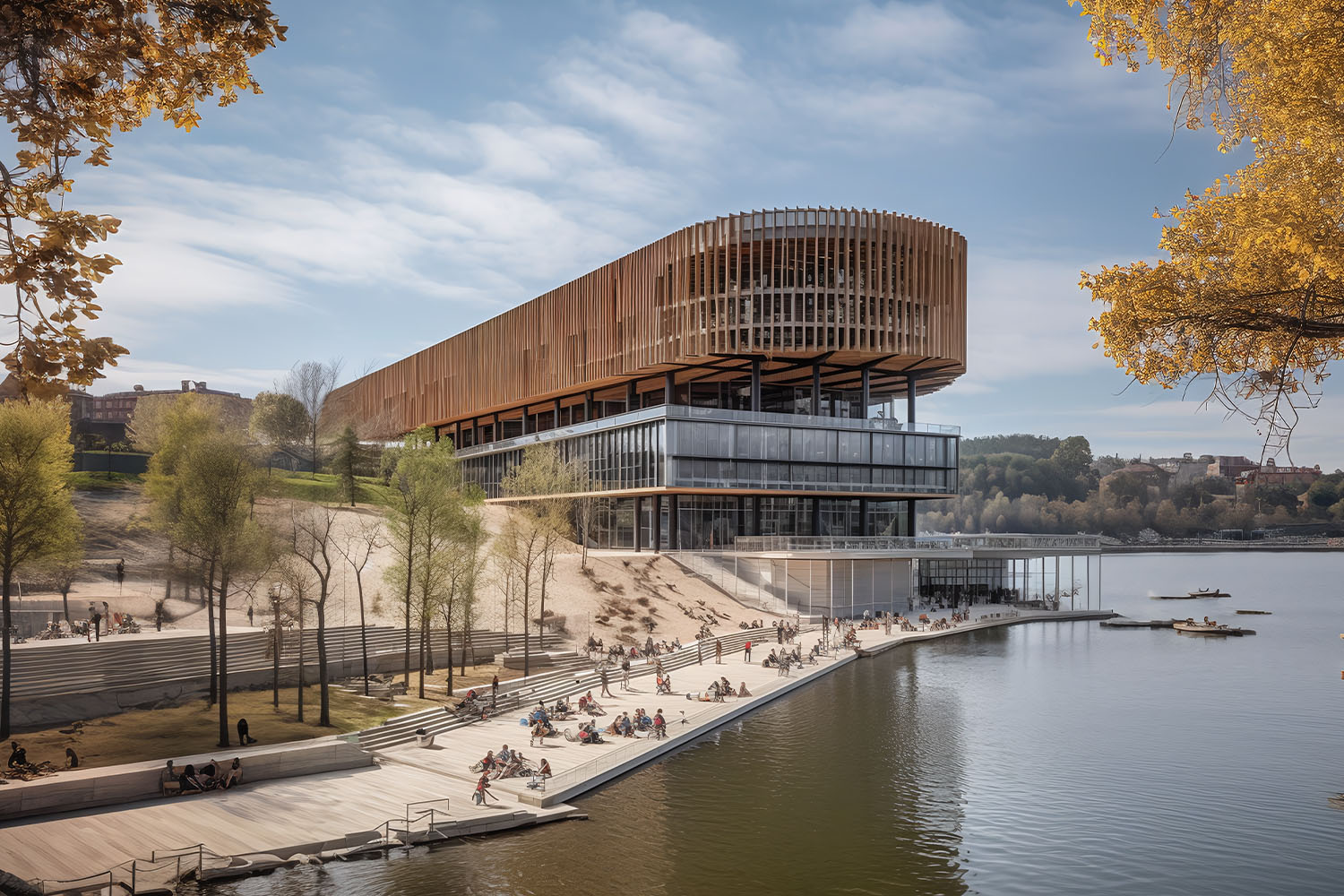
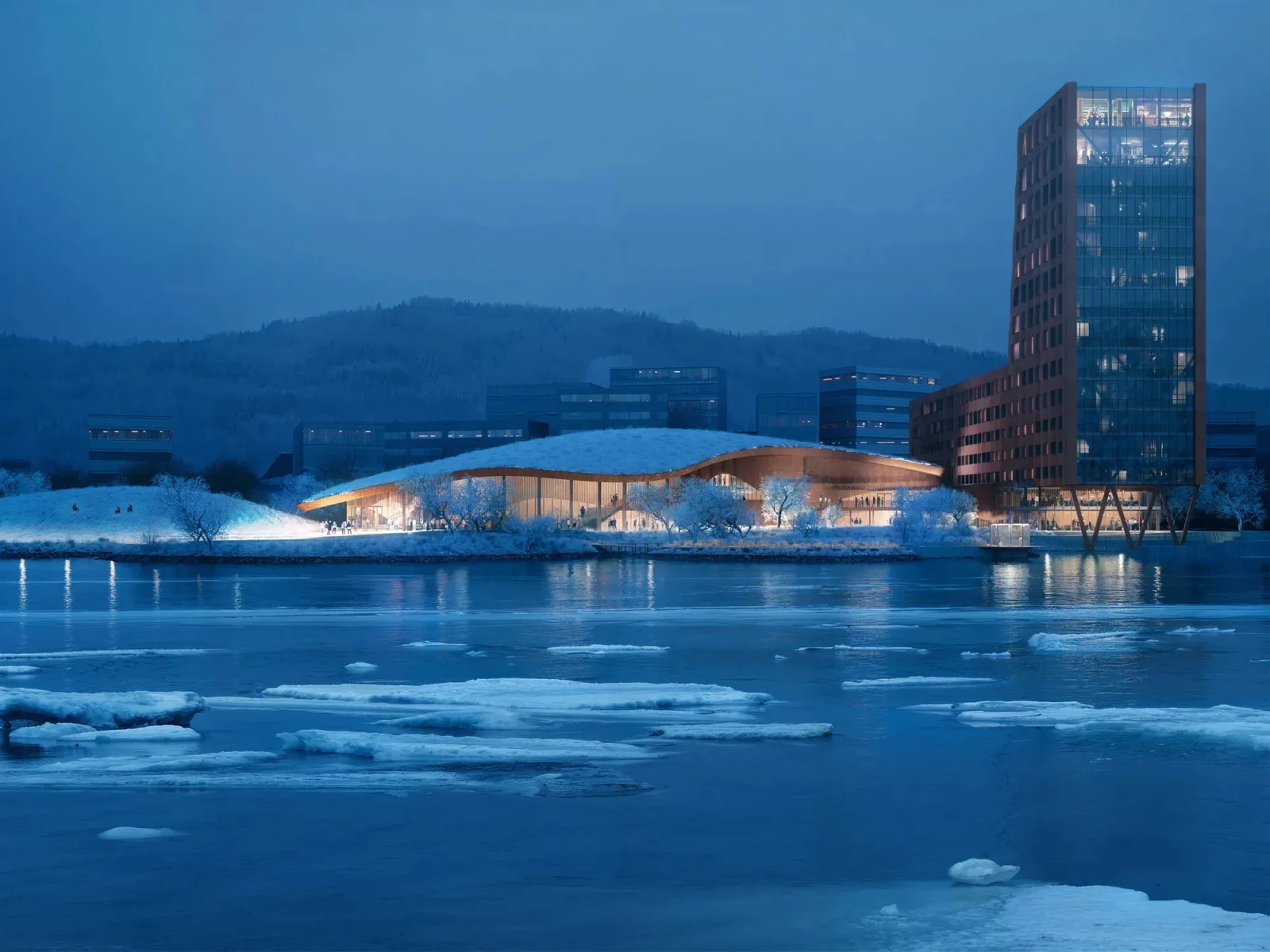
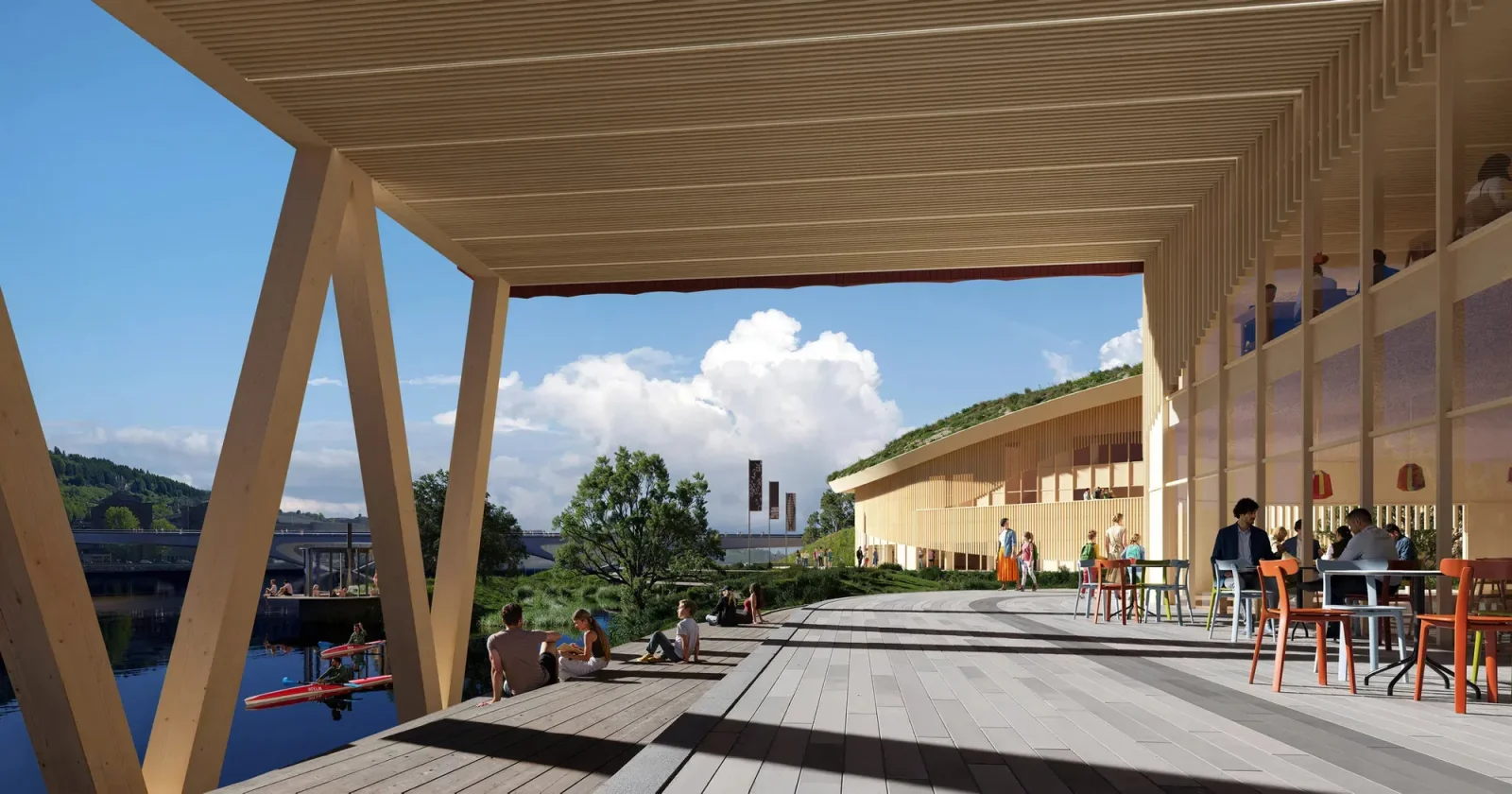
Skamarken, proposed by Snøhetta, is an entirely new urban development project that reconnects the city of Drammen with the water. Located on a 17,700 m² site north of the newly restored train station, right next to the river, the project aims to restore the once gentle riverbanks, complete with islands and canals that once extended into the urban fabric and surrounding landscape. By opening the design area to everyone and covering the entire site with greenery, Snøhetta increases the green ratio from 4% to 70%.
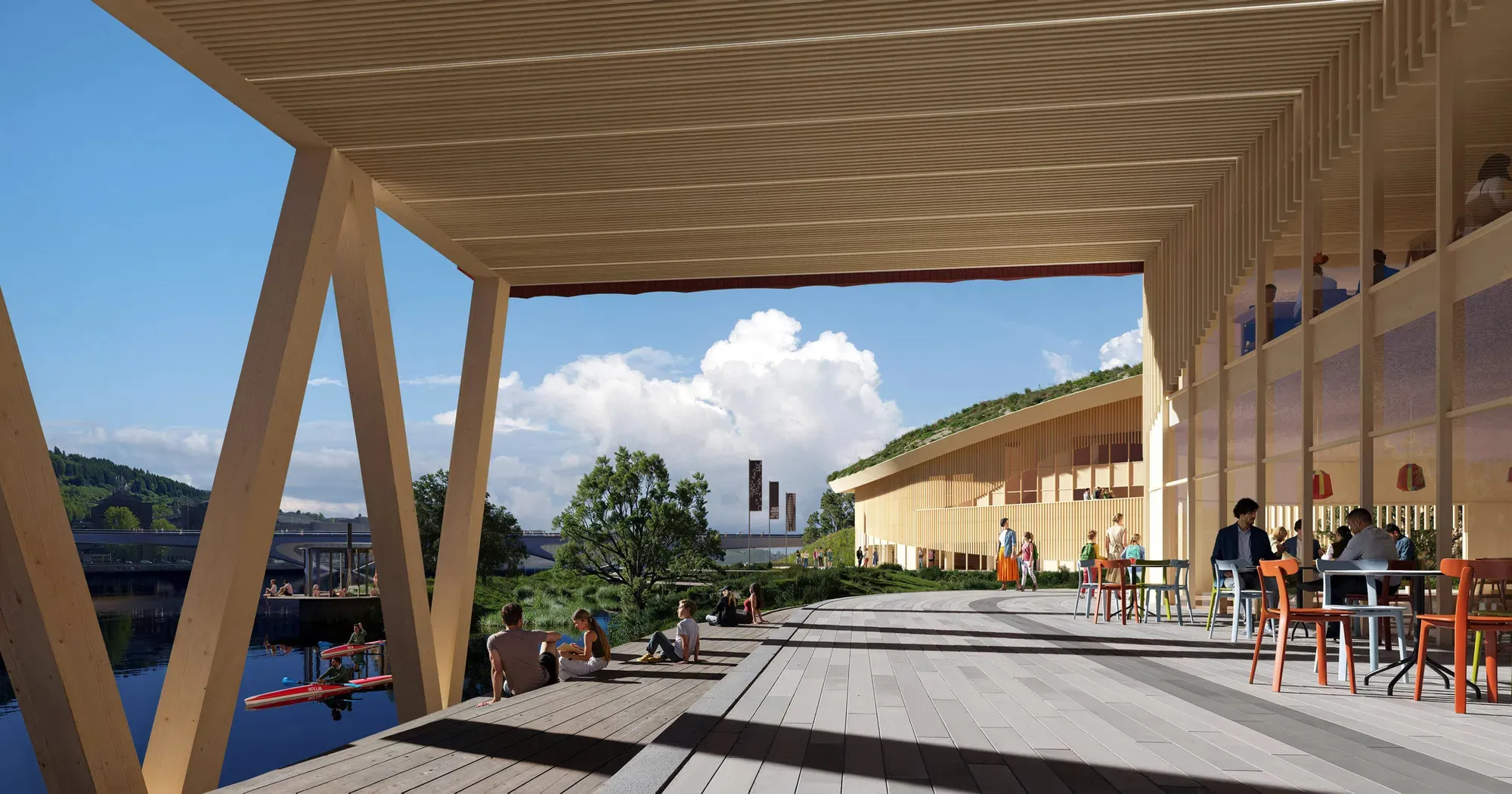
Skamarken, which restores islands and gentle transitions to the Drammen River, where industrialization has flattened and made harsh edges the norm, strengthens biodiversity and provides the city with new recreational and experiential spaces. This is a form of urban development that reveals not only urbanization but also the power of the river, history, and the people who live there.
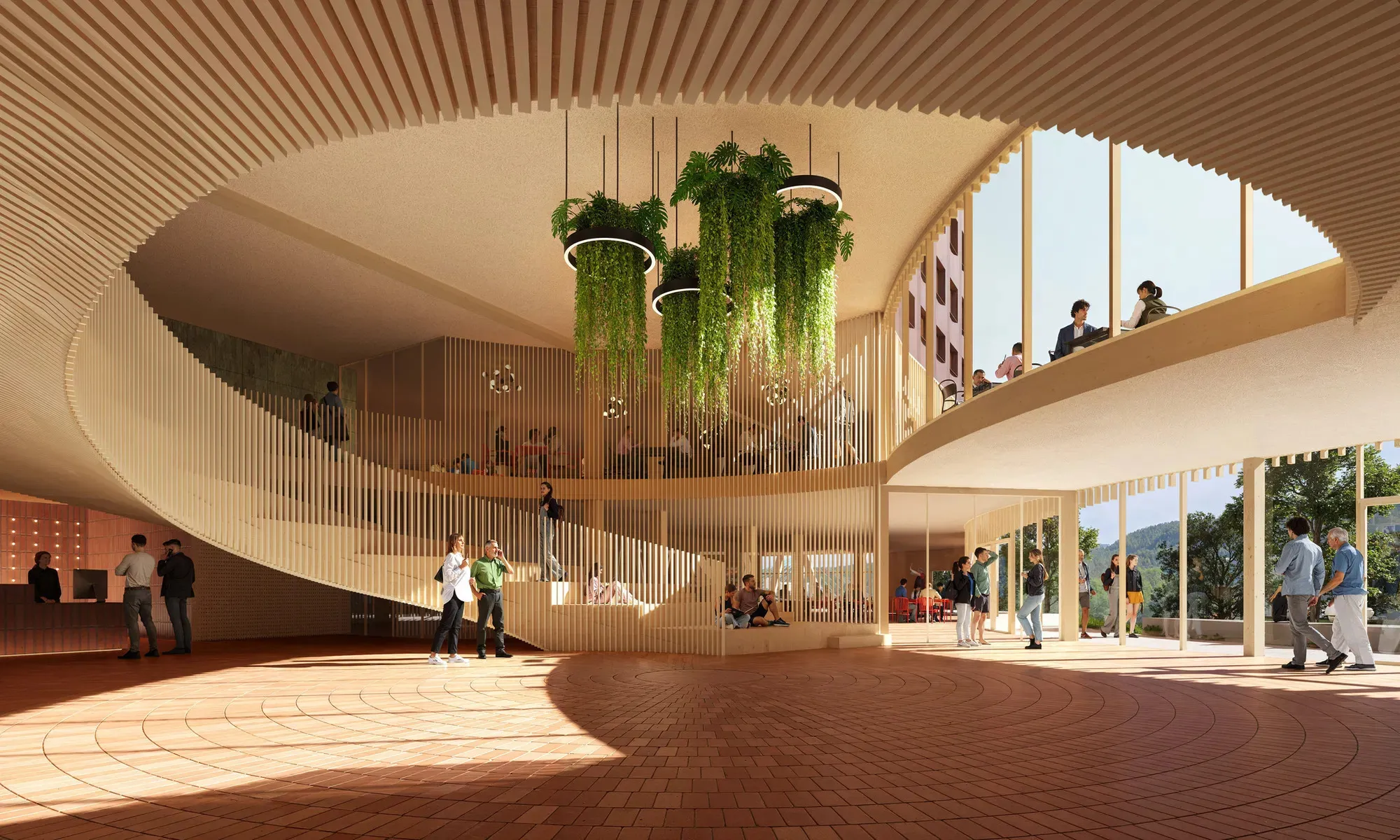
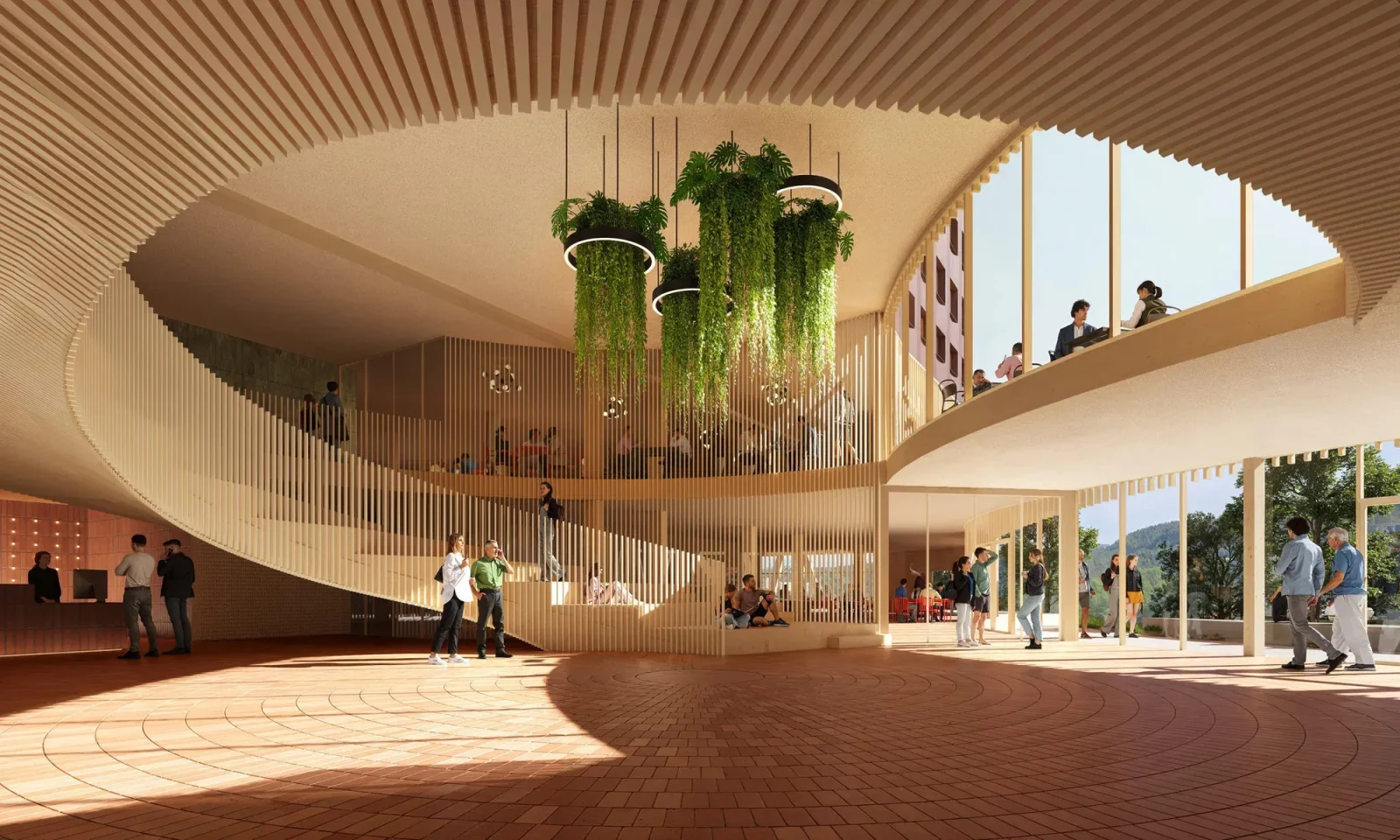
Beneath the green terrain, a low pavilion nestled into the landscape houses a conference hall, black box studios, and a theater. Public spaces are connected by Storstuen, a welcoming central foyer that seamlessly integrates the entire building with its surroundings through large windows overlooking the river. Combined with new open spaces along the waterfront (swimming pools, saunas, water play areas, canoe rentals, fitness areas, an amphitheater, and an open-air stage), the area makes experiences and nature easily accessible to everyone.
6. Natural History Museum of Lille
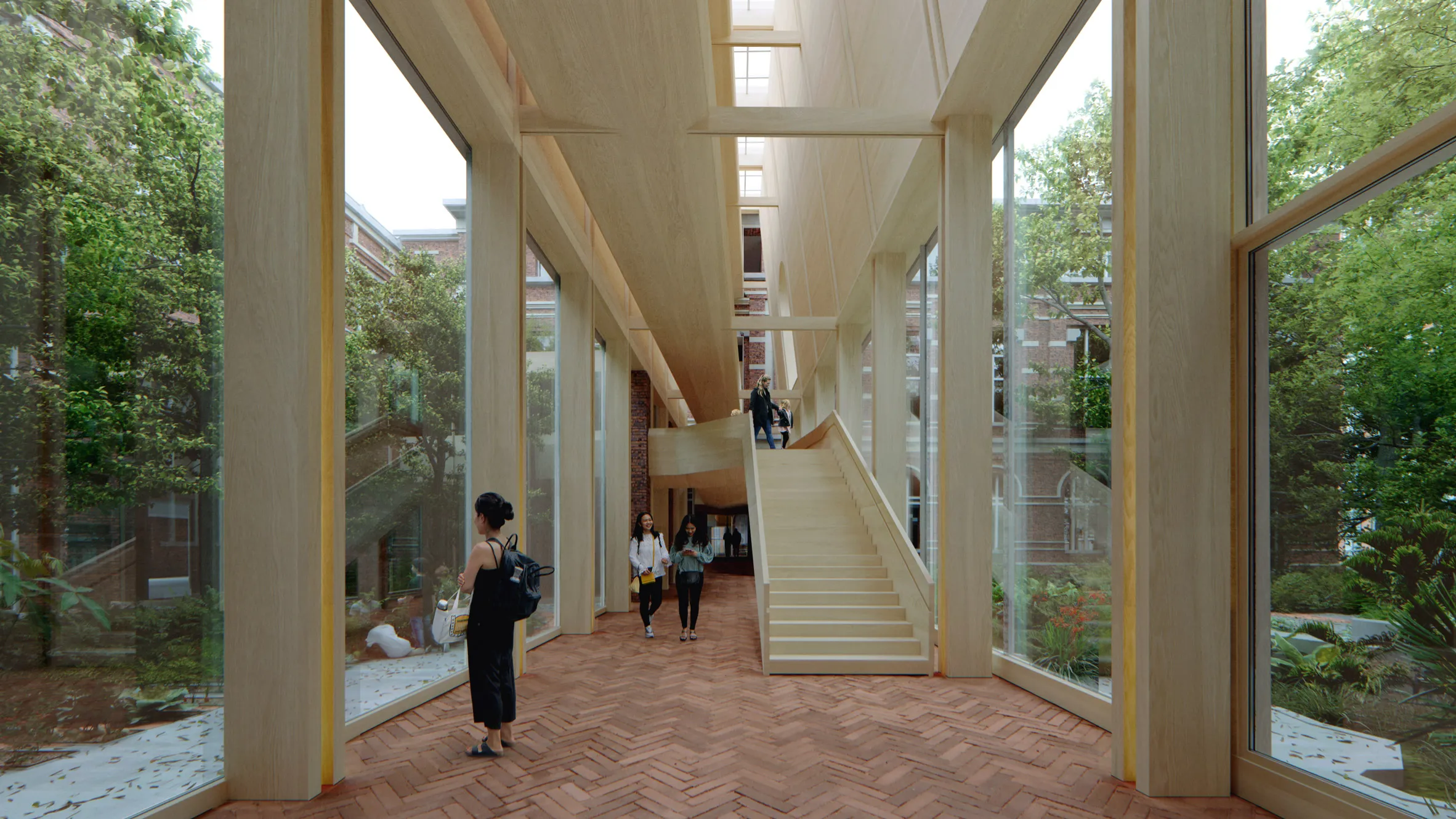
Location: Lille, France
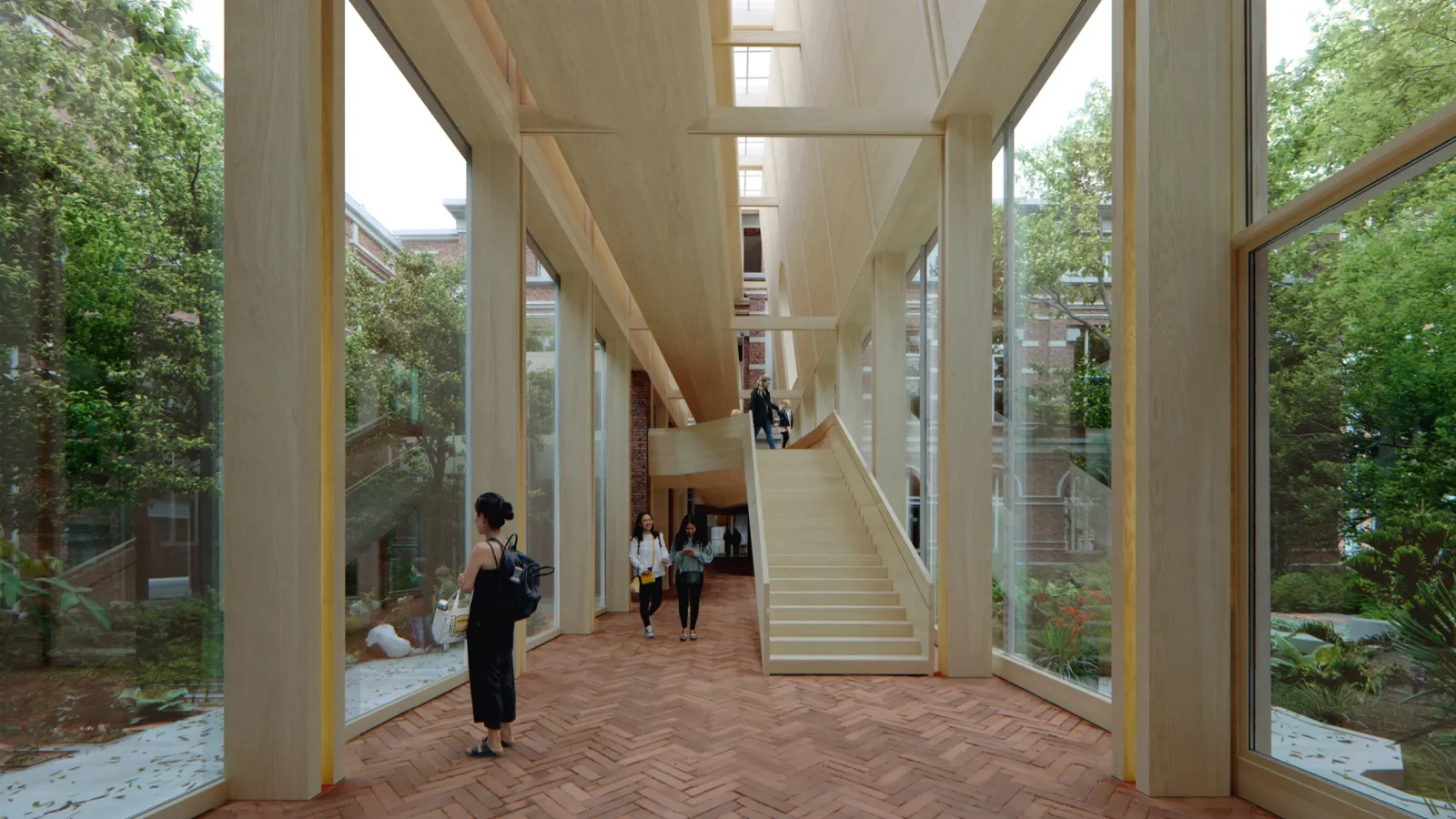
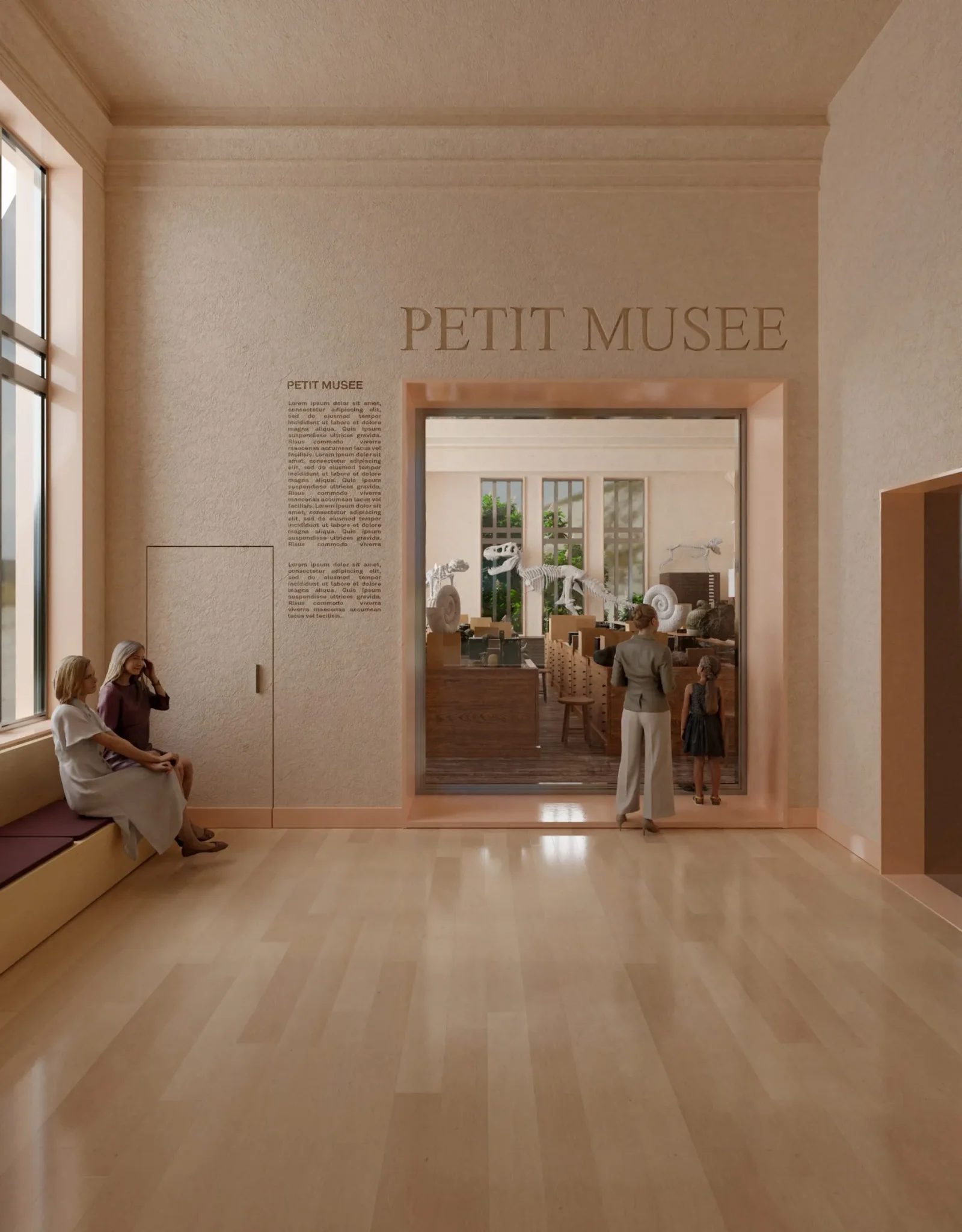
Since being named European Capital of Culture in 2004, Lille, France, has been a model for artistic and cultural innovation both at the French and European levels. Chosen to redesign the Natural History Museum, Snøhetta revives the museum as an iconic landmark while contributing to Lille’s sustainability goals. Expected to be completed in 2027, this project aims to further strengthen the museum’s leading position while making knowledge accessible to all. By combining the preservation of cultural heritage with contemporary museum exhibition design, Snøhetta supports the city’s ambition to integrate urban renewal with the conservation of historic architecture.
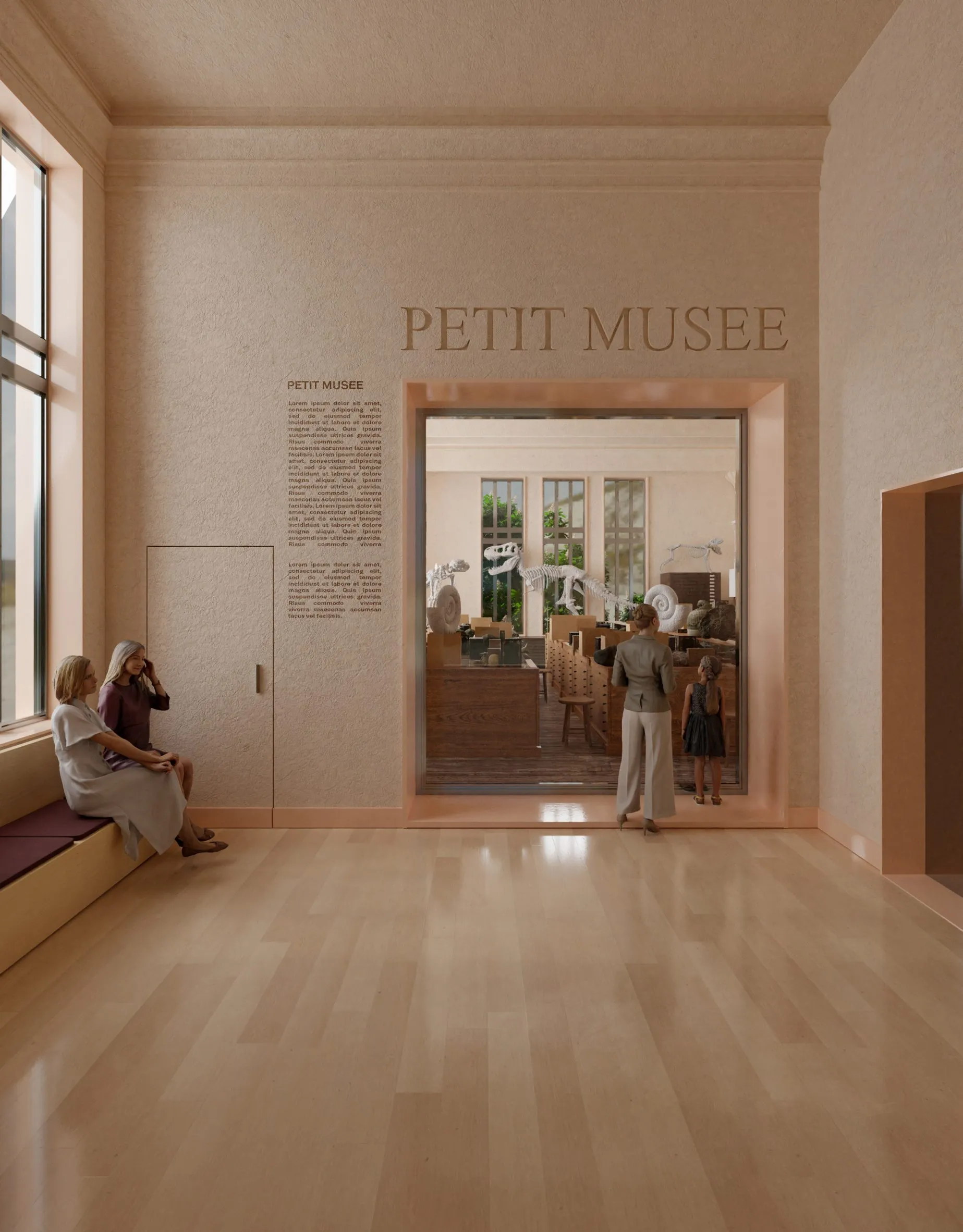
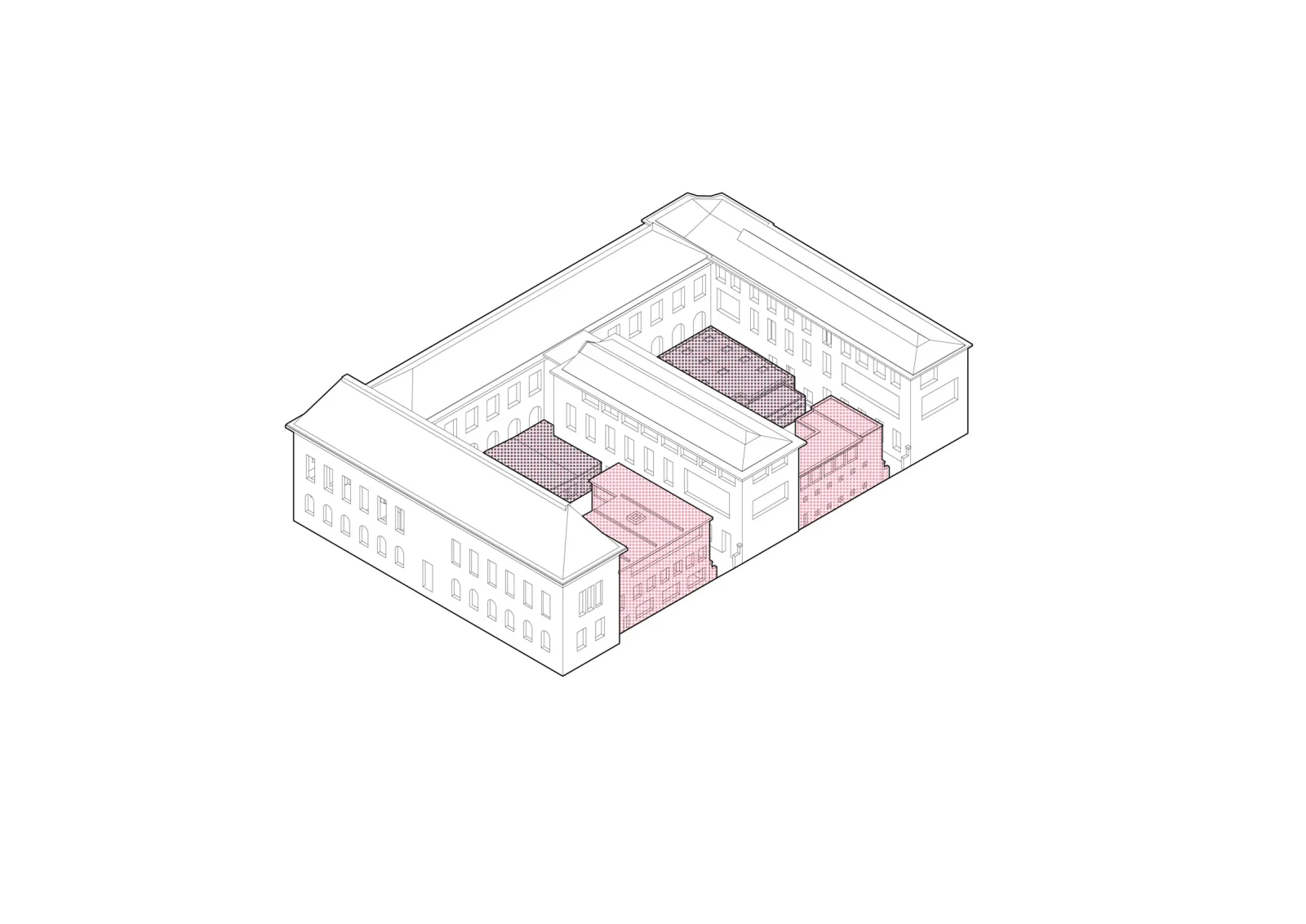
The Natural History Museum’s design aims to restore the overall integrity and identity of the building, enabling the museum to better integrate into its urban context and offer greater generosity in public space. The museum’s original volume, consisting of three parallel buildings divided into courtyards, will have its most recent and least functional additions removed. This will allow for extensive greening and openness to the city. The building’s historic facades will also be preserved through restoration.
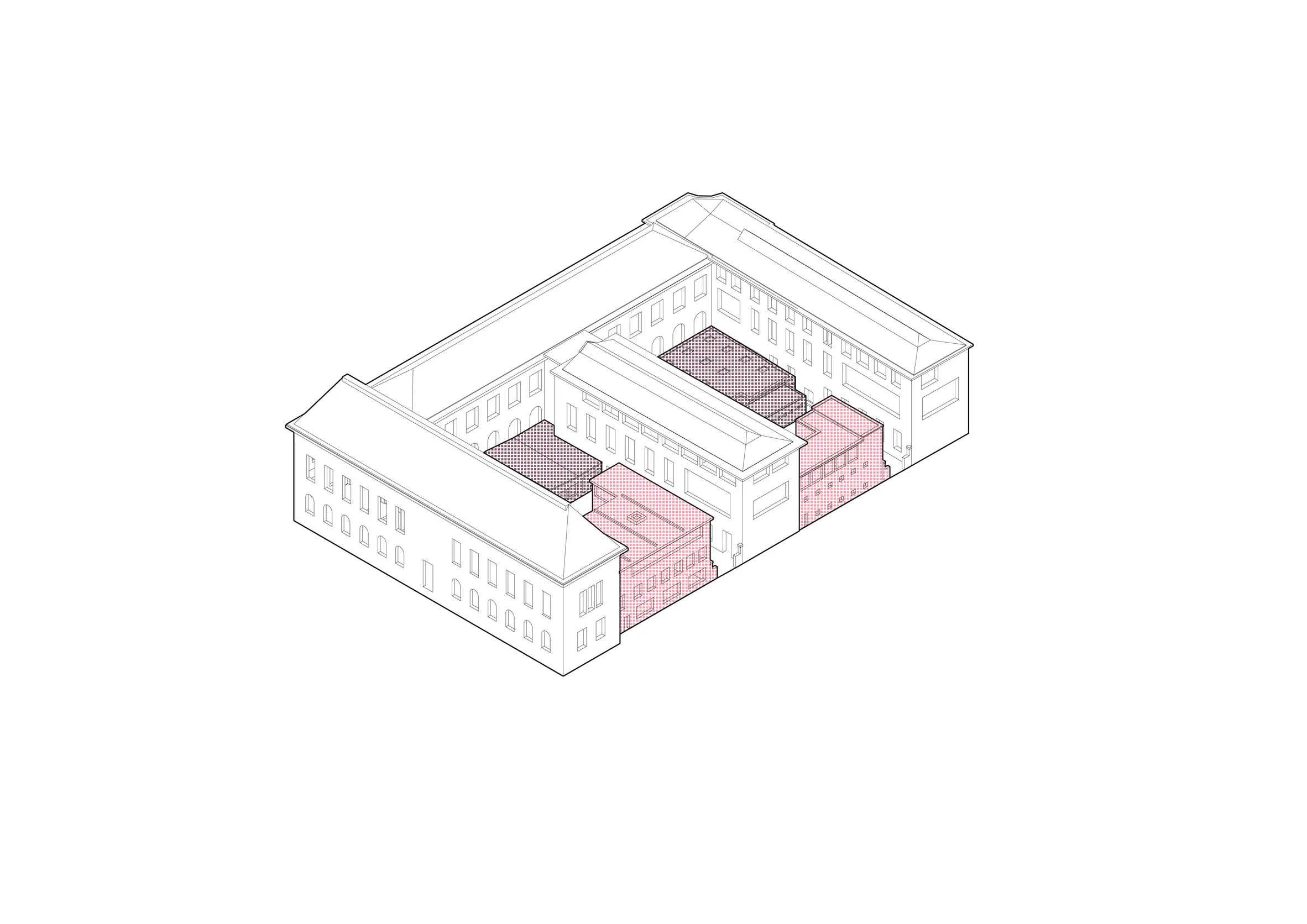
A contemporary extension unifies the building’s three sections into one structure containing exhibition spaces, storage, and collections. Spine-like in form, it improves circulation and accessibility while opening views to new thematic courtyard gardens. The project upgrades the building envelope with high-performance insulation and airtightness, and integrates energy-efficient ventilation and passive cooling systems.
7. Omaha Children’s Museum
Location: Omaha, NE, USA
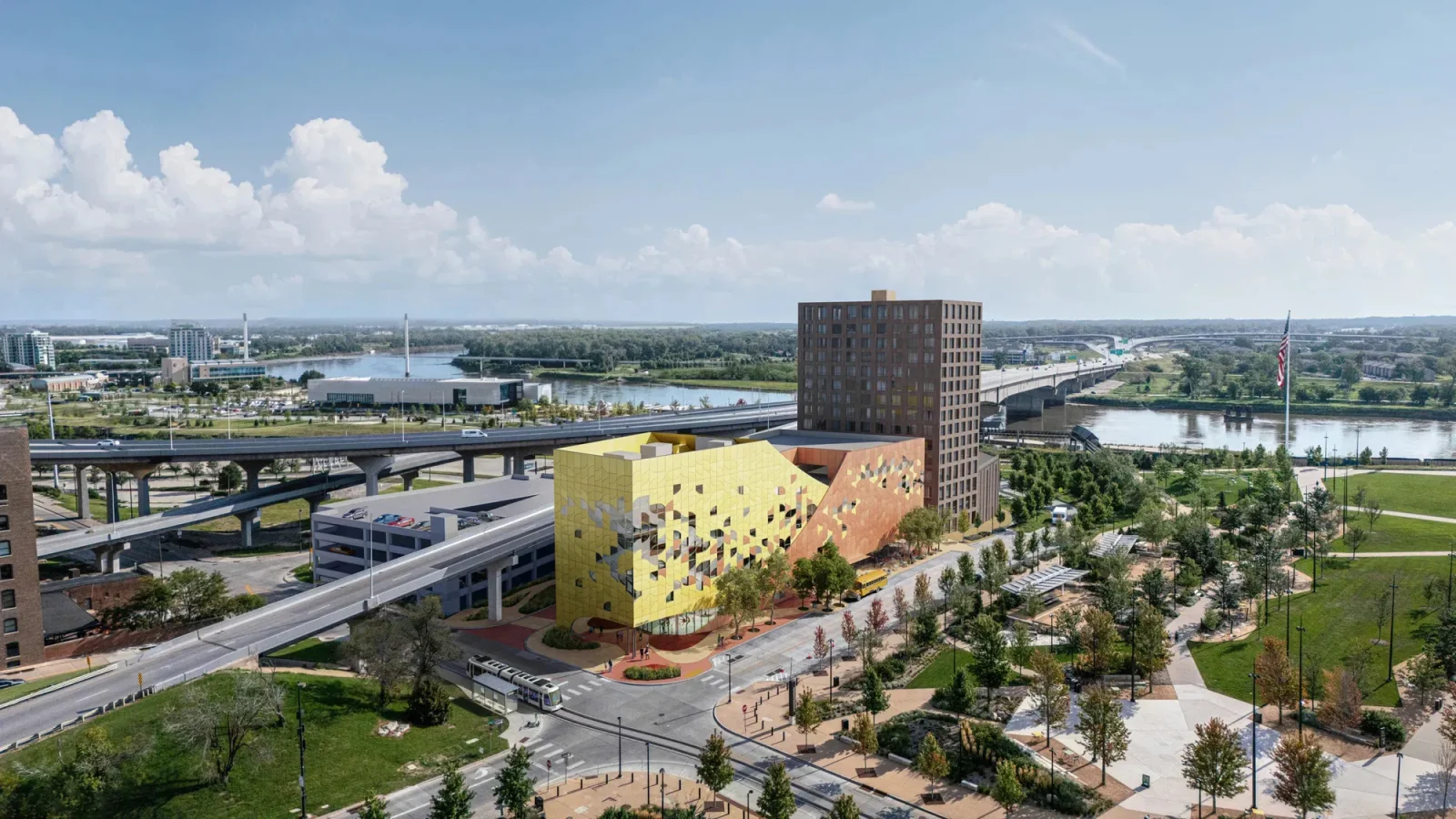
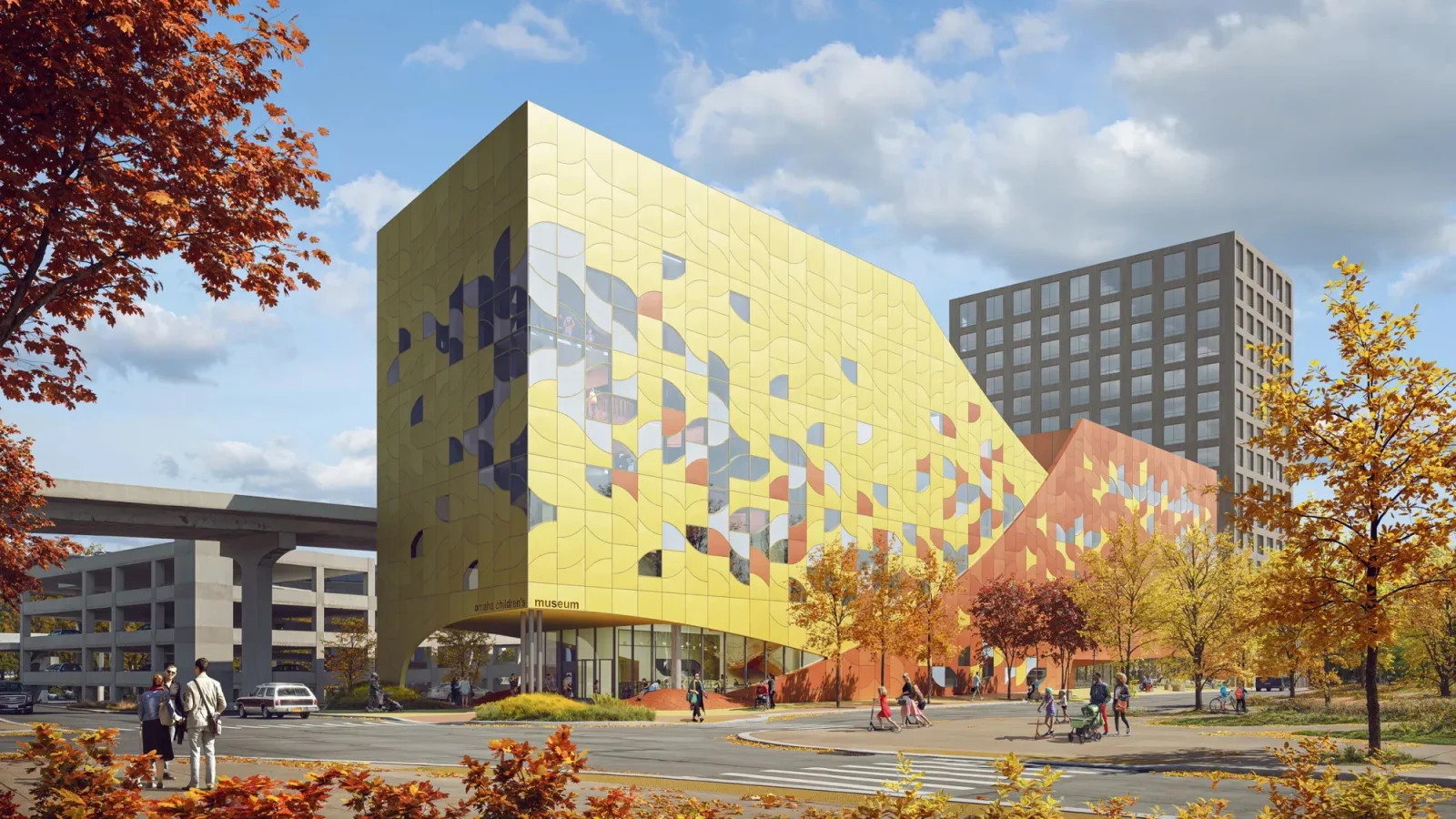
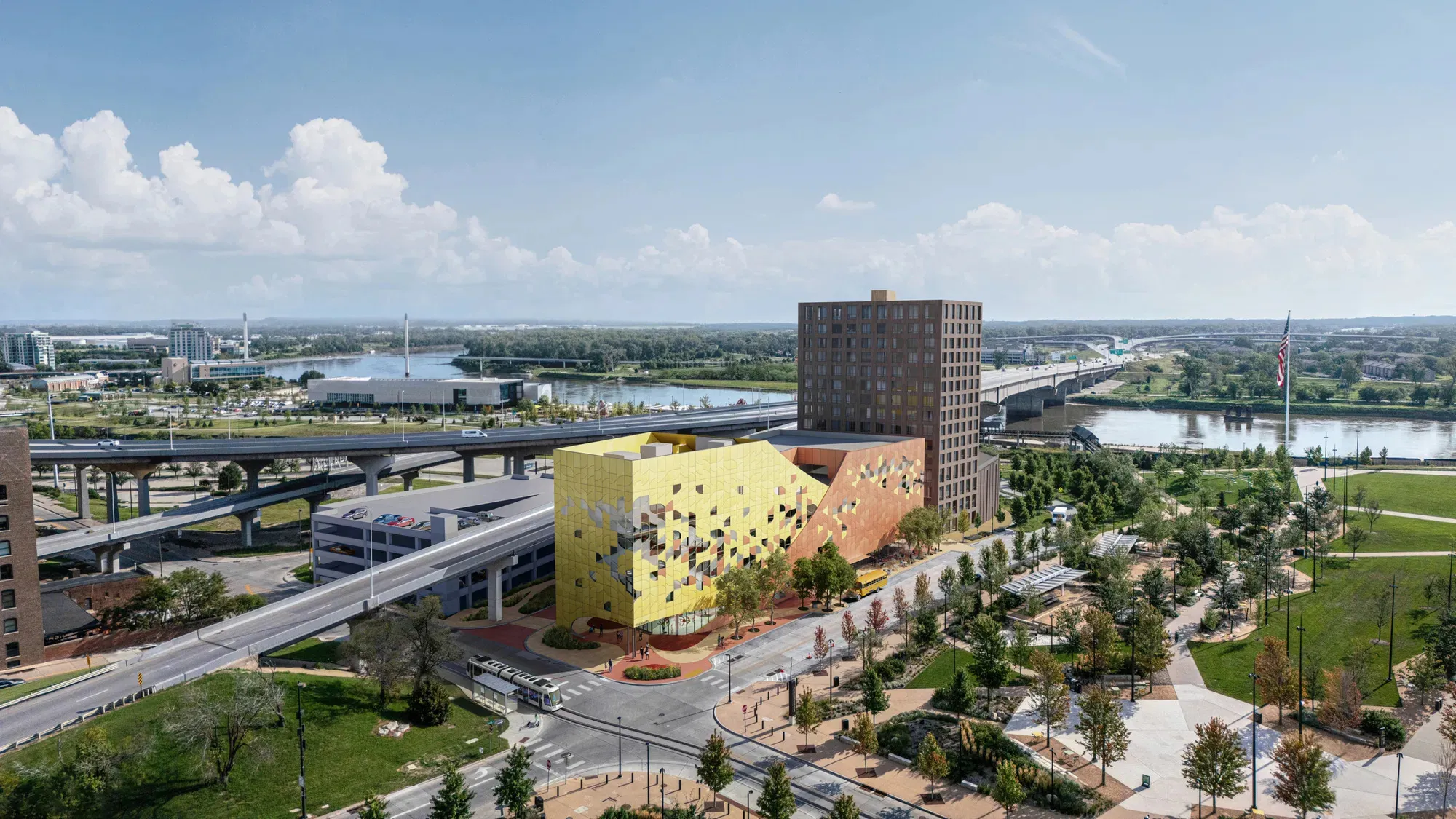
Undertaken by Snøhetta in 2024, the Omaha Children’s Museum is one of the firm’s most eagerly anticipated upcoming projects. Shaped by best practices in early childhood development, the museum offers exhibitions and programs that inspire joy, curiosity, and connection for young children and their caregivers. The new four-story museum continues the 40-year tradition of the existing Omaha Children’s Museum, emphasizing inclusivity and fun. Aimed at children aged 0-8, it features various exhibition areas, a 175-seat performance hall, a café, and a play workshop.
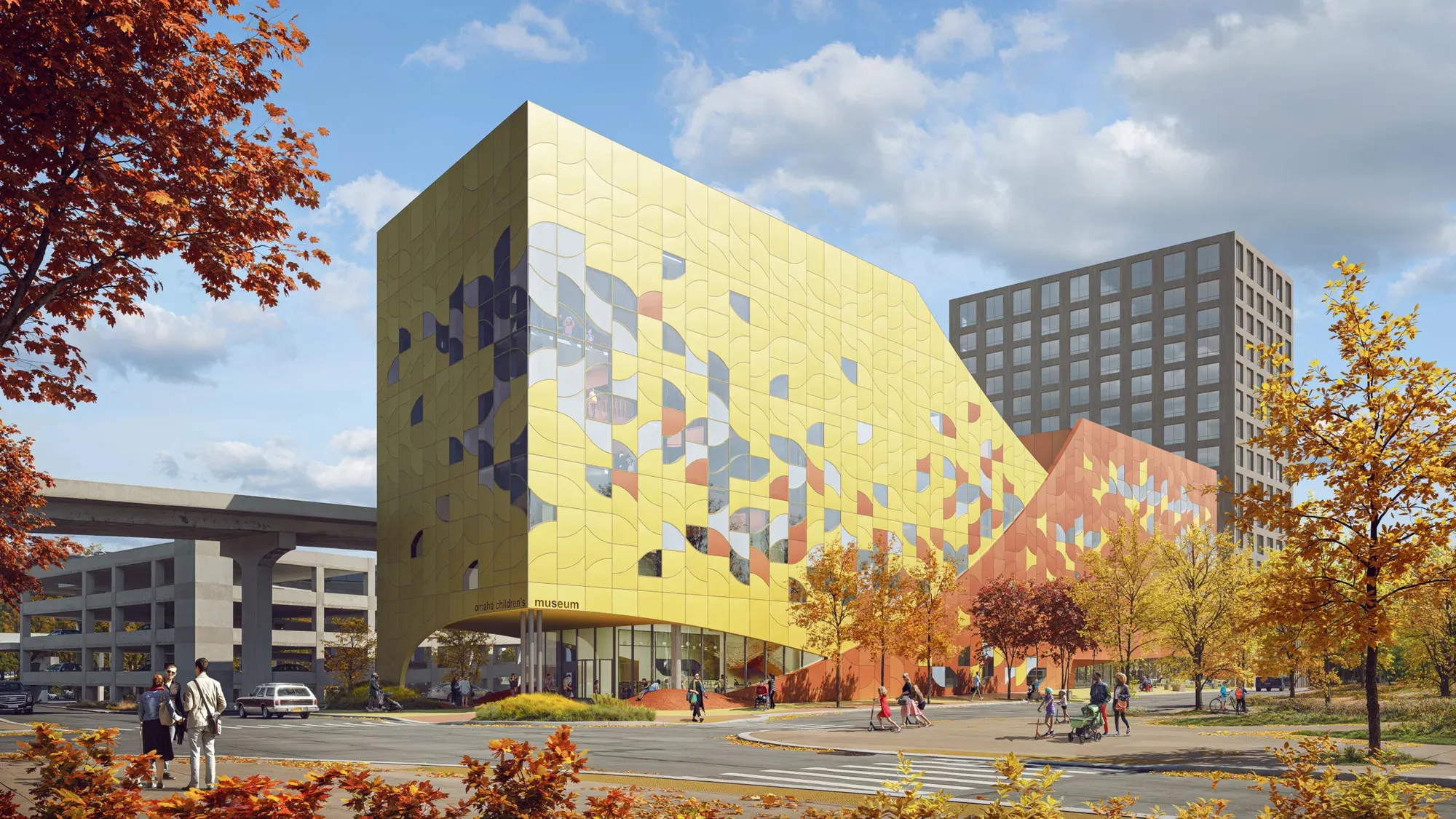
Before entering the building, visitors encounter rubber-covered mounds rising in the plaza, inviting them to climb and play even before experiencing everything the museum has to offer. This joyful journey, starting from the entrance, continues inside the museum, making the act of moving part of the fun. Inside, railings and staircases curve, transforming each circulation path into a playground. Dynamic accessibility and engaging exhibits are integrated into the architecture.
8. Qasr AlHokm Metro Station
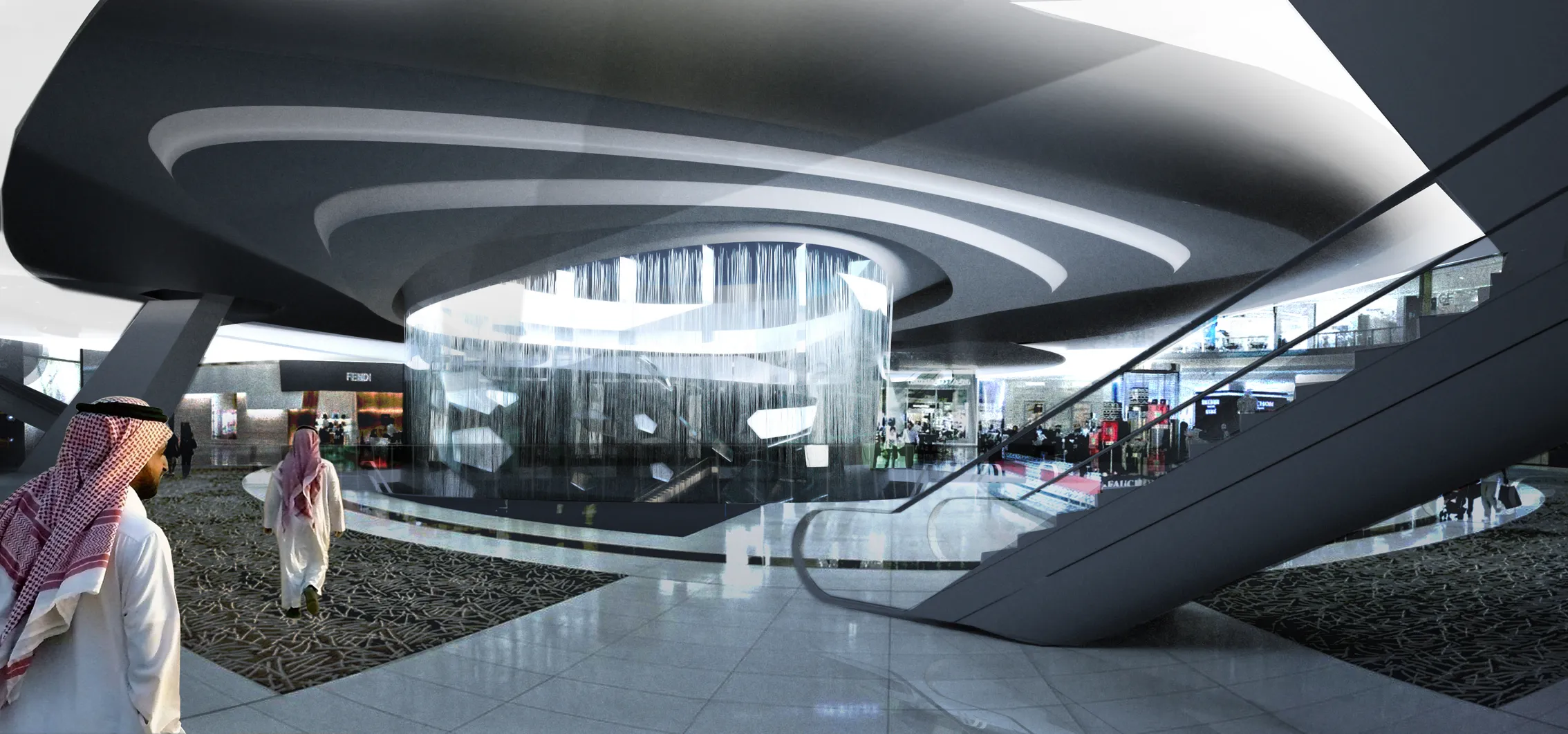
Location: Riyadh, Saudi Arabia
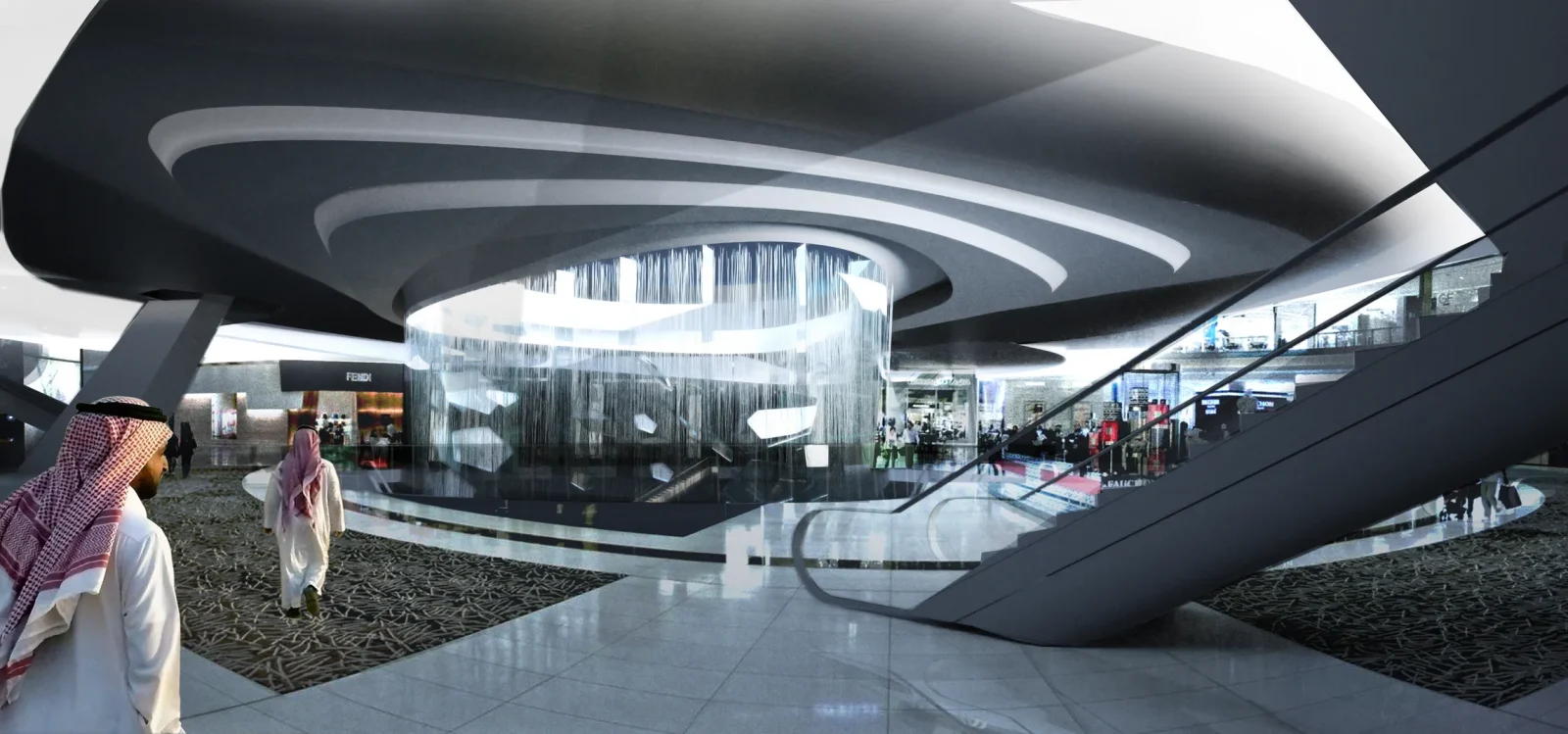
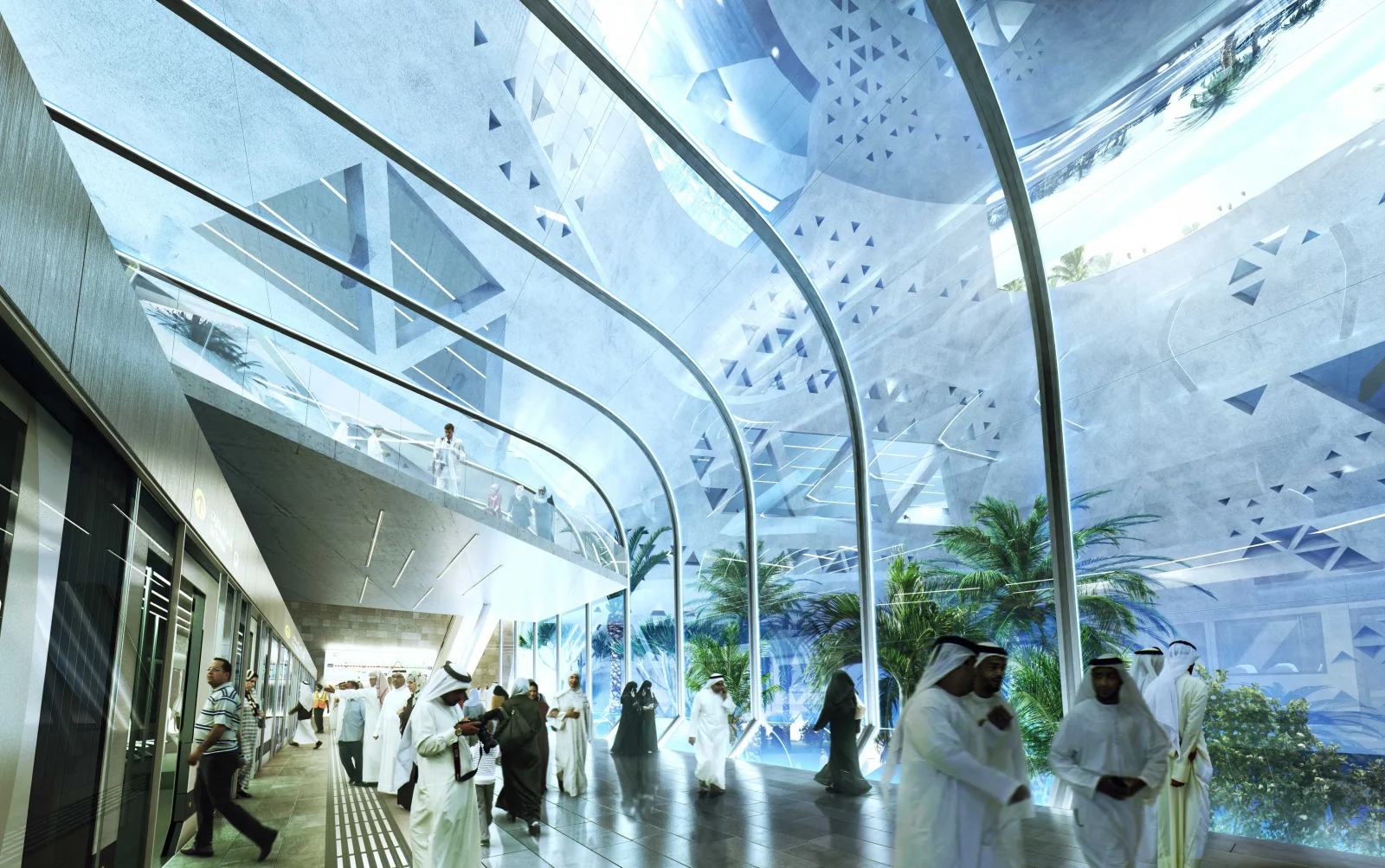
One of Snøhetta’s anticipated projects, Qasr AlHokm Metro Station, plays a key role in revitalizing the area and embodies the city’s ongoing transformation. The metro station connects two lines in a brand-new metro network that links key parts of the city, reducing traffic congestion and improving air quality.
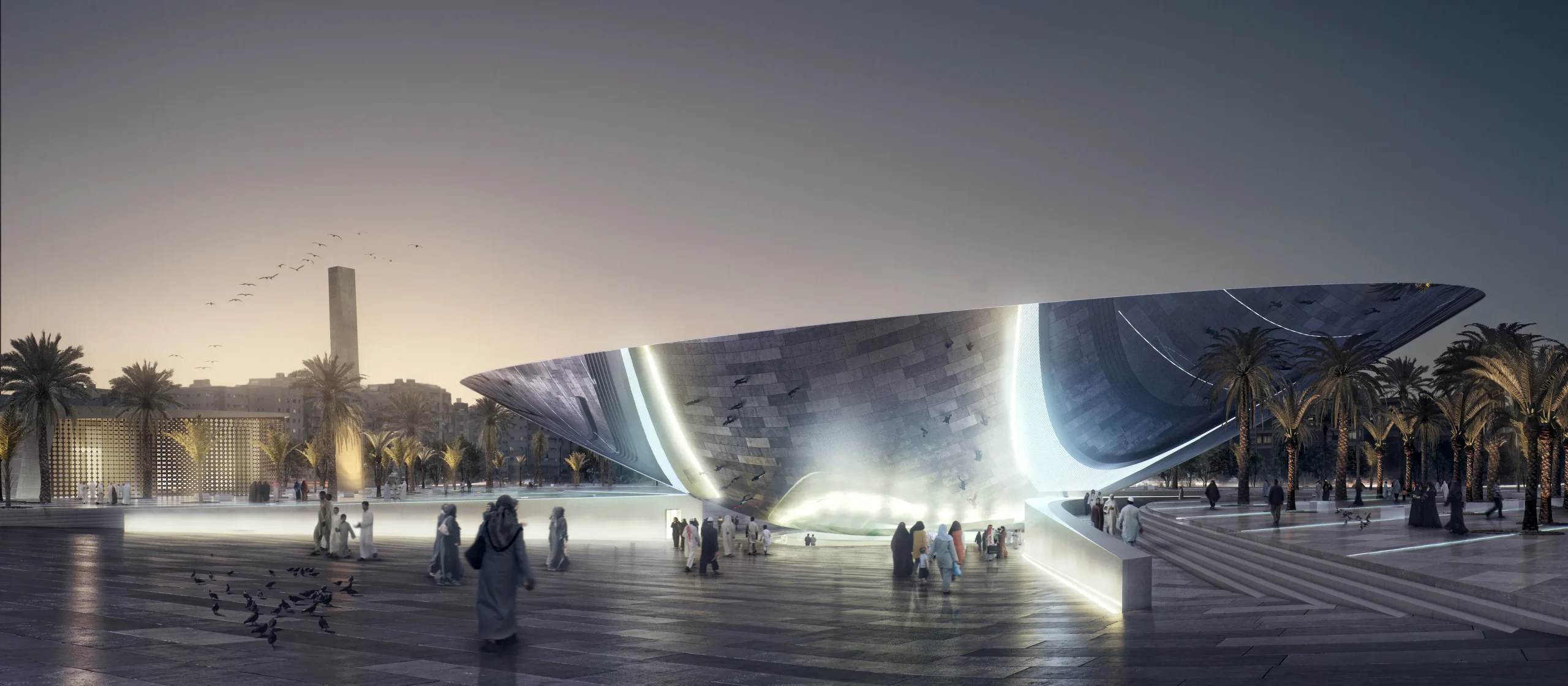
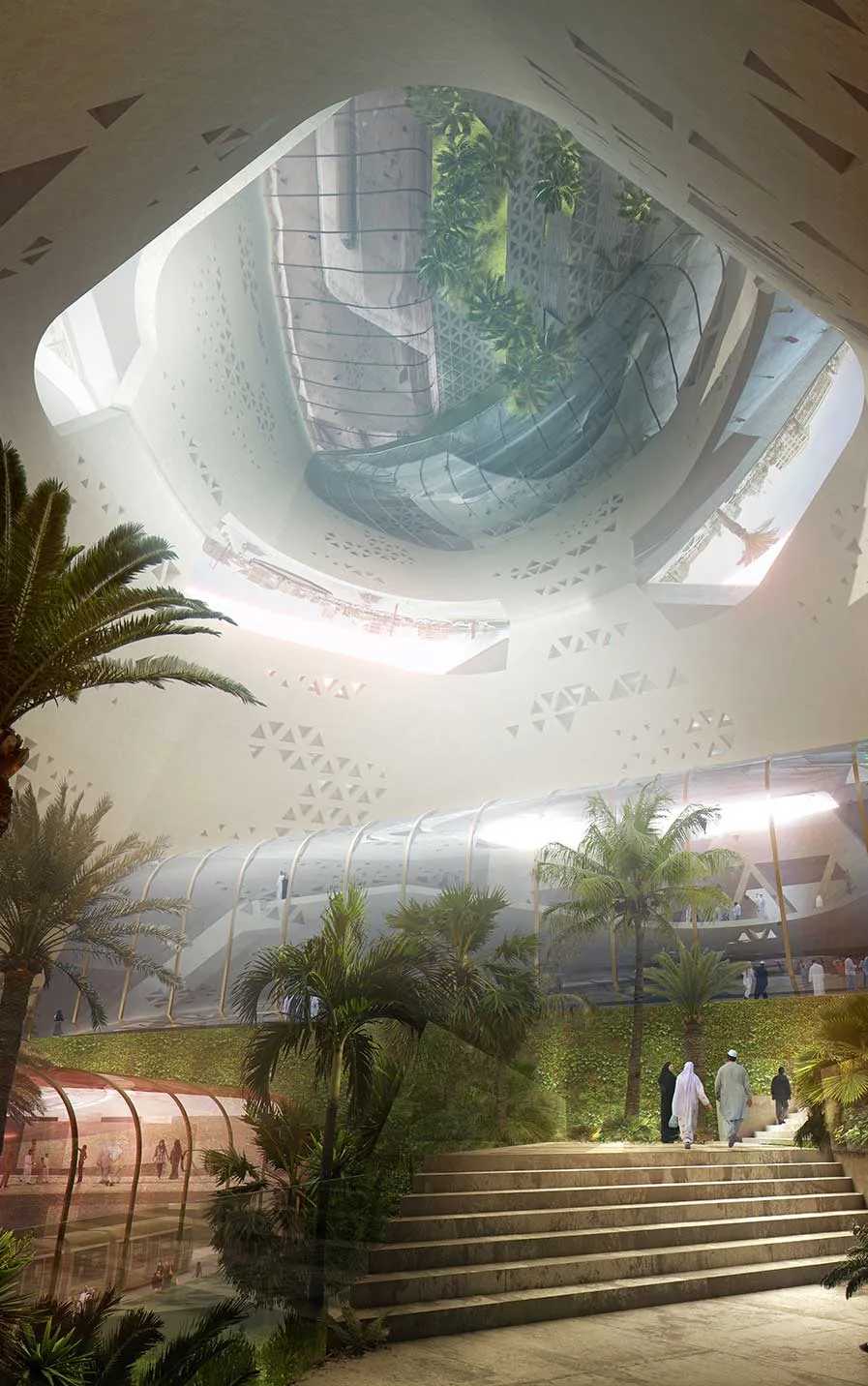
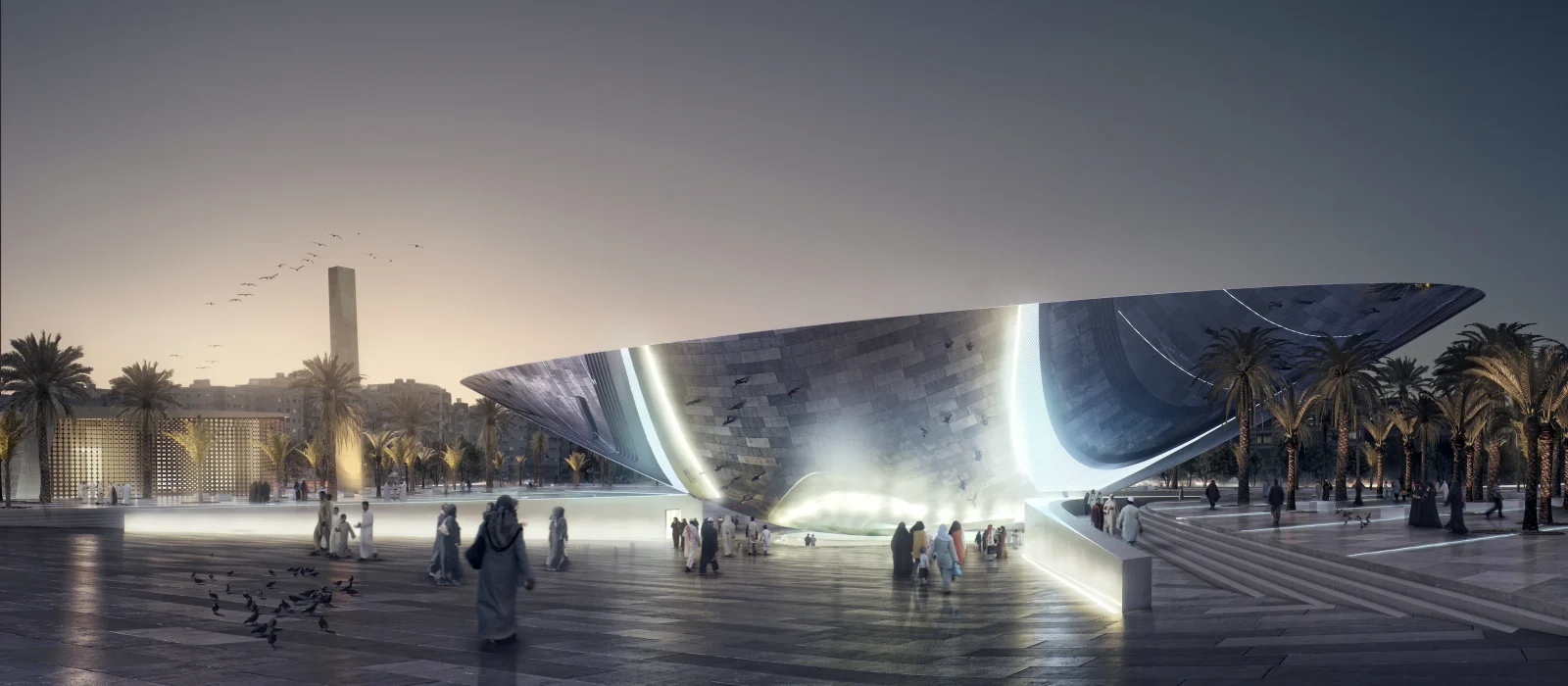
The station features an open pedestrian plaza and a large polished stainless-steel canopy that visually connects the station levels. This canopy directs natural light down into the underground station while providing shade for the surrounding public spaces. The station levels are visually linked by this reflective canopy, which rests on a large sloping wall. Acting as a unifying element and point of reference, it defines an outdoor void that brings indirect light downward.
Through this open space, two metro lines pass inside glass tubes, offering clarity and a sense of orientation. A garden accessible from both lines, located at the base of the atrium, offers passengers a shaded green space to wait for their trains.
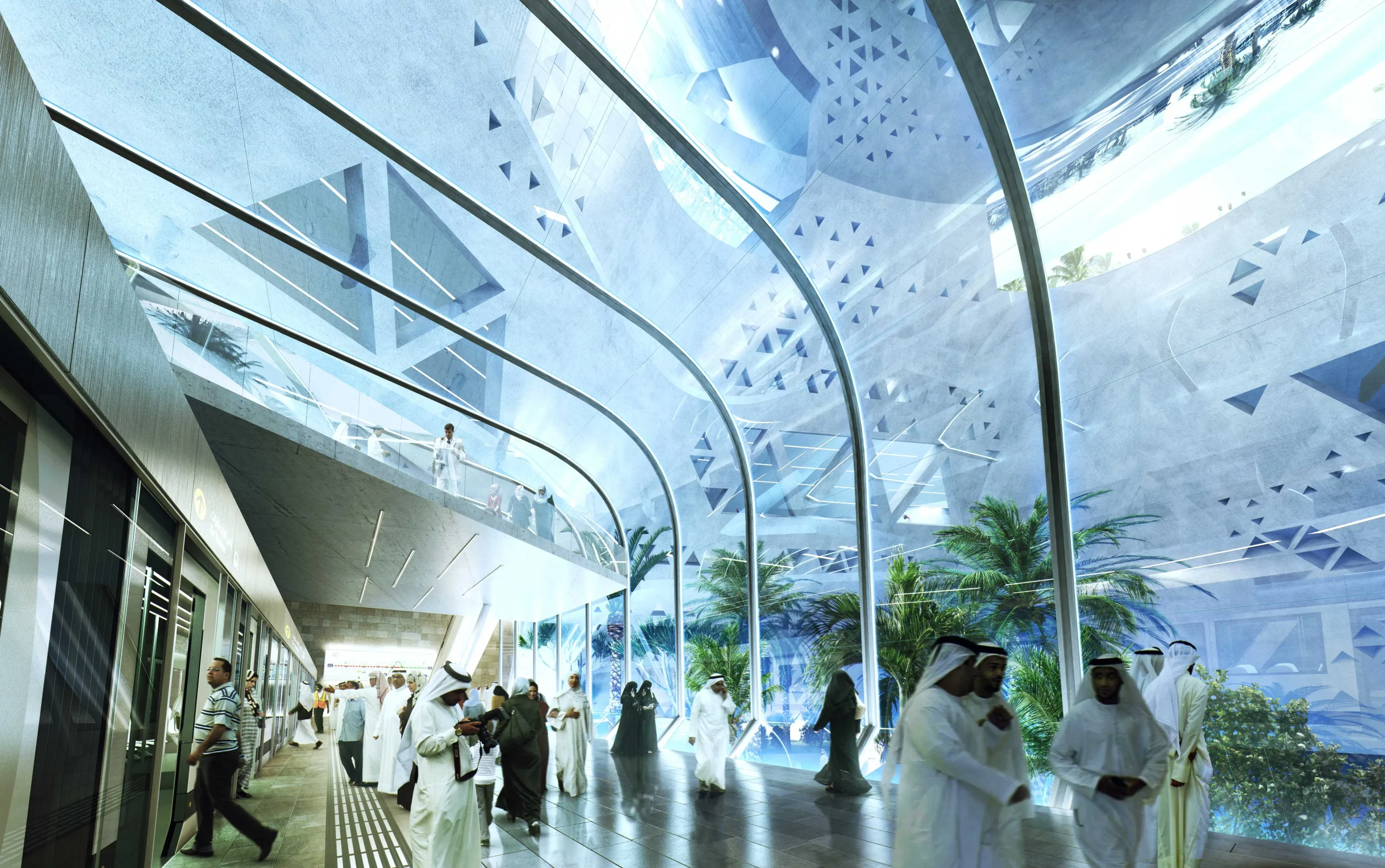
Reflecting a strong commitment to sustainable urban living, the station’s design promotes energy and water conservation, utilizes natural ventilation, and integrates photovoltaic panels into the roof. Outside, the plaza features a smooth mosaic surface that extends to the edges of the site, clearly defining it as an open pedestrian area. Local trees, harmoniously arranged with the nearby mosque and Mecca, create a serene atmosphere.
9. Hangzhou Qiantang Bay Art Museum
Location: Hangzhou, China
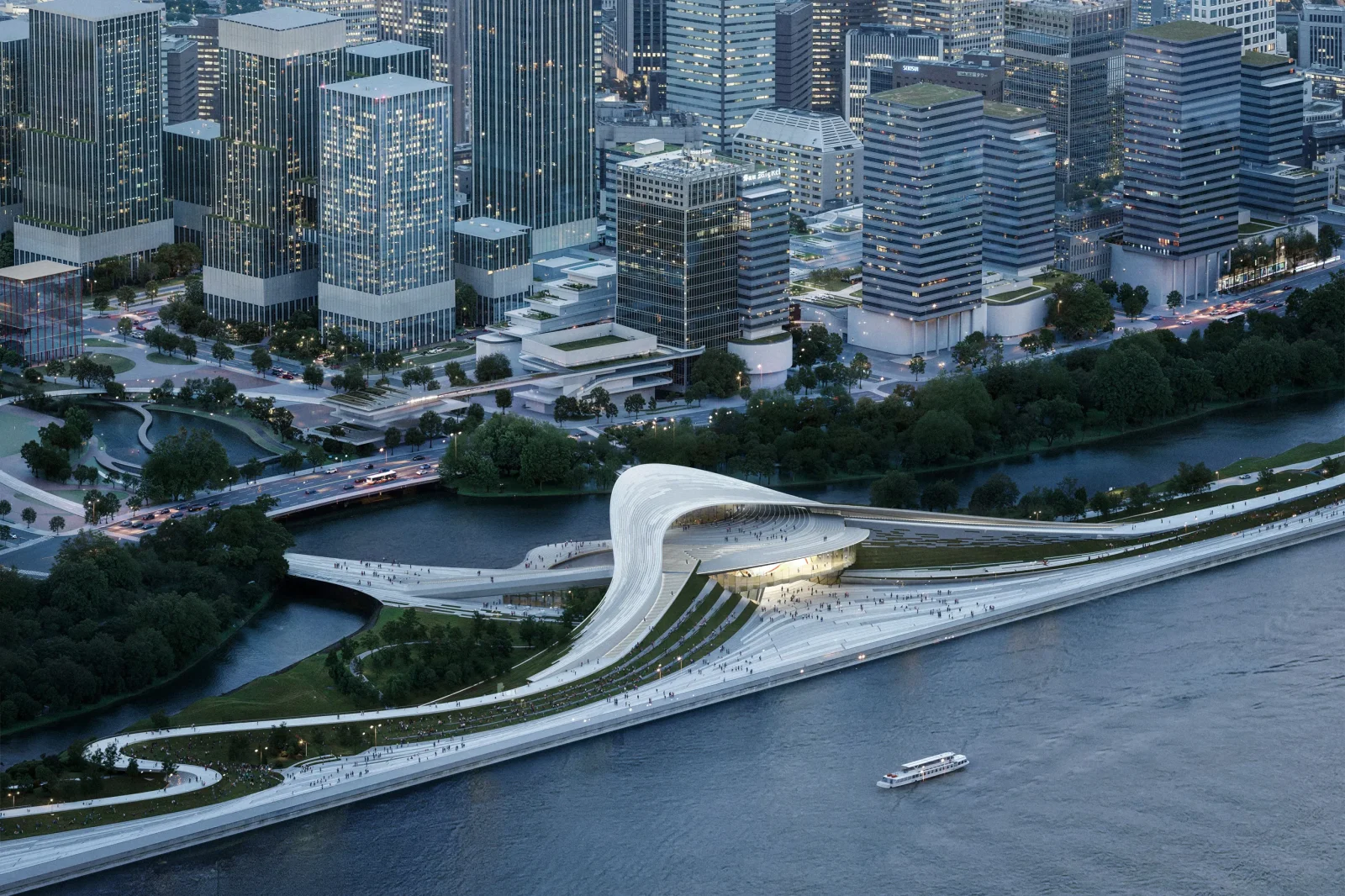
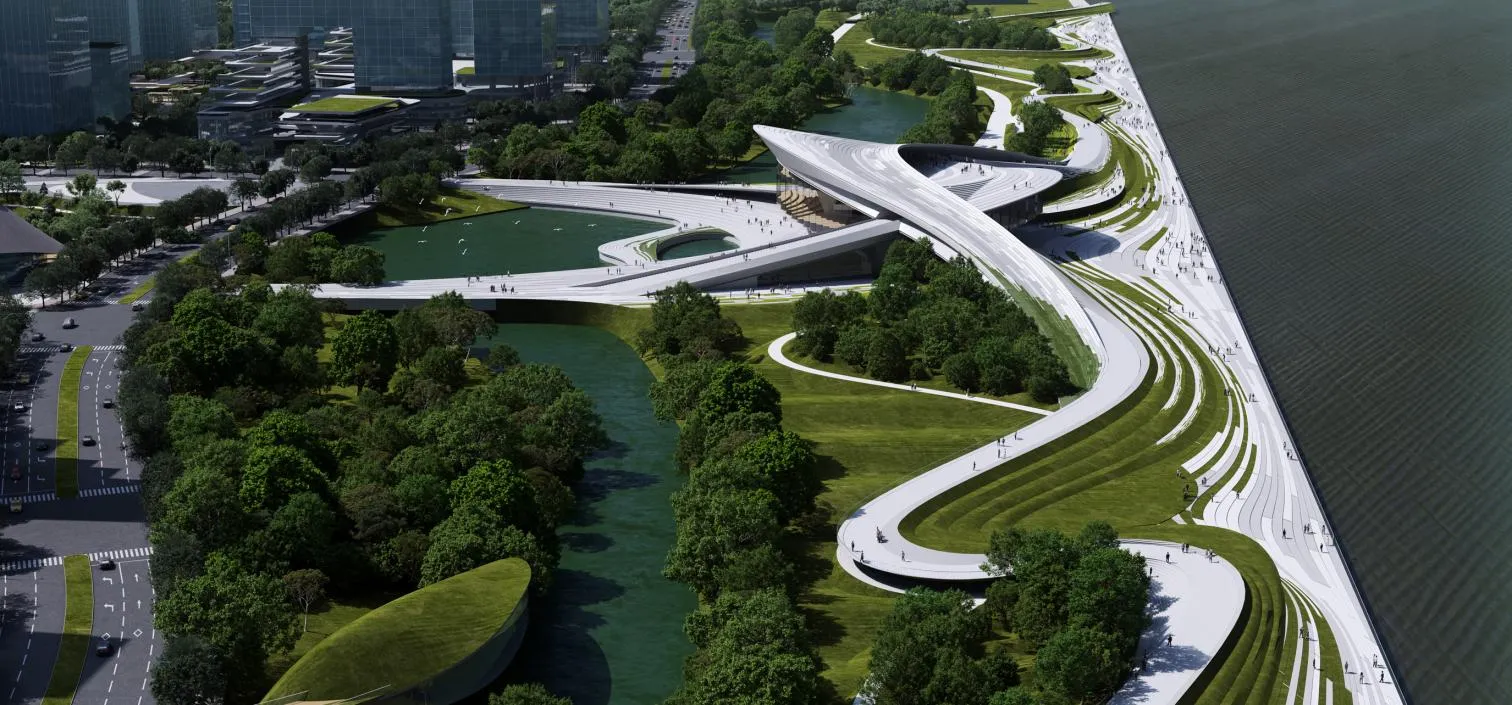
Designed with the motto “A gateway to imagination where nature and art meet,” the Hangzhou Qiantang Bay Art Museum is a spatial interpretation of the waves and movements of art and culture. Part of Hangzhou’s ambitious city center development project along the Qiantang River, this 18,000 m² landmark boasts a strategic location offering visitors a stunning vantage point with expansive views stretching from one waterway to another.
Interpreting the fluidity of waterways as a creative catalyst, Snøhetta has designed a vibrant pathway of creativity and art that flows from the district’s Central Water Axis cultural cluster to the iconic Qiantang River through a signature passage.
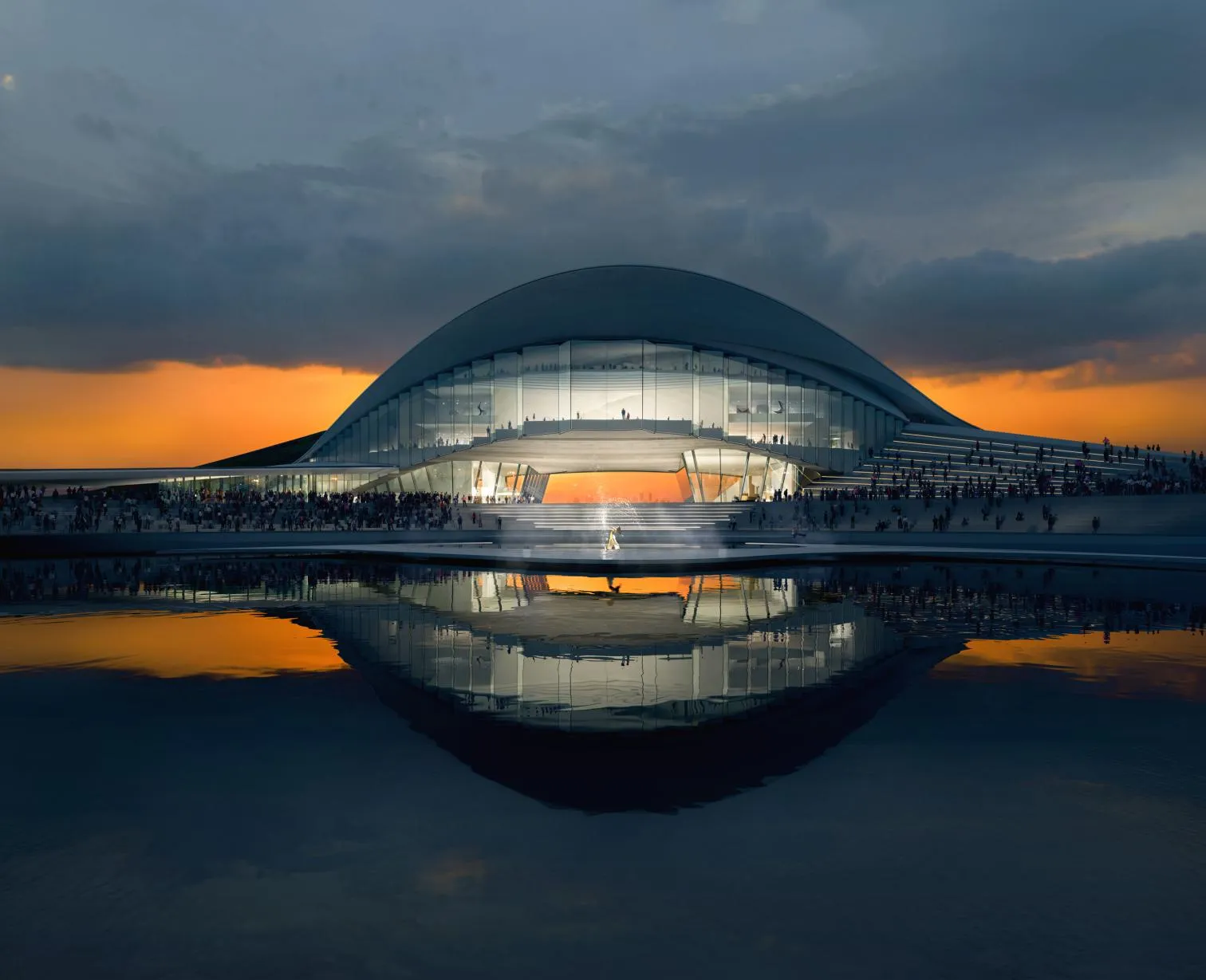
Inspired by the fluid forms and connecting function of the bridge, the museum is designed around two wavelike volumes. This dynamic configuration, bringing all circulation routes together at a central node, also creates a vibrant public space. The undulating landscape, like the rhythm of the tides, activates the community between the two waterways, taking visitors on an exploratory journey toward and up to the passageway at the heart of the site, towards a rooftop terrace with panoramic river and city views.
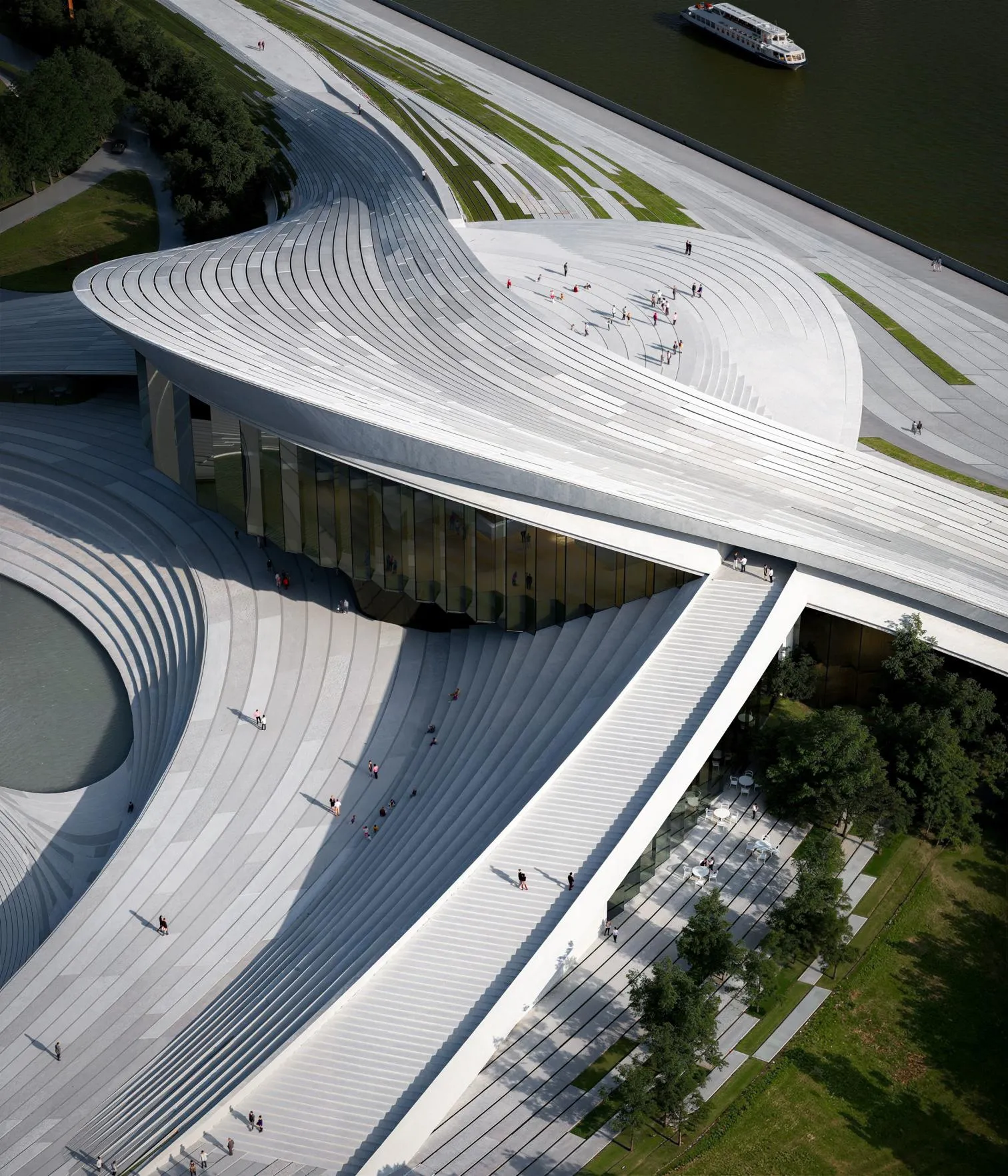
Curving paths that draw the landscape inward lead northward to pleasant promenades that rise toward the sky on the rooftop, framed by natural river views, while on the east side, bridge-like walkways provide a transition from the urban environment into the art museum, allowing visitors to ascend toward the sky and the water. The central entrance gate on the ground floor serves as a spatial and symbolic link, while the main exhibition halls in the center are surrounded by expansive public spaces for social, educational, informational exchange, and community gatherings.
10. Ex Macello-Aria
Location: Milano, Italia
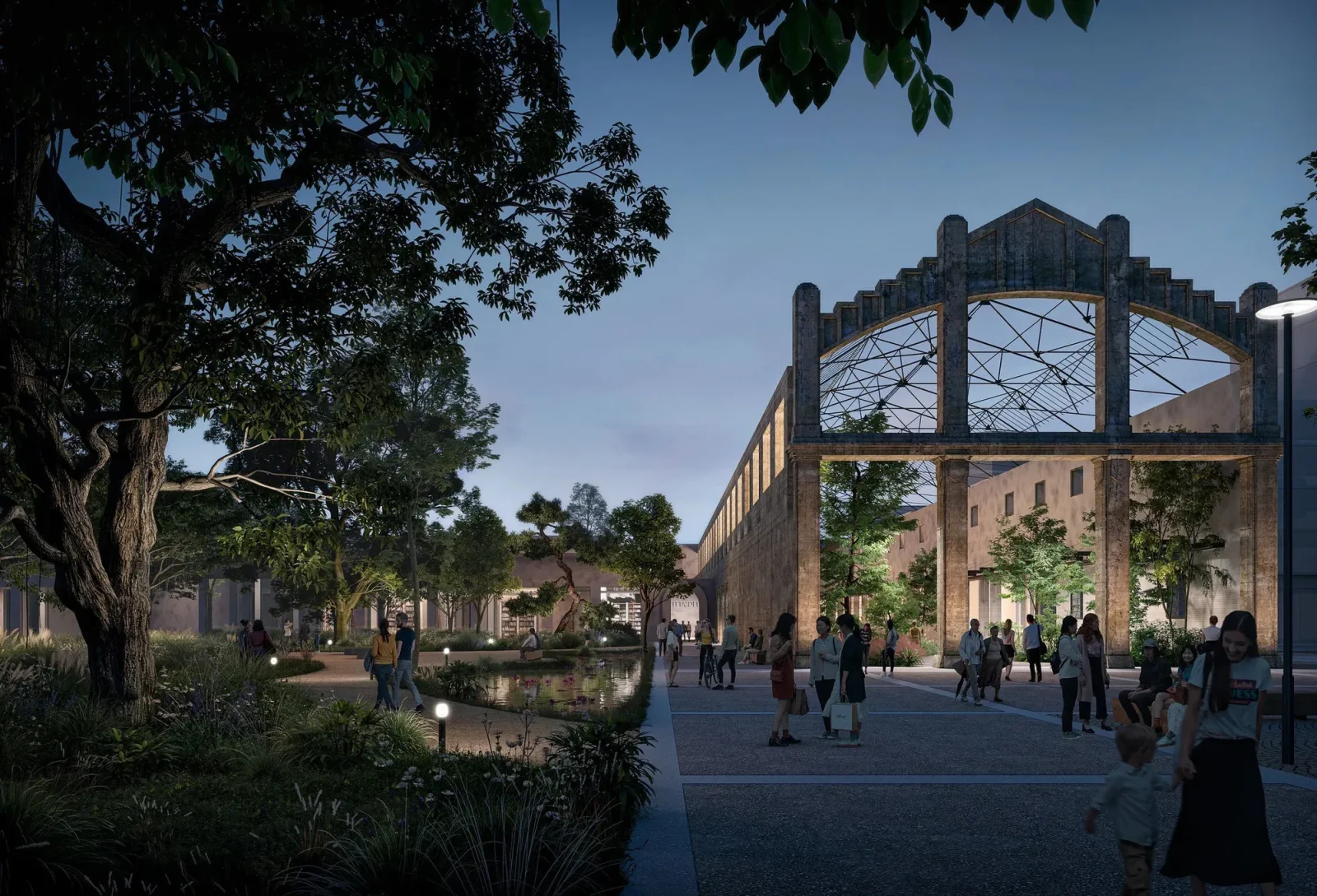
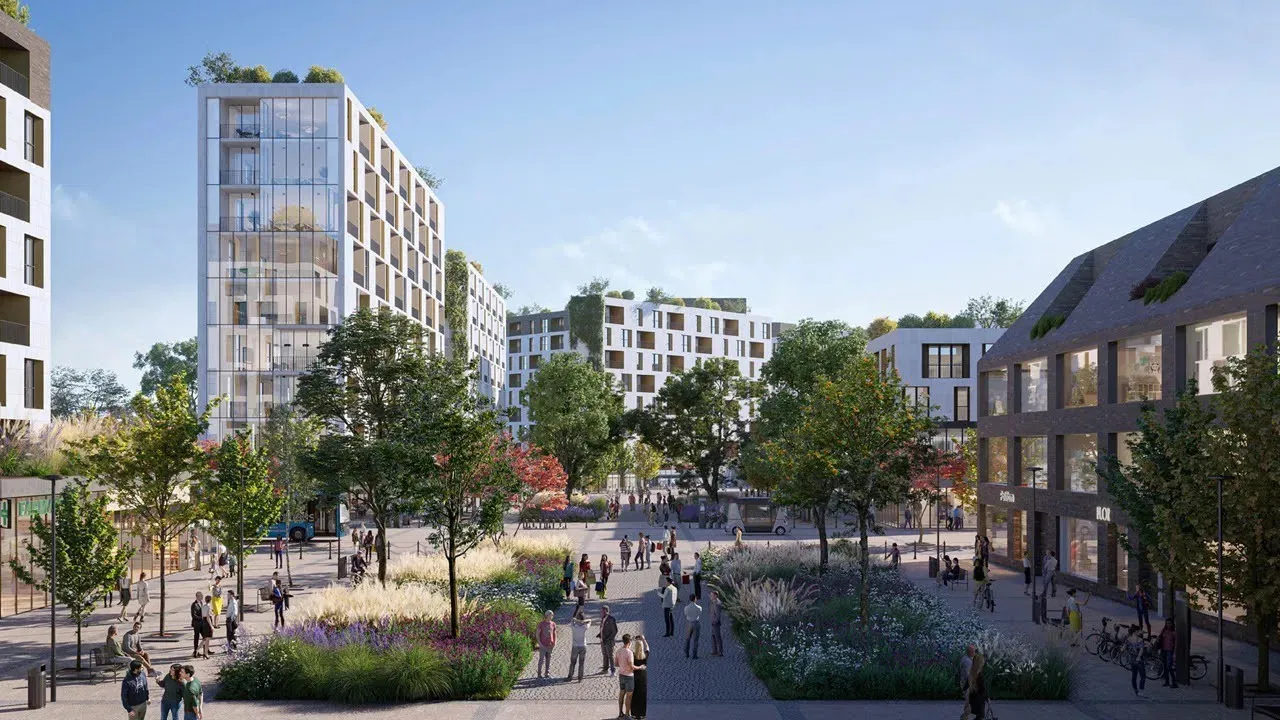
As a master planning, transformation, and expansion project, Ex Macello–Aria is one of Snøhetta’s most eagerly anticipated works. Built in the early 20th century and left abandoned beginning in the 1990s, Ex Macello is a former slaughterhouse complex located in Milan’s Calvairate district, at the eastern edge of the city. Still filled with buildings of strong architectural, industrial, and historical value, the area was revitalized and presented with new visions. Winning the competition, Snøhetta proposed a new neighborhood that reconnects the fragmented urban fabric.
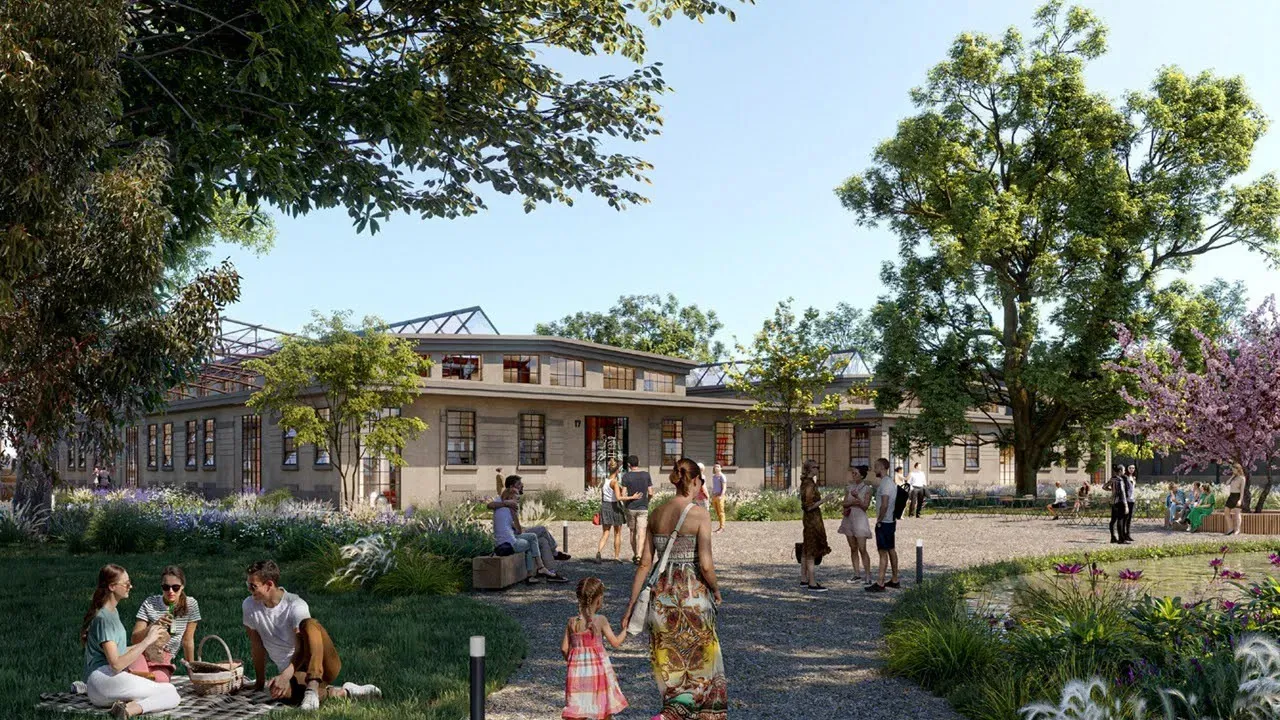
The new masterplan introduces activities that inspire new ways of learning, growing, living, and working, while tying into the existing green infrastructure. Bringing together cutting-edge technology, the area’s rich cultural and architectural heritage, and citizen-oriented initiatives, Aria aims to become a district defined by environmental, social, and economic sustainability. Set to become Milan’s first Carbon Negative District, Aria targets LEED Gold certification for the existing buildings and LEED Cities & Communities: Plan and Design certification for the masterplan. Innovative use of plants and soil will purify interiors, phytoremediate and renaturalize outdoor spaces, regulate and purify water, capture CO2, and filter air pollutants.
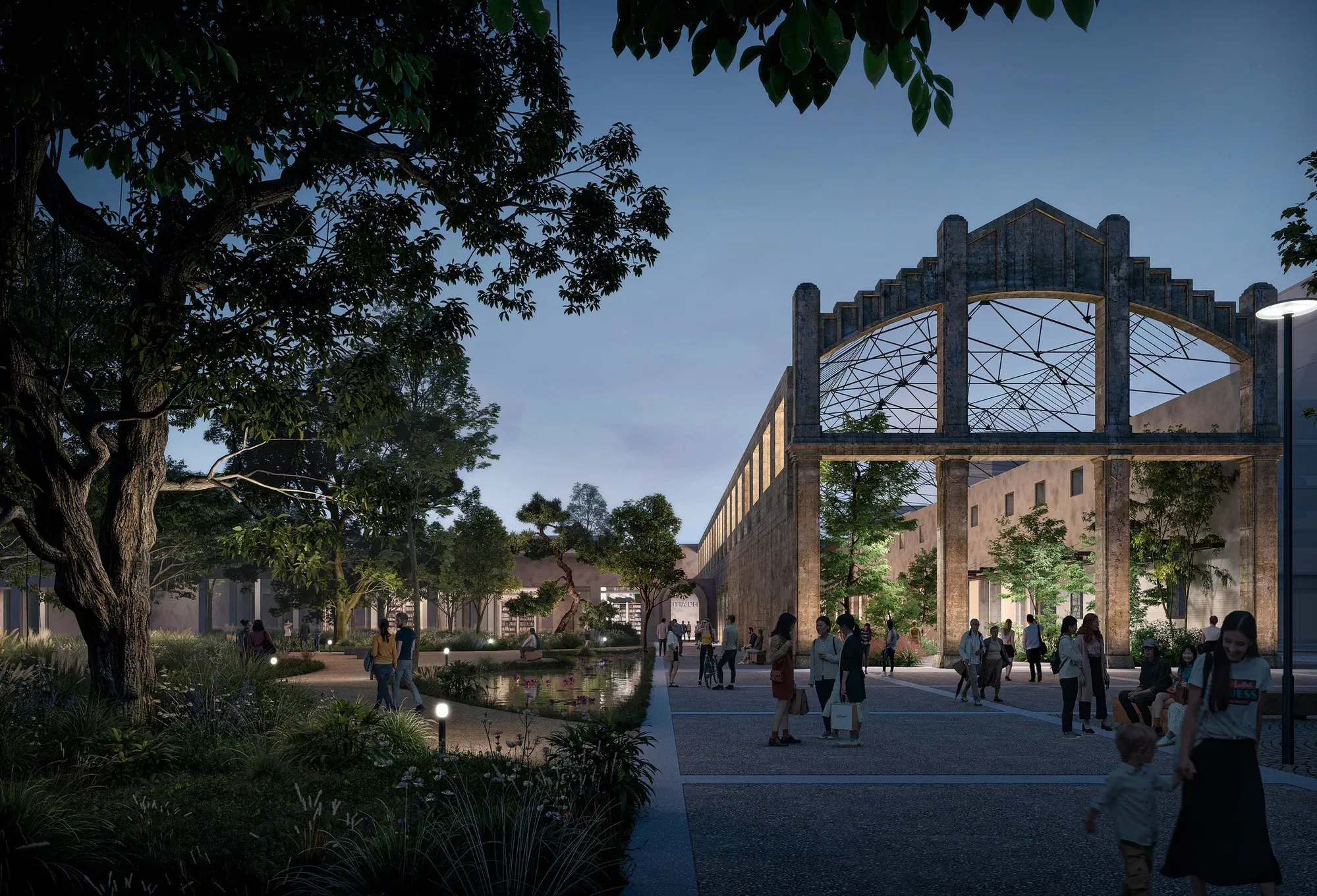
Existing and new buildings will place greenery and nature at the heart of the area, in a neighborhood reborn as sustainable, resilient, and zero-emission. By reusing 30,700 m² of existing buildings, Aria eliminates the need for more than 4,500 m³ of reinforced concrete. This approach, combined with a design strategy focused on production, assembly, and disassembly, allows Aria to reduce climate-changing emissions during construction by up to 52% compared to conventional operation (BAU).
Image credit: © Snøhetta
.jpg "Fran Silvestre - Rethinking Architecture")

.jpg2.jpg "Carlo Ratti - Rethinking Architecture")