





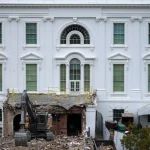
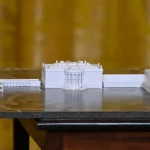







A major historic preservation group has taken legal action against President Donald J. Trump and federal agencies, asking a federal court to stop work on his new White House ballroom project until key legal reviews and approvals are completed.
On December 12, 2025, the National Trust for Historic Preservation filed a lawsuit in the U.S. District Court for the District of Columbia seeking to block further construction of the planned $300 million, 90,000-square-foot ballroom at the White House. The group argues that the project has progressed without undergoing mandatory government reviews, public consultation, or approval from Congress and federal planning bodies.
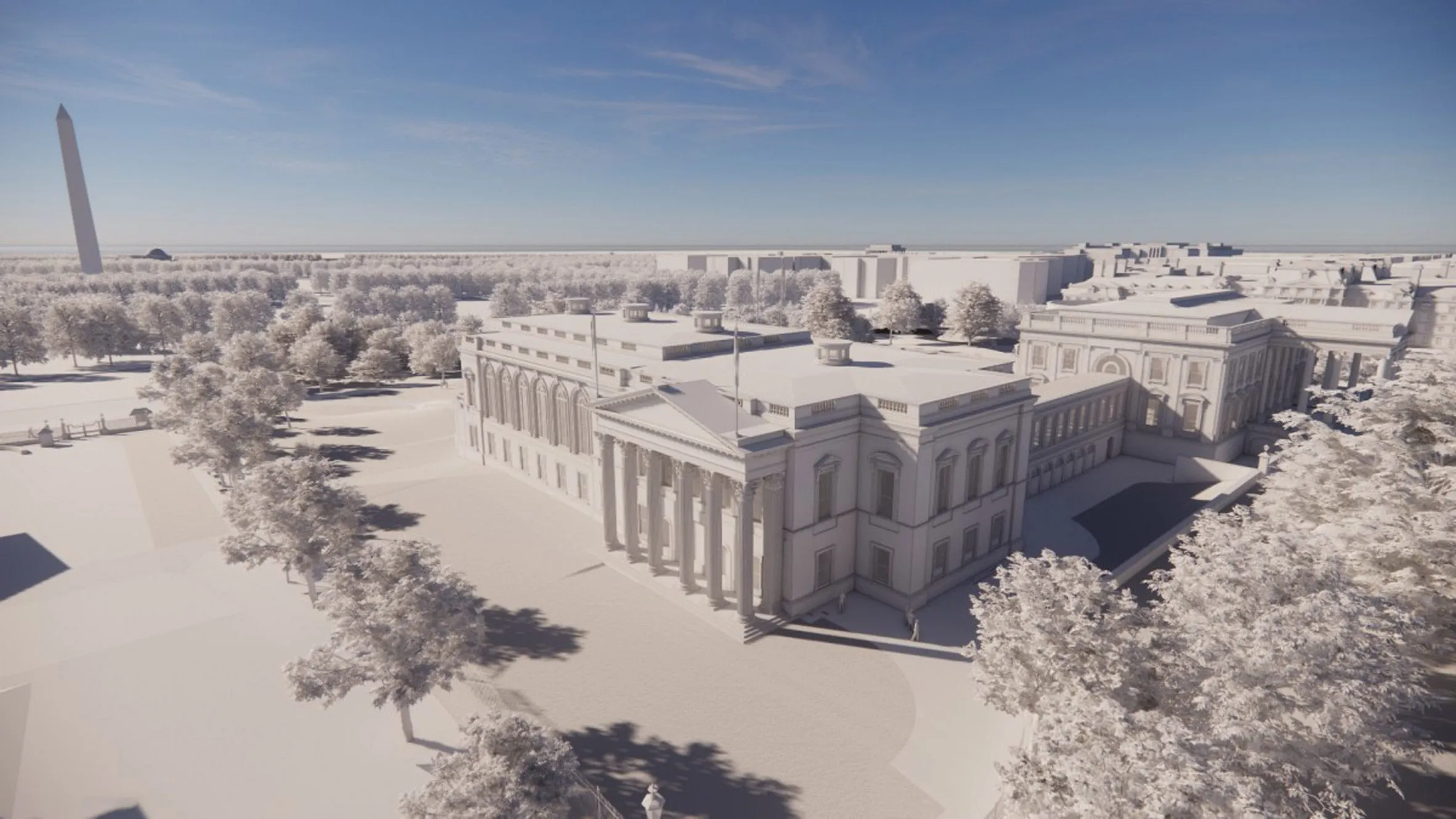
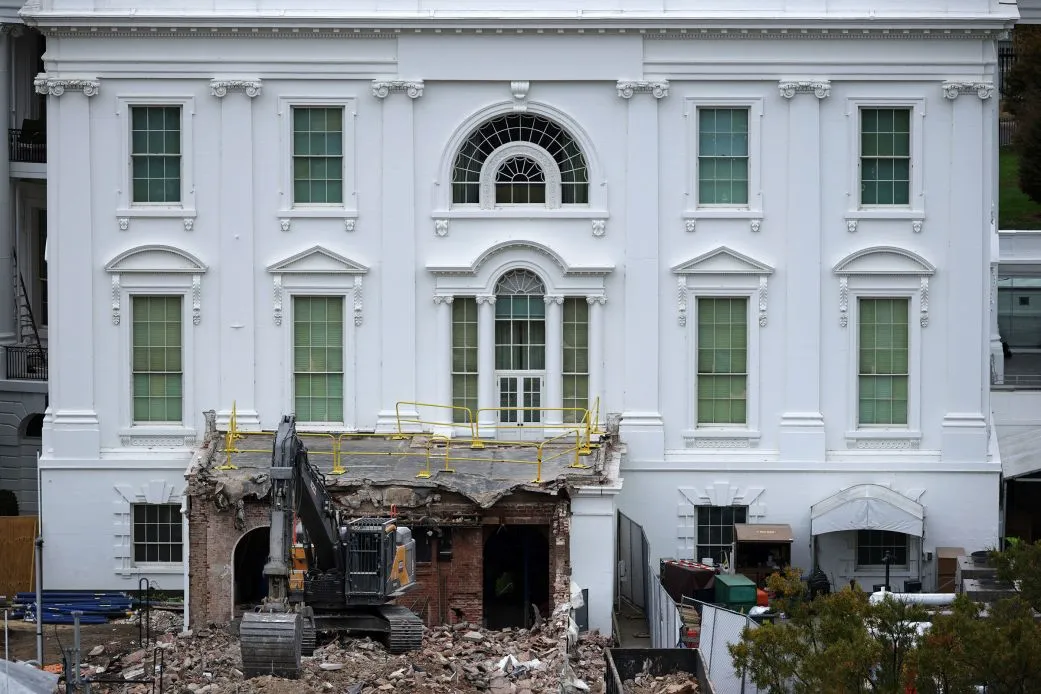
The ballroom would replace the historic East Wing, which was demolished in October 2025 to clear space for the new structure. The Trust says that razing that part of the White House and beginning construction without federal oversight violates several laws, including the National Environmental Policy Act and Administrative Procedure Act, and breaches the Constitution’s Property Clause, which assigns control of federal property to Congress.
In its complaint, the preservation group requested a temporary restraining order and a preliminary injunction to halt construction until the full environmental, design, and public review processes are completed. Its lawyers argue that these steps should have been completed before demolition began and that moving forward without them undermines transparency and public input on changes to the nation’s most symbolic building.
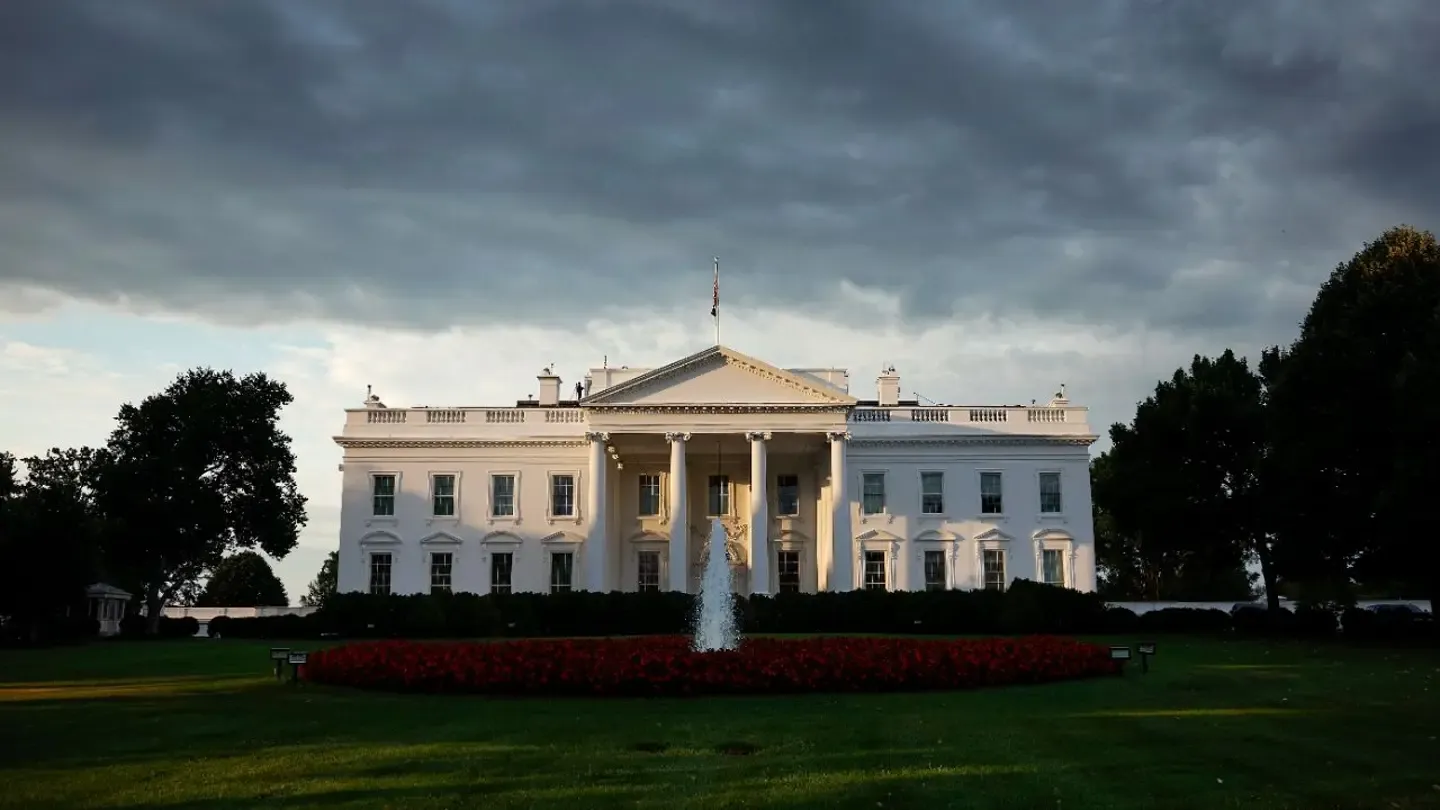
The White House and the Trump administration have defended the project. A spokesman said the president has “full legal authority to modernize, renovate, and beautify the White House,” noting past presidents have made changes to the grounds. The administration has also signaled it will submit formal building plans to the National Capital Planning Commission, which oversees federal property development in Washington, before the end of the year, though critics say that is too late given how far work has already progressed.
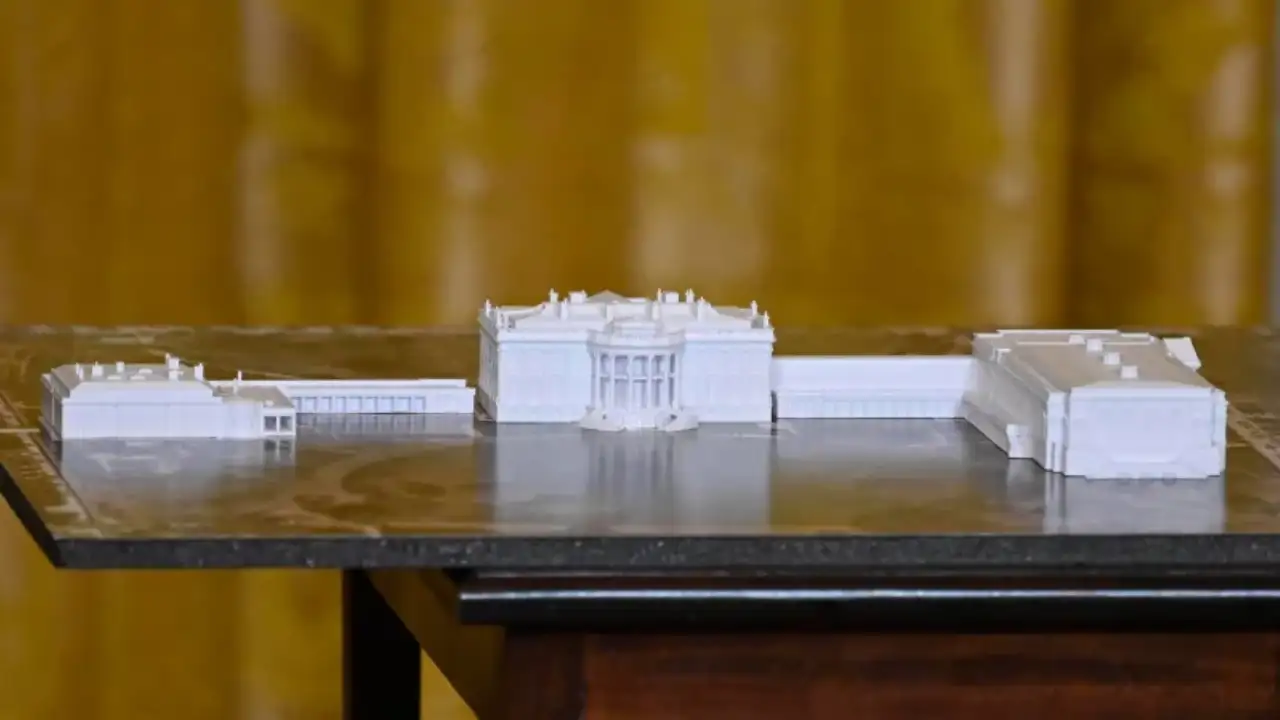
In a related court filing this week, Trump officials described the ballroom construction as tied to national security needs, a point backed by the U.S. Secret Service, which said work is needed on the former East Wing site as part of its safety and operations planning. The administration offered to share classified information with the judge to support that claim.
Supporters of the lawsuit say it is the most serious legal effort yet to challenge the White House expansion, which has drawn criticism from preservationists, architects, and lawmakers across the political spectrum. Opponents of the project argue that the scale of the ballroom, nearly twice the size of the original East Wing, and the rushed process set a troubling precedent for changes to a national landmark.
A court hearing on the motion for a temporary order to stop work was set for this week. The outcome could determine whether the administration must slow or pause the project while legal arguments are heard.