

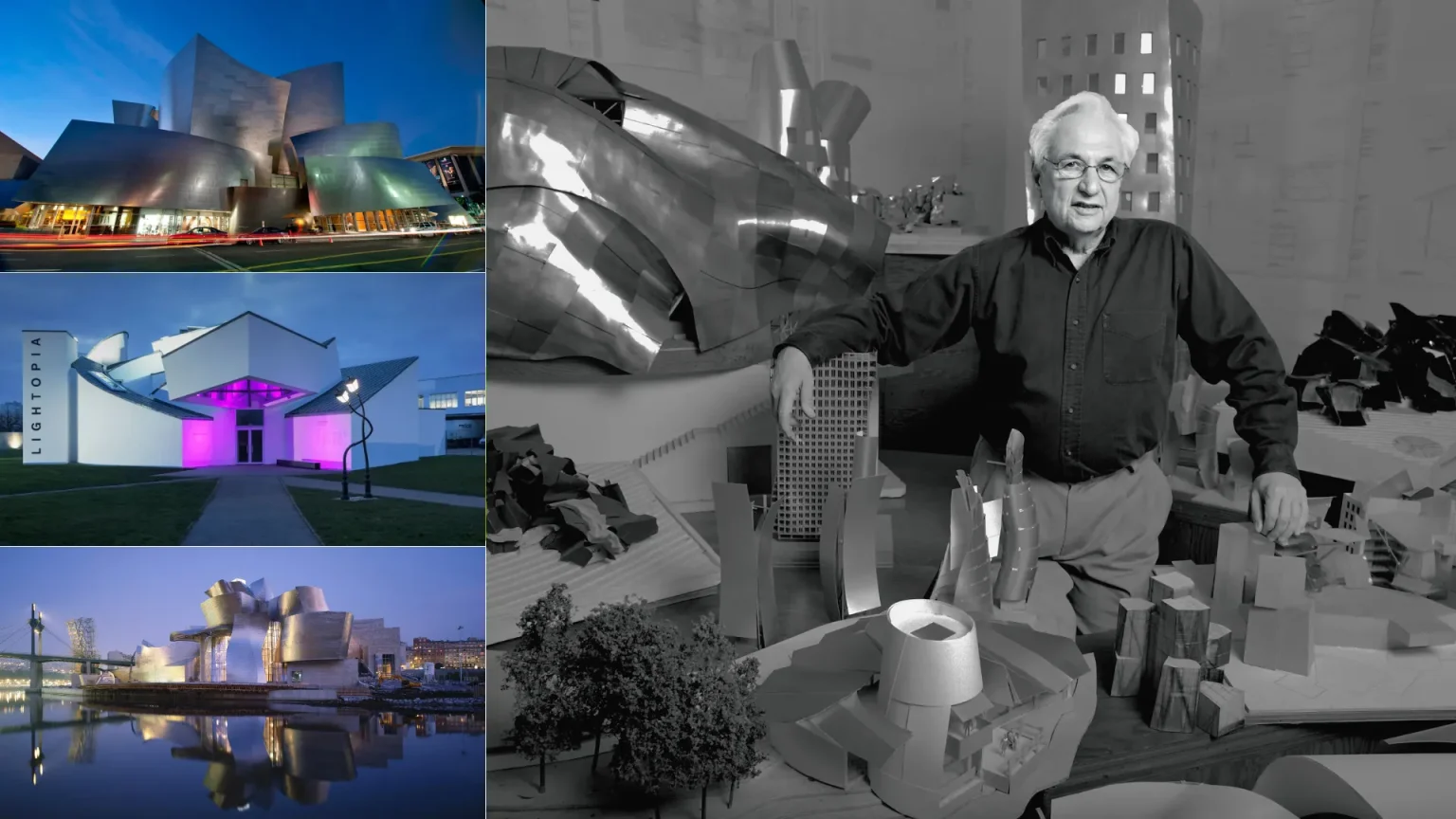
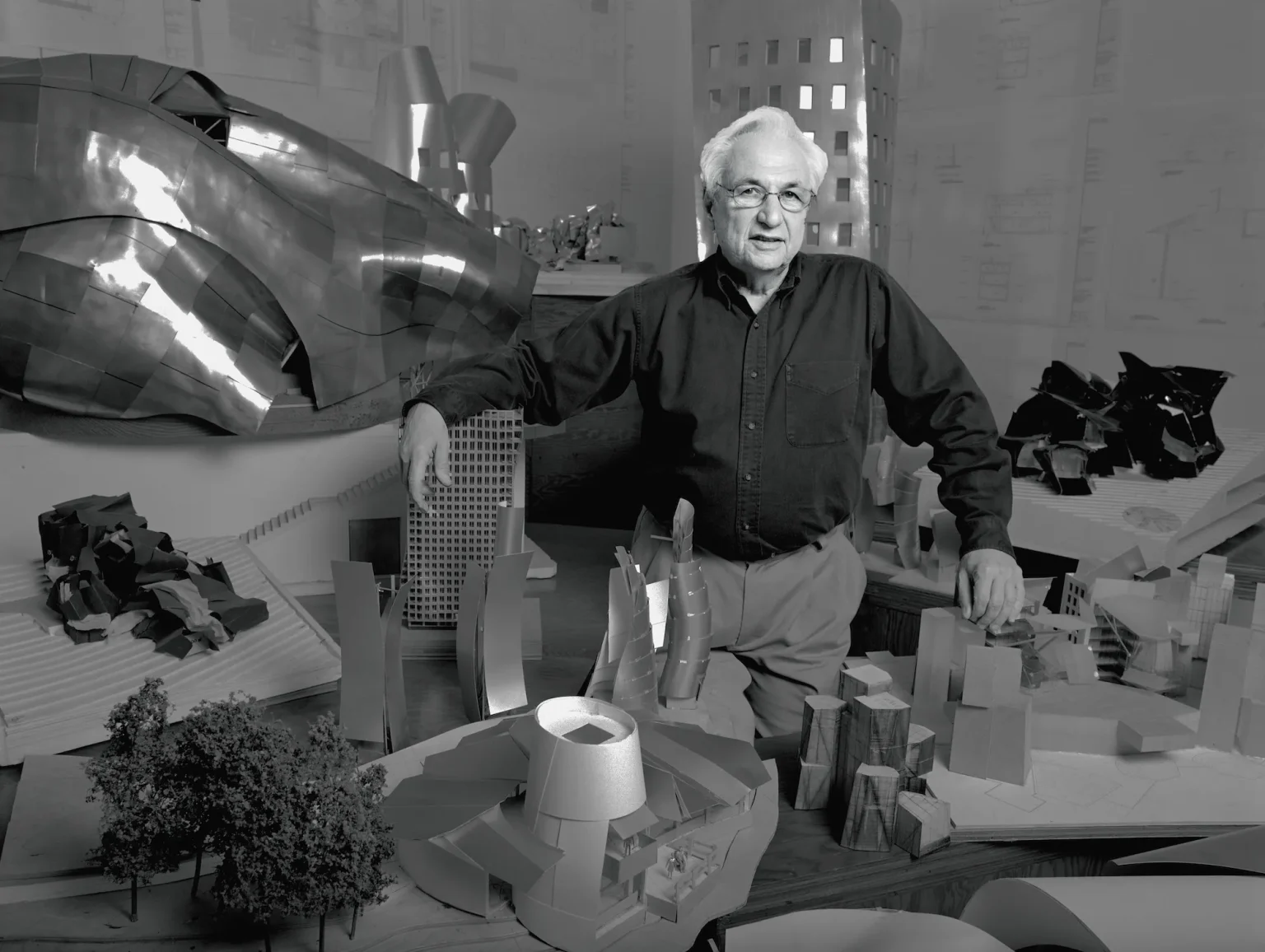


On December 5, 2025, the architectural world lost an icon of contemporary deconstructivist architecture and one of the most influential designers of the late 20th and early 21st centuries: Frank Gehry passed away at the age of 96. Born in 1929 in Toronto and later based in Los Angeles, Gehry revolutionized modern architecture with a bold willingness to discard conventional orthodoxy.
Frank Gehry’s approach defied the rationalist norms of the International Style; instead, he embraced fragmentation, fluidity, sculptural asymmetry, and material expressiveness, pioneering a design language that translated movement into form and emotion into structure. Across five decades, Gehry elevated architecture beyond construction, turning it into a medium of artistic disruption. His works challenged static geometry, layered unconventional materials, and used curvature as a method of thinking. In doing so, he transformed cities, re-energized cultural institutions, and demonstrated that architecture can operate simultaneously as civic infrastructure and urban sculpture.
As the world reflects on his legacy, it’s appropriate to revisit his masterworks, each demonstrating different phases of his creative evolution, and each a testament to what architecture can be when imagination leads over convention.
5 Landmark Projects that Define the Frank Gehry Legacy
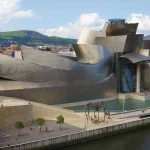
Guggenheim Museum Bilbao, Spain (1997)
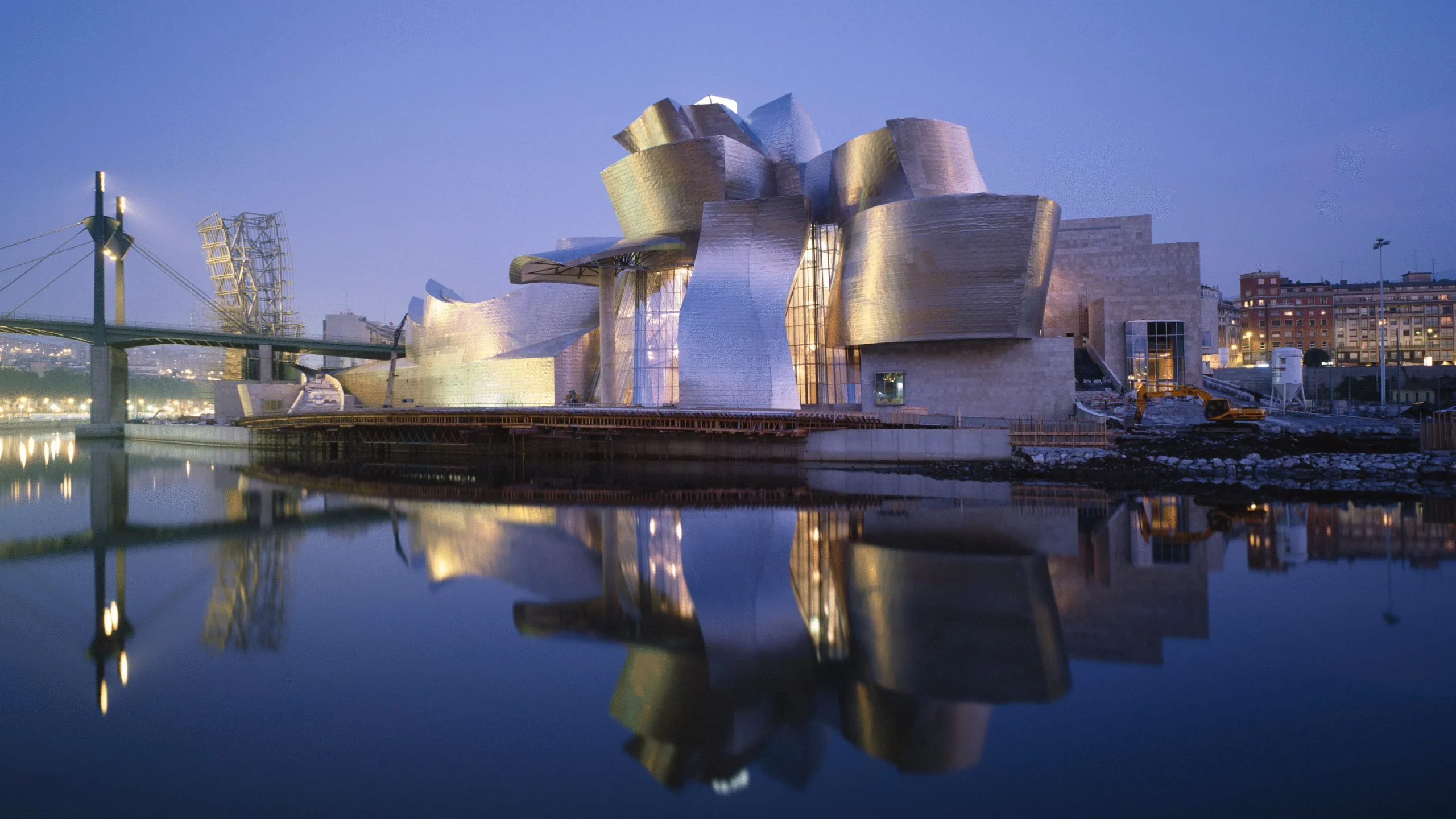
The Guggenheim Museum in Bilbao stands as perhaps the greatest monument to Gehry’s vision. Completed in 1997, the building’s curvilinear forms and titanium-clad exterior shattered traditional museum aesthetics and redefined what a cultural building could look like.
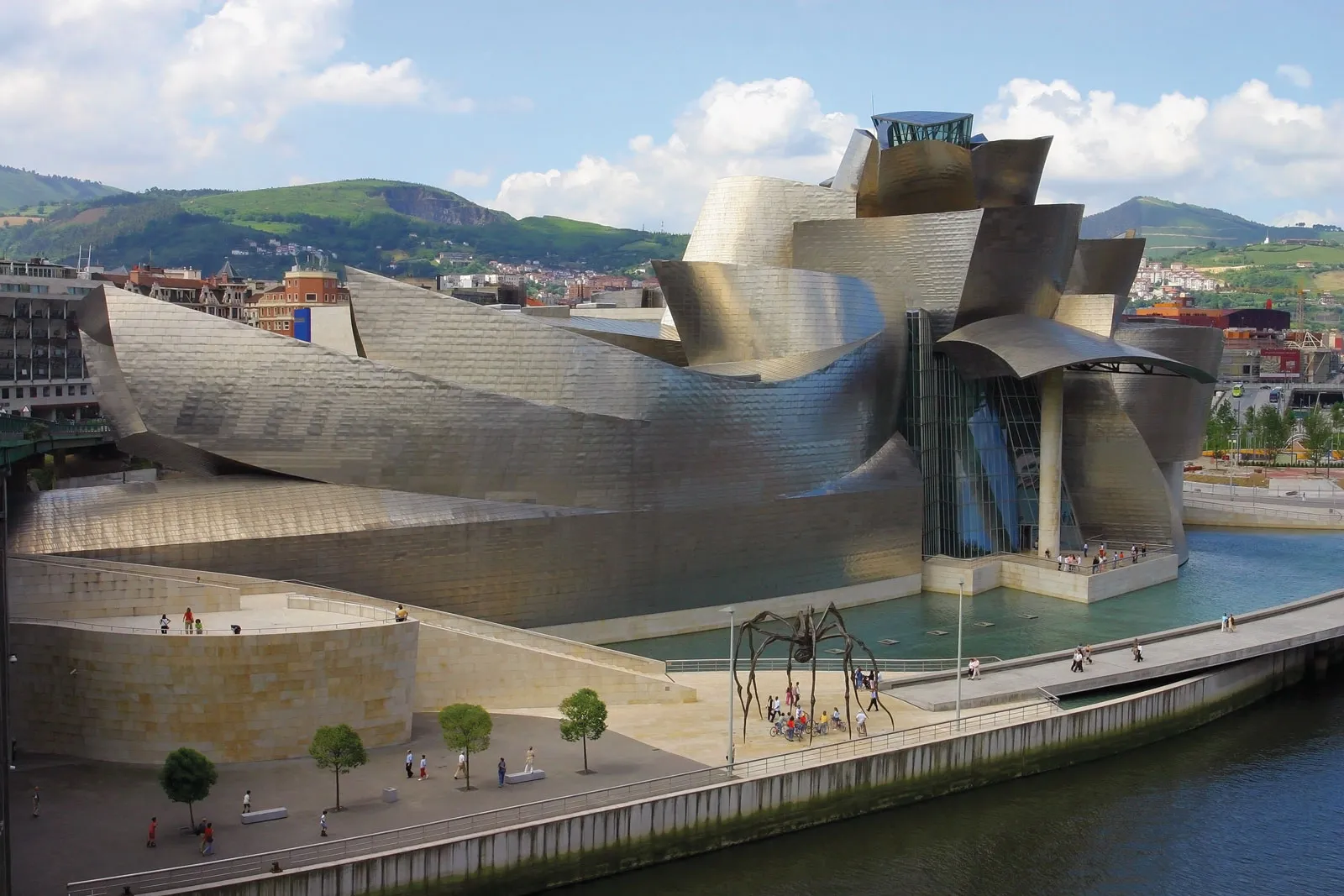
From an architectural standpoint, the design is a masterful expression of architectural ingenuity in volume, surface, and context. The curves echo the fluid dynamics of a ship’s hull, a subtle nod to Bilbao’s industrial and maritime heritage. The titanium panels catch light differently throughout the day, giving the building a shimmering, living quality that seems to shift as one moves around it. Inside, the complex geometry creates varied spatial experiences, vaults, undulating galleries, and unexpected corridors, turning a museum into a spatial journey rather than a static hall. The Guggenheim Museum Bilbao famously sparked the ‘Bilbao Effect,’ transforming a decaying industrial port region into a thriving cultural and economic hub.
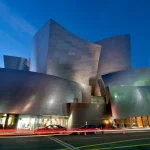
Walt Disney Concert Hall, Los Angeles (2003)
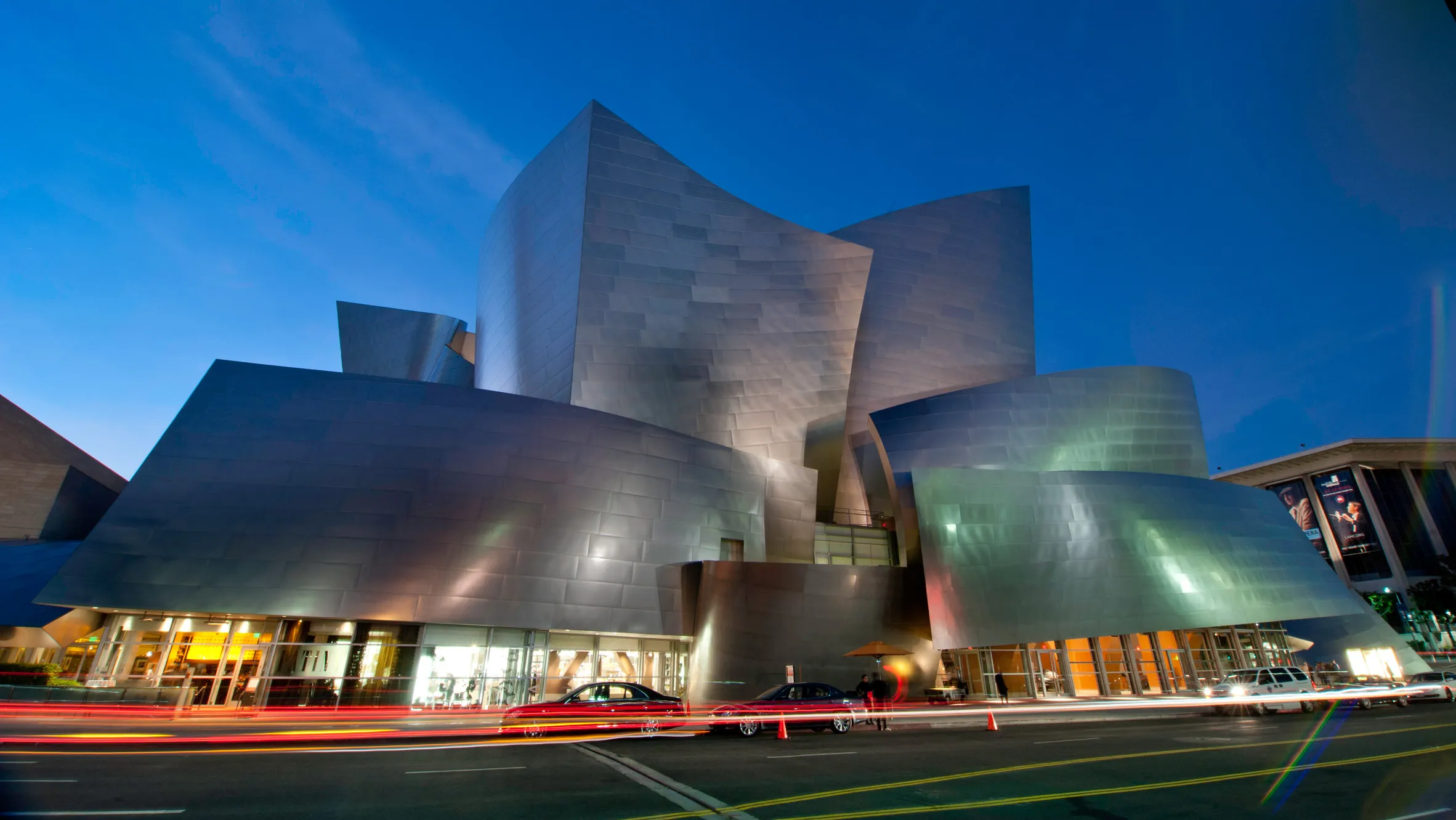
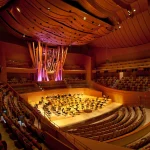
In downtown Los Angeles, the Walt Disney Concert Hall, inaugurated in 2003, embodies Gehry’s capacity to match sculptural form with functional precision.
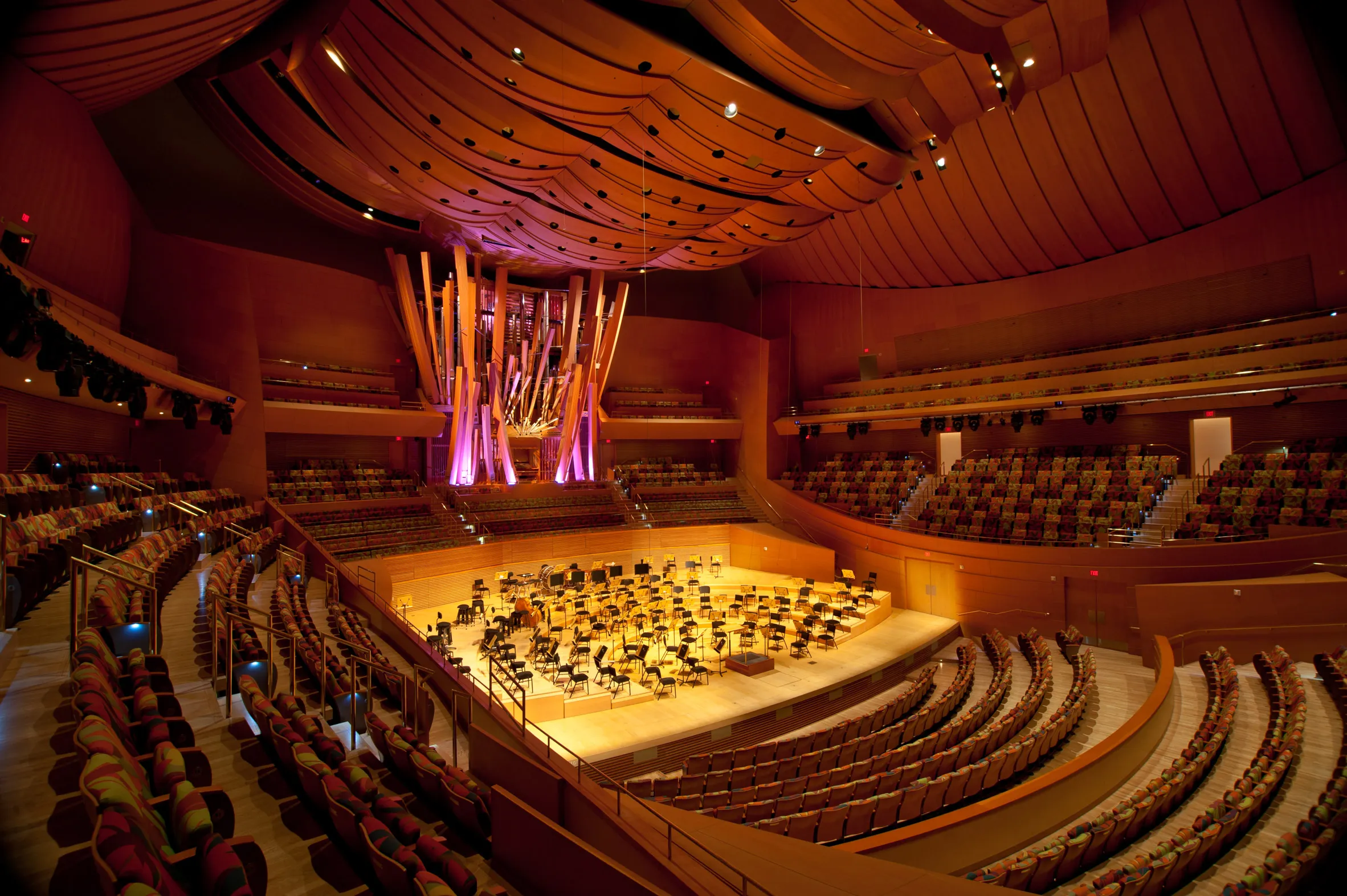
The exterior is clad in stainless steel panels, forming undulating “sails” that appear to ripple like waves under sunlight. The building’s shape suggests motion, a sense of lightness and fluidity, and an almost kinetic energy captured in metal and concrete. Gehry designed an auditorium optimized for acoustics and intimacy, using geometry to enhance sound distribution and audience experience. The architecture becomes both object and instrument, a celebration of music and space together. Moreover, the Concert Hall transformed the urban context. Amid the orthogonal grid of downtown LA, this building stands as a defiant, expressive landmark, a reminder that civic architecture can be both functional and poetic.
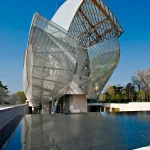
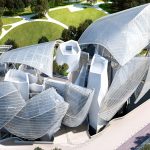
Fondation Louis Vuitton, Paris (2014)
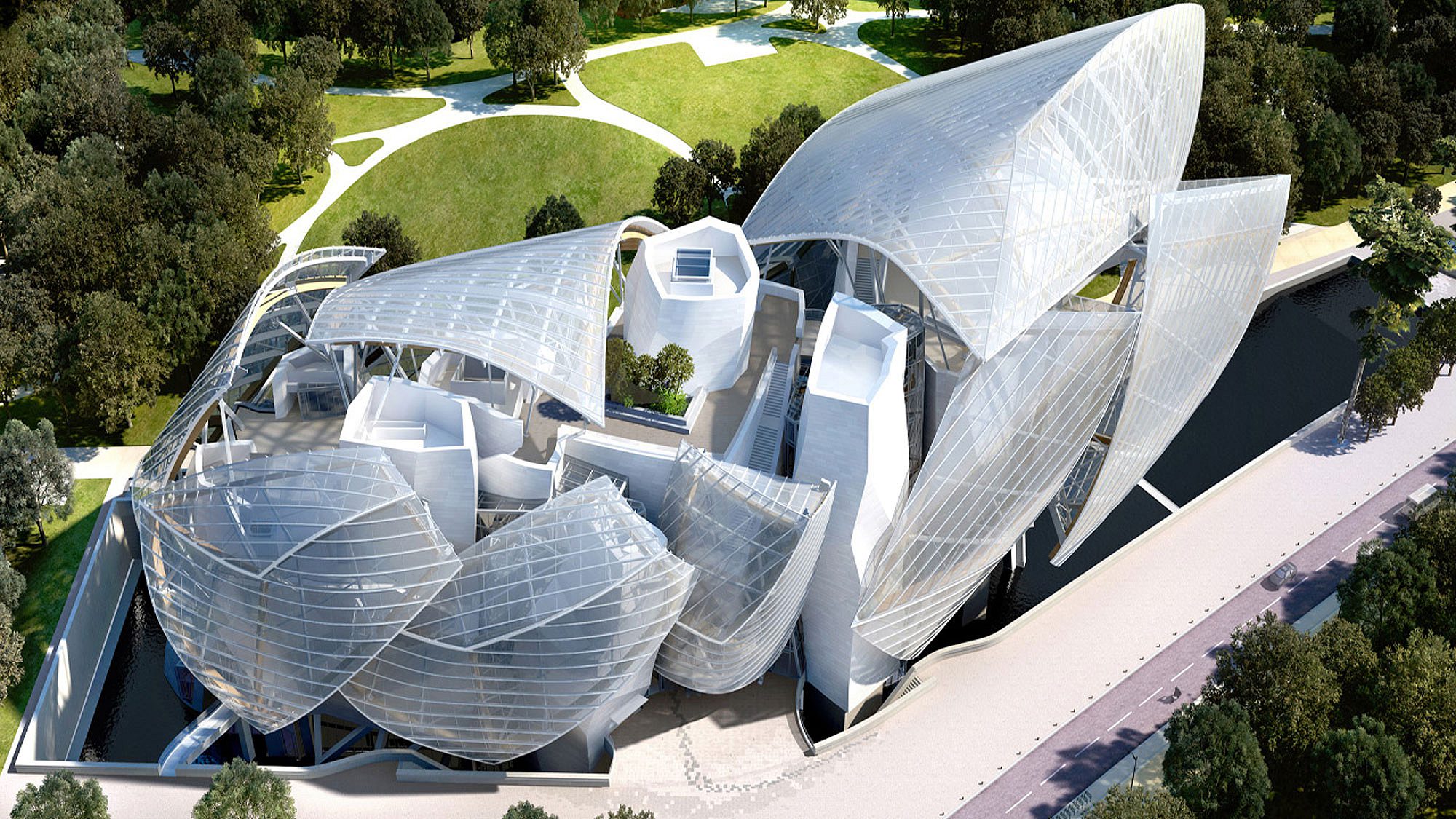
Completed in 2014, the Fondation Louis Vuitton in Paris is among Gehry’s most refined and delicate works, a contrast to the metallic boldness. Gehry replaces heavy metal with glass “sails,” giving the building a light, almost weightless appearance. These glass panels float above blocks of fiber-reinforced concrete originally described by Gehry as “icebergs,” creating a sense of lightness and airiness.
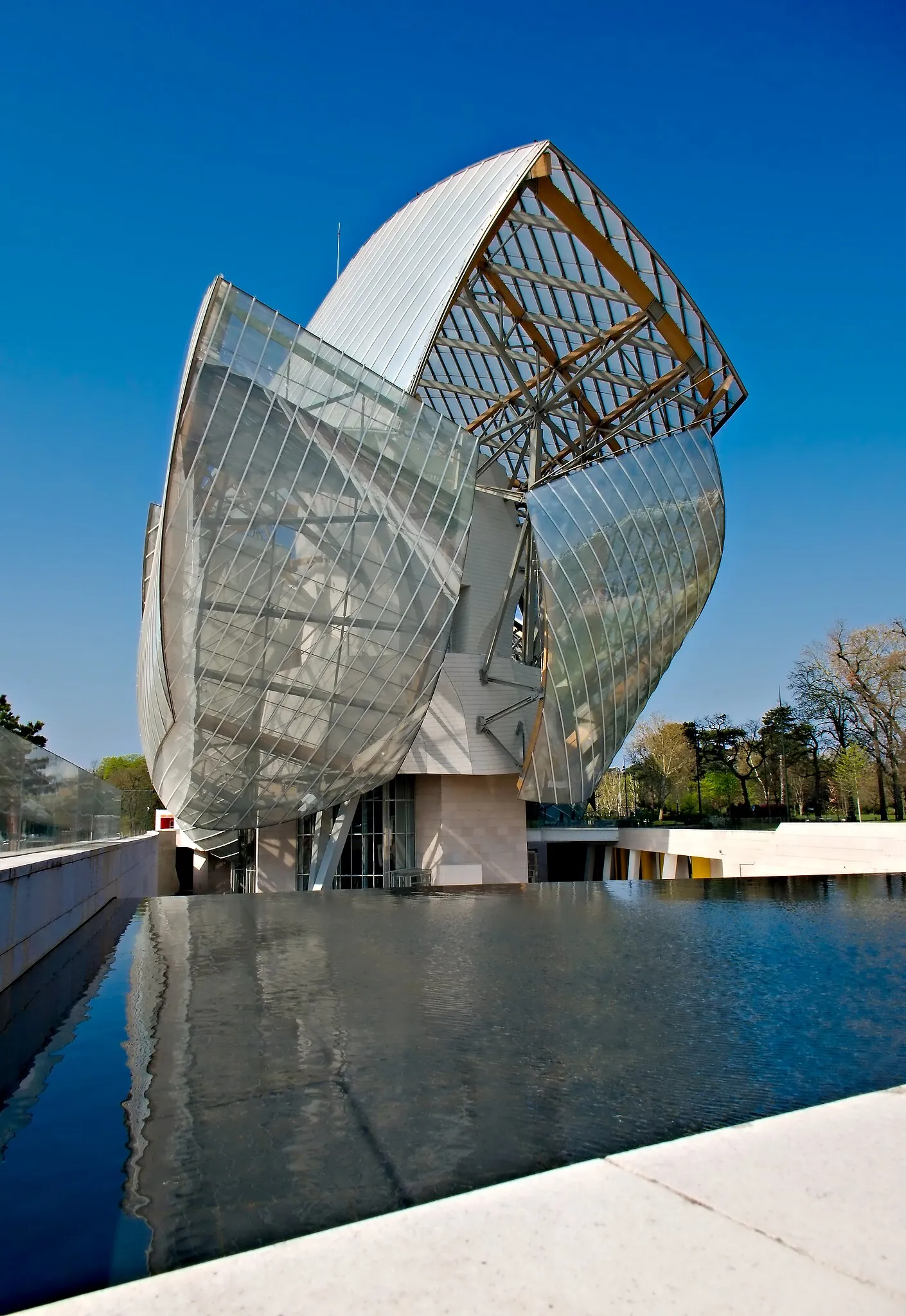
Set within the greenery of the Bois de Boulogne, the building converses with nature through reflections, translucency, and the interplay of light and shadow. Internally, the spaces flow gently; galleries, atria, and circulation zones merge softly, guided by the interplay of glass, timber structural supports, and curved surfaces. The result is a museum that feels less like a fortress and more like a luminous vessel, a luminous, floating museum-ship nestled in Parisian nature.
Vitra Design Museum, Germany (1989)
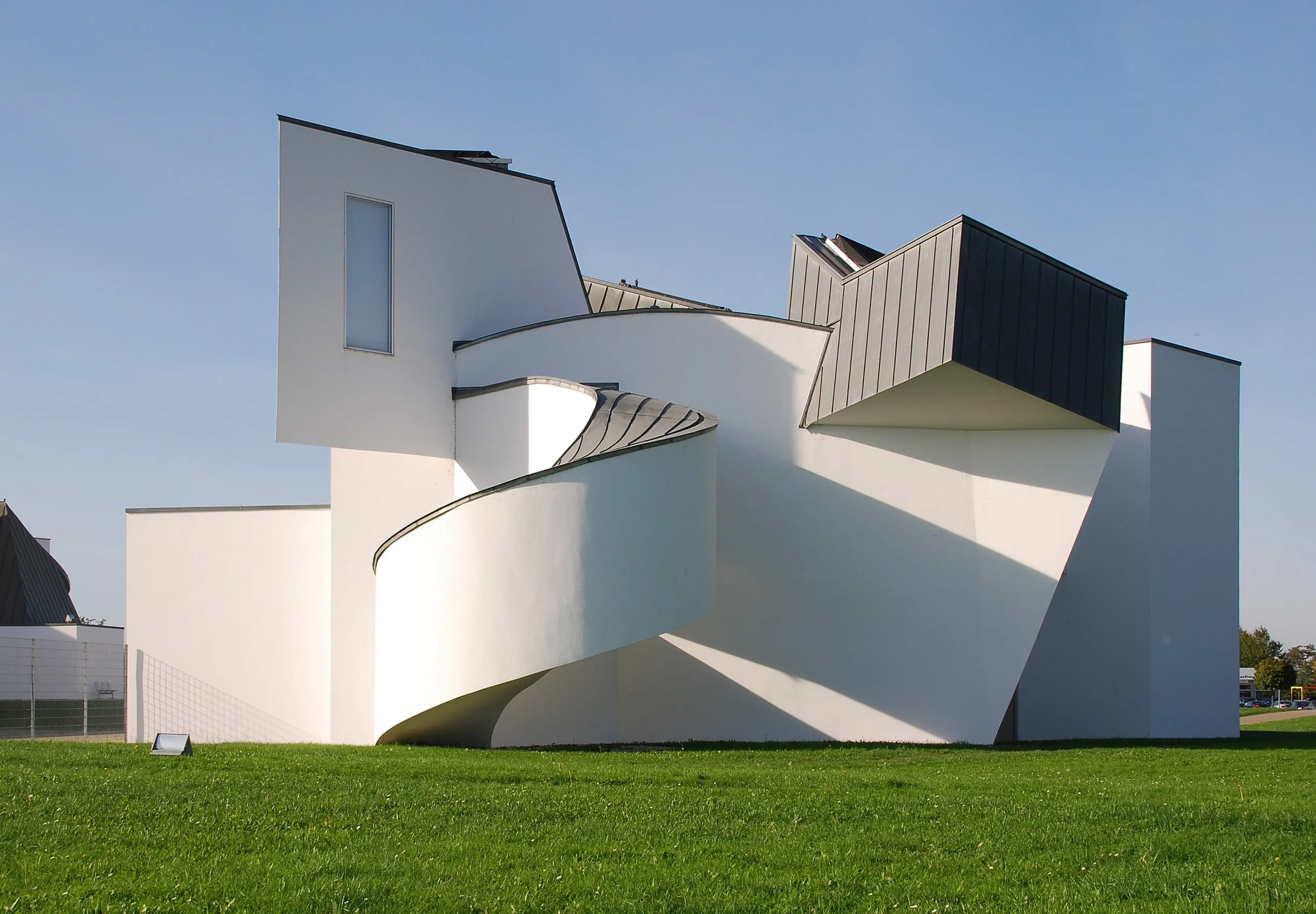
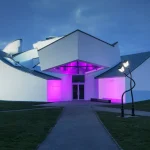
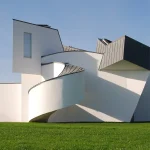
The Vitra Design Museum, completed in 1989 in Weil am Rhein, marks Gehry’s first major European commission and the beginning of his global rise. Gehry experiments boldly with form and contrasting geometry; the museum combines angular white plaster volumes with titanium-zinc alloy that wraps some of its parts. The design is a collage of towers, ramps, cubes, and pitched volumes, creating a dynamic, fragmented shape that challenges conventional symmetry.
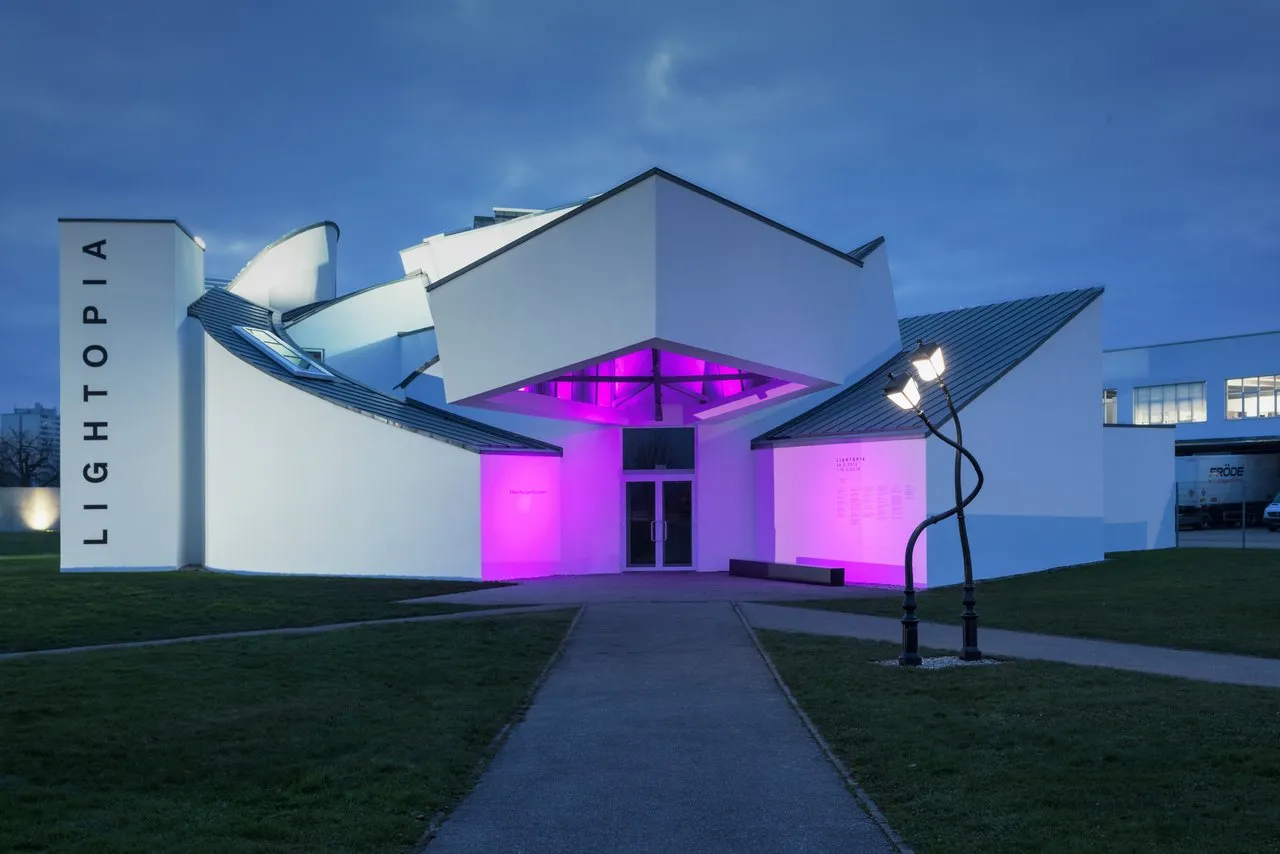
The interplay between flat, angular surfaces and irregular volumes gives the museum a sense of movement even at rest, as if parts could shift or rotate while also experimenting with light and shadow across the varied surfaces. As the first European landmark for Gehry, it established early on his vocabulary of fragmentation, contrast, and spatial surprise.
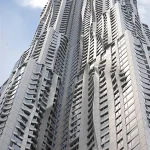
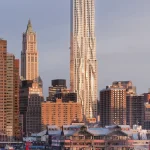
8 Spruce Street, New York City (2011)
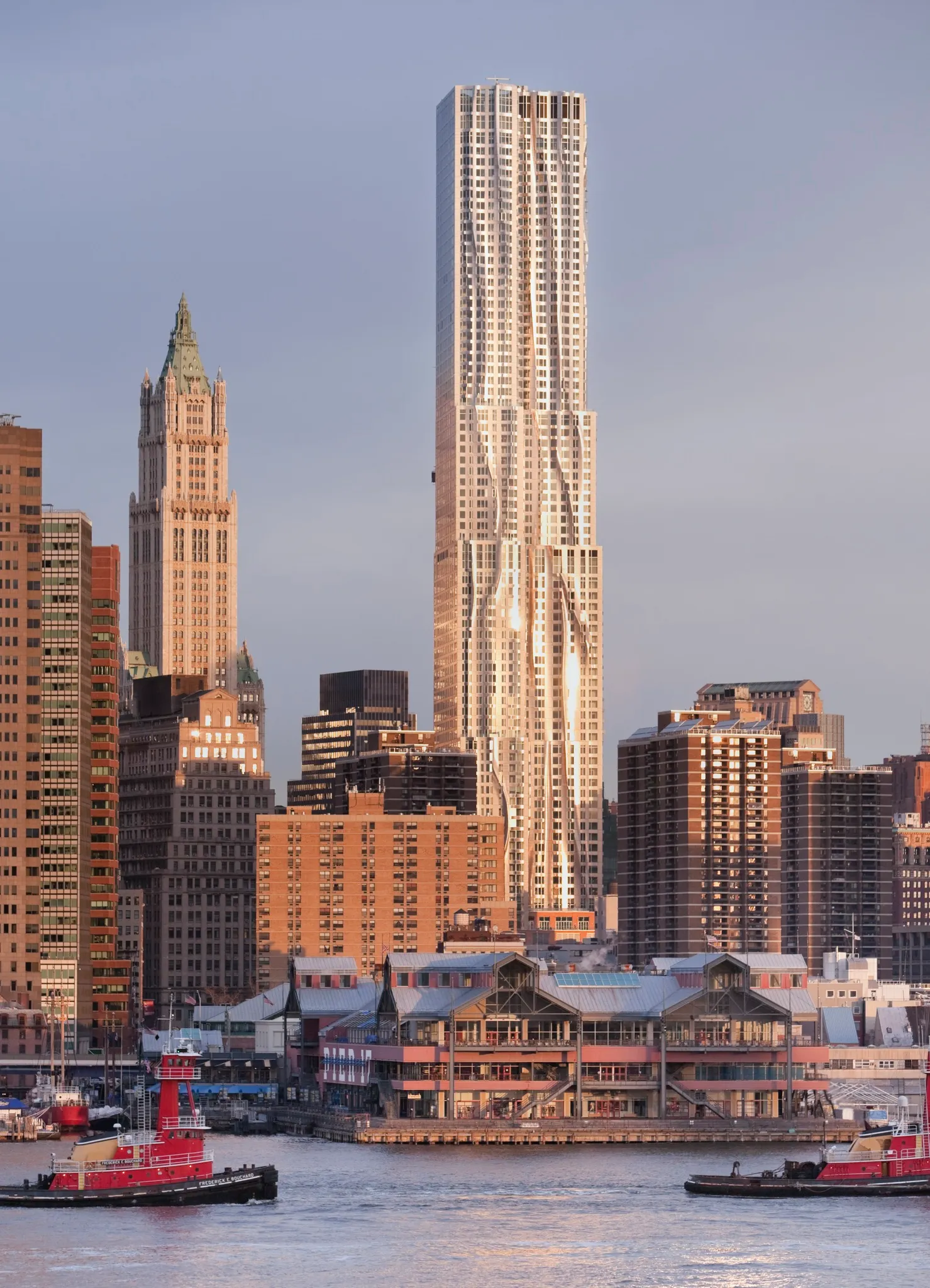
The 76-story tower at 8 Spruce Street in Lower Manhattan, completed in 2011, marks Gehry’s bold foray into high-rise residential architecture. Unlike many skyscrapers that rely on rigid, orthogonal geometry, this tower’s façade is clad in over 10,500 steel panels, each uniquely shaped, producing a rippling, wave-like effect across the surface. From different viewpoints, the building seems to fluctuate; the façade appears to shift and dance, creating a sense of fluidity despite its massive scale.
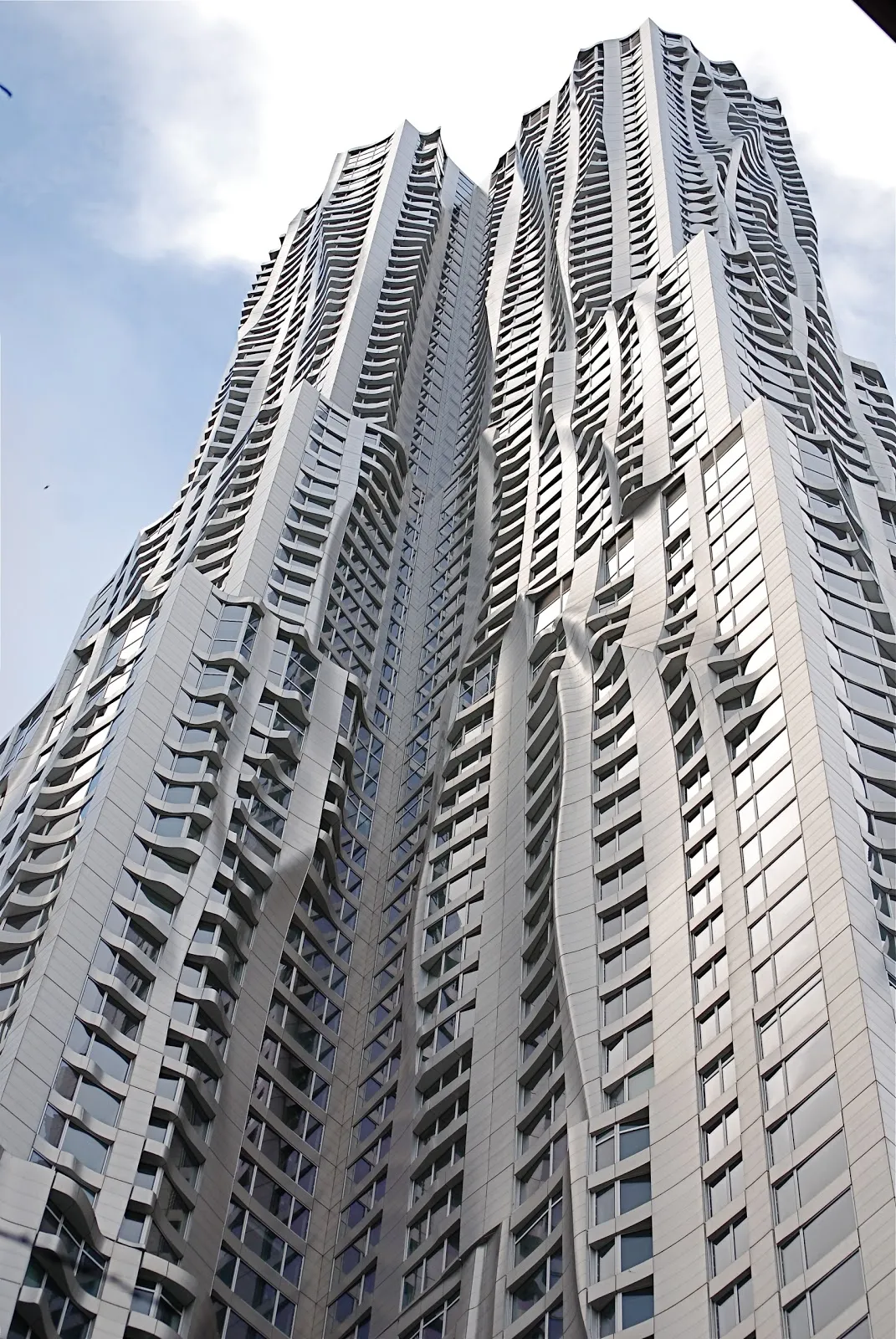
Inside, the apartments are varied and non-uniform, reflecting the undulating exterior rather than forcing uniformity. This approach challenges the typical high-rise geometry where floors and units are identical; instead, each unit becomes unique, giving residents a living space defined not by repetition but by variation. In the urban context of New York, with its rigid grid and rectilinear skyline, 8 Spruce Street stands as a skyscraper that breathes.
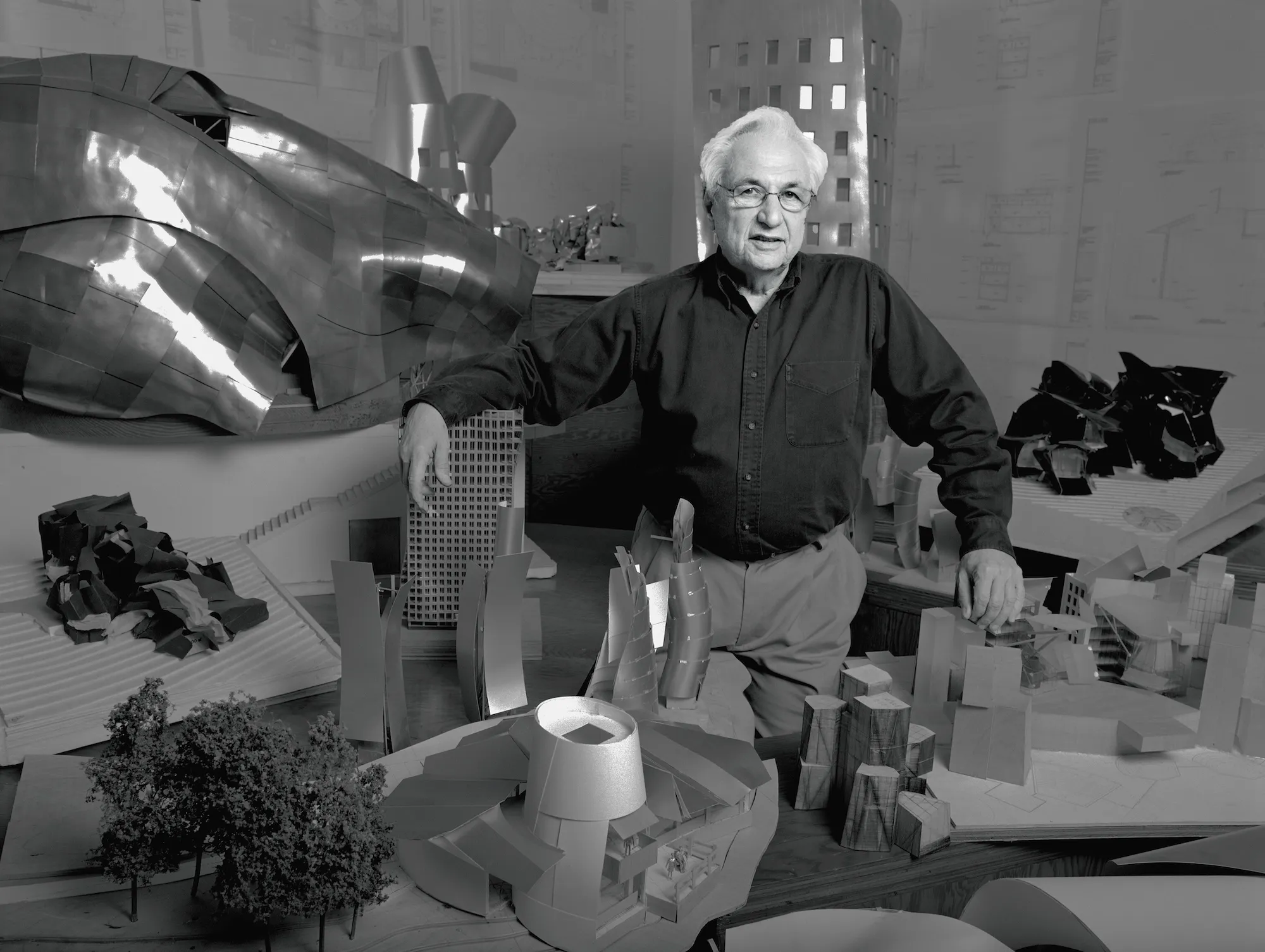
Gehry’s architecture was never about adherence to stylistic rules. Instead, it was about freedom of form, materials, scale, and expression. His willingness to harmonize art and architecture opened new possibilities for what buildings could communicate, making them not only functional shelters or cultural containers but also expressive sculptures embedded in their urban or natural context.