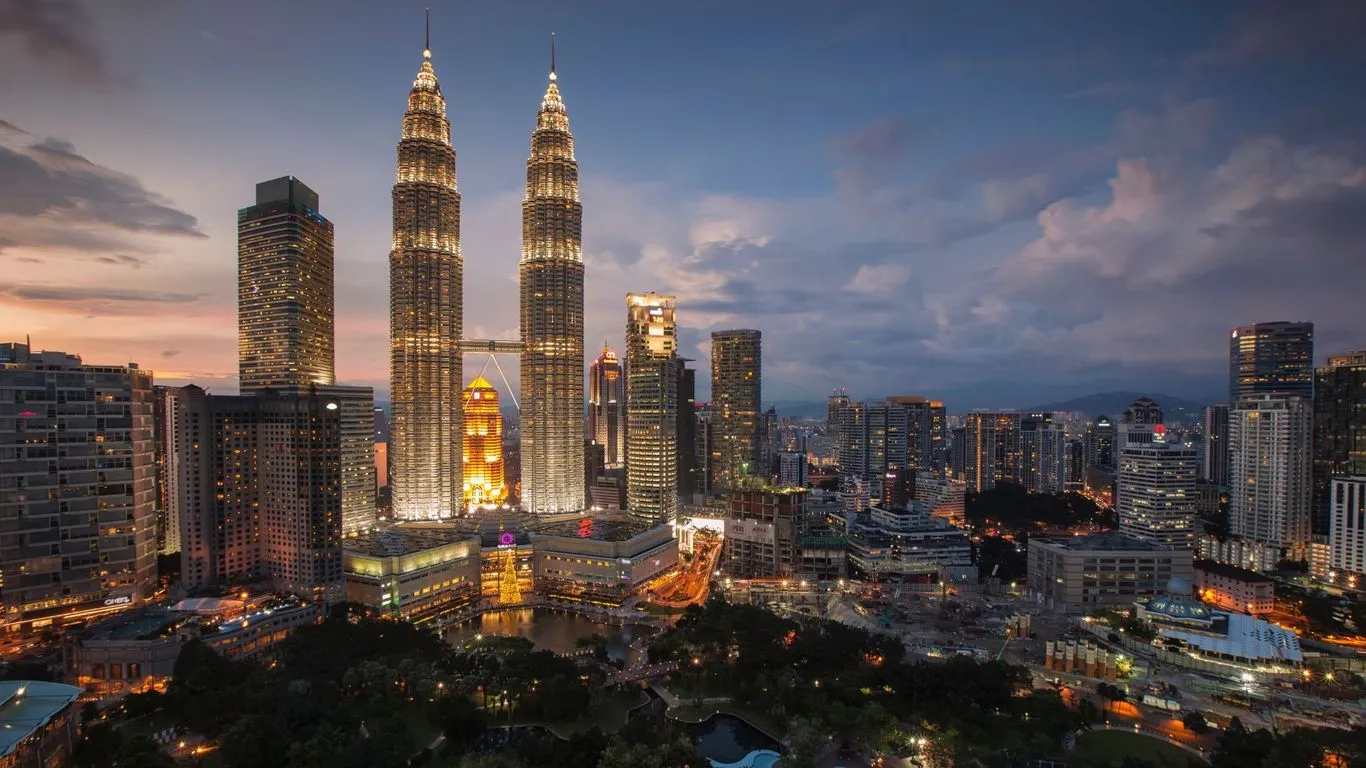


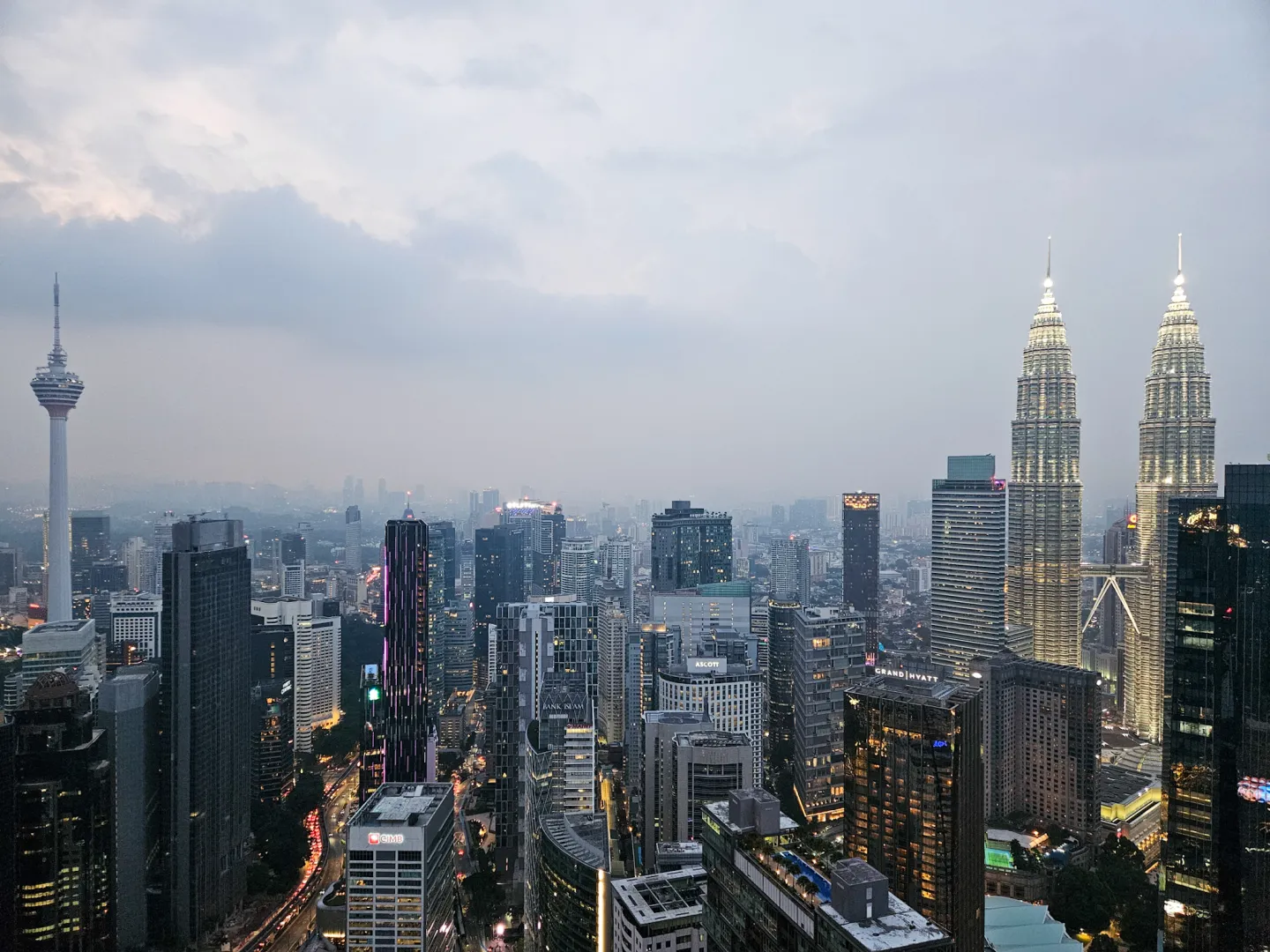
On World Cities Day 2025, UNESCO declared Kuala Lumpur (KL), the capital of Malaysia, one of 58 new member cities for inclusion in the UNESCO Creative Cities Network (UCCN). The network actively supports local initiatives, attracts investments, and significantly promotes social cohesion. Kuala Lumpur’s inclusion highlights the city’s commitment to design innovation as a key element of its future urban and economic transformation.
UNESCO Creative Cities Network 2025
The role of UNESCO Director-General Audrey Azoulay centers on a strong commitment to fostering sustainable development and supporting the comprehensive United Nations 2030 Agenda for Sustainable Development. The UCCN focuses on eight key creative fields, including Architecture, Crafts and Folk Art, Design, Film, Gastronomy, Literature, Media Arts, and Music. With the 2025 additions, the UNESCO Creative Cities Network now includes 408 cities across more than 100 countries.
With the inclusion of Kuala Lumpur as a Creative City of Design in 2025, Malaysia has expanded its representation within the UCCN to three member cities, creating a strategic national portfolio of creative hubs. This includes Kuching, recognized in 2021 for gastronomy, and Ipoh, named a City of Music in 2023. It also encompasses UNESCO World Heritage Sites such as George Town and Melaka, along with Biosphere Reserves like Langkawi and Sabah’s Crocker Range, reinforcing Malaysia’s demonstrated commitment to sustainability, heritage preservation, and design-driven innovation.
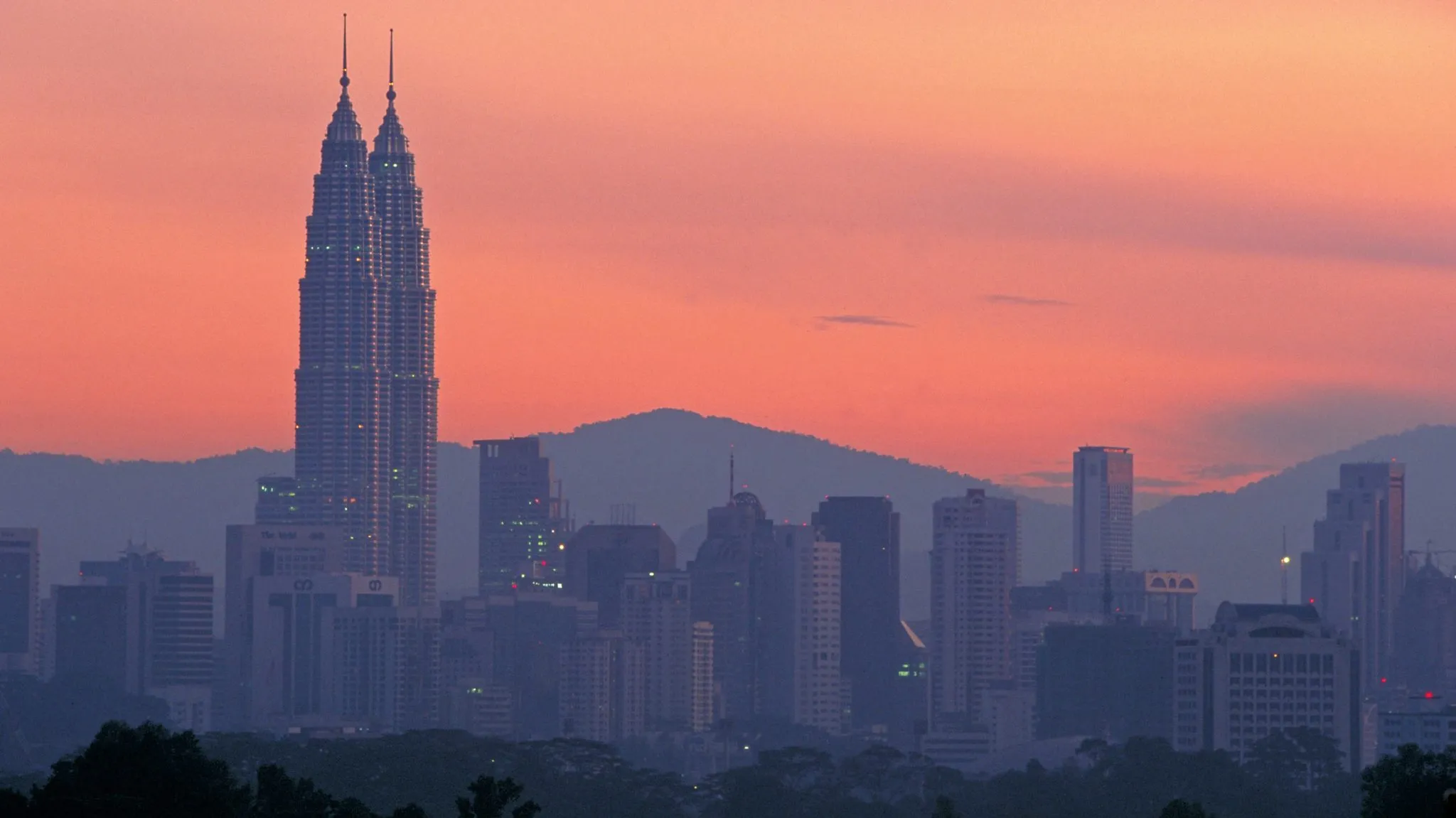
The formal announcement of Kuala Lumpur’s designation marks a major milestone emphasizing design, innovation, culture, and urban creativity. Through collaborative efforts led by the primary municipal applicant, DBKL, with government bodies, academic institutions, the design industry, and the creative community, Kuala Lumpur has demonstrated innovative programs that enhance public engagement and promote thoughtful urban infrastructure.
Expanding Malaysia’s Creative Footprint
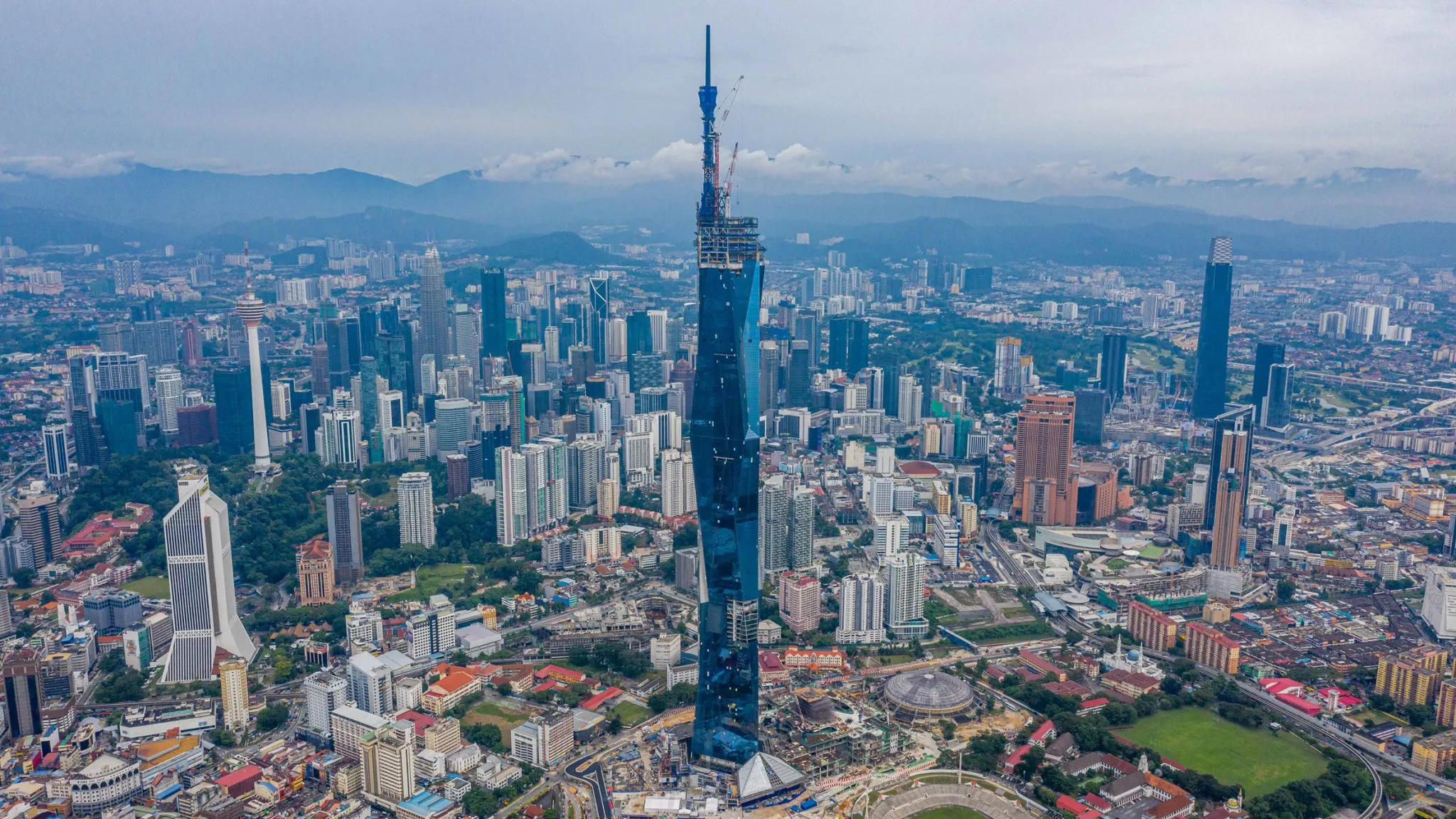
The KLCCD Master Plan addresses key urban challenges, particularly the hollowing-out effect, defined by the loss of original urban dwellers, population reduction, and corresponding issues of building decay and safety concerns. The master plan adopted the Historic Urban Landscape (HUL) approach, a methodology that emphasizes the creation of feasible, creative, and inclusive cultural spaces within the existing historic fabric of Kuala Lumpur.
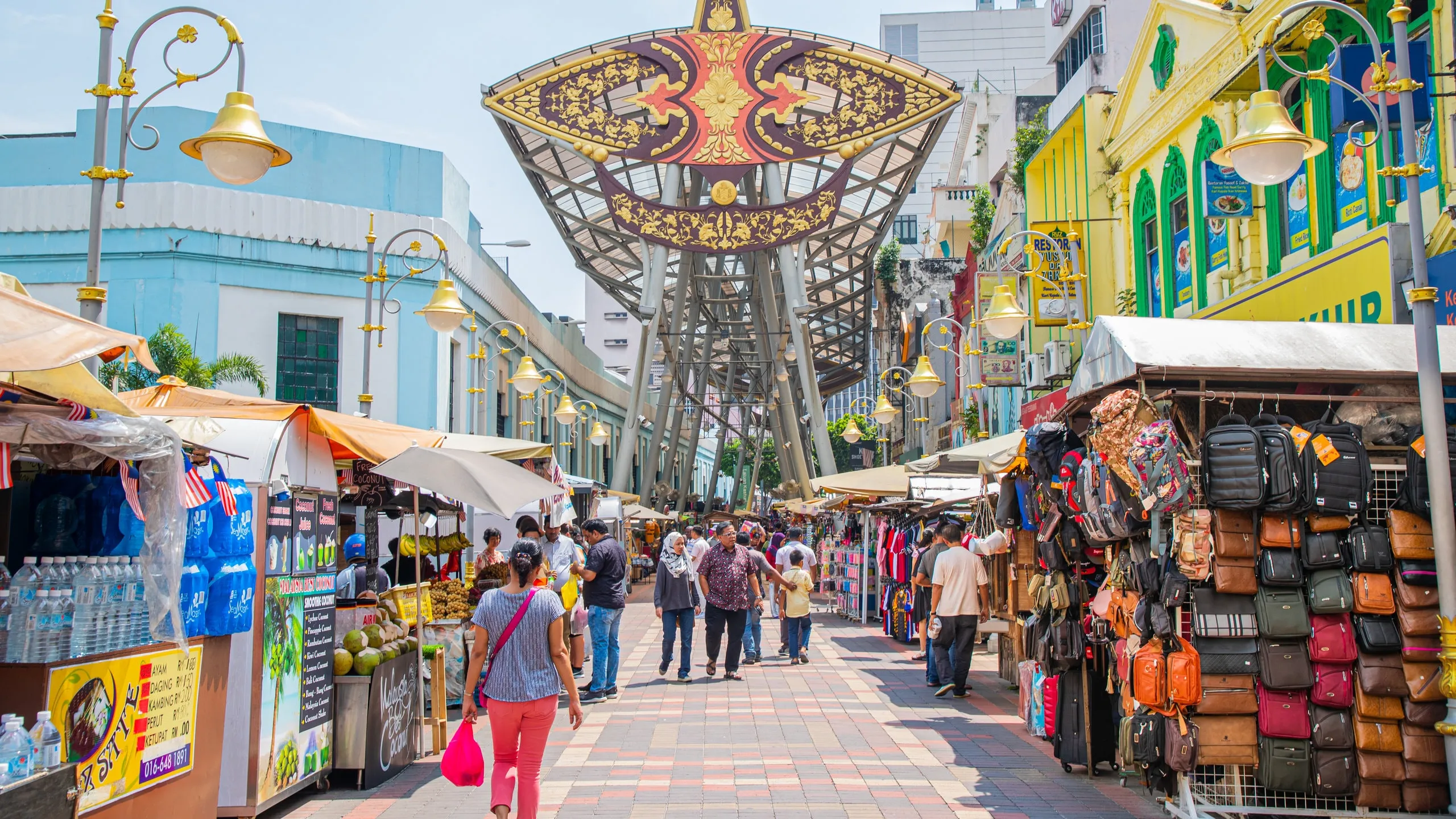
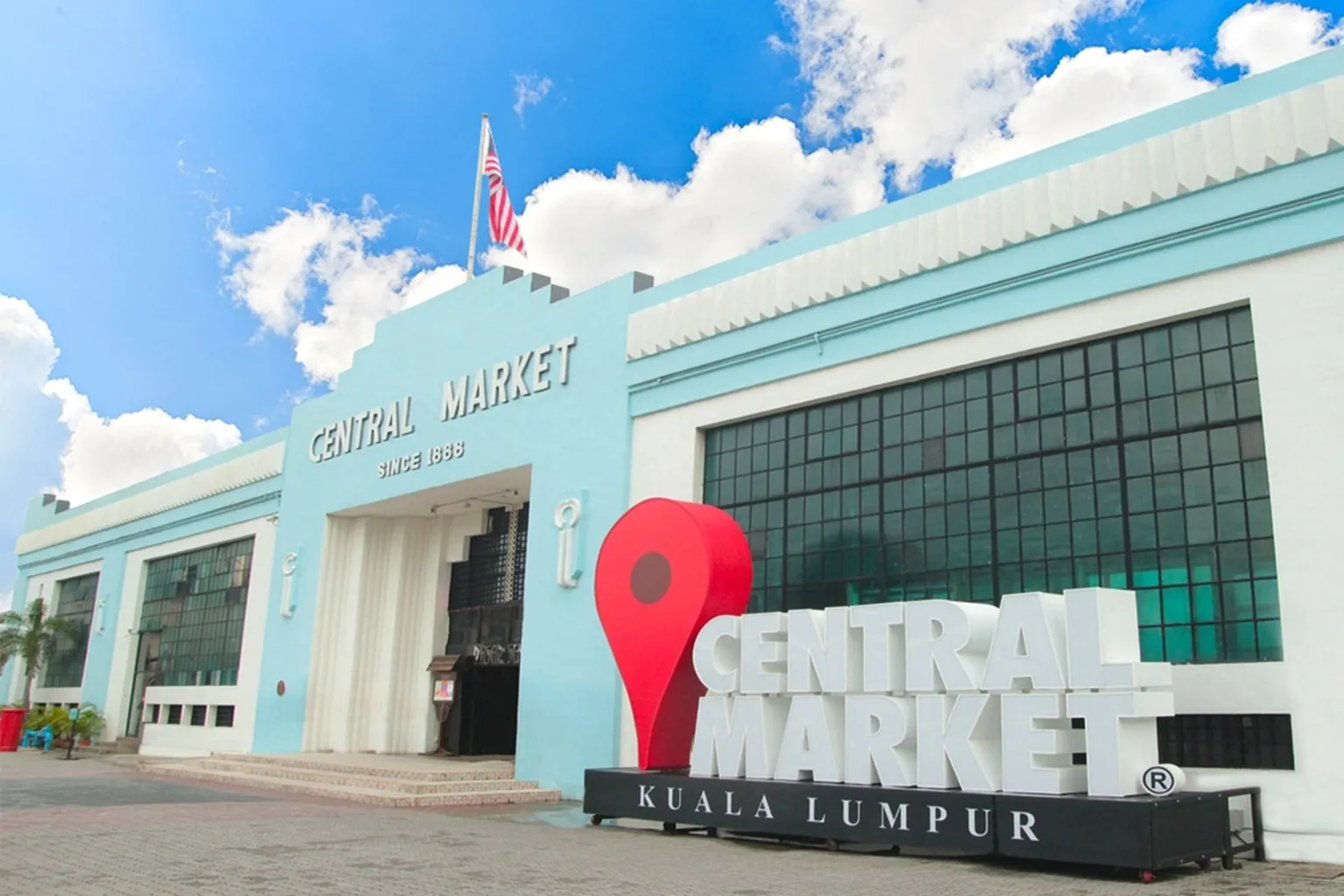
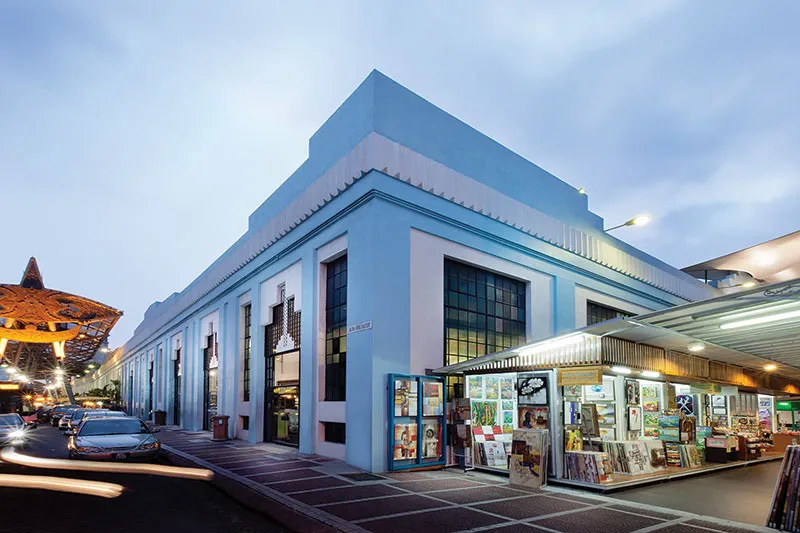
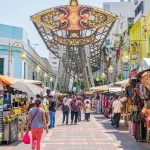
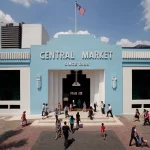
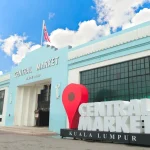
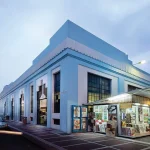
The submitted dossier was structured around four foundational pillars defining Kuala Lumpur’s distinctive design identity: heritage conservation, the development of public spaces, institutional support for design education, and the consistent organization of diverse creative events. Key examples include the Central Market, which illustrates adaptive reuse and heritage preservation, public art installations around Merdeka Square, and art galleries within the Bukit Bintang district.
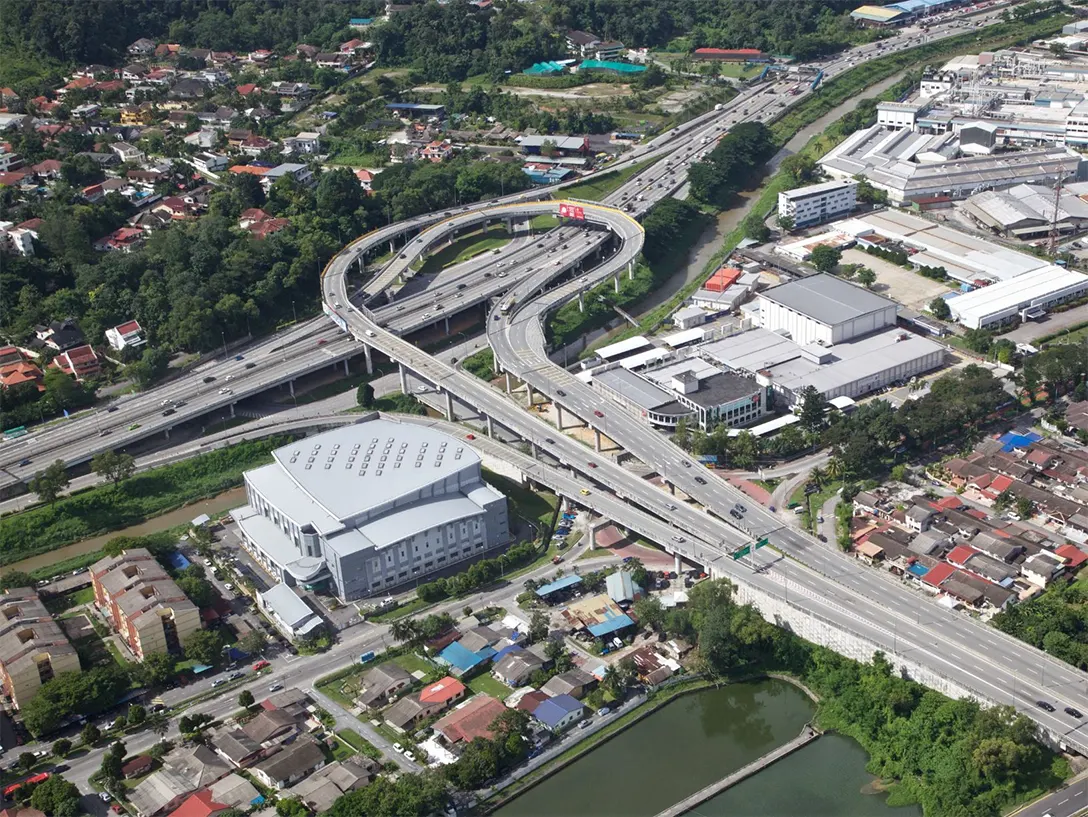
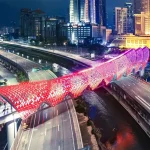
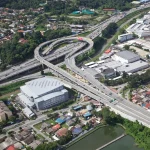
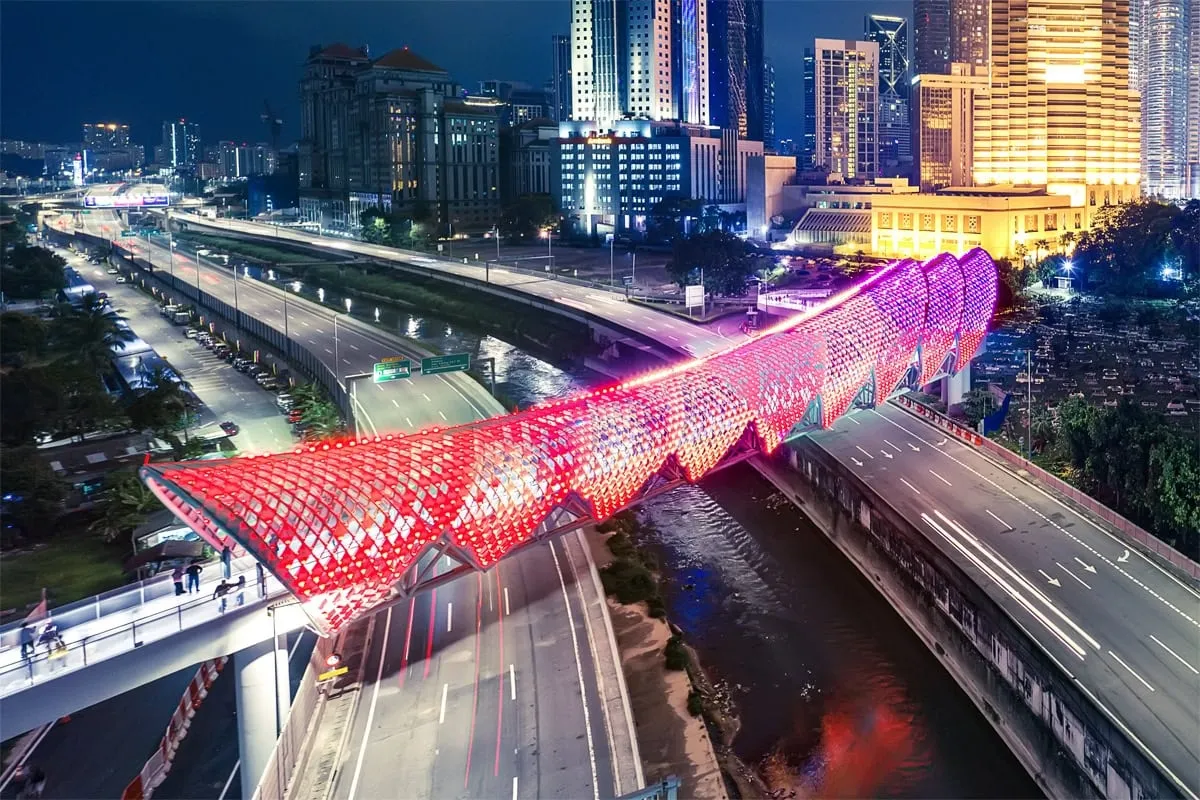
Interventions such as the Lebuhraya Duta–Ulu Klang highway and the design of 14 new pedestrian and vehicular bridges alongside heritage preservation initiatives represent complex and forward-looking infrastructure projects. Kuala Lumpur’s policy commitment to improving connectivity, through enhancements that facilitate access from surrounding areas and reduce travel time into the city, serves as a direct response to the creative economy.
Empowering Kuala Lumpur’s Creative Economy
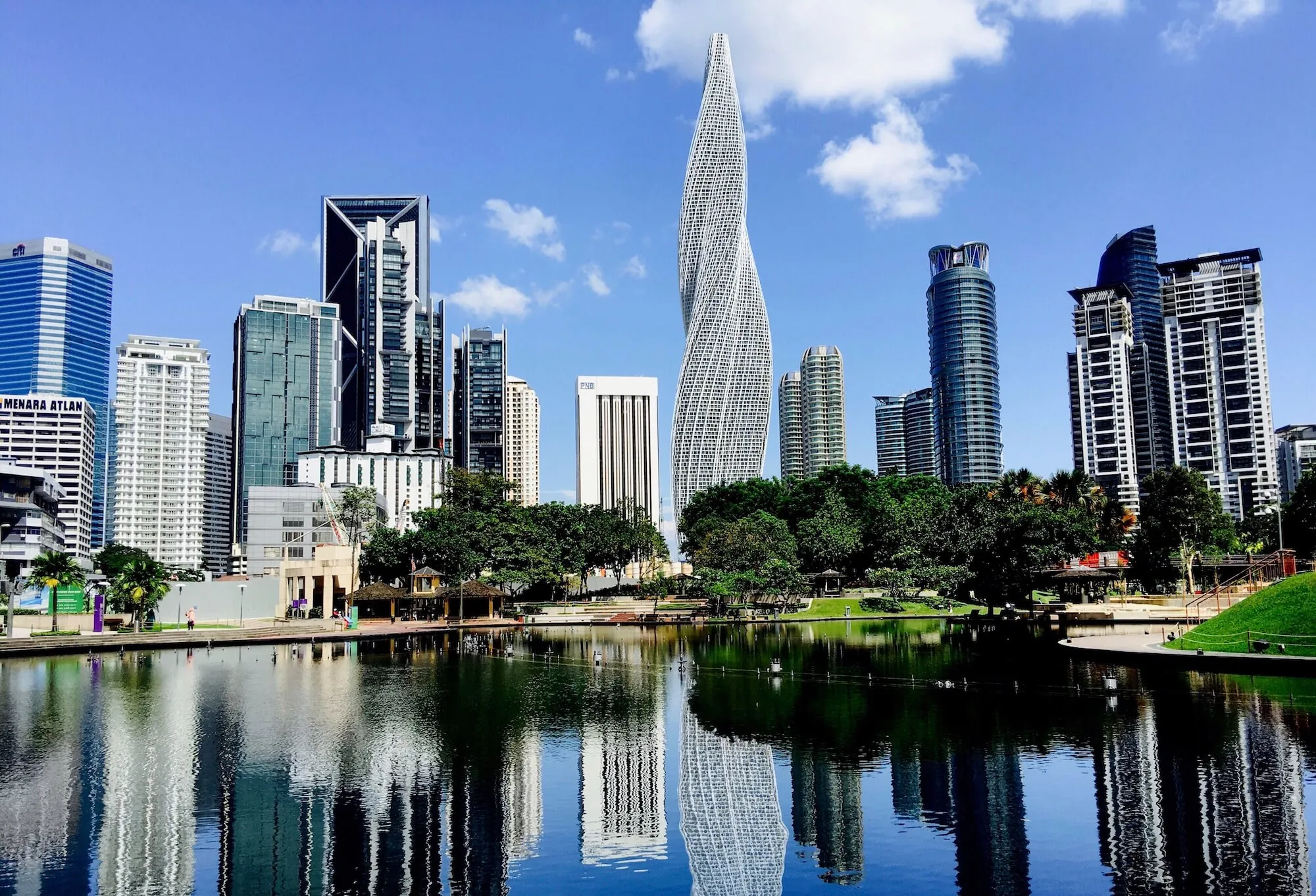
This recognition fundamentally reshapes the city’s global branding proposition. Kuala Lumpur is actively transcending its image as a “transit point” to emerge as an “intentional design destination,” attracting cultural and design-focused travelers. The city now offers guided creative experiences, such as night walks that explore design, public art, and culture across districts like Bukit Bintang and Merdeka Square.
With robust governance models and strong partnerships between DBKL and Think City, Kuala Lumpur’s successful designation as a UNESCO Creative City of Design in 2025 marks a transformation of its urban core into an inclusive, resilient, and dynamic creative hub.