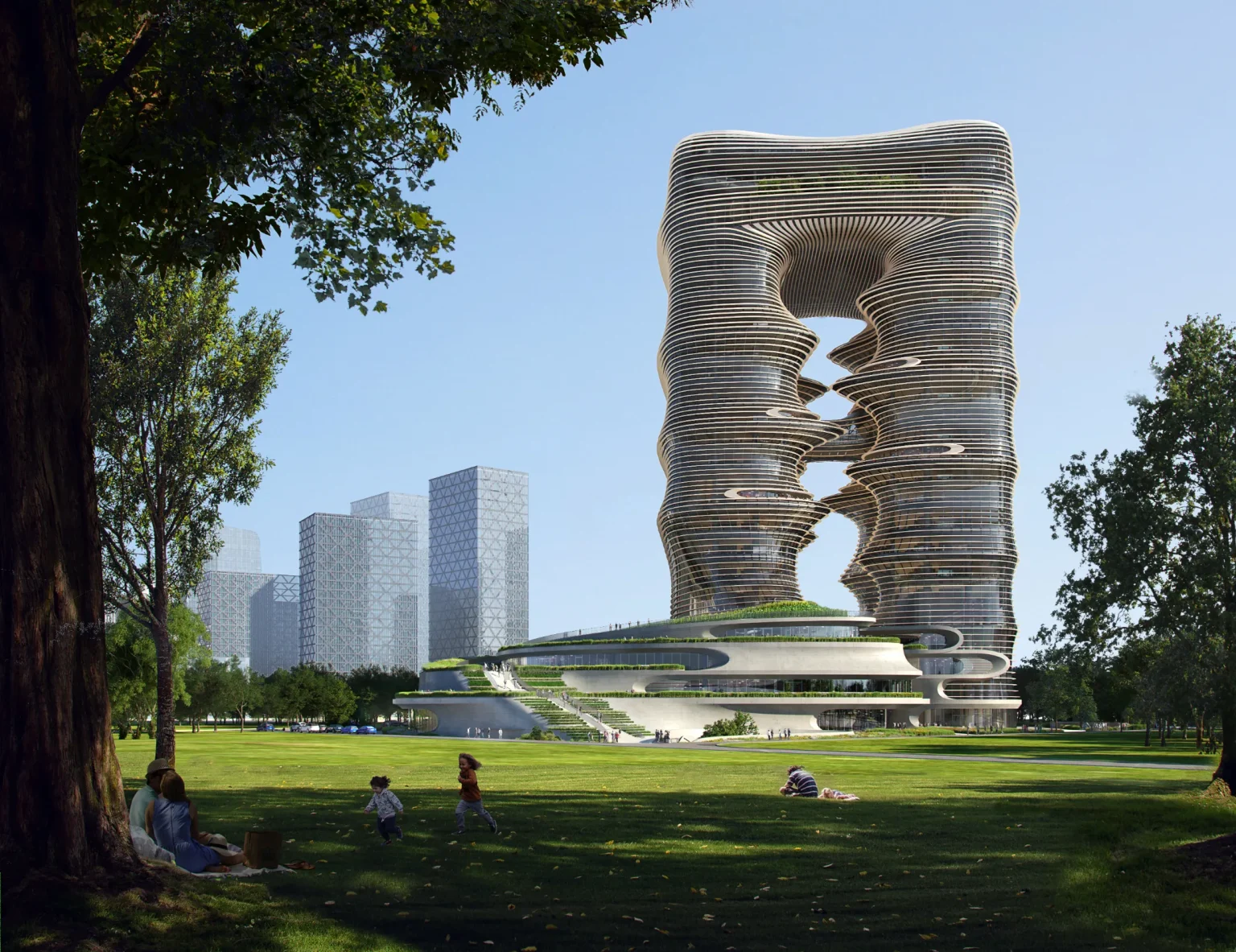
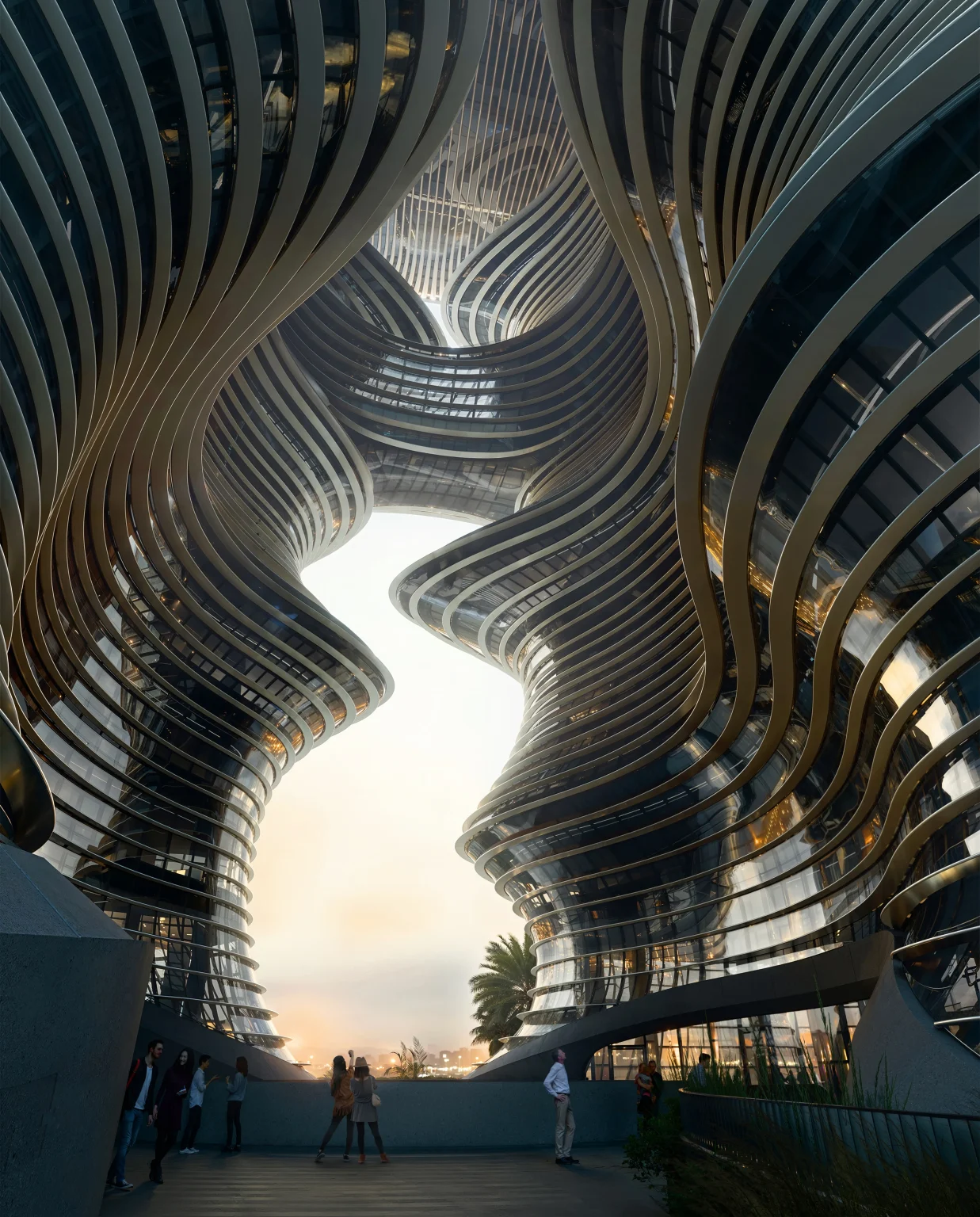
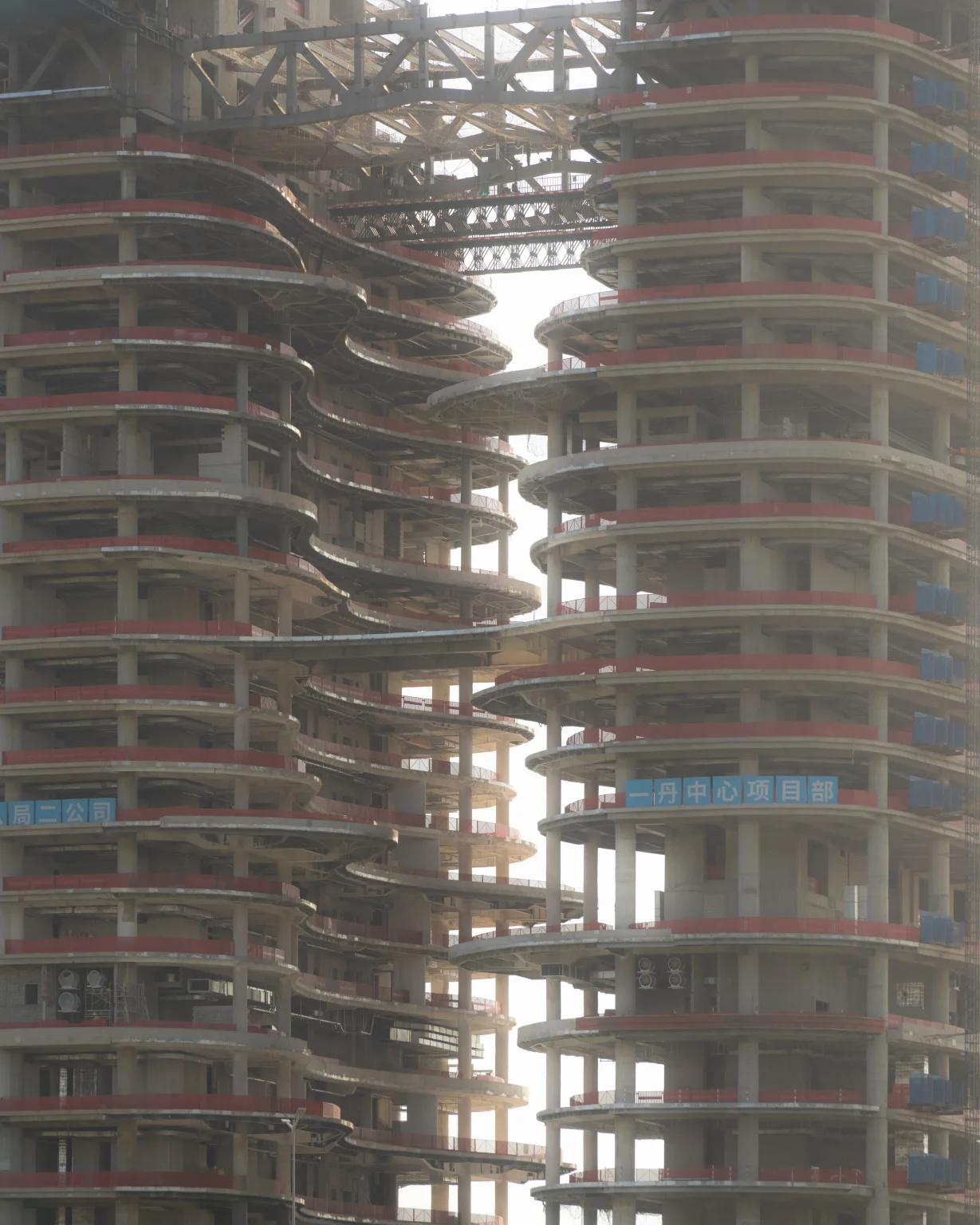
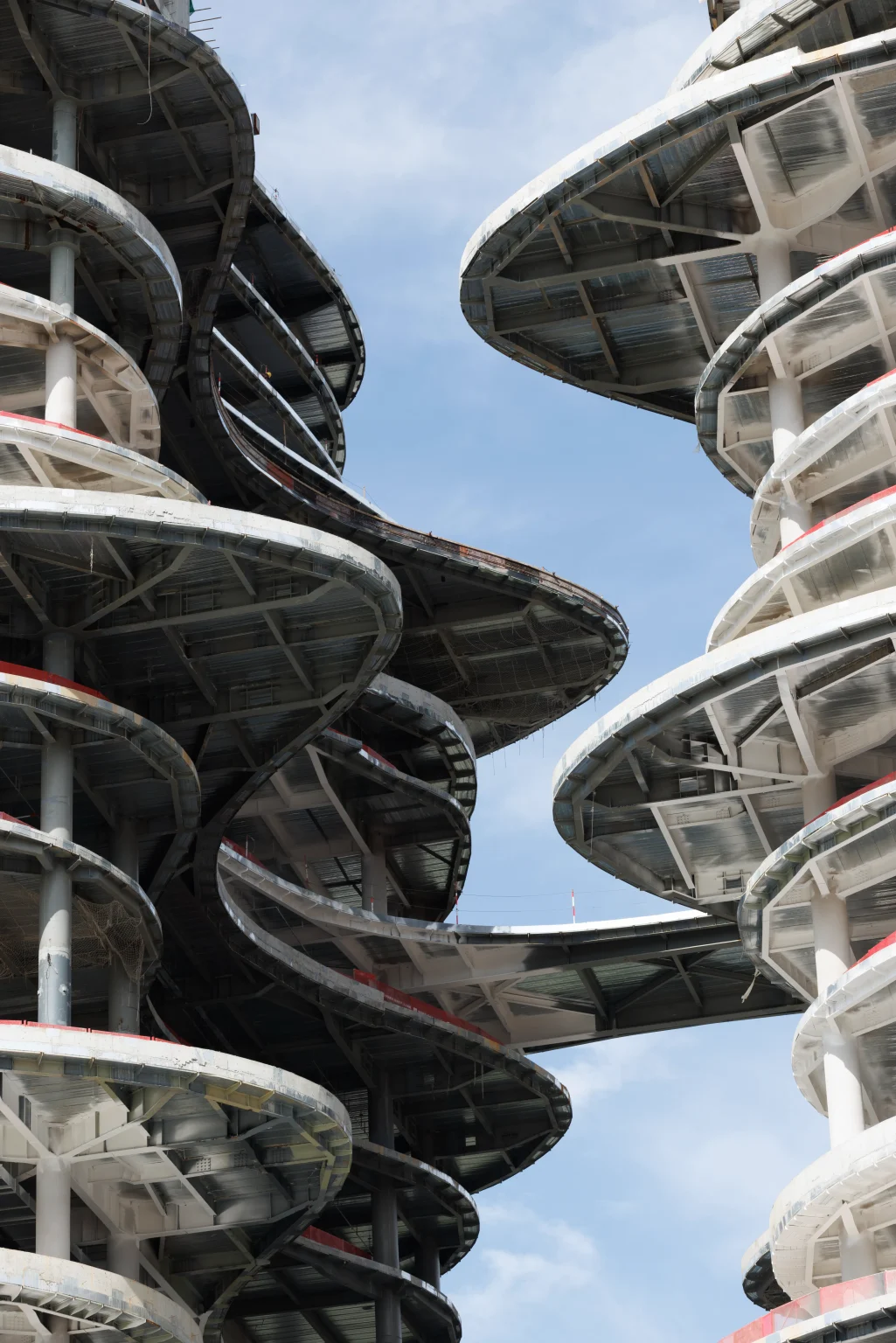
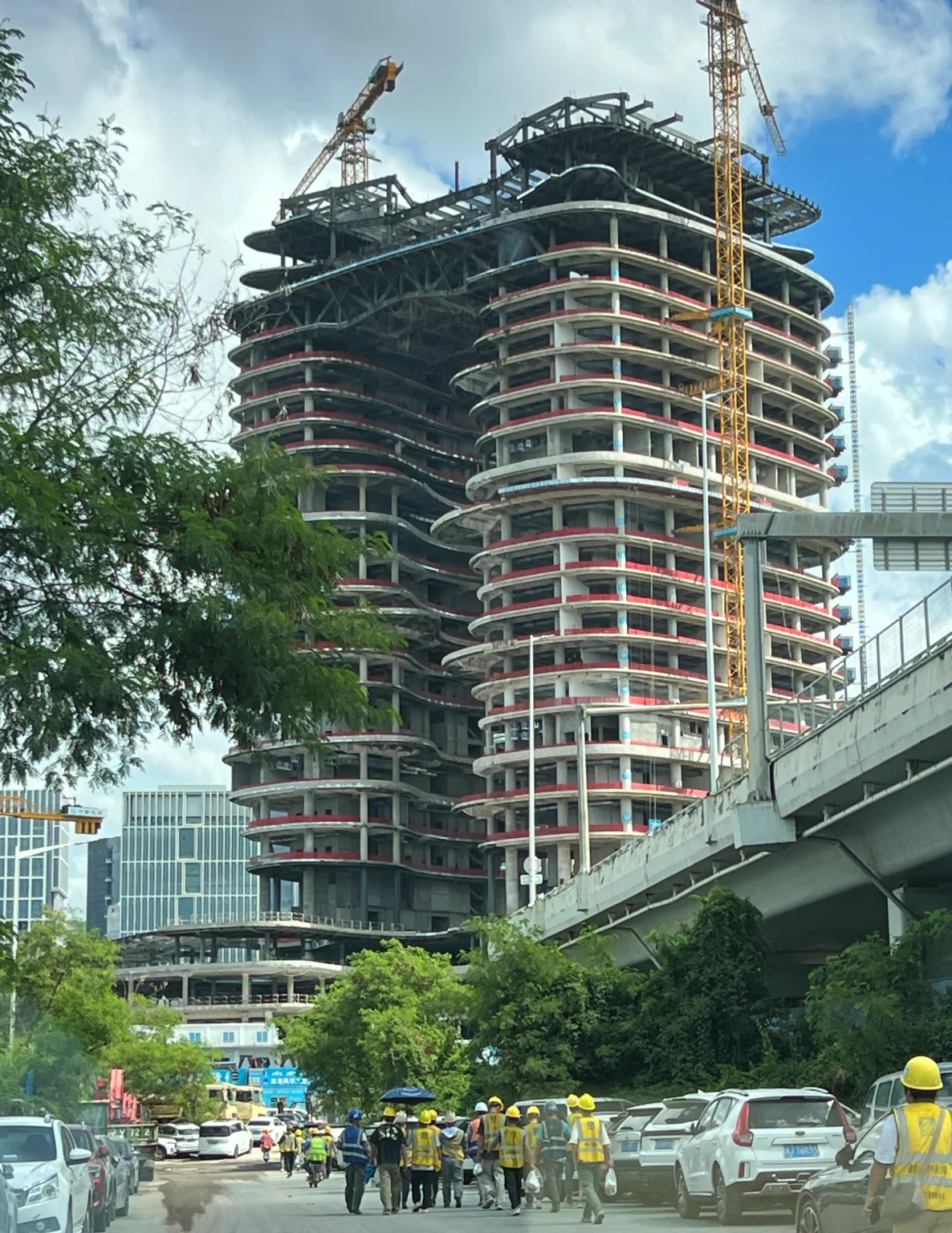
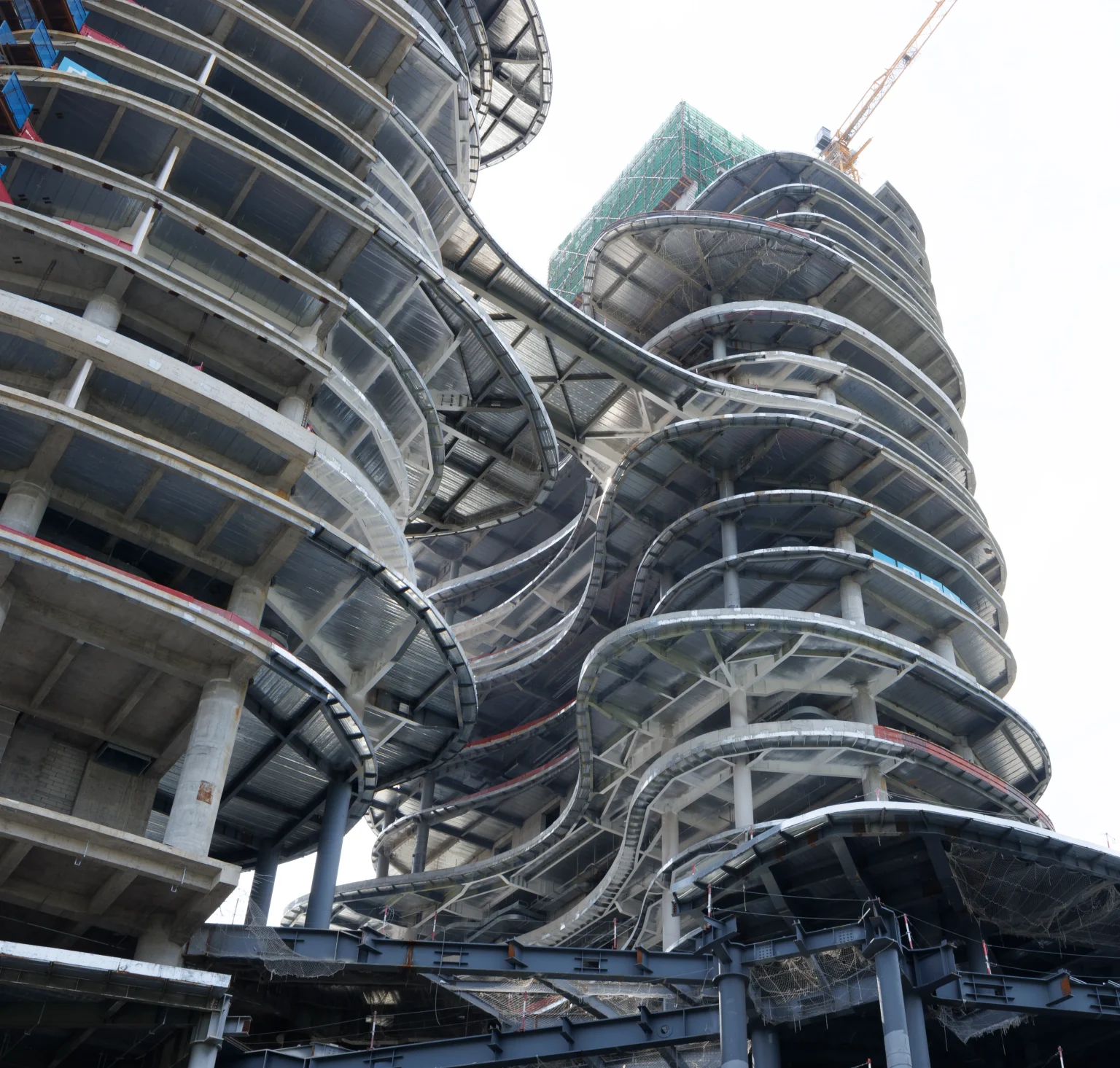
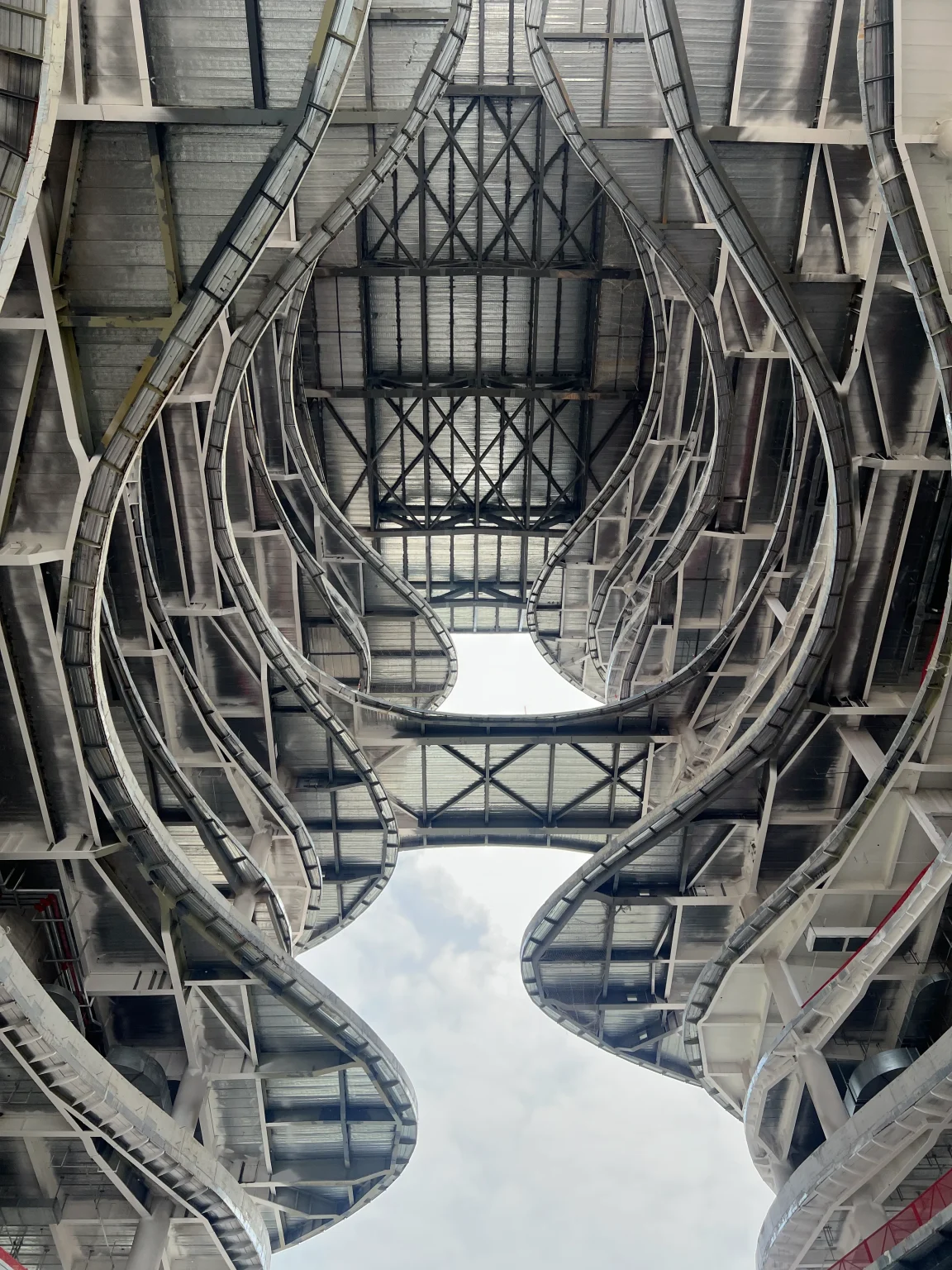
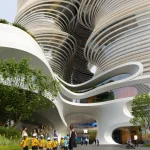
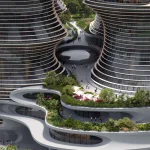
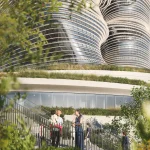
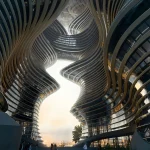



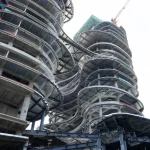
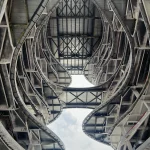
Construction of the Yidan Center in Shenzhen has reached its full height, with topping-out marking a key milestone for this cultural and educational landmark. The building, designed by Zaha Hadid Architects (ZHA), will serve as the international headquarters of the Chen Yidan Foundation and the Yidan Prize.
Shenzhen’s Yidan Center Emerges as a Global Hub for Learning and Innovation
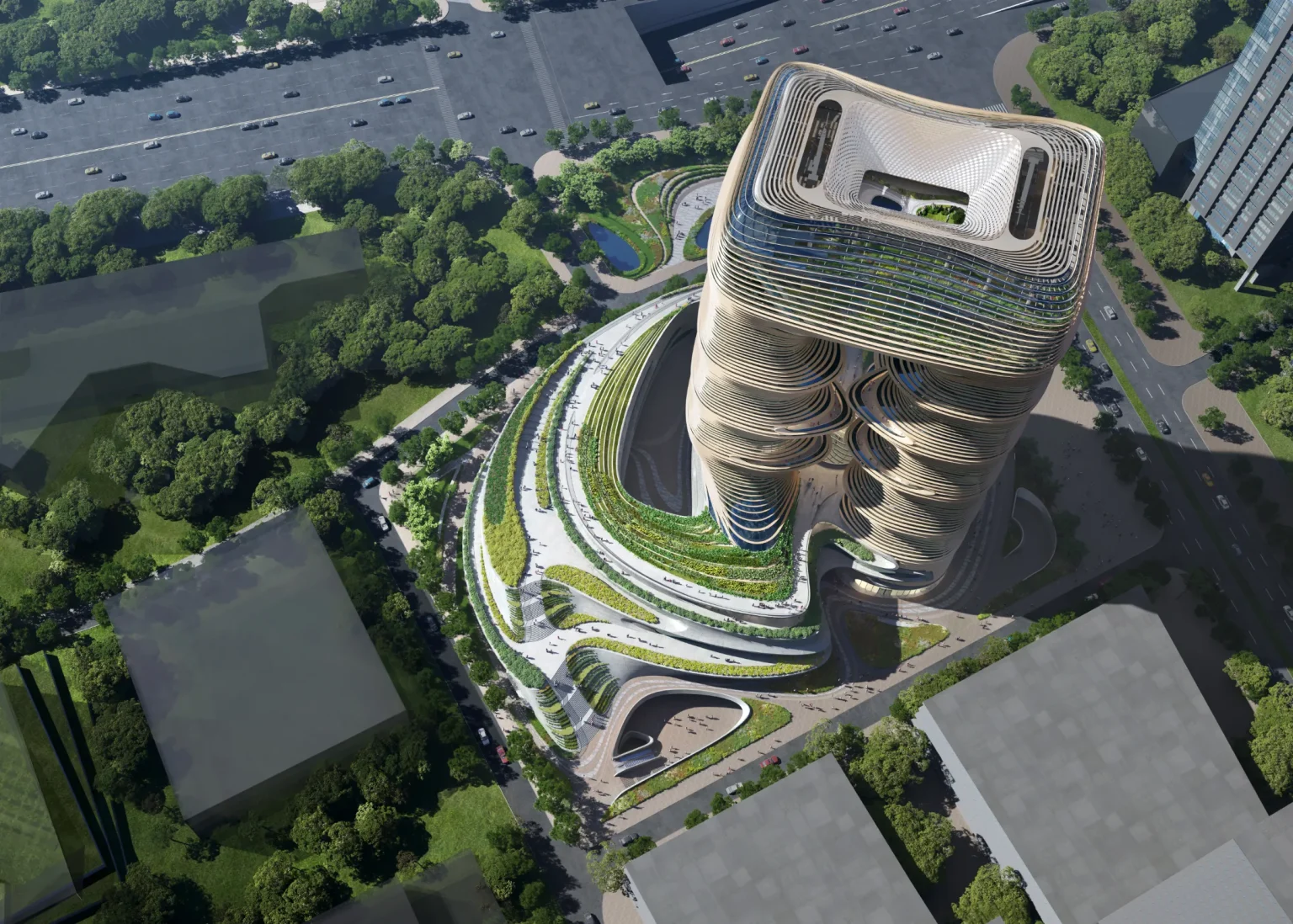
The Yidan Center is planned as a place of convergence and collaboration, supporting research platforms, cultural events, and lifelong learning ecosystems. With 165,815 m² of space, the building will anchor a new cultural quarter in connection with the adjacent Qianhai Museum.
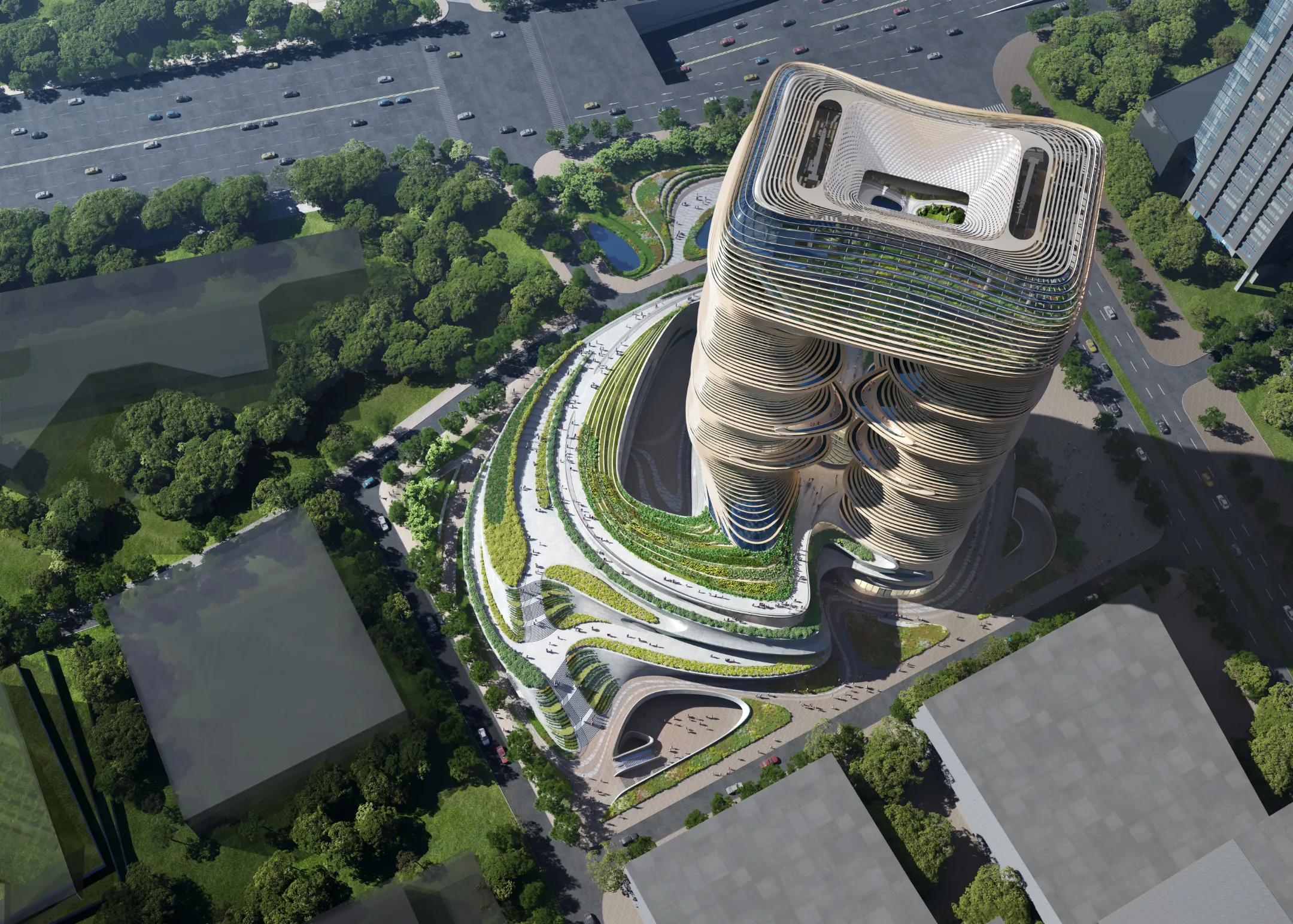
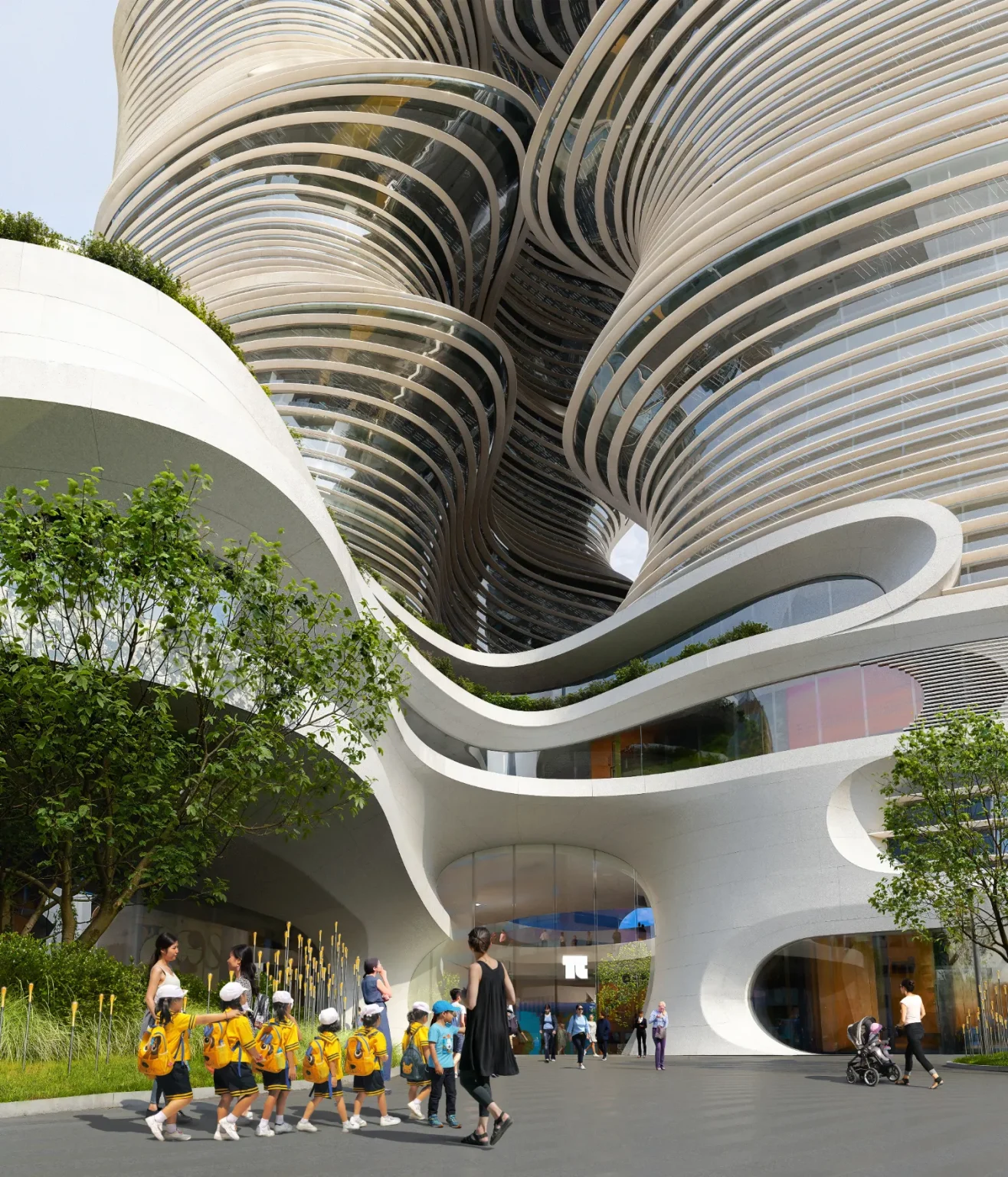
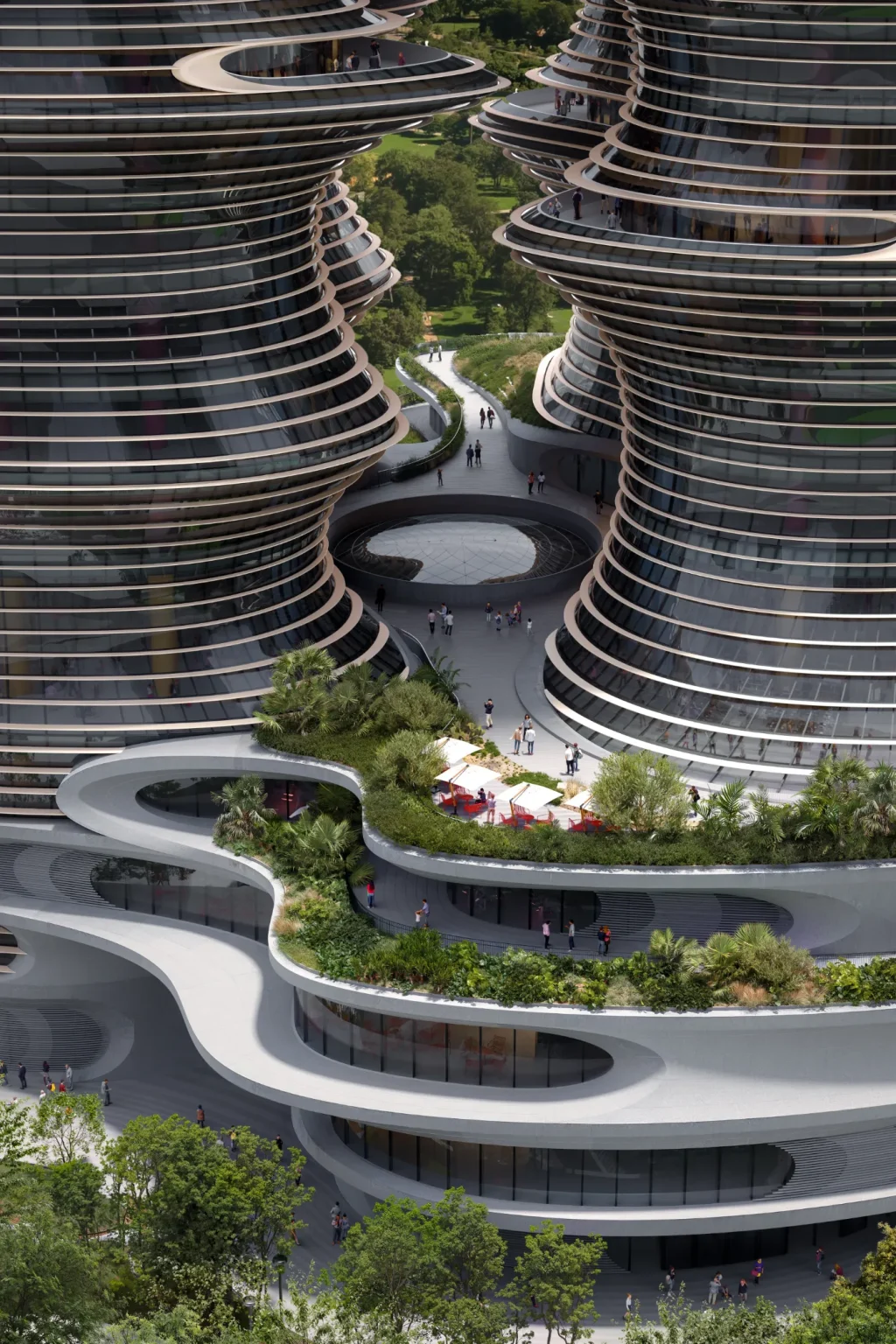
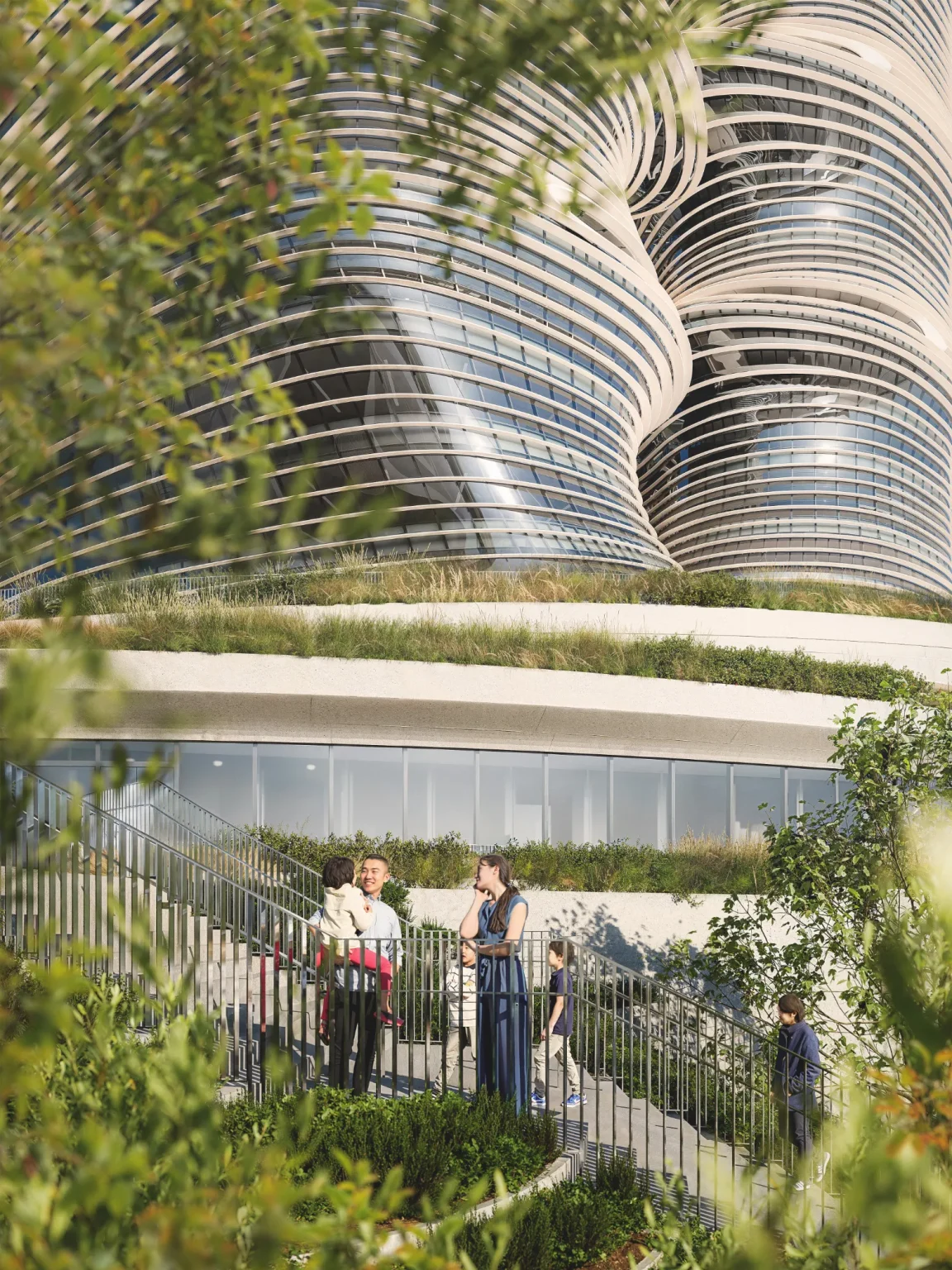
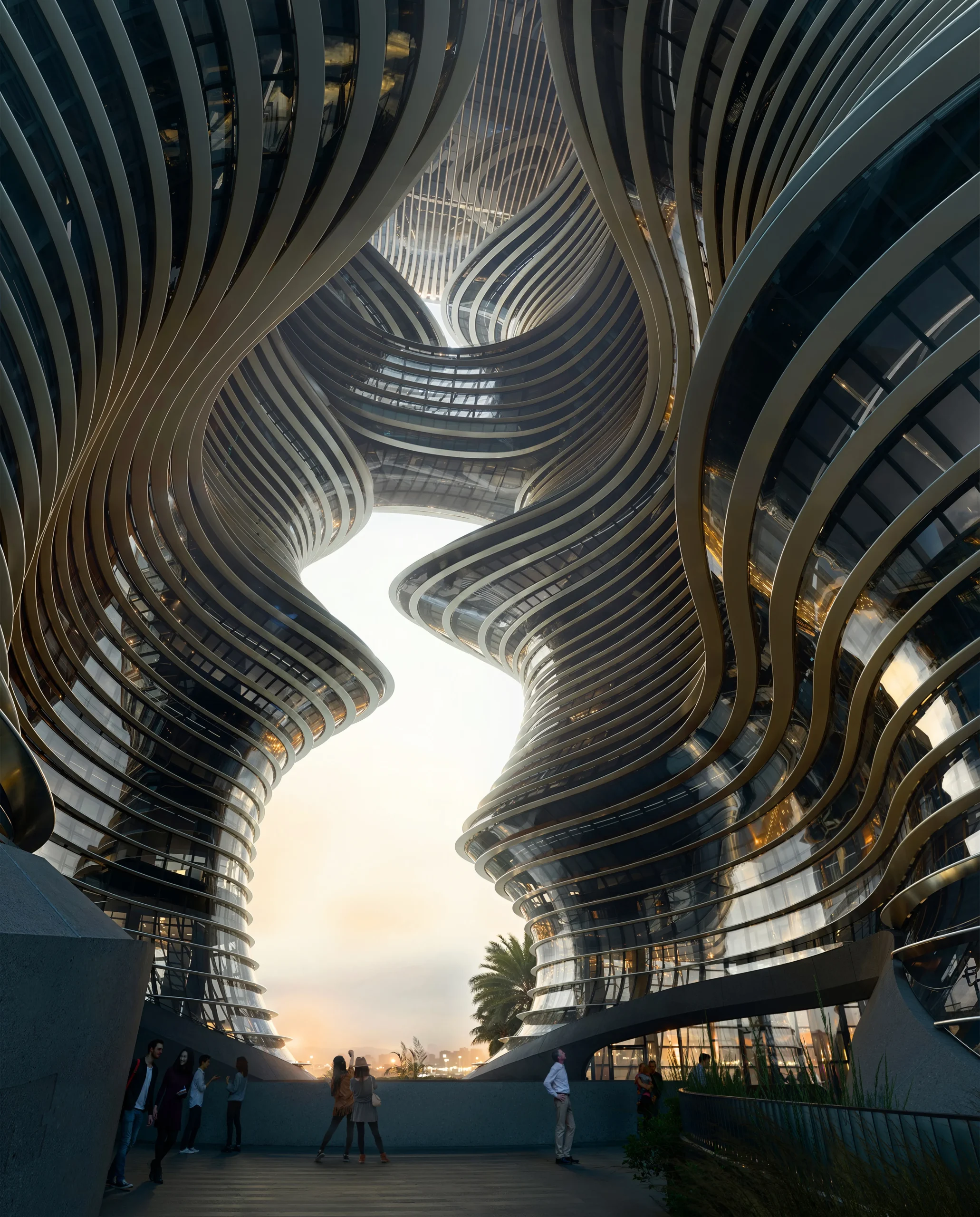
Drawing inspiration from the canyons and valleys of the nearby landscapes, the structure features a central outdoor “canyon” around which terraces and balconies wrap. Lush gardens guide visitors from the street level up into the architectural sequence, creating a flowing transition between exterior and interior. A large oculus skylight at the base of the canyon floods natural light into the heart of the building.
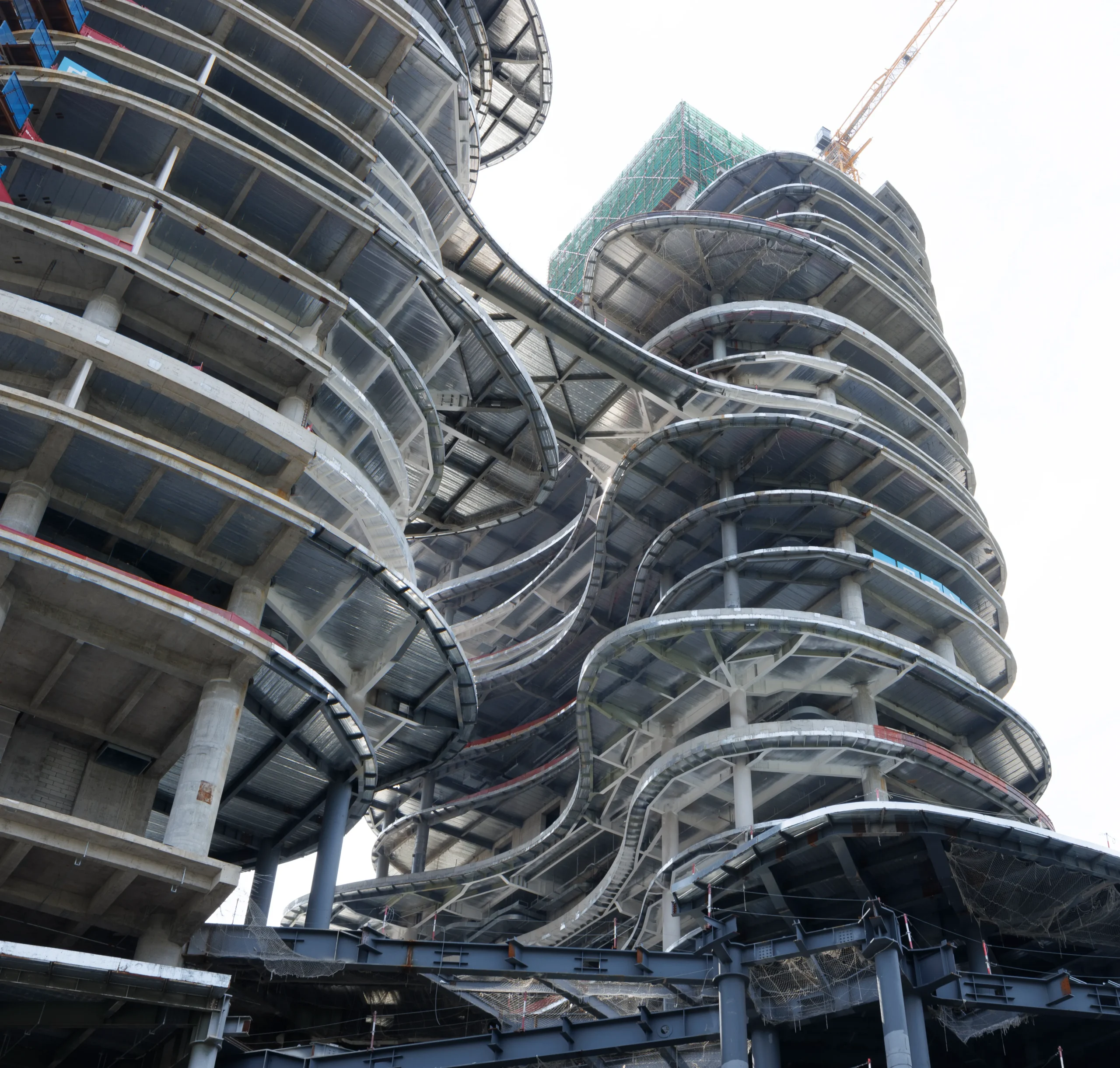
Sustainability lies at the core of the scheme. The Yidan Center is designed to achieve the highest three-star standard of China’s National Green Building Program, as well as LEED Gold certification. The façade incorporates insulated double-glazed units combined with hybrid natural ventilation, variable air volume systems, and external louvres to reduce solar gain and enhance comfort in Shenzhen’s humid subtropical climate. Photovoltaic panels and rainwater collection systems are integrated to further reduce energy and water demand.
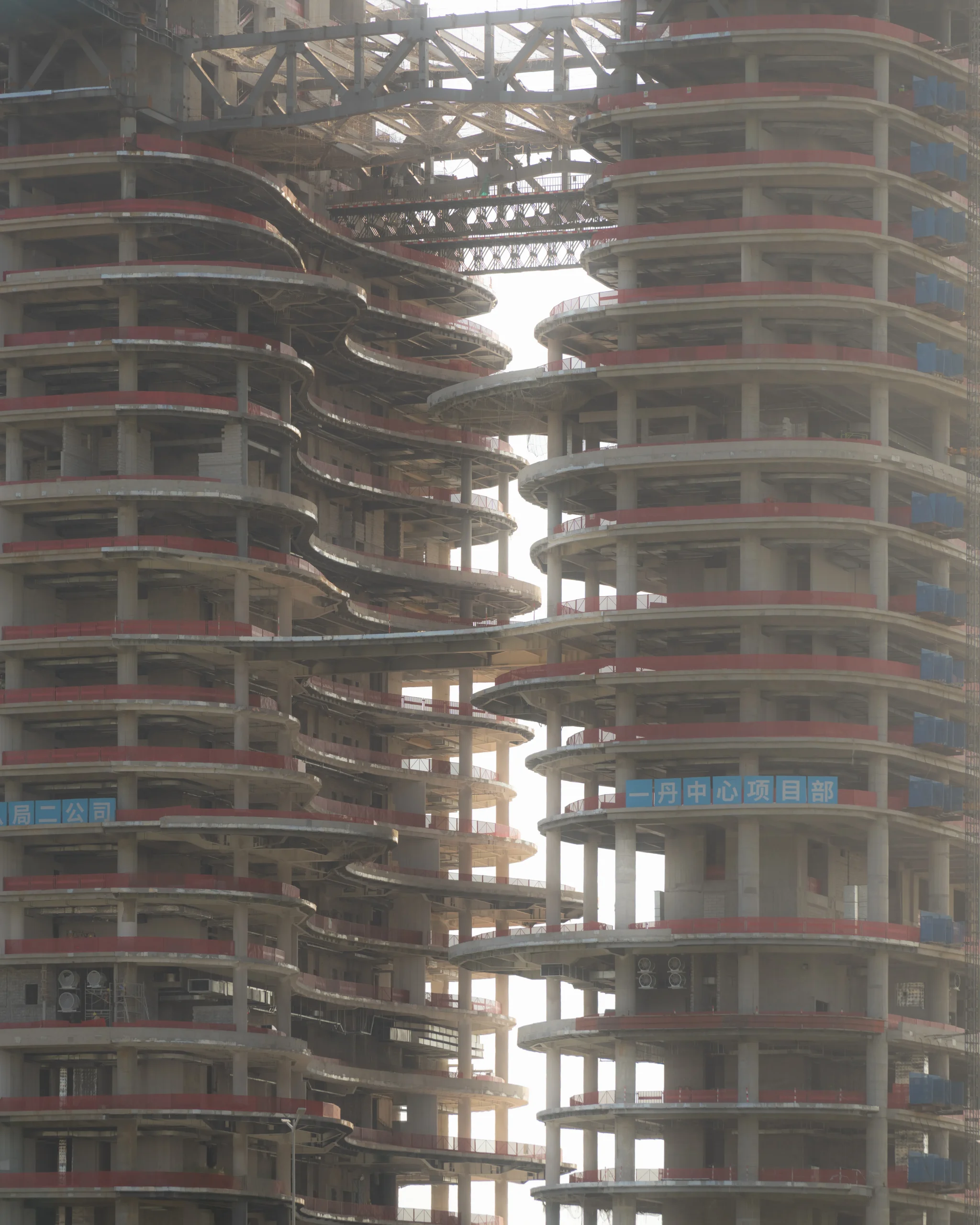
Located in a city that has rapidly evolved into a global innovation hub, the Yidan Center reinforces Shenzhen’s emergence as a cultural and educational destination. The building’s topping-out signals not only architectural progress but also the establishment of an ecosystem dedicated to shaping the future of education for the 21st century.