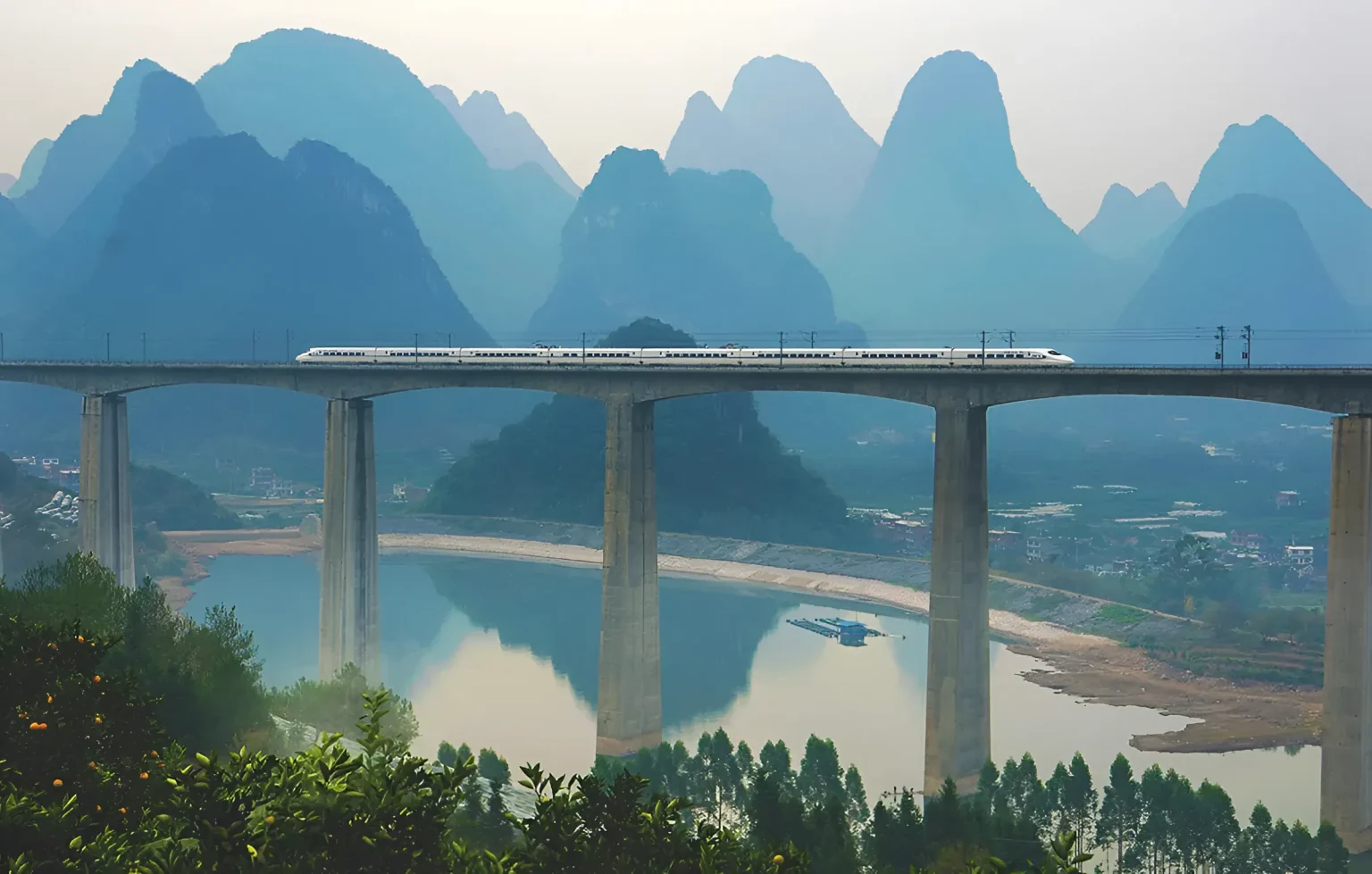
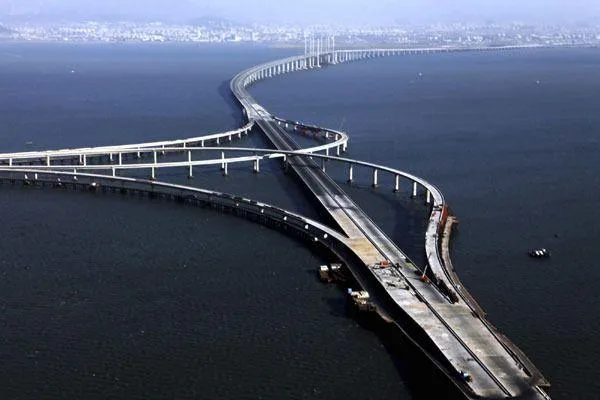
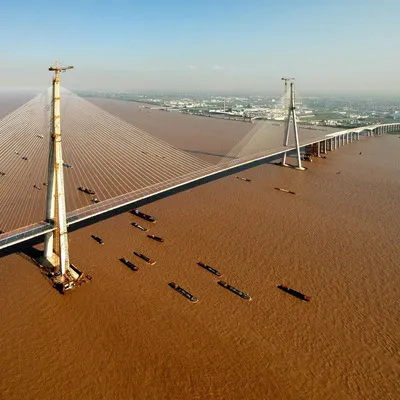
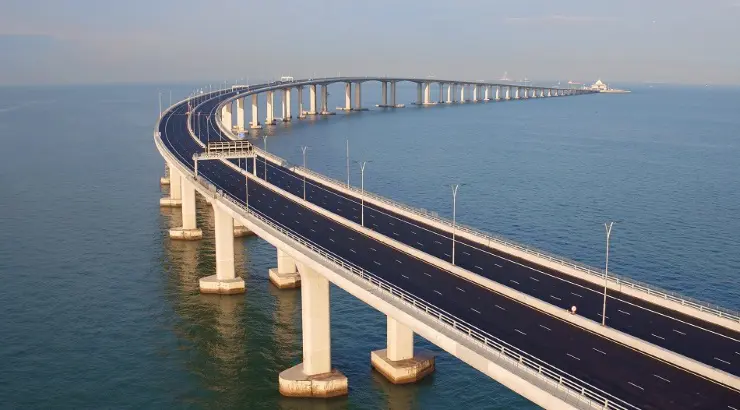
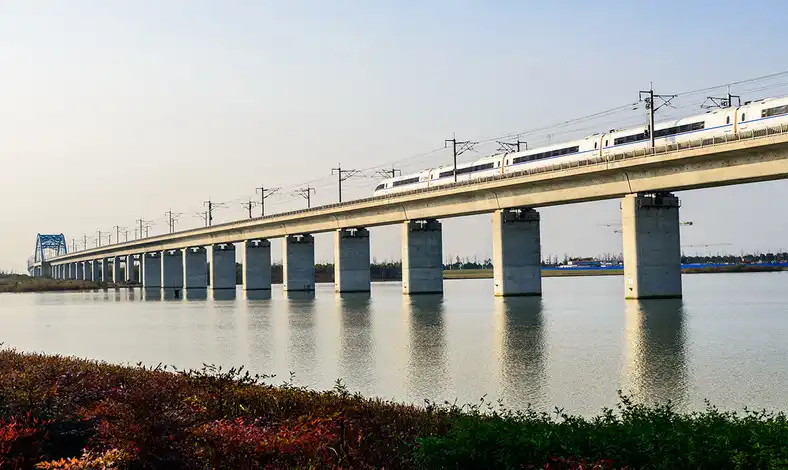



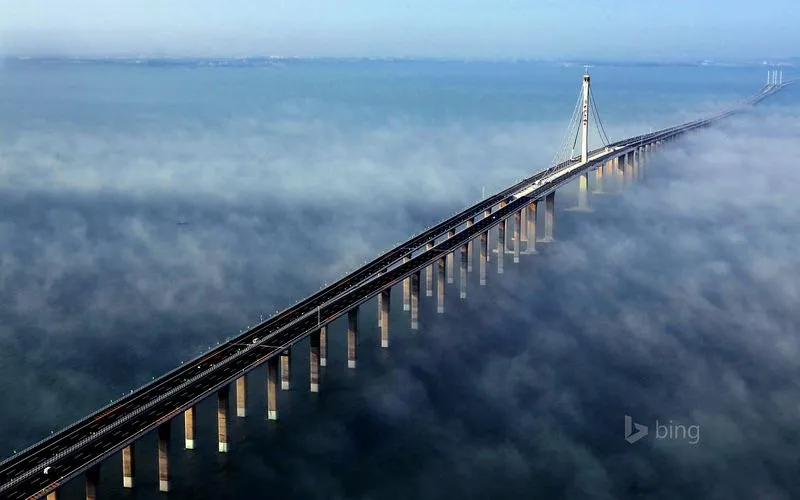
















The earliest bridges often mimicked natural formations, made from materials like logs, vines, and stone. The Romans pioneered bridge design and engineering, constructing structures that allowed for longer, more durable spans, evident in the Pont du Gard in France and the Pons Fabricius in Italy, which still stand today. The Industrial Revolution marked a new era, such as the Brooklyn Bridge in New York, a prime example of the new suspension bridge design. These structures transcend their utilitarian purpose, becoming iconic landmarks that reflect the values and history of the societies that built them.
Here’s a look at the world’s ten longest bridges, highlighting how architecture continues to push the boundaries of form, structure, and span:
1. Lake Pontchartrain Causeway
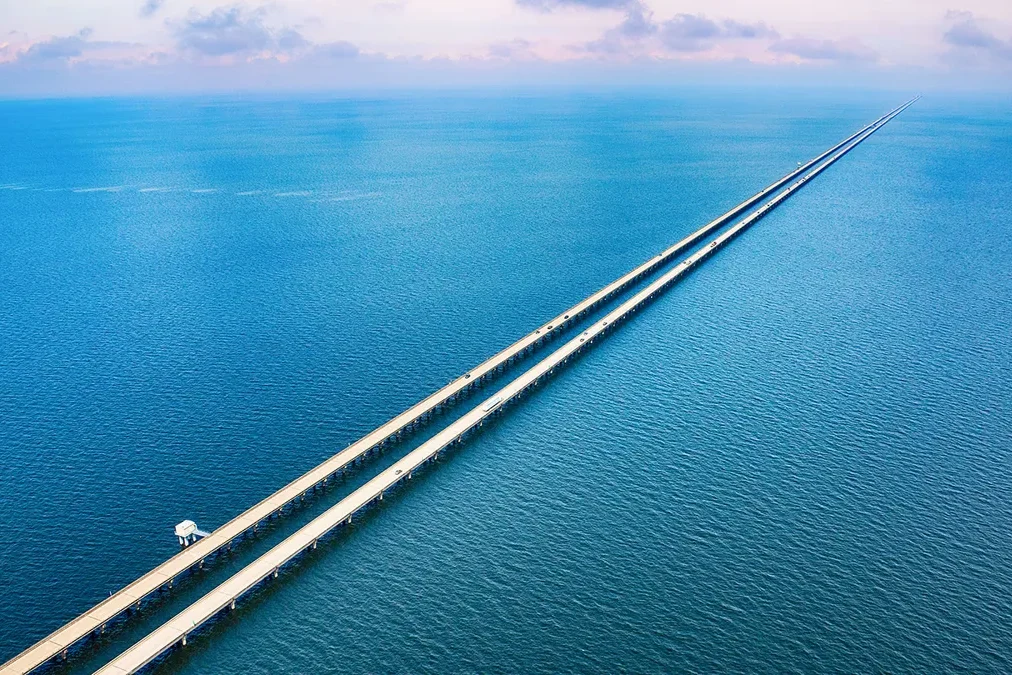
Length: 38 km
Location: USA
Completed: 1956
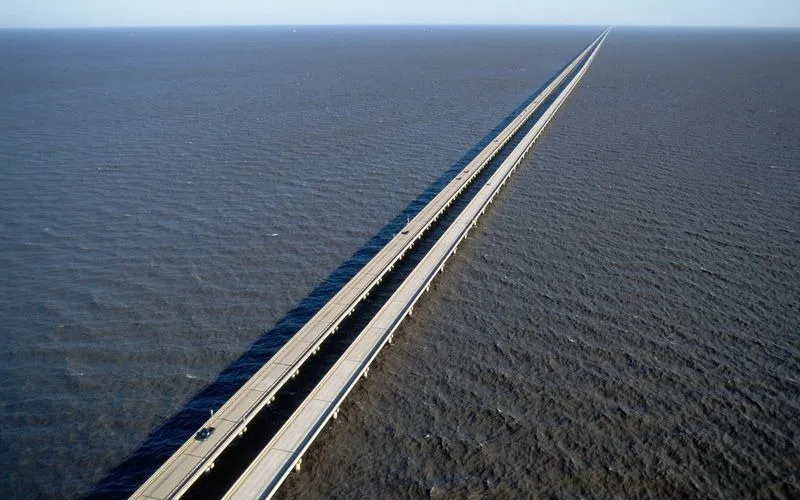
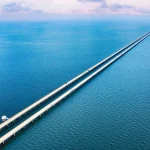
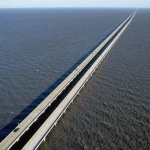
The Lake Pontchartrain Causeway in southeastern Louisiana, USA, is a notable project that utilized prestressed concrete and prefabricated modular components on a large scale. One of the world’s longest continuous bridges over water, it was originally built as a two-lane bridge, with a parallel span added in 1969. The design features a constant series of pile-supported spans, including two bascule spans on the northern end to allow for marine traffic. The causeway exemplifies mid-century American ingenuity, combining durability and functionality while enduring hurricanes and saltwater corrosion for decades.
2. Metro Manila Skyway System

Length: 39.2 km
Location: Philippines
Completed: 2021
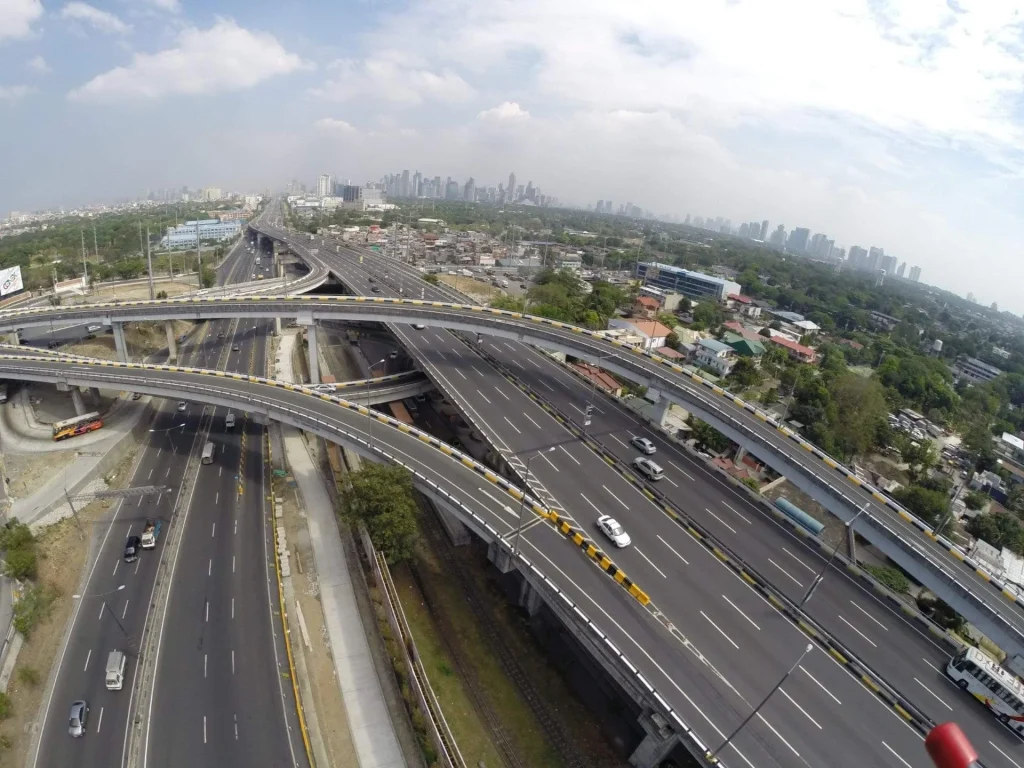
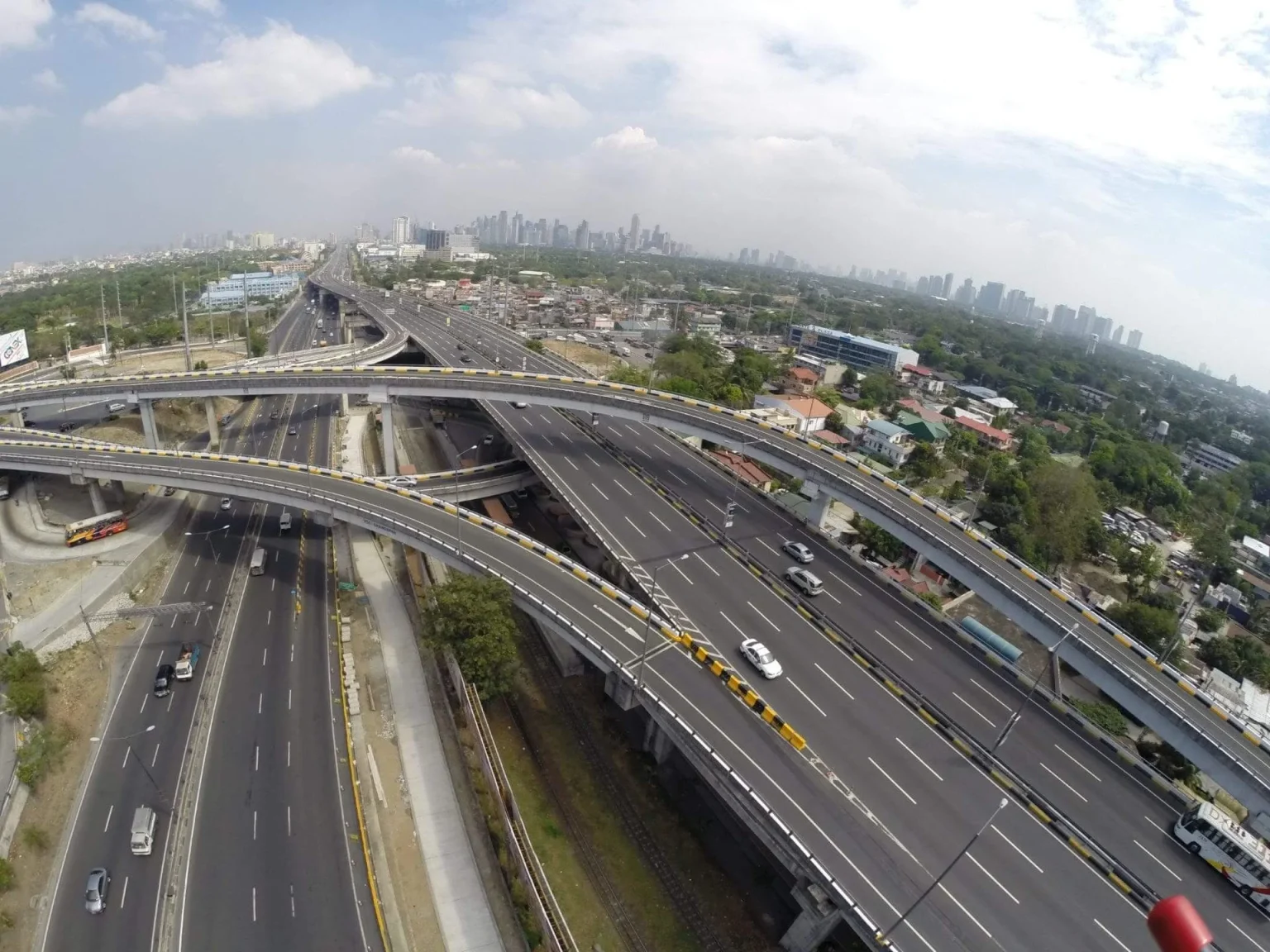
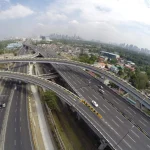
The Metro Manila Skyway System, an elevated expressway, connects the North Luzon Expressway (NLEX) and South Luzon Expressway (SLEX), including access to the Ninoy Aquino International Airport via the NAIA Expressway. It is the Philippines’ first fully grade-separated highway, built over many years. Varying from four to six lanes, the structure consists of elevated concrete viaducts that run above existing urban infrastructure and natural features, minimizing ground disturbance and easing traffic congestion below. This design reflects how megacities can grow vertically rather than horizontally, a model for future urban infrastructure design.
3. Beijing Grand Bridge
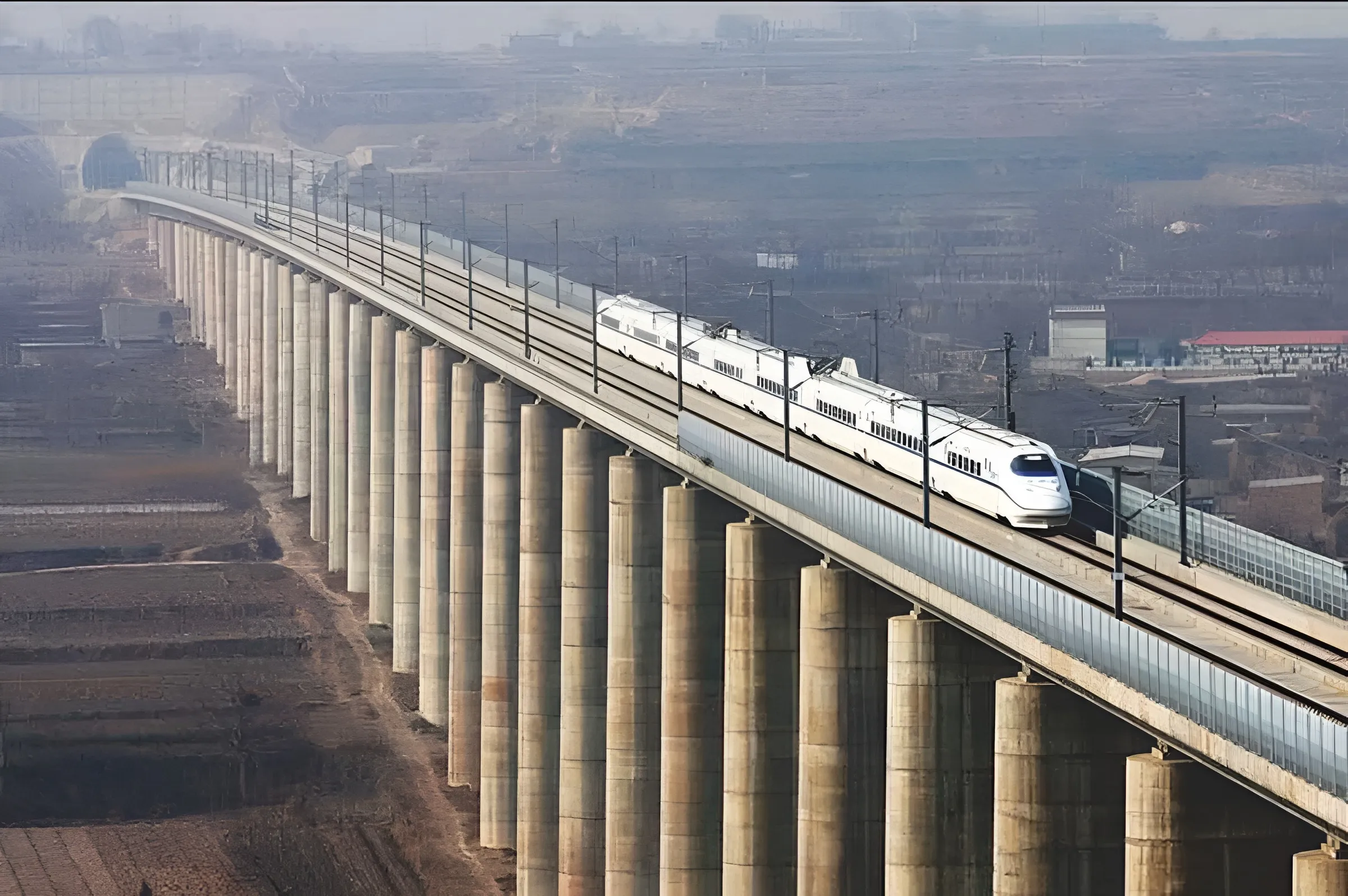
Length: 48 km
Location: China
Completed: 2010
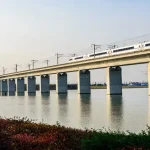
Spanning 48 km, the Beijing Grand Bridge exemplifies a sustainable approach to infrastructure in densely urbanized corridors, serving the Beijing–Shanghai High-Speed Railway. As one of the world’s longest bridges, it was constructed over existing urban land, including river crossings and densely built-up areas. Carefully integrated into the city’s transport grid, the project minimizes land acquisition by using narrow piers and elevated tracks. These components were prefabricated to ensure industrial-scale speed, quality, and efficiency.
4. Bang Na Expressway
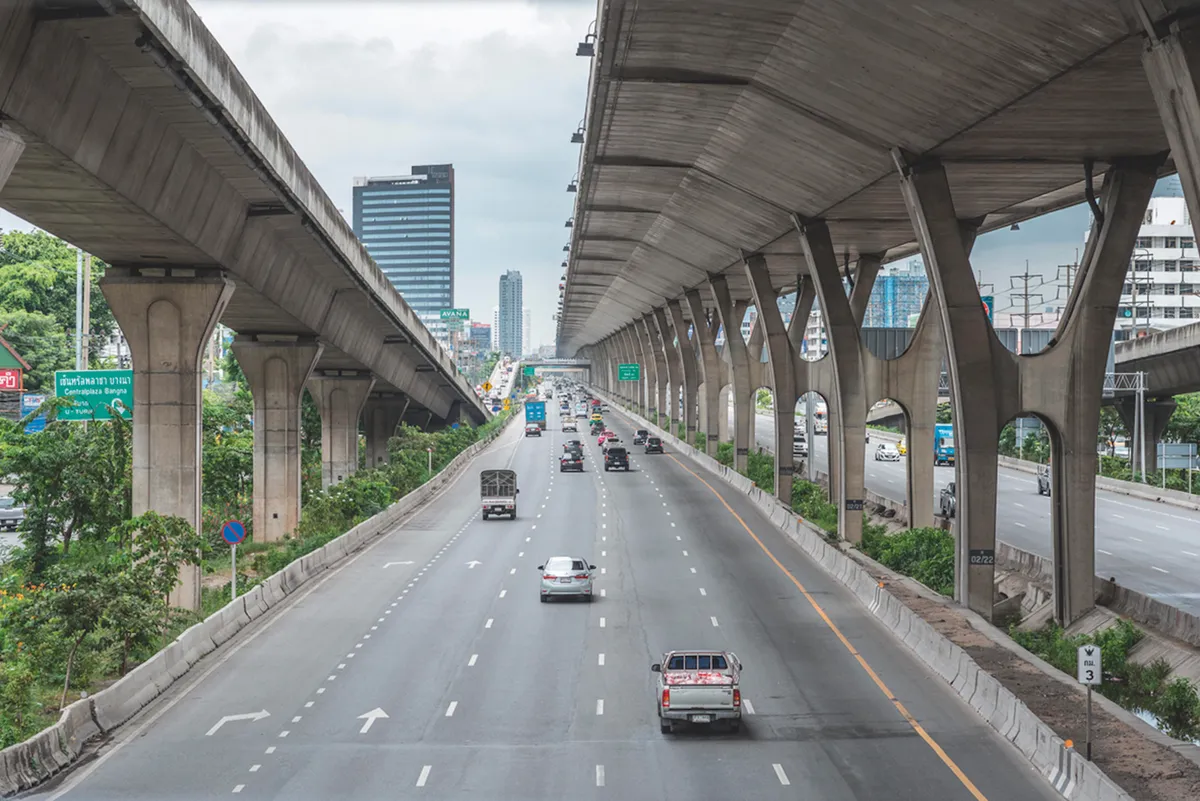
Length: 54 km
Location: Thailand
Completed: 2000
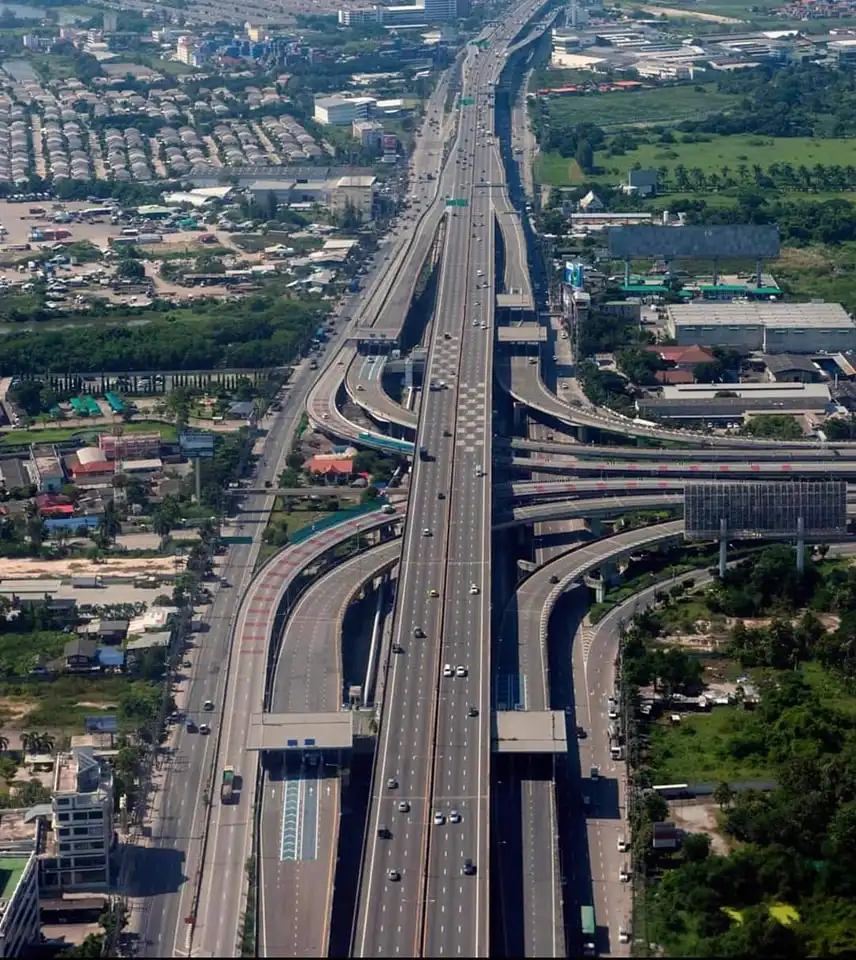
One of the longest road bridges in the world, the Burapha Withi Expressway addresses the challenges of dense urban environments through innovative infrastructure design. This project showcases urban infrastructure evolution, creating layered transport systems with an average length of 42 meters, supported by H-shaped concrete columns. A six-lane hollow box girder bridge’s structure widens in two locations to accommodate twelve-lane toll plazas.
It used a “design-build” method, allowing for simultaneous design and construction. Engineering expertise was provided by Jean M. Muller, Asian Engineering Consultants, and Louis Berger provided their knowledge and technical learnings to this project, built by a joint venture of Bilfinger & Berger and Ch. Karnchang.
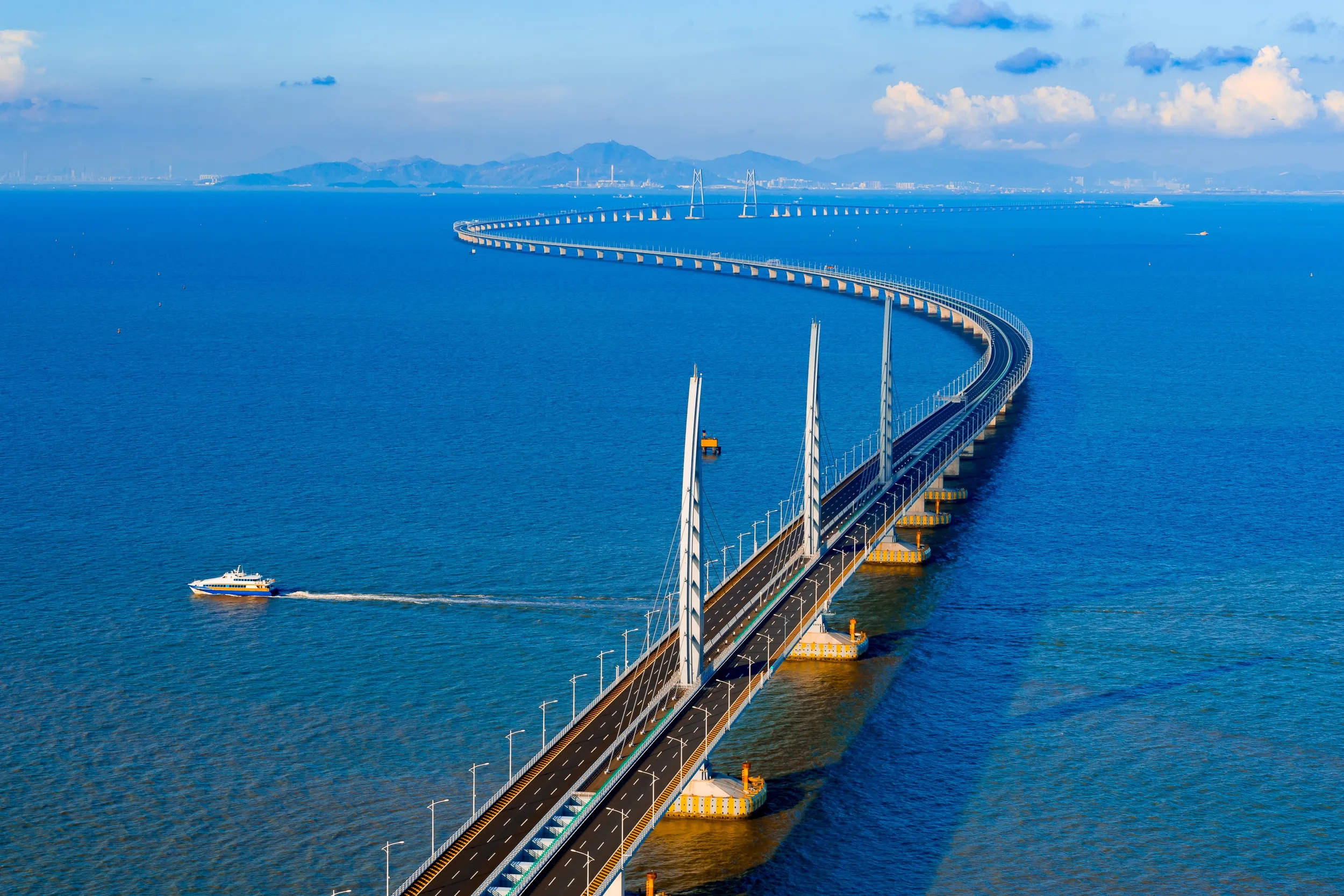
5. Hong Kong–Zhuhai–Macau Bridge
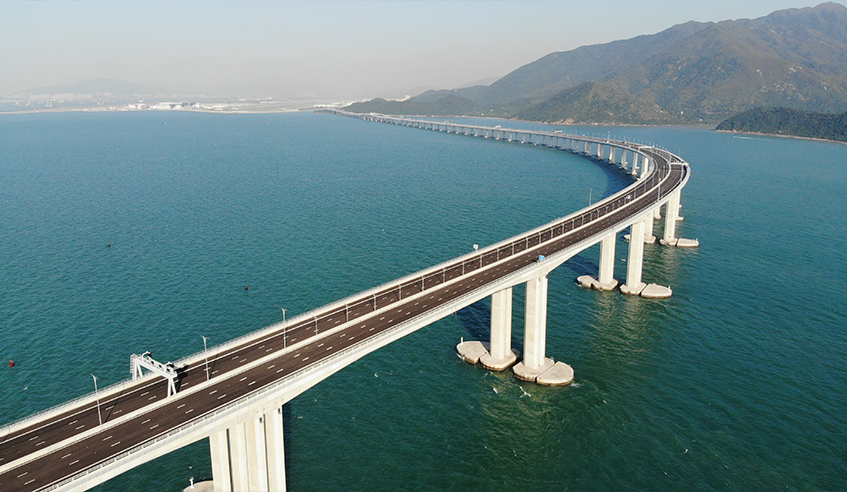
Length: 55 km
Location: China
Completed: 2018
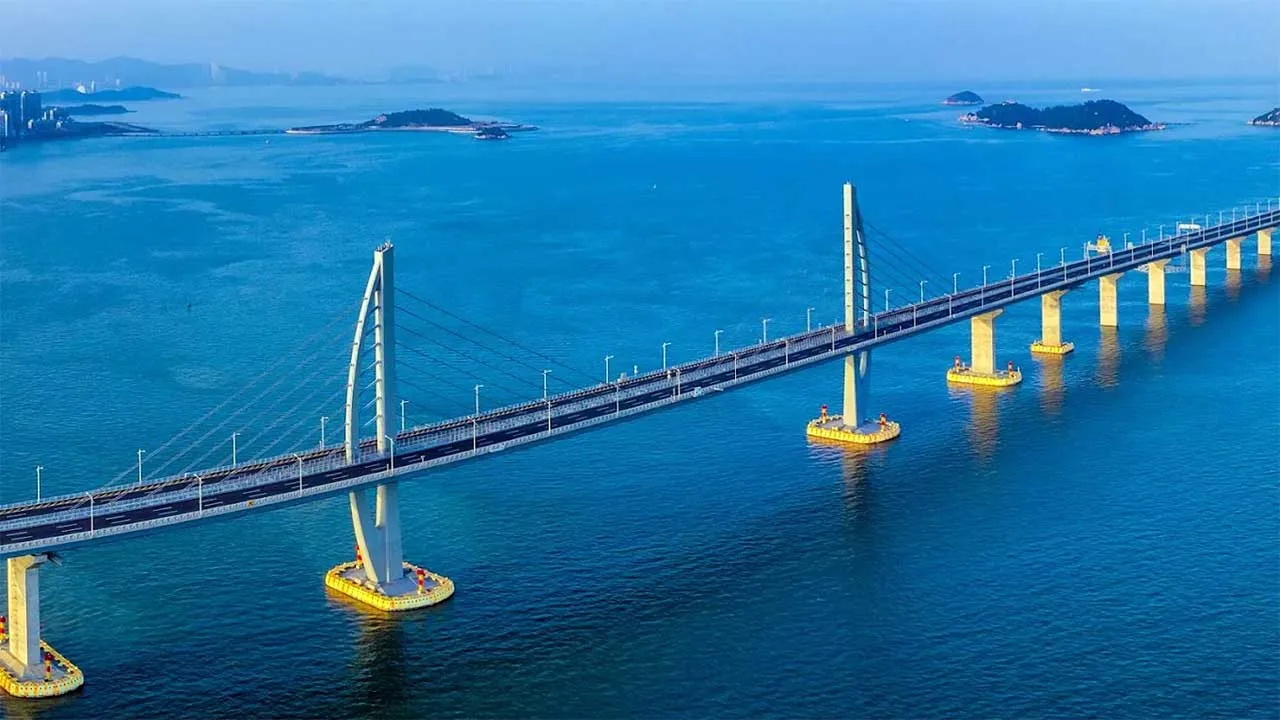
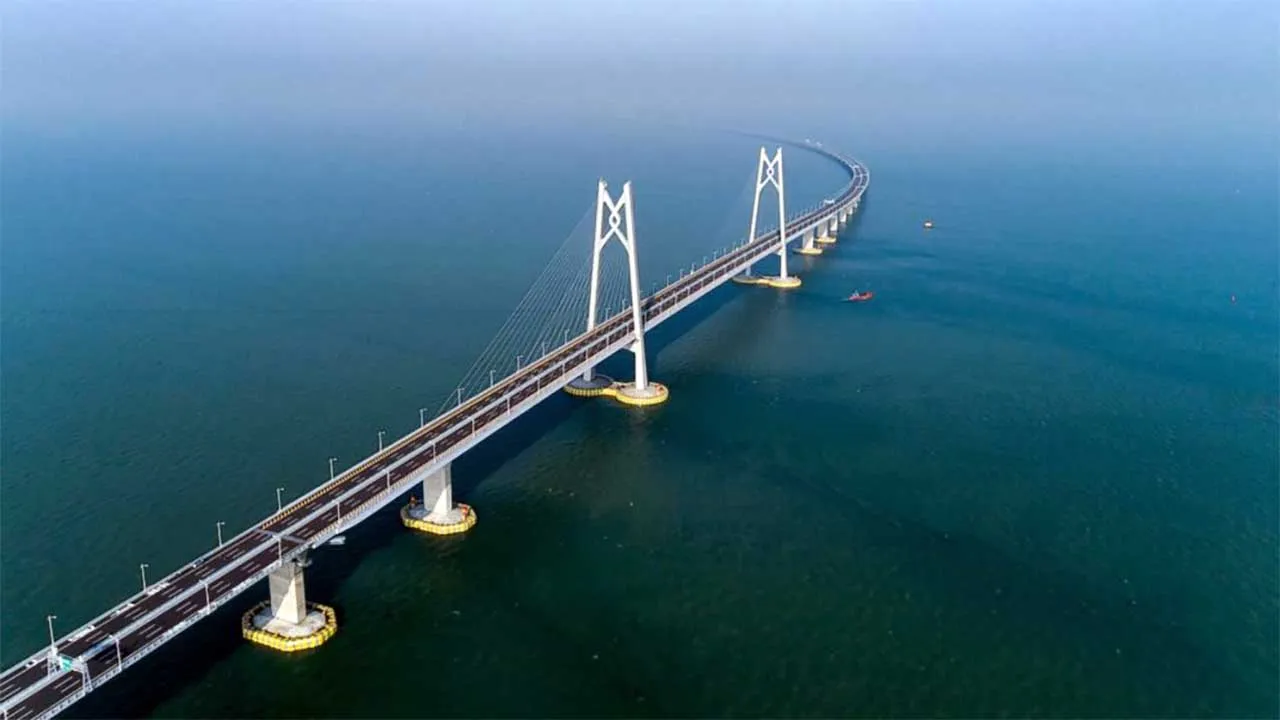
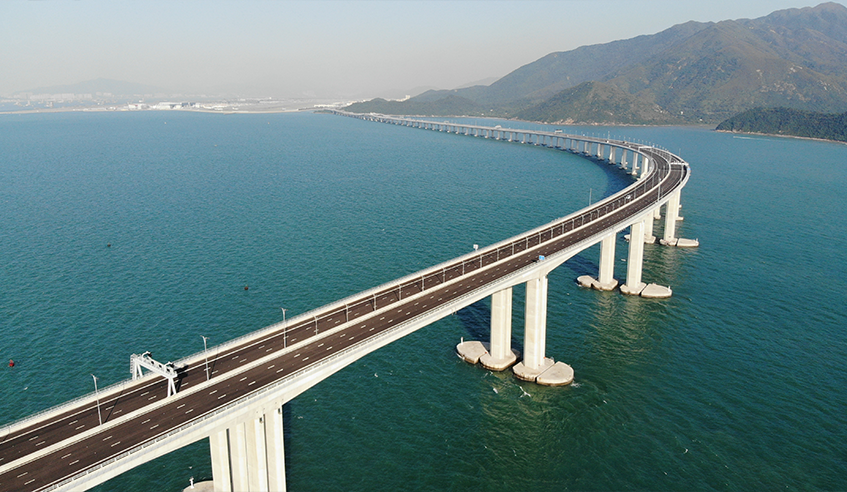
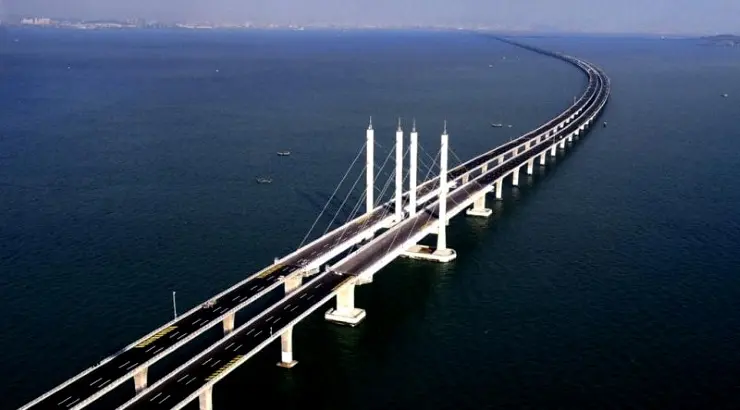
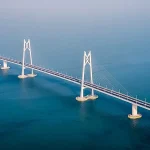
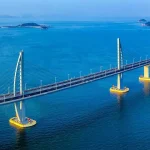
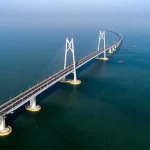
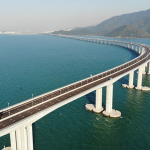
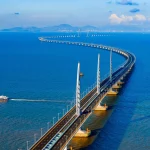
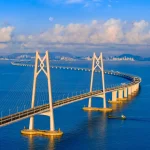
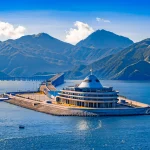
Stretching across the Pearl River Delta in China, the Hong Kong–Zhuhai–Macau Bridge (HZMB) is the world’s longest sea-crossing and open-sea fixed link. The structure comprises a bridge–tunnel system with three cable-stayed bridges, an immersed tunnel (6.7 km), and four artificial islands facilitating the transitions between bridge and tunnel sections. The Hong Kong Link Road includes a 9.4 km viaduct and the 1 km Scenic Hill Tunnel, while the Zhuhai Link Road spans 13.4 km and consists of tunnels and elevated roads connecting the bridge to Zhuhai. The HZMB stands as a landmark engineering achievement, integrating massive marine construction, artificial island creation, and advanced tunnel engineering.
6. Weinan Weihe Grand Bridge
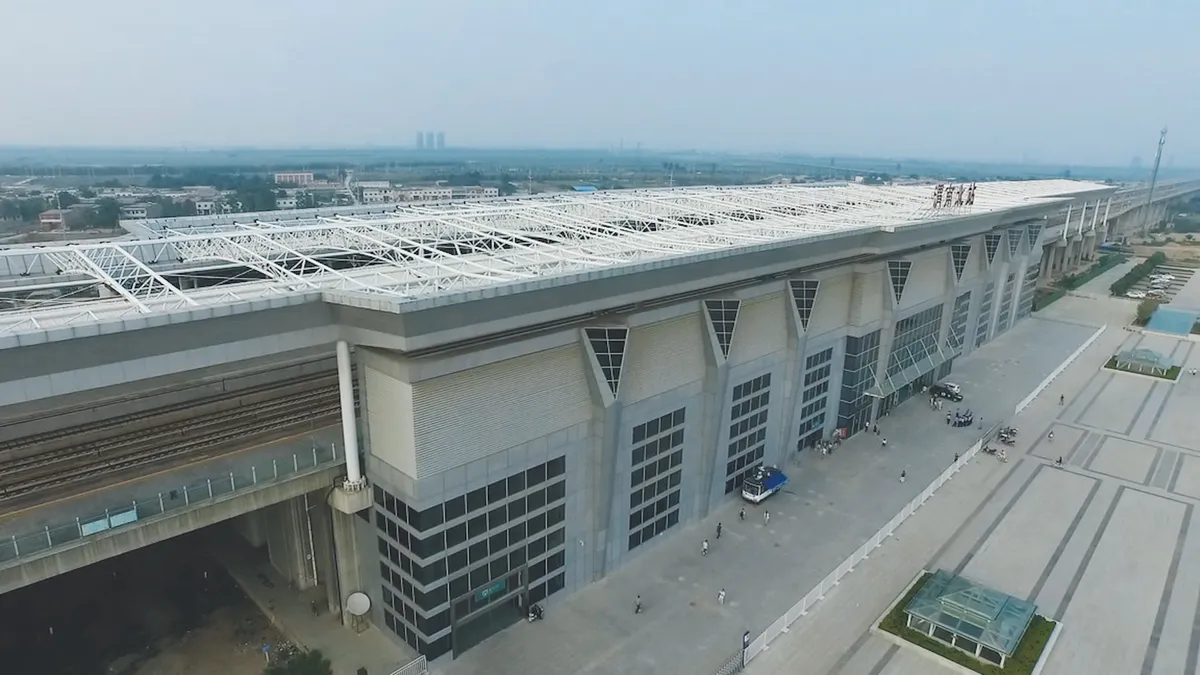
Length: 79.7 km
Location: China
Completed: 2008
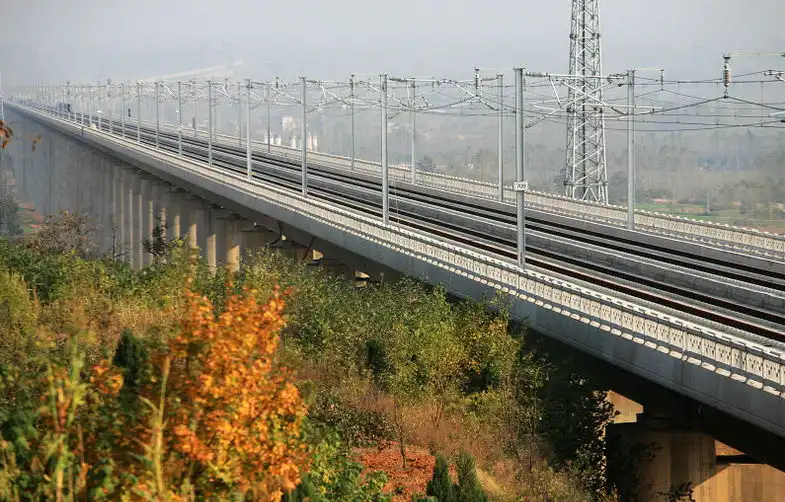
A masterpiece of symmetry and precision, the Weinan Weihe Grand Bridge project crosses the Wei River twice and multiple other smaller rivers, highways, and railways. The bridge was built as a durable and stable connection of the high-speed rail network as part of the Zhengzhou–Xi’an High-Speed Railway. The project employed approximately 10,000 workers and required 2.3 million cubic meters of concrete and 45,000 tons of steel. The design features a continuous beam and girder system construction that reflects advanced Chinese capabilities in building long-span, resilient, and environmentally conscious infrastructure for high-speed rail networks.
7. Cangde Grand Bridge
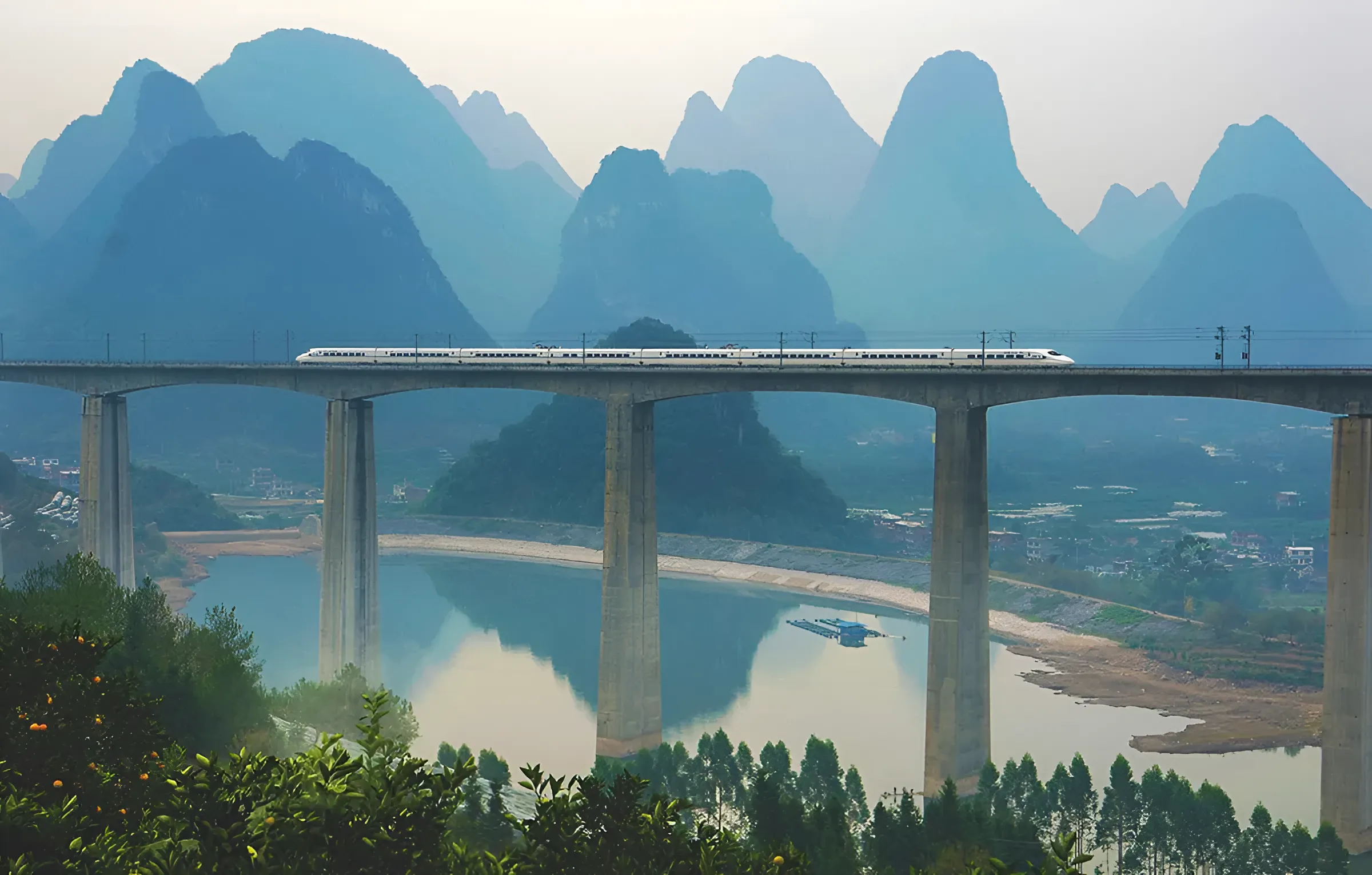
Length: 105.8 km
Location: China
Completed: 2010
Part of the Beijing–Shanghai High-Speed Railway megaproject, Cangde Grand Bridge spans river basins and wetlands, supported by a total of 3,092 piers. The structure exemplifies precast construction to ensure durability, strength, and a fast construction process. Elevated railway viaducts engineered with deep foundation piles significantly reduce surface disturbance, allowing rail lines to traverse sensitive ecosystems with minimal impact. This engineering approach preserves natural habitats and reflects a commitment to eco-conscious infrastructure, setting a progressive standard for environmentally responsible rail development.
8. Tianjin Grand Bridge
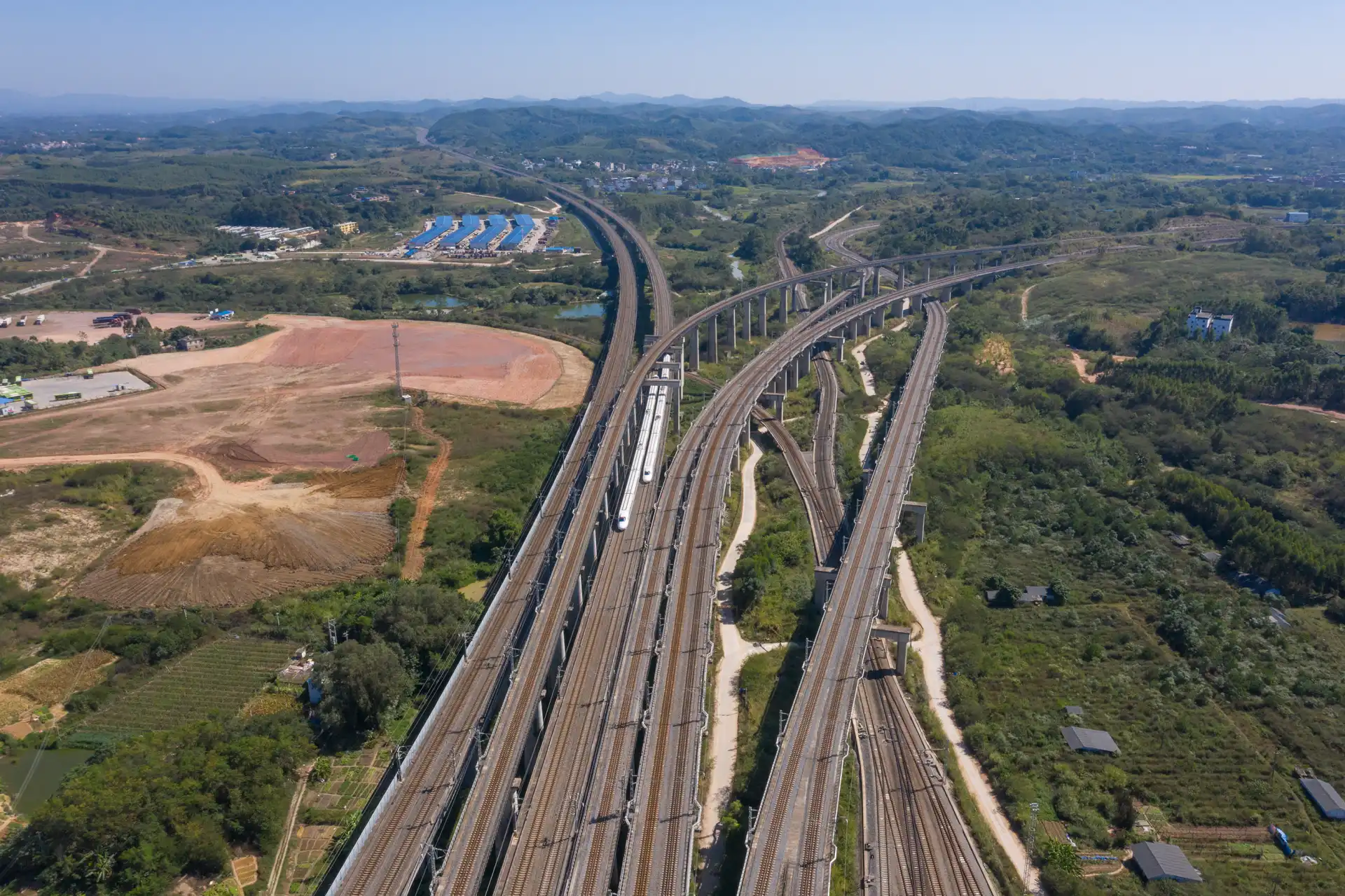
Length: 113.7 km
Location: China
Completed: 2010
A marvel of industrialized bridge construction, the Tianjin Grand Bridge on China’s high-speed rail line connects Langfang and Qingxian. This railway viaduct was designed to eliminate the need for numerous smaller bridges to cross roads and railways, thereby conserving land and reducing construction time. It has one of the most massive viaduct systems, composed of 32-meter-long, 860-ton box girders. The structure exemplifies China’s modular construction approach, where segments are prefabricated and assembled efficiently to minimize cost and time.
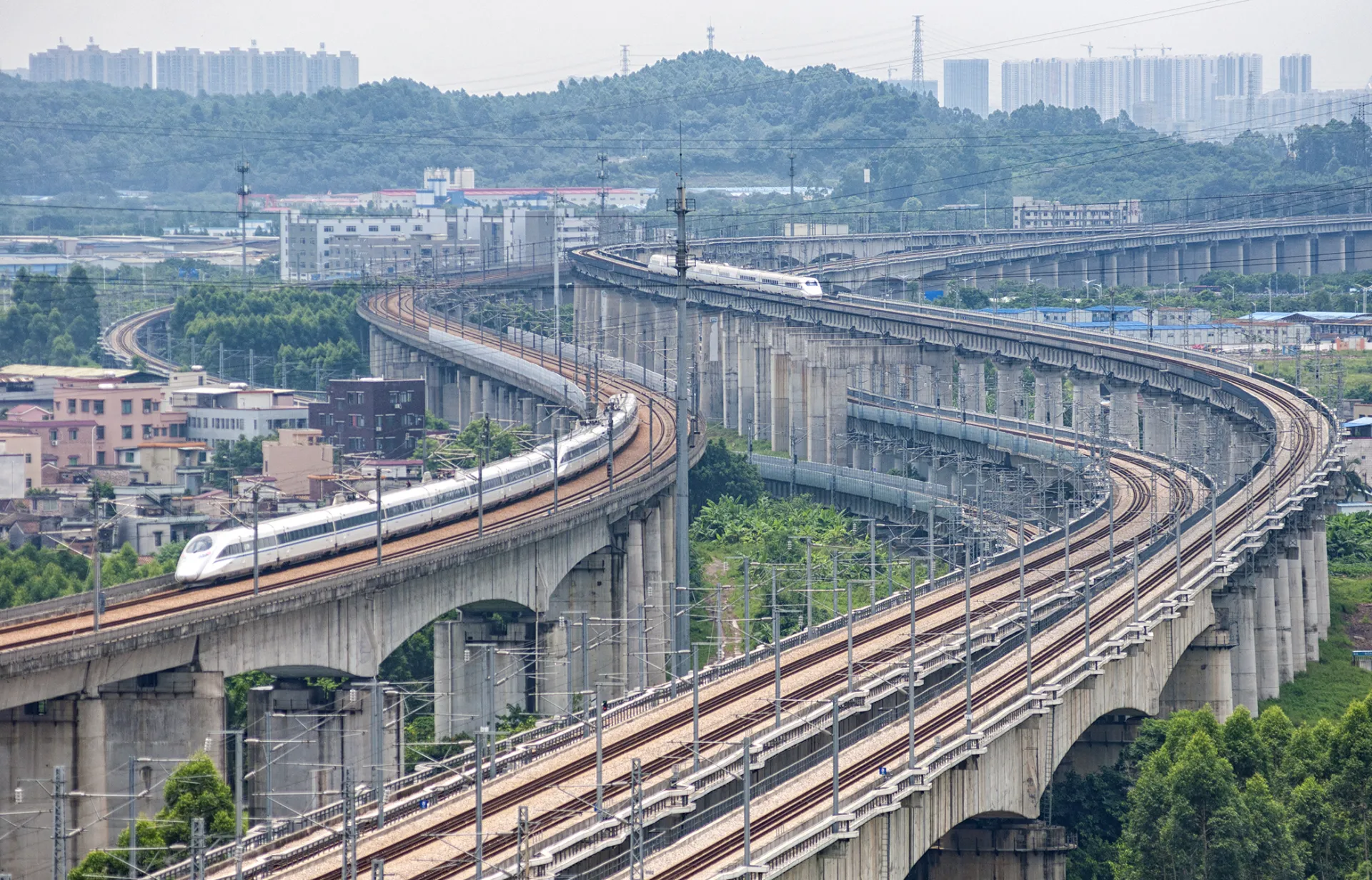
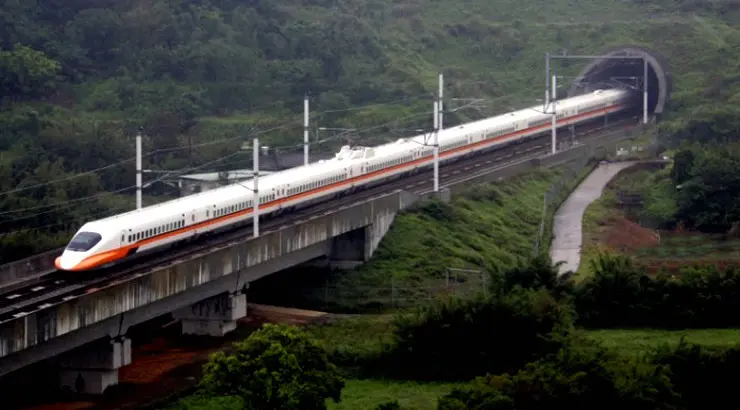
9. Changhua-Kaohsiung Viaduct

Length: 157.3 km
Location: Taiwan
Completed: 2007
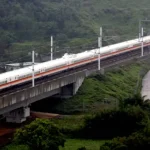
Running through western Taiwan, the 157.3 km viaduct carries the Taiwan High-Speed Rail between Changhua and Kaohsiung. It’s one of the longest continuous elevated structures ever built using precast modules. Situated in one of the world’s most active seismic zones, the Changhua-Kaohsiung Viaduct allows trains to stop safely on the bridge during an earthquake.
Connecting many cities, it prioritizes seismic resilience; the viaduct’s structure, such as piers and bearings, is engineered to absorb ground motion for safety. Completed in four years, the project utilized a precast segment and advanced engineering techniques like the full-span precast launching method and the balanced cantilever method, which allowed for rapid progress.
10. Danyang–Kunshan Grand Bridge
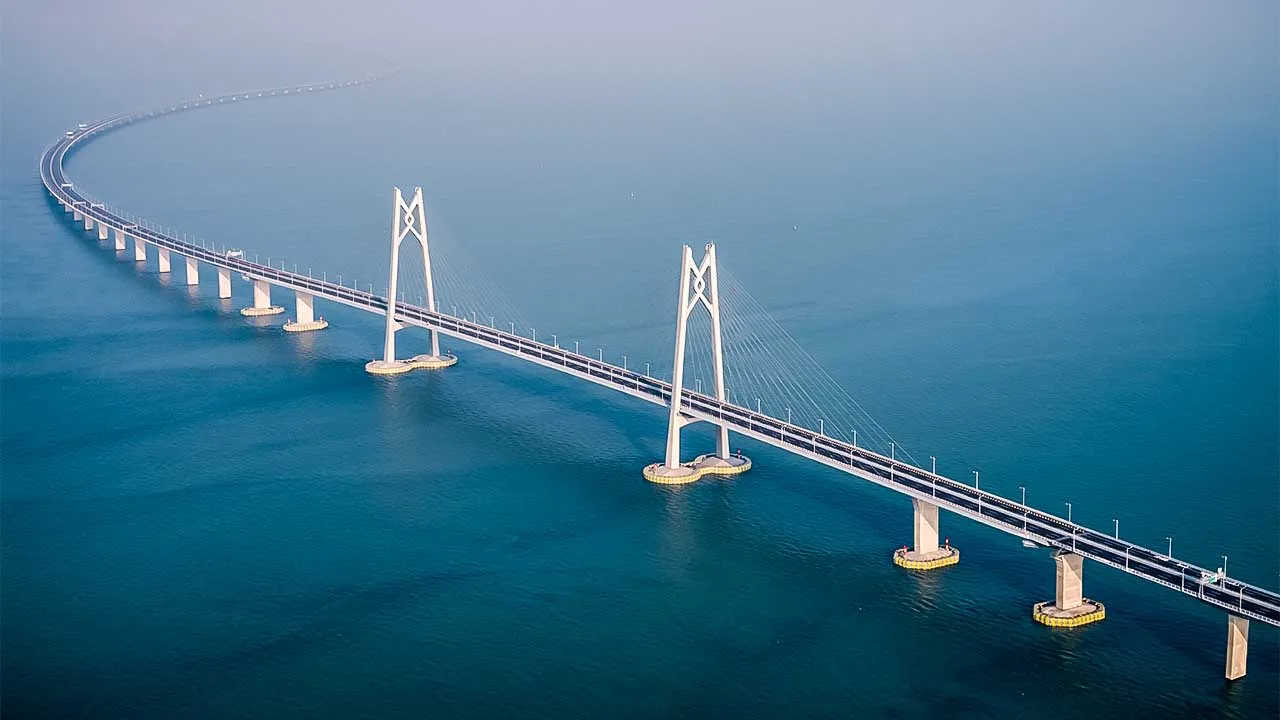
Length: 164.8 km
Location: China
Completed: 2010
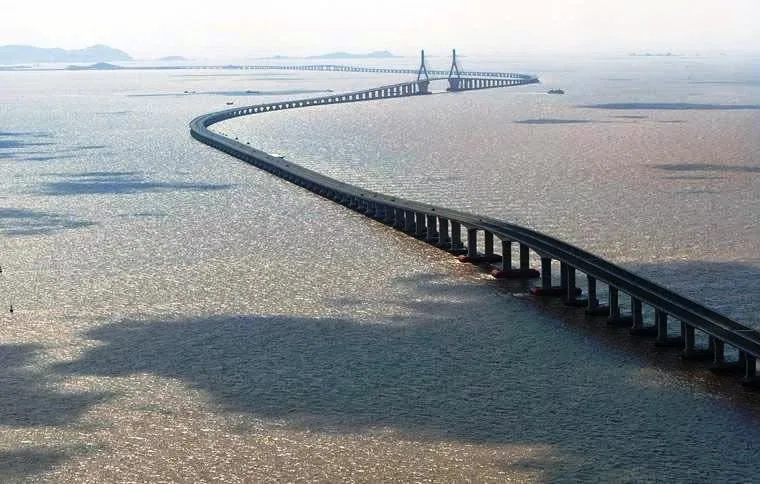
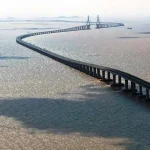
Stretching 164.8 km, the Danyang–Kunshan Grand Bridge connects two major industrial regions across rivers, lakes, and farmlands. Part of the Beijing–Shanghai High-Speed Railway, the structure was designed to withstand typhoon-level winds, magnitude-8 earthquakes, and a direct hit from a 300,000-ton vessel. It features a viaduct and girder design, a common construction technique that uses numerous short spans rather than a few long ones.
Built with 9500 concrete piers, the structure employs reinforced concrete, steel rebar, and pile foundations. Over a 5.6-mile section, the bridge spans Yangcheng Lake, supported by approximately 2,000 pillars and steel cables. It stands as a feat of engineering, blending form, function, and scale across surrounding landscapes.