

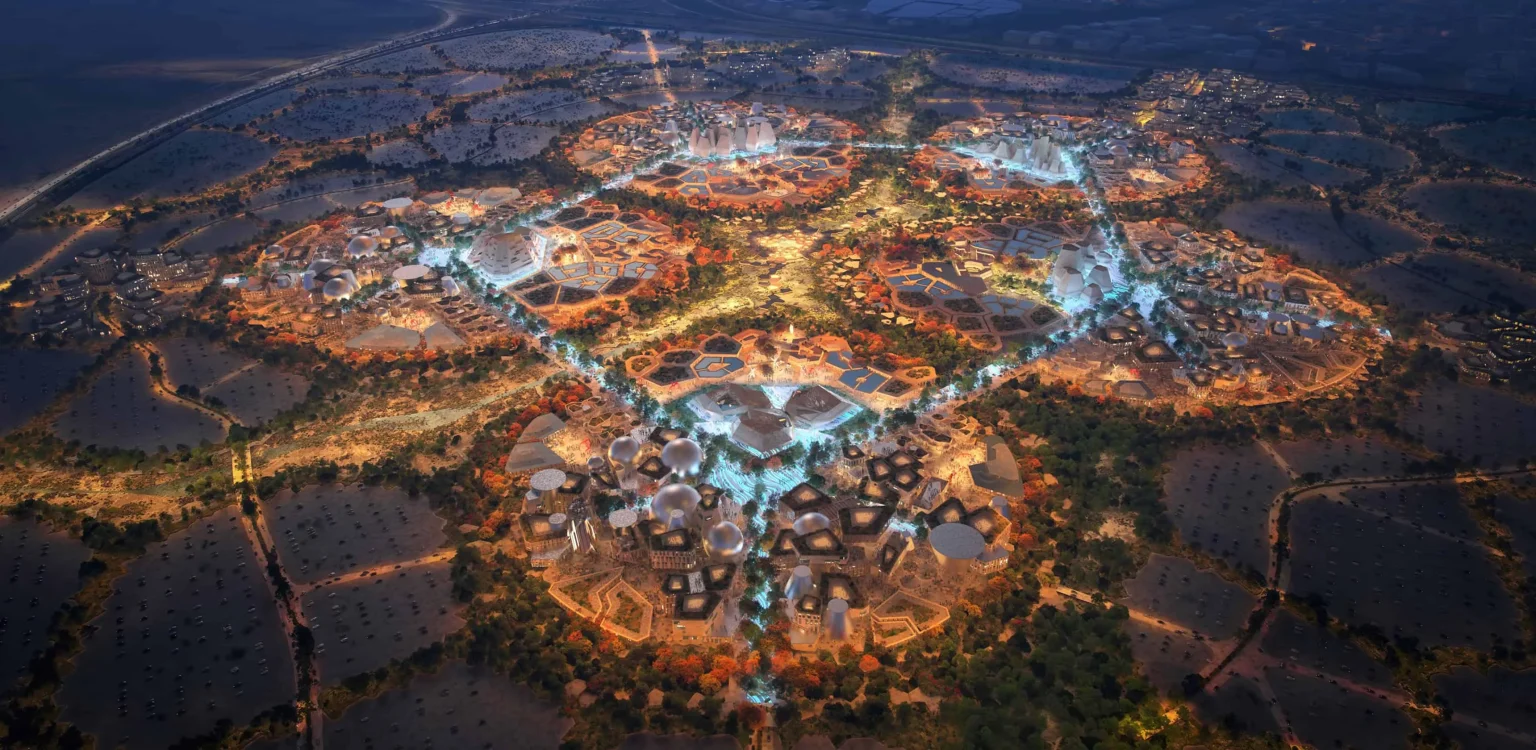
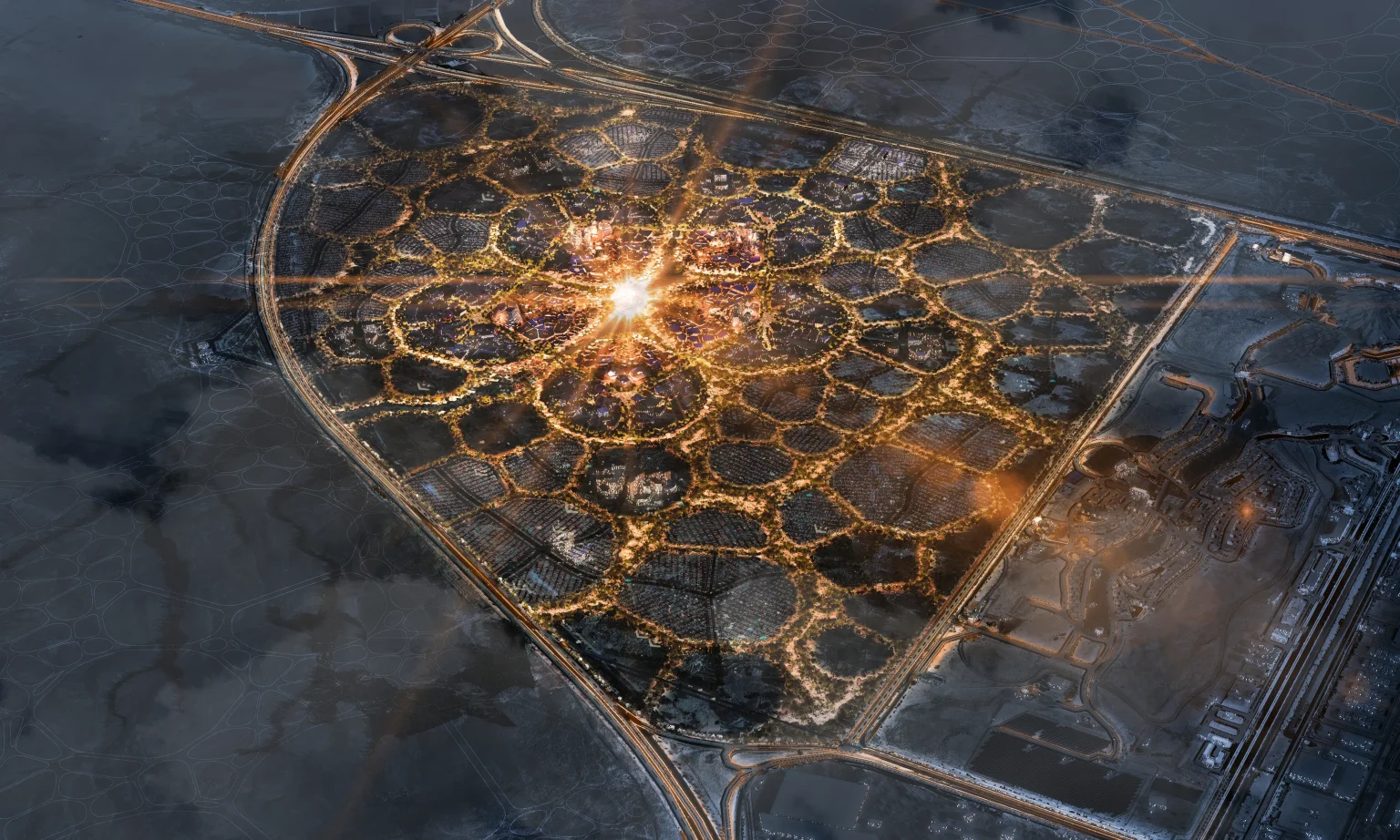


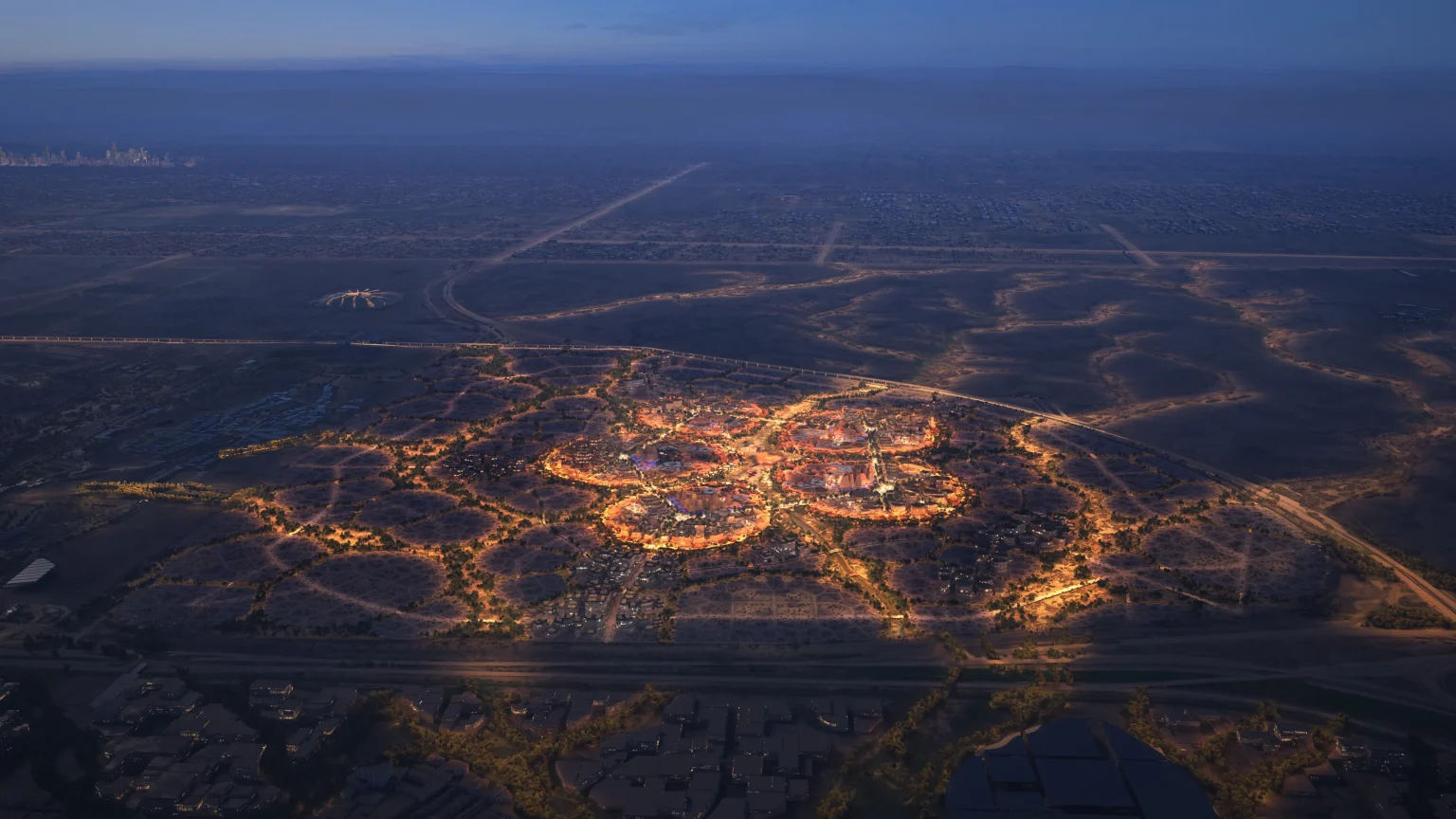
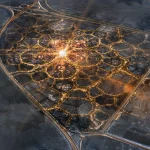
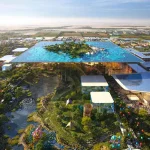
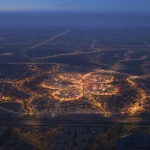
The German architectural firm Laboratory for Visionary Architecture (LAVA) has been appointed to design the concept master plan for Expo 2030 Riyadh. A six-square-kilometer site goes beyond a temporary exhibition, with a design philosophy focused on creating a sustainable and urban world fair, tentatively scheduled to take place from October 1, 2030, to March 31, 2031, in Riyadh, Saudi Arabia.
LAVA’s Wadi-Inspired Master Plan
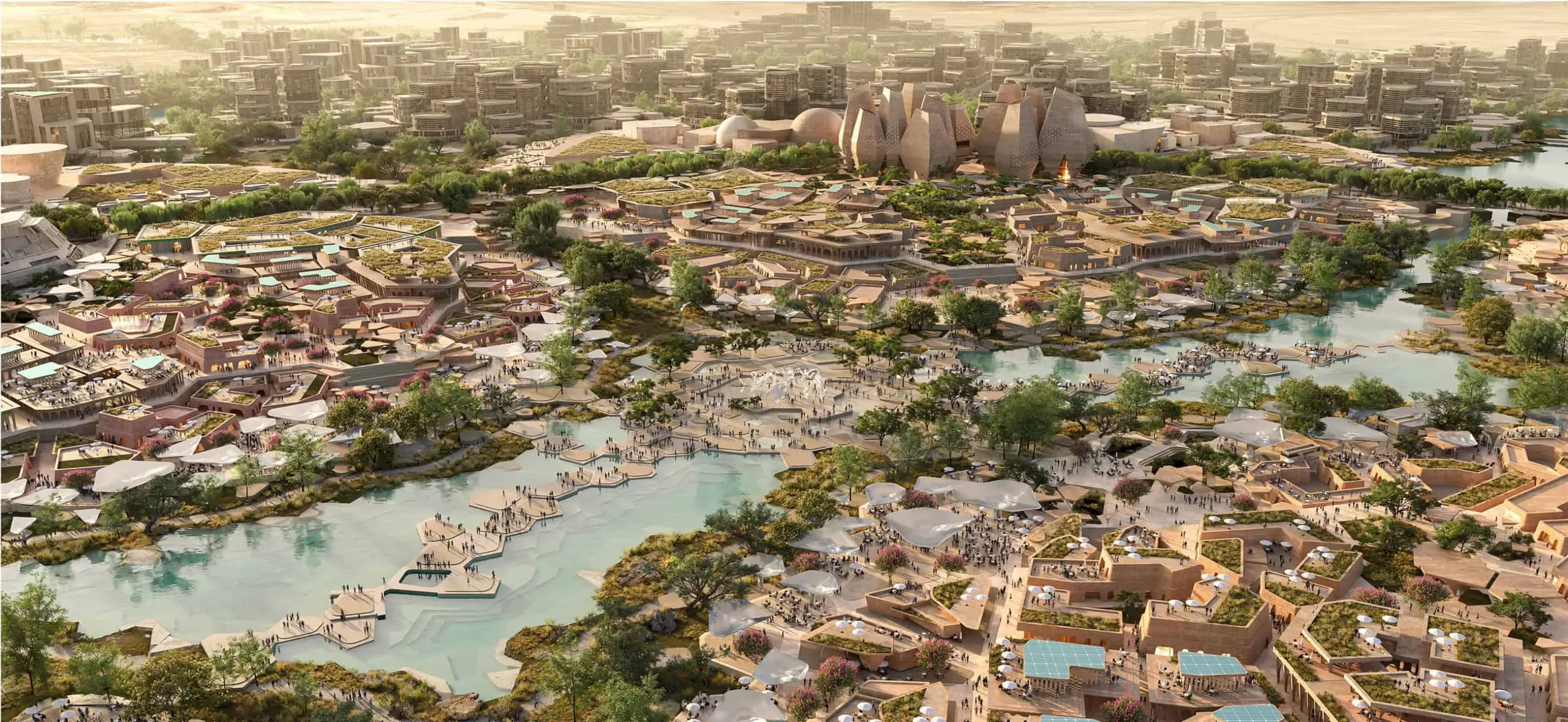
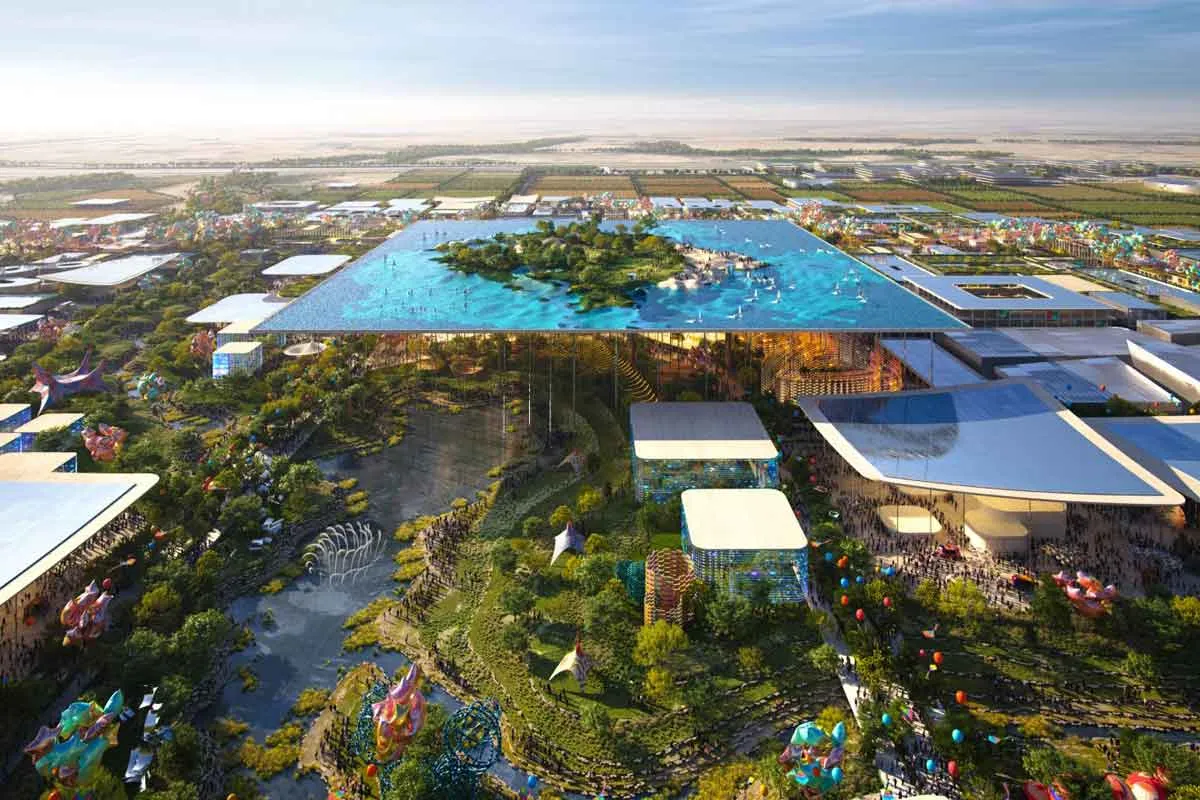
The BIE (Bureau International des Expositions) General Assembly in Paris has approved Expo 2030 Riyadh, confirming Saudi Arabia as the host. Located between King Salman International Airport and Riyadh City, the design for the six-month Expo transforms into a permanent mixed-use “Global Village” legacy district. The spatial planning of exhibition pavilions, infrastructure, and open spaces is designed for long-term reuse, ensuring the site transitions into a mixed-use district with retail, food and beverage, housing, and community functions after the Expo ends.
Designing for Legacy Beyond the Expo
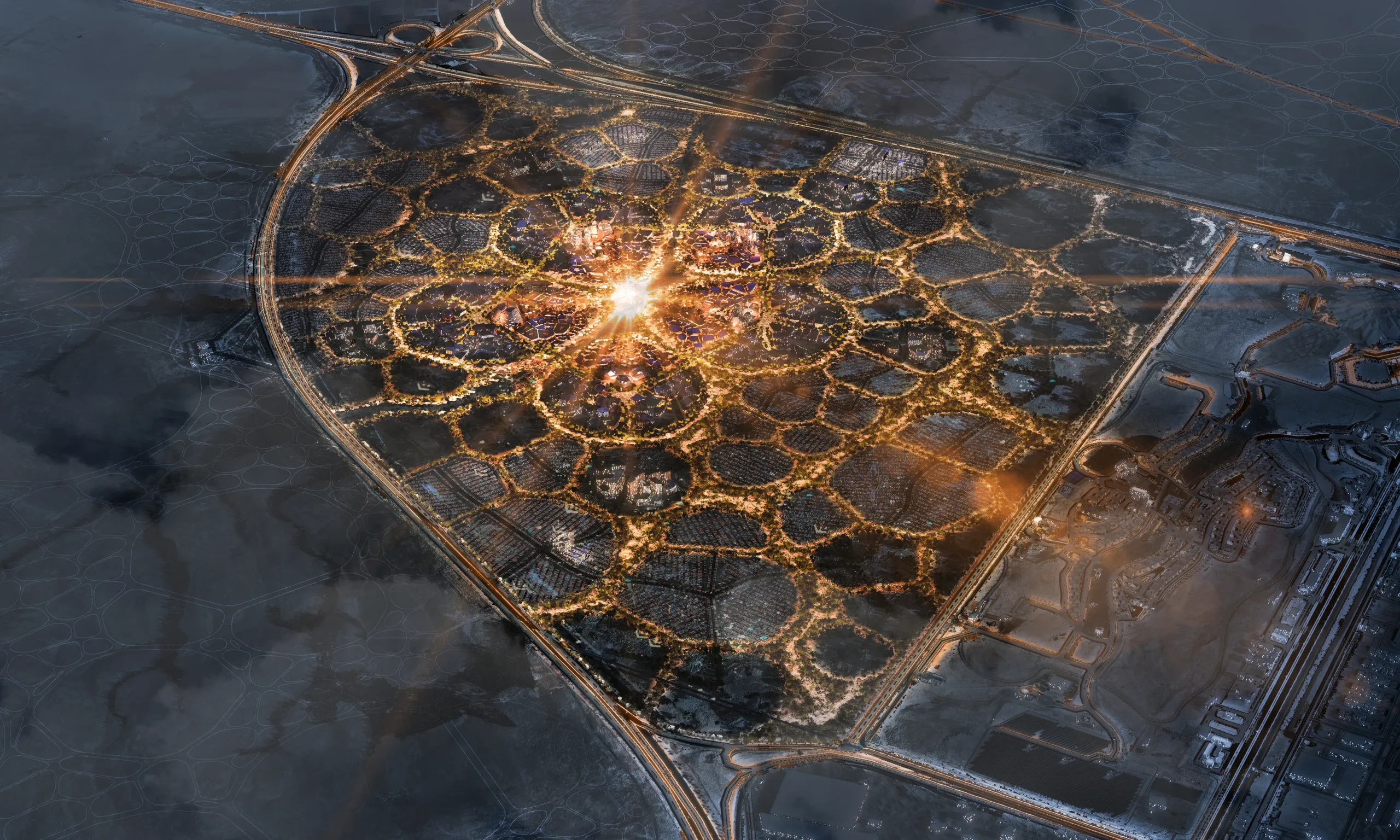
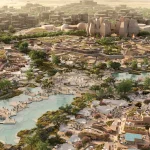
Inspired by the unique landscape of Saudi Arabia and the dry riverbeds of Riyadh’s natural wadis, which channel water during occasional rainfall, the regenerative design aims to merge with the surrounding context and site conditions. This nature-led approach guides site circulation, microclimate strategies, and landscape systems, fostering fluid form. The organic composition evolved into an interconnected network that promotes biodiversity, shades transitions, and naturally cools areas, thoughtfully designed for the desert environment.
Spatial and Visitor Experience
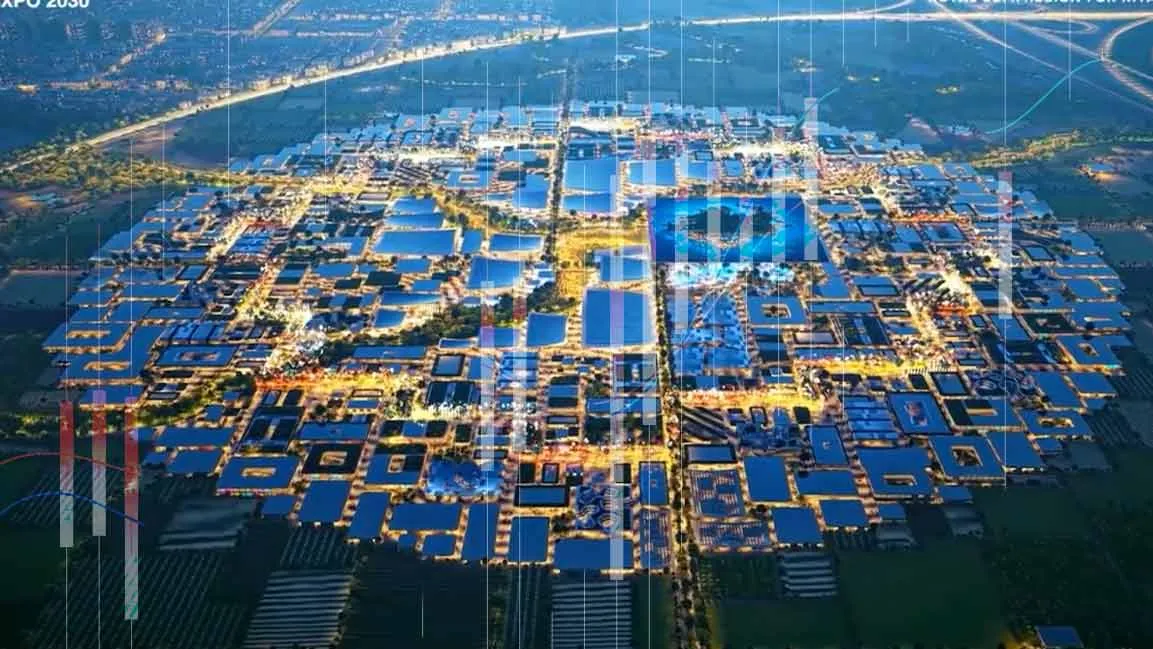
Instead of an urban rigid grid, the layout is deeply integrated into the surrounding landscape, utilizing flowing landforms to shape diverse spaces for public gatherings and interactions. The master plan was developed into five petal-like districts, connected by bridges and arranged around a central river, aiming to evoke the spatial experience of a village rather than a monolithic display. The architectural form, inspired by carved rock formations, incorporated fractal geometries to optimize airflow, light distribution, and energy efficiency.
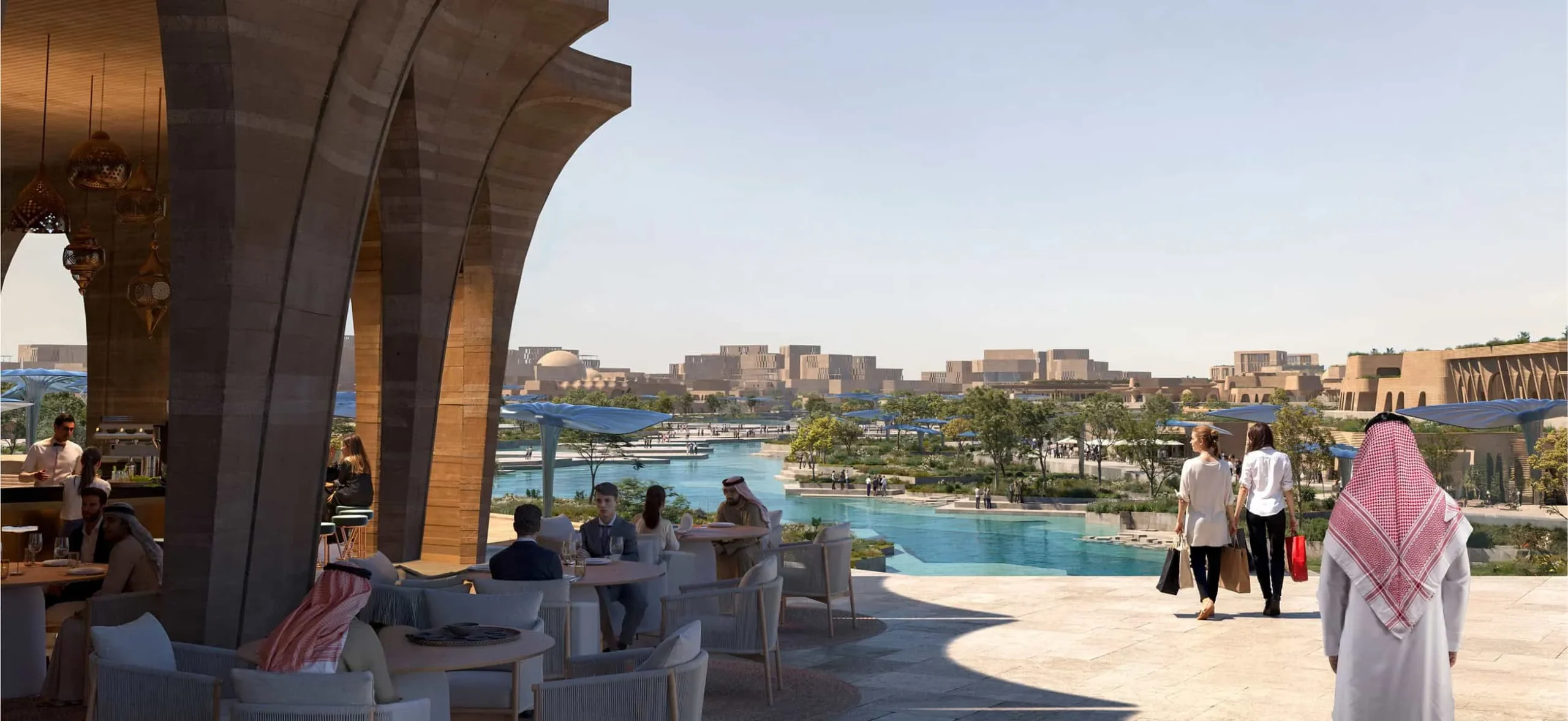
We mapped the site’s topography and hydrology to reveal natural water routes,” explains Chris Bosse, “Using parametric modeling, we translated these flows into a cellular grid that both reinstates the original landscape and expands it into a cohesive network of parks and green corridors.”
The Five Petals of Change
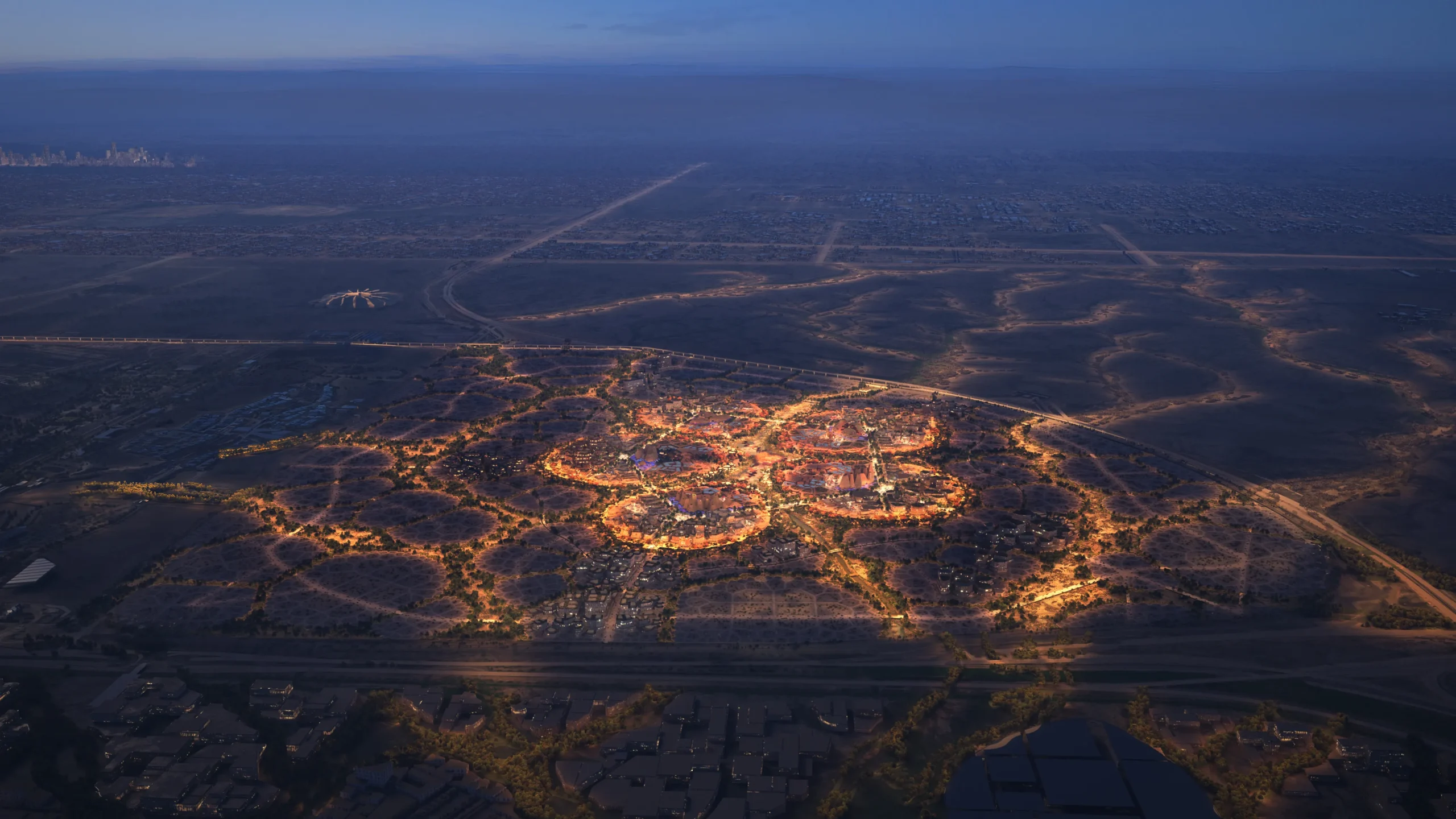
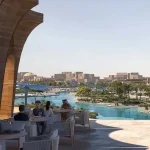
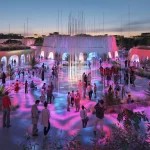
The architectural language evolved into three distinct phases, interconnected with the surrounding landscape. The central spine, inspired by wadi circulation, defines the site, linking thematic zones to diverse pavilions. The temporary expo phase for 2030-2031 will accommodate 40 million visitors and 195 participating nations, with global pavilions, cultural venues, and shaded public plazas. Becoming an international destination, the legacy phase will convert pavilions into permanent buildings integrated with houses, offices, retail shops, and recreational areas for community engagement and tourism.
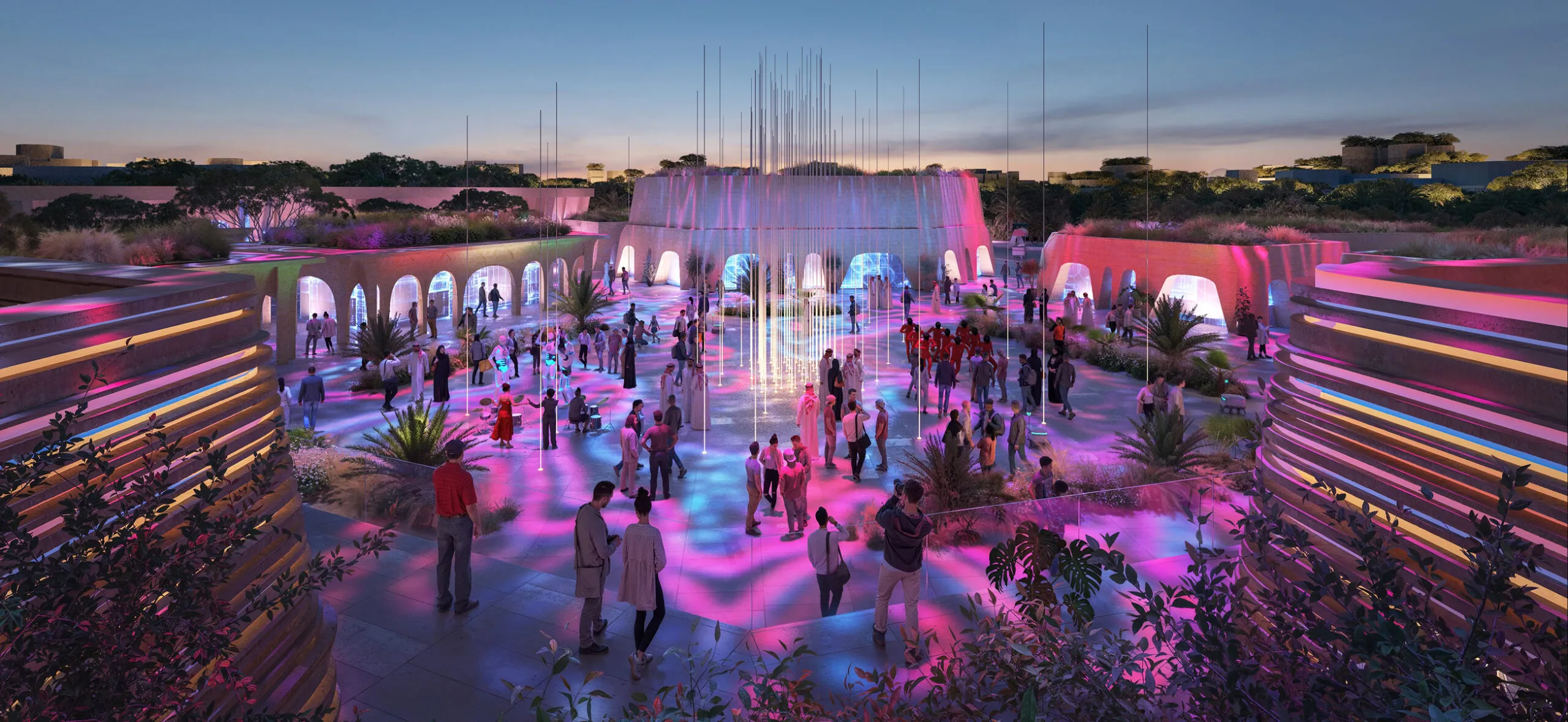
LAVA envisioned the master plan into three sub-themes related to the era of change, showcasing transformative technology as an advancement in artificial intelligence, 5G connectivity, autonomous mobility, healthcare innovation, and other emerging industries. Developing a human-centric platform for dialogue exchange and encouraging nations to collectively pursue innovative initiatives, the design promotes the theme of prosperity for all.
Expo 2030 Riyadh for Cultural Exchange
The master plan for Riyadh aligns with Saudi Arabia’s vision for 2030, which focuses on smart infrastructure, sustainable growth, and international cultural engagement. Focusing on context-driven and climate-responsive design, the built form adapts to artificial intelligence and green building codes, responding to desert ecology. The Expo 2030 Riyadh exemplifies a global event that enhances the coexistence of nature and technology in urban cities.