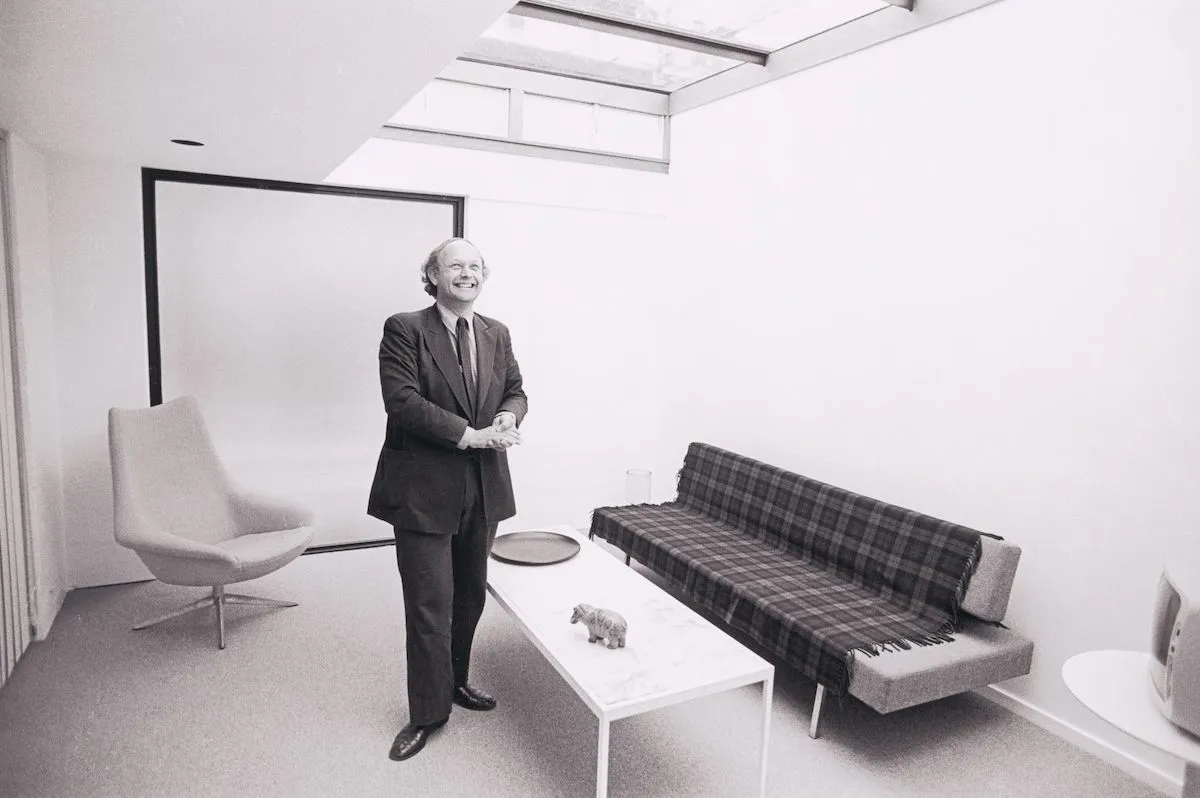
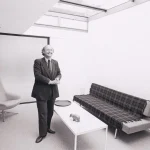

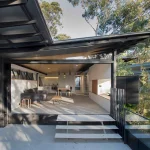
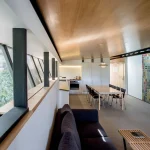
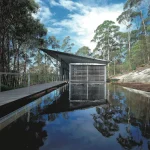
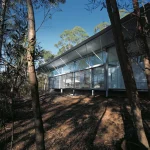
Australia’s most internationally recognized architect, Glenn Murcutt, is known for buildings that reflect the spirit of a place and touch the earth lightly. Murcutt, who has shaped the Australian architectural language, has primarily worked alone, without a staff, using creative collaborations on a project-by-project basis. While embracing an architectural approach rooted in Australia’s culture, diverse climate, and topography, he is also active internationally, teaching as a professor at universities around the world.
Who is Glenn Murcutt?
Born in 1936 to an English family, Glenn Murcutt spent the first five years of his life in Papua New Guinea before moving to Sydney, where he grew up on the northern coast. Murcutt studied architecture at Sydney Technical College, now known as the TAFE New South Wales Institute of Technology, and worked with architectural giants such as Sydney Ancher, Bryce Mortlock, and Ken Wolley before embarking on his solo career in 1969.
Conducting both residential and institutional projects exclusively in Australia, Murcutt has consistently set an example in applying sustainable principles and in researching and responding to environmental and climatic conditions such as wind direction, water movement, temperature, and natural light.

Parametric design, which enables design decisions to be directly linked to environmental data, is an ideal tool for designing sustainable buildings. PAACADEMY offers courses with leading industry experts on how to use advanced parametric design tools, artificial intelligence in design workflows, and computational design in architecture.
Known for his simple, unpretentious, and relatively economical projects, Glenn Murcutt creates practical, functional, and versatile spaces. For his work, he has received numerous awards from the Australian Institute of Architects, honorary doctorates, and many international honors. He is also the only Australian architect to have been awarded the Pritzker Architecture Prize (2002). Until recently, he served as a professor at the University of New South Wales, where he now holds an honorary position, and he continues to act as the chief “master” of the Australian Architecture Foundation’s annual International Architecture Masterclasses.
Let’s explore 6 unique houses designed by Glenn Murcutt:
1. Marie Short House
Location: Kempsey, New South Wales, Australia
Year: 1974-75/1980
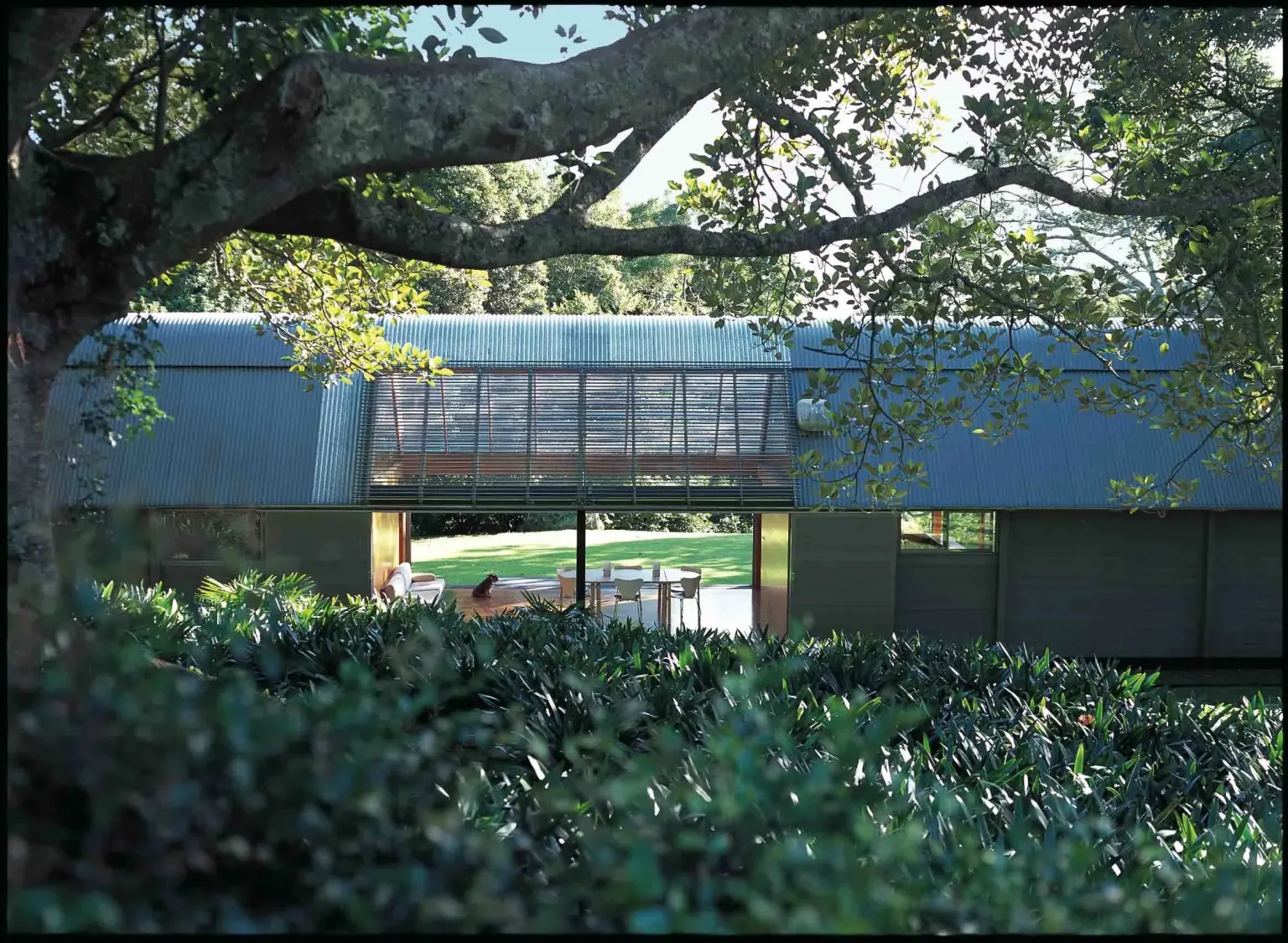
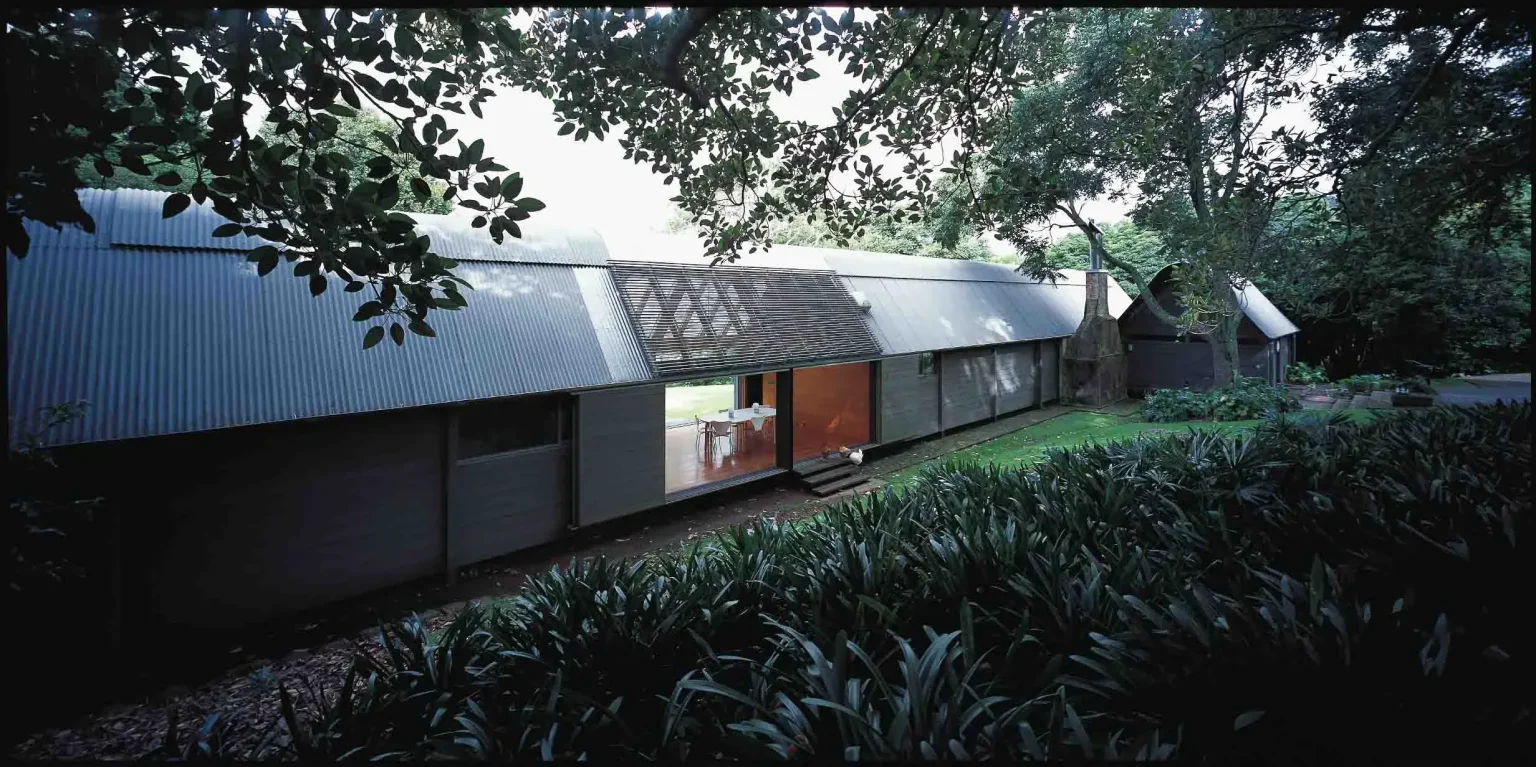
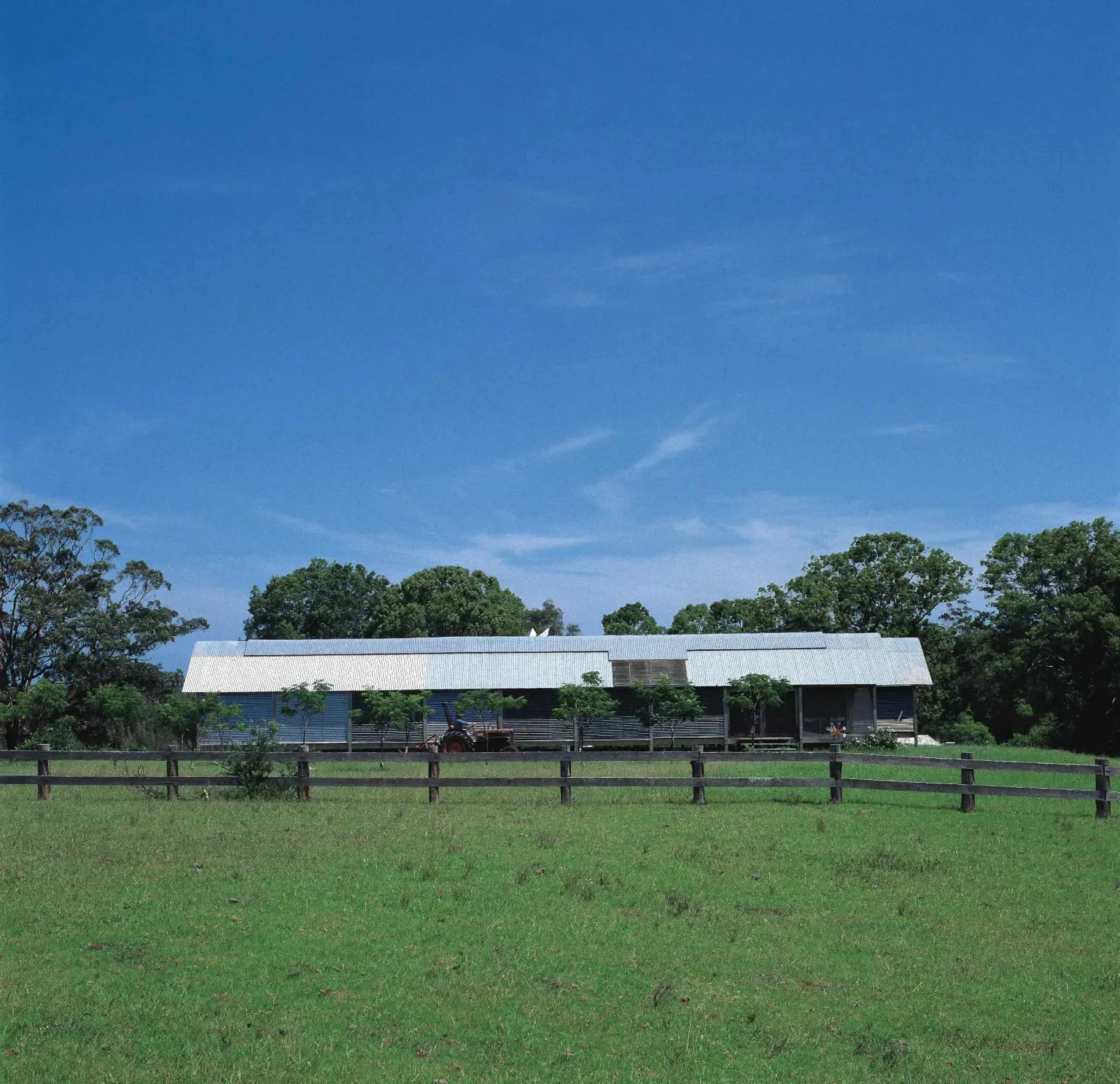
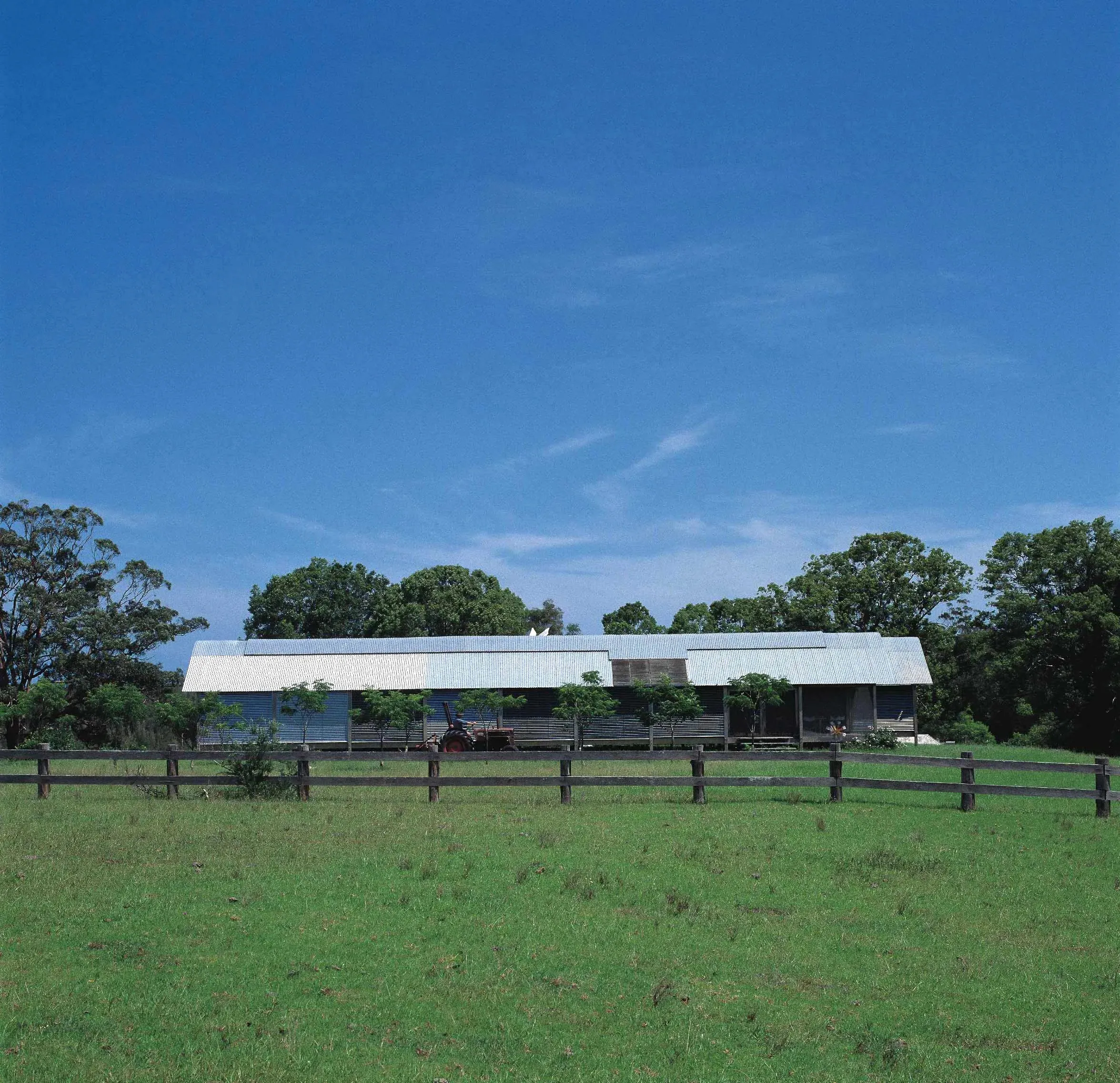
Located on farmland on the northern coast of NSW and designed in the 1970s, the Marie Short House was purchased and redesigned by Glenn Murcutt in 1980. Situated 20 meters above sea level in a high-rainfall region, the house consists of two pavilions: one designated for sleeping and the other for living.
Each pavilion is made up of six structural timber bays, with the final two bays serving as open entry verandas. An exterior corridor, formed by a thickened wall between two bays, connects the verandas and helps collect rainwater. In the Marie Short House, where functions are arranged like repeated cells, the contrast between service areas and living spaces enhances a sense of generosity in the larger rooms.
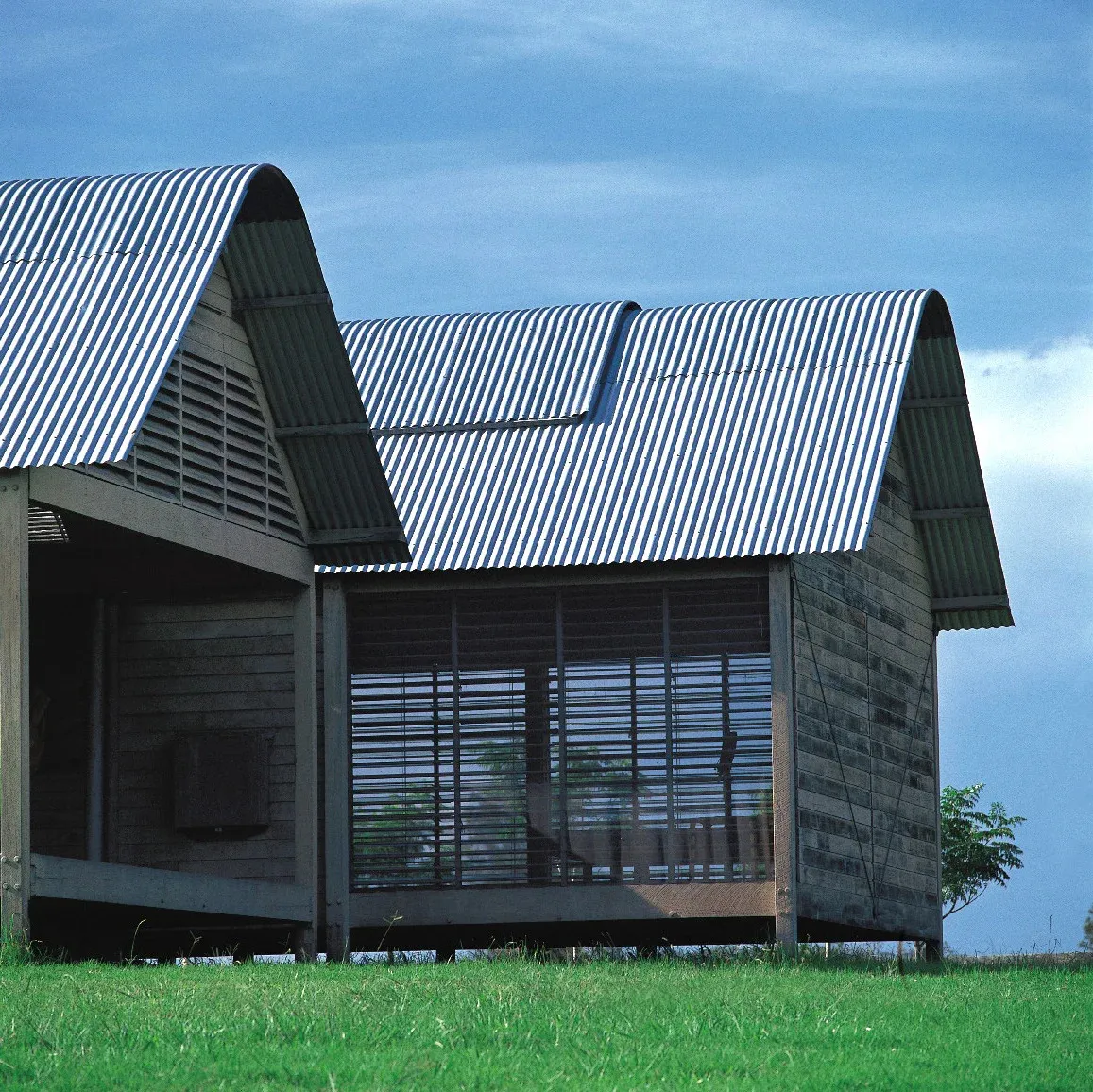
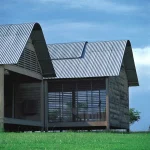
Climatic factors strongly influence the design: the living pavilion faces north to capture sunlight, retractable metal shutters regulate light and privacy, and glass louver panels allow for varying levels of ventilation. The sloping, corrugated metal roof, which makes the house appear like a floating platform, overlaps to provide ridged horizontal ventilation openings. Doubling the layers emphasizes the immaterial edge, presenting the building as a horizontal volume.
One of Glenn Murcutt’s most unique house designs, the Marie Short House is a significant work of Australian modern architecture thanks to its functional simplicity, climatic suitability, and reinterpretation of local construction techniques with a modernist abstraction.
2. Fredericks/White House
Location: Jamberoo, New South Wales, Australia
Year: 1981-82 / 2001-04
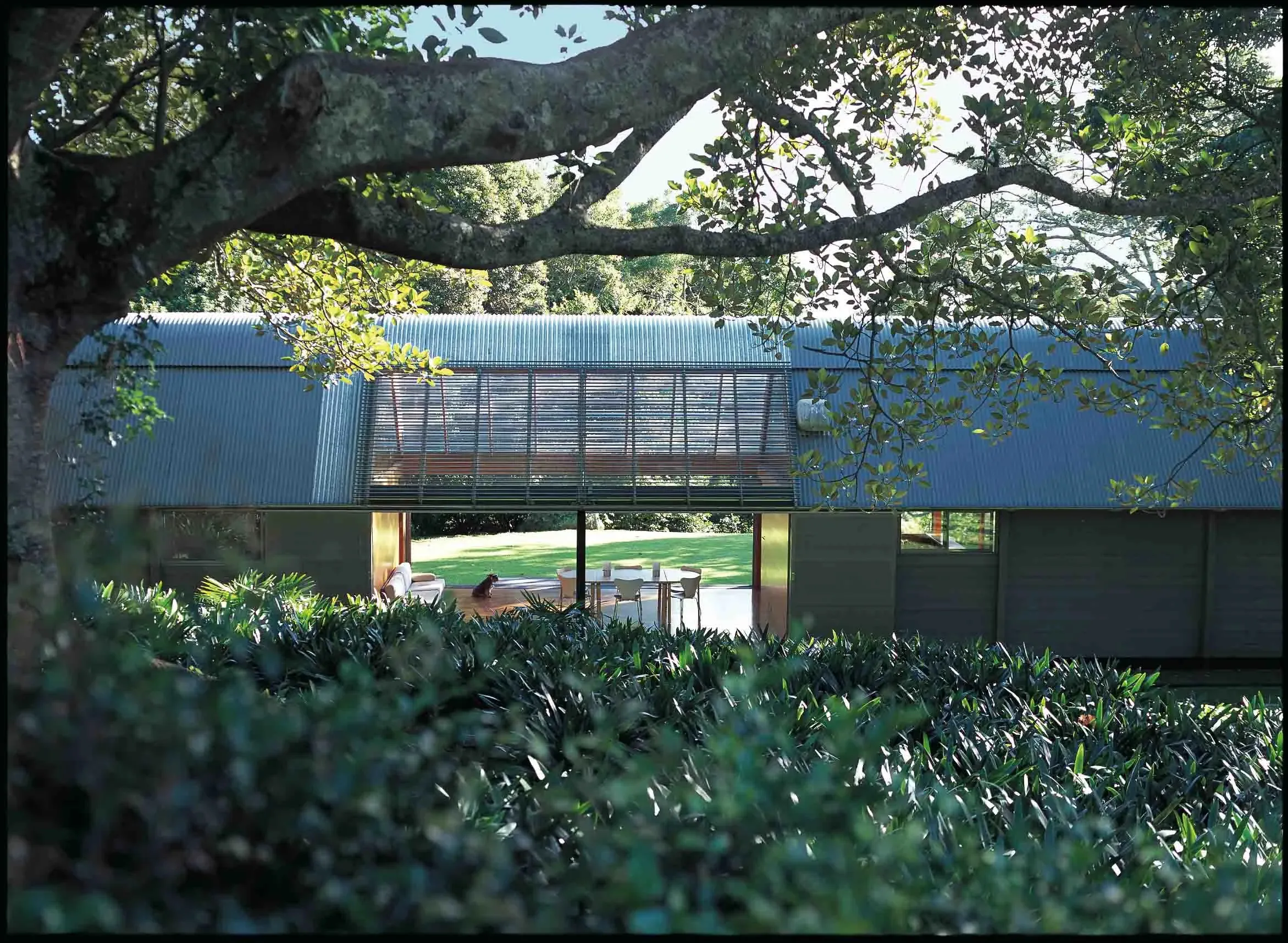
Designed between 1981 and 1982 around the remains of a fireplace from an old farmhouse, the original structure was later expanded by Glenn Murcutt between 2001 and 2004 to accommodate the needs of its new owners. Located on a hillside surrounded by rainforest at an altitude of 500 m on the south coast of South Wales, Fredericks’ design draws inspiration from the double pavilion concept developed by Murcutt at the Marie Short House in Kempsey. The two staggered pavilions, with sloping corrugated roofs, are oriented east–west.
The systems developed for the Kempsey house and implemented in the White House were adapted to meet the unique requirements of the site. On the south side, the shortened volume defines an entry threshold beside the original fireplace, while the sectional arrangement gains vertical emphasis through the inclusion of stairs and an upper floor.
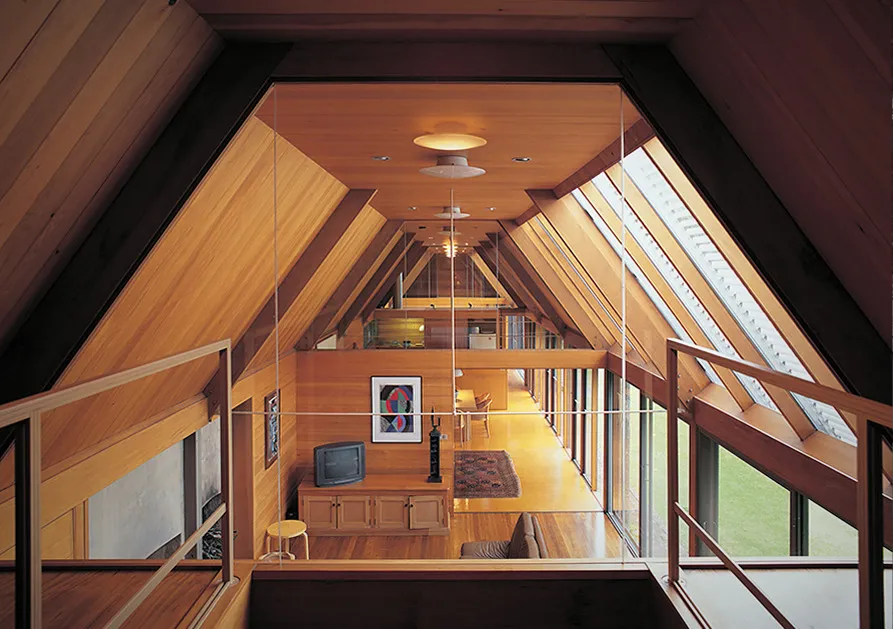
The White House’s double-hung windows provide good sealing in colder climates, while the exterior metal retractable shutters tilt for greater adjustability. On the north façade, a glazed screen opens to the sun and views, whereas the solid south wall forms the rear elevation. Glenn Murcutt incorporated a sunken veranda into the design of Fredericks’s transformation, which was not originally designed, and connected the house to the sloping site and garden via stepped living platforms.
3. Palm Beach House
Location: Sydney, New South Wales, Australia
Year: 2006-2016
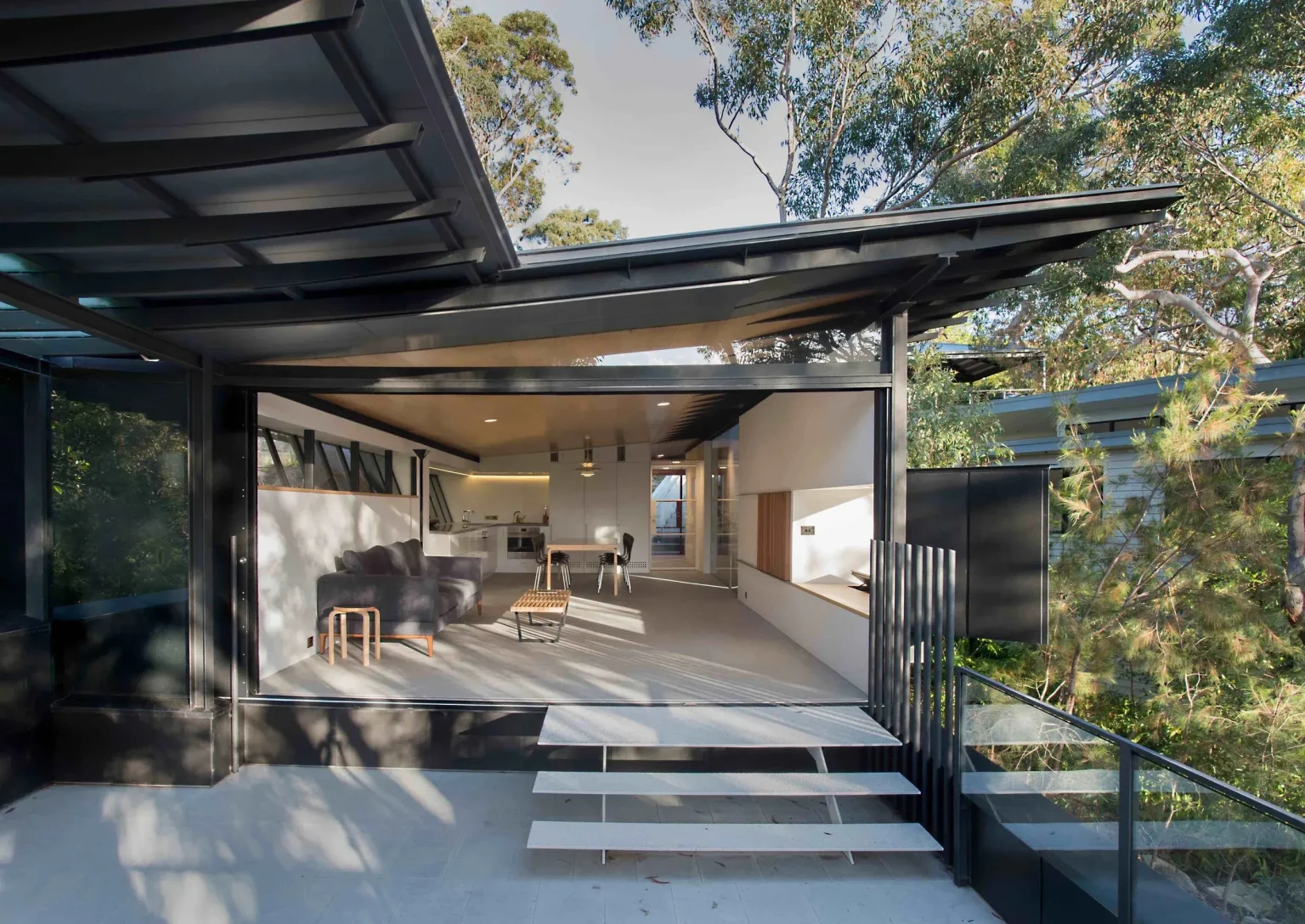
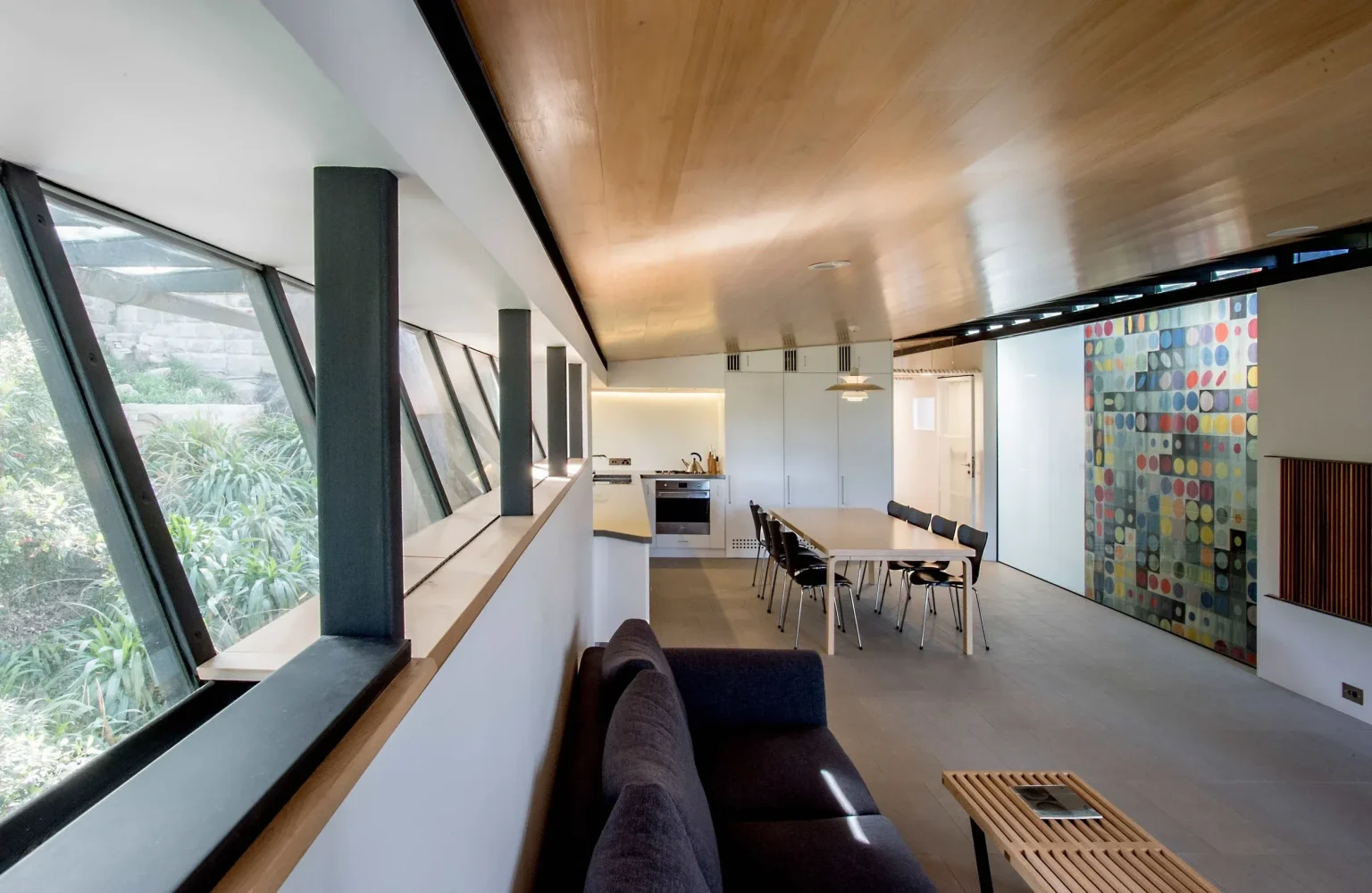
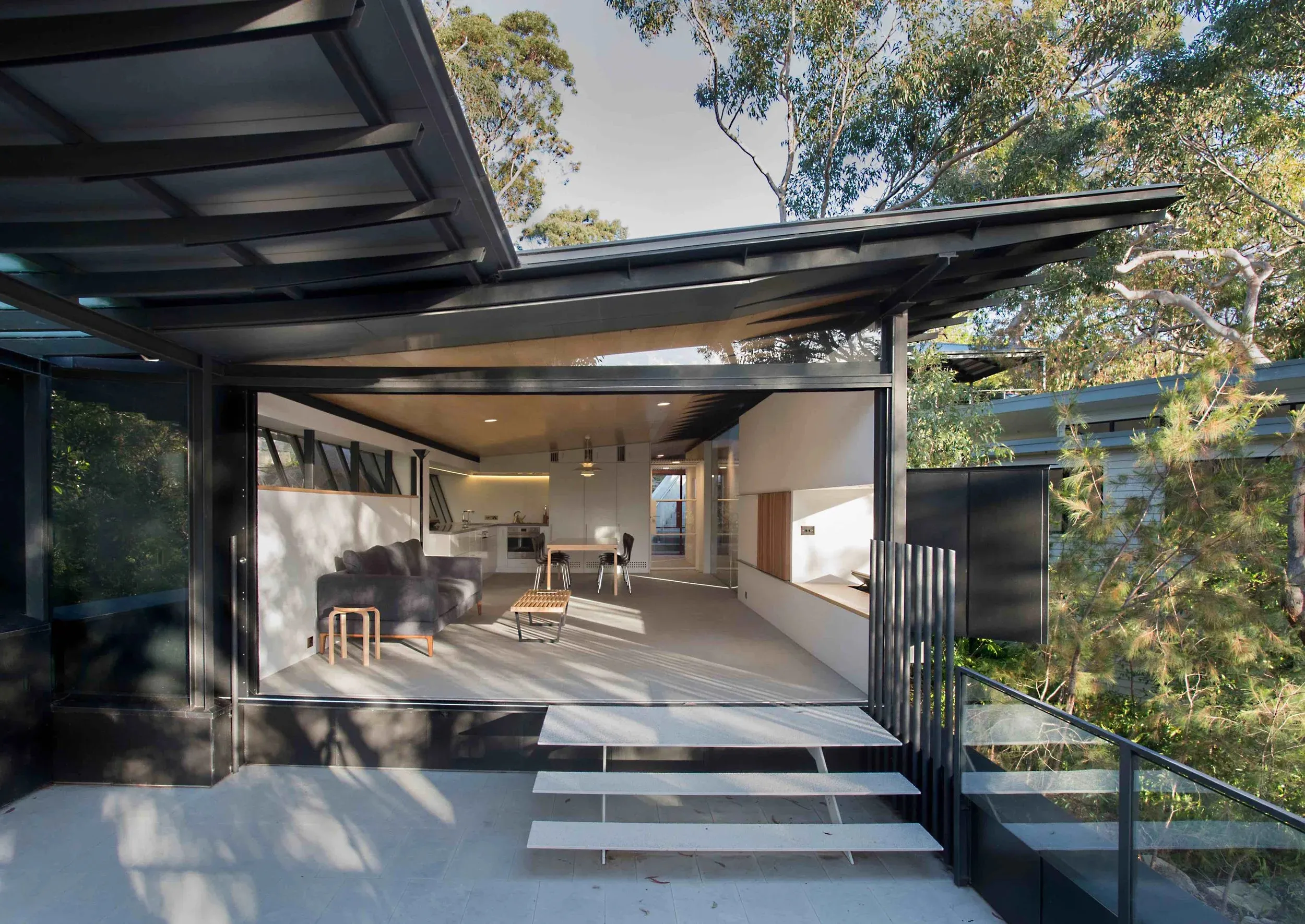
Located on a steep, densely wooded peninsula on Sydney’s northern beaches, the Palm Beach House is one of Glenn Murcutt’s final residential projects and among his most distinctive designs. Nestled beneath a sandstone overhang, virtually invisible from the street, the house features street-level parking, and a concrete staircase leads to the top floor of the two-story building. Built in an area of high bushfire risk, the Palm Beach House features concrete floors, a steel roof, and darkened zinc cladding on its exterior.
Designed to provide a tranquil environment, Palm Beach House’s living and bedroom spaces are positioned on the north side to maximize natural light, while the staircase and circulation areas are located on the south. The top floor features living spaces, a dining room, and a kitchen, accessed by a partially covered veranda facing south and west. The laundry room, bathroom, and three bedrooms on the lower level each have natural light and views of native trees and shrubs. Palm Beach House is economically and sustainably operated with water storage tanks and solar energy, eliminating the need for air conditioning.
4. Simpson-Lee House
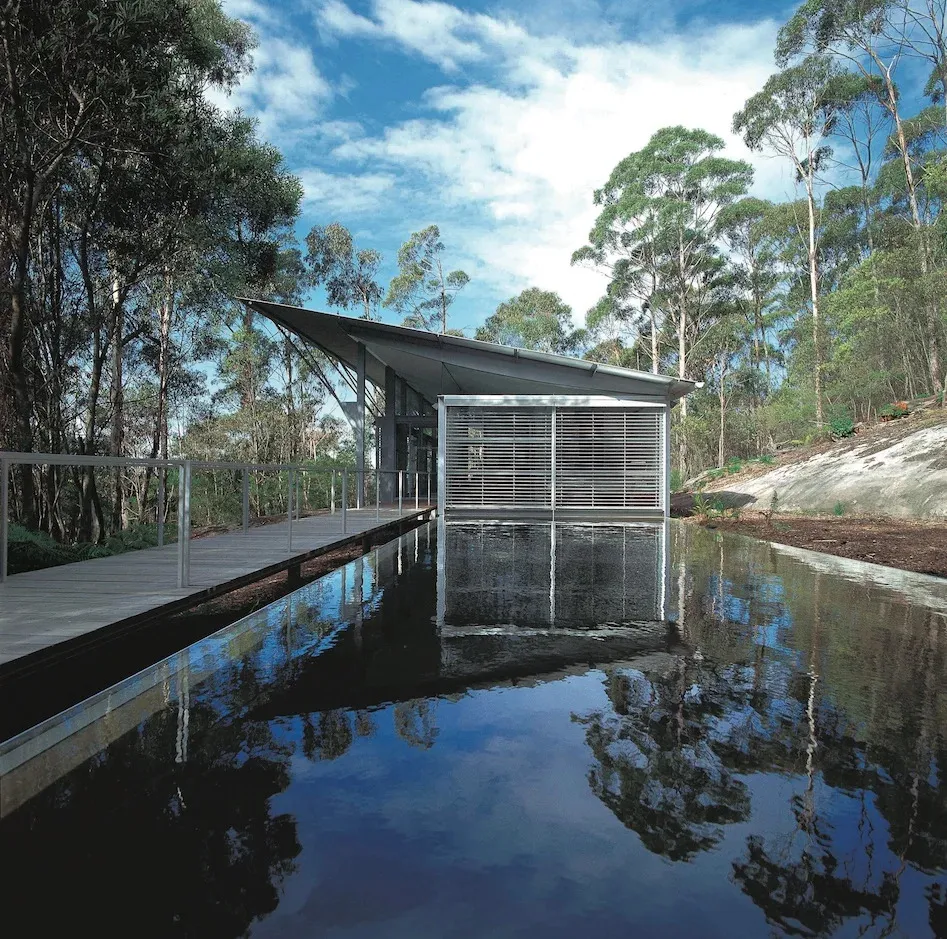
Location: Mount Wilson, Blue Mountains, New South Wales, Australia
Year: 1988-93
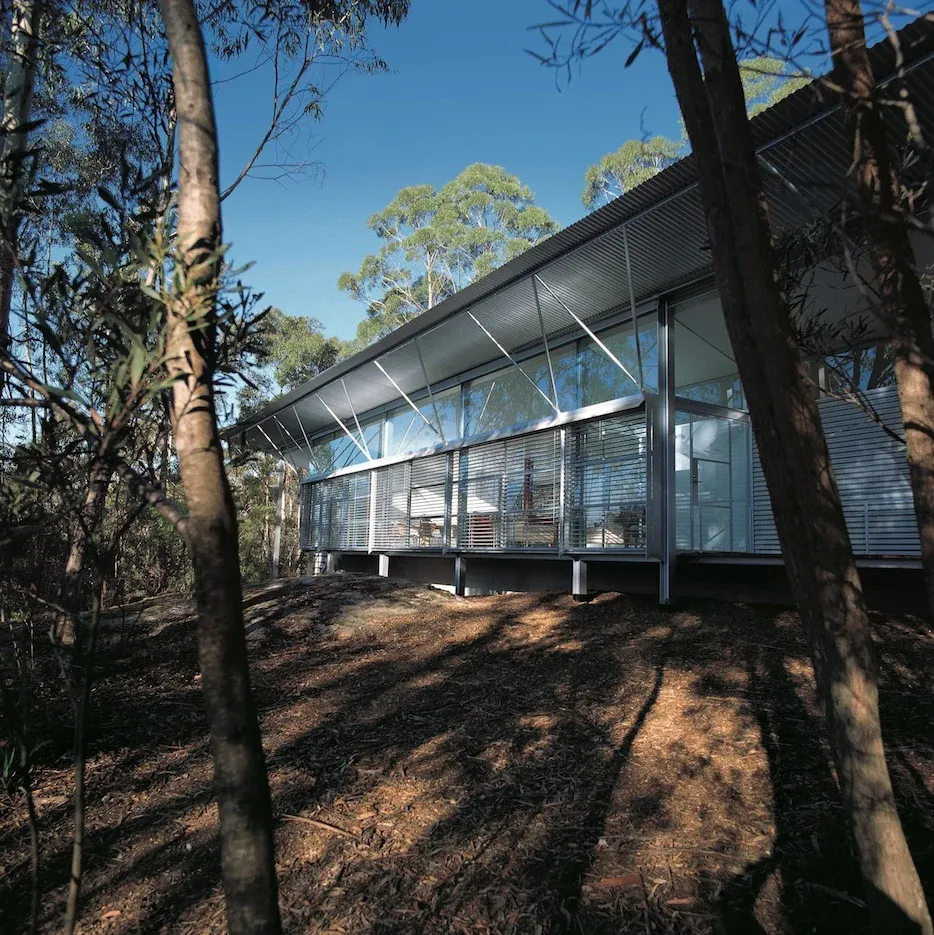
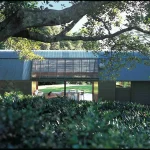
Standing out as a significant project in the evolution of Glenn Murcutt’s work, the Simpson-Lee House is located on the leeward side of a hill, sheltered from the cold western winds in winter and the hot western winds in summer. Involving the clients in both the design and approval processes, the house embodies a simple and abstract form, carrying the quality of a secular monastery. Simple and durable materials such as polished concrete floors, bagged painted brick, steel frames, and exterior corrugated metal sheeting are reduced to a basic abstraction.
With a protective rear and open front organizational strategy, the Simpson-Lee House employs a low service wall that rests against an existing rock outcrop. The living spaces form a new floating platform above a waterfall. While the house emphasizes the valley views, its rigid back/front hierarchy is complicated by a spatial configuration in which the bagged brick rear walls wrap around service rooms and connect forward to glass surfaces.
Designed by Glenn Murcutt as a continuation of an existing local path, a linear movement connects the two pavilions, the garage/studio, and the main living areas. The wooden bridge crossing the pond outside, which makes the landscape part of the architectural experience, is perceived as a platform that foreshadows the main living space.
5. Marika- Alderton House
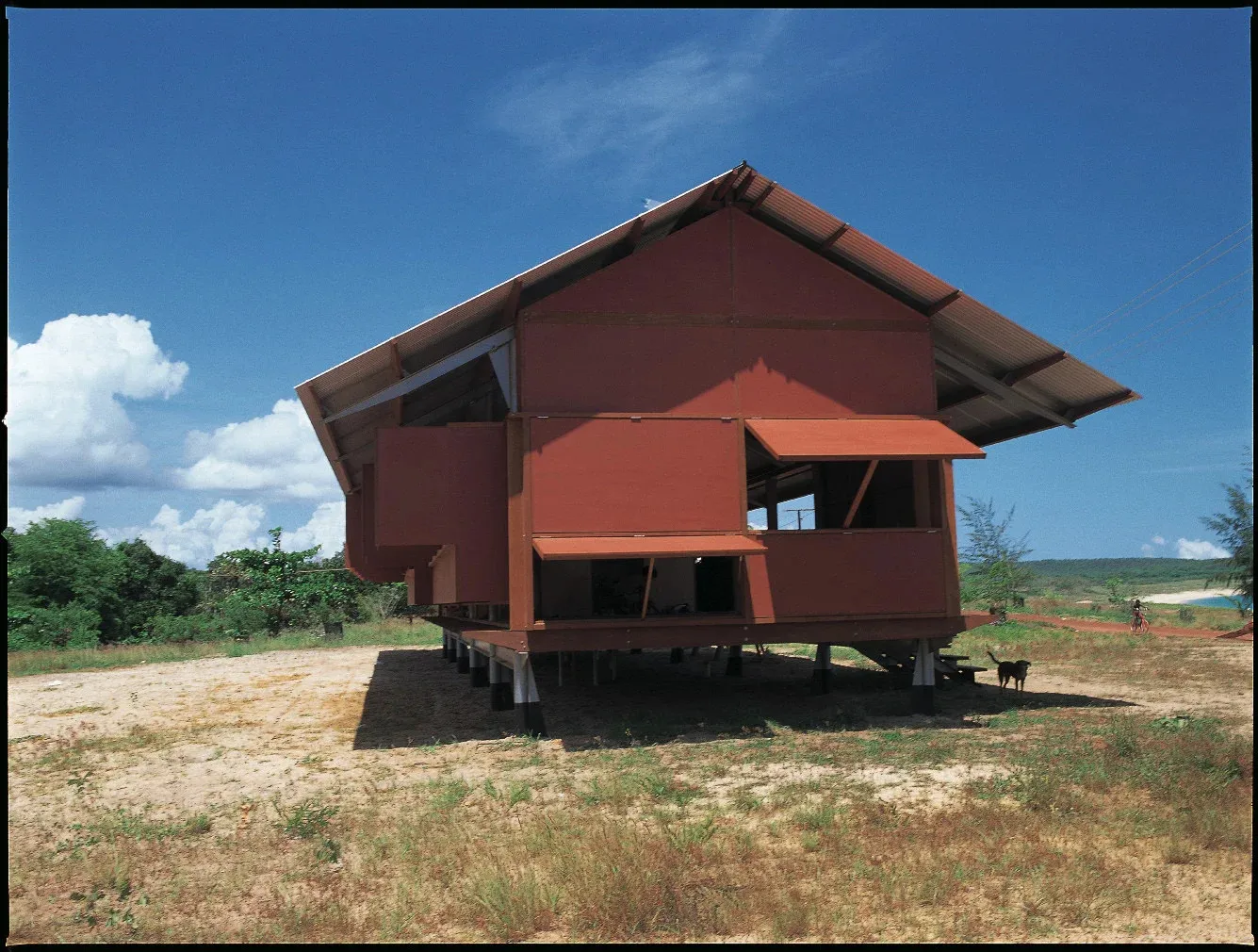
Location: Eastern Arnhem Land, Northern Territory, Australia
Year: 1990-94
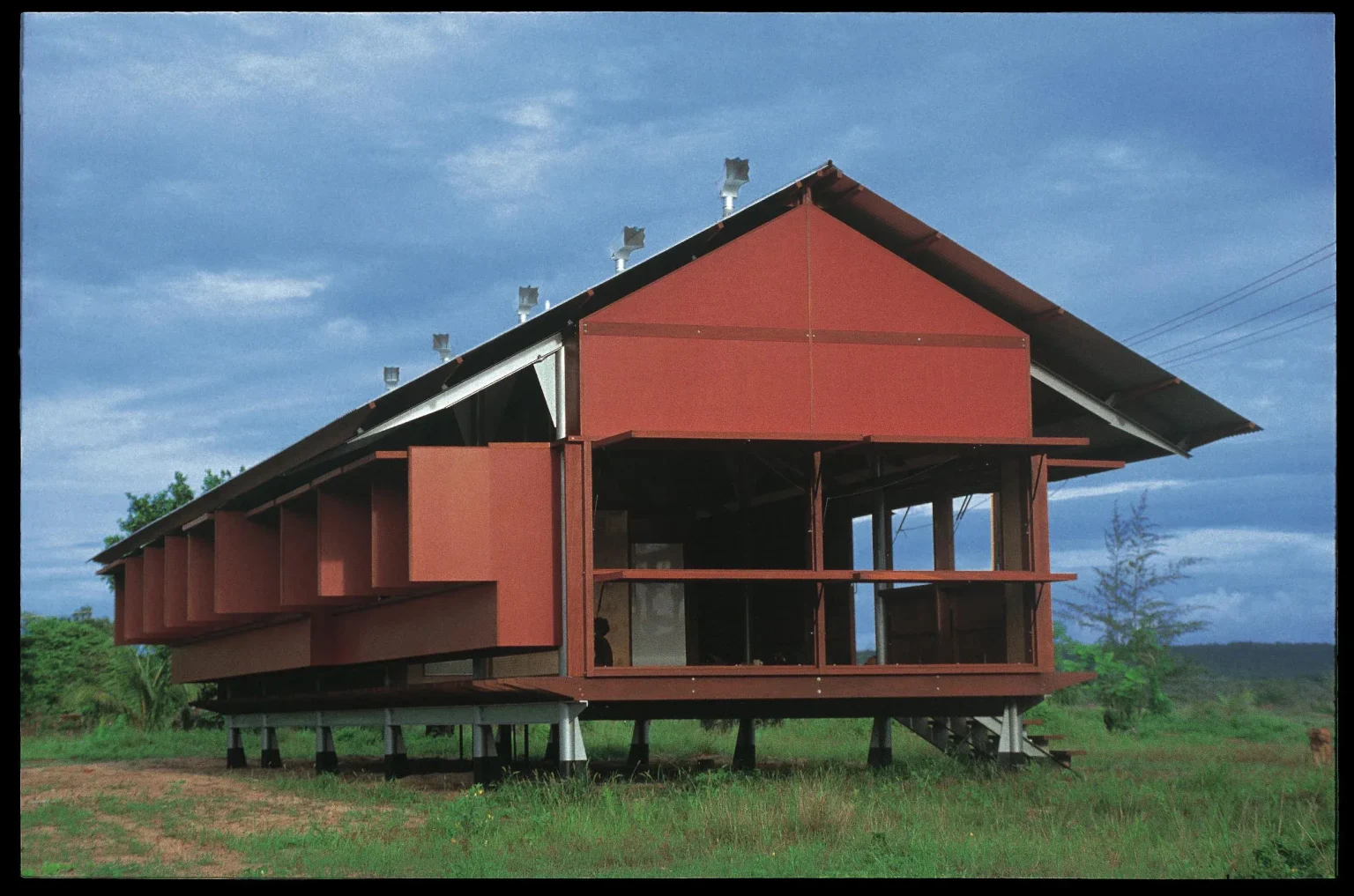
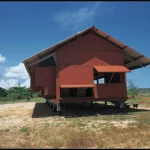
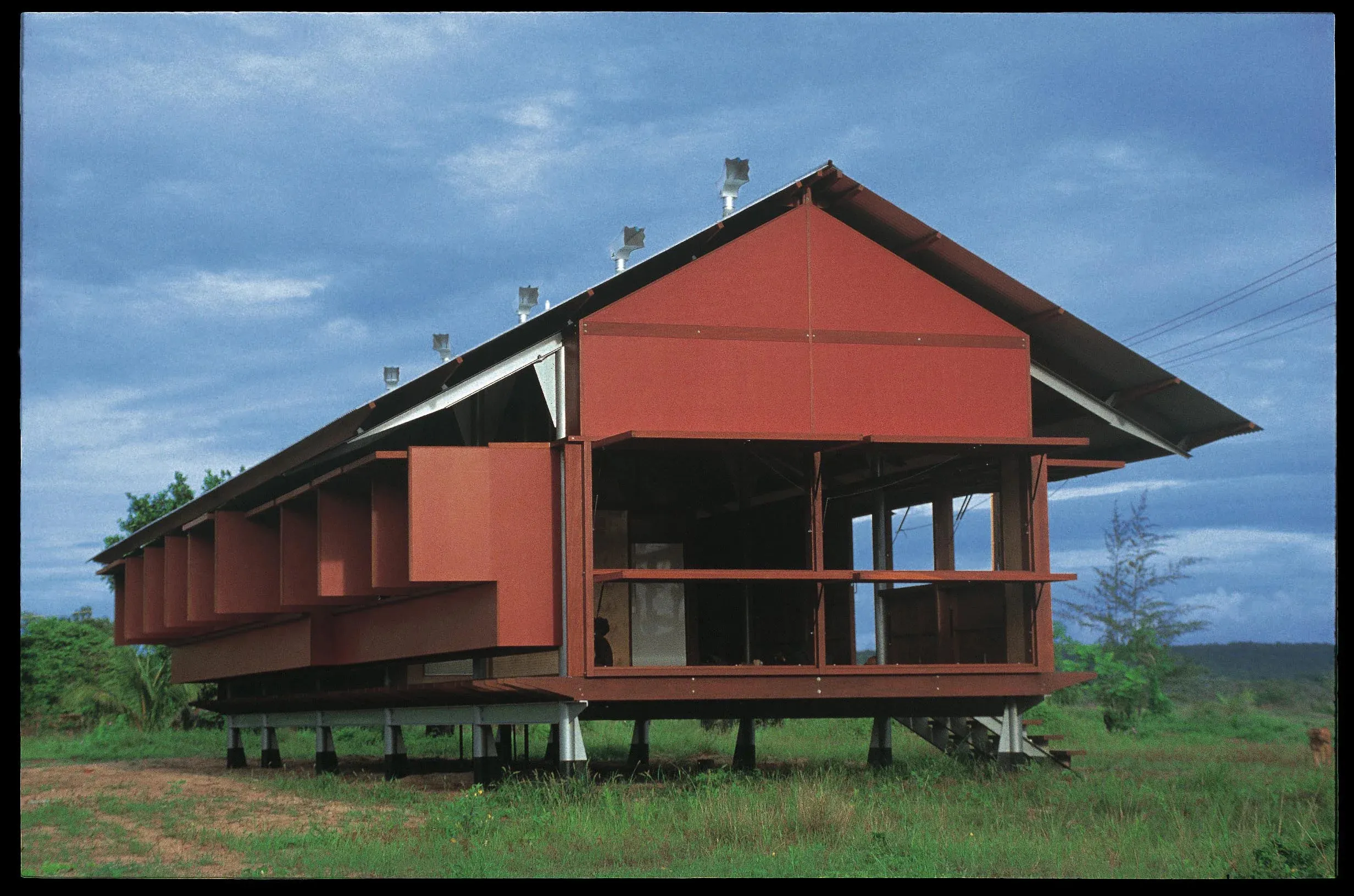
Built by Banduk Marika and her partner Mark Alderton, Marika-Alderton House is one of Glenn Murcutt’s most unique house projects. Located on a site overlooking the Arafura Sea and the Gulf of Carpentaria, the house responds architecturally to the tropical climate of cyclonic conditions, strong winds, and heavy rainfall, while also respecting the cultural context. Surrounded by a beach, an estuarine stream, and a freshwater lagoon, the building is typically located some distance from suburban settlements.
The house, with its basic structure, was designed by Murcutt as a prototype brick building with small windows. The prefabricated house was assembled on site with bolts and screws, and the entire process took four months. The pitched roof, drywood platform, and movable surface float in connection with each other. The Marika-Alderton House, whose structural system consists of a steel frame and Australian hardwoods, has a thin sheet metal roof with deep eaves that protect the interior from the summer sun. The exterior wall is clad in finely crafted infill panels with no glazed openings. These screens, typically made of plywood and slatted wood, slide or rotate, allowing prevailing breezes to naturally cool the house.
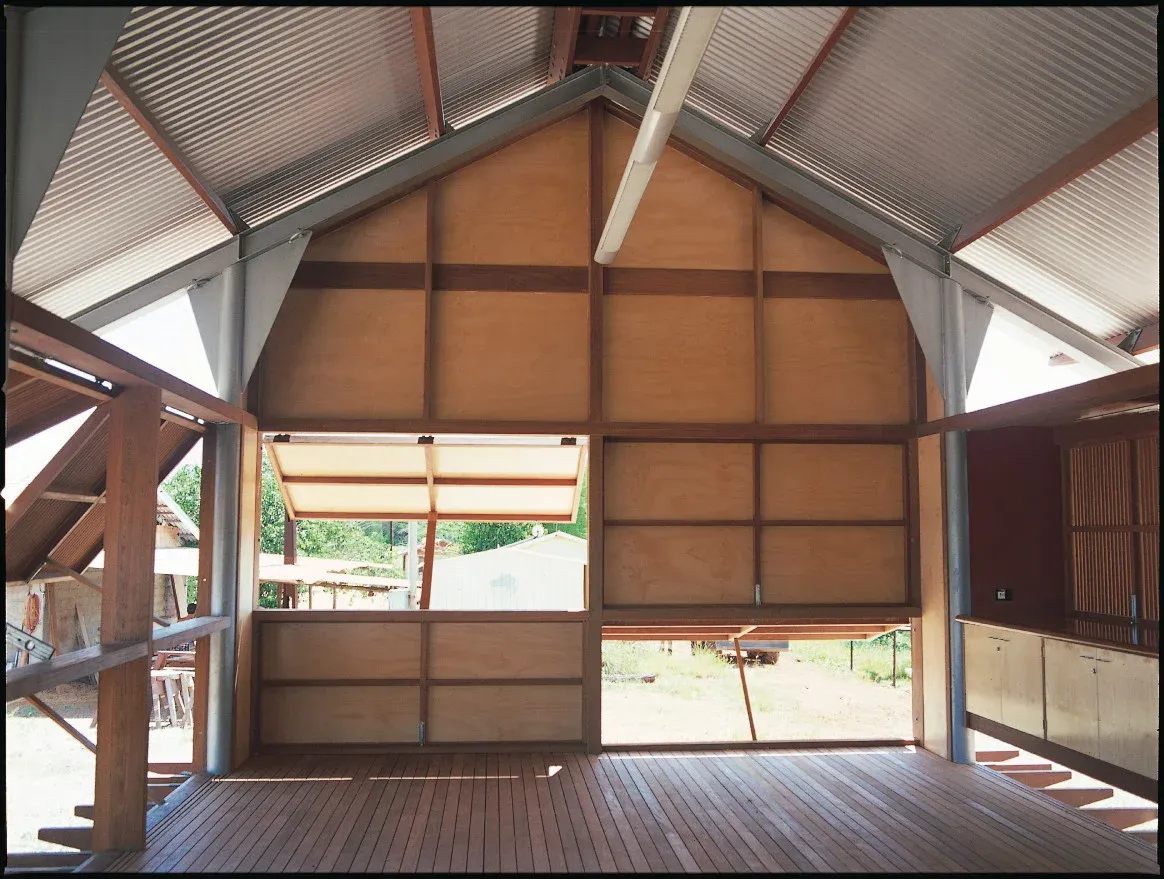
On the southern façade, vertical plywood fins of varying depths extend outward from a steel column line. These fins reflect the dimensions of built-in furniture elements such as kitchen counters, timber joinery, and beds framed within projecting window bays. Beyond providing visual privacy, the fins also protect the house from the intense summer sun.
6. Walsh House
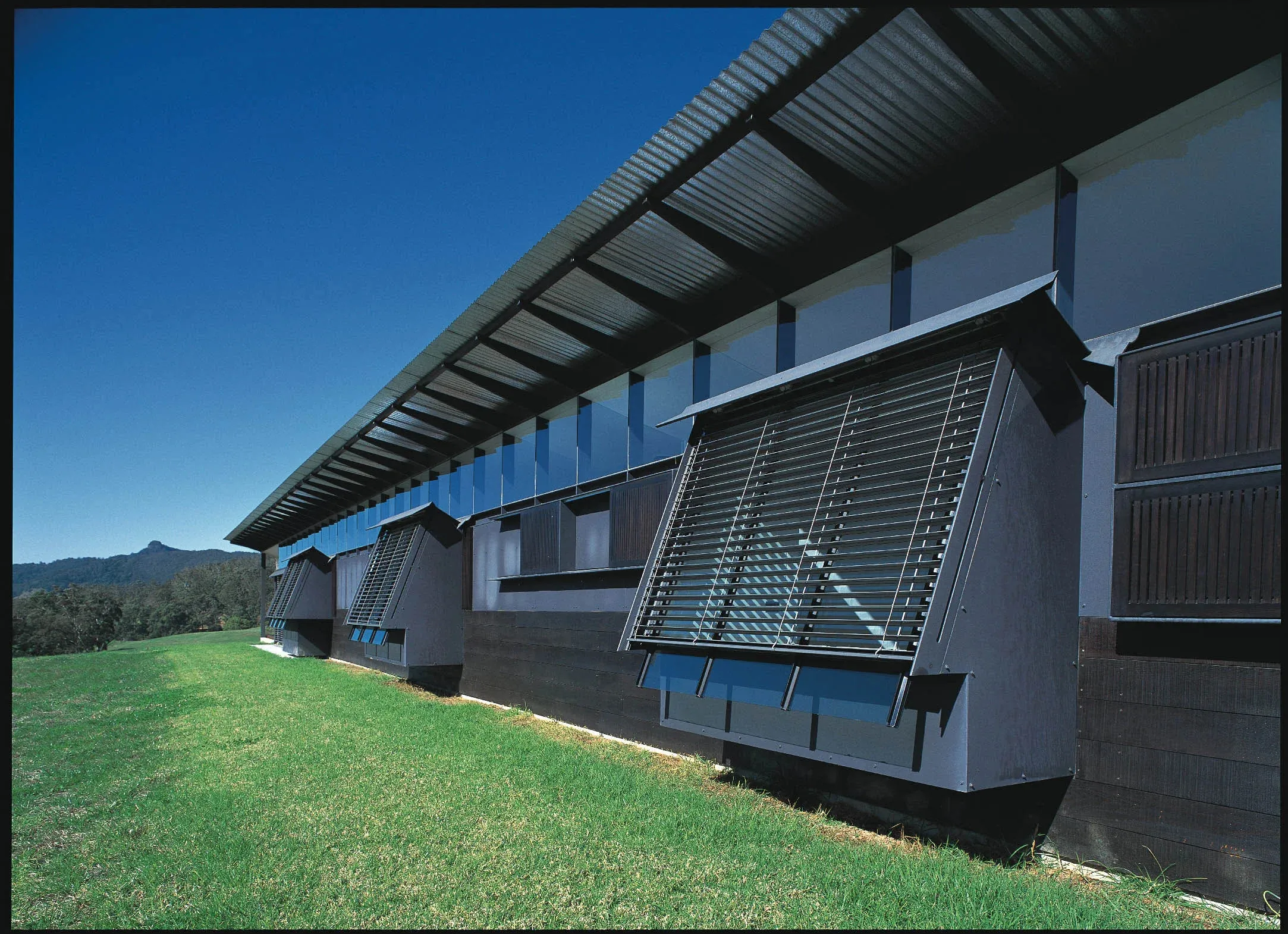
Location: Kangaroo Valley, New South Wales, Australia
Year: 2001-05
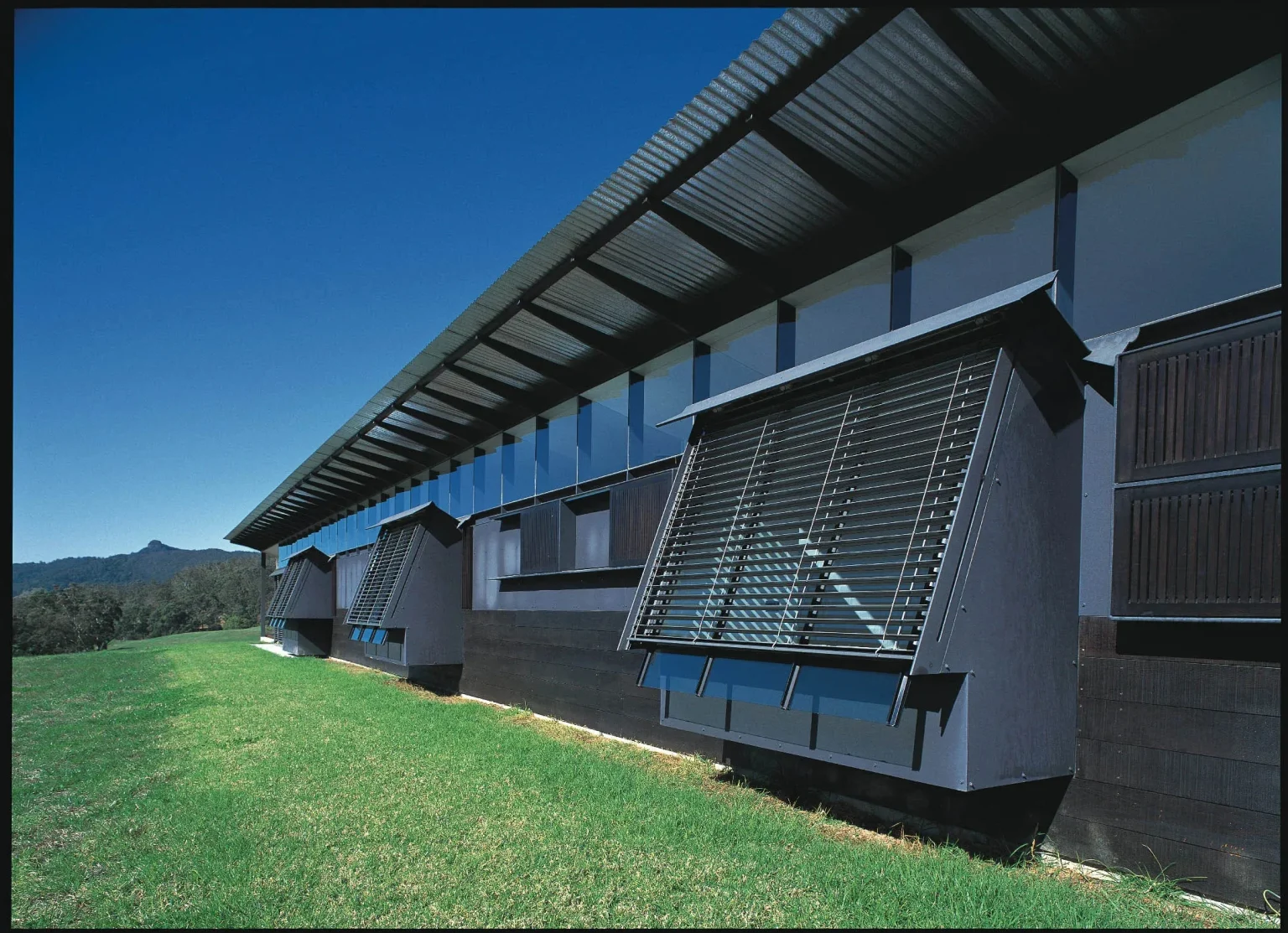
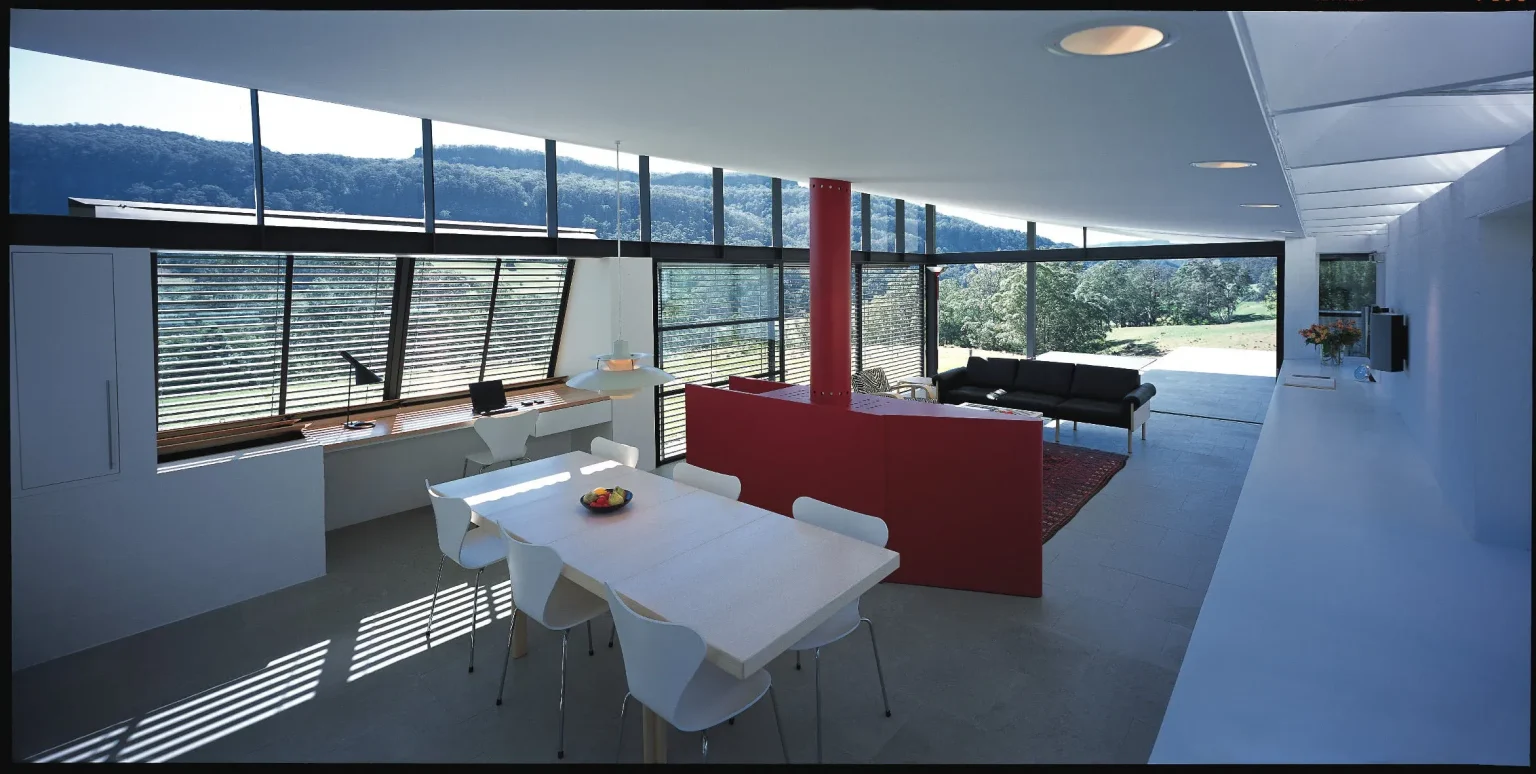
Walsh House, a unique project by Glenn Murcutt, is a single-sloping pavilion located in Kangaroo Valley. The house sits on an open grassy site, with its main façade facing north toward forested ridges and its long axis oriented eastward toward a distant, prominent rock outcrop. The roof, similar to Murcutt’s other projects, overhangs the upper north-facing windows deeply to protect them from direct summer sun, eliminating the need for curtains and providing a clear year-round framing of the ridge views.
Unlike a fluid, open-plan interior, the Walsh House comprises a series of interconnected rooms, each clearly defined by separate glass bays protected by adjustable exterior shutters. These allow users to individually control daylight in their spaces, and each bay is designed to accommodate flexible uses.
The Walsh House has four distinct facades: the south and west facades, with few windows facing the cold southwest winds in winter, are made of rustic materials and have a functional farmhouse character. The north and east facades, made of more refined materials and decorated with details, are open to the views.