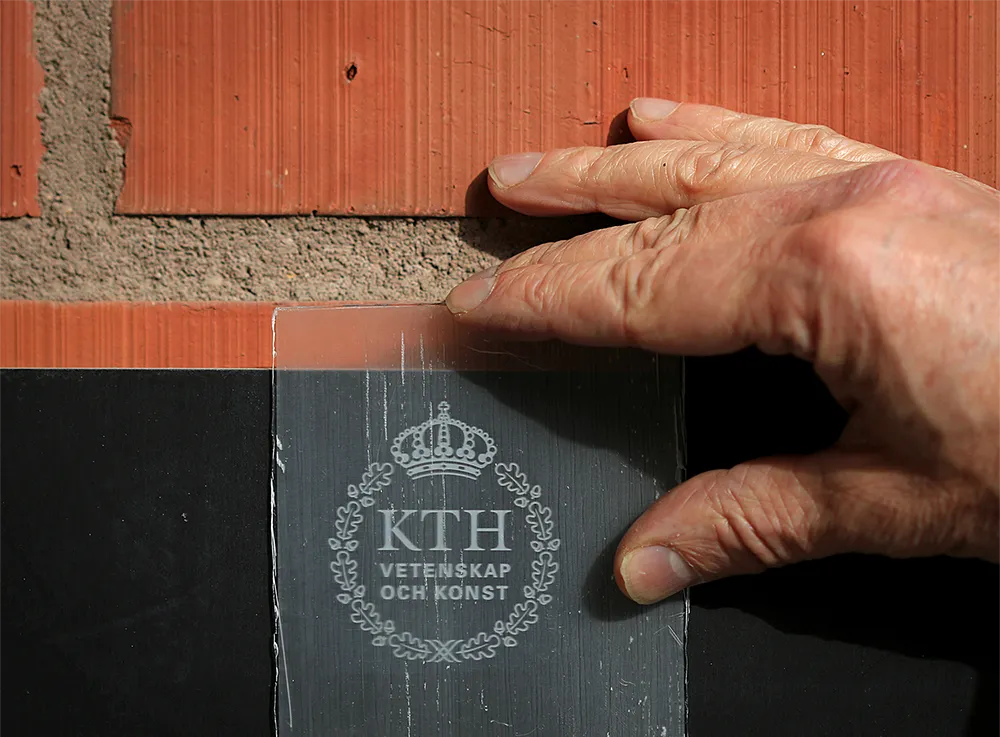
Researchers at the KTH Royal Institute of Technology have developed a wood-based material that is optically transparent while maintaining or exceeding the strength of glass, opening new possibilities for windows, solar panels, and energy-efficient architecture.
The innovation stems from a process that chemically removes lignin, a natural polymer that gives wood its brown color and blocks most light, then replaces it with a transparent polymer such as acrylic or epoxy. The result is a wood veneer that can transmit light while preserving structural integrity.
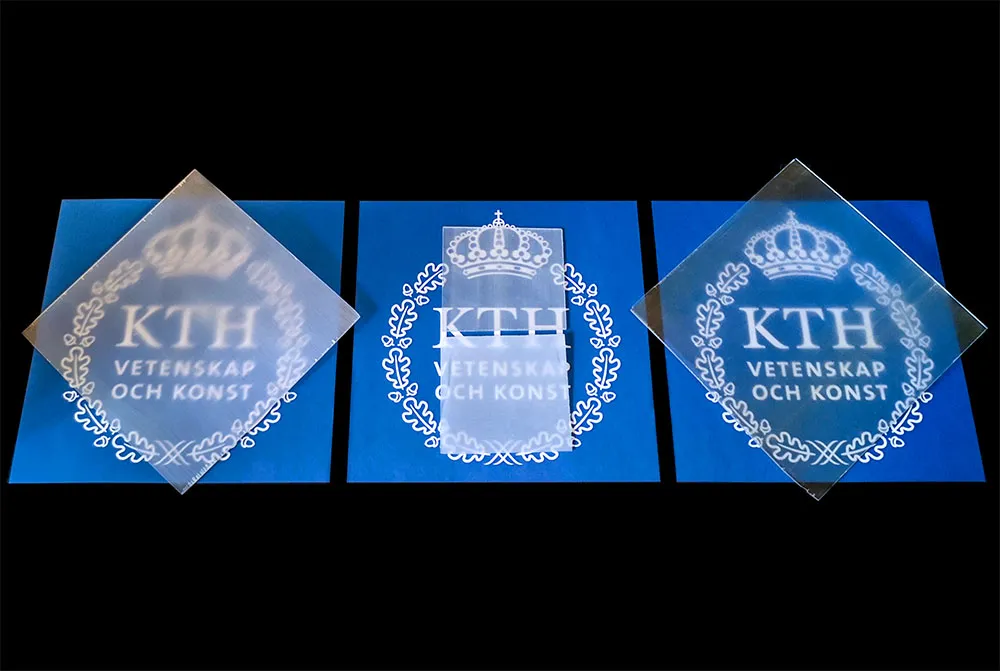
In the original KTH experiments, thin veneers (around 1 mm thick) achieved up to 85% transparency. When infused with acrylic, these veneers became noticeably white and clear enough to let light pass through effectively.
Tests comparing transparent wood to conventional materials show striking results. Transparent wood outperformed plastic such as Plexiglas in fracture resistance by roughly threefold, and proved about ten times tougher than glass. The internal fiber structure of wood, intact after lignin removal and polymer infiltration, provides remarkable resilience.
Beyond mechanical strength, the material offers thermal advantages over glass. Transparent wood retains light diffusely, reducing glare while providing insulation. Some variants treated with polymers like polyvinyl alcohol (PVA) have demonstrated thermal conductivity up to five times lower than glass.
The haze of thicker veneers, roughly 3.7 mm thick, though reducing clarity to around 40% transmission, contributes to softer ambient lighting and improved temperature stability.
Further innovations include integrating phase-change materials, substances that store or release heat when changing state inside the wood structure. This approach enables temperature regulation: absorbing warmth when it’s hot and releasing heat as it cools.
In additional experiments, KTH and collaborators engineered prototypes of “smart windows” using transparent wood. By sandwiching an electrochromic polymer, one that changes color when an electric current is applied, between layers of transparent wood, they created a panel that shifts from clear to tinted (even magenta) when voltage is applied.
Unlike petroleum-based materials, transparent wood is sourced from an abundant, renewable resource. Wood is biodegradable, has low density, and provides a reduced carbon footprint compared to synthetic alternatives.
Despite its promise, transparent wood remains largely at the laboratory or prototype stage. Scaling up production affordably will require advances in manufacturing techniques. The KTH team is working on improving transparency further, experimenting with different wood types, and developing plywood-style composites.
Key areas of ongoing research include:
- Optical clarity: Reducing haze, especially in thicker panels.
- Mechanical consistency: Ensuring uniform strength across larger panels.
- Eco-friendly polymers: Seeking biobased or less petroleum-reliant infiltration materials.
- Thermal and electrical features: Enhancing insulation, temperature regulation, and solar-electric functionalities.
Transparent wood has a wide-ranging potential
- Energy-efficient windows and facades that light interiors while improving insulation.
- Structural glazing—load-bearing panels that won’t shatter like conventional glass.
- Solar panels with semi-transparent properties are suitable for integration into building surfaces.
- Smart wood surfaces—panels that adjust opacity, color, or temperature control through electric or thermal modulation.
As industrial scaling progresses, transparent wood may soon move from research labs into mainstream architecture, reshaping how buildings harness light, manage heat, and utilize materials.