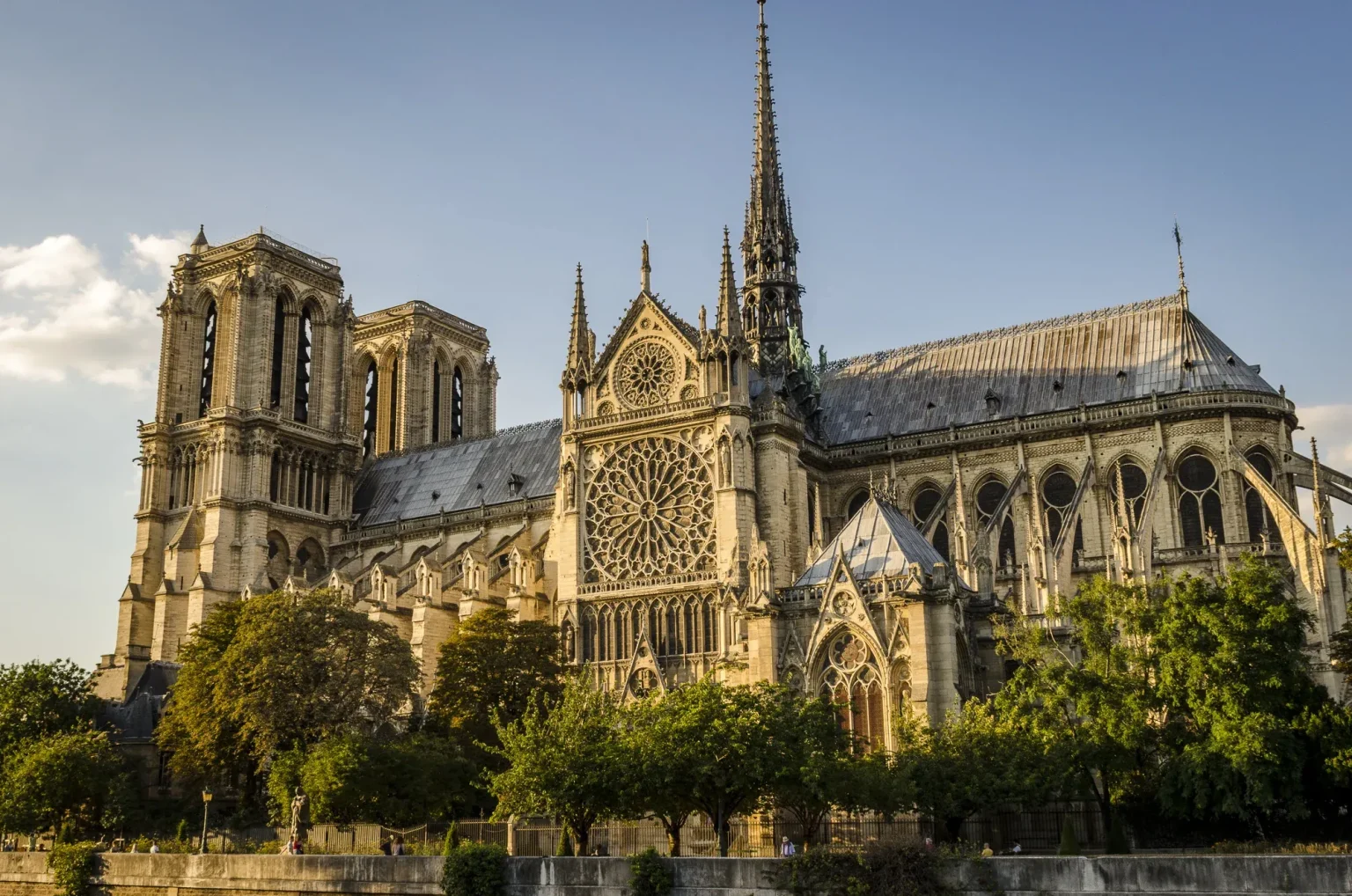


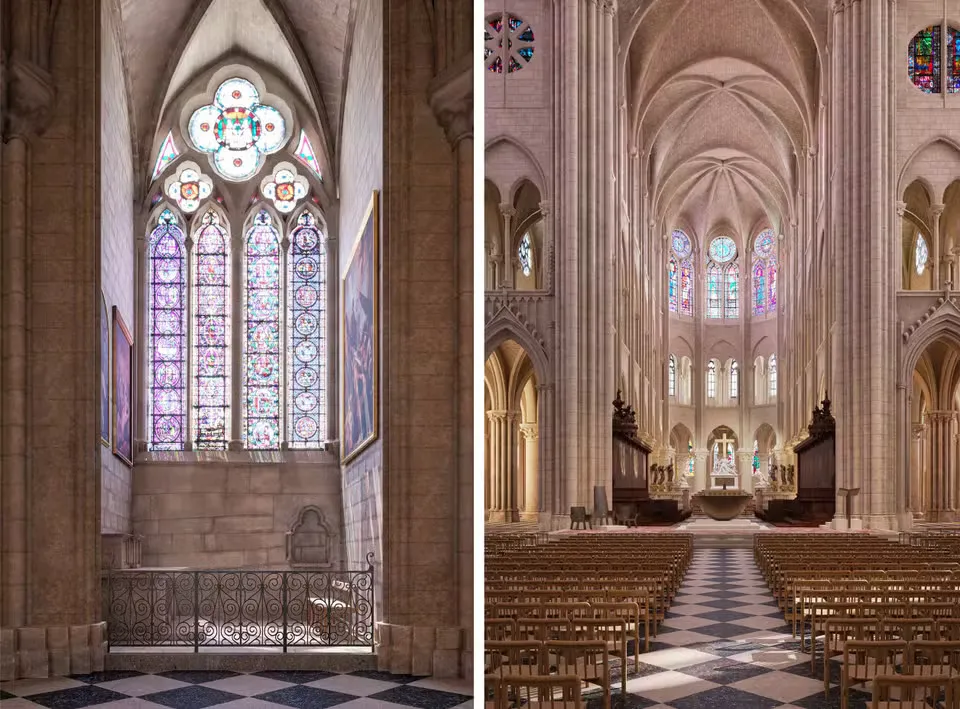
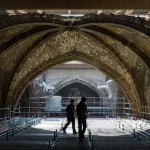
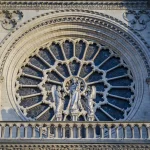
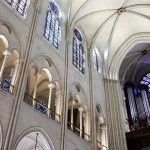
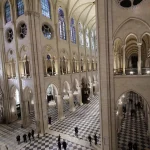
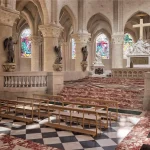
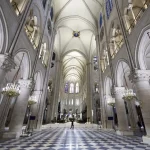
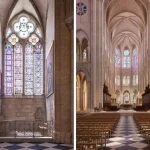
Notre Dame Cathedral is getting a second rebuild, this time in digital form. Microsoft, the French Ministry of Culture, and Paris-based heritage technology firm Iconem are creating a full-scale model that captures every surface, joint, and carved detail with near-millimetre precision.
The project follows the cathedral’s reopening on December 7, 2024, after nearly six years of restoration from the 2019 fire that destroyed its spire, timber roof, and damaged the vaulted ceiling. Built from high-resolution photography, drone imagery, and LiDAR scans, the model will be preserved in the national cultural archive under the care of the French state.
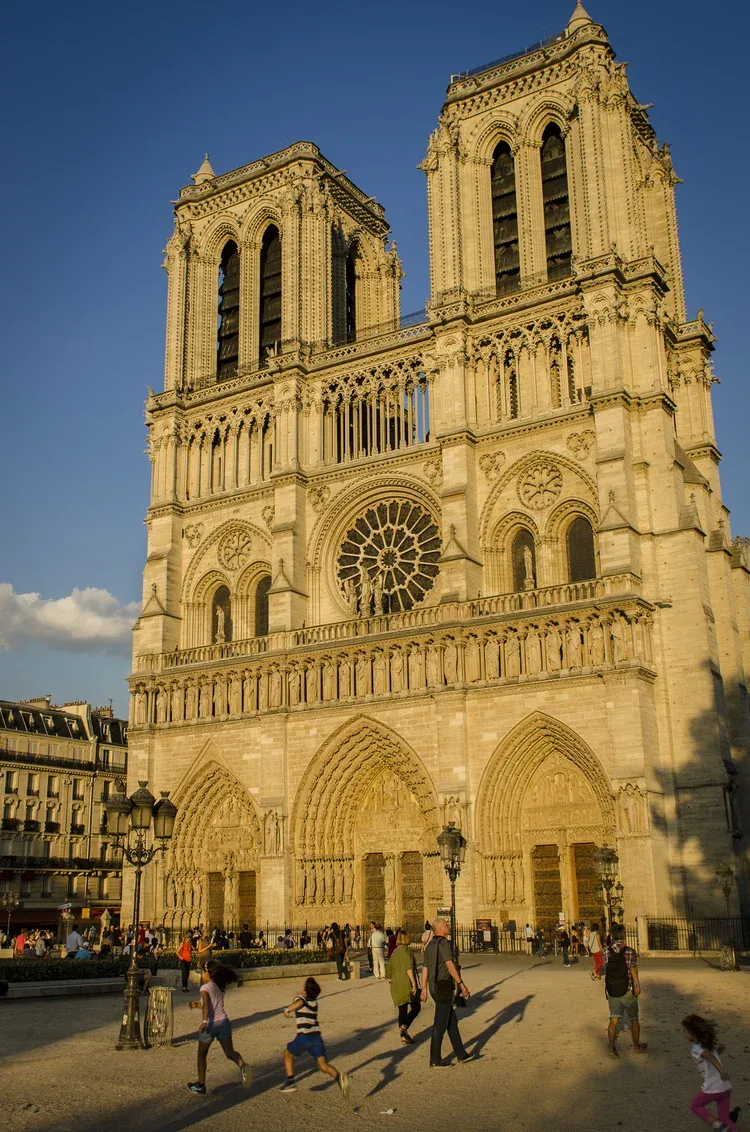
Microsoft and Iconem Lead Notre Dame’s Digital Resurrection
Microsoft and Iconem previously collaborated on large-scale heritage projects, including a 2022 digital reconstruction of St. Peter’s Basilica built from more than 400,000 images. The Notre Dame project is broader in scope, aiming to record the entire structure inside and out with near-millimetre accuracy.
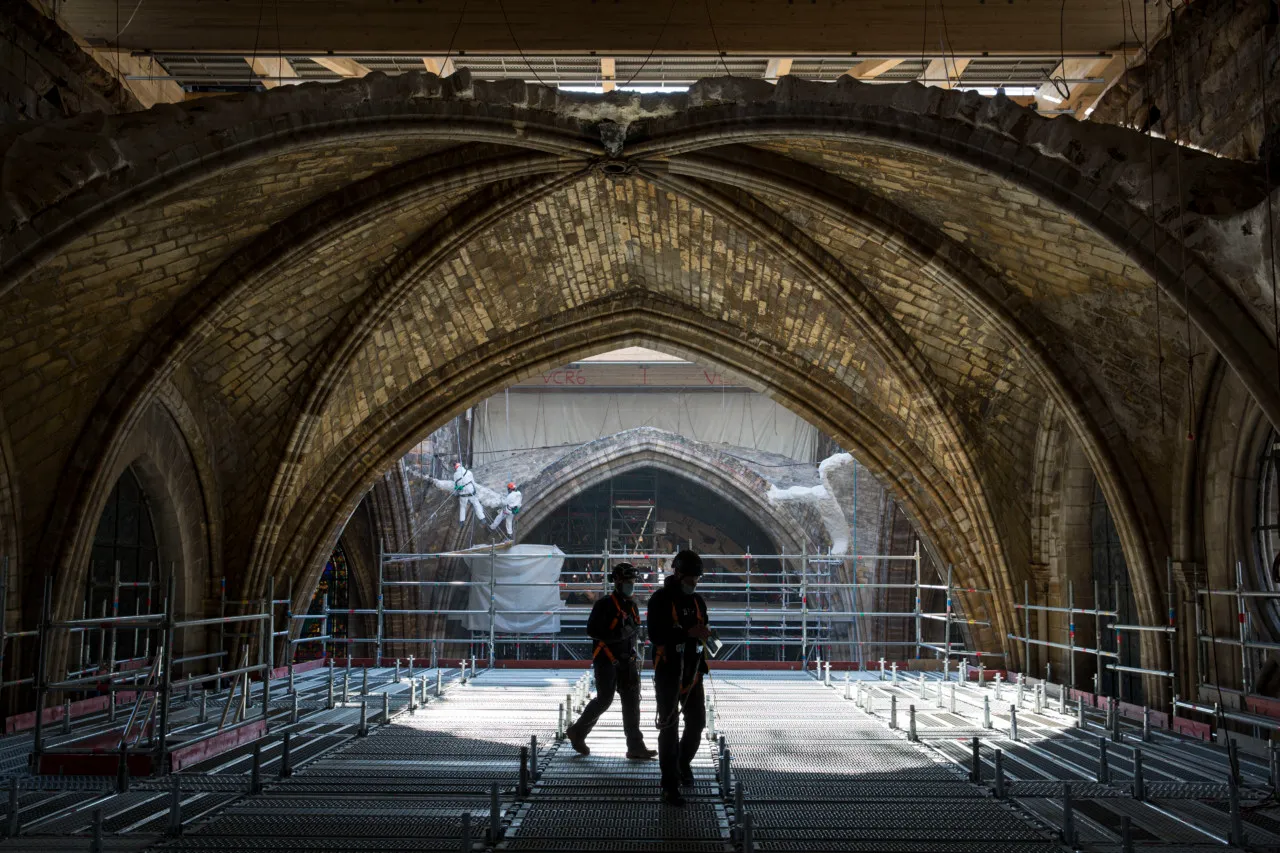
Its announcement comes as the restored cathedral resumes worship, tourism, and civic events. The digital twin is designed as both a preservation tool and a way for the public to explore areas of the cathedral that cannot be accessed in person.
How Drones and LiDAR Are Capturing Every Detail of Notre Dame in 3D
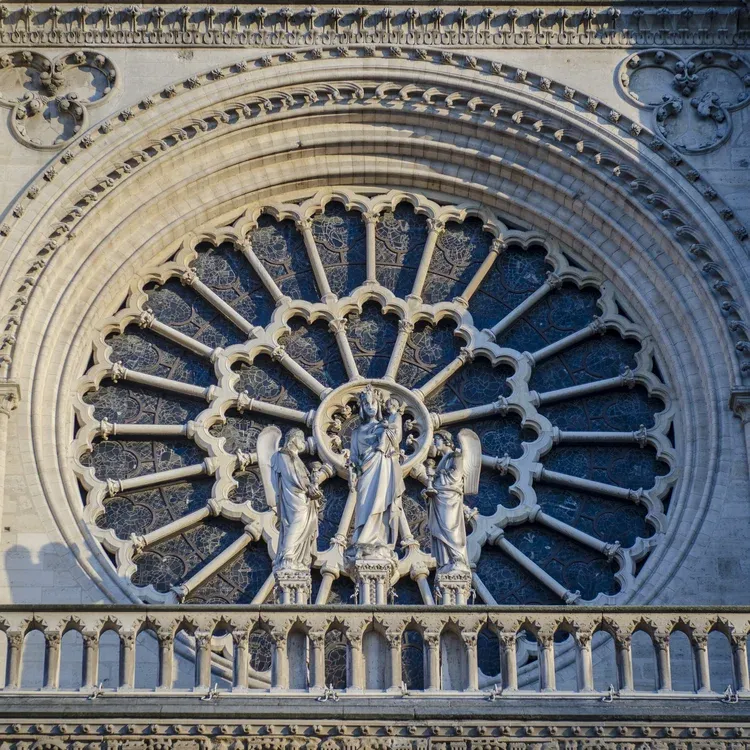
Creating a model of this precision takes far more than a single scan. Over the coming months, the team will collect hundreds of thousands of photographs from multiple vantage points, along with drone surveys of rooflines and flying buttresses, and LiDAR scans that map the structure to within an inch. Inside, high-resolution cameras will document the ribbed vaults, carved stone, timber framing, and stained glass in exact detail.
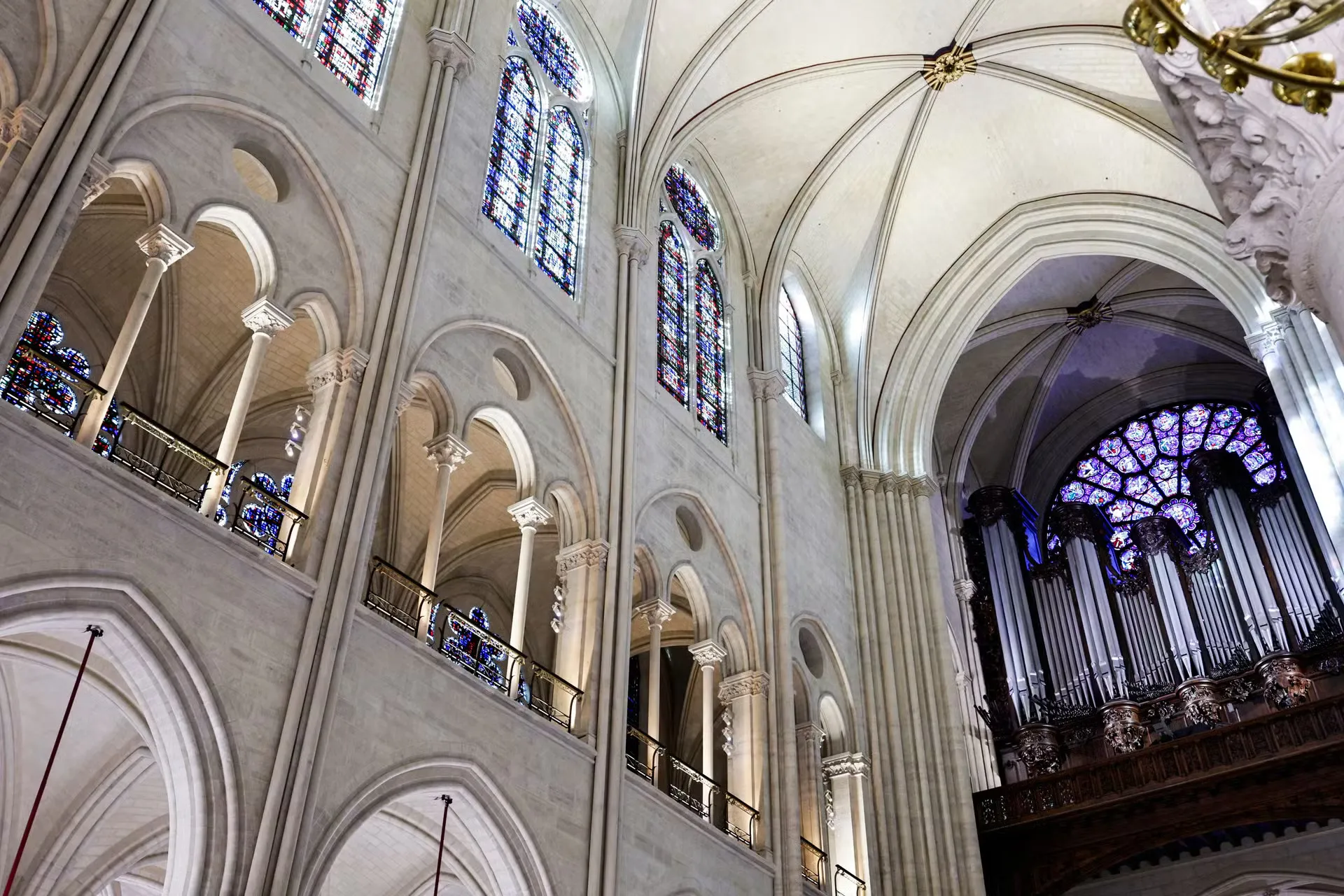
Once gathered, the data is processed using advanced imaging tools that align and merge the material into a single navigable model. The approach recalls the medieval use of full-scale templates for stone carving, only now the reference exists entirely in digital form.
A Virtual Notre Dame for Conservation and Tourism
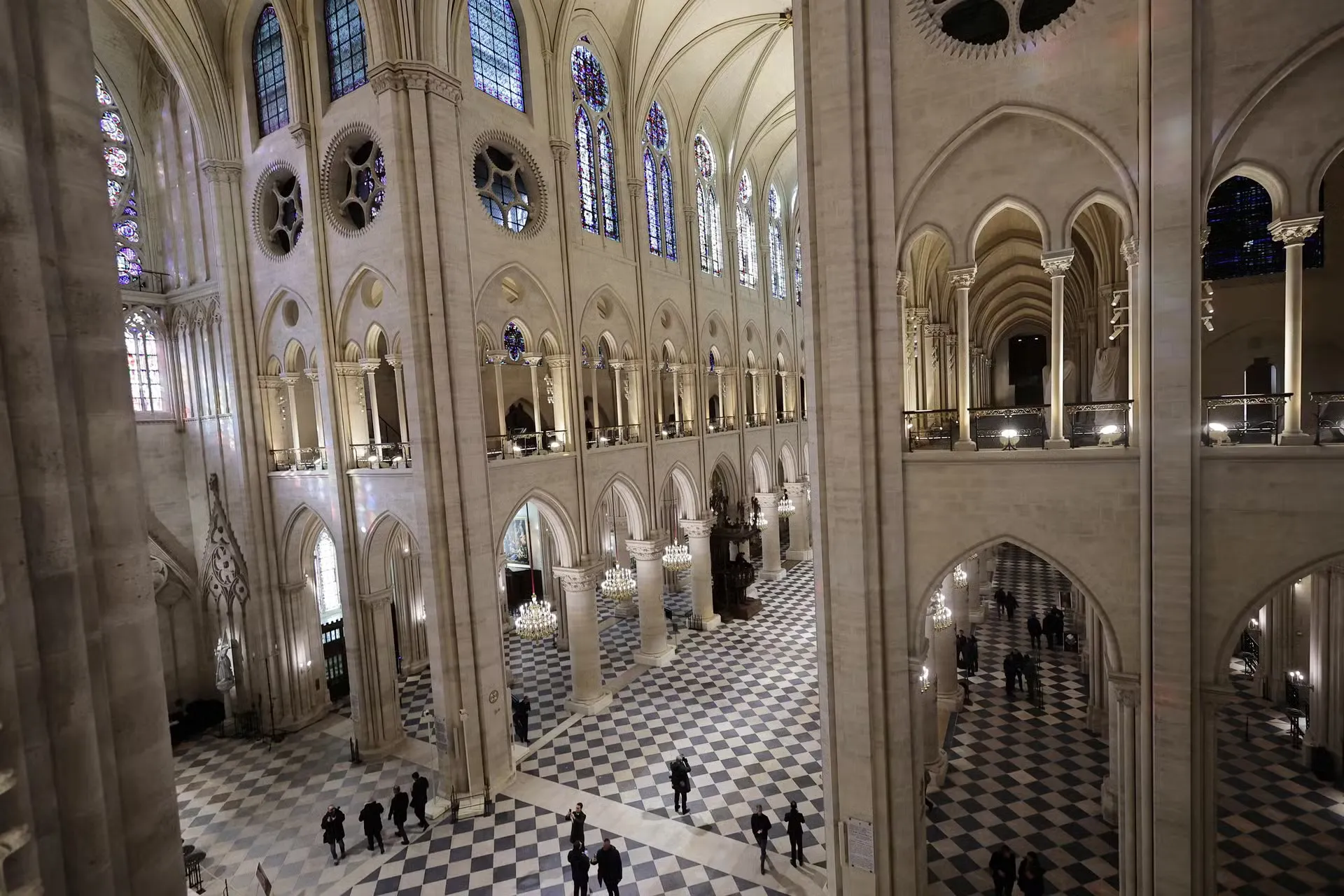
The primary purpose of digital twin is conservation, providing an exact reference that restorers could draw on if any part of the vaulting or other structural elements were ever damaged. Over time, the model will act as a benchmark for engineers, who can compare new scans against it to spot small cracks or structural shifts before they become serious.
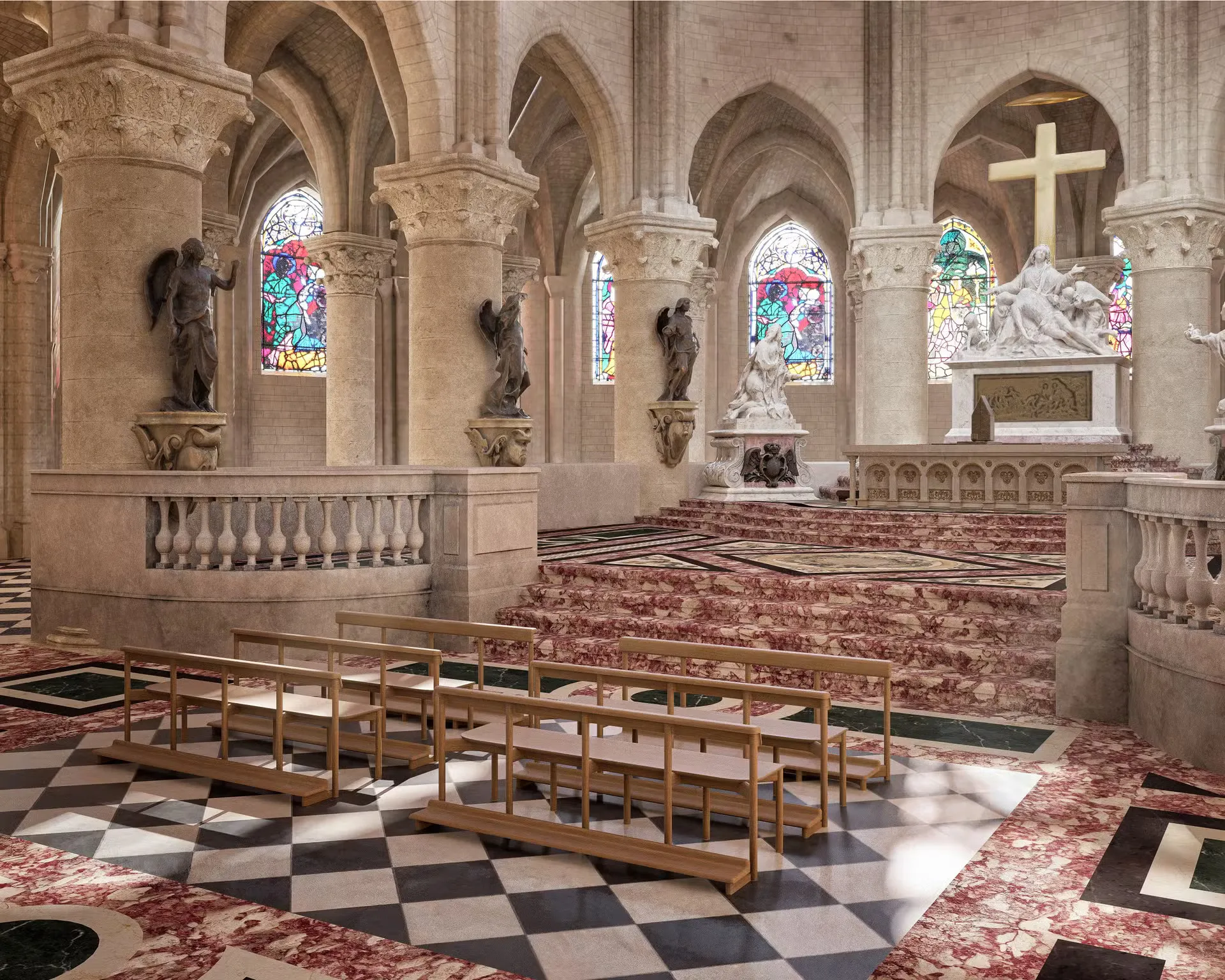
It is also designed for public use. People will be able to navigate the cathedral online, including areas normally closed to visitors such as the upper galleries, hidden chapels, and the narrow walkways of the triforium. For researchers and educators, it will be both a teaching resource and a precise record of the building’s form.
French Heritage Law Protects the Cathedral’s Digital Twin for Centuries to Come
When finished, the model will be transferred to the French state, keeping its ownership and care within the public domain. By placing it under national heritage law, the project secures not only its preservation but also its availability for future generations, with oversight measured in centuries rather than budget cycles.
At a time when much of the world’s digital cultural record is controlled by private companies, the decision stands out as both a safeguard and a statement on the value of shared stewardship.
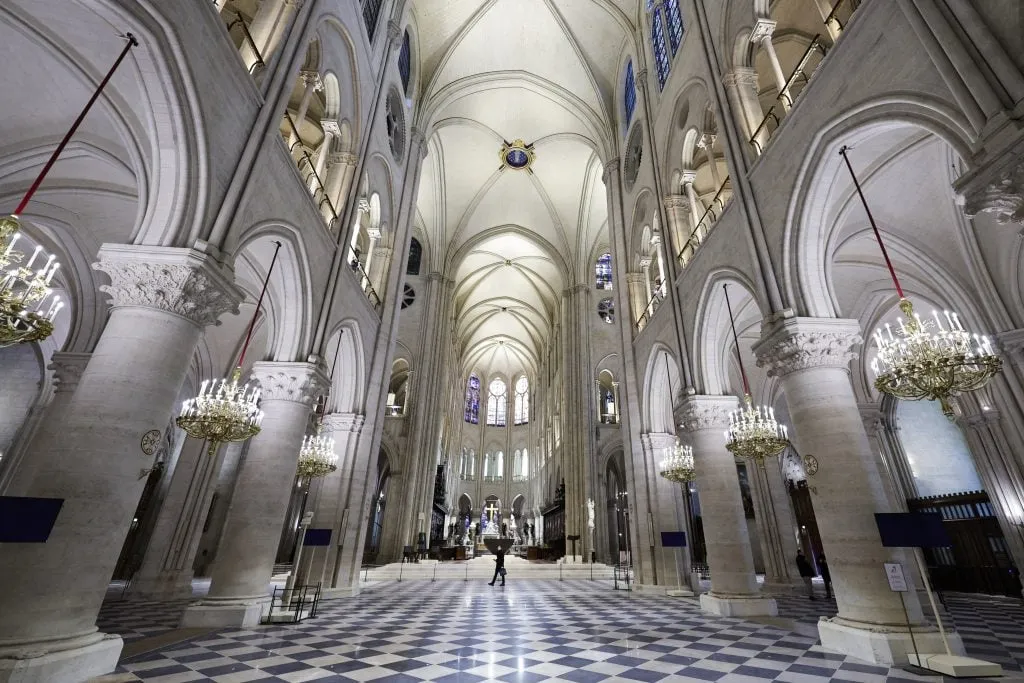
Beyond Paris, the Notre Dame digital twin marks a wider shift in how cultural heritage is safeguarded against the risks of climate change, natural disasters, and conflict. The model could become a reference for documenting other vulnerable monuments, preserving their form even if their material presence is damaged or lost.
With its return to the Île de la Cité, the restored cathedral has reclaimed its place in the city’s life. Its digital counterpart places it in a second domain, one without borders or physical limits. One will weather centuries in stone; the other will remain an unchanging reference. Together, they ensure that Notre Dame endures both as a living monument and as a precise record, secured for future generations to see, study, and rebuild if ever required.