
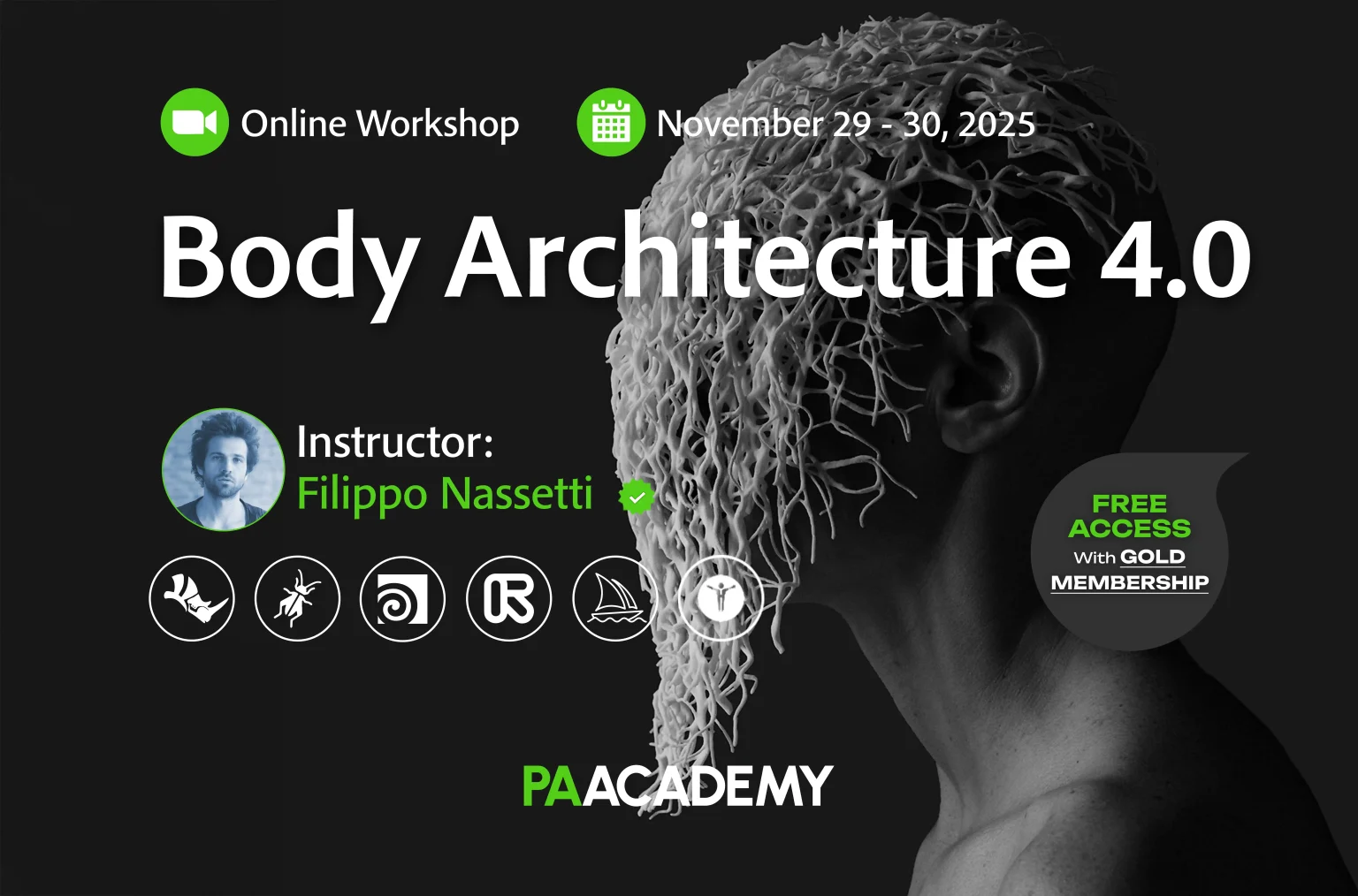
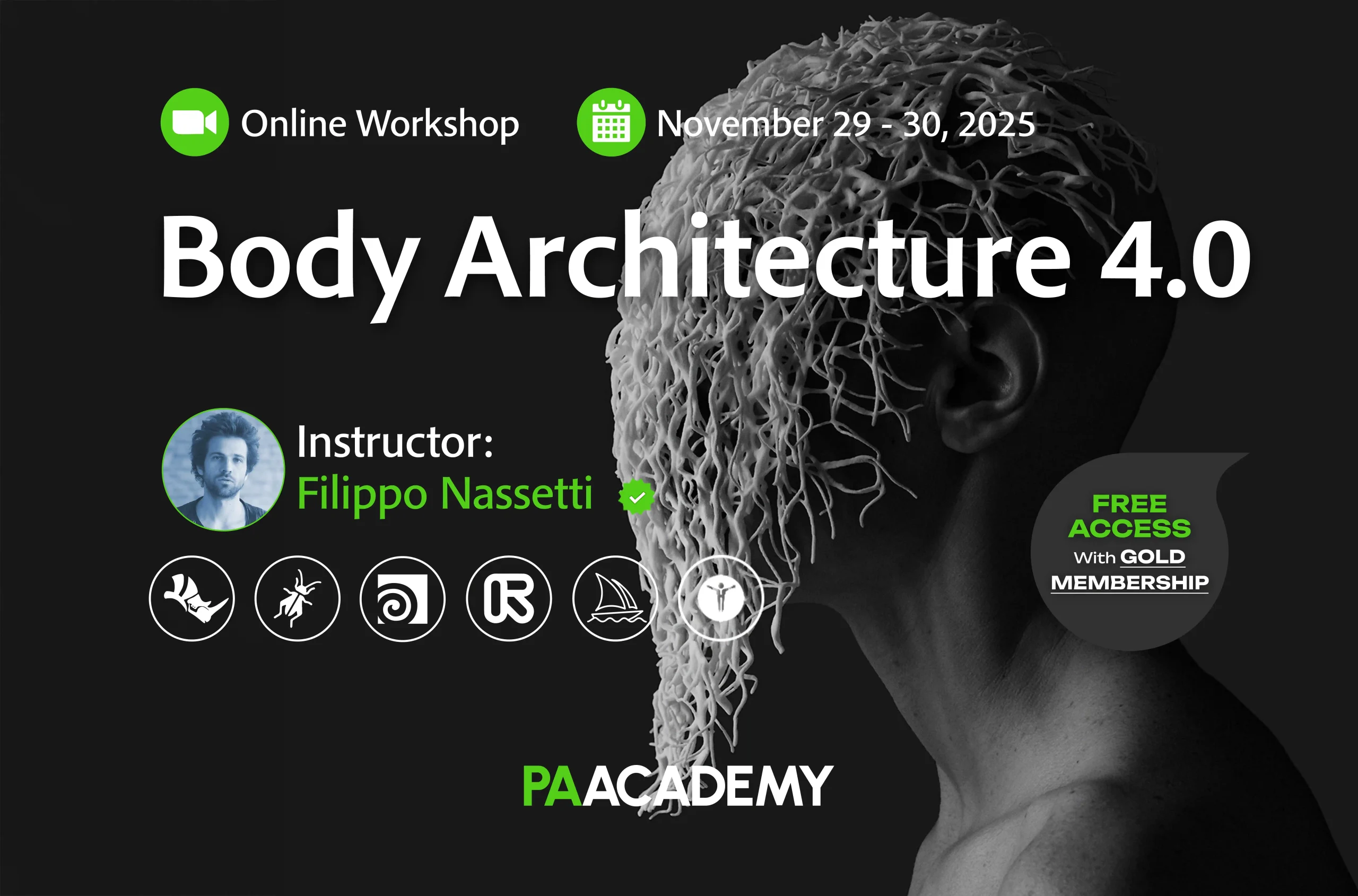
Topic: Body Architecture 4.0
Date: November 29 – 30, 2025
Time: 14:00 – 18:00 GMT
Format: Online on Zoom
Duration: 2 Sessions (8 Hours)
Registration Deadline: November 28th, 2025
Total Seats: 50 seats
Difficulty: Beginner-Intermediate
Language: English
Certificate: Yes
General Registration: 100 EUR
Join free: with Full Access membership
Fee For Digital Members: 85 EUR (Free Access for Members)
Organized By: PAACADEMY
Tutor: Filippo Nassetti
Recordings: Recordings will be available for all participants afterward indefinitely.
Introduction to Body Architecture 4.0:
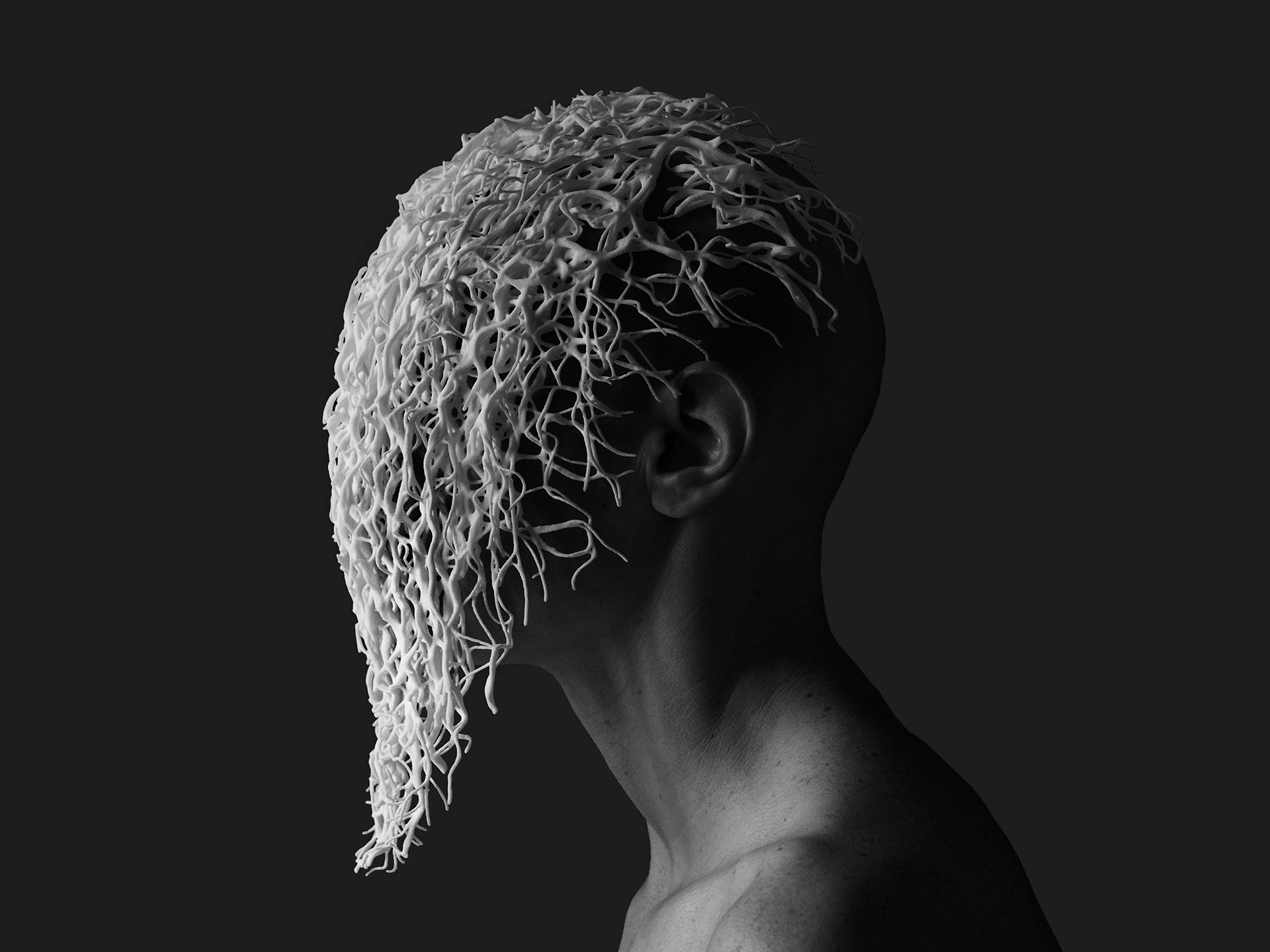
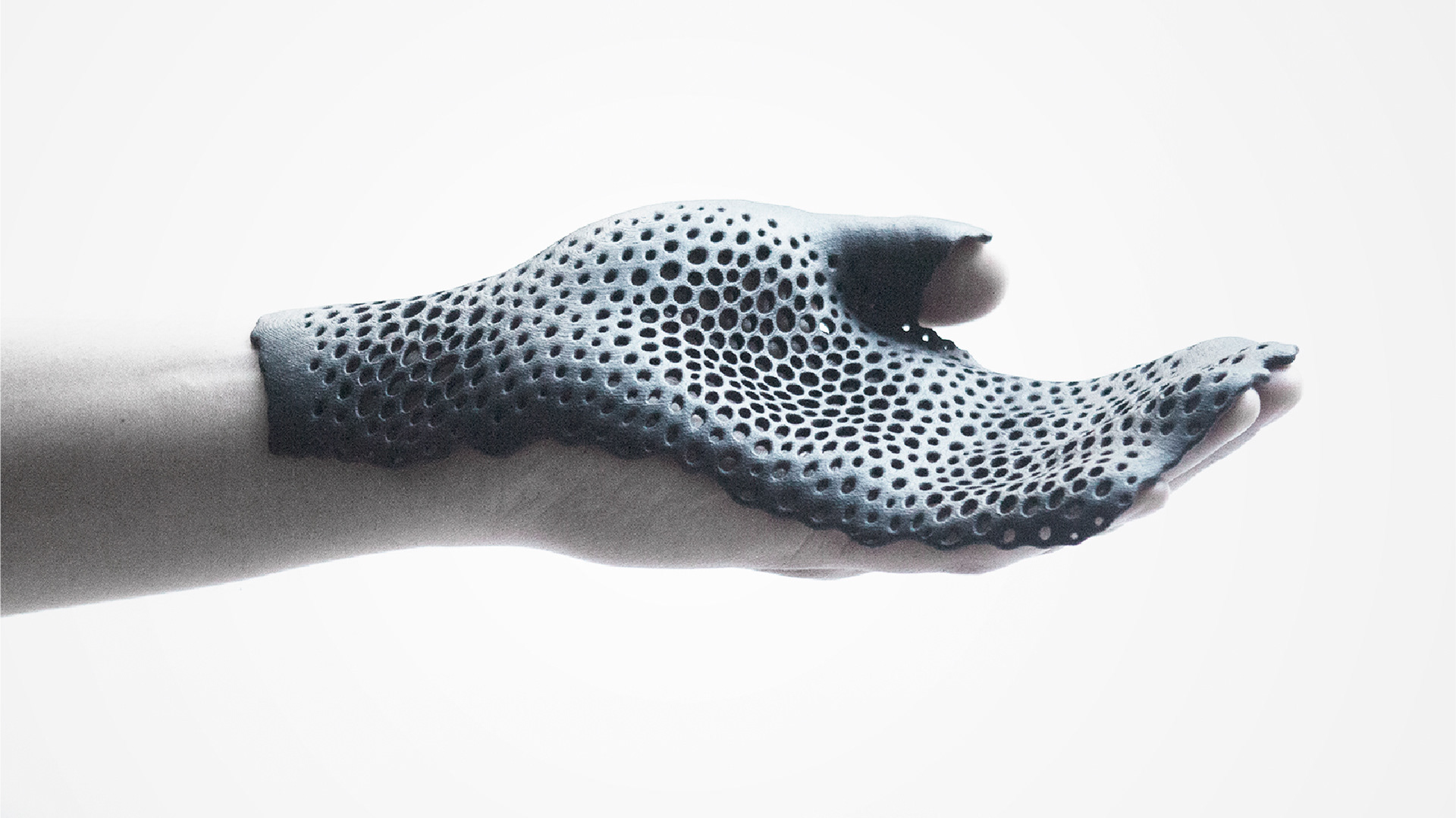
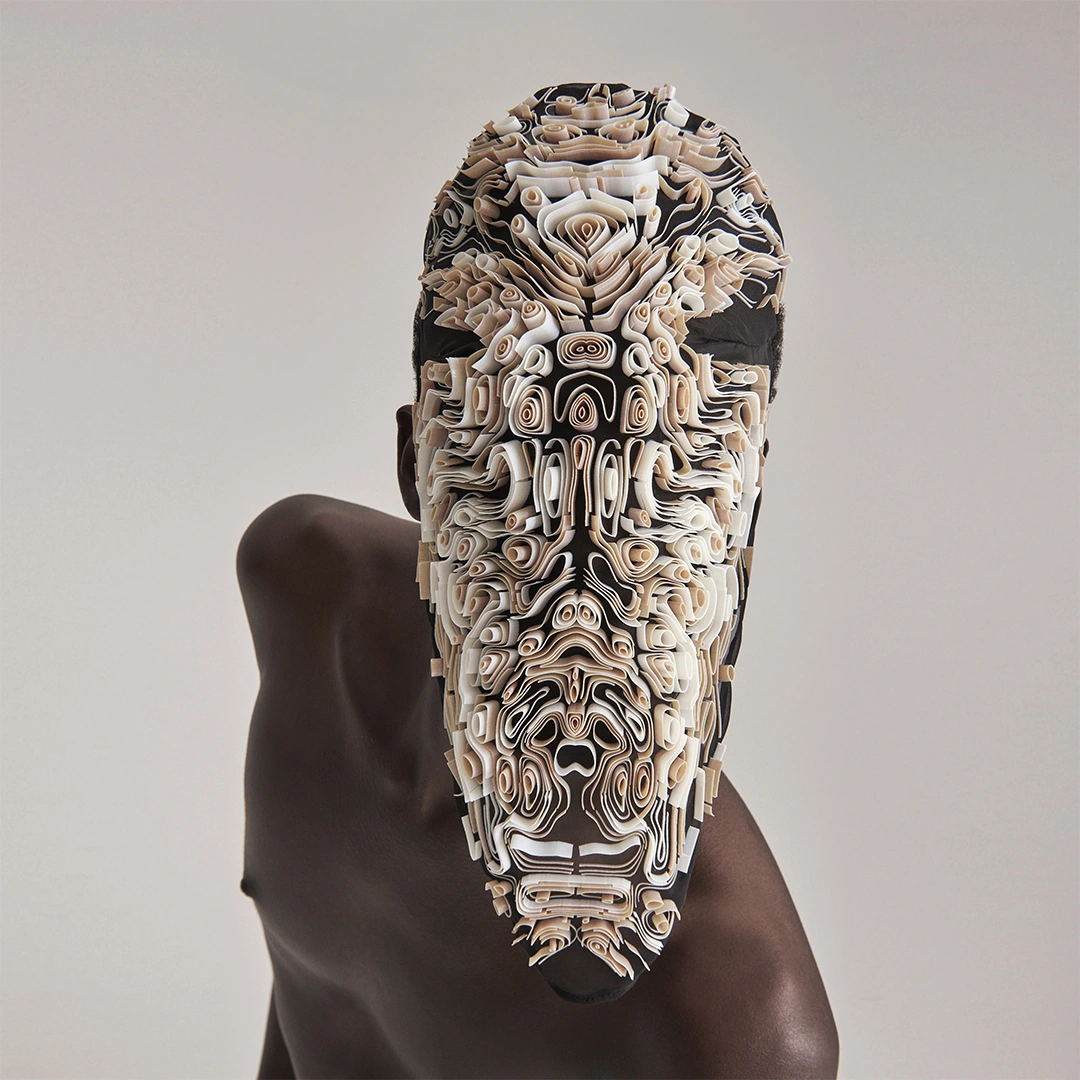
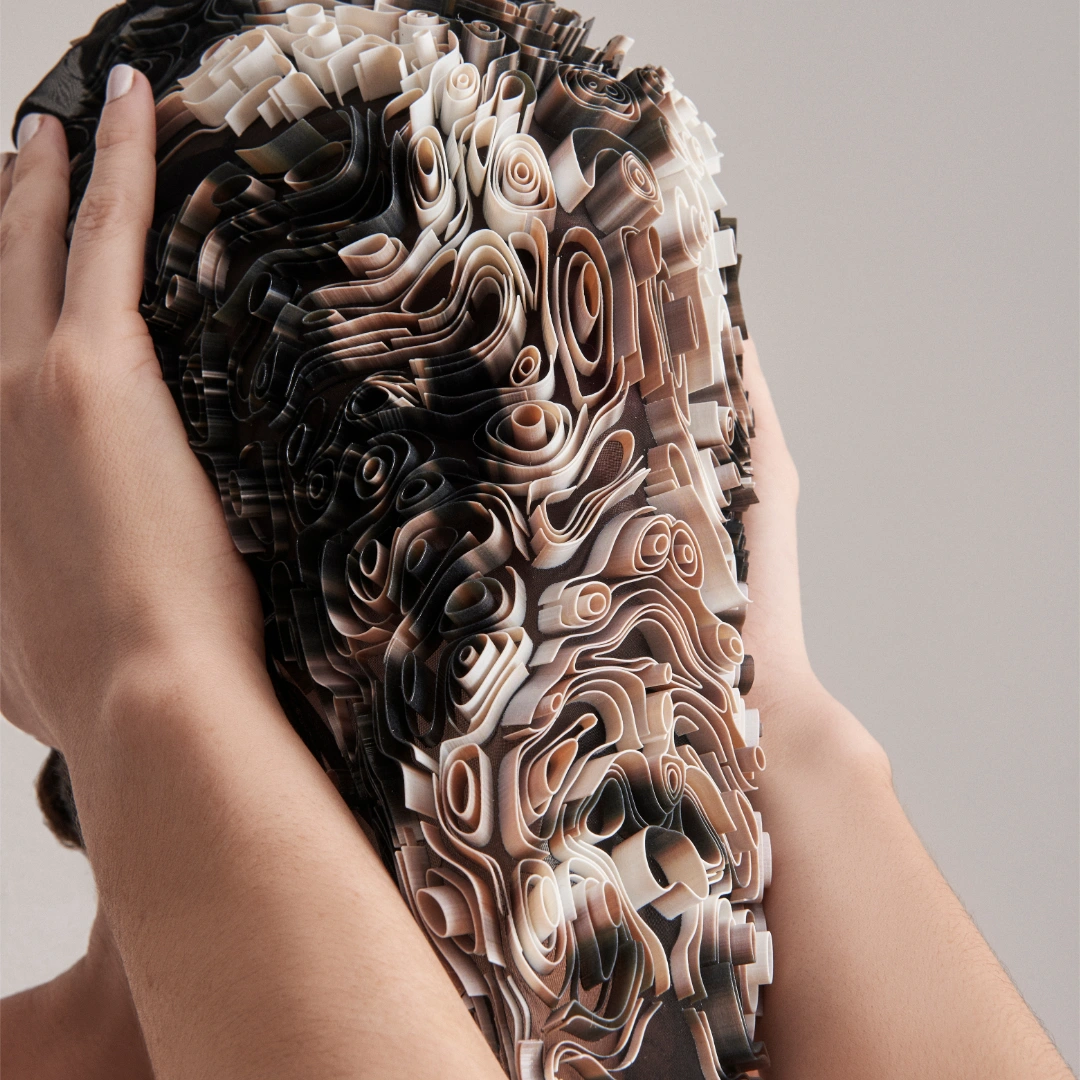
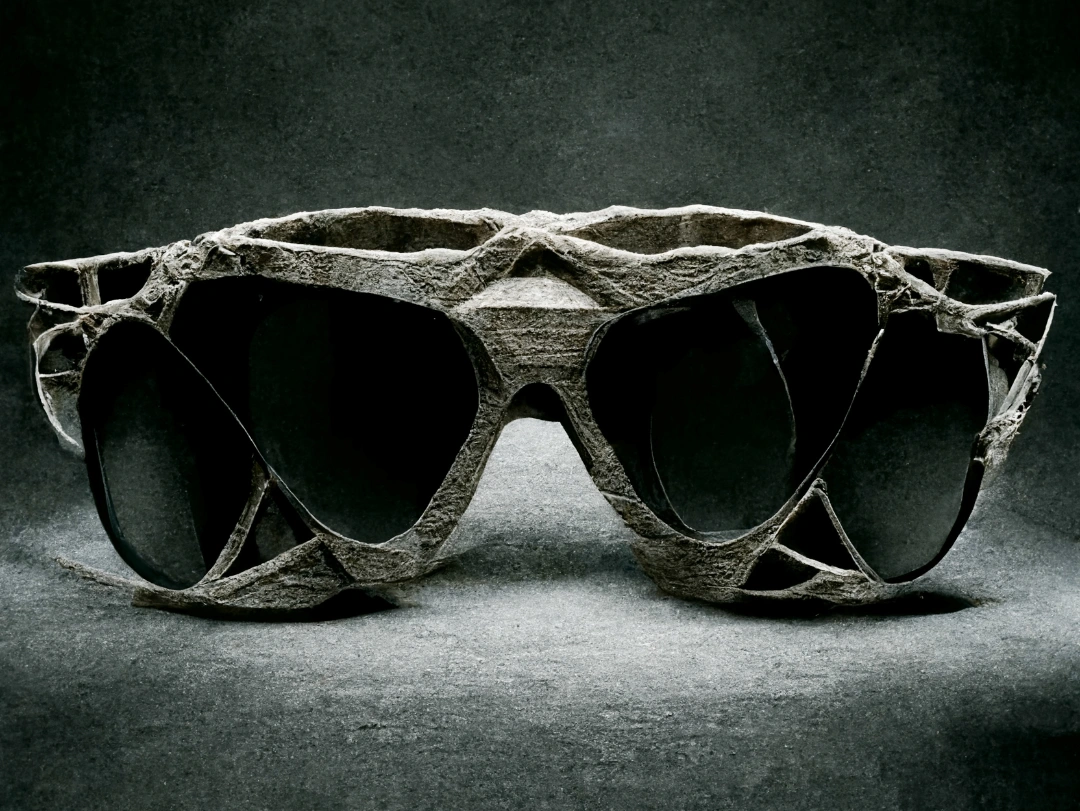
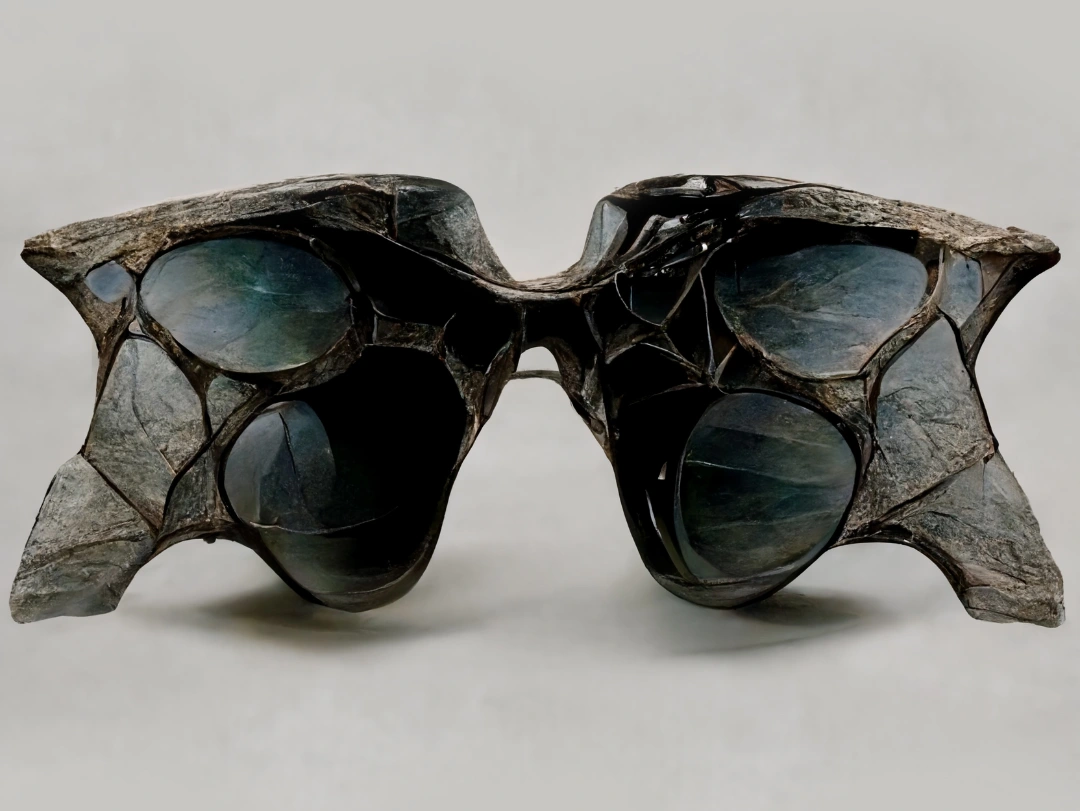
Body Architecture studio expands the domain of architecture beyond its conventional boundaries to encompass the scale of the human body and the design of wearable products.
The workshop will provide participants with both technical and methodological foundations to apply computational design for projects in the fashion, sportswear, and medical industries. Building on the success of the first three editions, the enhanced 4.0 format introduces advanced design workflows that merge computational design with artificial intelligence. Participants will engage with a cross-platform toolkit that includes Rhino and Grasshopper, SideFX Houdini, MakeHuman, Midjourney AI, and RunwayML.
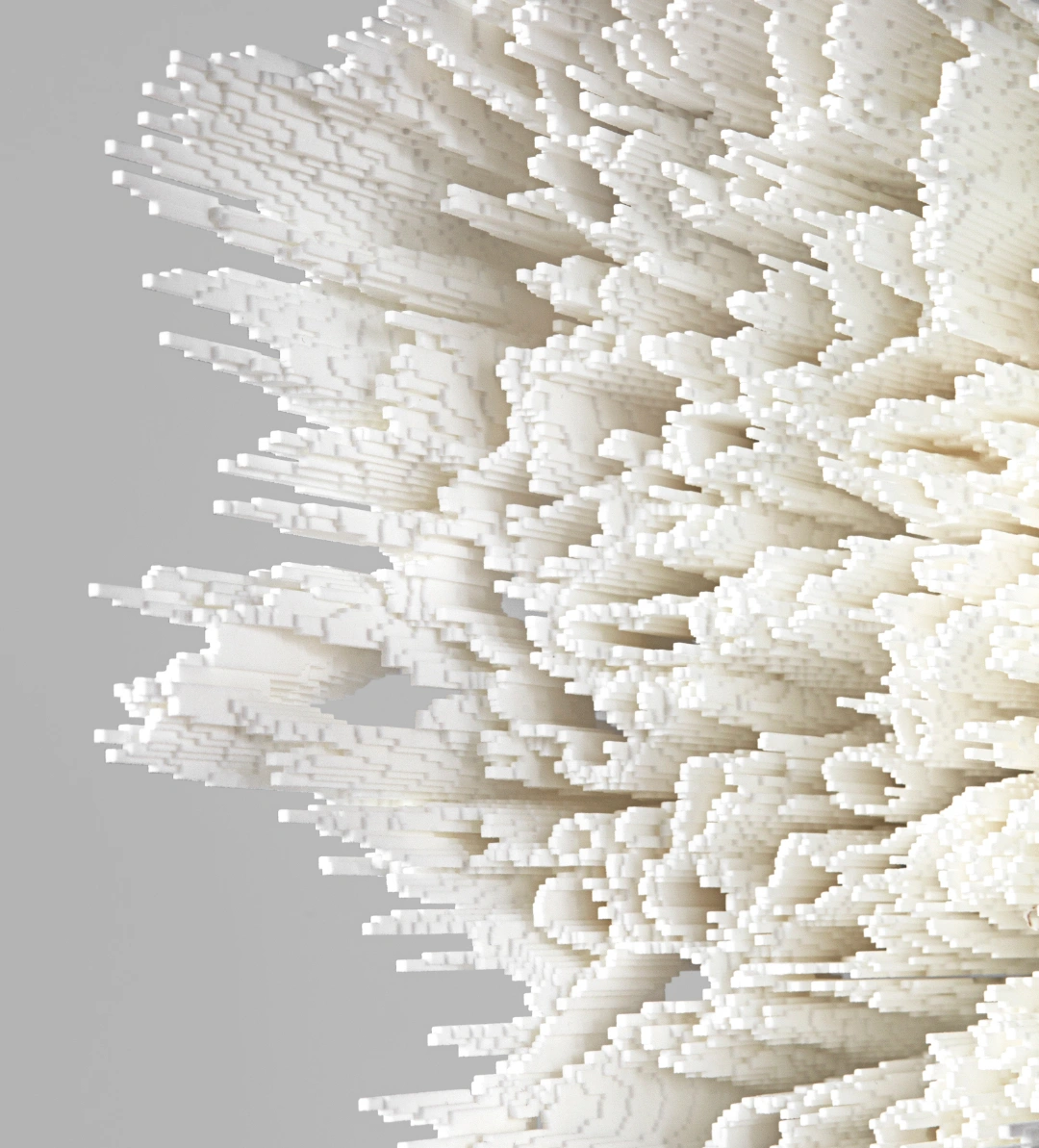
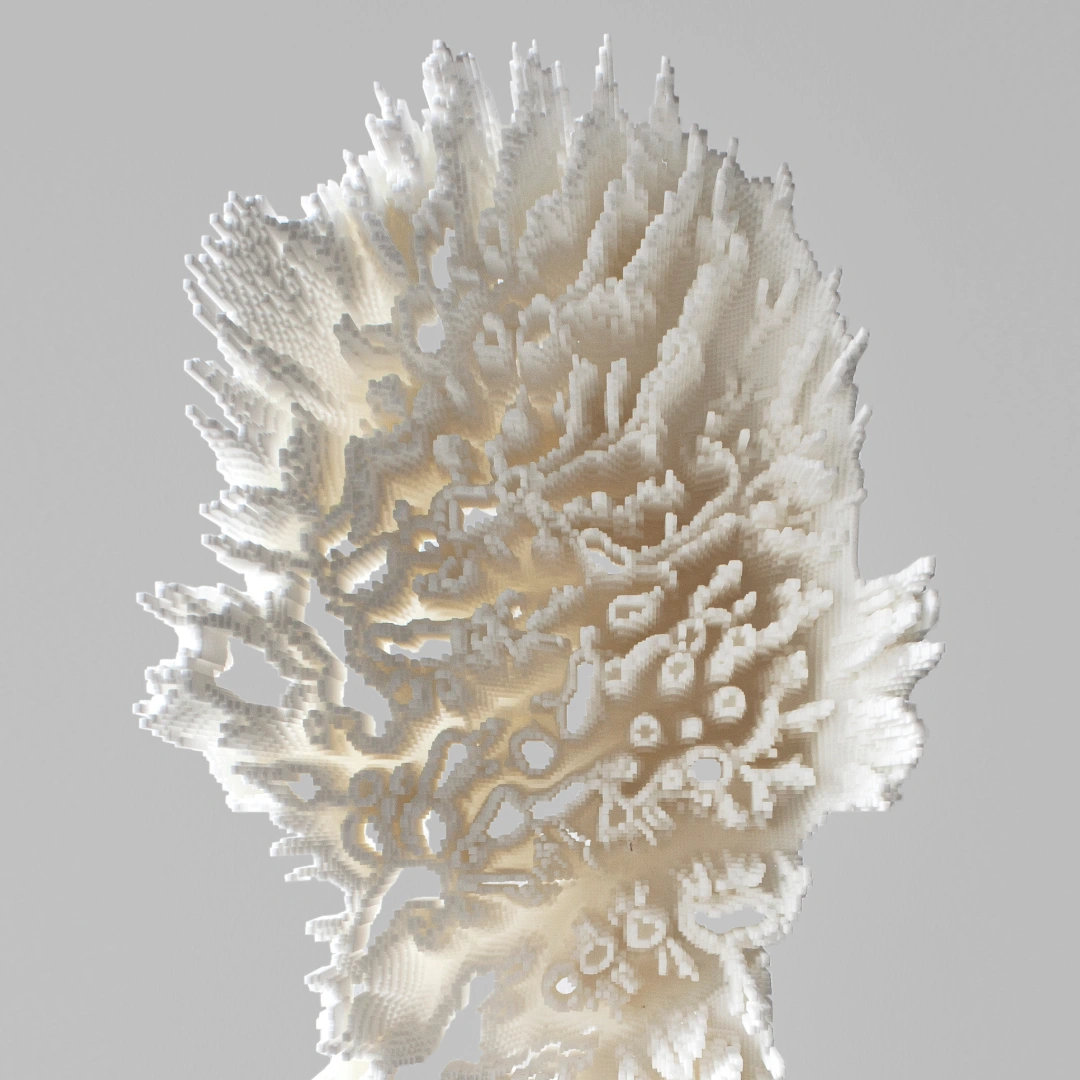
By combining the generative power of node-based software like Grasshopper and Houdini, Participants will explore how digital tools can simulate natural forms, patterns, and microstructures, investigating how the natural and the artificial, the digital and the material can be hybridised into contemporary design statements.
Artificial Intelligence will augment the early concept development phase, support the creation of assets for computational workflows, and enhance the visualisation and animation of final proposals. Proposing an experimental and speculative approach, Body Architecture 4.0 aims to foster a design culture rooted in innovation.
Participants will explore emerging transformations of natural and artificial environments, envisioning how the human body and its extensions might evolve in response, and produce design proposals ranging from wearable artifacts to conceptual proposals for radical reimagining of the human form.
Key Learning Topics:
- Overview of approaches to creating digital 3D models of the human body.
- Step-by-step workflow using MakeHuman for generating anatomically accurate human base meshes.
- Introduction to parametric modelling in Rhino + Grasshopper for generative design.
- Advanced procedural modelling in SideFX Houdini, with a focus on organic forms and complex structures.
- Integration of design data across platforms to support hybrid workflows.
- Using Midjourney AI to explore speculative design ideas and generate visual concepts.
- Creating and refining visual and geometric assets with AI tools to feed into computational design pipelines.
- Developing high-quality visualisations of wearable designs and digital artifacts: general principles.
- Producing stylised or cinematic animations using Runway ML for presentation and storytelling.
- Applying computational and AI techniques in contexts such as fashion, sportswear, and medical design.
- Embracing speculative and experimental design approaches that challenge conventional design boundaries.
Program:
Day 1
- Introductory Lecture
Overview of the Body Architecture studio, conceptual framework, and objectives of the workshop. Presentation of selected case studies from the portfolio of Filippo Nassetti Studio. - AI Tools for Body Architecture: Concept Design with Midjourney AI – Principles and Techniques
Introduction to AI-driven image generation with Midjourney: prompt design, iterative exploration, and stylistic direction. - Case Studies and Applications
Brief overview of exemplary projects and workflows using Midjourney AI for speculative design. - Asset Creation for Computational Workflows
Generating visual and geometric inputs using AI for use within 3D modelling environments. - Digital Modelling of the Human Body: MakeHuman and Alternative Approaches
Workflow demonstration using MakeHuman to create anatomically accurate base models, with reference to alternative methodologies. - Computational Design Techniques in Rhino + Grasshopper: Mapping Strategies I
Introduction to geometry mapping and surface manipulation techniques in Grasshopper. - Q&A
Day 2
- Computational Design Techniques in Rhino + Grasshopper: Mapping Strategies II
Advanced surface population methods, parametric control, and integration with body geometry. - Computational Design Techniques in SideFX Houdini: Noise-Based Displacement
Procedural generation of form through noise functions and displacement mapping. - Erosion Simulation
Simulating natural processes to shape digital geometry; layering erosion effects for design intent. - AI Tools for Body Architecture: Animation with Runway ML
Creating motion-based presentations and stylised animations of design outcomes using AI tools. - Q&A
Software:
Workshop Notes:
- Please ensure you have all the software installed before the workshop starts. Software installation is NOT a part of the workshop.
Instructor:
Filippo Nassetti
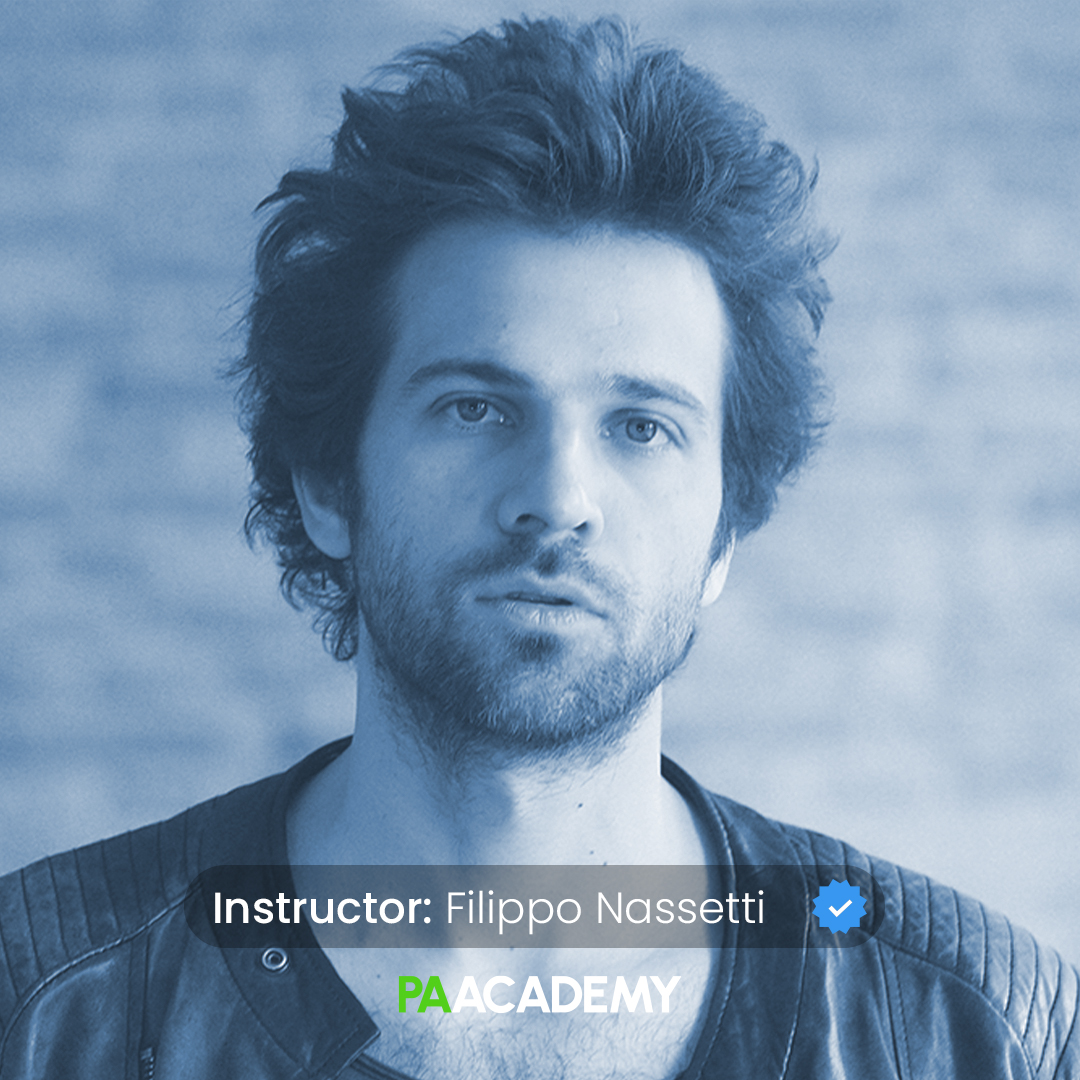
Filippo Nassetti is a designer and multimedia artist whose practice explores the visual languages and creative potentials that emerge from challenging conventional oppositions such as natural and artificial, digital and material, human and non-human. Operating at the intersection of art, design, and technology, it relates research on algorithmic processes, biomimicry, advanced manufacturing, and new media.
In 2012, Filippo co-founded MHOX, a research practice focused on computational design, 3D printing, and digital fabrication. The work of MHOX gained international recognition through experimental projects such as Collagene and Carapace Masks, Generative Orthoses, and the ENEA walking stick. From 2015 to 2023, Filippo was part of Zaha Hadid Design (ZHD), where he was responsible for research and computational design, leading projects ranging from the design of functional and sculptural products to experimental installations and interior designs.
In 2023, he established Filippo Nassetti Studio in London, which is the main platform through which he now operates. The practice combines the independent production of artistic projects and design research with consultancy activities on concept and computational design. In 2024, Filippo was an artist in residence at the Barcelona Supercomputing Center with the project Breathing Architecture, which received an award in the S+T+ARTS Prize 2025.
Since 2016, he has been teaching at UCL The Bartlett School of Architecture (London). Filippo’s independent work has been published and exhibited internationally. He lectured at The Royal College of Arts (London), China Central Academy of Fine Arts (Beijing), Florida International University (Miami); exhibited at Centre Pompidou (Paris), Design Museum (London), Bozar Centre (Bruxelles), Ars Electronica (Linz); his work was featured on The New York Times, International Herald Tribune, Dezeen, Designboom, Wired Italia.
Important Notes:
- The “Body Architecture 4.0” Studio workshop by PAACADEMY will start at 14:00 (GMT) on Saturday, November 29th, 2025.
- Total sessions: 2 Sessions
- The teaching duration per session will be 4 hours.
- Students will have time for a break between teaching hours.
- Each session and the entire studio will be recorded, and videos will be available for participants just a day after the class for unlimited time.
- PAACADEMY will provide a certificate of attendance.
- The studio has limited seats. Tickets are non-transferable & non-refundable. Please read carefully before you register.
Topic: Body Architecture 4.0
Date: November 29 – 30, 2025
Time: 14:00 – 18:00 GMT
Format: Online on Zoom
Duration: 2 Sessions (8 Hours)
Registration Deadline: November 28th, 2025
Total Seats: 50 seats
Difficulty: Beginner-Intermediate
Language: English
Certificate: Yes
General Registration: 100 EUR
Join free: with Full Access membership
Fee For Digital Members: 85 EUR (Free Access for Members)
Organized By: PAACADEMY
Tutor: Filippo Nassetti
Recordings: Recordings will be available for all participants afterward indefinitely.