




Humans today impact the planet and its resources much more than any other species, and by conservative estimates. The construction industry alone is responsible for more than 40% consumption of the world’s natural resources, apart from being the biggest contributor, at 40%, of global greenhouse gas emissions. These figures implore for action to be taken and taken quickly, not just to prevent further damage but also to restore extracted natural habitats and ecosystems in the most efficient way possible.
This is where regenerative architecture can help to bridge the gap between what is and what was. It would be a genuine attempt for man and nature to not only co-exist but also co-evolve together. To ensure positive outcomes for both people and the planet.
Regenerative architecture will help to drive sustainable development while regenerating planetary health. In practicing this style, the structure is an extension of the ecology, nature is incorporated into the built fabric, and systems are infused to not only maintain but also help restore the ecological conditions.
Why is Regenerative Architecture Relevant today?
According to Climate Sustainability Directory, “Regenerative Architecture represents a departure from conventional building practices, aiming not merely to minimize harm but to actively contribute to ecological and social well-being…it involves designing and constructing buildings and communities that restore and revitalize the environment and its inhabitants.
This approach acknowledges the built environment’s profound influence on natural systems and human health, seeking to reverse negative trends and foster positive feedback loops.” With many countries advocating powerfully for climate change goals, the focus on sustainability is becoming apparent. For the construction industry, sustainability needs to be embedded into every phase of a building’s life cycle. But recent reports suggest that this may not be enough. It is becoming increasingly evident for the construction industry to not only reduce, reuse, and recycle but also to restore, regenerate, and co-evolve with natural environments to tackle and possibly reverse climate change and its effects.
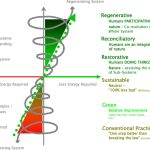
The major difference between sustainable and regenerative architecture is that, while sustainable design focuses on reducing resource consumption and negative impact on the environment, regenerative design aspires to restore the extracted resources and reverse ecological damage through its design. Both endeavour to create comfortable living spaces with sustainability, aiming to conserve for future generations and regenerative, intending to create conducive environments that can help equip future generations with more than what exists today.
Regenerative architecture style requires the built fabric to be net positive in energy consumption and net zero in pollutant emissions. The design should be flexible to accommodate any function or operation at any time. Thus, by practicing regenerative architecture, architects aim to be good ancestors by understanding and taking actions to design built environments that can perform their role as an extension of the surrounding ecosystem.
Regenerative Architecture Principles
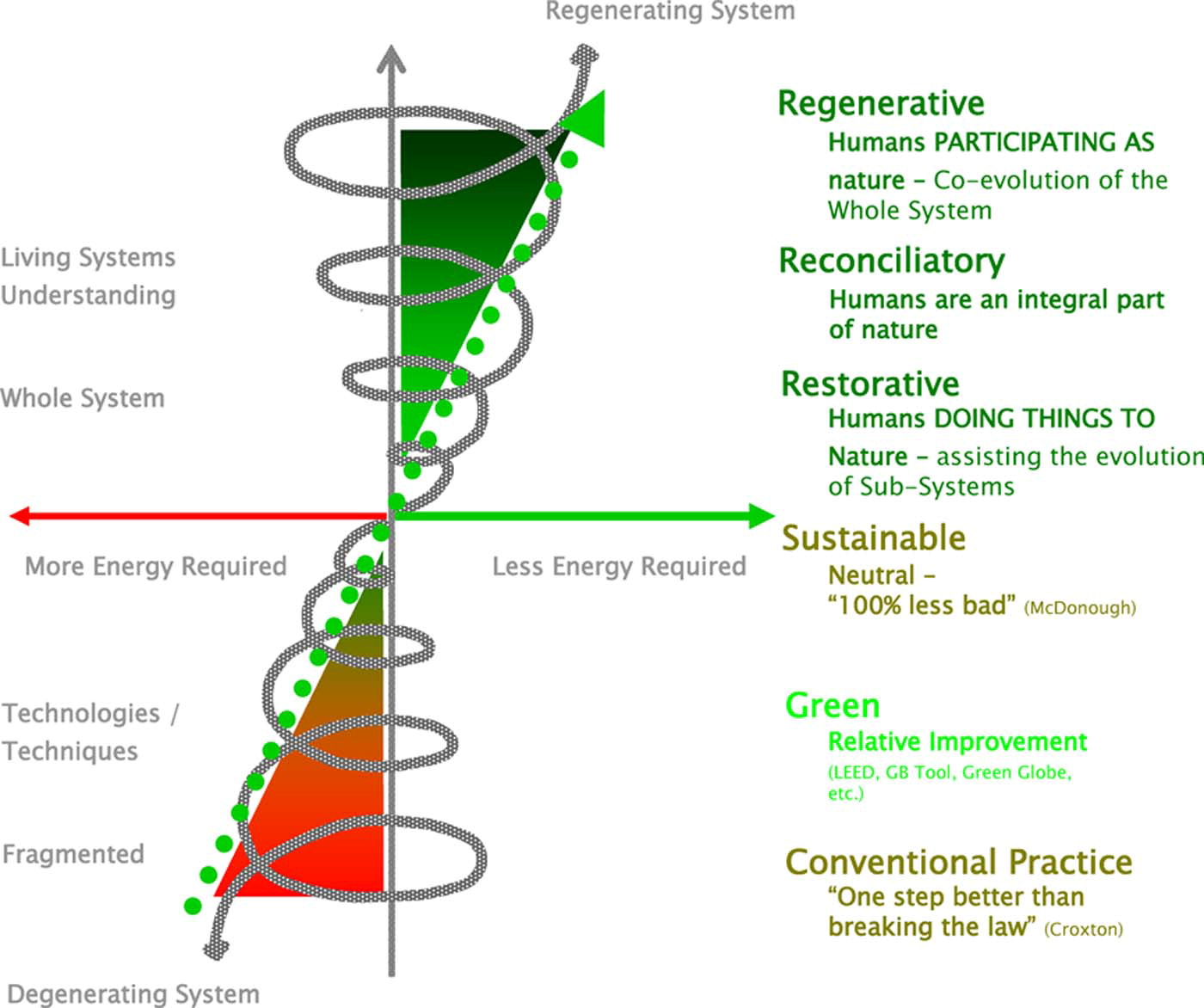
The general framework for a regenerative architectural design has a few core principles that become non-negotiable, which follow the long-understood, well-practiced, but now ignored, indigenous and traditional knowledge. The aim is to create a space that meets the needs of today without compromising the conditions for the ancient ecosystems to perform to their optimal levels.
Co-existence with nature – The lifecycles of all living beings are interconnected and are critical in maintaining ecosystem balance for a fruitful life. Regenerative architecture recognises this principle, and its foundations lie in the creation of ecosystem-centric design. This not only includes bringing the outdoors inside, but also designing to enhance biodiversity, to support habitat restoration, and to conserve water, resources, and energy. It is about considering the interdependence of all systems present on the site, including soil, water, climate, geography, wind, solar power, and plant and animal species. The built fabric must integrate well in the environment, embracing the interdependent systems and facilitating the regeneration of lost resources through its design.
Social Impact – Any structure affects the immediate community in aspects of financial, social, and well-being. The ecosystem-centric design should encourage not only community interaction but also community collaborations from all the different demographic backgrounds of the locality, so both economic and social goals are achieved. This would help incorporate the locally tried and tested practices that embrace local values, including ecological practices that concentrate on equitable progress. Spaces that foster social interactions, inclusivity, and support should be designed not just amongst men but also between men and nature. Optimal ventilation, light, heat, and views are necessary to enrich the comfort and health of occupants and ultimately to boost the health of the built structure and its surroundings.
Adaptability – Change alone is constant in nature. As part of the natural world and evolution, humans have constantly been adapting to changes. Buildings of regenerative architectural style are adaptive to these changes either by their design and elements, by allowing flexibility in the design, or by sustainable disassembly of the structure to be reused on other sites. These are sustainable buildings that mimic their surroundings; more importantly, they need to restore and enhance the surrounding site conditions, biodiversity, hydrology, and other ecosystems without causing negative impacts to the occupants. And in that vein, these spaces need to keep adapting to co-evolve, restore, and enhance the surroundings as the needs of the natural environment around them change.
Circular Economy – Using the word ‘regeneration’ as part of this style of architecture itself requires that materials should not be wasted but restored to close the loop, embracing the circular economy principles. Materials need to be incorporated considering their characteristics and life cycle and being aware of their carbon impact and the methods involved in creating a holistic model. Incidentally, the best example of circular design can be found in nature itself, and analysing their characteristics can create not only a regenerative structure but also a scenario for a holistic circular economy to prevail. This concept also extends to the disassembly of the structure at the end of its life cycle and finding a fitting use for the disassembled materials.
Aesthetics – Any building is for human occupation, and it must cater to their health, comfort, and be conducive to creating an environment that enhances productivity. In this regard, regenerative buildings that focus on the surrounding natural environment can be aesthetically appealing by designing the indoors as an extension of the outdoors, by providing attractive views, and by including elements that create an energy-efficient design. This design embeds functional systems like green roofs, living walls, efficient HVAC systems, natural ventilation and lighting, and optimum indoor air quality, incorporating regeneration at the core. This can ensure that both ecology and human comfort are not compromised but complement and nurture each other.
Factors contributing to Regenerative Design
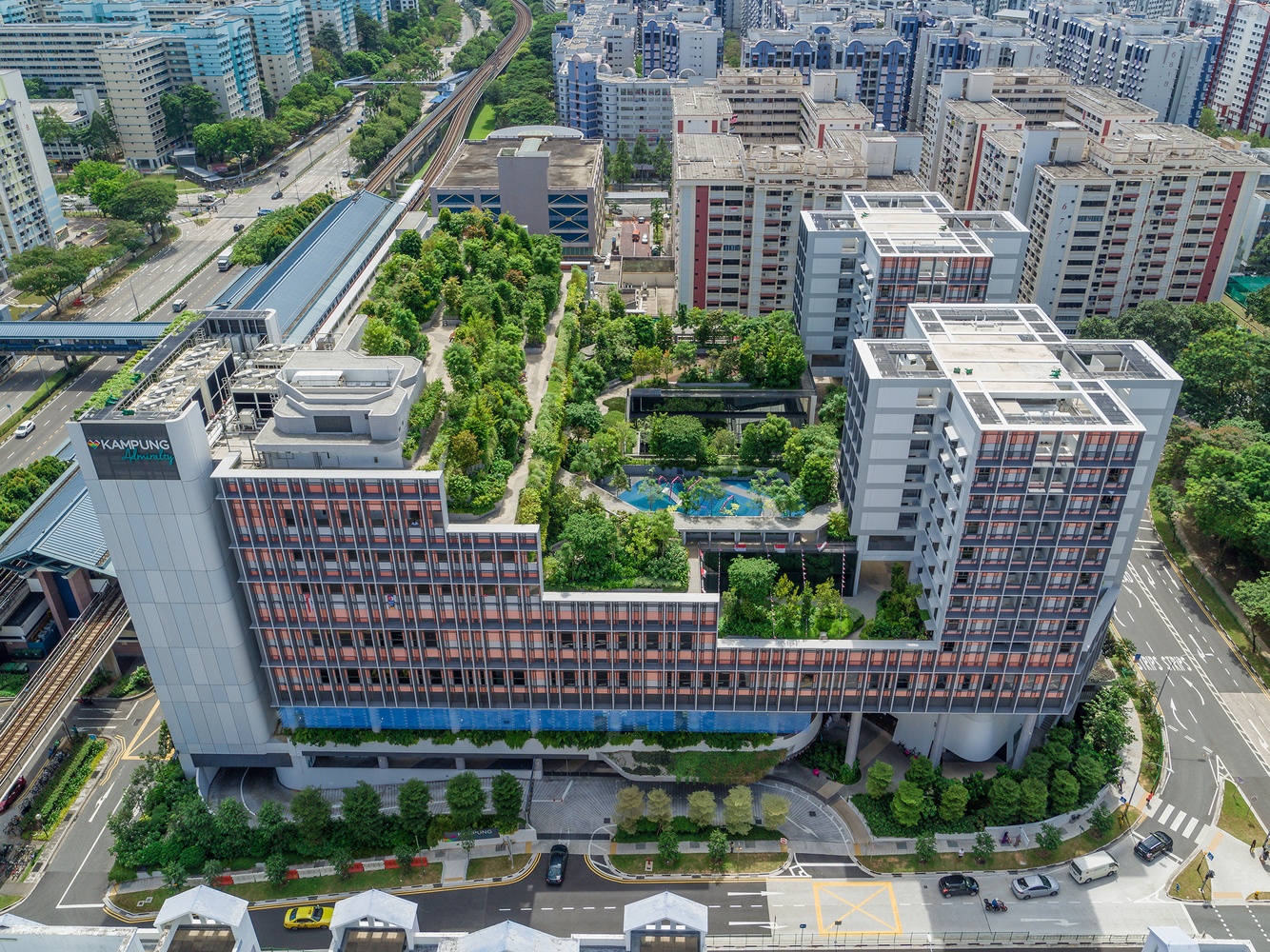
Materials – Locally available materials that have the least negative effect on the built environment and a well-charted life cycle are the most sustainable choices for regenerative architecture. This can contribute efficiently to the durability of the building and help close the material loop, contributing to the circular economy while keeping carbon emissions low. When building materials permit the structure to restore the surrounding environment, it helps create net-positive designs that give a holistic approach to architectural work.
Energy Efficiency – By definition, regenerative buildings are at least net-zero and at best net-positive owing to the energy-efficient systems integrated into the design. The building should require less energy by design, and that amount should be supplied from renewable energy systems. Passive solar design, adequate insulation, natural ventilation, natural lighting, and efficient appliances can all contribute to building efficiency, and infusing systems that enhance the restoration of the site can help regenerate the environment.
Environmental – Regenerative architecture focuses first on the environment and the effects of a building on its immediate surroundings. Understanding the local conditions of the site, climate, soil, water, biodiversity, and land resources is crucial in creating a structure that respects these factors and enhances them. This style is not just about creating a design that embraces the surroundings, but also augments the current setting and makes it better.
Social – The basic requirement of architecture is to fulfill the shelter needs of the people. While regeneration concentrates on the environment, architecture should focus on the inhabitants of the structure. The built fabric should facilitate social well-being through interactive spaces that are comfortable and health-conscious. It should encourage collaborations, involvement, and productivity, and be an equitable space for all sections of the local community.
Regenerative Design Illustrations
1. HTMX World Headquarters, USA by McLennan Design
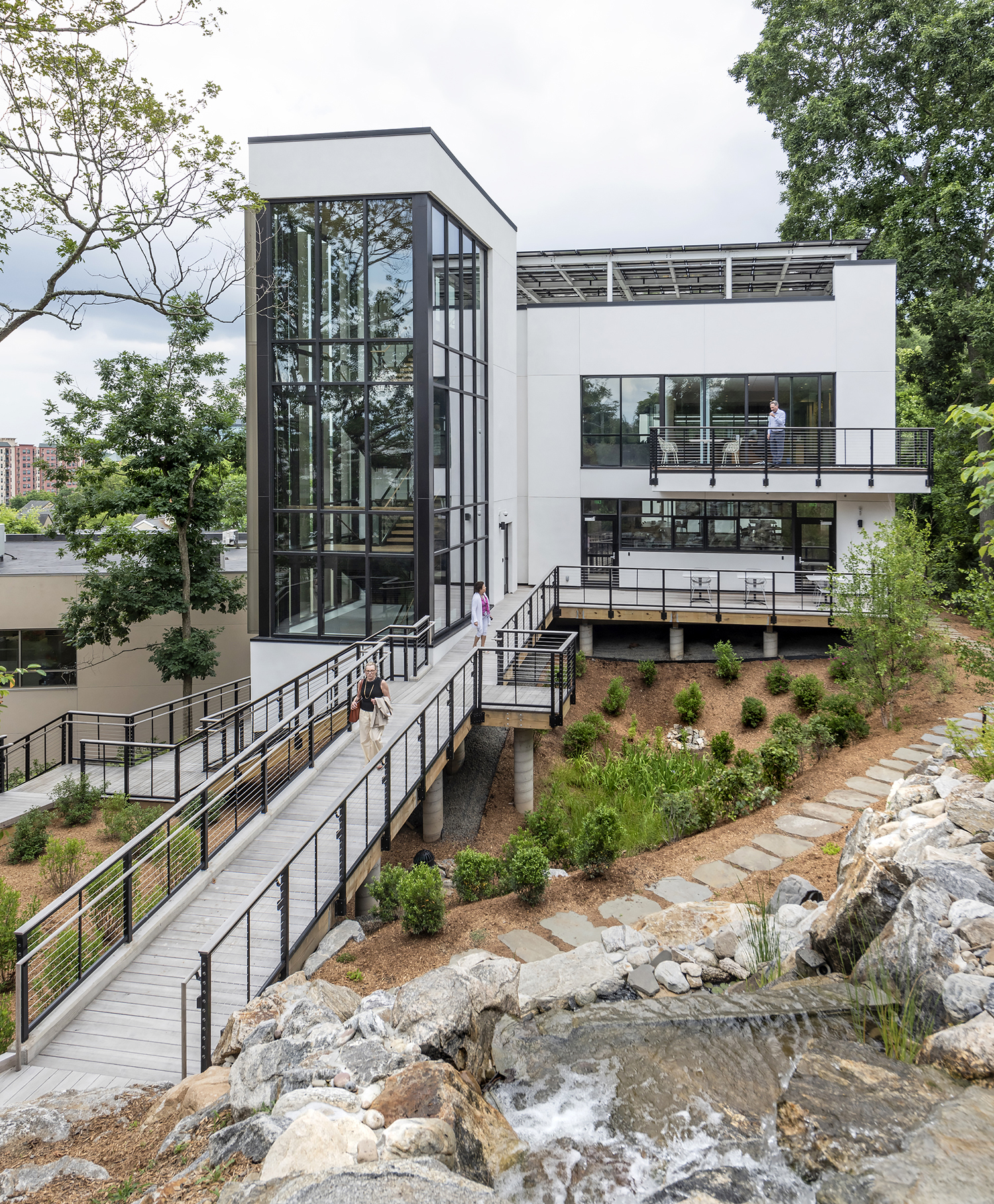
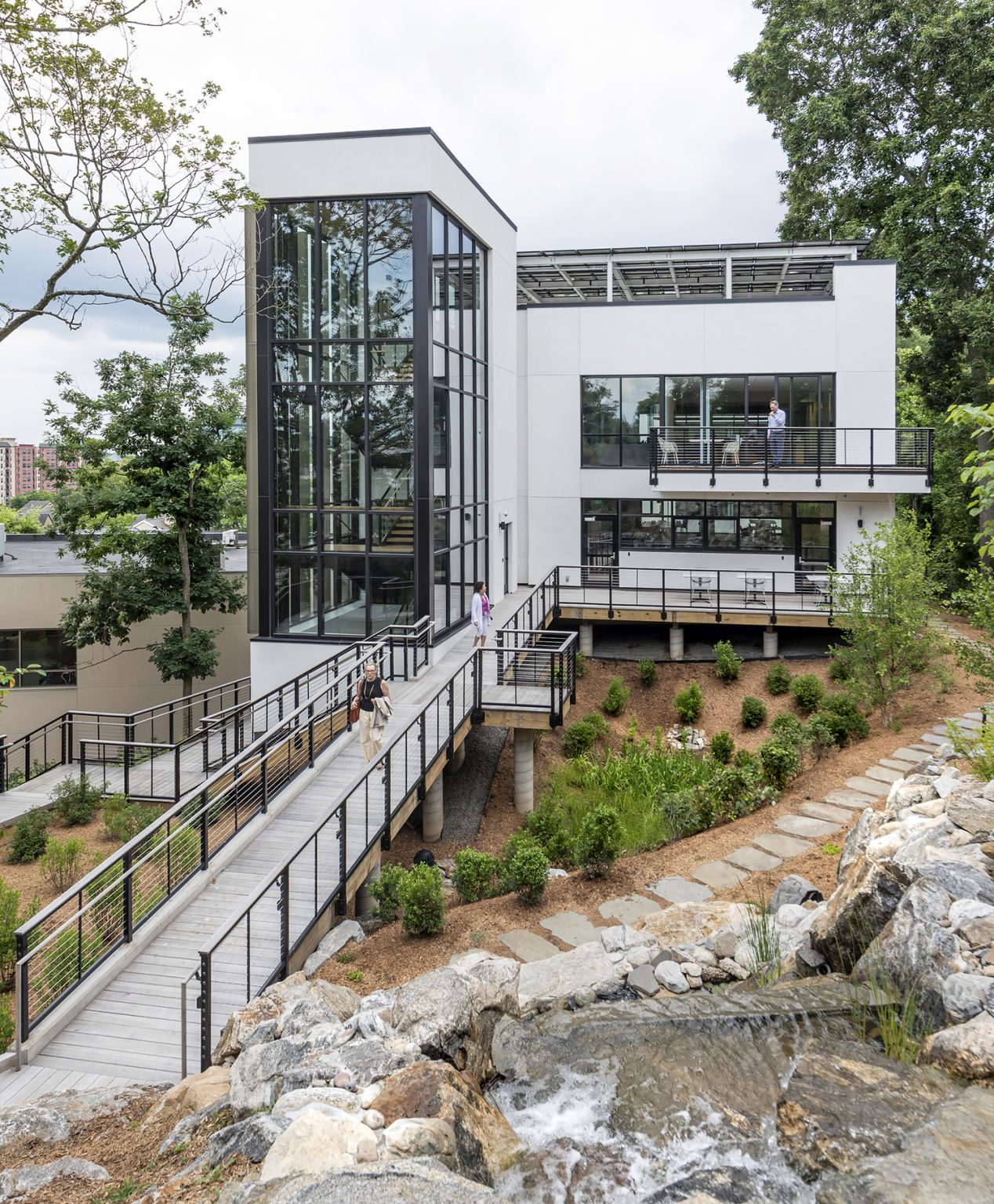
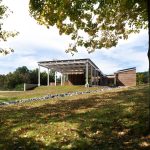
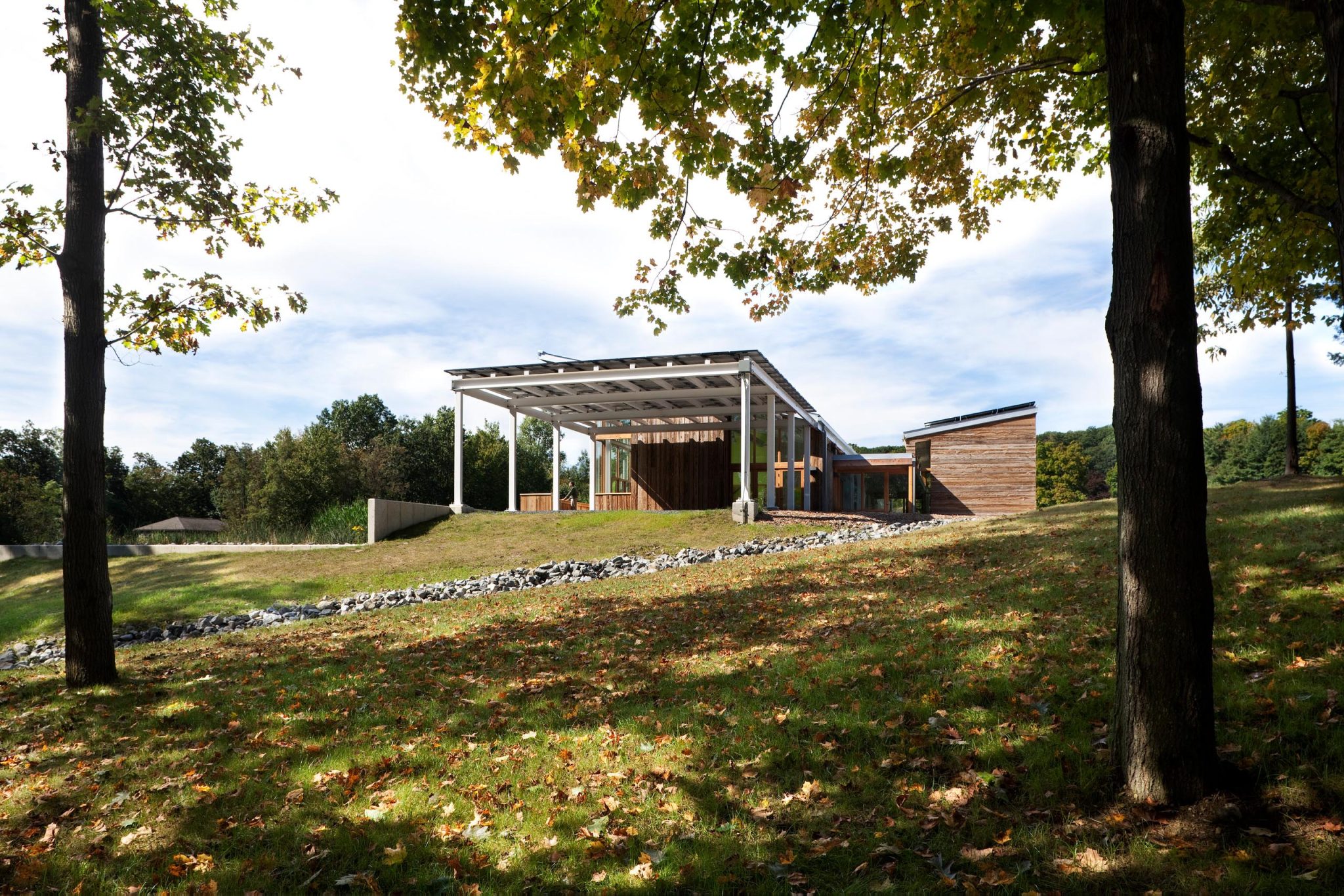
The greenest building in Connecticut, the HMTX World Headquarters by McLennan Design, was designed around the concept of the Living Building Challenge. It fulfills the categories or ‘petals’ of Place, Energy, Health + Happiness, Materials, Equity, and Beauty, but is quite exemplary though not complete in the Water category.
The building has been elevated to not disturb the existing landscape, and is inspired by strong Biophilic and green philosophies. Every interior space is open on at least three sides to the surrounding natural environment, bridging the gap between the built and the unbuilt. The interiors are also designed to engage all the senses by connecting to nature through sight, smell, sound, and touch.
2. VanDusen Botanical Garden and Visitor Centre, Canada by Perkins + Will
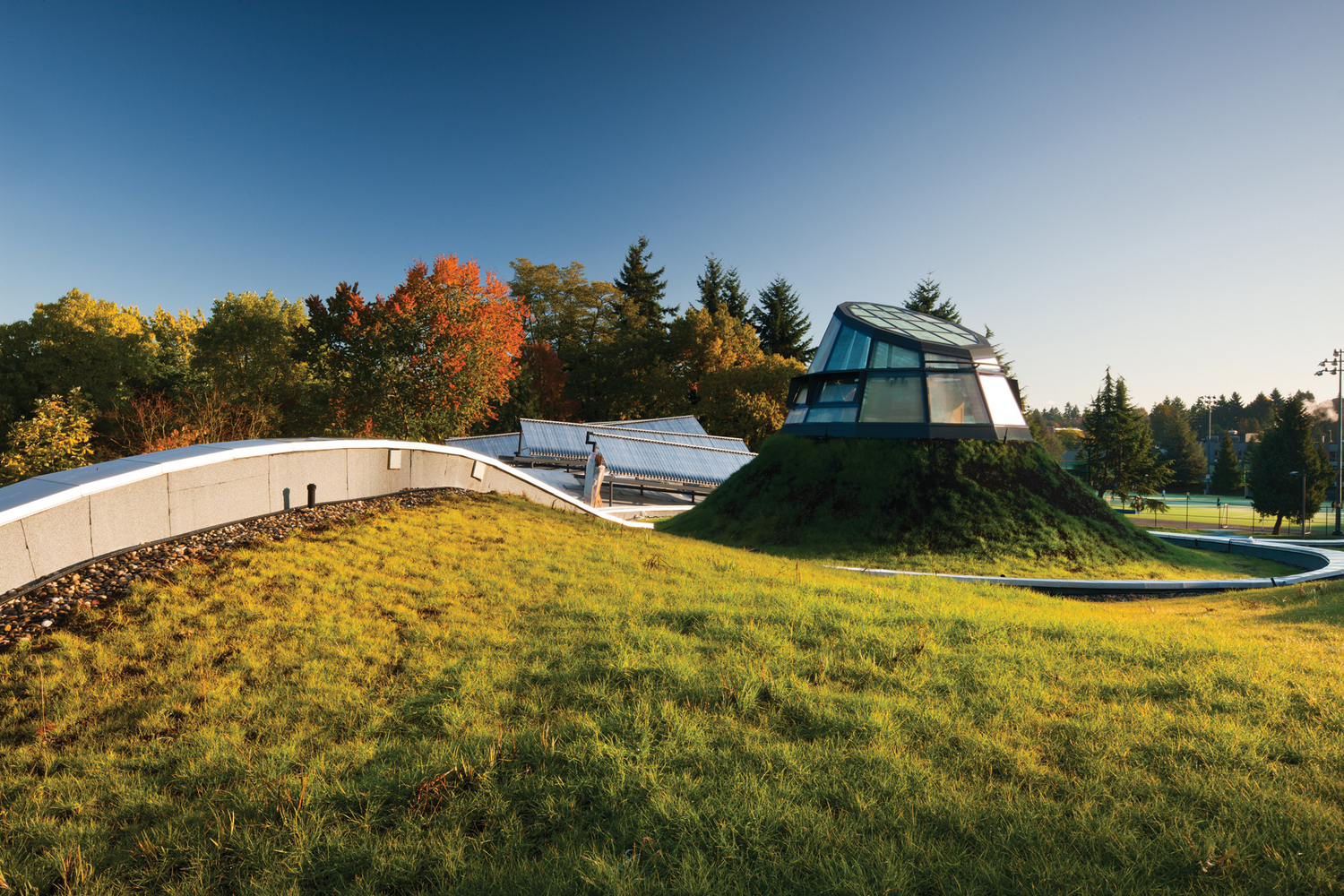
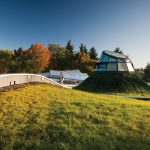
The VanDusen Botanical Garden’s Visitor Centre by Perkins + Will in Vancouver, Canada, follows the organic form of a native orchid, where the roof of the building floats like petals above rammed earth walls. The green roof is accessible and houses local plants, restoring biodiversity and ecological balance on site. The site also accommodates and uses the natural wetlands to maintain the existing vegetation systems and encourages local flora and fauna to flourish.
Wood has been extensively used to achieve carbon neutrality and enhanced to ensure durability. Natural views and ventilation helped to achieve spaces that evoke the feeling of the outdoors, and renewable systems, natural ventilation, and daylight enable the building to be net positive.
The future of Regenerative Architecture
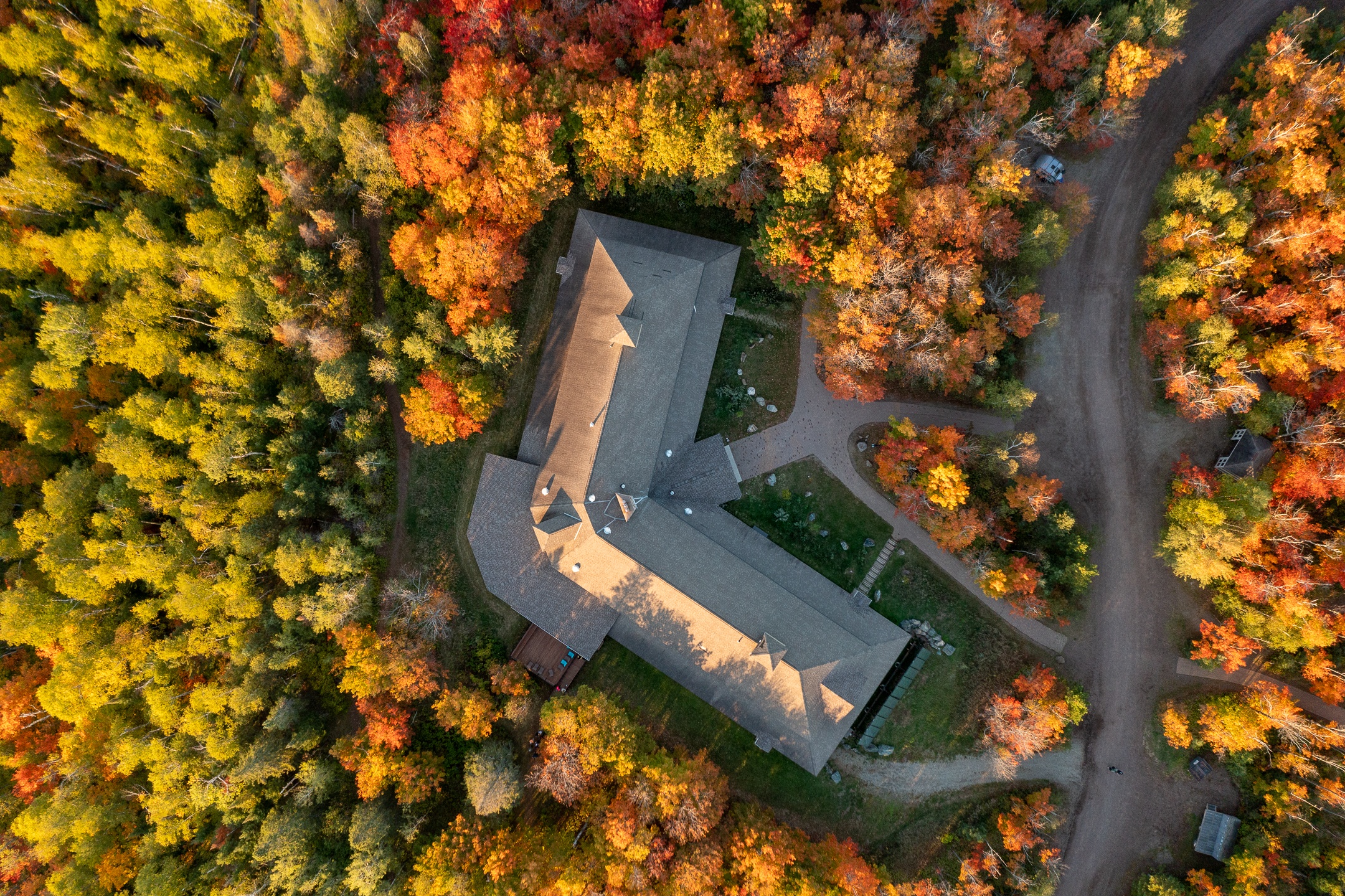
Regenerative Architecture, a forum for professionals involved in the regenerative practice, talks about ‘being a good ancestor’, as today’s choices affect tomorrow’s affairs. The Living Building Challenge’s homepage asks – ‘What if every single act of design and construction made the world a better place?’ These are pertinent notions for all architects to answer with every design they attempt, because sustainability has already become the forefront of everything today.
While sustainability has established its relevance as a crucial part of how to design the built fabric, the architecture industry needs to go two steps further to focus on not only restoring the damaged environments but to positively impacting them. One that fosters healthier ecosystems and communities, that facilitates resilient interdependent relationships between man and nature to grow together. Where architecture needs to be reinvented to suit today’s needs, but is entrenched in the old techniques of our ancestors.