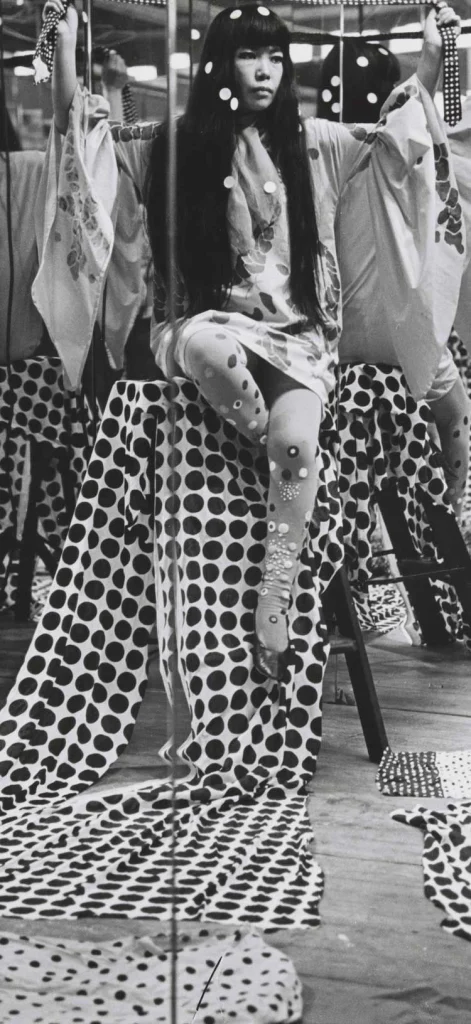

Japanese avant-garde artist Yayoi Kusama, one of the most recognizable and influential figures in contemporary art, has died at the age of 97. Kusama died at a hospital in Tokyo on August 14, 2026, with news of her death announced by her studio and museum on August 27. Reports have cited multiple organ failure as the cause of death.
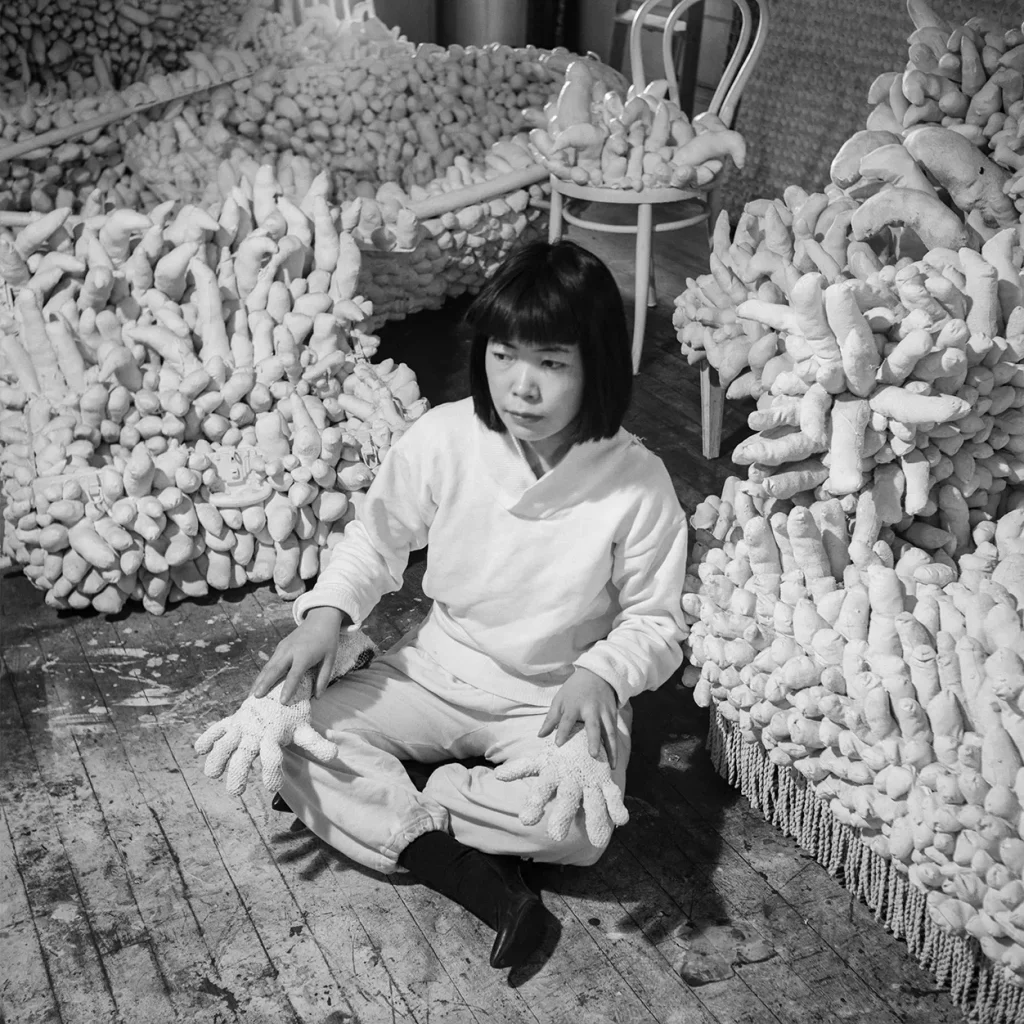
For more than seven decades, Kusama transformed personal visions, repetition and infinity into a distinctive artistic language. Her polka dots, mirrored environments, pumpkins, monumental sculptures and immersive installations made her work instantly recognizable while challenging conventional boundaries between painting, sculpture, installation, performance and space. Born in Matsumoto, Japan, in 1929, Kusama began experiencing vivid hallucinations as a child. She later translated these experiences into repeated patterns and infinite fields of dots. After moving to New York in 1957, she entered the city’s experimental art scene and developed her celebrated Infinity Nets, alongside performances, sculptures and large-scale installations. Her work intersected with the development of Pop Art, Minimalism, conceptual art and feminist practices, while also influencing artists such as Andy Warhol.
From Objects to Infinite Environments
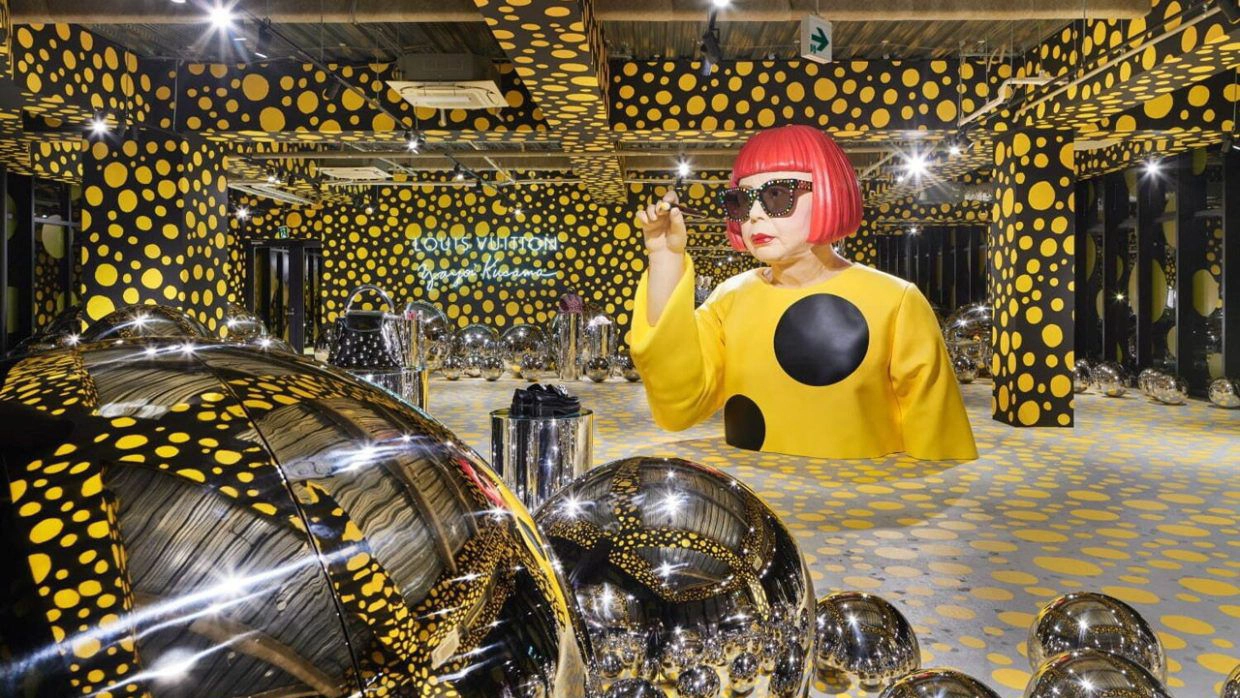
Kusama’s most important contribution to contemporary art may be her transformation of the artwork from an object into an environment. Her Infinity Mirror Rooms surrounded visitors with mirrors, lights, reflections and repeated forms, producing an experience in which the boundaries of the room and the individual seemed to dissolve.
This approach fundamentally changed the relationship between artwork and audience. Instead of standing outside a painting or sculpture, visitors became physically immersed in the work. Space itself became the medium.
That idea has particular significance for architecture. Kusama was not an architect, but her work demonstrated how spatial perception can be manipulated through repetition, reflection, scale, light and pattern. Her installations effectively turned architectural interiors into psychological environments, encouraging architects and designers to think beyond static walls, floors and ceilings.
An Influence on Architecture and Spatial Design
Kusama’s influence on architecture can be seen most clearly in the growing importance of immersive and experiential spaces. Contemporary museums, galleries, cultural buildings and temporary installations increasingly treat visitors as active participants rather than passive observers.
Her mirrored rooms anticipated many aspects of today’s experience-driven architecture, including immersive exhibitions, interactive environments and spaces designed specifically for photographic and social-media engagement. Yet Kusama’s work was more than a visual spectacle. By multiplying reflections and eliminating clear spatial boundaries, she questioned ideas of identity, scale and permanence.
Her repeated dots also offered another lesson for architecture: a simple visual element can become spatially powerful when multiplied across an environment. Surfaces, furniture, sculpture and architecture could become part of one continuous visual field.
A Global Cultural Icon
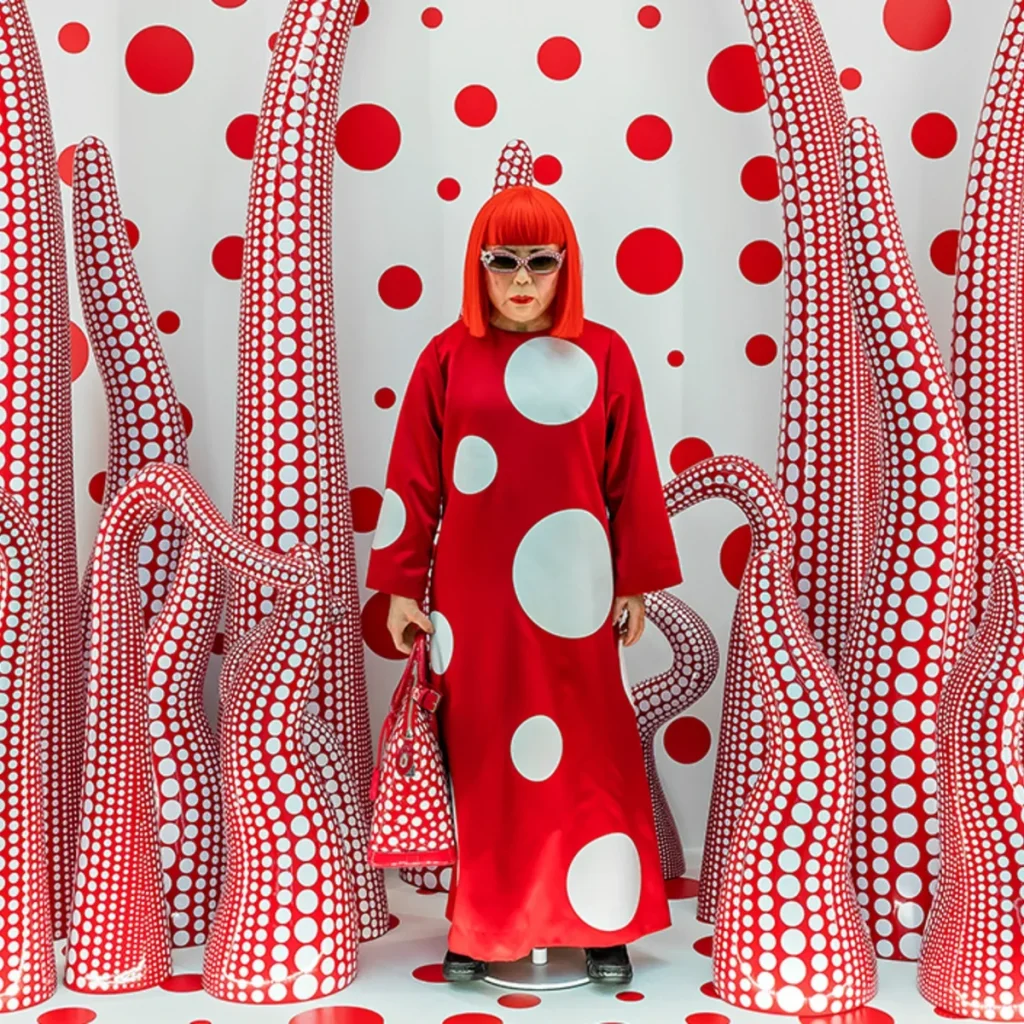
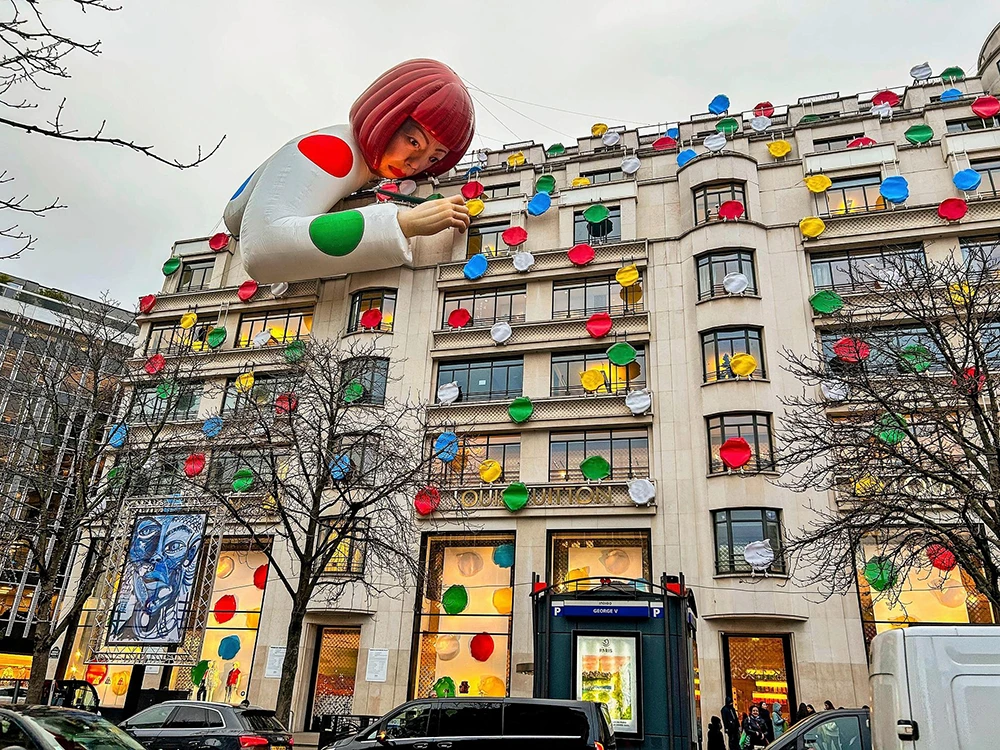
Kusama eventually moved from the margins of the avant-garde to the center of global popular culture. Her collaborations with fashion and luxury brands helped bring contemporary art into everyday consumer culture, while major museums around the world presented her work to enormous audiences. Her Tokyo museum, opened in 2017, further established her artistic legacy.
Her career also challenged conventional expectations about age, gender and artistic recognition. After decades in which her contributions were often overshadowed by male contemporaries, Kusama became one of the world’s most commercially successful artists.
Her death closes an extraordinary chapter in contemporary art, but her influence is unlikely to disappear. Kusama showed that a dot could become an environment, a mirror could become infinity, and an artwork could become a place.
For architecture, perhaps her most enduring lesson is that space is not simply something we occupy. It is something we perceive, feel and psychologically inhabit. Kusama spent her life turning that idea into an endless visual experience. The dots may stop multiplying, but the spatial questions they created remain infinite.