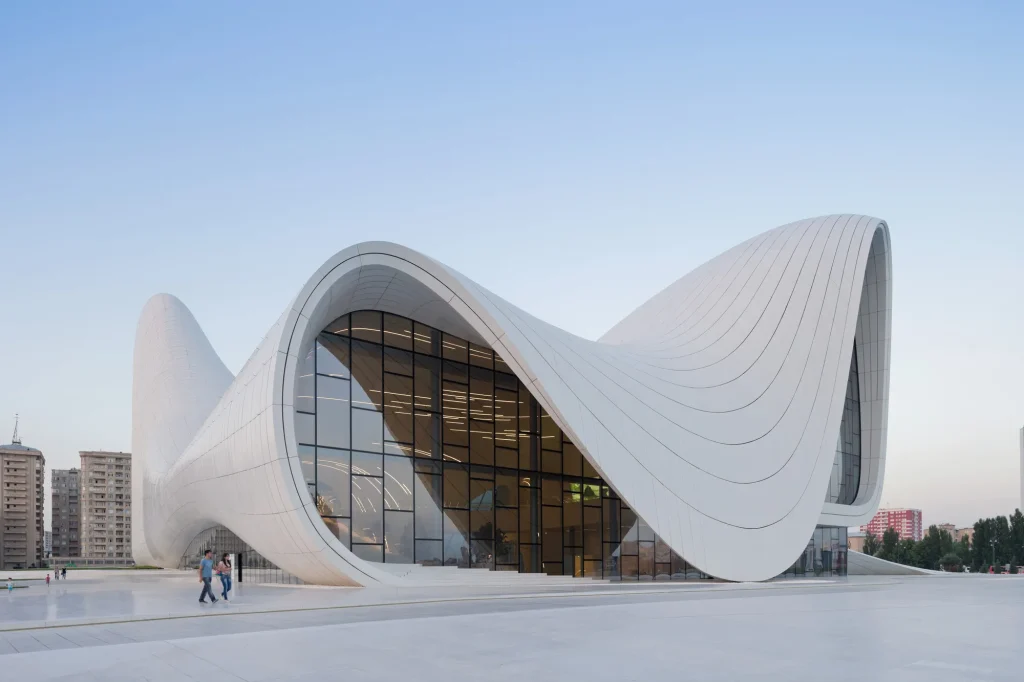


Sustainable architecture has become one of the most influential ideas shaping contemporary building practice. Architects are increasingly expected to reduce carbon emissions, specify environmentally responsible materials, improve energy performance, and design buildings that remain useful for generations. Yet beneath the optimistic language of green architecture lies an uncomfortable question: who can actually afford to put these principles into practice?
While sustainability is frequently presented as a universal responsibility, its implementation is far from equally accessible. High-performance glazing, responsibly sourced timber, advanced insulation systems, renewable energy technologies, and environmental certification processes often require substantial initial investment. For wealthy clients, these expenses may represent a reasonable contribution to long-term value. For smaller developers, public institutions with limited budgets, and households struggling with housing costs, they can become prohibitive.
The contradiction is difficult to ignore. Architecture is being asked to respond to an environmental crisis that affects everyone, while the financial conditions required to produce sustainable buildings remain accessible to only some.
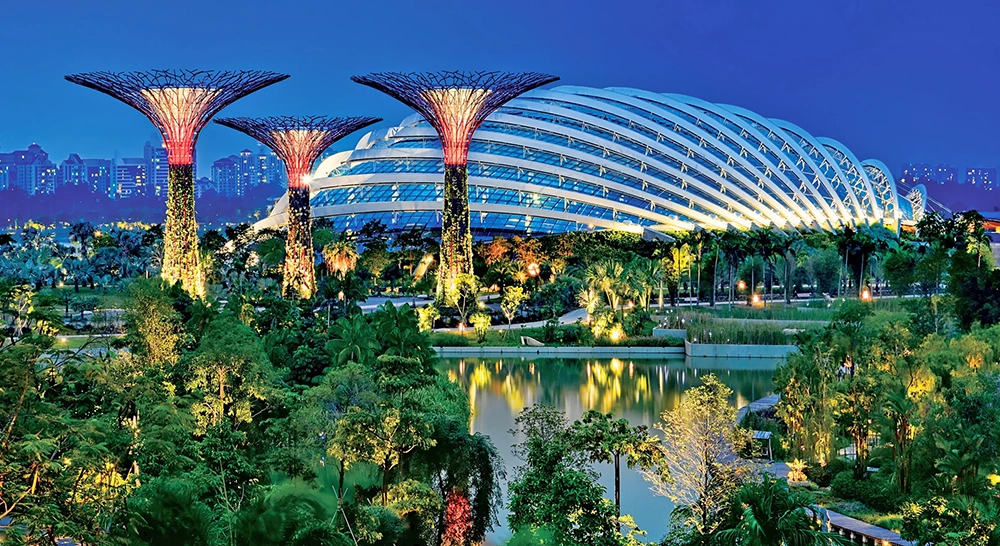
The Price of Being Green
One of the most persistent assumptions in contemporary architecture is that sustainable buildings are necessarily more expensive. This is not entirely accurate, but neither is it a misconception without foundation.
Certain sustainable strategies involve considerable upfront expenditure. High-performance building envelopes, sophisticated mechanical systems, photovoltaic installations, and specialized construction materials can increase initial project costs. Their financial benefits often emerge gradually through reduced energy consumption, lower maintenance requirements, and improved building performance.
The difficulty is that architectural projects are rarely evaluated over their entire lifespans. Developers frequently prioritize construction budgets, financing conditions, and immediate returns rather than operational expenses over several decades. A building that costs less to construct may therefore appear more attractive than one that performs better environmentally over time. This creates a structural disadvantage for sustainable design. Its benefits are distributed across the building’s lifespan, while its additional costs are concentrated at the beginning.
For an investor planning to sell a property shortly after completion, the economic motivation to invest in long-term environmental performance may be limited. For a homeowner without access to affordable financing, even an investment that promises future savings can remain financially impossible.
Sustainability as an Architectural Luxury
A growing number of contemporary buildings demonstrate how environmental responsibility can become intertwined with architectural prestige.
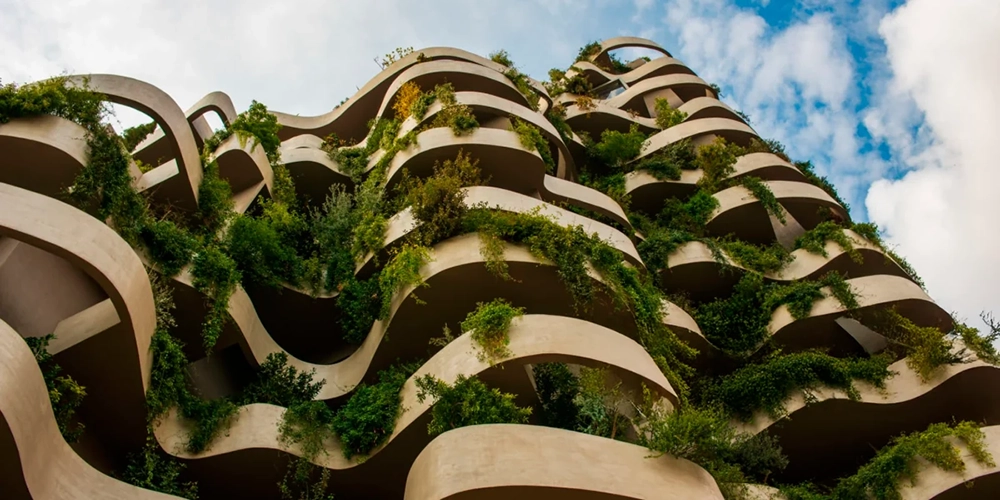
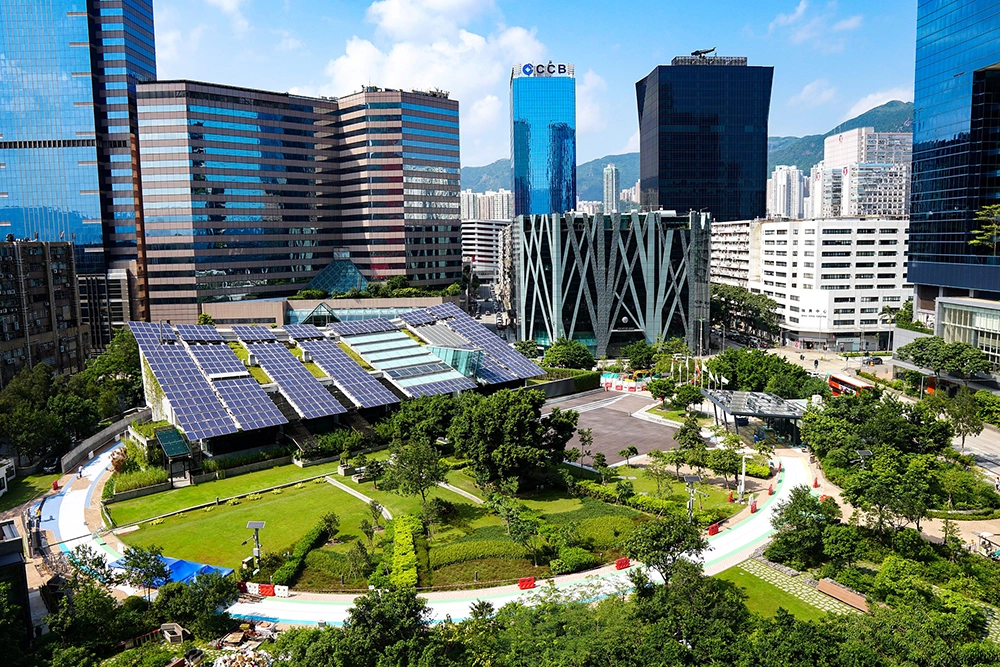
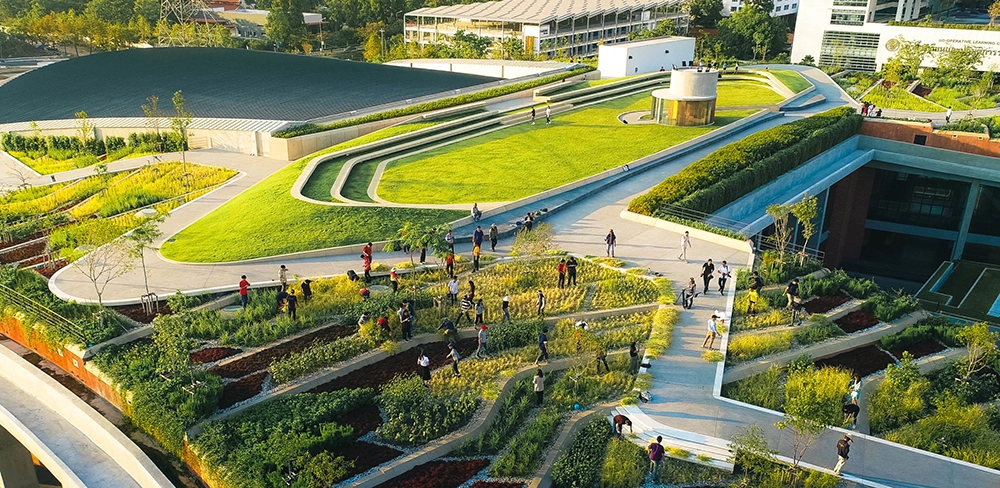
Expensive residential developments advertise green roofs, natural ventilation, smart building systems, recycled materials, and energy-efficient façades as evidence of exclusivity. Sustainability becomes part of a lifestyle marketed to people who can already afford spacious homes, desirable locations, and advanced technologies. There is nothing inherently wrong with ambitious environmental design. The problem emerges when sustainability becomes a symbol of economic status rather than a basic architectural standard.
Consider the difference between a luxury apartment building with extensive green infrastructure and an aging residential block occupied by low-income families. The former may receive investment for environmental upgrades because they increase property value and market appeal. The latter may continue to suffer from poor insulation, inefficient heating, inadequate ventilation, and uncomfortable indoor temperatures. Both buildings contribute to the environmental challenges of the built environment, but their occupants have radically different opportunities to benefit from sustainable improvements.
When environmental quality becomes a market privilege, architecture risks reproducing the inequalities it should help address.
The Hidden Economics of Material Choices
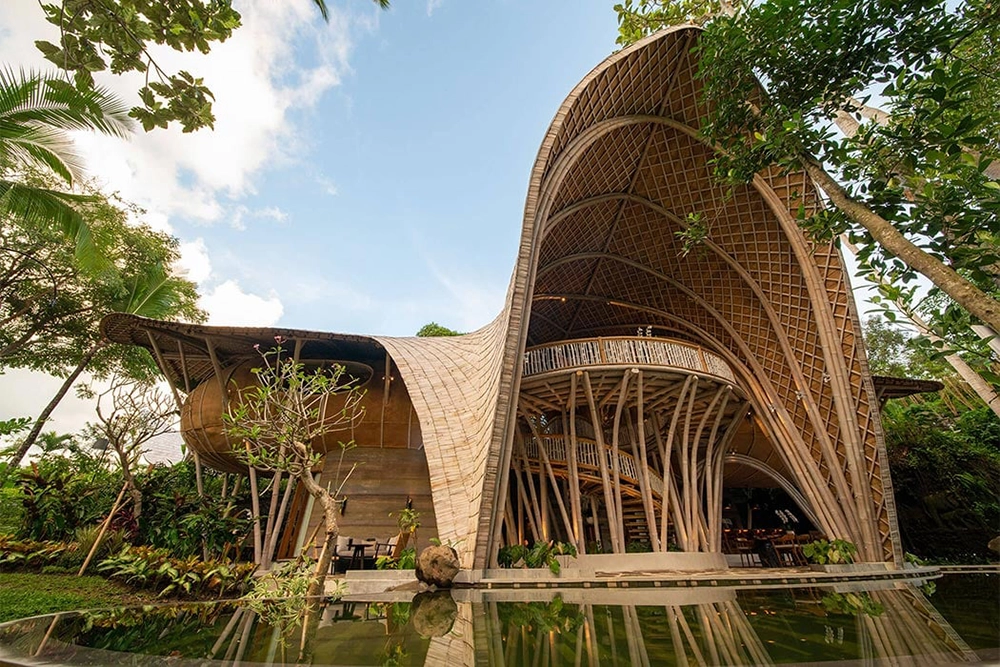
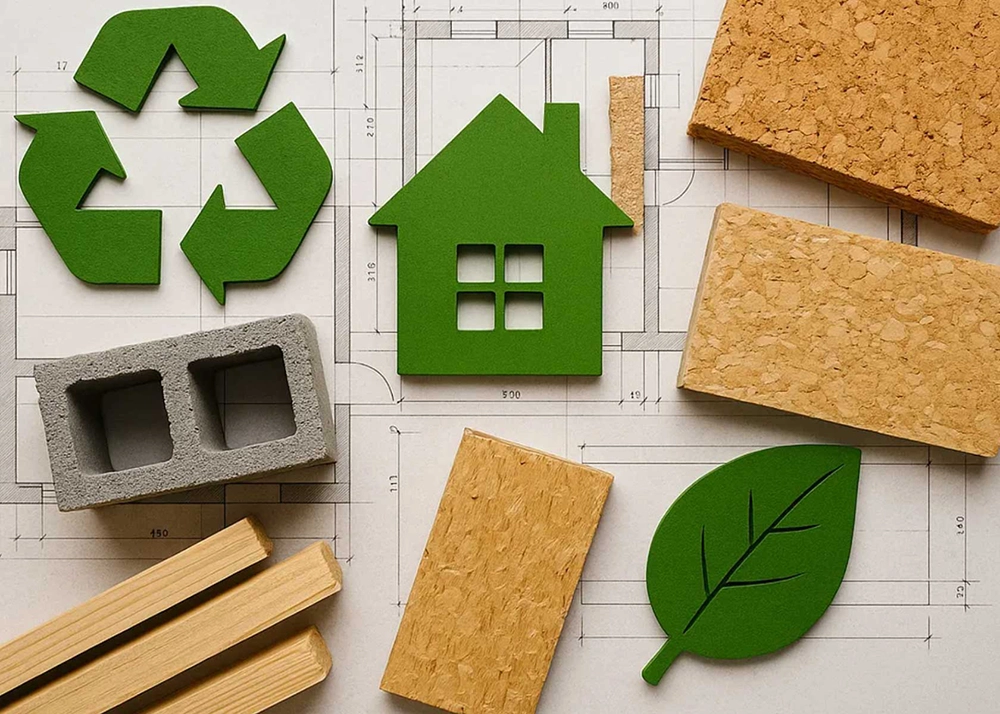
Material selection is one of the most important decisions in sustainable architecture, yet it is also one of the areas where economic limitations become particularly visible. Locally sourced materials, certified timber, recycled components, low-carbon concrete alternatives, and products with transparent environmental documentation can reduce the ecological footprint of construction. However, their availability and cost vary significantly between regions.
In some markets, conventional materials remain considerably cheaper because their supply chains are established, their production is highly standardized, and their environmental costs are not fully reflected in their prices. Meanwhile, sustainable alternatives may require specialized suppliers, additional transportation, technical expertise, or unfamiliar construction methods. These conditions can discourage architects and contractors from specifying them, particularly when working within strict budgets.
There is also a geographical dimension to this problem. A material considered environmentally responsible in one location may become less sustainable when transported across long distances. Similarly, an imported high-performance product may have a lower operational impact but a substantial embodied carbon footprint.
Sustainable architecture therefore cannot depend on expensive products alone. It requires a more intelligent understanding of local resources, traditional construction knowledge, material availability, and the environmental consequences of the entire building process.
Sometimes the most sustainable decision is not to introduce a sophisticated new material, but to use an existing one more effectively.
The Inequality of Energy-Efficient Housing
The relationship between sustainability and housing affordability deserves particular attention. Buildings account for a significant share of global energy consumption, and residential properties are central to this challenge. Poorly insulated homes require more energy for heating and cooling, exposing their occupants to higher utility bills and uncomfortable living conditions.
However, the people most affected by inefficient housing are not necessarily those with the financial resources to improve it. Low-income households often occupy older buildings with inadequate thermal protection, outdated heating systems, and limited access to natural ventilation. Retrofitting these properties can significantly improve indoor comfort and reduce energy demand, but the initial costs may be beyond the reach of their owners.
Renters face an additional obstacle. Landlords may have little incentive to invest in improvements when tenants pay the energy bills. Conversely, when improvements are made, landlords may increase rents, potentially displacing the very residents who were supposed to benefit. This situation reveals an important limitation in the way sustainable architecture is discussed. Energy efficiency is not simply a technical matter. It is also connected to ownership, housing policy, rental regulations, and the distribution of economic resources.
A genuinely sustainable housing strategy must therefore address both building performance and the social conditions in which buildings are occupied.
Architects Between Environmental Responsibility and Financial Reality
Architects occupy an uncomfortable position within this debate. They are increasingly expected to deliver environmentally responsible buildings while working within financial frameworks that may discourage ambitious sustainability measures.
A client may request a low-carbon building but reject the additional costs of certain materials. A developer may support energy efficiency in principle but prioritize maximum floor area over passive environmental strategies. A public institution may recognize the importance of sustainable construction while operating under procurement systems that reward the lowest initial bid. These tensions make sustainability an architectural negotiation as much as a design objective.
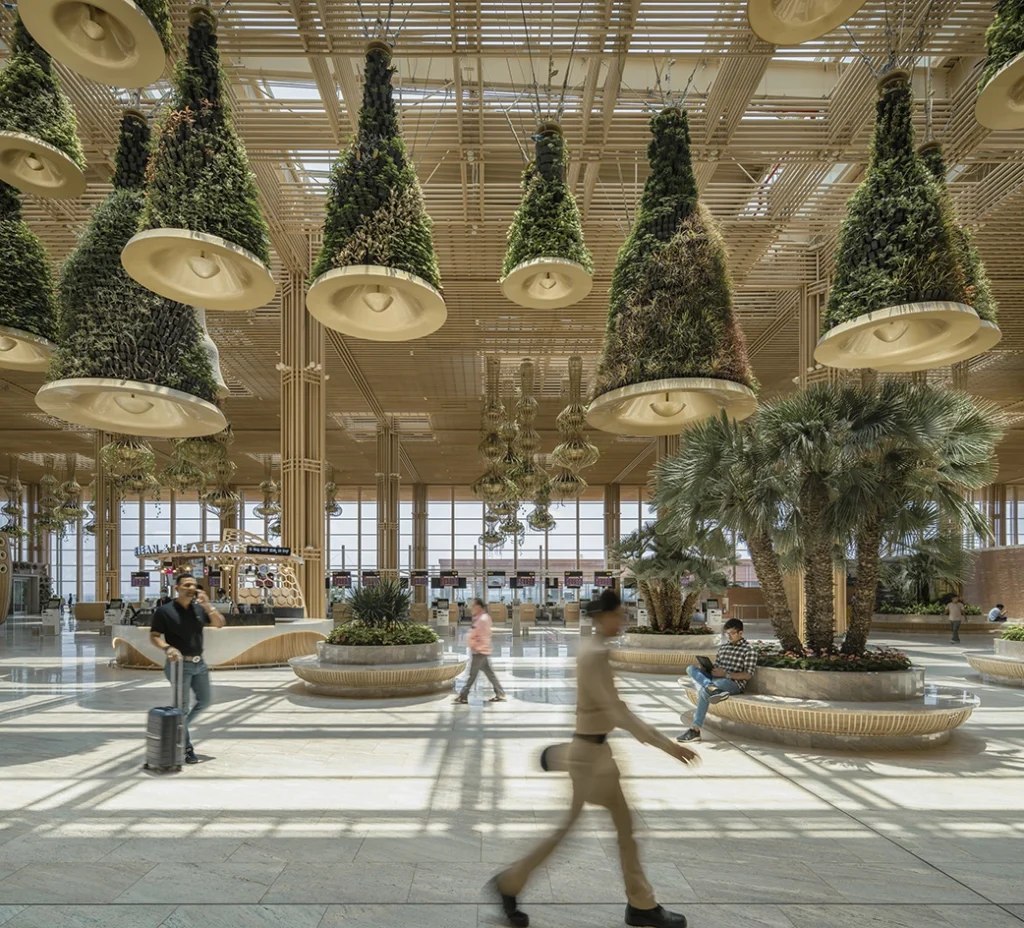
Yet architects should not assume that every environmentally responsible decision requires a larger budget. Building orientation, appropriate shading, compact spatial organization, cross-ventilation, daylight management, and careful façade design can significantly influence environmental performance without necessarily introducing expensive technologies.
Passive design is particularly important because it addresses environmental conditions through architectural decisions rather than relying exclusively on mechanical equipment. The challenge is to integrate these principles from the earliest stages of design. Retrofitting sustainability into a completed architectural concept is often more expensive and less effective than treating environmental performance as a fundamental design parameter.
Architects also need to communicate the long-term implications of design decisions more effectively. Environmental performance should be discussed alongside construction costs, maintenance requirements, operational expenses, and the building’s expected lifespan.
Their responsibility is not to promise sustainability regardless of economic circumstances, but to question why certain environmental improvements are considered optional while less responsible construction practices remain financially attractive.
Can Public Policy Make Sustainable Architecture Accessible?
If sustainable construction depends entirely on private investment, its benefits will inevitably be distributed unevenly. Public policy therefore has a significant role in making environmental responsibility economically accessible.
Governments can encourage sustainable construction through financial incentives, reduced-interest renovation loans, tax benefits, grants for energy-efficient housing, and stricter environmental standards for new developments.
Public procurement is another important instrument. Schools, hospitals, libraries, social housing projects, and other publicly funded buildings should demonstrate that environmental performance can be achieved without relying on luxury budgets.
Building regulations can also gradually establish minimum standards for insulation, energy consumption, material performance, and carbon emissions. Such requirements help prevent sustainability from remaining an optional feature available only to environmentally conscious clients. However, regulation must consider differences in economic capacity. Imposing demanding standards without providing financial assistance can place disproportionate pressure on small developers, homeowners, and lower-income communities.
The objective should not simply be to make sustainable construction compulsory, but to create the economic conditions that allow different groups to achieve it.
Public investment is particularly important for existing buildings. Since cities cannot replace their entire building stock, large-scale renovation programs may offer greater environmental benefits than focusing exclusively on new sustainable developments.
Designing Sustainability Without Expensive Technology
One of the most promising directions for more equitable sustainable architecture is a renewed interest in simplicity. Contemporary architectural culture often associates environmental progress with technological sophistication. Automated façades, intelligent control systems, advanced sensors, and complex energy-management platforms dominate discussions about the future of green buildings. These technologies can be valuable, but they are not the only path toward environmental responsibility.
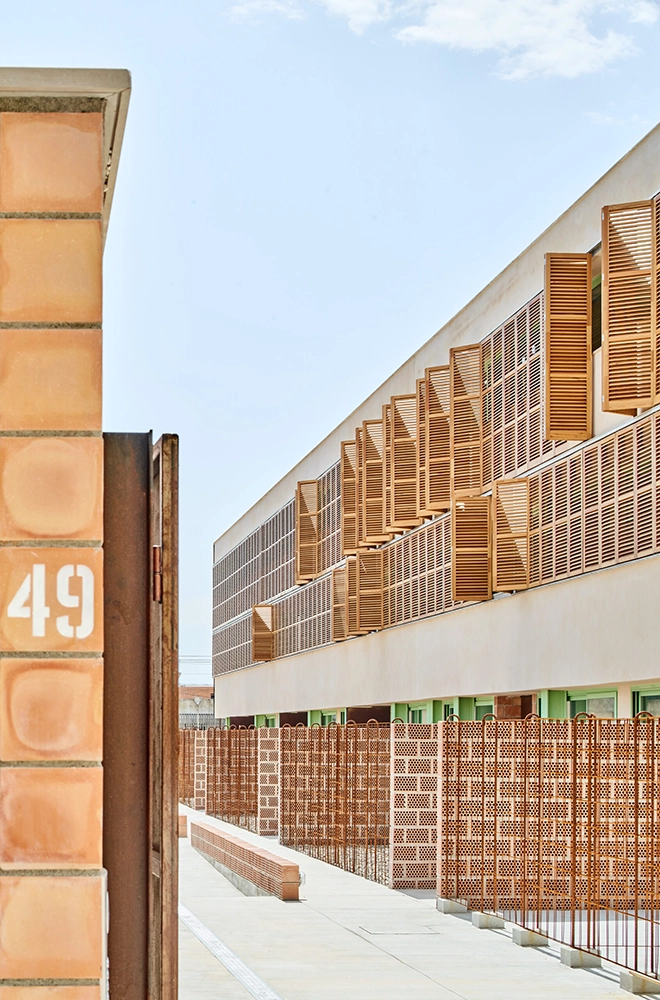
Architectural history offers numerous examples of buildings that respond intelligently to climate through orientation, courtyards, deep balconies, shaded openings, thick walls, thermal mass, and carefully positioned windows. Such strategies are not automatically sustainable in every context, nor should traditional architecture be romanticized. Nevertheless, they demonstrate that environmental performance can emerge from a sophisticated understanding of place rather than an accumulation of expensive equipment.
A building designed to minimize direct solar exposure in a hot climate, encourage natural ventilation, and provide appropriate daylight may require less mechanical intervention throughout its lifespan. Similarly, designing flexible spaces that accommodate changing household needs can extend a building’s useful life and reduce the pressure for demolition and reconstruction.
This approach challenges the assumption that sustainable architecture must always look technologically advanced. Sometimes environmental intelligence is expressed through restraint, adaptation, and the ability to do more with less.
The Question of Who Benefits
Sustainability should ultimately be evaluated not only by the environmental performance of individual buildings but also by the distribution of their benefits.
A high-performance office building may reduce operational emissions while contributing little to the wider housing needs of its city. An exclusive residential development may incorporate extensive green infrastructure while reinforcing patterns of spatial segregation. A prestigious cultural project may achieve excellent environmental certification while relying on materials and construction processes that remain inaccessible to ordinary public projects.
These examples raise a fundamental question: can a building be considered truly sustainable if its environmental achievements depend on social arrangements that exclude large parts of the population? The answer requires a broader understanding of architectural responsibility.
Buildings exist within urban systems. Their environmental consequences are connected to transportation, land use, infrastructure, public space, construction industries, and patterns of consumption. A sustainable building that encourages car dependency or contributes to the displacement of existing communities cannot be evaluated through energy performance alone.
Social accessibility, affordability, adaptability, and environmental efficiency should therefore be considered interconnected architectural objectives rather than separate categories of assessment.
Beyond the Green Premium
The future of sustainable architecture should not depend on how much additional money a client can spend. It should depend on how intelligently the construction industry, architectural profession, and public institutions organize resources.
This means questioning construction practices that prioritize short-term financial returns, reconsidering material supply chains, investing in existing buildings, supporting local manufacturing, and developing design strategies that do not rely exclusively on expensive technologies.
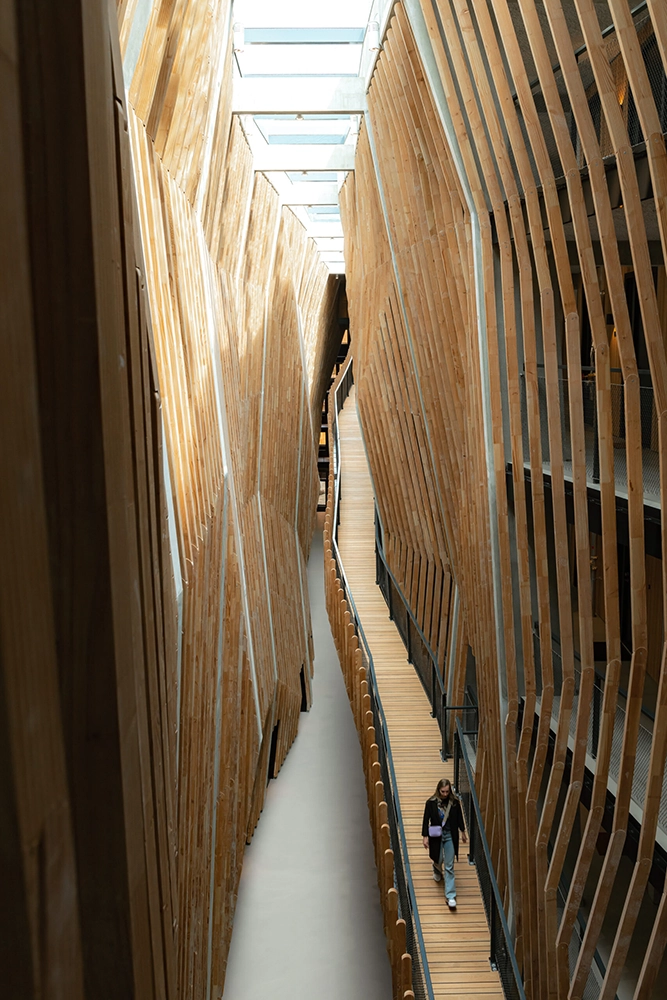
It also means changing the criteria through which architectural quality is measured. A building should not be considered successful simply because it contains solar panels, carries an environmental certificate, or features an impressive green façade. Its environmental performance, construction impact, affordability, adaptability, and contribution to the surrounding community all deserve attention.
Perhaps the most important shift is conceptual: sustainability must move away from being marketed as an additional architectural feature and become an ordinary expectation of responsible building practice.
The real question is not whether wealthy clients can afford to build sustainably. They already have the means to do so. The more difficult question is whether cities, governments, architects, and the construction industry can make sustainable buildings accessible to everyone else.
If environmental responsibility remains a privilege purchased by those with sufficient financial resources, sustainable architecture will have failed one of its most important tests. A genuinely sustainable built environment must protect not only the planet, but also the people who have the least power to protect themselves.