











In an era when artificial intelligence can generate thousands of images in minutes, and computational tools can produce forms once unimaginable to designers, Ross Lovegrove remains interested in something more fundamental: how technology can extend human thought rather than replace it.
For the 75th episode of Designing Forward, Lovegrove joined host Hamid Hasanzade for an expansive conversation about organic design, artificial intelligence, computation, manufacturing, education, entrepreneurship, and what the next generation of designers should be preparing for. Rather than approaching technology as a destination in itself, their conversation repeatedly returned to a deeper question: what becomes possible when designers combine new tools with curiosity, knowledge, intuition, and a distinct creative identity?
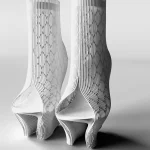
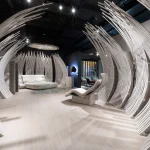
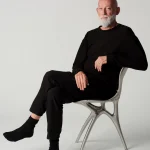
Lovegrove is one of the most recognizable figures in contemporary industrial design, with a practice spanning furniture, lighting, transportation, products, installations, and experimental technologies. His work has long explored the intersection of biology, materials, advanced manufacturing, and sculptural form, an approach he has described through ideas such as “organic essentialism.” Yet Lovegrove is uncomfortable with conventional professional categories. During the conversation, he described himself as a “sculptor of technology,” a position that allows him to move between disciplines rather than remain confined by the traditional definition of industrial design.


Hasanzade, founder of Parametric Architecture and PAACADEMY and host of Designing Forward, approaches many of the same questions in architecture, media, and education. His conversation with Lovegrove therefore moved beyond individual objects toward the broader technological and cultural forces transforming architecture and design.
From Organic Form to the Logic of Nature
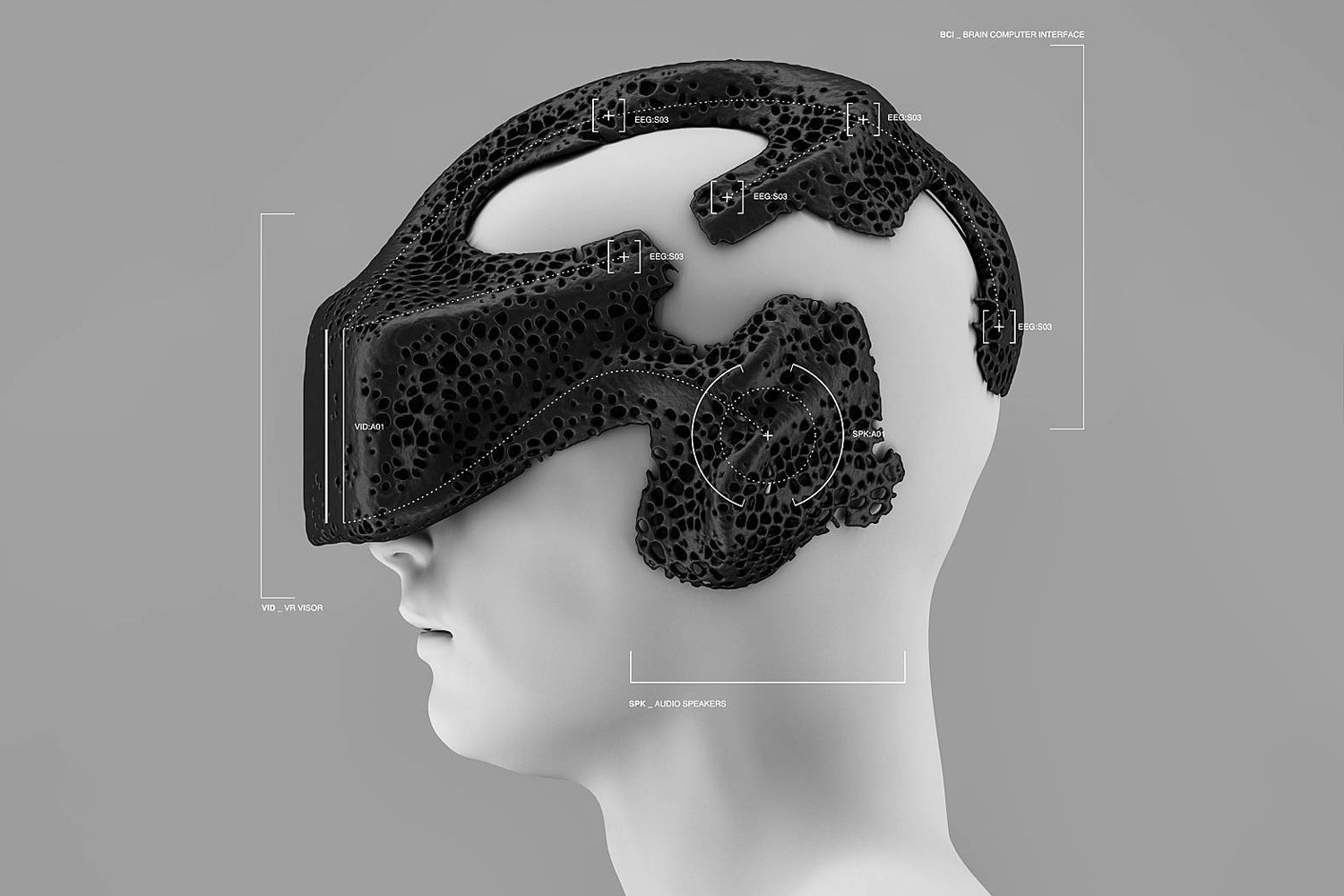
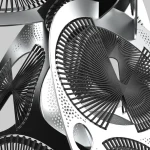
Nature has been a persistent influence throughout Lovegrove’s career, but he draws a distinction between copying its appearance and understanding the systems that produce it. For him, organic design is not simply about making an object resemble a tree, bone, organism, or landscape. What matters is the underlying intelligence of natural systems: growth, material economy, adaptation, efficiency, and the relationship between an organism and its environment.
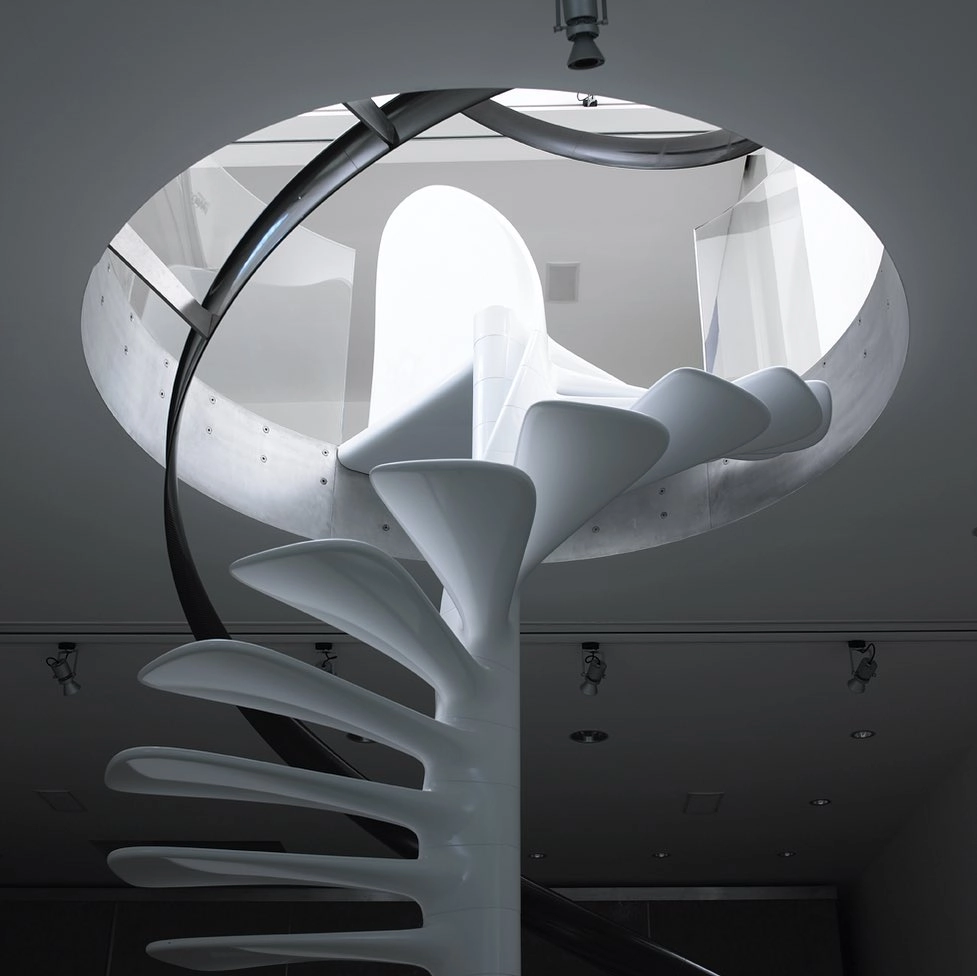
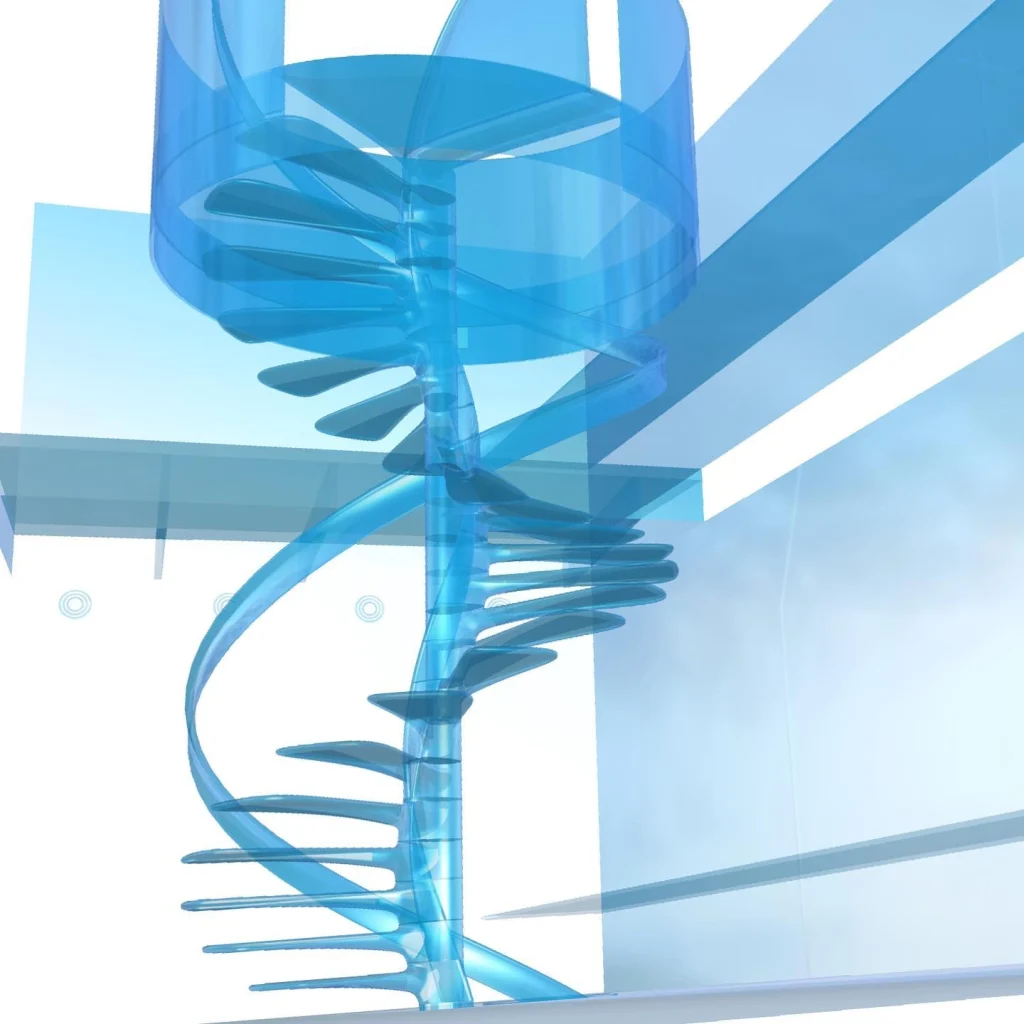
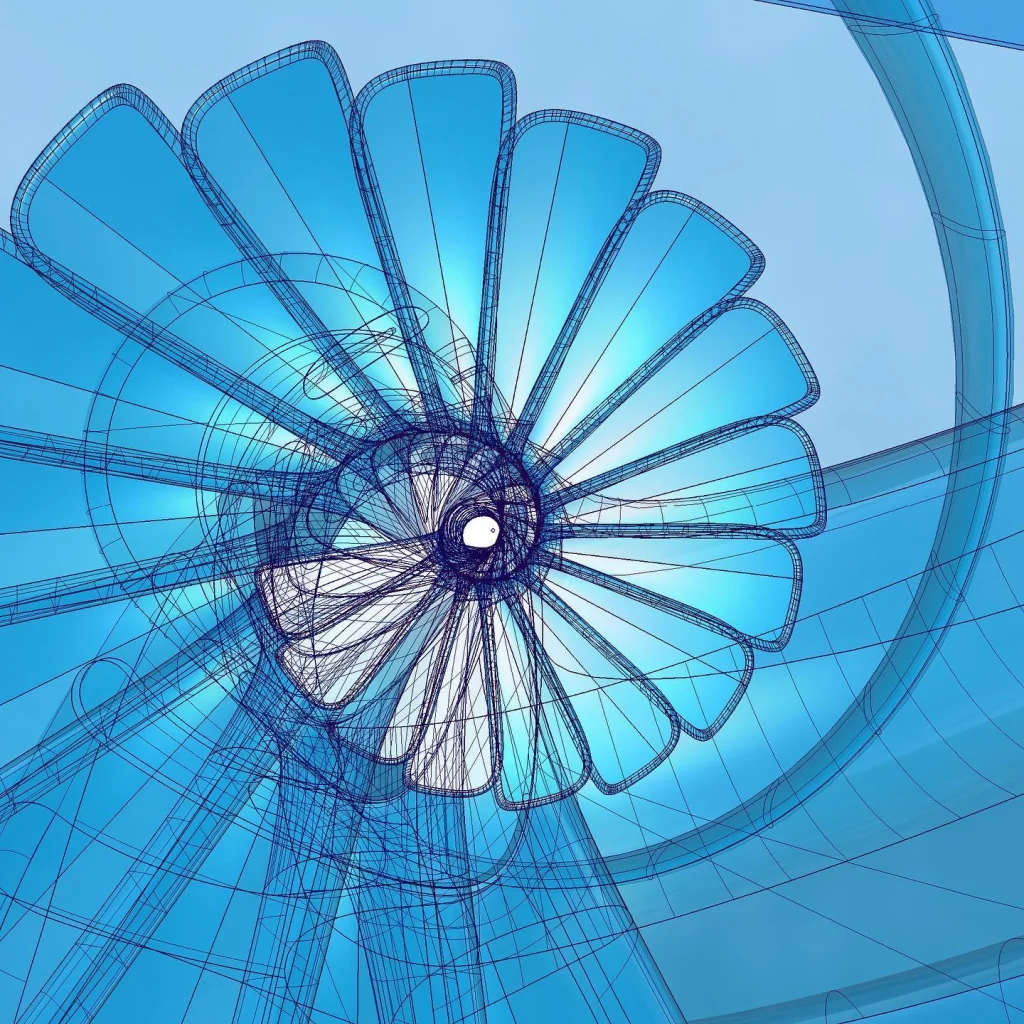
This distinction becomes increasingly relevant as generative and computational design give architects unprecedented freedom to produce complex geometries. Lovegrove’s interest lies less in complexity itself than in the logic behind it. Nature can achieve extraordinary formal sophistication while remaining economical with material and energy, suggesting a model for design in which beauty and efficiency are not opposing objectives.
That philosophy also informs his criticism of the physical mass and resource consumption associated with much of the built environment. Rather than treating sustainability as an additional layer applied after a building or product has been conceived, Lovegrove imagines future materials and manufacturing systems that could operate more symbiotically with the biosphere.
What Happens When AI Meets 50 Years of Design Experience?
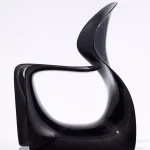
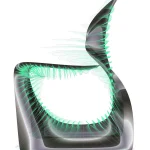
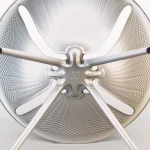
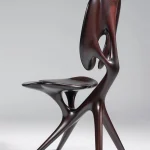
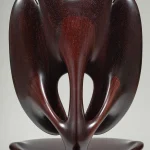
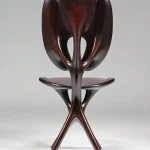
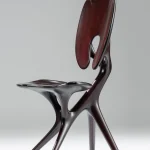
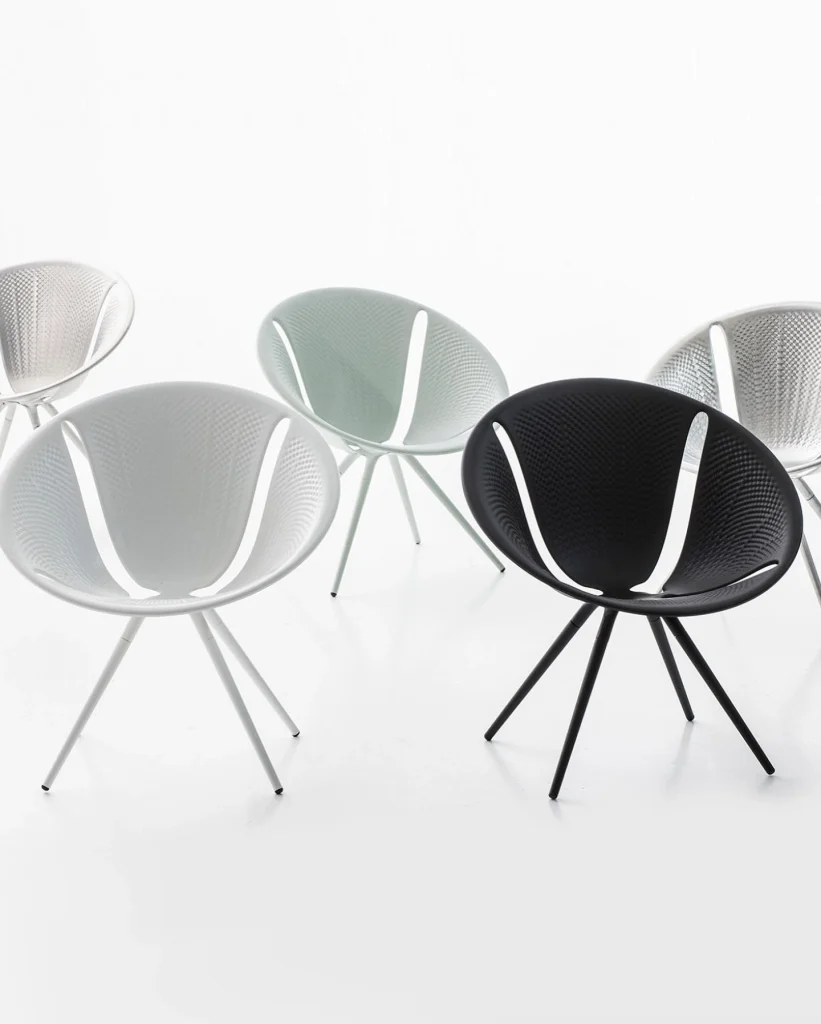
One of the most revealing moments in the conversation concerned Lovegrove’s collaboration with Google DeepMind. The experiment began with his drawings and design language being introduced into an AI-driven process using Gemini, generating hundreds of variations for a chair.
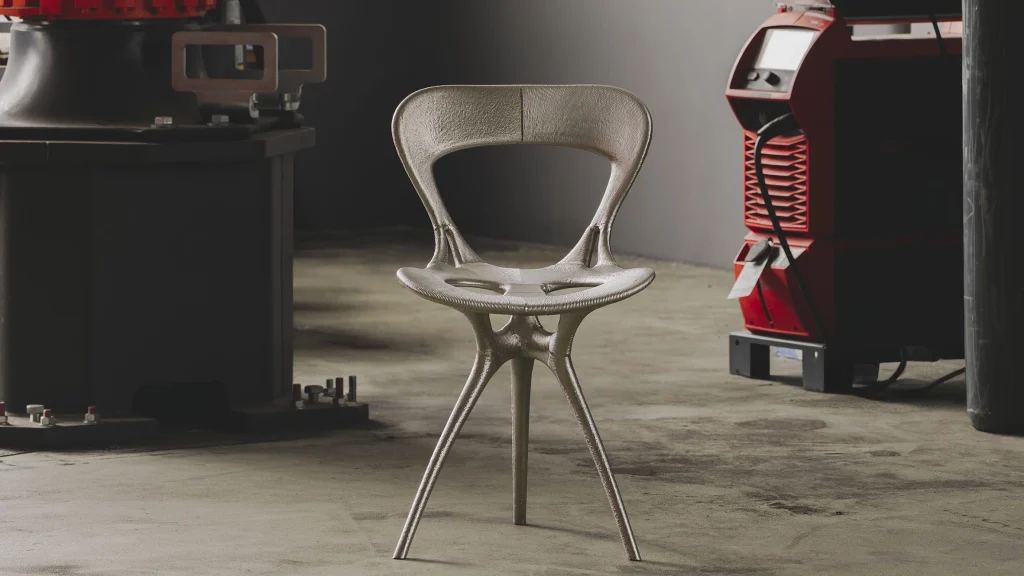
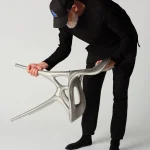
The results were not immediately successful. Some outputs drifted toward visual languages Lovegrove did not identify with, while the eventually selected design presented practical problems when physically produced: it was heavy and not entirely ergonomic. Yet this imperfection was precisely what made the experiment valuable. Instead of presenting AI as a machine capable of instantly producing a finished design, the project exposed the negotiation required between computational generation, authorship, materials, ergonomics, manufacturing, and human judgment.
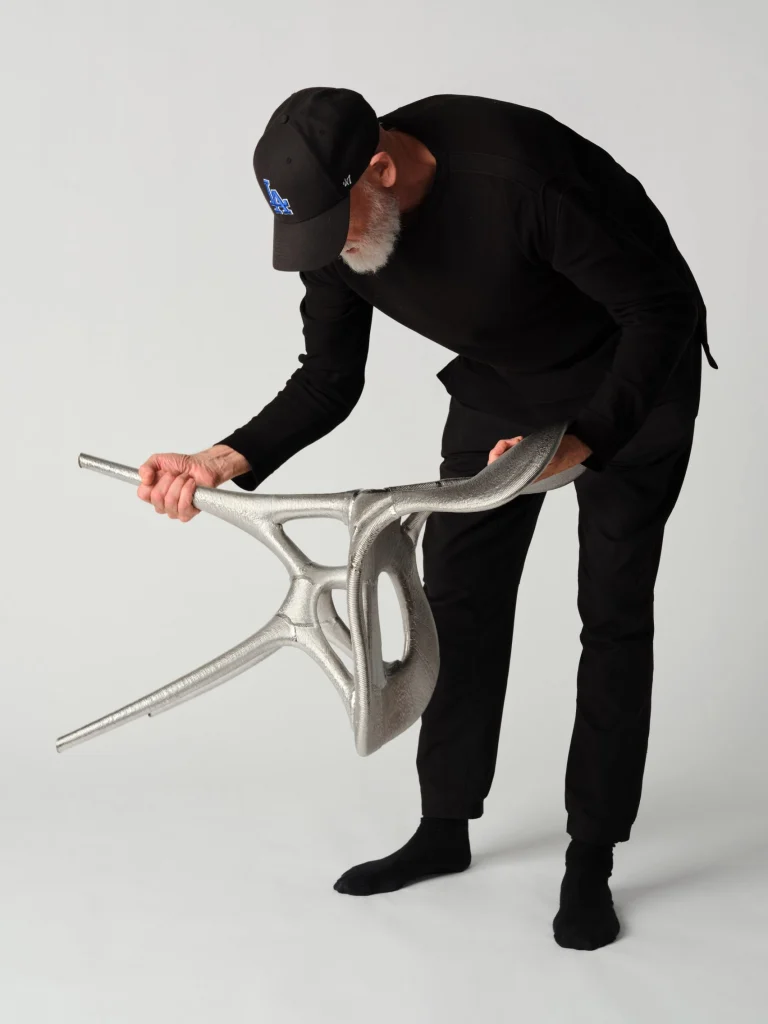
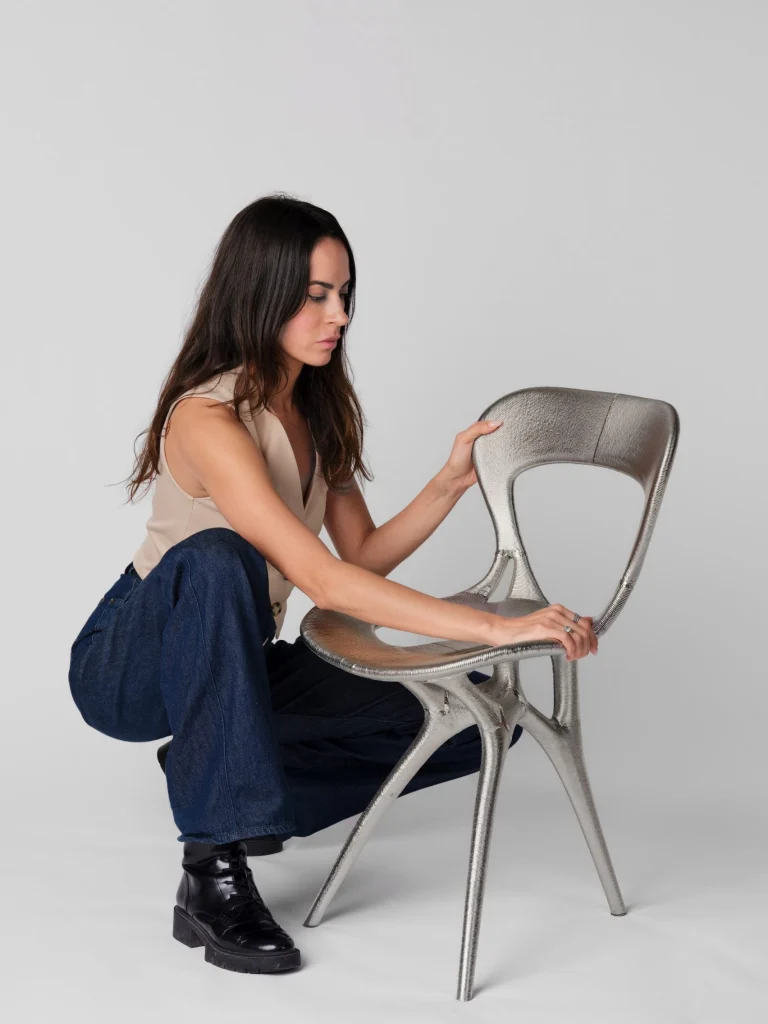
For Lovegrove, AI becomes particularly interesting when it encounters decades of accumulated creative experience. A young designer might begin with only a few years of references, while an established practitioner can introduce a deeply developed body of drawings, forms, ideas, and principles into the system. Lovegrove described the experience almost as having “a thousand Ross Lovegroves” communicating with one another—a digital expansion of a creative language developed over nearly five decades.
This raises an important question for the AI era: perhaps the value of artificial intelligence does not lie in eliminating authorship, but in amplifying authorship once a designer has something distinctive to amplify.
Technology Should Expand the Designer, Not Define the Design
Lovegrove is candid about his relationship with digital tools. He does not position himself as the person operating every piece of software. Instead, he sees his role closer to that of a director: establishing a vision, recognizing possibilities, communicating ideas, and bringing together people capable of translating those ideas into reality.
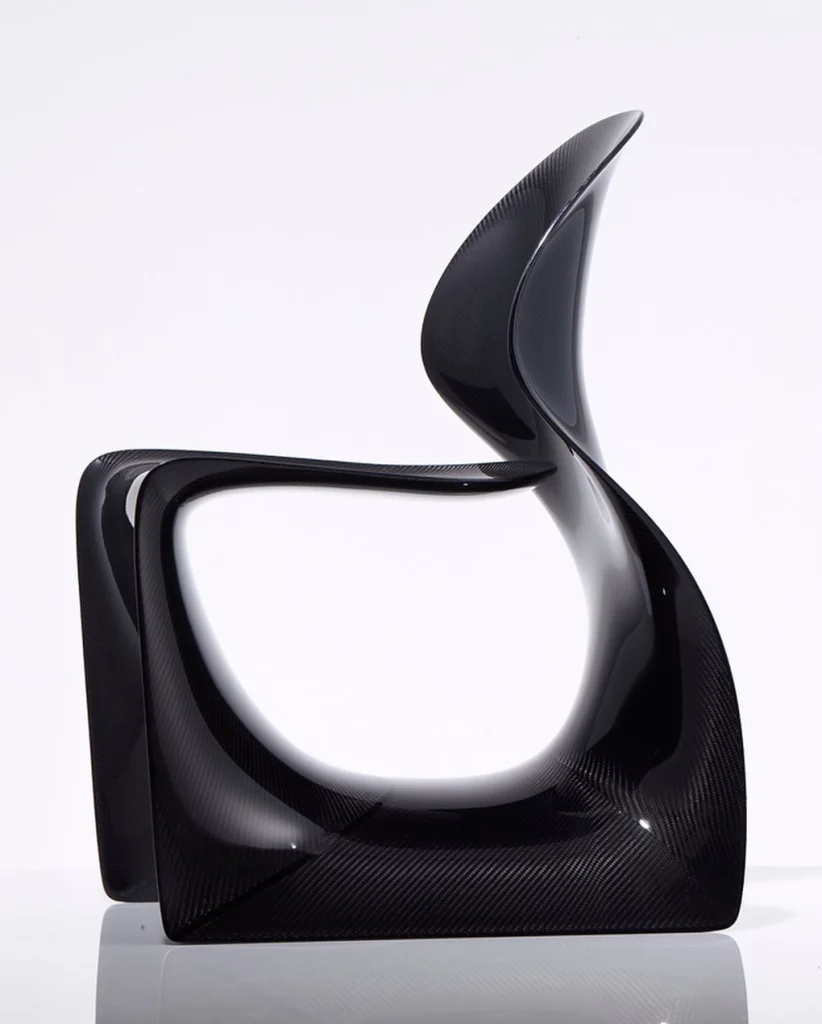
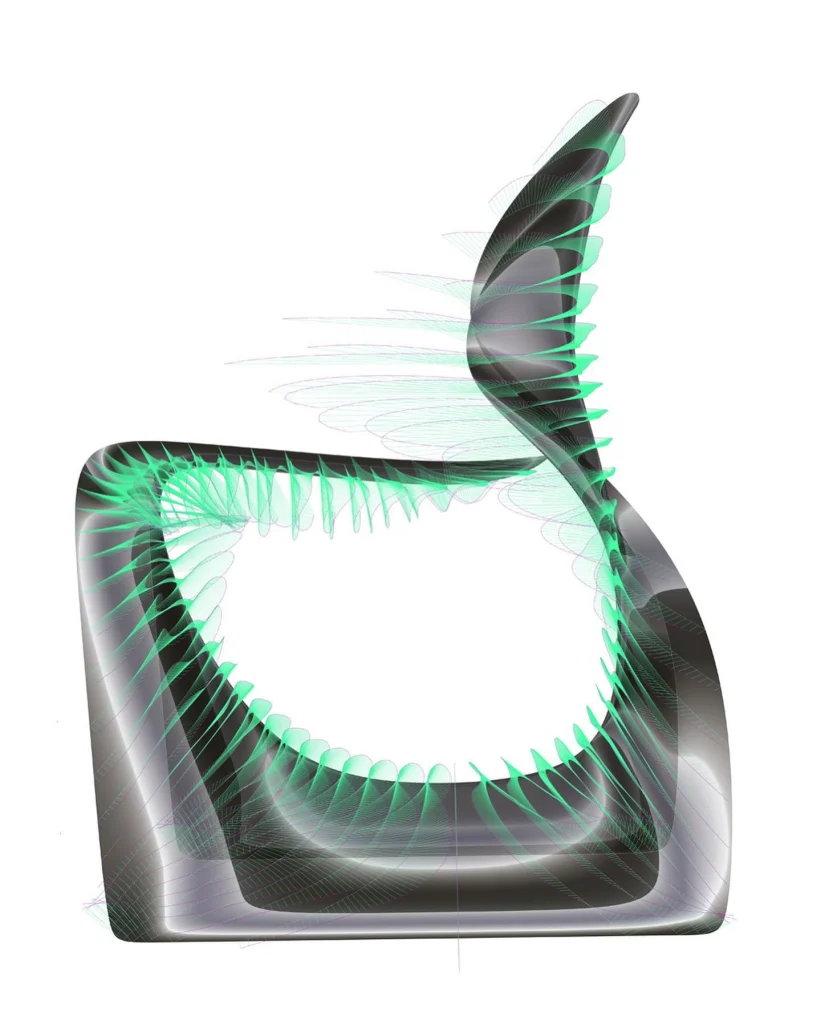
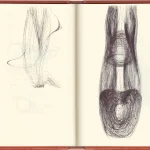
Drawing remains central to this process. Despite his enthusiasm for some of the world’s most advanced digital technologies, Lovegrove continues to value the autonomy of drawing by hand. It allows an idea to emerge directly from the mind without the limitations of an interface or software workflow.
Paradoxically, advances in AI may make this approach more relevant rather than less. Voice, language, gesture, spatial interfaces, and increasingly intuitive creative systems could reduce the need for designers to master endless commands and interfaces. Lovegrove sees the possibility of creativity returning to language: the ability to articulate subtle intentions may become as important as the ability to manipulate software.
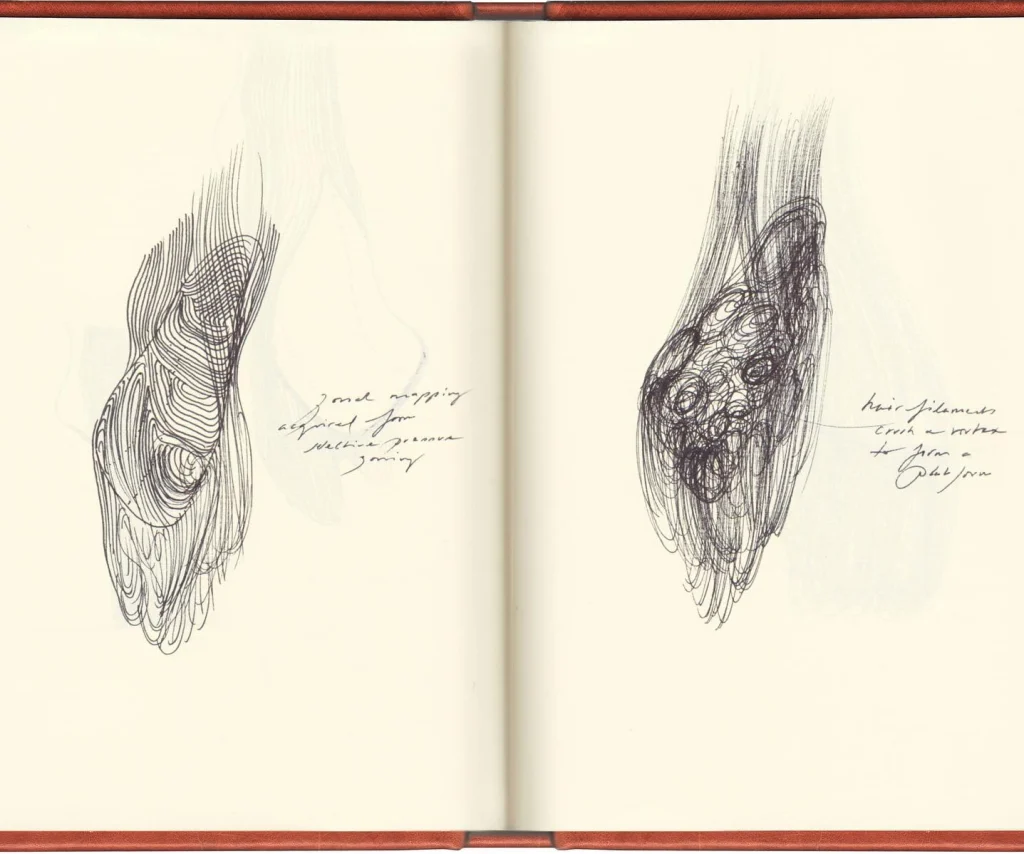
This does not make knowledge obsolete. It makes judgment more important. If producing an image or form becomes effortless, understanding why something should exist, how it should work, and what it contributes becomes increasingly valuable.

Collaboration, Computation, and Making Ideas Real
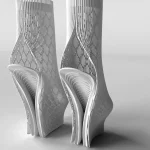
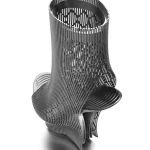
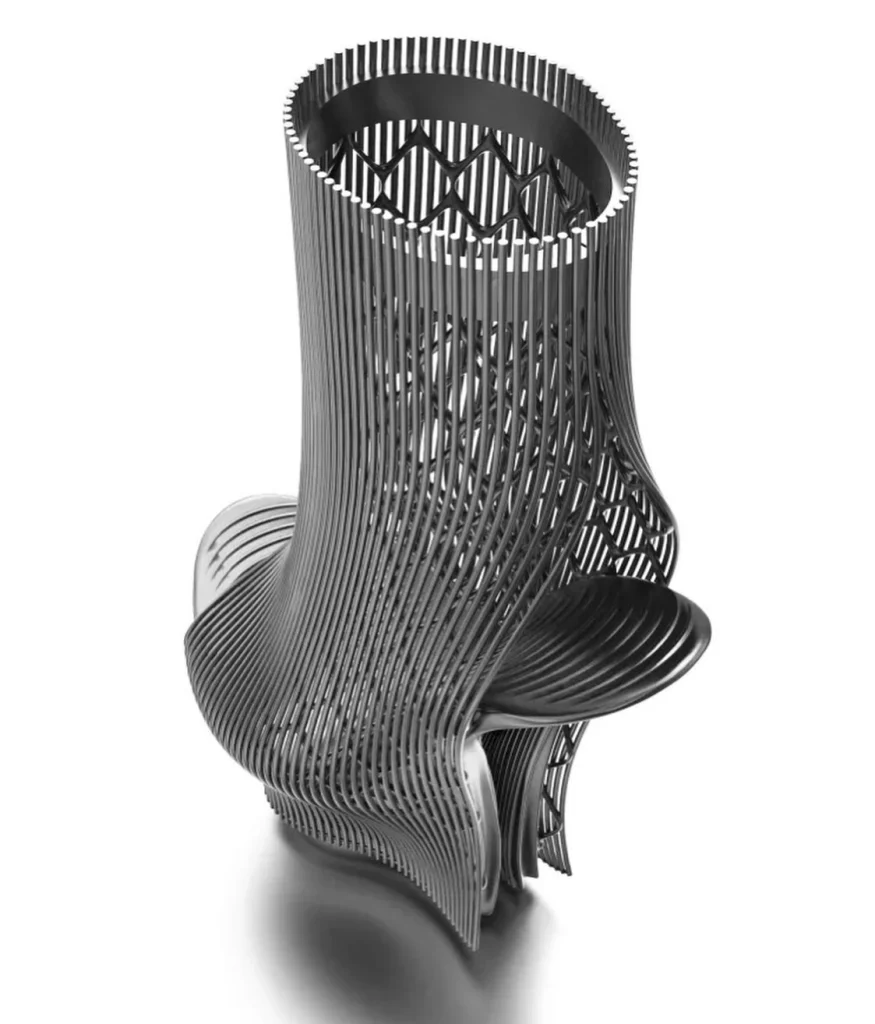
Throughout the conversation, Lovegrove repeatedly emphasized the importance of working with people whose expertise complements his own. He discussed his collaborations with computational designer Arturo Tedeschi and other specialists capable of translating drawings and concepts into sophisticated digital and manufactured outcomes.

What interests Lovegrove is not collaboration for its own sake, but the possibility of pushing an idea far enough that it becomes real. Experimental architecture and computational design have produced decades of extraordinary speculative forms, but for Lovegrove the critical step is moving beyond beautiful digital models toward manufacturing, performance, and physical realization.
Additive manufacturing is particularly significant in this context. Although he acknowledges that 3D printing still faces limitations in materials, scale, and economics, he considers the trajectory toward more direct relationships between thought, computation, digital files, and fabrication almost inevitable.
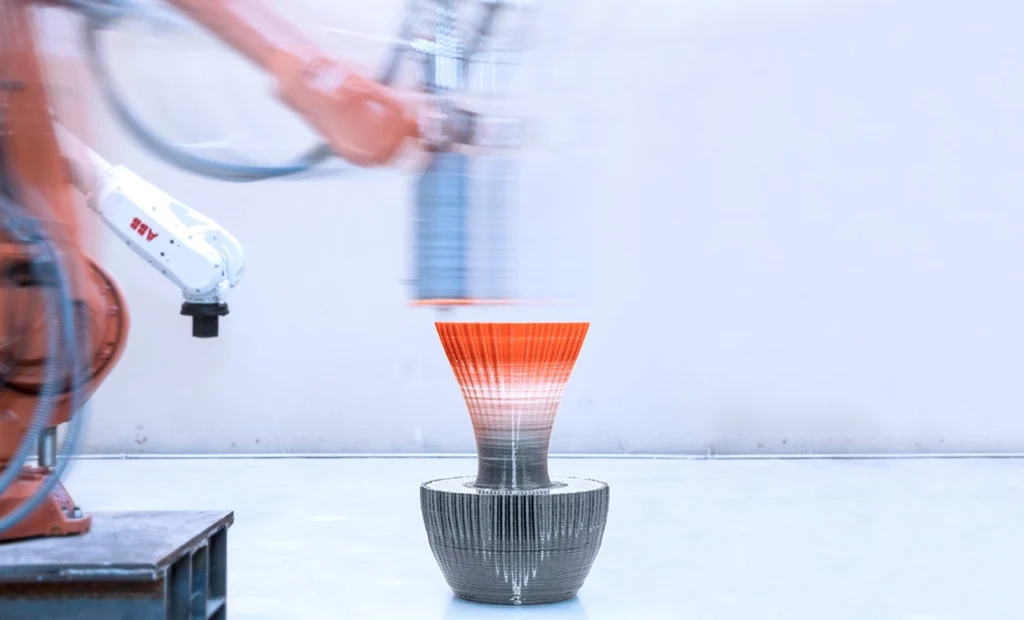
The designer consequently becomes less of an isolated form-maker and more of an orchestrator connecting ideas, algorithms, engineering, materials, fabrication, and culture.
Rethinking Design Education
Lovegrove’s critique of contemporary design education was equally direct. He argued that the future cannot be addressed by teaching students within narrowly defined disciplinary boundaries. Instead, he imagines an educational environment shaped by exposure to astronomy, physics, biology, technology, philosophy, engineering, culture, and other forms of knowledge.
His ideal learning environment resembles a constantly evolving forum rather than a conventional design school. The point is not to know everything, but to cultivate what he calls an “inquiring mind”, one capable of moving between subjects and recognizing unexpected connections.
This becomes particularly important for younger designers entering an AI-saturated creative environment. Access to technology has become radically democratized, but access alone does not produce a creative identity. Lovegrove encouraged emerging designers to explore continuously, build references, experiment beyond paid work, and develop a personal language rather than depending on whatever a generative system produces first.
His own practice has long operated between these two territories: professional commissions on one side and speculative experimentation on the other. Today, young designers can pursue a similar model with considerably fewer resources, collaborating globally and developing ideas from almost anywhere.
Why Designers Should Think Like Entrepreneurs
The conversation eventually moved beyond design tools toward business and entrepreneurship. When Hasanzade asked whether architects and designers should become entrepreneurs, Lovegrove’s answer was unequivocal: “Yes, 100%.”
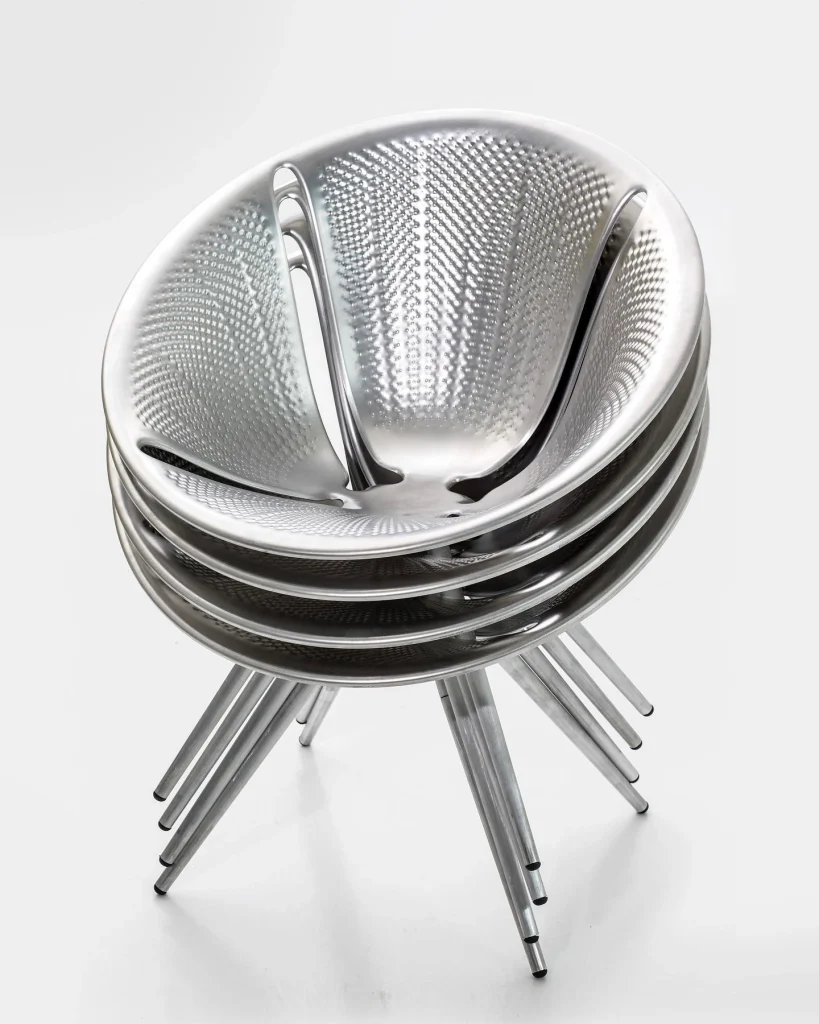
For him, entrepreneurship offers designers greater agency over what reaches the world. Instead of waiting for a client to approve an unconventional idea, designers can assemble partnerships, capital, expertise, and technology around their own concepts. Lovegrove himself discussed becoming increasingly interested in startups and incubating ideas rather than relying exclusively on the conventional designer-client relationship.
This shift may become increasingly consequential as small teams gain access to computational capabilities once reserved for major corporations. Lovegrove pointed toward highly specialized practices working with computational engineering and advanced manufacturing as evidence that a small number of capable individuals can now tackle extraordinarily complex problems.
Designing Forward
Perhaps the simplest statement Lovegrove made during the conversation was also one of the most revealing: design, to him, is “a force of nature.” Its appeal lies in the possibility of waking up and creating something that did not exist the day before.
Artificial intelligence does not diminish that possibility. It expands the territory in which it can happen.
The challenge for the next generation will therefore not simply be learning AI, computational design, robotics, or 3D printing. Those technologies will continue to evolve and become easier to access. The more difficult task will be developing the curiosity, cultural depth, judgment, authorship, and courage necessary to use them meaningfully.
For Lovegrove, moving design forward means resisting repetition, questioning established typologies, learning continuously, and remaining open to the unexpected. In a creative culture increasingly capable of generating almost anything, the designer’s most important contribution may ultimately be knowing what is worth generating in the first place.
Prefer to listen? Tune in to Episode 75 of Designing Forward on Spotify and hear the full conversation with Ross Lovegrove.