

War destroys more than buildings. It dismantles the physical settings through which people understand their lives: the streets where children once played, the markets where neighbors met, the homes that carried generations of memories, and the public spaces where a community recognized itself. When the fighting ends, architecture is confronted with a task that extends far beyond reconstruction. It must help societies decide what should return, what should change, and what must never be forgotten.
Rebuilding after war is often presented as a technical challenge involving damaged infrastructure, housing shortages, engineering solutions, and financial resources. Yet beneath these practical concerns lies a more difficult question: who has the authority to determine what a destroyed city should become? Governments, international organizations, architects, developers, historians, and displaced communities may all have different answers. Their competing interests turn reconstruction into a political and cultural process in which architectural decisions can shape collective memory for generations.
The blueprint for rebuilding is therefore never simply a drawing of what comes next. It is also an interpretation of what came before.
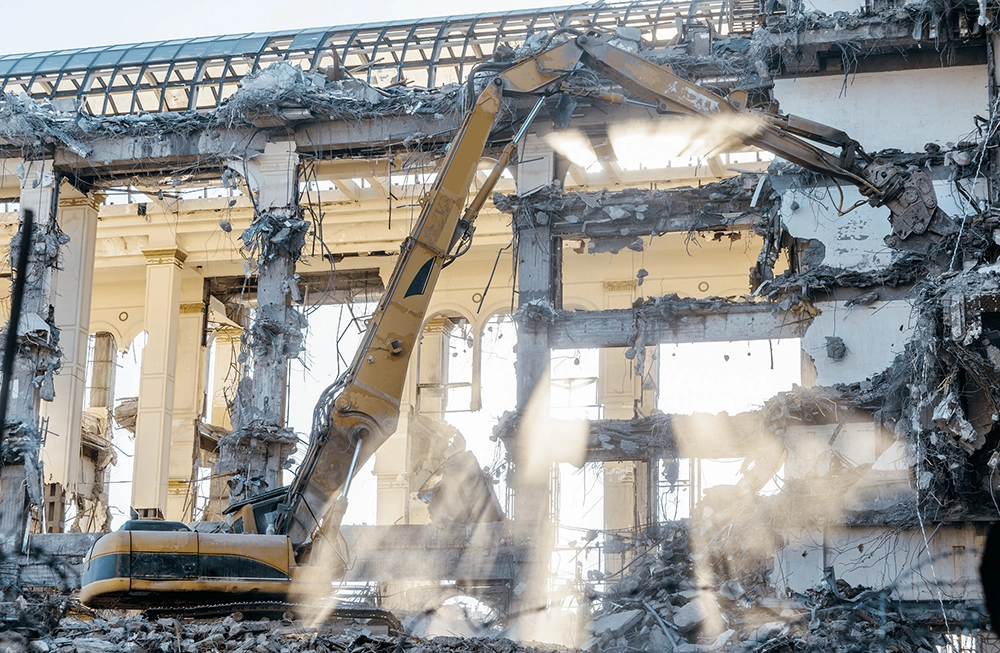
Architecture Is Never Neutral After Destruction
In a city emerging from conflict, every architectural decision carries meaning. Reconstructing a demolished neighborhood in its previous form may represent continuity, dignity, and the restoration of a disrupted way of life. Replacing it with a radically different urban development may communicate a desire for transformation, but it can also erase the physical evidence of displacement and social history.
The choice of what to preserve is particularly significant. A damaged religious building, a residential street, a public square, or an industrial structure may hold different meanings for different groups. What one community considers a symbol of resistance, another may associate with suffering or exclusion. Architecture cannot resolve these disagreements through design alone, but it can either acknowledge their existence or conceal them behind an apparently unified urban image.
The danger emerges when reconstruction is treated as an opportunity to produce a visually coherent city without confronting the complexity of its past. New facades, organized streets, and monumental public spaces can create the impression of recovery while leaving deeper social divisions untouched.
A rebuilt city may look complete long before its inhabitants feel at home in it.
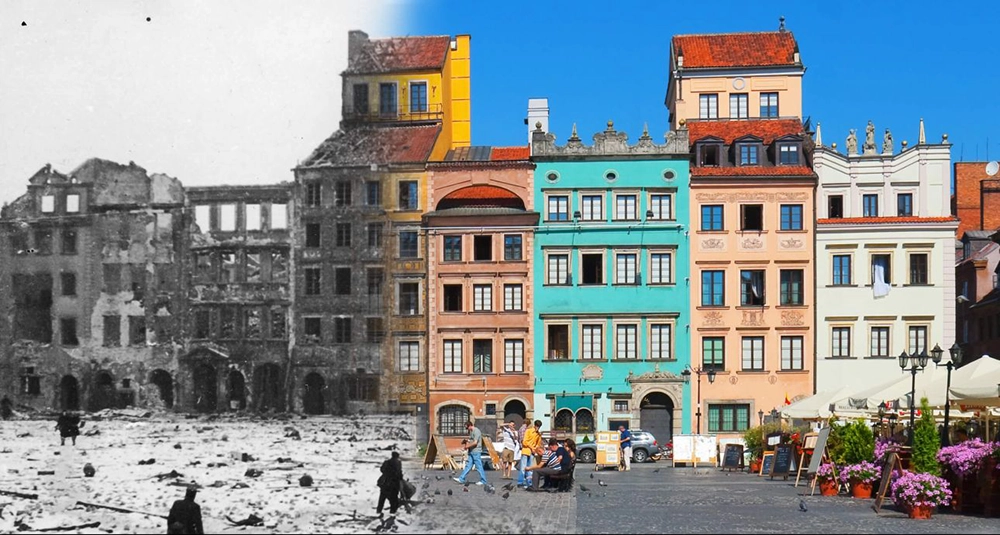
Who Owns the Right to Rebuild?
Post-war reconstruction frequently involves an imbalance of power between those who design the future and those who must live within it. Governments may prioritize national identity and political legitimacy. International agencies may focus on measurable development targets, infrastructure, and economic recovery. Private investors may see damaged urban land as an opportunity for profitable redevelopment.
Meanwhile, former residents often struggle with more immediate questions: Can they return? Will their homes still exist? Can they afford to live in the reconstructed neighborhood? Will the streets remain familiar enough to recognize?
These questions expose a fundamental problem in conventional reconstruction processes. Communities are frequently treated as beneficiaries of architectural projects rather than active participants in defining them.
A genuinely inclusive approach requires more than public consultations or occasional meetings with residents. It requires giving displaced people meaningful influence over decisions concerning housing, neighborhood organization, public facilities, and cultural heritage.
Architects must also recognize the limits of their professional authority. Their expertise can translate social needs into spatial proposals, but it cannot replace the knowledge of people who have experienced the destruction of their own environments.
The question is not simply who has the technical ability to rebuild. It is who has the right to decide what rebuilding means.
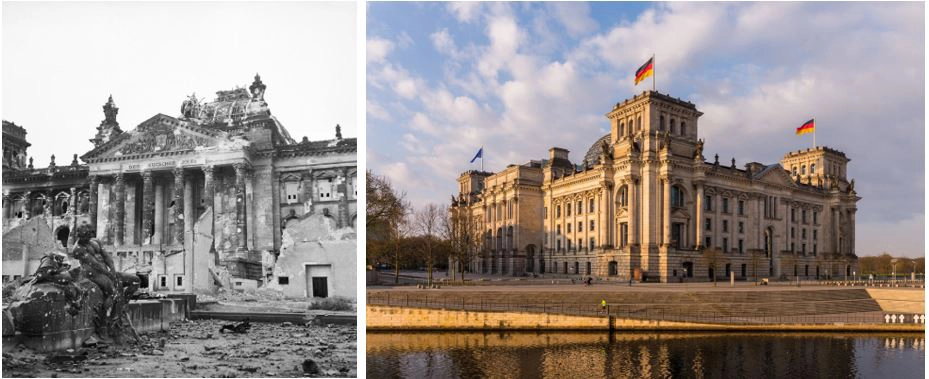
The Architecture of Absence: What Should Remain Ruined?
Not every destroyed building should necessarily be reconstructed. In some circumstances, the preservation of ruins offers a more honest response to historical violence than an attempt to restore the appearance of normality.
A ruined structure can function as a material witness. Its damaged walls, exposed foundations, and missing elements communicate experiences that polished memorials may struggle to express. Rather than presenting history as a completed event, architectural ruins reveal the continuing consequences of conflict.
The decision to preserve destruction, however, requires sensitivity. Ruins should not become aesthetic objects detached from the suffering they represent. Turning damaged buildings into fashionable cultural destinations or architectural attractions risks transforming human tragedy into a consumable experience.
There is also an ethical distinction between preserving a ruin as evidence and forcing survivors to live indefinitely among the physical remains of violence. For some communities, reconstruction offers the possibility of psychological distance from trauma. For others, preserving particular structures is essential to preventing historical denial.
Architecture must therefore resist universal answers. The meaning of a ruin depends on its history, its users, and the circumstances surrounding its preservation. Sometimes the most responsible architectural intervention is to rebuild. Sometimes it is to leave a space deliberately unfinished.
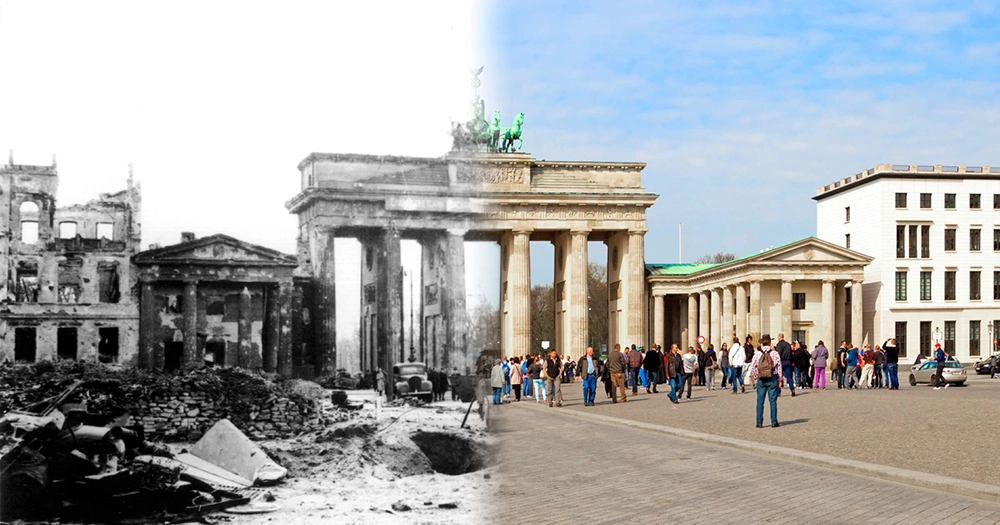
Reconstructing Homes Means Reconstructing Social Life
Housing is often among the first priorities after war, and understandably so. Yet the provision of residential units alone does not constitute the restoration of a community.
Homes exist within networks of relationships, routines, and shared facilities. A neighborhood is shaped by the distance between a home and a school, the presence of small businesses, the accessibility of public transport, and the informal spaces where residents encounter one another.
Large-scale reconstruction projects sometimes prioritize speed and numerical targets, producing standardized housing developments that appear efficient on paper. But these solutions can disregard local patterns of living, household structures, cultural practices, and the economic realities of former residents.
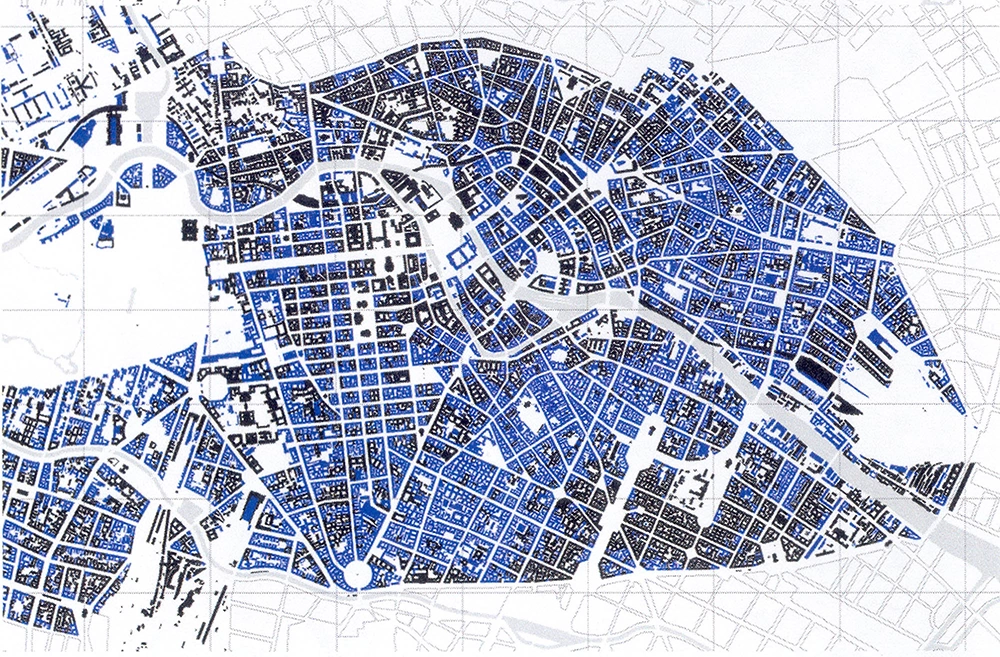
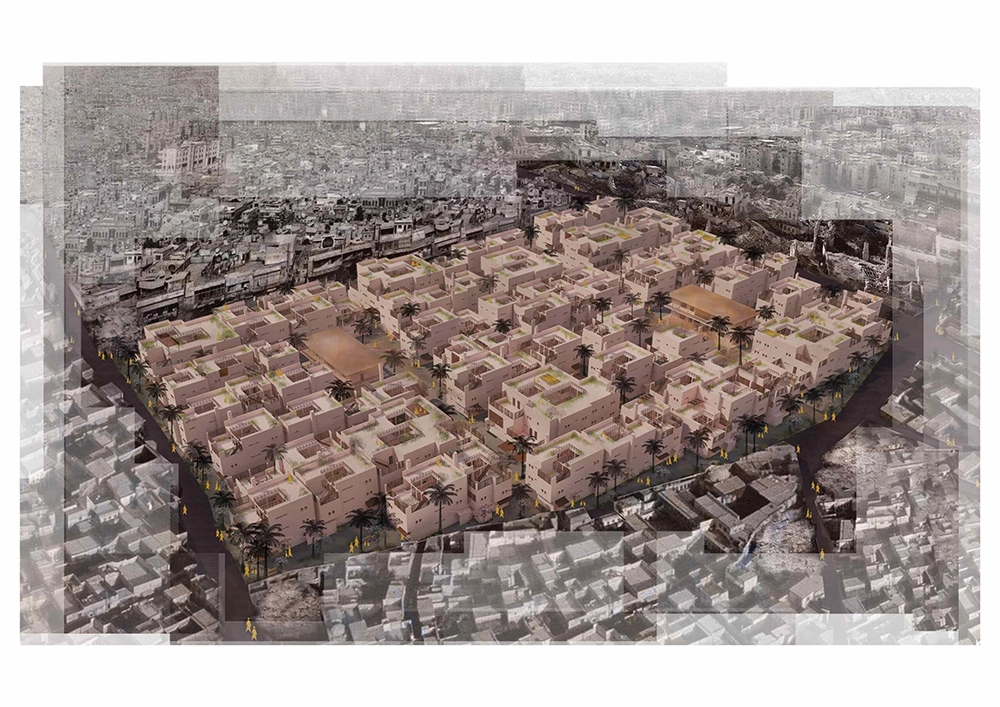
Consider a traditional neighborhood where homes, workshops, small shops, and courtyards form an interconnected environment. Replacing this arrangement with isolated residential blocks may provide shelter while simultaneously destroying the spatial conditions that supported local livelihoods and social interaction.
The architectural challenge is to create housing that responds to both immediate needs and long-term community life. Adaptable layouts, mixed-use buildings, walkable streets, shared courtyards, and affordable construction systems can help restore the relationships that make a neighborhood meaningful. Reconstruction should not merely count the number of roofs restored. It should consider whether people can recover the everyday activities that once made those roofs part of a living community.
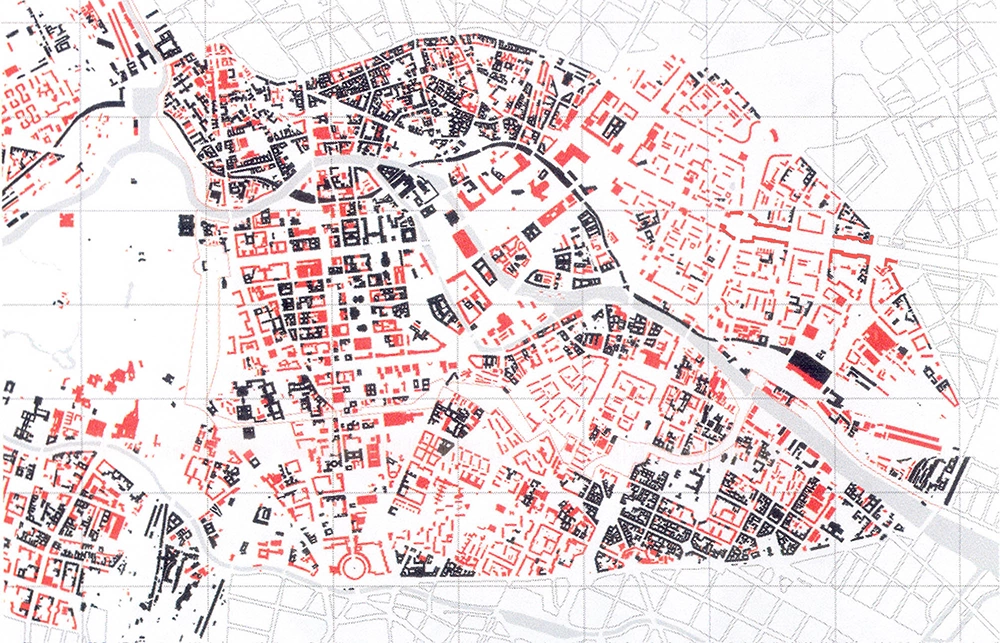
Memorials, Monuments, and the Politics of Remembering
Memorial architecture occupies a particularly complicated position in post-war cities. It attempts to give physical form to experiences that are often impossible to communicate through conventional architectural language.
Monuments, museums, preserved buildings, and commemorative landscapes can establish places for mourning, education, and public reflection. However, they also raise questions about representation. Whose suffering is acknowledged? Which events become part of official history? Which identities are excluded from the national narrative?
A monumental structure commissioned by a government may communicate an authorized version of the conflict. Its scale, symbolism, materials, and location can reinforce a particular political interpretation. Meanwhile, smaller, community-led memorials may preserve personal histories that official institutions overlook.
Architecture can offer a different approach to commemoration by creating spaces that encourage reflection rather than dictate a single interpretation. Landscapes, courtyards, preserved fragments, and carefully designed routes can allow visitors to encounter history at their own pace.
The most meaningful memorials do not necessarily rely on monumental gestures. Sometimes a simple architectural intervention, such as retaining the outline of a destroyed building or preserving an ordinary domestic object within a public space, can communicate loss more powerfully than an enormous sculptural statement.
Memory becomes meaningful when people can recognize their own experiences within it.
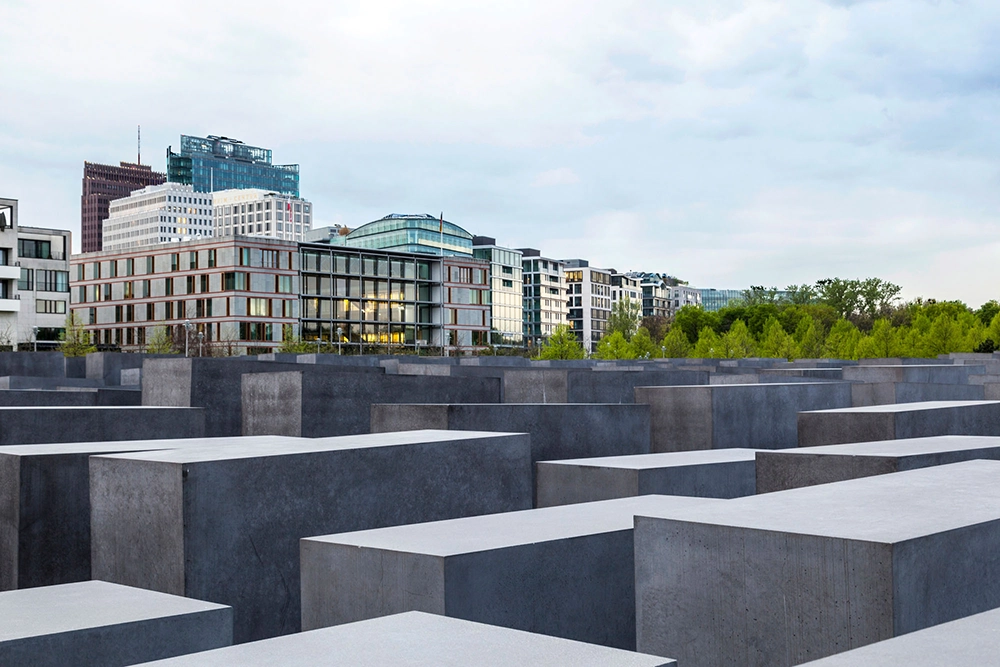
International Architects and the Risk of Imported Solutions
Post-war reconstruction often attracts international architectural practices, development agencies, and engineering consultants. Their participation can bring valuable technical knowledge, funding opportunities, and experience from other reconstruction contexts. However, international expertise can become problematic when it treats cities as interchangeable development projects.
A design strategy developed for one cultural, climatic, or political context cannot automatically be transferred to another. Building materials, construction traditions, household structures, patterns of public life, and relationships with the landscape vary considerably between places.
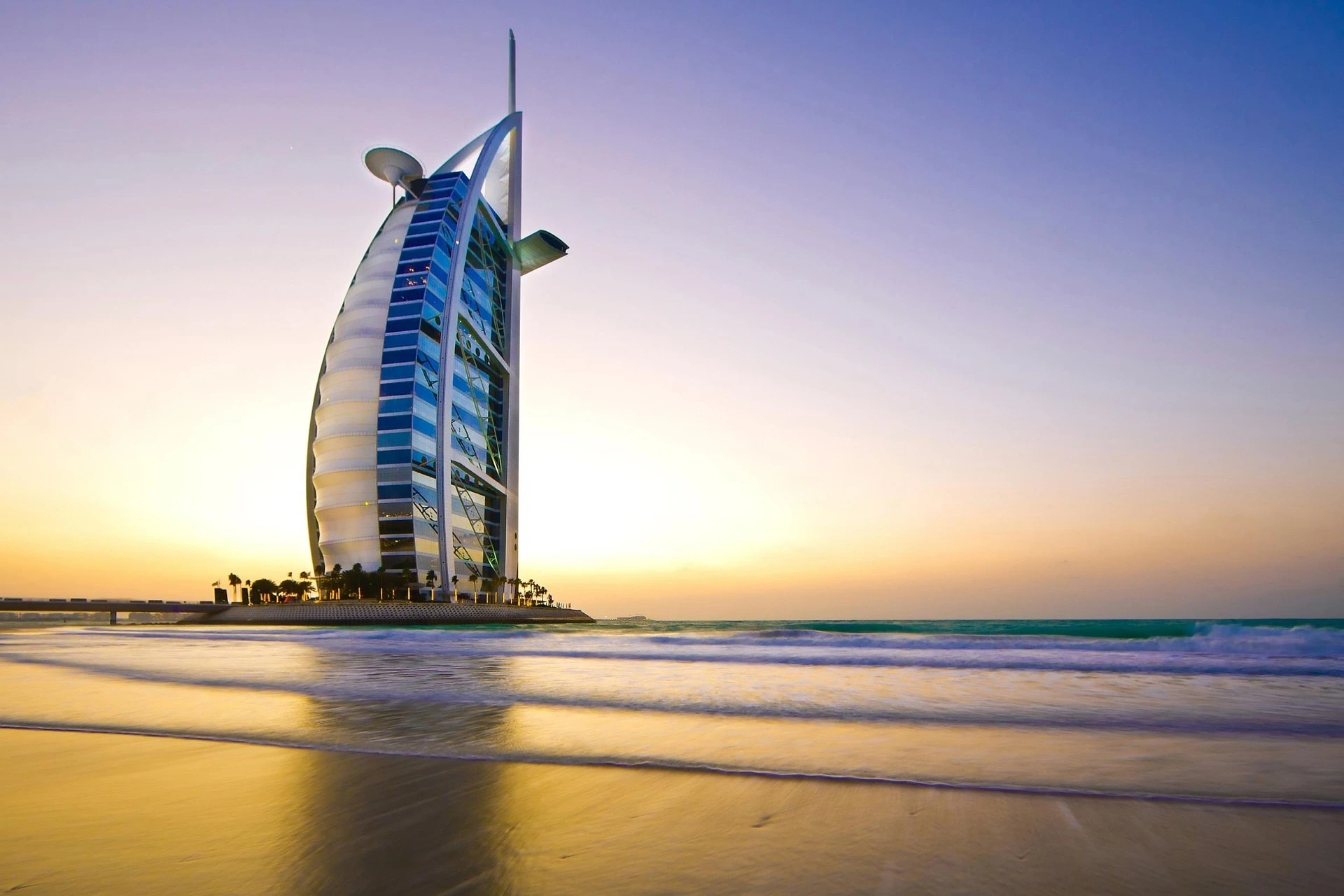
There is also a visual dimension to this problem. Reconstruction projects sometimes favor internationally recognizable architectural languages: glass façades, monumental cultural institutions, generic commercial districts, and large-scale masterplans. Such developments may communicate economic ambition, but they can also weaken the distinctive character of the places they claim to revive.
This does not mean that post-war cities should reject contemporary architecture or international collaboration. On the contrary, rebuilding offers opportunities to introduce better environmental performance, accessible public infrastructure, innovative construction techniques, and more resilient urban systems.
The essential requirement is that innovation should emerge through dialogue with local knowledge rather than replace it. The international architect should not arrive with a finished vision of what a recovered city ought to look like. The more valuable role is to help local communities develop the capacity to shape their own urban future.
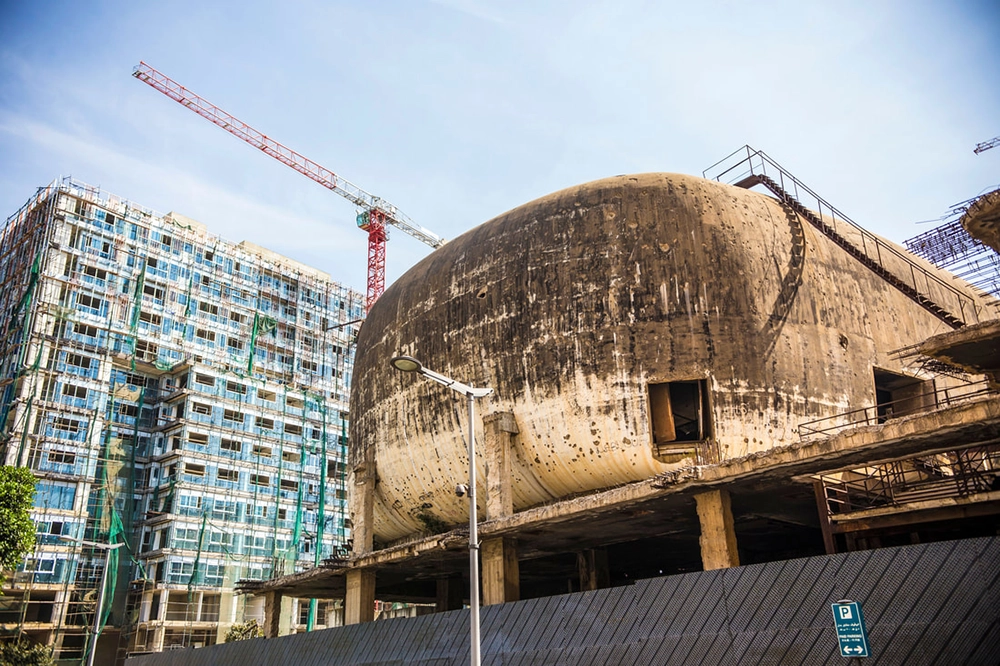
Rebuilding Cultural Heritage Without Turning It into a Replica
Historic reconstruction presents another architectural dilemma. When culturally significant buildings are destroyed, there is often intense pressure to reproduce them exactly. This response can be understandable, particularly when the structures represent religious identity, collective achievement, or centuries of craftsmanship.
Yet historical reconstruction is not necessarily equivalent to cultural preservation.
A replica may reproduce a building’s appearance while losing the original construction knowledge, material authenticity, and accumulated traces of human use that gave it historical significance. In some cases, the reconstruction becomes a carefully manufactured image of the past rather than a continuation of its architectural traditions.
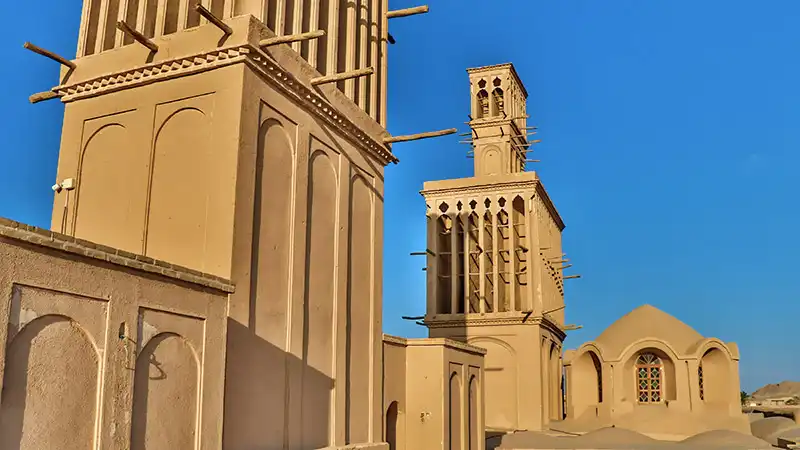
A more thoughtful approach distinguishes between what must be preserved, what can be reinterpreted, and what should be allowed to evolve. Traditional building techniques can be adapted to contemporary requirements. Historic urban patterns can guide new development without requiring every building to imitate an earlier architectural style.
This balance is particularly important in cities where heritage is not confined to famous monuments. Ordinary houses, workshops, courtyards, markets, and religious buildings collectively form a cultural landscape.
Preserving heritage means protecting the relationships between people, buildings, and places, not simply reproducing recognizable façades.
The Environmental Cost of Starting Again
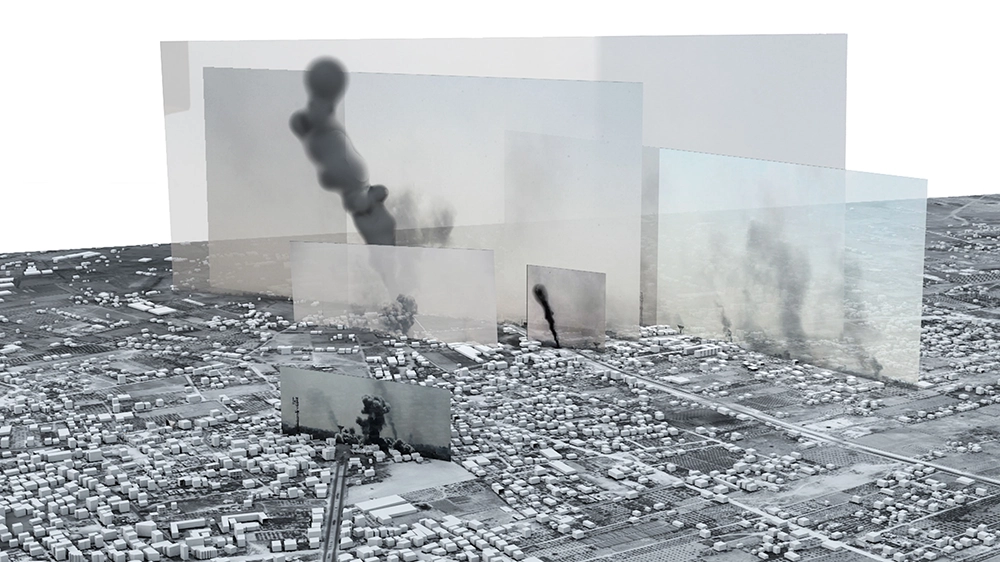
The environmental consequences of war extend far beyond the immediate destruction of buildings. Damaged infrastructure, contaminated land, construction debris, disrupted water systems, and the loss of urban vegetation create long-term challenges for reconstruction.
The temptation to clear damaged sites completely and begin again can be strong, particularly when governments and developers seek rapid progress. However, demolition and replacement generate enormous material demands and carbon emissions.
Where structures remain technically and environmentally suitable for reuse, adaptive reconstruction can reduce waste and retain valuable urban resources. Existing foundations, structural elements, and building materials may offer opportunities for responsible recovery.
At the same time, post-war reconstruction must address the future climate conditions in which rebuilt cities will operate. Improved insulation, passive cooling, renewable energy, water-sensitive urban design, and resilient infrastructure should be considered essential components of recovery rather than optional architectural luxuries.
Environmental responsibility also has a social dimension. A sustainable development that excludes former residents through unaffordable housing or rising land values cannot reasonably be described as successful reconstruction.
The environmental and social dimensions of rebuilding are inseparable. A city cannot claim to have recovered if its new urban environment is physically impressive but economically inaccessible and ecologically fragile.
The Right to an Unfinished Future
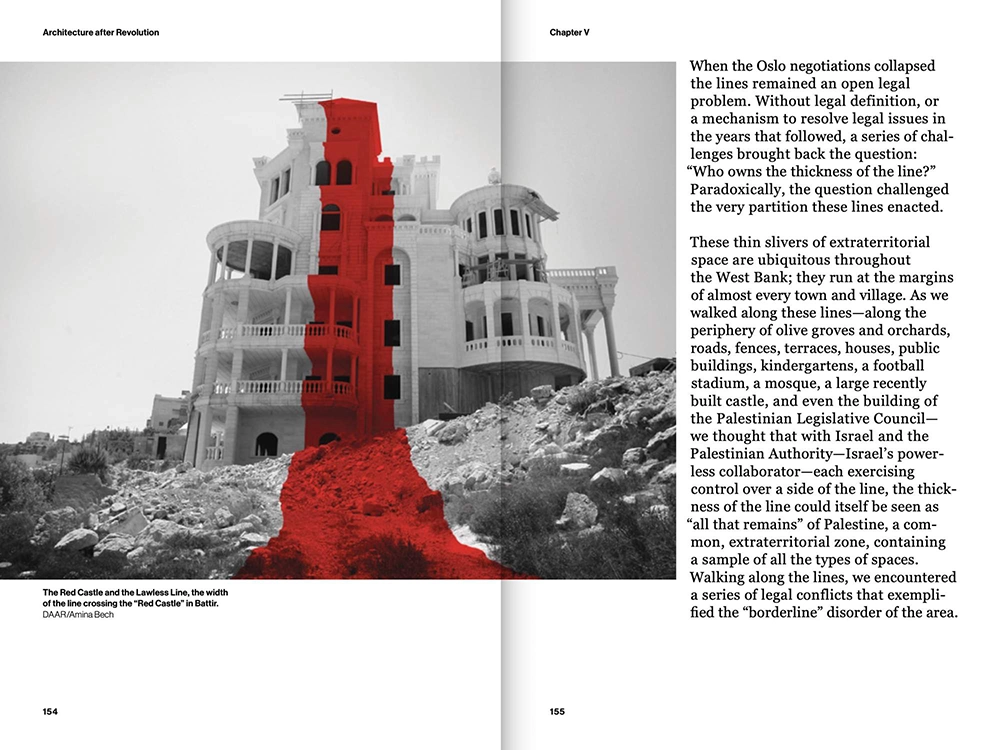
One of the most persistent assumptions in post-war reconstruction is that recovery should produce a completed image of the city: clean streets, restored monuments, modern infrastructure, and a visible return to normality. But cities are not static objects, and neither is memory.
Different generations will understand the conflict differently. People who experienced destruction directly may seek preservation and recognition, while younger residents may want new spaces that are not permanently defined by violence. Returning populations may have different priorities from those who remained. New residents may develop relationships with neighborhoods that have already undergone profound changes.
Architecture should make room for these evolving interpretations.
Instead of imposing a final urban image, reconstruction can incorporate adaptable public spaces, flexible community facilities, participatory cultural institutions, and neighborhood structures that allow future generations to reinterpret their surroundings.
This approach recognizes that a city emerging from war cannot be designed entirely in advance. Its future must remain open to negotiation, adaptation, and change. An unfinished architecture is not necessarily an incomplete one. It can be an acknowledgment that the process of recovery belongs to the people who inhabit the city over time.
The Blueprint Belongs to Those Who Live With Its Consequences
Rebuilding after war is ultimately an act of deciding how a society will inhabit its past while making room for its future. Architecture plays a central role in this process because buildings and urban spaces are never simply physical containers. They organize relationships, represent identities, establish public values, and influence what future generations will remember.
The greatest danger in reconstruction is allowing political ambition, commercial interests, or professional authority to produce a city that looks recovered but remains disconnected from its people.
Architects cannot determine how a society should remember war. They can, however, create spaces in which different memories are acknowledged, historical evidence is protected, and communities regain the ability to shape their surroundings.
A successful reconstruction project should therefore be judged by more than its architectural quality, construction speed, or economic performance. It should be evaluated by whether former residents can return, whether cultural identity survives, whether public space remains accessible, and whether the rebuilt environment offers genuine opportunities for a shared future.
The blueprint for memory should not belong exclusively to governments, architects, or investors. It should emerge from the voices of those who experienced the destruction and those who will inherit its consequences.
Perhaps the most important responsibility of architecture after war is not to make a city forget what happened, nor to force it to remember forever, but to give its people the freedom to decide how they wish to live with that history.