





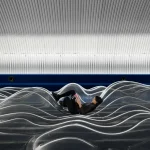
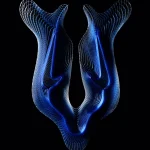
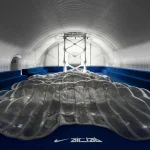

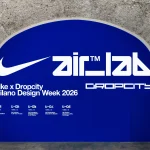
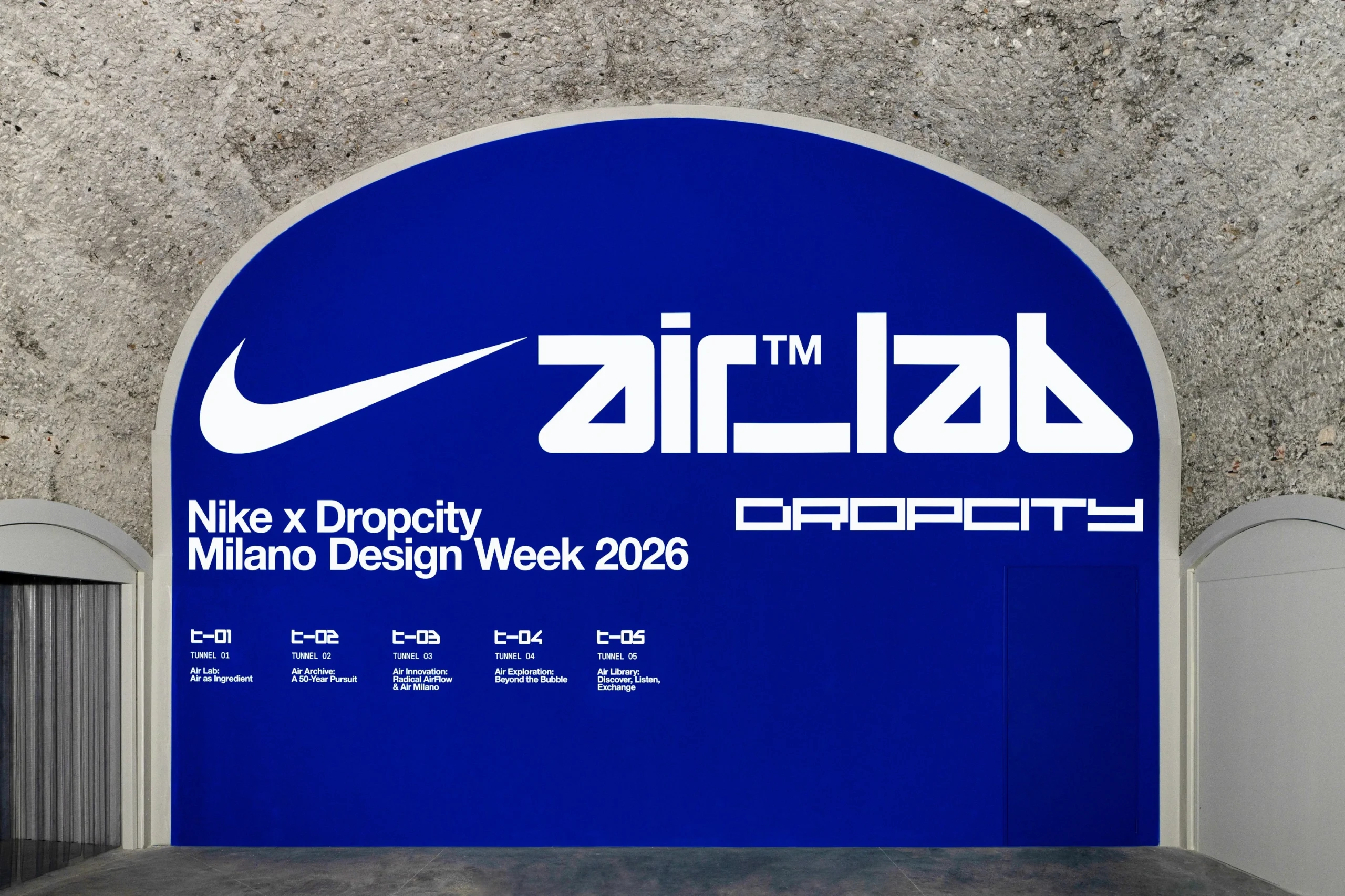
Nike returned to Milan Design Week with a project that went beyond product display. In partnership with Dropcity, the architecture and design center located near Milano Centrale, the brand introduced Nike Air Lab, an interactive space built around one of its most recognizable technologies: Air. The activation opened as a preview during Milan Design Week 2026 and is set to remain as a permanent public facility later this year.
What Is Nike Air Lab?
Nike Air Lab is positioned as a working laboratory; the space focuses on process, experimentation, and prototyping. Visitors were invited to explore how air functions as a material in footwear, apparel, and industrial design.
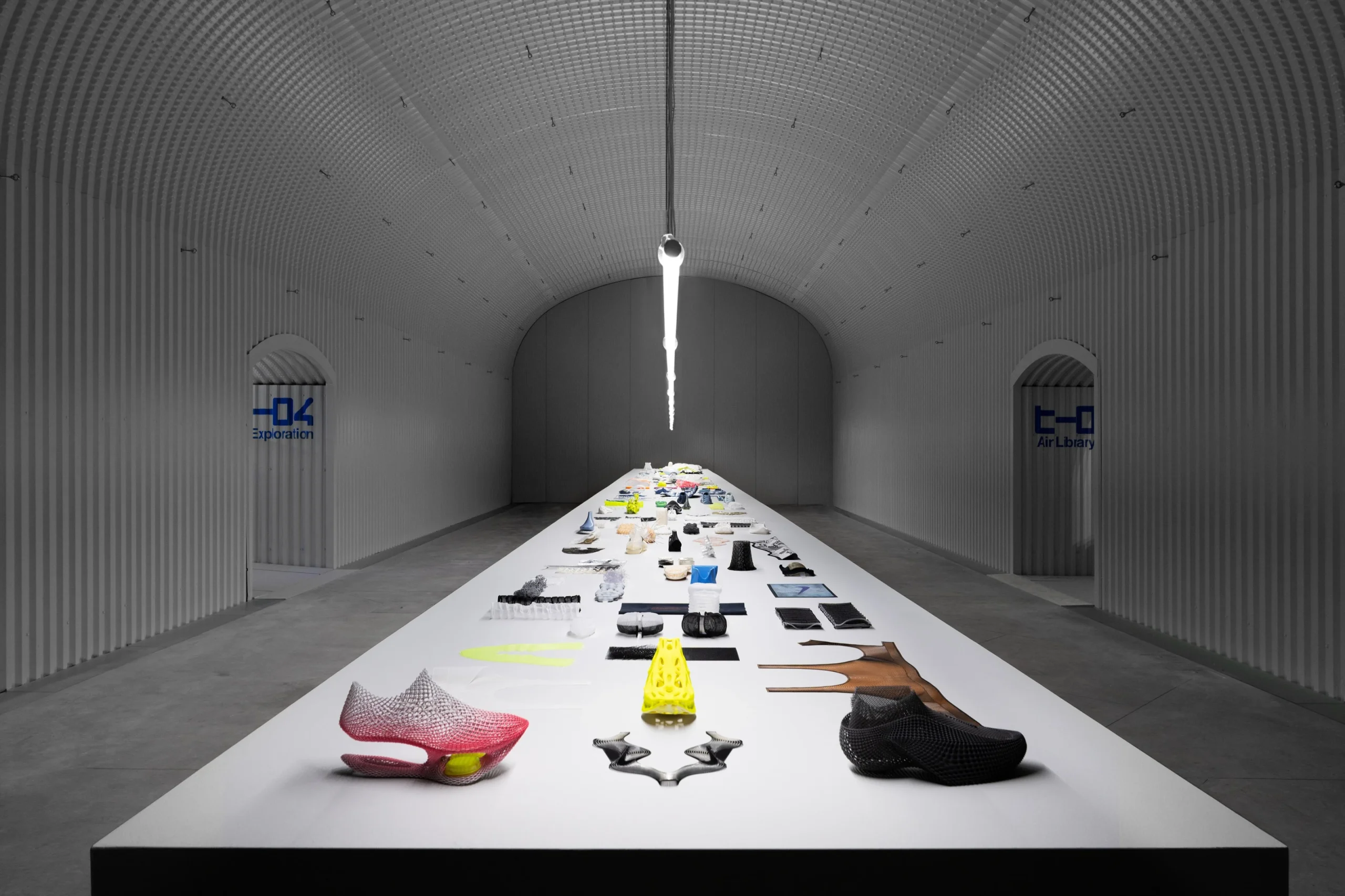
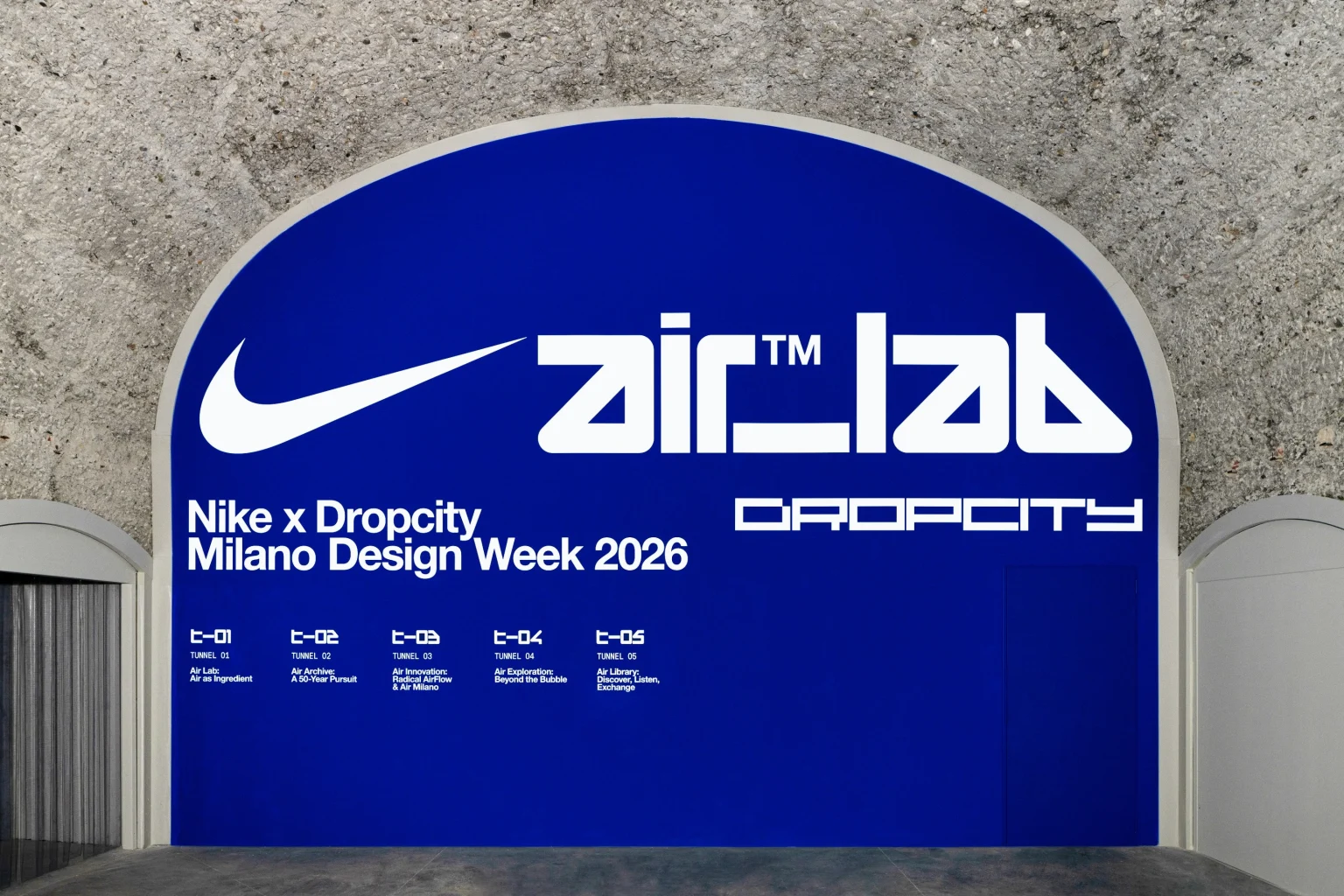
The temporary preview, branded NikeAir_Lab during Design Week, ran from April 20 to April 26, 2026, at Via Sammartini 72, Milan. After the event, the lab is expected to continue inside Dropcity as a permanent installation open to the public.
Why Dropcity was perfect for Air Lab
Dropcity is one of Milan’s emerging creative hubs, developed inside former railway tunnels behind Milano Centrale station. The project spans more than 10,000 square meters and aims to provide affordable workspaces, exhibition areas, and production facilities for architects, designers, and makers.
Its long-term plan includes robotics, model making, 3D printing, textiles, ceramics, woodworking, and recycling labs. That makes it a logical partner for Nike, whose innovation culture depends heavily on rapid prototyping and physical testing
Inside the Nike Air Lab Experience
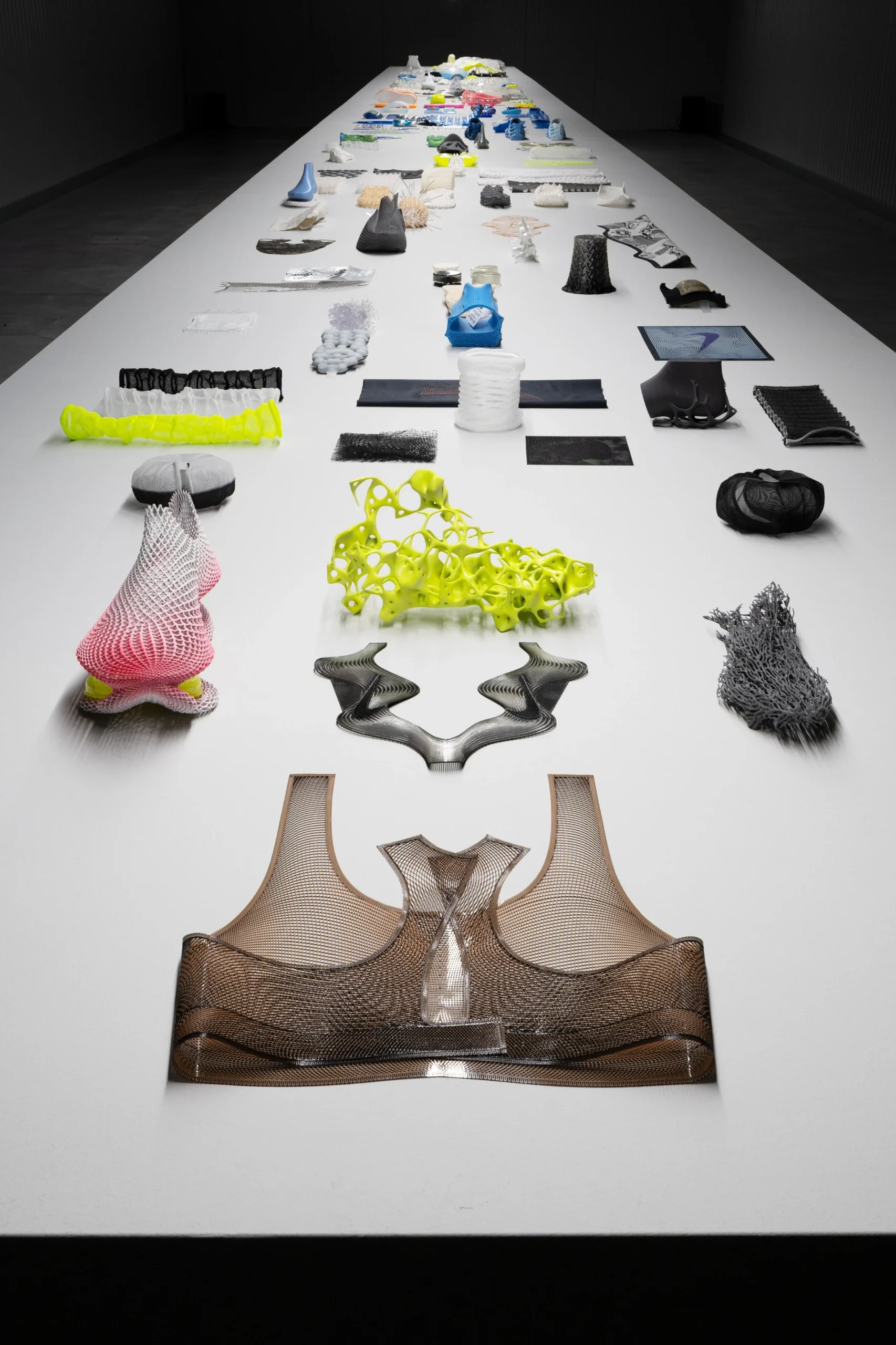
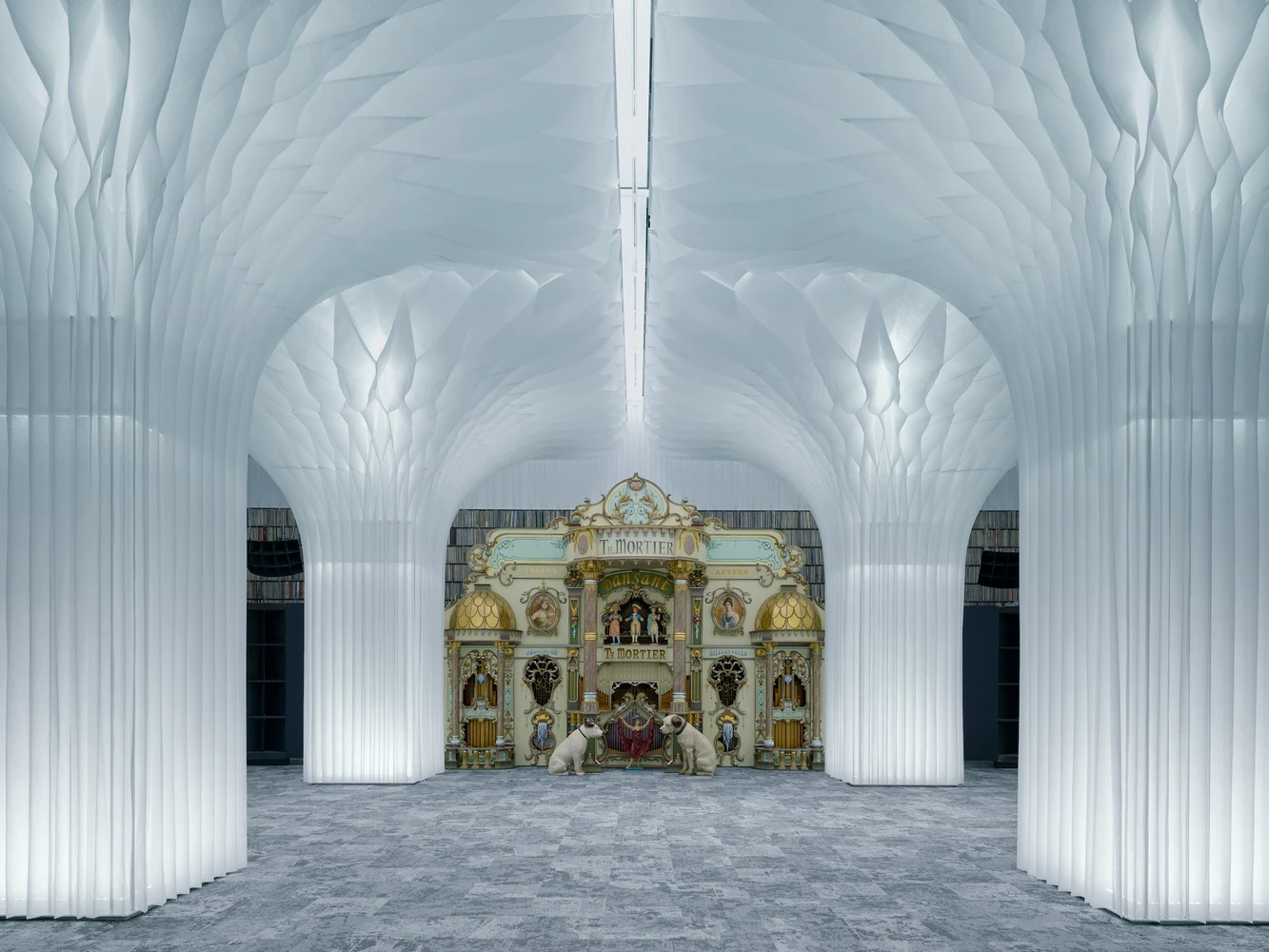
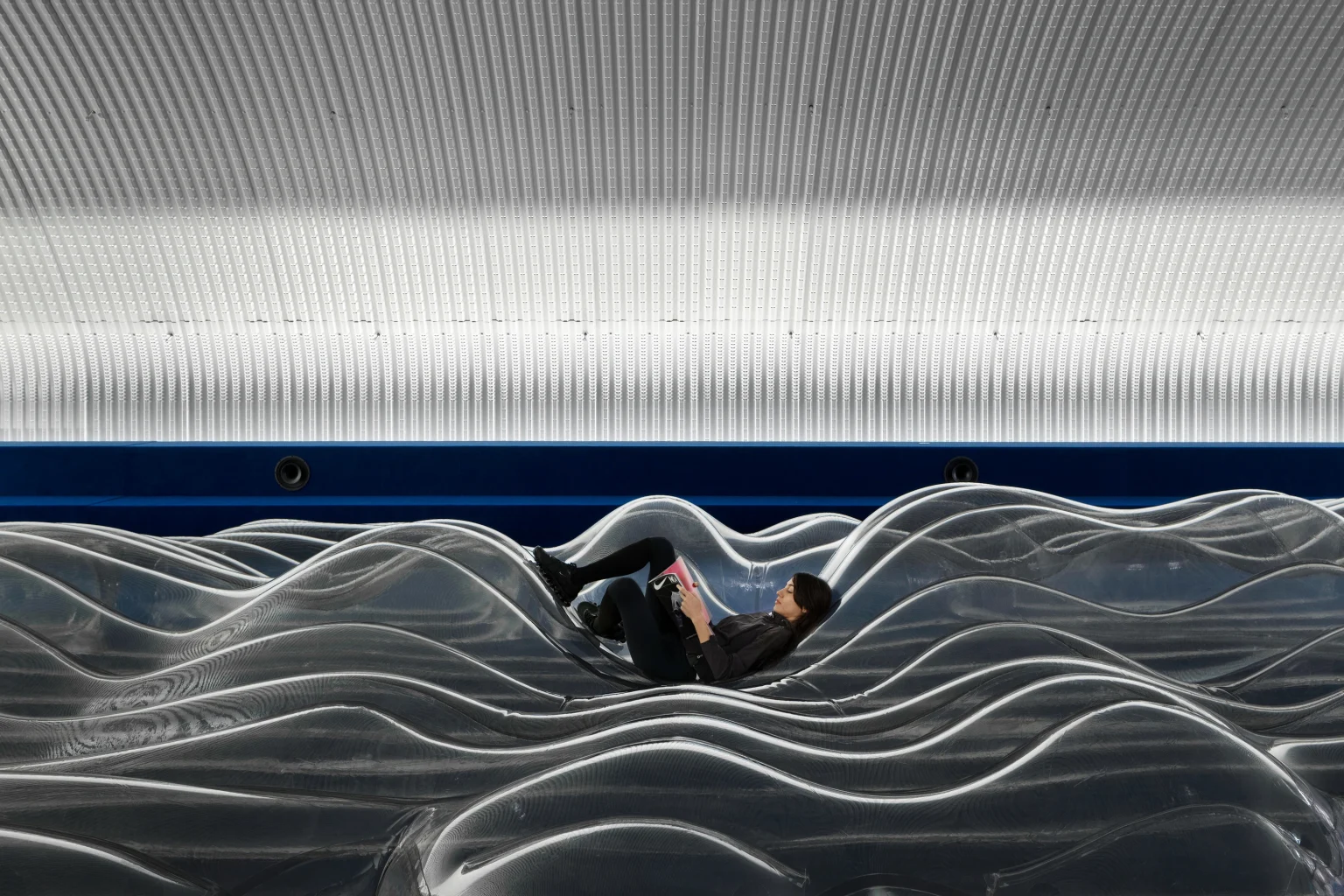
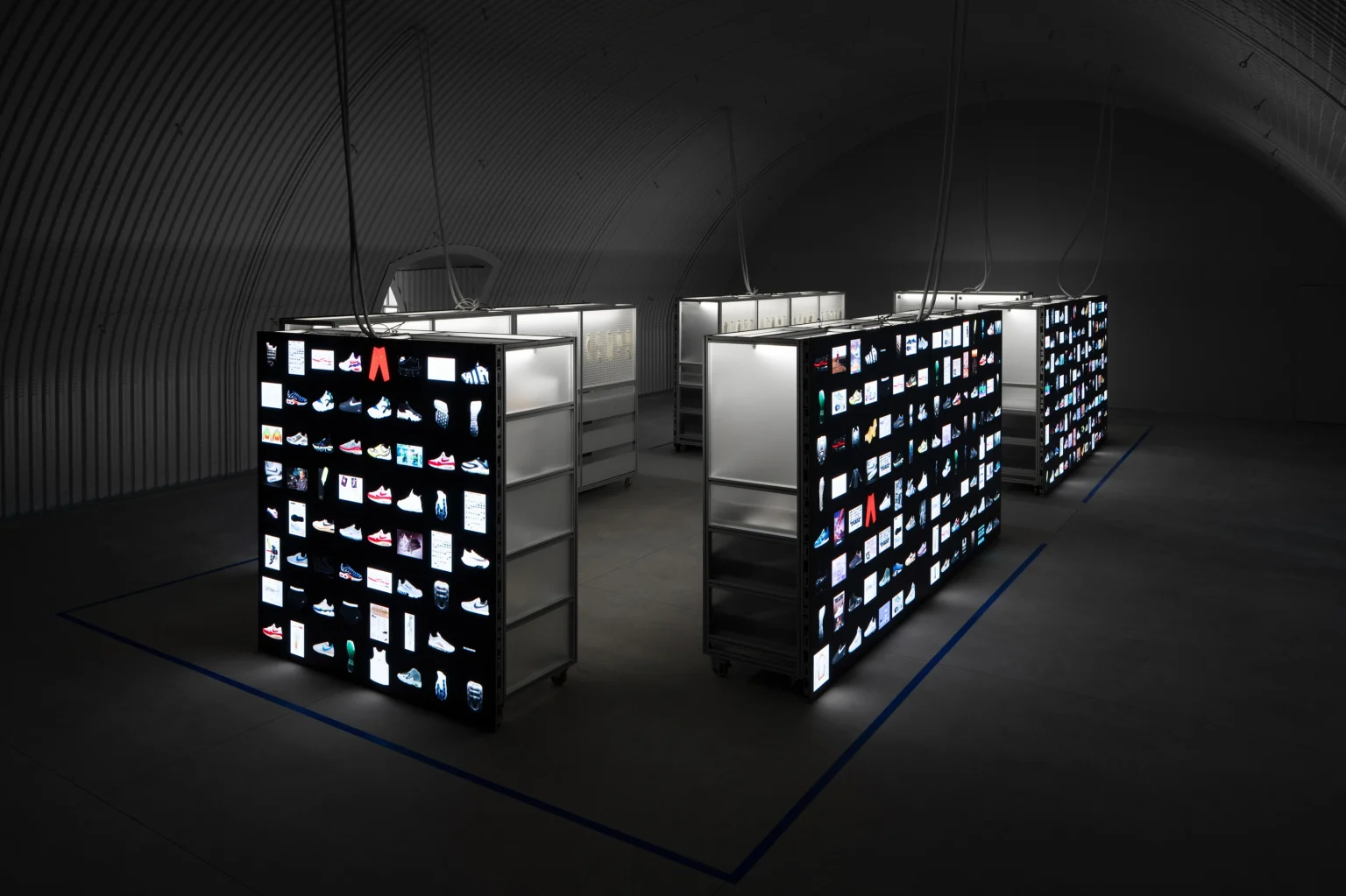
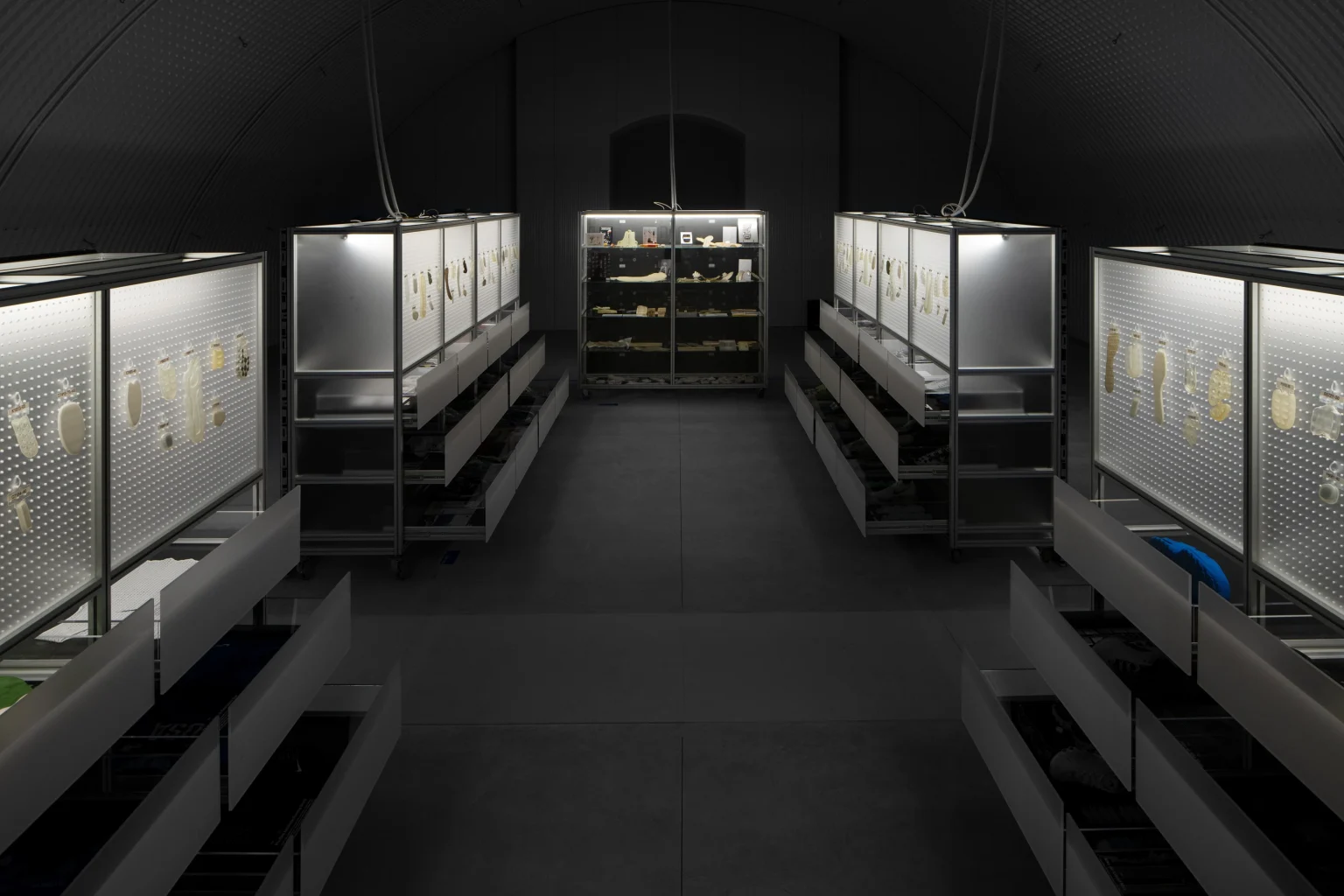
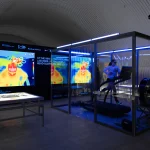
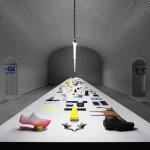
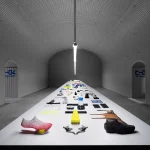
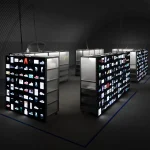
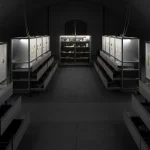
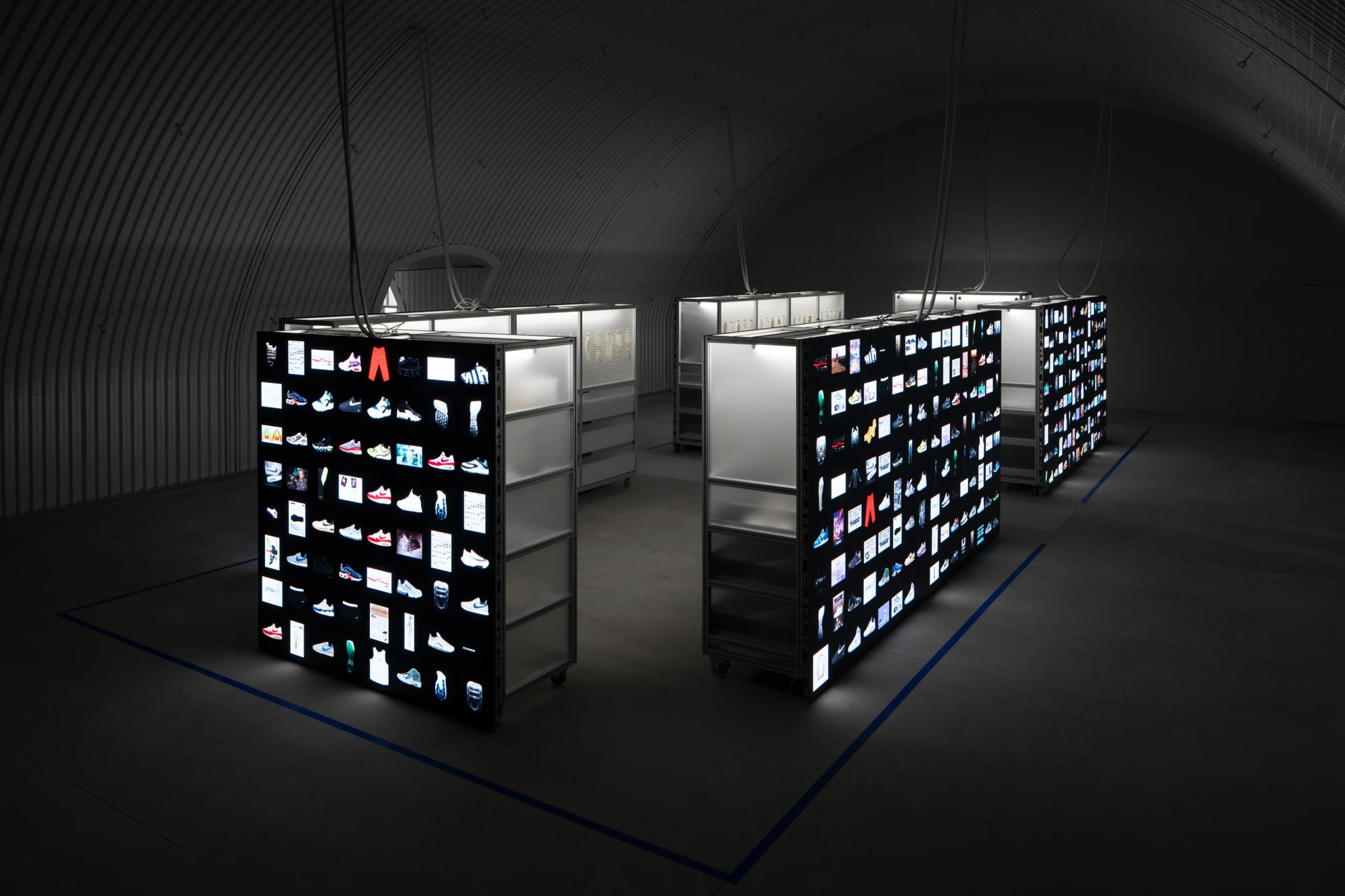
The Milan preview of Nike Air Lab was spread across five tunnels, transforming former industrial spaces into an immersive design environment. Instead of relying on static displays, the installation combined archival pieces, working machines, live workshops, and experimental prototypes to show how Nike approaches innovation through making.
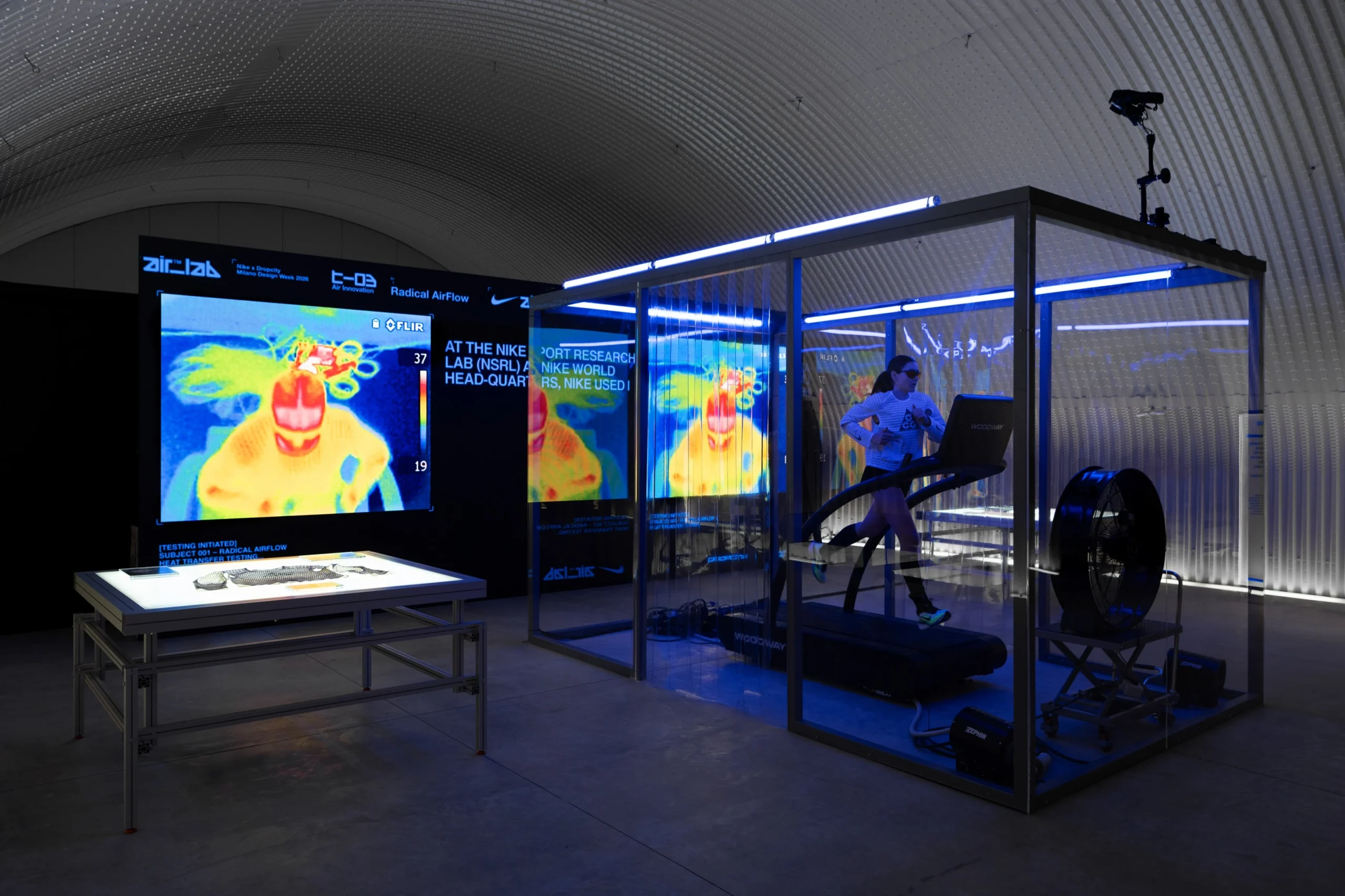
Registered visitors were given access to eight tool stations, with each station exploring a different function of air as a design material. These included visualizing air as evidence, forming air as shape, deforming air as transformation, pumping air as expansion, suctioning air as void, calibrating air as impulse, cooling air as subtraction, and blasting air as force.
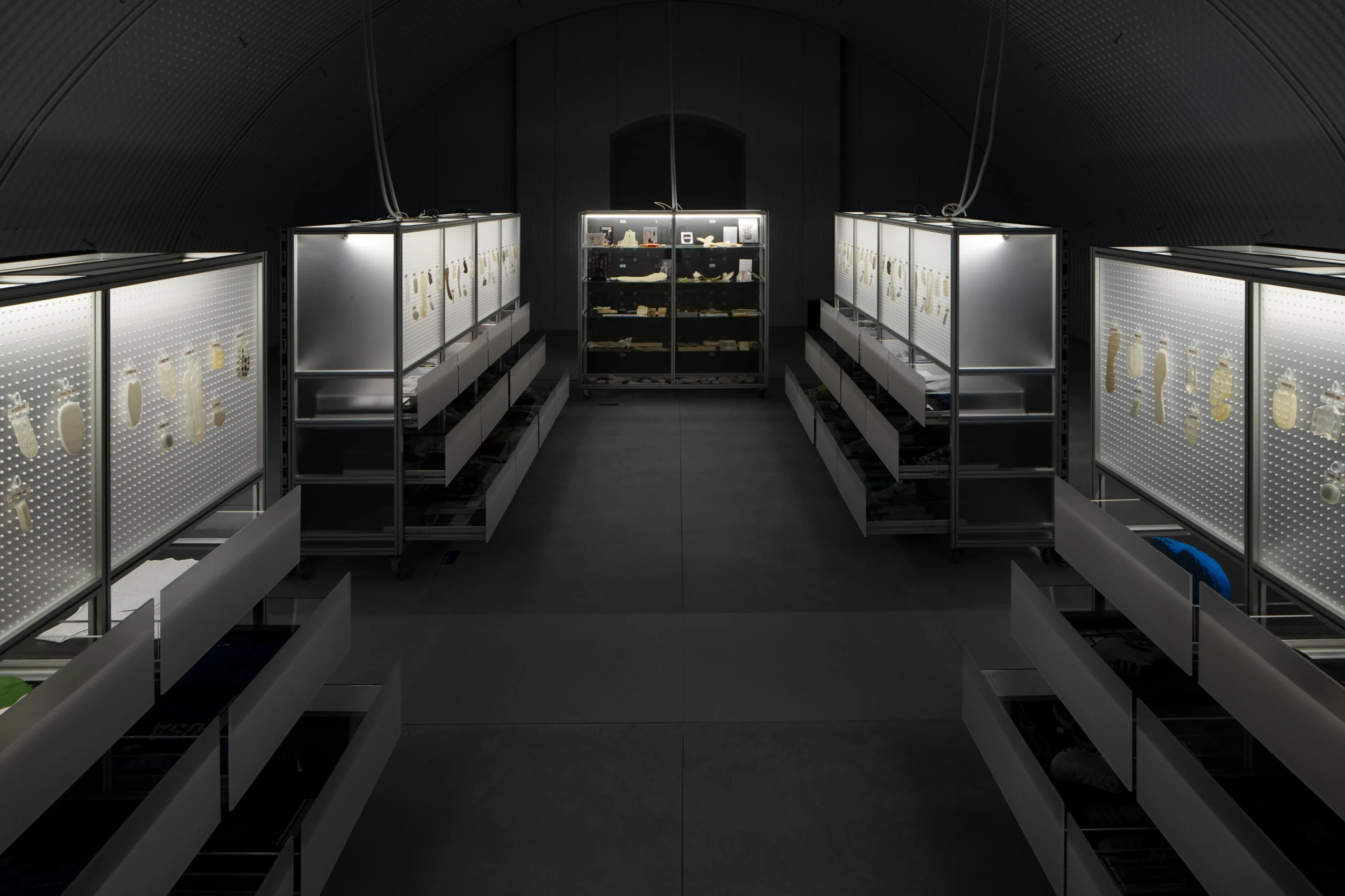
To bring these ideas into practice, the stations featured advanced tools such as robotic arms, thermoforming machines, and pneumatic systems. This hands-on setup allowed visitors to interact directly with materials, machinery, and design processes.
Nearly 100 Nike Prototypes on Public View
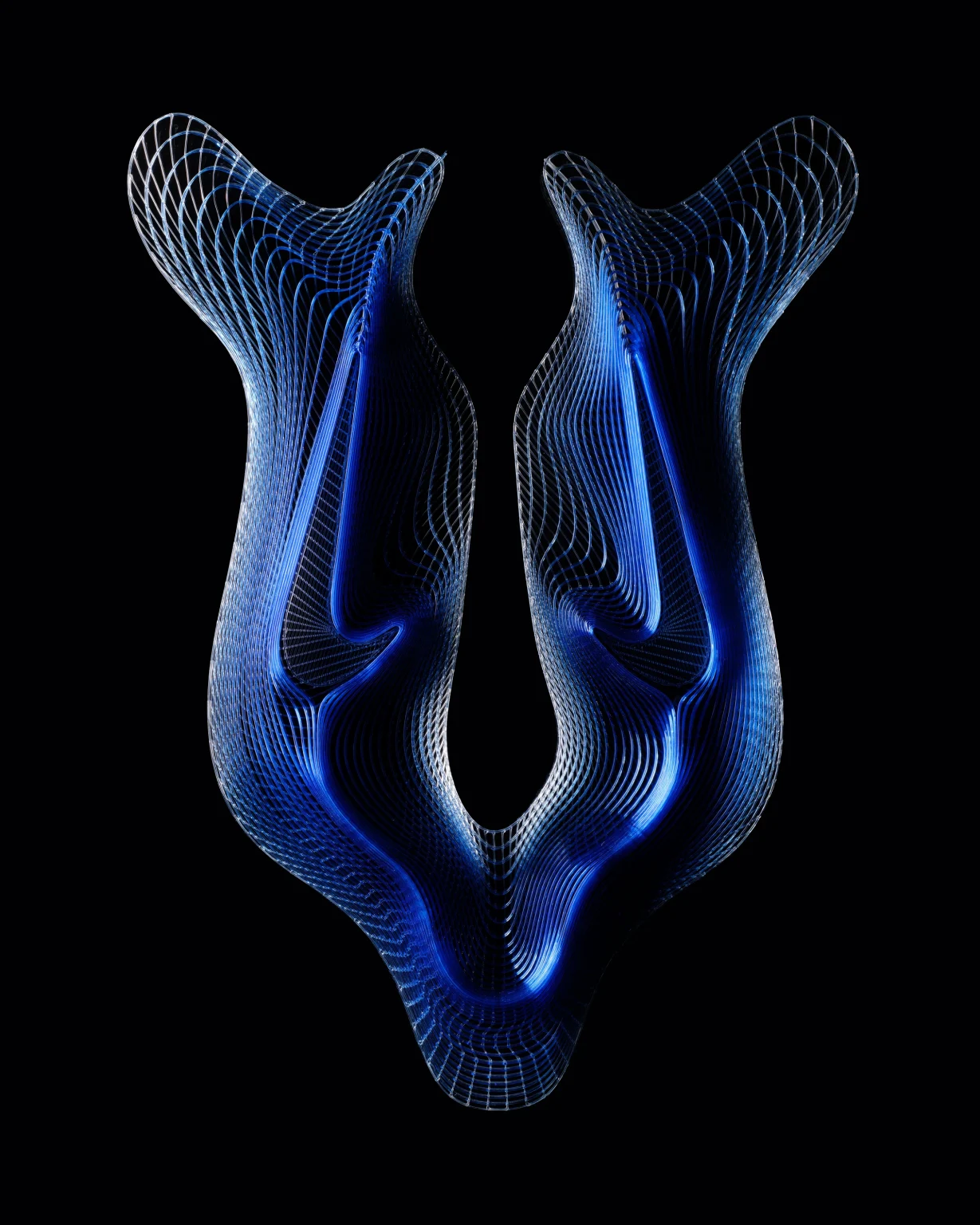
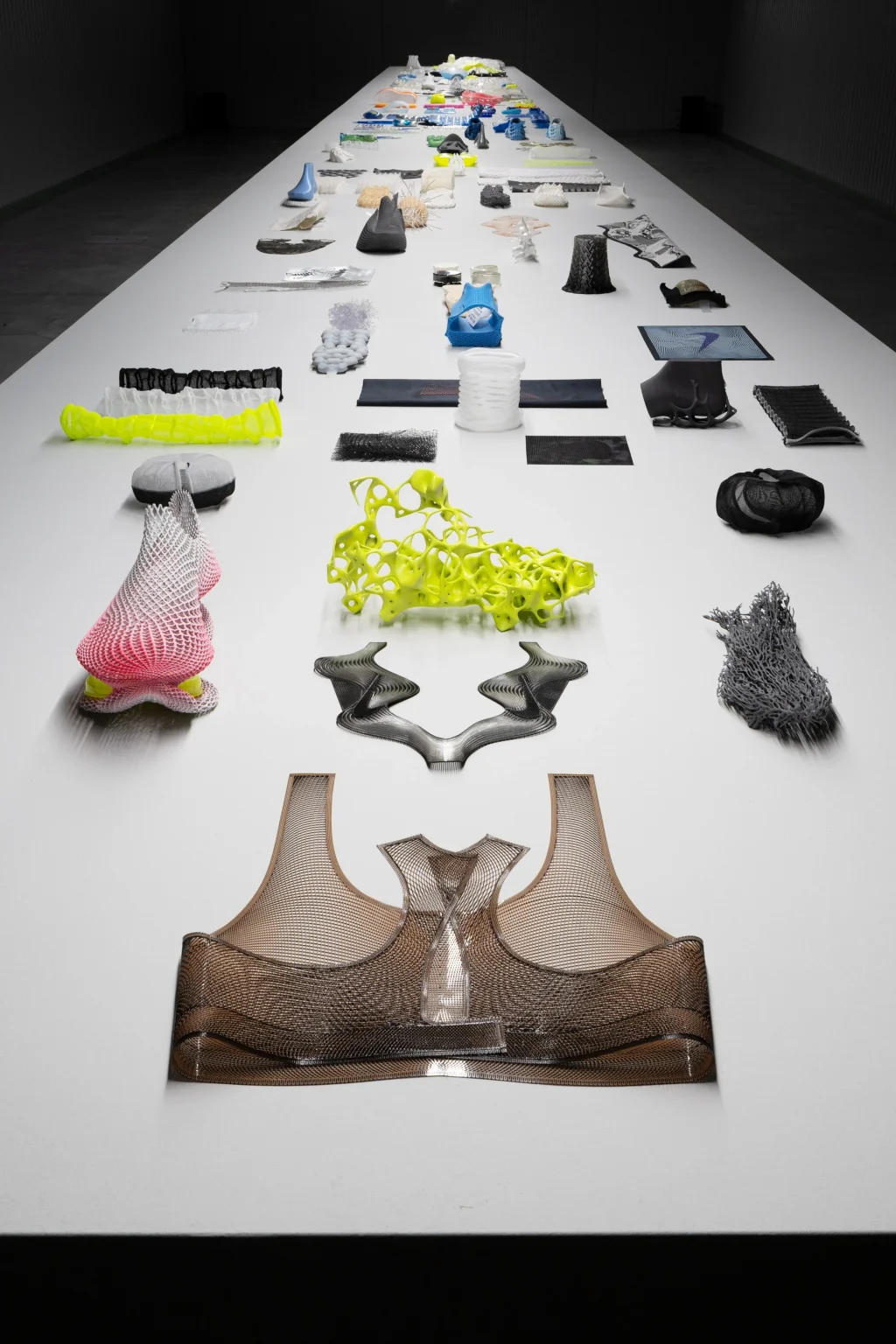
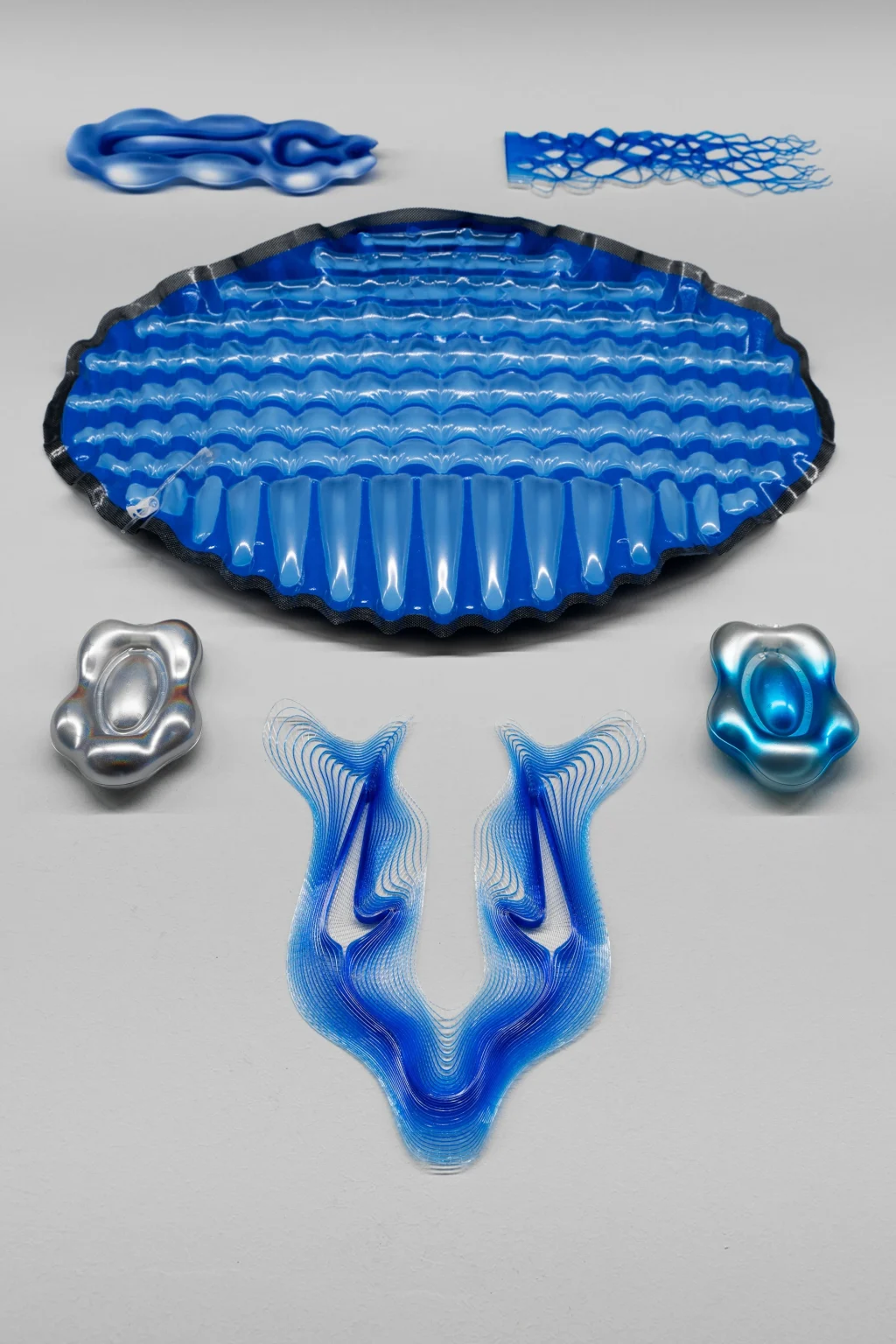
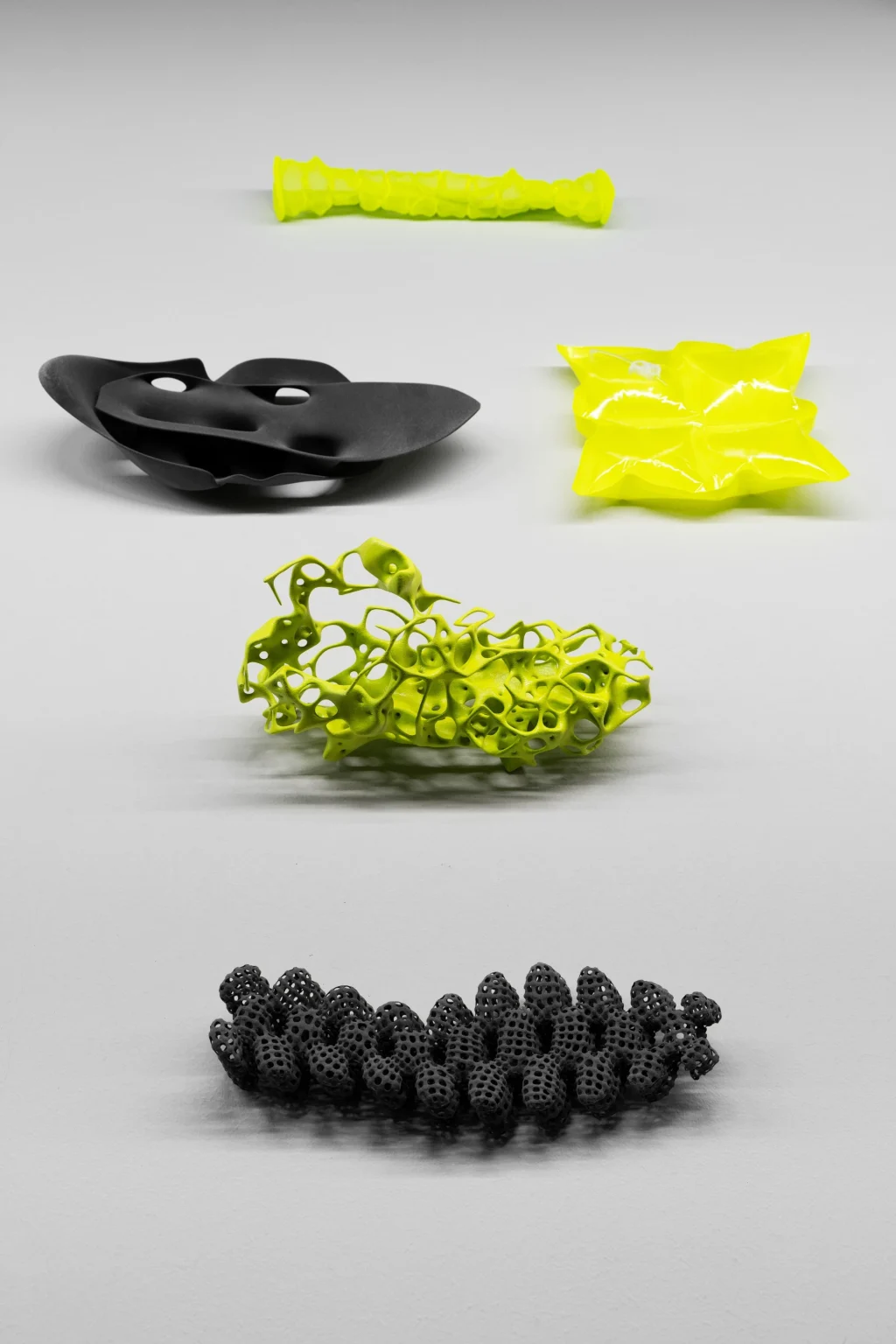
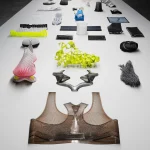
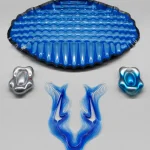
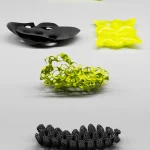
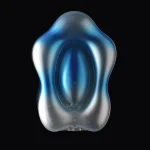
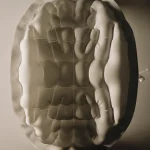
One of the strongest parts of the project was access to Nike’s design development process. The company displayed close to 100 previously unseen prototypes, along with samples and swatches tied to future-facing concepts.
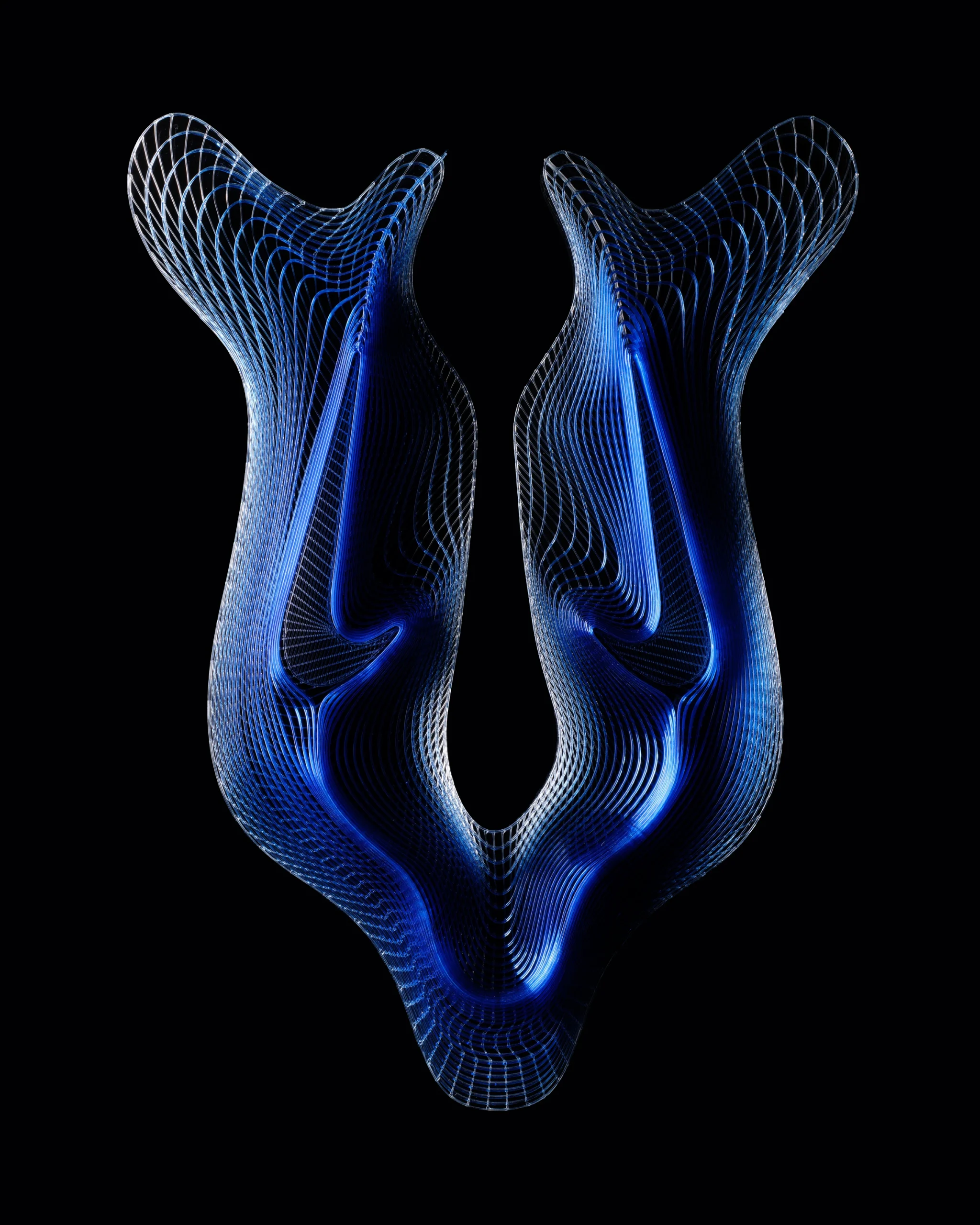
Highlighted projects included:
- Air Liquid Max
- FlyWeb
- Radical AirFlow
- Therma-FIT Air Milano
The exhibition also looked backward. Visitors could view early experiments from Frank Rudy, the engineer who helped bring Nike Air technology to market, along with development studies linked to the Alphafly NEXT% running shoe.
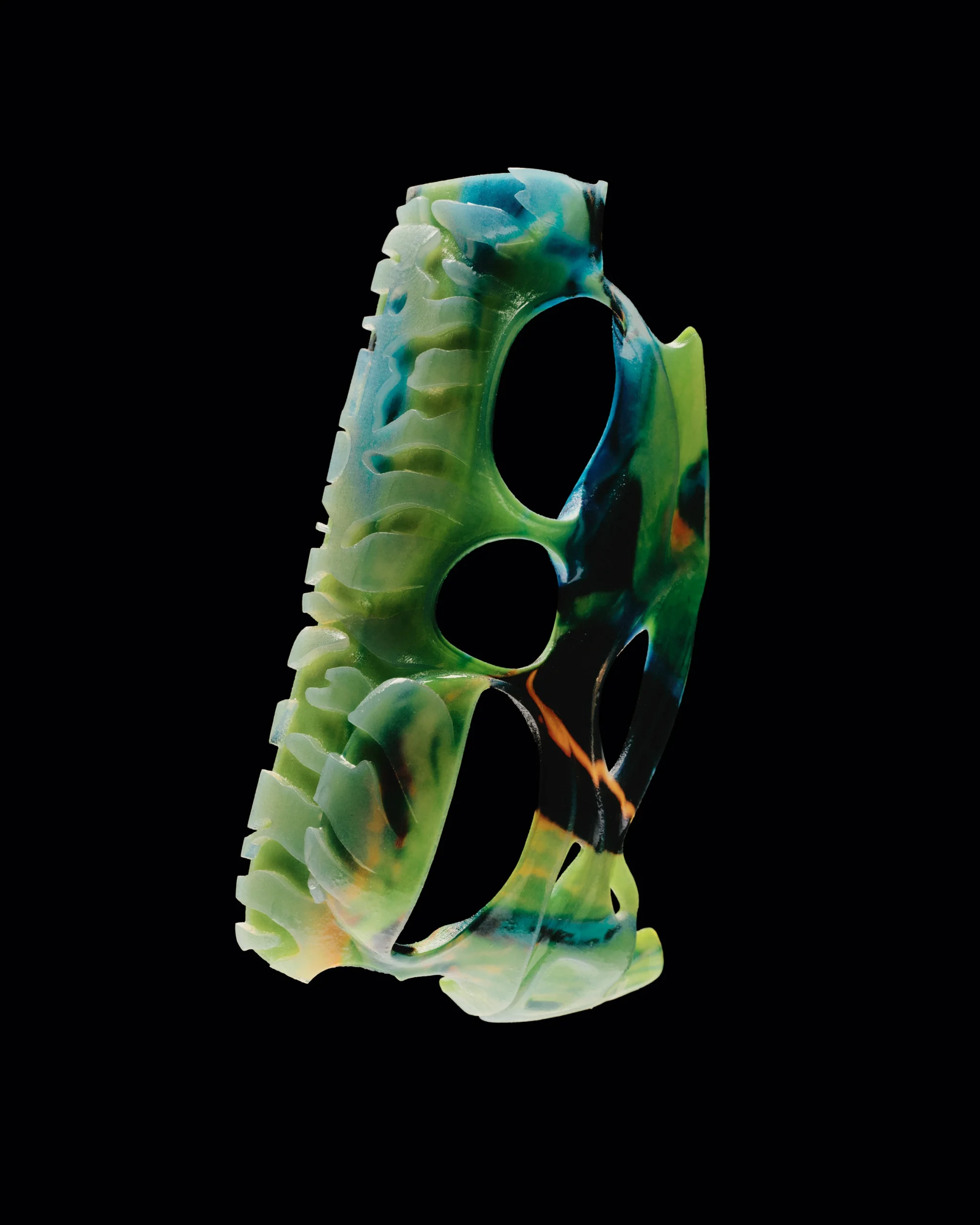
Additional archive items included pieces connected to athlete Faith Kipyegon’s Breaking4 speed suit, showing how Nike links material science with elite performance.
A Design Statement
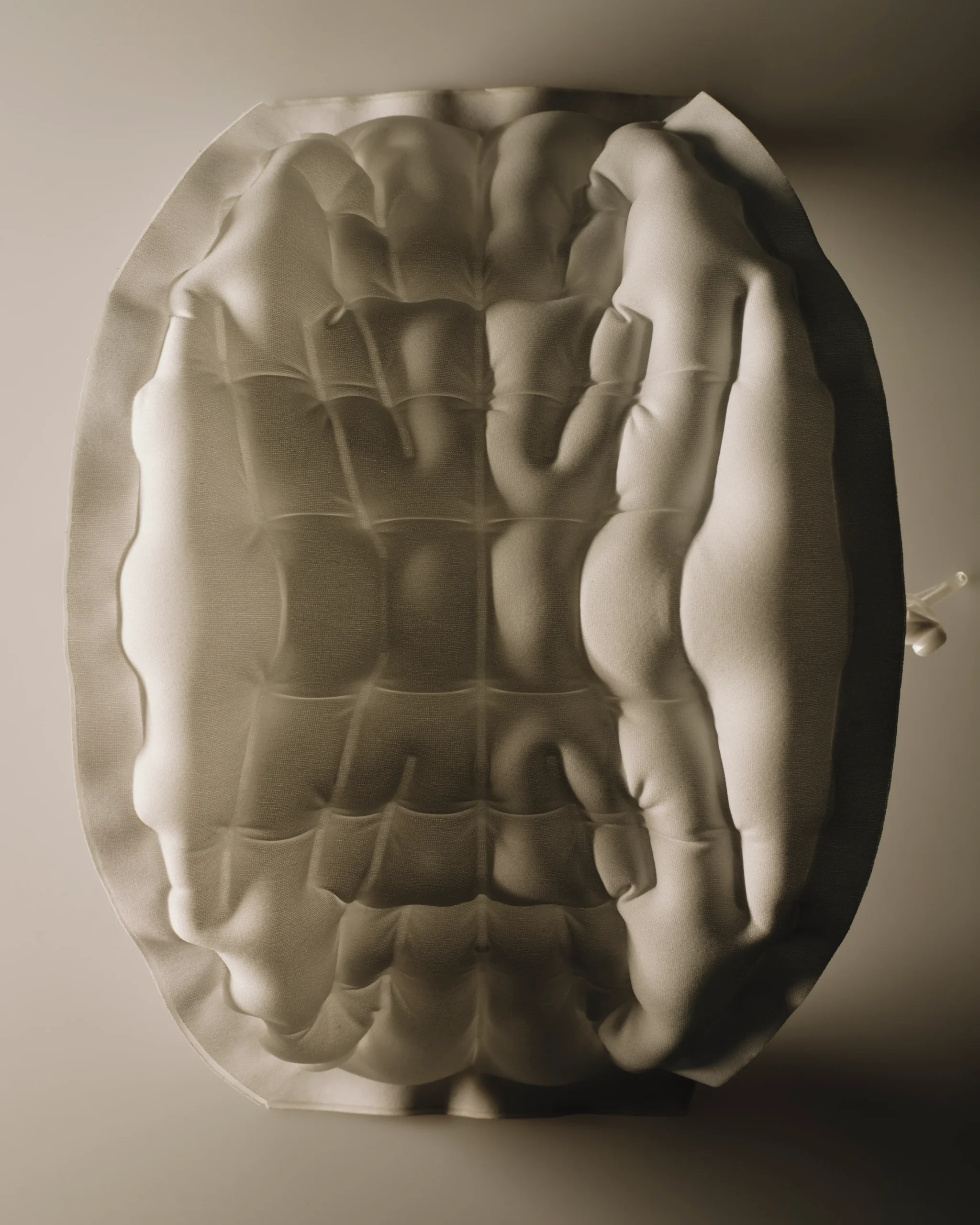
What separates Nike Air Lab from a typical branded installation is legacy planning. Nike confirmed that machinery from the temporary exhibition would later be moved into Dropcity’s wider production network. That means the project leaves behind usable infrastructure for Milan’s design community instead of disappearing after one week.
Dropcity founder Andrea Caputo described the initiative as a new model where companies and research centers can create long-term civic value through design collaboration.
Milan remains one of the world’s most influential cities for design, furniture, architecture, and material innovation. Nike’s decision to stage Air Lab during Design Week places the brand inside a conversation that extends beyond sportswear and sneakers.
It also reflects Nike’s growing interest in presenting itself as a design company. Air, once known mainly as cushioning technology, is now being framed as a broader medium for future products.
Nike Air Lab at Dropcity Milan was one of the more thoughtful brand projects of Milan Design Week 2026. It combined archives, experimental tools, material research, and public access in a way that felt grounded in real design practice.
Credit: Nike