
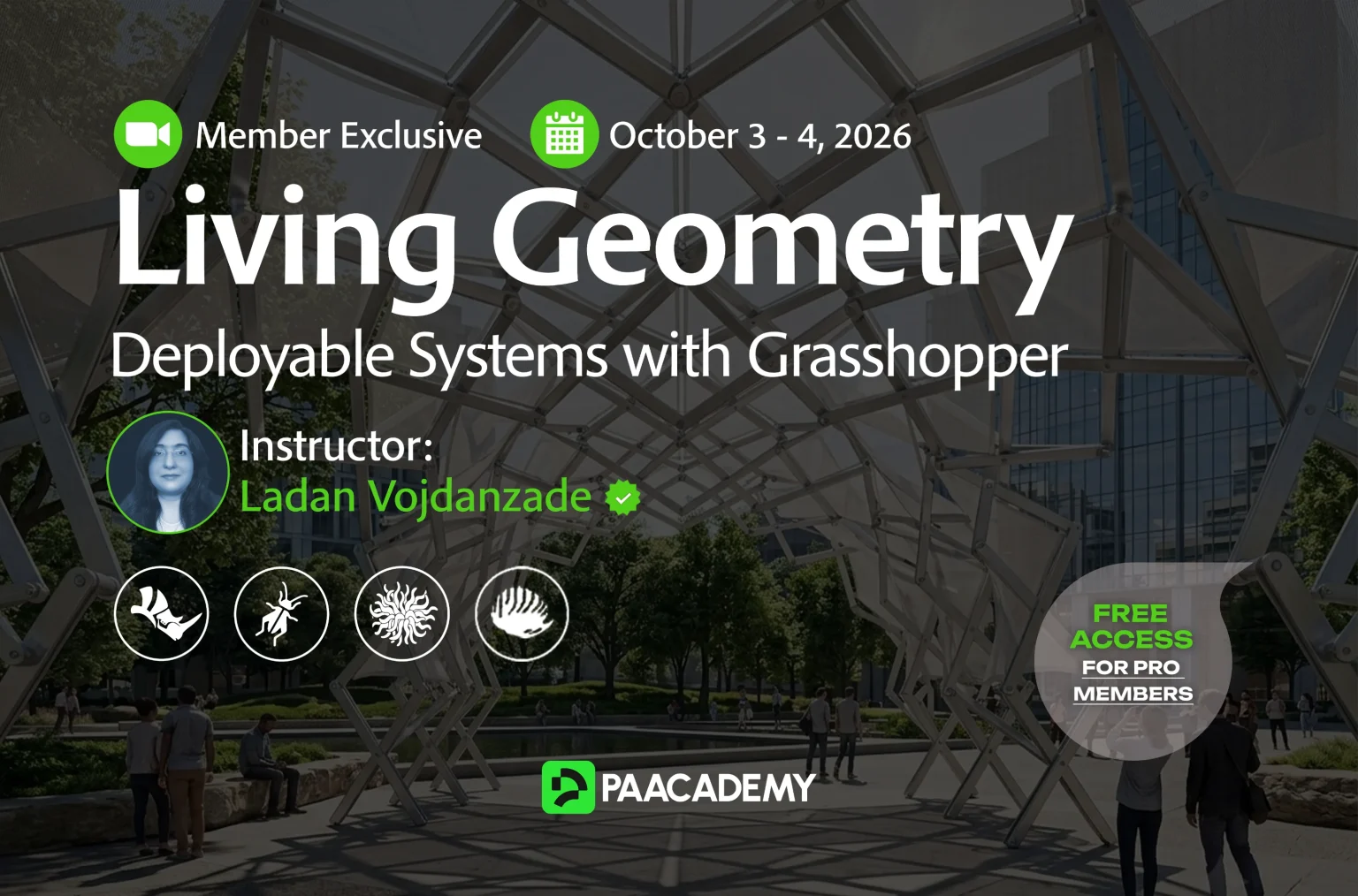
Topic: Living Geometry: Deployable Systems with Grasshopper
Date: December 5-6, 2026
Time: 14:00 – 18:00 GMT
Format: Online on Zoom
Duration: 2 Sessions (8 Hours)
Registration Deadline: December 4th, 2026
Total Seats: 50 seats
Difficulty: Beginner – Intermediate
Language: English
Certificate: Yes
General Registration: 100 EUR
Join free: with Full Access membership
Fee for Digital Members: 85 EUR (15% discount available only for Digital Members)
Organized By: PAACADEMY
Tutor: Ladan Vojdanzade
Recordings: Recordings will be available for all participants afterward indefinitely.
Introduction to Living Geometry: Deployable Systems with Grasshopper:
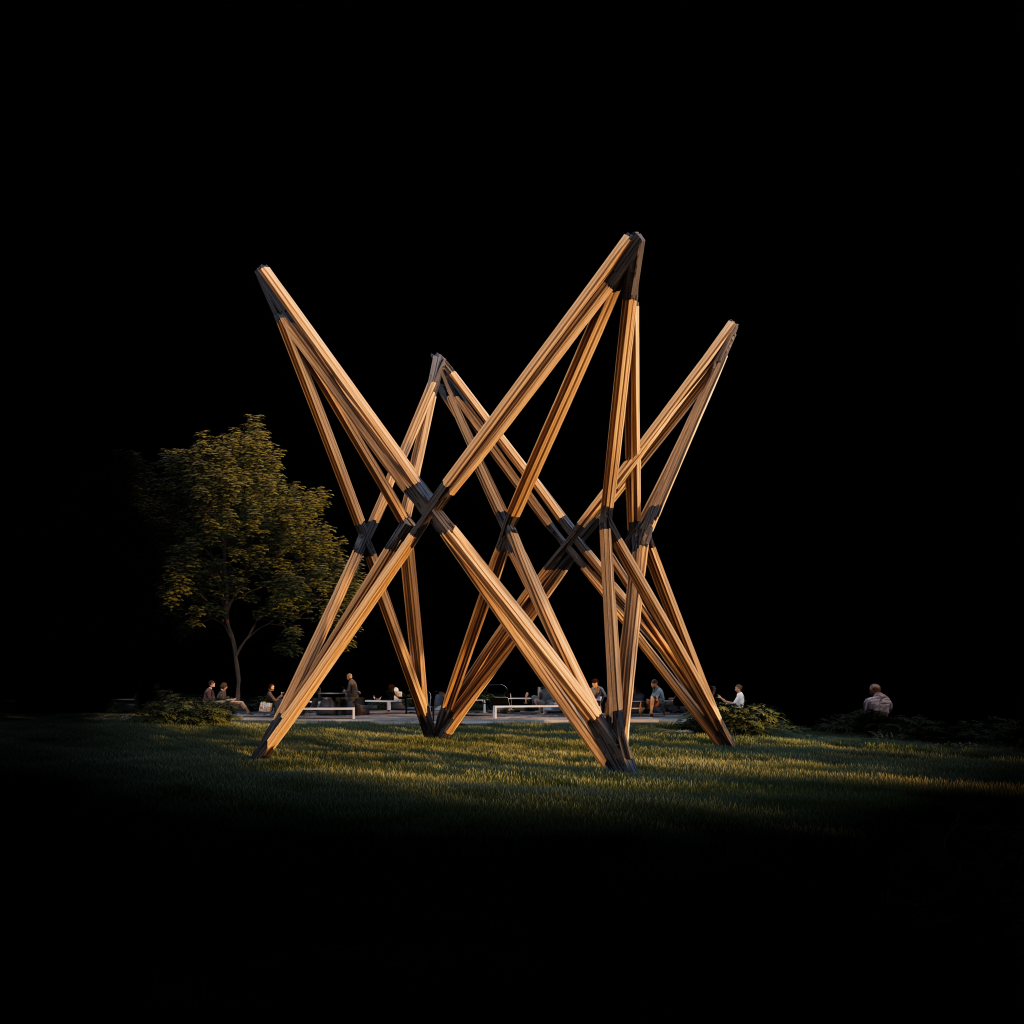
Adaptive and deployable systems are opening new possibilities in architecture by enabling spaces and structures to transform in response to different needs and conditions. Behind these dynamic behaviors lies geometry – not simply as a way to create form, but as a system that can generate movement.
In this workshop, participants will explore how scissor-based geometry can be used to design transformable architectural systems through computational design. Starting from the fundamental principles of scissor mechanisms, we will gradually build parametric models in Grasshopper and investigate how geometric patterns can evolve into deployable and adaptive structures.
Grasshopper was chosen for this workshop because it allows designers to work directly with geometric relationships, test different design variations, and simulate movement in an intuitive visual environment. Instead of repeatedly rebuilding models, participants will learn how to develop flexible systems that can be modified, explored, and refined throughout the design process.
By the end of the workshop, participants will have created their own deployable geometric system and gained a practical workflow applicable to responsive architecture, kinetic structures, and other computational design projects.
Methodology:
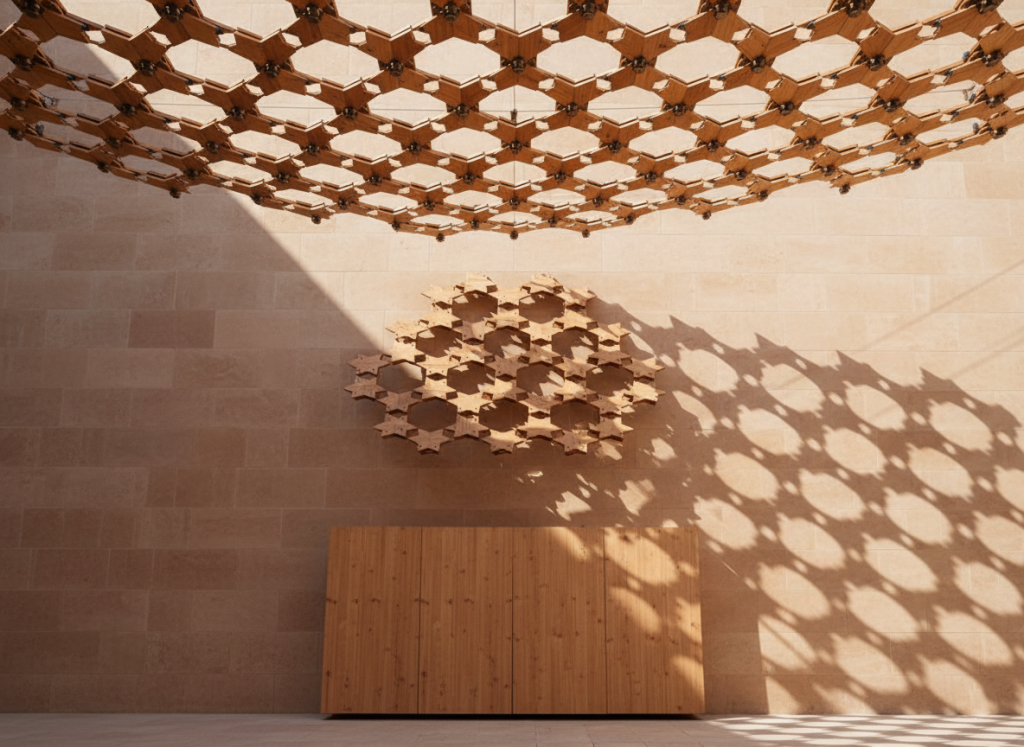
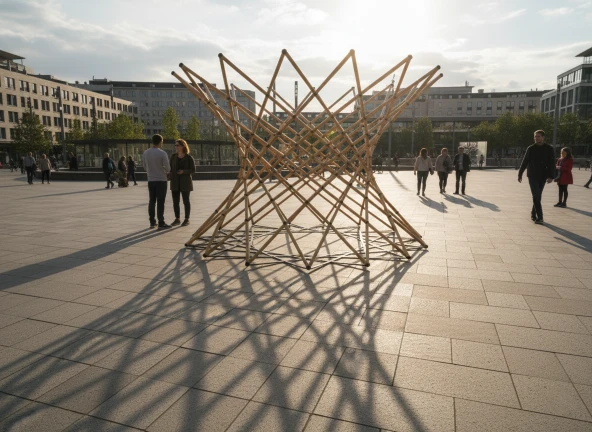
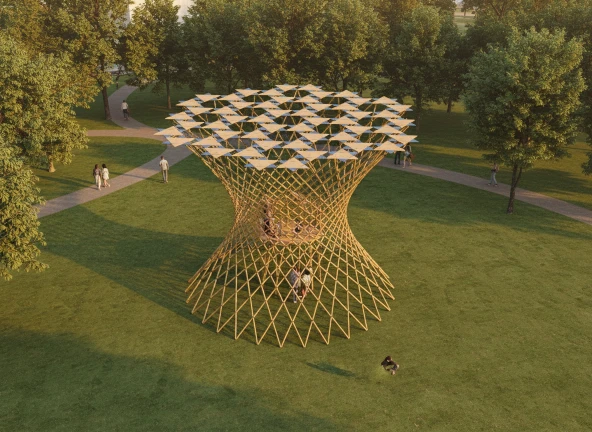
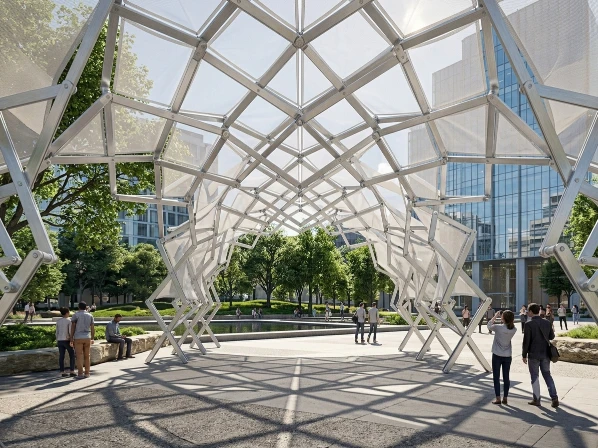
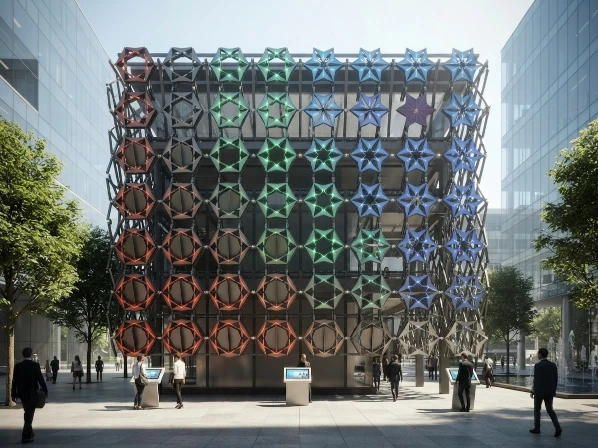
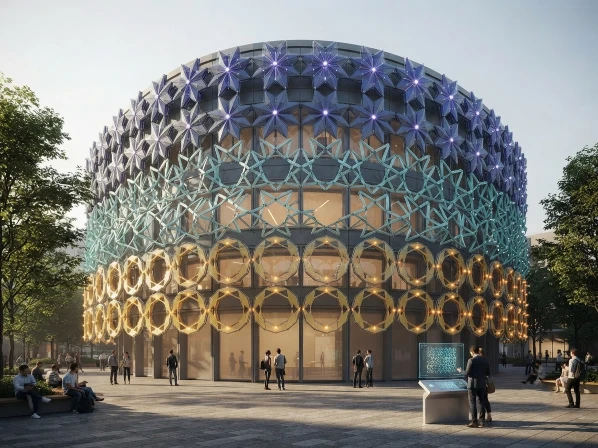
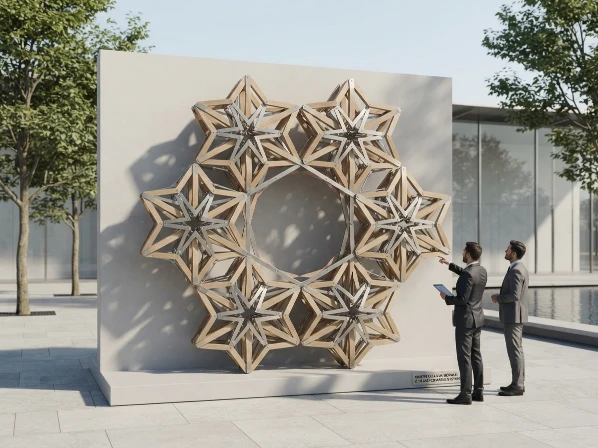
This workshop focuses on the design of adaptive and deployable architectural systems using scissor-based geometry and parametric modeling. Rather than developing a single predefined project, participants will learn a computational workflow applicable to a wide range of design applications, from kinetic pavilions and transformable canopies to responsive façades and experimental spatial installations.
Participants will build parametric scissor units, study their geometric behavior, and combine them into deployable systems capable of controlled transformation. Through a series of guided exercises, they will learn how to organize geometric relationships, define movement through parametric constraints, and generate different design variations from a single computational model.
By the end of the workshop, each participant will have developed a fully parametric, deployable system, along with a design concept demonstrating how the workflow can be adapted to different architectural scales and applications.
The workshop follows a step-by-step, hands-on computational design workflow that combines geometric exploration, parametric modeling, and design development.
1. Introduction to Scissor-Based Geometry
- Introduction to deployable and kinetic architectural systems
- Understanding the geometric principles behind scissor mechanisms
- Exploring the relationship between geometry, movement, and transformation
2. Parametric Modeling in Grasshopper
- Building basic scissor units through parametric definitions
- Establishing geometric relationships and controlling design parameters
- Exploring different configurations through computational modeling
3. Developing Deployable Geometric Systems
- Combining scissor units into larger geometric configurations
- Studying transformation behavior and movement logic
- Exploring how repetitive patterns can generate adaptive structures
4. Design Exploration and Computational Workflow
- Testing variations of deployable systems through parametric control
- Understanding how the developed workflow can be applied to different architectural applications
- Discussing potential applications in kinetic structures, adaptive installations, and transformable systems
Key Learning Topics:
- Understand the basic logic and geometric principles of scissor-based deployable systems
- Model and control scissor mechanisms through parametric workflows in Grasshopper
- Create flexible geometric systems by defining relationships between form, movement, and parameters
- Explore how repetitive patterns can be transformed into deployable architectural structures
- Develop computational approaches for designing kinetic and adaptive systems
- Use Grasshopper as a tool for exploring and testing different geometric possibilities
Program:
Day 1 – Understanding and Modeling Scissor-Based Systems
- Introduction
- Workshop goals and overall computational design workflow
- Introduction to Scissor Mechanisms
- Definitions, applications, and geometric principles
- Exploring kinetic logic through selected examples
- Translational Scissor Mechanism
- Understanding linear transformation logic
- Developing geometric relationships
- Modeling a parametric scissor unit in Grasshopper
- 3D Scissor Mechanism
- Exploring spatial configurations
- Analyzing geometric behavior
- Expanding the basic unit into a 3D system
- Polar Scissor Mechanism
- Studying radial transformation logic
- Developing polar configurations through parametric modeling
- Angular Scissor Mechanism
- Exploring angular configurations
- Modeling scissor-based geometric variations in Grasshopper
- Wrap-up & Q&A
- Reviewing the developed systems and key concepts
Day 2 – From Geometric Patterns to Adaptive Transformations
- Introduction to Repetitive Geometries
- Exploring the logic of repetitive geometric patterns
- Investigating their potential for dynamic configurations
- Geometric Pattern Transformation
- Transforming static patterns into movable and adaptive systems
- Pattern-Based Motion Studies
- Developing animated geometric patterns
- Exploring different transformation behaviors
- Creating Dynamic Pattern Systems
- Applying transformation strategies
- Generating opening and closing behaviors within geometric patterns
- Adaptive Geometric Applications
- Exploring applications in architectural elements
- Investigating kinetic and transformable systems
- Wrap-up & Q&A
- Reviewing the workshop process and discussing further design possibilities
Software:
- Rhino
- Grasshopper
- Anemone
- Weaverbird
Workshop Notes:
- Please install and test Rhino 7, Grasshopper, and all required plugins before the workshop.
- Workshop materials and resources will be provided for all participants
Instructor:
Ladan Vojdanzade

Ladan Vojdanzadeh is an architect and educator with over a decade of experience in teaching transformable design systems, particularly scissor-like mechanisms. Her academic and professional work focuses on exploring the intersection of geometry, motion, and algorithmic logic in the field of architecture.
Ladan has taught over 20 workshops, authored a book on transformable structures, and worked in architectural design and supervision on different projects. She currently teaches courses related to advanced structures and computational design, integrating Grasshopper into her methodical, step-by-step approach to algorithmic modeling.
Important Notes:
- The “Living Geometry: Deployable Systems with Grasshopper” workshop by PAACADEMY will start at 14:00 (GMT) on Saturday, December 5, 2026.
- Total sessions: 2 Sessions (8 Hours).
- The teaching duration per session will be 4 hours.
- Students will have time for a break between teaching hours.
- The workshop will be recorded, and videos will be available for participants just a day after the class for an unlimited time.
- PAACADEMY will provide a certificate of attendance.
- The studio has limited seats. Tickets are non-transferable & non-refundable. Please read carefully before you register.
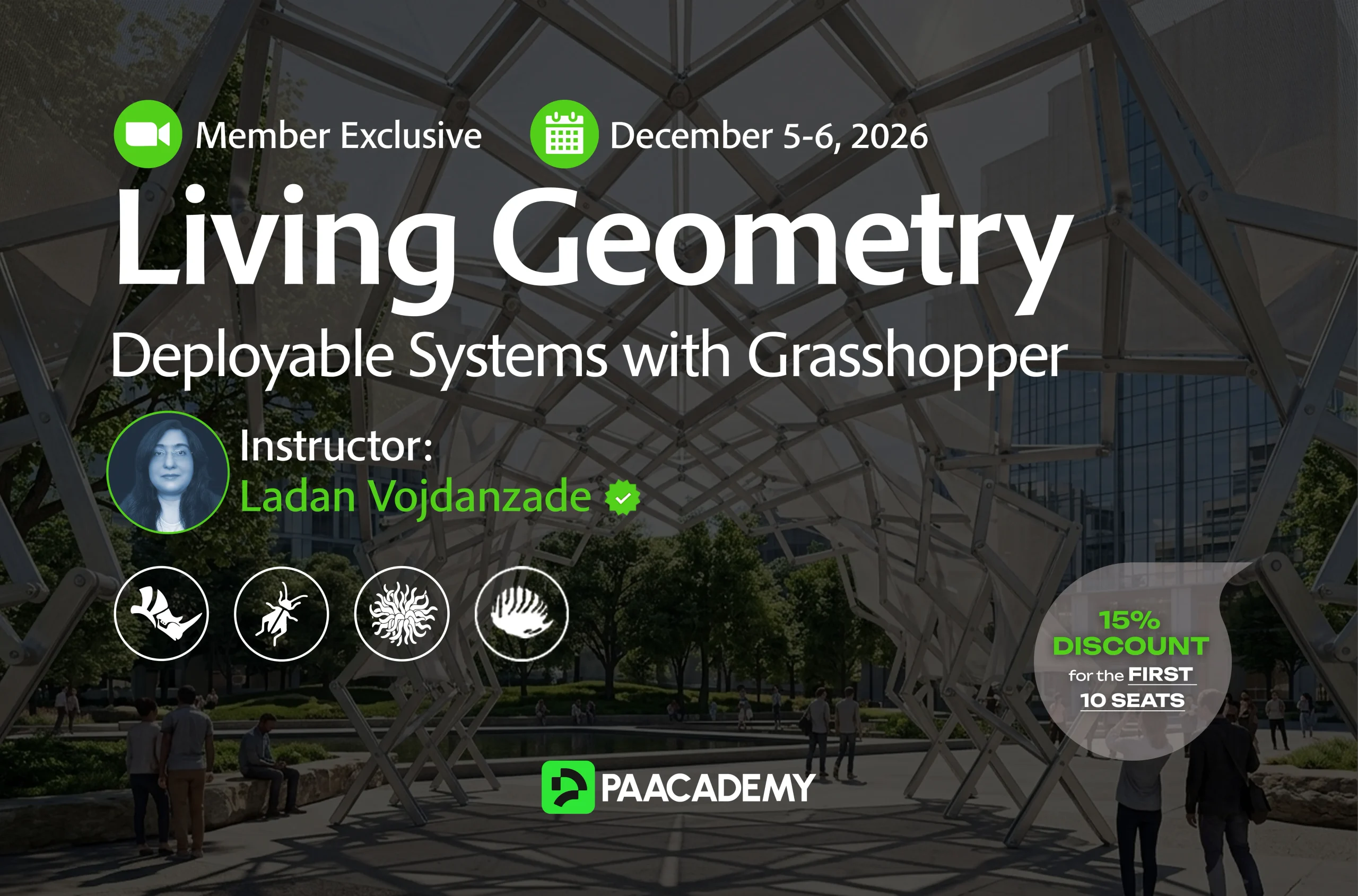
Topic: Living Geometry: Deployable Systems with Grasshopper
Date: December 5-6, 2026
Time: 14:00 – 18:00 GMT
Format: Online on Zoom
Duration: 2 Sessions (8 Hours)
Registration Deadline: December 4th, 2026
Total Seats: 50 seats
Difficulty: Beginner – Intermediate
Language: English
Certificate: Yes
General Registration: 100 EUR
Join free: with Full Access membership
Fee for Digital Members: 85 EUR (15% discount available only for Digital Members)
Organized By: PAACADEMY
Tutor: Ladan Vojdanzade
Recordings: Recordings will be available for all participants afterward indefinitely.