






When people think of the world’s most expensive projects, towering skyscrapers, massive infrastructure developments, and landmark buildings usually come to mind. Yet one of the most talked-about comparisons online isn’t between two buildings—it’s between a video game and the tallest structure ever built.
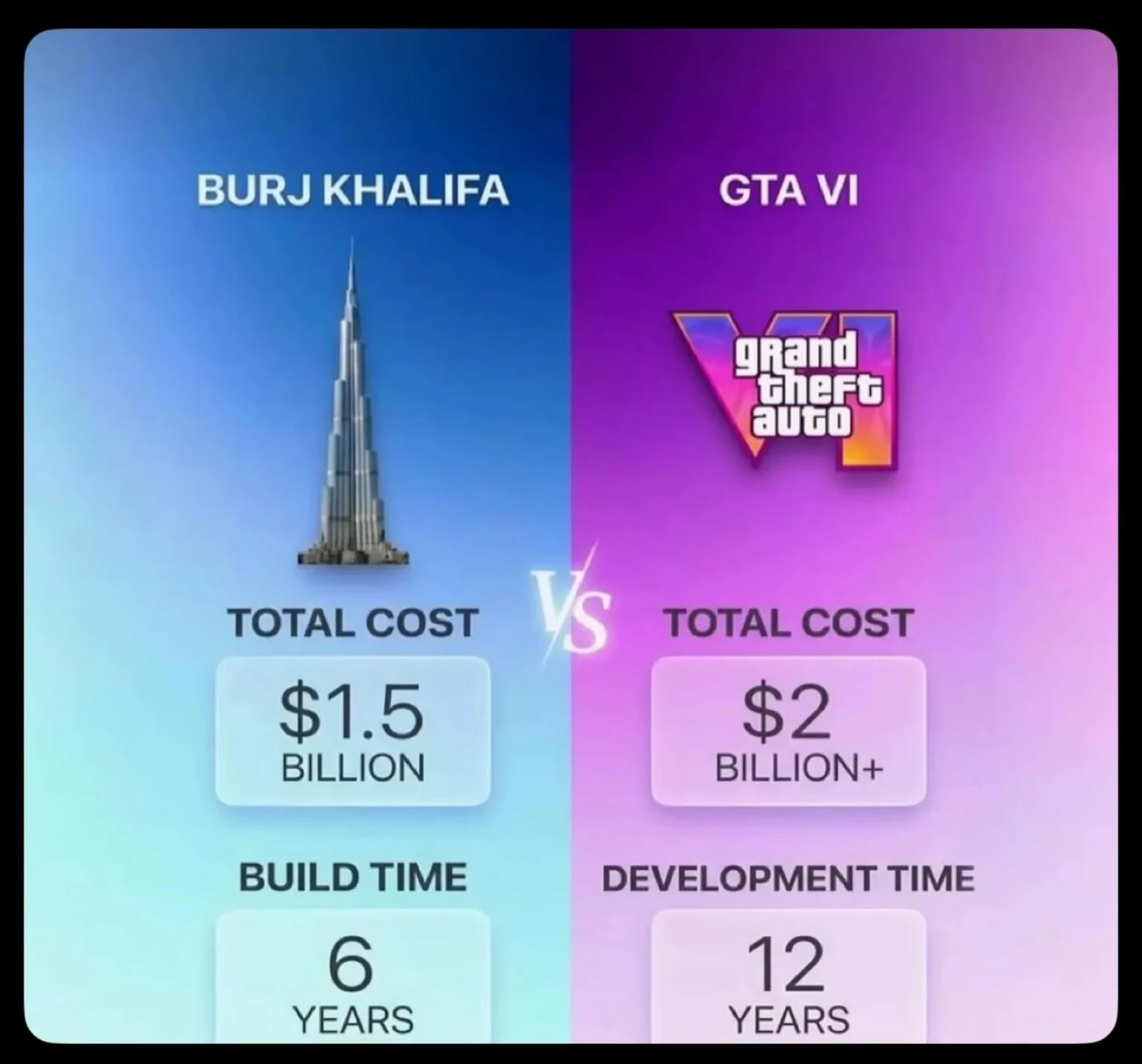
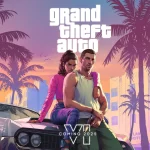
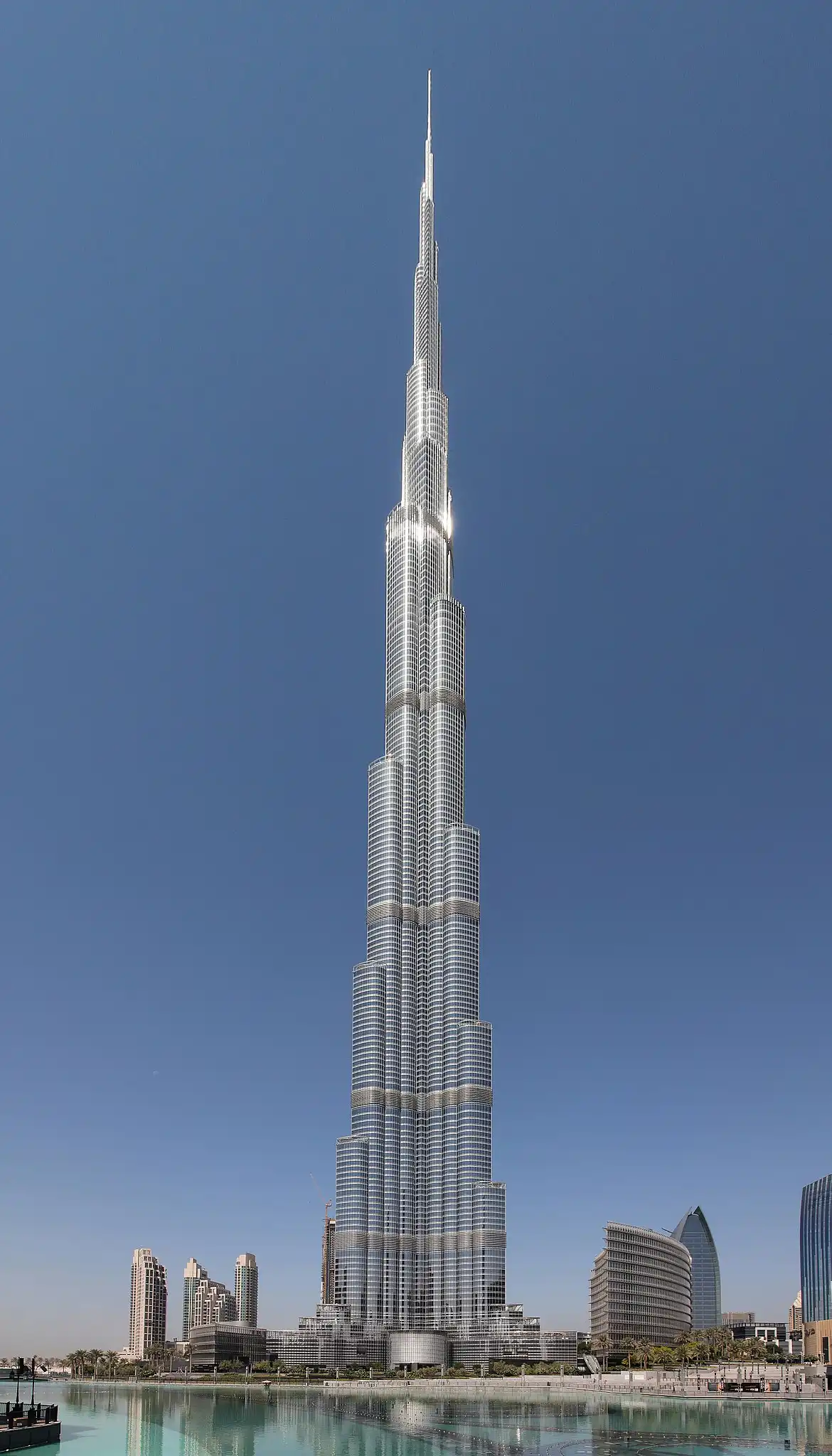
According to multiple reports, the development cost of Grand Theft Auto VI (GTA 6) is widely estimated to have crossed the $2 billion mark, potentially making it more expensive than the construction of Dubai’s iconic Burj Khalifa, which reportedly cost around $1.5 billion to build.
The comparison has captured attention across gaming and business circles alike, not simply because of the numbers involved but because it highlights how modern game development has evolved into one of the largest creative industries in the world.
A Digital World vs. The World’s Tallest Tower
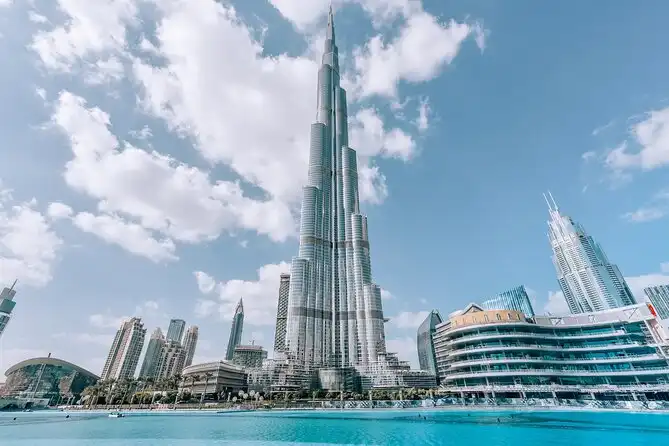
Completed in 2010, the Burj Khalifa stands at 828 meters and remains the tallest building on Earth. The skyscraper took roughly six years to construct and became a defining symbol of Dubai’s global ambitions.
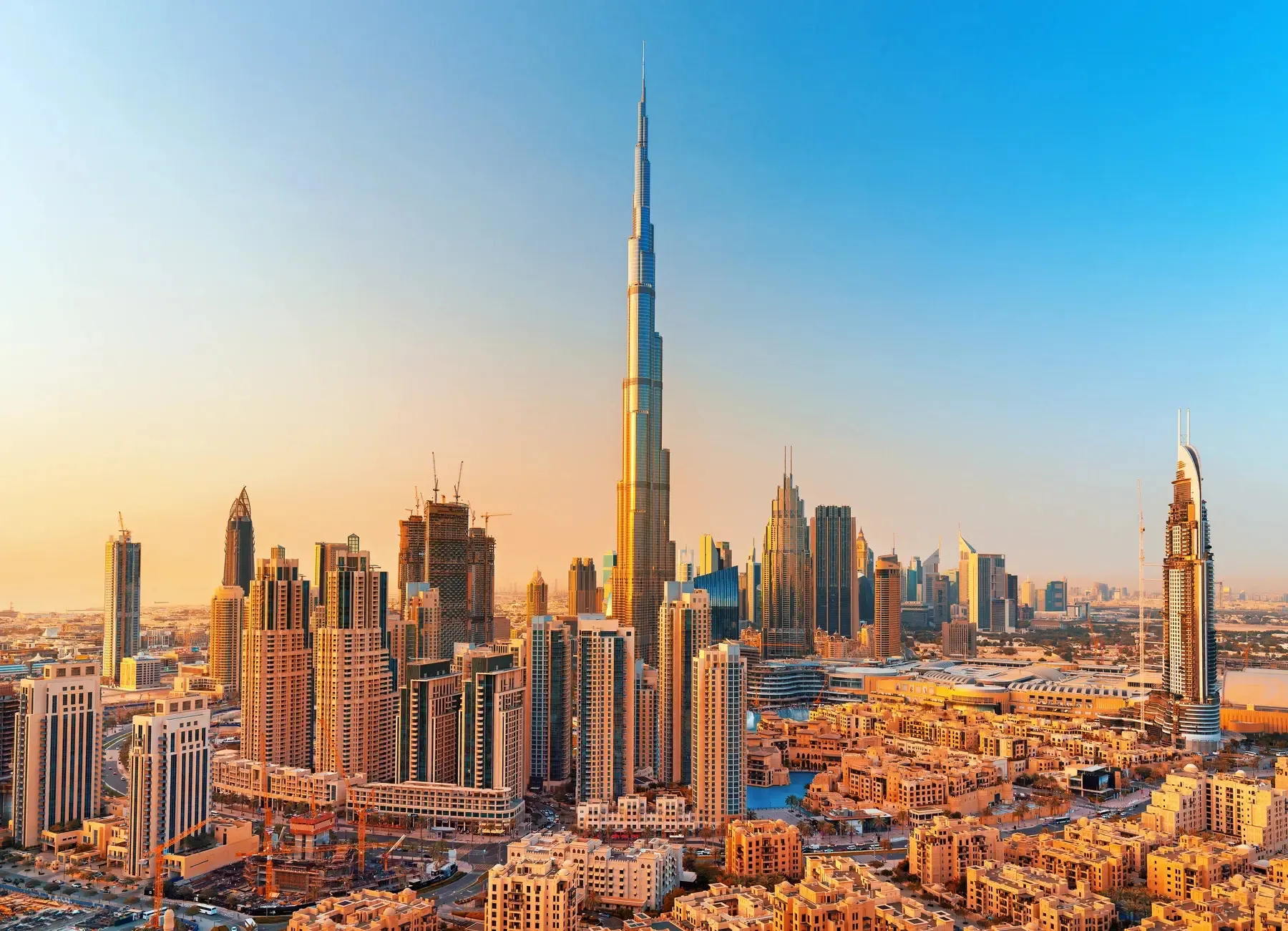
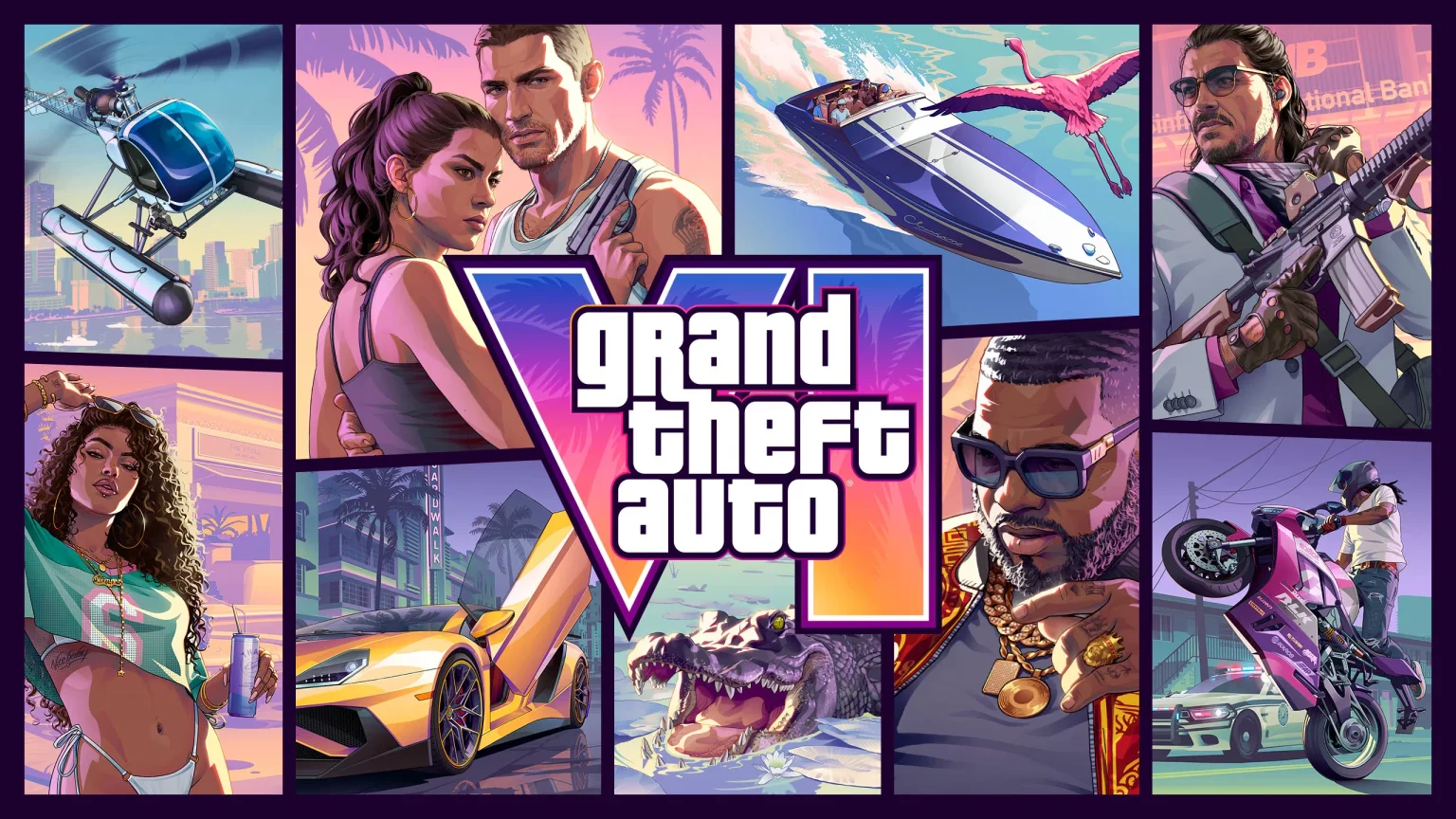
GTA 6, meanwhile, has reportedly been in development for well over a decade. While Rockstar Games has not officially disclosed the project’s budget, industry estimates suggest the game’s total development and marketing costs could exceed $2 billion.
On paper, the comparison seems surprising: one project reshaped a city’s skyline, while the other exists entirely in the digital realm.
Yet the scale behind GTA 6 reveals why the numbers are being discussed in the same conversation.
Why Is GTA 6 So Expensive?
Unlike conventional entertainment projects, modern open-world games require years of work from thousands of developers, artists, writers, engineers, animators, designers, and quality assurance teams spread across multiple countries.
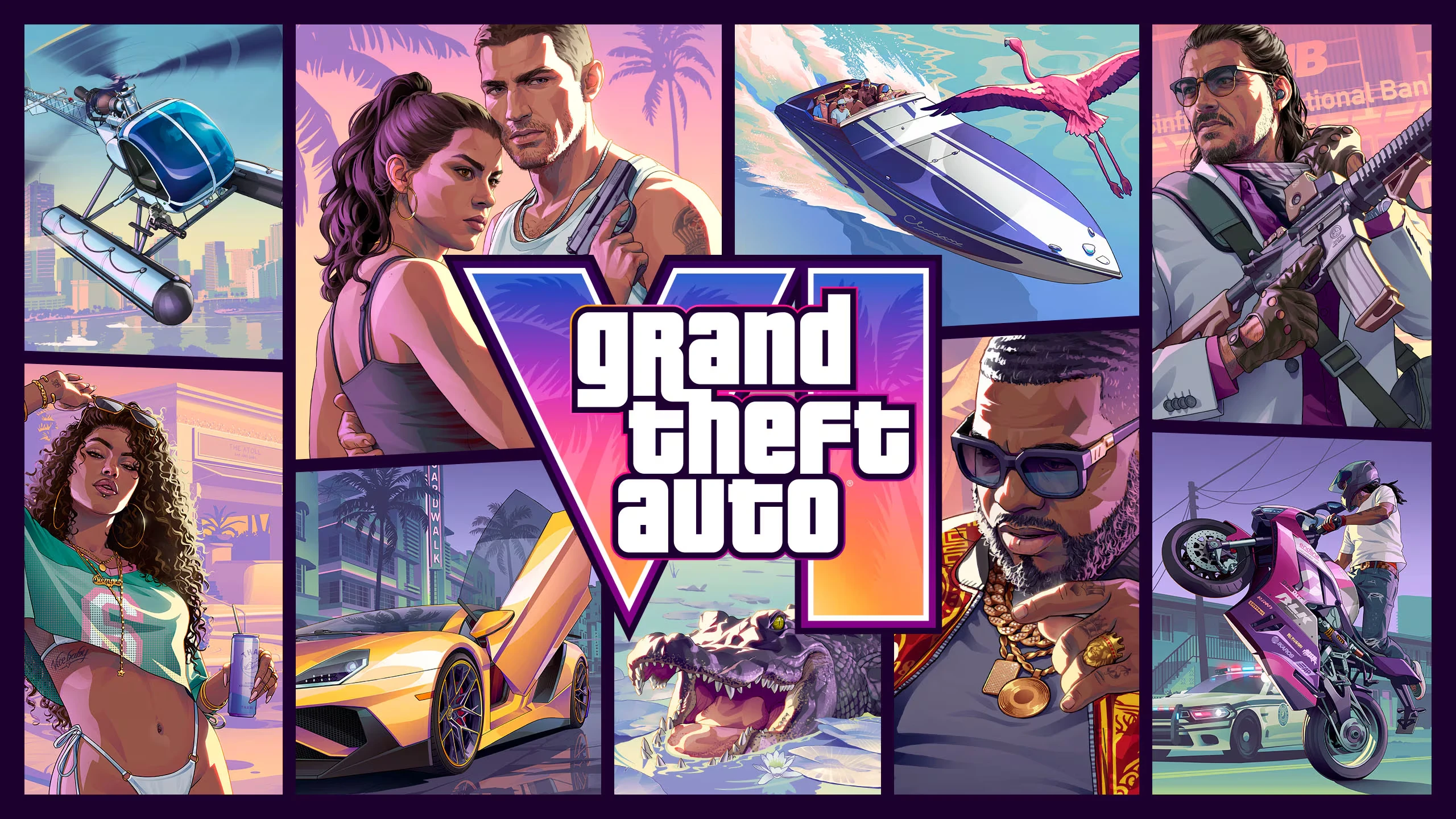
For GTA 6, Rockstar is believed to have invested heavily in:
- Advanced artificial intelligence systems
- Realistic environmental simulations
- Dynamic weather technology
- Next-generation animation systems
- Massive open-world design
- Thousands of interactive characters
- Enhanced physics and gameplay mechanics
The project is not simply expanding on GTA V. It is reportedly built around new technologies and production pipelines designed to create Rockstar’s most ambitious virtual world to date.
The Leap From GTA V
The scale becomes even clearer when compared with Rockstar’s previous blockbuster.
Grand Theft Auto V, released in 2013, reportedly cost around $265 million to develop and market. At the time, it was considered one of the most expensive entertainment productions ever created.
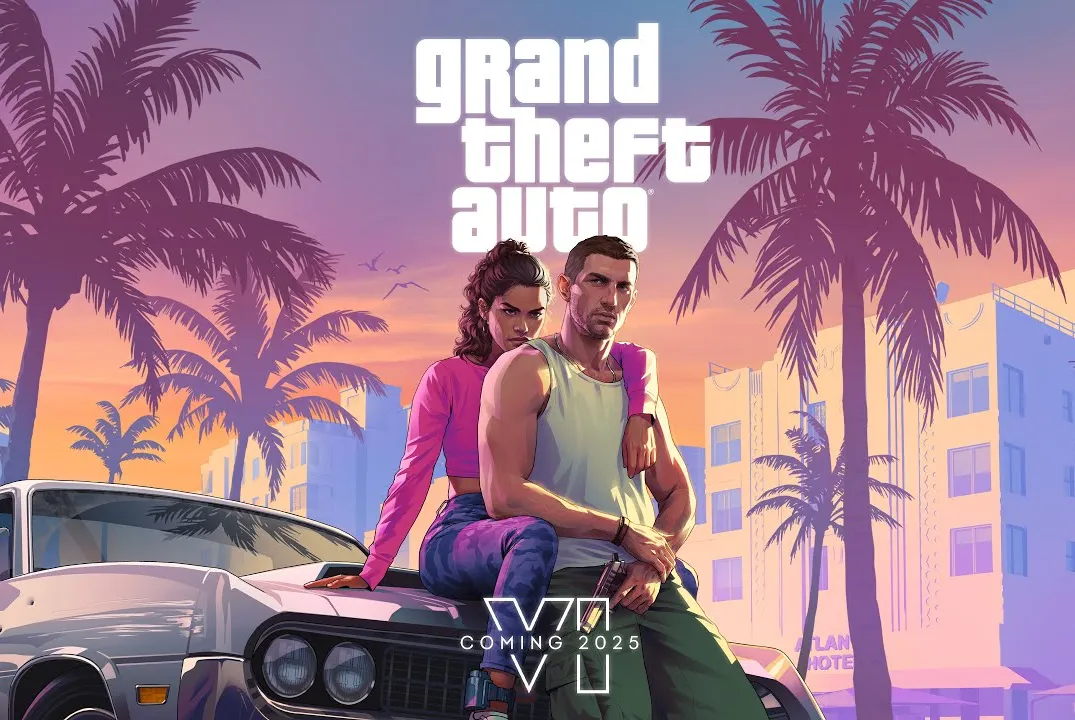
If GTA 6’s estimated budget exceeds $2 billion, the new title would represent an extraordinary increase in investment—nearly eight times the reported cost of its predecessor.
That jump reflects a broader trend across the gaming industry, where expectations for realism, world-building, graphics, and live-service support continue to grow with every generation.
When a Video Game Becomes a Mega-Project
Whether the final figure ultimately reaches the reported $2 billion mark or not, the comparison with Burj Khalifa underscores a larger reality: video games are no longer niche entertainment products.
Today, they compete with Hollywood films, global sporting events, and major infrastructure projects in terms of budget, workforce, and cultural impact.
The Burj Khalifa became a physical landmark visited by millions. GTA 6 aims to build something different—a sprawling digital world that millions of players may explore from their homes around the globe.
One transformed a skyline. The other is attempting to redefine the scale of interactive entertainment.
And that is why the comparison between Burj Khalifa and GTA 6 has become one of the most fascinating conversations surrounding the most anticipated game release in recent memory.