

When you’re preparing your site for a 40ft shipping container, you need to plan carefully to make sure the structure is stable and secure. You need a site that’s not only wide enough but perfectly level to prevent warping, because these units are incredibly heavy and long. This article is a basic guide to the site dimensions and preparation that you will need to site a large 40ft container on your property.
Total Footprint Calculation
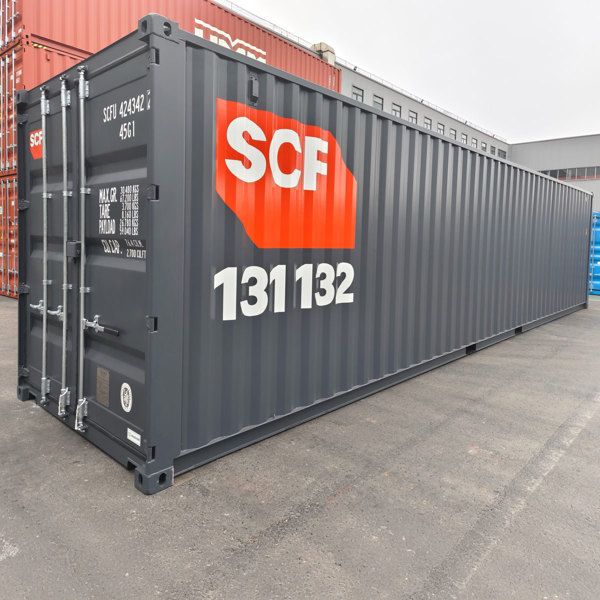
A standard 40ft shipping container is about 12.2 metres long and 2.4 metres wide, but you’ll need extra clearance all around. You will need to leave at least one metre of space around the entire perimeter so that you can easily walk around the unit for maintenance purposes. This additional space is also useful if you need to open the doors fully or reach the corner castings to inspect.
Importance of a Level Foundation
The most important requirement for your site is that the ground must be perfectly level to stop the container from twisting over time. Even a slight slope can cause the frame to sag, which quickly leads to the heavy steel doors becoming jammed or difficult to latch. You should use a laser level to check your ground, as the metal structure has zero flexibility and will follow the shape of the terrain.
Choosing the Right Surface Material
Most 40ft shipping containers will exert a huge amount of pressure on the ground, so you need a surface that will not sink. Crushed rock, compacted gravel, or a concrete slab are the best choices because they provide a hard, stable base that drains water effectively. Avoid placing the container directly on grass or sand, as these surfaces will soften during rain and cause the heavy steel corners to sink into the earth.
Incorporating Adequate Drainage
Water is the natural enemy of any shipping container, and you must ensure your site plan includes a way for rain to flow away from the base. If you place your container in a low spot where puddles form, moisture will eventually rust the undercarriage and the bottom corners. Grade your site so that the ground slopes gently away from the container in all directions to prevent water from pooling.
Preparing for Crane Access
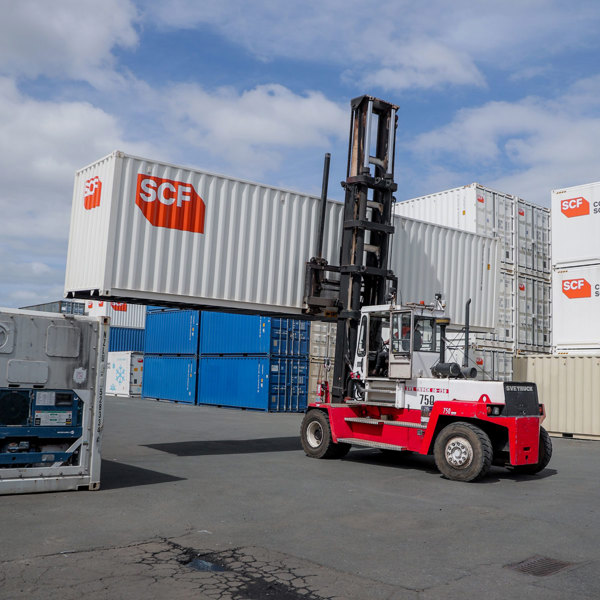
When your container arrives, the truck needs space to turn, and the crane needs space to safely lift the unit into position. Your site dimensions should include the truck turning radius and the reach the crane operator needs to set the container down. See your property for obstructions like tree branches that could impact the crane’s effective operation
Raising the Container Off the Ground
Many professionals suggest placing the container on concrete blocks or steel piers to keep the bottom structure completely off the damp soil. This simple step creates an air gap that encourages airflow under the container, which is excellent for preventing rust on the metal base. Ensure that these supports are placed under the four corner castings, which are the strongest points designed to carry the load.
Checking Local Zoning and Access
There are some areas with special rules about how far away a structure has to be from the edge of your property or the road. Make sure you have a clear path that can support the weight of a heavy delivery truck without cracking your driveway or ruining your lawn. Planning for these legal details ahead of time helps to ensure that your day of delivery is a success and a stress-free day for your workers.
Make Your Site Preparation Safe
Taking the time to prepare the right site dimensions and foundation is the secret to a functional 40ft shipping container. By providing a solid surface with proper drainage, you prevent the most common problems like jammed doors and structural rust. If you follow these guidelines, you will enjoy a secure storage solution for many years, so start clearing and prepare for a smooth delivery of your new unit.