

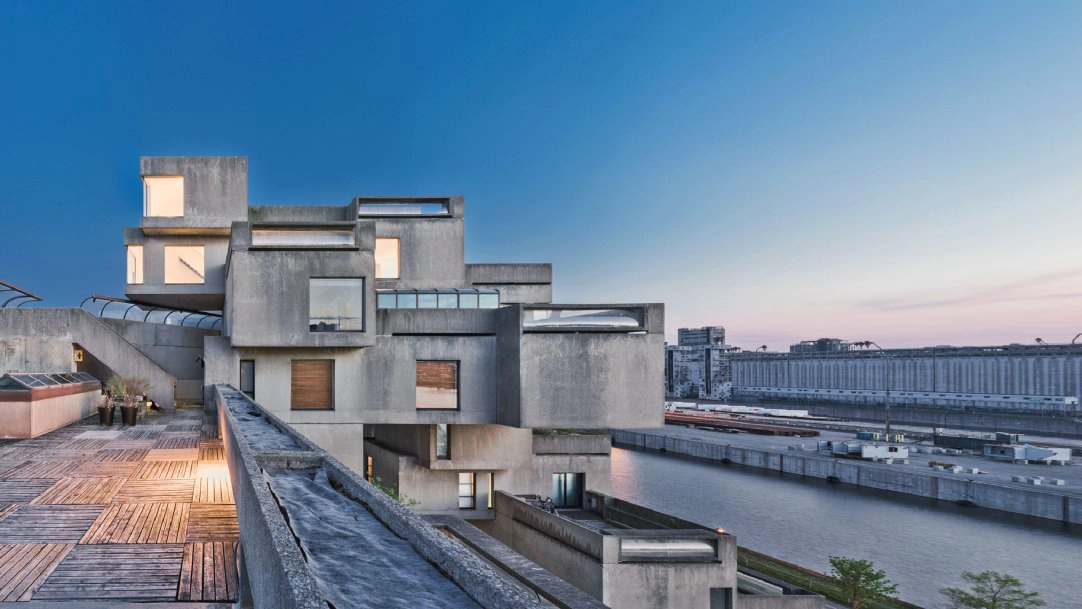
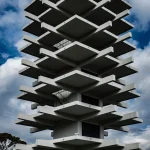
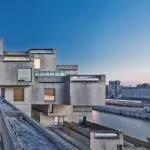
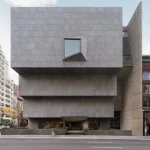
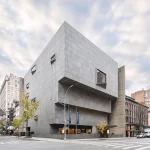
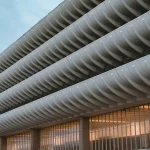
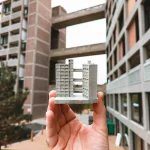
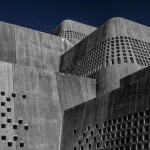
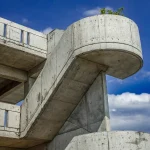
For much of its history, Brutalism has been an architectural style people felt compelled to defend. Its imposing concrete structures, uncompromising forms, and sometimes intimidating scale made it one of the most controversial movements of twentieth-century architecture.
To some, Brutalist buildings represented architectural courage and social ambition; to others, they embodied institutional coldness, visual heaviness, and an unfortunate disregard for the human experience of urban space. Yet something has changed. Across architectural schools, preservation movements, cultural institutions, and contemporary design practices, Brutalism is receiving renewed attention. Buildings once considered obsolete are being photographed, studied, renovated, and even celebrated.
This revival deserves a closer examination. Brutalism’s second chance should not simply be understood as another stylistic trend or a fashionable return to exposed concrete. Its more significant contribution lies in the architectural questions it brings back into discussion: how should buildings express their construction? What responsibilities do architects have toward public institutions? Can monumental architecture remain socially meaningful? And, perhaps most importantly, how can a building designed for another era continue to serve contemporary life?
Beyond the Aesthetic of Concrete
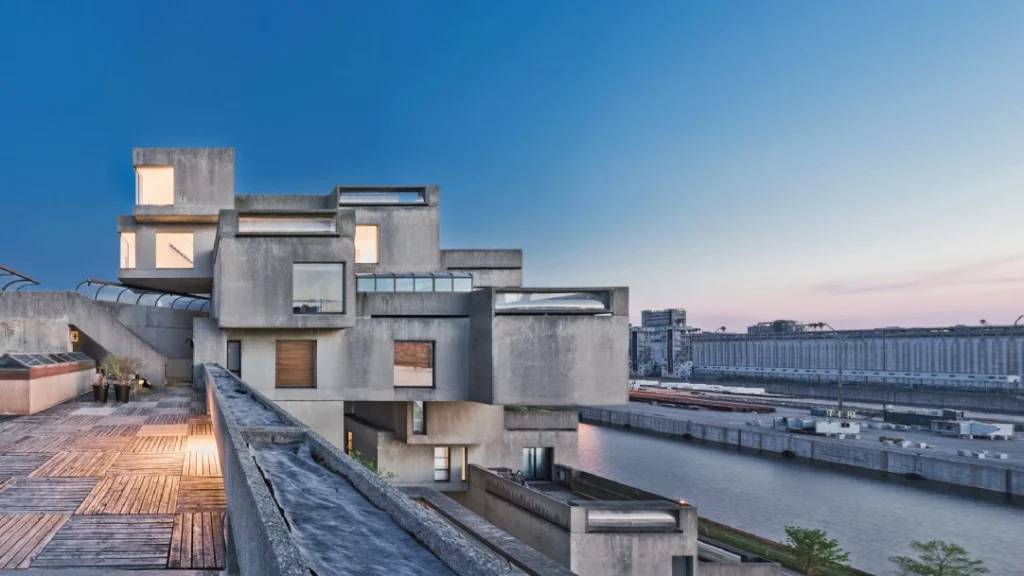
Brutalism is frequently reduced to its most recognizable material: raw concrete. However, this interpretation overlooks the architectural principles that gave the movement its identity. Emerging prominently during the post-war decades, Brutalism developed through an interest in structural clarity, material expression, functional organization, and the direct communication of architectural form. Its buildings were not necessarily designed to appear beautiful in conventional terms. Instead, they sought to make their construction, spatial organization, and material character visible.
The movement drew inspiration from earlier modernist experiments, particularly the work of Le Corbusier, whose Unité d’Habitation in Marseille became an influential reference for post-war architecture. The building demonstrated how housing could be conceived as a complex architectural and social system rather than simply a collection of individual apartments. Its exposed concrete surfaces, deeply articulated façade, and collective facilities established an architectural language that many subsequent designers interpreted and transformed.
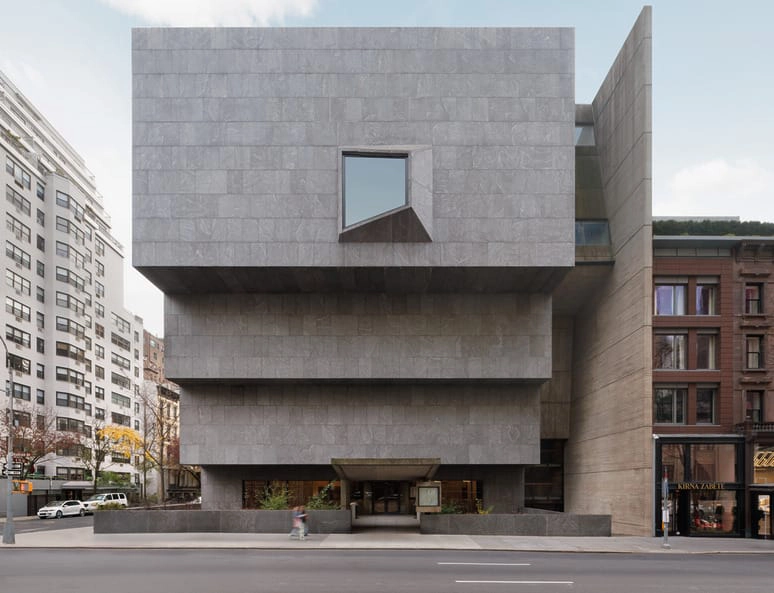
Yet Brutalism was never a completely uniform style. The sculptural experimentation of Paul Rudolph, the structural expressionism of Alison and Peter Smithson, and the monumental institutional architecture of Marcel Breuer demonstrate the considerable diversity within the movement. What connected these approaches was less a particular appearance than an ambition to give architecture a strong physical and conceptual presence.
The Social Ambitions Behind Monumental Architecture
Brutalism emerged during a period when architecture was expected to participate directly in rebuilding societies. European cities faced extensive destruction, housing shortages, and the urgent need for educational, administrative, and cultural infrastructure. Architecture was therefore closely connected to public policy and collective aspirations.
Large-scale residential developments, universities, libraries, government buildings, and cultural institutions became important fields of experimentation. Architects believed that construction could help establish new patterns of social interaction and provide facilities that were accessible to broader sections of the population.
The work of Alison and Peter Smithson illustrates this ambition. Their projects explored the relationship between housing, circulation, and community life, challenging the conventional separation of domestic and public spaces. Their ideas about streets in the sky, particularly evident in the design of Robin Hood Gardens in London, attempted to reinterpret the social role of circulation within high-density housing.
Not every experiment achieved its intended results. Some residential developments suffered from inadequate maintenance, poor urban integration, and insufficient social infrastructure. Others became associated with economic decline and institutional neglect. Nevertheless, it would be simplistic to attribute these failures entirely to architectural design. The performance of a building is inseparable from the political, economic, and managerial systems responsible for maintaining it.
This distinction is important today. If Brutalism is to receive a meaningful second chance, its social ambitions must be evaluated alongside the shortcomings of the institutions that originally supported it.
The Architecture of Structural Honesty
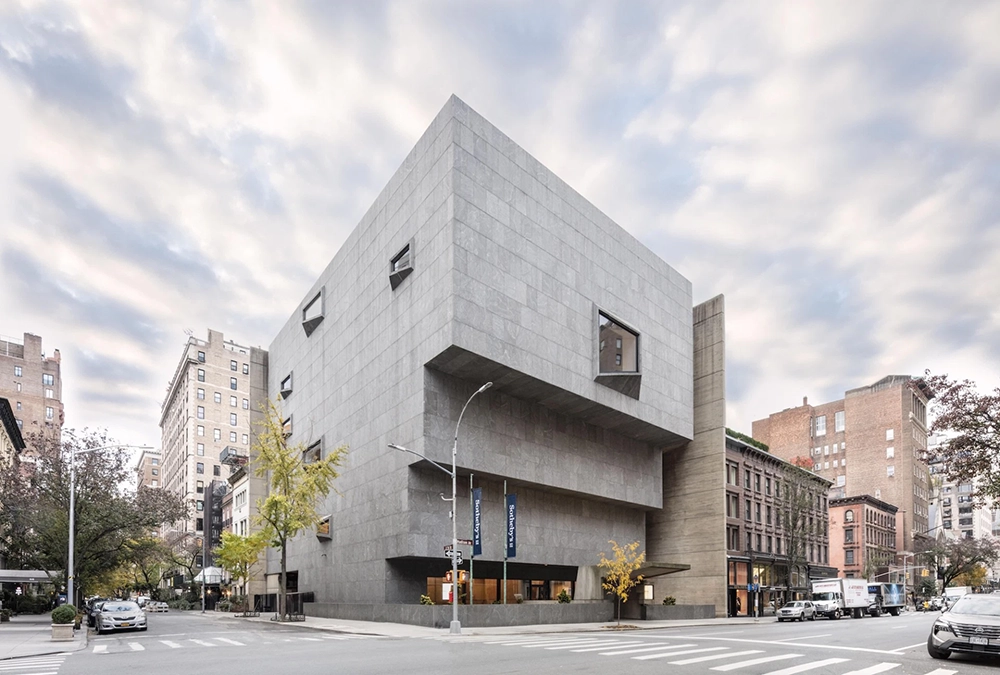
One of Brutalism’s most enduring contributions is its insistence that construction should remain an integral part of architectural expression. Rather than concealing structural systems behind decorative finishes, many Brutalist architects allowed materials, joints, supports, and construction techniques to shape the visual identity of their buildings.
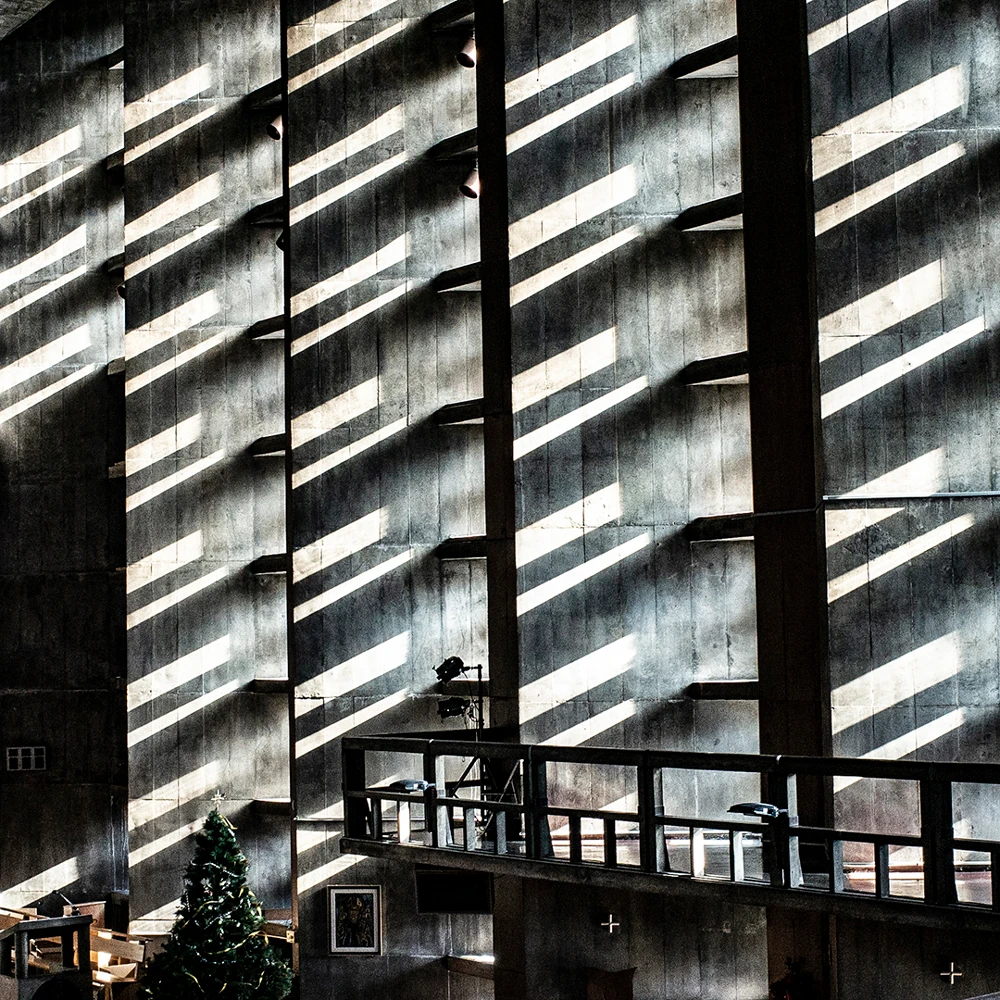
This approach produced architecture with a distinctive relationship between structure and space. Heavy columns, projecting volumes, exposed beams, and deeply recessed openings became more than technical necessities. They established rhythm, hierarchy, and spatial character.
The work of Louis Kahn offers an especially important perspective on this relationship. Buildings such as the Salk Institute in California and the National Assembly Building in Dhaka demonstrate how monumental form can emerge from a carefully considered relationship between structure, light, geometry, and material. Although Kahn’s architecture cannot be confined exclusively to Brutalism, its influence on the movement’s architectural thinking is undeniable.
The renewed interest in structural expression is particularly relevant in an era when architectural production is increasingly shaped by digital modeling, standardized components, and sophisticated surface treatments. Brutalism reminds architects that a building’s identity need not depend on an elaborate façade. Sometimes its most compelling qualities emerge from the logic of its construction.
However, structural honesty should not become an excuse for technical negligence. Exposed materials require careful detailing, appropriate protection, and a serious understanding of environmental conditions. Concrete is not automatically durable simply because it appears permanent.
Rediscovering the Human Scale
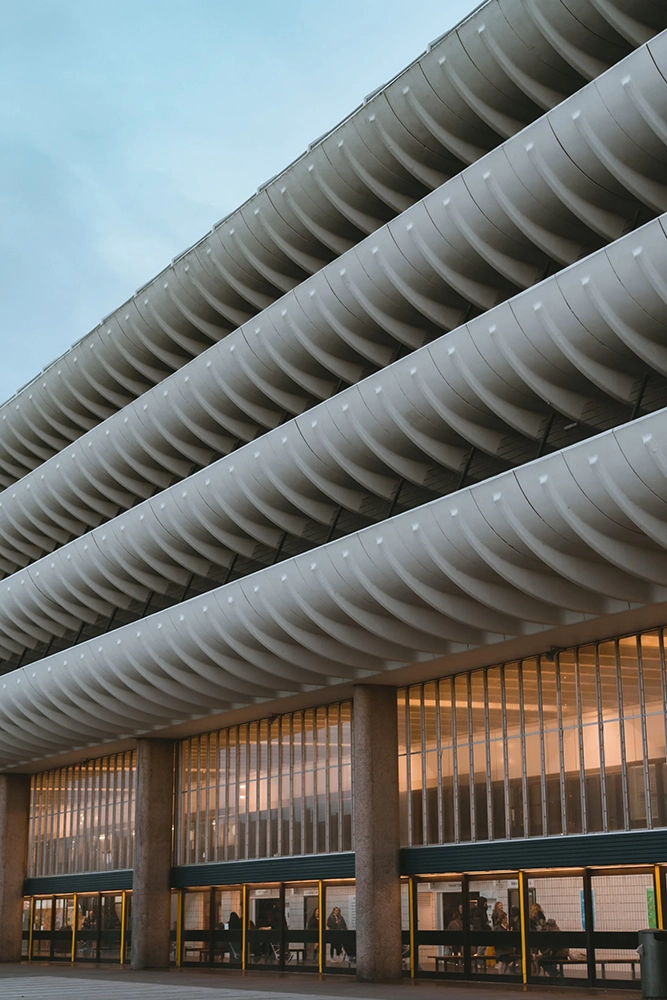
One of the most persistent criticisms of Brutalist architecture concerns its relationship with the human body. Its massive volumes, repetitive façades, and monumental entrances can make individuals feel insignificant. Buildings intended to communicate collective strength sometimes produce an uncomfortable sense of distance between institutions and their users.
This criticism deserves to be taken seriously. Architectural experience is not determined solely by the quality of a building’s structural system or the originality of its geometry. It also depends on how people enter, move through, occupy, and interpret space.
Nevertheless, Brutalism contains examples of remarkable spatial sensitivity. The National Theatre in London, designed by Denys Lasdun, demonstrates how monumental architecture can accommodate multiple levels of public activity. Its terraces, circulation routes, and layered concrete forms create a complex relationship between the building and the surrounding city.
Similarly, the Barbican Estate in London reveals the possibilities and limitations of large-scale architectural composition. Its elevated walkways, residential spaces, gardens, and cultural facilities form an ambitious urban environment that cannot be understood through its façades alone.
These buildings suggest that the future of Brutalism should involve more than preserving its visual identity. Architects and urban designers must reconsider how its spaces can become more accessible, welcoming, and responsive to contemporary patterns of use.
Adaptive Reuse: Giving Concrete a New Purpose
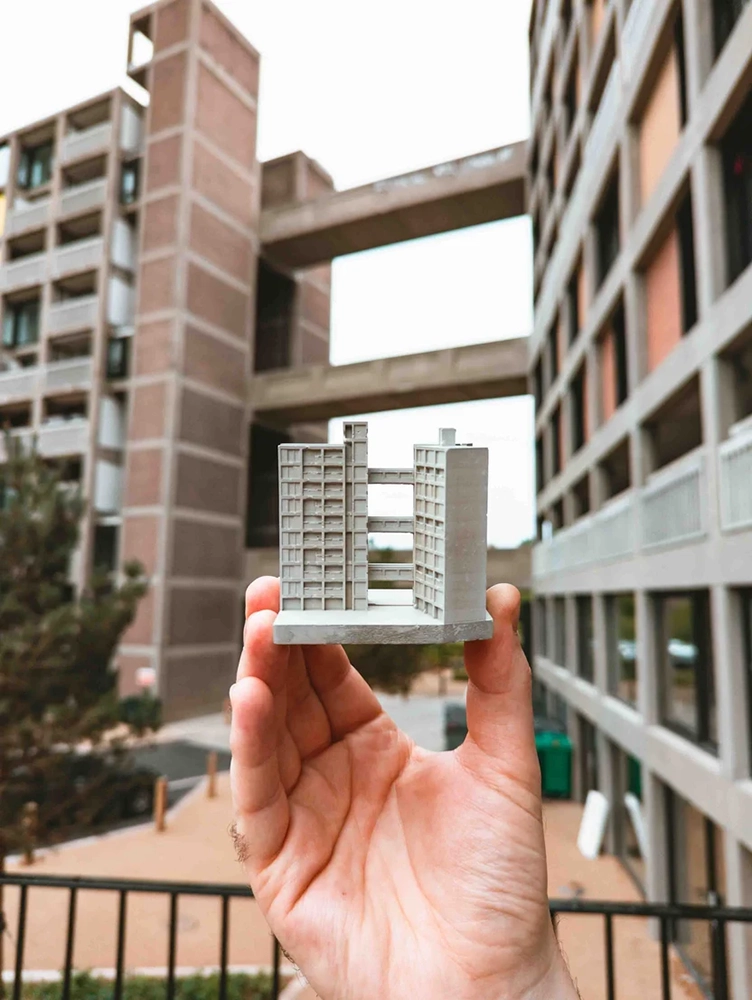
Perhaps the strongest argument for Brutalism’s revival is the growing importance of adaptive reuse. Across many cities, buildings constructed during the post-war decades are reaching an age at which demolition, renovation, or functional transformation becomes unavoidable.
Demolishing these structures is often presented as the easiest solution, particularly when their original functions have disappeared. However, this approach ignores the considerable environmental costs associated with demolition and new construction. Existing buildings contain substantial quantities of embodied carbon, representing the energy and resources already invested in their production.
Reusing a Brutalist structure can preserve this investment while allowing its interior spaces and technical systems to respond to contemporary requirements. Former industrial facilities, offices, educational buildings, and public institutions may accommodate cultural venues, libraries, creative workplaces, housing, or mixed-use programmes.
The challenge is to distinguish between preservation and architectural stagnation. Not every original feature deserves to remain untouched, and not every intervention needs to imitate the language of the existing building. Successful adaptive reuse requires a careful assessment of structural capacity, daylight, thermal performance, accessibility, fire safety, and changing patterns of occupation.
The transformation of the former Bankside Power Station into Tate Modern in London provides an important example of how an industrial structure can acquire a new cultural identity. Although the building is not a conventional Brutalist project, its transformation demonstrates the architectural potential of retaining large-scale concrete and industrial spaces rather than replacing them.
For Brutalist buildings, similar strategies could extend their useful lives while creating opportunities for new architectural interpretations.
Sustainability and the Question of Concrete
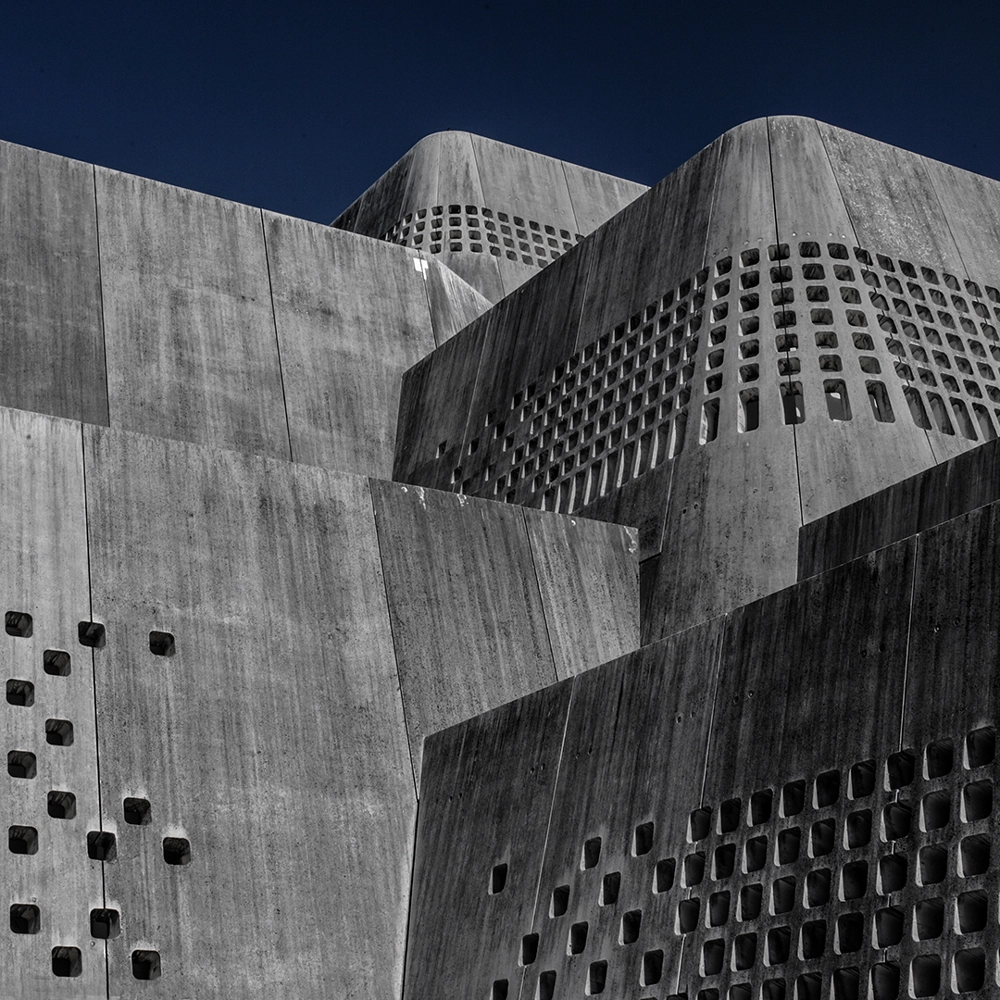
The renewed appreciation of Brutalism arrives at a complicated moment for the construction industry. Concrete remains one of the most widely used building materials in the world, but cement production is responsible for a substantial share of global carbon dioxide emissions. Consequently, celebrating Brutalism without examining its material implications would be intellectually inconsistent.
The movement’s architectural legacy should not be confused with an obligation to reproduce its construction methods. Contemporary architects can learn from its spatial and structural principles while questioning the environmental consequences of conventional concrete production.
Low-carbon cement alternatives, supplementary cementitious materials, recycled aggregates, optimized structural systems, and improved construction techniques offer possibilities for reducing the environmental impact of concrete. At the same time, extending the life of existing buildings can avoid the emissions associated with manufacturing new materials and reconstructing entire structures.
There is also a broader lesson in Brutalism’s relationship with material. Its architecture often relied on the expressive potential of relatively limited material palettes. This approach challenges contemporary design cultures that increasingly depend on multiple layers of finishes, replacement materials, and visually elaborate façades.
The objective should not be to romanticize unfinished surfaces but to develop a more responsible relationship between architectural expression, material consumption, and long-term performance.
Preservation or Transformation?
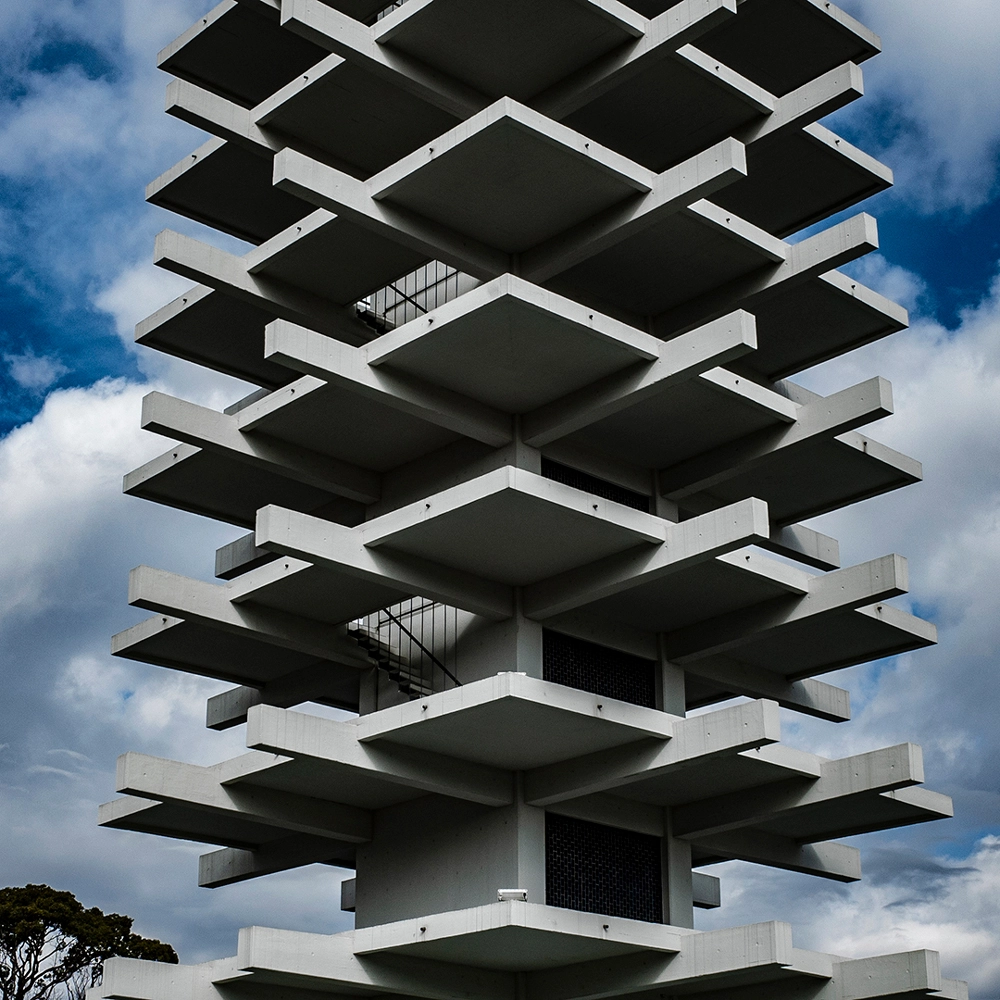
The question of whether Brutalist buildings should be preserved has become increasingly relevant to architectural heritage debates. Some structures are now recognized as significant examples of post-war design, while others remain controversial because of their scale, physical condition, or social associations.
Preservation, however, is rarely a straightforward process. Architectural heritage is not determined exclusively by age or aesthetic distinction. It also involves cultural memory, collective experience, historical significance, and the capacity of a building to remain useful.
The demolition of Robin Hood Gardens in London illustrates the tensions surrounding this issue. Designed by Alison and Peter Smithson and completed in the early 1970s, the housing development became an internationally recognized example of Brutalist residential experimentation. Despite sustained architectural criticism and preservation campaigns, its demolition began in 2017 as part of a wider redevelopment programme.
The controversy raised difficult questions about the relationship between architectural heritage and housing policy. Should a socially unsuccessful building be preserved because of its architectural significance? Can preservation take priority when residents require better living conditions? And who has the authority to determine which buildings deserve to survive?
There are no universal answers. Nevertheless, architectural decisions should avoid treating demolition as an automatic response to ageing or public dissatisfaction. Detailed evaluation, resident participation, and realistic renovation strategies should precede irreversible interventions.
What Contemporary Architects Can Learn from Brutalism
Brutalism’s renewed relevance does not mean that contemporary architecture should reproduce the monumental concrete language of the 1960s and 1970s. Such imitation would misunderstand the movement’s original significance.
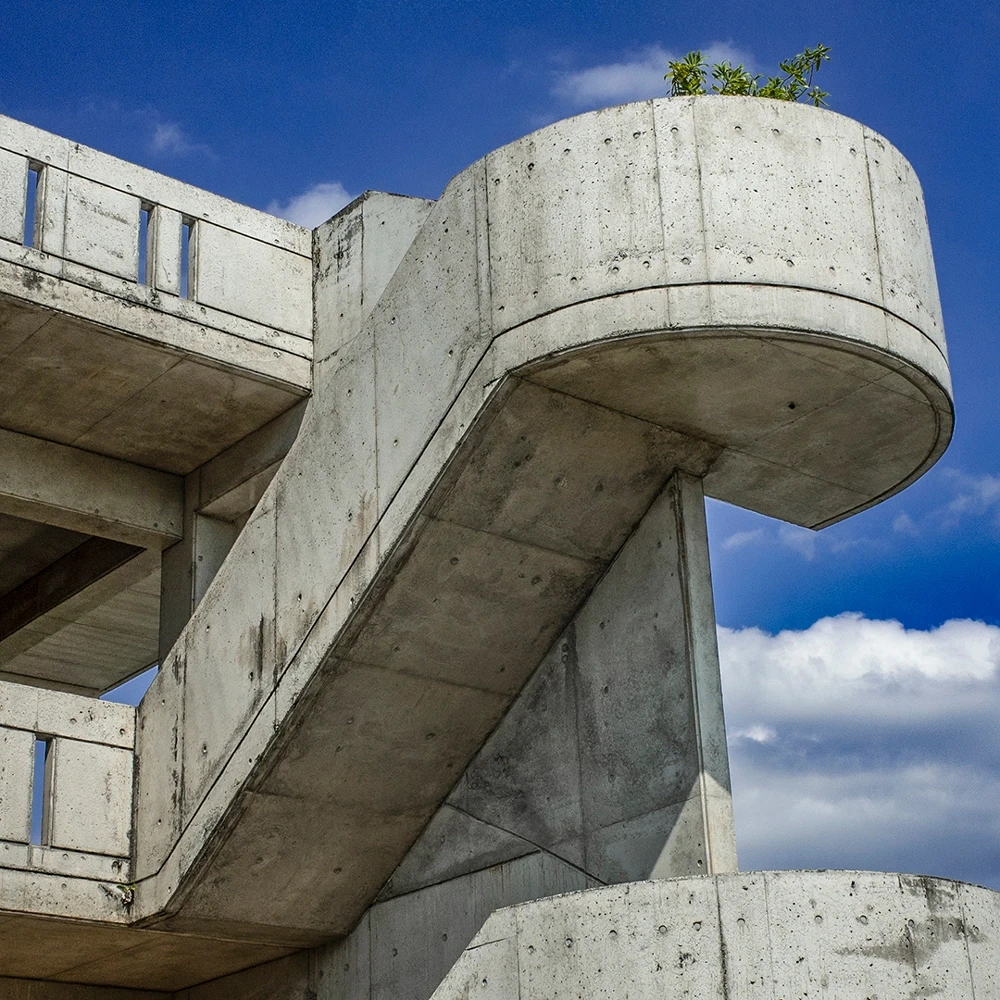
Its more valuable lessons concern architectural principles rather than stylistic references. First, it demonstrates the importance of developing a clear relationship between structure, material, and spatial organization. Second, it encourages architects to consider public buildings as important components of urban life rather than isolated objects. Third, it challenges the assumption that architectural quality must depend on visual novelty or decorative complexity.
Contemporary architecture can also benefit from Brutalism’s willingness to experiment with scale and collective space. In a period characterized by privatization, fragmented urban development, and increasingly commercialized public environments, the movement’s original interest in shared facilities and civic architecture deserves renewed attention.
At the same time, architects must acknowledge the movement’s limitations. Monumentality cannot substitute for accessibility, and formal ambition cannot compensate for poor environmental performance or inadequate maintenance. Buildings must work for the people who occupy them, not simply satisfy the conceptual ambitions of their designers.
A Second Chance, Not a Second Version
Brutalism’s return to architectural discussion presents an opportunity to reconsider how societies evaluate the buildings inherited from the twentieth century. Its structures are neither universally successful nor inherently undesirable. They represent a period of intense architectural experimentation, social ambition, technological confidence, and, at times, serious planning failures.
Their future should not be determined by fashion. The growing popularity of concrete interiors, sculptural furniture, and monumental architectural photography may introduce Brutalism to new audiences, but visual appreciation alone cannot secure its long-term relevance.
A genuine second chance requires more demanding questions. Which buildings can be adapted? Which deserve protection? How can their environmental performance be improved? And how can their spaces become more inclusive without erasing the architectural qualities that make them distinctive?
Perhaps Brutalism’s greatest contemporary value lies in its refusal to be architecturally neutral. It forces us to confront the relationship between form and power, construction and expression, public ambition and everyday experience. Its future does not depend on convincing everyone to love concrete. It depends on recognizing that architecture should be judged not only by how it looks when completed, but also by how intelligently it can continue to serve society.
The most meaningful second chance for Brutalism, therefore, is not a return to its original appearance. It is the possibility of giving its existing buildings new purposes, new forms of public engagement, and a more sustainable future. That is a far more interesting architectural project than simply making concrete fashionable again.