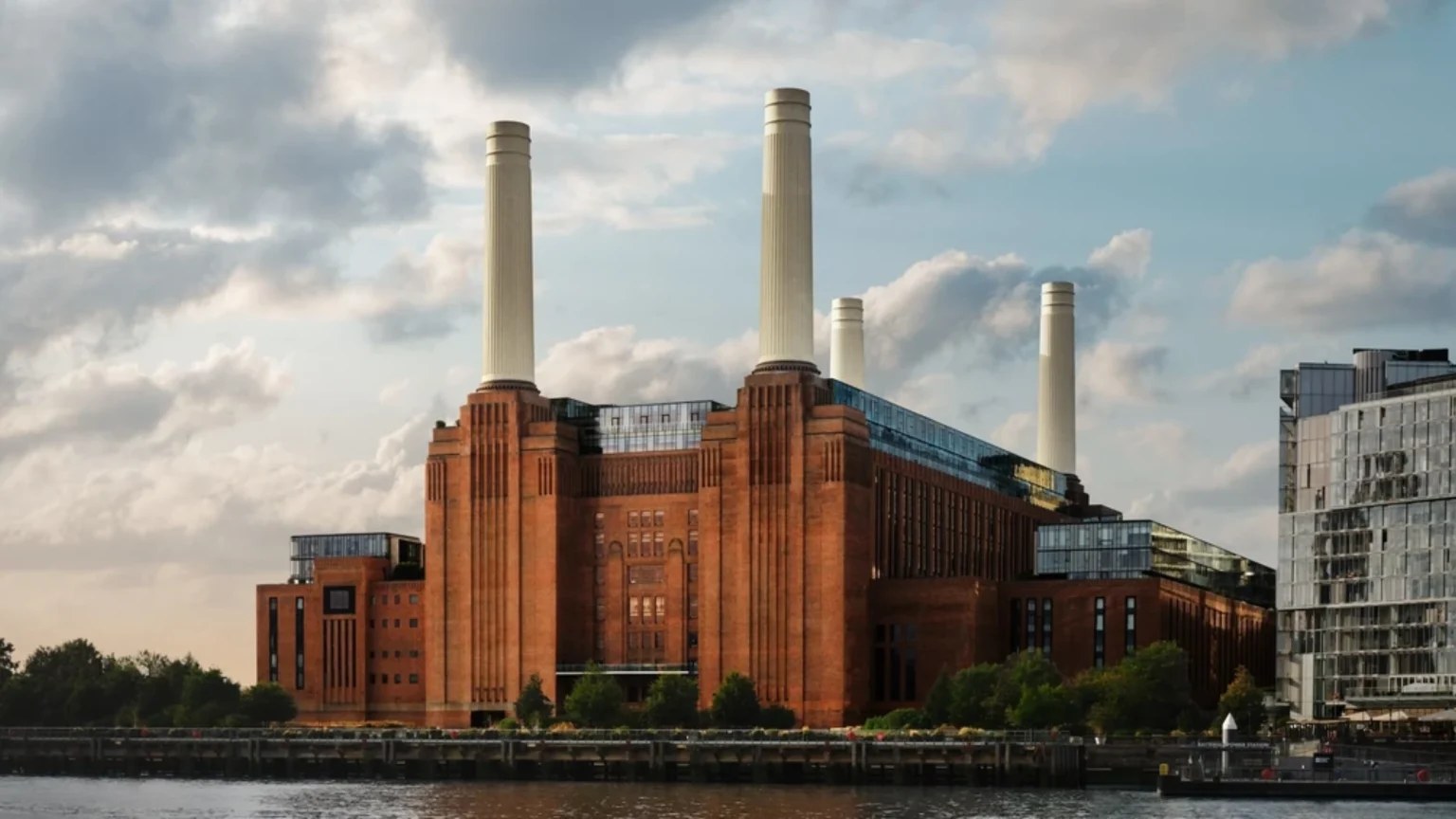




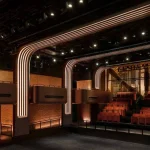
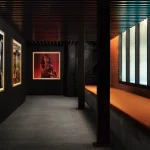
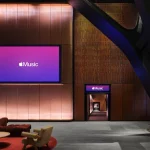


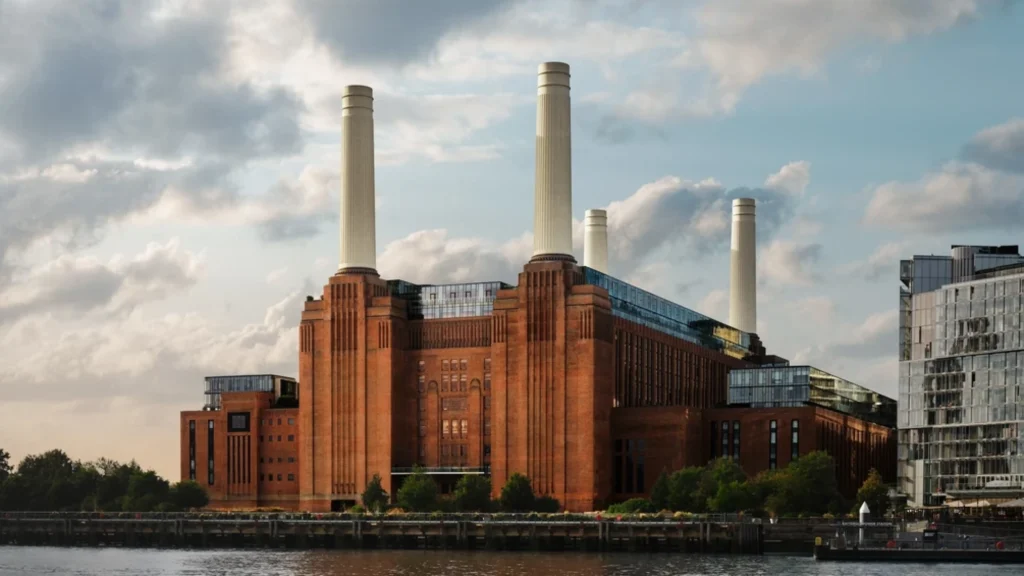
Battersea Power Station has housed many things since its turbines stopped turning: shops, offices, flats and, since Apple arrived, the company’s UK headquarters. In September 2026, it gained another layer. Apple Music Hall, a purpose-built 600-capacity live music venue, opened inside the northern end of the building, overlooking the old Turbine A hall and the river beyond.
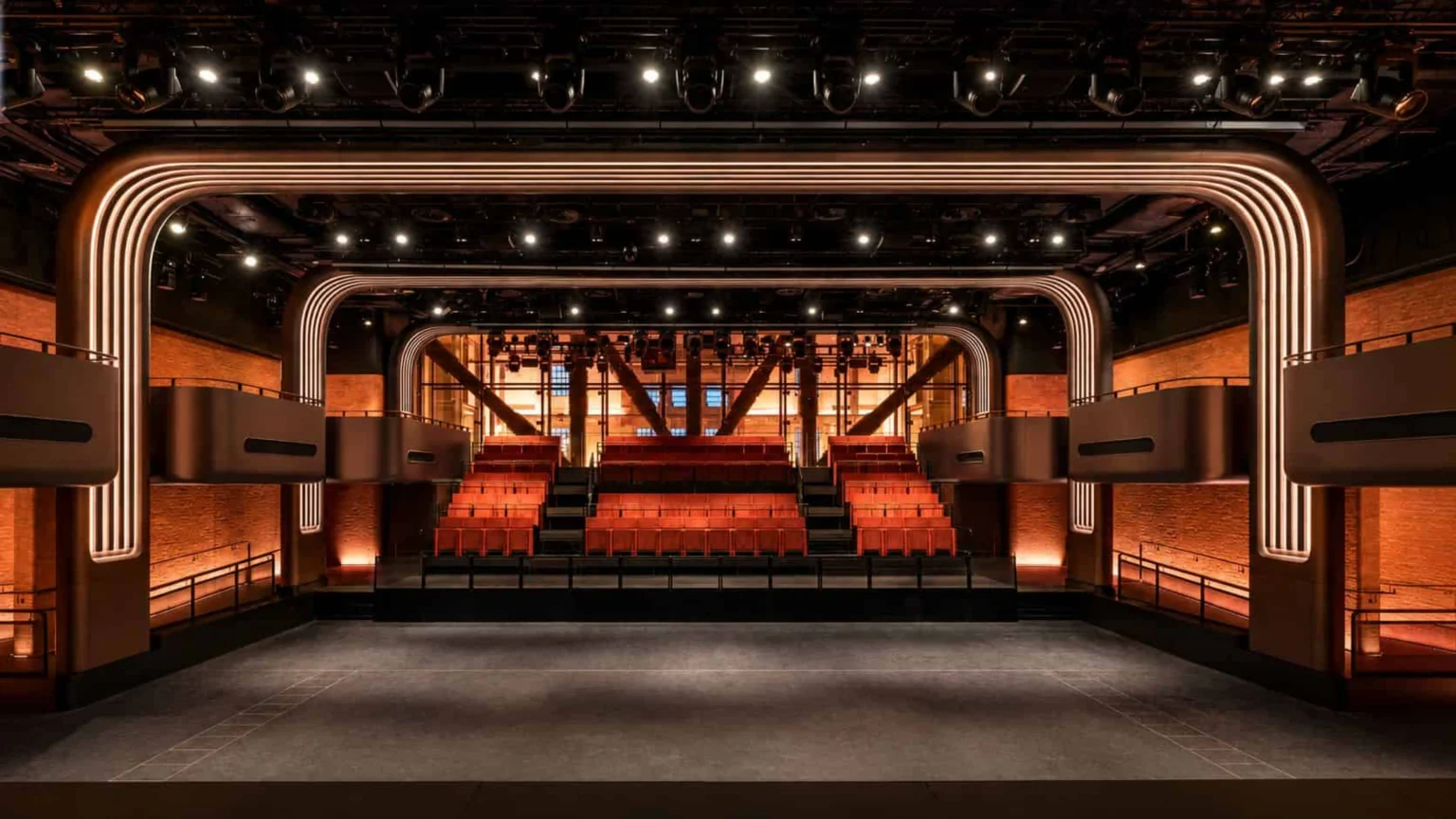
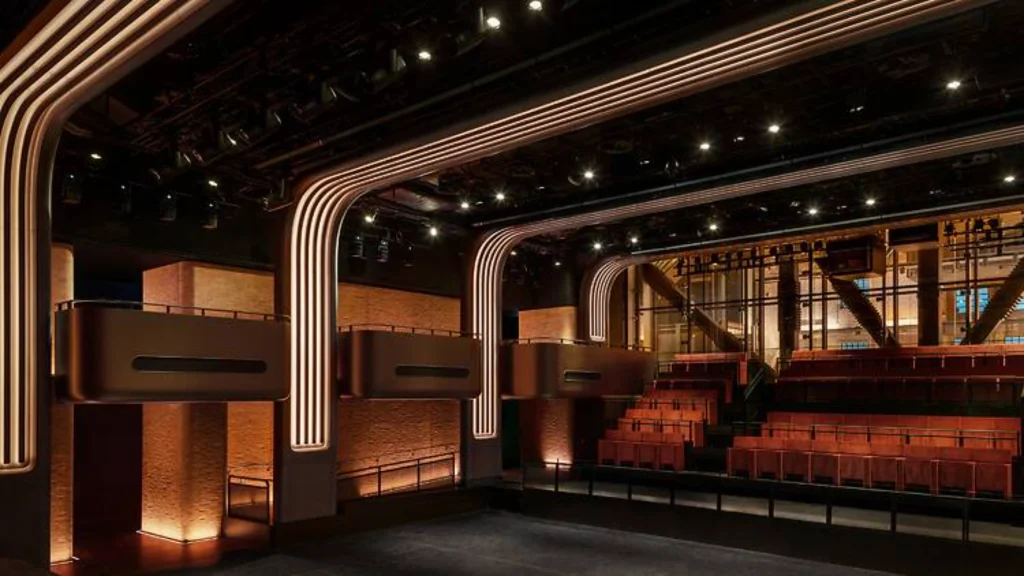
The room is deliberately small. Apple’s stated aim is intimacy rather than scale. Every seat is close to the stage. At the same time the technical infrastructure matches what an artist would expect on a major tour. A 38-foot-wide stage can be arranged for traditional front-facing shows or configured in the round.
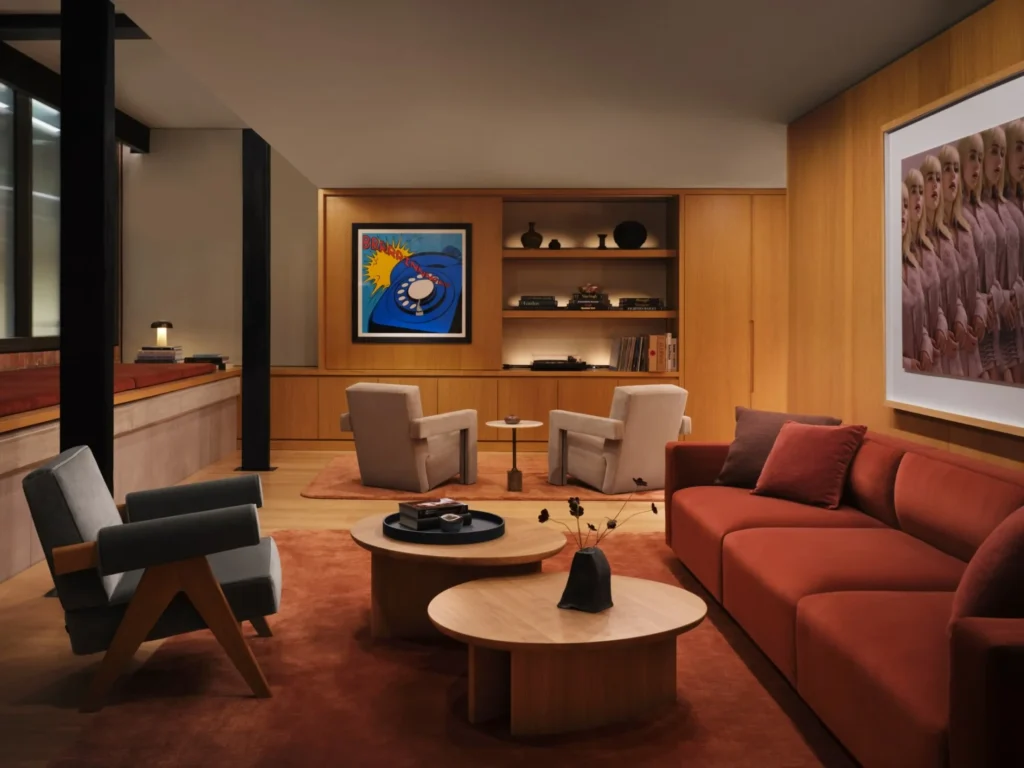
A 48-speaker spatial sound system surrounds the audience. Sixteen or more hardwired cameras feed a broadcast control room, and the system can also incorporate iPhone footage. Behind the stage sit two professional recording and mixing studios. An artist can finish a show and leave with a multitrack recording, a Spatial Audio mix and multicamera video ready for release.
A room shaped by the power station
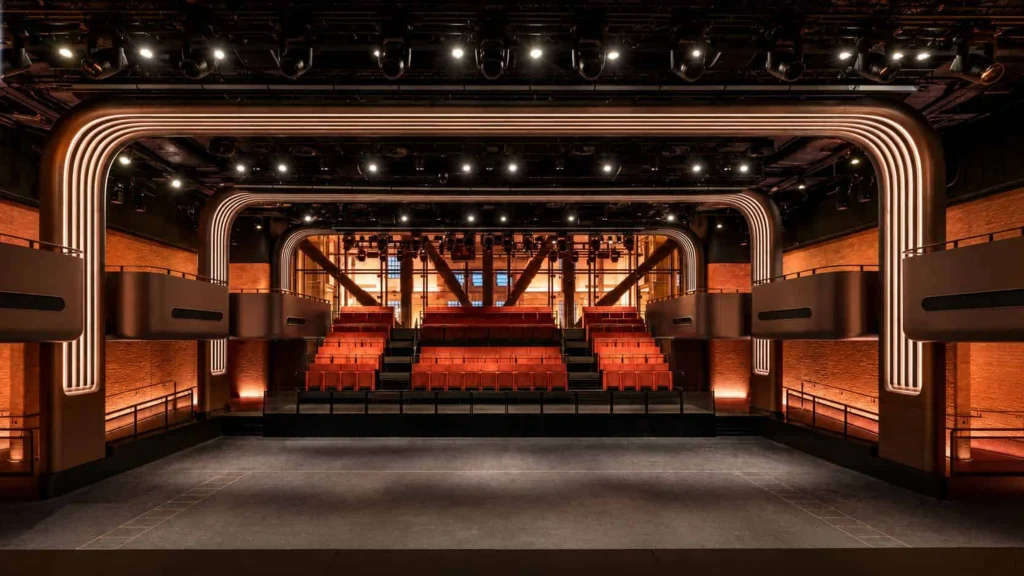
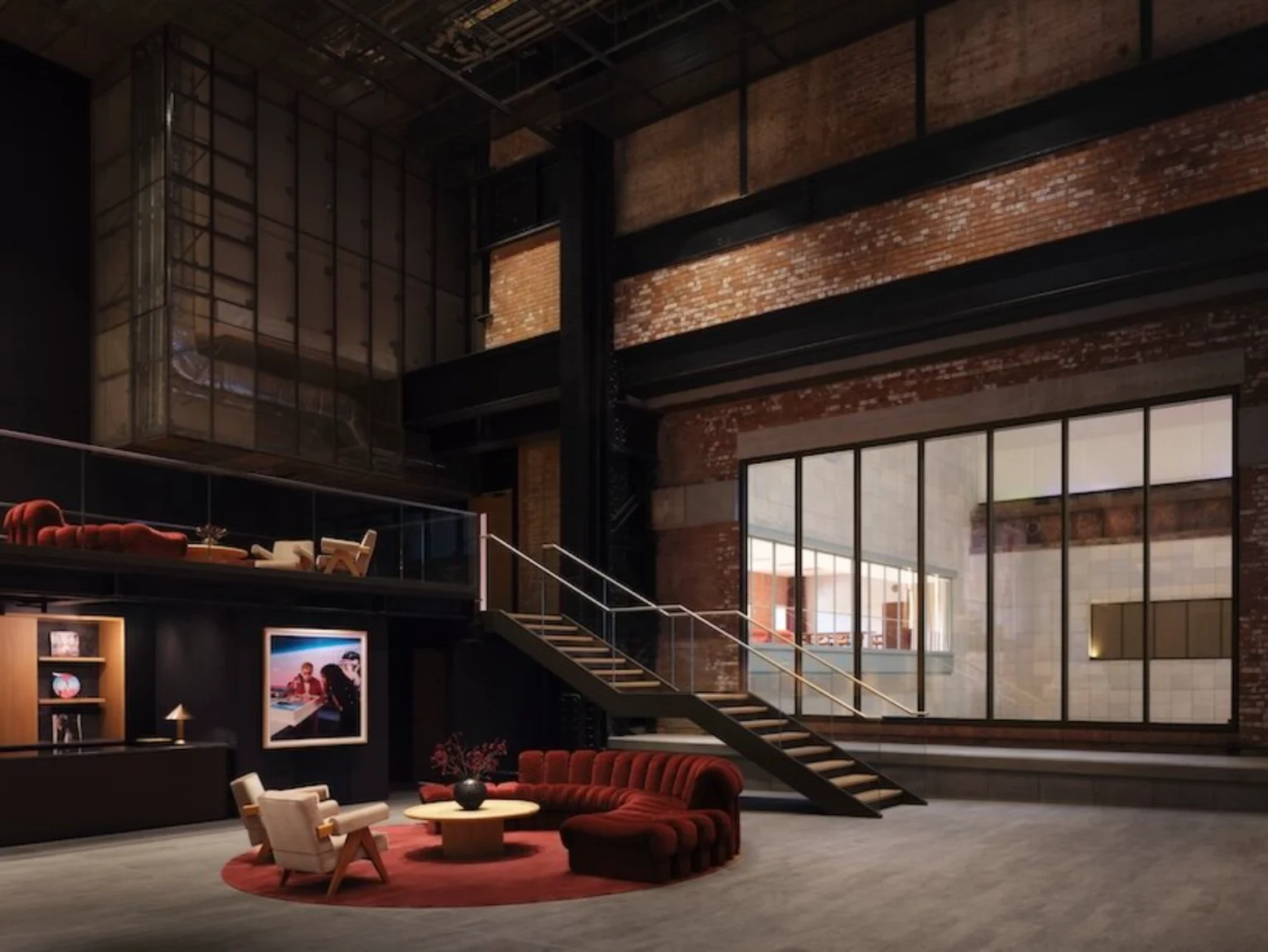
The design does not hide the building’s history. Exposed brick, fluted arches and bronze details remain visible. A large glass wall opens the venue toward the concourse and the Thames, so the industrial scale of the power station is always present. The acoustic treatment is carefully judged; even the bricks were chosen for their absorptive qualities so that the room stays controlled without feeling dead.
Oliver Schusser, Apple Music vice president, has emphasized that the modest capacity is intentional. The company has no wish to compete with London’s larger rooms. Instead, the hall is meant for one-off, carefully produced performances that can be shared far beyond the 600 people in the seats. Shows will be livestreamed globally, extending the intimate experience to Apple Music subscribers worldwide.
More than a stage
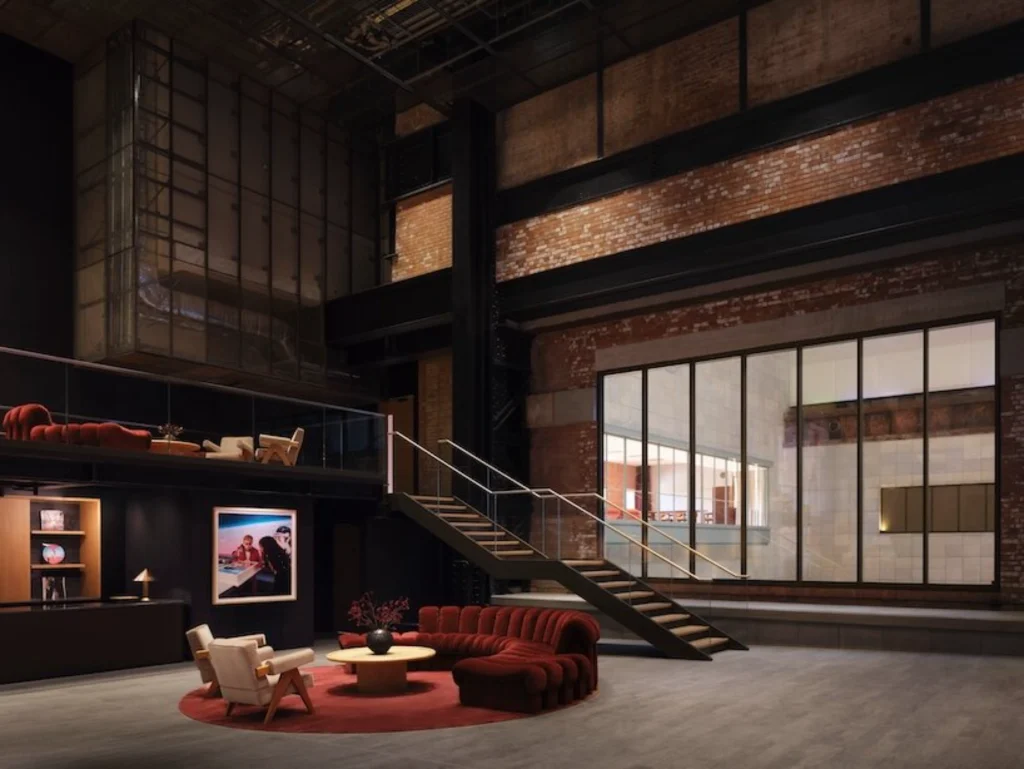
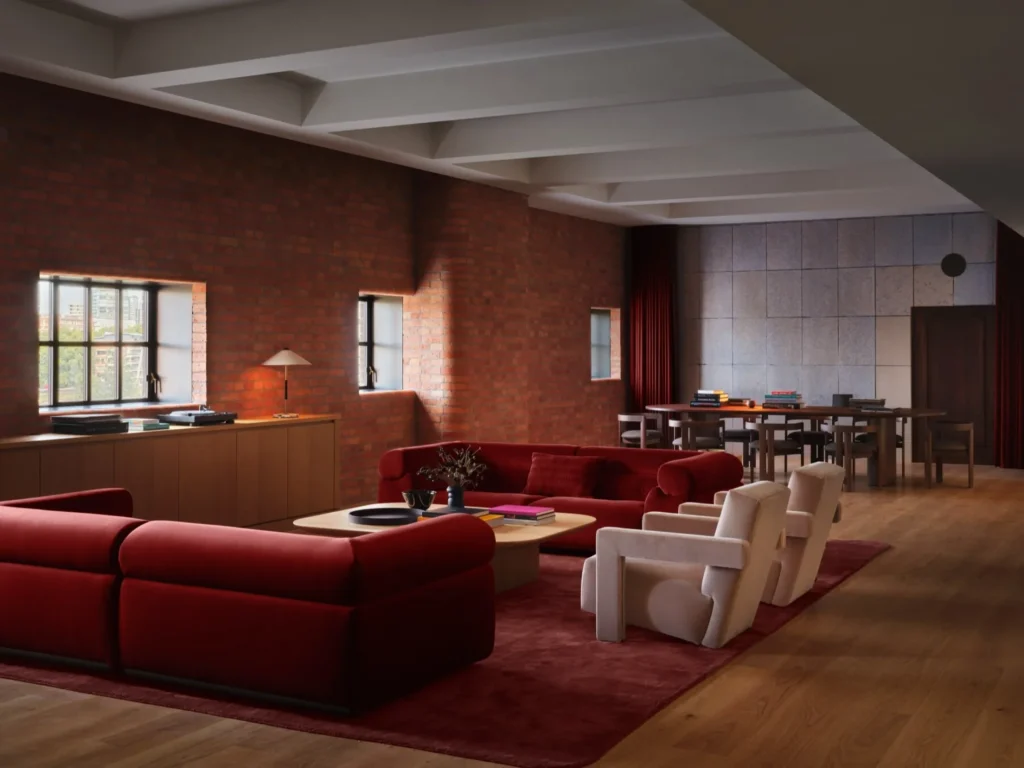
Apple Music Hall is only the most visible part of a larger production facility. New studios for Apple Music Radio have moved from King’s Cross into the same complex, so London-based hosts now broadcast from Battersea. There are rooms for writing camps, band rehearsals and DJ mixes. The entire building is wired for audio and video, allowing an artist to record a podcast, appear on a radio show and play a livestreamed concert in a single day if the schedule demands it.
This concentration of functions reflects a clear strategy. Live performance, high-quality capture, and immediate distribution are treated as a single workflow rather than separate stages that usually require different venues, different crews, and different budgets. The gap between the energy of a small room and the polish of a finished release is meant to shrink.
Context in a pressured city
London’s live music ecology has been under strain. Dozens of venues closed in the capital in the preceding year. Rising costs, planning pressures and changing audience habits have made mid-sized rooms particularly vulnerable. Apple Music Hall arrives in that climate as a privately funded, highly specified space that prioritizes production quality over ticket volume.
Whether it eases pressure on the wider scene or simply occupies a premium niche remains to be seen. What it does offer is a new kind of public-private hybrid: a corporate venue that is open to ticket-buying audiences, staffed to professional broadcast standards, and designed to generate content that lives on long after the last note.
The artist experience
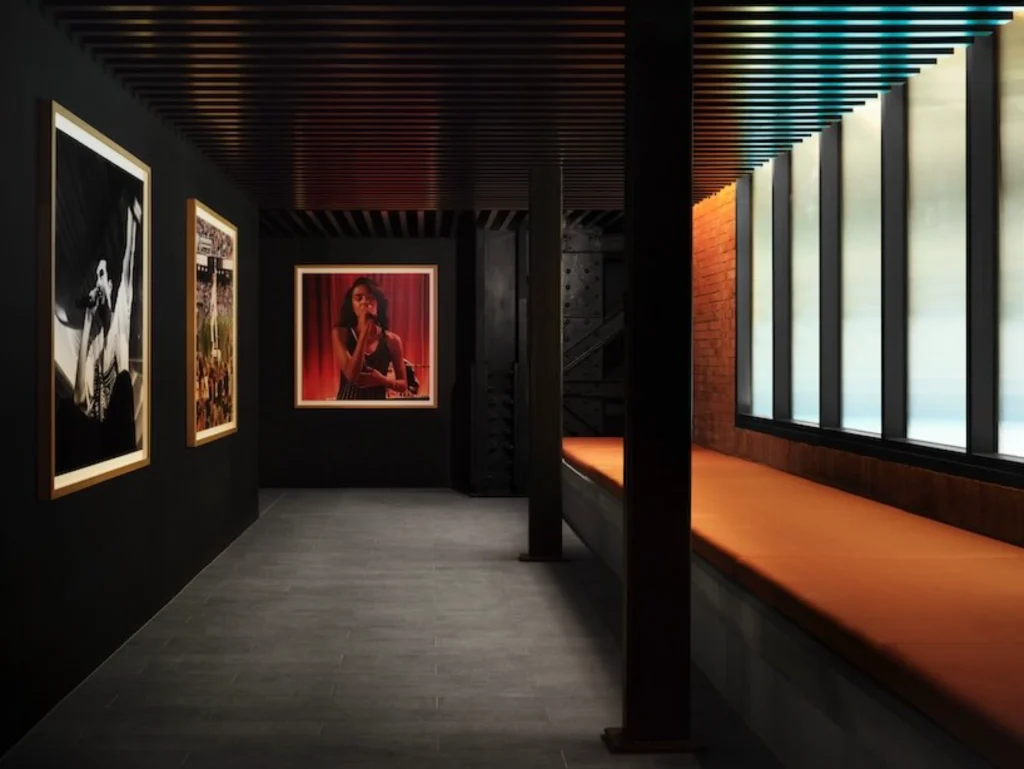
For performers, the practical advantages are obvious. Dressing rooms include en-suite facilities and costume storage. The stage and sound system are flexible enough to support different artistic approaches. The ability to capture a show at broadcast quality without hiring an external mobile unit reduces both cost and logistical complexity. Spatial Audio recording is built in rather than treated as an optional extra.
Zane Lowe, Apple Music’s global creative director, has framed the project as an extension of the company’s long-standing interest in artists’ stories. The hall is presented as a place where those stories can be told live, recorded properly and shared widely without forcing the artist to choose between intimacy and production value.
Opening and early life
The venue was announced in late September 2026 and scheduled to begin operations shortly afterward. First acts had not been publicly confirmed at the time of the launch announcement, but the technical readiness of the room suggests Apple intends to move quickly from opening to programming.
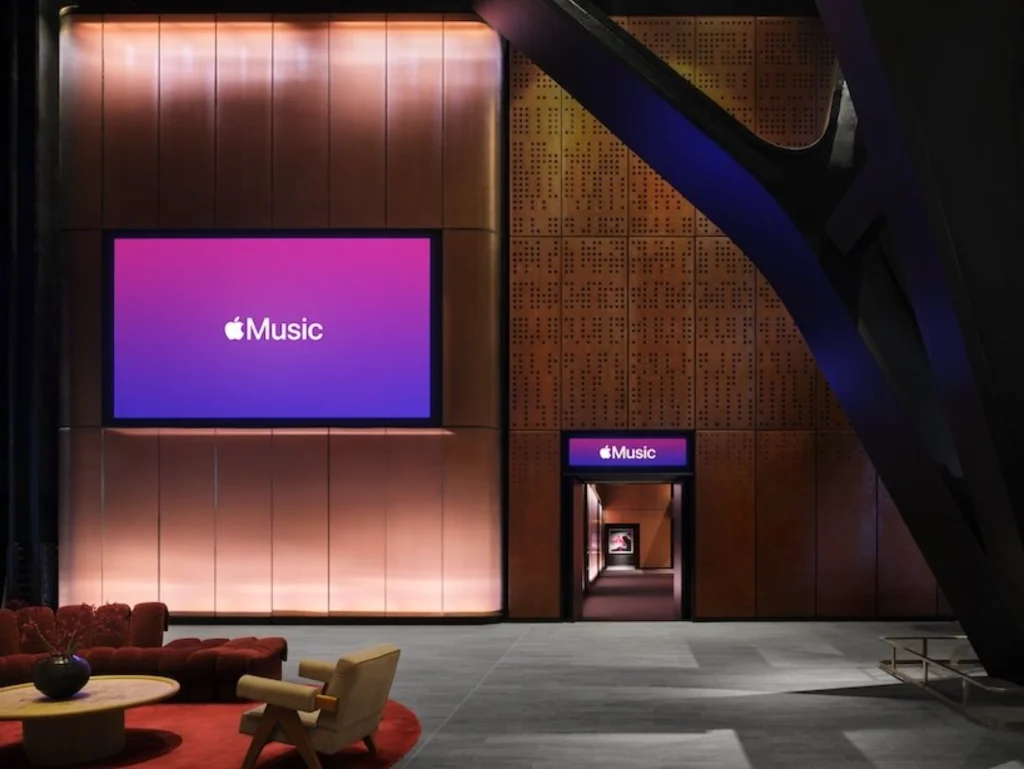
Visitors will enter a space that feels both new and continuous with the power station around it. The brick and the river view remind them where they are. The speakers, cameras, and studios remind them what the room is for. Between those two poles sits the 600-person capacity that keeps the experience personal.
A new model for live capture
Apple Music Hall is not the first corporate-backed music venue, nor the first attempt to link live performance with high-end recording. Its distinction lies in the density of capability packed into a relatively small footprint and in the seamless path from stage to finished Spatial Audio and video assets. In an industry where the economics of touring and the demand for premium content often pull in opposite directions, the Battersea room tries to hold both at once.
Whether that model proves influential will depend on the quality of the shows, the usefulness of the captured material to the artists, and the willingness of audiences to treat a 600-capacity corporate venue as a genuine part of London’s live landscape. For now the doors are open, the systems are live, and the old power station has one more function to perform.