

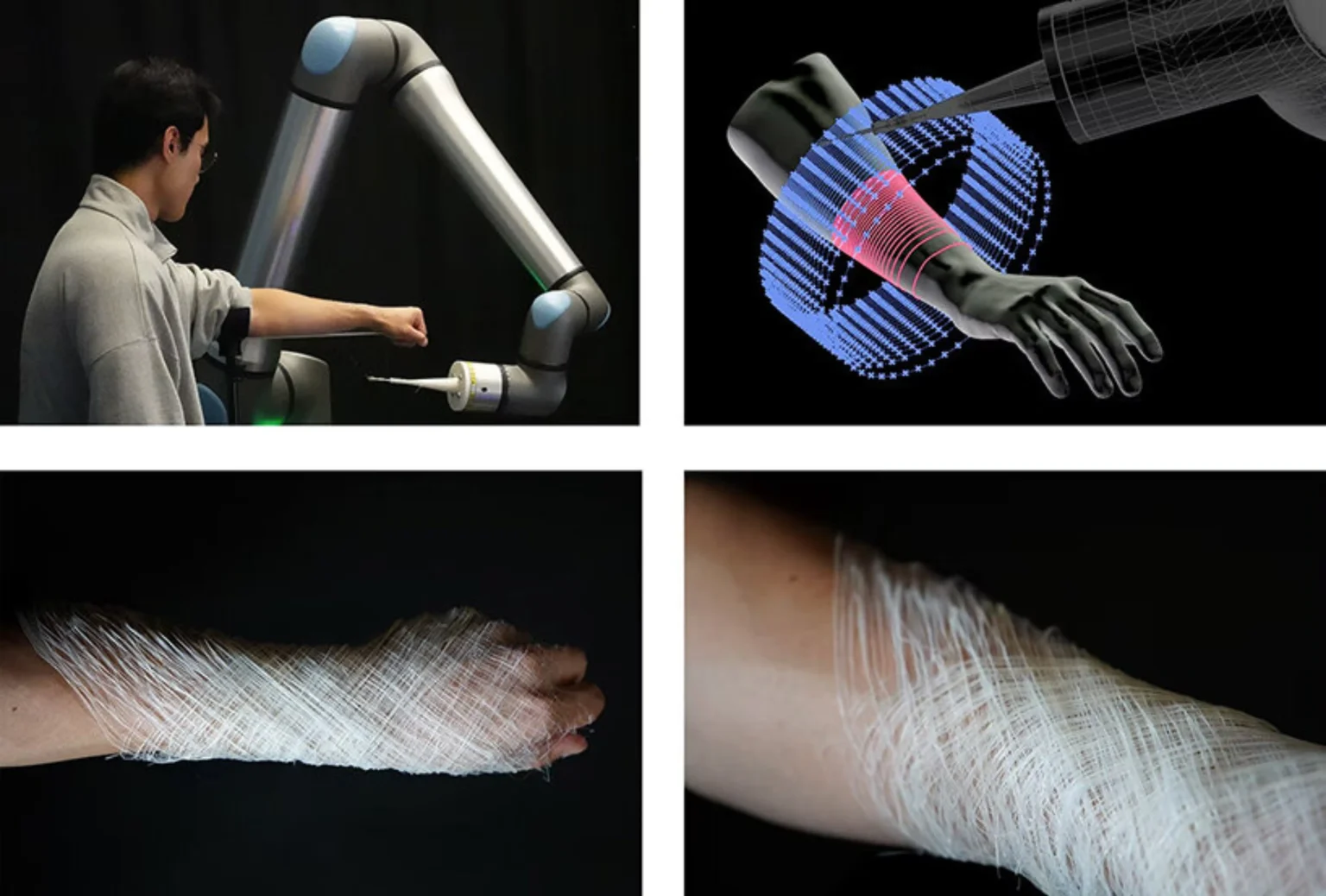




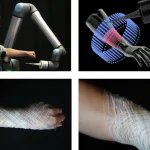
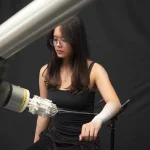
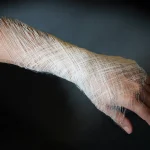
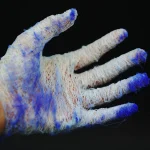
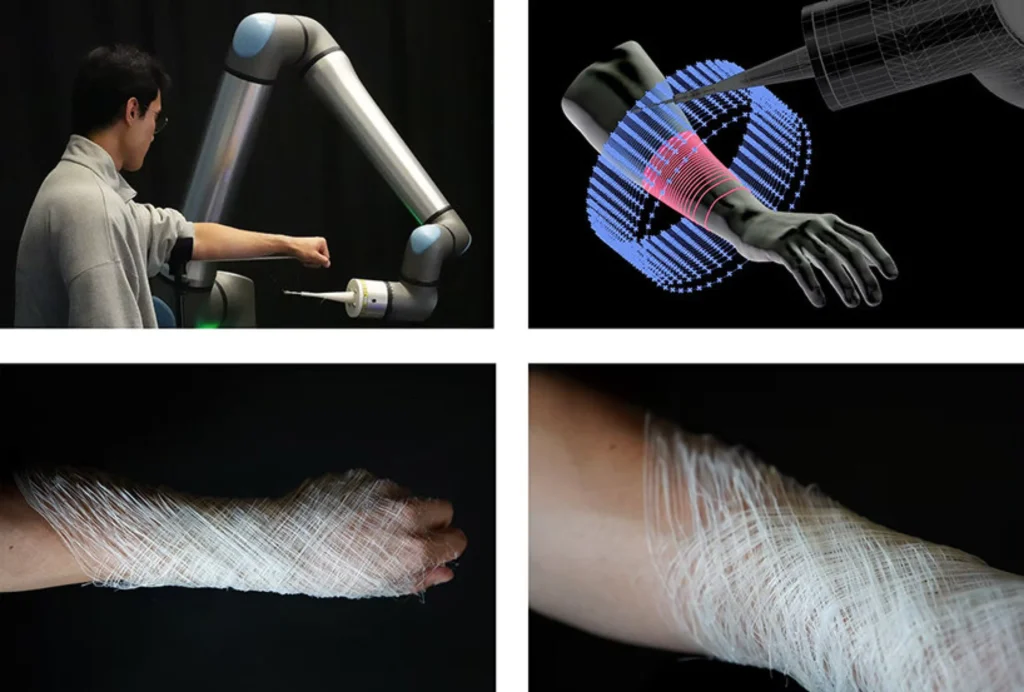
The body is the first pattern. A robotic arm circles a forearm. Fine strands of softened thermoplastic stretch, cool, and adhere. Within minutes, a translucent lattice forms, following the exact contours of muscle and bone. No pattern was cut. No fabric was sewn. The garment emerges in place, shaped by the body it will cover and by the programmed motion that draws it into being.
This is InSituWear, an experimental fabrication system developed by the Critical Matter Group at the MIT Media Lab under the direction of Behnaz Farahi, with research lead Sergio Mutis. The project replaces the traditional sequence of scanning, patterning, cutting, and assembly with a single continuous act: melt-drawing ultrafine polycaprolactone fibers directly onto the living body. The result is not merely a new manufacturing method. It is a shift in how form itself is understood.
Form Emerges from Contact
In conventional design, the body is measured so that a predetermined geometry can be adjusted to fit it. InSituWear reverses the hierarchy. The body becomes the mold, the tension of the fiber becomes the structure, and the robot’s path becomes the pattern. Parallel strands, crossing lattices, and diagonal grids produce different degrees of stiffness and flexibility. Density and orientation are controlled parameters. The final textile is the visible record of a negotiation between programmed motion, material behavior, and human anatomy.
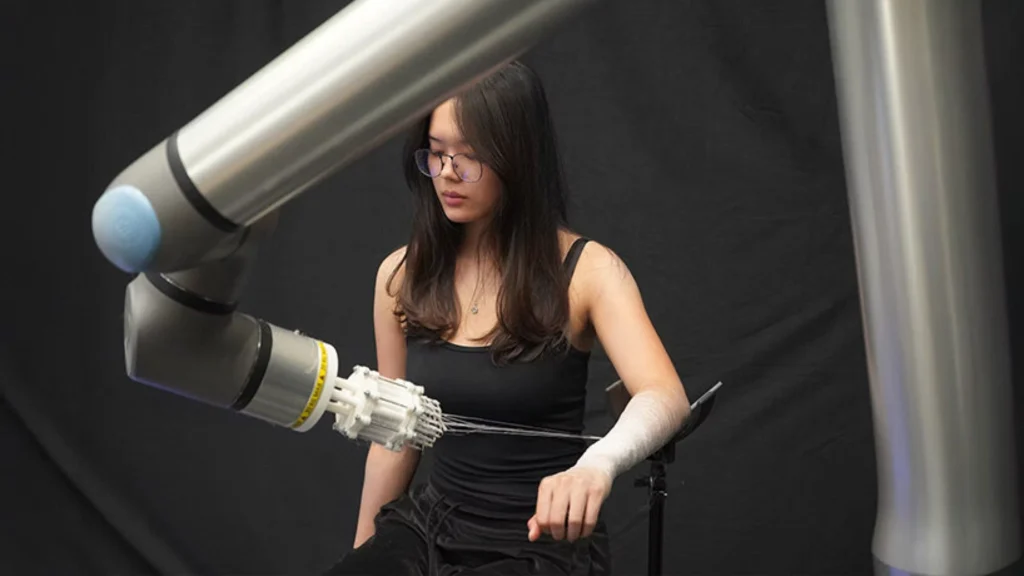
This is form-finding in the literal sense. Like the hanging-chain models of Gaudí or the tension structures of Frei Otto, the geometry is not imposed in advance. It is discovered through the interaction of forces. The difference is scale and immediacy. Here the “forces” include the curvature of a wrist, the slight pressure of skin against fiber, and the cooling rate of a thermoplastic strand only 0.03 millimeters thick.
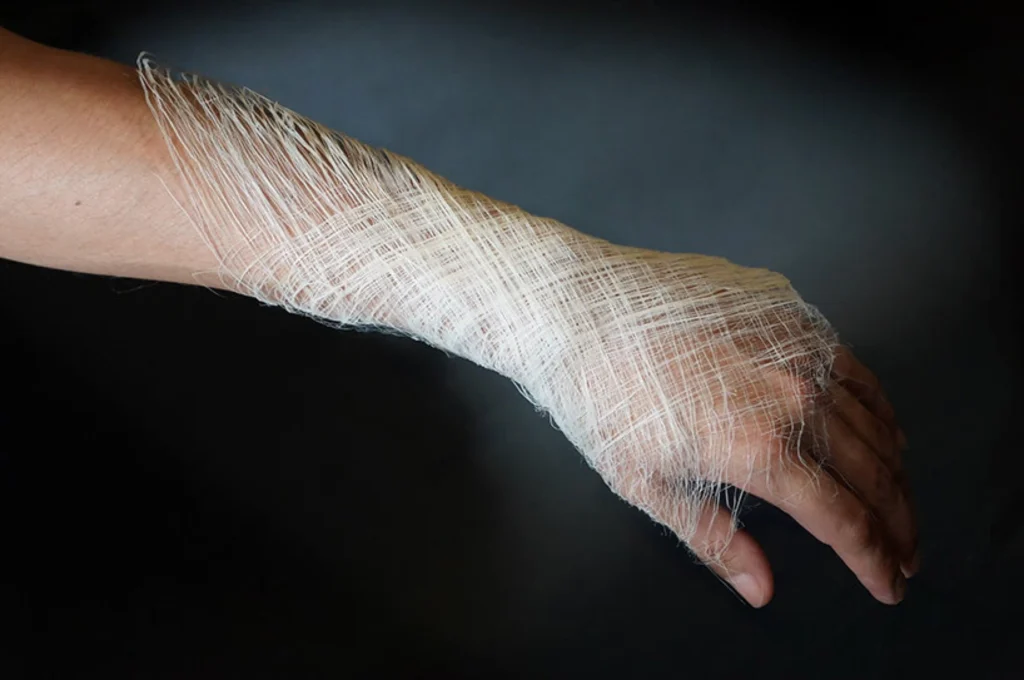
From an arts and design perspective, the process recalls both the intimacy of couture fitting and the experimental spirit of process-based sculpture. The finished sleeve or glove is less an object placed on the body than a second skin grown in collaboration with it. Transparency, delicacy, and responsiveness become aesthetic qualities as much as technical ones.
Parametric Logic at Human Scale
Computationally, InSituWear operates as a parametric system in which the variables are physical rather than purely digital. Robot speed, filament diameter, wrapping density, and path orientation function as the parameters. Change any one of them, and the textile’s mechanical character shifts. Faster drawing produces thinner fibers. Tighter spacing increases stiffness. Diagonal grids create different shear behavior than parallel wraps.
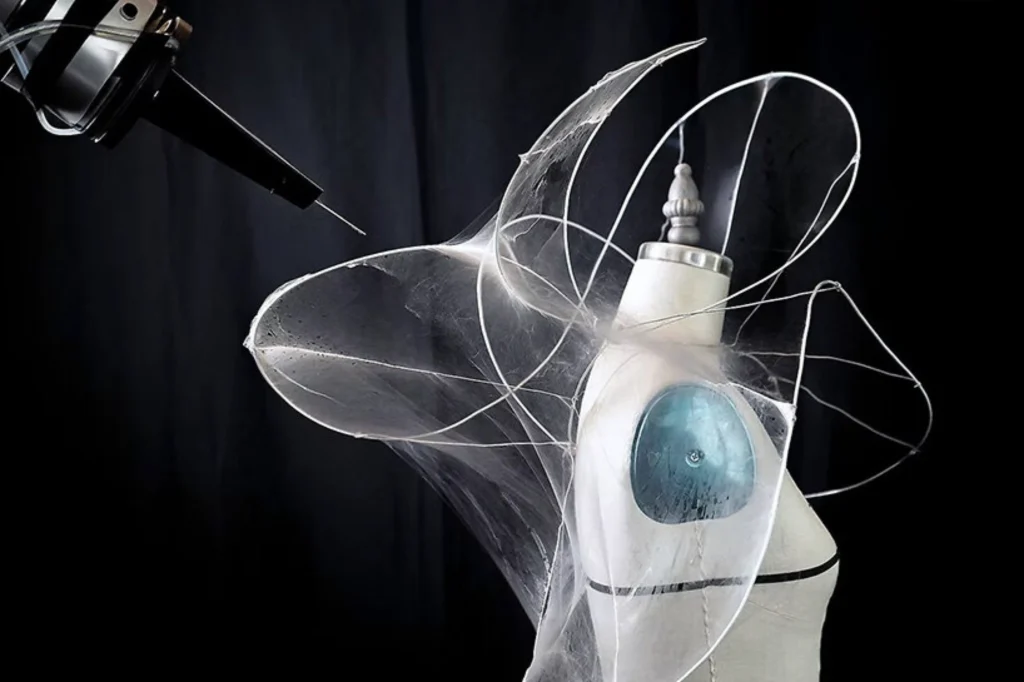
The system includes a computational pipeline that translates design intent into safe robotic trajectories, accounting for body geometry, collision avoidance, and tool constraints. Interchangeable single-needle and multi-needle end-effectors allow both fine control and denser deposition. The designers do not draw a static pattern. They write rules for motion and material response, then let the body complete the equation.
This approach aligns with contemporary parametric and computational design practices that privilege process over fixed form. Yet it pushes those practices into the realm of the wearable and the immediate. There is no intermediate digital model that must be translated into fabrication. The body is both input and output surface. Fitting and making collapse into the same moment.
Architectural Echoes
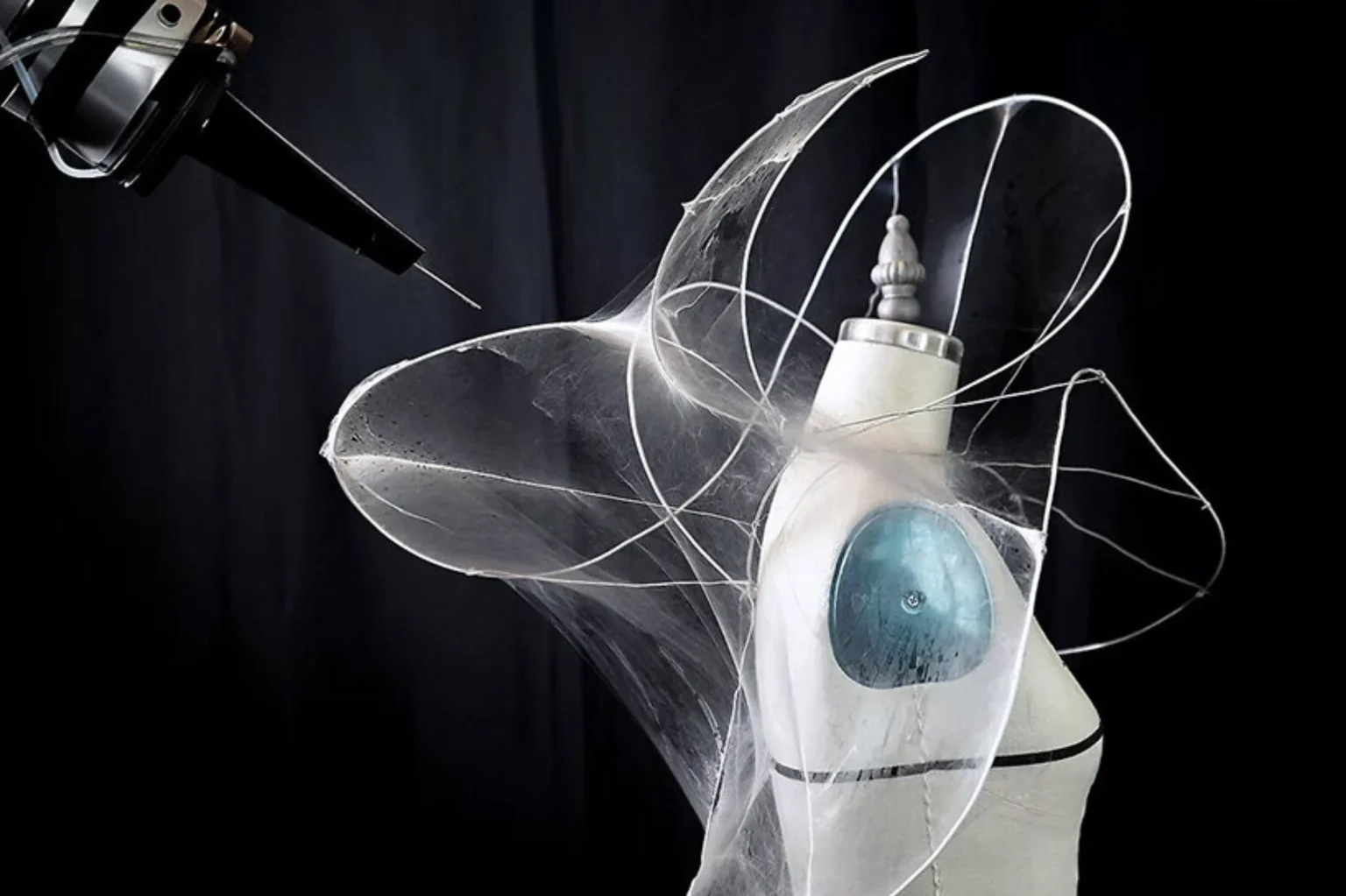
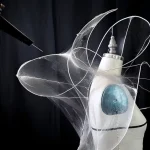
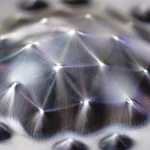
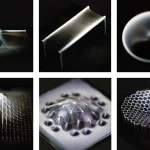
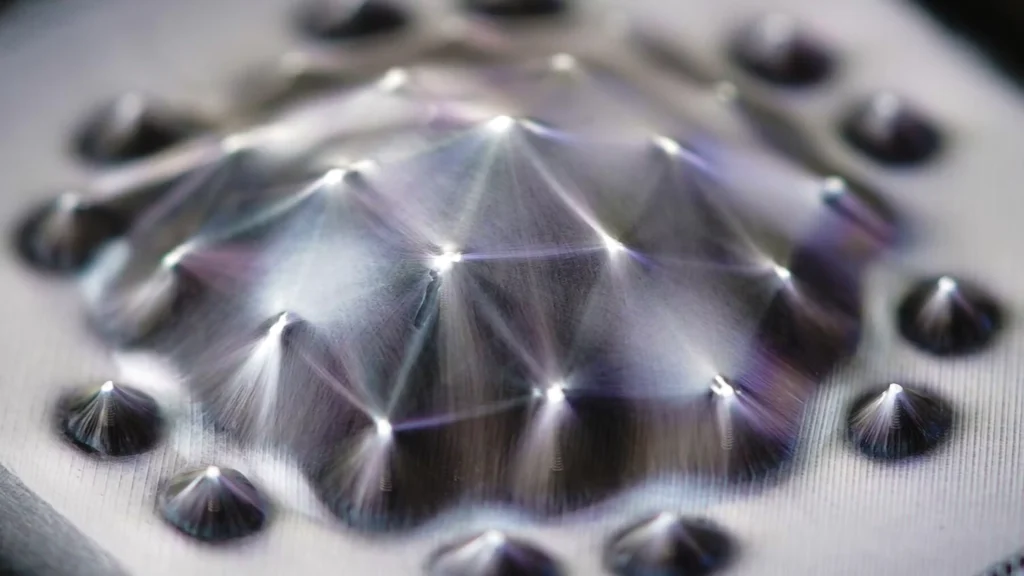
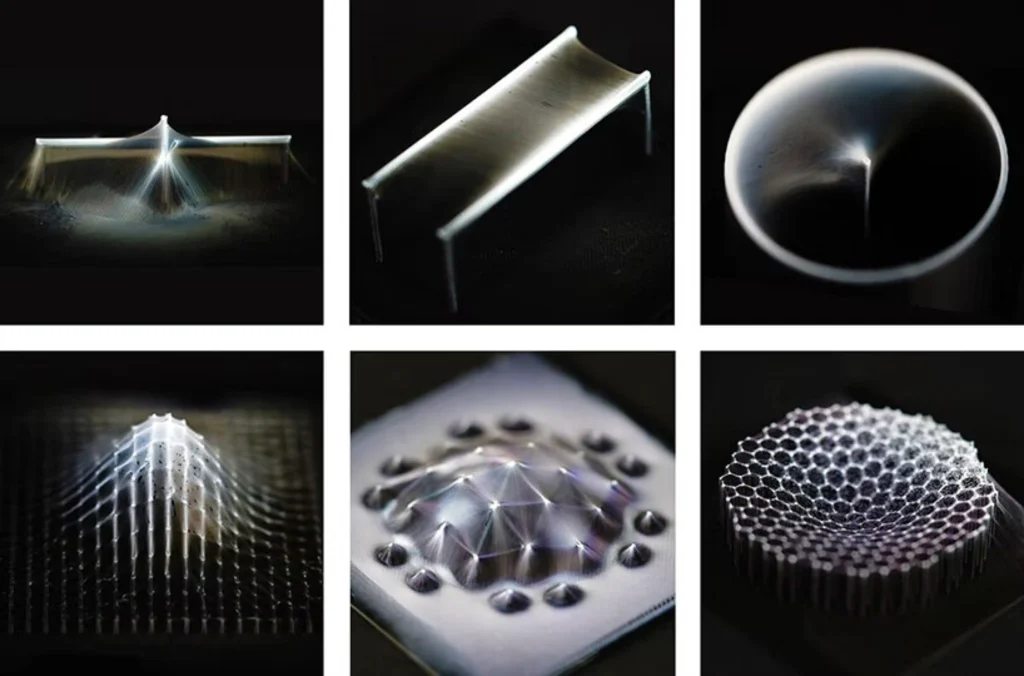
The researchers have already begun to test the method beyond the body, wrapping continuous fibers around small spatial frames to create lightweight surfaces. Speculative proposals include fiber-wrapped furniture components and even a dome-like pavilion assembled from such elements. These experiments point toward an architectural reading of the work.
In architecture, tension structures, tensile membranes, and fiber-reinforced composites have long used the interplay of material force and geometric constraint to generate form. InSituWear applies a related logic at the scale of the garment while opening a pathway toward larger constructions. The same principles that allow a sleeve to conform to an arm could, in theory, allow a surface to conform to a spatial armature. Waste is minimized. Customization is inherent. Structure and surface become continuous.
The architectural interest lies not only in potential applications but in the conceptual shift. Buildings are usually designed as fixed envelopes that bodies then inhabit. InSituWear suggests a reciprocal relationship in which the body, or a body-like form, actively participates in generating the envelope. The distinction between wearer and worn, between occupant and architecture, begins to soften.
Design Thinking in Motion
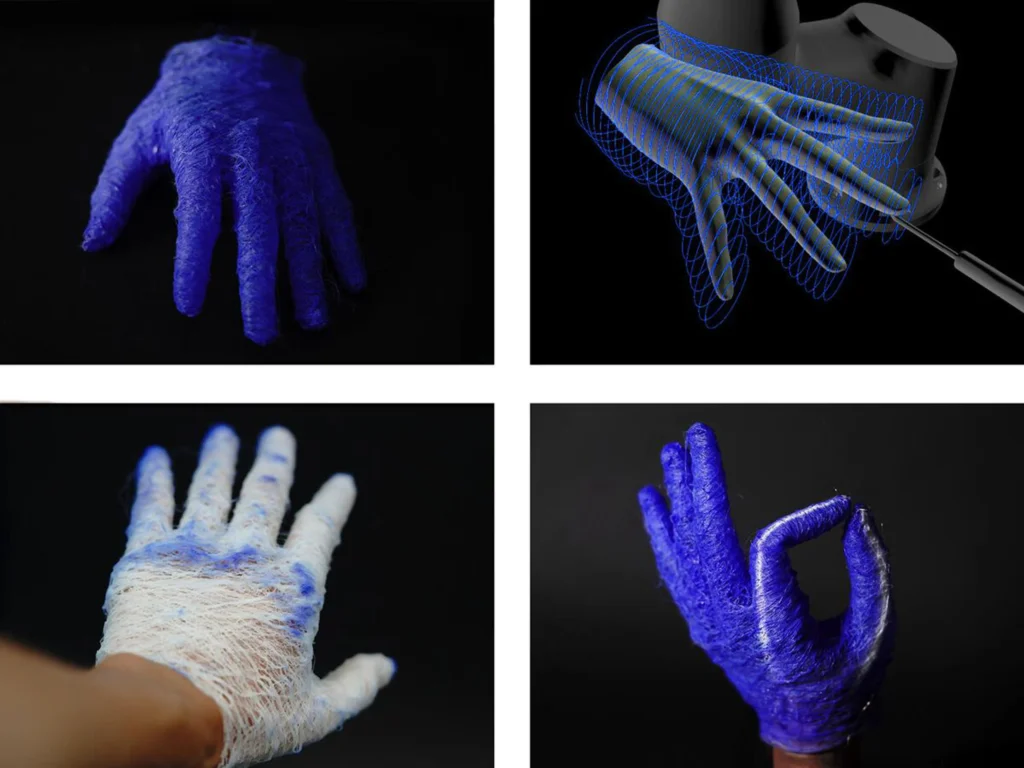
At its core, the project embodies a design-thinking attitude that privileges iteration, embodiment, and direct material engagement. Prototypes are made on actual arms and hands. Feedback is immediate. Mechanical testing compares the melt-drawn textiles to conventional fabrics such as silk, cotton, and linen, confirming that the robotic process can achieve comparable performance while offering local control over flexibility.
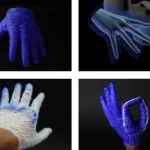
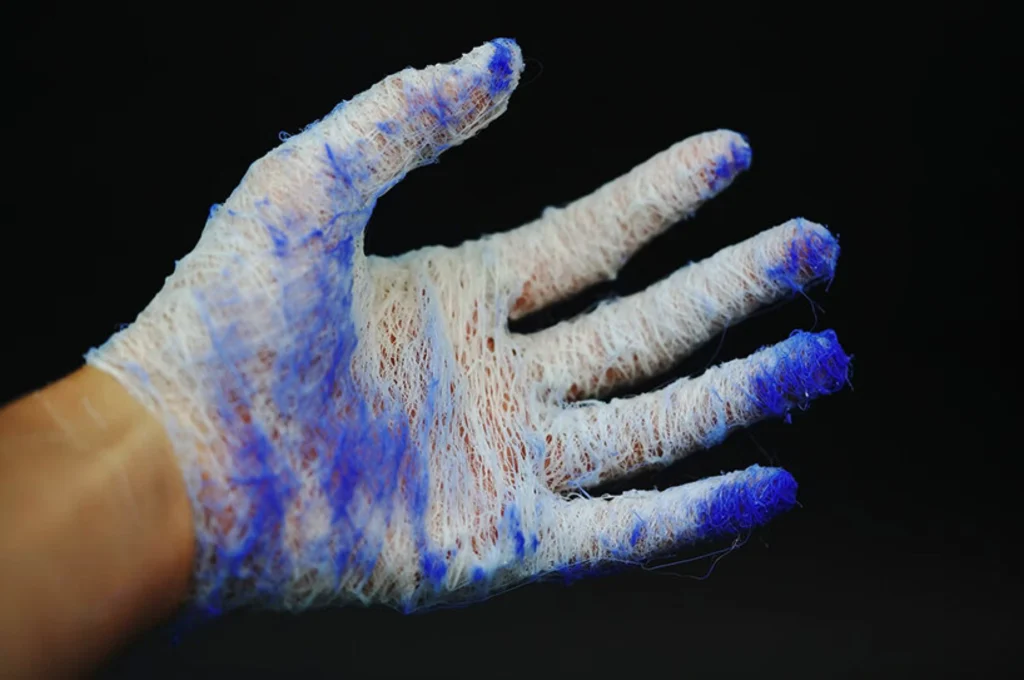
The thermochromic glove adds another layer. By embedding nichrome wires and heat-sensitive pigments, the textile responds to touch and body temperature, changing color where fingers meet. Intelligence is not added after fabrication. It is woven into the structure during the same process that defines the form.
Safety remains central. The material is processed at temperatures that cool to skin-safe levels before contact. Robotic paths include collision boundaries. The wearer remains stationary in current demonstrations, though the team identifies real-time adaptation to movement as a future direction. The prospect of textiles forming around bodies in motion would further deepen the collaboration between human and machine.
A Different Starting Point
InSituWear does not claim to replace existing methods of garment production. It offers a different starting point. Instead of beginning with a flat pattern or a digital surface model, it begins with the living body and a set of rules for motion and material. The resulting textiles are custom by nature, waste-free in principle, and open to embedded responsiveness.
For designers working across fashion, product, and architecture, the project expands the available vocabulary of form-finding. It demonstrates that computational control and material agency need not remain abstract. They can meet on the surface of the skin, where the geometry of a sleeve is decided by the same forces that shape the arm itself. In that meeting, clothing ceases to be something applied to the body and becomes something grown with it.