

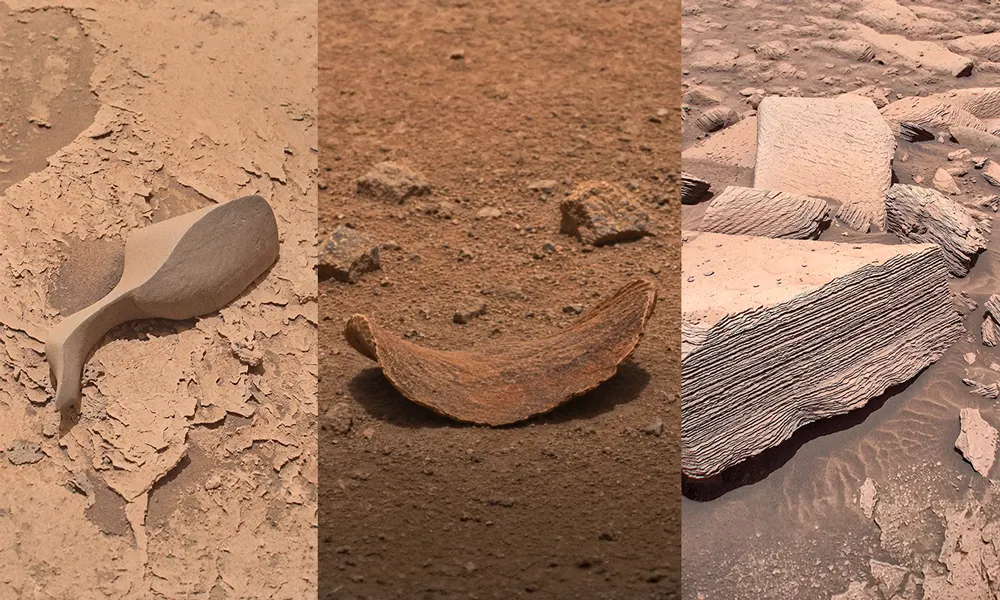
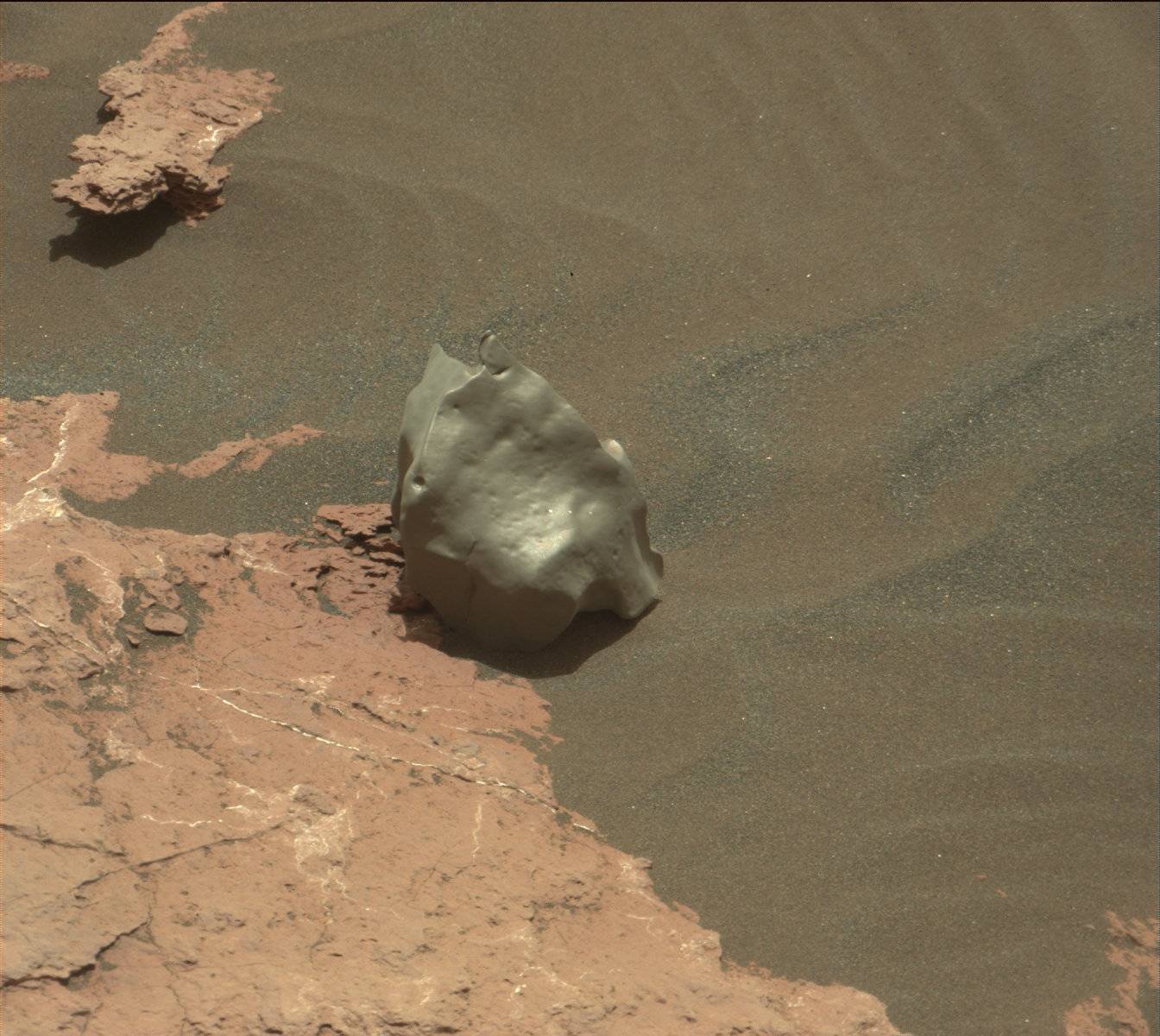
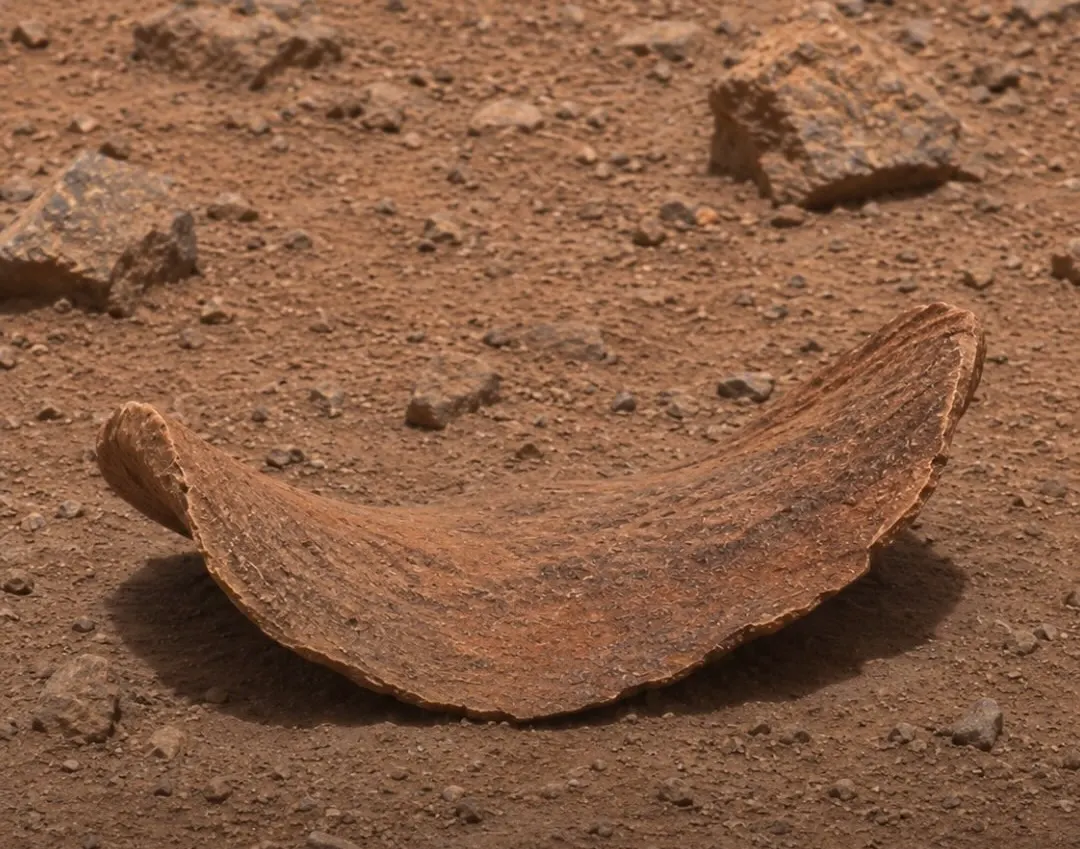


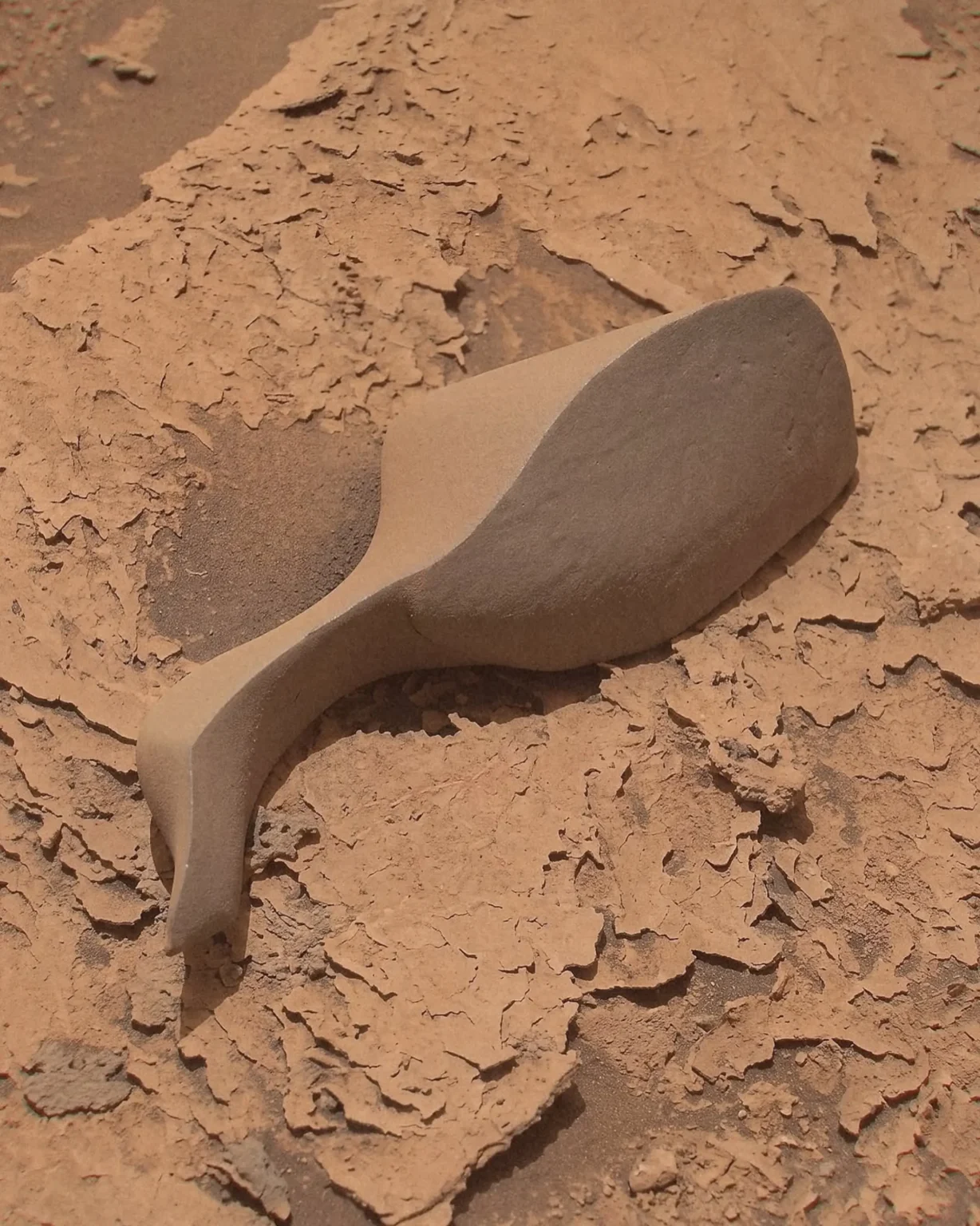
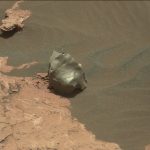
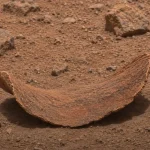
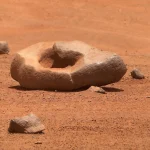
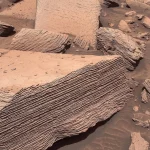
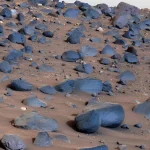
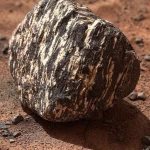
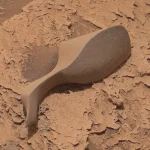
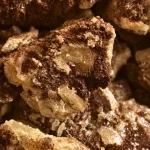
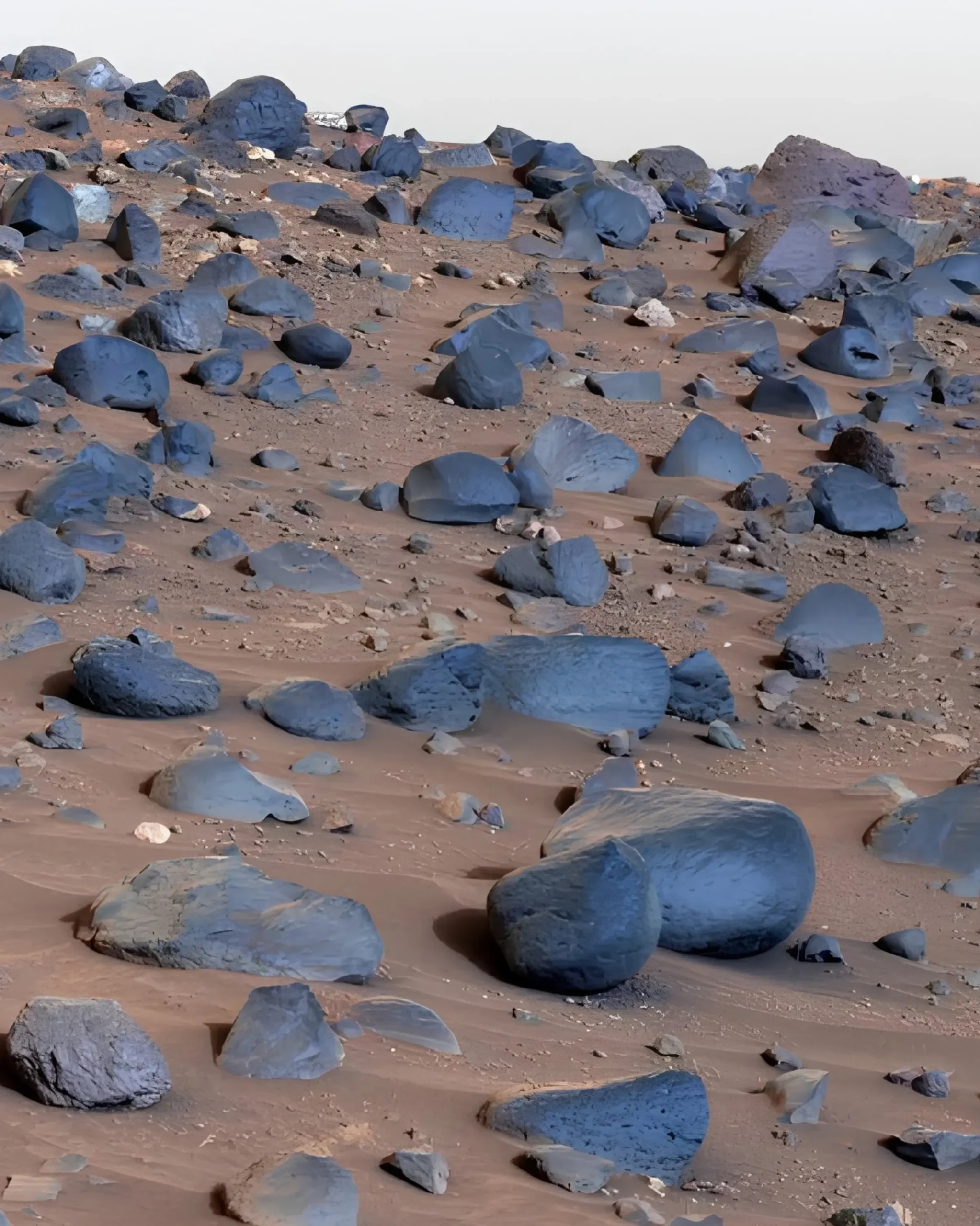
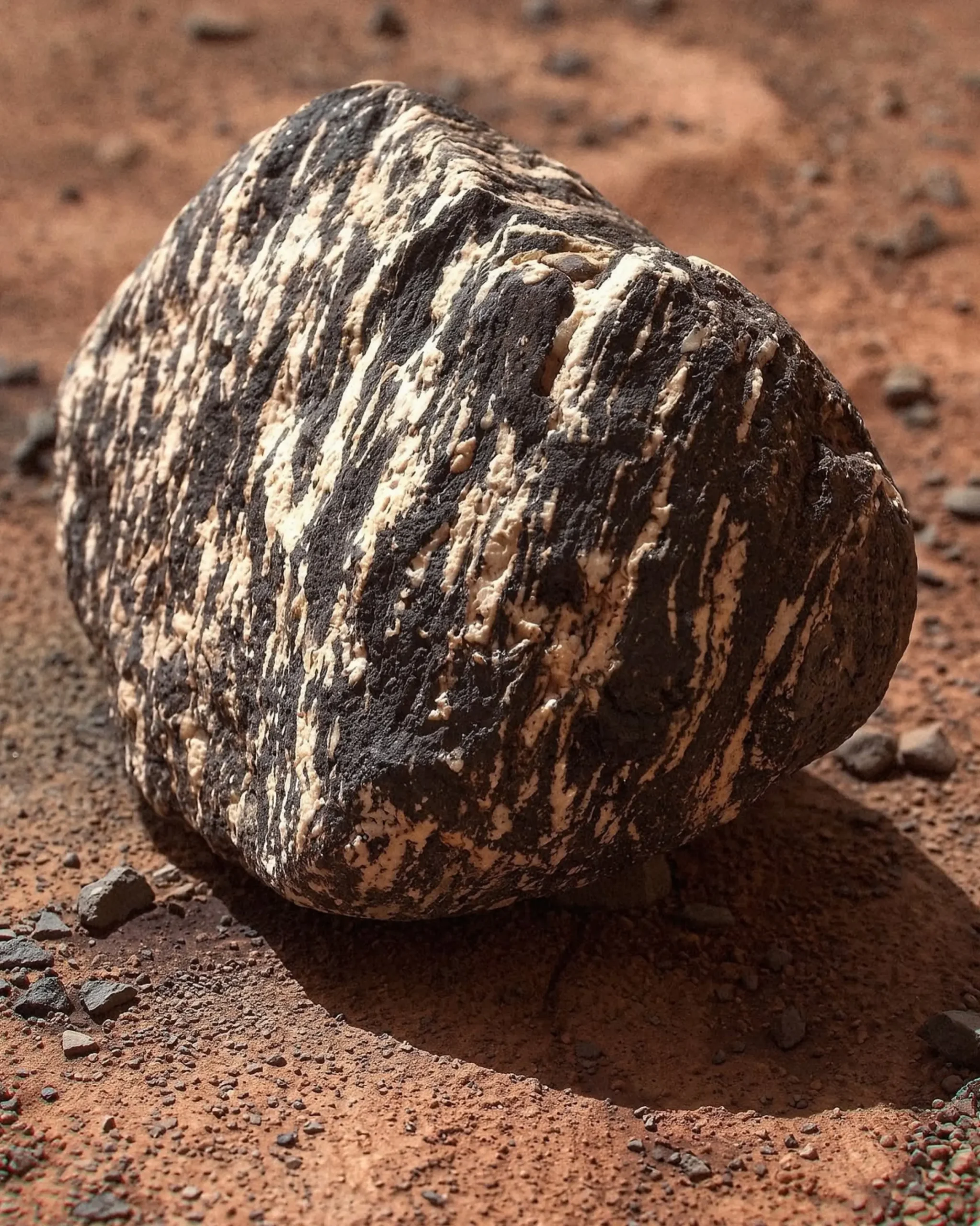
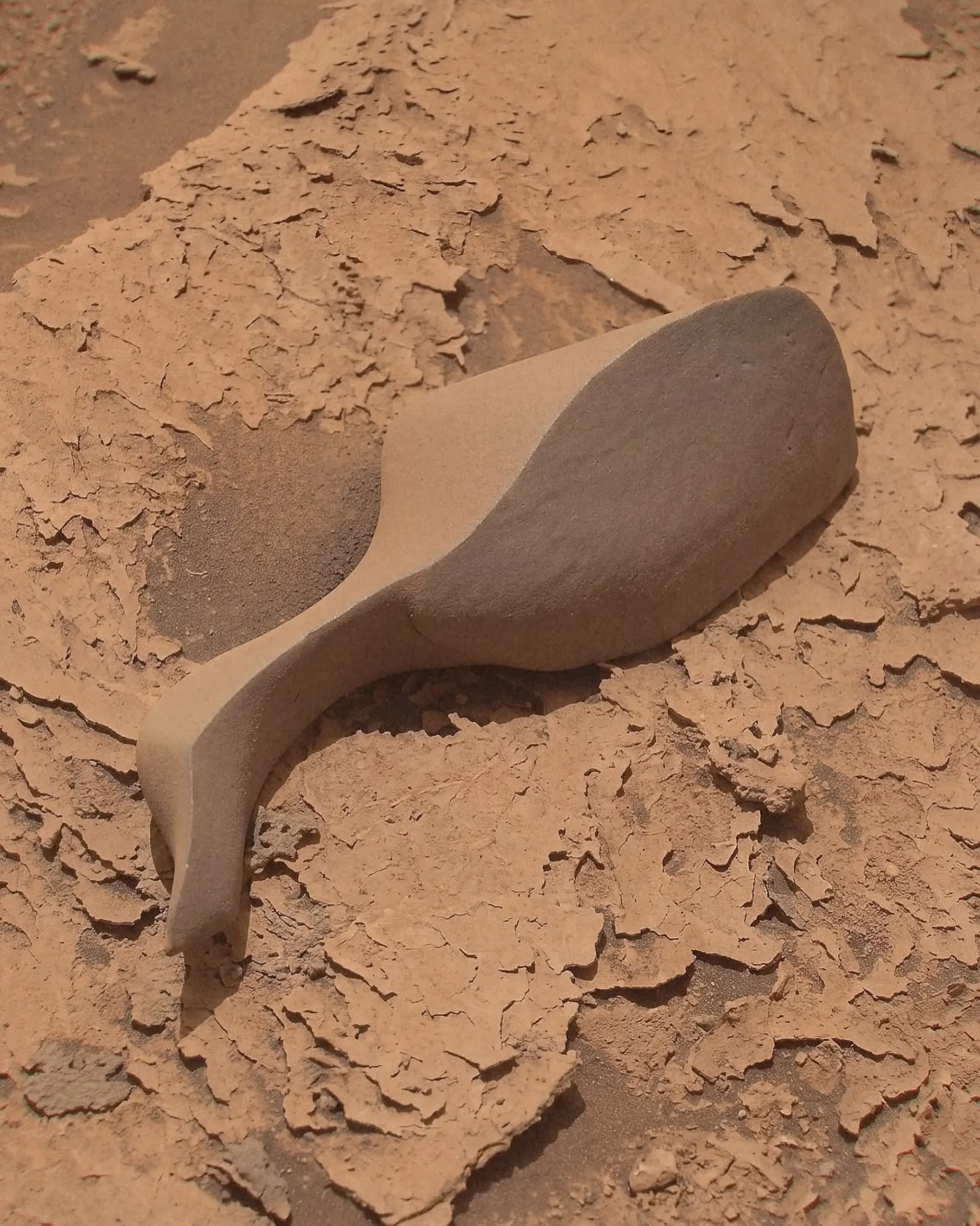
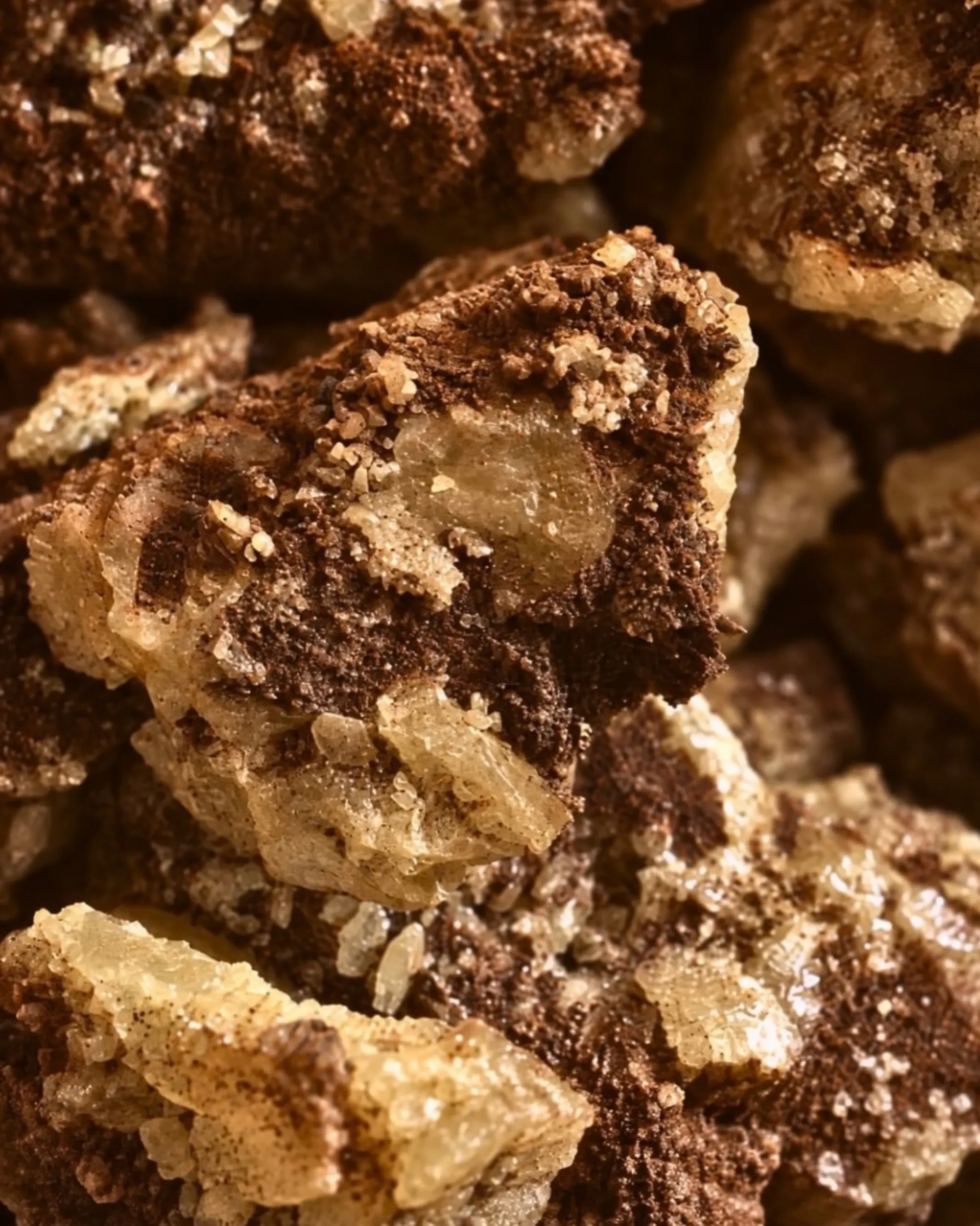
NASA’s Mars rovers continue to send back images that stop people mid-scroll. Among the scientific data and dusty panoramas appear rocks that look uncannily familiar: a curved form that suggests a shoe, a layered shape that reads like a potato chip, another that could pass for a whale’s silhouette. These are not staged illusions. They are ordinary geological features on a distant planet that the human brain insists on completing into recognizable objects.
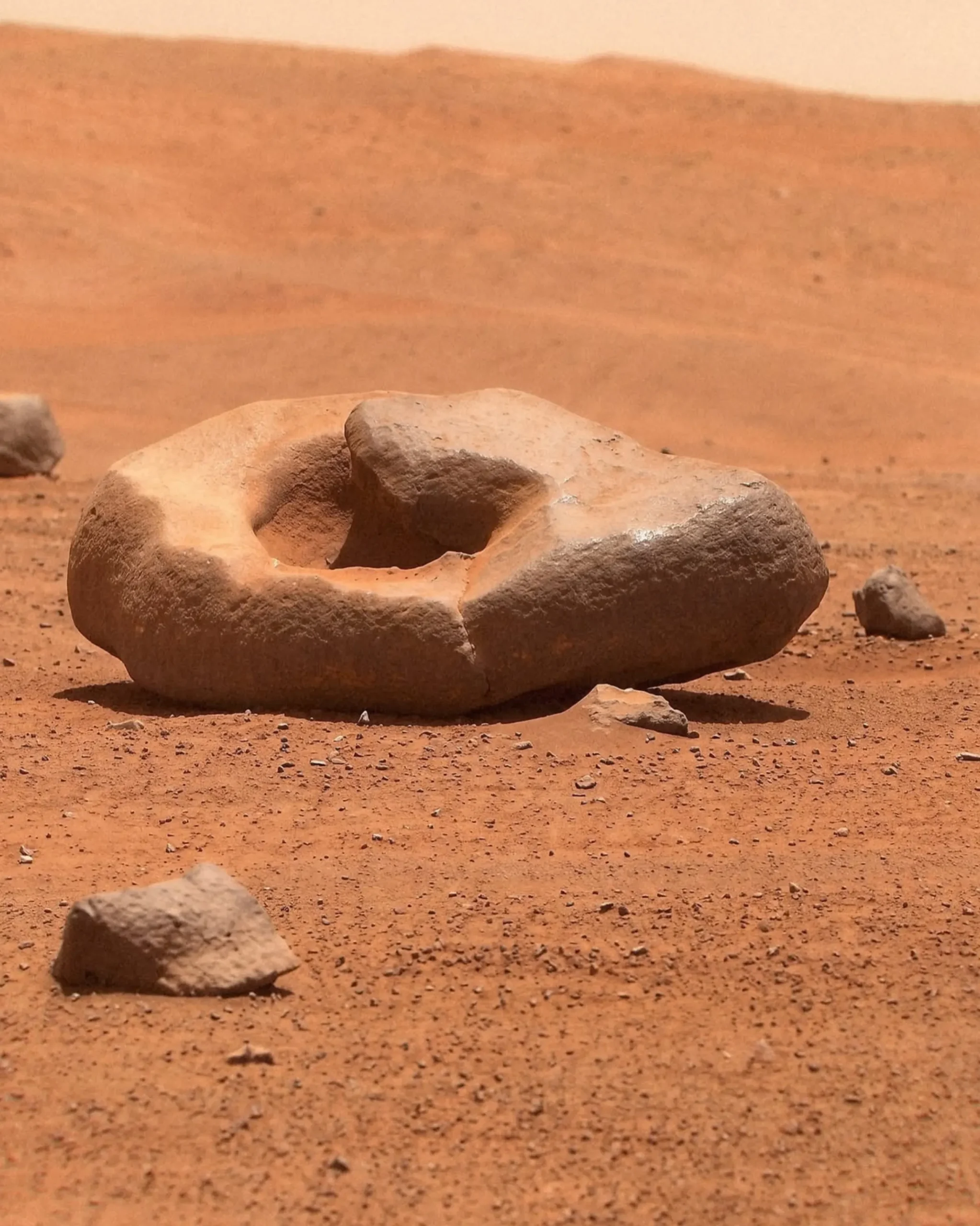
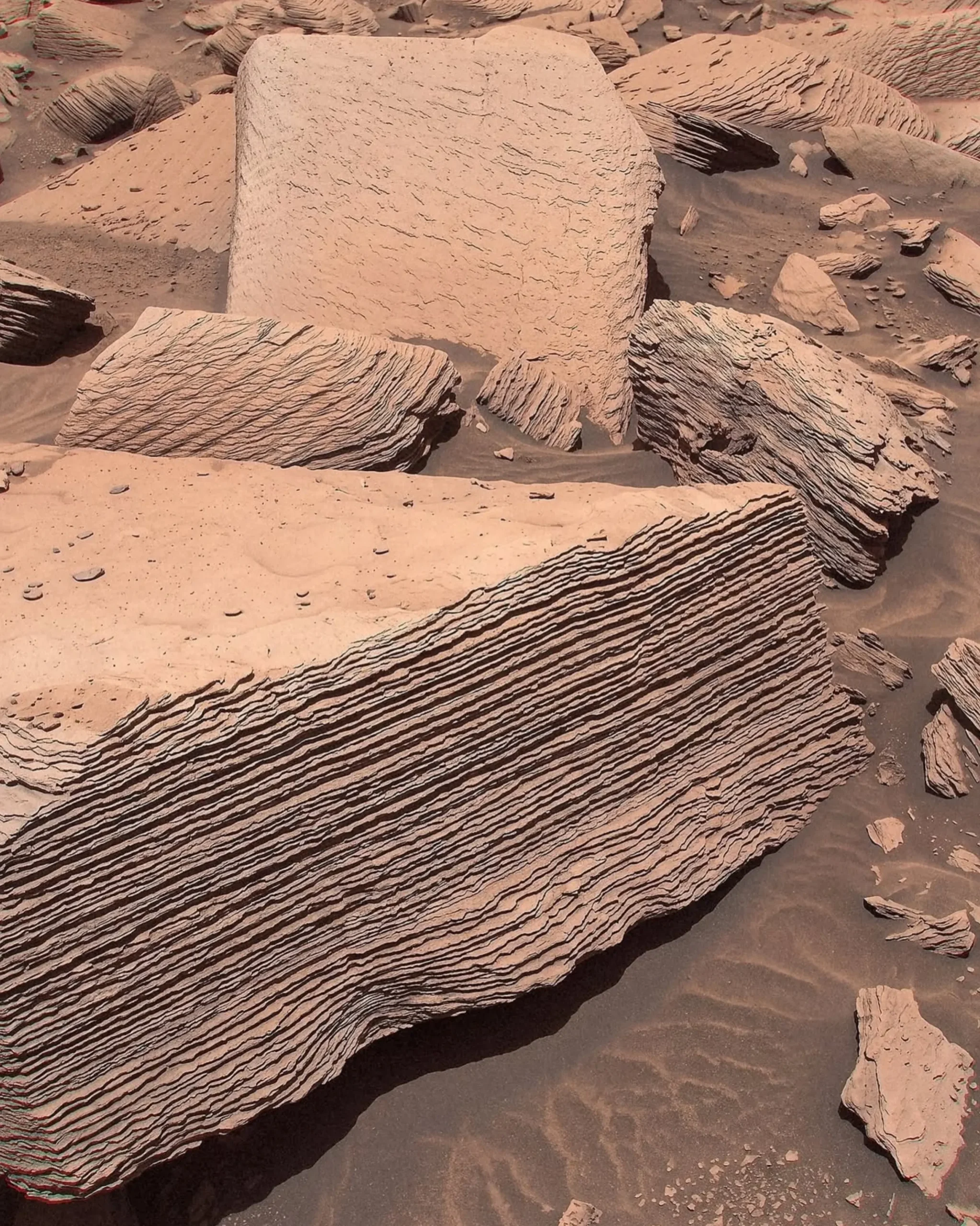
The recent set of images shared by accounts tracking the missions has drawn thousands of comments precisely because the resemblance feels too precise to ignore. Yet the real interest lies less in the joke and more in what the phenomenon reveals about how we see form, and how designers and architects might learn from it.
The Eye That Completes
Pareidolia is the tendency to perceive familiar patterns in random stimuli. It is the same impulse that turns clouds into animals and the surface of the Moon into a face. On Mars, the effect is heightened by the stark lighting, the limited color range, and the absence of vegetation or other scale references. A fractured rock under low sun becomes a boot. A wind-sculpted outcrop becomes a piece of packaged food.
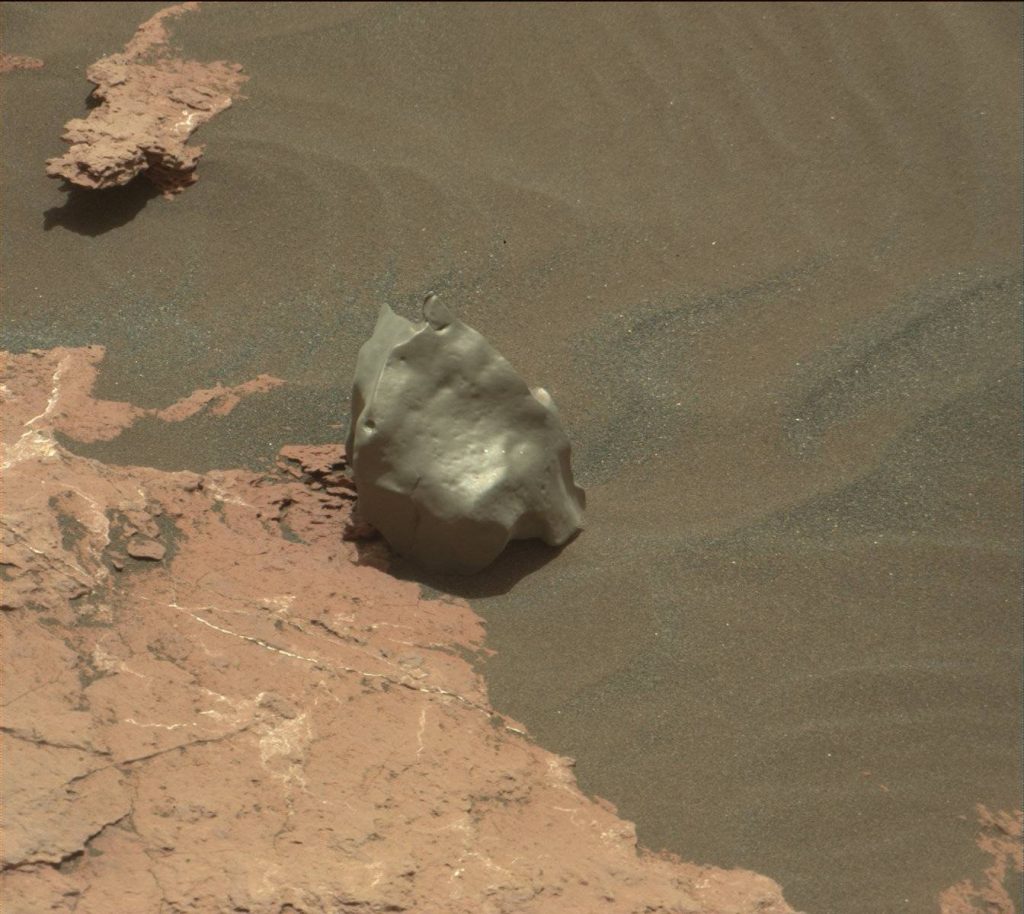
Scientists treat these moments as curiosities rather than data. The rocks themselves are products of impact, erosion, freeze-thaw cycles, and the slow work of wind over billions of years. Their shapes are the residue of physical processes, not intention. Still, the human mind refuses to leave them alone. We name them. We argue about them. We share them.
That impulse is not a flaw. It is a fundamental part of how perception works. Designers, in particular, rely on the same pattern-seeking machinery. We look at a site and begin to see possible buildings. We look at a structural diagram and begin to see load paths. The difference is that design turns recognition into deliberate form-making.
Geology as a Slow Algorithm
The strange rocks on Mars are the output of what might be called a natural generative system. Gravity, wind, temperature differentials, and mineral composition interact over deep time. No single force dictates the final shape. Instead, rules of material behavior accumulate into forms that appear both random and strangely ordered.
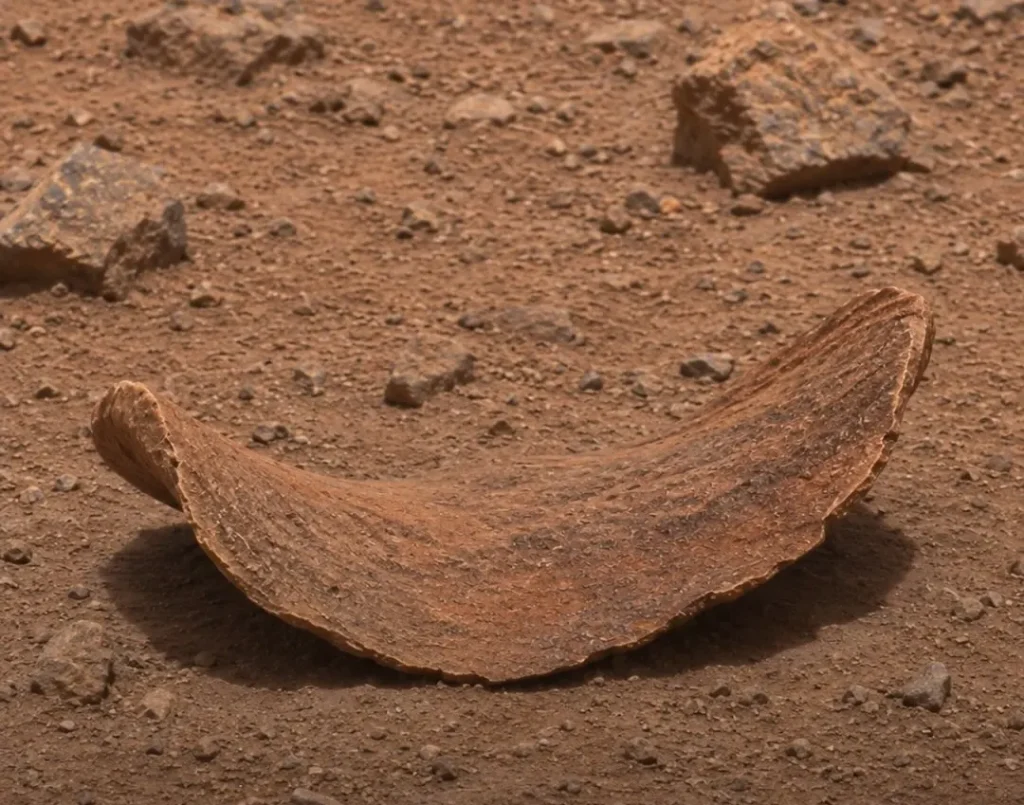
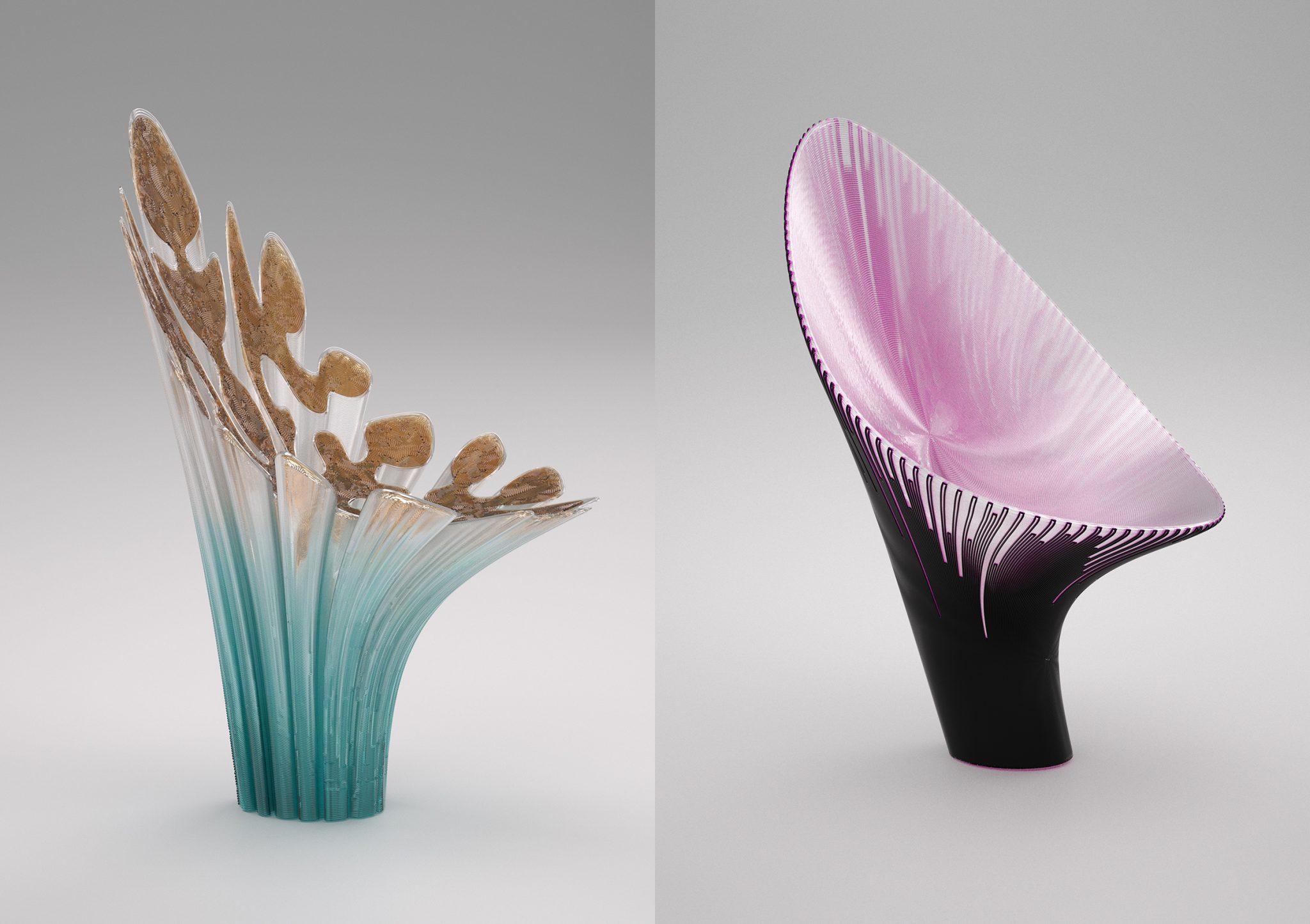
Architects working with parametric and computational tools encounter a similar logic. A script does not invent a building out of nothing. It applies a set of constraints and relationships—structural, environmental, geometric—and lets the outcome emerge. The designer writes the rules; the system produces the form. The best results often feel less like inventions and more like discoveries, as if the shape was already latent in the conditions.
Looking at Martian rocks through this lens changes the conversation. The “shoe” is not a coincidence that mocks us. It is evidence that complex, recognizable forms can arise from impersonal processes. Parametric design, at its most interesting, tries to harness a version of that process: not to copy nature, but to create systems that generate coherent variation the way erosion does.
Form Without Intention
One of the quiet lessons of these images is the difference between resemblance and purpose. The rock that looks like a Pringle was never meant to be a snack. The formation that suggests a whale was never meant to swim. Their shapes are side effects of larger systems. Designers, by contrast, usually begin with intention. A building must shelter, support, and serve. A chair must hold a body. Intention is not optional.
Yet the strongest architecture often carries an additional quality that feels closer to the Martian rocks: a sense that the form could not have been otherwise. The geometry appears inevitable once the constraints are understood. Computational design can help reach that state by making the relationships between forces, materials, and geometry explicit and testable. When the rules are clear, the outcome begins to feel discovered rather than forced.
This is where the connection to architecture becomes productive. Parametric tools allow designers to set up systems that respond to wind, light, structure, or fabrication limits in ways that parallel geological processes. The resulting forms may still look intentional, but they carry the authority of having been generated rather than merely drawn. They occupy a middle ground between the pure accident of the Martian rock and the pure will of classical composition.
Seeing and Making
The popularity of these rover images points to something larger than internet humor. People remain fascinated by the moment when the unfamiliar suddenly looks familiar. That moment is the same one that occurs in the design studio when a digital model, after dozens of iterations, finally “clicks.” The form resolves. The pattern becomes legible. The eye recognizes order where previously there was only data.
Architects and designers who work with generative systems are essentially cultivating a controlled version of pareidolia. They set conditions under which unexpected but coherent forms can appear, then select and refine the ones that satisfy both the eye and the program. The process is not mystical. It is iterative, rule-based, and increasingly computational. Yet it retains a connection to the ancient human habit of finding faces in the clouds and shoes on Mars.
A Distant Mirror
The rocks themselves will remain where they are, slowly changing under the thin Martian atmosphere. The images will circulate, be memed, and eventually fade from the feed. What lingers is the reminder that form is not only something we impose. It also emerges when matter, force, and time interact under consistent rules.
For designers, that reminder is useful. Parametric and computational approaches do not replace authorship. They change its nature. The author becomes the writer of rules rather than the drawer of lines. The quality of the work depends on the intelligence of those rules and the judgment applied to the outcomes. In that sense, the strange rocks of Mars are not distractions from serious design thinking. They are distant, silent illustrations of the same principles that computational design tries to harness on Earth: complexity arising from simplicity, recognition arising from process, and form arising without a single, central intention.
The next time a rover photograph shows a rock that looks like something it is not, the reaction need not stop at amusement. It can continue into a quieter question: what systems, if carefully written, might produce forms that feel equally inevitable on our own planet?