



The growing scale of ambitious mega projects in the Middle East reflects a global race for economic influence, investment, and urban competitiveness. As capital moves across borders in search of new markets, governments are investing in cities, transport networks, tourism destinations, and industrial infrastructure to diversify their economies and attract international businesses.
Architecture has become a key part of this strategy. Master plans, landmark buildings, cultural districts, and large-scale infrastructure are being used to reshape national identities and establish new centers of commerce. These developments also bring architects and planning firms into projects that extend far beyond individual buildings, requiring them to coordinate urban systems, environmental strategies, mobility networks, and public spaces. From entirely new cities to waterfront developments and industrial hubs, the Middle East is pursuing some of the world’s most ambitious urban transformations.
The 15 projects below fall into four groups: new cities and districts, tourism and leisure destinations, industrial and port infrastructure, and one supertall tower. Their status ranges from open and operating to suspended.
1. NEOM, Saudi Arabia
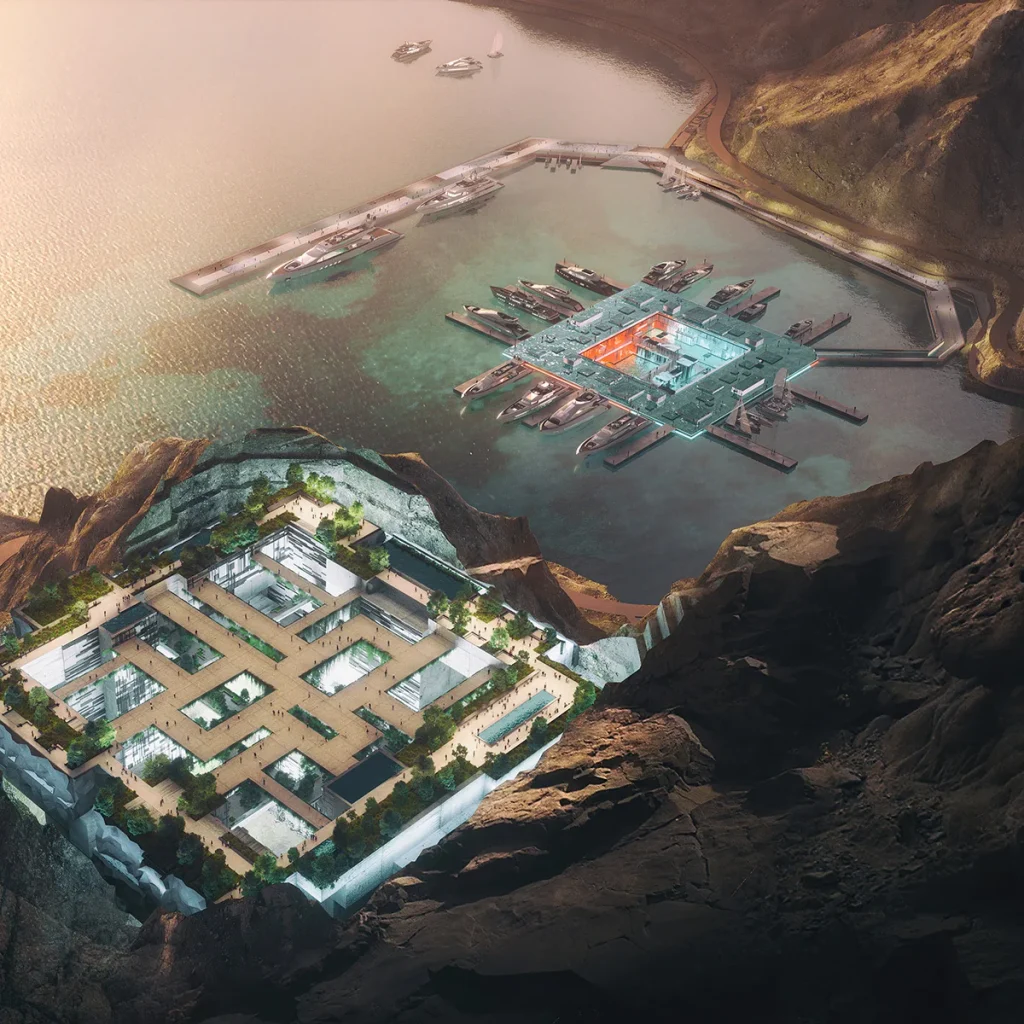
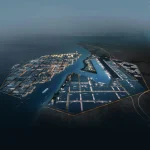
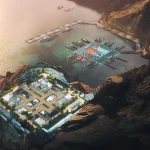
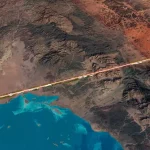
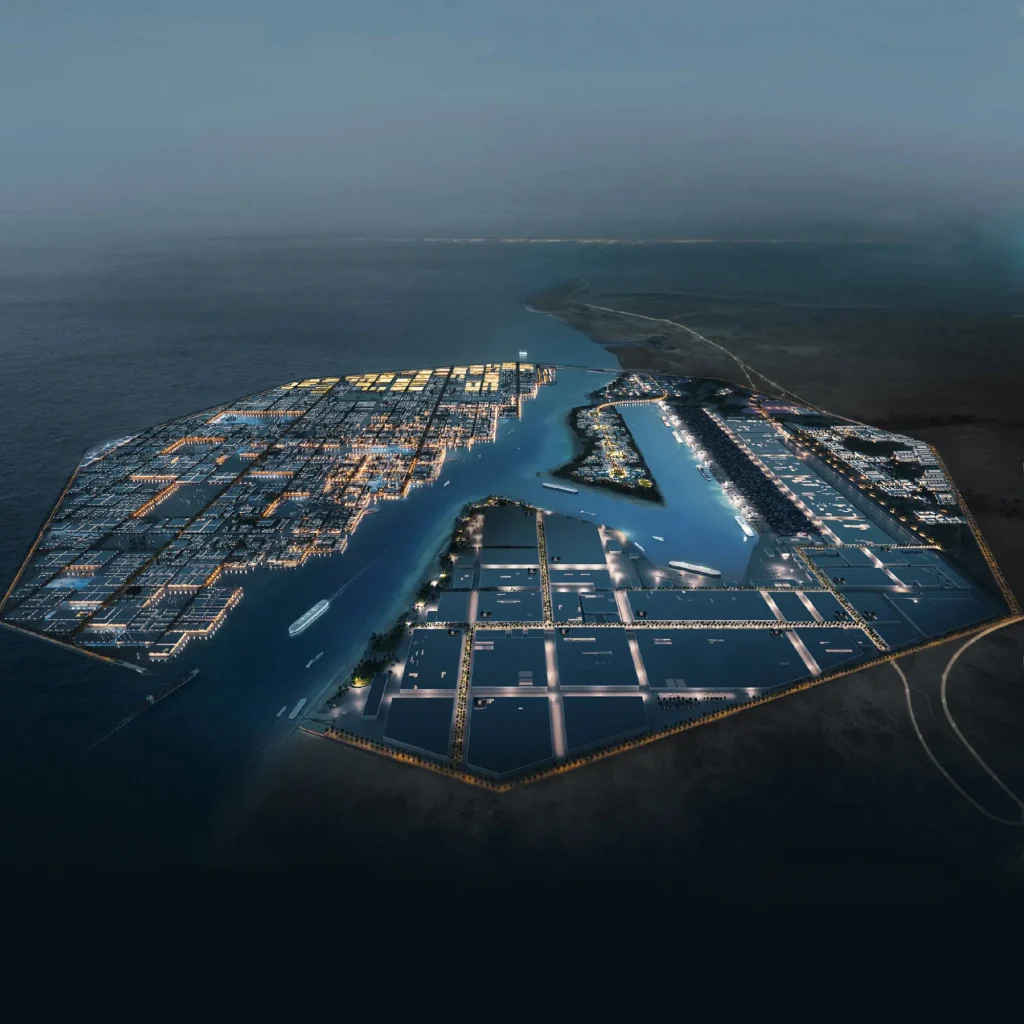
Announced in 2017, NEOM covers a large territory along Saudi Arabia’s northwest coast near the Gulf of Aqaba. Its master plan comprises several distinct developments: The Line, a linear city; Oxagon, an industrial and port city; Trojena, a mountain tourism destination; and Sindalah, a luxury island resort. Trojena’s design teams have included LAVA, Zaha Hadid Architects, UNStudio, Aedas, and Mecanoo.
A year-long review under CEO Aiman al-Mudaifer, who replaced Nadhmi al-Nasr in November 2024, reshaped the development strategy. In 2026, reports indicated that NEOM would be scaled back, with greater attention given to data centers and other infrastructure. The population target for The Line was also substantially reduced. A major Trojena ski village contract was canceled, and the 2029 Asian Winter Games were postponed.
2. New Murabba, Riyadh, Saudi Arabia
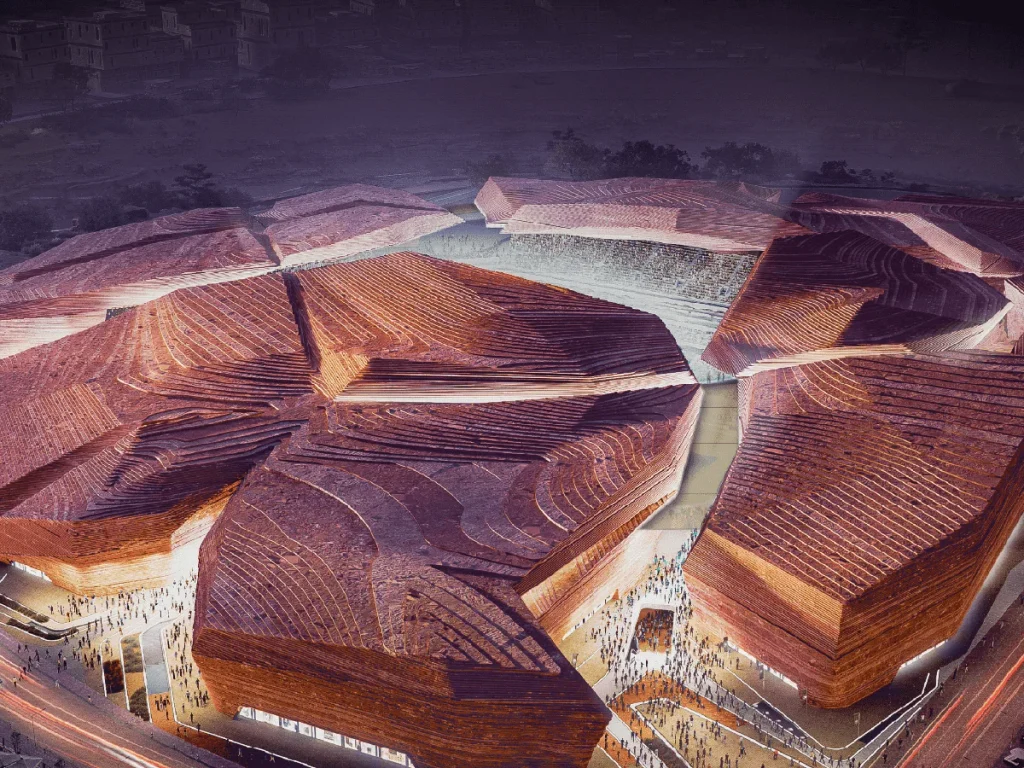
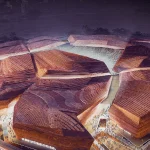
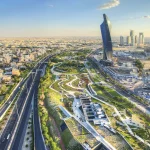
New Murabba is a planned downtown district in northern Riyadh, developed by a Public Investment Fund-owned company and announced in 2023. Its centerpiece, the Mukaab, is conceived as a monumental cube containing a large interior environment. A terraced structure would rise within the building, beneath a dome incorporating an immersive digital display. The wider master plan includes residential neighborhoods, cultural venues, hotels, retail spaces, and offices arranged around the central landmark. The project is intended to create a new mixed-use urban center rather than an isolated architectural attraction.
In January 2026, Reuters reported that construction of the Mukaab had stopped beyond excavation and foundation piling while financing and feasibility were reviewed. Development across the surrounding district continues, with completion shifted from 2030 to 2040. The Mukaab raises significant architectural questions concerning structural engineering, ventilation, fire safety, and the environmental performance of an enclosed urban-scale building.
3. The Heart of Europe, Dubai, UAE
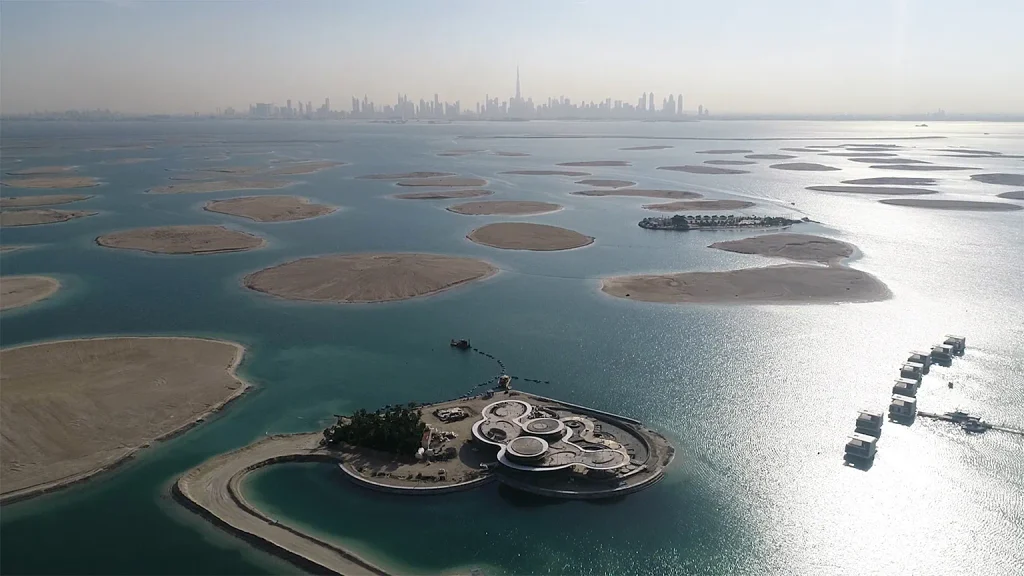
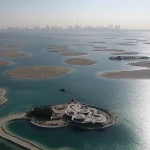
The Heart of Europe is an island resort developed by Kleindienst Group on The World, the artificial archipelago off Dubai’s Jumeirah coast. Its six themed islands are named Main Europe, Sweden, Switzerland, Germany, St. Petersburg, and Floating Venice. The development recreates European architectural references through themed streetscapes, waterfront buildings, and resort environments. Its most distinctive accommodation concept is the floating seahorse villa, with underwater bedrooms overlooking marine habitats.
Partial handovers began in 2023, and the developer plans to add approximately 5,000 hotel rooms across the destination. A 466-key InterContinental resort is scheduled for winter 2027. The development relies on boat transfers for access from the mainland, making marine infrastructure and island operations central to its planning. The Heart of Europe also demonstrates how a private developer can establish an operating destination within a much larger artificial-island master plan that has remained largely undeveloped.
4. Disneyland Abu Dhabi, Yas Island, UAE
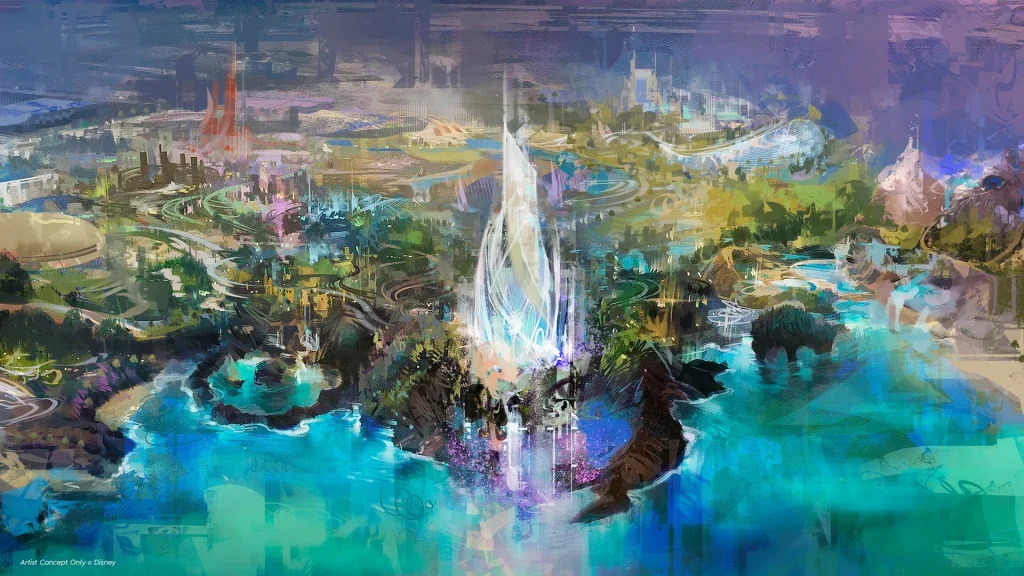
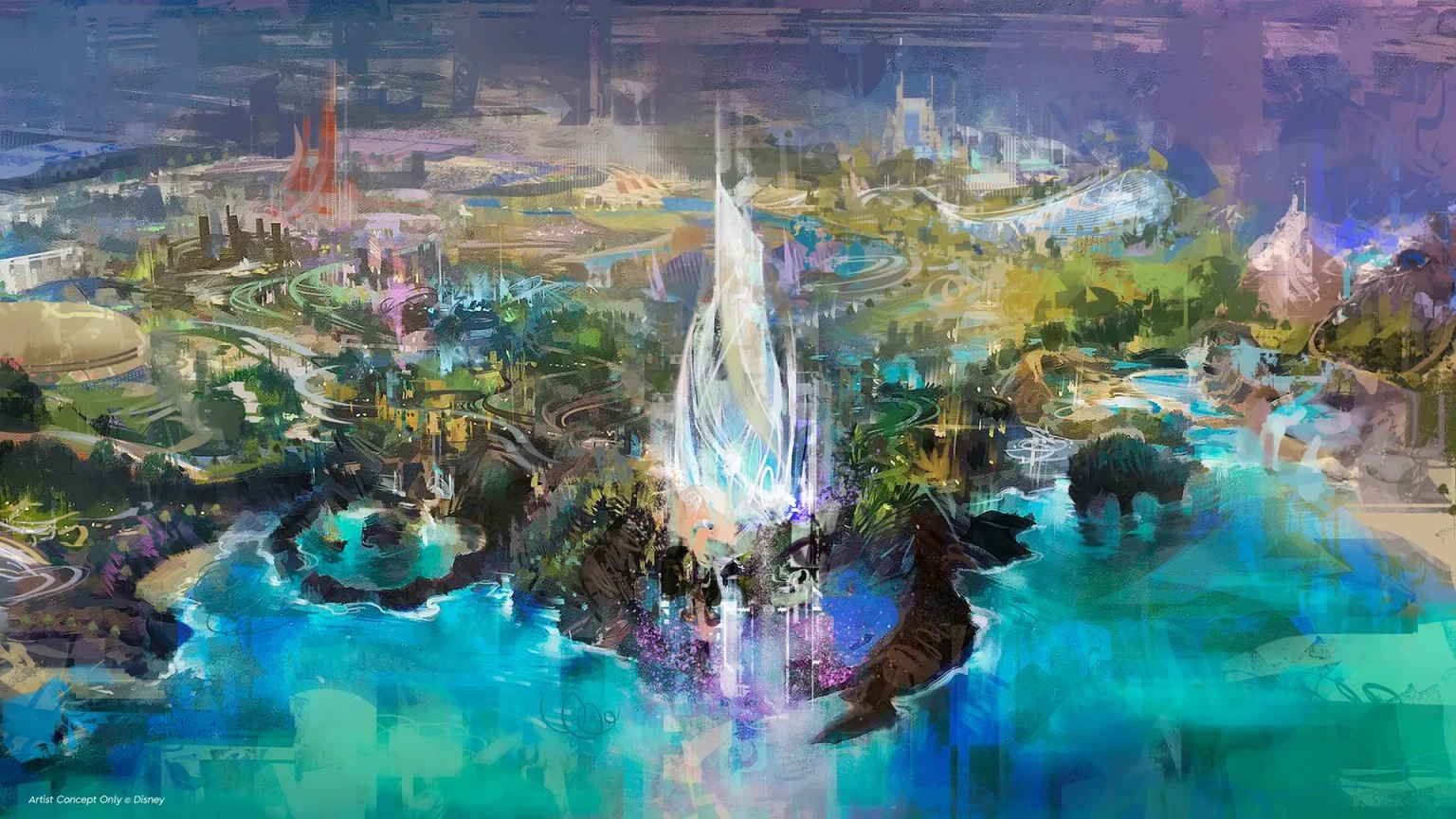
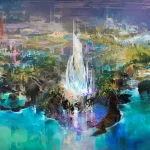
Disney and Miral announced the theme park in May 2025 as Disney’s seventh global destination and its first in the Middle East. Miral will finance, develop, and operate the resort, while Disney will oversee its creative design and receive royalties. Although no architect or detailed master plan has been announced, Disney has described the development as a combination of contemporary architecture and advanced technology.
Yas Island already provides an established entertainment district, with Ferrari World, Yas Waterworld, Warner Bros. World, SeaWorld, and Yas Marina Circuit. The new park will therefore become part of an existing network of leisure attractions, hotels, and transport infrastructure.
For architects, the project presents an interesting design challenge: creating a large outdoor entertainment environment in a coastal desert climate. Shading systems, thermal comfort, pedestrian circulation, indoor-outdoor transitions, and landscape design will be important considerations. The resort is expected to open in the 2030s.
5. Silk City (Madinat al-Hareer), Kuwait
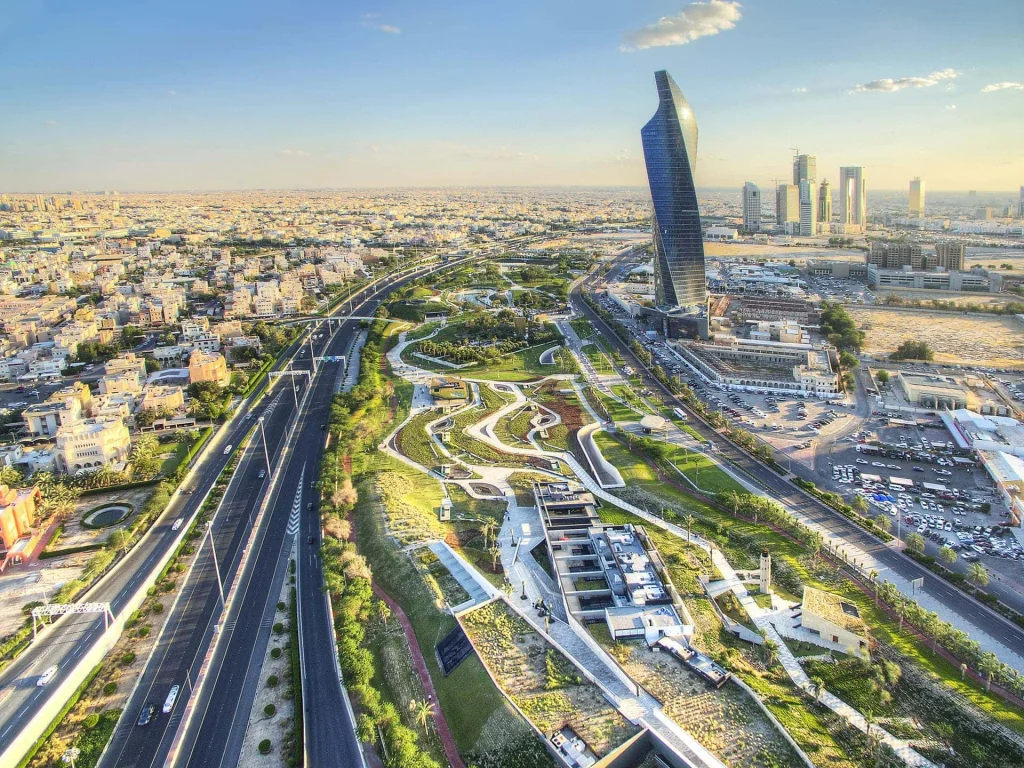
Silk City was planned as a new urban center in Subiya, northern Kuwait, with a proposed population of approximately 700,000. Its master plan, approved in 2014, included residential districts, an Olympic stadium, a nature reserve, an airport, and the proposed 1,001-meter Burj Mubarak Al Kabir.
The development was linked to a wider infrastructure strategy, including the Sheik Jaber Al-Ahmad Al-Sabah Causeway, which opened in 2019 and connects Kuwait City to Subiya. Mubarak Al Kabeer Port on Boubyan Island was also planned as part of this development framework. Its first four berths were completed in 2021, with China Communications Construction Company contracted to complete the first phase.
In September 2026, Kuwait’s cabinet approved a decree repealing the legislation that established the Silk City and Boubyan Island development authority. Responsibility for the port was transferred to the Ministry of Public Works. While the infrastructure has advanced, the proposed city remains unbuilt, leaving its original master plan uncertain.
6. Masdar City, Abu Dhabi, UAE
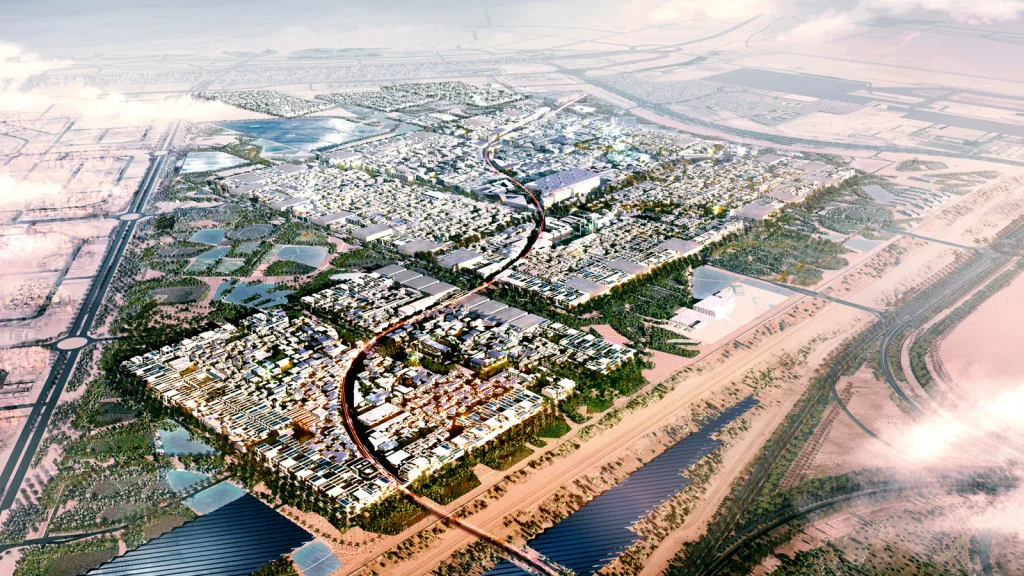
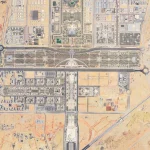
Masterplanned by Foster + Partners, Masdar City broke ground in 2008 near Abu Dhabi International Airport. It was conceived as a low-carbon urban development, with an original vision of car-free streets and an underground personal rapid transit system. Its planning draws on traditional Arab settlements, using narrow pedestrian streets, shaded passages, a wind tower, and screens that reduce direct solar exposure.
The Masdar Institute campus, also designed by Foster + Partners, became the first completed development in 2010. The 2008 financial crisis slowed construction, and the master plan was subsequently revised to allow more conventional transport and phased development.
Today, Masdar hosts more than 1,000 companies. One of its notable buildings, the Department of Energy headquarters, incorporates a canopy of photovoltaic panels as part of its energy strategy. Masdar remains an important reference for architects studying climate-responsive urban design, renewable energy integration, and the practical challenges of developing sustainable cities over several phases.
7. The Line, NEOM, Saudi Arabia
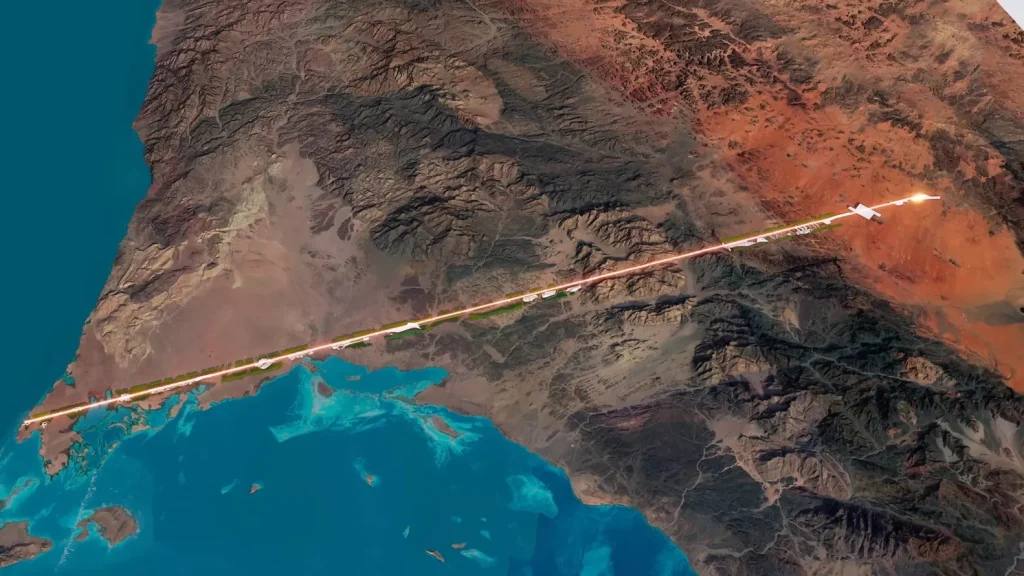
Unveiled in 2021, The Line was proposed as a linear city within NEOM, with mirrored facades enclosing a canyon-like urban environment. Morphosis developed the initial concept, while firms including OMA, Adjaye Associates, Coop Himmelb(l)au, Studio Fuksas, Pei Cobb Freed & Partners, HOK, and UNStudio were associated with design proposals for different sections.
The master plan envisioned vertical urban organization, with residential, commercial, recreational, and infrastructure functions stacked within the structure. Its transport concept relied on high-speed rail, while pedestrian access and nearby services were intended to reduce dependence on conventional road networks.
The first section, Hidden Marina, was designed by Delugan Meissl Associated Architects and Gensler. Construction began with excavation and early infrastructure works. However, reports in 2026 indicated that development had been halted beyond the initial works, with the overall concept facing substantial redesign. The project remains an important case study in vertical urbanism, although its original vision is unlikely to proceed as announced.
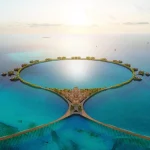
8. The Red Sea Project, Saudi Arabia
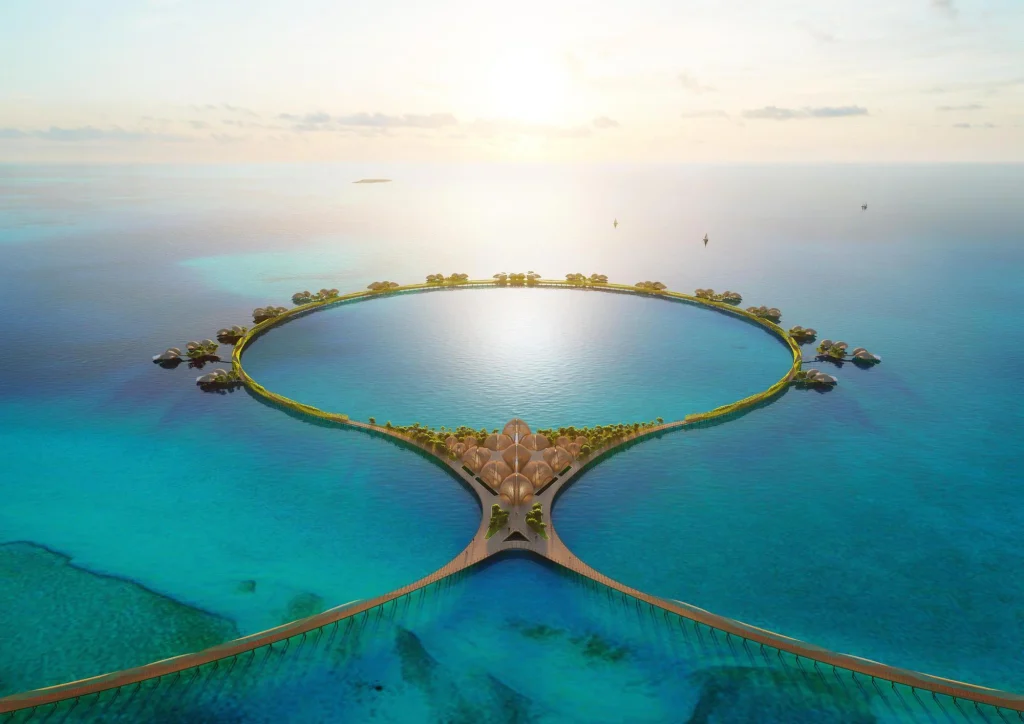
Red Sea Global, a Public Investment Fund company, is developing a regenerative tourism destination along Saudi Arabia’s Red Sea coastline. The master plan includes islands, coastal resorts, hospitality facilities, and supporting infrastructure, with renewable energy supplying the destination.
The architectural portfolio includes Red Sea International Airport by Foster + Partners, Nujuma, a Ritz-Carlton Reserve, and Six Senses Southern Dunes. Kengo Kuma and Associates designed the St. Regis Red Sea Resort, while Killa Design designed Shebara, known for its reflective, spherical overwater villas.
By May 2026, 11 hotels were operating. Shura Island, designed as the destination’s central hub, is scheduled to complete its first phase by the end of 2026. The project also connects to the nearby Amaala destination, where Foster + Partners designed the Nammos Resort and Corallium Marine Life Institute. Its emphasis on low-impact construction, renewable energy, and marine conservation makes it a significant example of large-scale hospitality planning.
9. Qiddiya City, Saudi Arabia
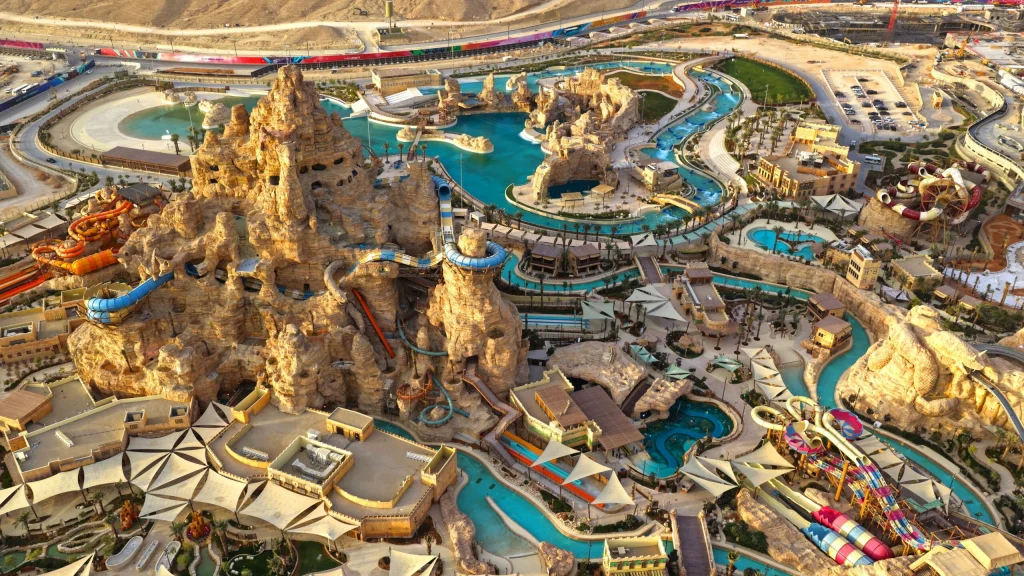
Qiddiya is an entertainment, sports, and cultural destination planned along the Tuwaiq escarpment near Riyadh. Developed by Qiddiya Investment Company, it combines theme parks, sports facilities, hotels, residential neighborhoods, and cultural attractions within one master plan. Six Flags Qiddiya City opened on December 31, 2025, with six themed lands and 28 rides. AtkinsRéalis delivered the park, which includes Falcon’s Flight, one of its principal attractions. Aquarabia, the region’s largest water park, followed in April 2026.
Other planned facilities include the Speed Park Track, PlayMaker Studios, Prince Mohammed bin Salman Stadium, and a National Tennis Center. The master plan also incorporates an 18-hole championship golf course designed by Sir Nick Faldo. The first development phase includes hotels and residential areas, with further attractions planned through 2028. Qiddiya is an example of destination-led urban planning, where entertainment infrastructure, hospitality, sports, and housing are developed as interconnected components of a new city.
10. Diyar Al Muharraq, Bahrain
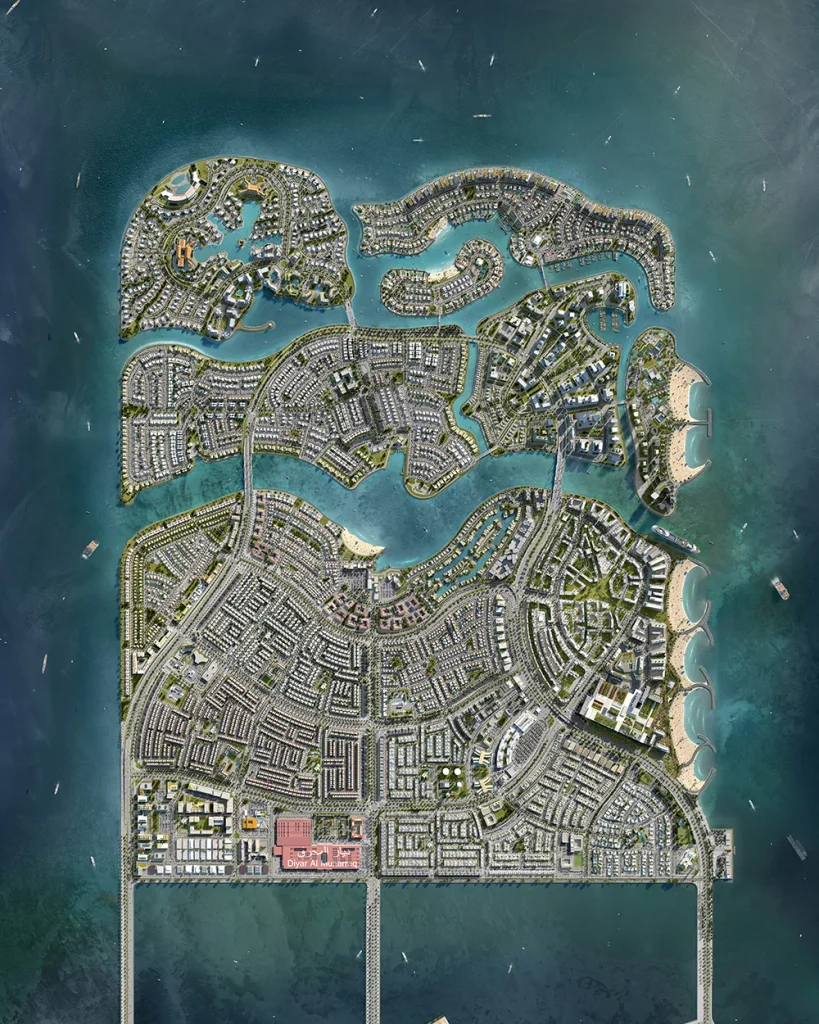
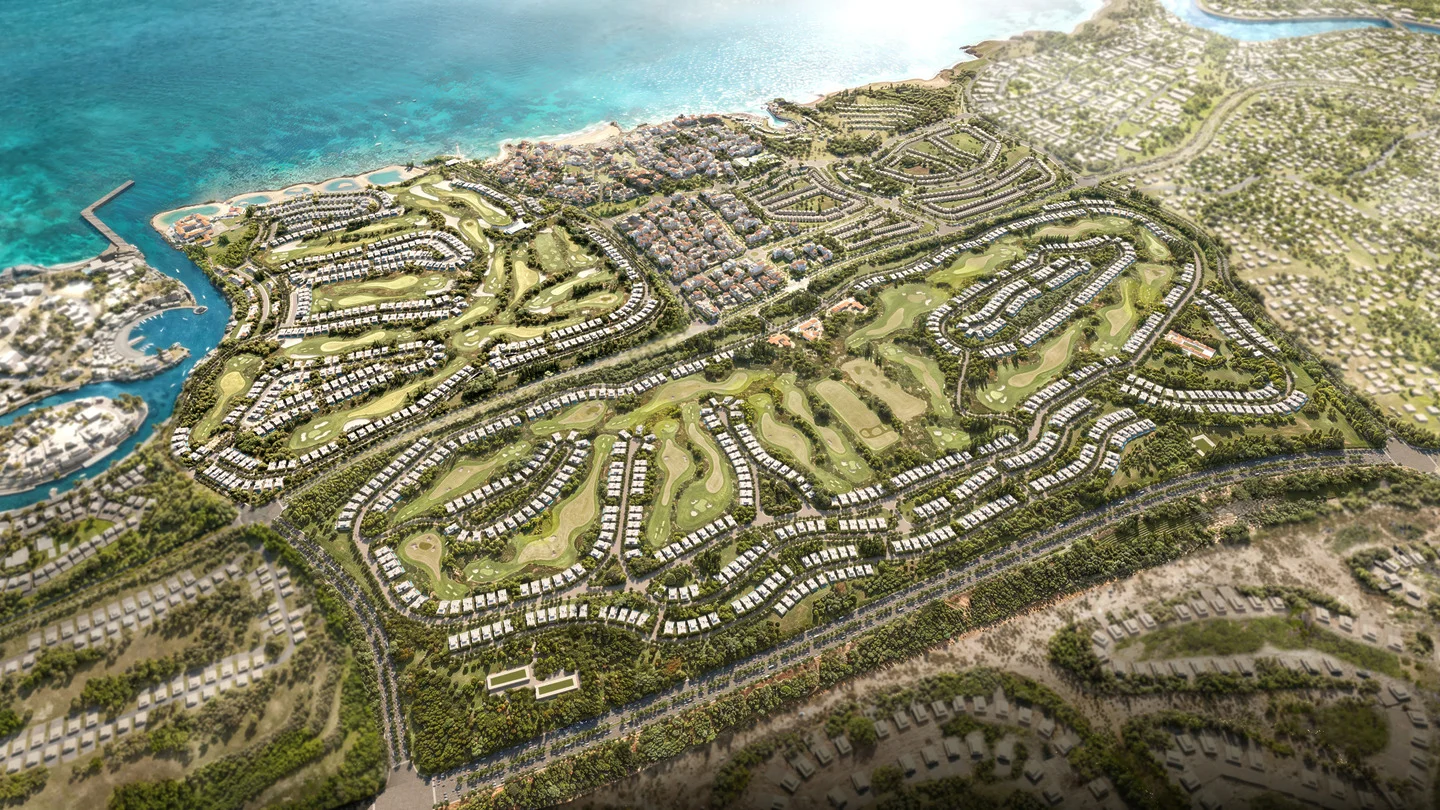
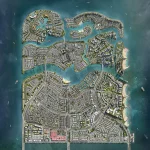
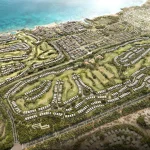
Diyar Al Muharraq is a master-planned waterfront city on reclaimed land off the northern coast of Muharraq Island. Its planning framework incorporates residential neighborhoods, beaches, marinas, retail areas, and public waterfront spaces. Great Lakes Dredge and Dock of the United States led the land reclamation works. Development is organized into individual residential communities, allowing infrastructure and housing to progress in phases. Al Naseem features waterfront villas, while the North Islands include residential developments such as Al Wasem, Suhail, and Al Nuzha.
In August 2026, the developer announced that secondary infrastructure across Al Wasem had been completed. Marassi Palace and Marassi View, two residential towers, are also rising within the wider master community. Diyar Al Muharraq’s planning places considerable emphasis on waterfront access, neighborhood identity, and integrating housing with commercial and leisure facilities.
11. ROSHN, Saudi Arabia
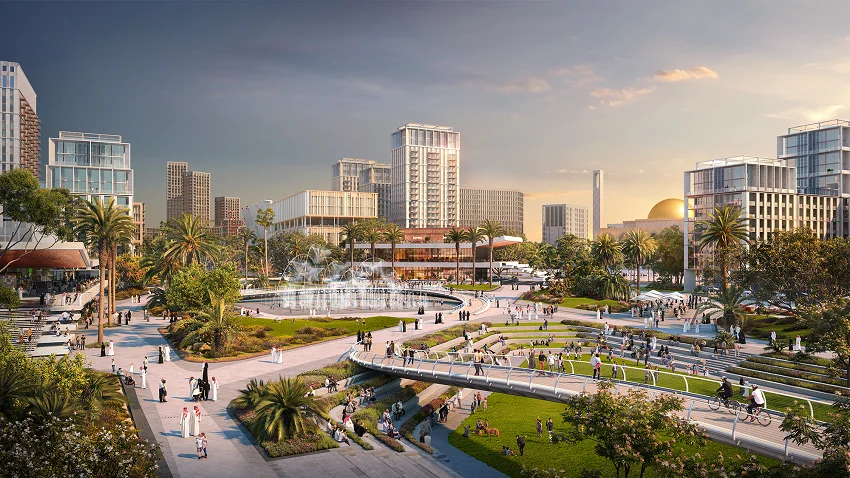
ROSHN Group, a Public Investment Fund company established in 2020, is developing residential communities across Saudi Arabia. Its flagship project, Sedra, in northern Riyadh, is planned across eight phases and incorporates residential neighborhoods, parks, cycle tracks, shaded pedestrian routes, retail facilities, and educational institutions. The master plan places emphasis on walkability, with homes arranged around neighborhood amenities and public spaces.
ROSHN Front serves as a retail and leisure hub, while King’s College Riyadh adds an educational component. Other developments include Alarous in Jeddah, Almanar near Makkah, and Aldanah in Dhahran. Alarous is planned alongside the Marafy waterfront development, which incorporates a navigable canal and mixed-use areas. ROSHN represents one of the region’s largest residential development programs.
12. Duqm Refinery Project, Oman
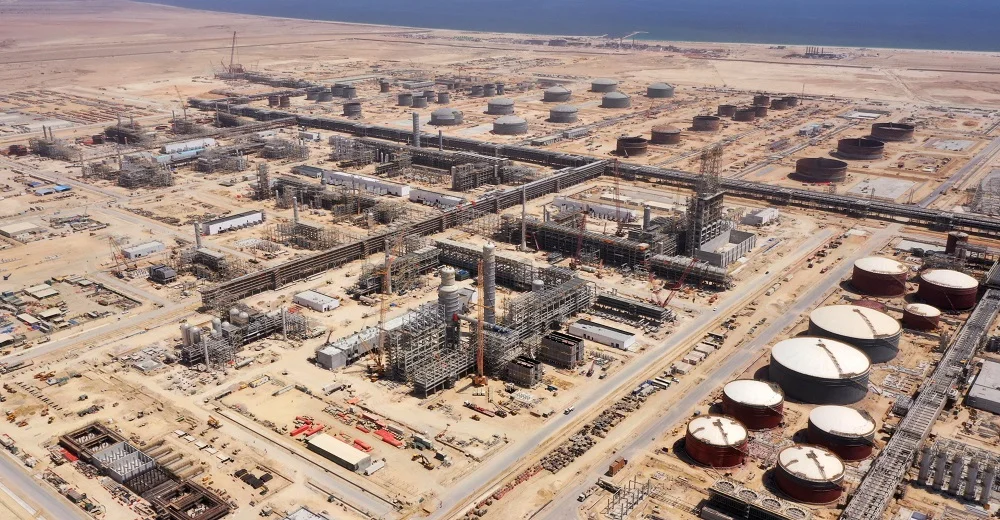
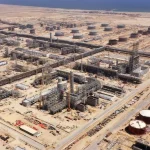
The Duqm Refinery is a major industrial development within Oman’s Duqm Special Economic Zone, on the country’s southeastern coast. Jointly owned by OQ and Kuwait Petroleum International, the facility is designed as a full-conversion refinery incorporating hydrocracking and petroleum coke processing units. The refinery produces diesel, jet fuel, naphtha, liquefied petroleum gas, sulfur, and petroleum coke. It was officially inaugurated on February 7, 2024, and has since become a major component of Oman’s expanding energy infrastructure.
Its location is closely linked to the development of Duqm Port and the surrounding industrial zone. The refinery also supports plans for a petrochemicals complex that would use its output as feedstock. Its industrial infrastructure, logistics networks, and supporting facilities are helping establish Duqm as a new economic and manufacturing center along the Arabian Sea.
13. Jeddah Economic City & Tower, Saudi Arabia
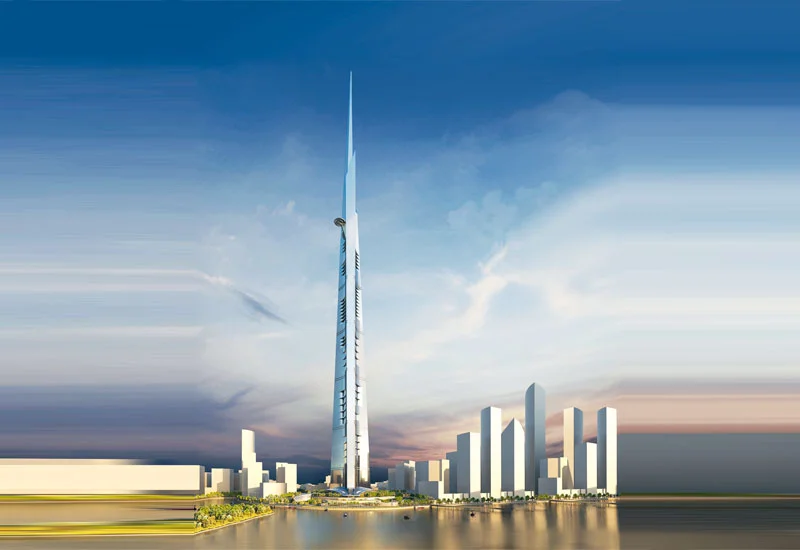
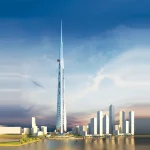
Jeddah Economic City is a mixed-use development planned along the Red Sea coast, with Jeddah Tower as its central landmark. Designed by Adrian Smith + Gordon Gill Architecture, the tower features a three-wing plan and a continuously tapering form that reduces wind loads as the structure rises. Smith previously designed the Burj Khalifa while working at SOM. Thornton Tomasetti is the structural engineer, with Langan, RWDI, Dar, and Turner International also involved in the project. The tower’s program includes offices, residential spaces, hotels, observation areas, and a high-speed elevator system.
Construction began in 2013 but was suspended before resuming in 2024 under a new contract with Saudi Binladin Group. By September 2026, the structure had reached its 116th floor, with completion expected by the end of 2028. Beyond its height, Jeddah Tower represents an attempt to establish a new urban center around a supertall building, combining commercial, residential, and hospitality functions within a larger development.
14. Marsa Zayed, Aqaba, Jordan
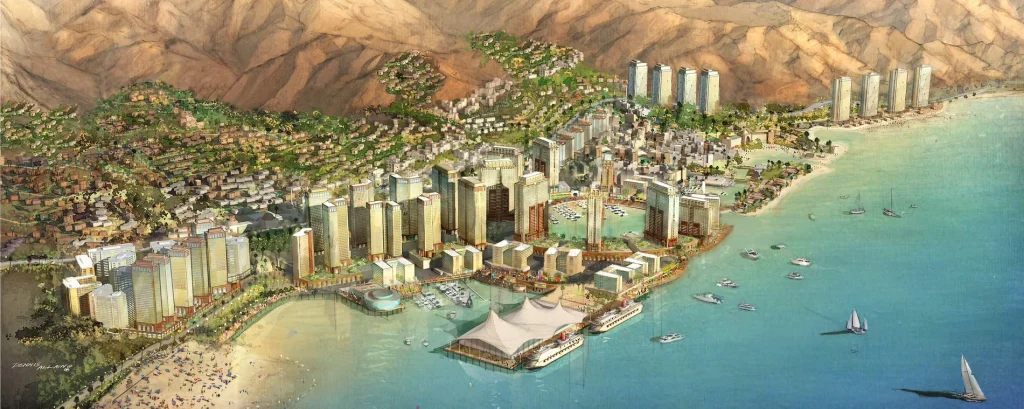
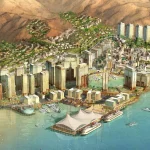
Marsa Zayed is a waterfront development in Aqaba on Jordan’s Red Sea coast. Originally announced by Abu Dhabi-based Al Maabar in 2009, the project included residential neighborhoods, hotels, marinas, and a cruise terminal. Its initial master plan was prepared by the US-based firm Callison, but development stalled for more than a decade. The project was revived through AD Ports Group, which appointed the Jordanian firms Dar Al Omran and Maisam Group to prepare a revised master plan in 2022. MAG Group Holding was subsequently named lead developer for the first phase in 2025.
The revised development includes Zayed Riviera, a waterfront residential district with four towers, a marina, retail spaces, a hotel, and a yacht club. Plans also include a traditional market and a cruise terminal. The revised scope places greater emphasis on phased construction and the integration of tourism infrastructure with residential and commercial uses.
15. New Administrative Capital, Egypt
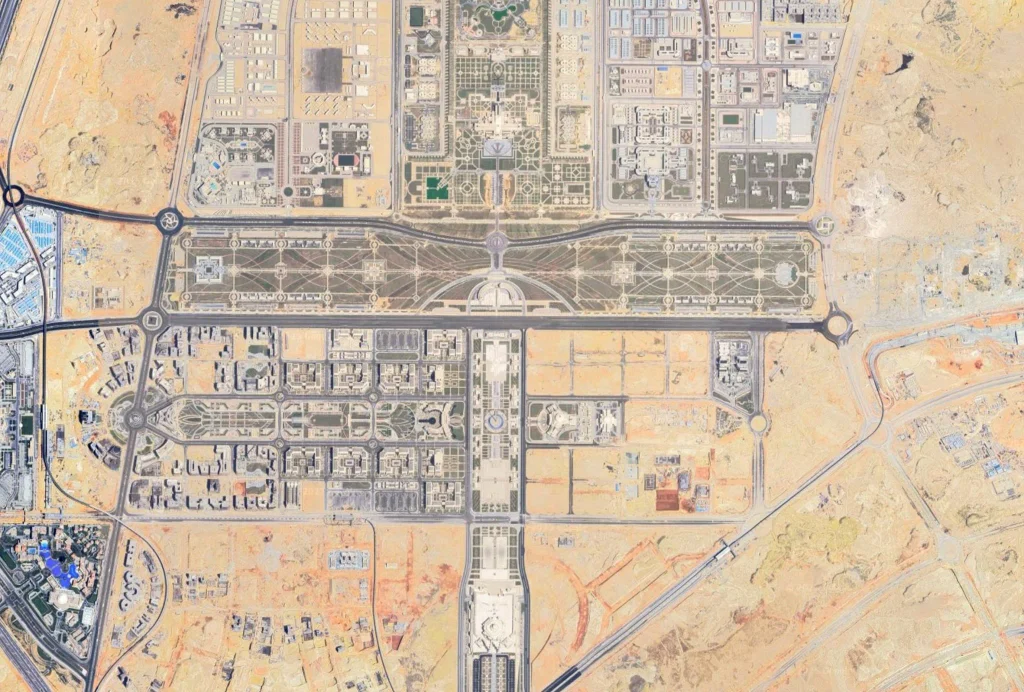
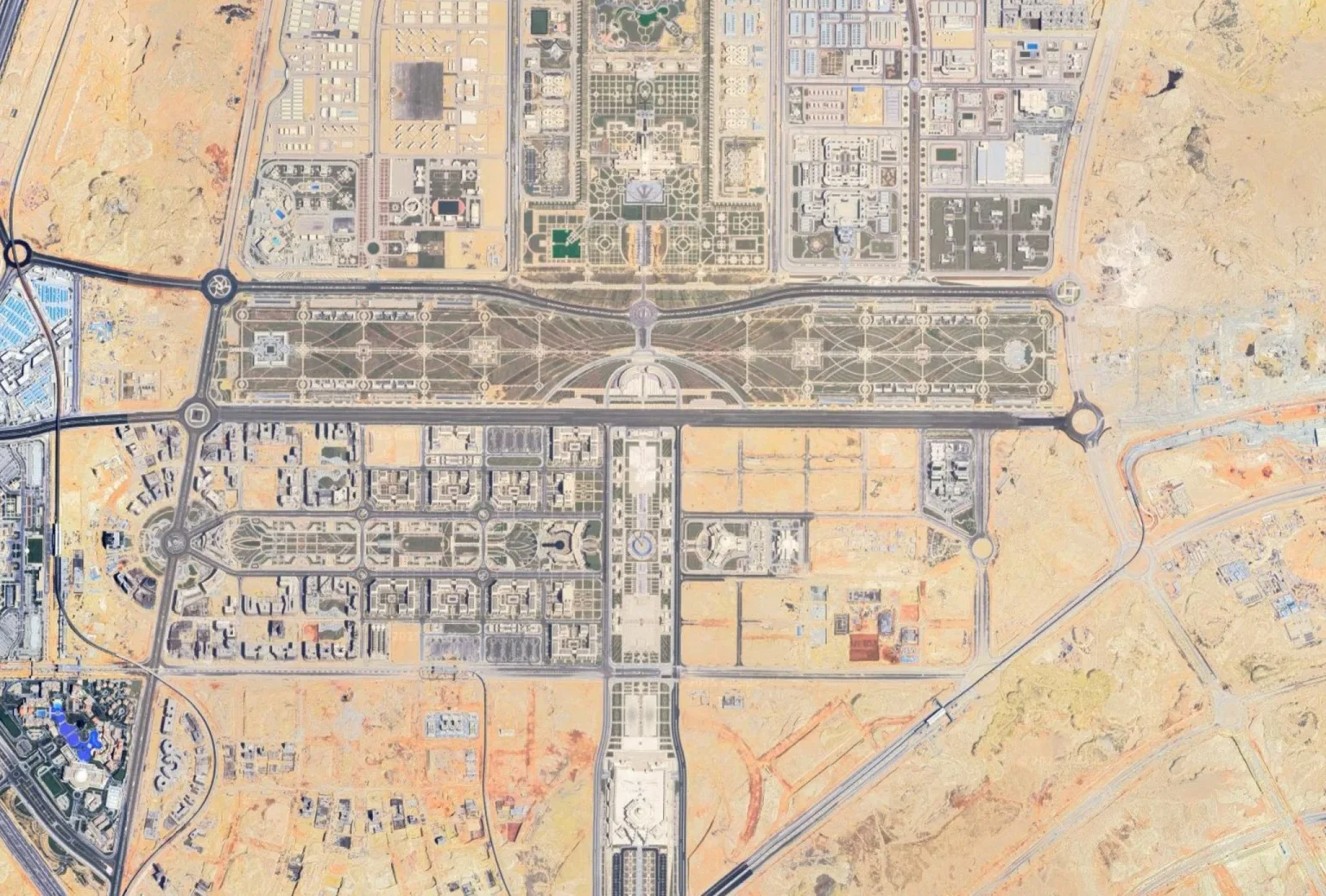
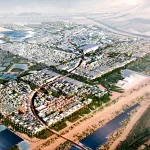
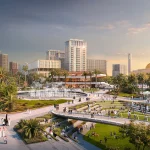
The New Administrative Capital, renamed The New Capital in November 2025, is a planned city approximately 50 kilometers east of Cairo. Initiated in 2015, it aims to relocate government functions and reduce pressure on the existing capital. Skidmore, Owings & Merrill prepared the original master plan, which includes government, diplomatic, cultural, residential, and commercial districts. The Government District accommodates ministries, parliament, and the cabinet around a central public square.
The Central Business District, developed by China State Construction Engineering Corporation, contains a collection of high-rise buildings, including the Iconic Tower, designed by Dar. Completed in 2024, the tower became Africa’s first supertall skyscraper. The wider development also includes a large central green corridor, known as the Green River, intended to connect different urban districts through landscaped public spaces. Government offices began relocating in stages in 2023. However, residential demand and the slower occupation of commercial buildings remain challenges.
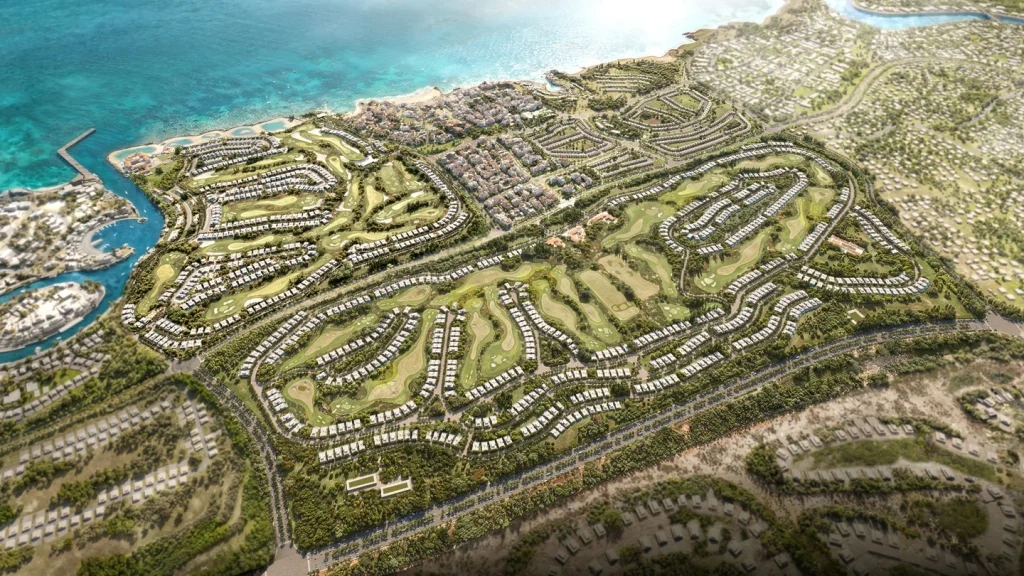
For architects and urban planners, these projects present several important questions. Can high-density development remain comfortable in extreme climates? Can artificial islands and reclaimed waterfronts protect surrounding marine ecosystems? Can new cities support public transport and walkable neighborhoods from the outset? And can ambitious master plans adapt when economic priorities change?
A successful mega-project must function as an urban system, with housing connected to employment, public spaces supported by active uses, and infrastructure planned around the needs of residents and visitors.