

Architecture takes center stage once again in London with a new production of Henrik Ibsen’s The Master Builder at the Arcola Theatre. Written in 1892, the play has long been recognized as one of Ibsen’s most personal and unsettling works. It examines the darker side of creative ambition, the fear of being overtaken by a younger generation, and the human cost of building a lasting professional legacy. More than 130 years later, those questions still feel uncomfortably close to the realities of architectural practice.
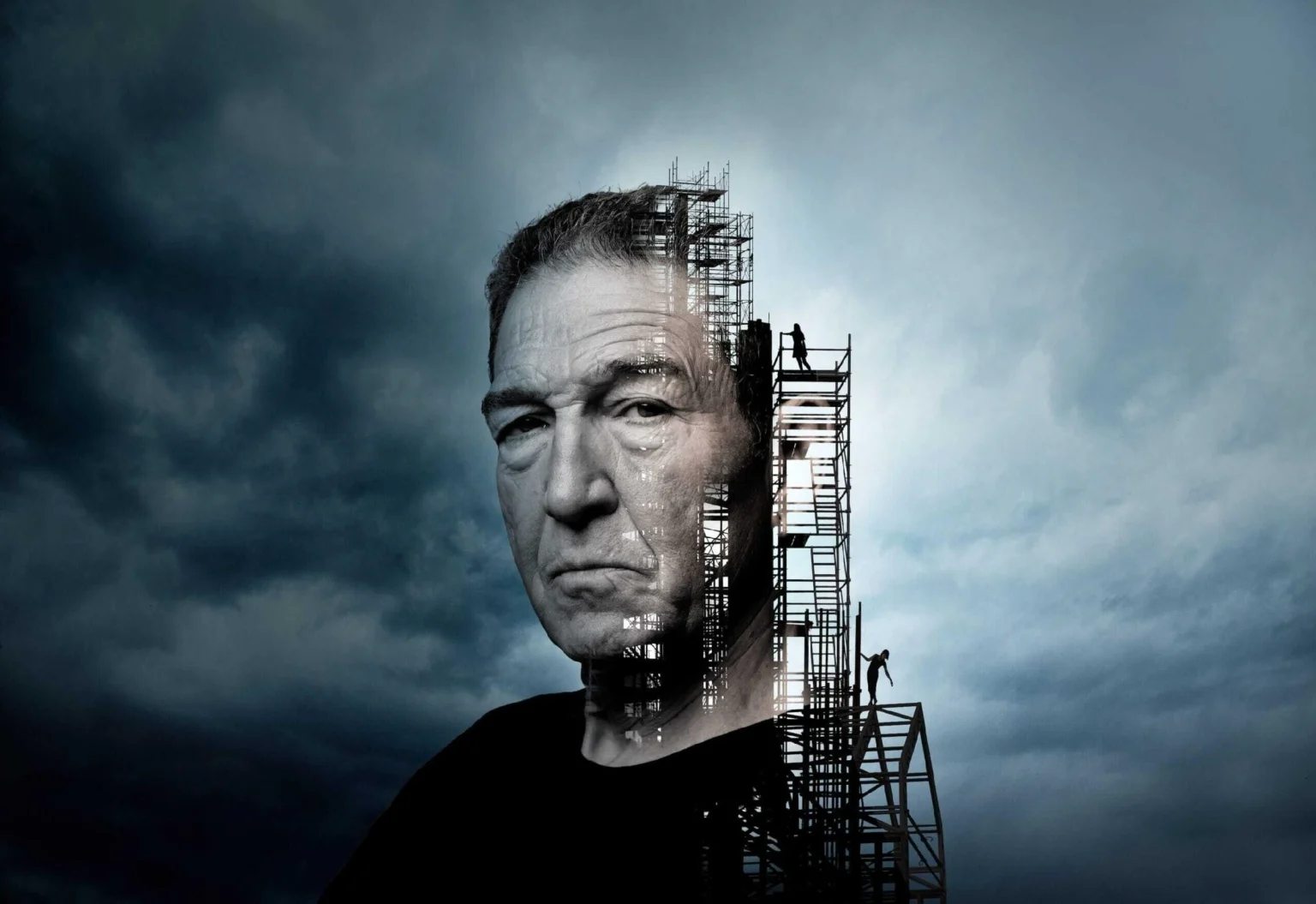
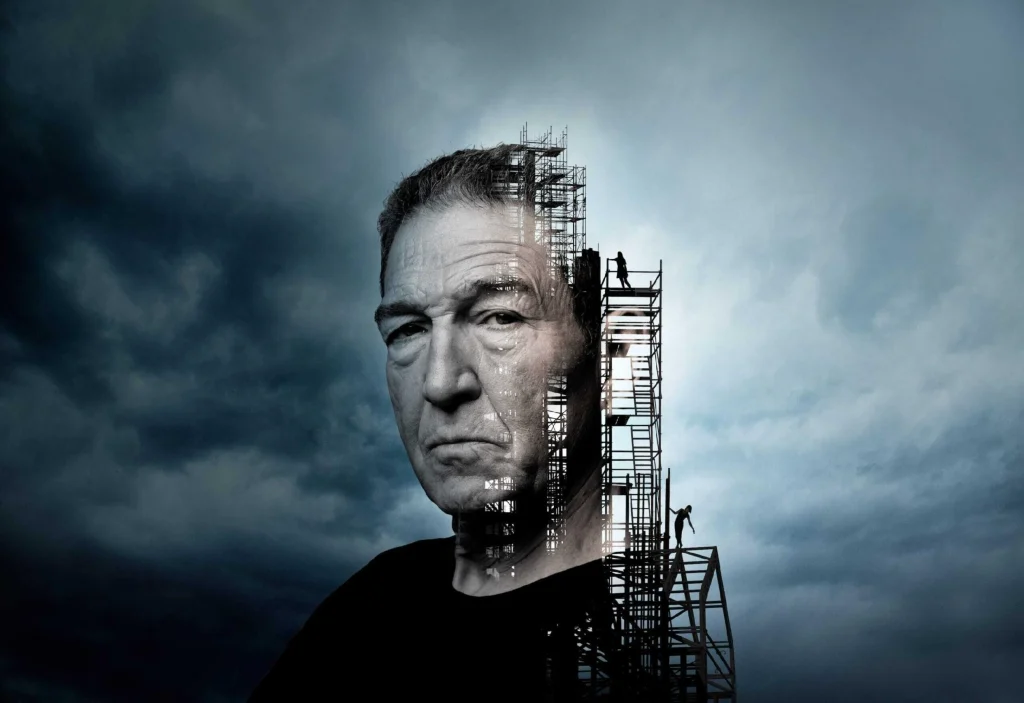
The production runs until 21 November 2026 and stars Greg Hicks as Halvard Solness, the master builder whose carefully constructed world begins to fracture. Directed by Mehmet Ergen and using David Edgar’s English version, the staging places the drama inside a contemporary architect’s studio, making the professional setting impossible to ignore.
A Play About Power and Succession
At the center of the story stands Halvard Solness, a successful self-made architect whose authority is beginning to crack. He has built his career by pushing others aside and seizing opportunities that others lost. Now he faces the rise of a younger architect, Ragnar Brovik, who works in his office, and the sudden arrival of the enigmatic Hilde Wangel. She forces him to confront the distance between the towers he builds and the life he has actually lived.
The casting reinforces the generational conflict. Ryan Wichert plays the younger architect Ragnar, while Louisa Binder takes on the role of Hilde. Sally George appears as Aline, Solness’s wife, a character marked by quiet grief and the long consequences of her husband’s ambition. Together they create a closed world in which professional success and personal damage are shown to be tightly linked. The production does not soften these relationships. It allows the audience to watch power being protected, challenged, and ultimately undone.
Ambition as Both Engine and Trap

Ibsen understood that the drive to create can become destructive. Solness is not a simple villain. He is a man who has paid a high personal price for professional success and now fears that the next generation will take what he built. The play asks questions that still feel urgent in architecture offices today. How much control should senior figures retain? What responsibilities do established practitioners have toward emerging talent? What happens when the desire for greatness begins to damage the people closest to the work?
These questions are not abstract. Many practices still struggle with succession, authorship, and the uneven distribution of credit and opportunity. Solness’s refusal to let Ragnar advance is not only personal jealousy. It is also a structural problem that appears whenever an older generation holds power too tightly. Ibsen shows the cost of that tightness with unusual clarity. The play refuses to offer easy moral lessons. Instead, it presents ambition as a force that can build remarkable things while simultaneously hollowing out the person who wields it.
Stage as Architect’s Studio
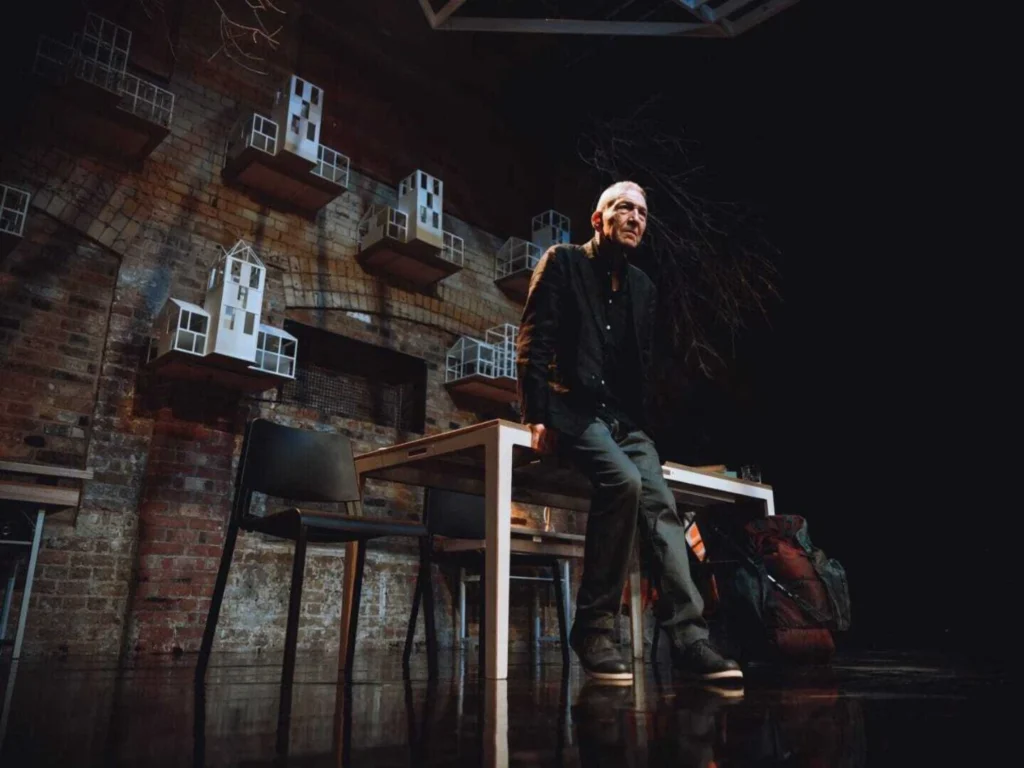
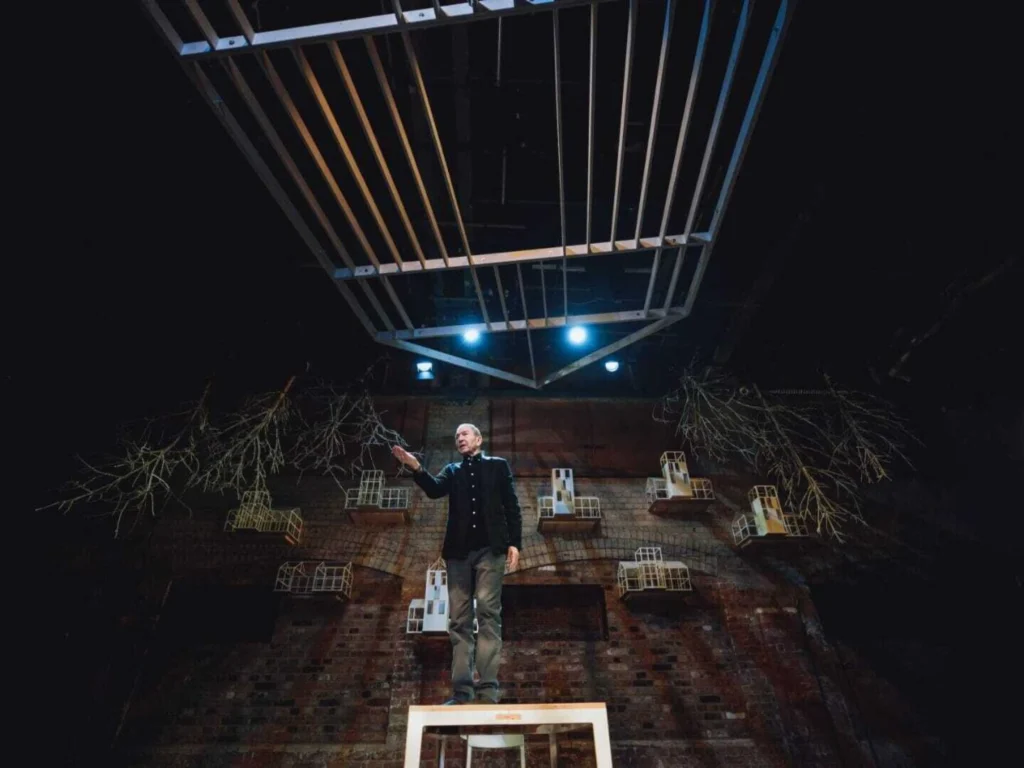
Designer Robert Innes Hopkins has transformed the Arcola stage into a working studio. Models, drawings and structural elements fill the space, making the physical environment of architectural production visible. This choice grounds the psychological drama in the everyday reality of practice. The audience watches ambition, rivalry and insecurity play out among the tools of the trade rather than in an abstract setting. The decision gives the production a documentary quality that strengthens its relevance for contemporary viewers who work in design.
The exposed structure of the set also echoes the play’s central metaphor. Solness is a builder of towers who is afraid of heights. The physical environment constantly reminds the audience of the gap between the image of mastery and the private fear that undermines it. By placing the action inside a studio rather than a domestic interior, the production makes the professional world itself the site of crisis.
Why the Play Still Matters

More than a century after it was written, The Master Builder continues to resonate because the profession has never fully resolved the tensions it dramatizes. Questions of succession, authorship, and the personal cost of high-profile work remain live issues. The current London production arrives at a moment when many practices are reflecting on culture, mentorship and the pressures of constant delivery. By returning the play to an architectural setting, the Arcola production makes those connections explicit and difficult to ignore.
The run continues at the Arcola Theatre in Dalston until 21 November 2026. For anyone who has ever worked in an architecture studio, the play offers an uncomfortable and necessary mirror. It does not provide easy answers. It simply places the cost of ambition on stage and asks the audience to look at it without turning away. In doing so, it reclaims Ibsen’s old play as a contemporary document about power, creativity, and the price of building something that lasts.