Cedric Price and Joan Littlewood’s Fun Palace was a radical 1960s vision for a constantly changing cultural machine in London. Though never built, its ideas of adaptability, play and user control still shape architecture and community practice today.
1959–1961
In the early 1960s, a young British architect named Cedric Price and the radical theatre director Joan Littlewood began working on a project that refused almost every convention of architecture. They called it the Fun Palace. It was never built. Yet more than sixty years later, it remains one of the most influential unbuilt schemes of the postwar period, a provocation that still questions what buildings are for and who gets to decide how they are used.
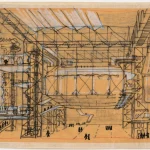
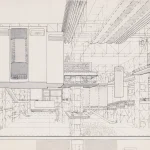
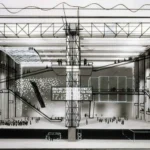
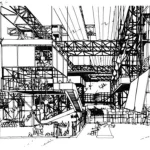
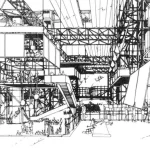
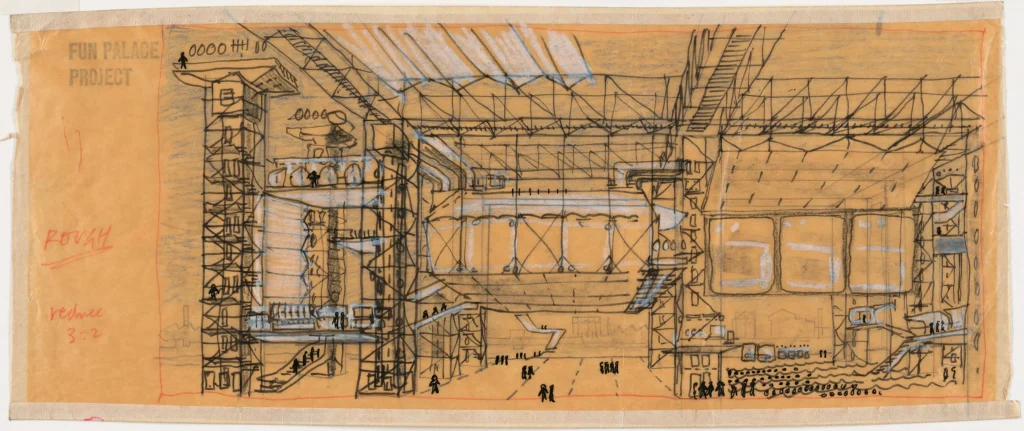
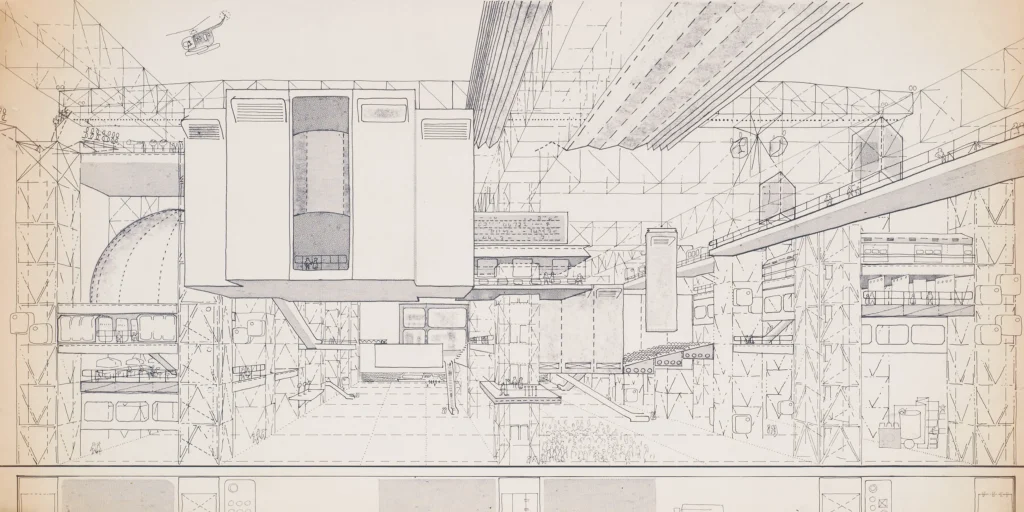
Littlewood approached Price with the idea of animating neglected public spaces. What they developed together was far more ambitious than a theatre or a community center. They imagined a vast, open steel framework, something closer to a shipyard or an industrial gantry system than a conventional building.
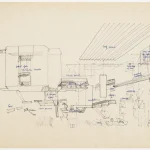
Within that framework, rooms, platforms, walkways and enclosures could be assembled, moved and dismantled according to the needs of the moment. Price described it as a large mechanized shipyard in which structures could be built from above by gantries, traveling cranes and intermediate beams.
A laboratory of fun
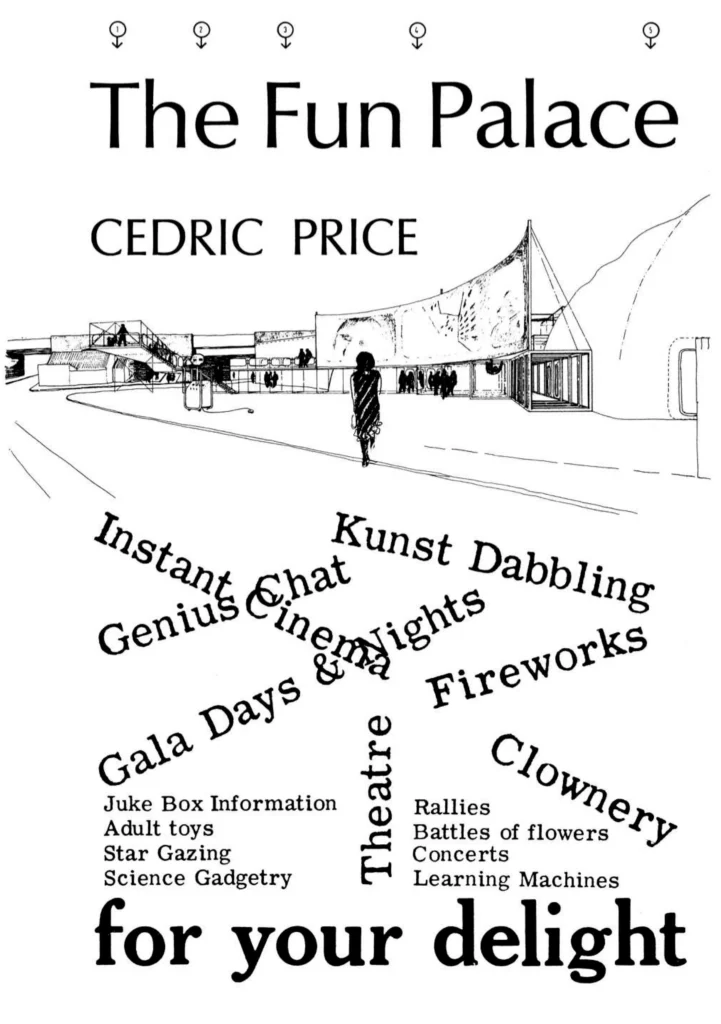
Littlewood called it a laboratory of fun. The phrase captured the project’s central ambition: to create an environment where learning, play, argument, making and idleness could coexist without rigid separation. A 1964 promotional brochure invited people to choose what they wanted to do, or simply watch someone else doing it. Learn to handle tools or machinery. Dance. Talk. Start a riot or begin a painting. Sit out over space with a drink and tune in to what was happening elsewhere in the city. Lie back and stare at the sky.
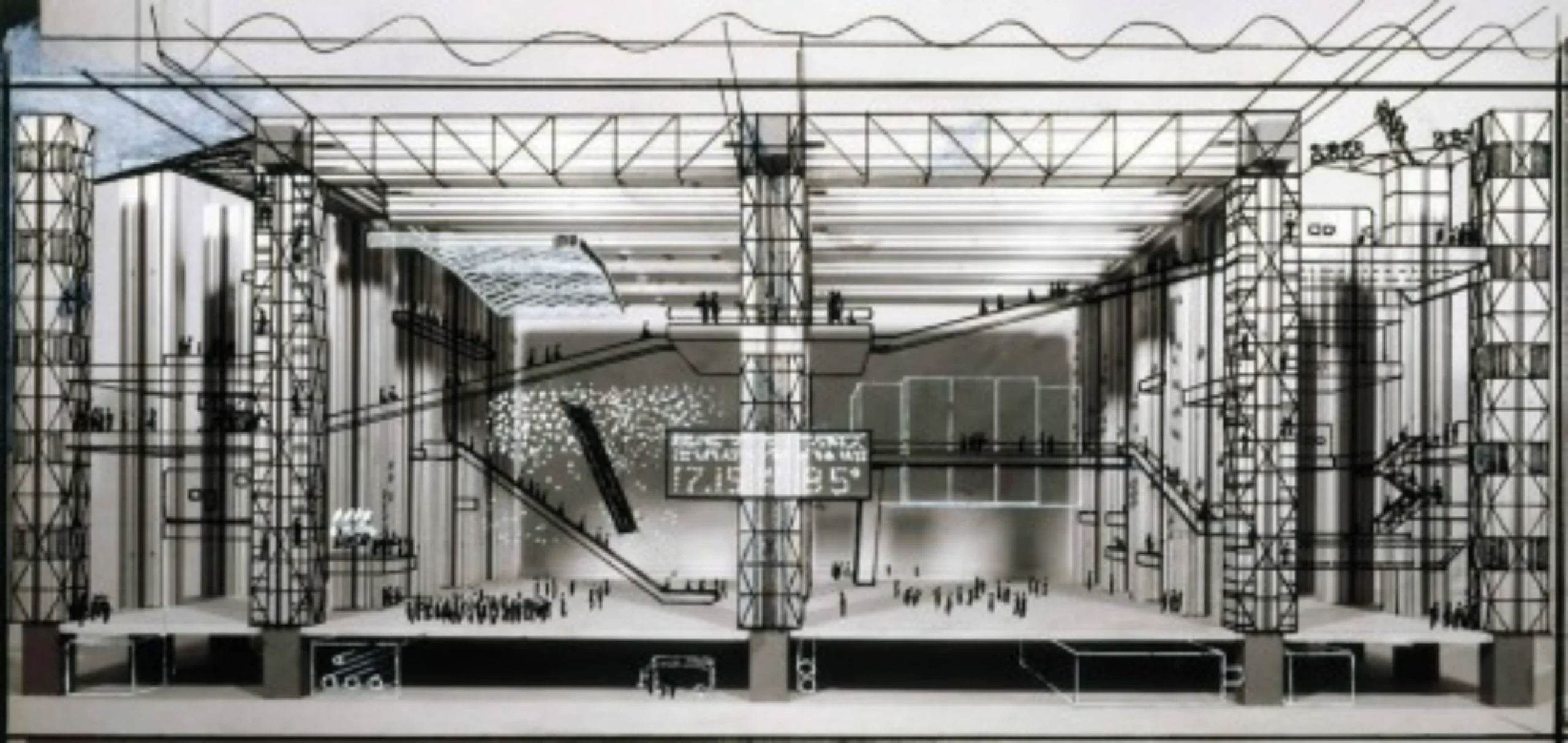
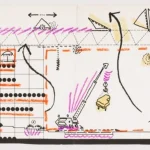
Price’s drawings and diagrams mapped this range of possibilities. One analytical table listed activities such as recitals, gossip, fighting, sculpting, and broadcasting, with colored dots suggesting possible relationships between them. The architecture was not meant to prescribe behavior. It was meant to make multiple behaviors possible at the same time, and to change as those behaviors changed.
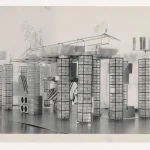
The structure itself was deliberately industrial and impermanent. Service towers formed a grid. Escalators radiated from ground level. Pod-like rooms hung from tracks. Temperature, light, and even artificial fog could be adjusted. The building was designed to last no longer than it was needed, a short-term experimental toy with a planned lifespan of around ten years. Permanence was not the point. Responsiveness was.
Why it never rose
Sites were considered, including locations along the Lea River in East London. Support came from some cultural and political figures of the time. Opposition came from local communities, from planning authorities, and from the ordinary friction of funding, permits, and bureaucracy. Dozens of letters in the Canadian Center for Architecture’s Cedric Price archive record the long effort to secure land and approvals that never fully materialized.
There was also a deeper tension. The Fun Palace asked ordinary people to become active authors of their environment. It rejected the idea that architecture should deliver finished spaces for passive consumption. In the mid-1960s, that proposition was exhilarating to some and unsettling to others. The project remained on paper, a collection of drawings, models, diagrams, and texts that continue to circulate.
Influence without a building
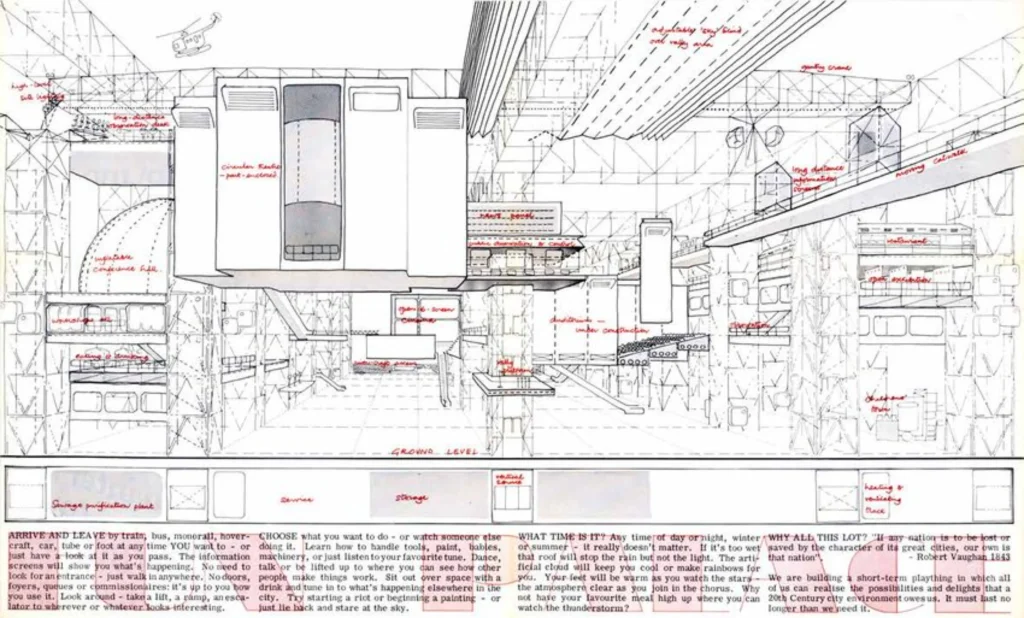
The Fun Palace did not need to be built to exert influence. Its ideas of indeterminacy, user control, and temporary occupation fed into later discussions of flexible architecture, cybernetics, and participatory design. Architects and theorists returned to it when thinking about buildings that could learn, adapt, or be reassembled. In the digital age, its vision of a space wired for information and change has taken on new resonance.
In 2013, on the centenary of Joan Littlewood’s birth, a group of theatre-makers and community organizers revived the name. The Fun Palaces campaign treats the idea as a practice rather than a single structure. Each year, for one weekend in October, people across the UK open spaces for free activities focused on learning, making and conversation. The building may never have risen, but the invitation it contained has found other forms.
Architecture as invitation
What still feels radical about the Fun Palace is its refusal to decide in advance what people should do. Most buildings organize life into categories: work here, leisure there, culture in another place. Price and Littlewood proposed a single open framework in which those categories could dissolve or recombine according to the moment. The architecture would provide the means of assembly. The users would provide the program.
That proposition remains difficult. It requires trust in the public, comfort with uncertainty, and a willingness to let a building remain unfinished in spirit even when it is physically complete. It also requires technology that can support change without becoming an end in itself. Price was fascinated by the technical possibilities of his time, yet he insisted that technology should serve freedom rather than constrain it.
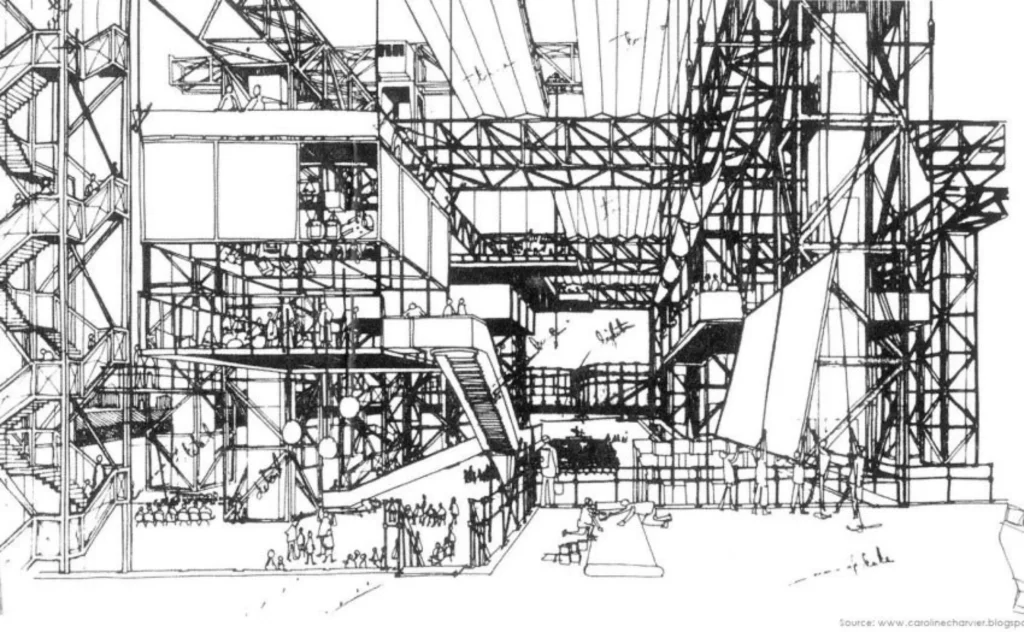
The Fun Palace stands as a reminder that some of the most powerful architectural ideas never leave the drawing board. Its drawings and diagrams continue to ask the same questions: What if a building could change as quickly as the people inside it? What if pleasure and learning were treated as serious spatial problems? What if architecture stopped trying to finish the city and instead left room for it to keep becoming?
Cedric Price and Joan Littlewood never saw their laboratory of fun rise beside the Lea or the Thames. Yet the project still works, not as a lost monument, but as an open brief that later generations keep answering in their own ways.
All in All
The Fun Palace was never meant to last forever. Price and Littlewood imagined a short-term structure that would disappear once its purpose had been served. In that sense its unbuilt status is almost fitting. What remains is the idea itself: architecture as an open invitation rather than a finished answer. Every time a community claims a space for play, learning or spontaneous gathering, a small part of that 1960s vision briefly comes to life again.