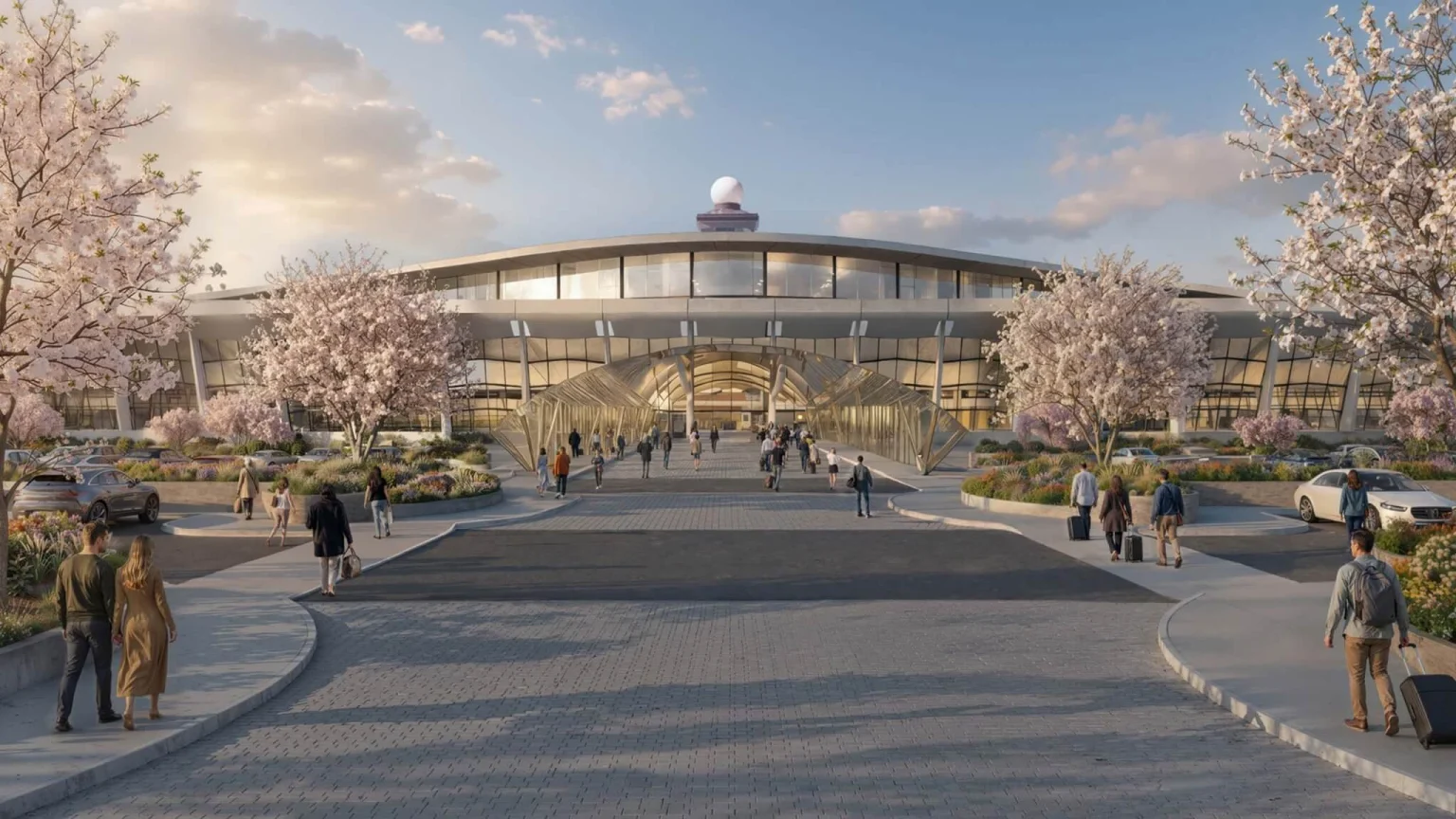
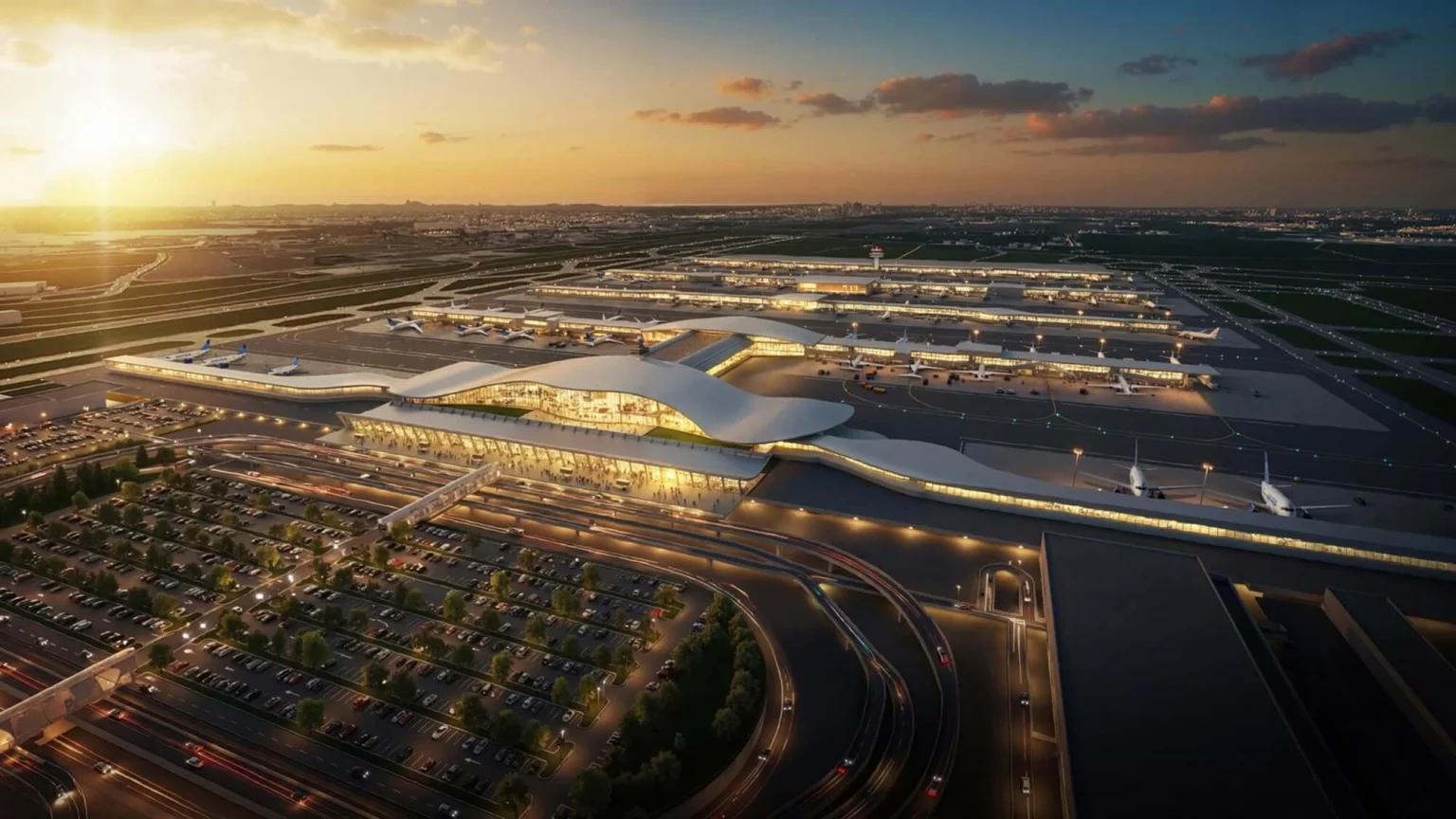


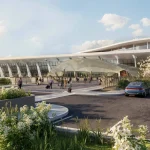
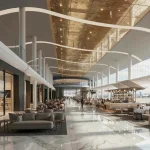
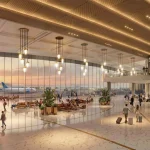
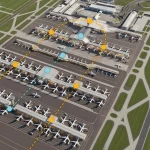
Washington Dulles International Airport is poised for its most significant transformation since opening more than six decades ago, as U.S. President Donald Trump unveiled a proposed $22.5 billion redevelopment plan that aims to modernize one of the country’s busiest aviation hubs while preserving its internationally celebrated main terminal designed by Eero Saarinen.
Announced on July 29, the ambitious proposal outlines a long-term overhaul of the airport’s aging infrastructure, including the replacement of outdated concourses, expanded passenger facilities, upgraded transportation systems, and new commercial developments. At the heart of the project, however, remains Saarinen’s iconic terminal, a defining work of twentieth-century modernist architecture that has served as the symbolic gateway to the U.S. capital since 1962.
The redevelopment seeks to address decades of incremental expansion that have left Dulles with temporary facilities, aging passenger infrastructure, and operational bottlenecks that no longer meet the demands of contemporary air travel.
Modernizing an Airport Built for the Jet Age
Designed by Finnish-American architect Eero Saarinen in the late 1950s, Dulles International Airport was envisioned as a monument to the emerging Jet Age. Its sweeping concrete roof, dramatic glass façade, and monumental departure hall redefined airport architecture, influencing terminal design worldwide.
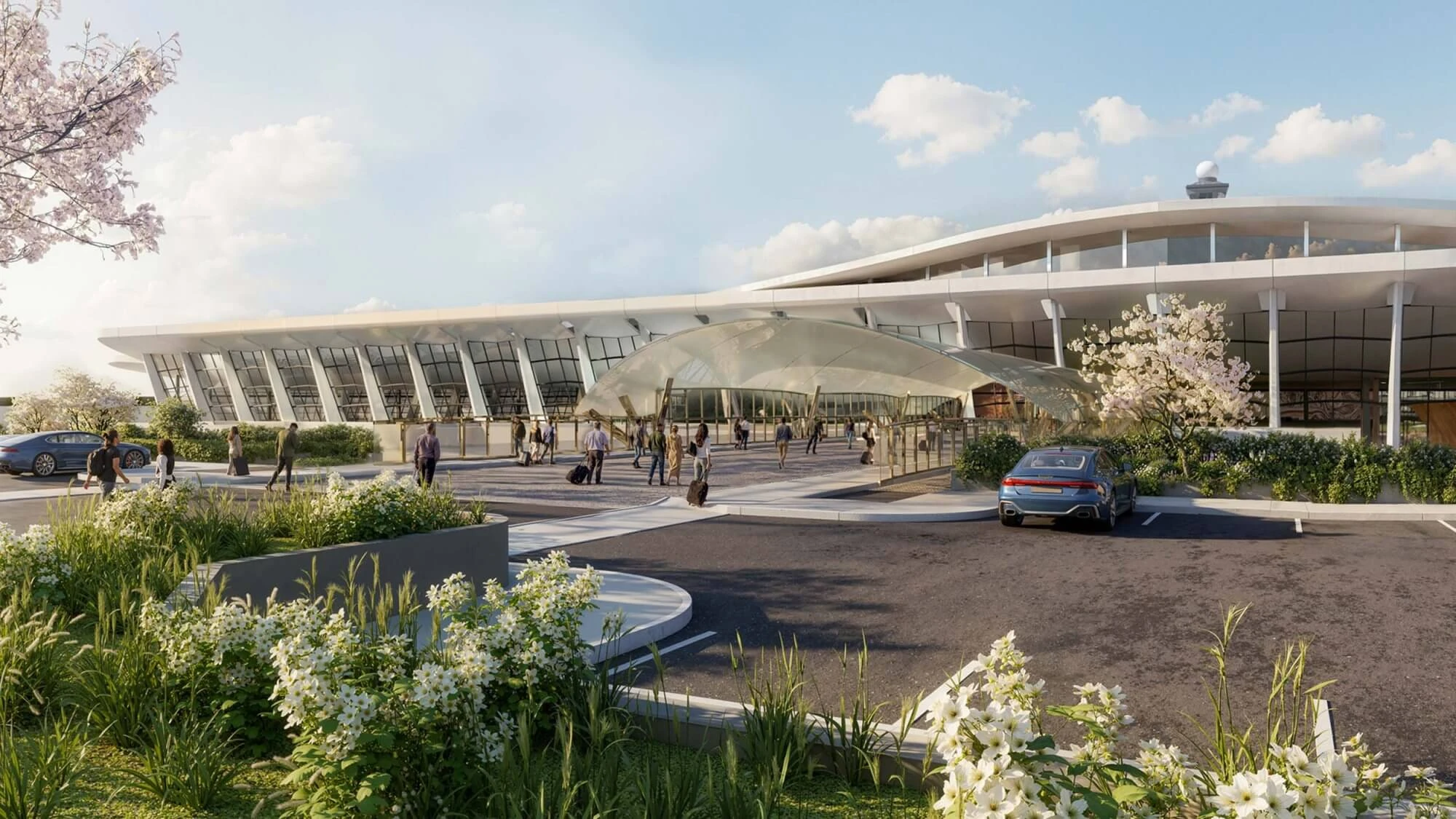
While Saarinen’s main terminal remains one of America’s most recognizable airport buildings, much of the surrounding infrastructure has evolved through piecemeal additions over the past several decades. Temporary Concourses C and D, originally intended as interim facilities, continue to serve millions of passengers annually despite long-standing plans for replacement.
The airport has also become known for its fleet of mobile lounges—passenger vehicles introduced as part of Saarinen’s original concept—which transport travelers between the terminal and aircraft. Although once considered an innovative solution, the system has increasingly been viewed as inefficient compared to modern automated people-mover networks used in major international airports.
The proposed redevelopment aims to resolve these longstanding challenges while preparing the airport for future passenger growth.
A Comprehensive Airport Expansion
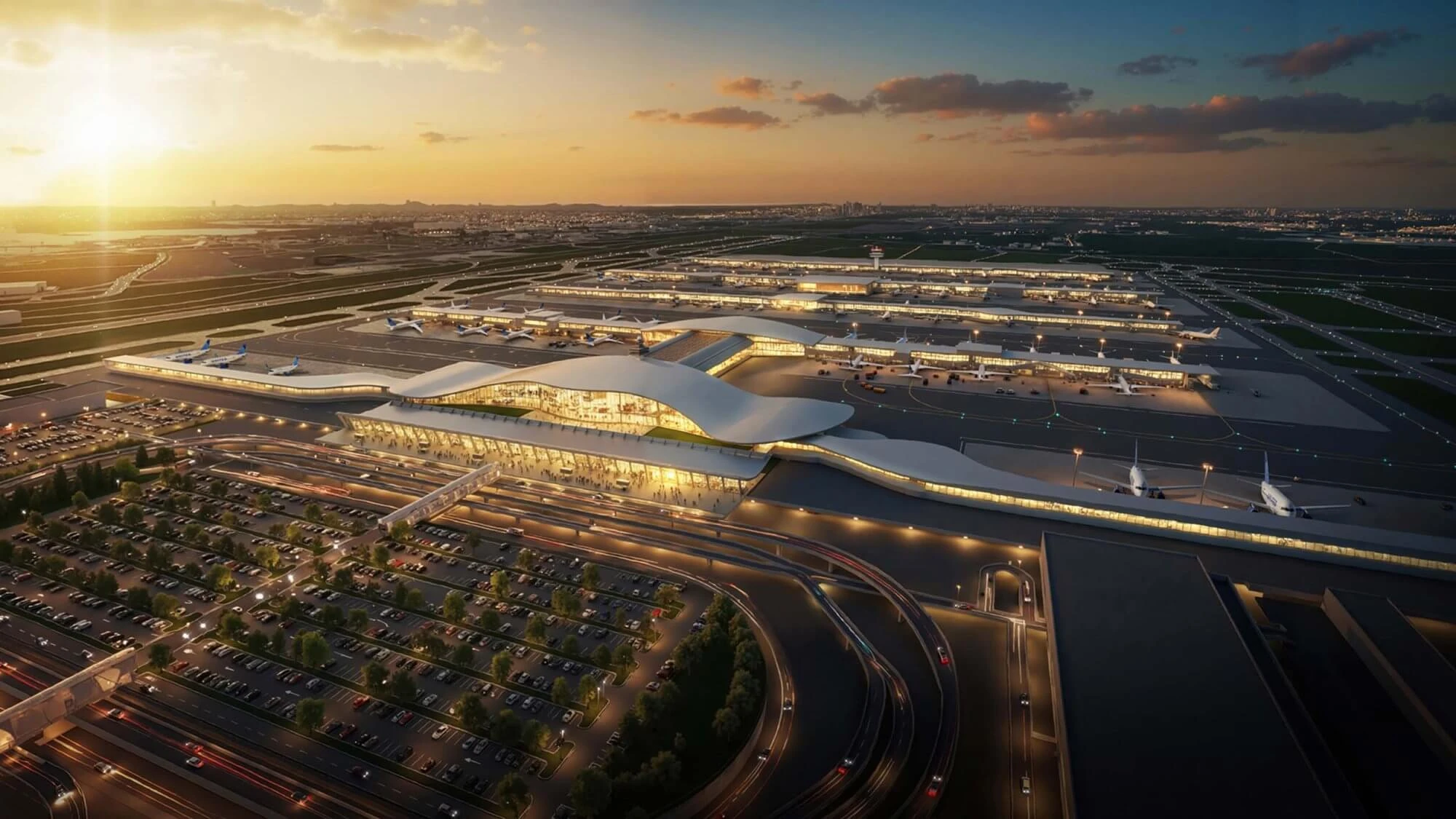
According to the proposal, the redevelopment would add or renovate more than 5 million square feet of airport facilities through a phased construction program.
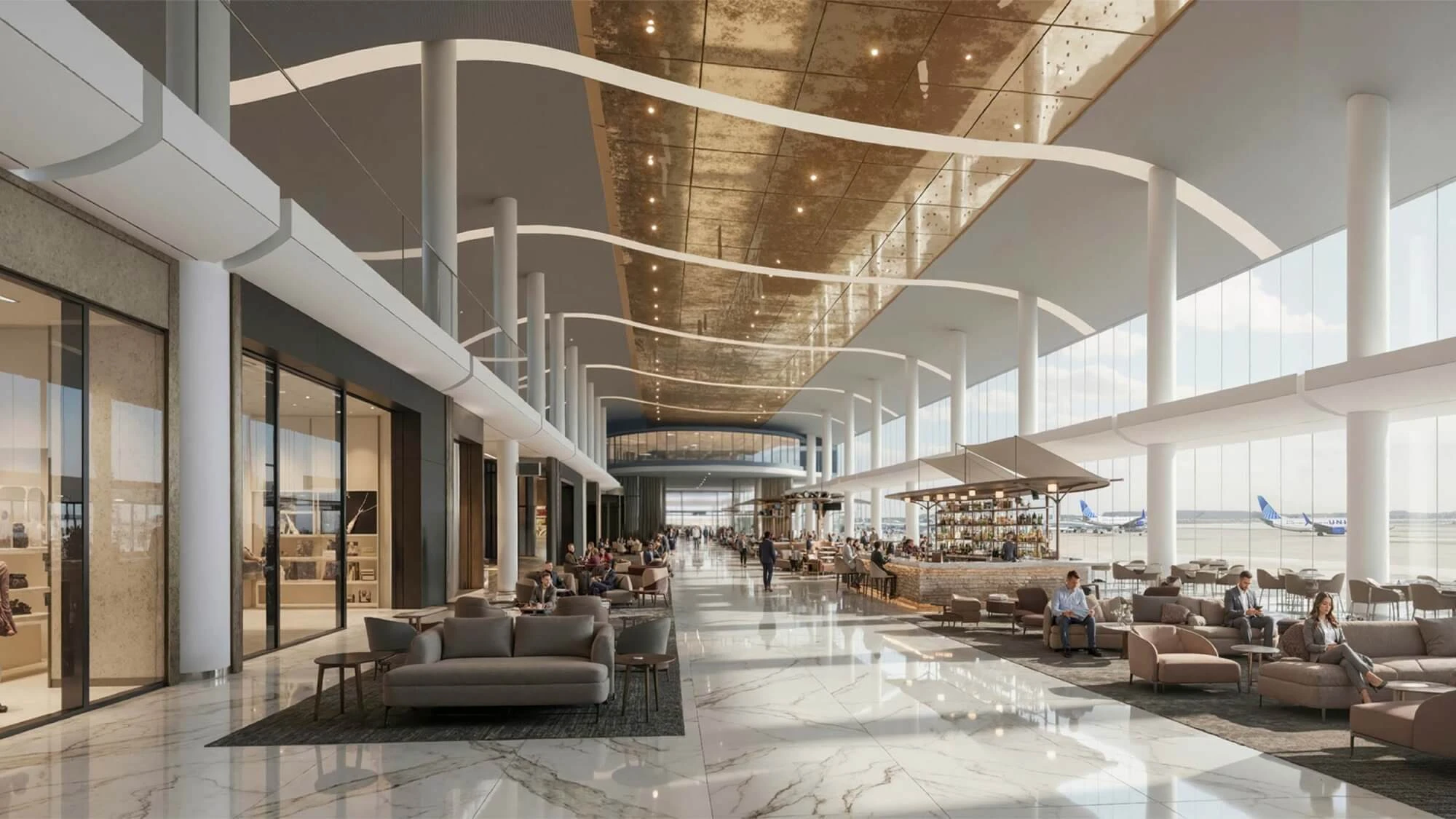
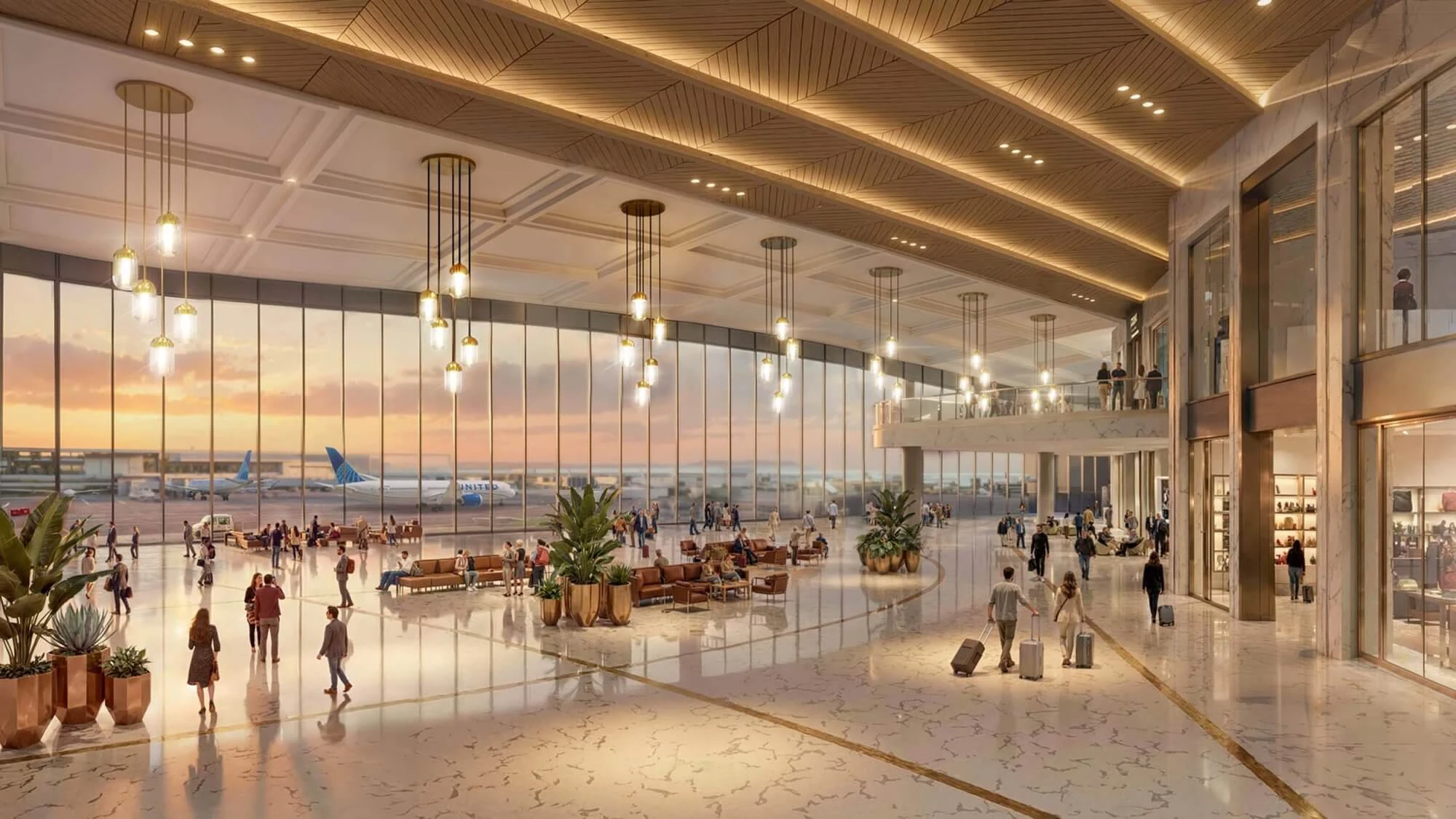
Key components include replacing the aging Concourses C and D with modern gate facilities, expanding international arrival and customs areas, upgrading baggage handling and security systems, improving passenger circulation, and creating new retail and dining spaces throughout the airport.
The project also envisions new hotels, expanded parking facilities, improved road access, and enhanced underground transportation infrastructure that would reduce reliance on the airport’s aging mobile lounge system.
Together, these upgrades are intended to increase operational efficiency while significantly improving the passenger experience at one of the nation’s primary international gateways.
Preserving Saarinen’s Architectural Landmark
Despite the scale of the redevelopment, the airport’s historic main terminal will remain untouched.
Trump emphasized that Saarinen’s original terminal would continue to serve as the architectural centerpiece of the airport, with modernization efforts focused primarily on surrounding operational infrastructure rather than altering the landmark building itself.
For architects and preservationists, this decision is particularly significant. Saarinen’s Dulles terminal is widely regarded as one of the defining achievements of postwar American architecture, celebrated for its expressive structural form and its visionary interpretation of air travel as a civic experience.
Rather than replacing the historic terminal, the redevelopment positions it as the symbolic front door to a substantially modernized airport campus.
Funding and Delivery Strategy
Unlike many large-scale transportation initiatives, the redevelopment is expected to rely primarily on airport-generated revenue, airline investment, revenue bonds, and public-private partnerships, rather than direct federal funding.
United Airlines, which operates the majority of flights at Dulles, is expected to play a central role in supporting the airport’s long-term expansion as its largest carrier.
The Metropolitan Washington Airports Authority (MWAA), which manages Dulles International Airport, will oversee implementation of the project through multiple construction phases designed to minimize disruption to airport operations.
Construction is expected to begin in 2027, although the full redevelopment is anticipated to extend over several years as different components are completed in stages.
Redefining the Future of an American Aviation Icon
The proposal represents more than an infrastructure upgrade—it reflects a broader approach to airport redevelopment that balances architectural preservation with operational modernization.
Across the world, major airports are increasingly retaining historically significant terminals while introducing new facilities capable of accommodating larger aircraft, growing passenger volumes, and evolving security requirements. Dulles now joins that movement by preserving one of modernism’s most celebrated airport buildings while replacing the aging systems that surround it.
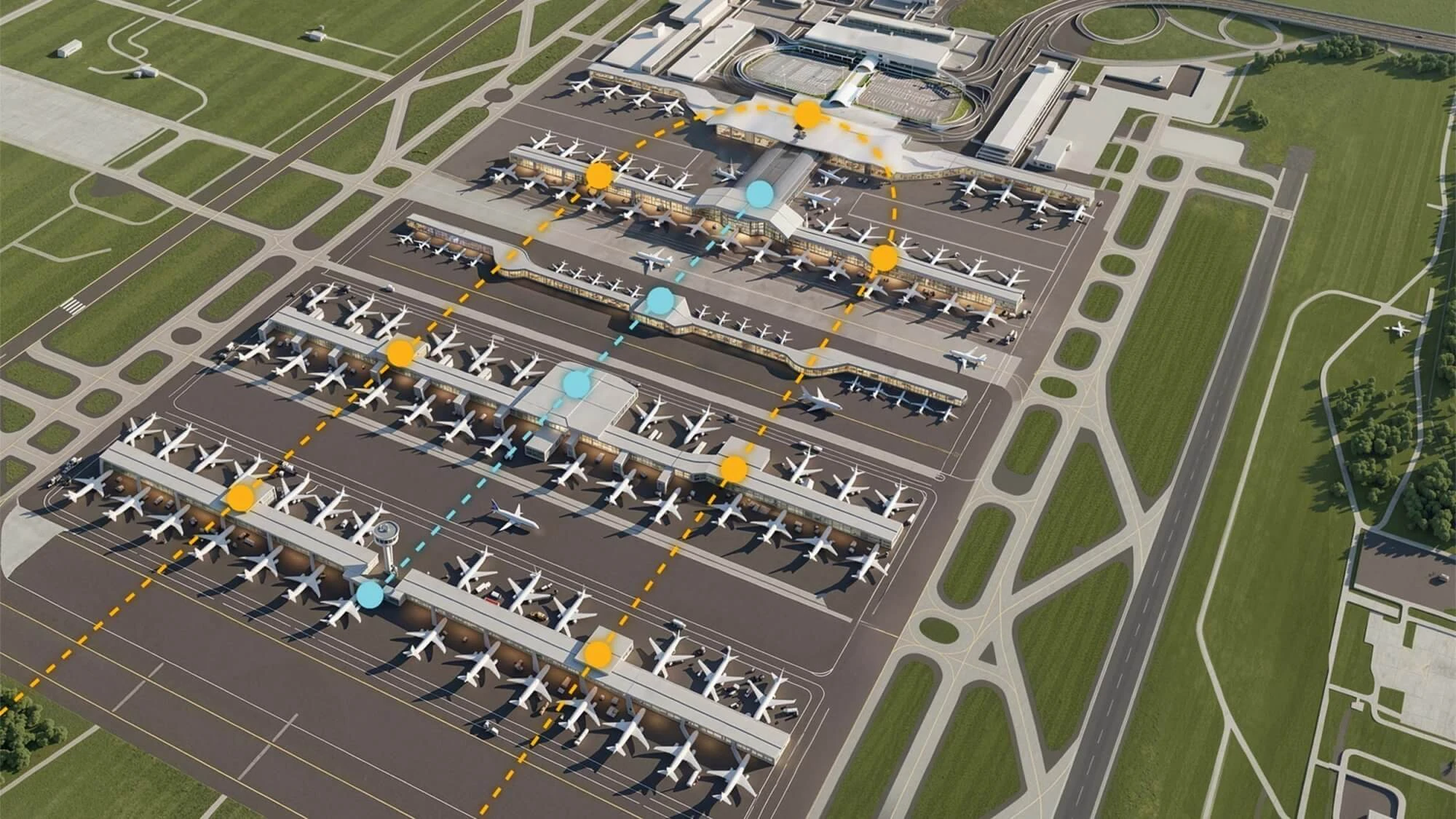
If realized, the $22.5 billion redevelopment would become the largest transformation in the airport’s history, reinforcing Washington Dulles International Airport as both a functioning global aviation hub and a lasting architectural landmark.
Image credit: U.S. Department of Transportation