




















Helsinki, Finland — Aalto Works, a collection of thirteen landmark buildings across Finland designed by pioneering modernist architects Aino, Elissa and Alvar Aalto, has been inscribed on the UNESCO World Heritage List, recognizing the global significance of a body of work that redefined modern architecture through a deeply human-centered approach to design.
The inscription was confirmed during the annual meeting of the UNESCO World Heritage Committee in Busan, South Korea, following a nomination submitted in 2025 by Finland’s Ministry of Education and Culture. The Finnish Heritage Agency prepared the nomination in collaboration with the Alvar Aalto Foundation, ICOMOS Finland, and the owners of the Aalto sites.
UNESCO acknowledged the Aalto Works as a collective body of architecture demonstrating how design can promote wellbeing, equality, community life, and cultural identity. The ensemble continues to influence architectural thinking internationally, reinforcing the enduring relevance of the Aaltos’ philosophy of integrating functionality, beauty, and everyday human experience.
Helsinki Becomes the Gateway to the Aalto Works
Five of the thirteen UNESCO-listed buildings are located in Helsinki, giving the Finnish capital the highest concentration of Aalto Works within the World Heritage designation. Easily connected through the city’s public transport network, Helsinki offers visitors an accessible starting point for exploring the architects’ legacy.
The city further complements the experience through Finlandia Hall’s permanent exhibition, Visions of Alvar Aalto, dedicated to the lives and work of the Aaltos, alongside the Architecture and Design Museum’s exhibition, Aalto Design: Shapes of Wellbeing, which runs until January 2027.
Daniel Sazonov, Mayor of Helsinki, said, “The inclusion of the Aalto Works on the UNESCO World Heritage List represents a wonderful and significant international recognition of Finnish architecture. The five Helsinki sites are important parts of our city’s architectural and cultural heritage. UNESCO status brings new visibility to the sites while also reminding us Helsinki residents of our beautiful and architecturally rich hometown.”
Five UNESCO-Listed Aalto Works in Helsinki
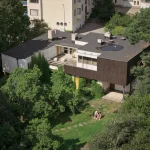
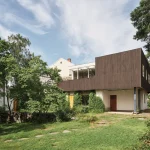
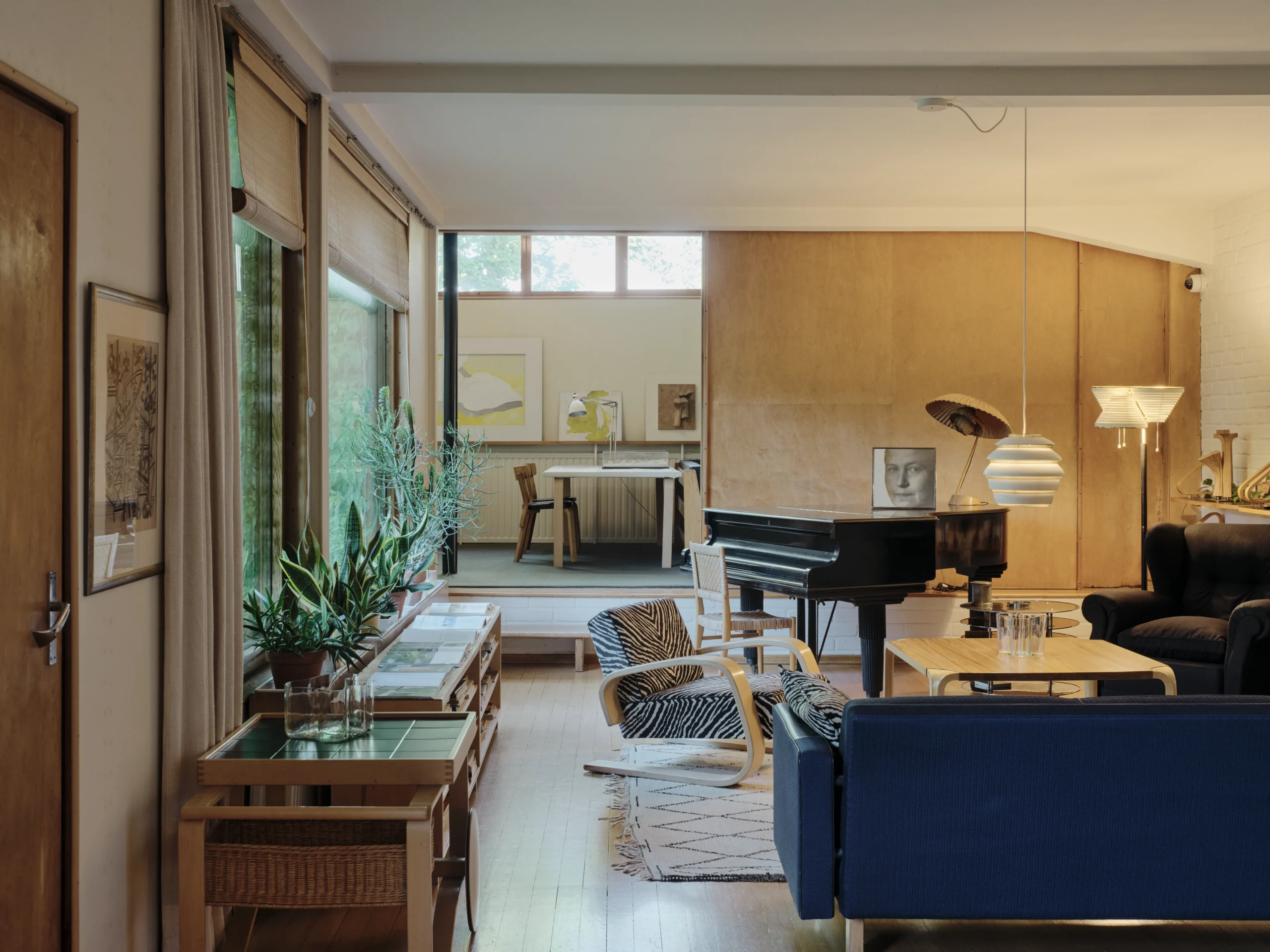
Aalto House (Completed 1936)
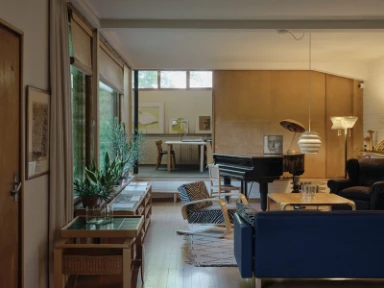
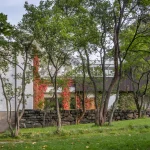
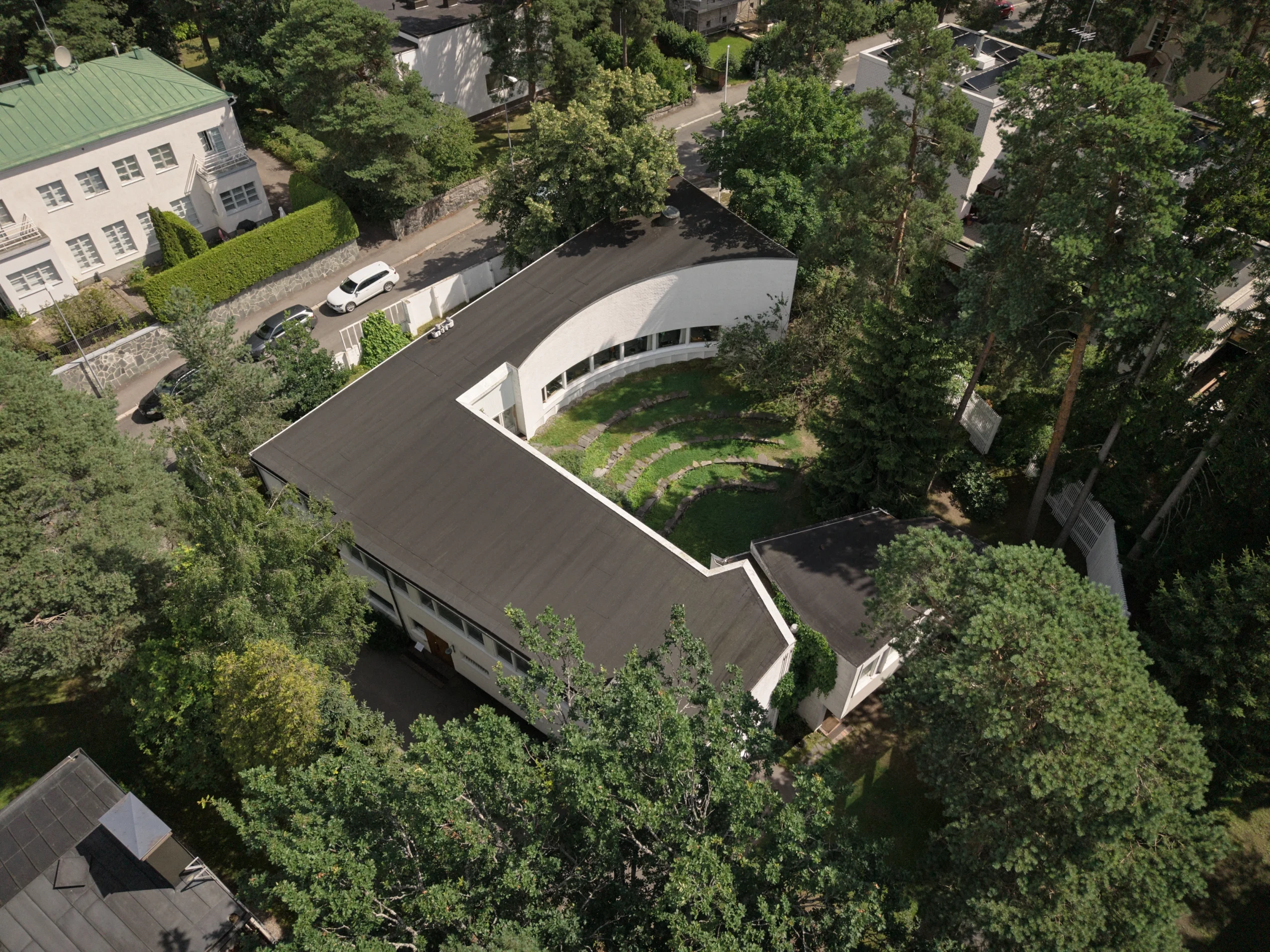
Located in the Munkkiniemi district of Helsinki, Aalto House served as the family home of Aino and Alvar Aalto. Designed as both a residence and an architectural experiment, the house embodies the architects’ commitment to combining functionality, domestic comfort, and natural materials within everyday living environments. The project remains one of the earliest expressions of their human-centered modernism.
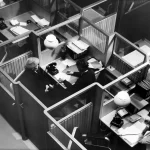
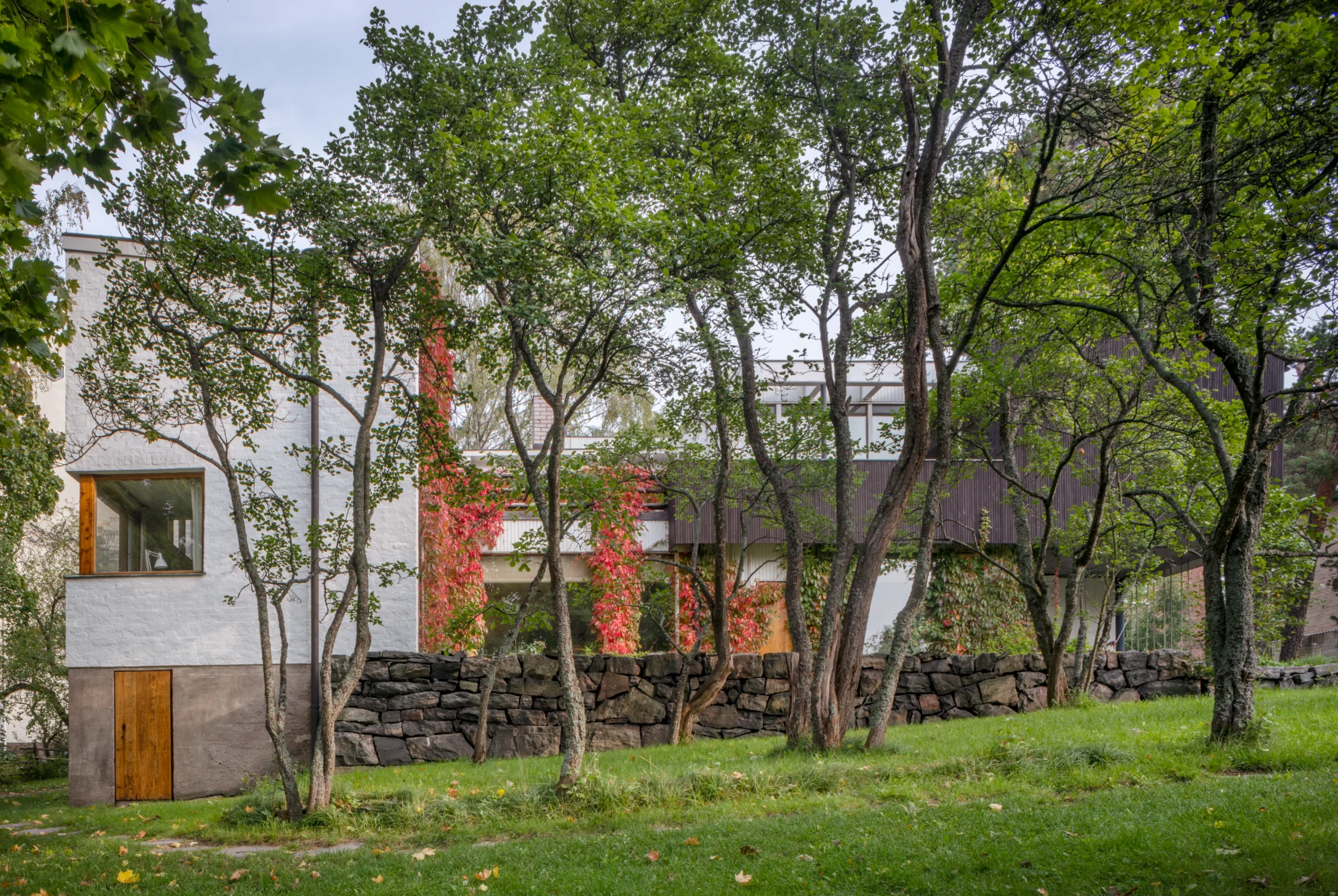
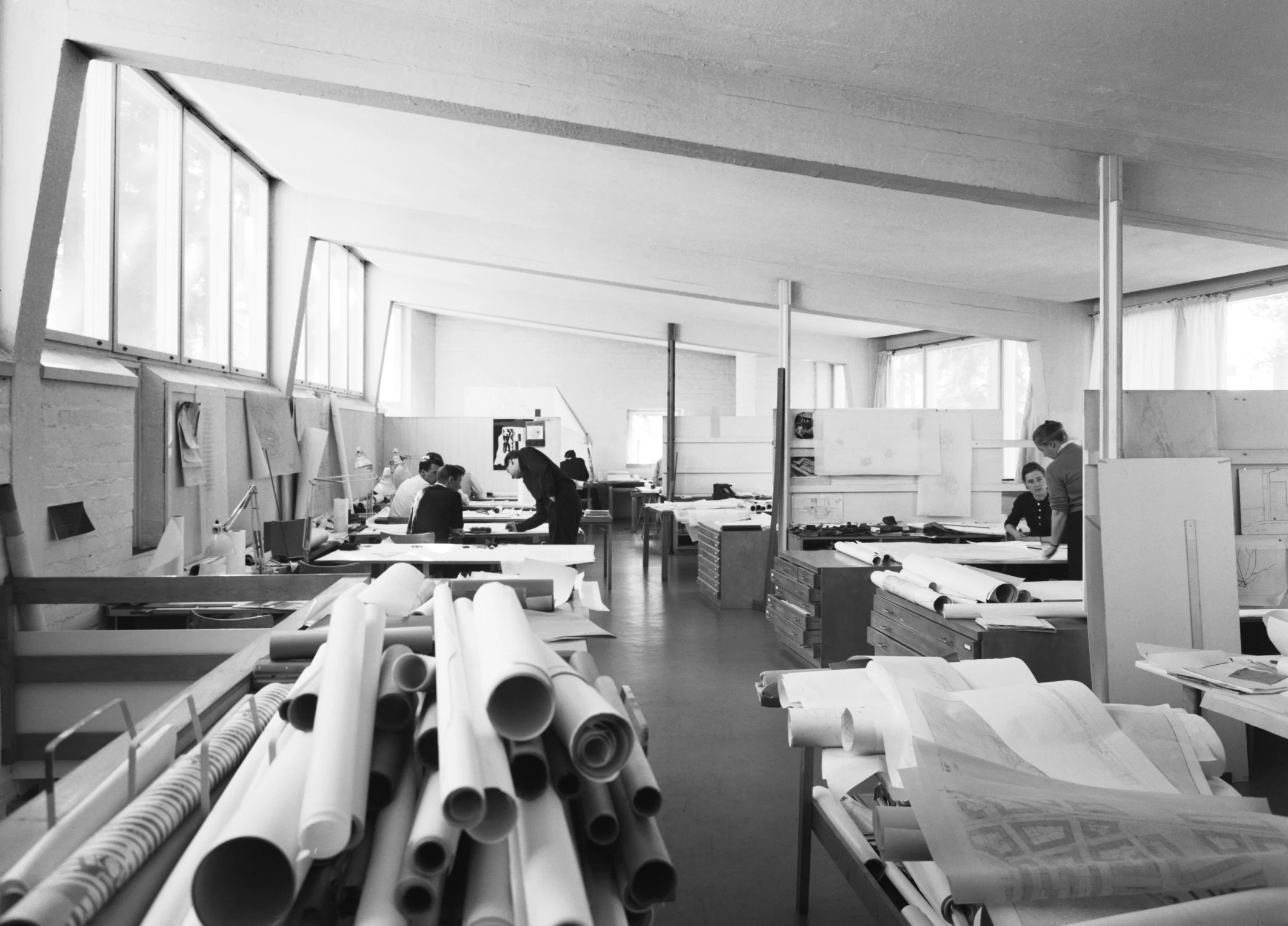
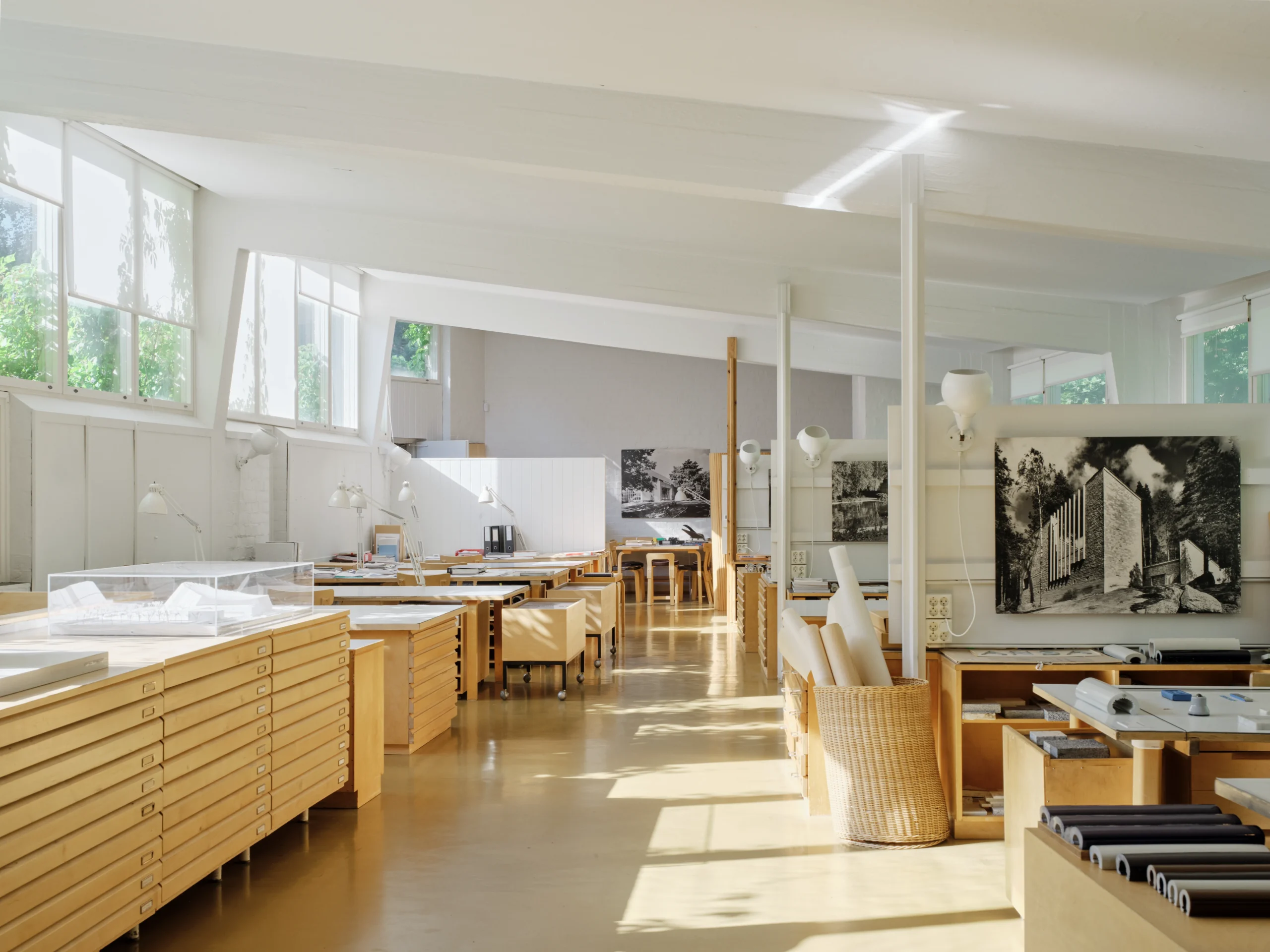
Studio Aalto (Completed 1955)
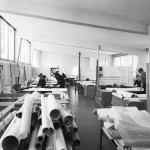
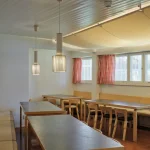
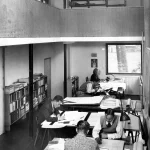
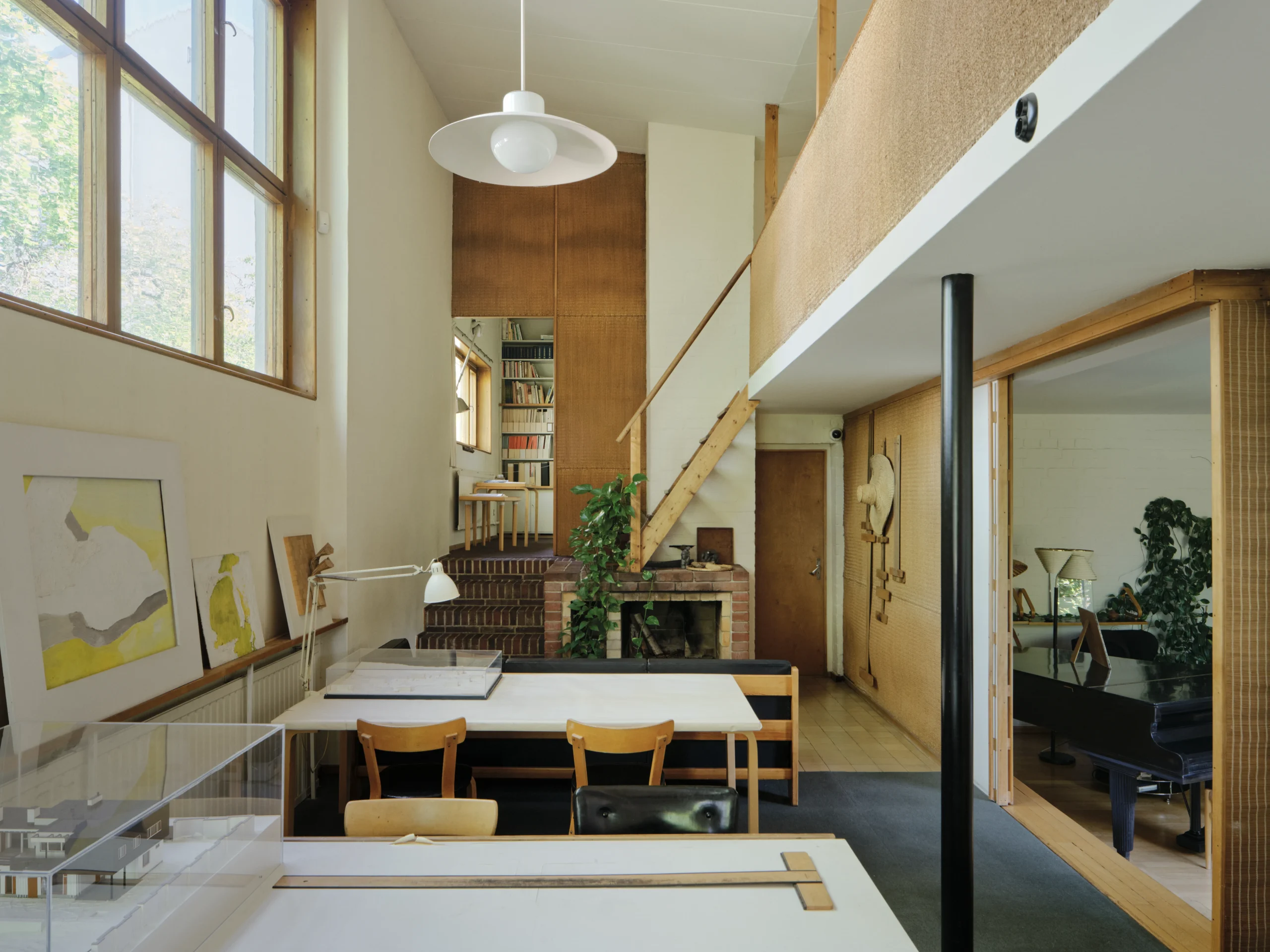
Situated a short distance from the family residence in Munkkiniemi, Studio Aalto functioned as the architects’ professional office and included workspaces, social facilities, and a caretaker’s apartment. Open to visitors by arrangement alongside Aalto House, the studio demonstrates the careful use of simple everyday materials, distinctive natural lighting strategies, and innovative spatial planning to create an inspiring and highly functional workplace.
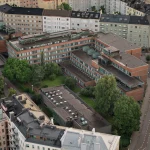
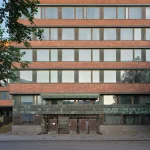
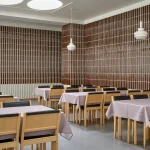
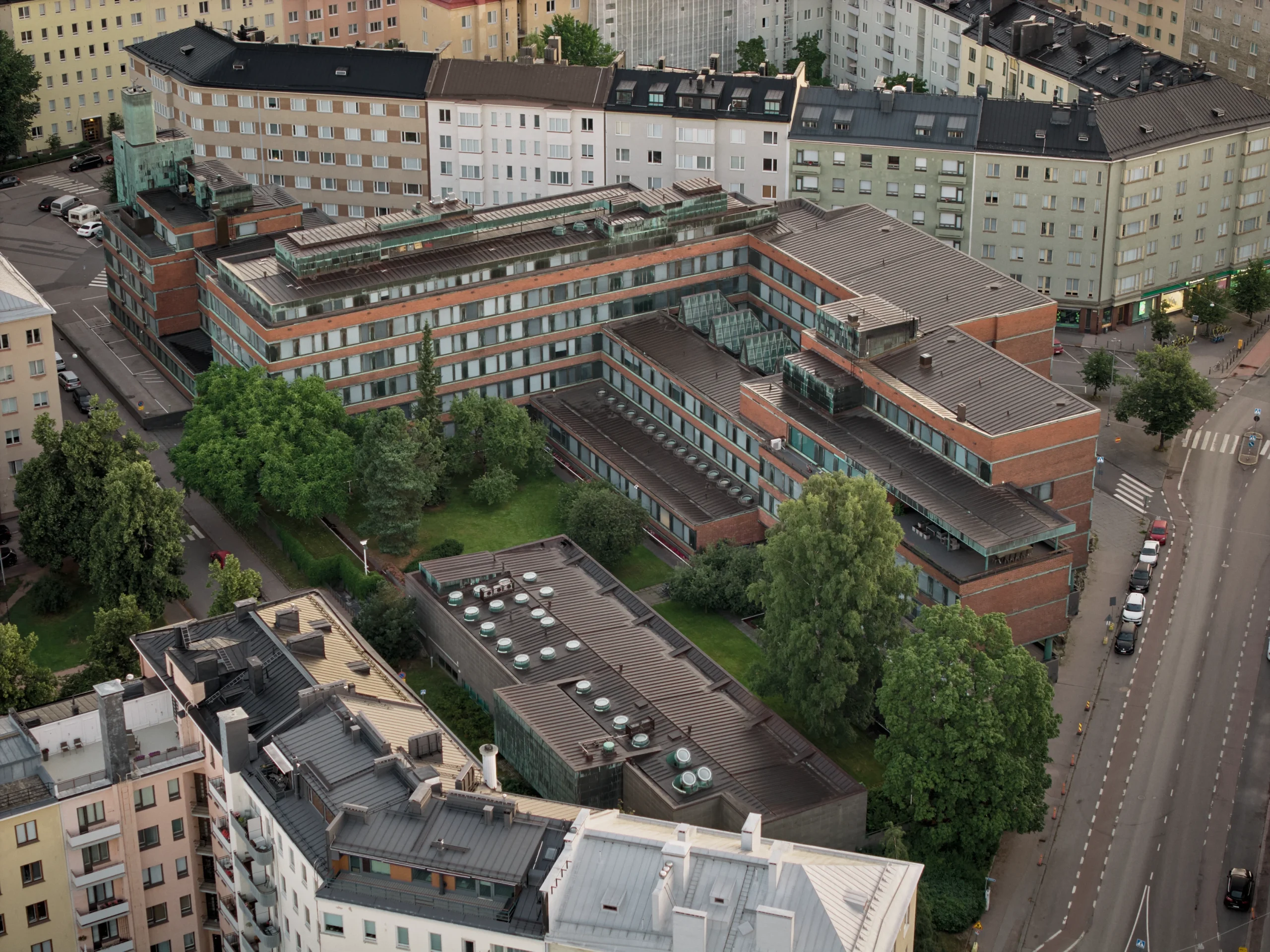
National Pensions Institute (KELA) (Completed 1956)
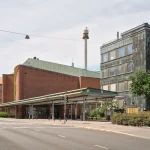
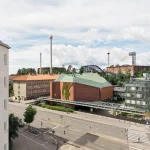
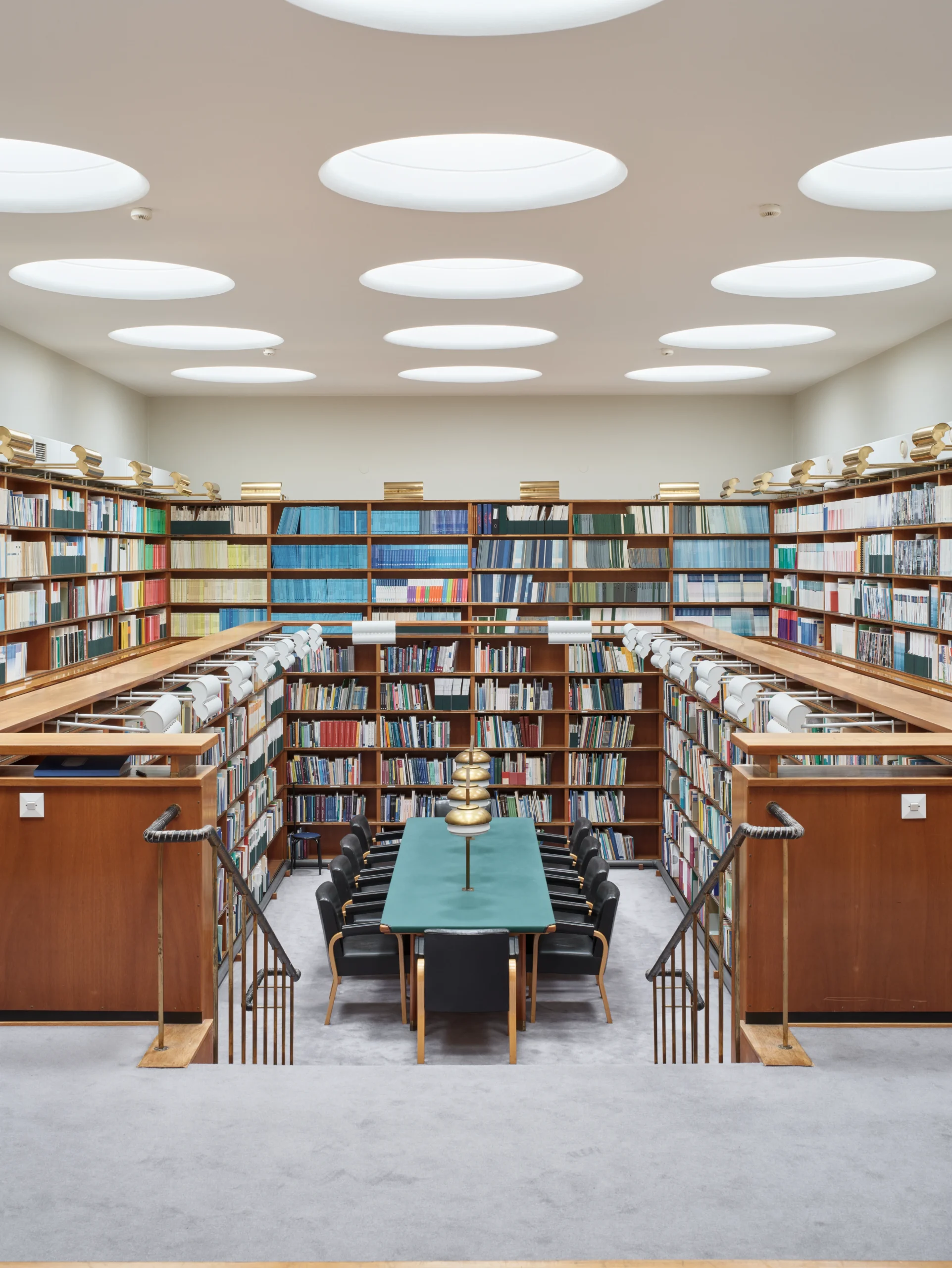
Designed as the headquarters for Finland’s state pension system, the National Pensions Institute (KELA) illustrates the Aaltos’ sophisticated integration of architecture and interior design. Lighting, both natural and artificial, was carefully orchestrated to support the diverse requirements of office environments. Occupying an entire urban block in Helsinki’s Töölö district, the building is positioned just off Mannerheimintie, the city’s principal thoroughfare.
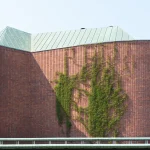
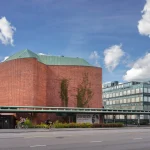
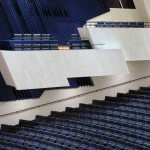
House of Culture (Completed 1958)
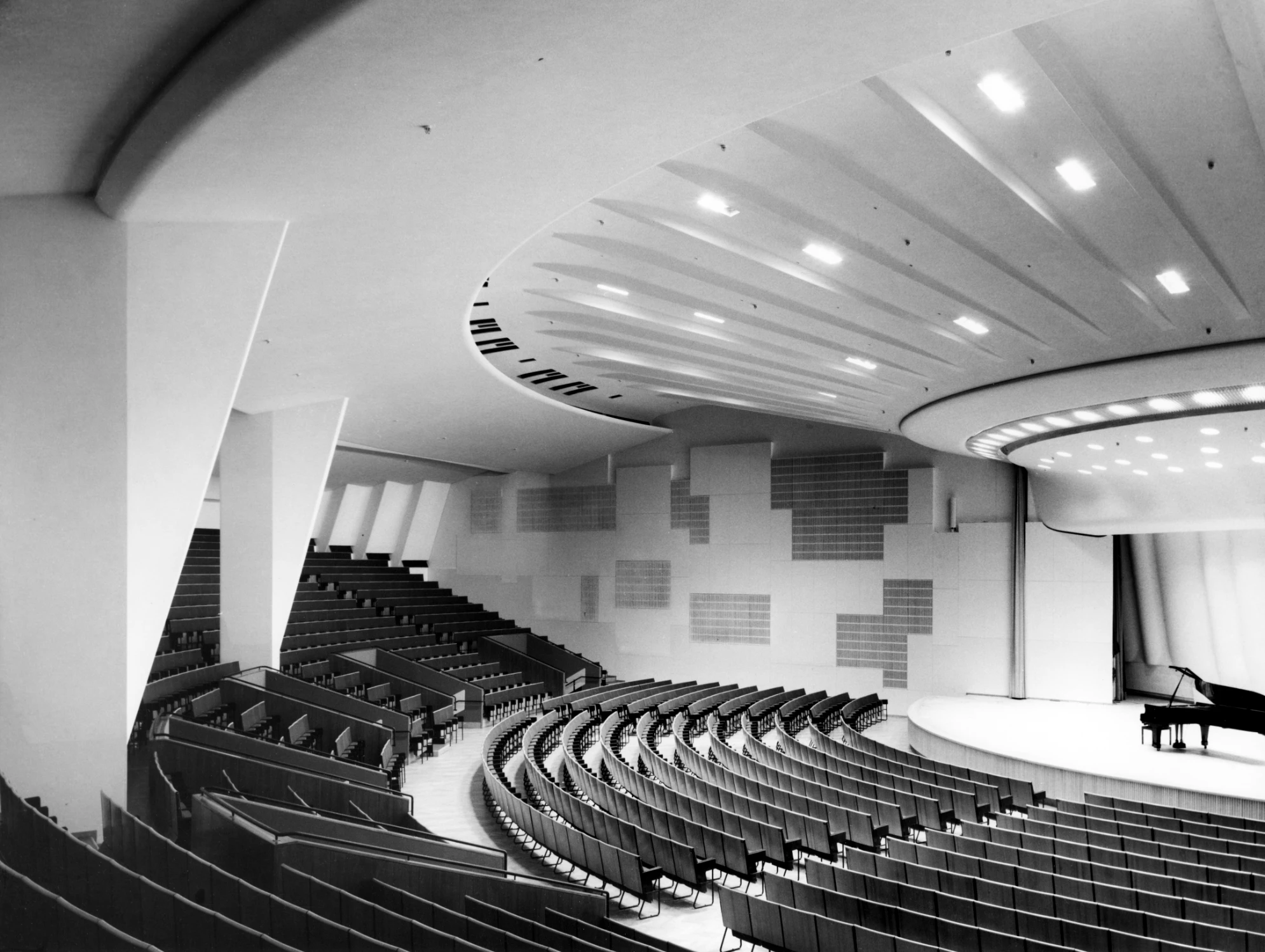
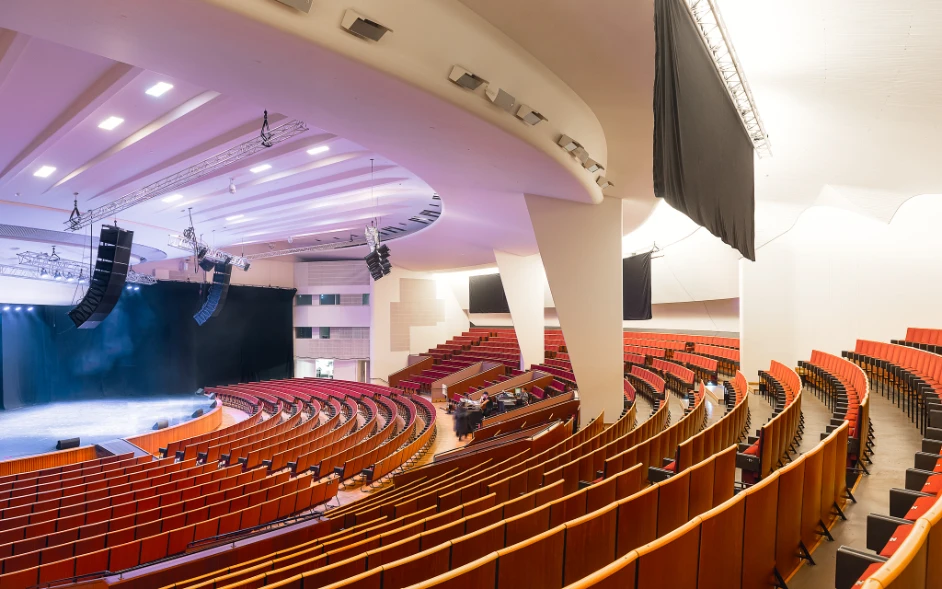
Commissioned by the Communist Party of Finland with the ambition of making culture accessible to the wider public, the House of Culture became one of Helsinki’s defining modernist landmarks. Conceived as a multifunctional civic venue, it accommodated concerts, cinema, theater, dance, sporting events, choirs, community clubs, and public gatherings, reflecting architecture’s role in supporting social and cultural life.
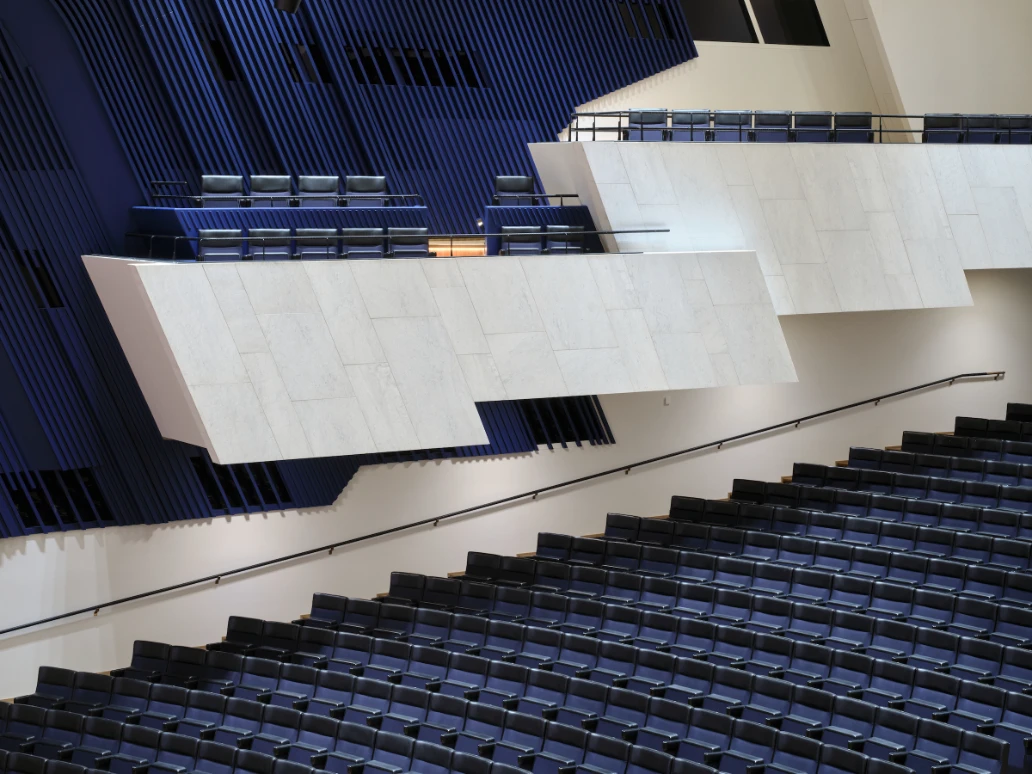
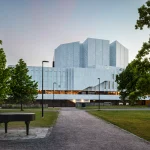
Finlandia Hall (Completed 1971)
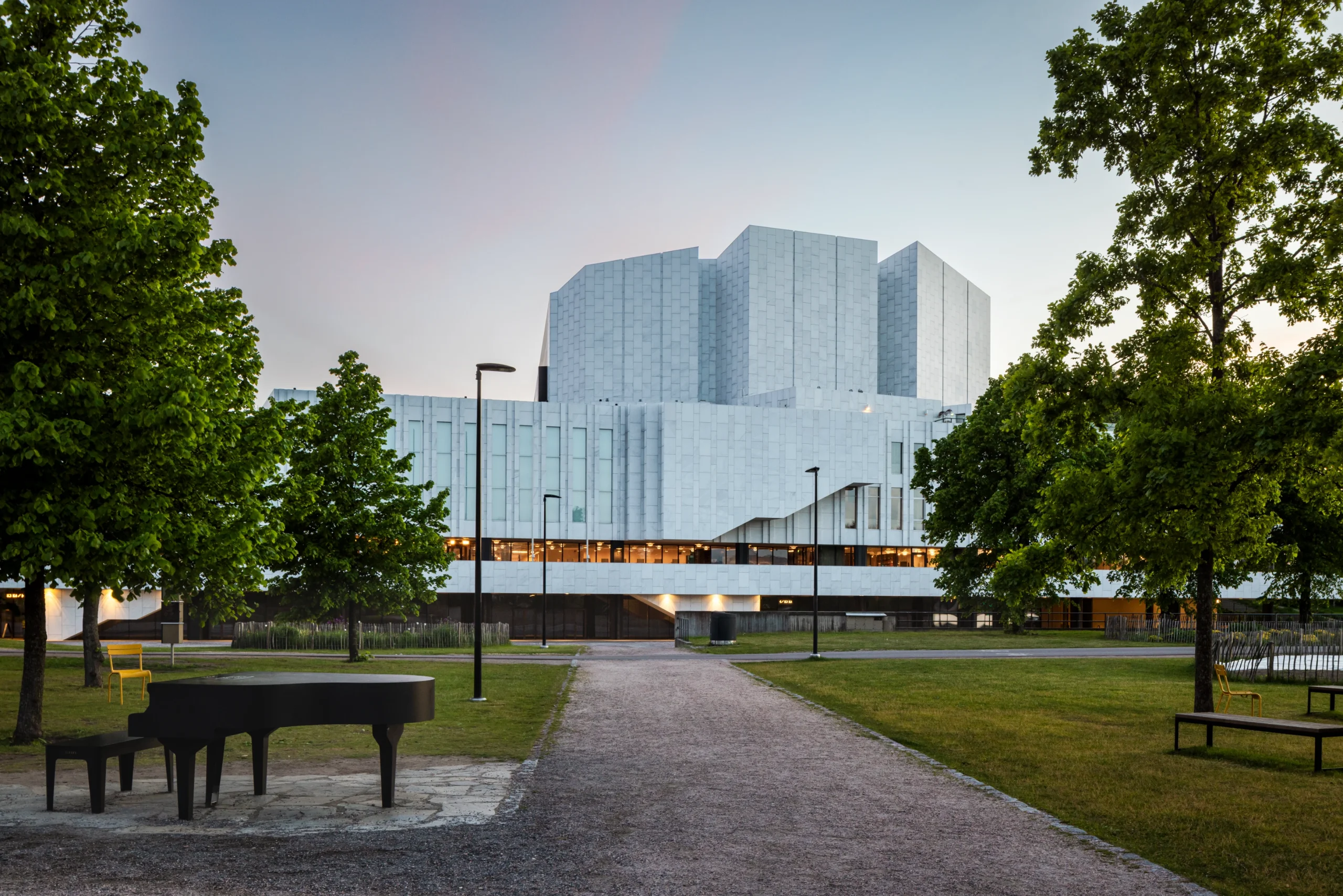
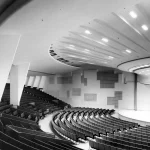
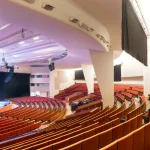
Occupying a prominent site beside Finland’s Parliament House and National Museum, Finlandia Hall stands among Alvar Aalto’s most celebrated public works. Conceived as a monumental concert and congress hall, the building expresses ideals of international dialogue and cultural exchange through its architectural composition.
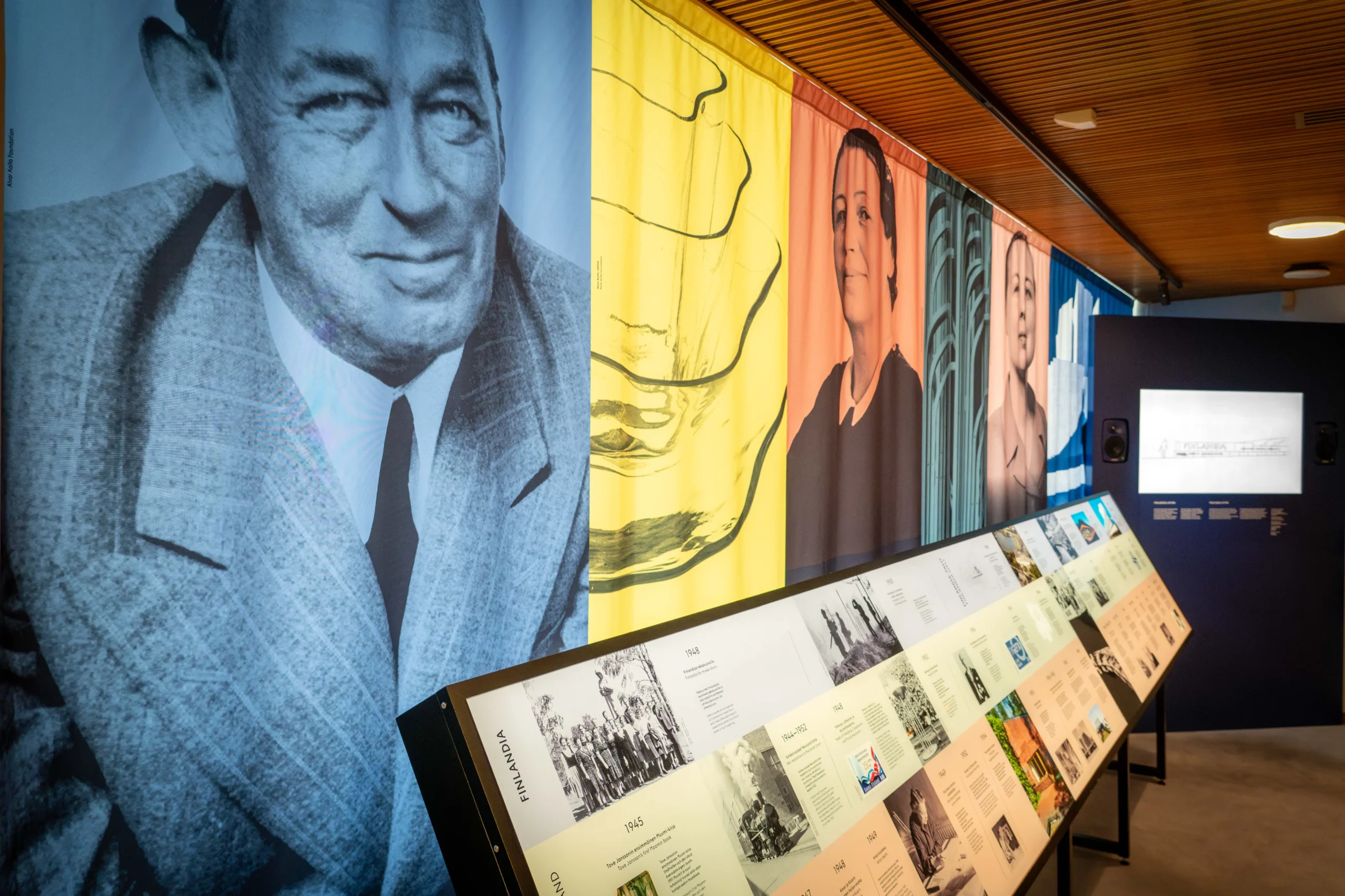
As Helsinki’s largest Aalto building, Finlandia Hall underwent an extensive refurbishment between 2022 and 2025. The revitalized complex now combines conference and cultural facilities with two short-stay residences named Aino and Elissa, allowing visitors to stay within a UNESCO-listed architectural landmark furnished entirely with Aalto-designed furniture and homeware.
Design as Everyday Culture
Hanna Harris, Chief Design Officer of Helsinki, said, “The Aaltos’ human-centered approach shows how design can enrich everyday life and shape the way we experience our surroundings. In Helsinki, we are fortunate to have a remarkable legacy of their work, from public buildings and cultural venues to the objects and spaces that people use every day.
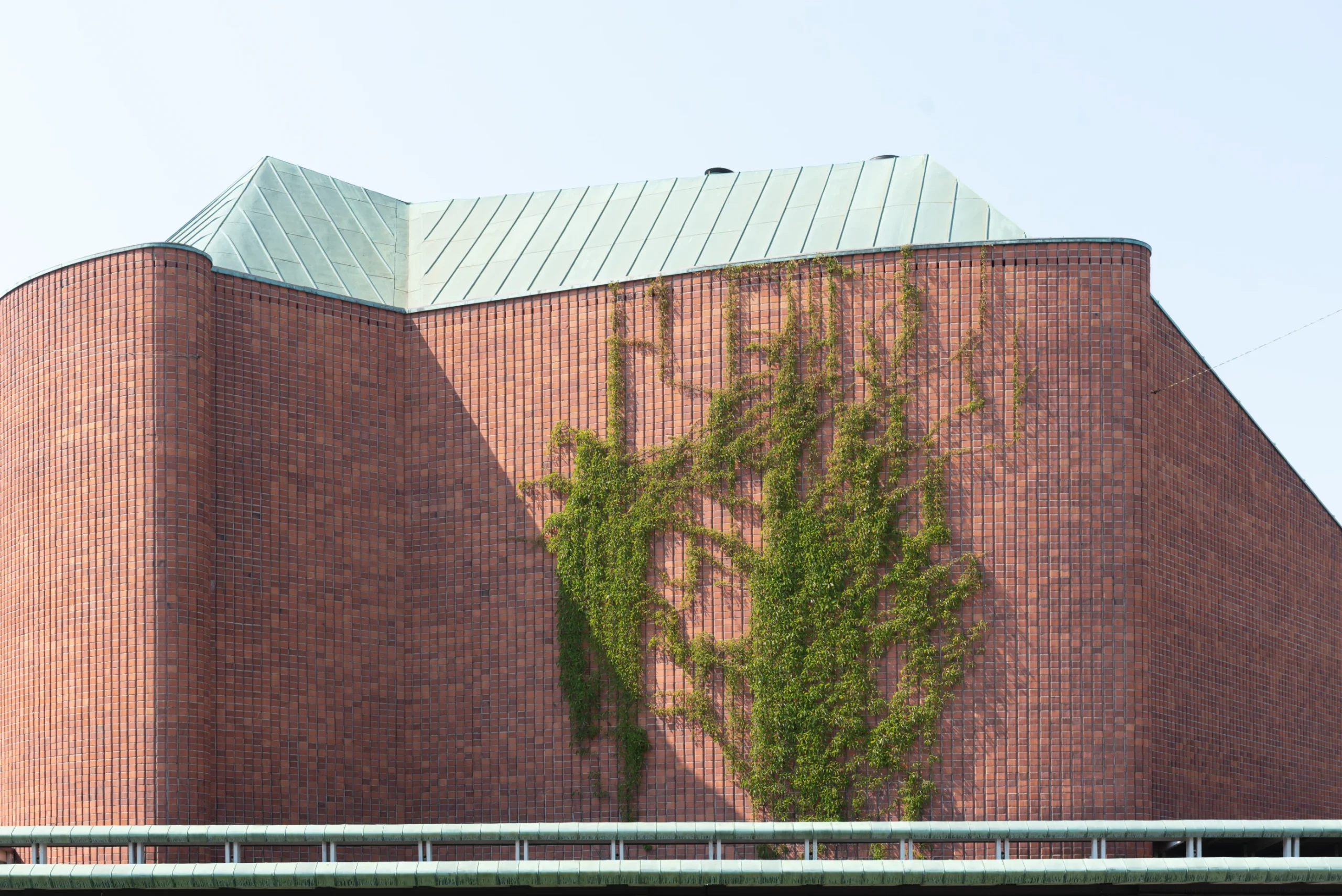
That legacy continues to influence how we think about design today. Design operates at the scale of the city, not only as cultural expression but also as an essential part of everyday life, helping us create services, places and experiences that support residents and visitors.”
Finland’s First Modern Architecture UNESCO World Heritage Site
Tommi Lindh, CEO of the Alvar Aalto Foundation, said, “The Aalto Works series is unique from both a national and an international perspective. Until this designation, Finland had no sites of modern architecture on the UNESCO World Heritage List.
These sites demonstrate the universal value of the Aaltos’ human-centered approach to architecture and design, which brought together functionality, beauty and a deep understanding of people’s everyday lives. Their inscription recognizes the Aaltos’ lasting influence on modern architecture worldwide and the enduring importance of creating environments that support human well-being, community and cultural identity across generations.”
Finlandia Hall Opens UNESCO Architecture to Overnight Guests
Johanna Tolonen, CEO of Finlandia Hall, said, “Speaking from Busan, where we are celebrating the recognition of the Aaltos’ work by UNESCO, I’m reminded how Helsinki is a must-visit destination for any architecture lover, and we’re lucky to have perhaps the most significant concentration of buildings by the Aaltos anywhere in the world. This is the city they called home, and their legacy remains part of our daily lives.
Finlandia Hall is delighted to offer the public the opportunity to visit and stay in a UNESCO-listed building. Our refurbished spaces faithfully preserve the Aaltos’ design intent. In addition to our offer as a conference venue for businesses and associations, our public offer gives visitors the chance to meet, work, dine, and even stay overnight in a complete work of architecture designed at the peak of the Aaltos’ international renown.”
A Legacy that Reshaped Modern Architecture
Alvar Aalto (1898–1976), together with Aino Aalto (1894–1949) and Elissa Aalto (1922–1994), produced one of the twentieth century’s most influential architectural oeuvres. Their work extended beyond buildings to include furniture, lighting, textiles, glassware and household objects, often conceived through the principle of Gesamtkunstwerk, a total work of art in which every element, from door handles to light fittings and furnishings, formed part of a unified architectural vision.
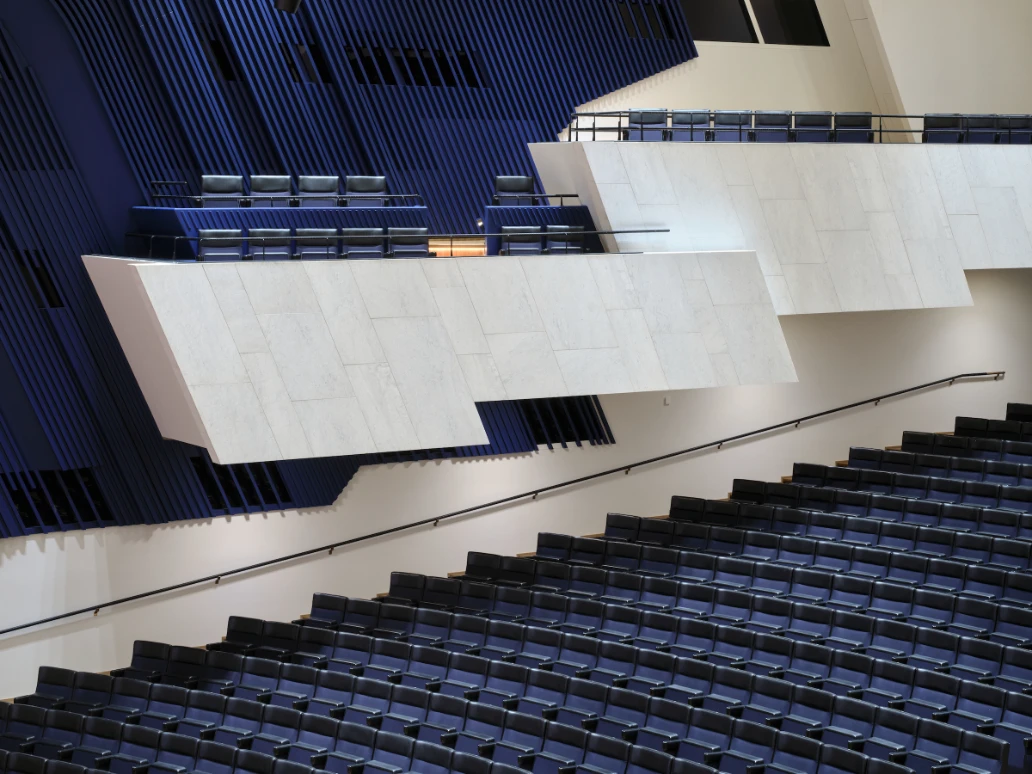
The UNESCO inscription recognizes not only the architectural quality of the Aalto Works but also their enduring contribution to a form of modernism grounded in humanity, craftsmanship, and everyday life an approach that continues to inspire architects and designers worldwide.
Finland’s Aalto Works Facts
- Project: Aalto Works (UNESCO World Heritage Site)
- Location: Finland
- UNESCO Inscription Date: 26 July 2026
- Decision Made At: UNESCO World Heritage Committee Meeting, Busan, South Korea
- Number of Listed Buildings: 13
- Buildings in Helsinki: 5
- Architects: Aino Aalto, Elissa Aalto, Alvar Aalto
- Nomination: Ministry of Education and Culture, Finland
- Collaboration: Alvar Aalto Foundation, ICOMOS Finland, and the owners of the Aalto sites