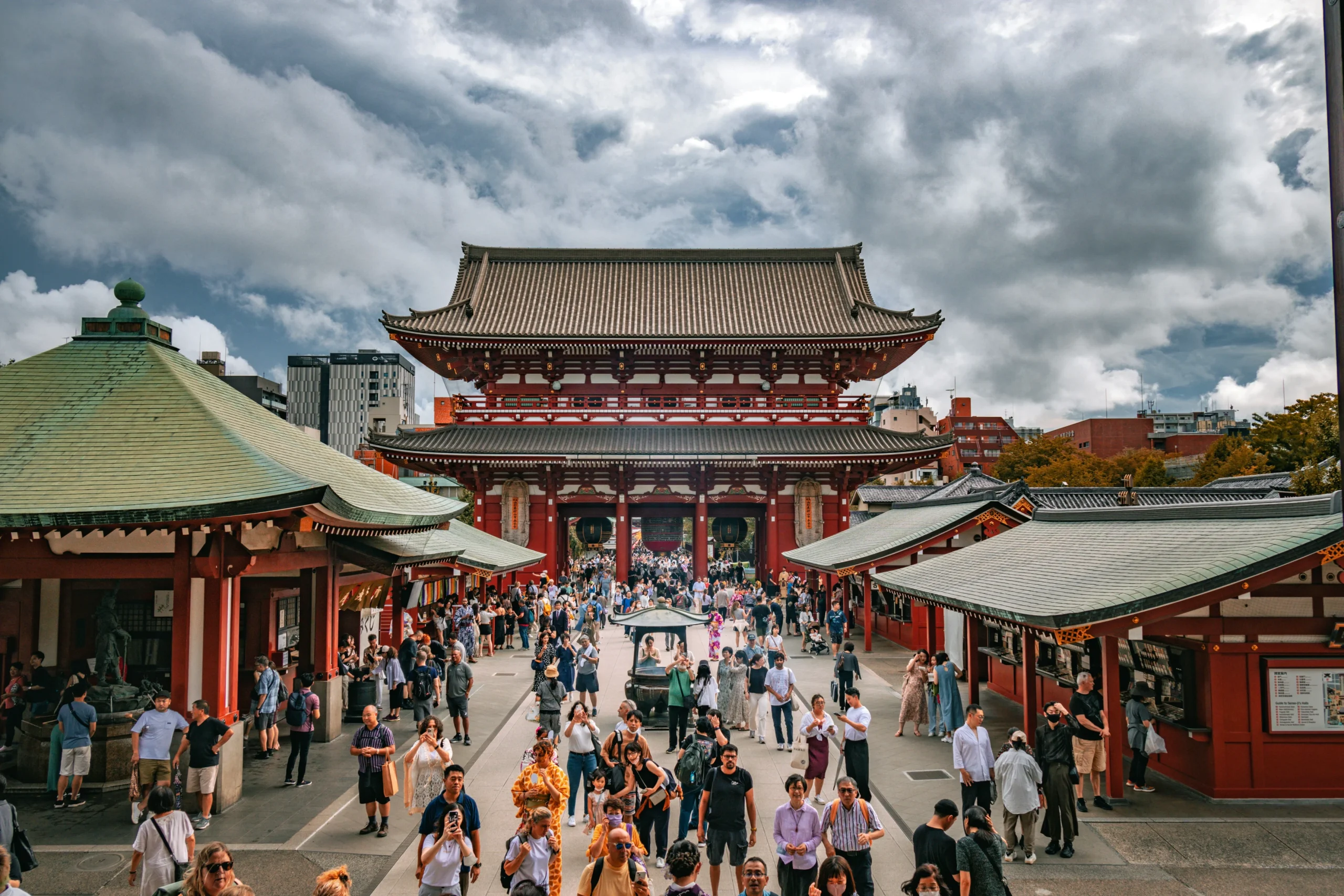







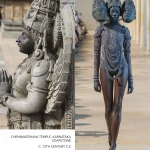

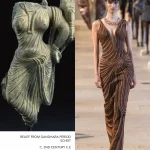
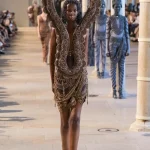
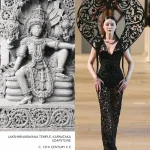
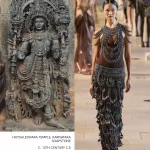
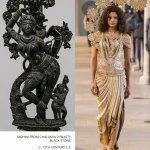
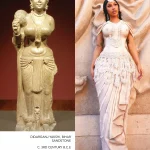
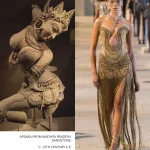
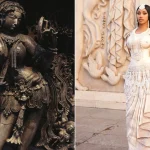
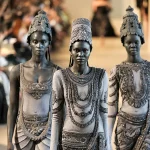

Long before glass skyscrapers and parametric façades transformed city skylines, India’s temples were already masterpieces of design. Rising from granite, sandstone, and marble, these monuments were conceived as places of worship and also as architectural encyclopedias where geometry, sculpture, mythology, astronomy, music, dance, and craftsmanship merged into a single built form. Every carved pillar, celestial figure, lotus motif, and sculpted façade told stories that have survived centuries, making Indian temple architecture one of the world’s richest expressions of cultural memory.
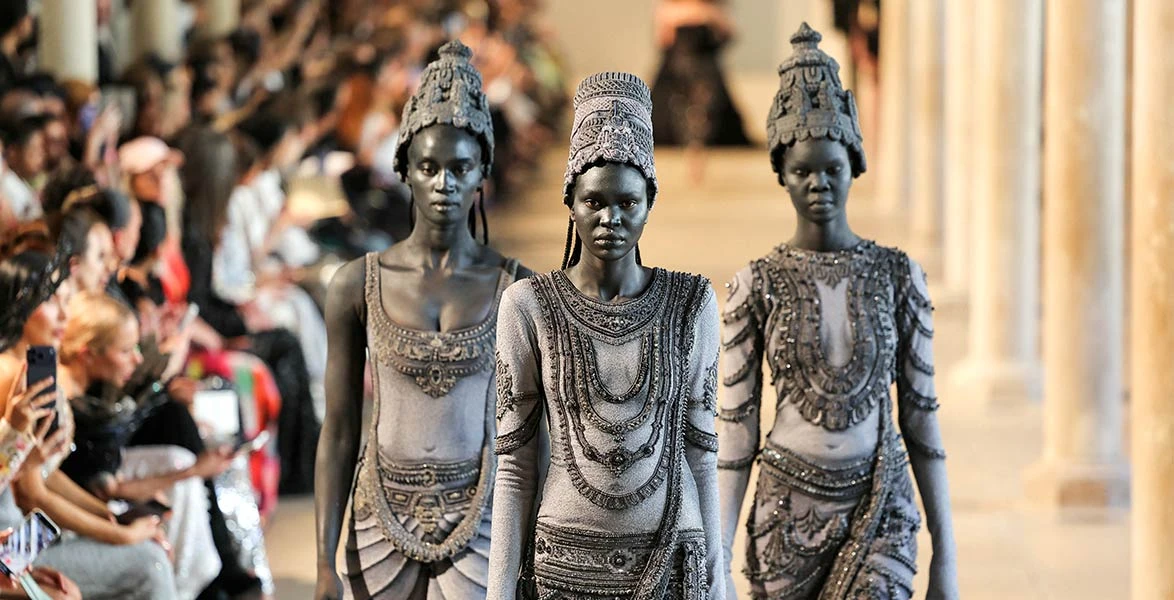
At Paris Haute Couture Week Fall 2026, that architectural legacy stepped onto one of fashion’s most prestigious stages.
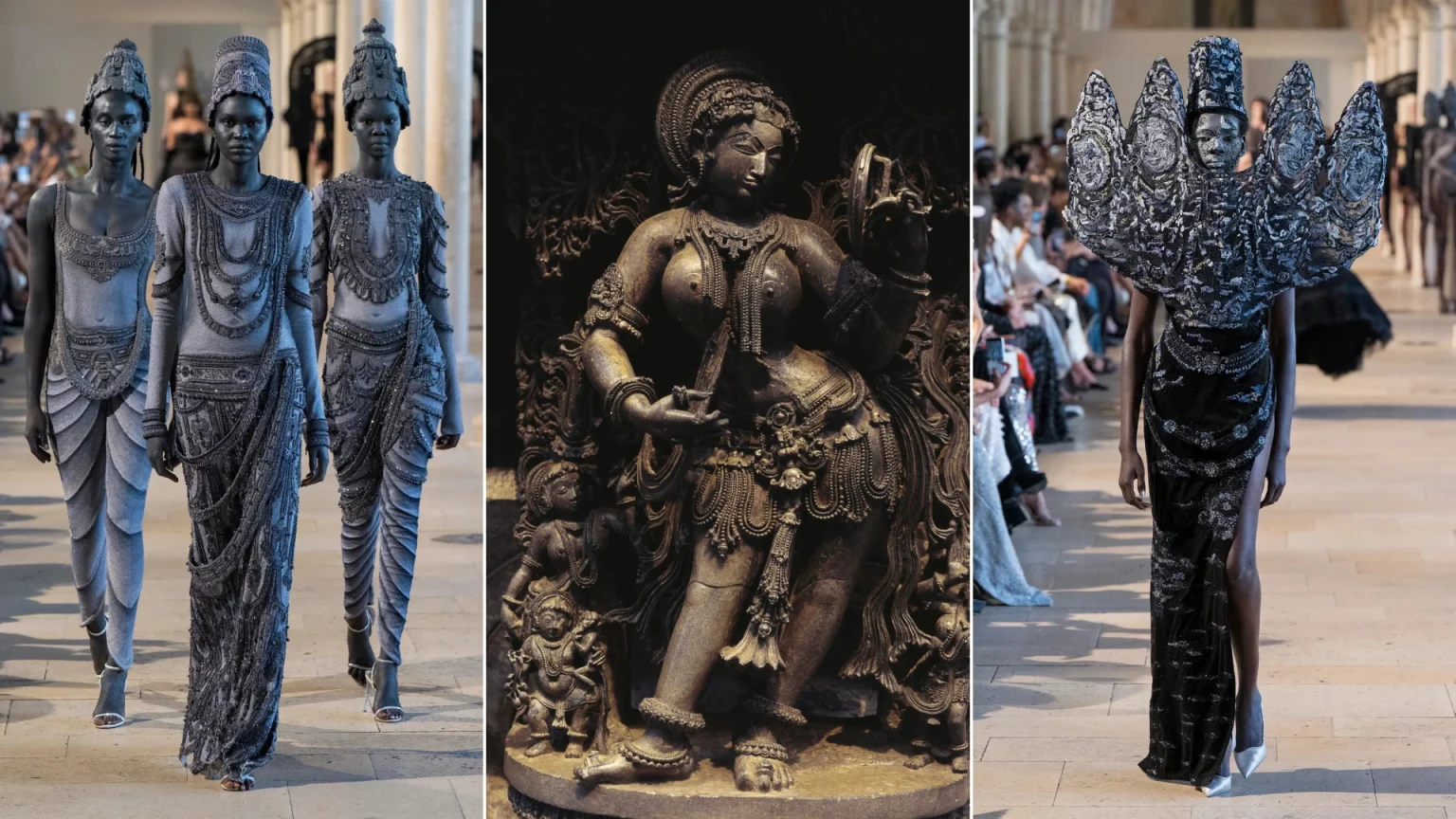
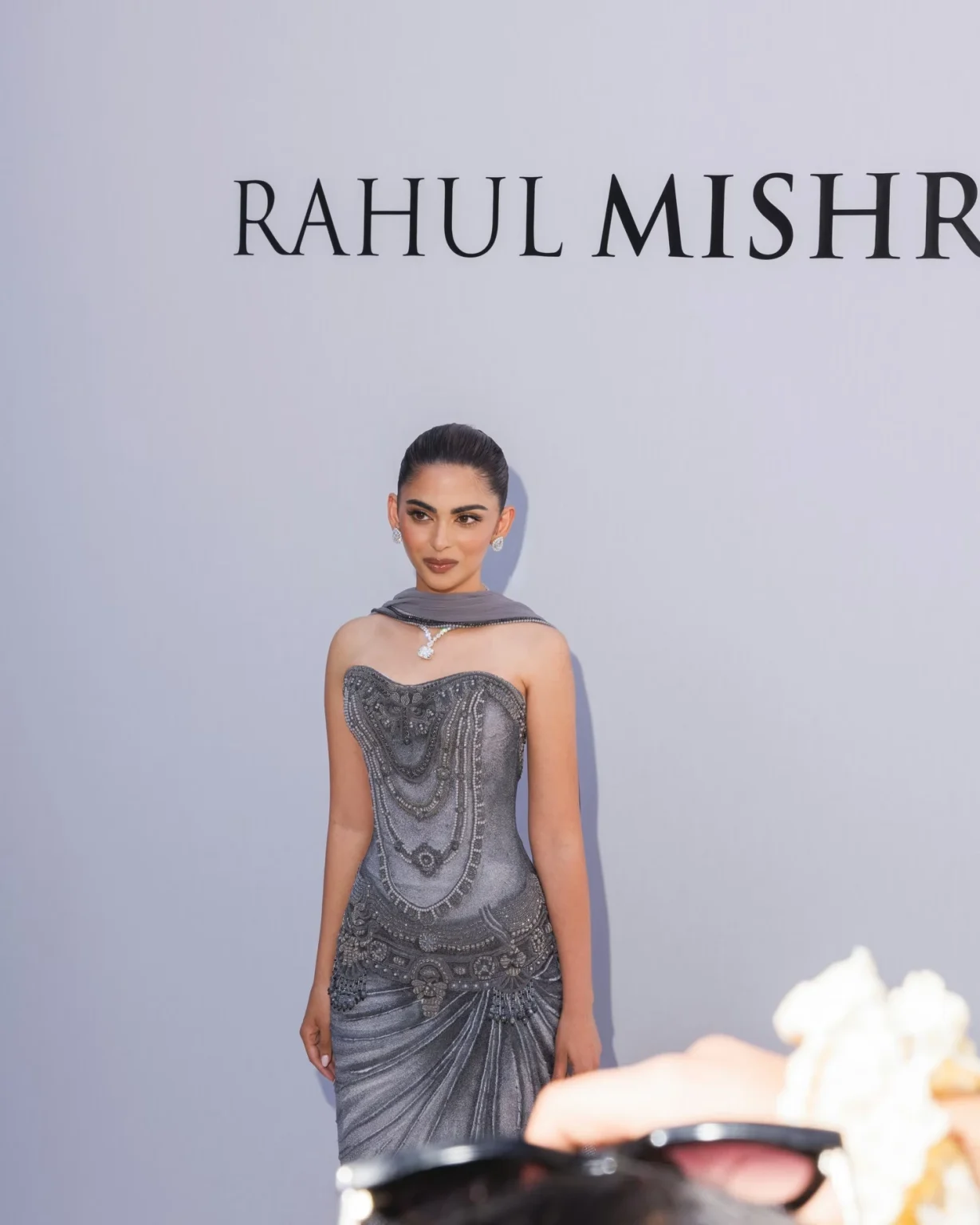
Rahul Mishra transformed the visual language of India’s ancient temples into couture. His collection, Devi, reinterpreted centuries-old carvings, sacred geometry, and sculptural ornament through thousands of hours of hand embroidery, turning garments into moving monuments. Against the backdrop of Paris, the global capital of haute couture, Mishra presented a collection that celebrated craftsmanship rooted in India’s architectural heritage while speaking a universal language of art, memory, and design.
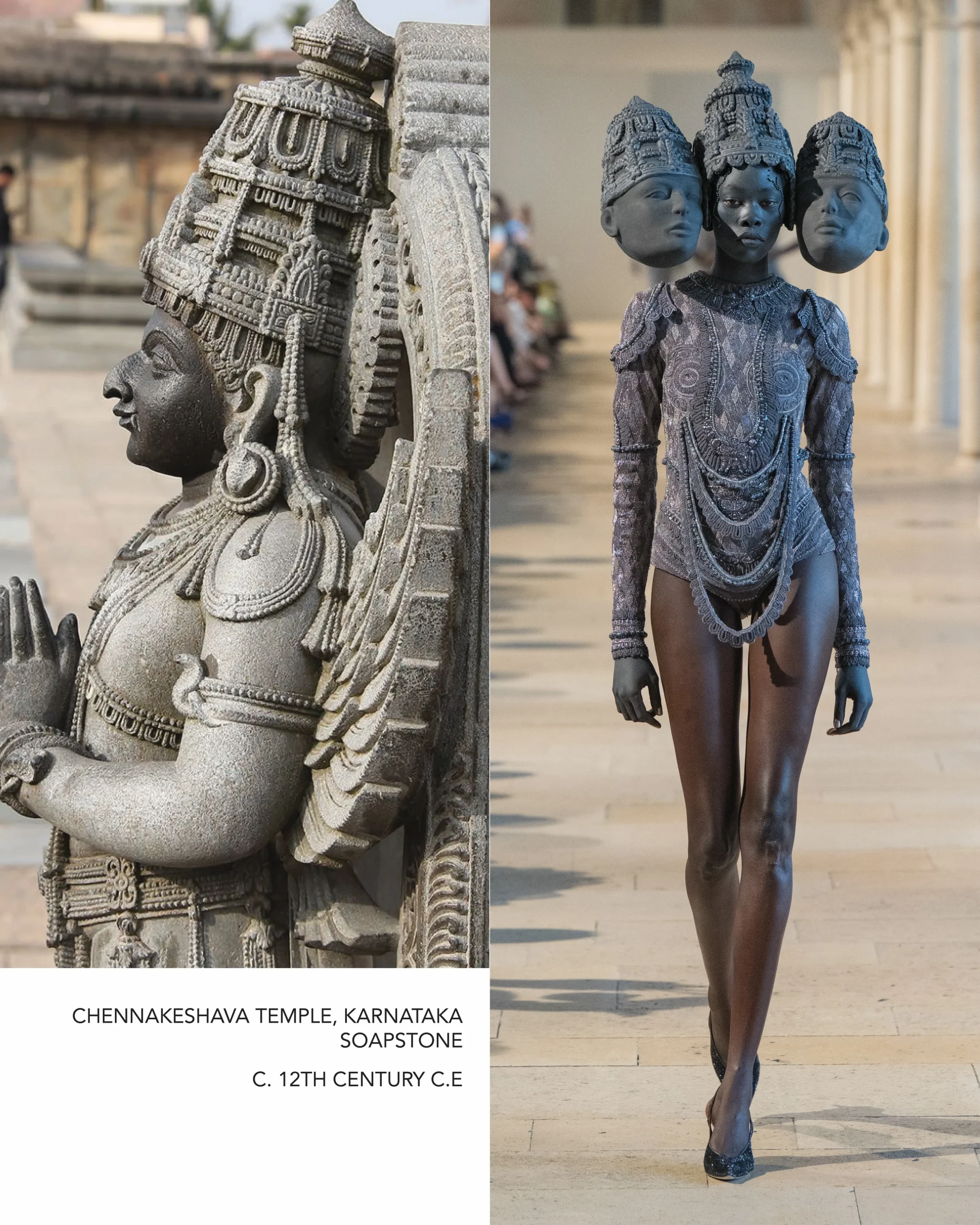
The moment carried significance far beyond fashion. It demonstrated how architecture can move beyond buildings to shape textiles, storytelling, and identity, proving that monuments built hundreds of years ago continue to inspire contemporary creativity on the world’s biggest cultural stages.
The result was a collection that blurred the boundaries between architecture, sculpture, and couture.
What If a Temple Could Be Worn Instead of Visited?
Buildings often define architecture, yet its influence extends far beyond walls and monuments. It shapes craft, culture, movement, and the ways stories are passed from one generation to the next.
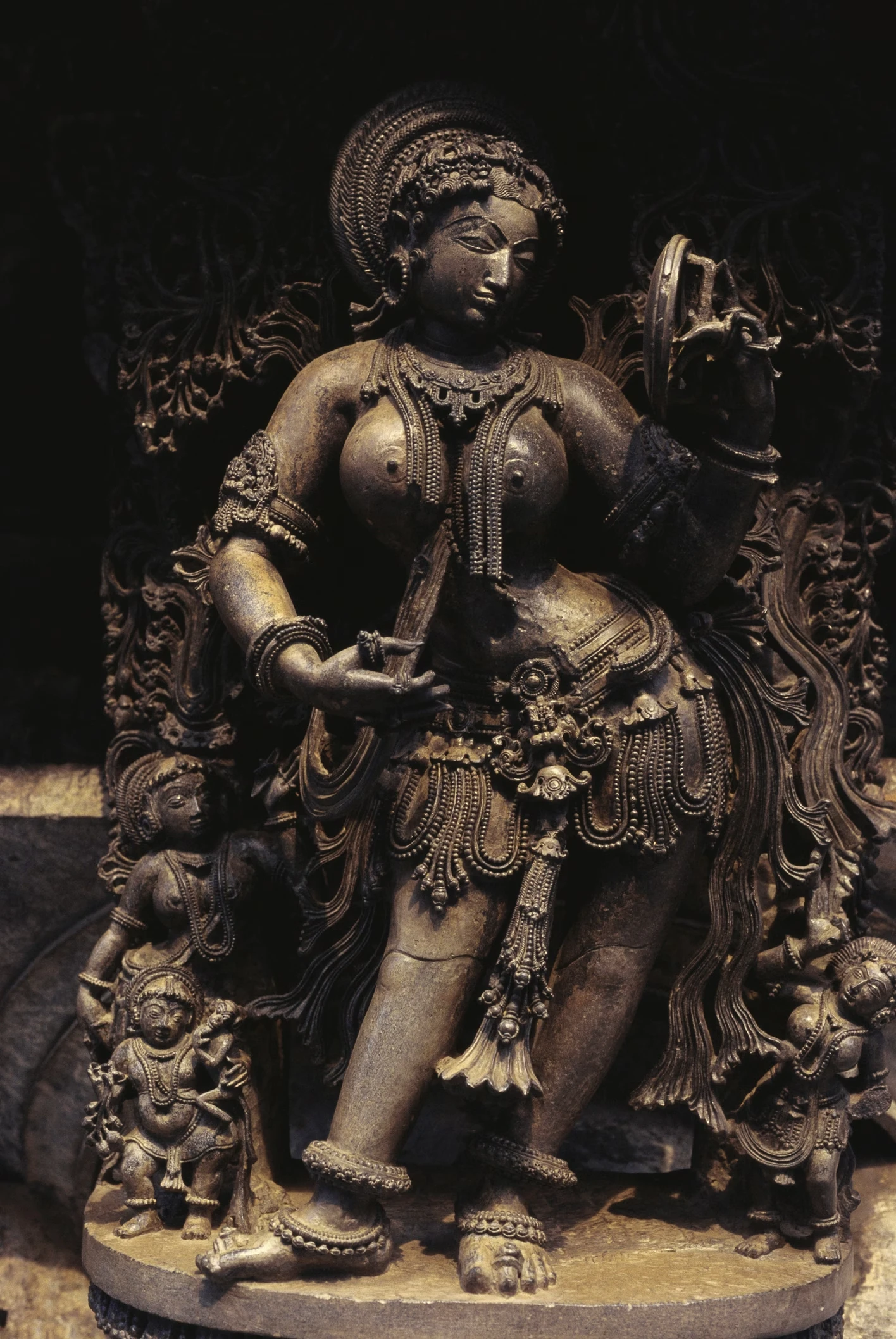
Indian temples have always been more than places of worship. They are archives carved in stone, where mythology, philosophy, astronomy, music, dance, flora, fauna, and daily life coexist across intricate façades. Every pillar, frieze, and sculpture contributes to a larger narrative, revealing a civilization’s understanding of spirituality and the cosmos.
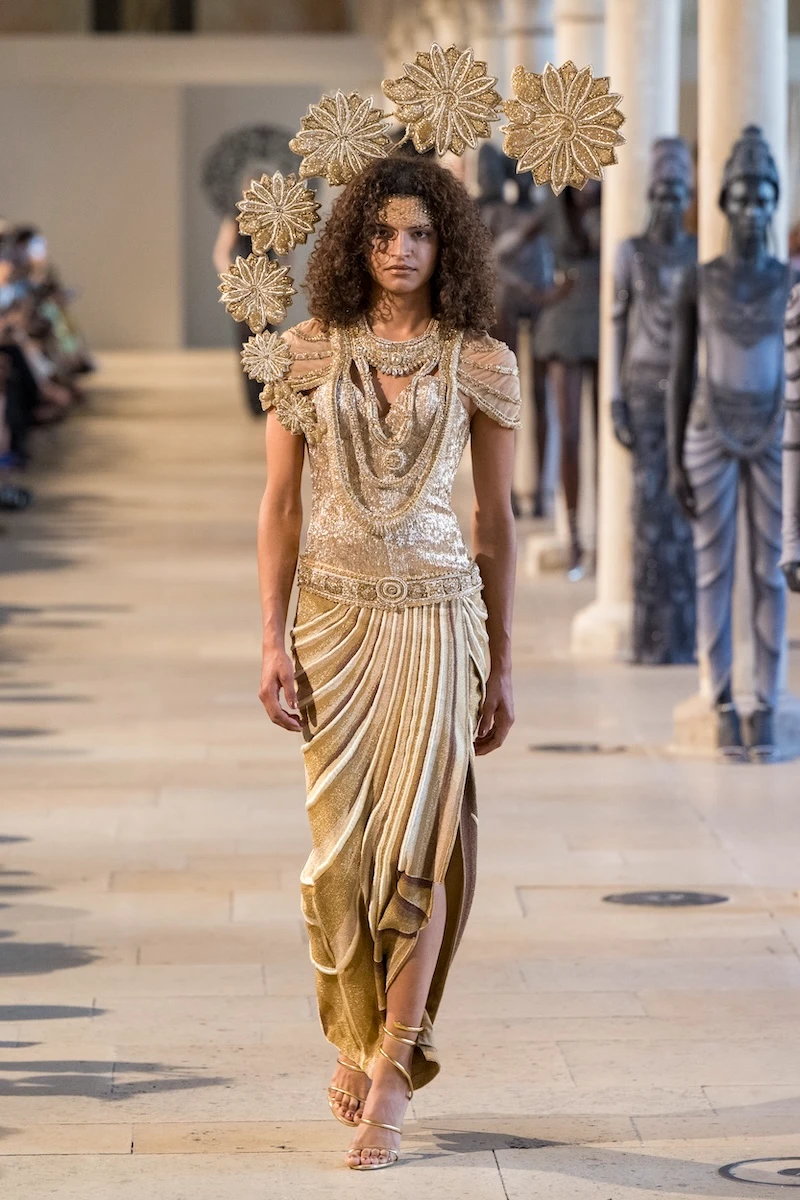
This storytelling tradition became the conceptual foundation of Mishra’s collection. He drew from the visual language shared by many historic temples across India: the rhythmic repetition of carved figures, layered ornamentation, celestial deities, sacred motifs, and architectural symmetry that together transform stone into living stories.
How Temple Carvings Reached Paris Haute Couture
One of the most striking aspects of the collection is how faithfully it translates architectural craftsmanship into textile techniques.
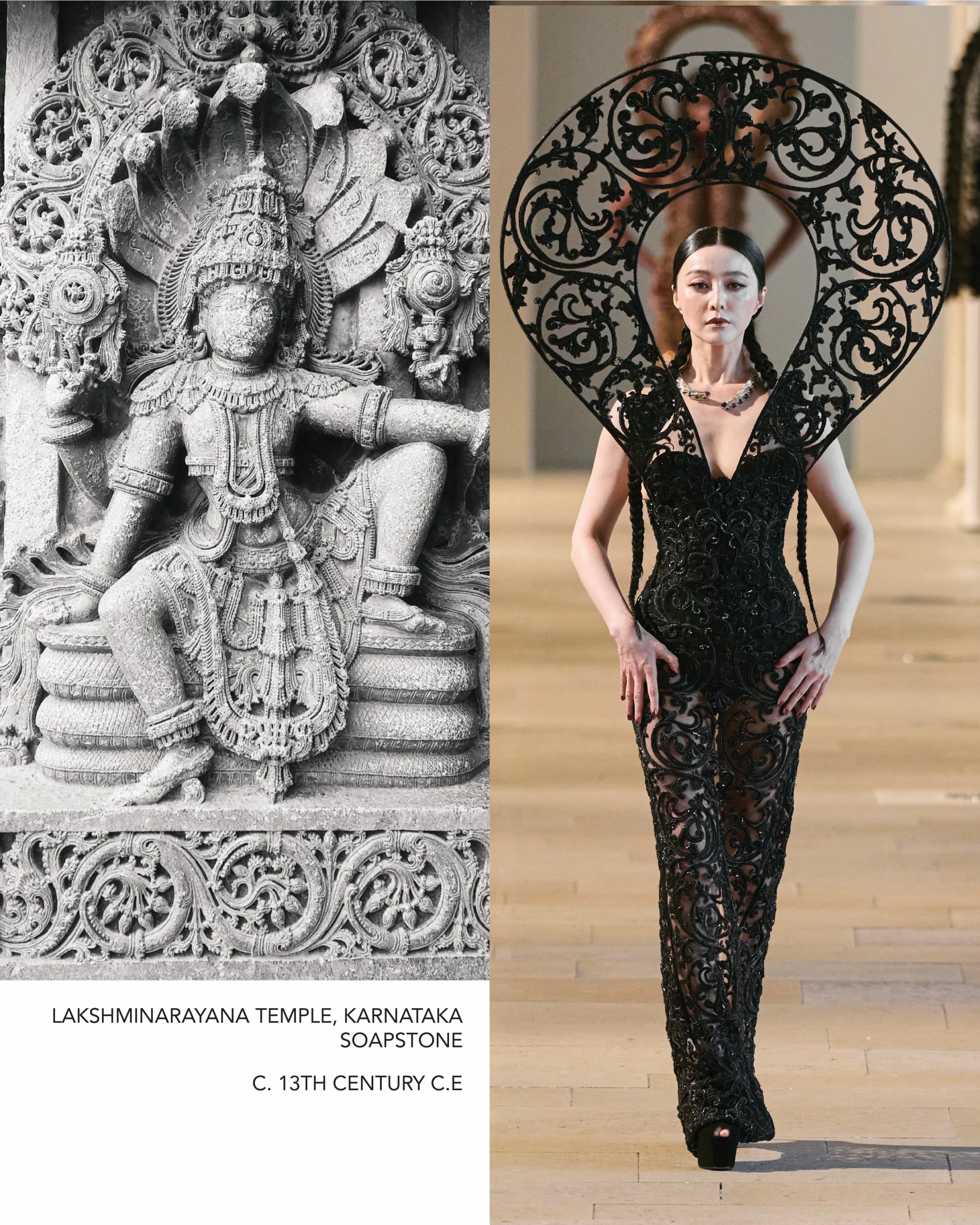
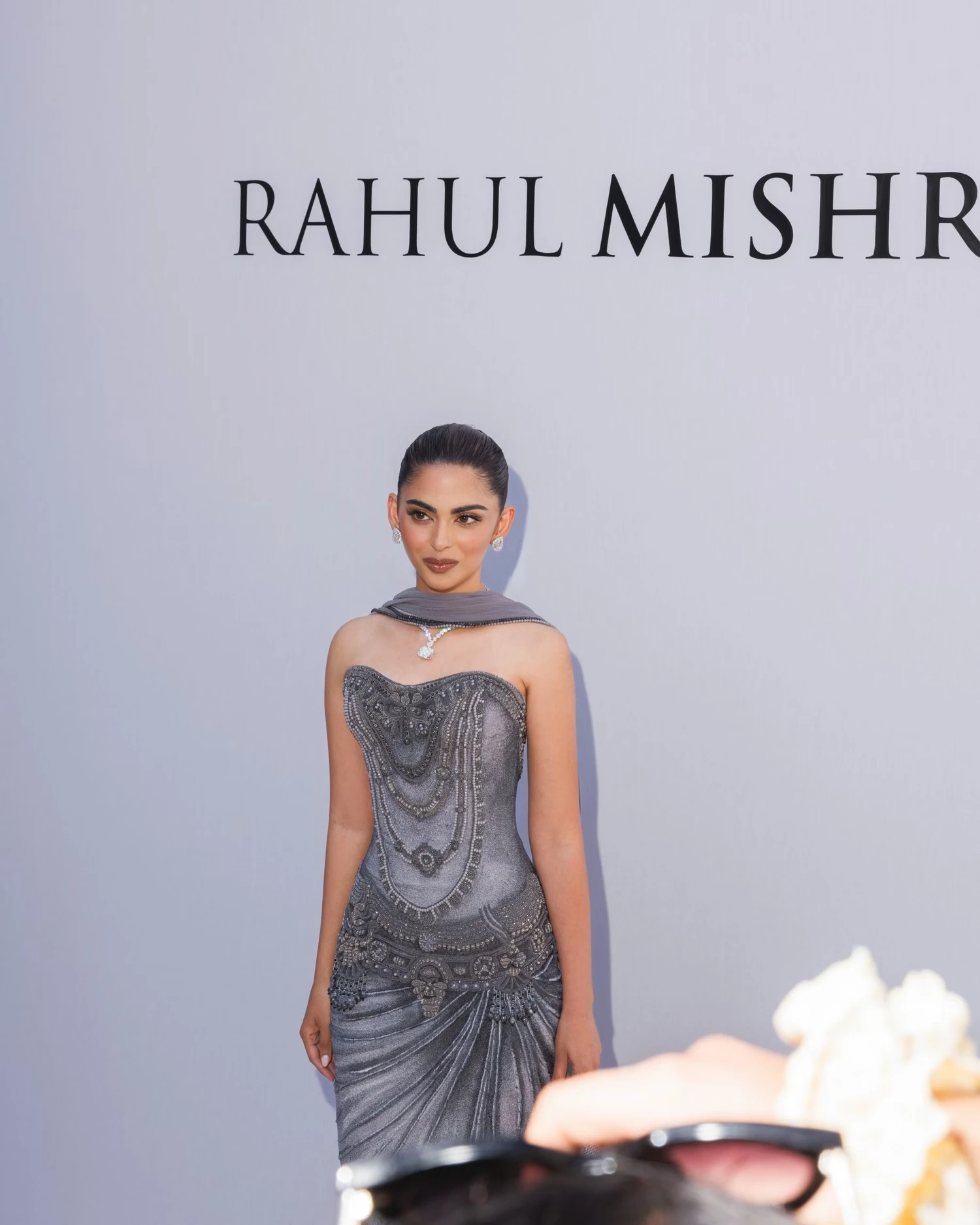
Temple walls are known for their extraordinary depth, where sculptures emerge from stone through meticulous carving. Mishra recreated this sense of dimensionality through embroidery that rises from the garment. Layers of metallic threads, sequins, crystals, beads, silk, and hand embroidery build relief-like textures that resemble sculpted façades illuminated by changing light.
The garments possess the visual richness of carved sandstone or marble, revealing new details as models move across the runway.
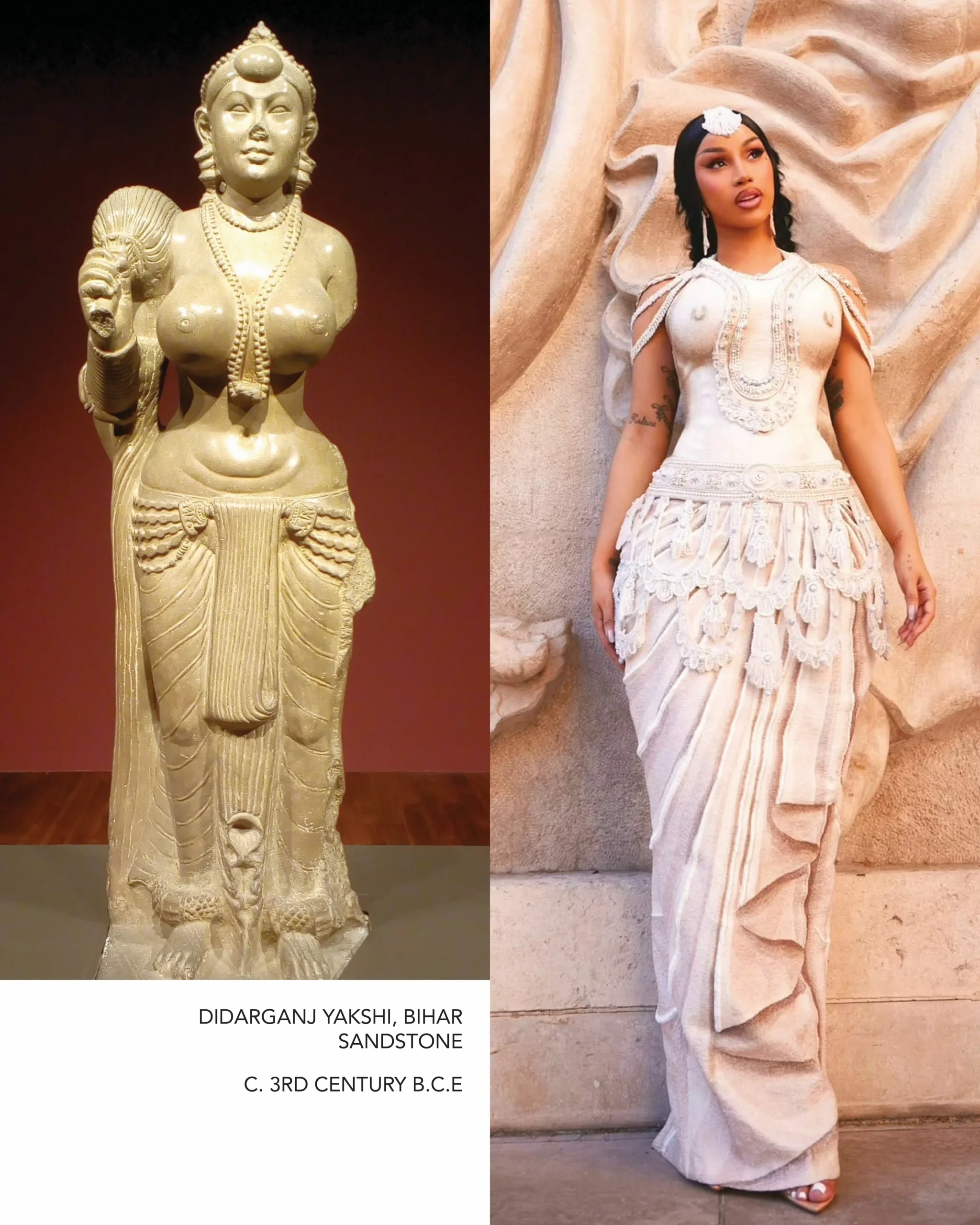
Some gowns featured dense embroidered surfaces that echoed the visual complexity of temple exteriors, while others balanced richly ornamented bodices with flowing silhouettes, creating a dialogue between solidity and fluidity, the same contrast found in monumental architecture where heavy stone structures appear surprisingly graceful.
Sculpting the Human Form
Temple architecture celebrates the human body through sculpture. Across India’s historic temples, celestial dancers, guardians, musicians, deities, and divine feminine figures are portrayed in expressive poses that capture rhythm, movement, and emotion despite being carved from stone.
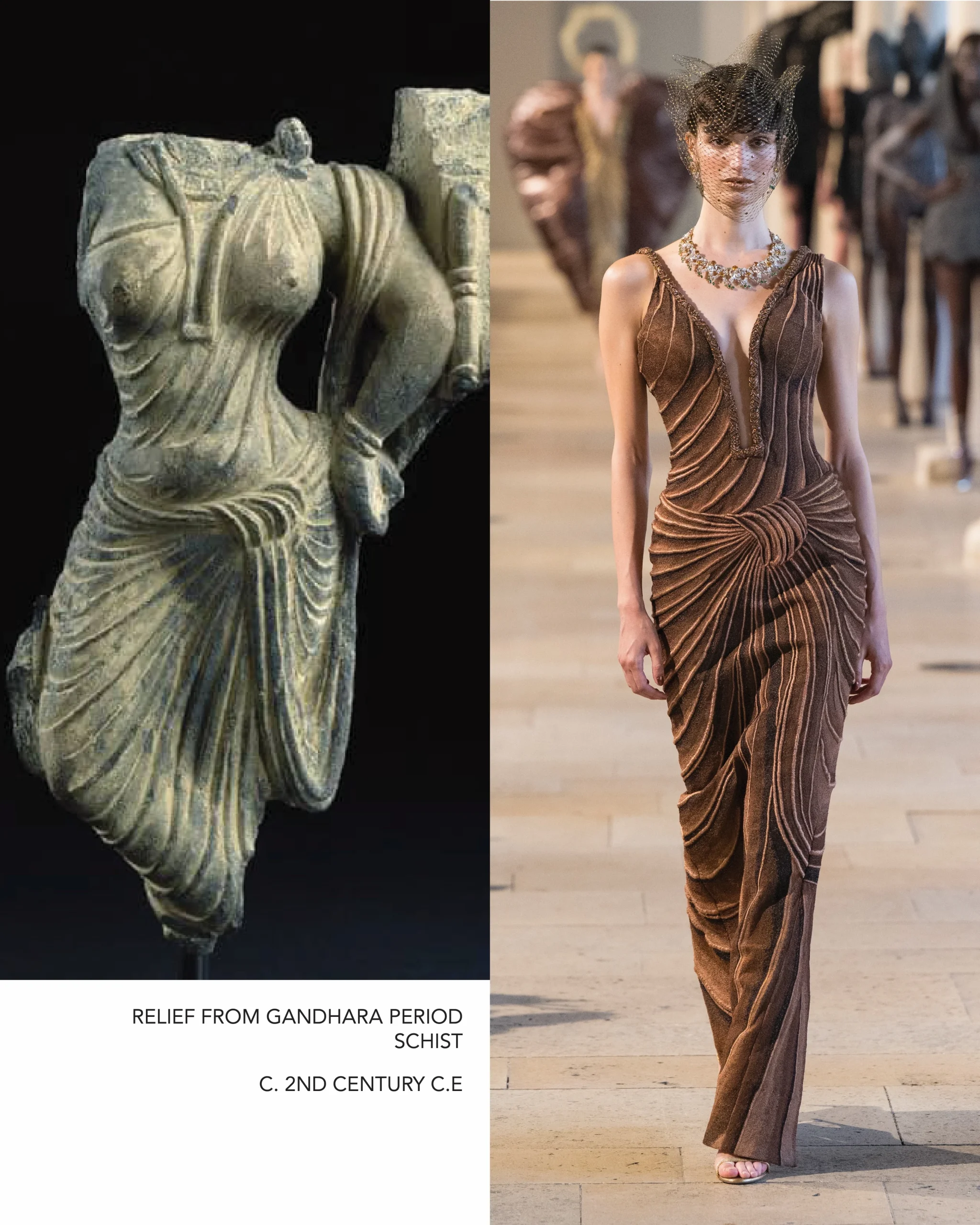
Mishra translated these sculptural traditions into couture silhouettes.
Corseted forms, structured shoulders, flowing drapery, exaggerated proportions, and sculpted volumes transformed garments into architectural compositions. Instead of simply fitting the body, the dresses reshape its presence, much like temple sculptures redefine the walls they inhabit.
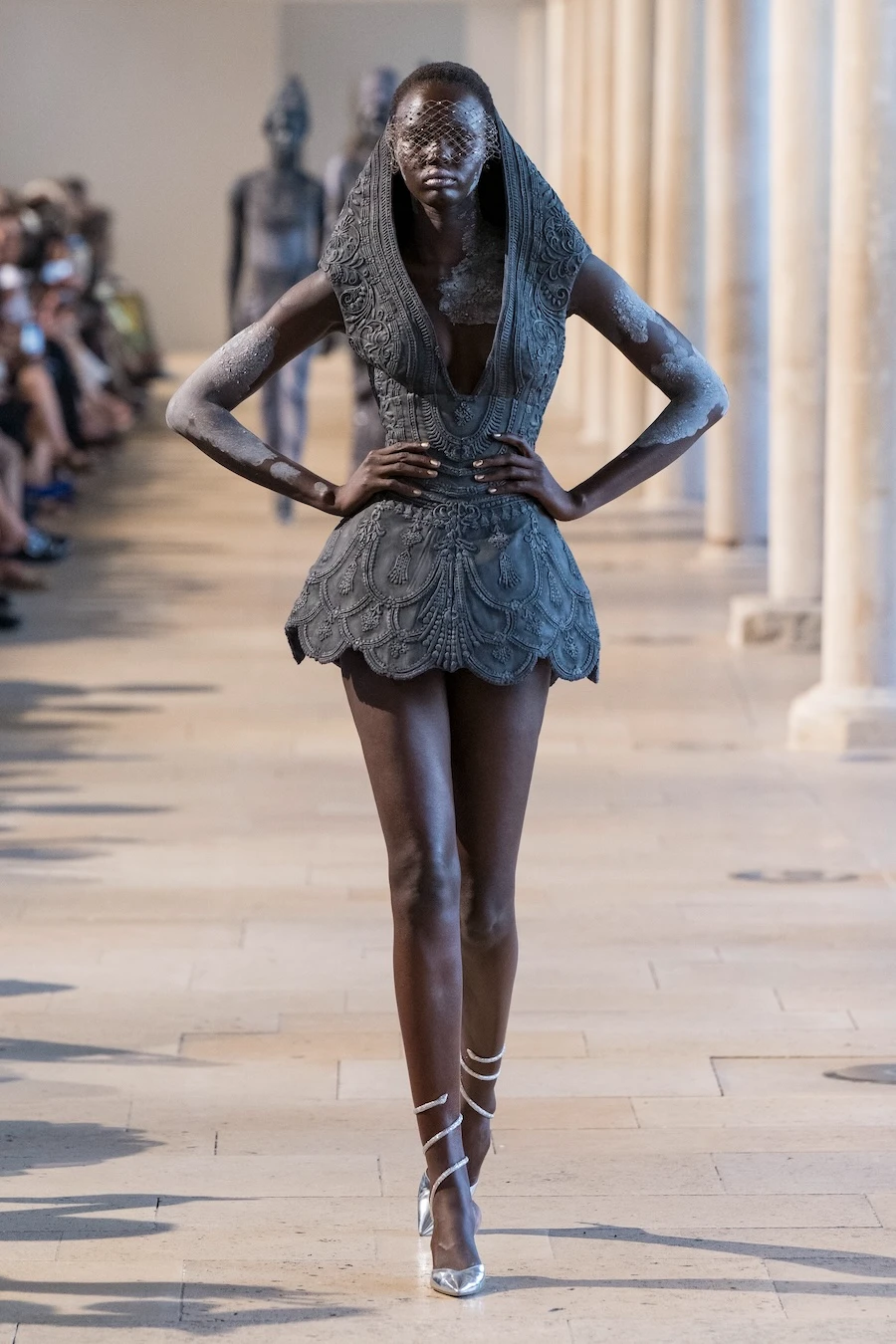
As models walked the runway, embroidered surfaces caught the light while layered fabrics shifted with each step, creating the illusion that ancient stone carvings had come alive.
The Divine Feminine as Architectural Inspiration
Central to the collection is the idea of the Devi, the divine feminine, whose presence is deeply embedded in Indian temple architecture.
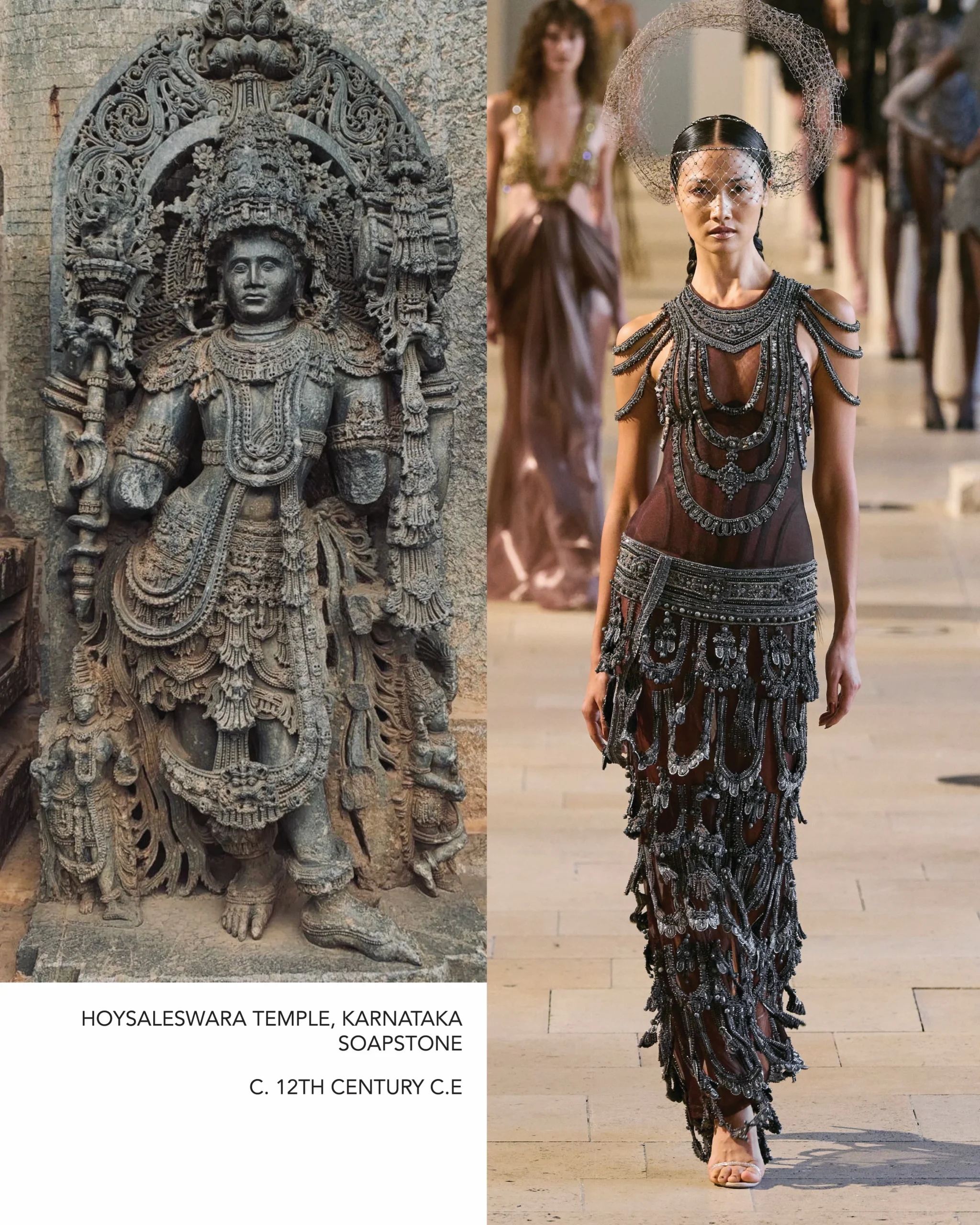
Across temples dedicated to Durga, Lakshmi, Saraswati, Parvati, and countless regional goddesses, feminine figures represent creation, protection, wisdom, abundance, and transformation. These sculptures are not merely decorative elements but architectural expressions of cosmic energy.
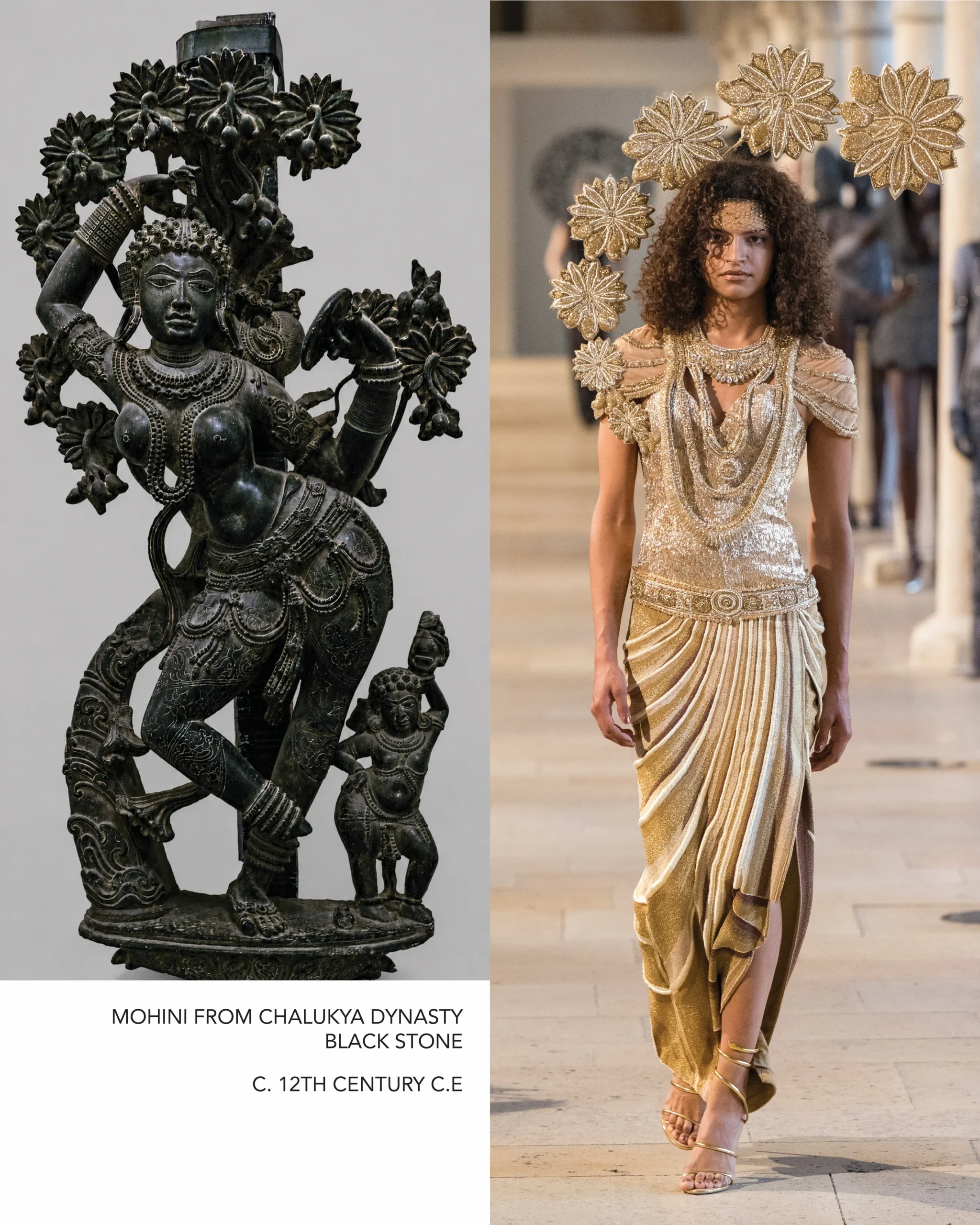
Mishra explored the broader symbolism of feminine strength through couture. Embroidered figures, radiant halos, celestial patterns, floral motifs, and richly ornamented surfaces reflected the layered iconography found in temple sculpture.
The garments became less about costume and more about embodying the spiritual narratives that temples have communicated for centuries.
Sacred Geometry Woven into Fashion
Ancient temple architecture is governed by proportion, symmetry, and geometry. Every axis, mandala, and structural alignment is carefully planned to express balance between the earthly and the divine.
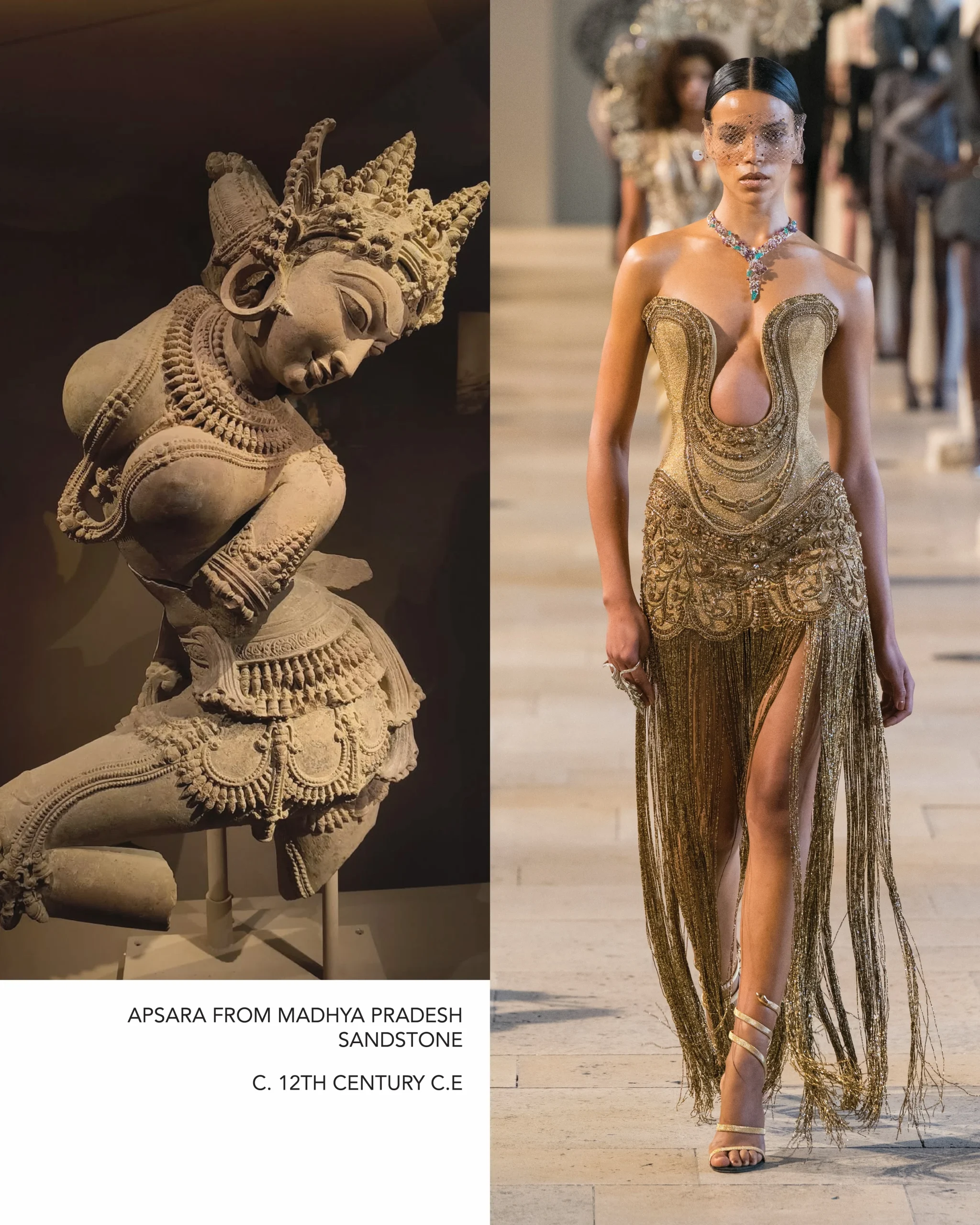
Although translated into couture, similar principles appeared throughout the collection.
Many garments relied on symmetrical embroidery layouts, radial compositions, repeating ornamental patterns, and precisely balanced embellishments. These arrangements echoed the geometric discipline of temple plans while allowing textiles to replace stone as the primary medium.
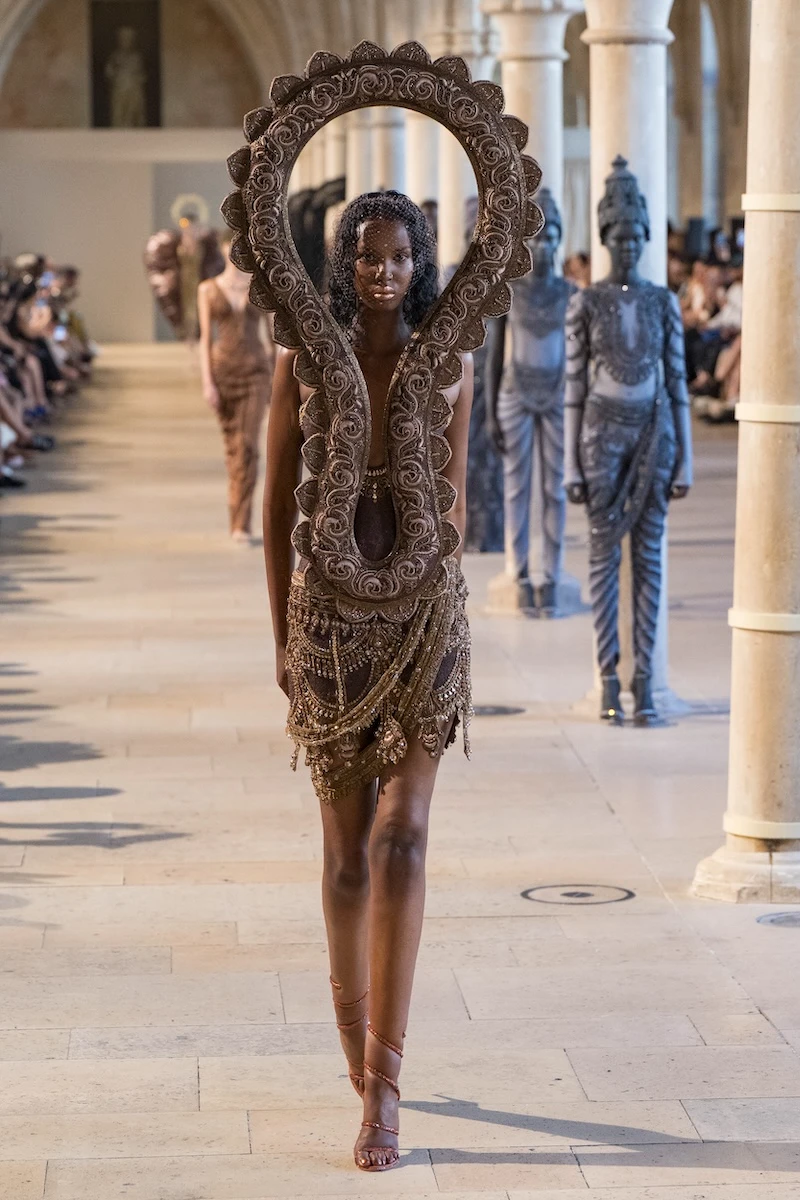
This architectural order gave even the most elaborate garments a remarkable sense of harmony, preventing intricate embellishments from becoming visually overwhelming.
Couture as Living Craftsmanship
The connection between temple architecture and Mishra’s work extends beyond aesthetics; it also lies in the process of making.
Historic Indian temples were created through decades of collective craftsmanship involving sculptors, stone carvers, metalworkers, painters, and artisans whose knowledge passed through generations.
Similarly, Rahul Mishra’s couture relies on thousands of hours of hand embroidery executed by skilled artisans across India. Every bead, metallic thread, crystal, and stitched motif reflects a tradition of craftsmanship that values patience, precision, and human touch over speed.
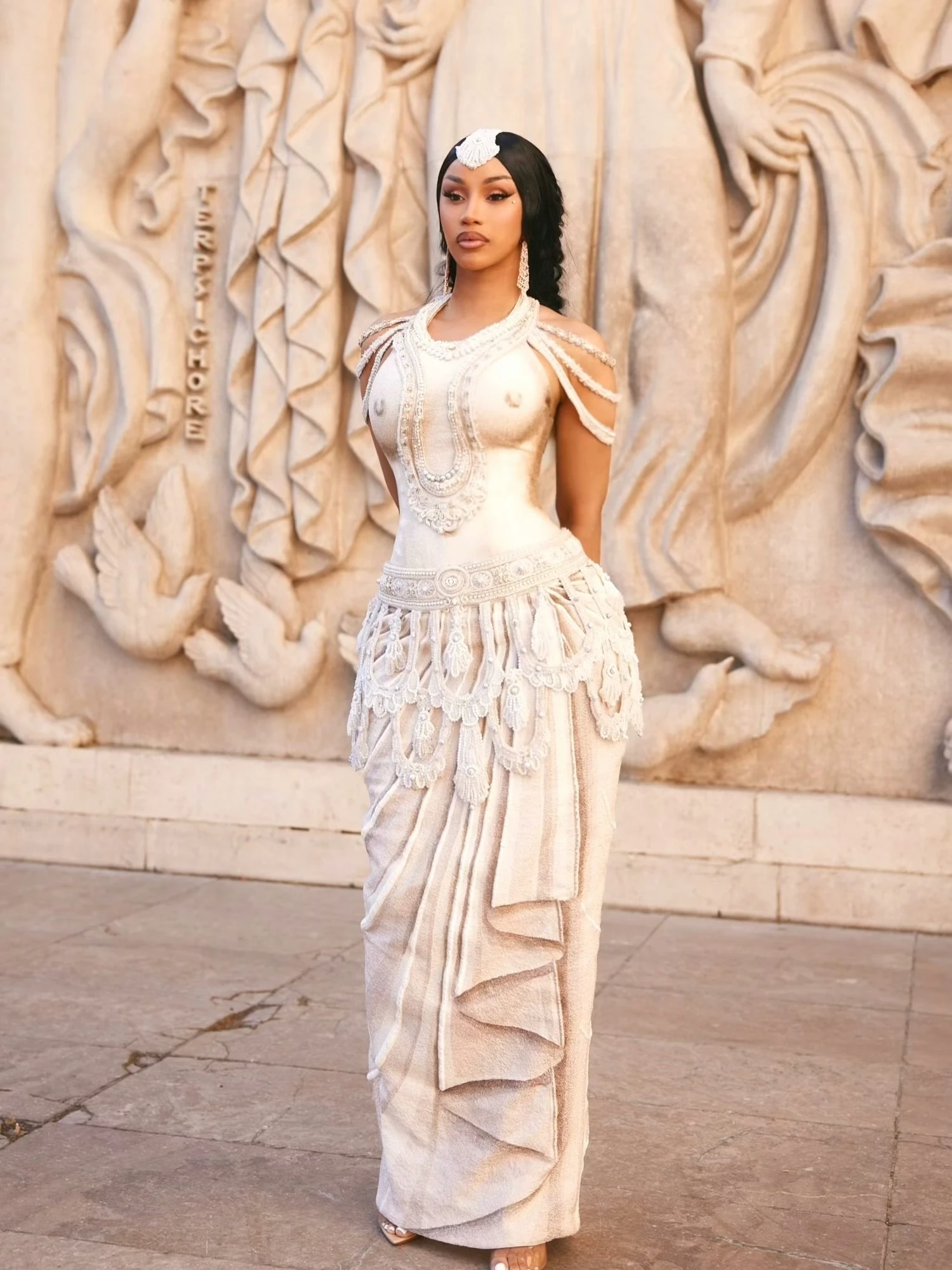
This parallel transforms the collection into more than a fashion statement. It becomes a contemporary continuation of India’s artisan heritage, demonstrating that craftsmanship remains one of the country’s greatest cultural legacies.
The Dialogue Between Permanence and Movement
Perhaps the collection’s most compelling achievement lies in its contrast between permanence and impermanence.
Temple architecture is designed to endure for centuries. Stone preserves stories across generations, resisting time through material permanence.
Fashion, by contrast, exists through movement. Fabric responds to the body, light, and motion, constantly changing as it is worn.
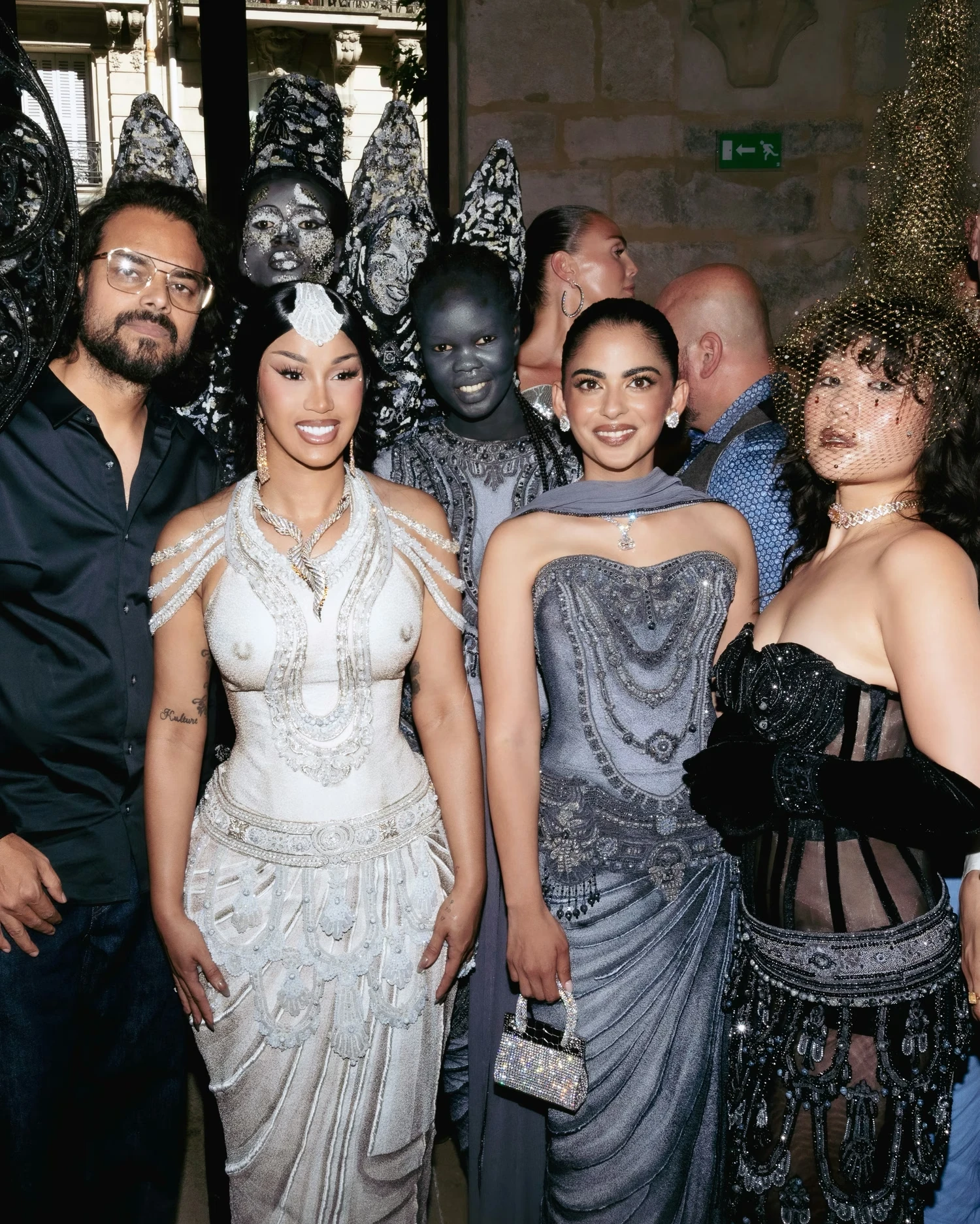
Mishra bridges these opposing worlds by giving architectural memory a dynamic form. Relief-like embroidery shifts with every step, sculptural silhouettes evolve as garments move, and motifs inspired by immovable monuments gain new life through couture.
Instead of freezing architecture into history, the collection allows it to breathe.
A Global Stage for Indian Architectural Heritage
Presenting these ideas during Paris Haute Couture Week carries significance beyond fashion.
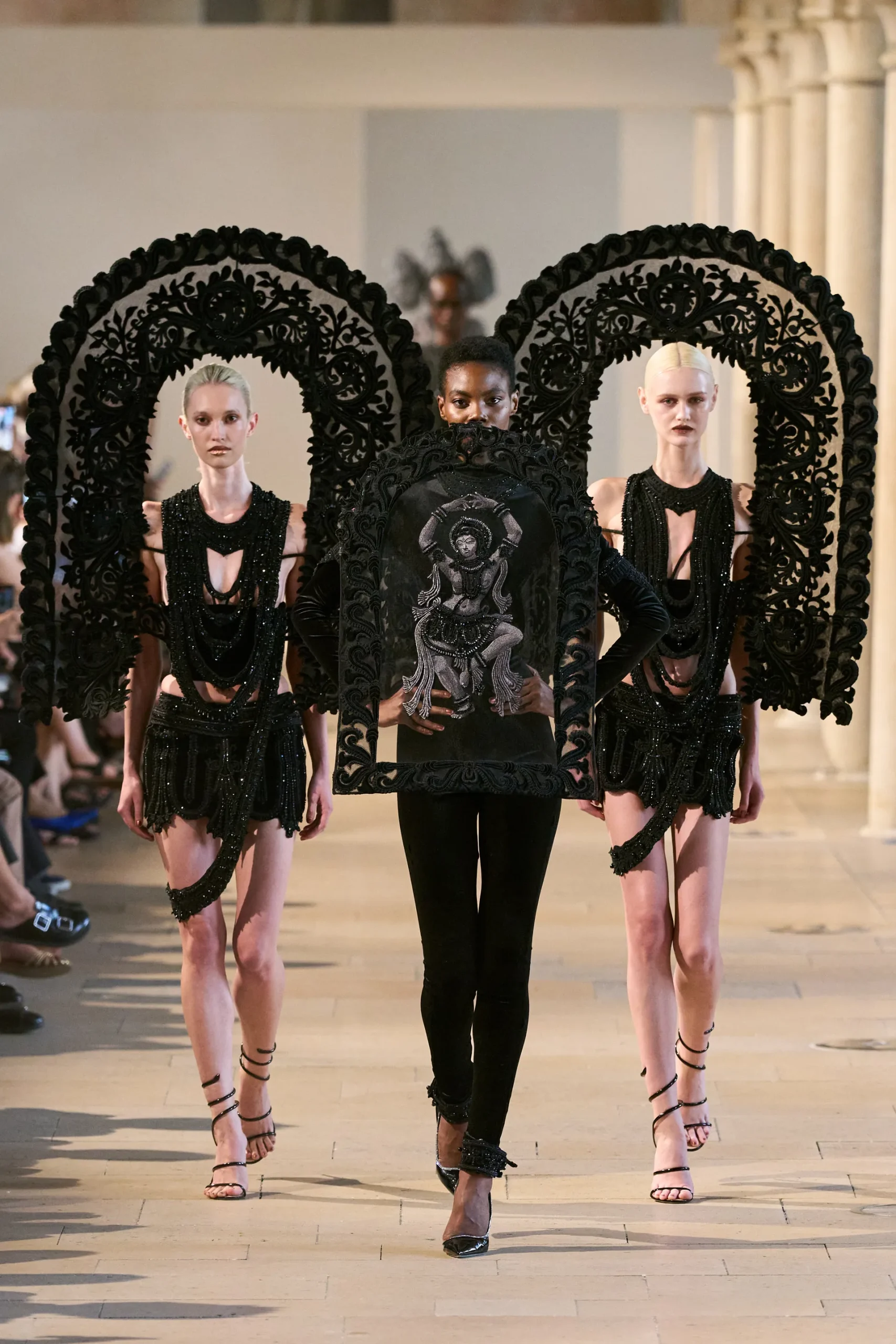
Mishra introduced international audiences to the intellectual and artistic depth of India’s architectural traditions. The collection suggested that temples are not simply historical monuments but living sources of design innovation capable of influencing contemporary creative disciplines.
It also demonstrated how architecture can extend beyond buildings to shape material culture, craftsmanship, storytelling, and identity.
At a time when fashion increasingly draws from architecture for structural inspiration, Rahul Mishra offered a different perspective: architecture as cultural memory. His Fall 2026 couture collection transformed centuries-old temple carvings into garments without losing their symbolic richness, proving that the language of architecture can survive even when stone gives way to fabric.
The collection invited viewers to experience them differently through movement, craftsmanship, and the human body, showing that some of the world’s oldest architectural traditions continue to inspire entirely new forms of creative expression.