

Controversy erupted almost immediately after Studio Campo Baeza and Quito-based MAODA were announced as winners of the international competition for Ecuador’s new National Museum (MuNA) in Quito on July 6. What began as criticism of the project’s minimalist architecture quickly evolved into a broader debate over the competition process, transparency, and governance. Within days, the controversy intensified following the resignations of Ecuador’s Vice Minister of Culture and Heritage, Romina Muñoz, and MuNA Executive Director Carlos Eduardo Montalvo Puente, although the government has not officially linked either resignation to the competition.
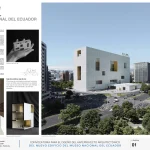
Despite the debate, the official competition result remains unchanged. Campo Baeza and MAODA’s proposal, “Echoes of the Sun,” secured first place following a two-stage international competition that attracted 148 teams from more than 20 countries, with 17 finalist proposals advancing to the final round before the winner was announced during a public ceremony in Quito on July 6, 2026.
Winning Design Reimagines the National Museum of Ecuador
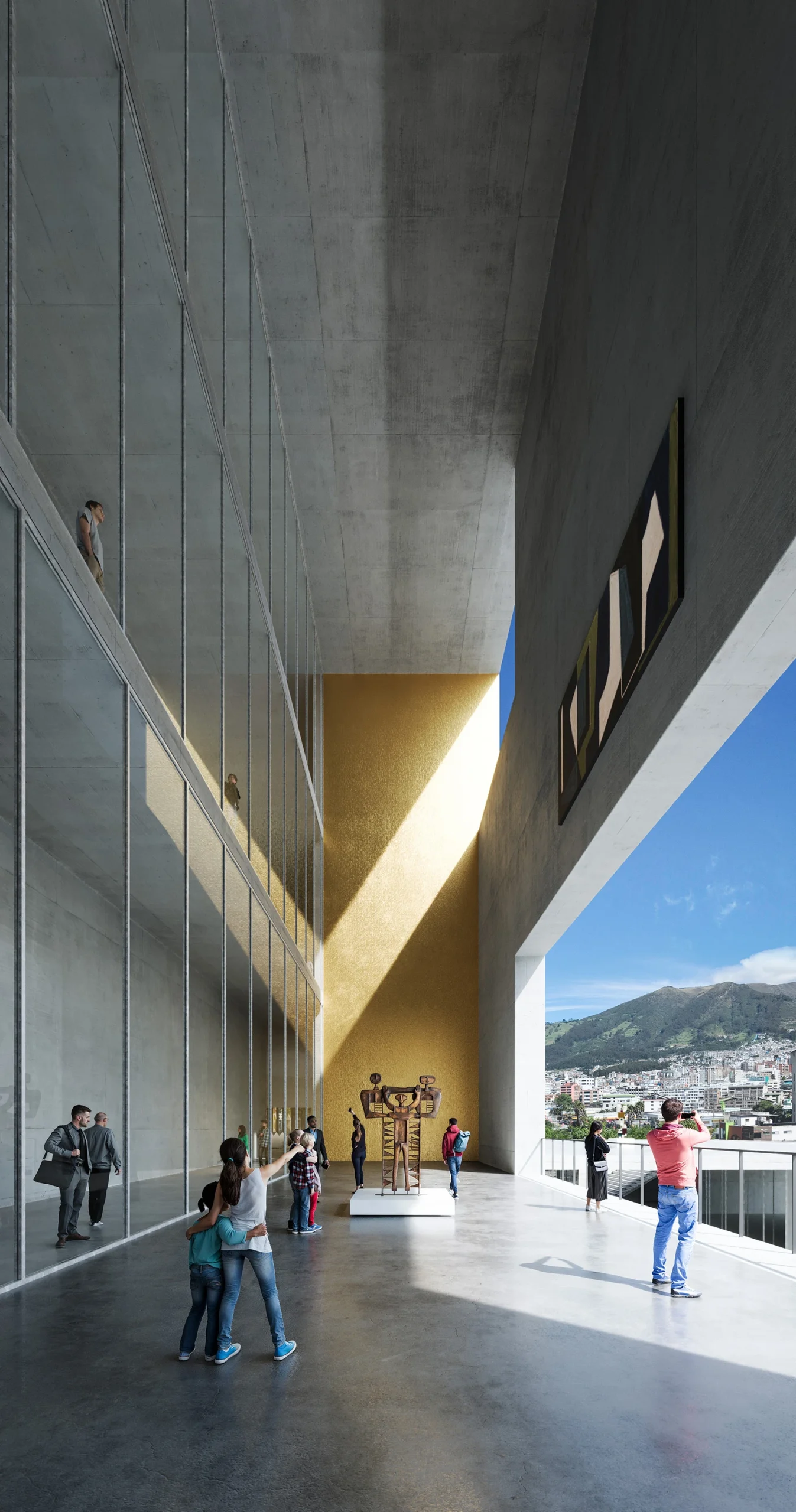
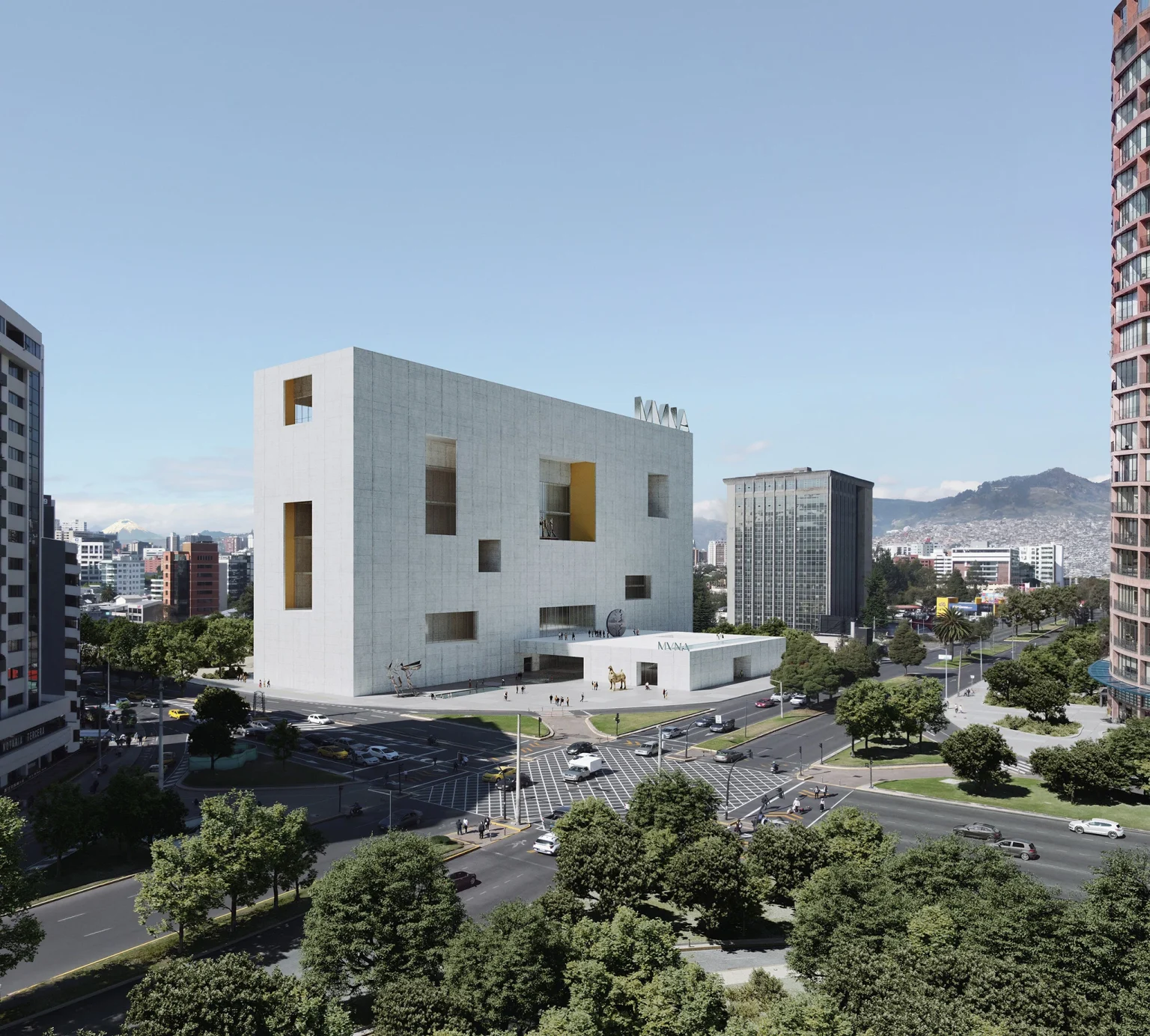
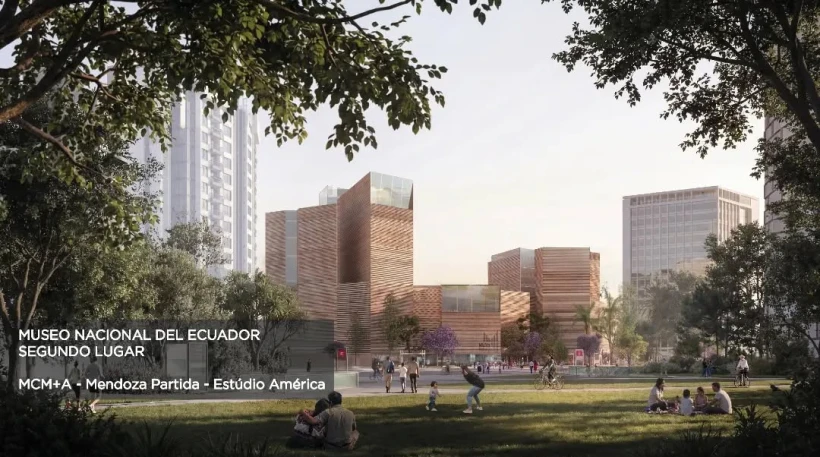
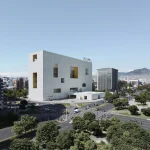
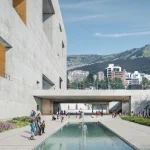
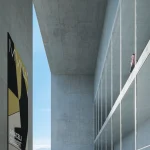
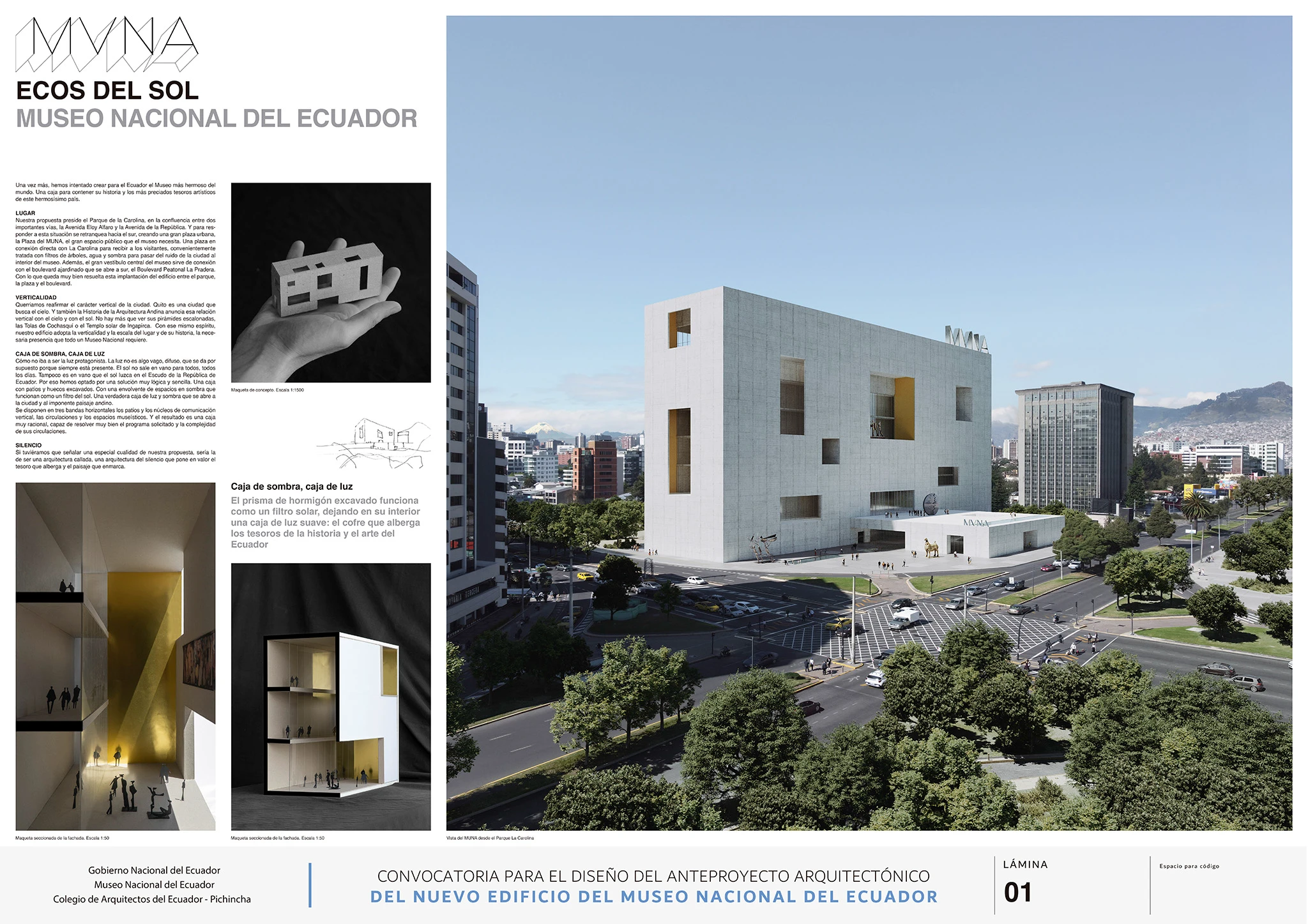
The winning proposal envisions the new National Museum of Ecuador as a monumental yet restrained cultural landmark beside La Carolina Park in Quito. The building is positioned toward its southern edge, allowing a generous public plaza to connect the museum with the surrounding city through landscaped gardens, water features, and shaded gathering spaces.
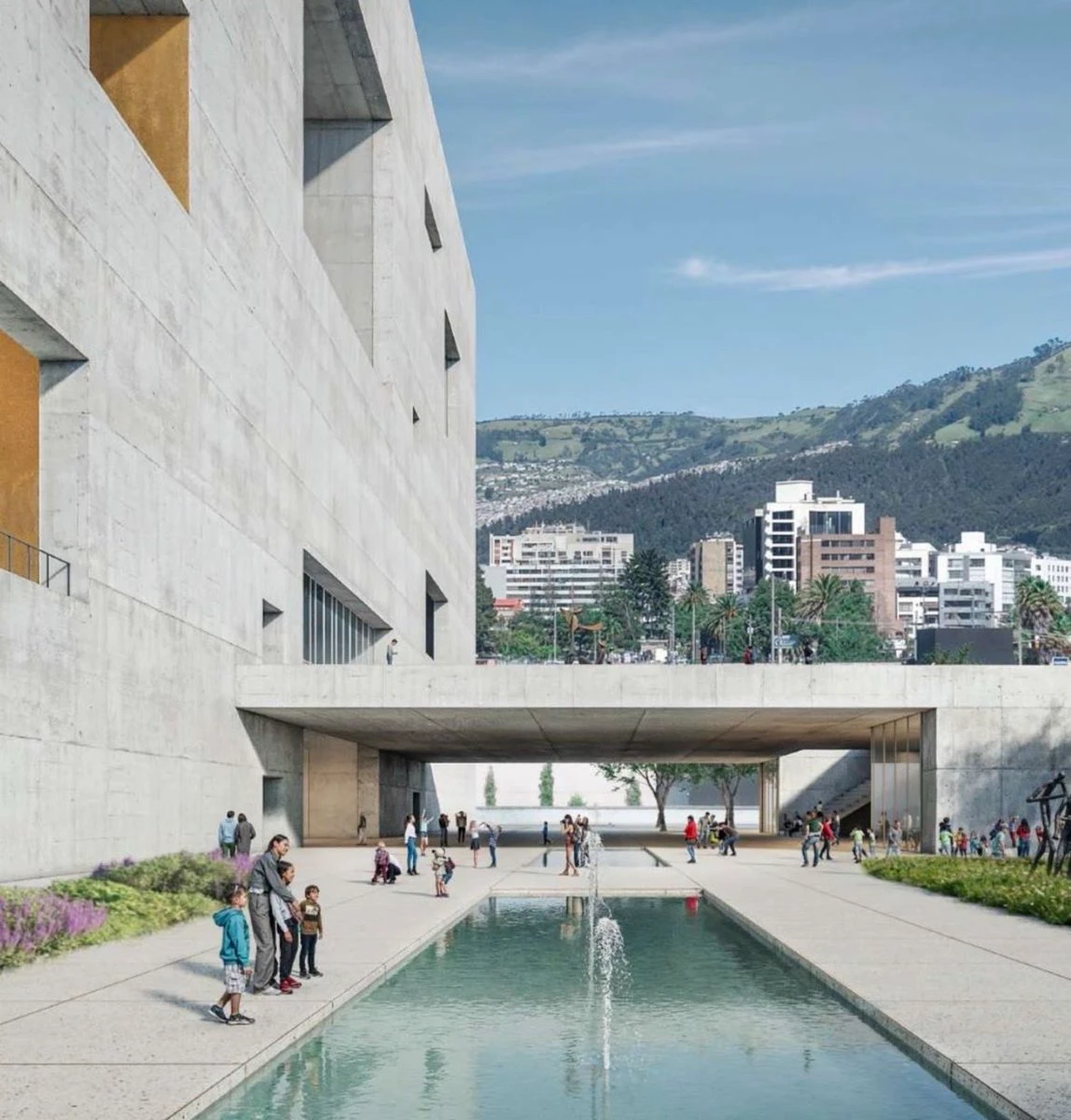
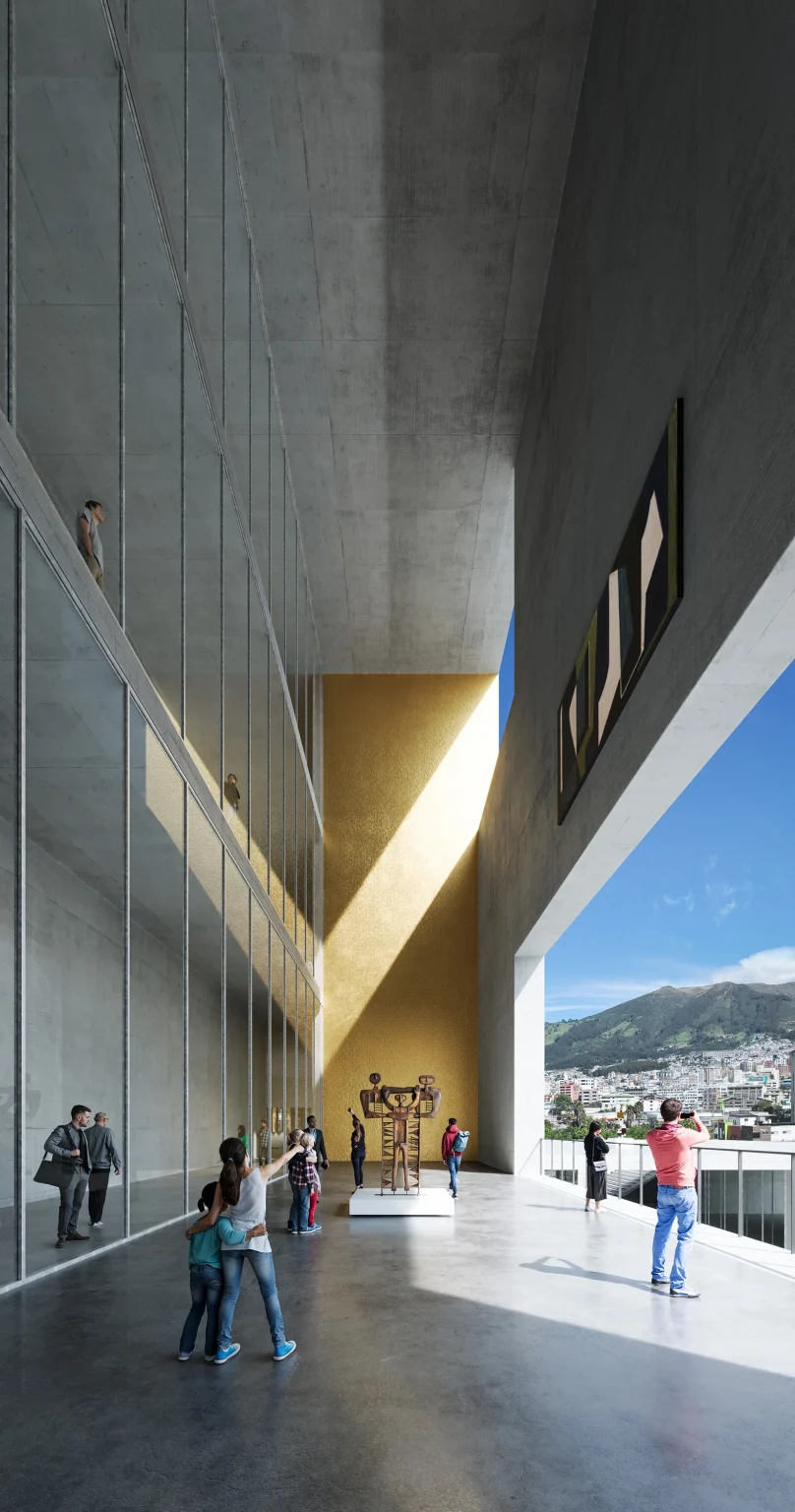
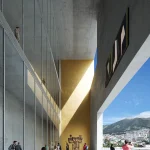
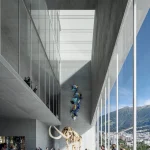
Named “Echoes of the Sun,” the design draws inspiration from Ecuador’s Andean landscape and pre-Columbian heritage. Campo Baeza and MAODA describe the museum as a “box of light and shadow,” where courtyards and carved voids filter daylight while referencing stepped pyramids, the Tolas of Cochasquí, and the Temple of the Sun at Ingapirca. The architects aim to create a contemporary civic monument rooted in Ecuador’s historical relationship with light, topography, and public space.
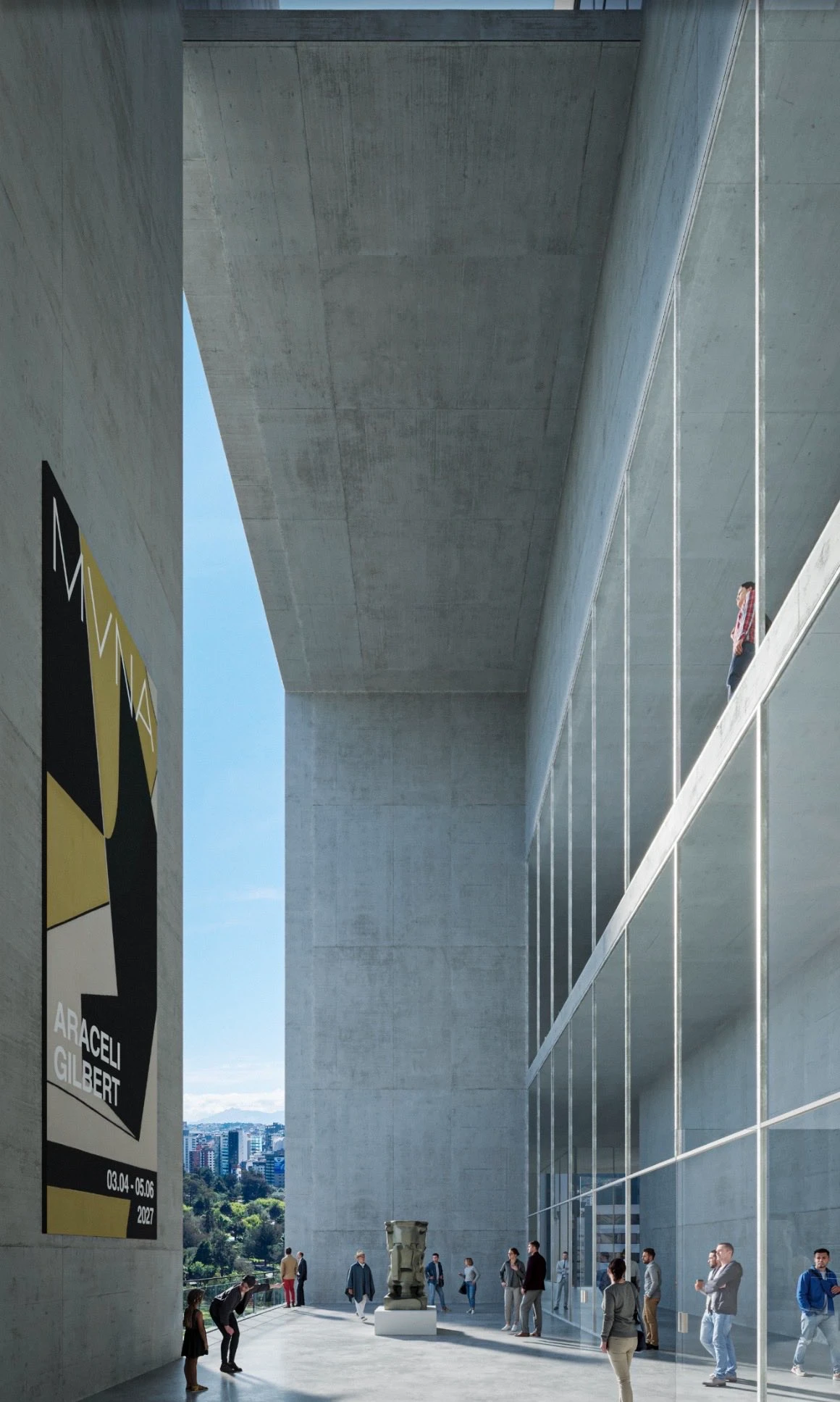
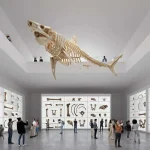
The approximately 36,000-square-meter museum is organized into three primary zones: exhibition galleries to the south, a central circulation spine, and northern service and circulation cores. A sequence of themed courtyards, including Patio Sol de Oro, Patio Inti, and the Ingapirca Courtyard, culminates at the Quito Terrace, offering panoramic views across the city and the Andes.
What Happens Next for the National Museum of Ecuador in Quito?
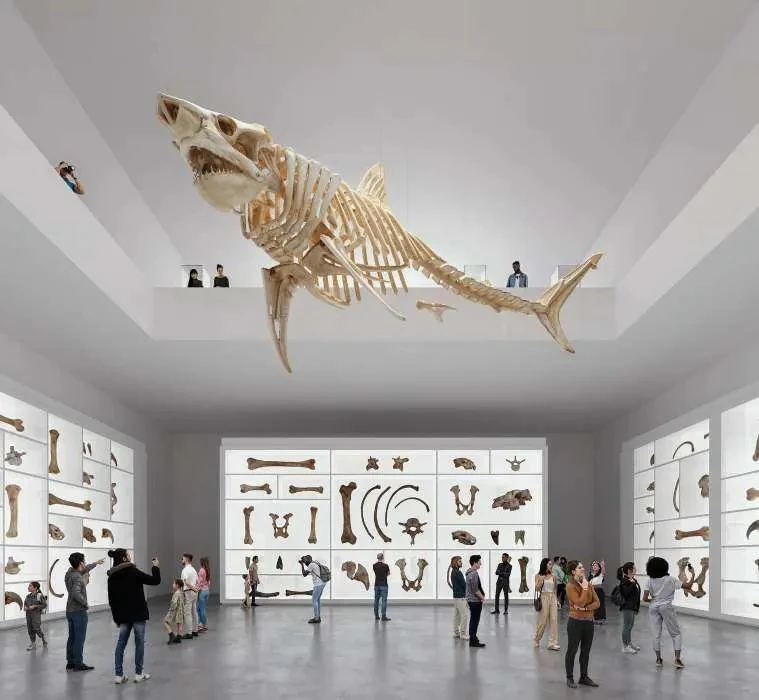
The new museum is planned as Ecuador’s principal institution for preserving, researching, and exhibiting the nation’s cultural heritage. According to the competition organizers, the project represents a major public investment, with an estimated $100 million allocated for the next stages of development. Beyond exhibition spaces, the museum will include conservation laboratories, research facilities, educational areas, and public amenities designed to support one of the country’s most significant cultural collections.
Although the competition remains under public scrutiny, Campo Baeza and MAODA’s selection marks a significant milestone in the long-awaited creation of a permanent home for Ecuador’s National Museum. As discussions surrounding the competition continue, attention is also turning toward how the winning design will be developed into one of Quito’s most important future cultural landmarks.