

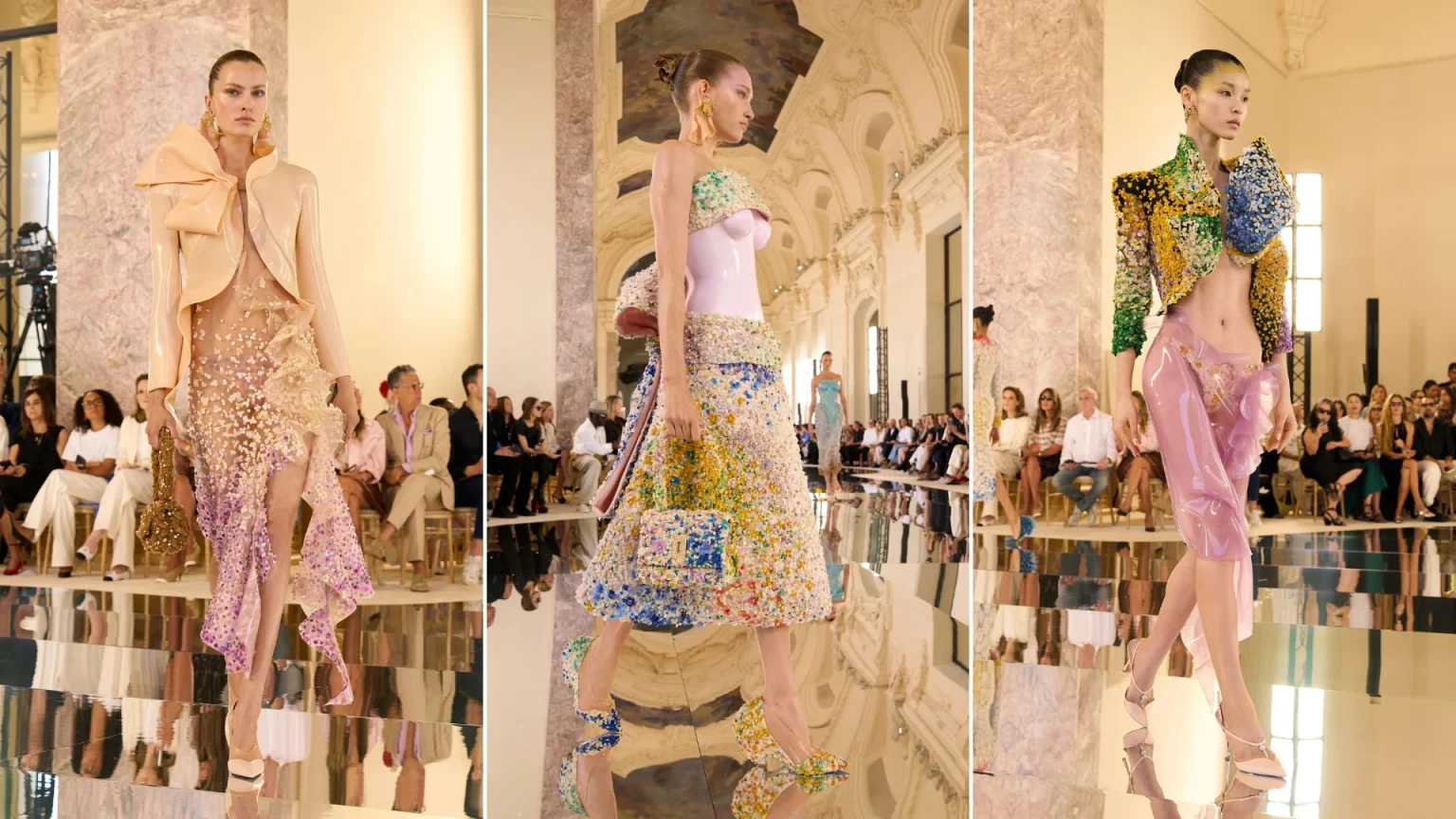
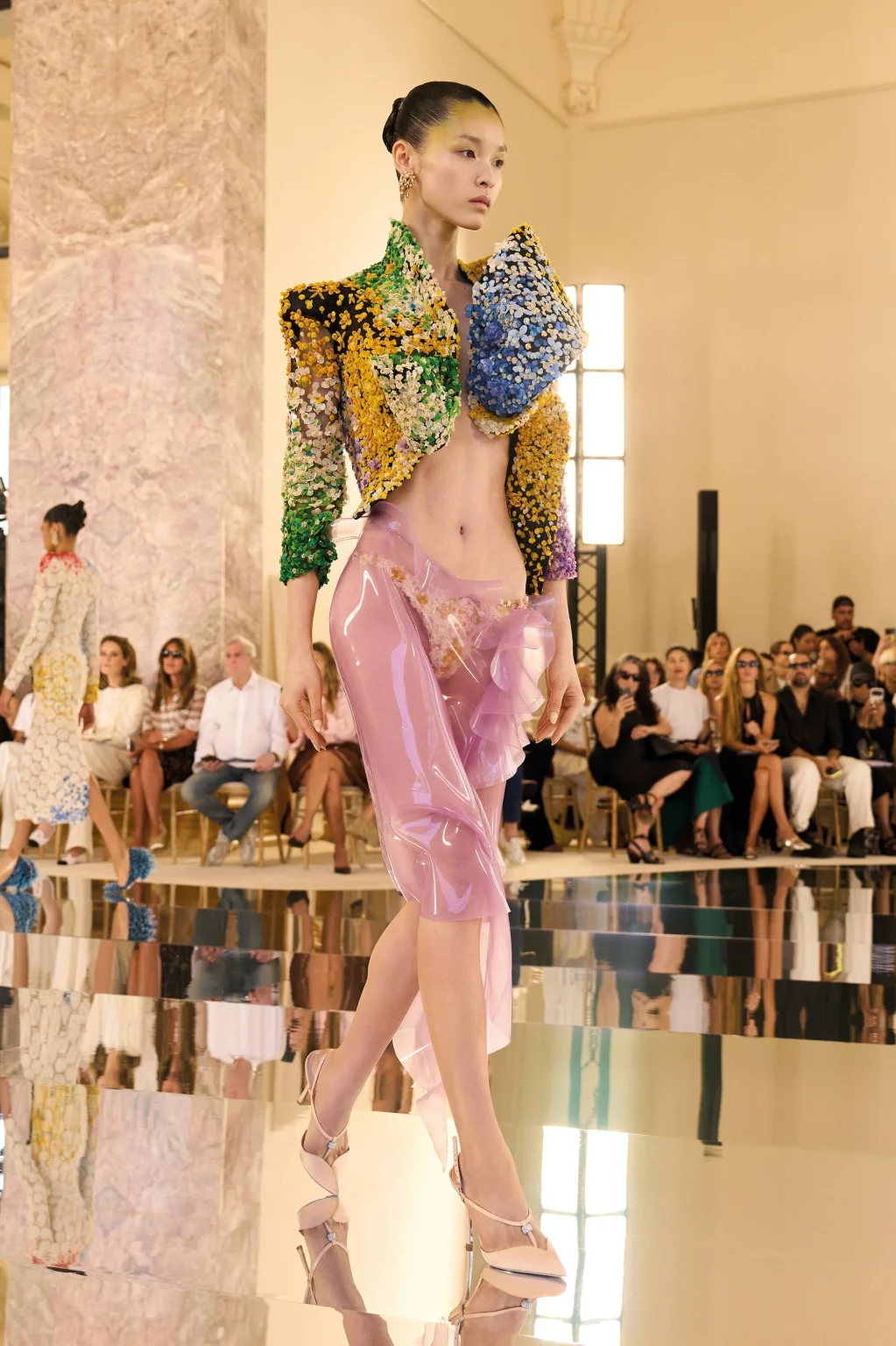
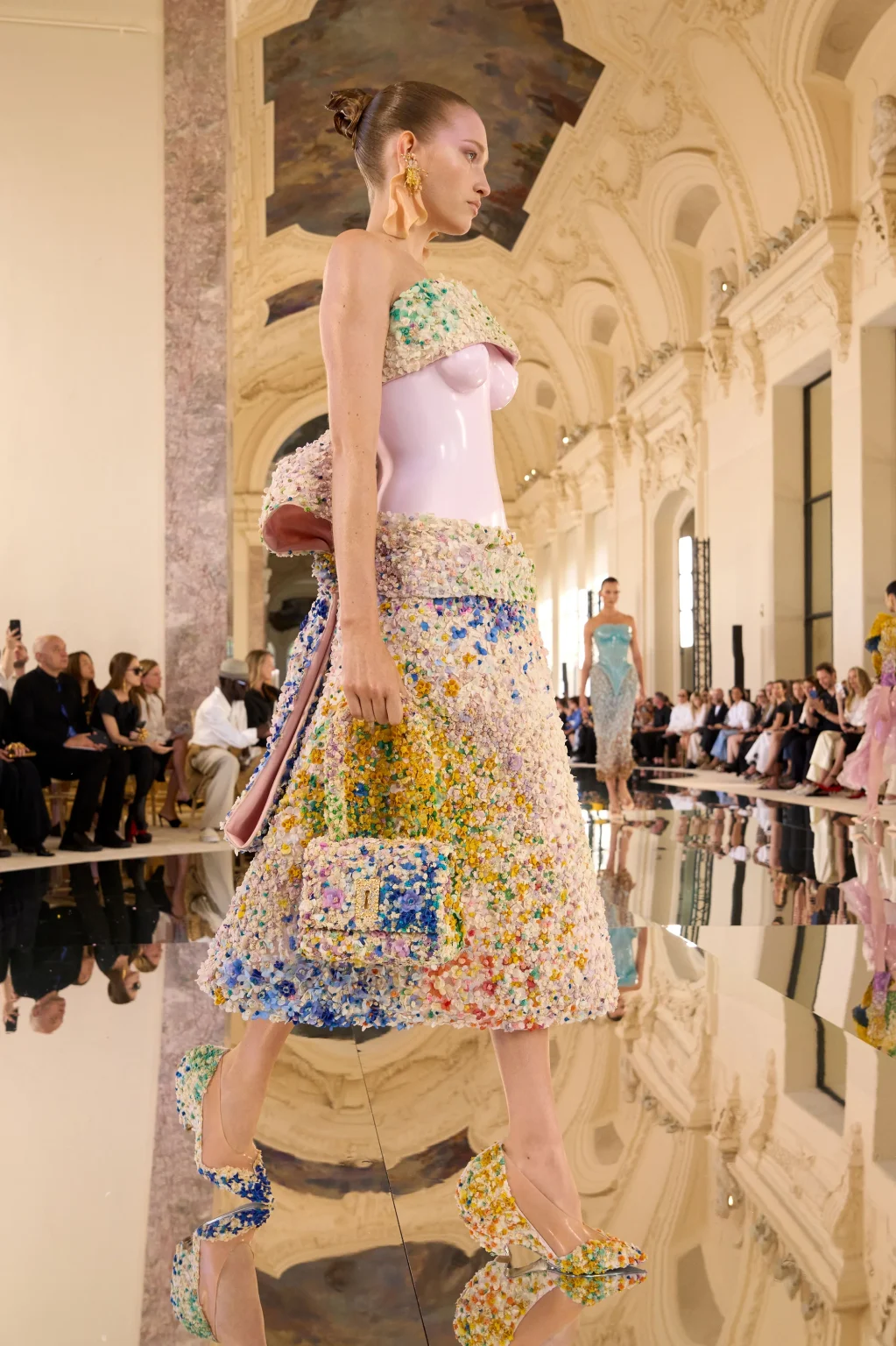
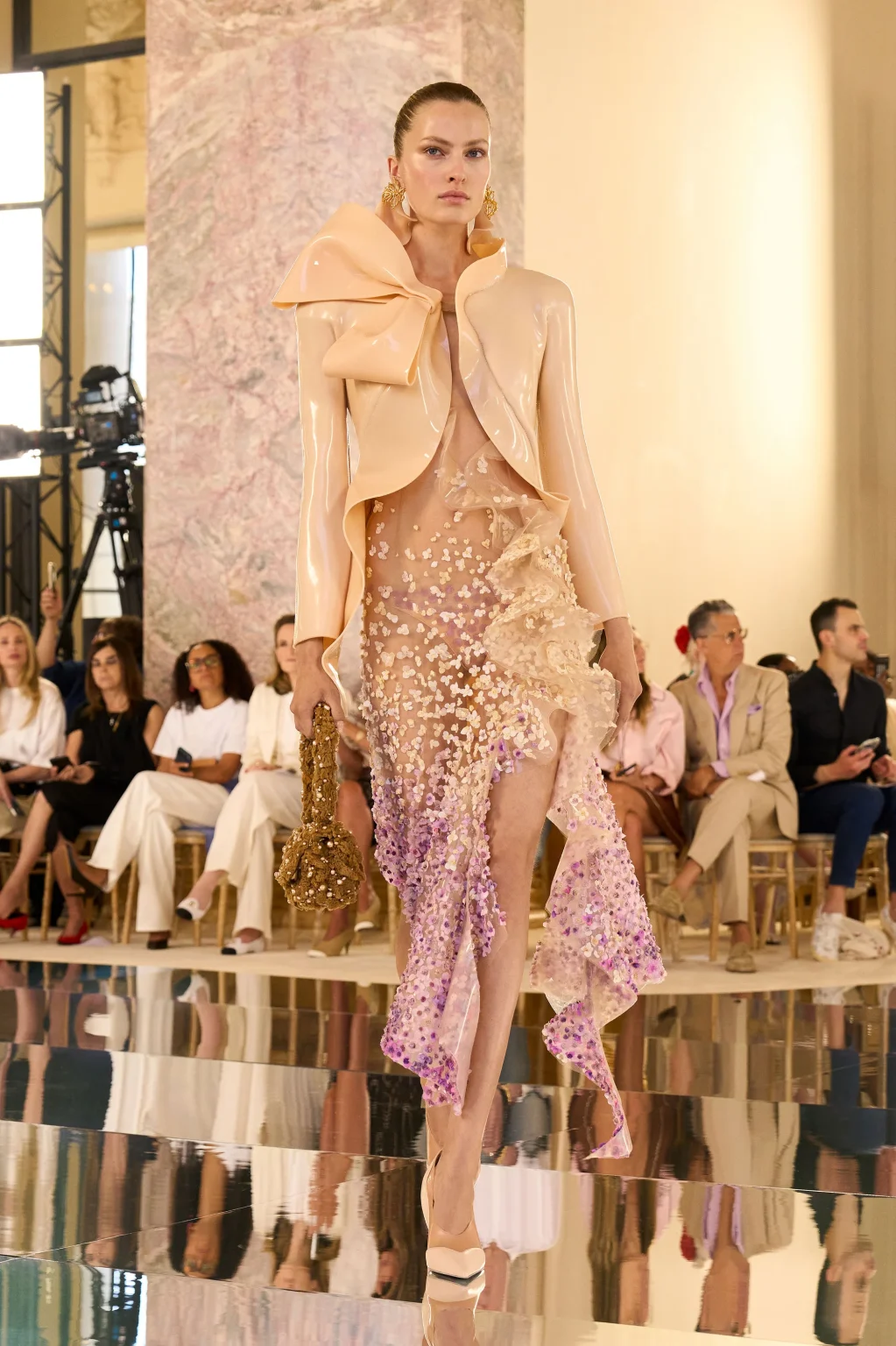



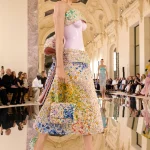
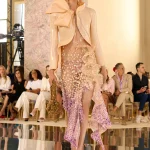
Fashion often borrows from architecture, but few collections dissolve the boundary between the two disciplines as convincingly as Schiaparelli’s Fall 2026 Haute Couture. Under the creative direction of Daniel Roseberry, the collection looked less like garments on a runway and more like inhabitable sculptures echoing the fluid geometries, tactile surfaces, and expressive craftsmanship of Antoni Gaudí.
Roseberry translated the architect’s design philosophy into couture. The result was a collection where the body became an architectural landscape, shaped by movement, ornament, and material experimentation.
Architecture Worn on the Body
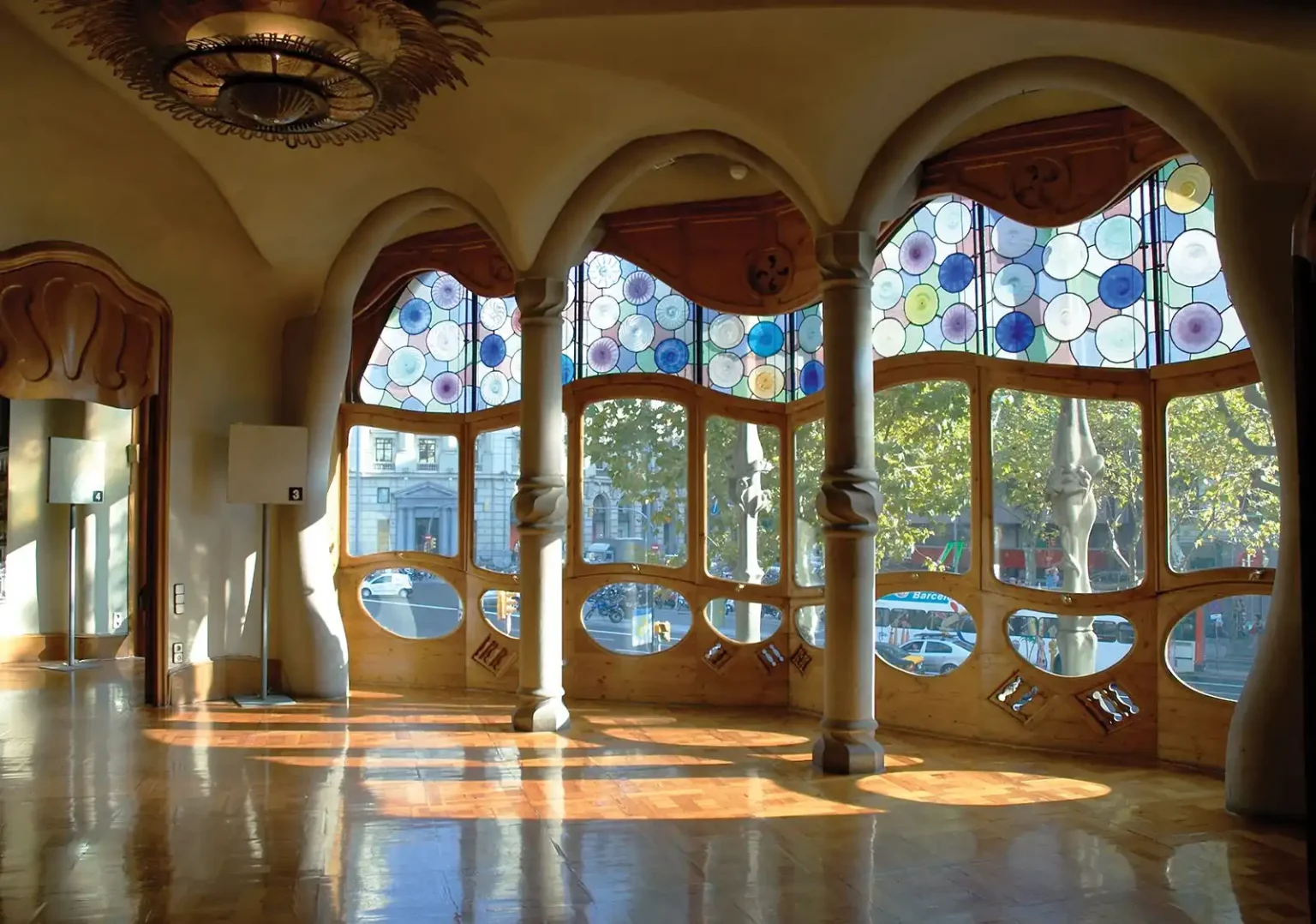
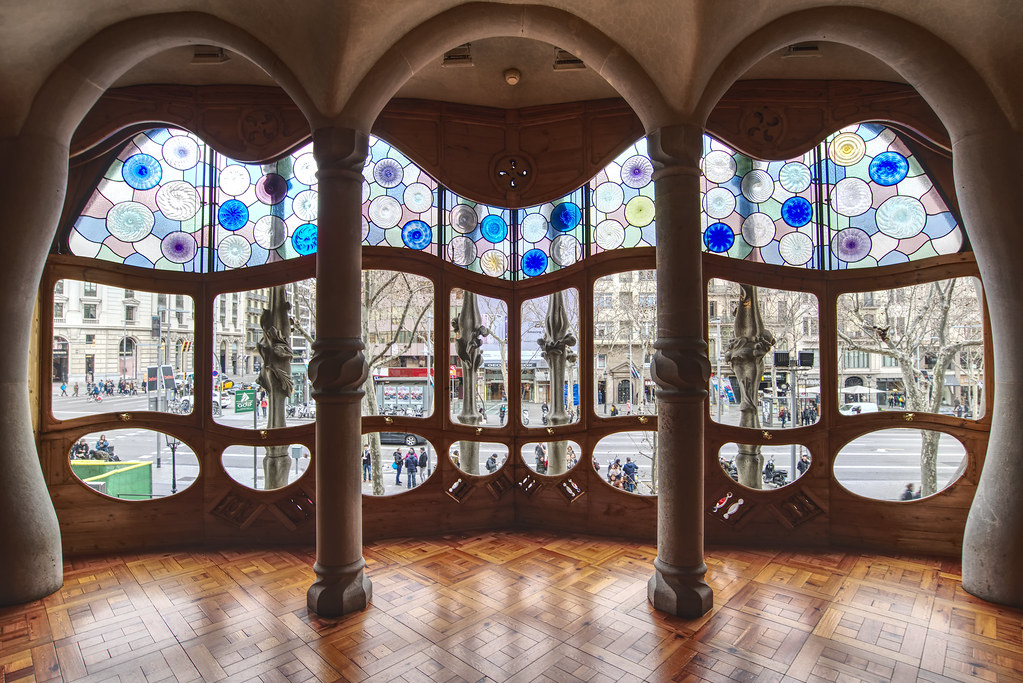
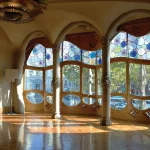
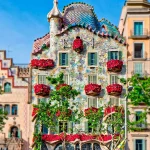
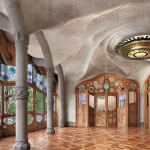
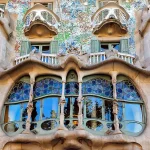
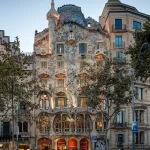
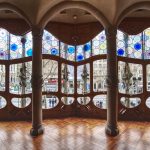
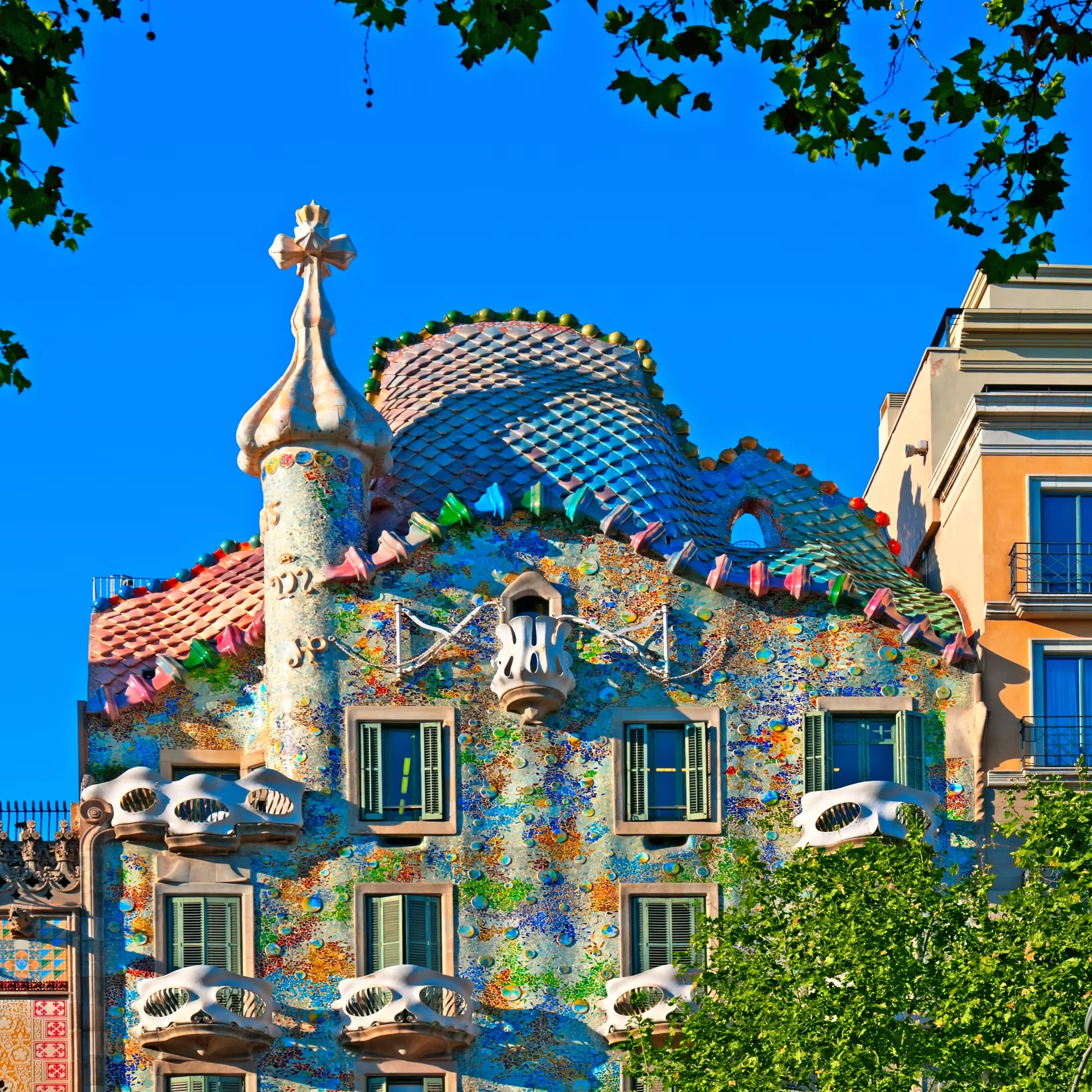
Gaudí’s architecture has long challenged conventional ideas of structure. Buildings such as Casa Batlló, Casa Milà, and Basílica de la Sagrada Família reject rigid geometry in favor of flowing forms inspired by nature. Columns branch like trees, facades ripple like waves, and ornament grows organically from structure.
That same philosophy appeared throughout Schiaparelli’s latest couture collection.
Garments curved around the body instead of merely covering it. Embroidered surfaces recalled weathered stone and shimmering mosaics, while exaggerated silhouettes evoked architectural vaults, arches, and sculptural facades. Metallic embellishments reflected light much like Gaudí’s famed trencadís mosaics, creating garments that constantly shifted in appearance as models moved.
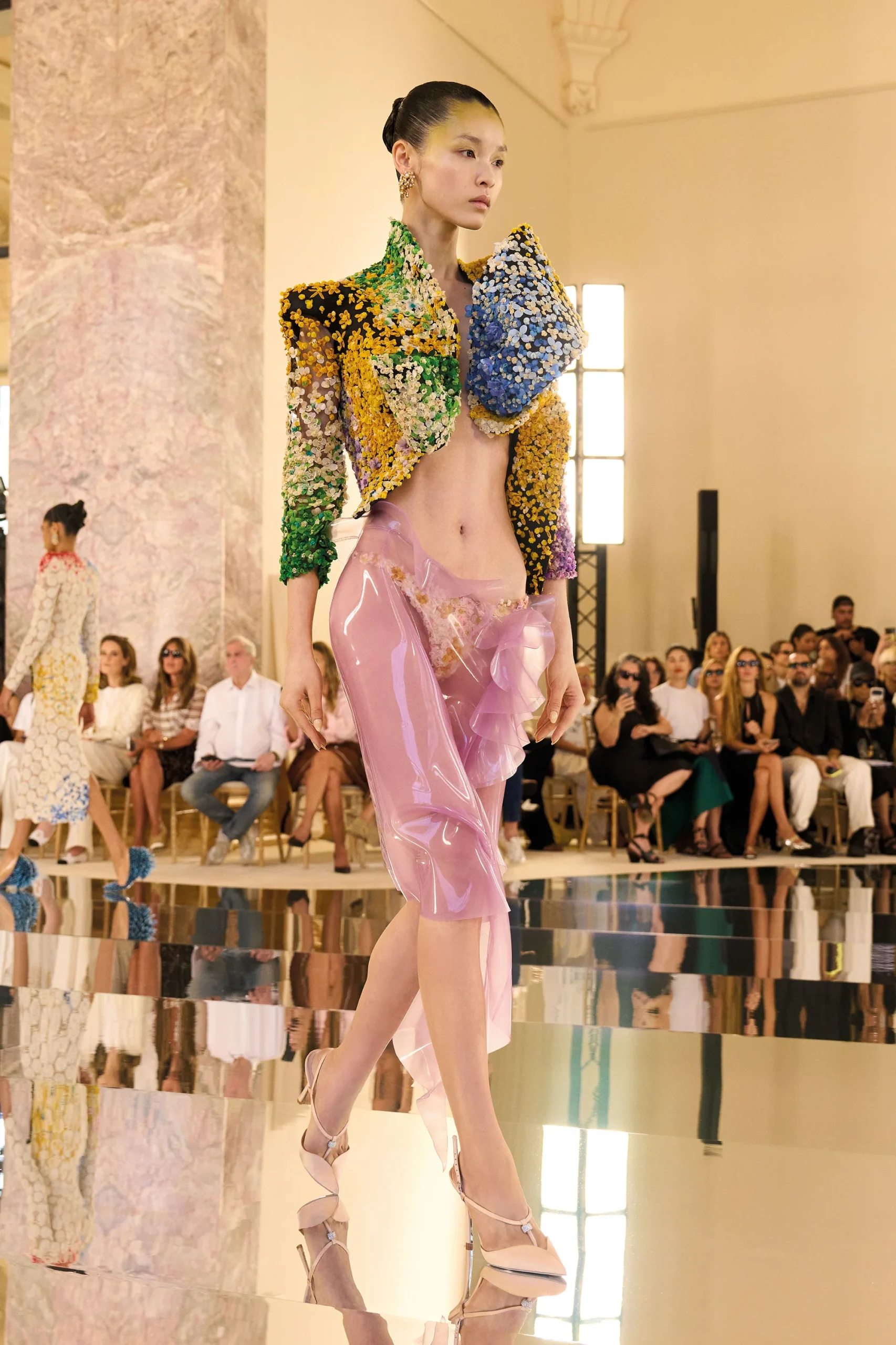
The collection embraced Gaudí’s central idea: that beauty emerges when structure and ornament become inseparable.
Beyond Decorative References
Many fashion collections reference architecture through prints or recognizable landmarks. Roseberry chose a different approach.
Instead of copying Gaudí’s visual language, he interpreted the architect’s methods. Organic asymmetry replaced rigid tailoring. Surfaces appeared carved. Volumes expanded and contracted like living forms, allowing couture to behave almost like architecture responding to gravity.
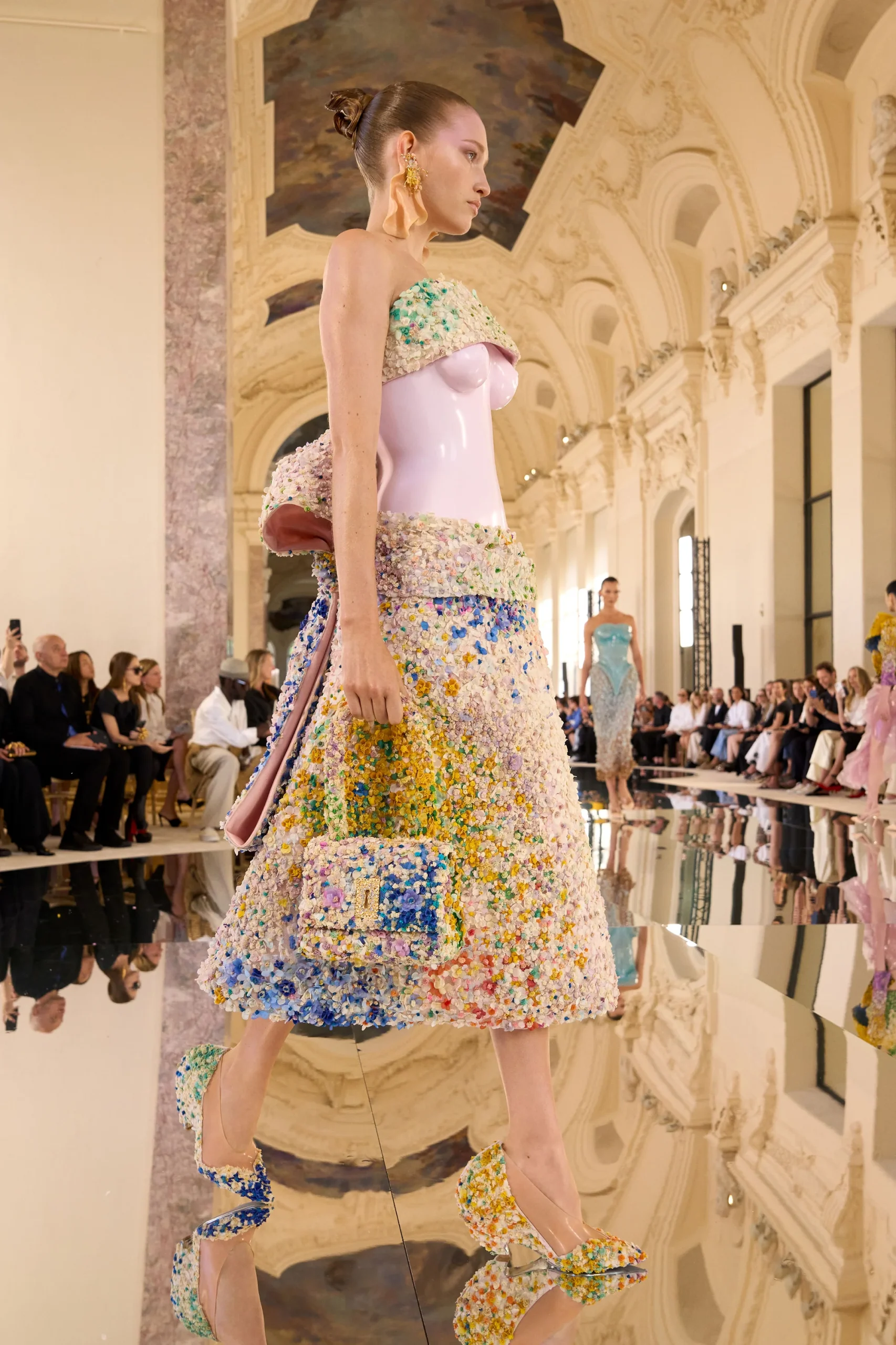
This shift transforms architecture from inspiration into process.
Just as Gaudí relied on physical models, hanging-chain experiments, and handcrafted construction techniques to develop his buildings, the couture pieces emphasized artisanal labor over industrial precision. Every embroidered surface, molded bodice, and sculptural detail reflected the slow craftsmanship shared by both haute couture and architectural making.
The Shared Language of Craft
One of the strongest parallels between Gaudí and haute couture lies in their devotion to craftsmanship.
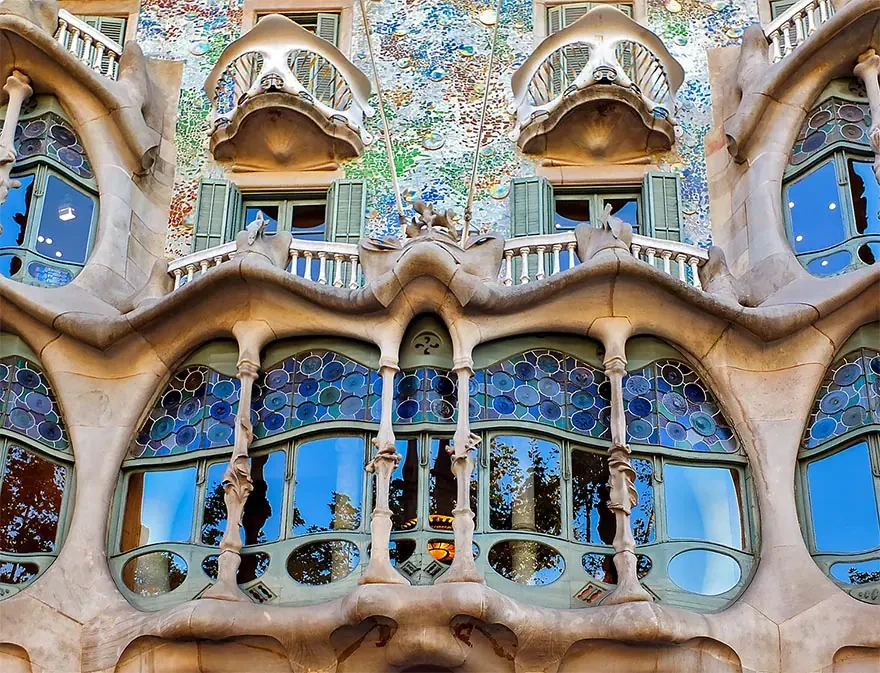
Gaudí worked closely with artisans, ceramicists, blacksmiths, and stone carvers to realize his buildings. Similarly, couture depends upon embroidery ateliers, textile specialists, pattern makers, and sculptural fabric manipulation that cannot be replicated through mass production.
The Schiaparelli collection highlighted this shared culture of making. Rich textures, dimensional embroidery, and meticulously engineered silhouettes celebrated the human hand as much as the finished object.
In both architecture and couture, the process becomes part of the artwork itself.
Nature as Structure
Nature was Gaudí’s greatest teacher. Instead of treating natural forms as decoration, he studied how trees distribute weight, how shells spiral, and how bones achieve strength with minimal material.

That influence quietly resurfaced throughout the collection.
Several looks resembled unfolding petals, branching forms, or mineral formations instead of conventional garments. Curves emerged naturally from the silhouette rather than being imposed upon it, giving each piece a sense of biological growth.
Where Fashion Meets Architectural Imagination
Schiaparelli’s Fall 2026 Haute Couture collection demonstrates that architecture can inspire more than aesthetics; it can reshape how garments are conceived.
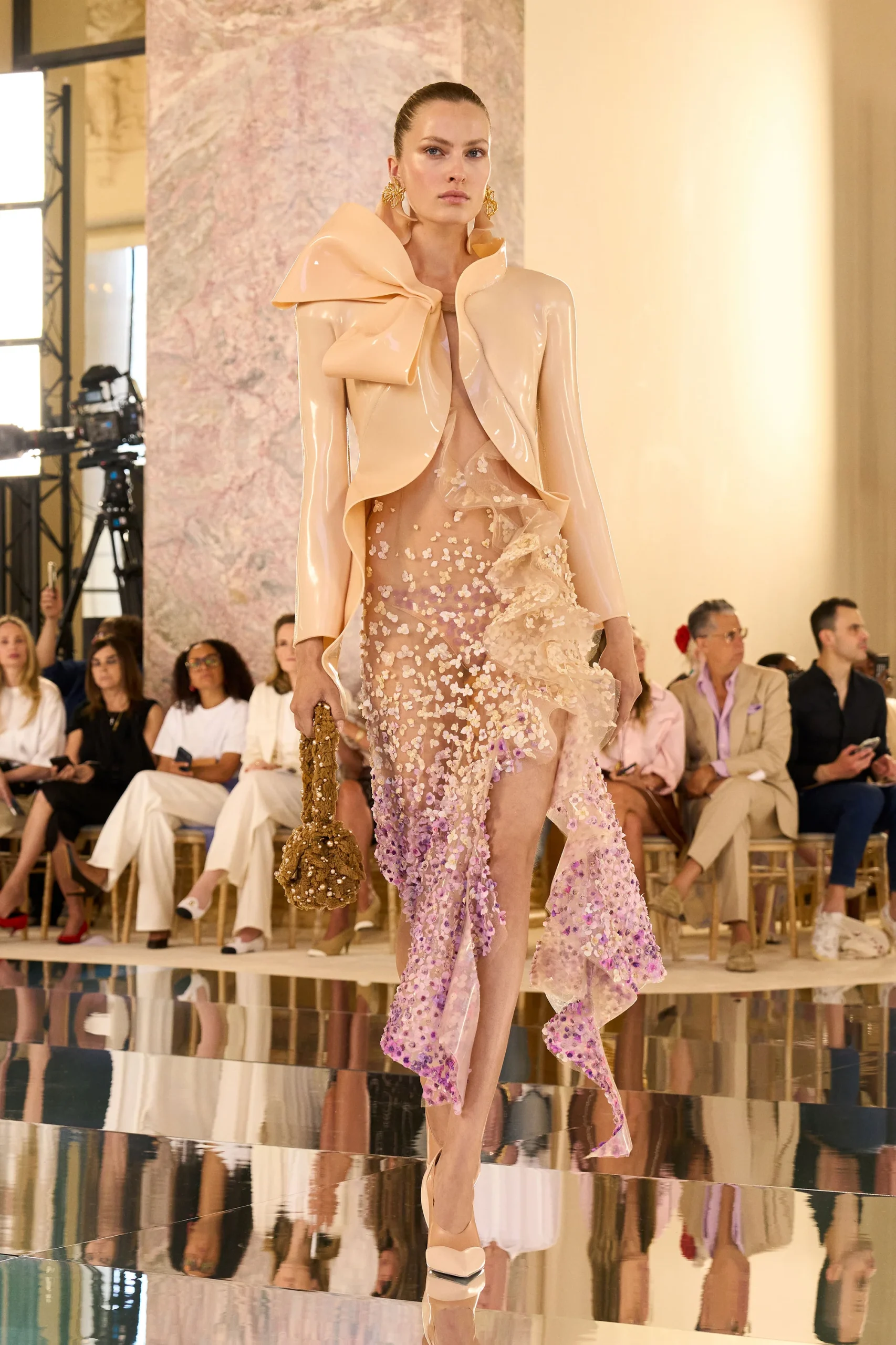
By embracing Gaudí’s principles of organic geometry, handcrafted construction, and sculptural expression, Daniel Roseberry created couture that feels architectural without becoming costume. The collection reminds us that both disciplines seek to transform materials into emotional experiences, whether through stone, ceramic, silk, or embroidery.
In this dialogue between architecture and fashion, Gaudí’s legacy is not preserved in imitation. It is reimagined one sculptural silhouette at a time.
Image Credit: Schiaparelli’s Fall 2026