

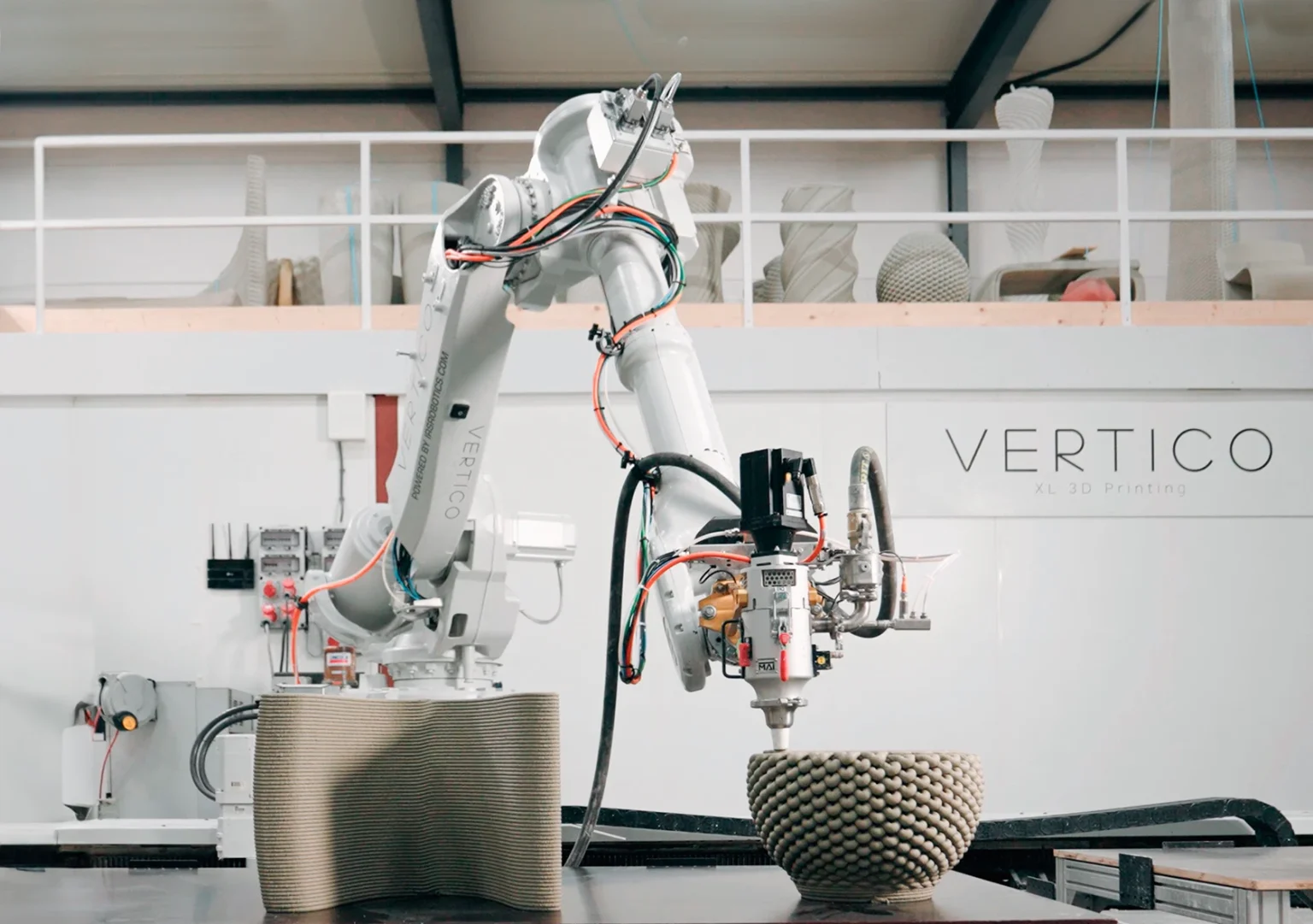
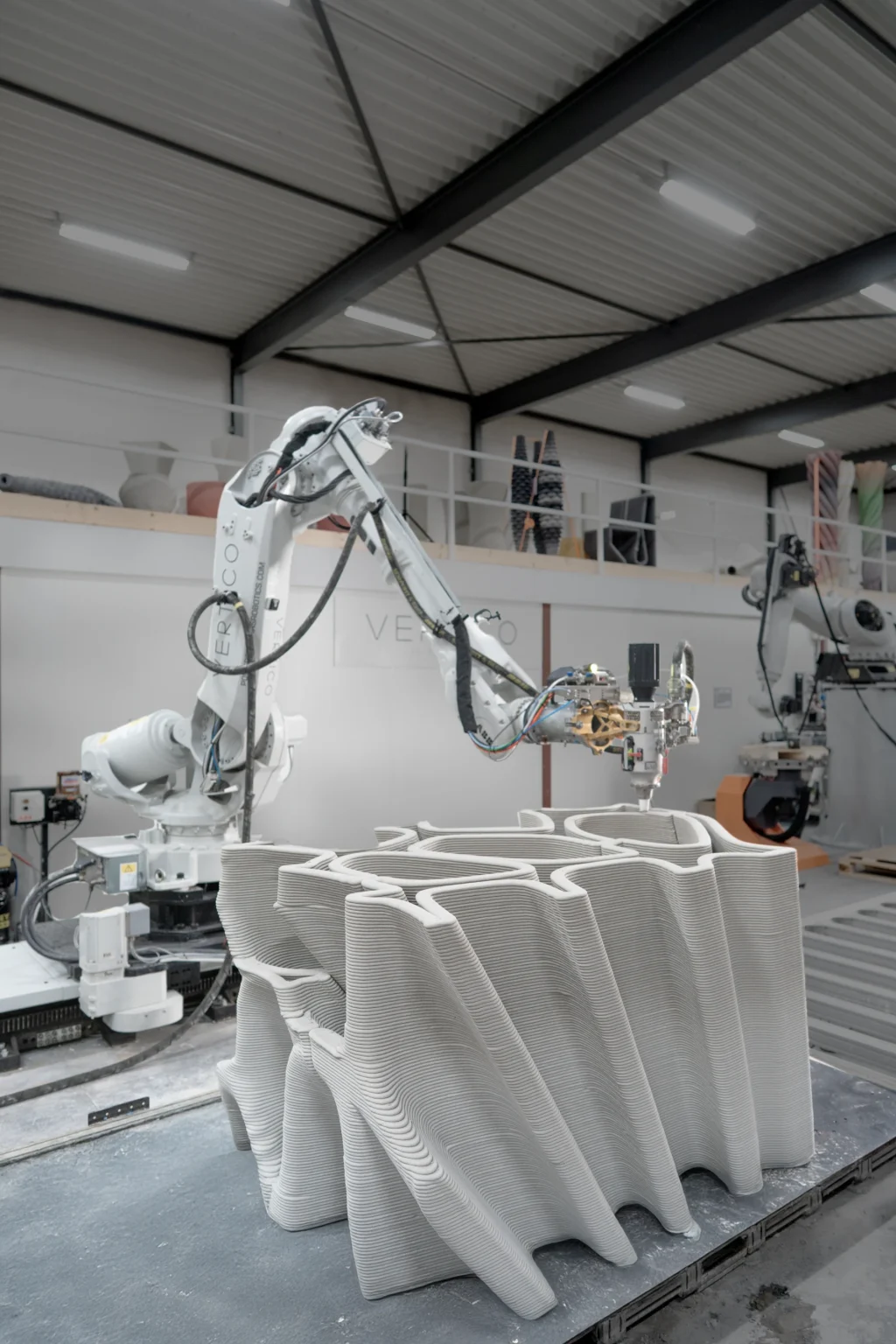
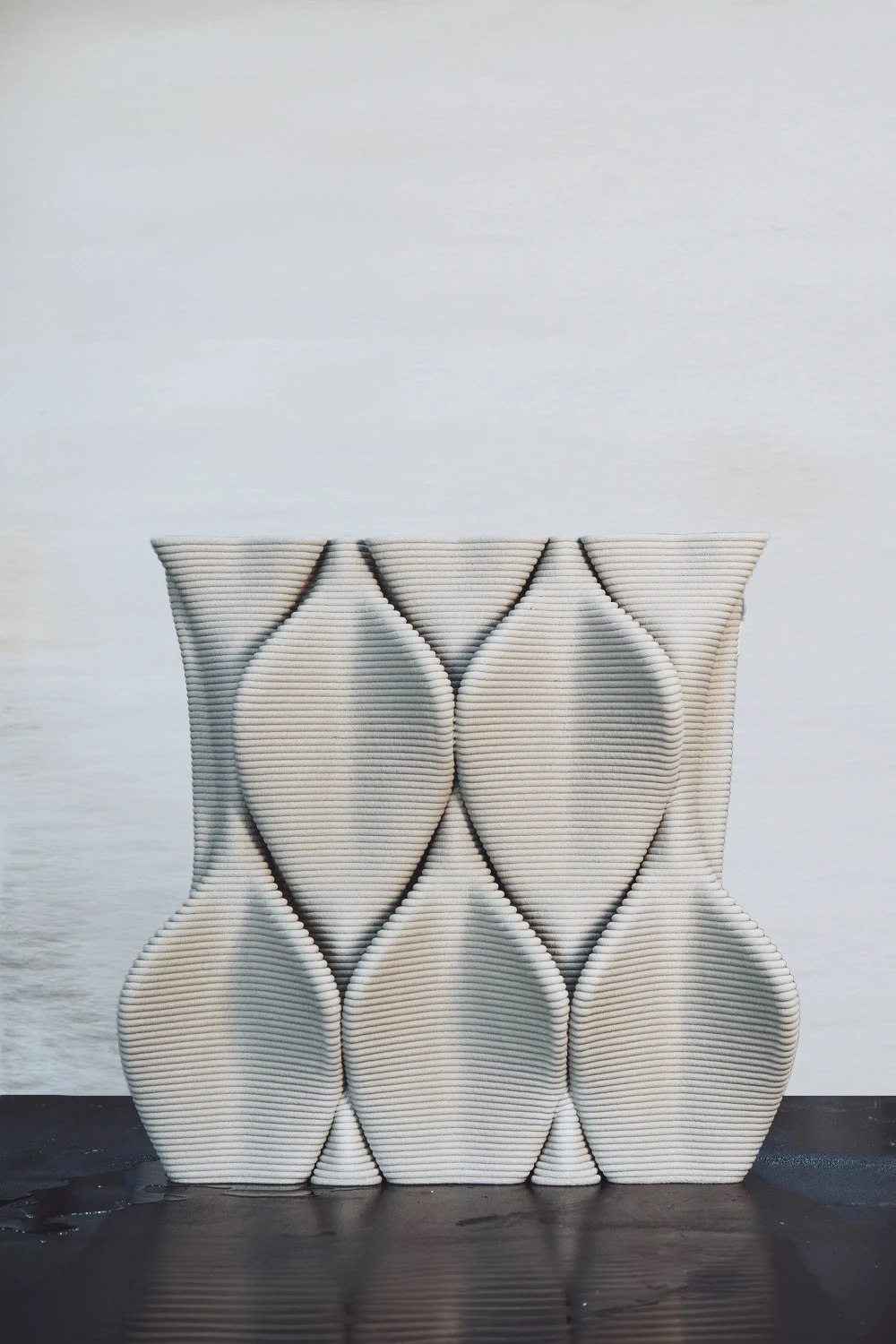
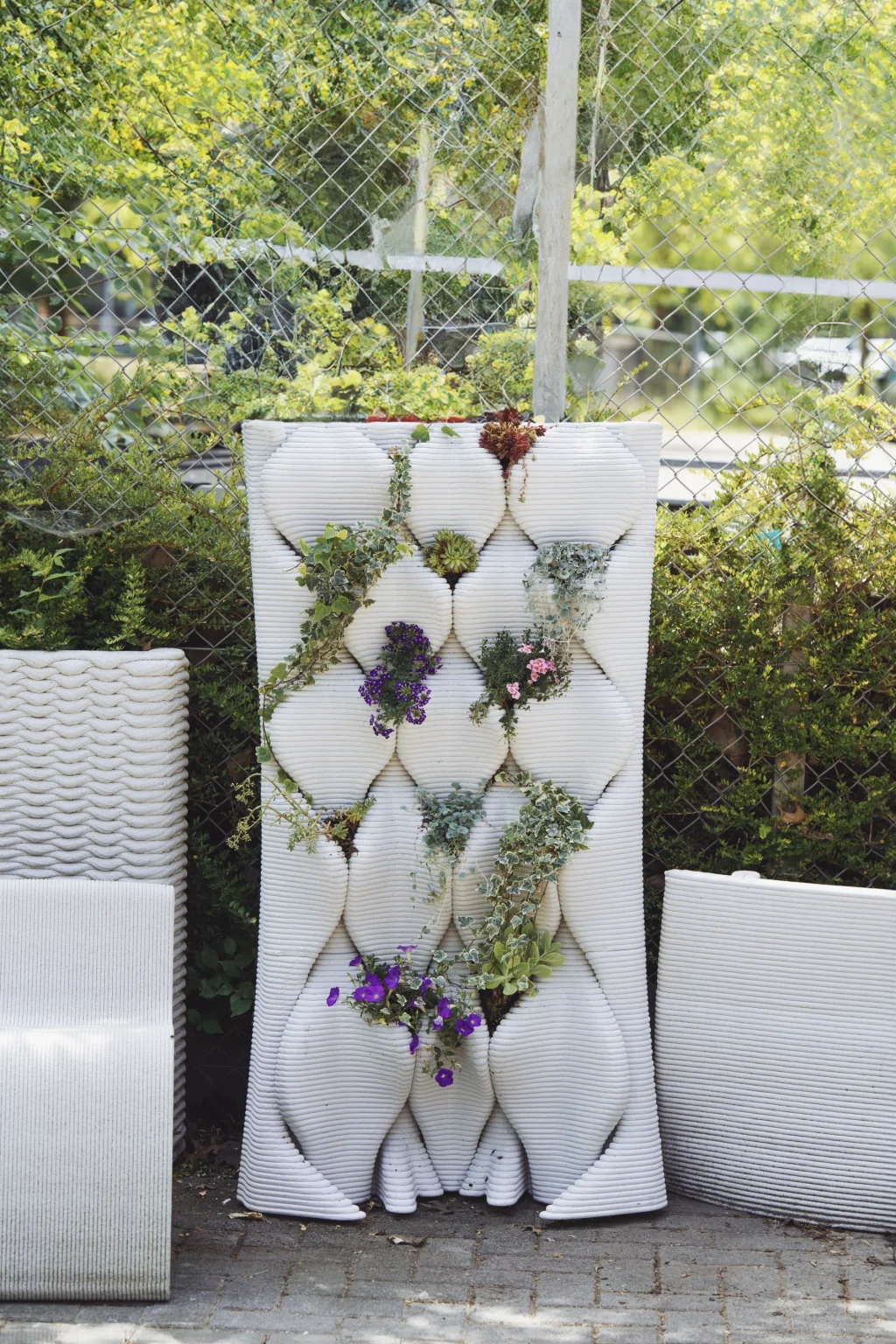
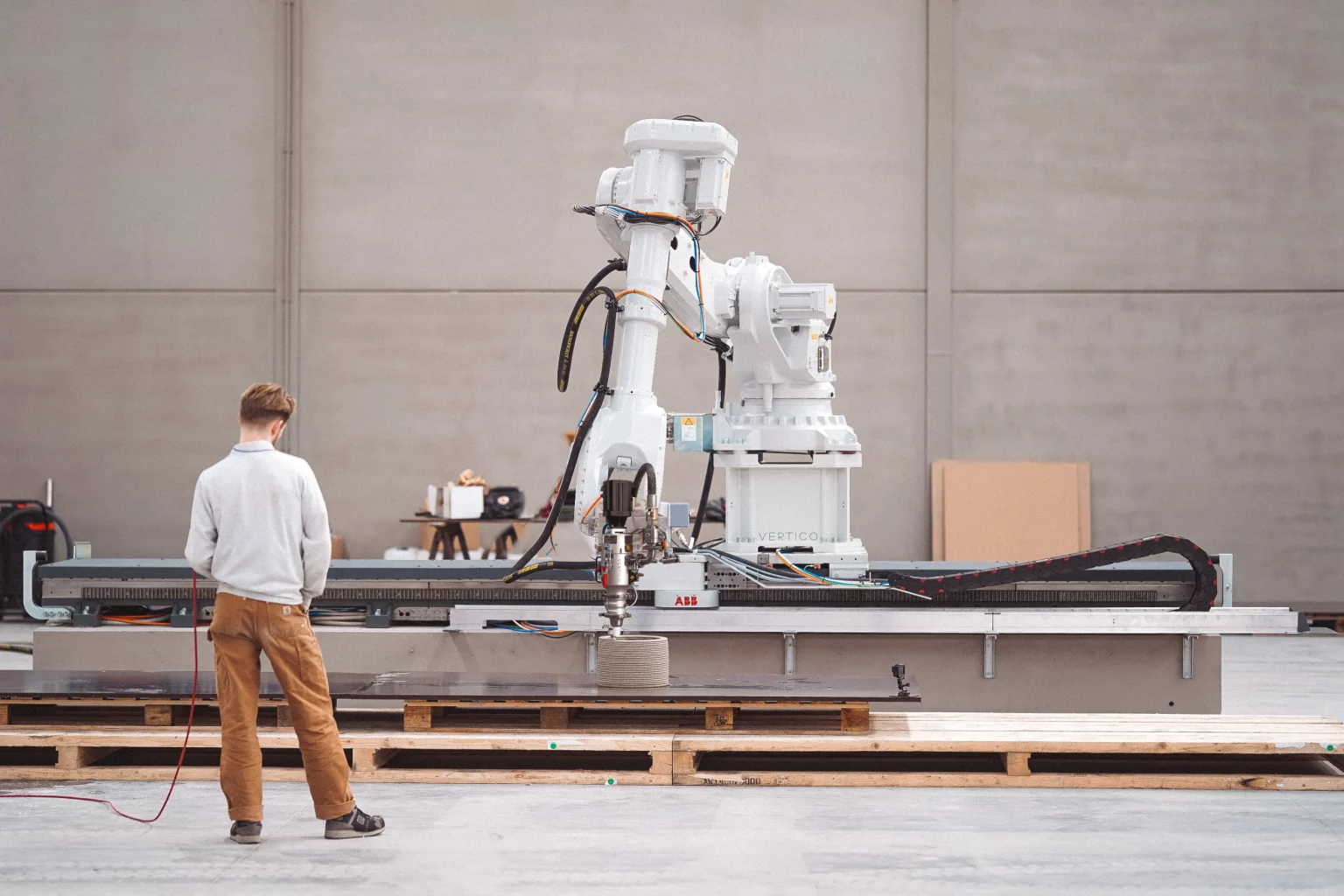
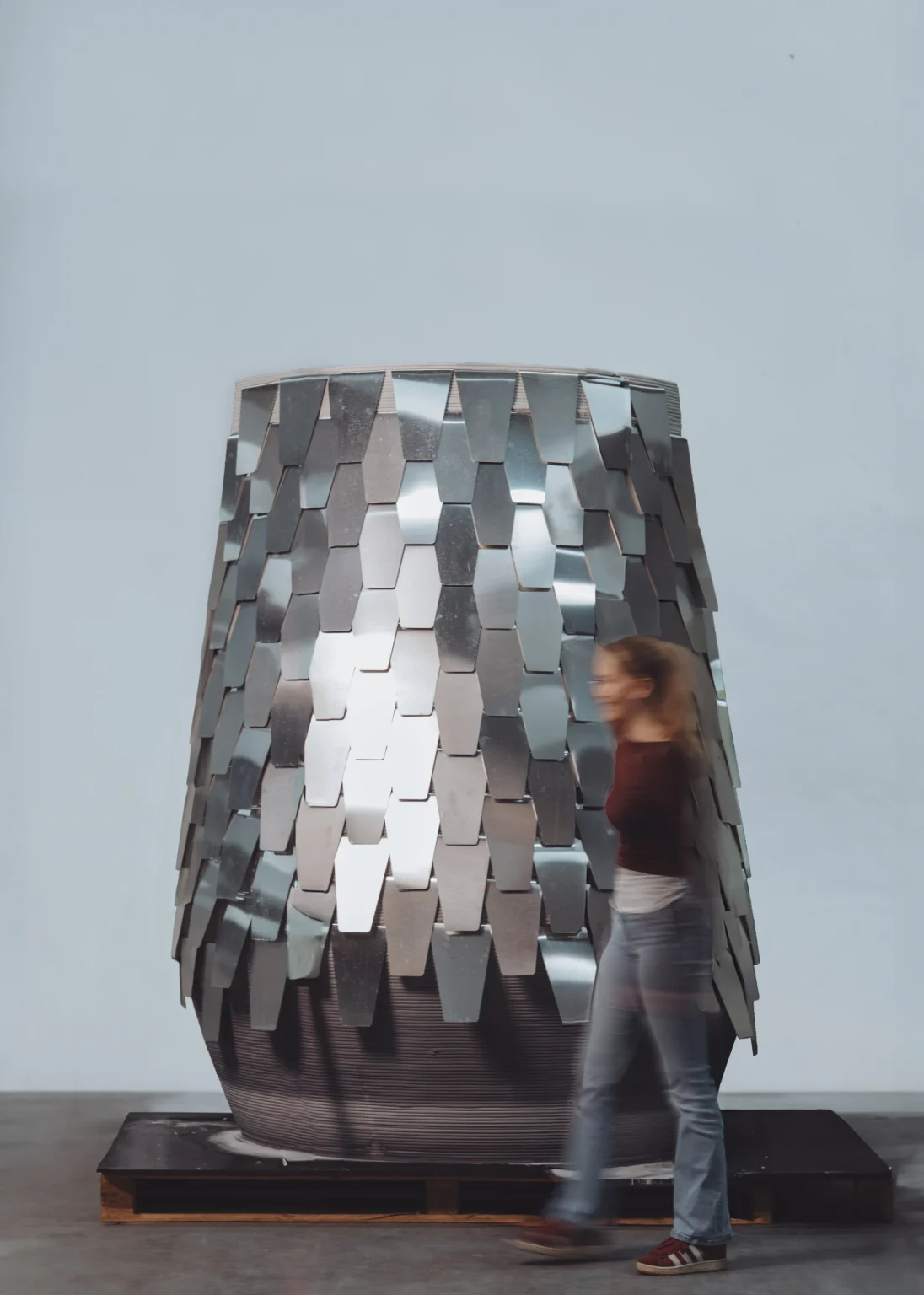
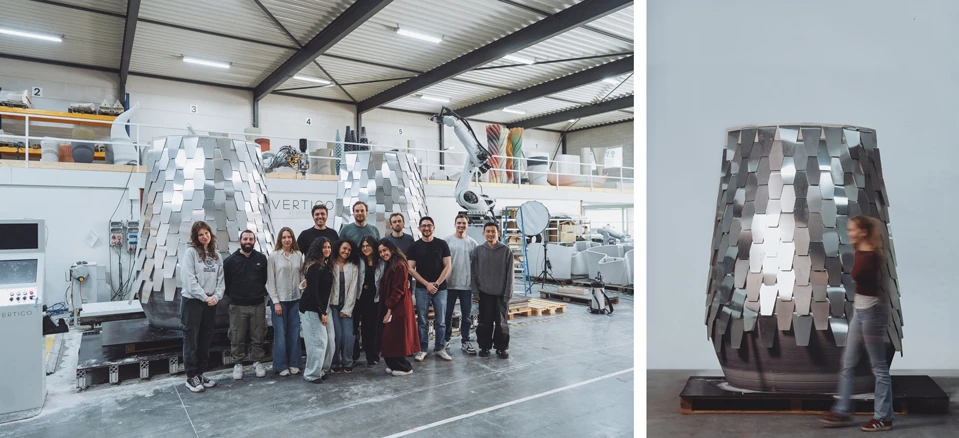
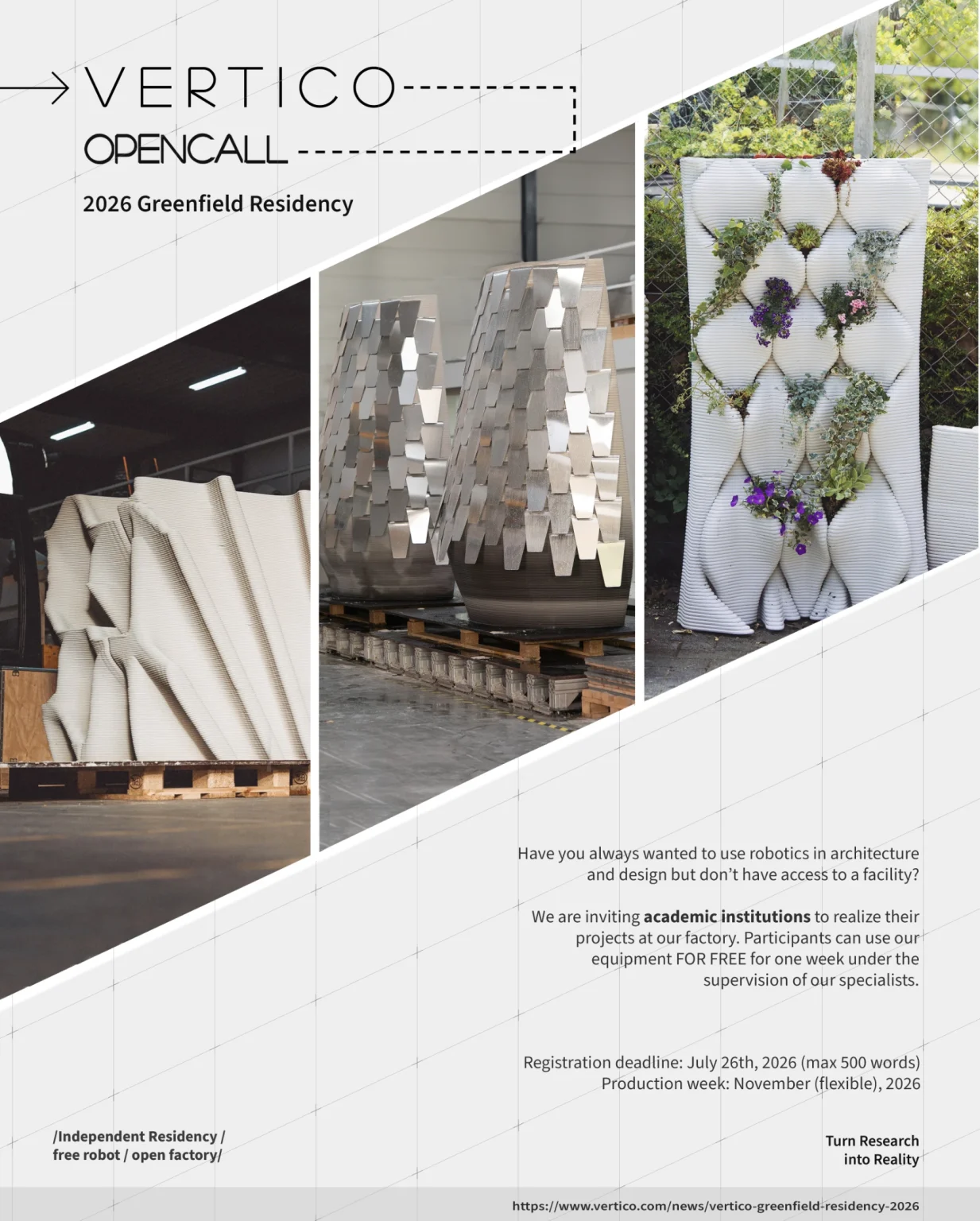
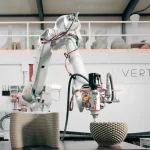
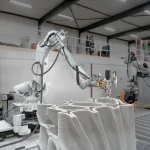
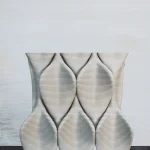
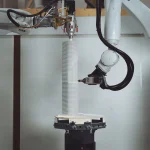
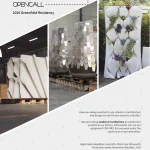
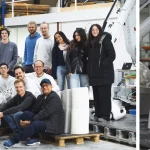
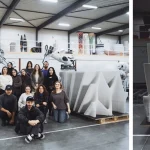
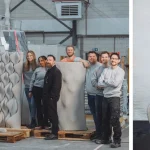
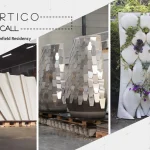
The Netherlands-based company Vertico has announced the third edition of its Greenfield Residency, an annual program designed to give academic institutions direct access to industrial robotic fabrication technologies. Hosted at Vertico’s facility in Eindhoven, the residency enables universities to develop and fabricate experimental research projects at full scale while engaging with advanced robotic manufacturing processes.
The initiative is aimed at professors, assistant professors, studio supervisors, and research leaders seeking to provide students with hands-on experience in robotic fabrication. Through an intensive week-long residency, selected teams will work alongside Vertico’s specialists to transform research concepts into physical prototypes.
Bridging Academia and Industrial Robotics
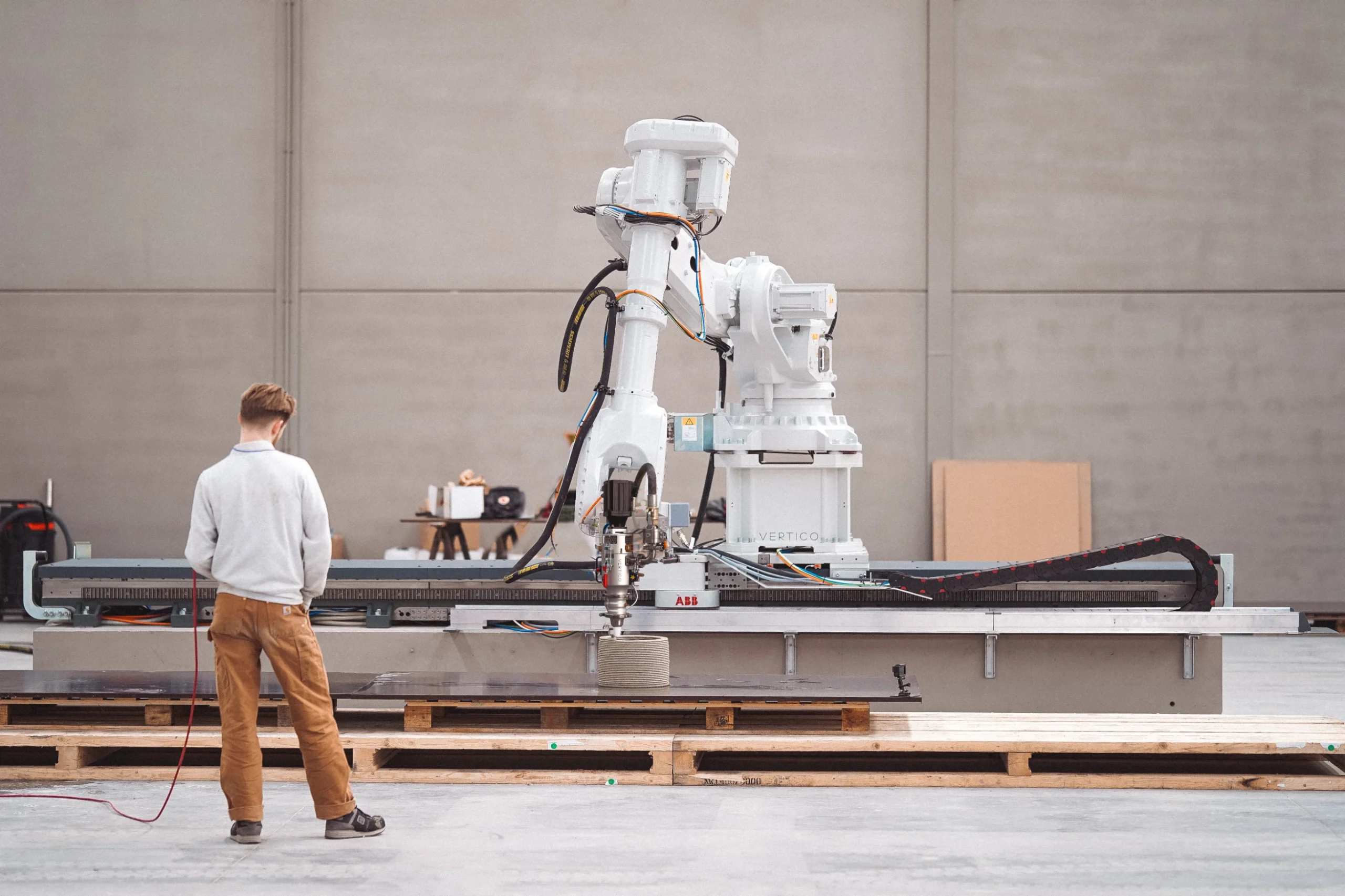
Established to address the limited availability of large-scale robotic manufacturing equipment within academic environments, the Greenfield Residency provides universities with access to technologies that are often difficult to integrate into conventional educational settings.
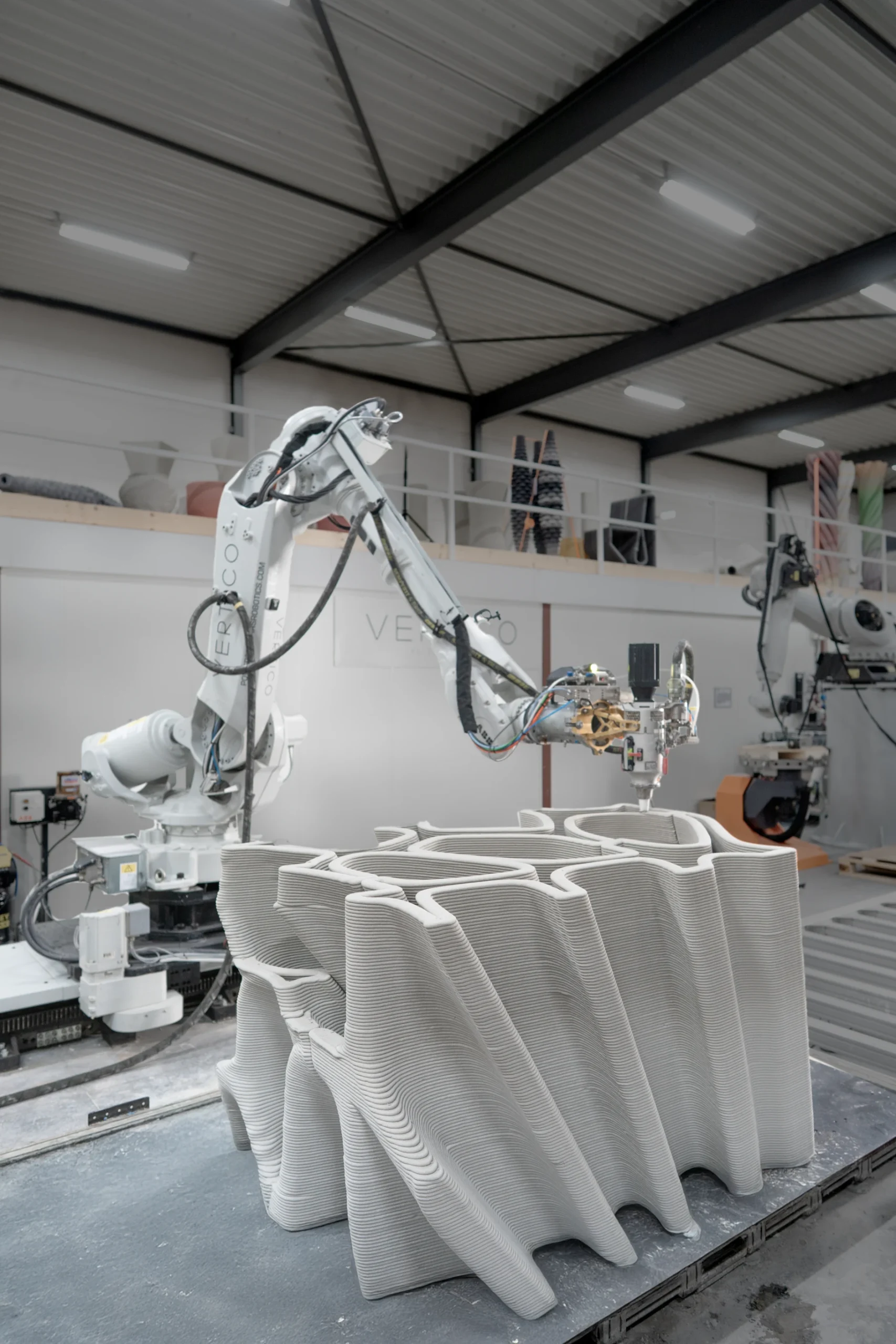
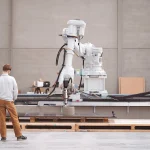
Participants gain direct exposure to industrial robotic systems, fabrication workflows, and production methodologies while developing a full-scale prototype. The program seeks to bridge the gap between digital research and real-world manufacturing by allowing students and researchers to test ideas through physical production.
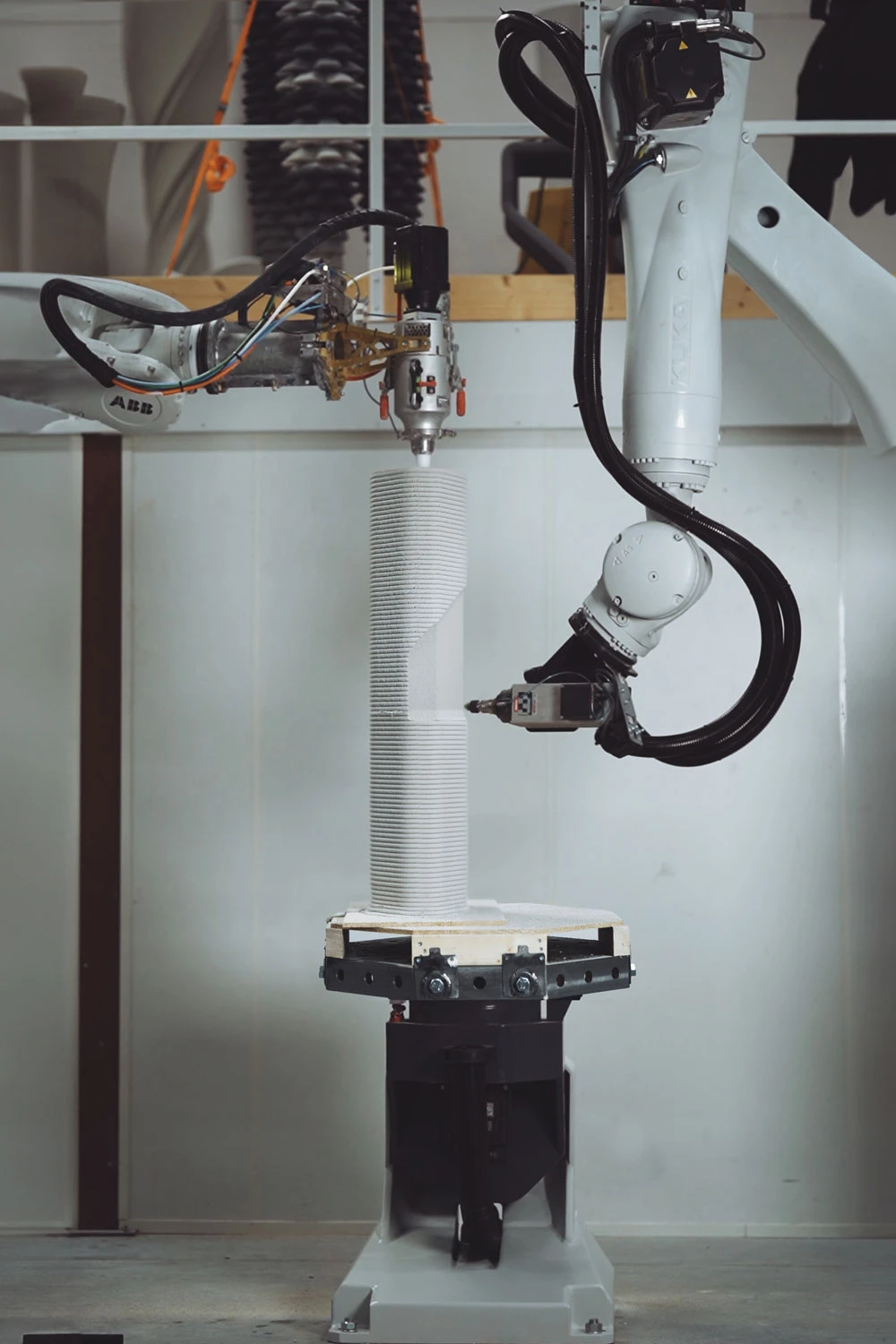
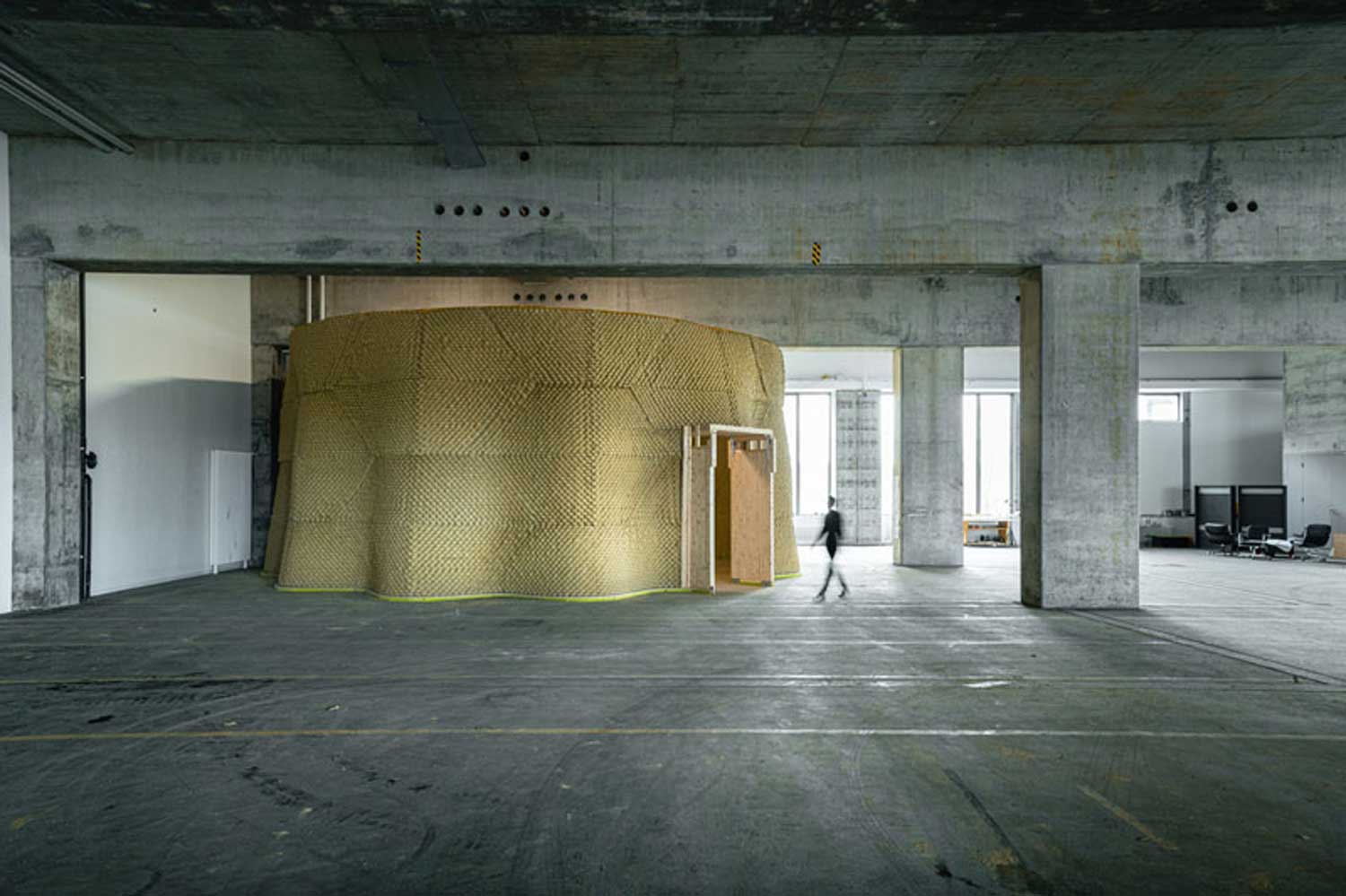
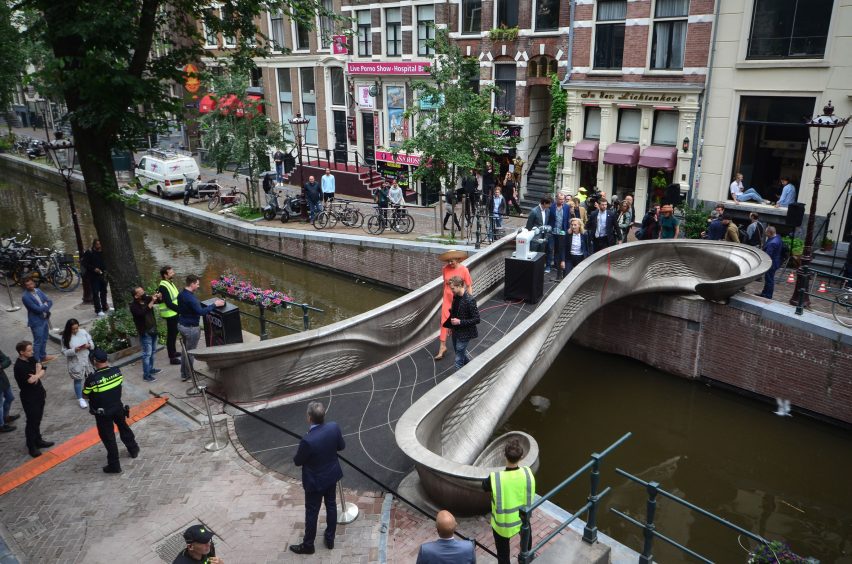
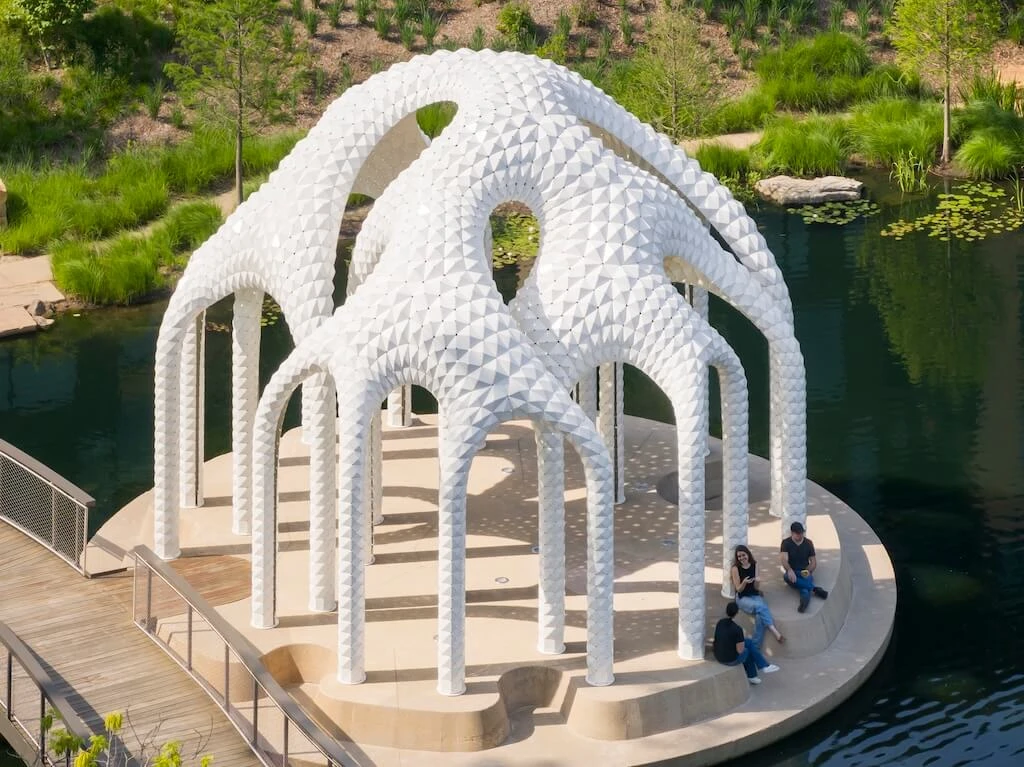
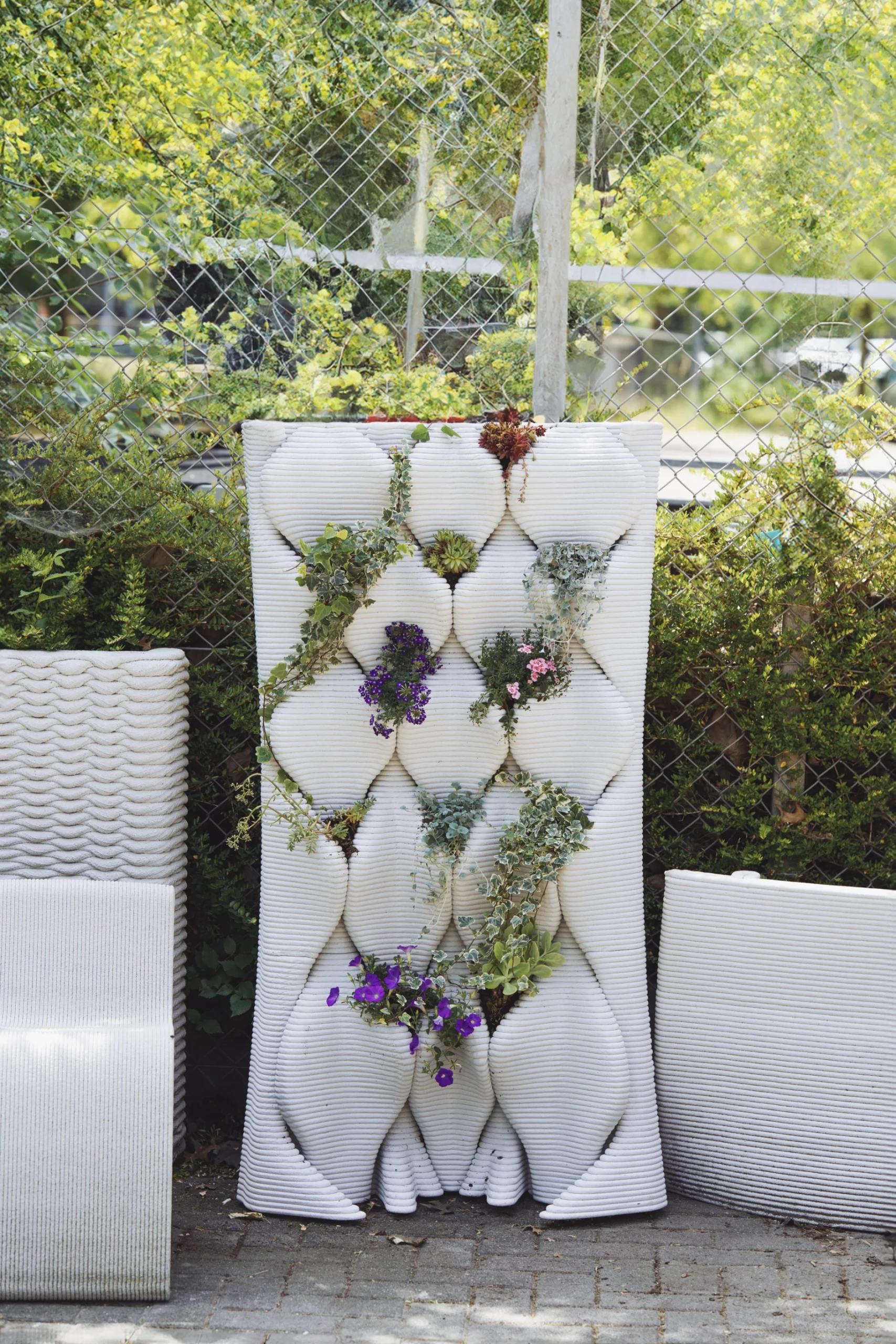
Although Vertico is internationally recognized for its expertise in robotic concrete printing, the residency extends beyond concrete-based applications. Teams are encouraged to investigate a wide spectrum of fabrication approaches, including additive manufacturing, robotic milling, clay printing, hybrid production methods, and experimental fabrication techniques.
Building an International Research Network
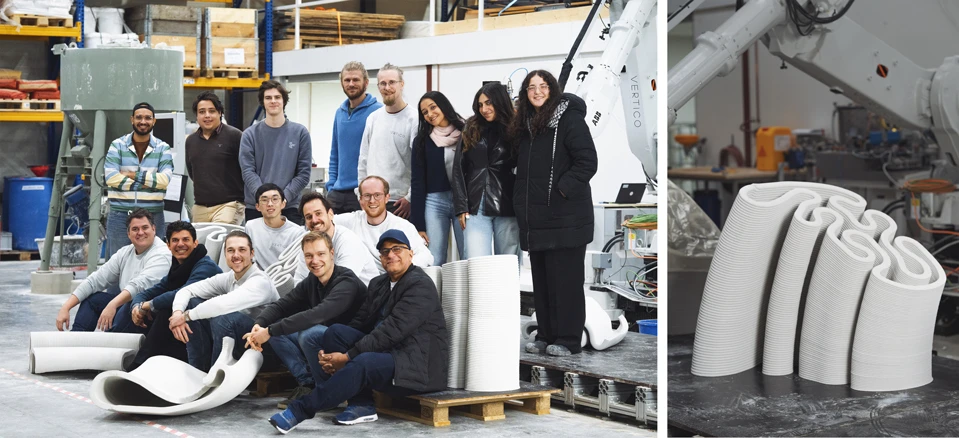
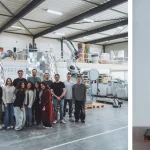
Since its inception, the residency has welcomed academic teams from institutions including Cairo University, Gebze Technical University, Isik University, German International University in Berlin, and Woodbury University in collaboration with HKS.
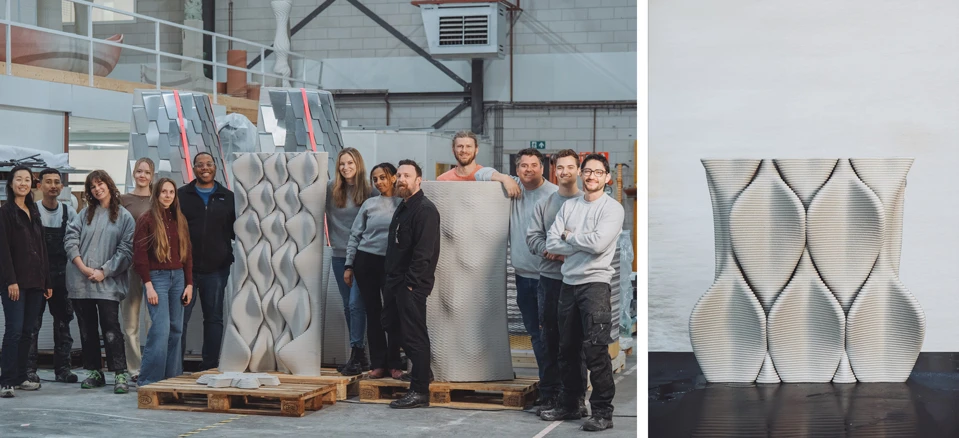
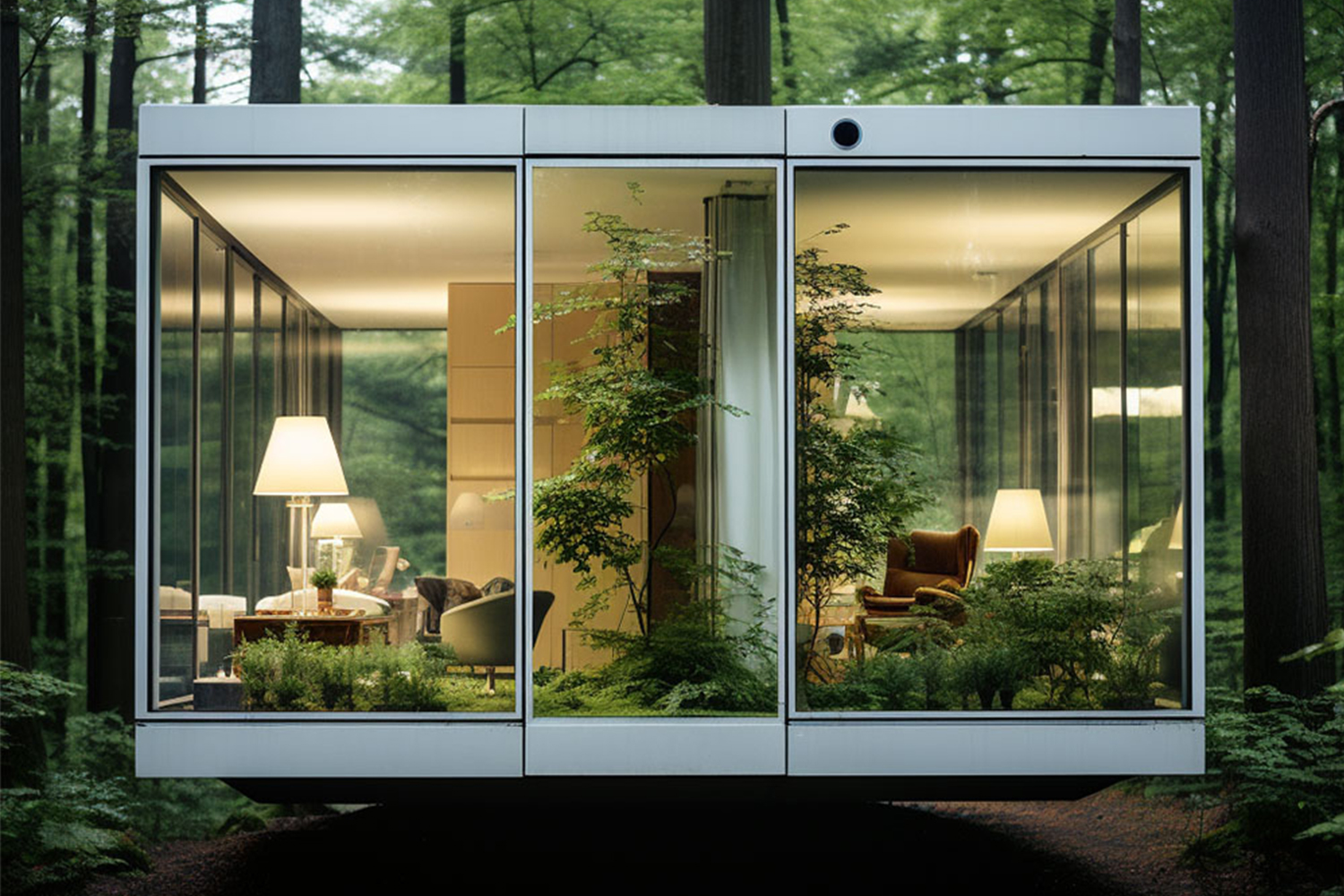
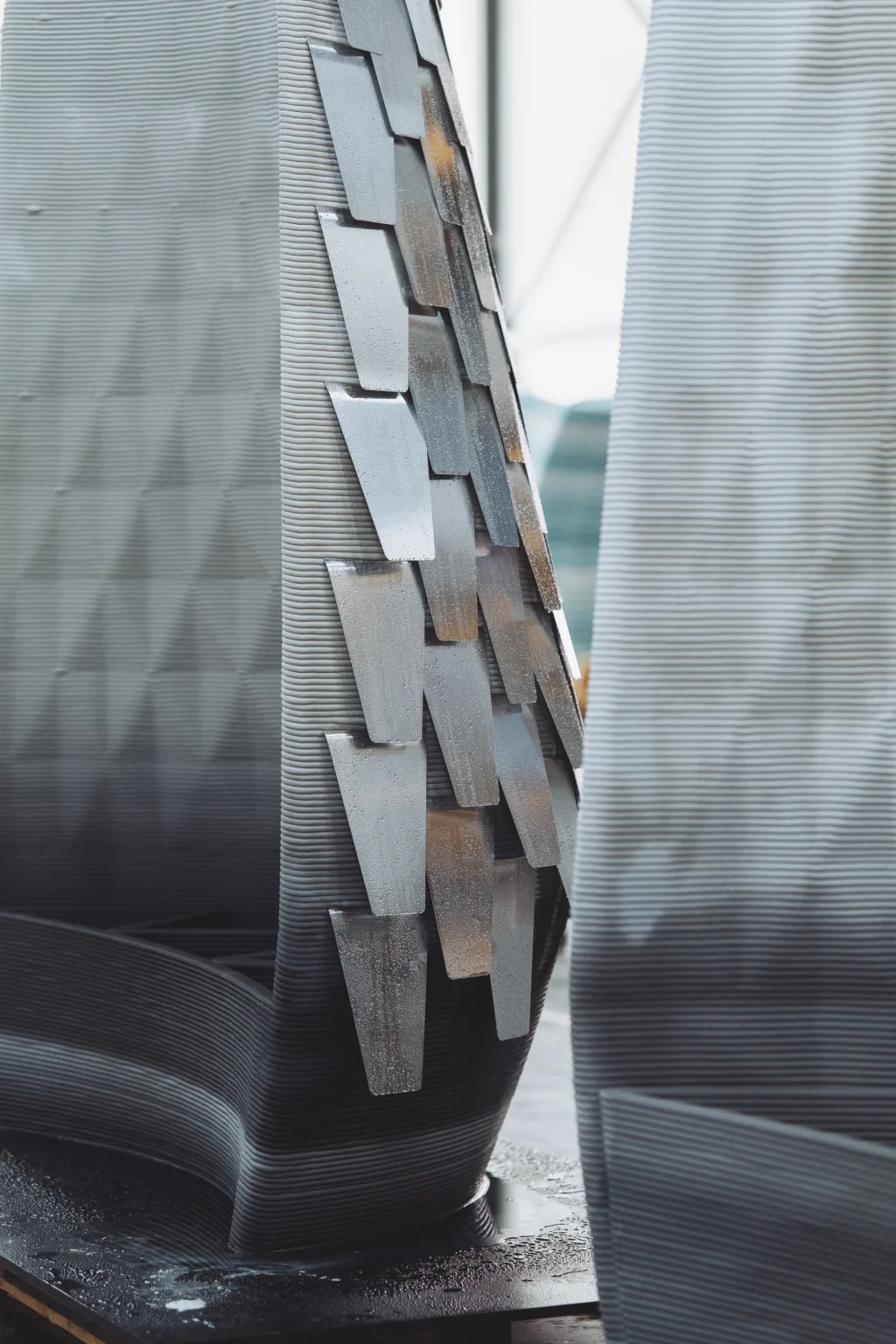
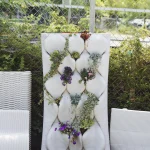
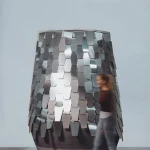
Previous projects have explored ecological systems, bio-receptive structures, integrated building technologies, and robotic fabrication research. Through these investigations, the residency has fostered an international community of researchers interested in advancing computational design and digital manufacturing.
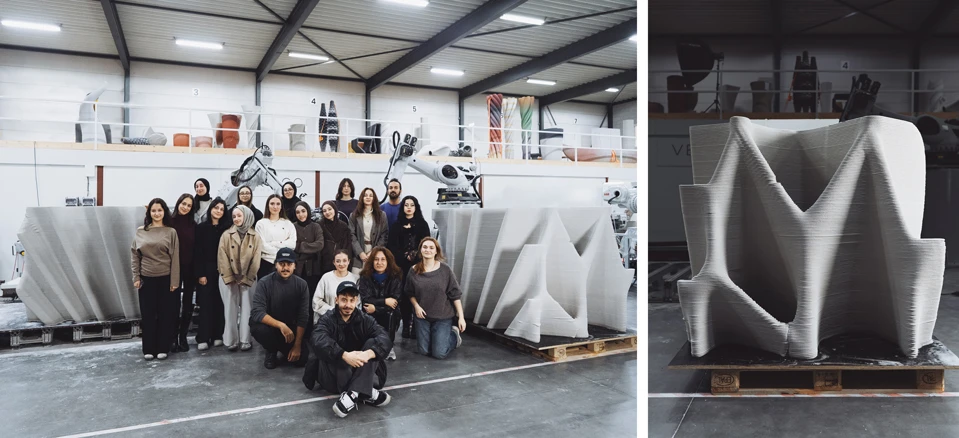
Beyond technological experimentation, the program offers students the opportunity to confront material behavior, fabrication constraints, and production realities, insights that often emerge only when research moves beyond the digital realm and into physical construction.
What the Residency Includes
Selected teams for the 2026 edition will spend one week at Vertico’s Eindhoven facility, where they will work directly with industrial robotic systems to develop and fabricate a full-scale prototype.
The residency includes:
- Access to industrial robotic fabrication systems
- Full-scale prototype production
- Technical support from the Vertico team
- Access to Rhinoceros 3D and Grasshopper workflows
- One week of fabrication at Vertico’s Eindhoven facility
Application Requirements
To apply for the Greenfield Residency 2026, applicants must do the following:
Submit applications through a professor, assistant professor, studio supervisor, or research leader representing a student group. Provide a project proposal of up to 500 words.
Include preliminary visual material such as:
- Renders
- Diagrams
- Sketches
- Design drawings
- Material studies
- Previous prototypes
Clearly define the project’s:
- Concept
- Research objectives
- Technical approach
- Intended use of robotic fabrication technologies
Key Dates
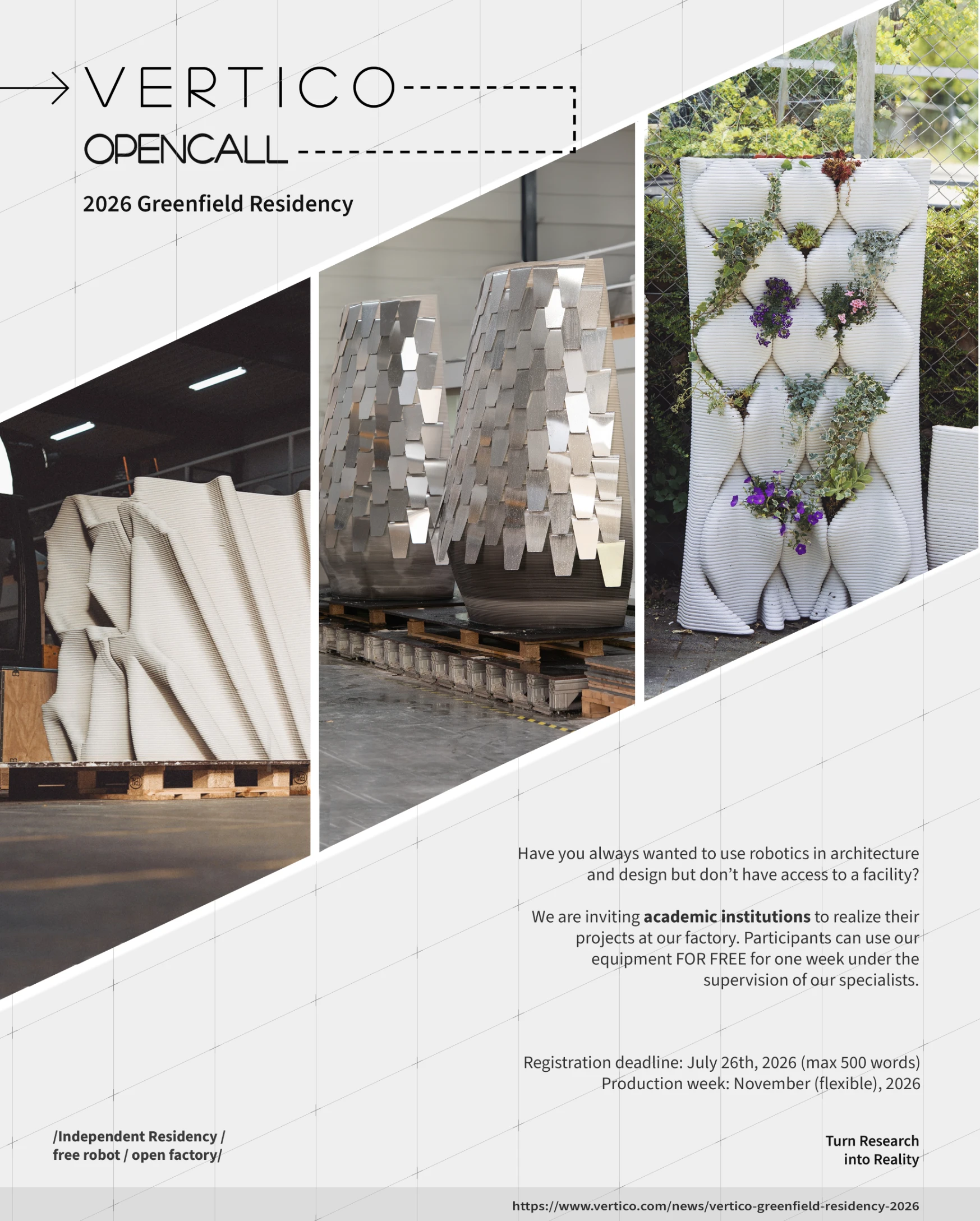
- Application Deadline: July 26, 2026
- Selection Interviews: July 28 – August 7, 2026
- Residency Period: November 2026 (with flexible scheduling)
Applications for the Vertico Greenfield Residency 2026 are currently open, offering an opportunity to transform experimental research into full-scale fabricated prototypes while gaining firsthand experience with industrial robotic production technologies.