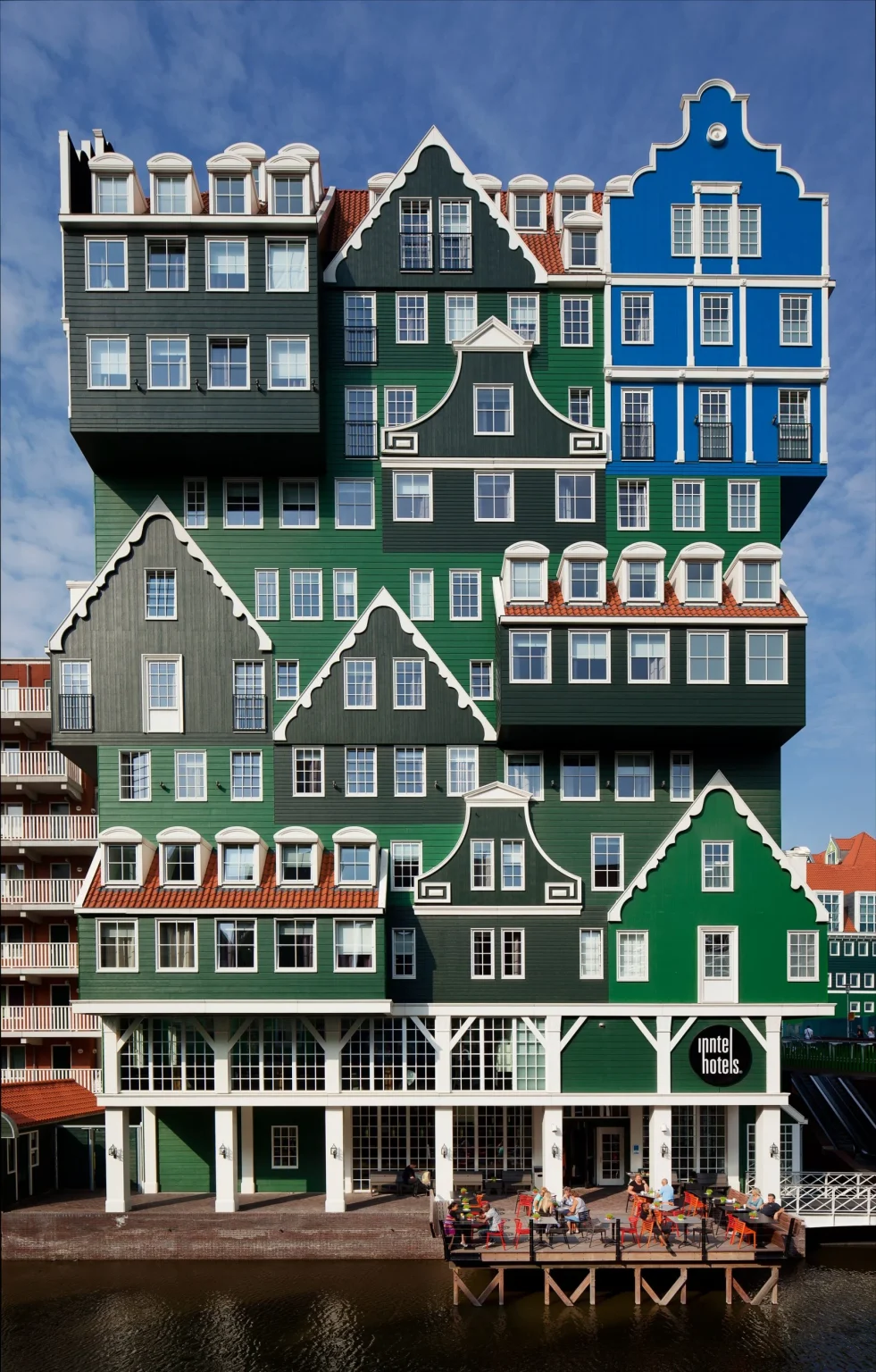


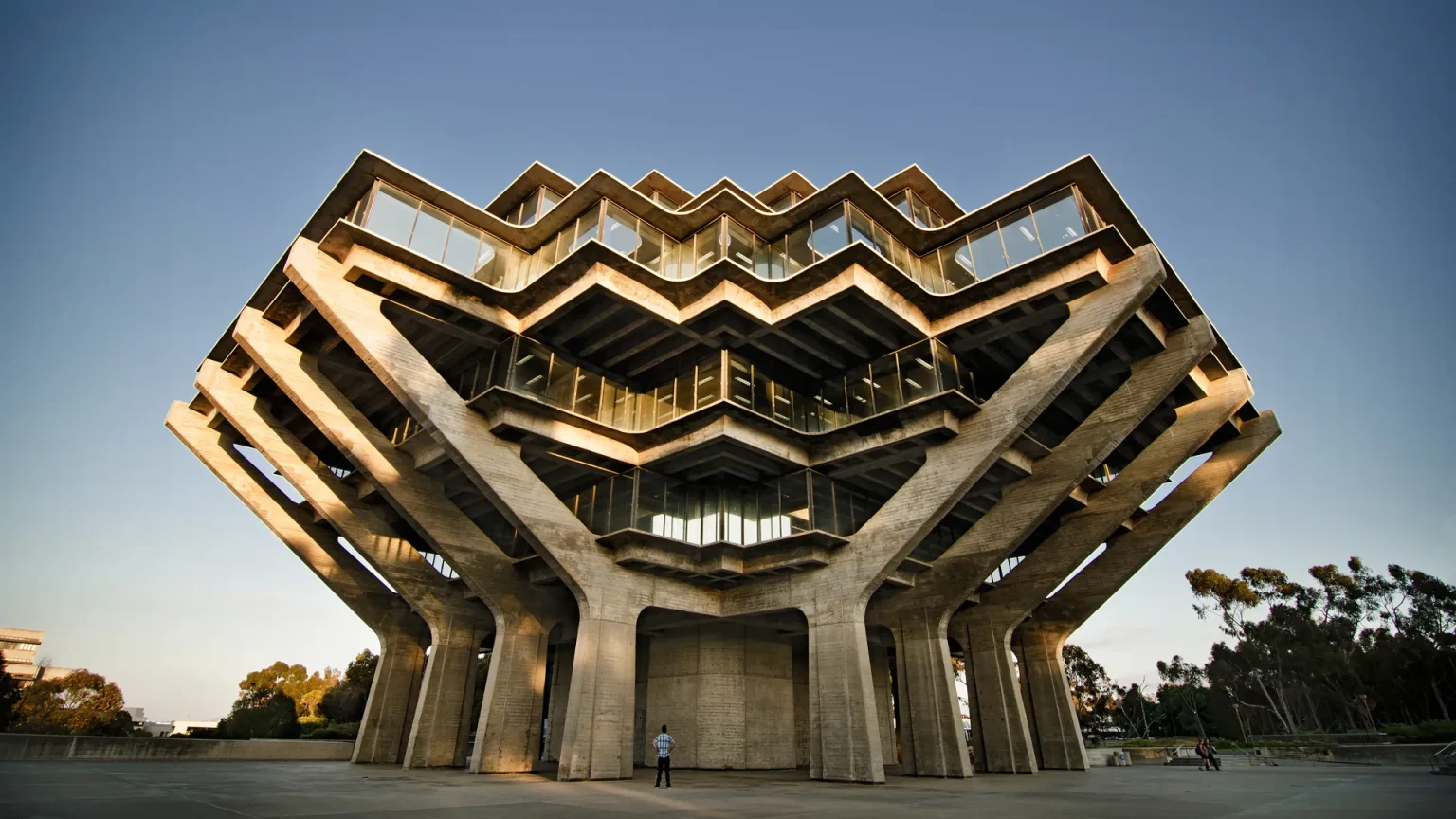
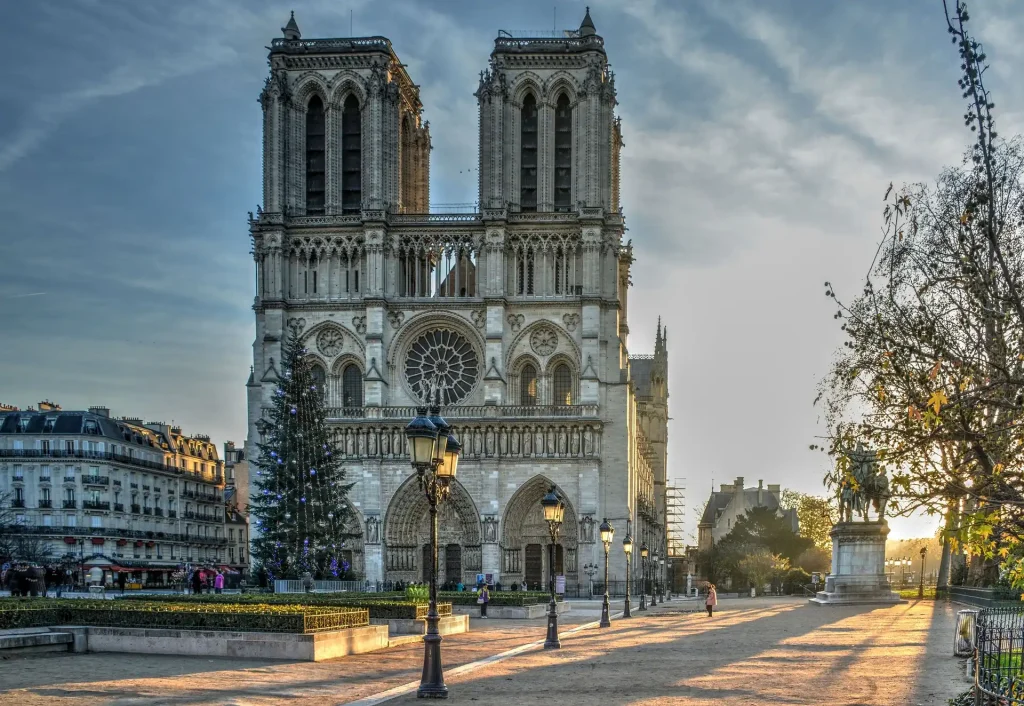
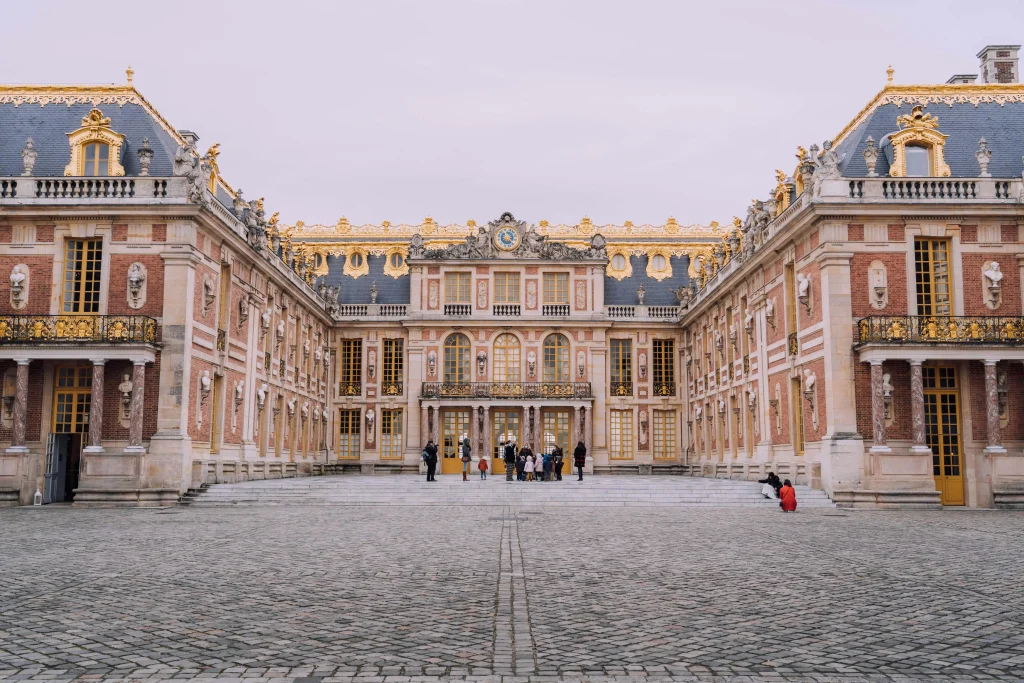




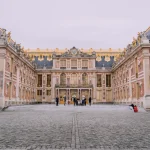

The global architectural landscape in 2026 is undergoing a profound structural and aesthetic transformation, driven by a collective rejection of the sterile, monochromatic minimalism that dominated the previous decade. The prolonged era of Millennial Grey interiors, white-box volumes, and unadorned open-plan layouts is rapidly yielding to more expressive architecture styles, including Neo-Art Deco, Contemporary Classicism, Biophilic Design, Mediterranean Revival, and richly layered vernacular-inspired architecture. These approaches embrace texture, craftsmanship, color, and cultural identity, creating spaces that feel more tactile, historically rooted, and emotionally engaging.
1. Biophilic Brutalism
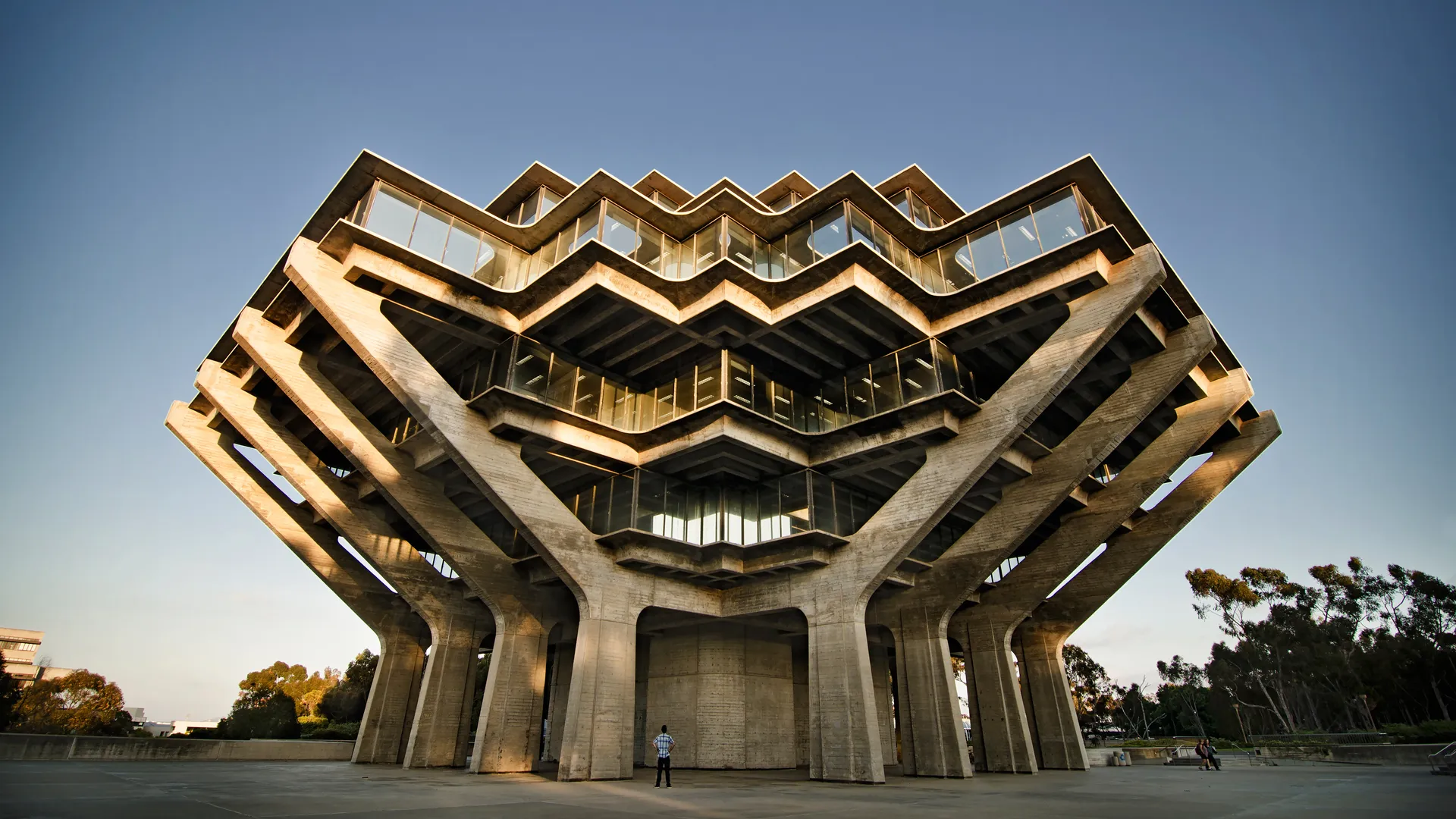
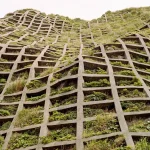
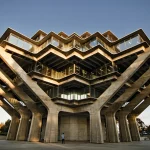
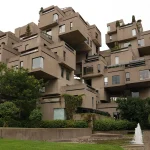
Biophilic Brutalism, frequently characterised in 2026 as Soft Brutalism or Brutalish Sanctuary, represents a dramatic, human-centric evolution of post-war structural design. Originally emerging from the rubble of post-WWII reconstruction to address urgent housing shortages through inexpensive, monolithic concrete structures, traditional Brutalism celebrated raw material honesty and clear geometric grids.
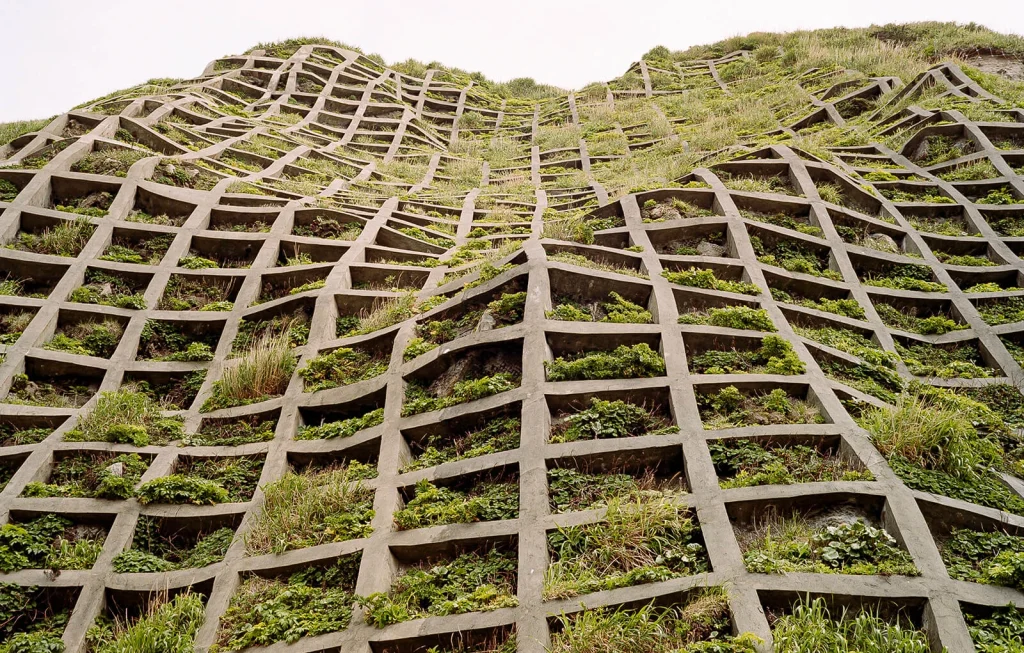
The biophilic integration performs a vital environmental function: the coldness of structural concrete is physically offset by plants, while the facade achieves natural cooling through evapotranspiration and significantly improves localized air quality. Biophilic Brutalism transforms raw concrete into a protective, acoustically isolated cocoon that acts as an emotional and physical shield against urban stressors.
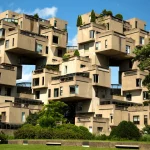
Habitat 67
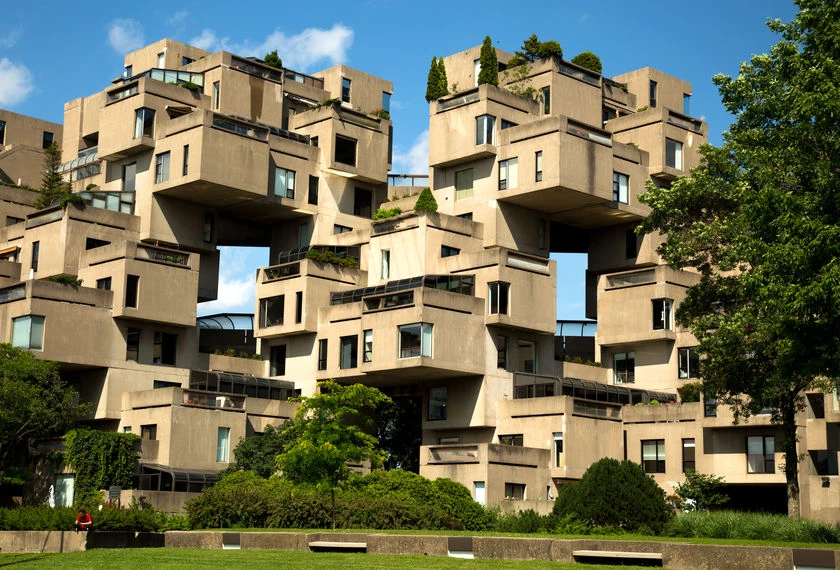
Architect: Moshe Safdie
Location: Montreal, Quebec, Canada
Built Year: 1967 (Construction spanned 1964–1967)
Habitat 67 was conceived as an alternative to conventional high-density urban high-rises, originating as Safdie’s master’s thesis at McGill University before being built as a pavilion for the 1967 World Exposition (Expo 67). Constructed from 354 prefabricated reinforced-concrete modules, the complex stacked 146 residences to ensure each apartment enjoyed amenities typically reserved for suburban homes: a private rooftop garden, multi-directional natural light, and cross-ventilation.
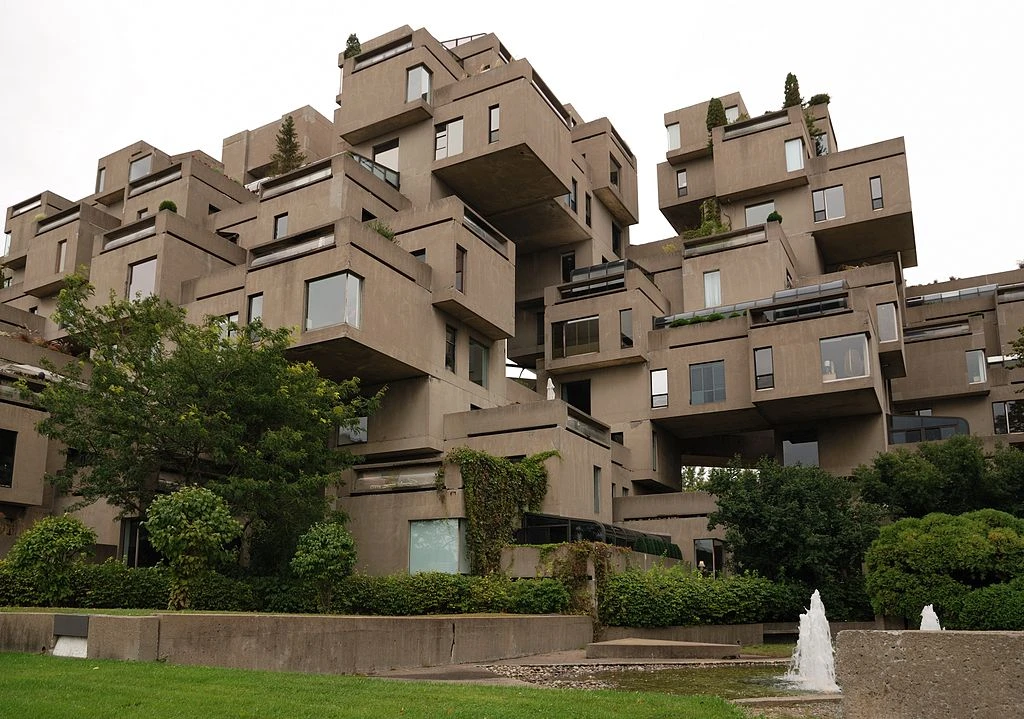
The 2026 renaissance of Biophilic Brutalism directly inherits Safdie’s vision of high-density modular housing but retrofits it with advanced circular design principles, automated solar louvers, and prefabricated low-carbon concrete mixes to reduce embodied carbon while maximizing urban biodiversity.
2. Art Deco Revival
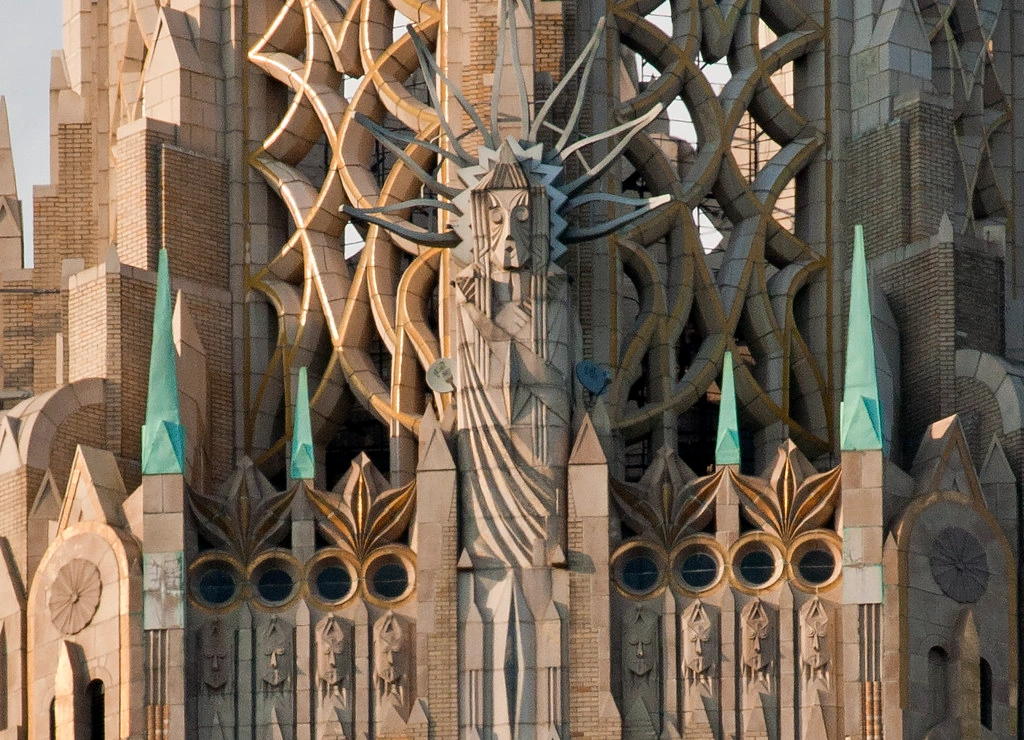
The original movement, which celebrated the optimism of early industrialisation, relied on bold symmetrical layouts, stepped ziggurat forms, sunburst motifs, and highly luxurious materials. However, the original style was often structurally inefficient and relied on the uninhibited exploitation of rare materials such as ebony, mother-of-pearl, and heavy chromium.
The 2026 Neo Deco revival retains the dramatic, identity-driven allure of its predecessor while adapting its core principles to modern sustainability standards and digital fabrication. Symmetrical geometries, lowered arches, and stepped boiserie are designed using parametric software to optimise spatial flow and acoustic diffusion in open-plan layouts.
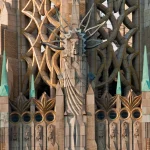
The Chrysler Building
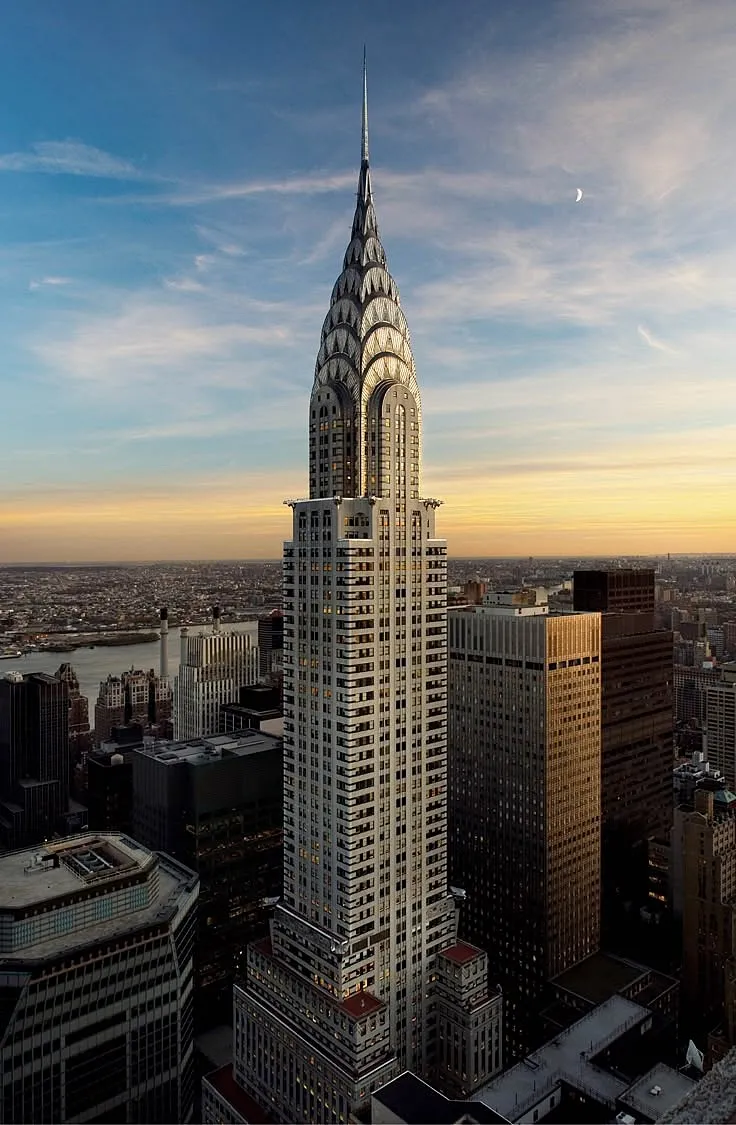
Architect: William Van Alen
Location: Manhattan, New York City, USA
Built Year: 1930 (Construction spanned 1928–1930)
Standing at 1,046 feet, the Chrysler Building remains the premier global monument to Art Deco architecture. Its famous sunburst crown, composed of seven overlapping arches clad in corrosion-resistant Enduro KA-2 stainless steel, was engineered to create the illusion of soaring vertical height. The building’s majestic lobby features inlaid wood marquetry depicting lotus flowers, reflecting the Egyptomania sparked by the 1922 discovery of King Tutankhamen’s tomb.
The Neo Deco movement draws direct inspiration from Van Alen’s use of metal-to-stone transitions and narrative-rich ornamentation, translating them into bespoke, digitally routed wood panels and custom water-jet-cut stone facades.
3. Mid-Century Modern
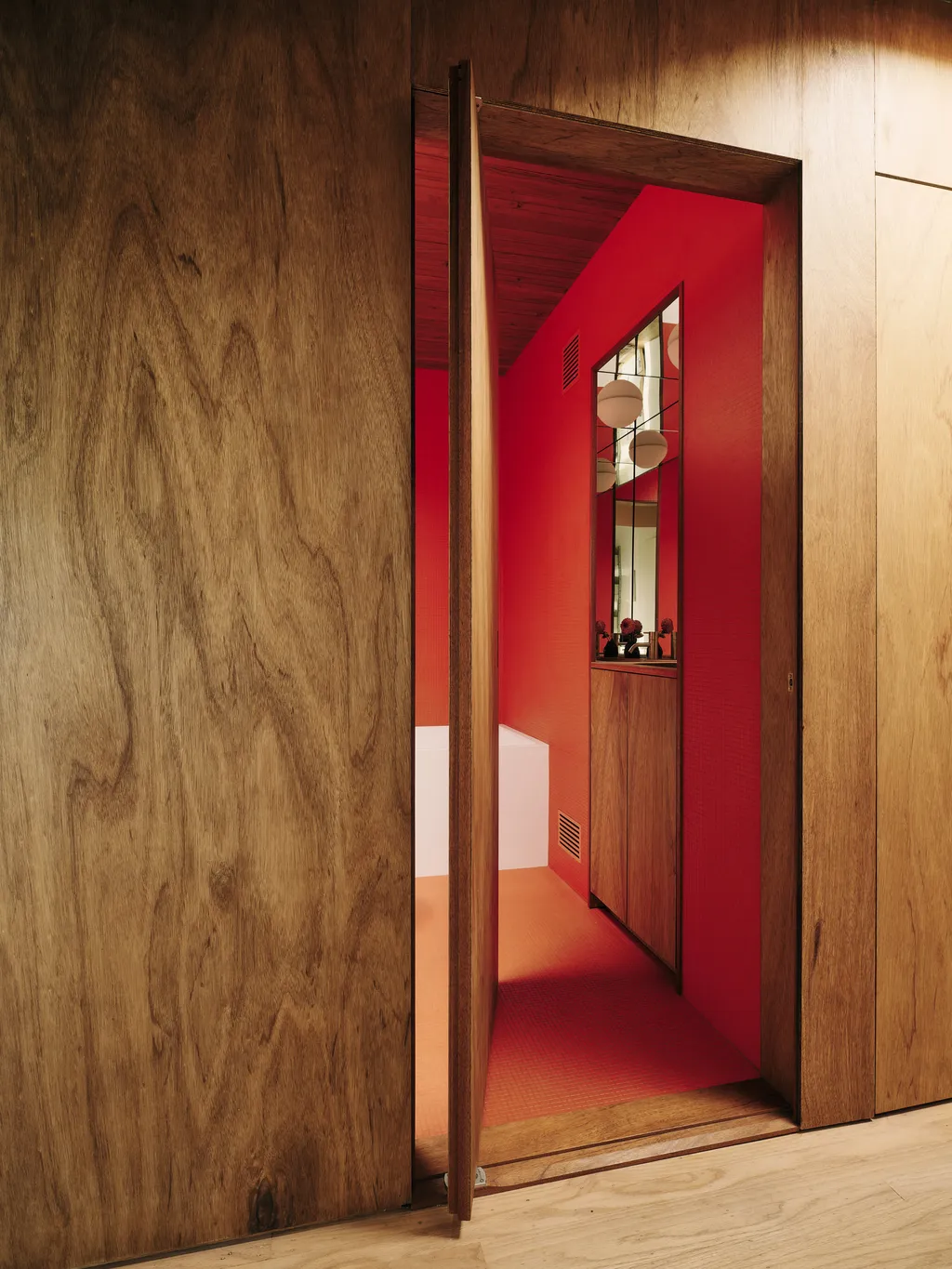
Mid-Century Modern architecture, which originally flourished from the late 1940s through the 1960s, is experiencing a warm, highly textured resurgence in 2026. The style’s historical foundation relied on structural simplicity, low-slung horizontal profiles, flat roofs, and expansive glass panels designed to dissolve the boundaries between the interior living volume and the natural landscape.
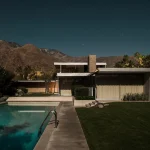
The Kaufmann Desert House
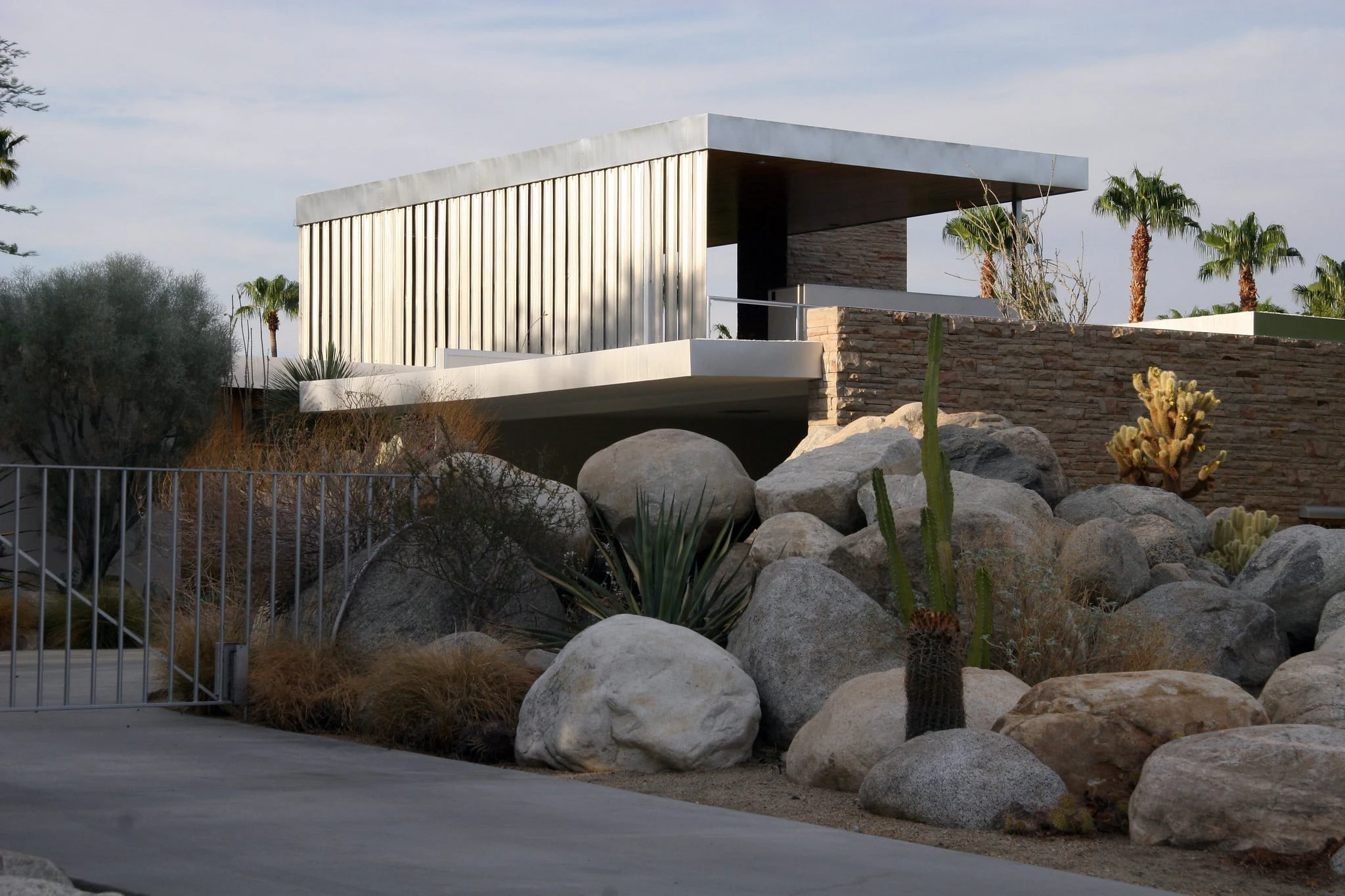
Architect: Richard Neutra
Location: Palm Springs, California, USA
Built Year: 1946
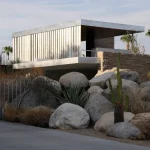
Commissioned by department store magnate Edgar J. Kaufmann, Sr., as a winter retreat, this house is a legendary masterpiece of California Modernism. Designed to coexist harmoniously with the harsh, rugged landscape of the Mojave Desert, its cross-shaped layout features sliding glass walls that open onto sheltered patios, a central swimming pool, and a semi-outdoor living pavilion known as a gloriette.
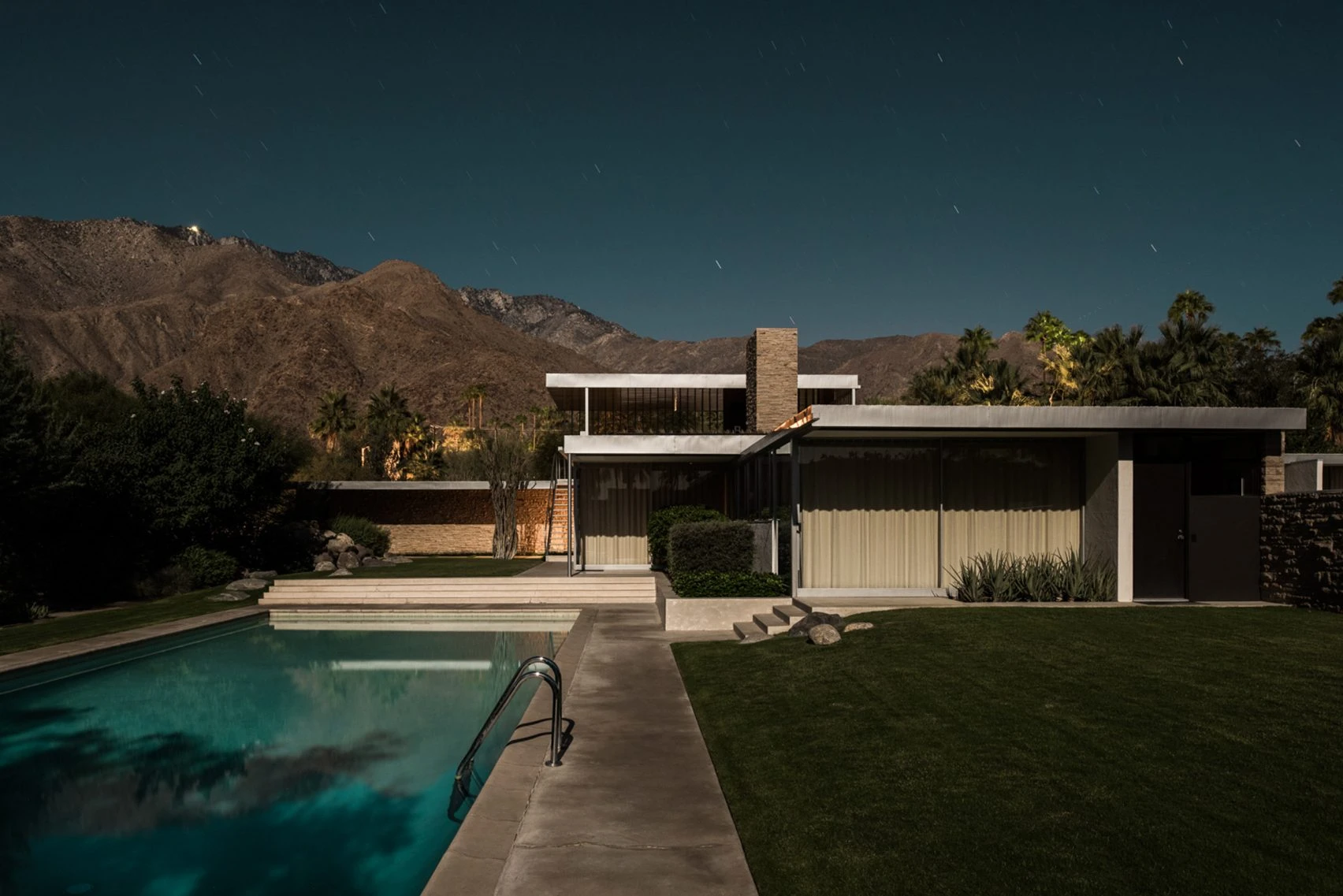
The revival of the architectural style directly draws from Neutra’s masterwork, using its fluid spatial transitions and site-integrated zoning as a blueprint for contemporary homes designed for resilience, aging in place, and seamless indoor-outdoor living.
4. Neo-Postmodernism
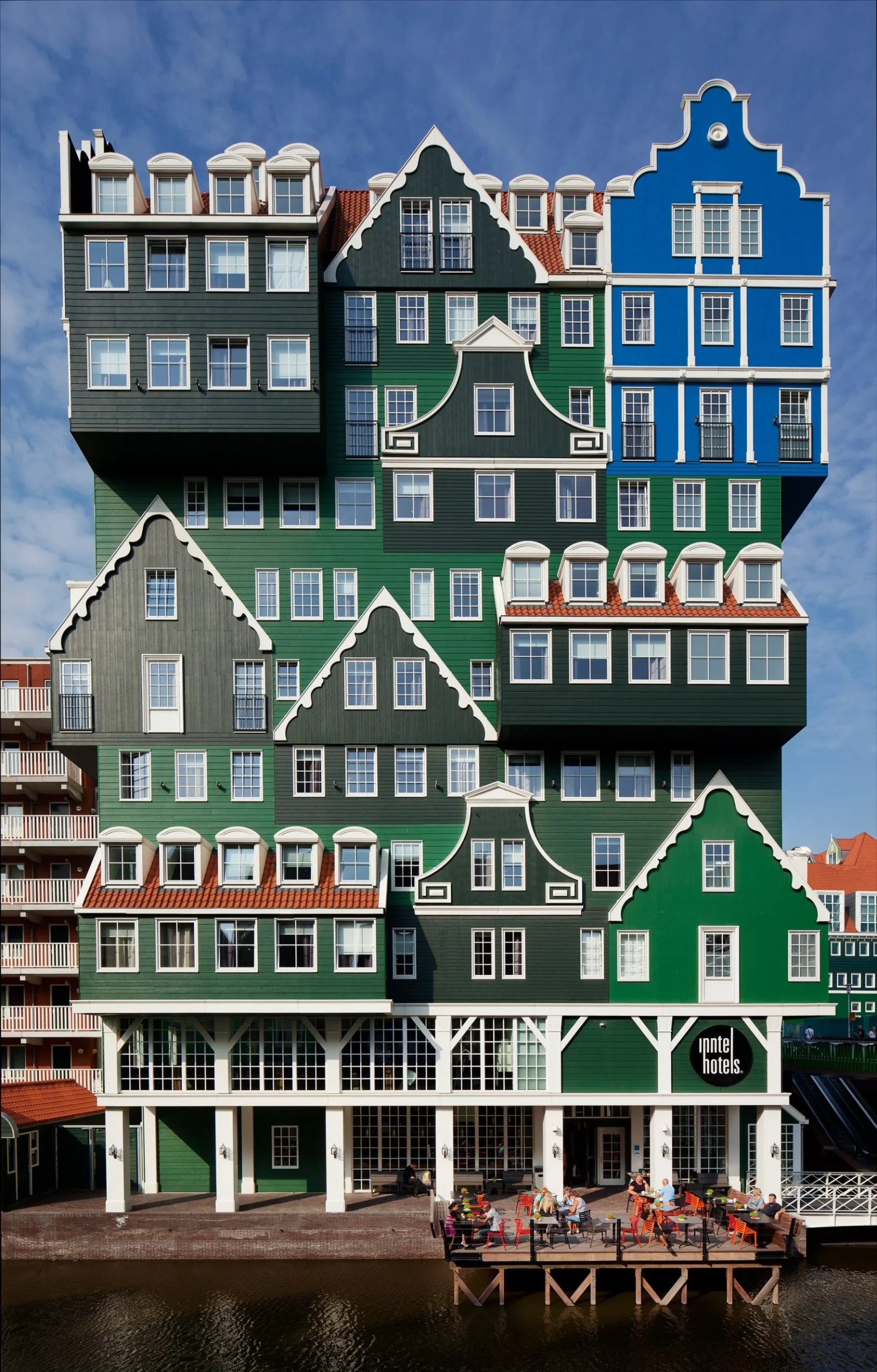
Neo-Postmodernism is a bold, corrective counterweight to decades of plain, non-descript corporate construction. Originating in the late 1960s as a protest against the rigid, functionalist doctrines of high modernism, historical Postmodernism reintroduced historical pastiche, asymmetry, fragmentation, and structural irony.
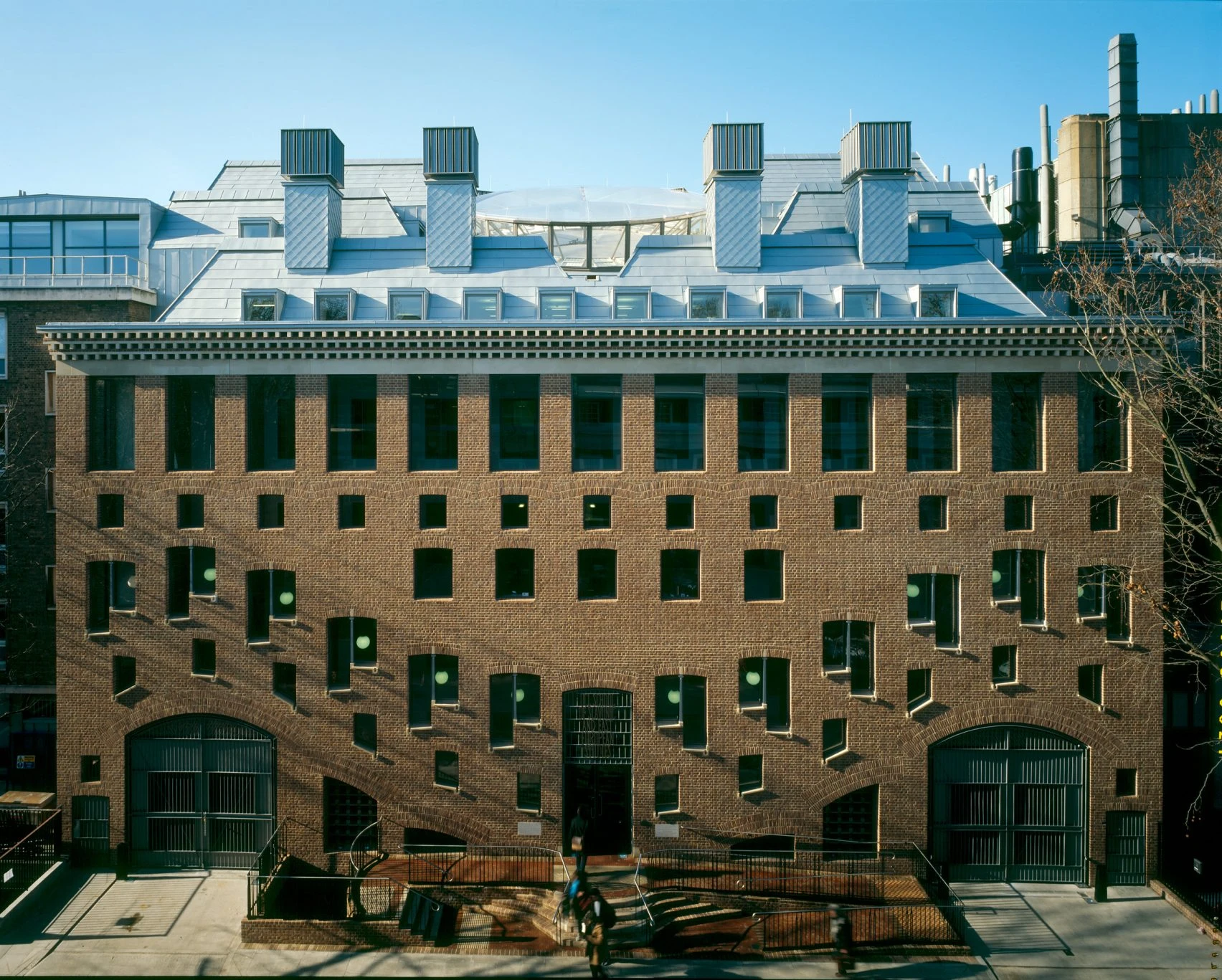
A major trend in residential custom builds is the reintroduction of broken-plan layouts, which utilise subtle two-to-three-step sunken living rooms, dual-sided fireplaces, and varied floor heights to carve out intimate, emotionally comforting zones without isolating occupants behind solid walls.
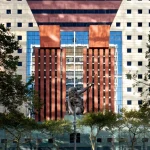
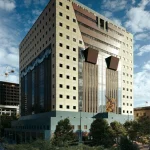
The Portland Building
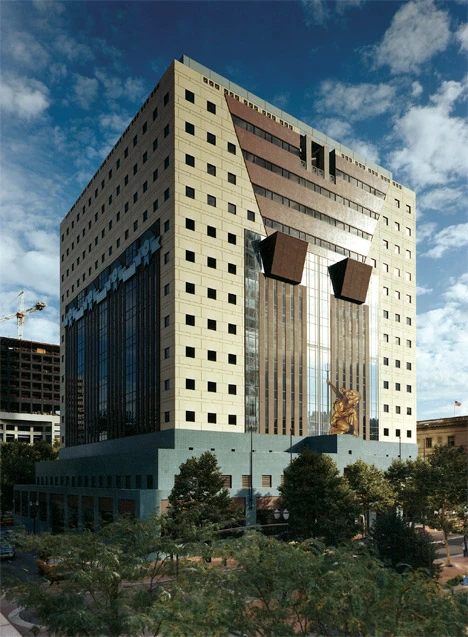
Architect: Michael Graves
Location: Portland, Oregon, USA
Built Year: 1982
As the first major public building designed in a Postmodern classicist style, the Portland Building challenged the glassy, unadorned office towers of its era. Graves decorated the exterior with oversized red fluted columns, blue-grey bases, and monumental stylized ribbons, culminating in the classical copper statue Portlandia positioned above the main entrance.
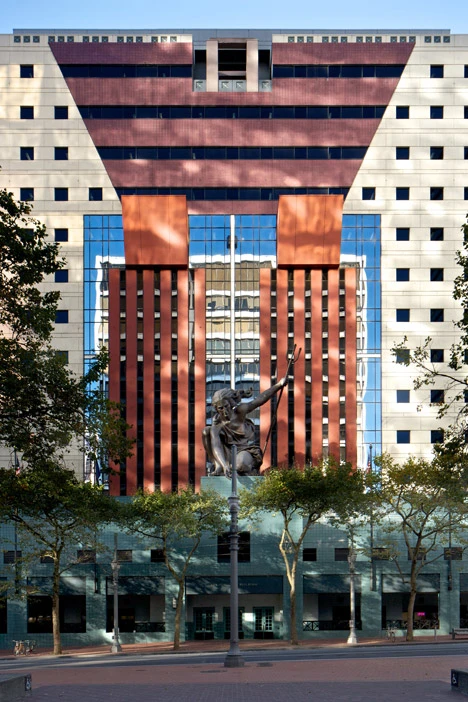
The 2026 Neo-Postmodernist movement draws directly from Graves’ use of bold structural narrative and external scale, replacing the flat surfaces of high-rise commercial structures with multi-sensory, layered facades that engage the public on an emotional level.
5. American Craftsman (Arts & Crafts)
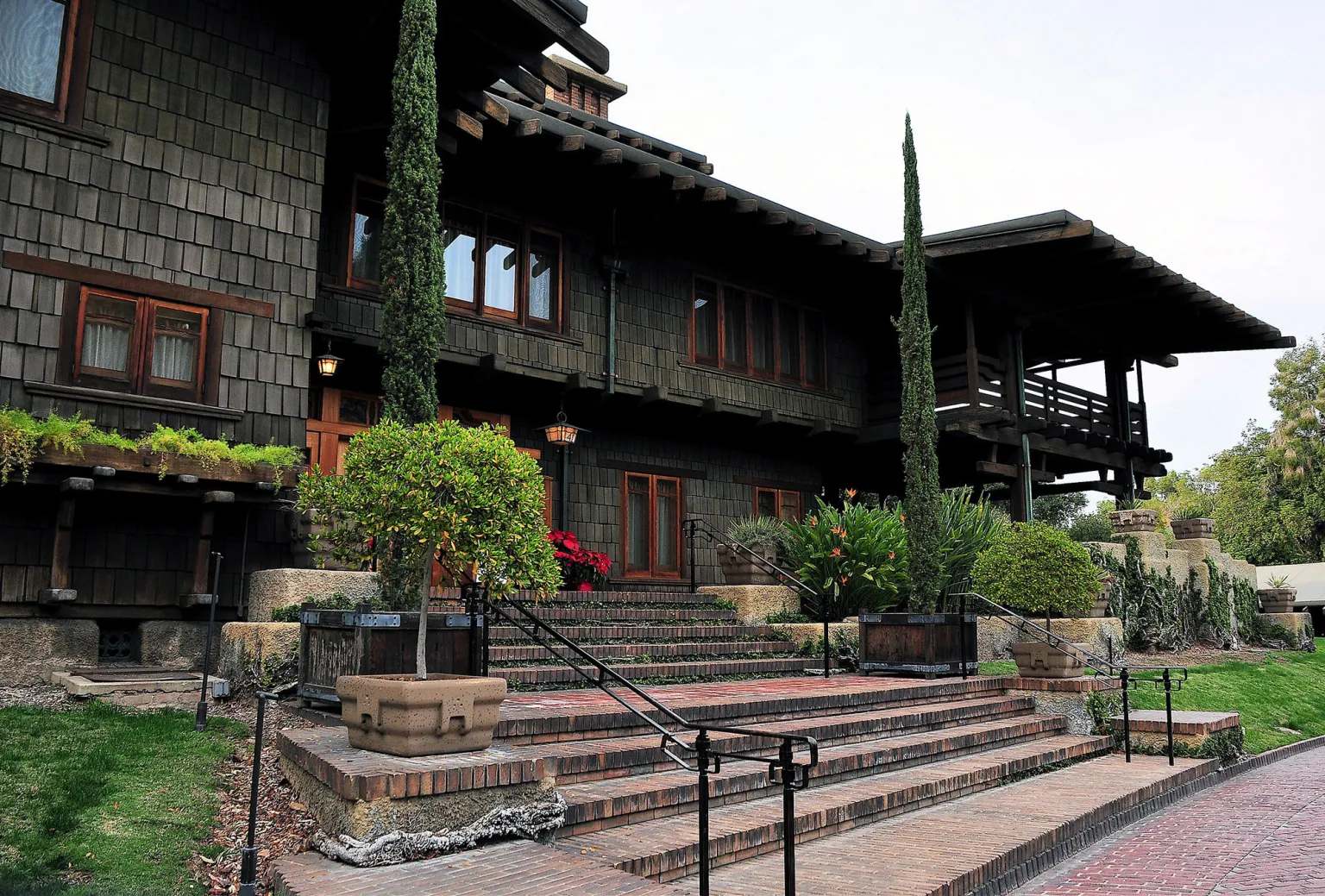
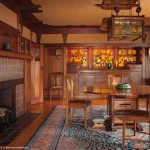
The American Craftsman style, an offshoot of the global Arts and Crafts movement, is experiencing a powerful resurgence in 2026. This comeback is directly fueled by a widespread psychological desire for authenticity, structural permanence, and “crafted intention” in response to the rapid rise of digital automation and AI-driven design.
Homes are designed with custom wood panelling, built-in window seats, integrated bookshelves, and functional mudroom cabinetry that also serves as structural columns. To align with modern carbon-neutral building mandates, contemporary architects are substituting historical old-growth hardwoods with Carbon-Neutral Structural Timbers, such as Cross-Laminated Timber (CLT).
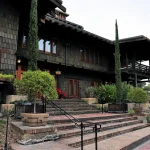
The Gamble House
Architects: Charles Sumner Greene and Henry Mather Greene (Greene & Greene)
Location: Pasadena, California, USA
Built Year: 1908 (Construction spanned 1908–1909)
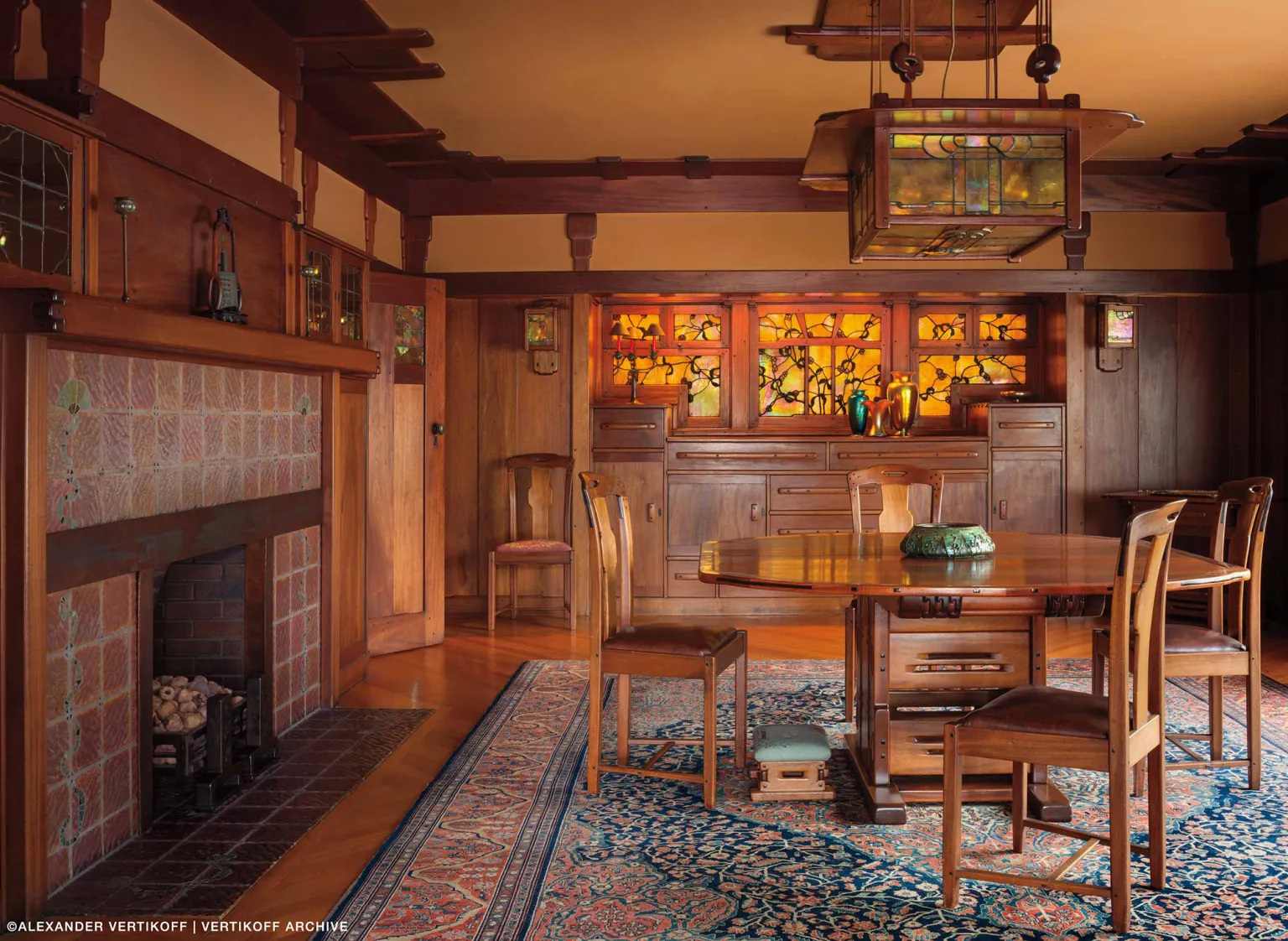
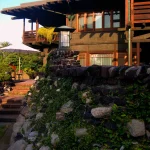
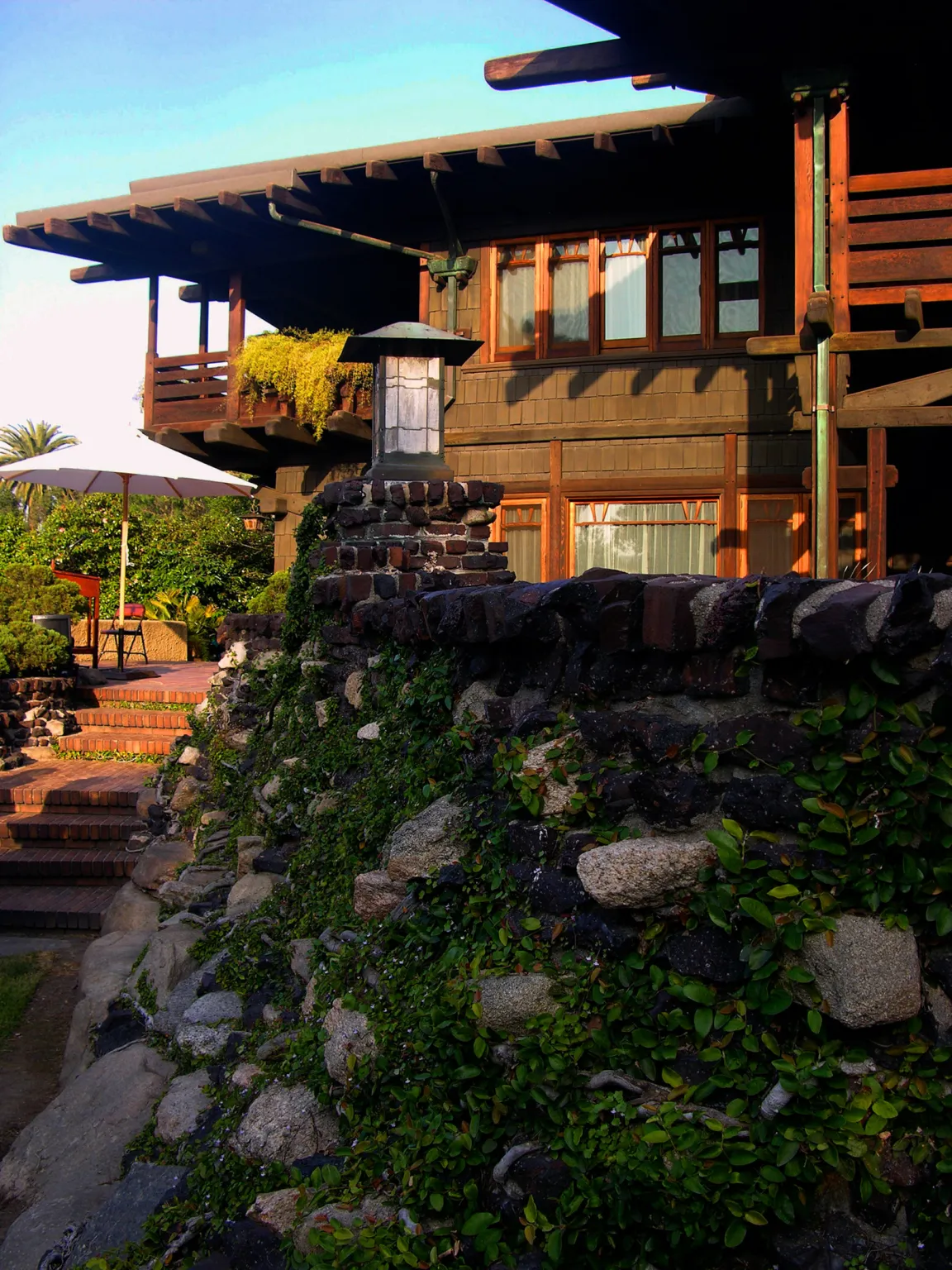
Commissioned as a winter home for David and Mary Gamble of Procter & Gamble, this house stands as the ultimate masterpiece of the American Craftsman movement. Built primarily of premium redwood, teak, and maple, the home features structurally exposed timber joinery, broad overhanging eaves, and hand-carved art glass windows depicting the local coast live oak tree.
6. Modern Tudor Revival
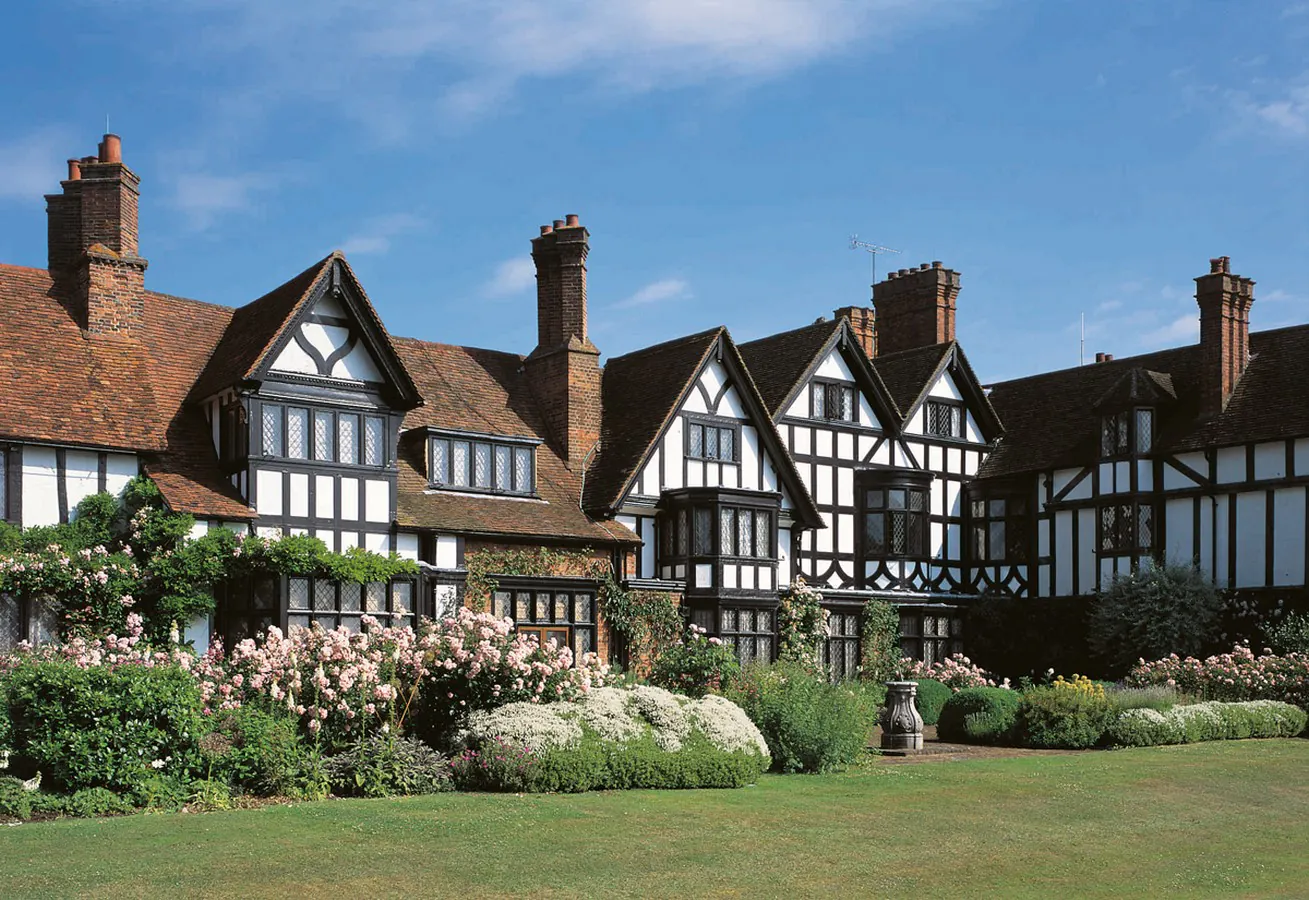
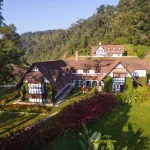
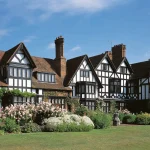
Historically, the style was characterised by steeply pitched gable roofs, massive brick or stone chimneys, grouped leaded-glass casement windows, and decorative half-timbering. The style has been refined to eliminate the overly dark, theatrical timbering of the past, leaning instead into Modern Tudor Heritage.
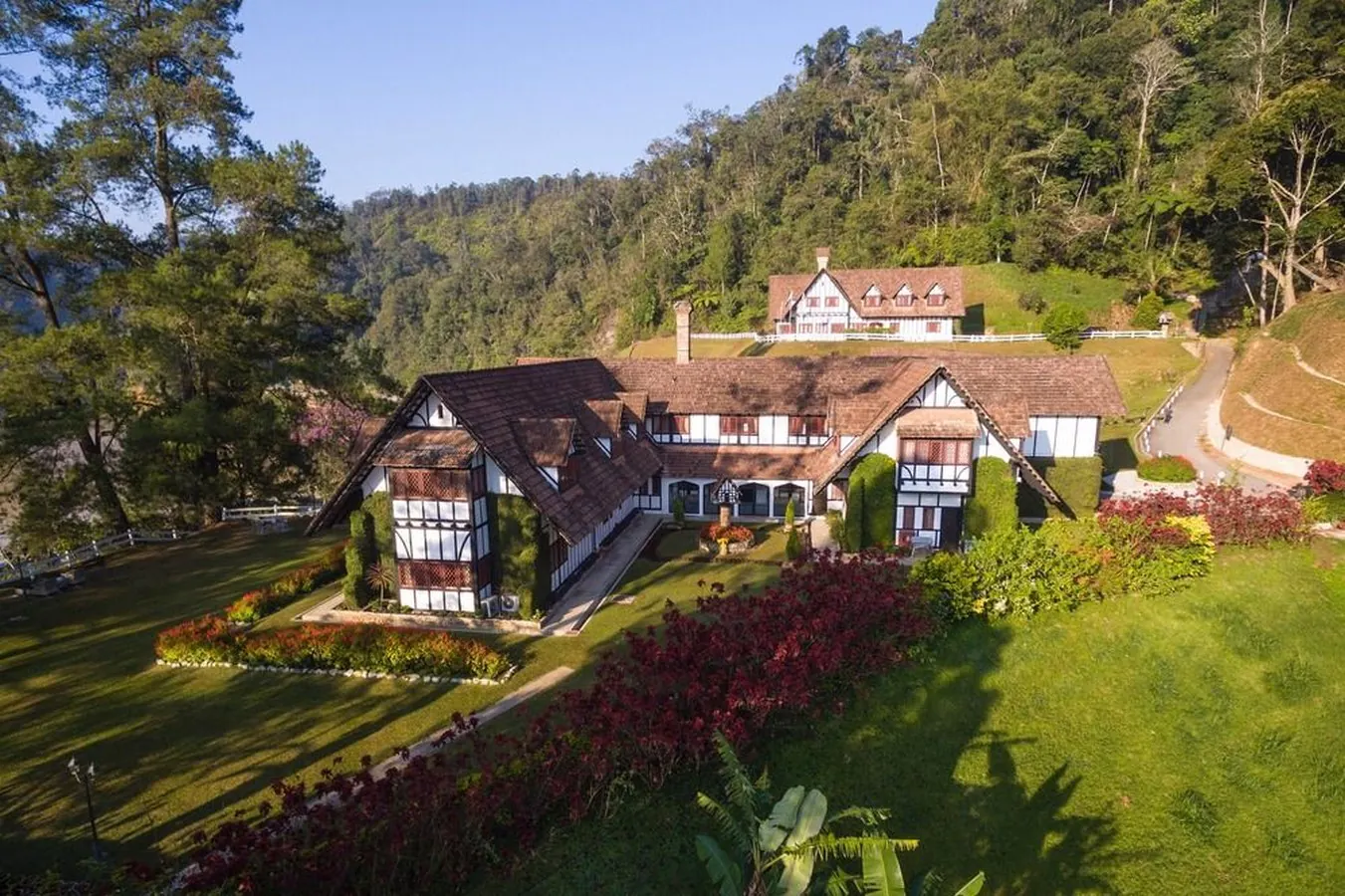
The traditional Tudor Revival style is undergoing a massive resurgence in 2026, adapting its historical English Cotswold and Tudor cottage influences to high-end suburban and semi-rural custom residential projects.
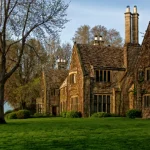
The Edsel and Eleanor Ford House
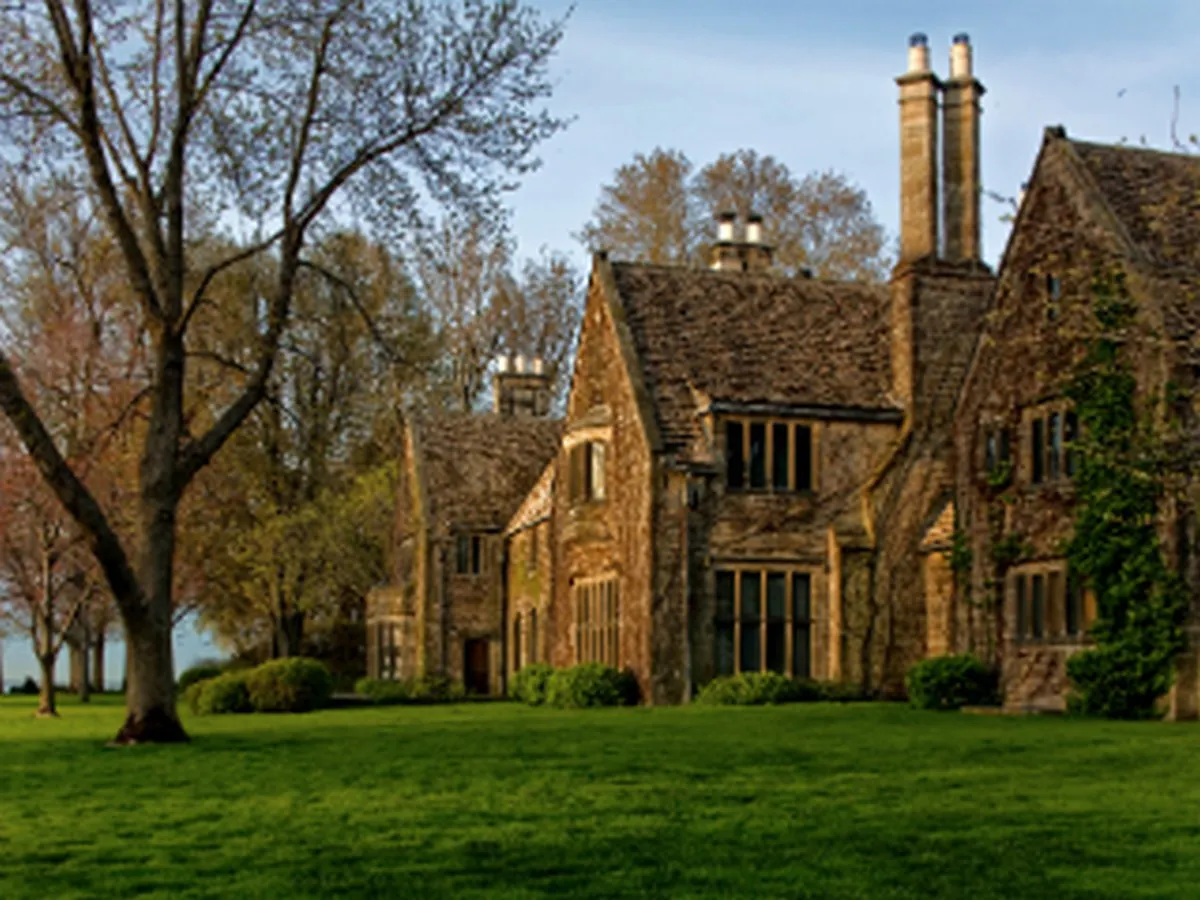
Architect: Albert Kahn
Location: Grosse Pointe Shores, Michigan, USA
Built Year: 1928 (Construction spanned 1926–1928; interior completed in 1929)
Kahn designed this 60-room lakeside estate to evoke the rustic, stone-built villages of the English Cotswolds. The mansion features hand-split sandstone walls, leaded-glass casement windows, and a traditional slate roof where the stone shingles gradually decrease in size toward the ridge to enhance the visual scale of the gables.
The Modern Tudor Revival copies Kahn’s brilliant blending of rustic, historic craftsmanship with state-of-the-art structural steel framing, utilizing advanced insulated stone backing systems and structural glulam timbers to recreate the iconic steep gables with modern energy performance.
7. Gothic Revival
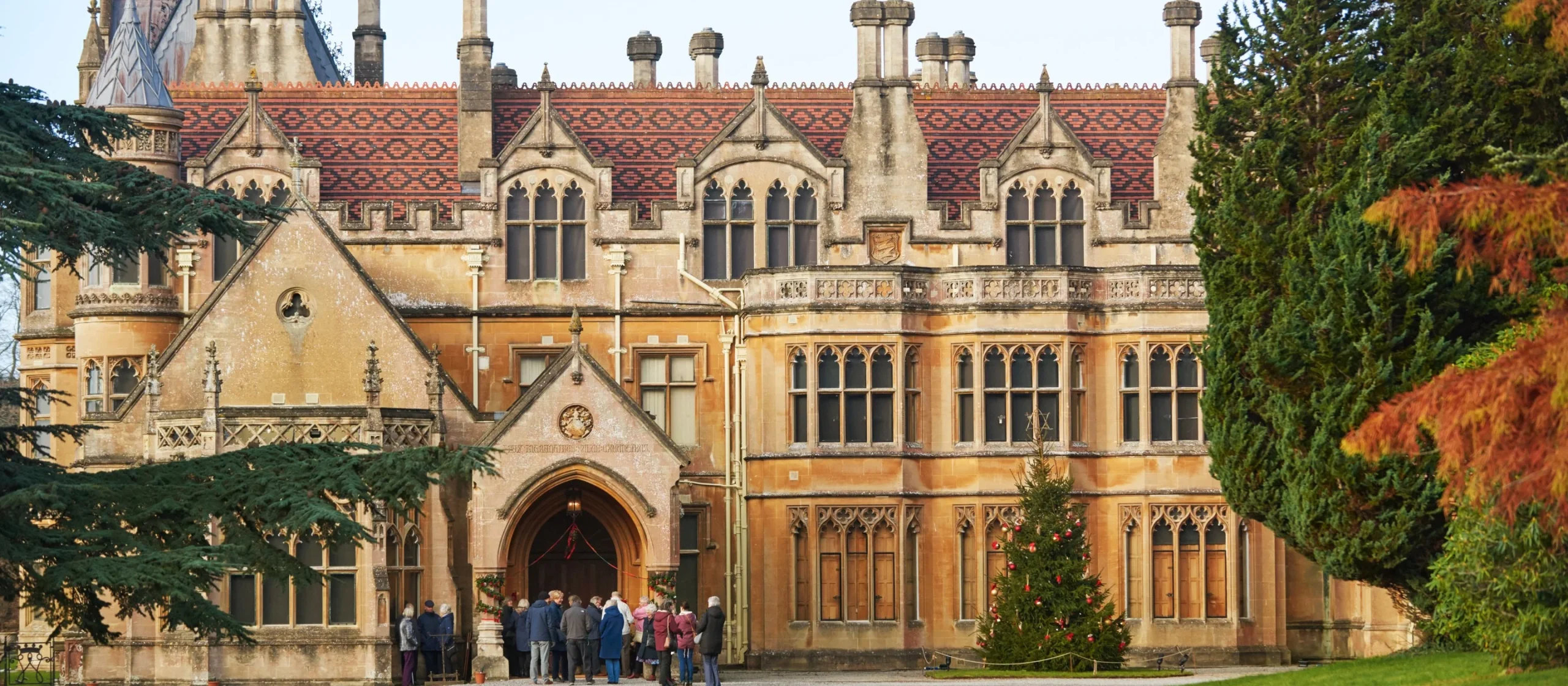
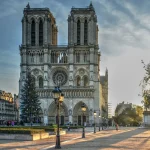
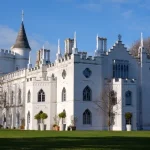
The re-emergence of the Gothic Romance and Medieval-Style aesthetic is one of the most unexpected design movements of 2026, representing a dramatic departure from clinical modernism toward theatrical, atmospheric drama. Historical Gothic Revival, pioneered in the 18th century, rejected classical symmetry in favour of pointed arches, ribbed vaults, crenellated battlements, and dense tracery.
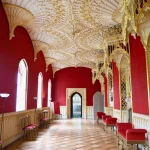
Strawberry Hill House
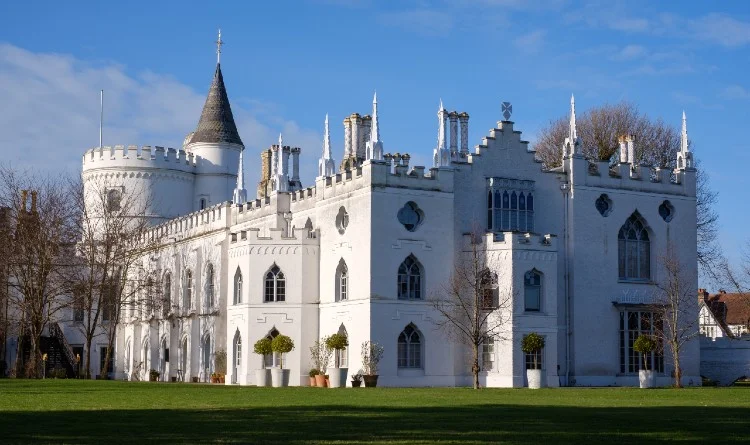
Architects: Horace Walpole
Location: Twickenham, London, United Kingdom
Built Year: 1749–1776 (constructed in multiple distinct phases)
Horace Walpole, the English writer who authored the world’s first Gothic novel (The Castle of Otranto), transformed a simple 17th-century cottage into a fantastical little Gothic castle. The home prefigured the global 19th-century Gothic Revival, featuring crenellated battlements, circular turrets, Gothic arched windows, and a magnificent gilded gallery.
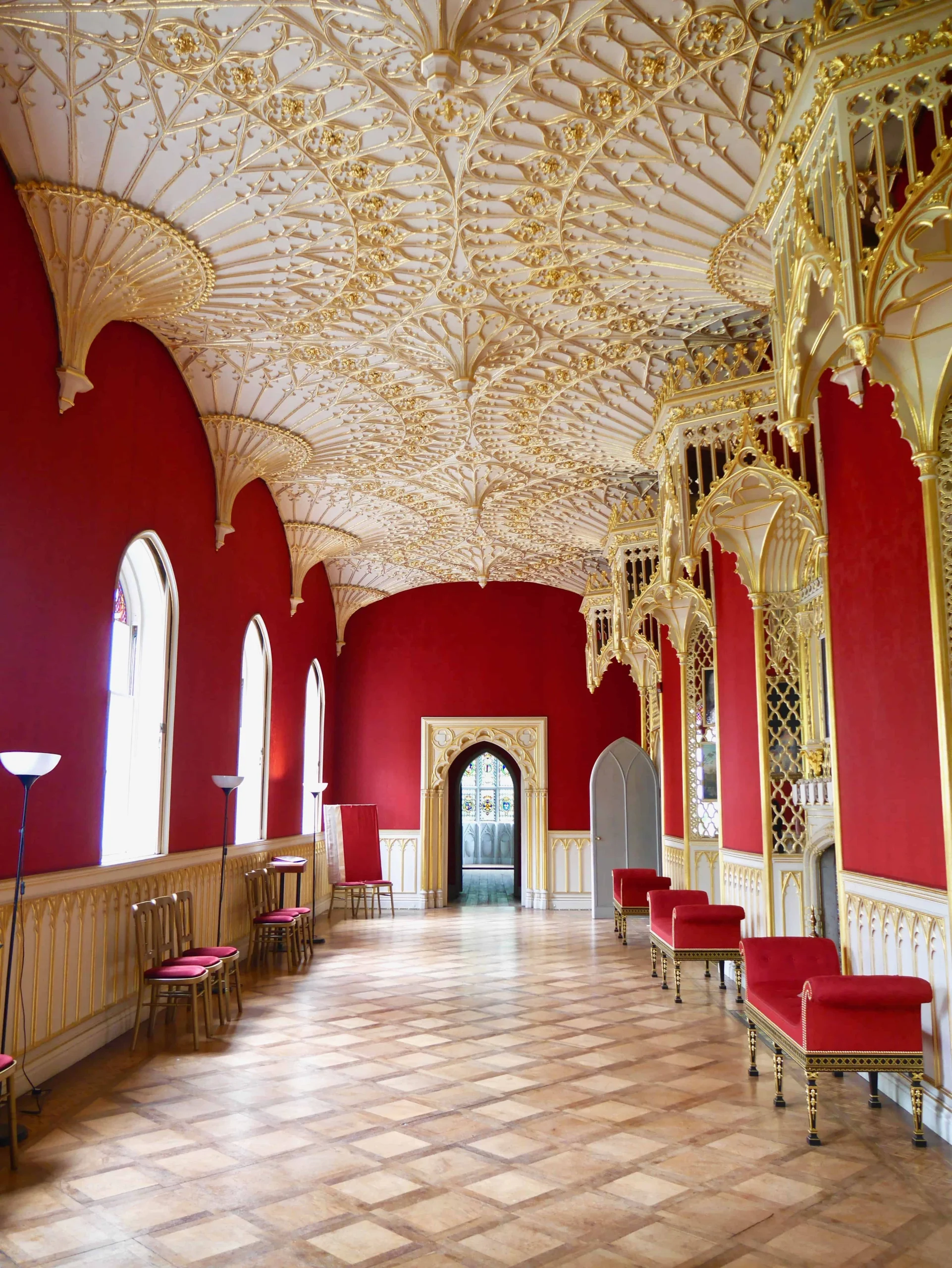
The Gothic Revival directly references Walpole’s theatrical play with light, shadow, and architectural drama, translating his fantastical Gothic details into modern residential interiors that prioritise individuality, emotional storytelling, and handcrafted ornament over generic minimalism.
Architecture After Neutrality
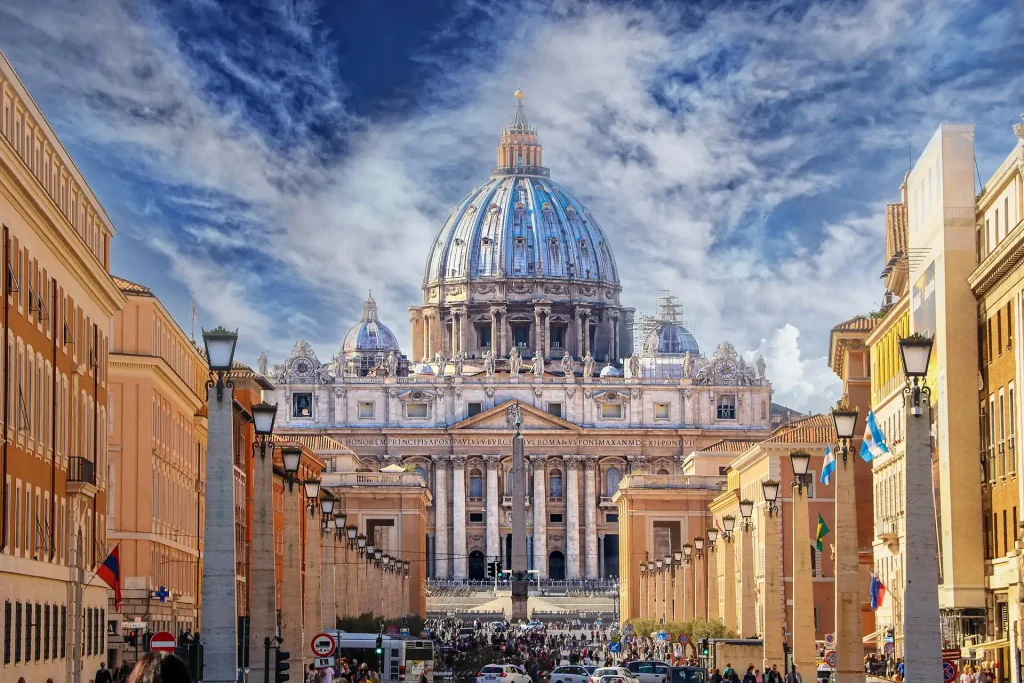
As geopolitical tensions, climate volatility, and digital fatigue intensify, society is demanding spaces that offer physical permanence, sensory comfort, and a profound connection to the natural world. To deliver these qualities, contemporary architects are re-evaluating historical design philosophies. Modern custom builds and high-performance commercial projects in 2026 are integrating advanced technologies such as generative artificial intelligence (AI), carbon-neutral engineered timber, robotic prefabrication, and invisible internet-of-things (IoT) environmental sensors directly into the architectural movements.