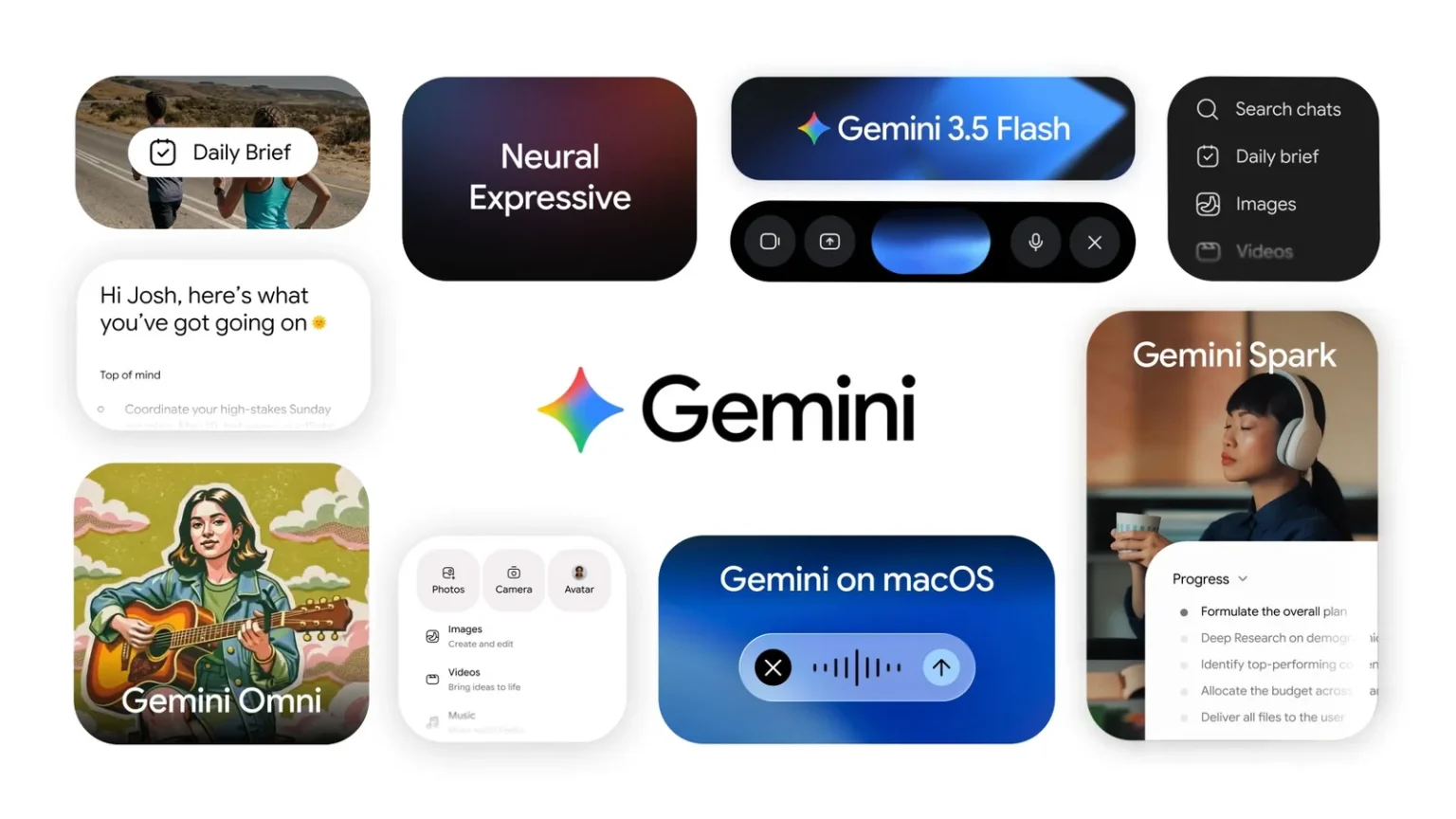

Google’s latest announcements at its annual developer event suggest that Gemini is moving beyond the idea of a chatbot. The company is repositioning it as a continuous AI system that can understand context, anticipate needs, create media, and perform tasks with less direct instruction from users. Google presented a collection of updates designed to reshape how people interact with AI daily.
For much of the AI race, companies focused on improving responses—making systems faster, smarter, or more conversational. The latest Gemini changes indicate a shift toward “agentic AI,” where the system becomes capable of managing tasks and acting on information.
Gemini 3.5 Flash Becomes the New Foundation
One of the biggest announcements is the introduction of Gemini 3.5 Flash as the default model powering the app experience. Google positions it as a model built for responsiveness and complex workflows. The focus appears to be speed, combined with stronger reasoning and coding performance.
This matters because AI interactions are increasingly extending beyond single questions. Users are asking systems to build interfaces, summarize lengthy documents, write code, organize information, and perform multiple connected tasks. Faster processing with stronger contextual understanding could significantly affect how frequently users rely on AI throughout the day. Google also indicated that a more advanced Gemini 3.5 Pro version is expected later.
Gemini Spark Signals Google’s Push Toward Autonomous AI
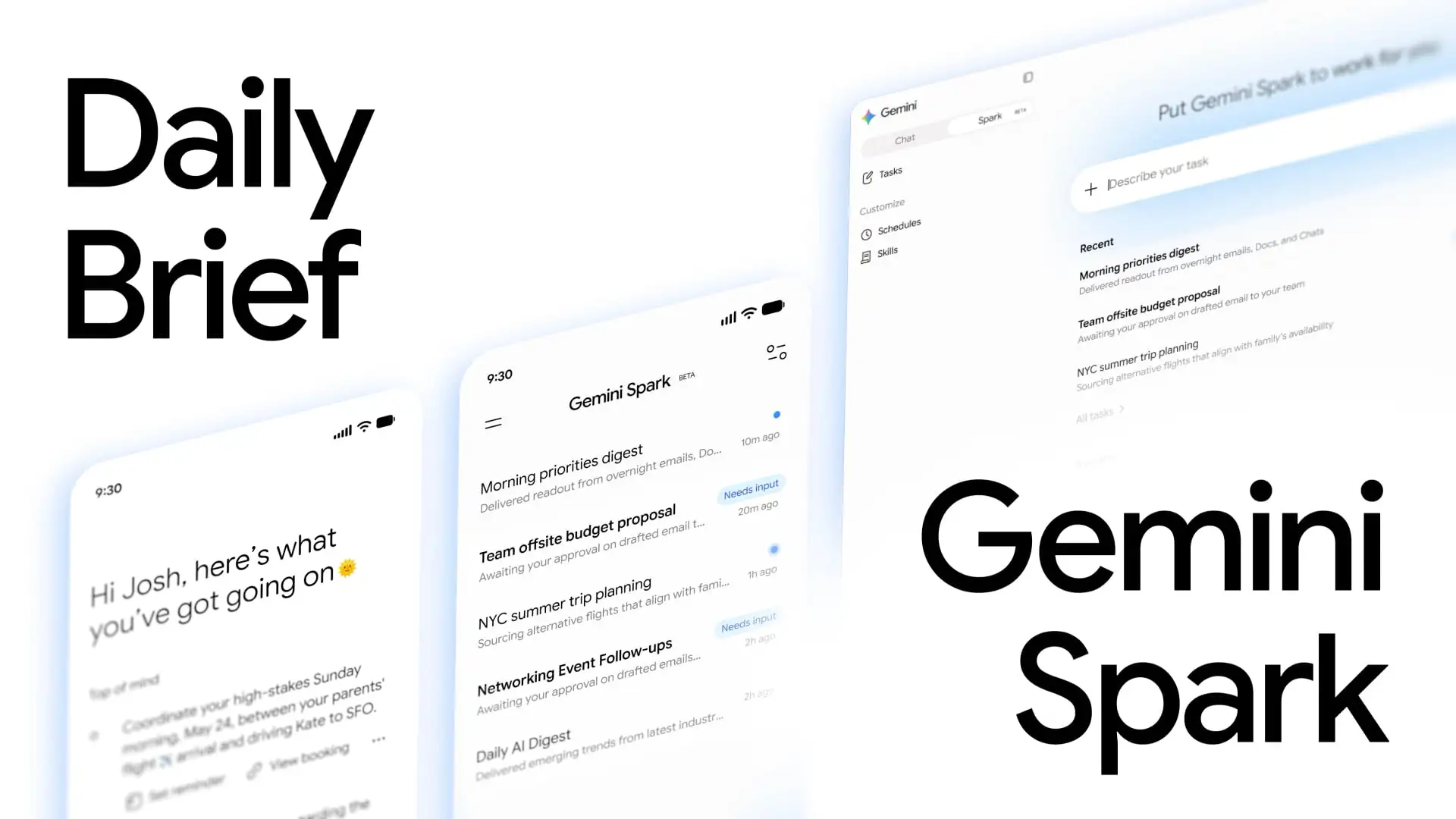
Perhaps the most important development is Gemini Spark, which introduces a more persistent form of assistance.
Assistants generally operate on request-response patterns: users ask, and the system replies. Spark changes that relationship by functioning as an ongoing background assistant designed to help manage activities and information continuously. Google describes it as capable of working across connected services and maintaining awareness of tasks over time.
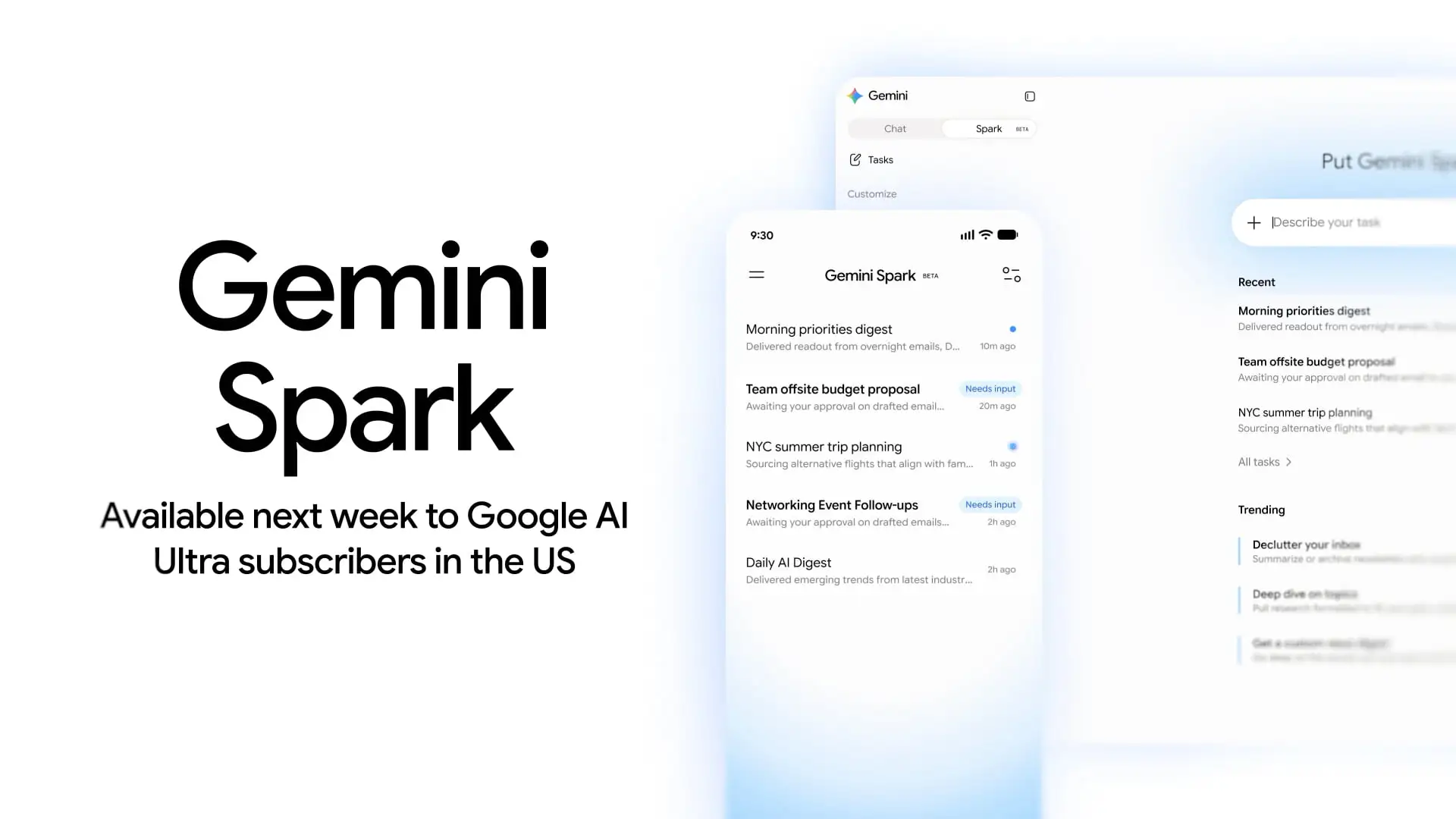
For example, instead of manually requesting summaries or organizing scattered information, the system could potentially identify relevant updates, collect information, and present it proactively.
The announcement indicates a broader transition occurring in AI: moving from tools people activate to systems that remain active and helpful in the background.
Gemini Omni Introduces a “Create Anything” Approach
Another major reveal was Gemini Omni, a new family of multimodal models focused on generating content across multiple formats.
Previous systems often separated text generation, image generation, and video creation into different products. Gemini Omni appears designed to connect these experiences. Users can combine text prompts with images, audio, or video inputs to create entirely new outputs.
The first release, Omni Flash, reportedly supports short video generation and editing through conversational interactions. Unlike earlier approaches that primarily transformed text into video, the new system can work from several kinds of inputs simultaneously.
For creators, marketers, designers, and content teams, this suggests a workflow where multiple media formats may increasingly be developed within one ecosystem.
Daily Brief Turns Gemini Into a Personalized Information Layer
Google also introduced Daily Brief, a feature intended to deliver personalized summaries based on connected services and user preferences.
Rather than requiring users to search across calendars, emails, schedules, or updates separately, Gemini can aggregate information into a condensed briefing experience.
The broader idea here is reducing information overload. Modern digital routines involve jumping between multiple platforms and notifications. AI-generated briefings could potentially become a central layer through which users receive important information.
Whether users embrace that level of personalization will likely depend on accuracy and trust.
A New Design Language Changes How Gemini Looks and Feels
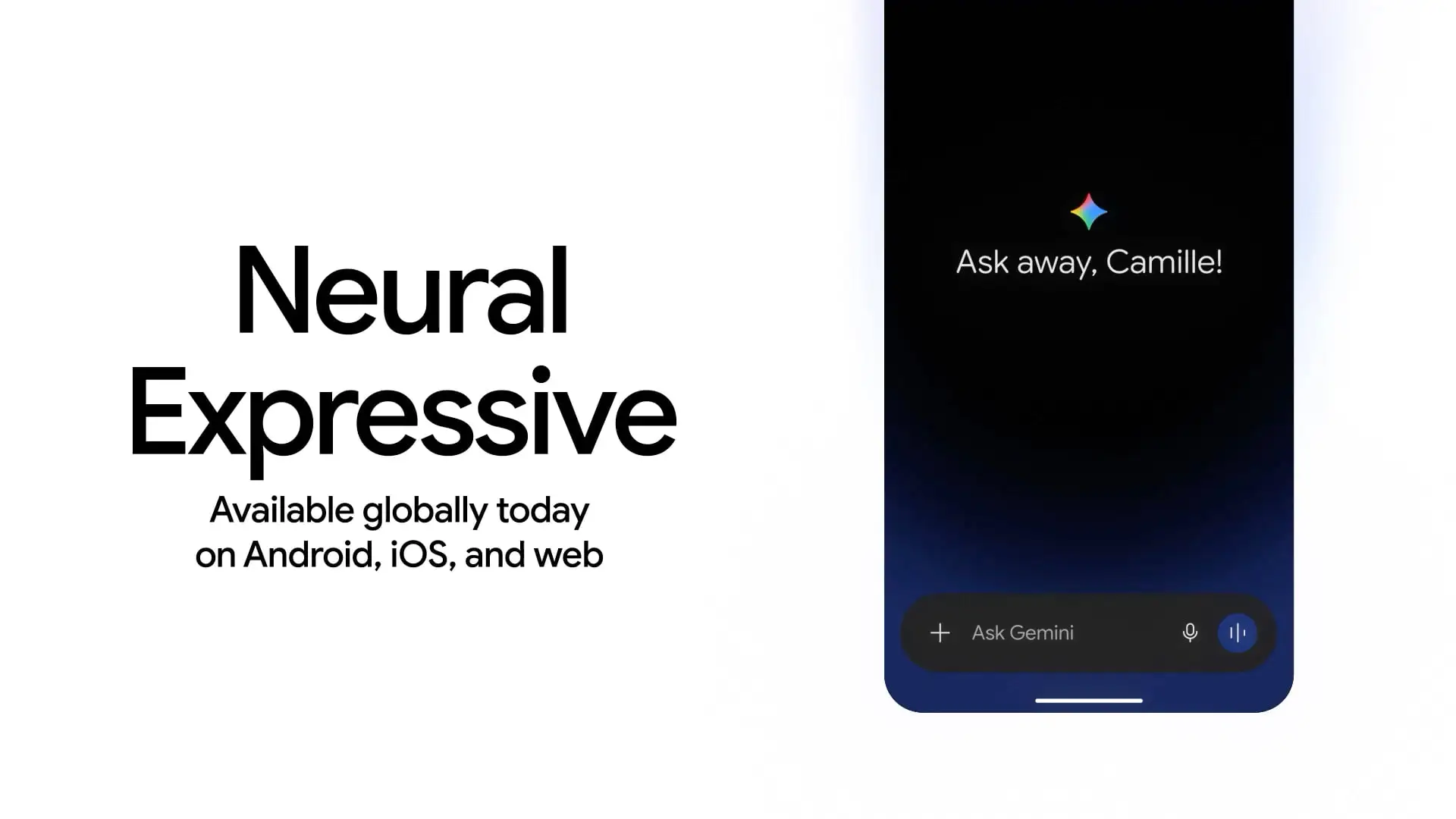
The Gemini app itself is also receiving a visual overhaul through a design approach Google calls “Neural Expressive.”
The redesign introduces fluid transitions, richer visual elements, stronger emphasis on voice interaction, and an interface intended to feel less like a search box and more like an adaptive assistant. The company is also integrating richer response formats such as timelines, images, and multimedia elements.
While visual updates often appear secondary to AI model improvements, interface design shapes how users interact with technology. If AI is expected to become a daily companion, accessibility and ease of use become increasingly important.
The latest Gemini announcements reveal a broader shift in the AI industry.
Until recently, competition centered largely around model benchmarks and performance scores. The conversation is now expanding toward ecosystems and utility. Companies are attempting to answer a different question: not “Which AI is smartest?” But “Which AI becomes most useful in daily life?”
Google’s strategy increasingly appears focused on integrating AI into productivity, communication, creativity, and organization.
The result is a vision where AI is not simply a destination users open when they need answers but a system woven into routines and workflows.
Whether features like Spark and Omni become everyday tools remains to be seen. However, one message from Google’s latest announcements is becoming clear: the next generation of AI is being designed not merely to respond but to experience.
Credit: Google