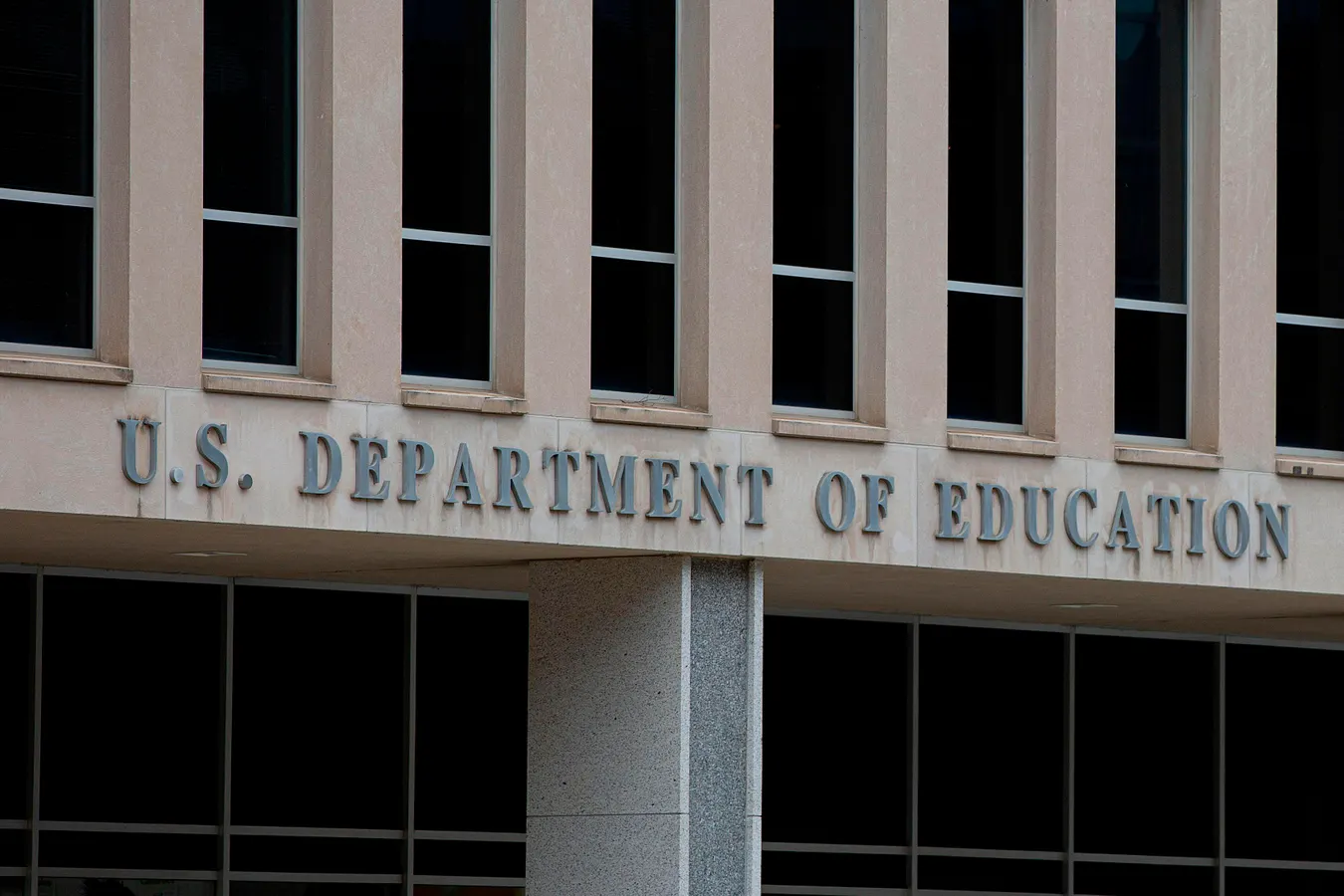

The American Institute of Architects (AIA) has sharply criticized the U.S. Education Department after the agency finalized a new federal student loan rule that excludes architecture from the list of recognized professional degree programs, a move the organization says could significantly restrict access to architectural education across the United States.
In a statement released May 1, 2026, the AIA said the Department’s new “Reimagining and Improving Student Education” (RISE) rule classifies Master of Architecture (M.Arch.) and Doctor of Architecture (D.Arch.) programs as standard graduate degrees rather than professional programs, despite architecture requiring accredited education, licensure examinations, and state licensing in all 50 states.
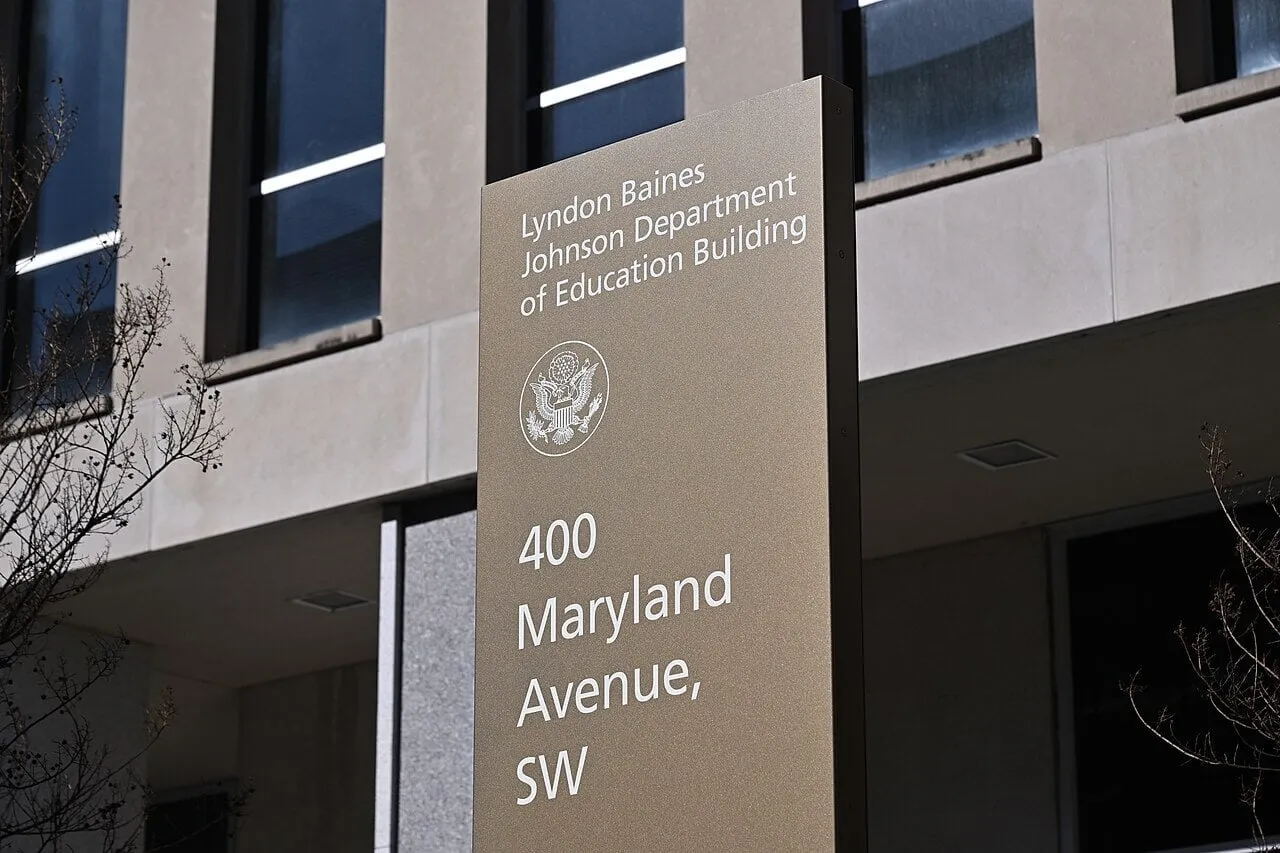
Under the finalized policy, architecture students will face substantially lower federal borrowing caps than students in fields such as medicine or law. According to the AIA, the rule stems from the implementation of the One Big Beautiful Bill Act (OBBBA), which replaced cost-of-attendance borrowing with fixed annual and lifetime federal loan limits while directing the Department of Education to define which disciplines qualify as “professional” programs.
AIA President Illya Azaroff said the Department ignored extensive evidence submitted by architecture schools, practitioners, and professional organizations demonstrating that accredited architecture degrees function as terminal professional credentials. The organization argued that the rule creates new financial barriers for students entering the profession, particularly those from lower- and middle-income backgrounds.
The debate over architecture’s classification has been building since late 2025, when the Department first proposed narrowing the federal definition of professional programs. The AIA, along with nearly 70 organizations representing education, labor, and design professions, opposed the proposal during the public consultation process.
According to the AIA, the new borrowing caps could leave many students unable to fully finance architecture degrees through federal loans, forcing them toward higher-interest private lending or discouraging enrollment altogether. The organization warned that the policy could weaken the future architecture workforce at a time when the profession is increasingly needed to address housing shortages, infrastructure modernization, and climate resilience challenges.
Architecture education groups have also raised concerns. The Association of Collegiate Schools of Architecture (ACSA) noted that more than two-thirds of accredited architecture programs in the United States are graduate-level M.Arch. or D.Arch. programs and warned that the policy could make professional architectural education financially inaccessible for thousands of students.
The AIA has now shifted its focus toward legislative action. The organization confirmed it is backing multiple federal bills aimed at restoring architecture’s recognition as a professional field for federal aid purposes and equalizing borrowing limits between graduate and professional students.
Unless delayed or amended through congressional action, the new federal rule is expected to take effect on July 1, 2026.
Credit: AIA