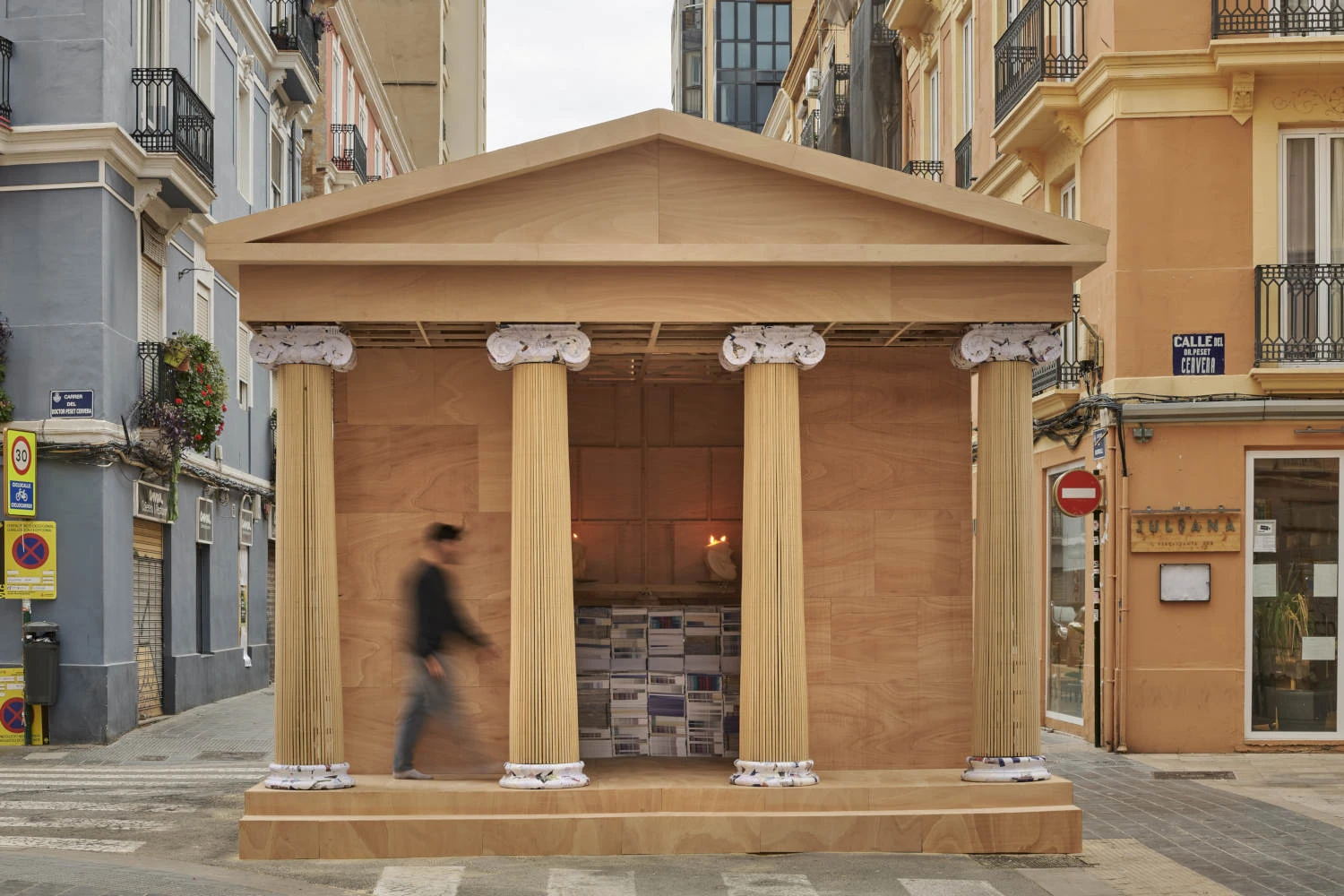
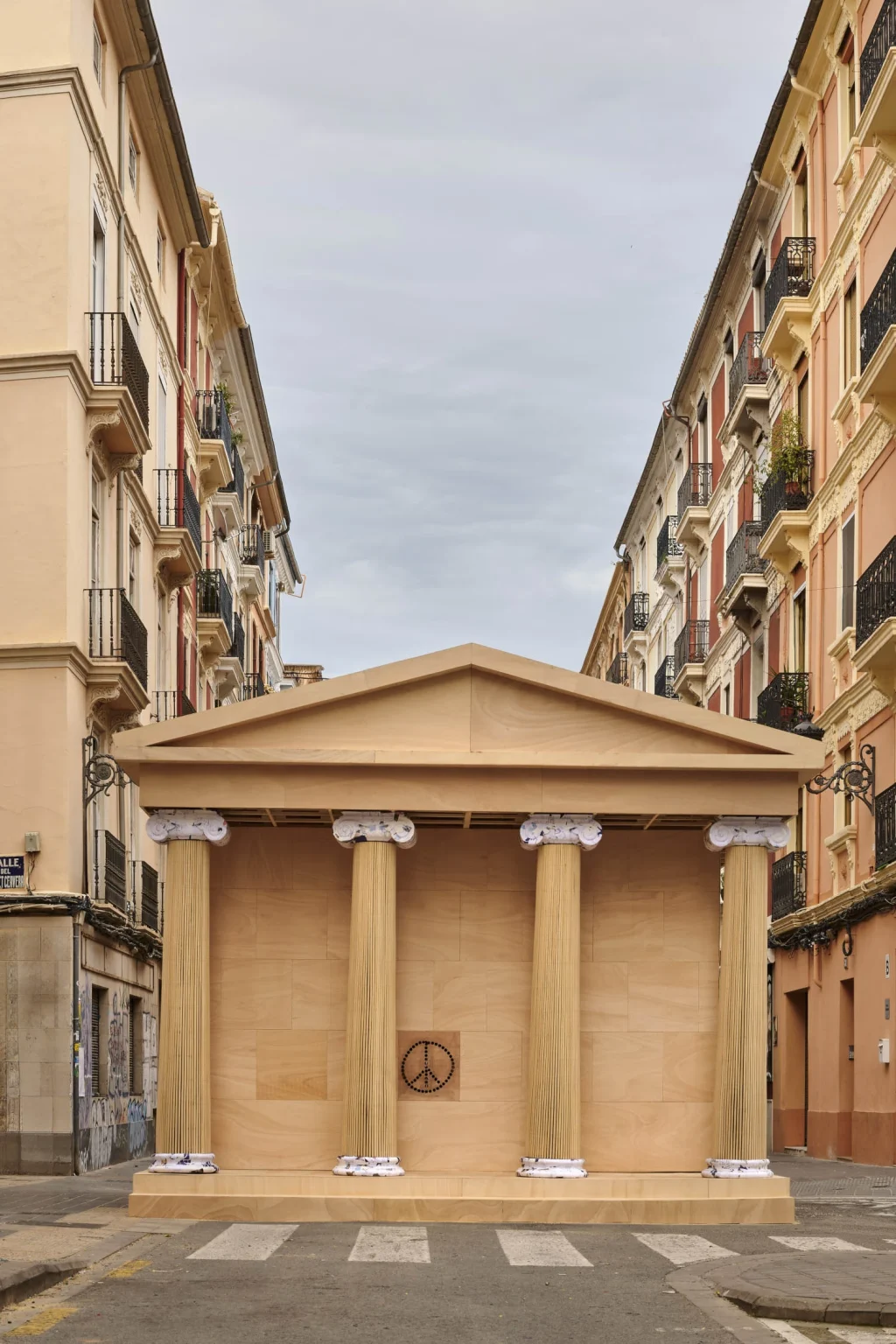


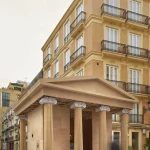
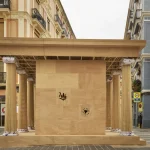
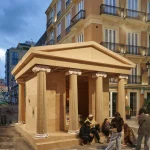
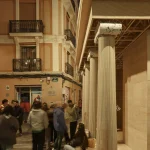

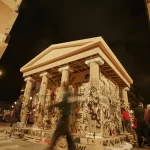
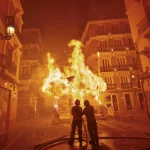

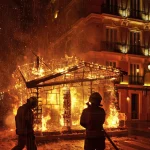
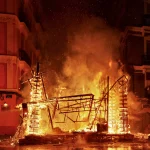
“Per Ofrenar” (translated as “To Offer”) is a monumental installation by the Valencia-based artist duo PichiAvo, created for the Fallas de Valencia 2026 and commissioned by the Borrull-Socors neighborhood. Presented in the Experimental Fallas category, the project reinterprets the traditional festival monument through a conceptual and architectural lens, in which temporality and symbolism are central to the work’s meaning.
Installed at Borrull Street in central Valencia, the structure existed only for a few days before being ceremonially burned on March 19 during La Cremà, the festival’s concluding ritual. This act of destruction is essential, reinforcing the cyclical nature of creation, offering, and disappearance that defines the Fallas tradition.
Classical Architecture Reimagined Through Urban Art
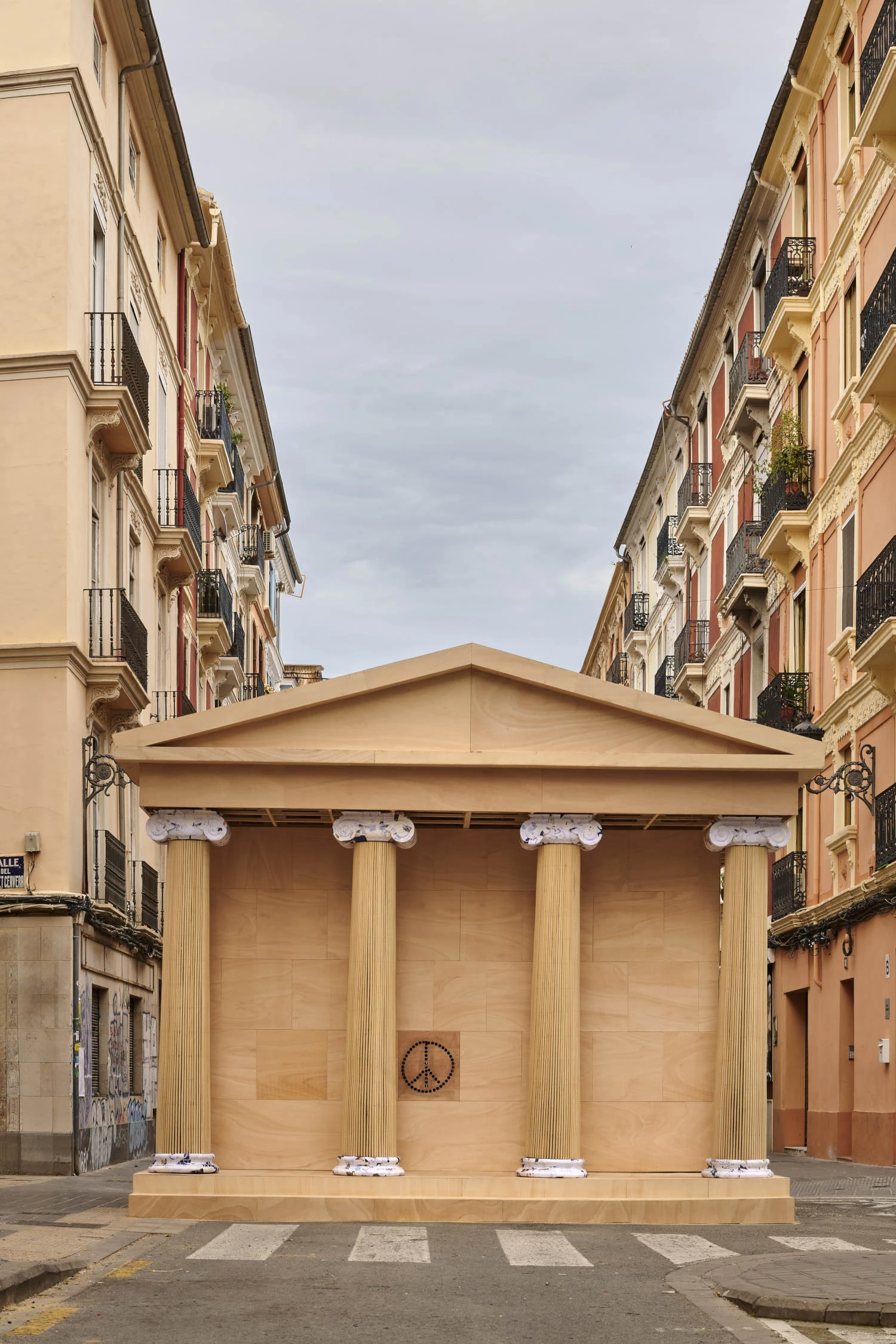
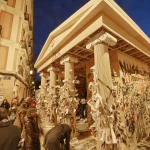
The installation takes the form of an Ionic temple inspired by the Temple of Athena Nike in Athens, reflecting PichiAvo’s signature fusion of classical art and contemporary graffiti. Built using traditional fallas techniques with wood and paper, the monument deliberately returns to handcrafted processes.
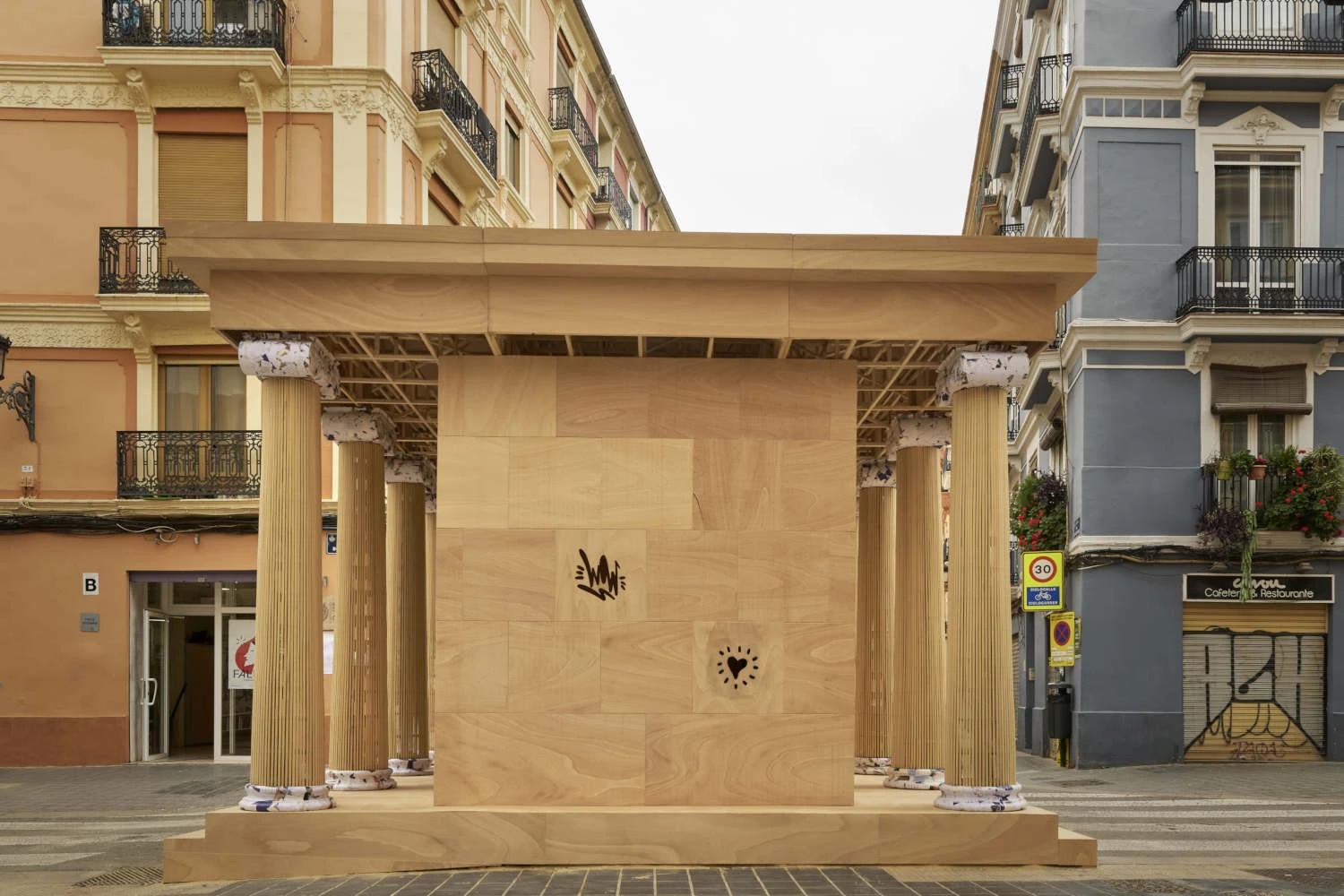
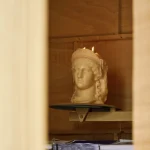
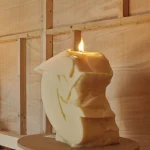
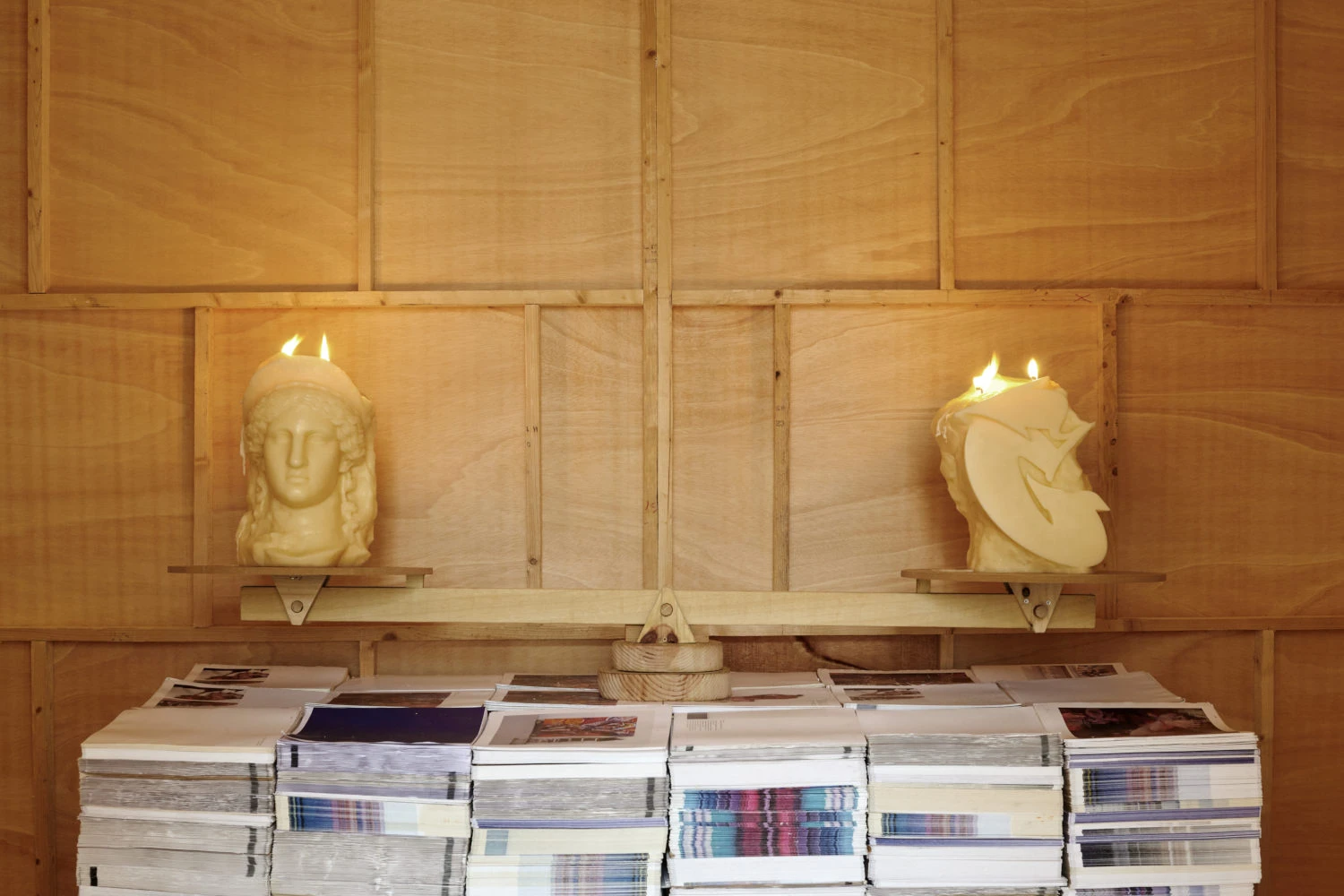
The project is structured around a symbolic altar made from surplus paper from the artists’ publication Our Odyssey. A balanced scale rests atop the altar, holding two sculptural wax candles produced in collaboration with Cerabella, one representing Classical Art and the other Graffiti. This central composition expresses the duality that defines PichiAvo’s practice, proposing equilibrium instead of opposition between historical and contemporary visual languages.
The monument also functioned as a participatory space. Visitors contributed offerings, messages, and inscriptions directly onto the structure, gradually transforming its surface into a living layer of collective expression that echoed the visual language of street art.
PichiAvo Material Process and Ephemerality in Fallas Installation
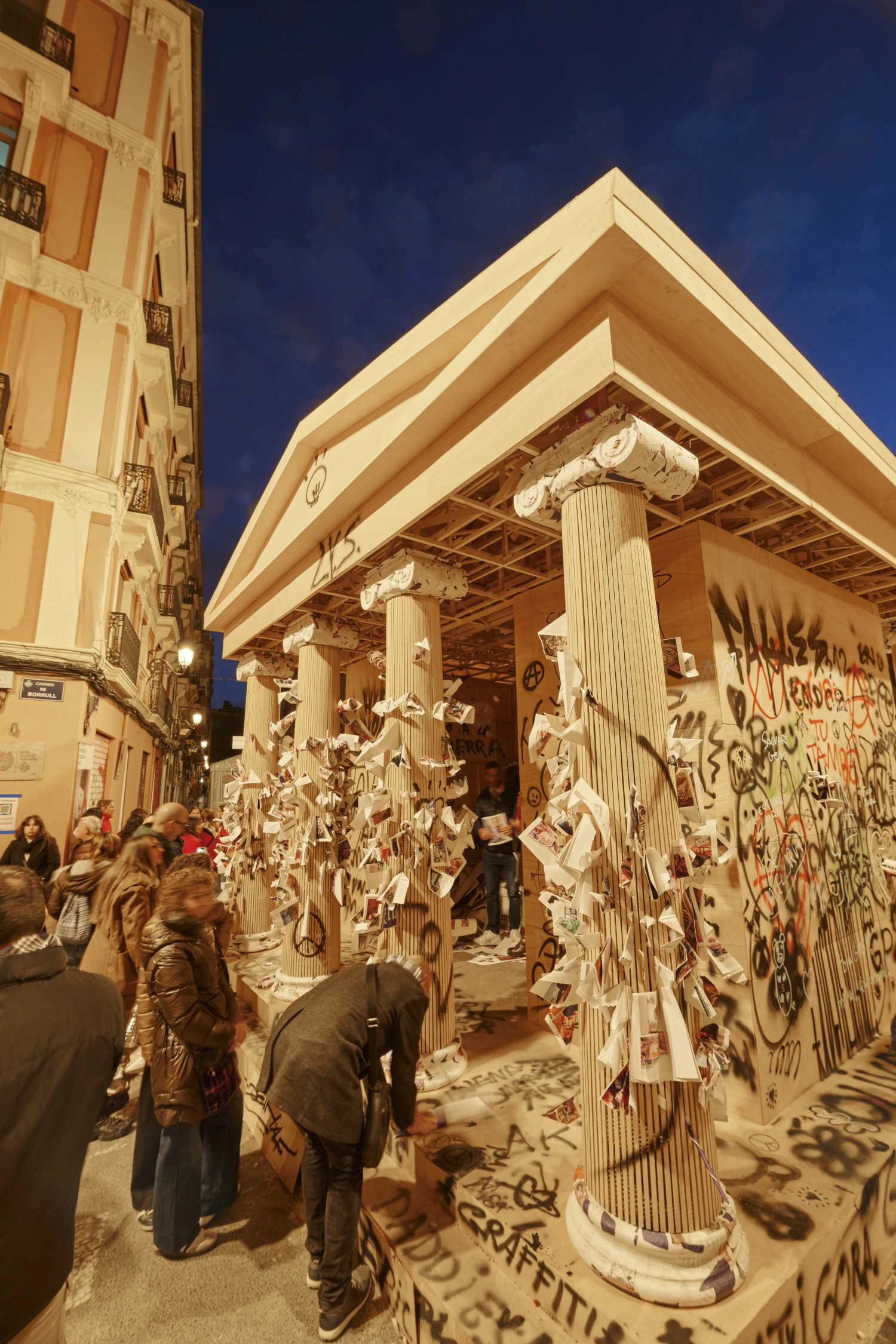
Developed over nearly a year, “Per Ofrenar” was constructed using traditional materials such as wood and paper, aligning with the historical origins of Fallas, where artisans would burn leftover materials as symbolic offerings.
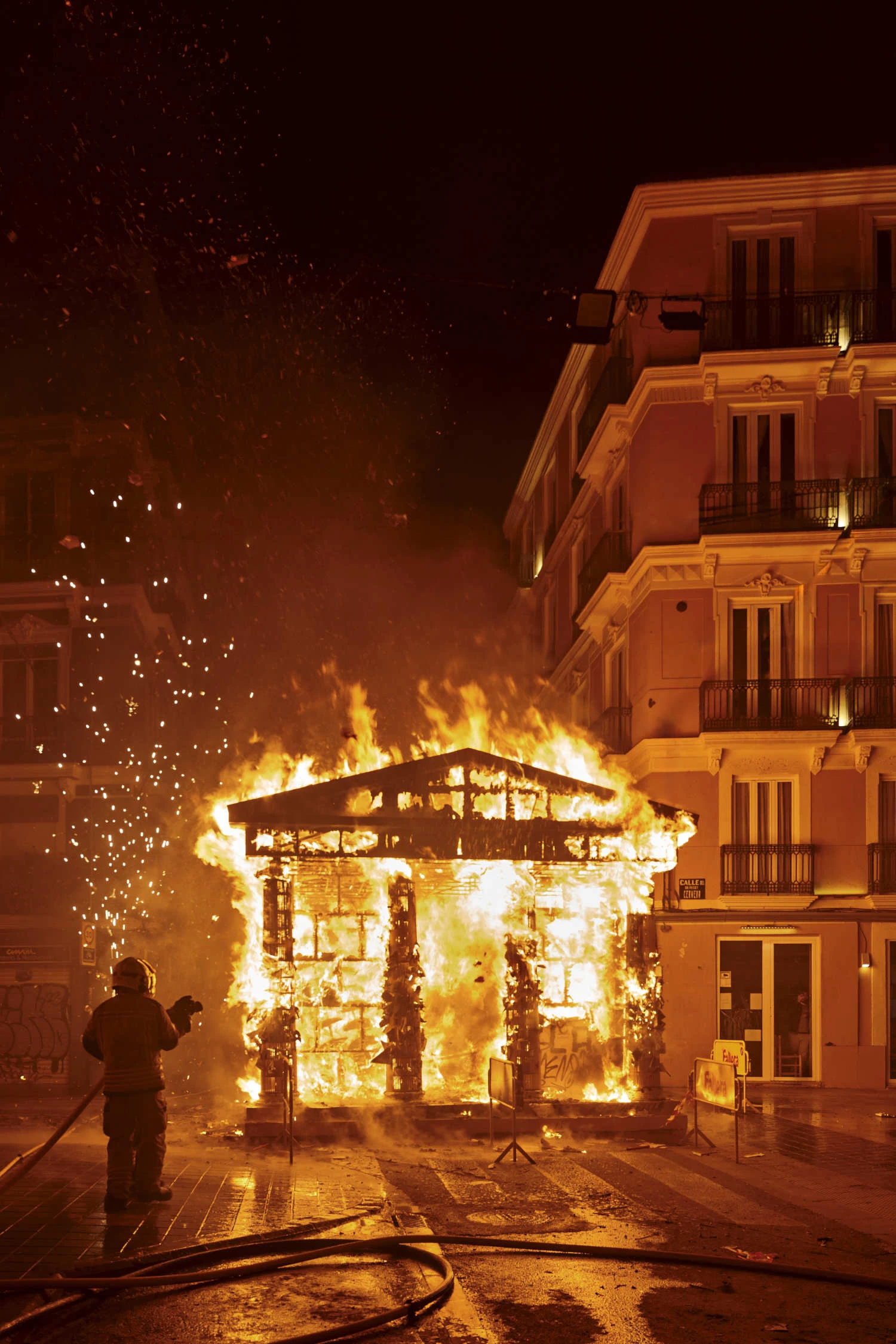
Its lifecycle culminated in fire, completing the ritual of transformation. The monument’s burning ended its physical existence and reinforced its conceptual framework, an artwork defined by its disappearance as much as by its presence.
The project was also recognized for its approach, receiving First Prize in the Sustainable Fallas category and Third Prize in the Experimental category, highlighting both its ecological sensitivity and conceptual clarity.
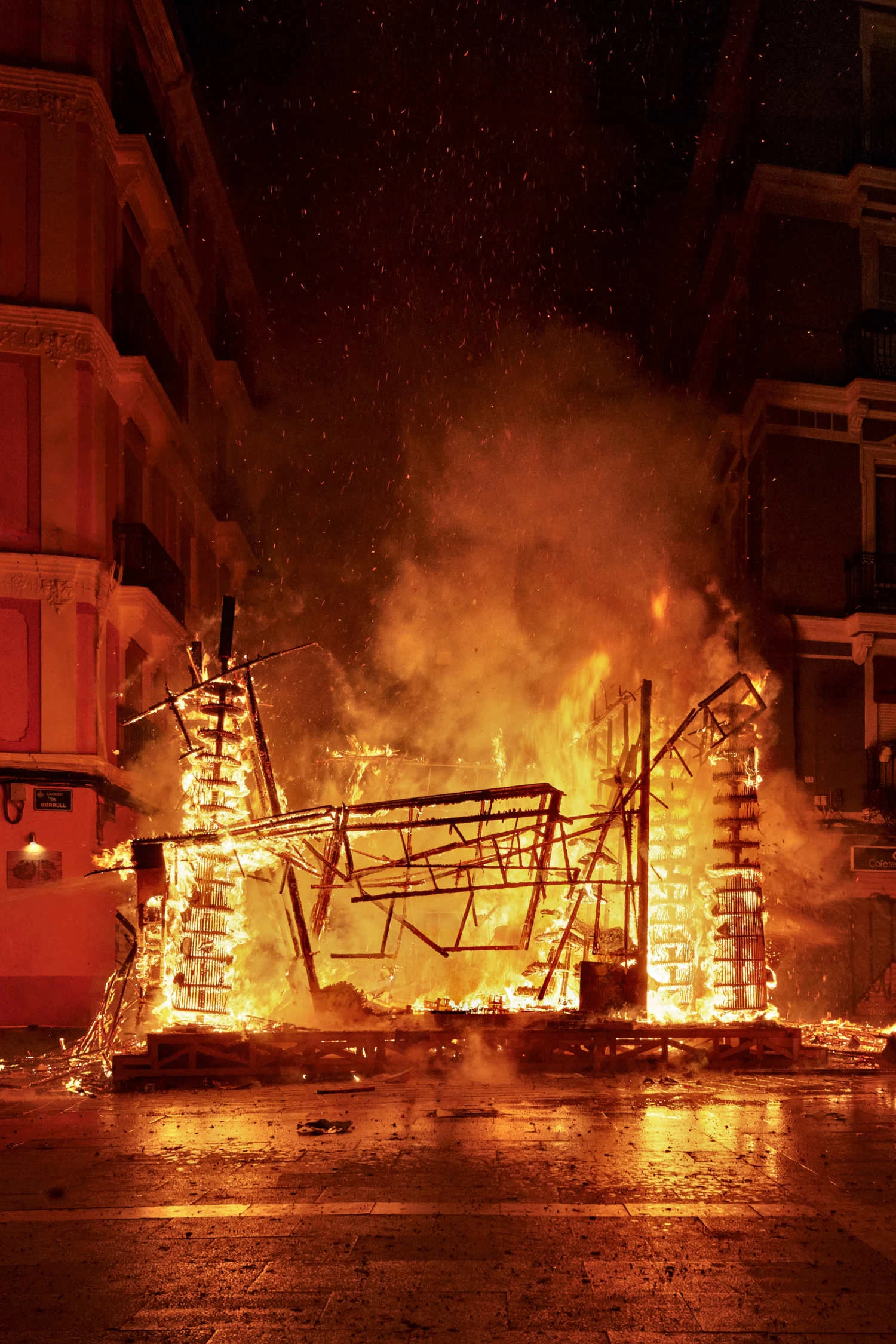
“Per Ofrenar” demonstrates how contemporary urban art can operate within traditional cultural frameworks without losing its critical edge. By merging Greco-Roman iconography with graffiti aesthetics, PichiAvo creates a dialogue between permanence and impermanence, history and immediacy, object and action.
Image credit: © PichiAvo (Photos by Santiago Martí)