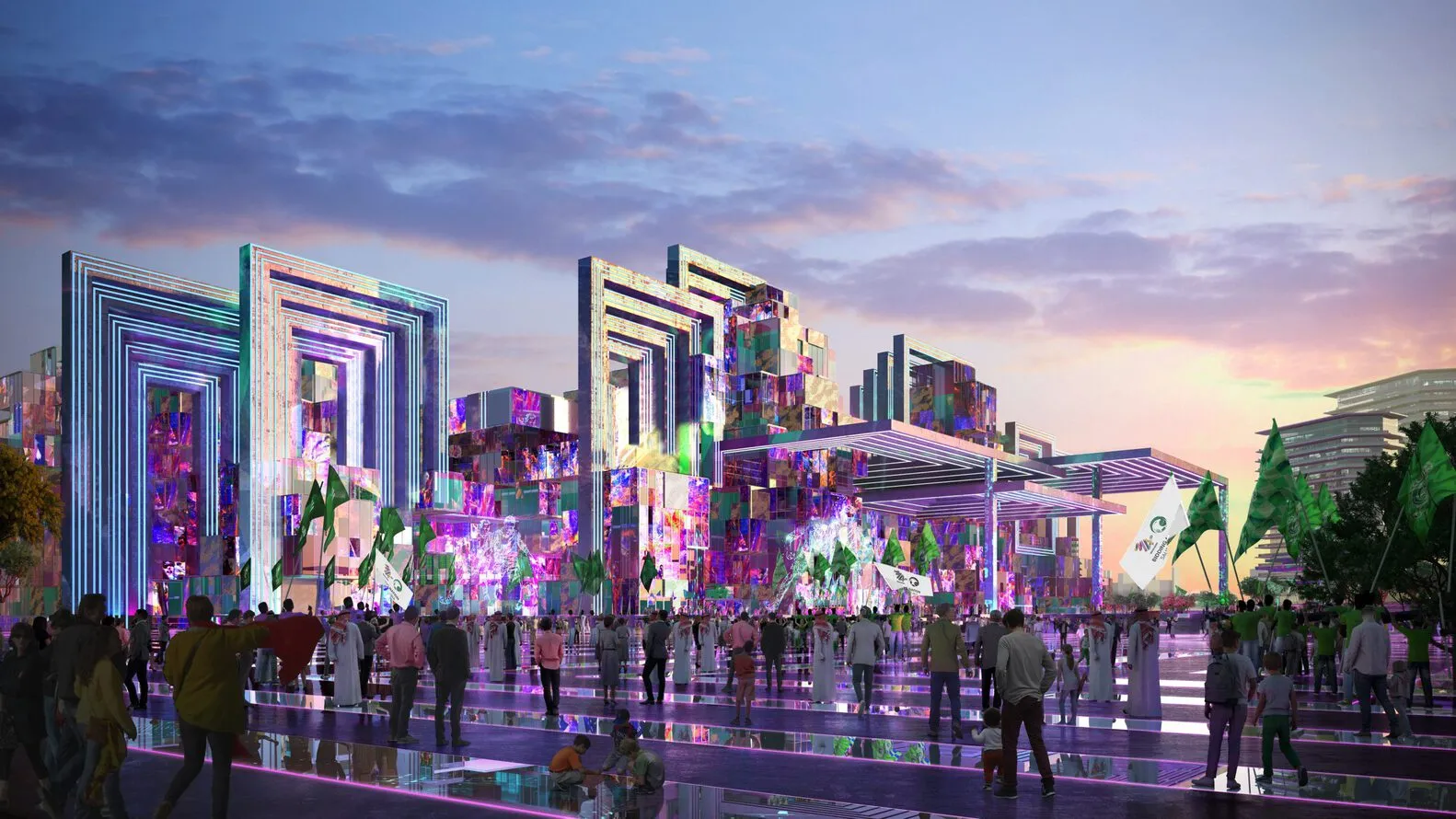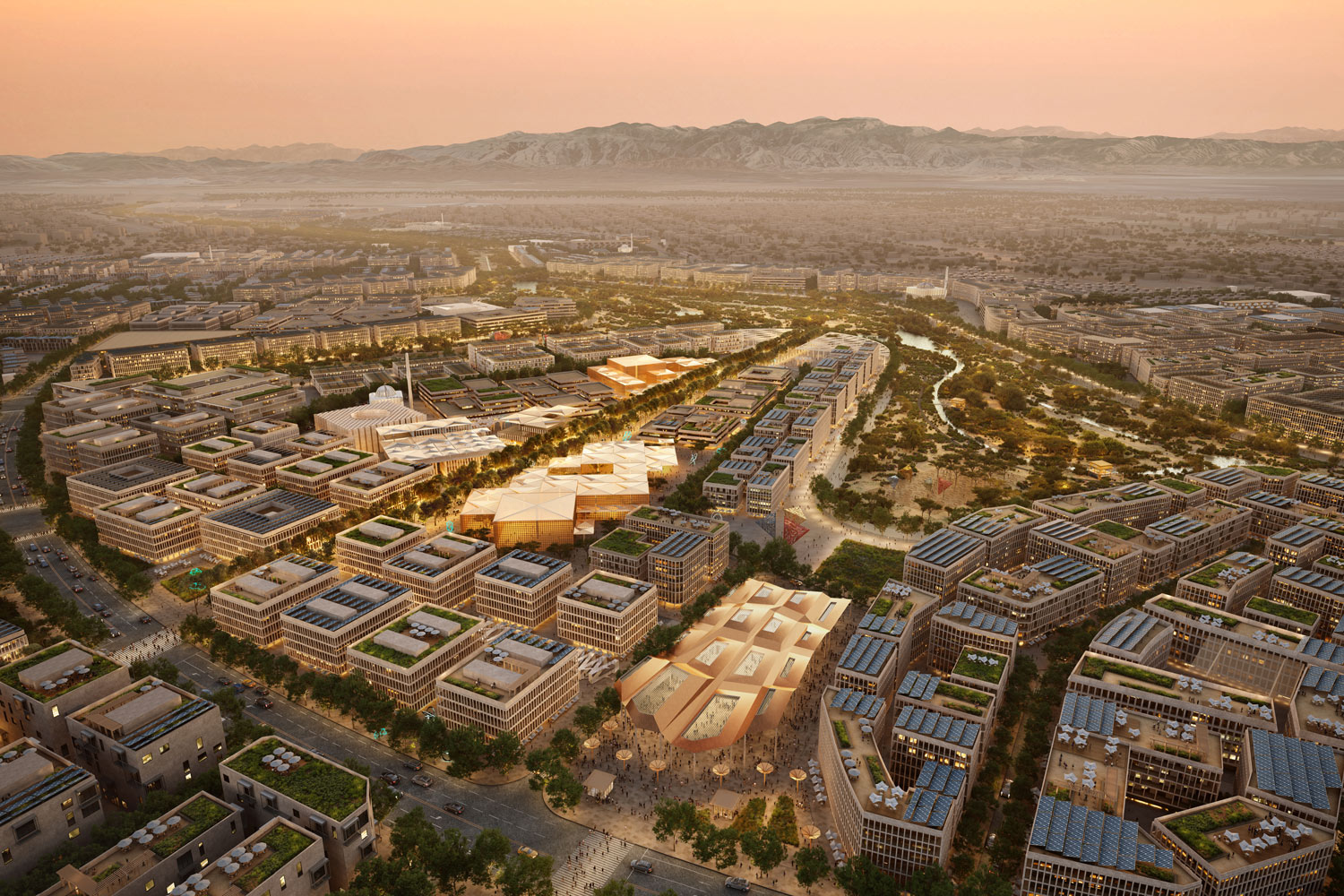




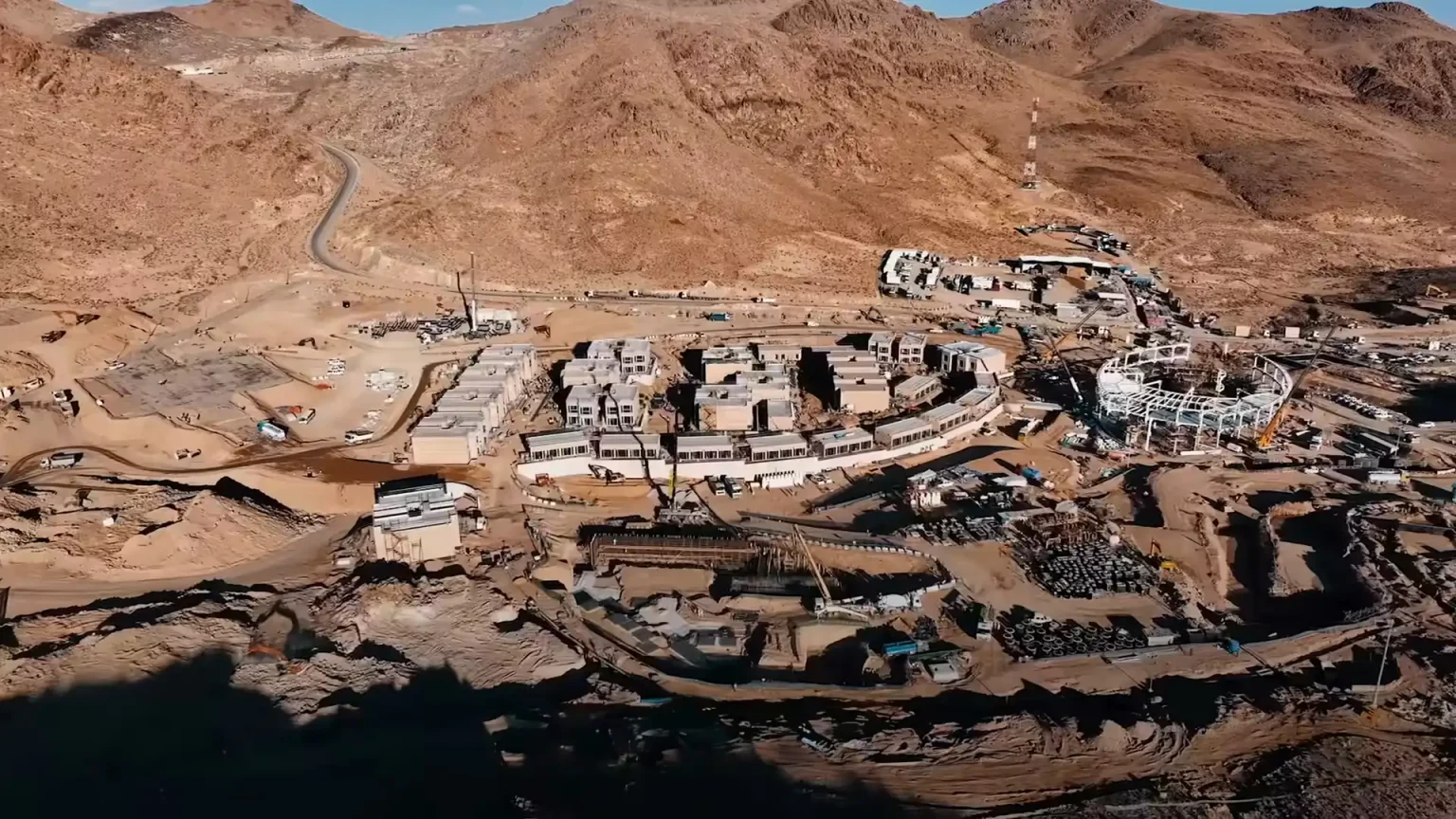
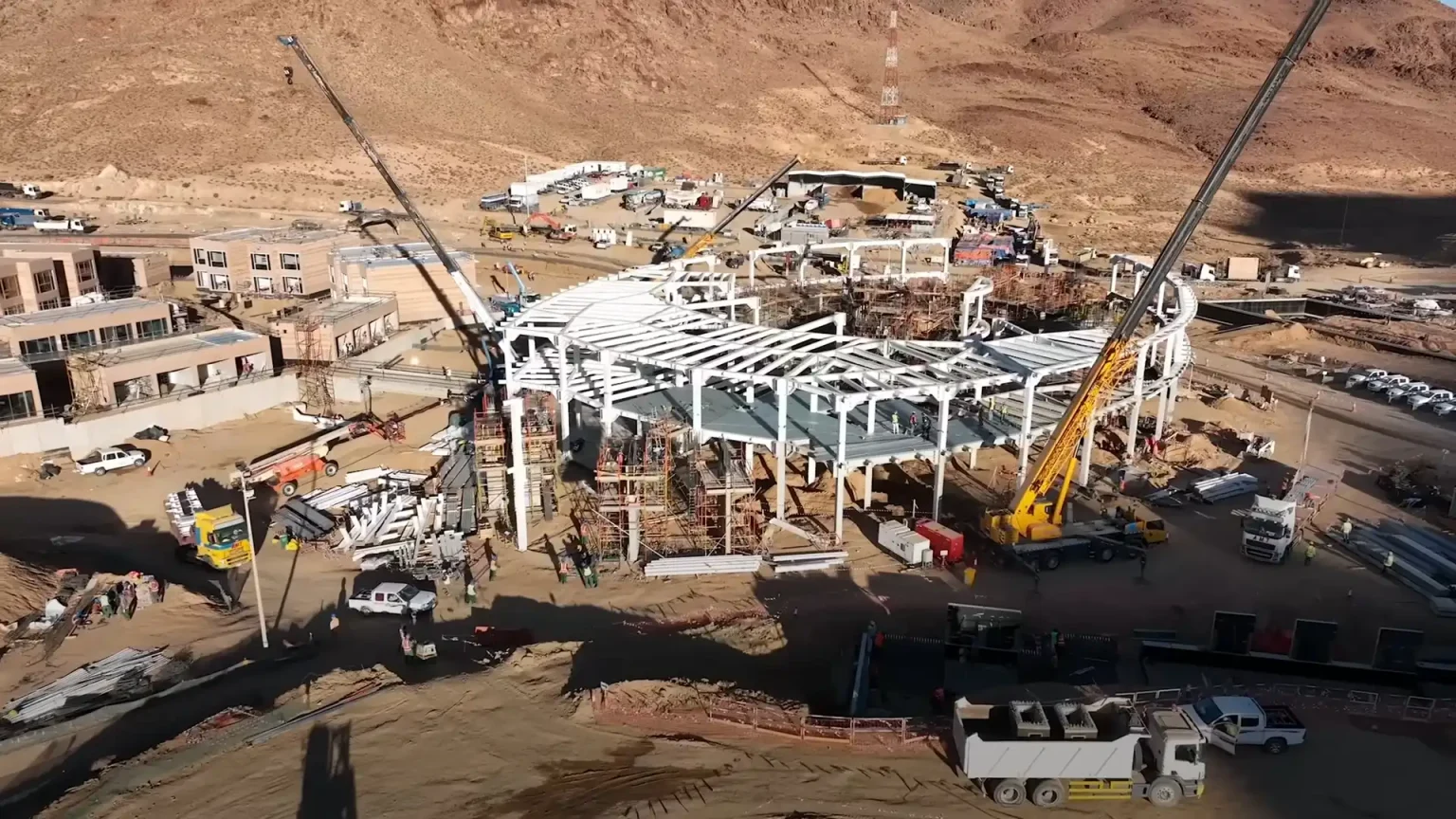
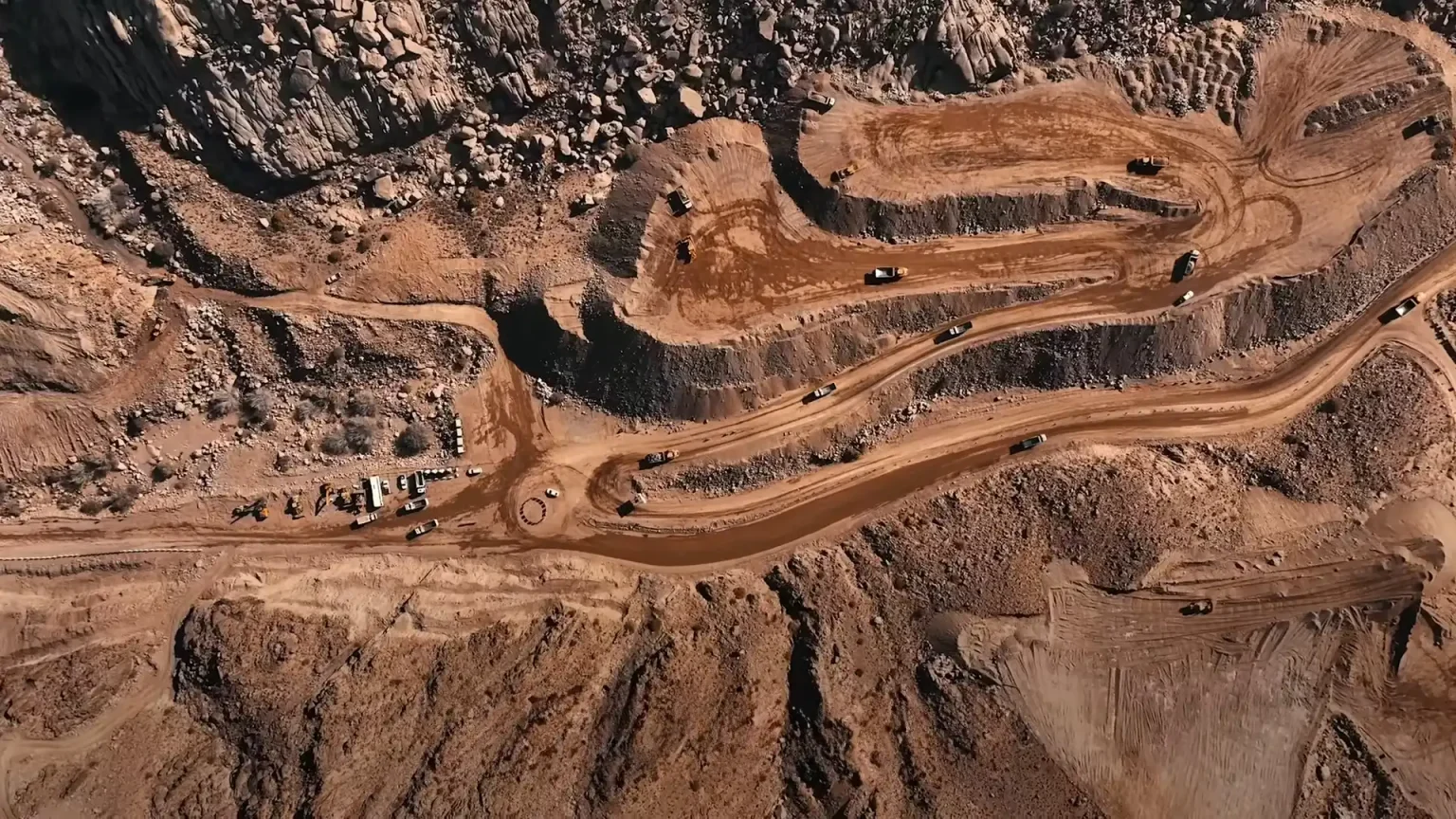
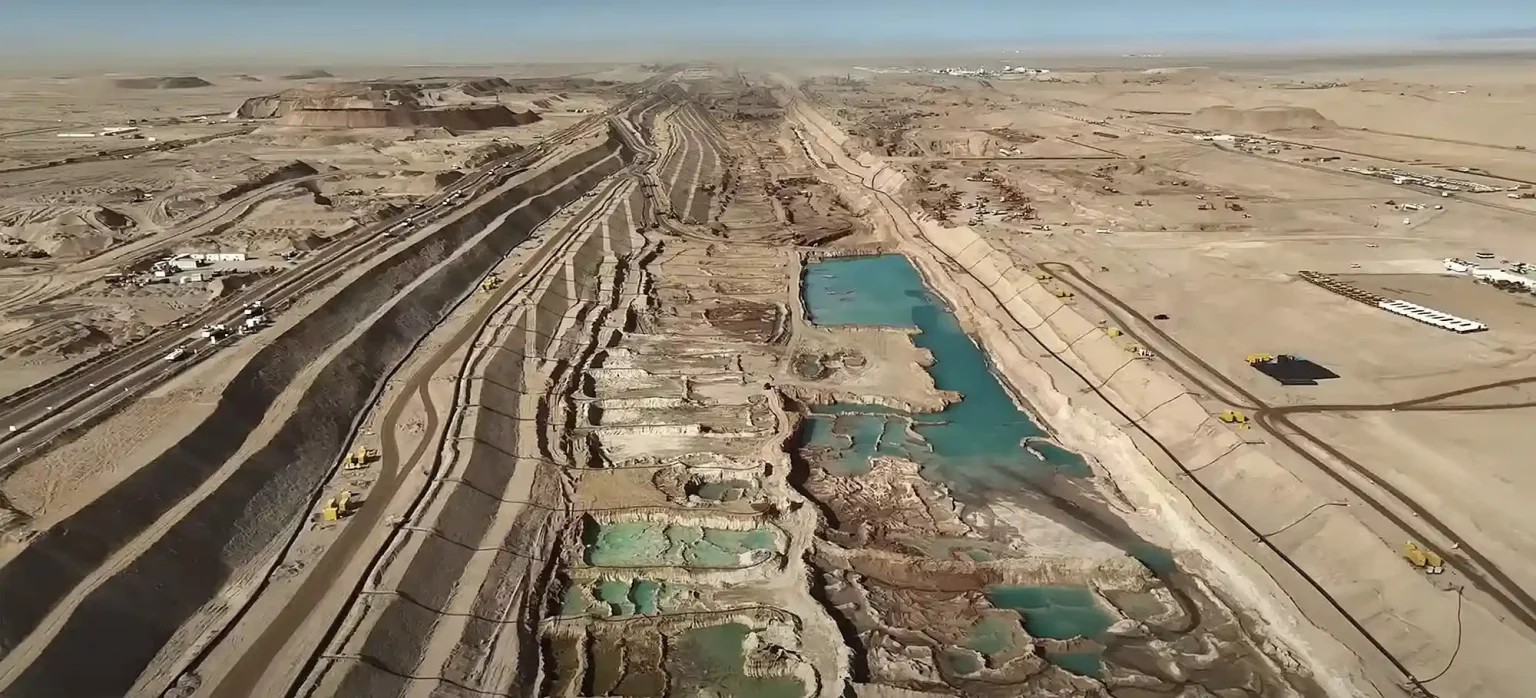


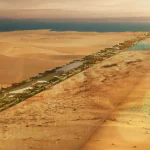
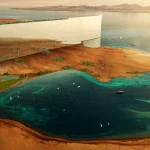
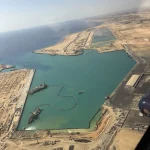



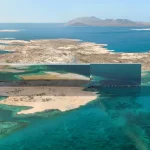
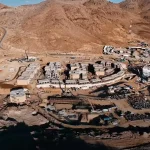
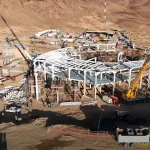
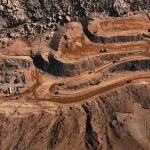
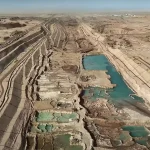
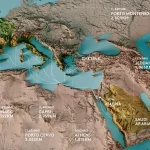
Saudi Arabia has announced a major shift in its approach to Neom, the megaproject originally designed to transform a vast stretch of desert on the Red Sea into a futuristic economic hub. After years of delays, budget overruns, and strategic reassessment, Riyadh is significantly scaling back the plans for Neom and its most iconic component, The Line.

The project was launched as part of Crown Prince Mohammed bin Salman’s Vision 2030 economic diversification plan, intended to reduce Saudi Arabia’s reliance on oil revenue and project the kingdom as a global leader in technology, tourism, and innovation.
The Line’s Scope Reduced
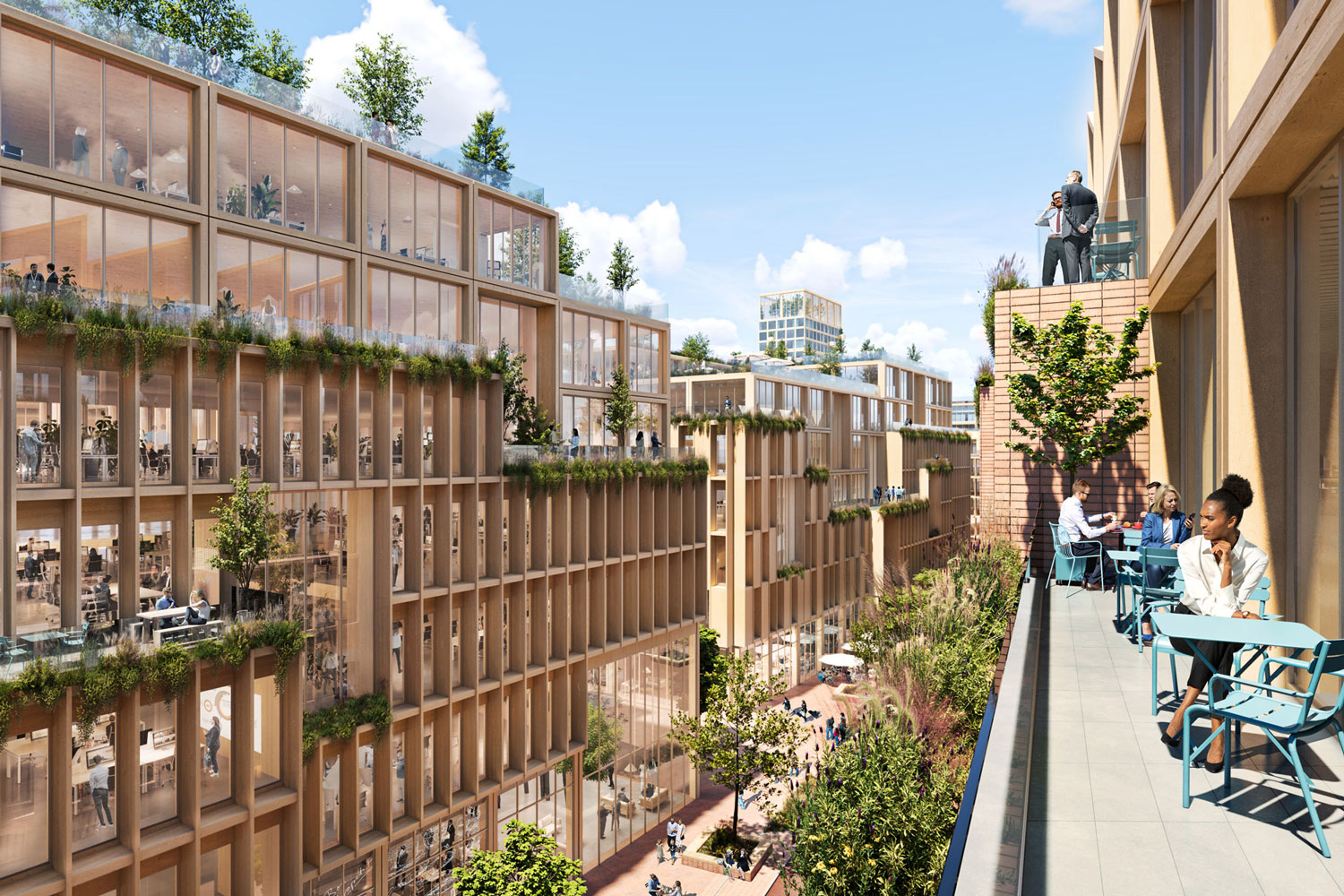
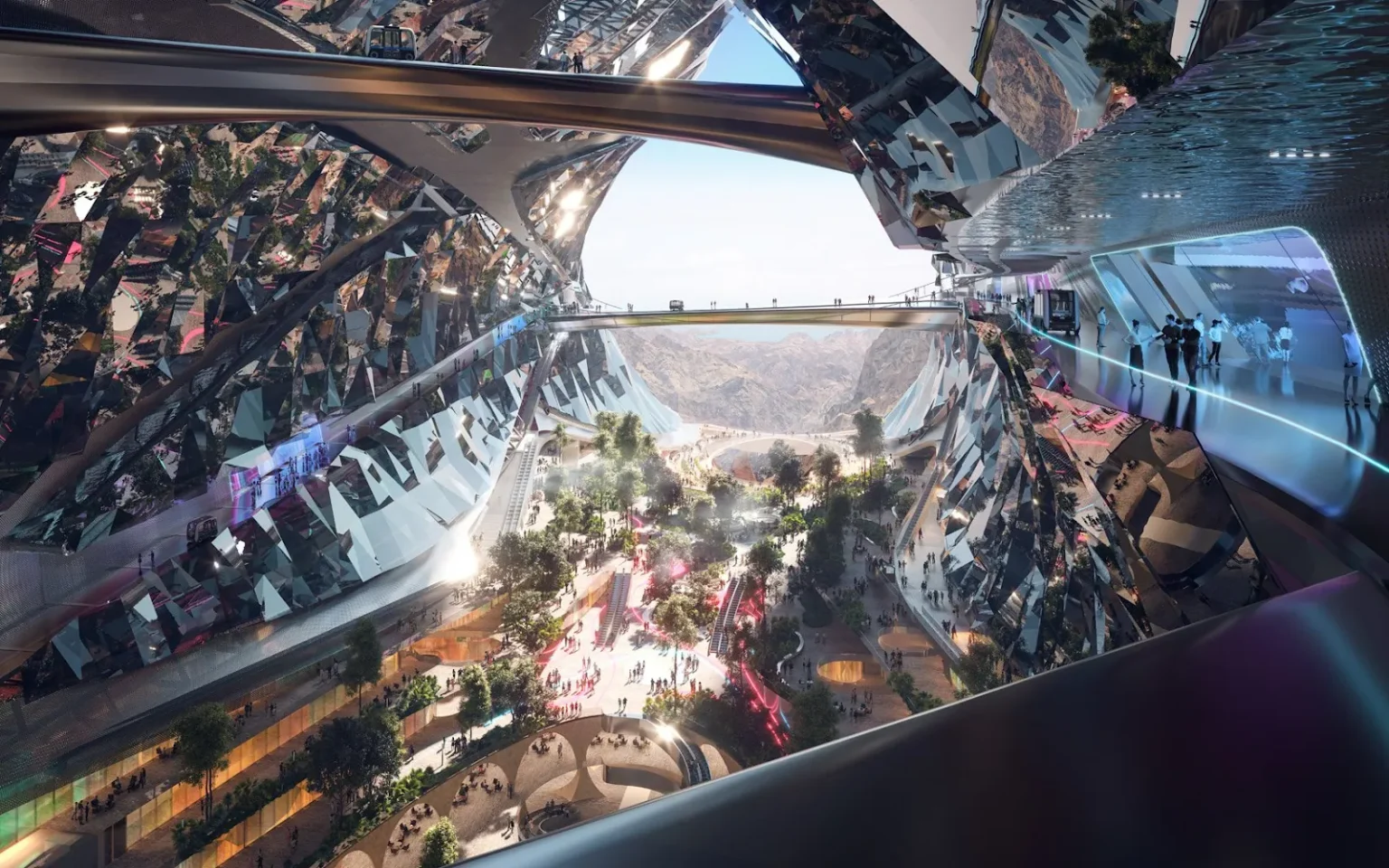
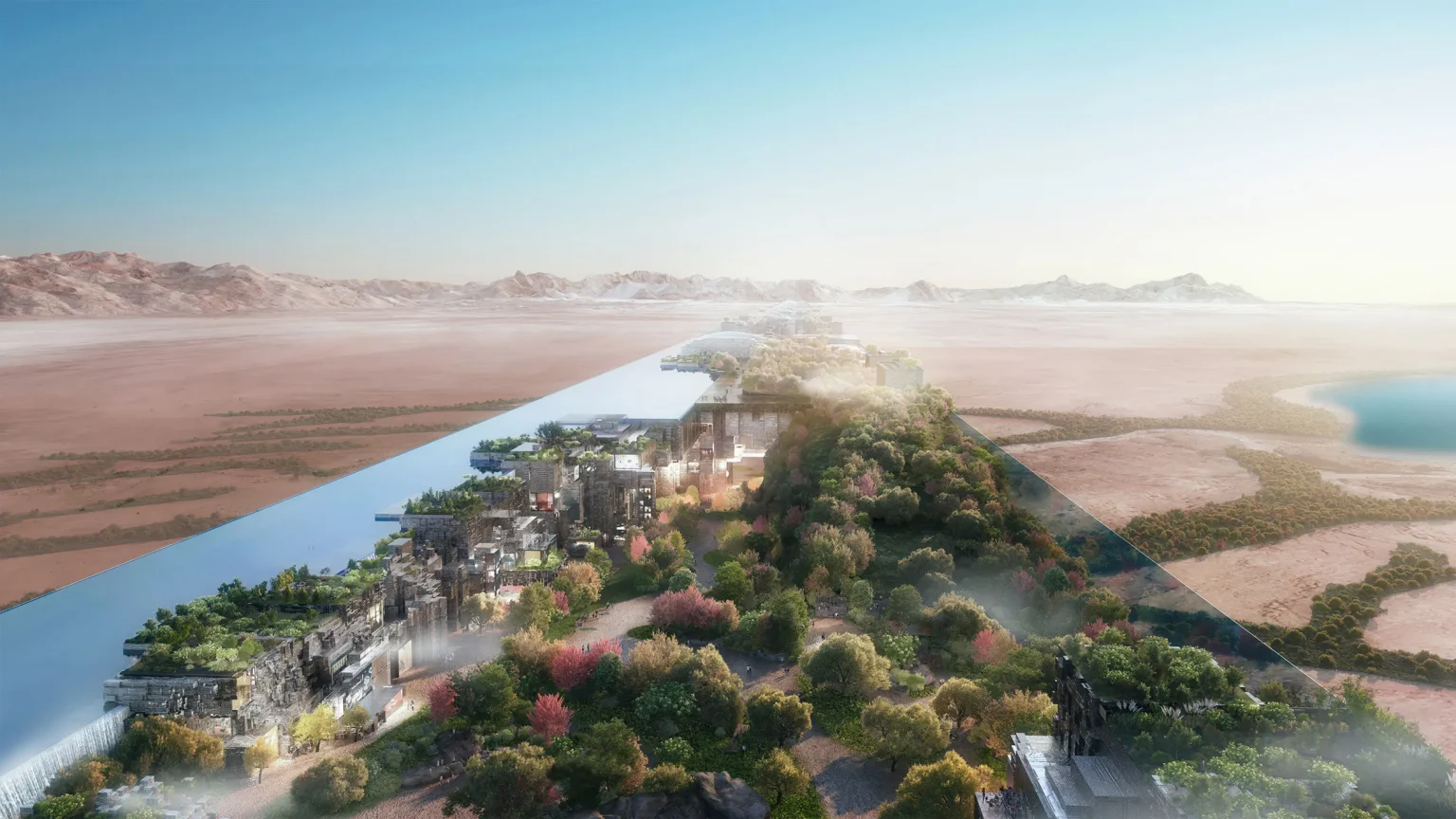
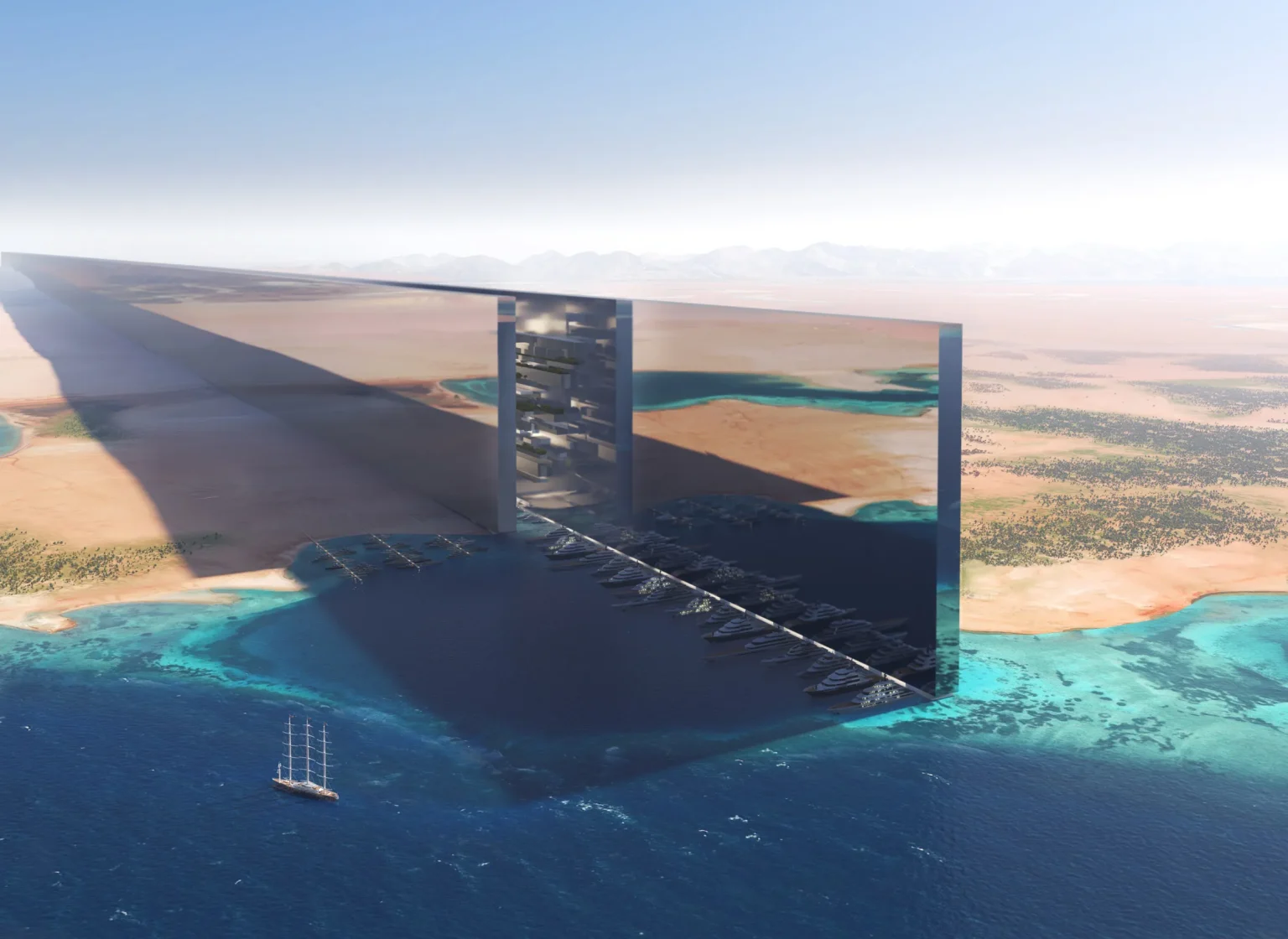
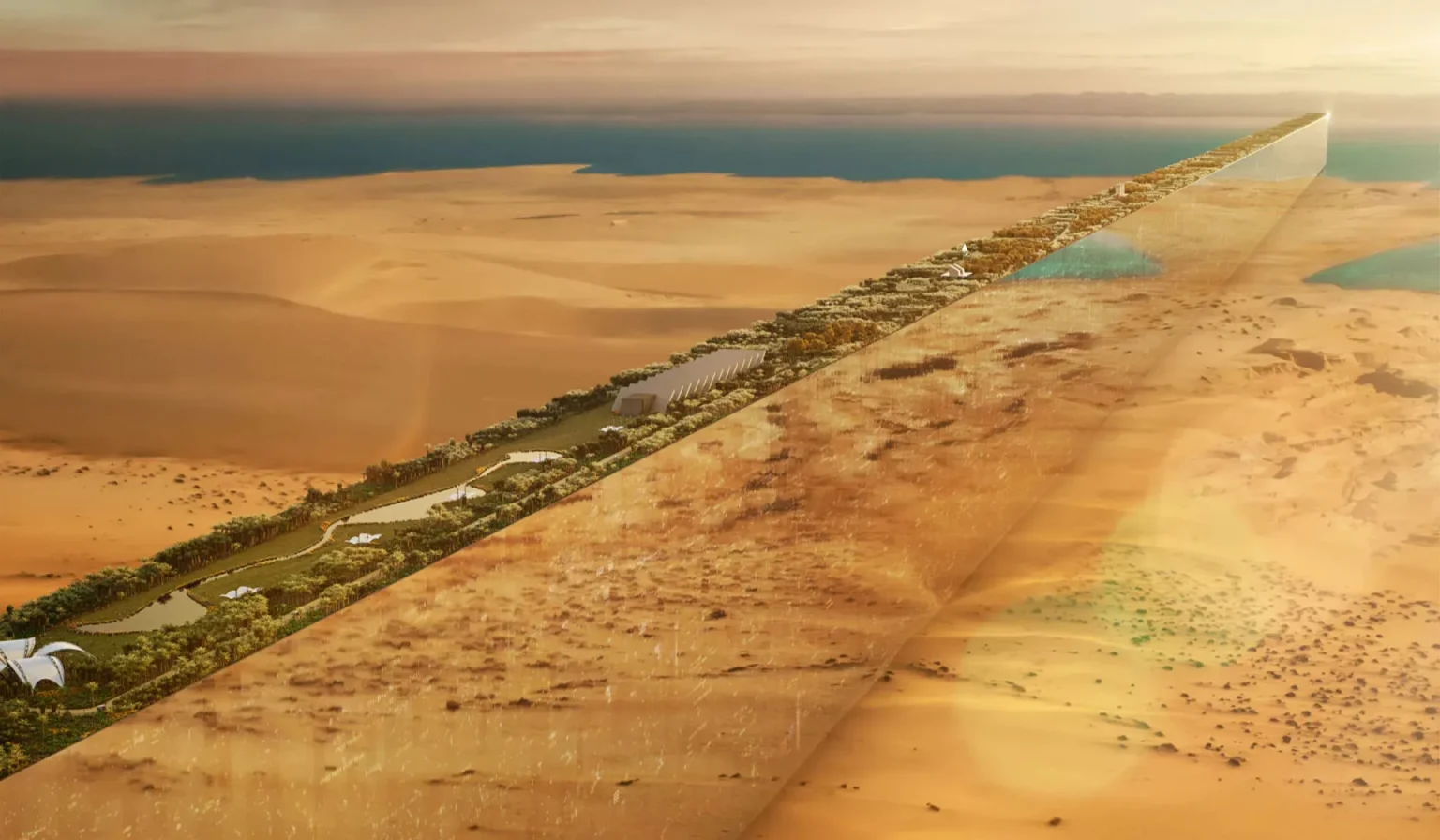
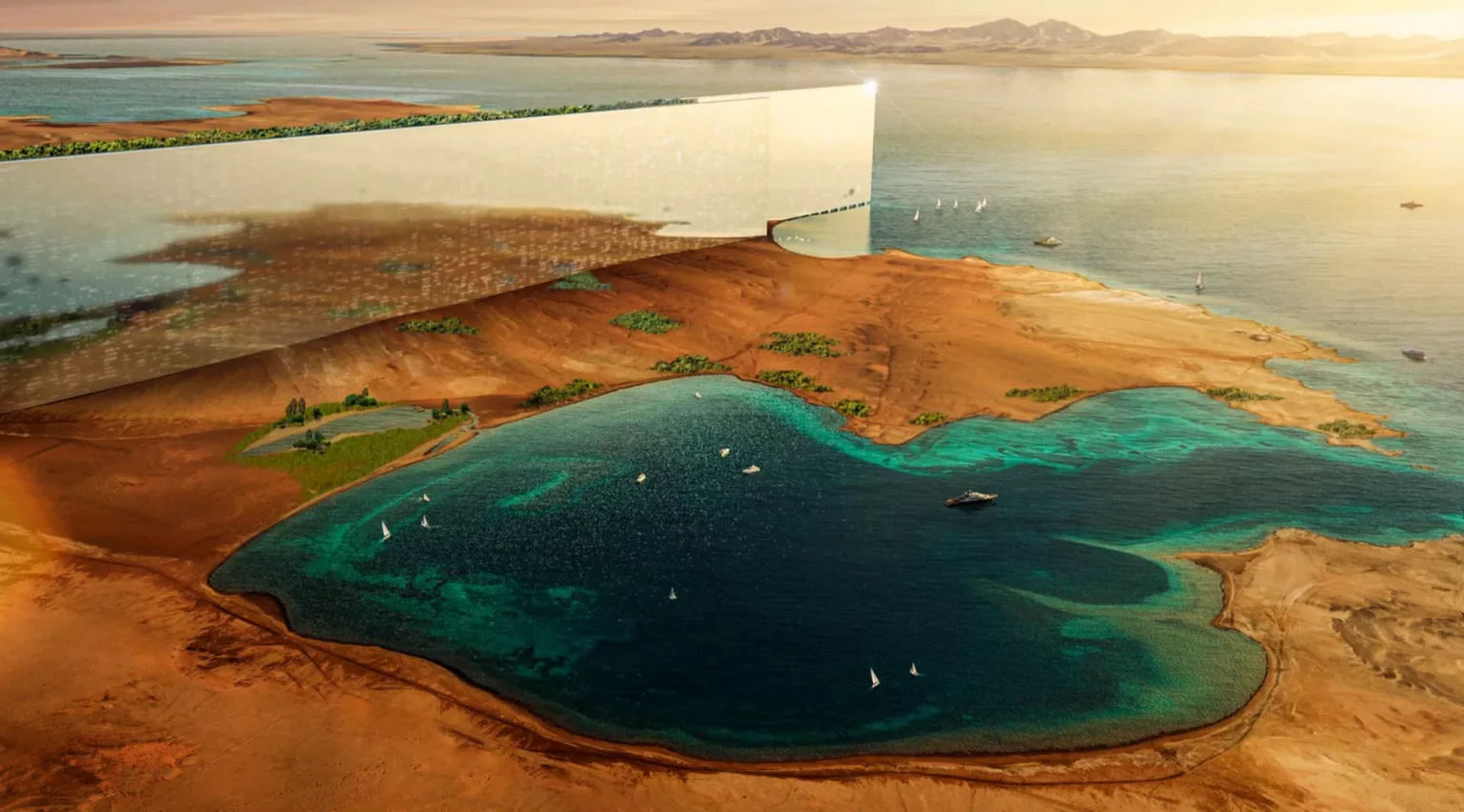
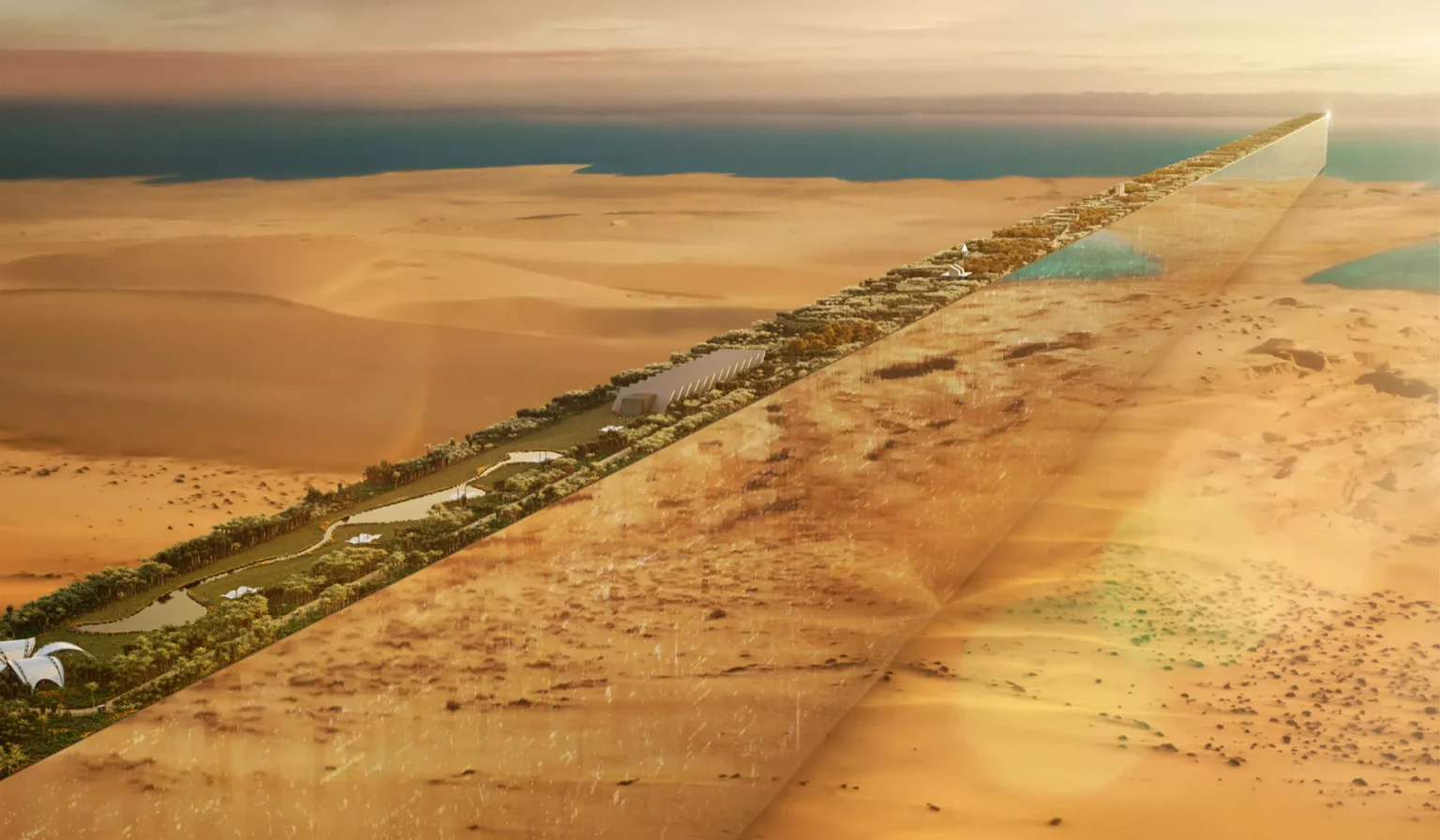
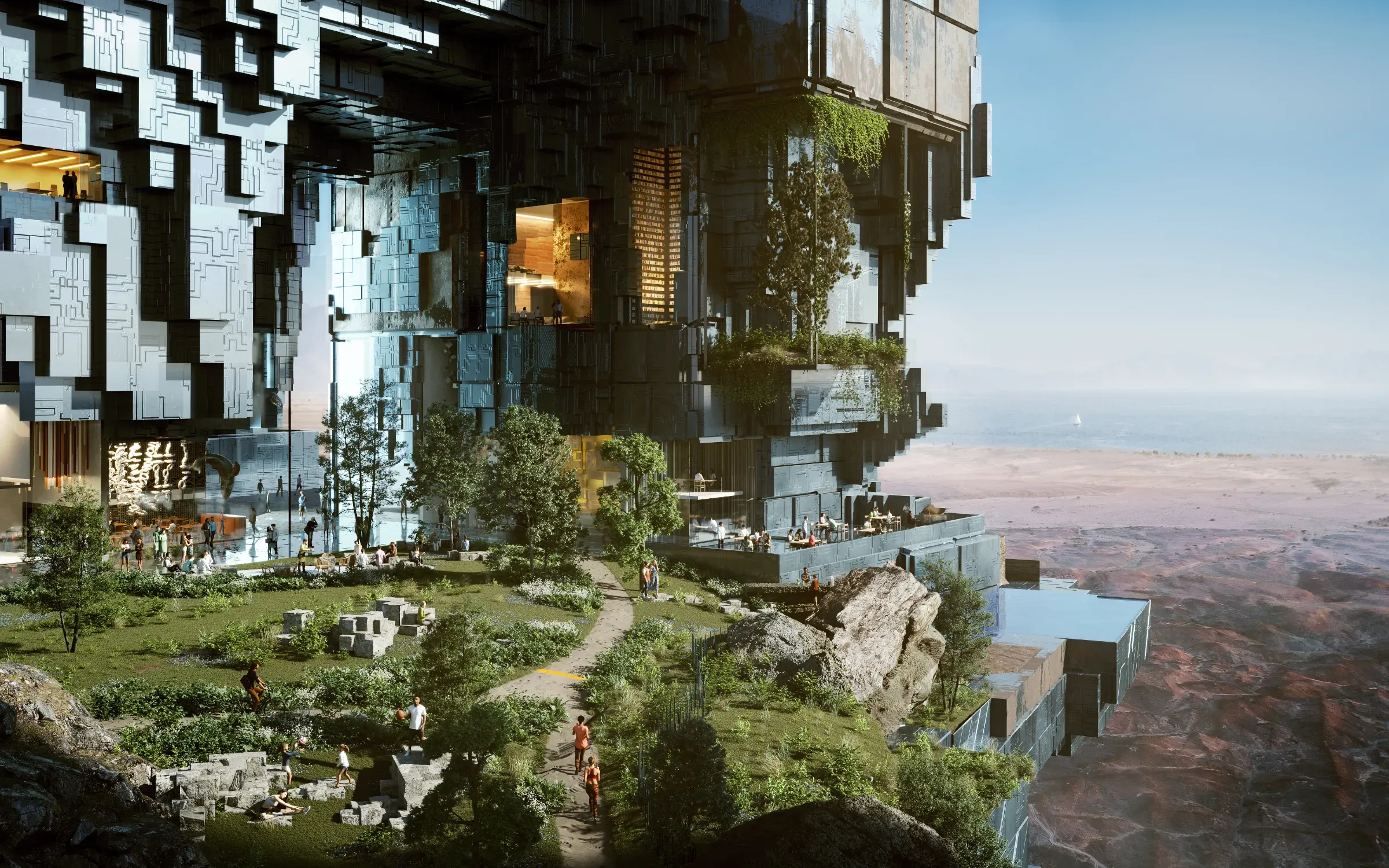
Originally envisioned as a 170-kilometer linear city housing up to 9 million people, The Line was to run on 100% renewable energy with no cars or roads and preserve much of the surrounding land. But the centerpiece is now being radically downscaled.
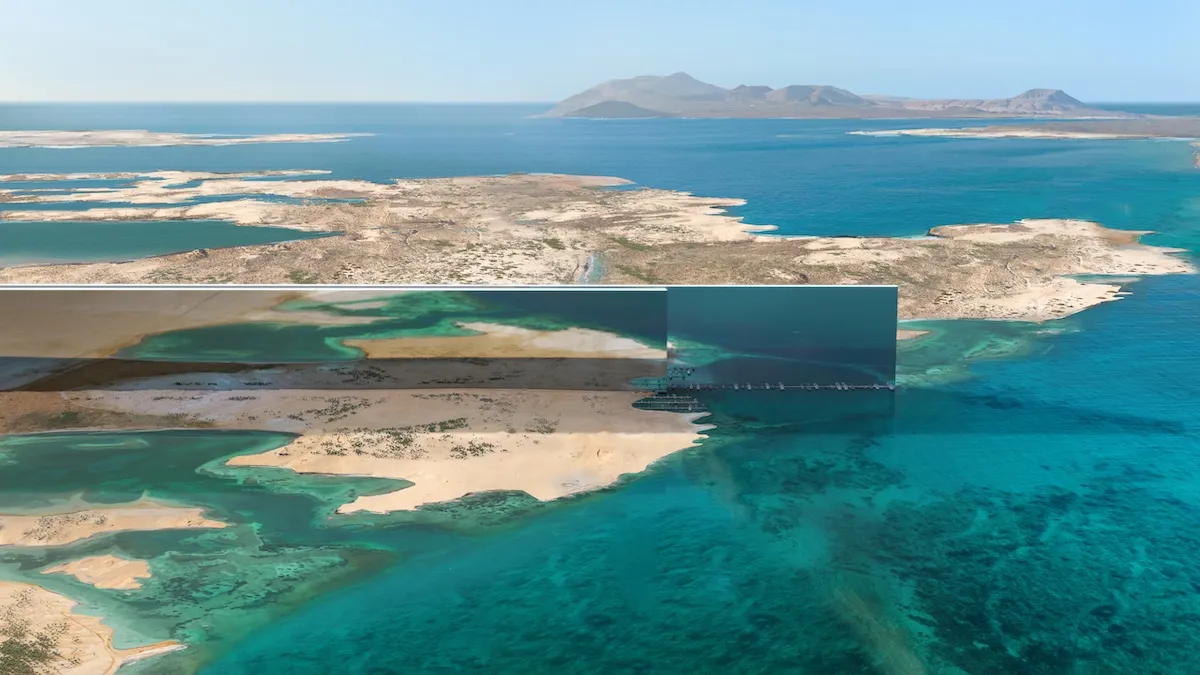
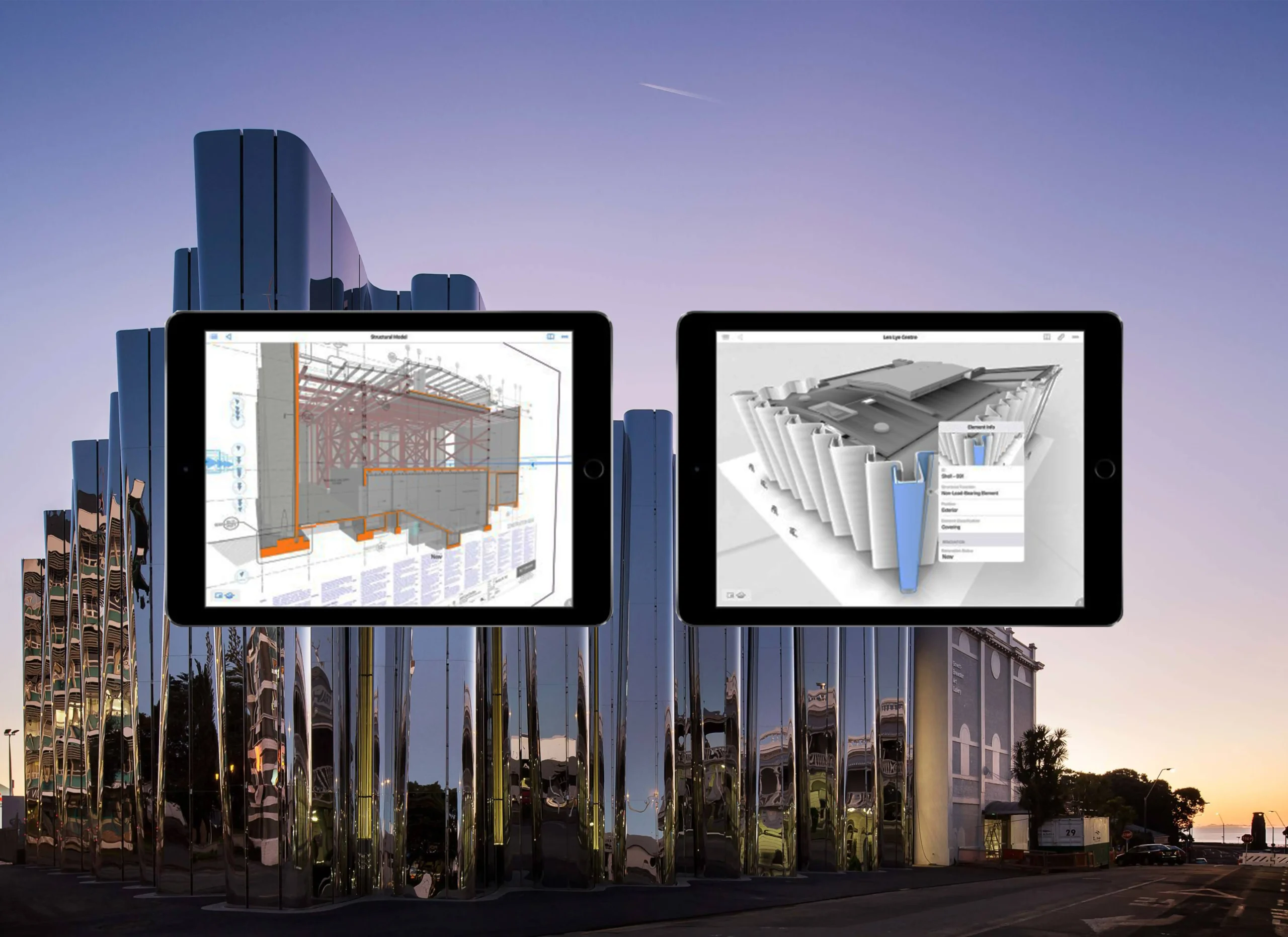
Instead of completing the full length as initially planned, Saudi officials are reconceptualizing The Line with a far smaller footprint and focus. Part of this strategy includes potentially repurposing the development as a data center and AI infrastructure hub, leveraging the region’s natural resources, such as Red Sea cooling for data centers, to attract tech investment.
Trojena and Other Key Projects Postponed
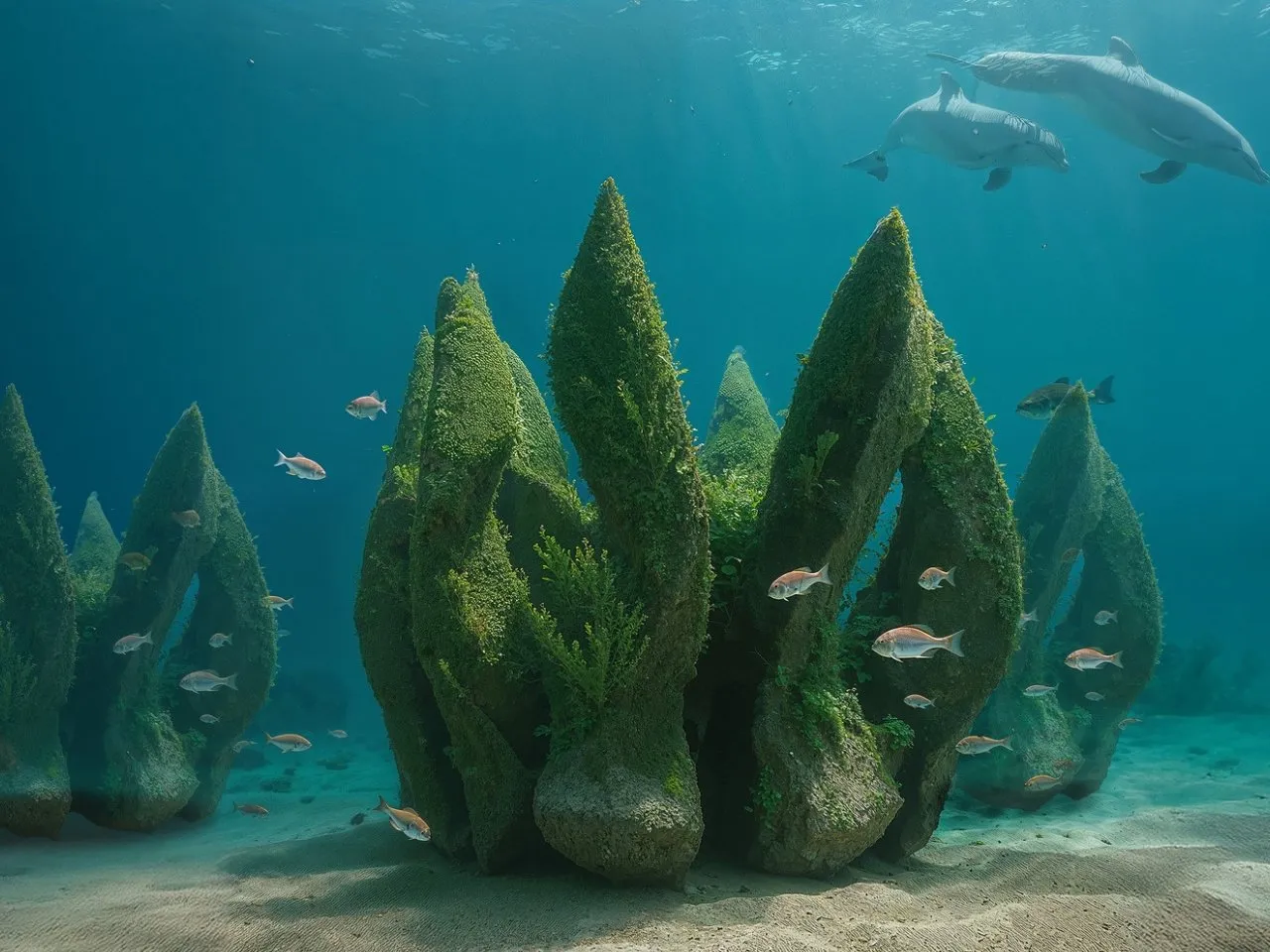
In addition to The Line, plans to host the 2029 Asian Winter Games in Trojena, a planned ski resort and mountain destination within Neom, have been indefinitely postponed amid the reevaluation of priorities.
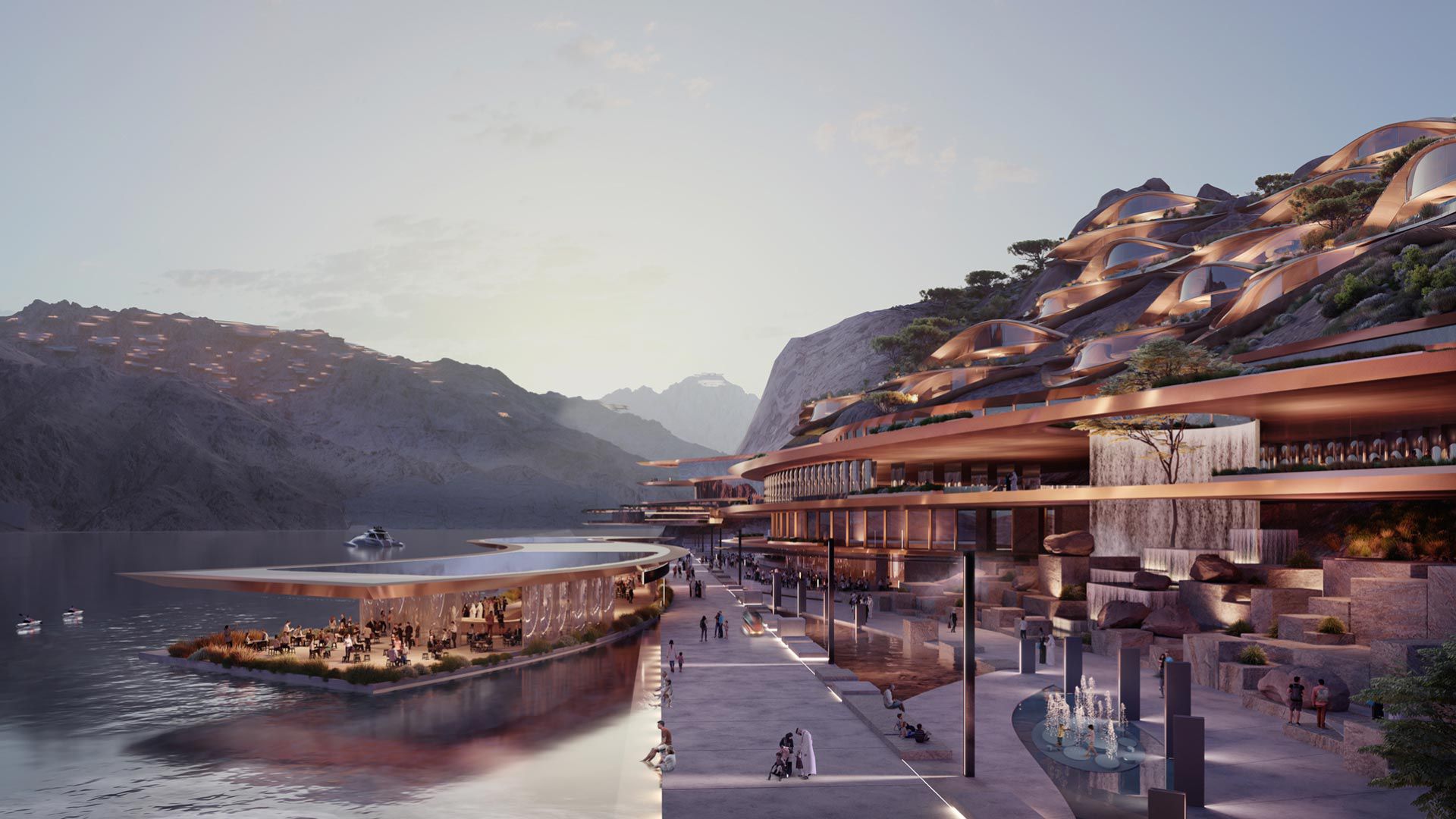
Other elements of Neom, such as Oxagon (an industrial hub) and various luxury segments, are also expected to adapt their timelines and scale in light of budget pressures and shifting national spending priorities.
Why Saudi Arabia Is Reassessing
Several factors underlie the decision to scale back Neom:
- Cost overruns and financial pressure: The megaproject’s cost was initially projected at around $500 billion, but internal estimates and external analyses suggest the actual investment needed could be far higher.
- Lower oil revenues: With subdued oil prices, public finances are tighter, prompting a reassessment of ambitious capital projects.
- Competing national priorities: Saudi Arabia is also preparing for the 2030 World Expo and the 2034 FIFA World Cup, leading to a reallocation of resources.
- Strategic pivot to technology: With global demand growing for AI and data infrastructure, officials see greater near-term payoff in focusing on technology hubs and industrial use.
What Remains of Neom

The restructuring follows leadership changes at Neom, including the departure of former CEO Nadhmi al-Nasr and new oversight under Aiman al-Mudaifer. A strategic review unit now evaluates project priorities to align them with sustainable and economically viable goals.
Despite the scaling back of its elements, Saudi authorities insist Neom is not being canceled outright. Rather, it’s evolving into a project with more realistic milestones, prioritizing sectors that align closely with current economic conditions and global demand, especially data and technology infrastructure.
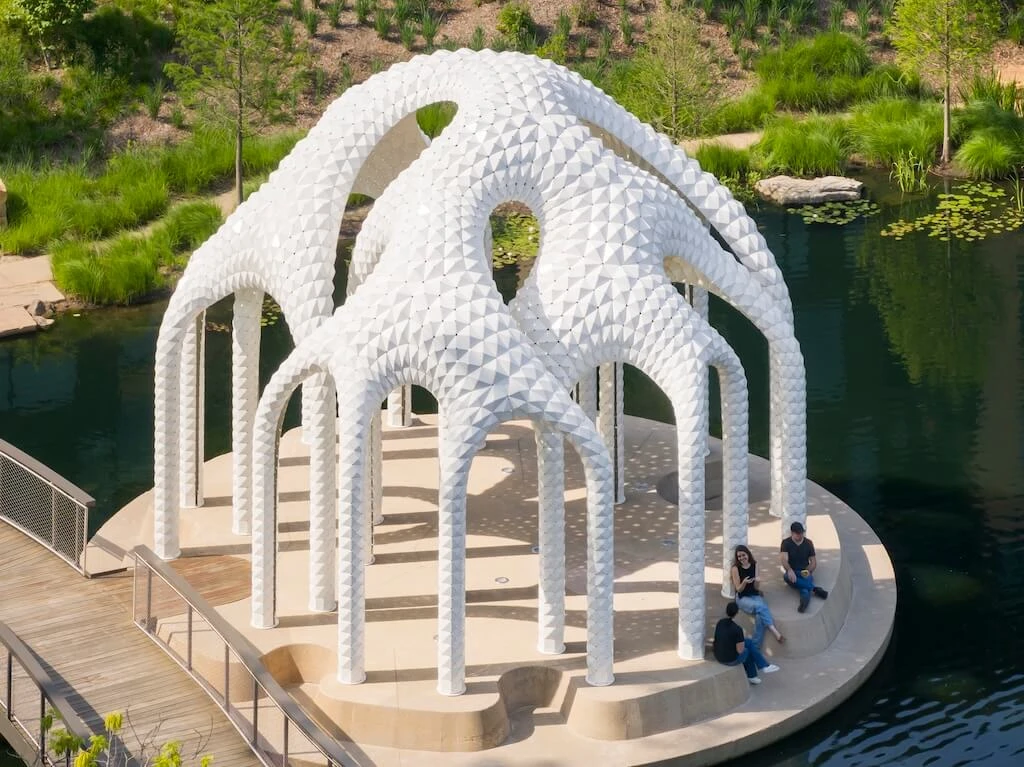
Sindalah, the luxury island resort within Neom’s borders, has opened and continues operations, and other segments may continue under revised timelines.
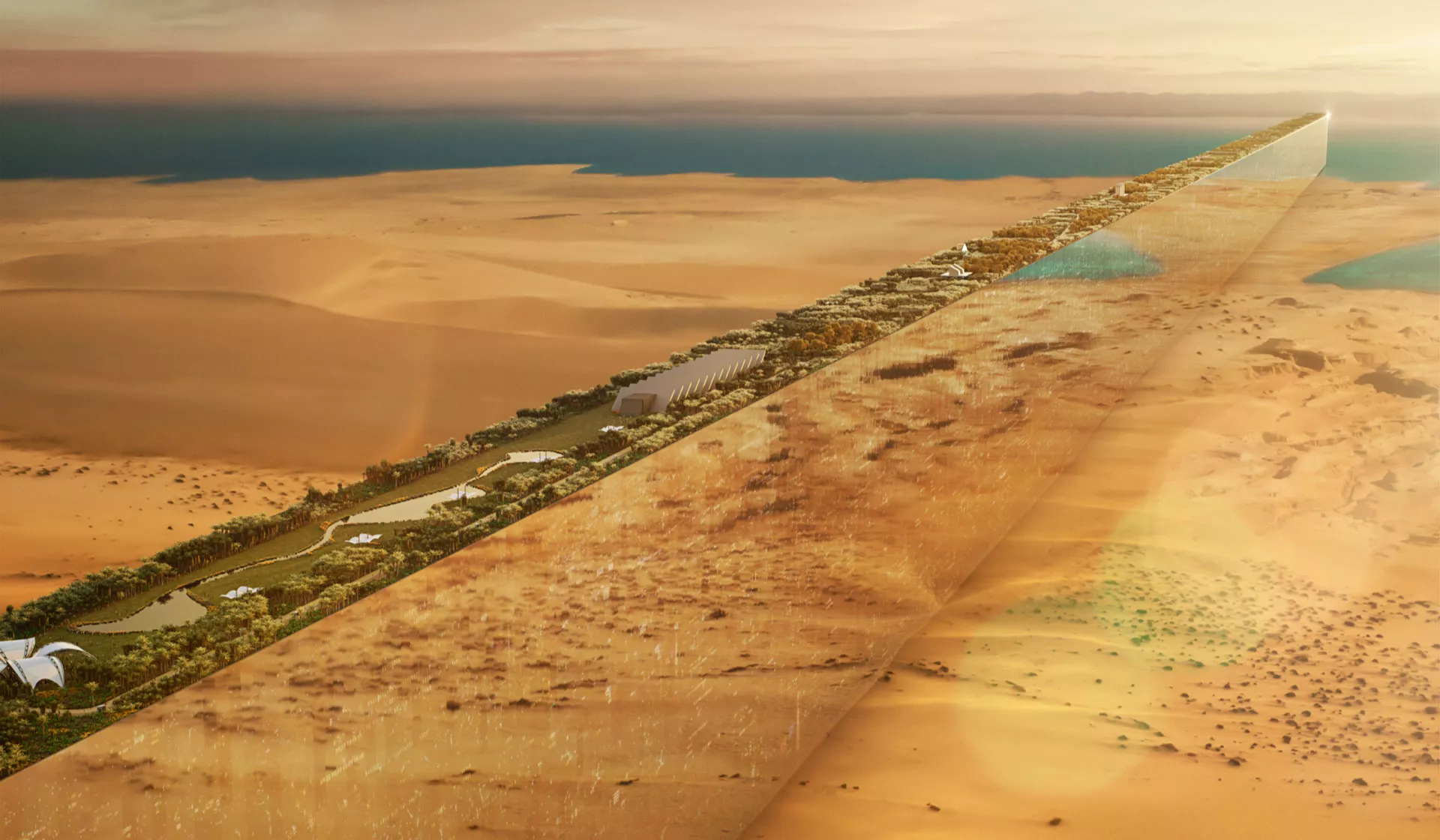
Saudi Arabia’s Neom megaproject, once pitched as a technological leap into the future, is now undergoing a major recalibration. The scale-back reflects financial realities, strategic adjustments, and a shift in focus toward sectors where the kingdom sees stronger near-term economic benefits. While many of the original grandiose ambitions have been restrained, the project continues in a new form aligned with evolving national priorities.
Image credit: © Neom