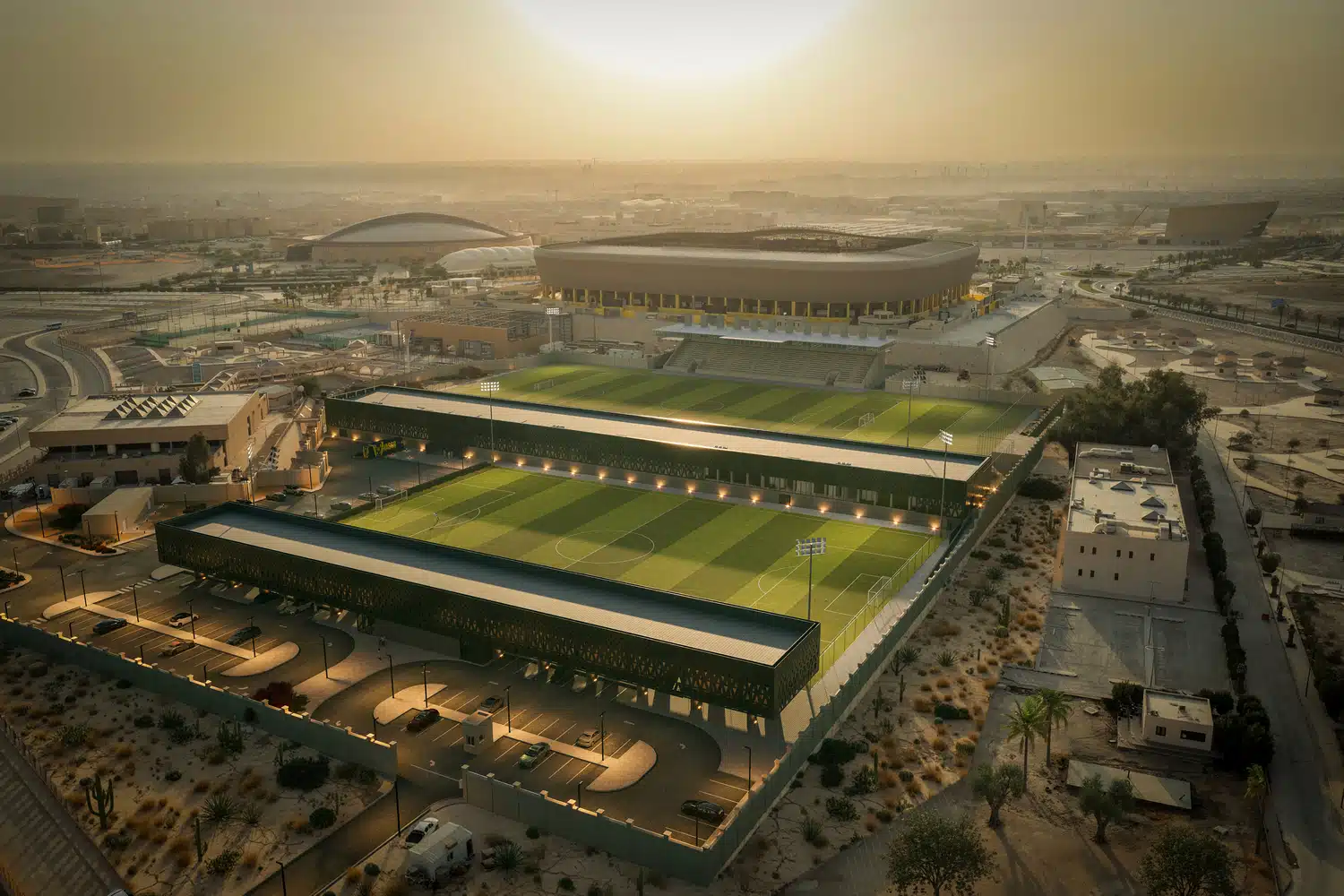


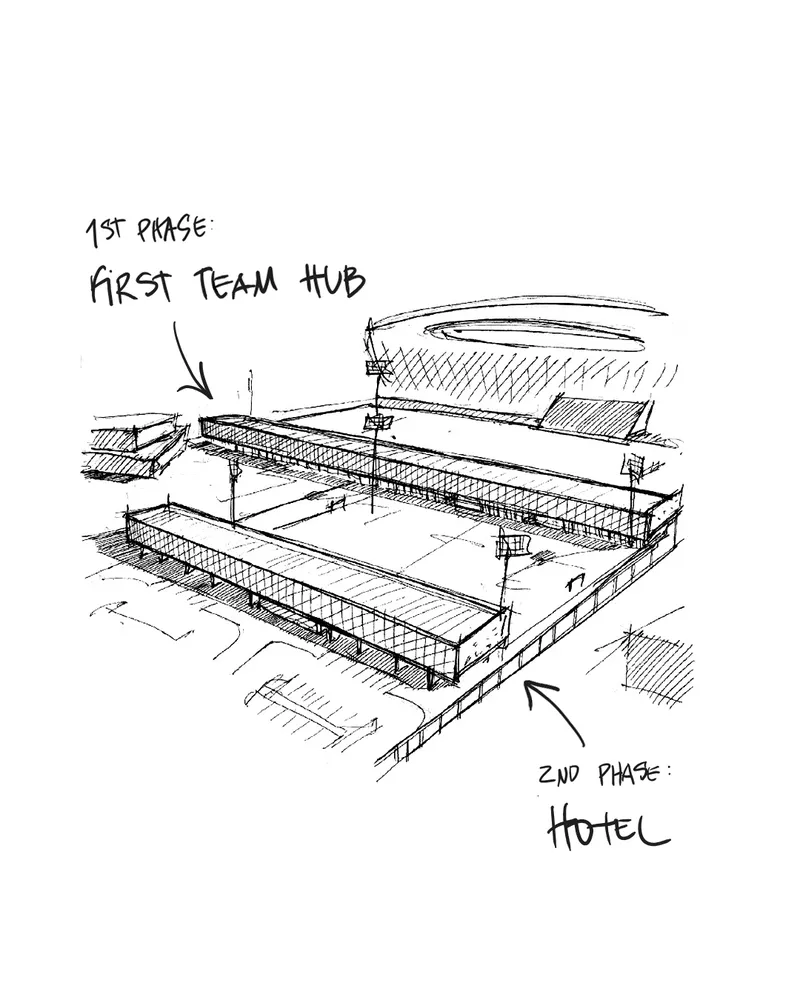
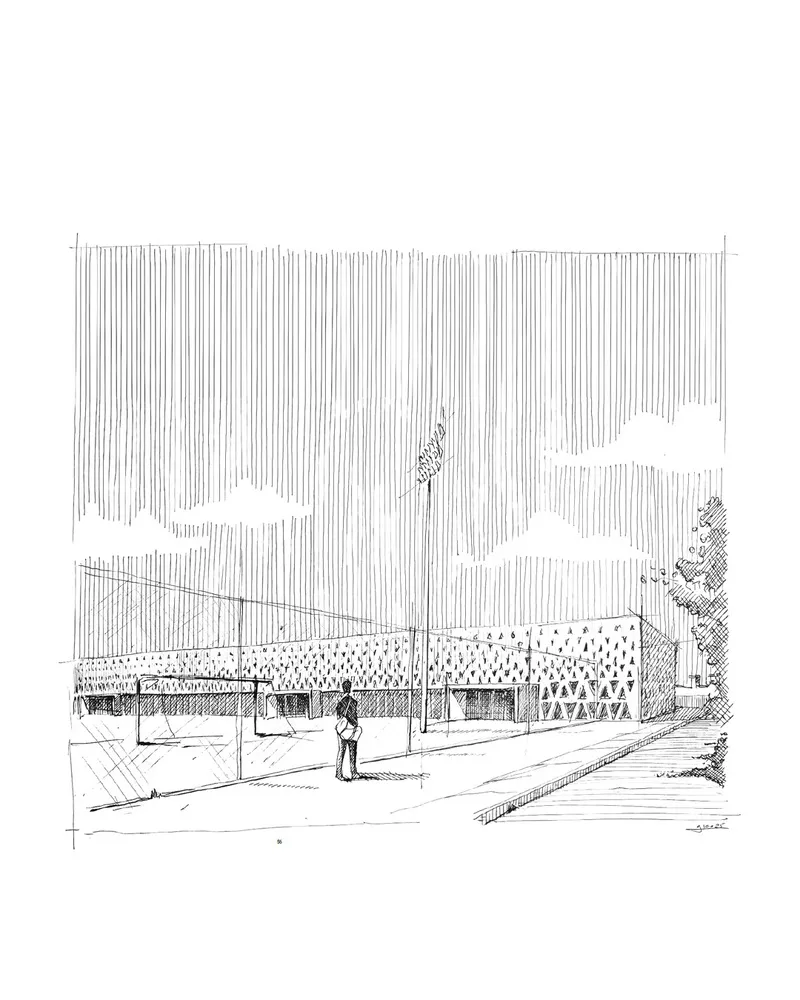

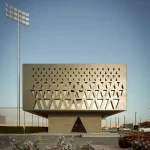

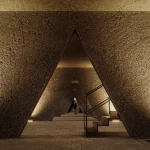
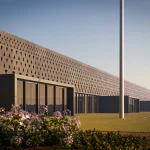
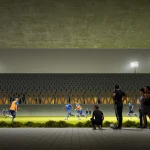

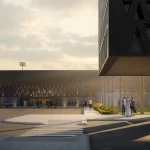
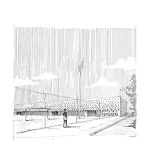
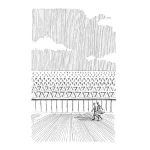

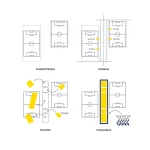
Porto-based firm OODA unveils the House of Nassar for Al Nassr Football Club in Saudi Arabia. The house of Nassar integrates high-performance training, administrative functions, media centers, and athlete support facilities into a cohesive ecosystem, reinforcing contemporary Middle Eastern sports architecture.
OODA’s Strategies for the House of Nassr Sports Complex
Founded in 1955 by the Al-Ja’ba brothers, the Nassr Football Club, which translates to “The Victory,” is represented by its yellow and blue colors, symbolizing the desert sands and surrounding water of the Arabian Peninsula. As part of the Saudi Vision 2030 initiative, the creation of the House of Nassr emerged from the club’s professionalization.
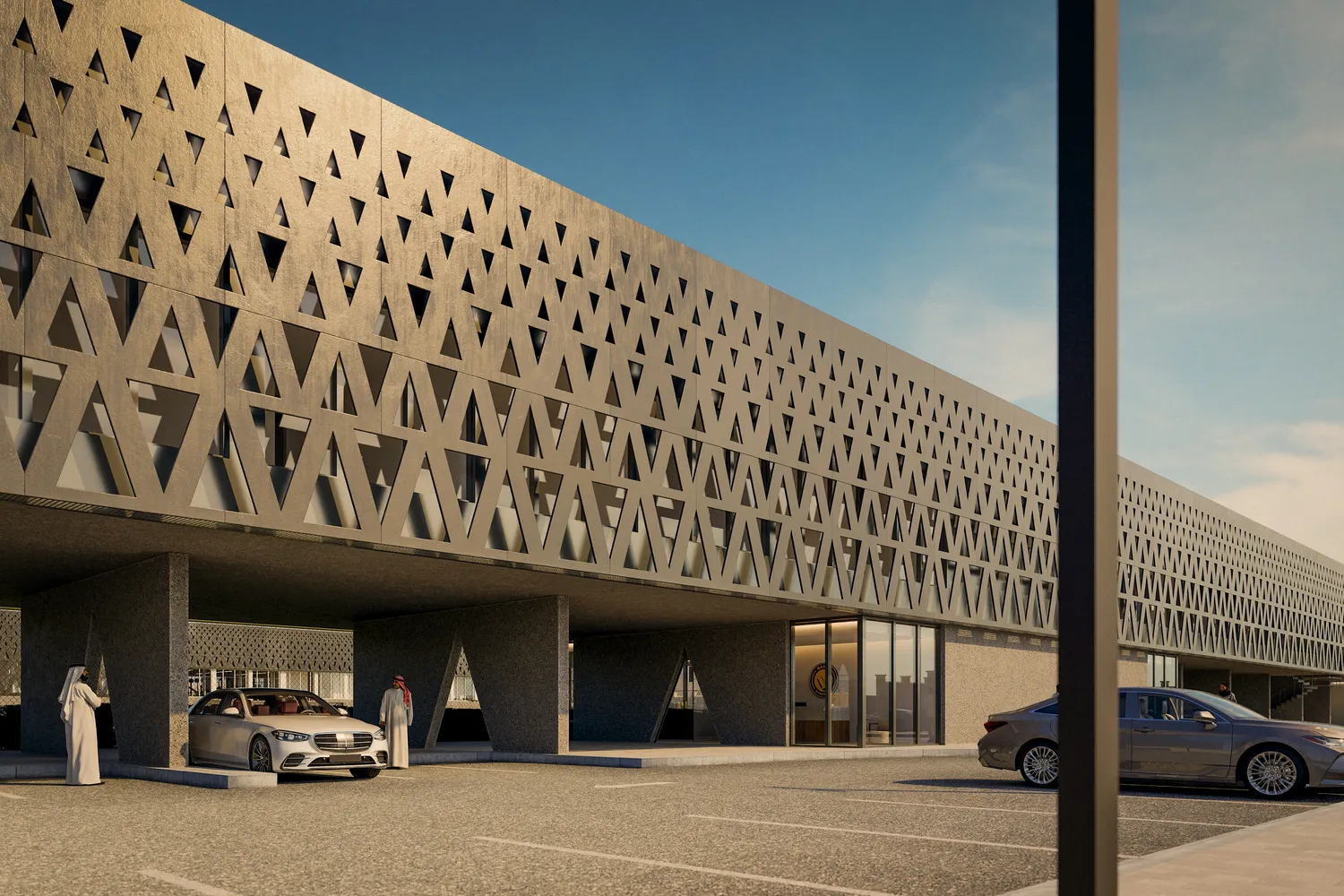
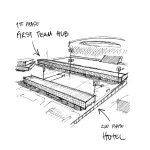
Spanning approximately 4,000 square meters in Riyadh’s Tuwayq District, the project includes a specialized gym, recovery suites, training labs, corporate offices, press rooms, nutrition centers, medical clinics, player lounges, and hotel suites. OODA, recognized for its context-driven designs, conceived the House of Nassr with clearly defined spatial programs integrated to facilitate the precise activities of the users.
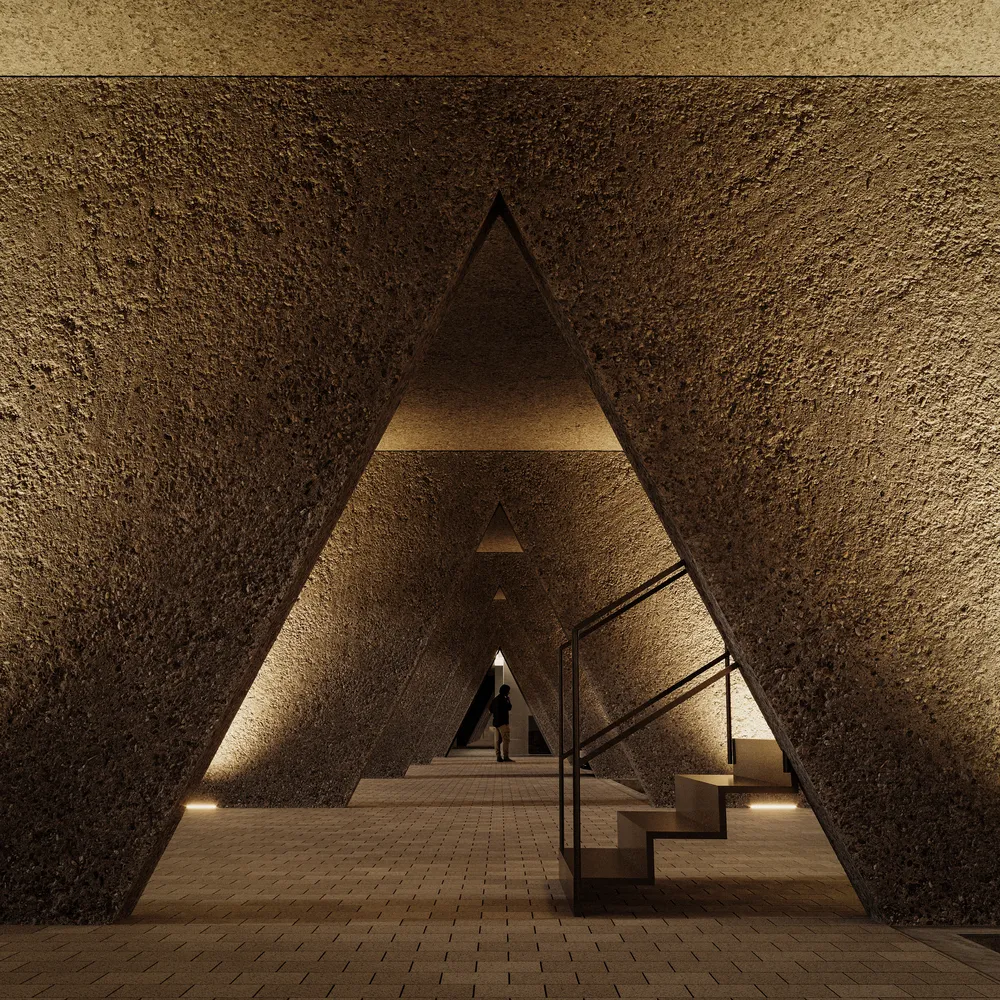
Responding to the climate of Riyadh and the professional standards of football, the project bridges architecture, routine, and performance. The spatial layout ensures functional proximity between different programs and the high-performance recovery center, defining an architecture that is both expressive and spectacle-oriented, positioning the project as a contemporary sports venue.
Spatial Hierarchy and Zoning
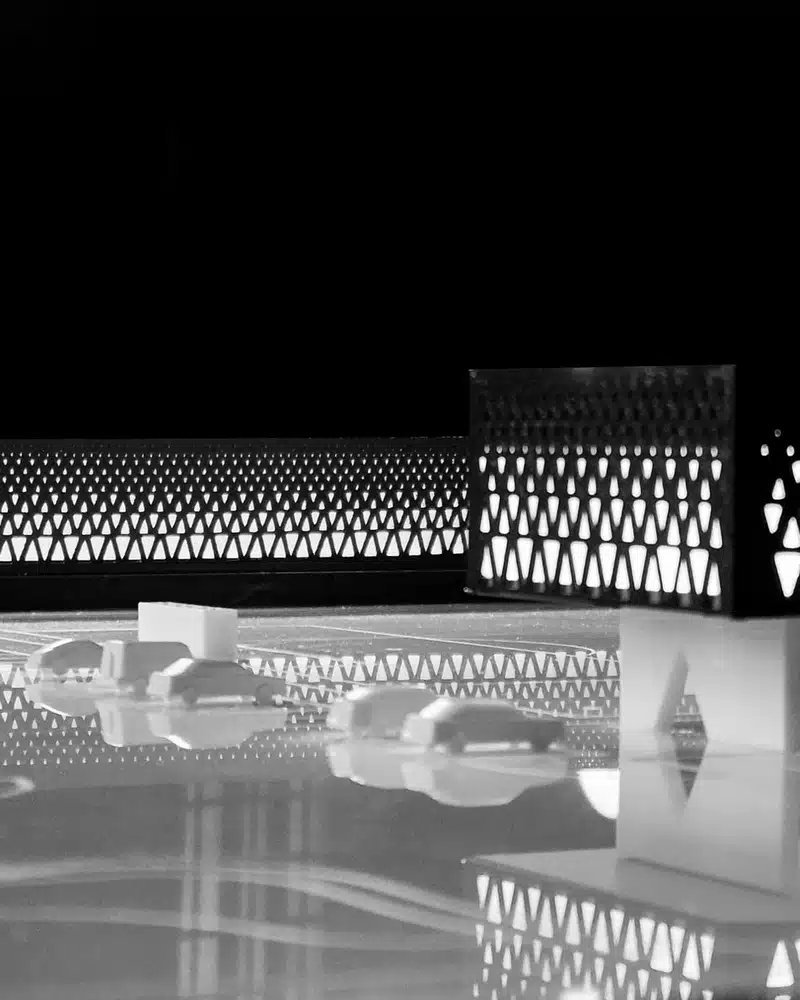
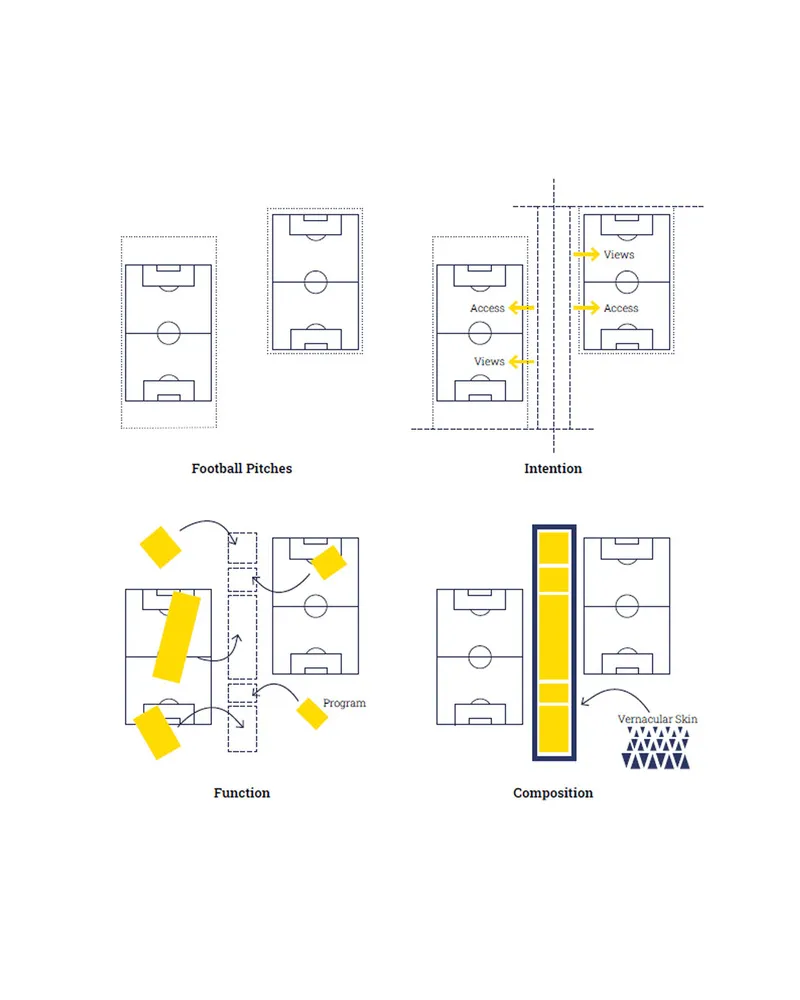
The spatial planning is intentionally self-contained, a pattern commonly found in Gulf-region athletic infrastructure, creating a private environment for professional teams. The design establishes a connection to the outside area, maintaining visual connection and ensuring that the facility feels rooted in its geographic context. The internal spatial organization follows the hierarchical structure, separating public, semi-public, and restricted zones.
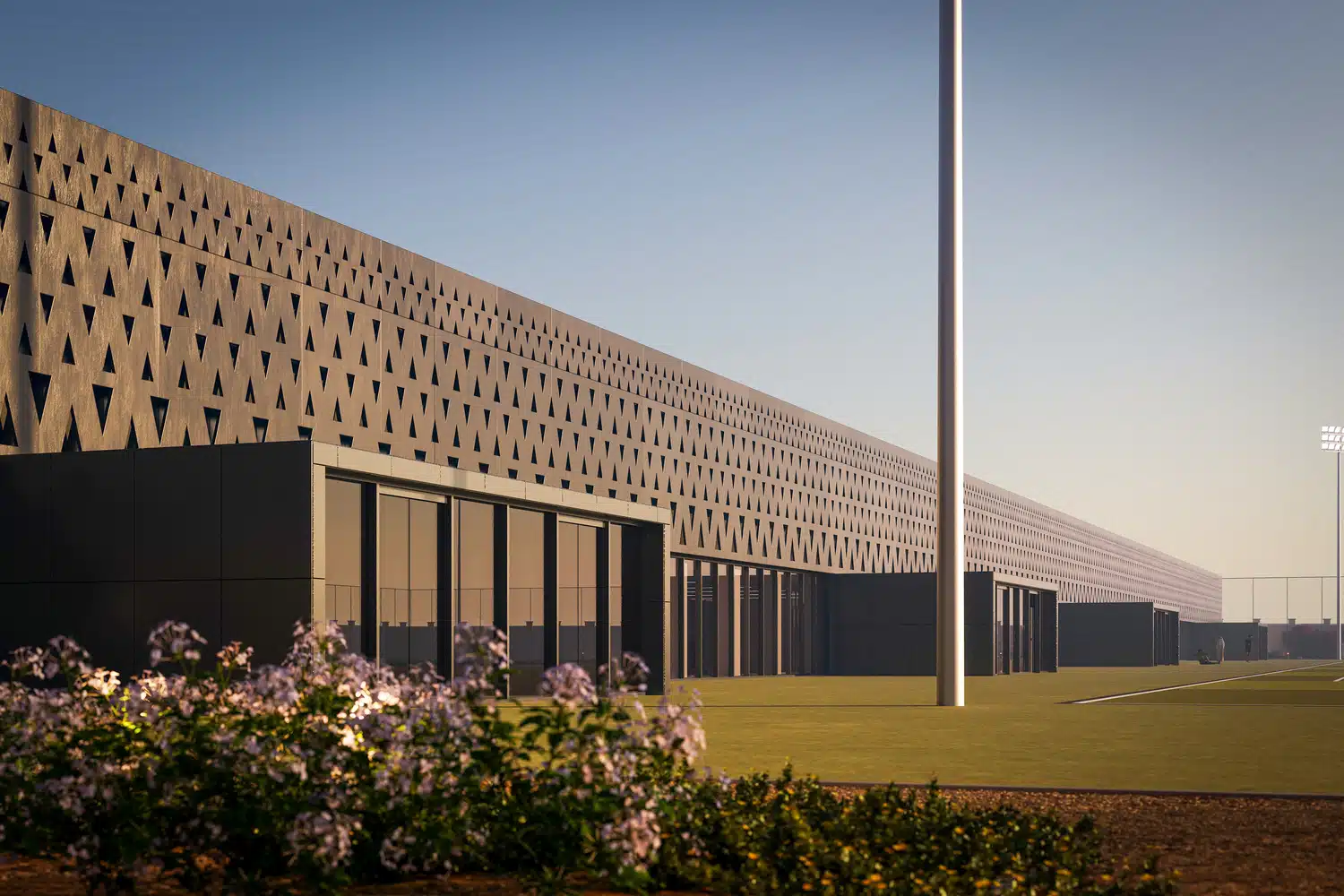
It helps to maintain focus and privacy for elite athletic preparation. Circulation is designed for maximum efficiency, reducing walking distances between key functions such as locker rooms, gyms, and medical suites. The function-first design strategy ensures that the athlete’s time and energy are preserved for training and recovery. Administrative and media areas are strategically positioned to minimize disruption to athletes’ routines.
Vernacular Reinterpretation: Translating Najd Heritage
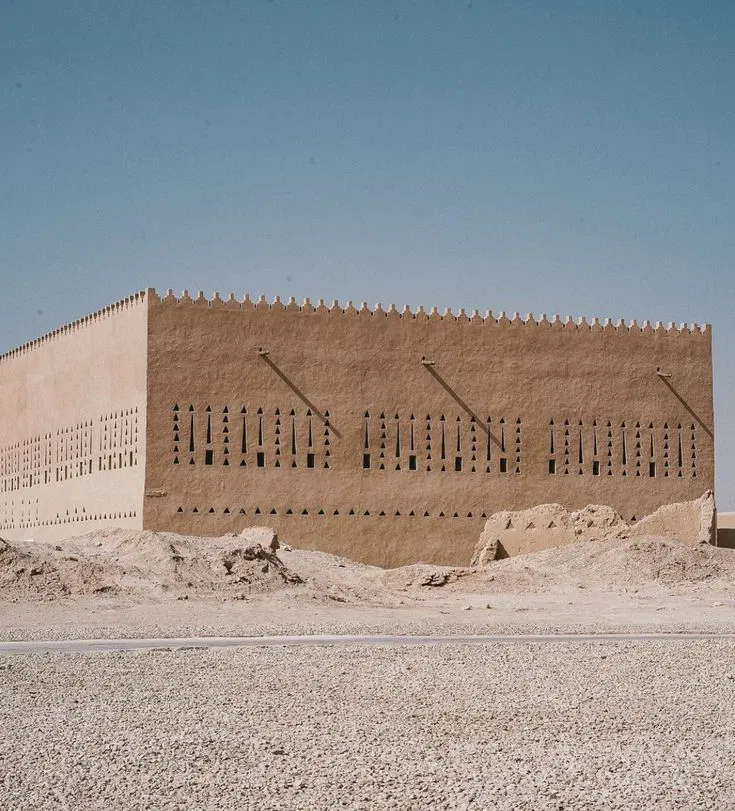
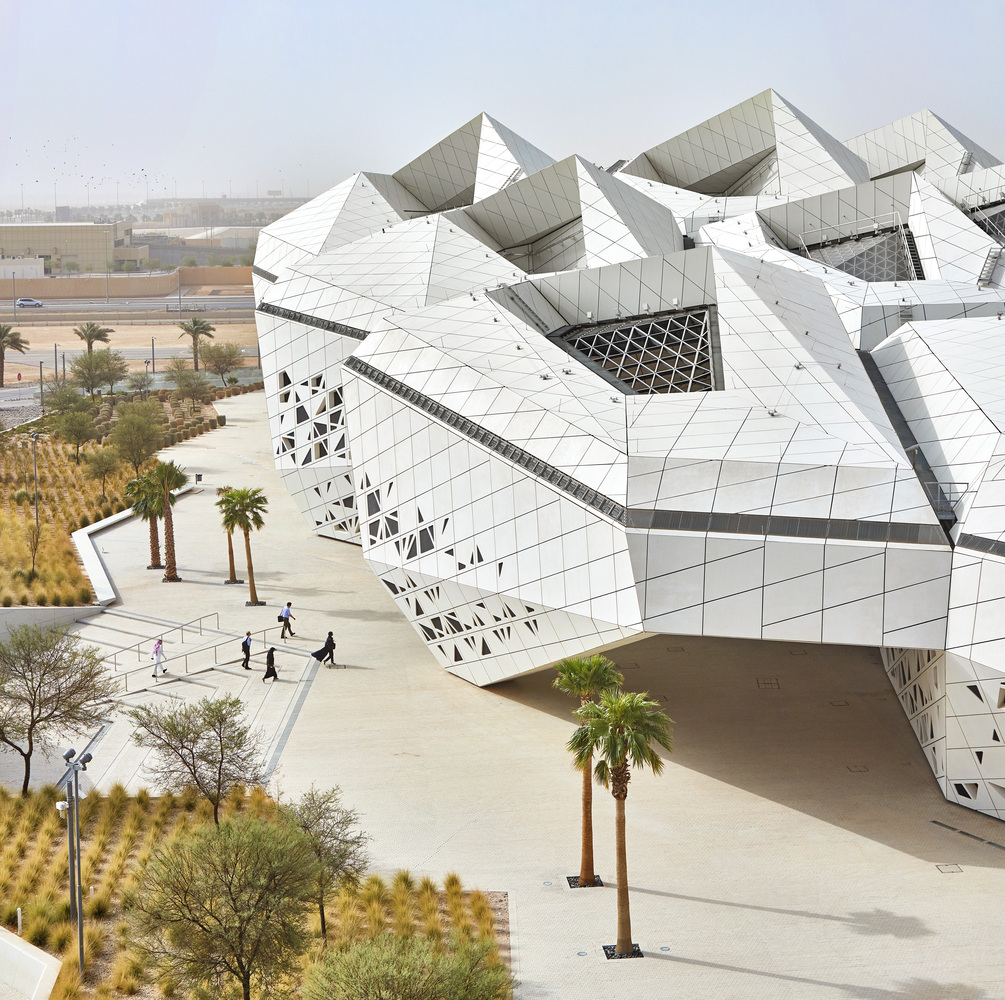
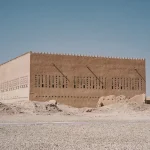
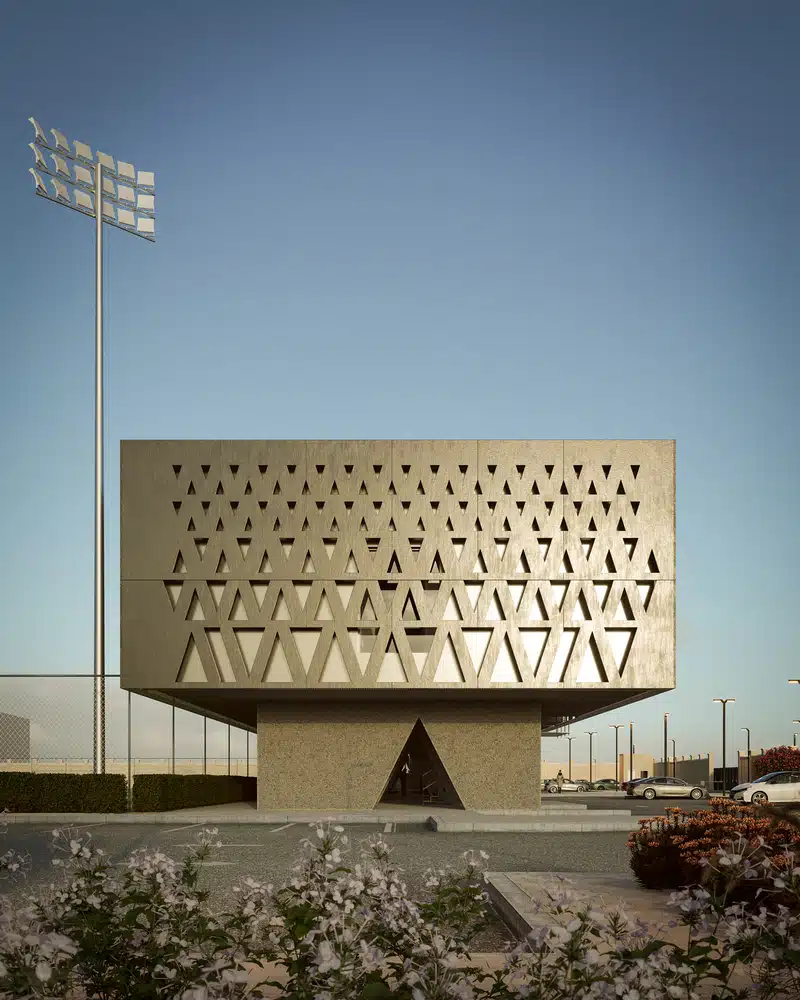
The striking feature of the House of Nassr lies in its architectural expression, inspired by the vernacular architecture of the Najd region. The OODA team translates traditional climatic wisdom, particularly strategies for managing heat and light, into a contemporary architectural language. Najdi architecture, characterized by thick walls, small openings, and internal courtyards, creates intimate, sheltered spaces that protect occupants from the desert sun.
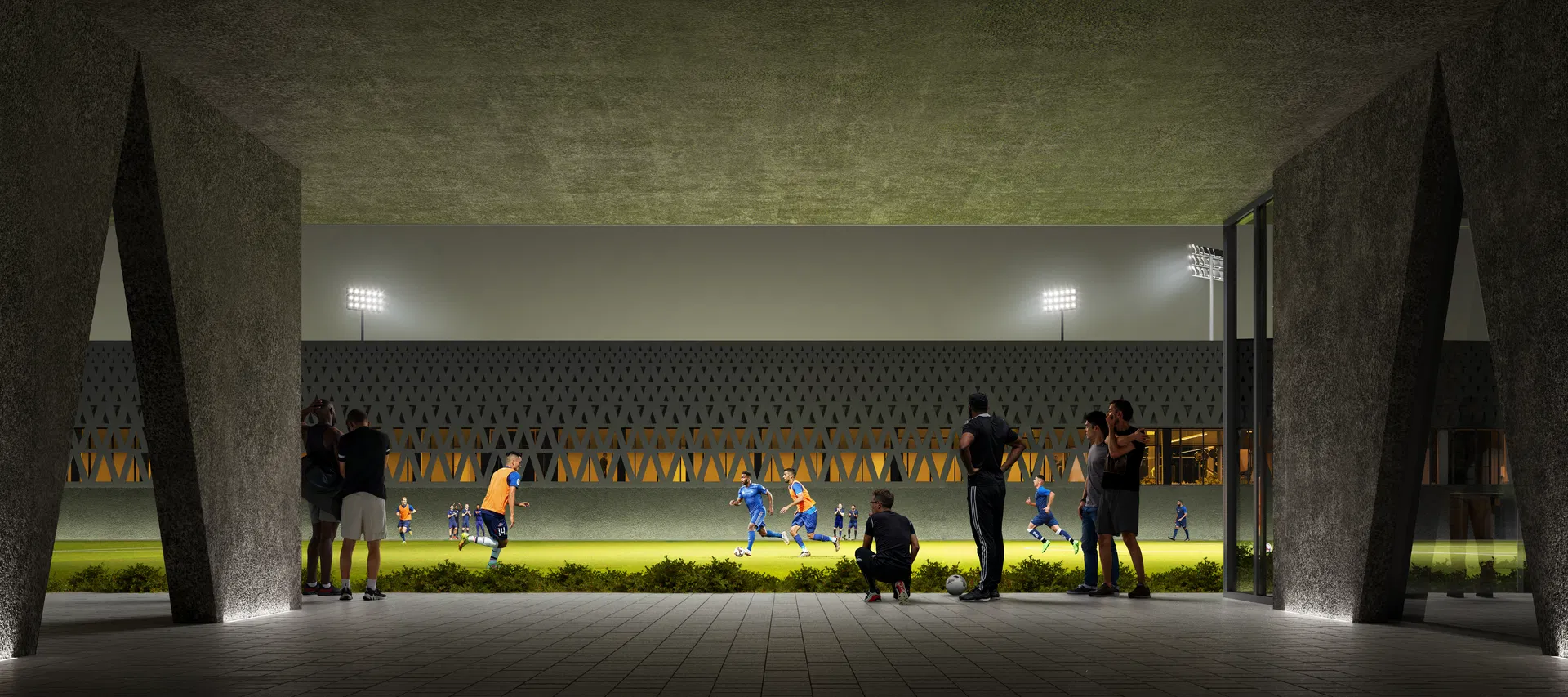
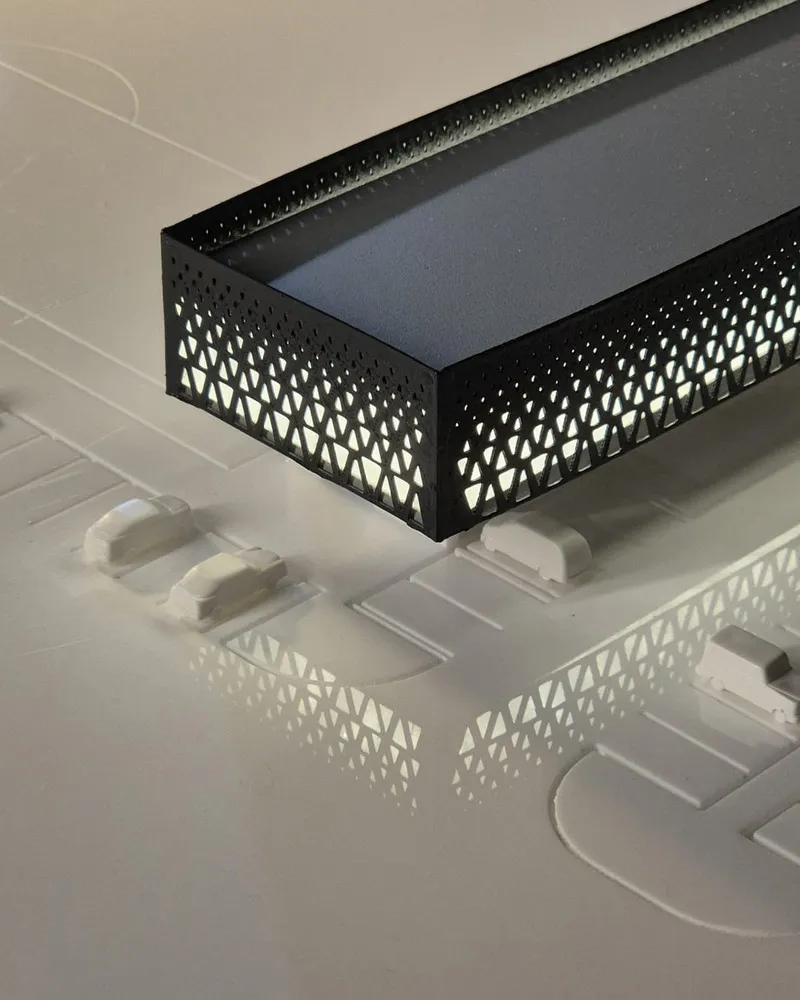
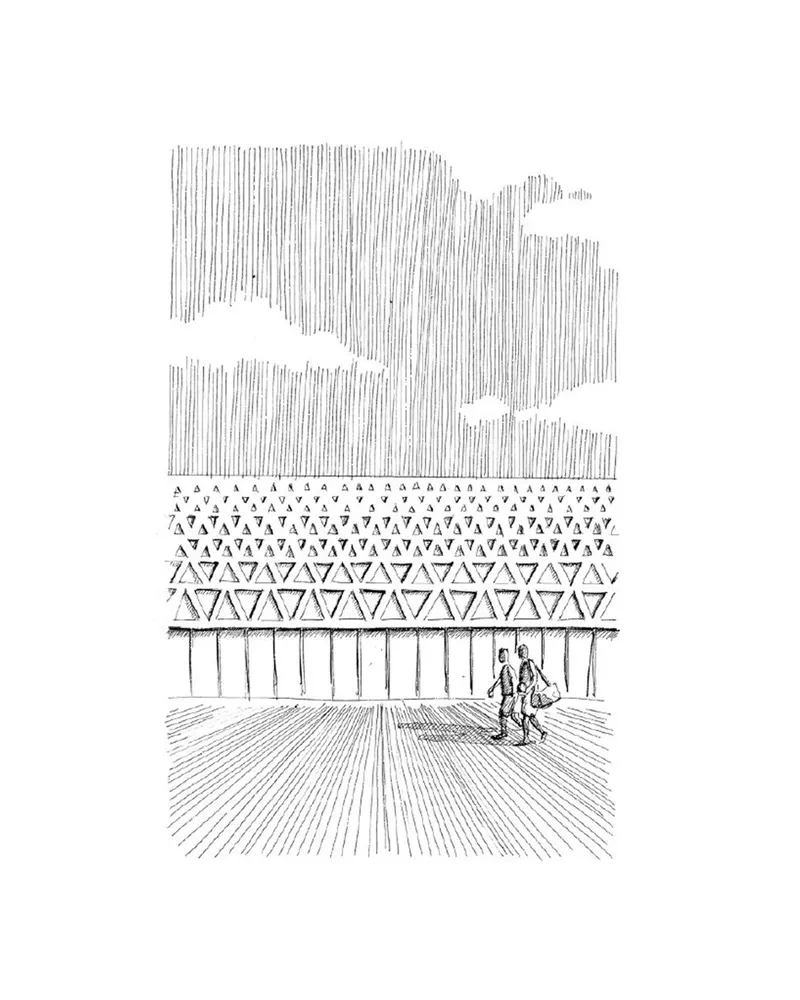
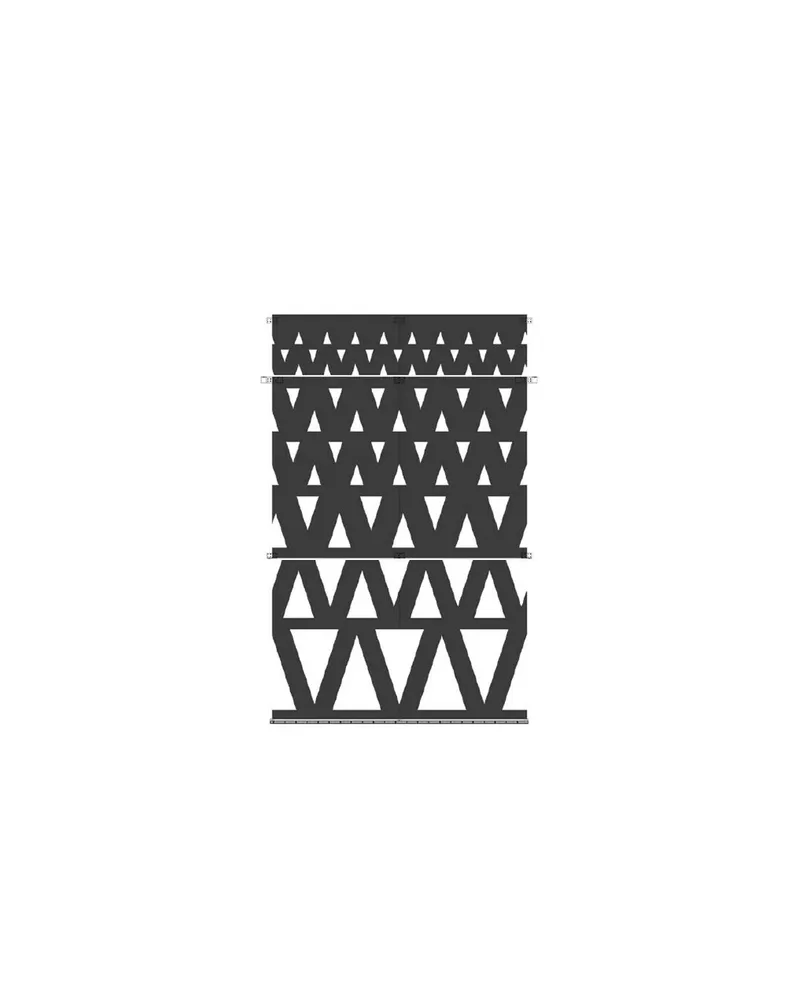
The House of Nassr reinterprets these principles through a modern filtering envelope, a geometric screen that wraps the building volumes. This envelope not only protects the structure but also plays a critical role in environmental performance. It modulates natural daylight and reduces glare and solar heat gain, while the dynamic interplay of light and shadow enhances the interior. The building’s high-tech skin, through its use of light and shadow, shapes the perception of space and time within the complex.
Smart Infrastructure
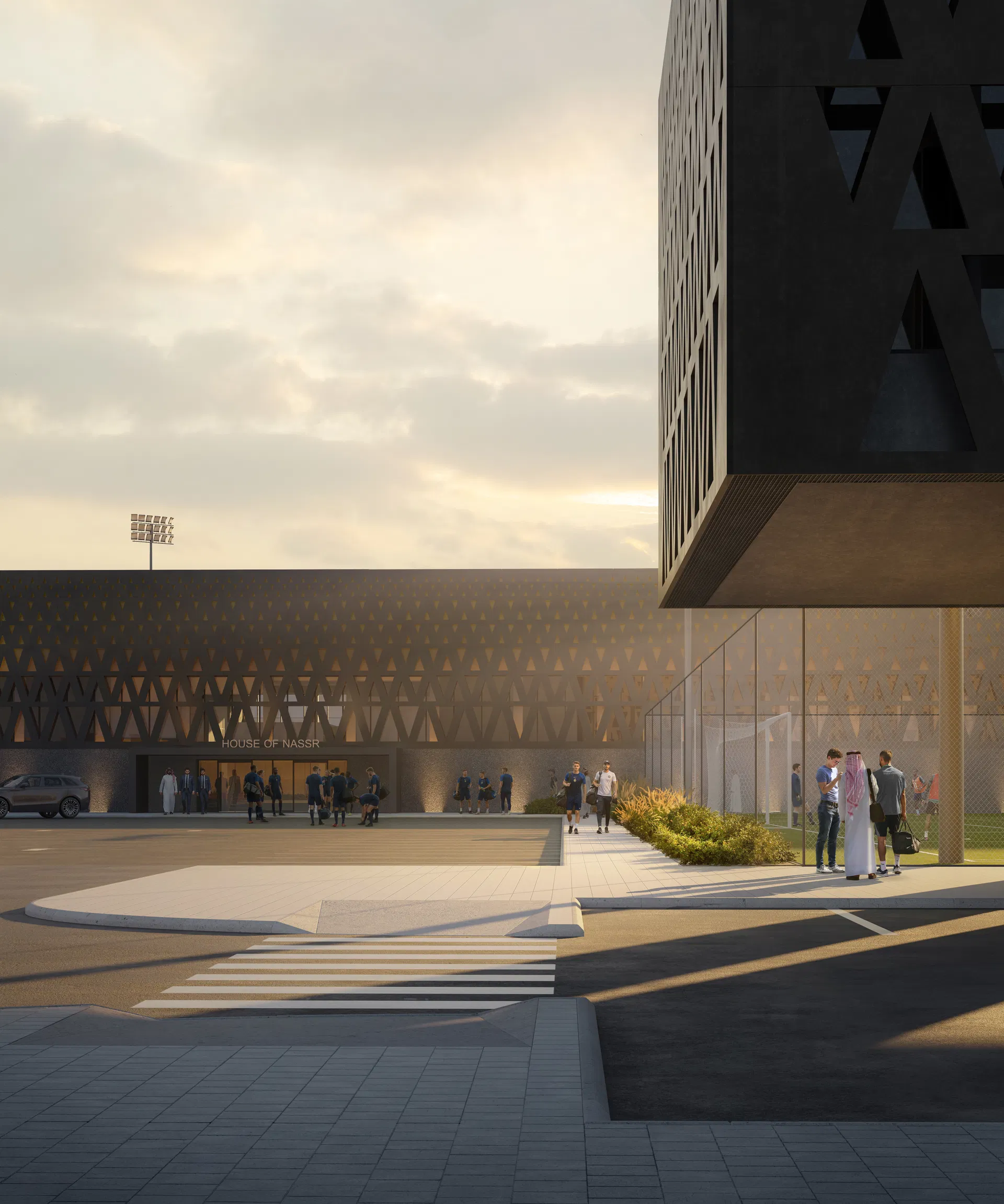
The passive design principles include filtering the envelope, rhythmic composition, and ensuring that most of the building’s surfaces are shaded for significant portions of the day. The project also incorporates smart building technologies, including IoT sensors, RFID asset tracking, and automated access control systems, focused on optimizing governance, resource efficiency, and connectivity within the complex.
Photo Credits: © OODA