







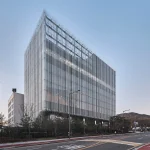
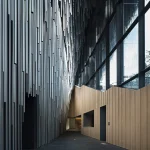
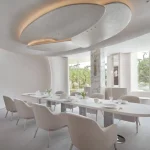
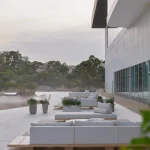
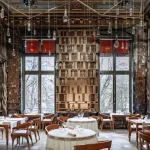
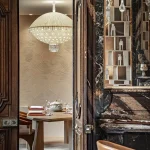


The Prix Versailles is an international architectural award that celebrates the world’s most outstanding and beautiful buildings across multiple categories. Originally established in 2015, in collaboration with UNESCO, it recognizes structures that combine aesthetic excellence with cultural relevance, sustainability, and community impact. The award aims to highlight the role of architecture and design as visual beauty, shaping the spaces we inhabit and enriching human experience. The winners are typically unveiled annually, with an official ceremony held in Paris at UNESCO headquarters.
For its 2025 edition, the Prix Versailles unveiled the “World’s Most Beautiful Projects,” a curated selection of buildings from around the globe chosen from extensive lists of finalists. These winners span categories including museums, hotels, restaurants, emporiums (commercial stores), airports, campuses, passenger stations, and arenas. Each category recognizes a Prix Versailles World Title winner, as well as special distinctions for Interior or Exterior excellence.
Jury and Selection Criteria
The 2025 Prix Versailles jury brought together a diverse group of international experts from architecture, design, the arts, and culture. The panel was chaired by Irina Bokova, former Director-General of UNESCO, who framed the award’s intent as one that evaluates architecture beyond mere visual appeal. “Each year, the Prix Versailles challenges us to look beyond aesthetics alone and to evaluate architecture and design as a force capable of shaping the world we inhabit,” Bokova said. She emphasized the importance of creativity measured by both boldness and integrity, including cultural responsiveness, community uplift, and meaningful contribution to a sustainable future.
Other jury members for the 2025 edition included architects Ma Yansong and Thom Mayne, actress Emma Watson, pianist Lang Lang, conceptual artist Leandro Erlich, fashion designer Iris Van Herpen, and actress/director Maria de Medeiros.
The selection process begins with a broad pool of finalists for each category, typically published earlier in the year. From these, the jury evaluates hundreds of projects worldwide to determine those that best embody the Prix Versailles criteria: architectural excellence, innovation, integration with cultural context, and commitment to sustainability. Winners are announced toward the end of the year alongside special recognitions for interior and exterior design.
For 2025, the Prix Versailles honored a total of 72 projects across eight categories: Museums, Emporiums, Hotels, Restaurants, Airports, Campuses, Passenger Stations, and Arenas. This figure comes directly from the official World Ceremony announcement, which stated that the event “celebrated the 72 ‘World’s Most Beautiful’ projects in each of the Prix Versailles categories.”
These 72 projects were drawn from 25 countries, representing a wide geographic spread and a broad range of architectural styles and building programs. Each category includes:
- One Prix Versailles World Title
- One Special Prize for Interior Design
- One Special Prize for Exterior design
- Additional shortlisted projects, which vary by category
World’s Most Beautiful Projects — 2025 Winners
The following list presents the Prix Versailles World Title winner for each major category in 2025, with special interior and exterior recognitions where applicable.
Museums
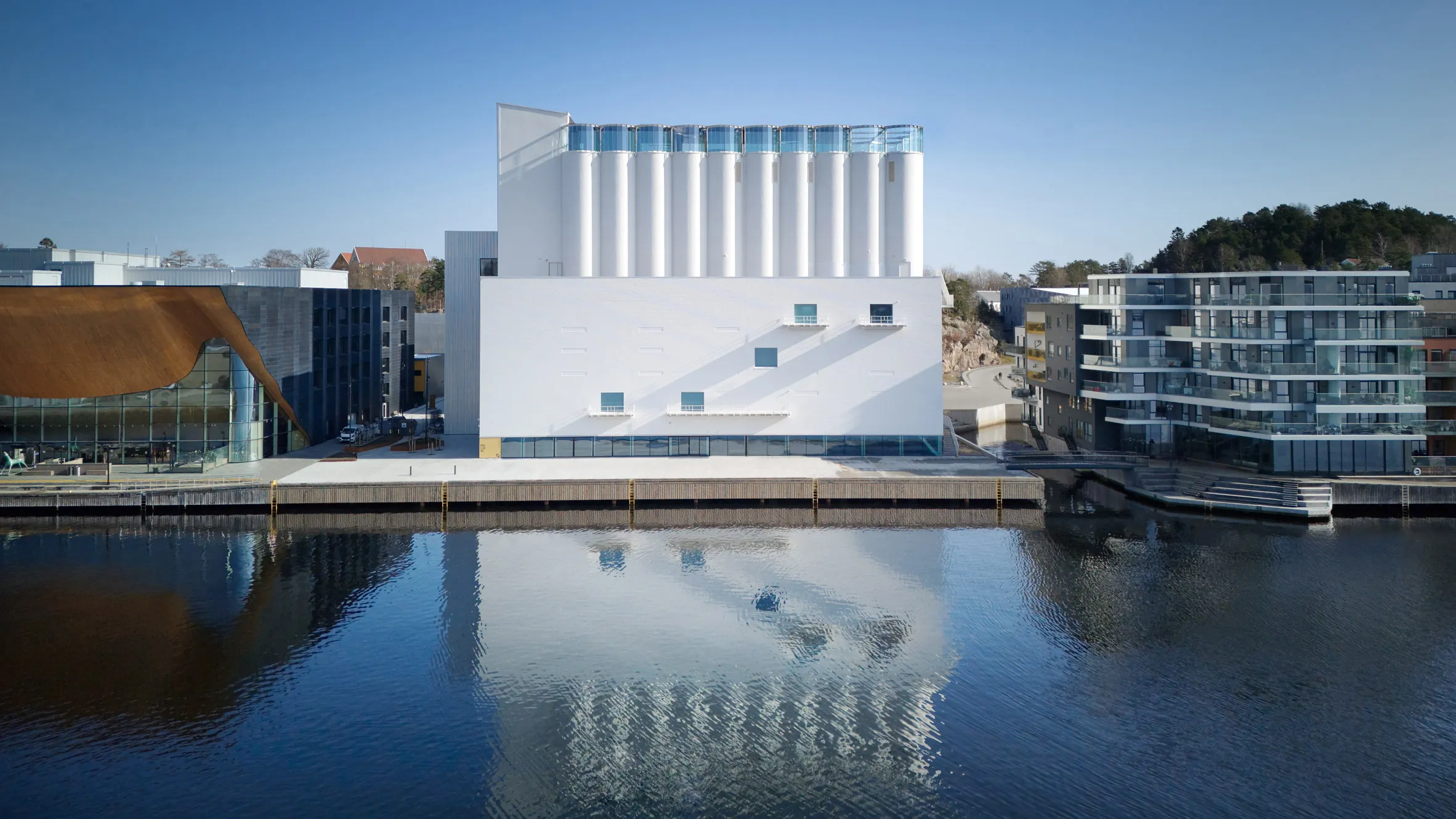
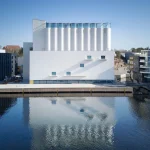
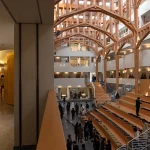
- Prix Versailles: Kunstsilo (Kristiansand, Norway), by Barcelona studios Mestres Wåge Arquitectes, BAX, and Mendoza Partida.
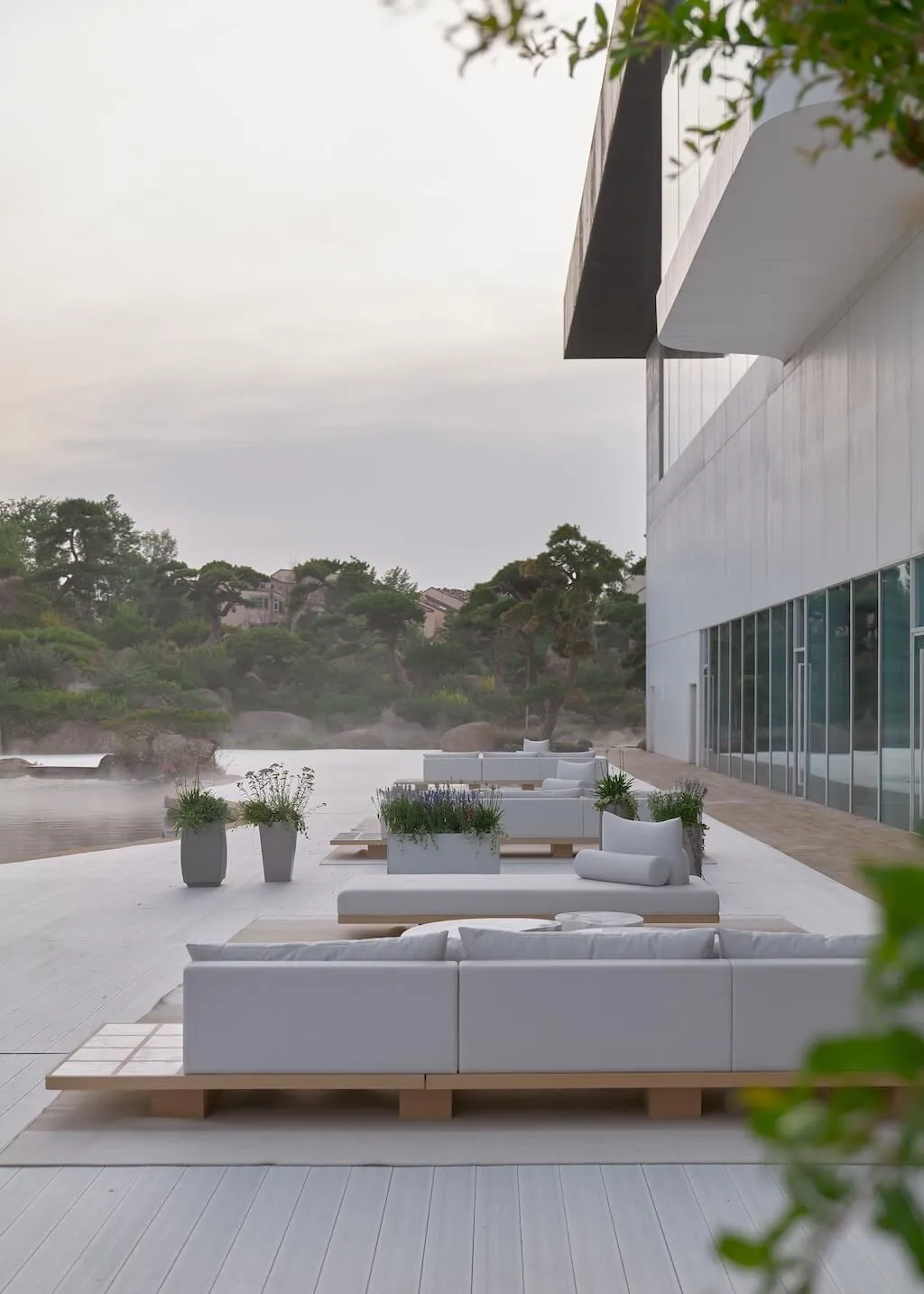
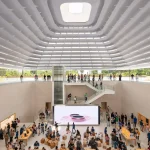
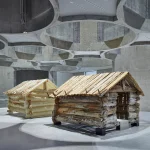
- Special Prize – Interior: Audeum (Seoul, Republic of Korea), designed by Kengo Kuma and Associates.
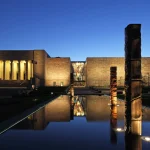
- Special Prize – Exterior: Joslyn Art Museum (Omaha & United States), recent addition designed by Snøhetta (joining earlier structures by John & Alan McDonald and Norman Foster)
Emporiums (Commercial Stores)
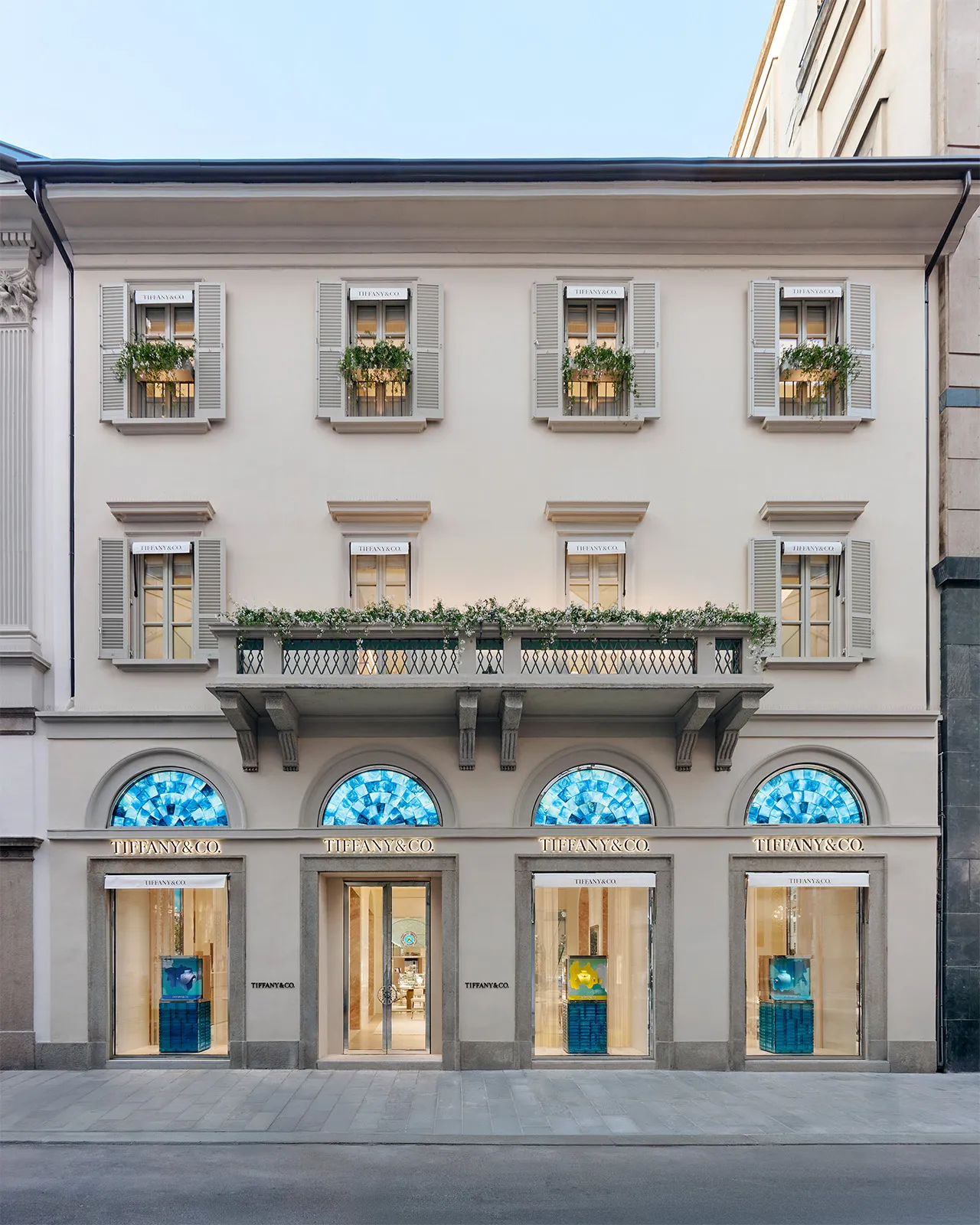
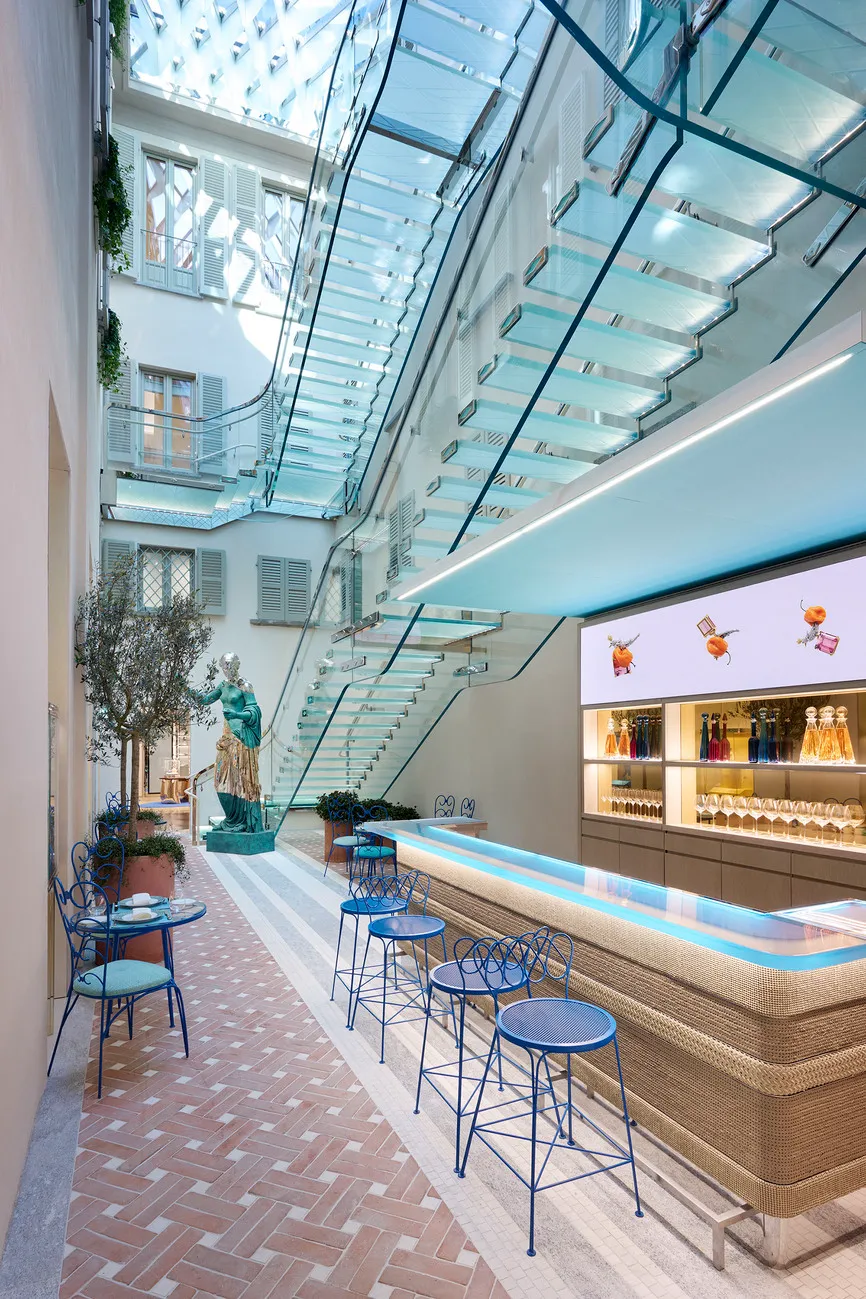
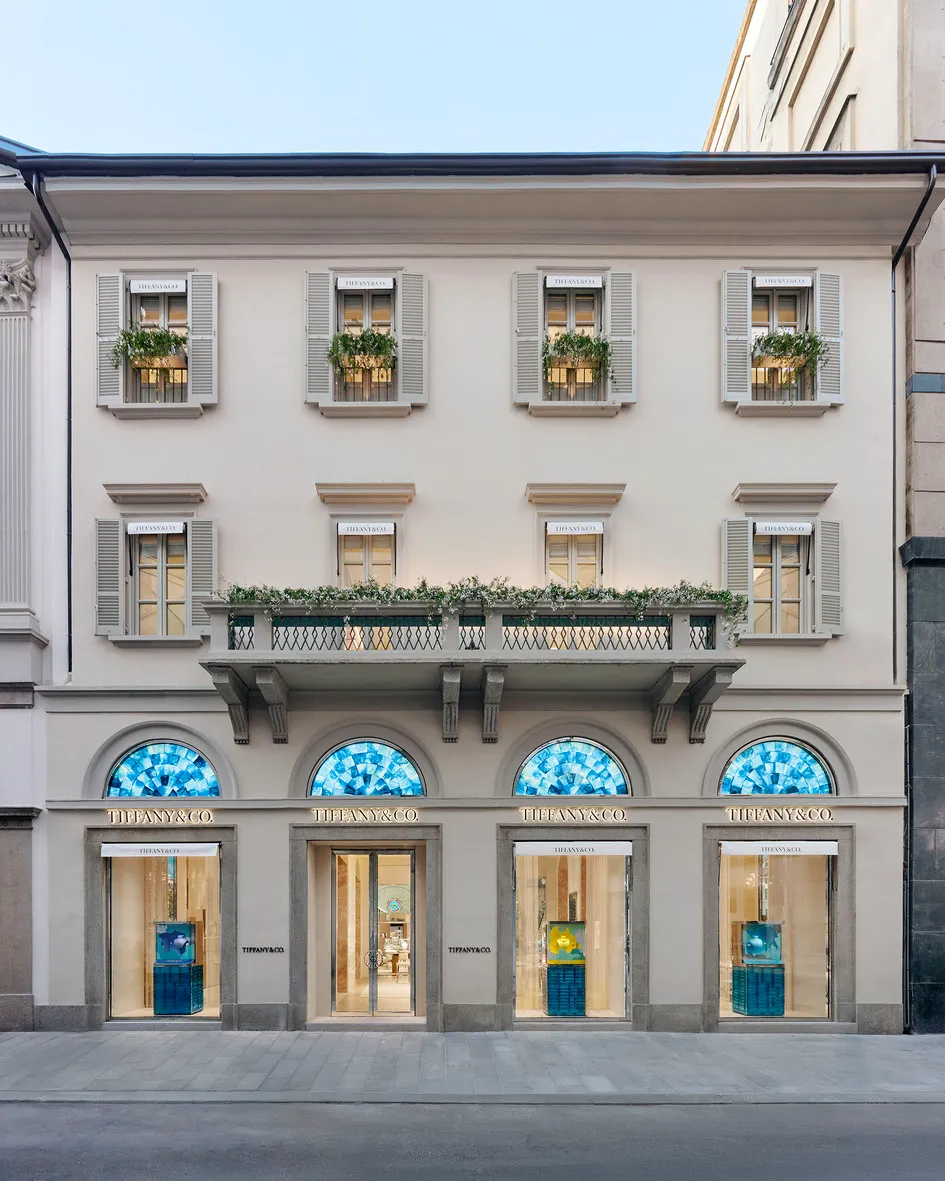
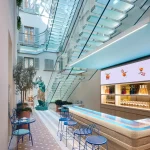
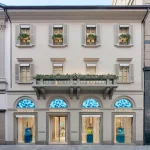
- Prix Versailles: Tiffany & Co. Montenapoleone (Milan, Italy), designed by Peter Marino Architect with architectural elements by Hugh Dutton (glass staircase).
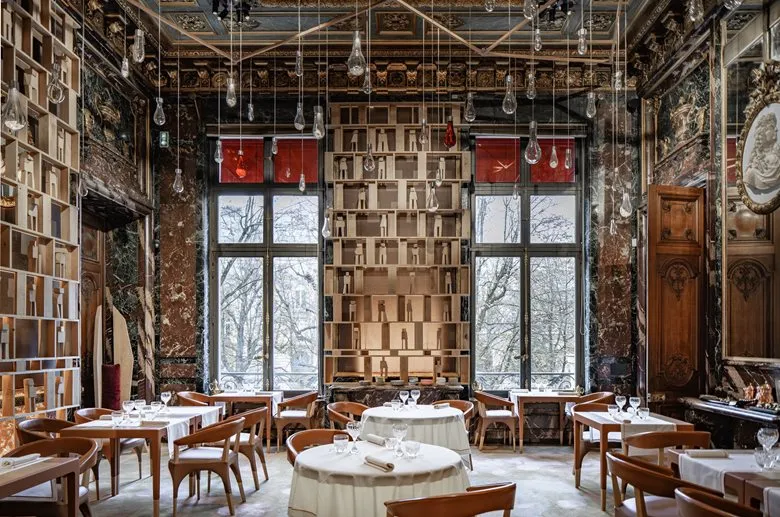
- Special Prize – Interior: Cartier (Brussels, Belgium)
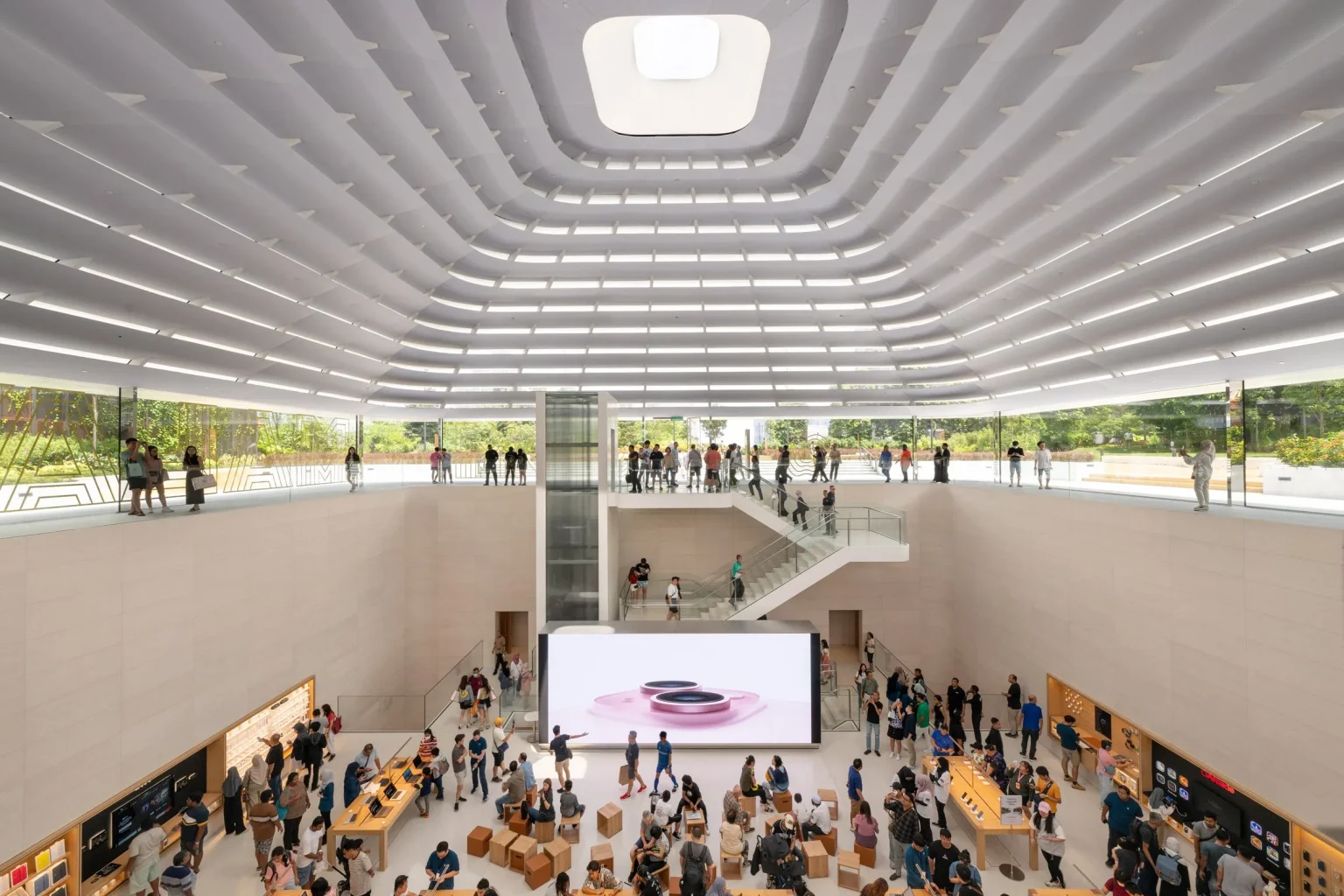
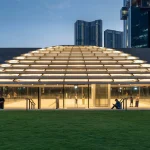
- Special Prize – Exterior: Apple The Exchange TRX (Kuala Lumpur, Malaysia) by Foster + Partners.
These emporiums exemplify commercial design as cultural and aesthetic experiences.
Hotels
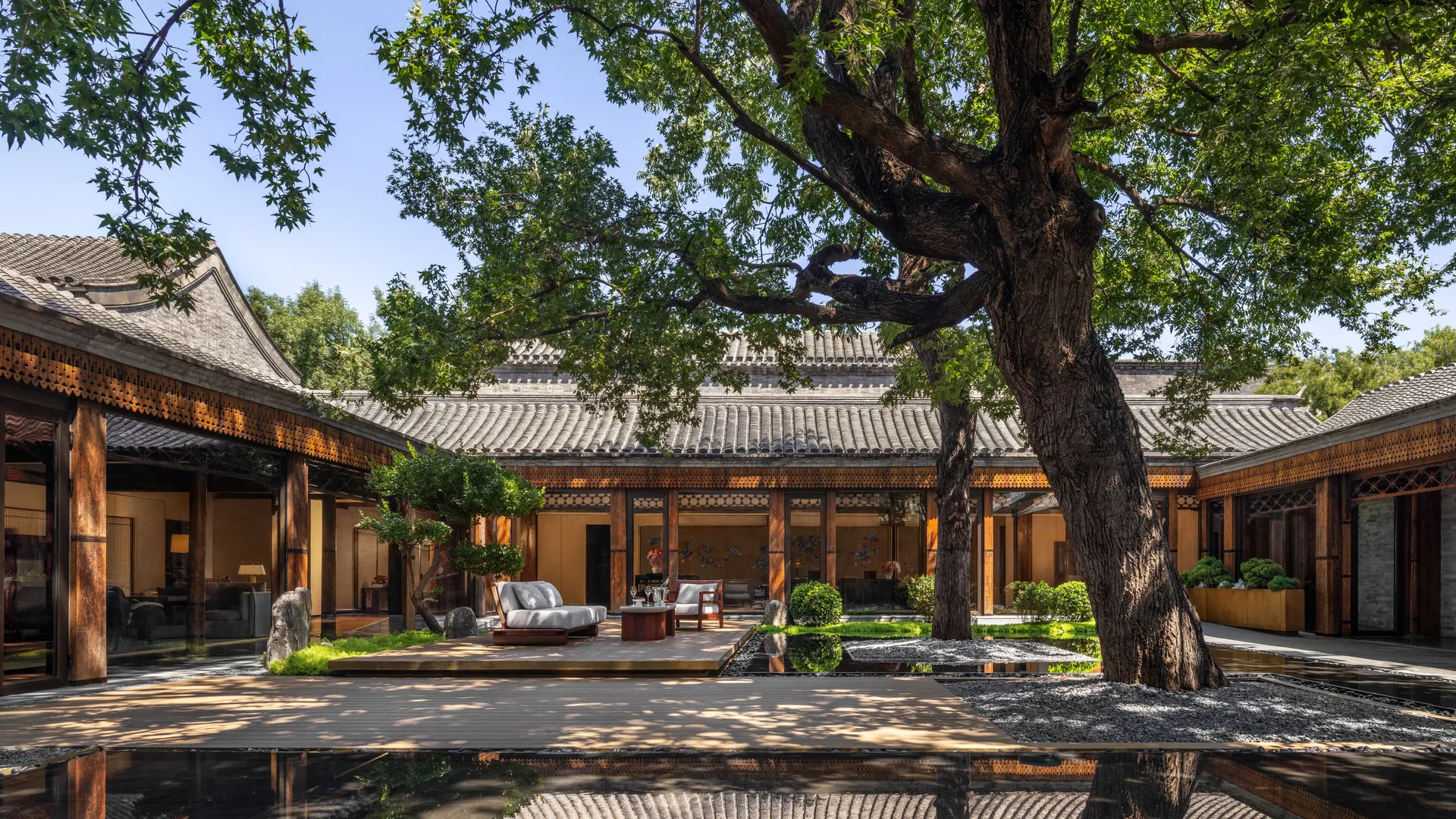
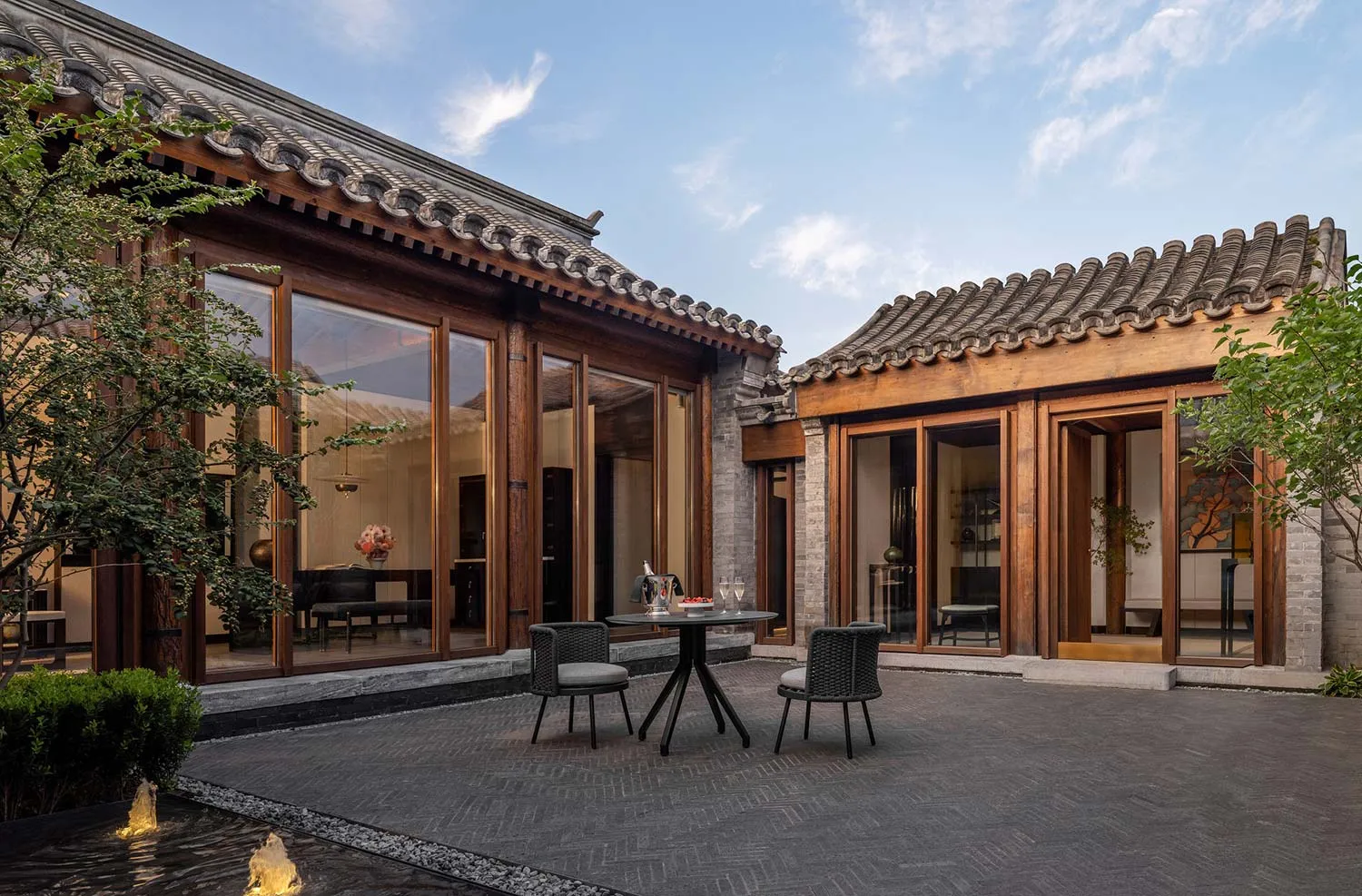
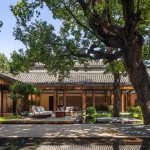
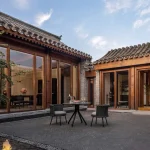
- Prix Versailles: Mandarin Oriental Qianmen (Beijing, China)
- Special Prize – Interior: Hôtel du Couvent (Nice, France)
- Special Prize – Exterior: Shebara (Sheybarah Island, Saudi Arabia)
These projects showcase architectural sophistication tailored to the guest experience and cultural context.
Restaurants
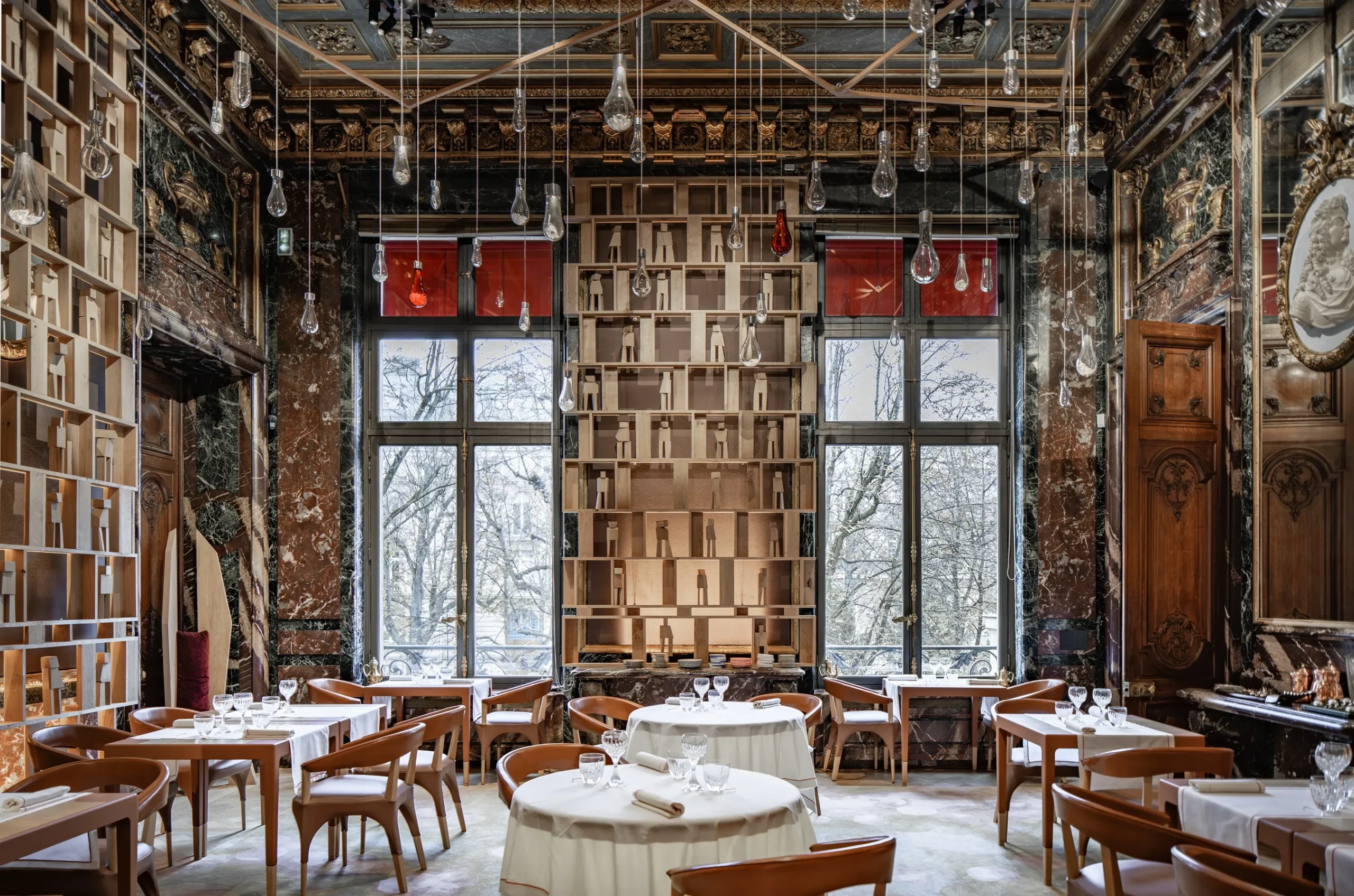
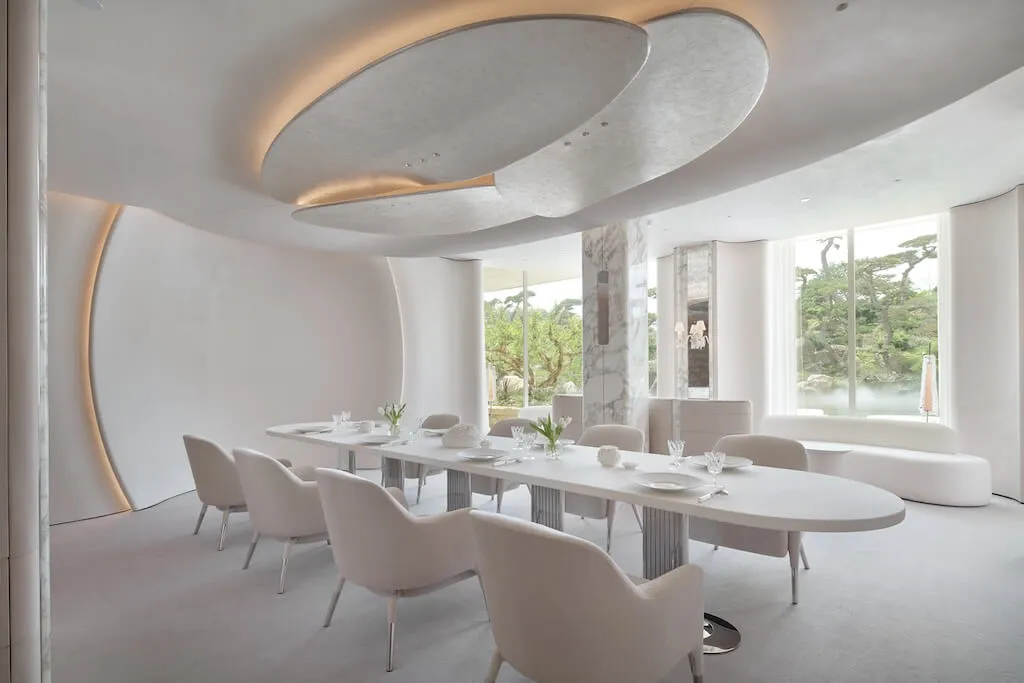
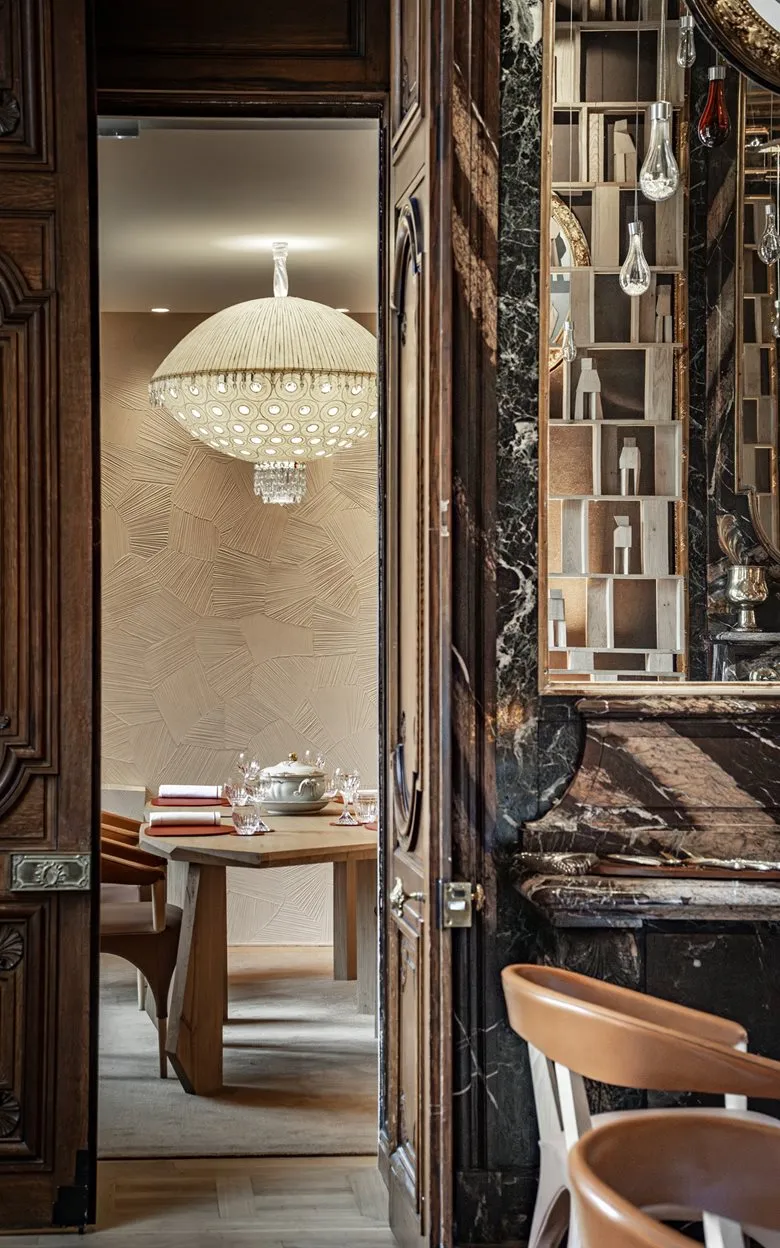
- Prix Versailles: Ducasse Baccarat (Paris, France), by Aliénor Béchu.
- Special Prize – Interior: Blackswan (Beijing, China) by Chris Shao Studio
- Special Prize – Exterior: Another Smith (Tha Sai Luat, Thailand)
Restaurant architecture here bridges dining and design in memorable spaces.
Airports
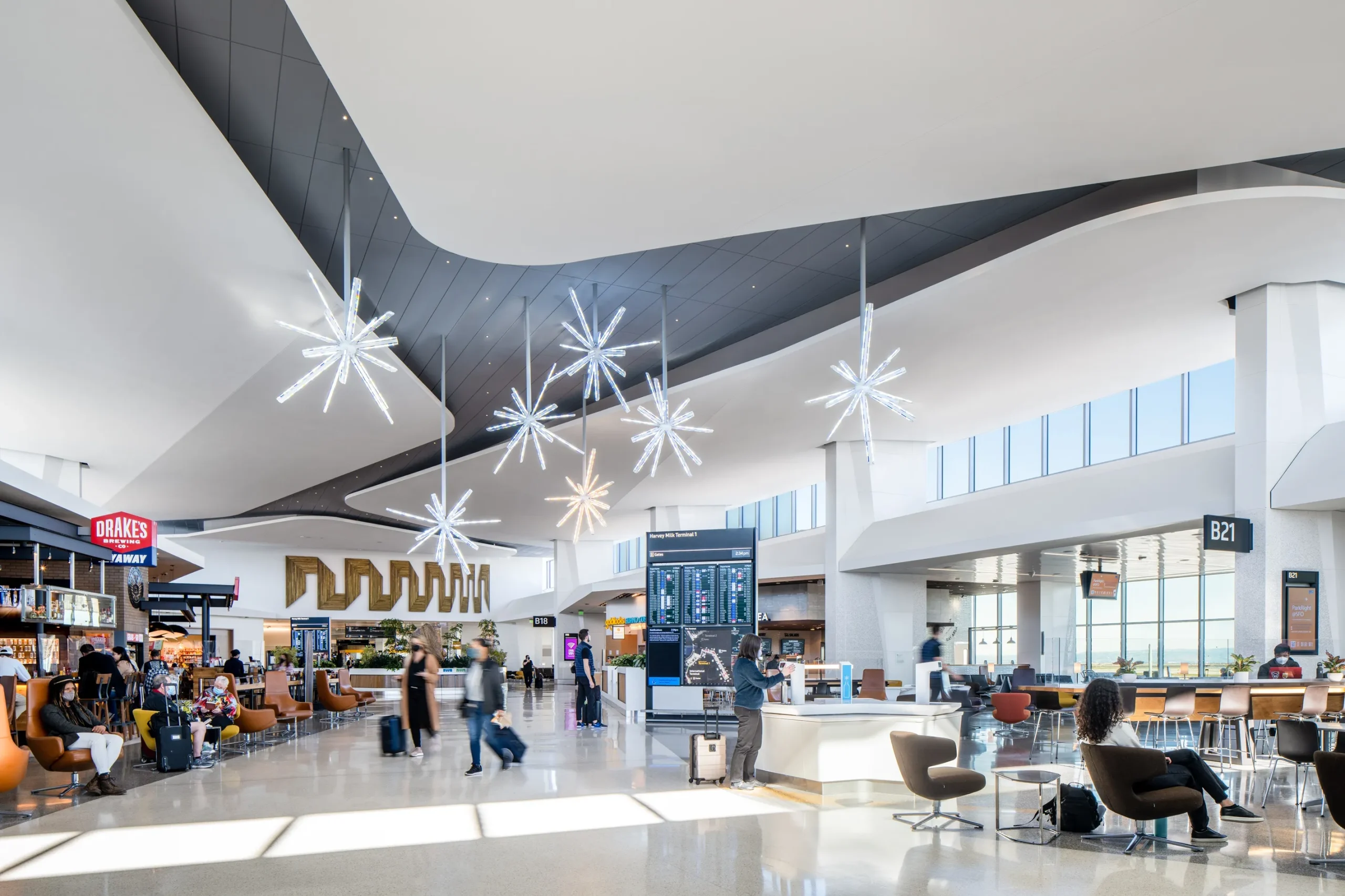
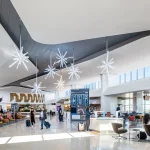
- Prix Versailles: San Francisco International Airport, Harvey Milk Terminal 1 (San Francisco, United States), designed by Gensler
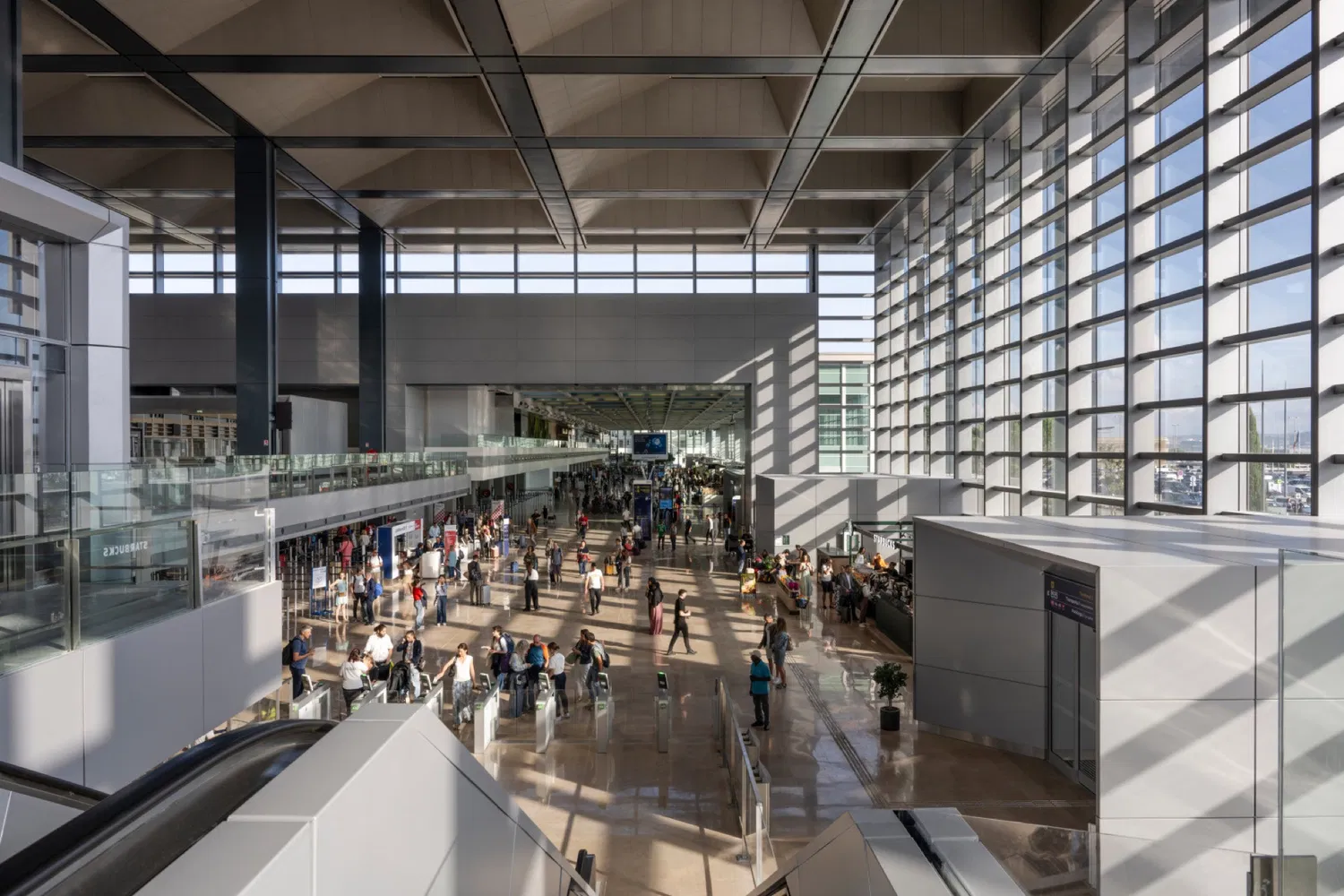
- Special Prize – Interior: Marseille Provence Airport, Terminal 1 (Marignane, France), by Foster + Partners
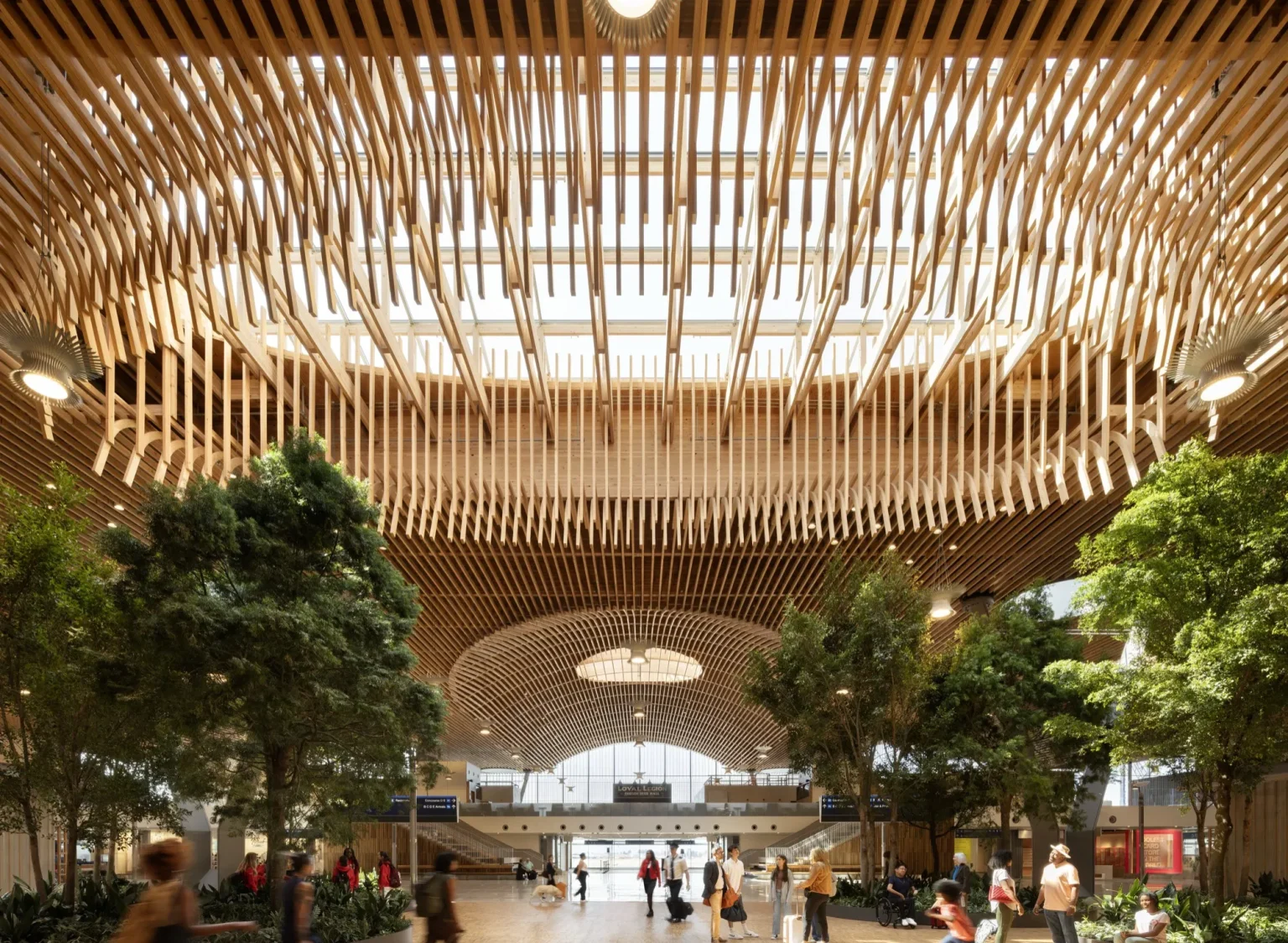
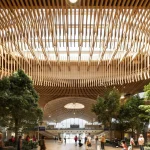
- Special Prize – Exterior: Portland International Airport, Main Terminal (Portland, United States), by ZGF
These terminals are recognized for passenger experience, sustainability, and visual impact.
Campuses
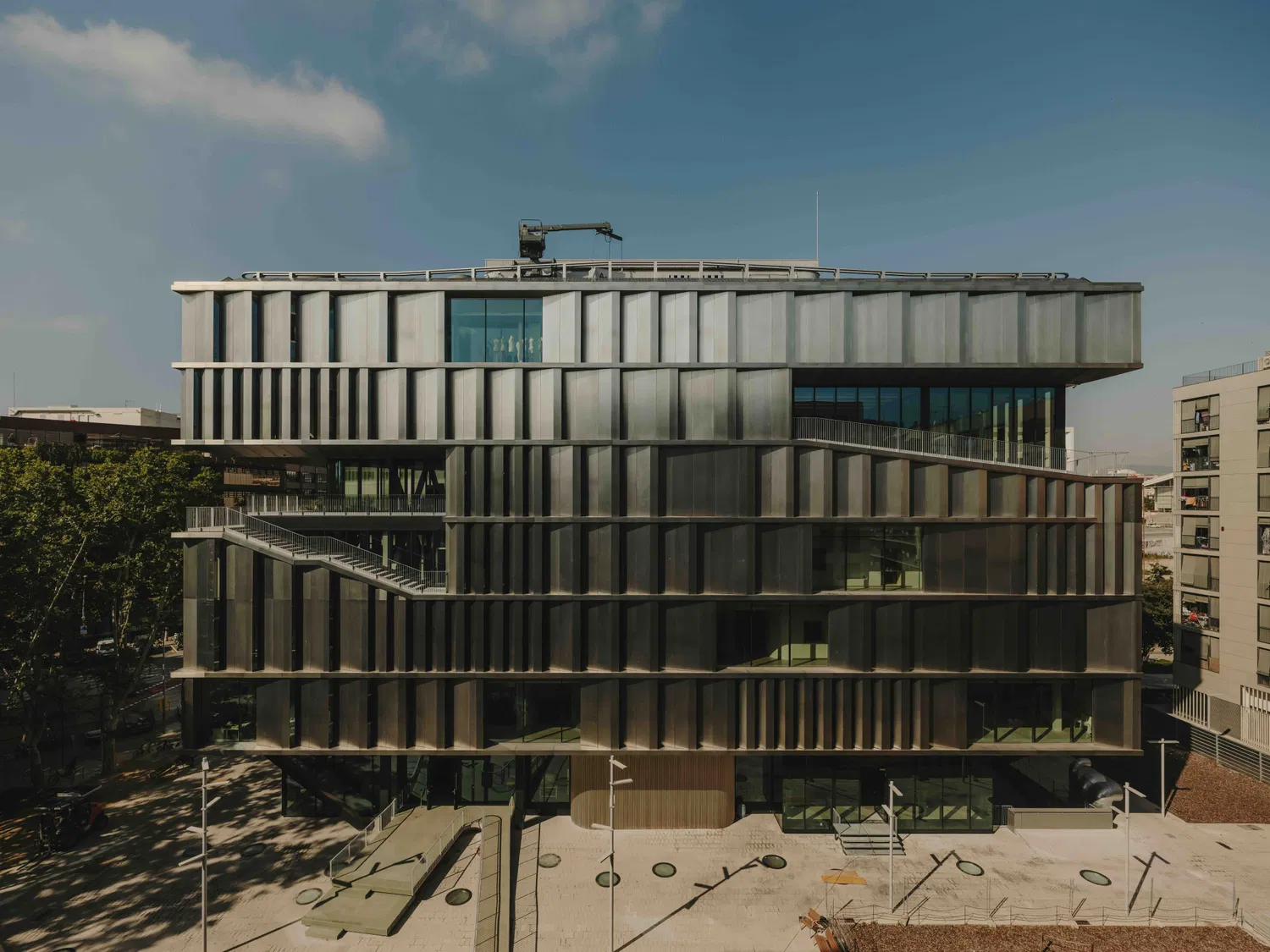
- Prix Versailles: LCI Barcelona (Barcelona, Spain), Ivan Serrano Vidal and Fernando Ansorena Marenco, working under the firm Circular Studio.
- Special Prize – Interior: Shanghai Jiao Tong University, School of Design (Shanghai, China)
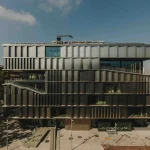
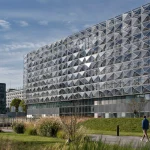
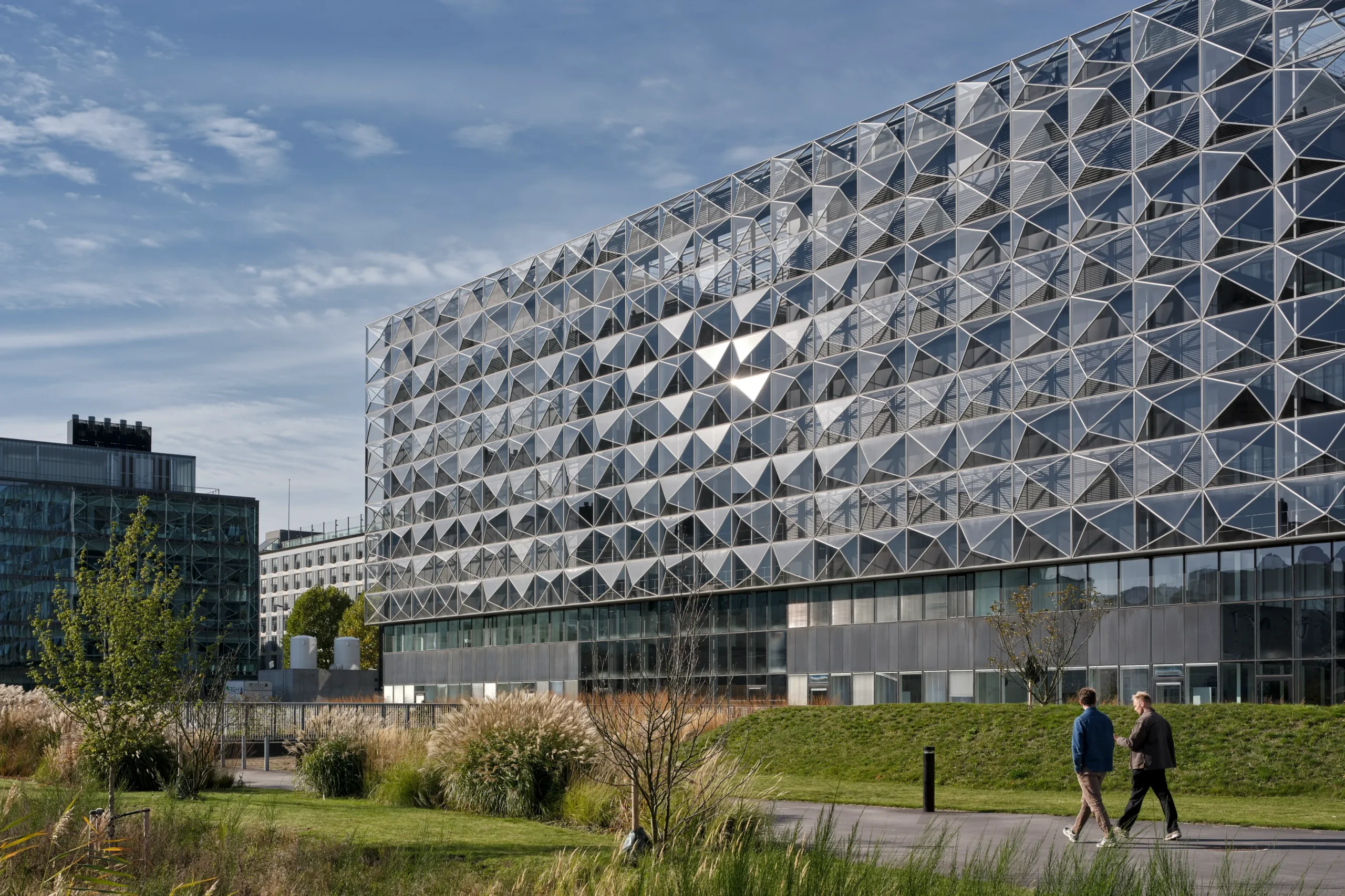
- Special Prize – Exterior: University of Copenhagen, Niels Bohr Bygningen (Copenhagen, Denmark), designed by Christensen & Co. Architects, Vilhelm Lauritzen Architects
Campus architecture here emphasizes learning environments that foster creativity and community.
Passenger Stations
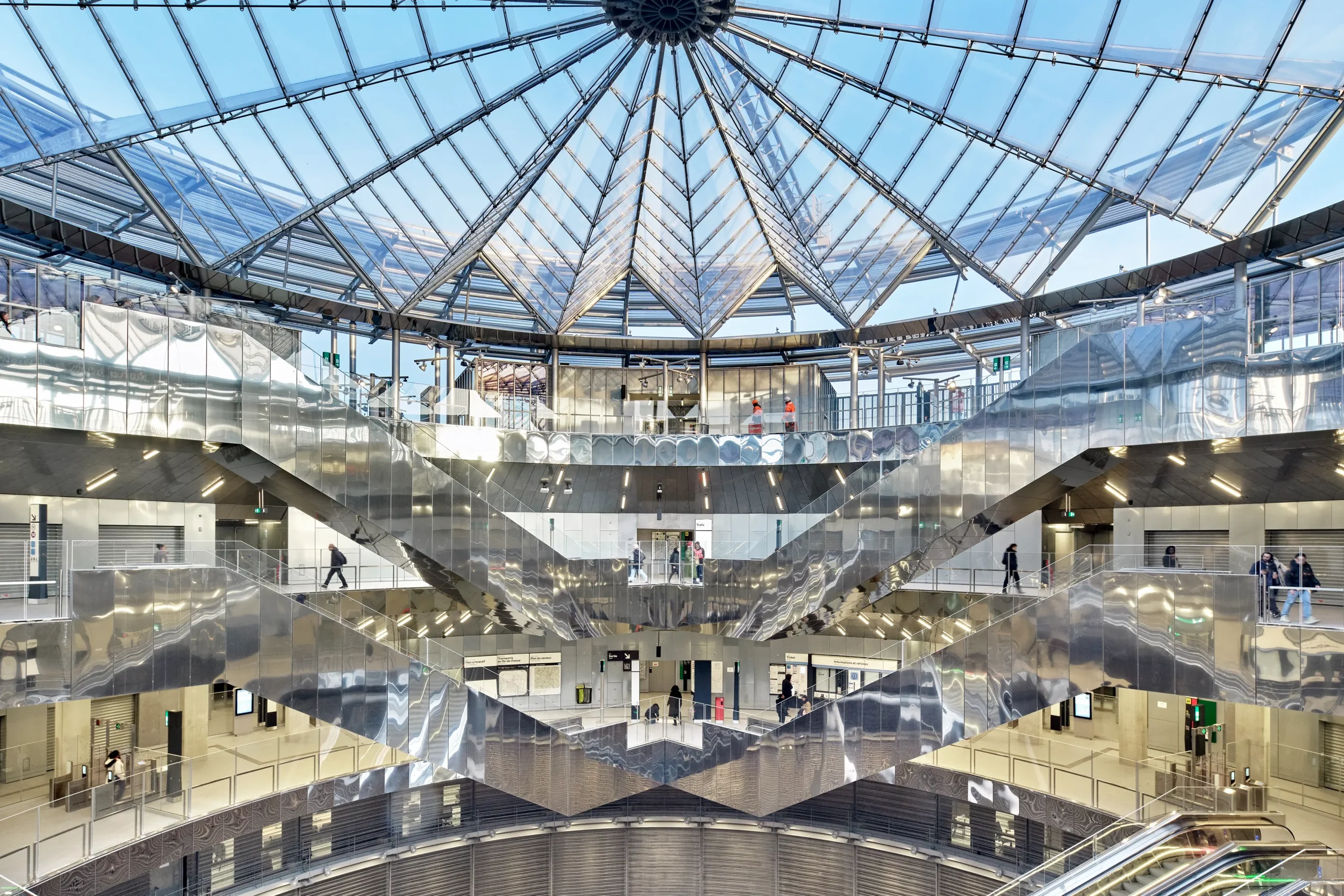
- Prix Versailles: Villejuif – Gustave Roussy Station (Villejuif, France), by Dominique Perrault Architecture
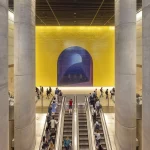
- Special Prize – Interior: Gadigal Station (Sydney, Australia), designed by Foster + Partners (Design Architect) in collaboration with COX Architecture
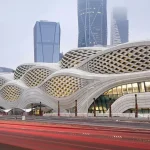
- Special Prize – Exterior: KAFD Station (Riyadh, Saudi Arabia), by Zaha Hadid Architects.
Train and metro stations recognized for design that elevates public transportation spaces.
Arenas
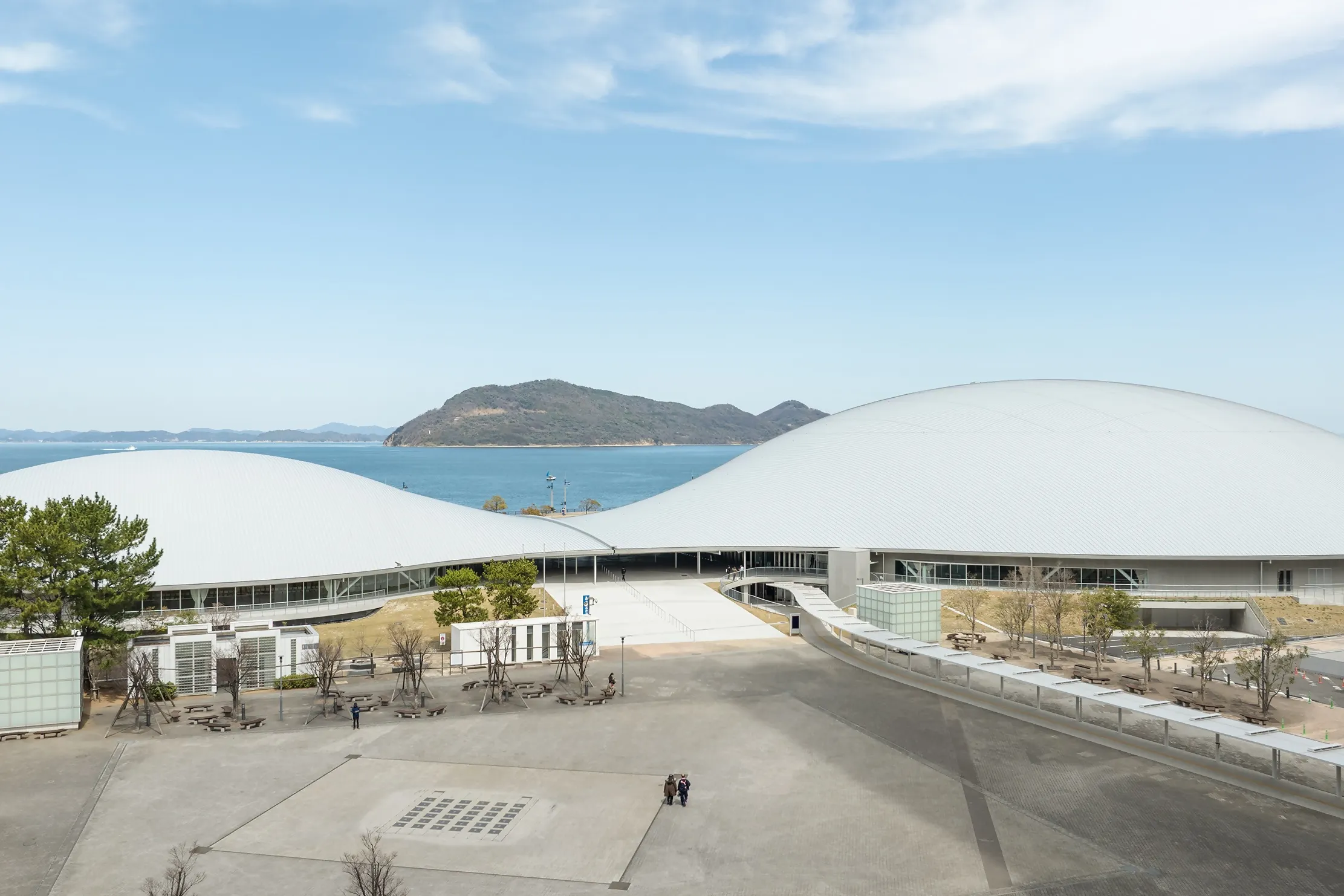
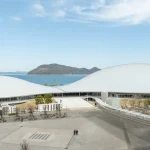
- Prix Versailles: Kagawa Prefectural Arena (Takamatsu, Japan), designed by SANAA, comprising world-renowned architects SEJIMA Kazuyo and NISHIZAWA Ryue.
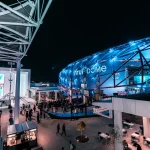
- Special Prize – Interior: Intuit Dome (Inglewood, United States), by AECOM
- Special Prize – Exterior: Le Colisée (Chartres, France), by Groupe-6
These sports venues were chosen for architectural innovation and community significance.