

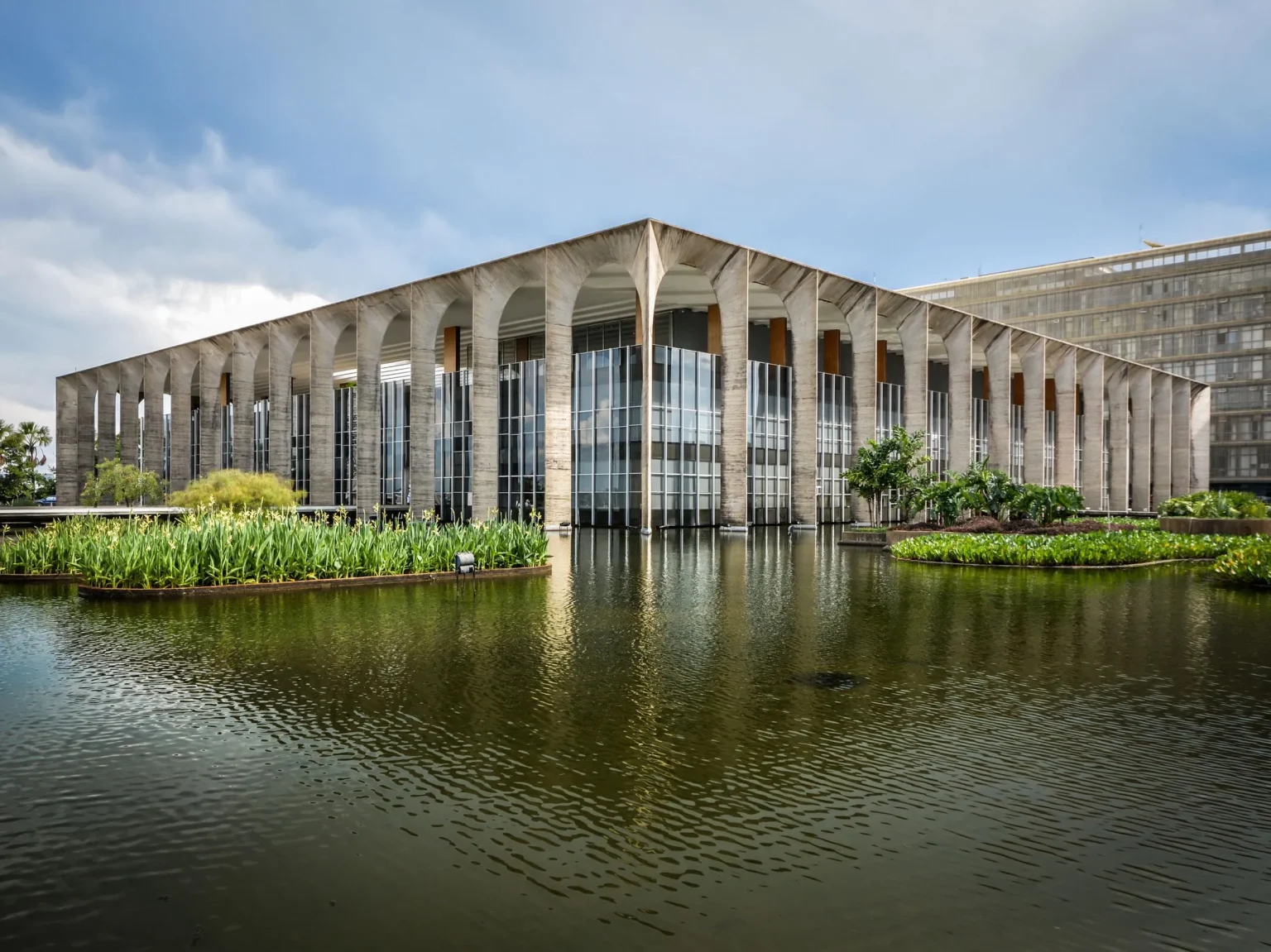
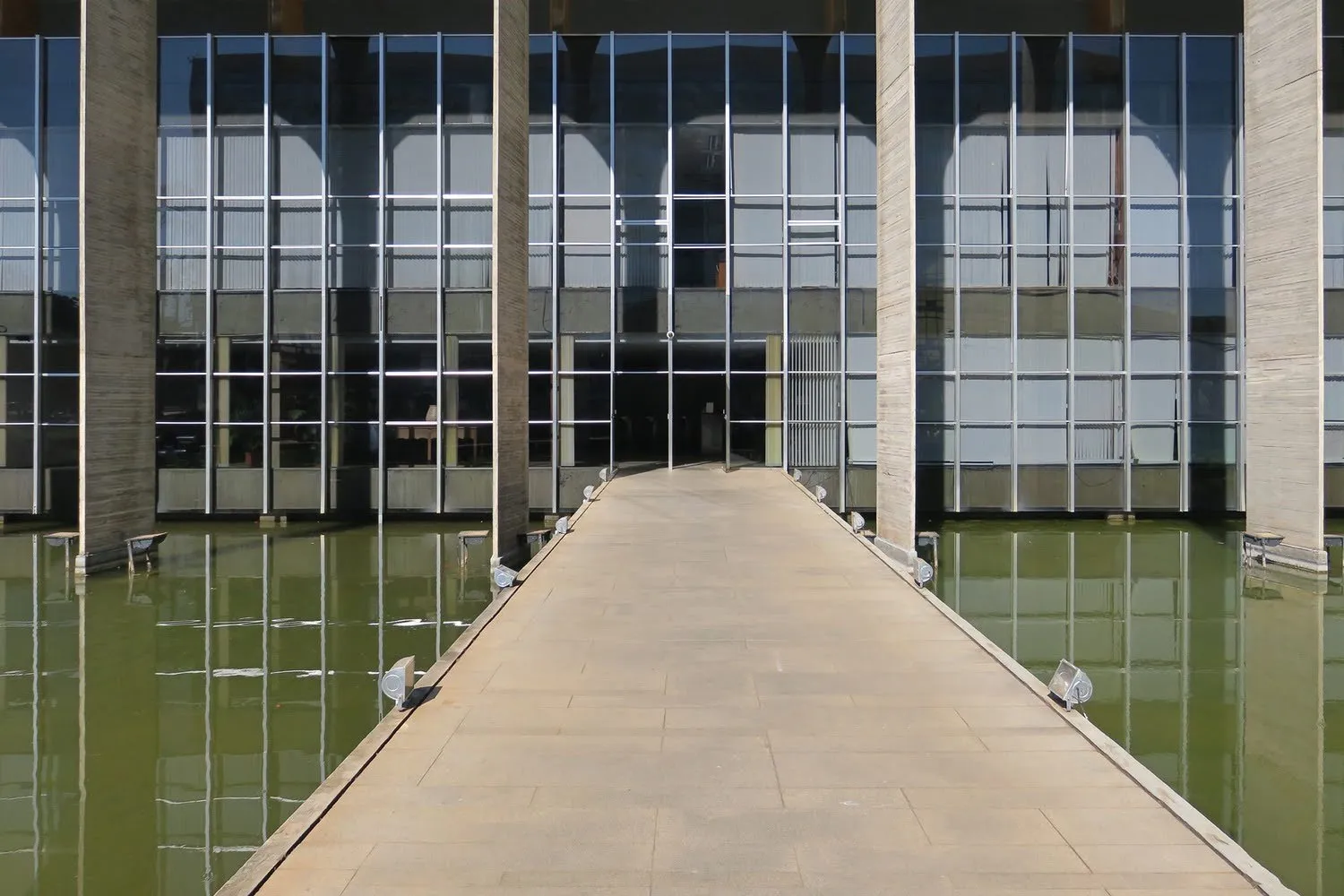


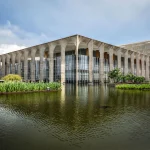

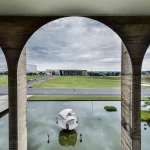
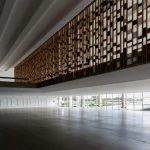
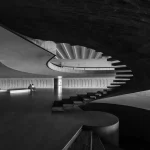
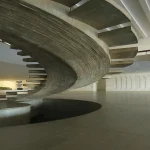
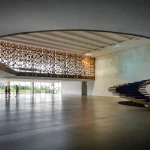
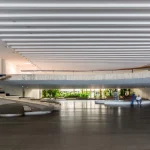
Itamaraty Palace is the paradigmatic embodiment of Brazilian modernism. The organization successfully balances pragmatic requirements with modernist principles. Inaugurated on April 21, 1970, the building designed by Oscar Niemeyer is unique in its position. Its architectural lexicon conveys openness and transparency, striking a balance between monumental scale and human proportion.
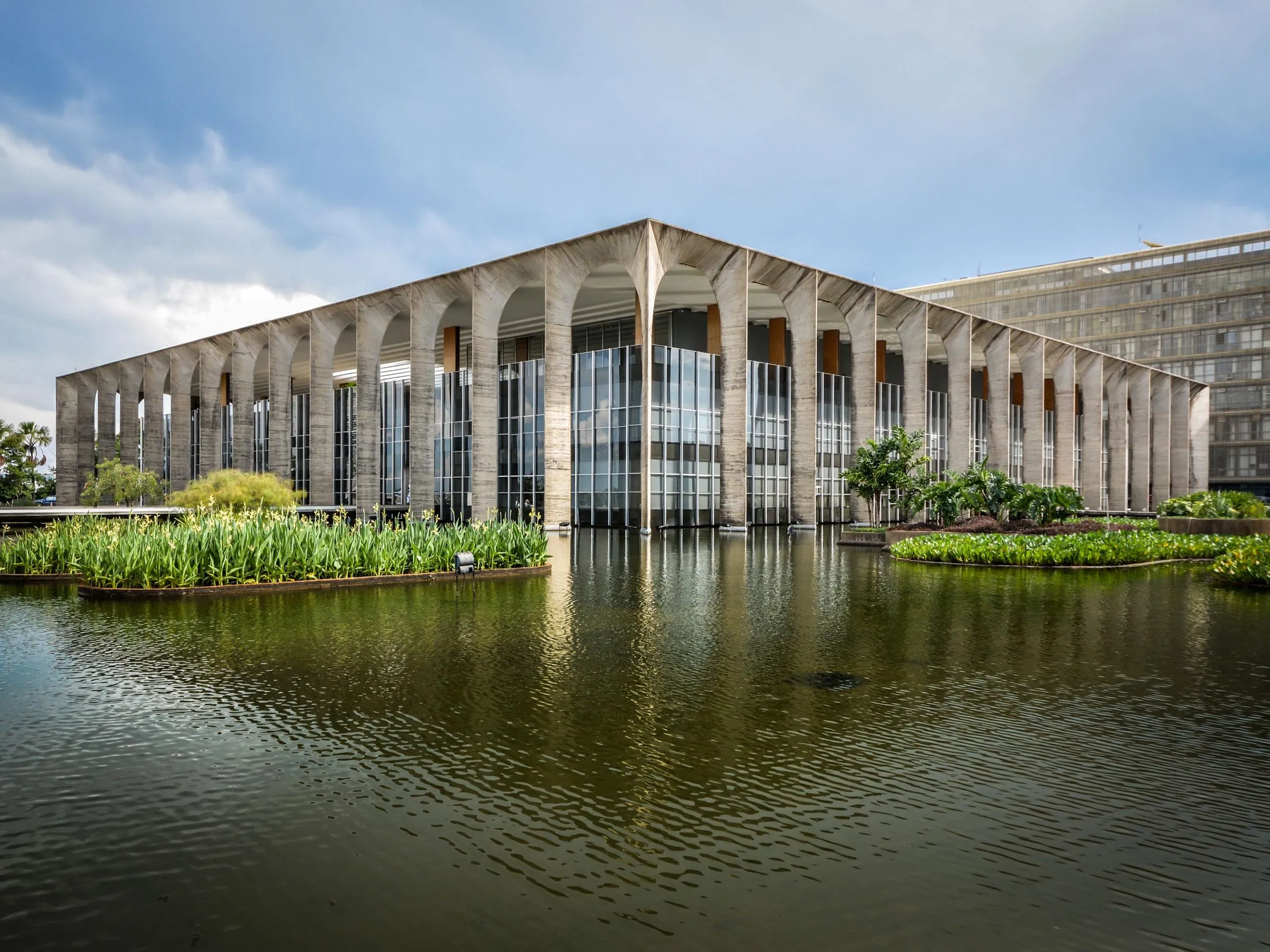
Architectural Organization and Framework
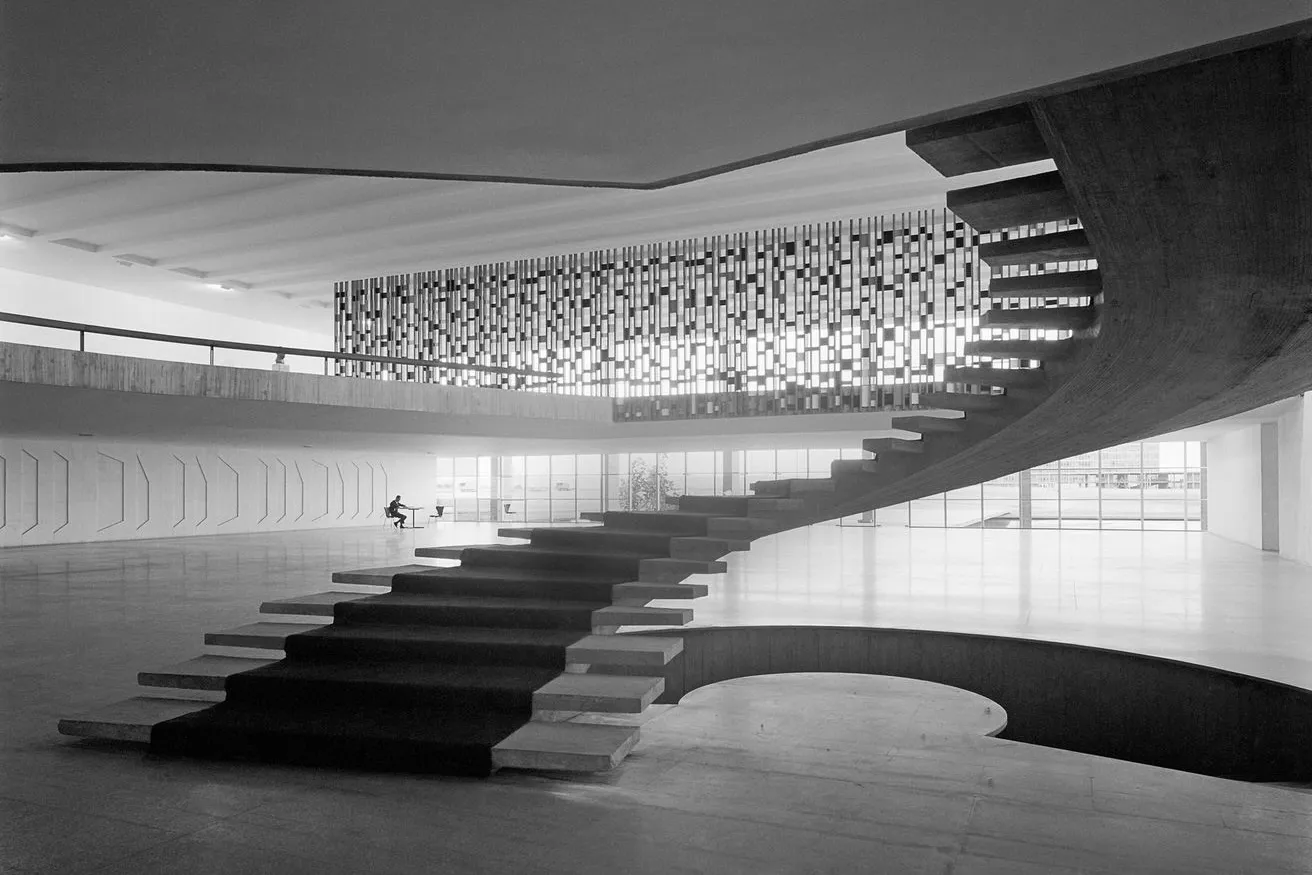
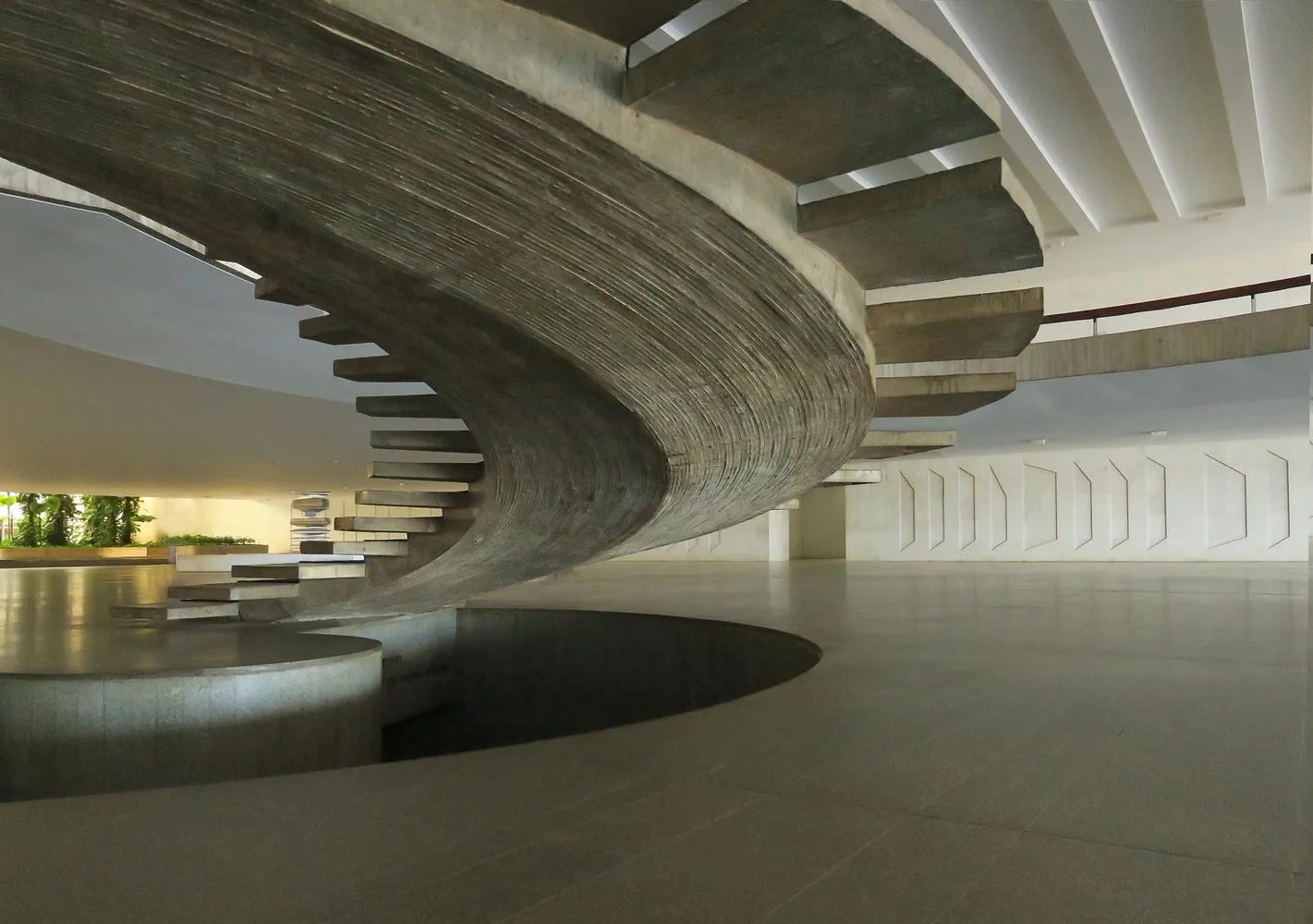
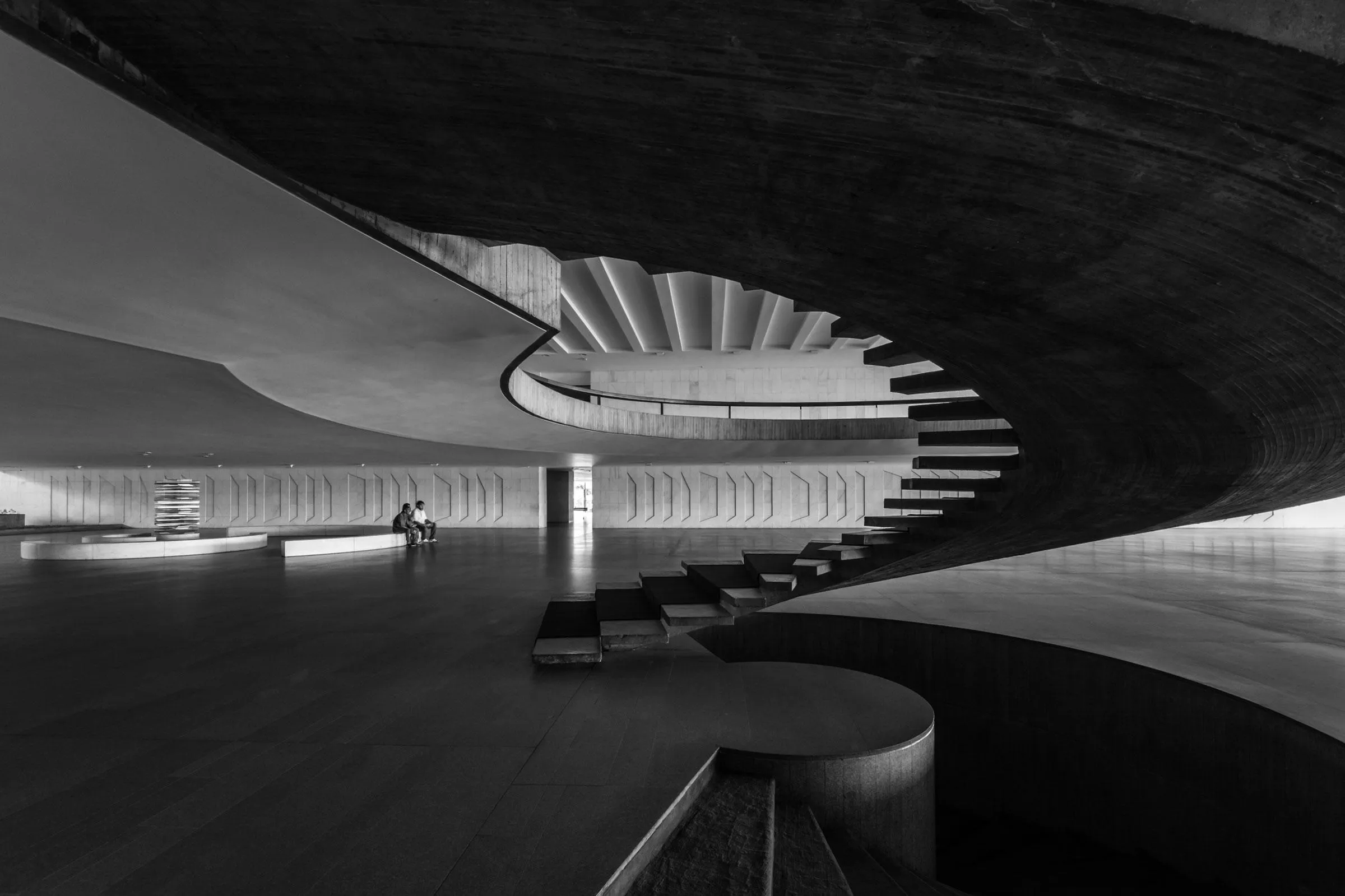
The palace design features a formalist treatment of circulation and stratification of space. A central axis governs ceremonial spaces and public areas, with secondary corridors optimizing the circulation of staff and visitors. The structural system is based on reinforced concrete, producing broad spans without interior columns.
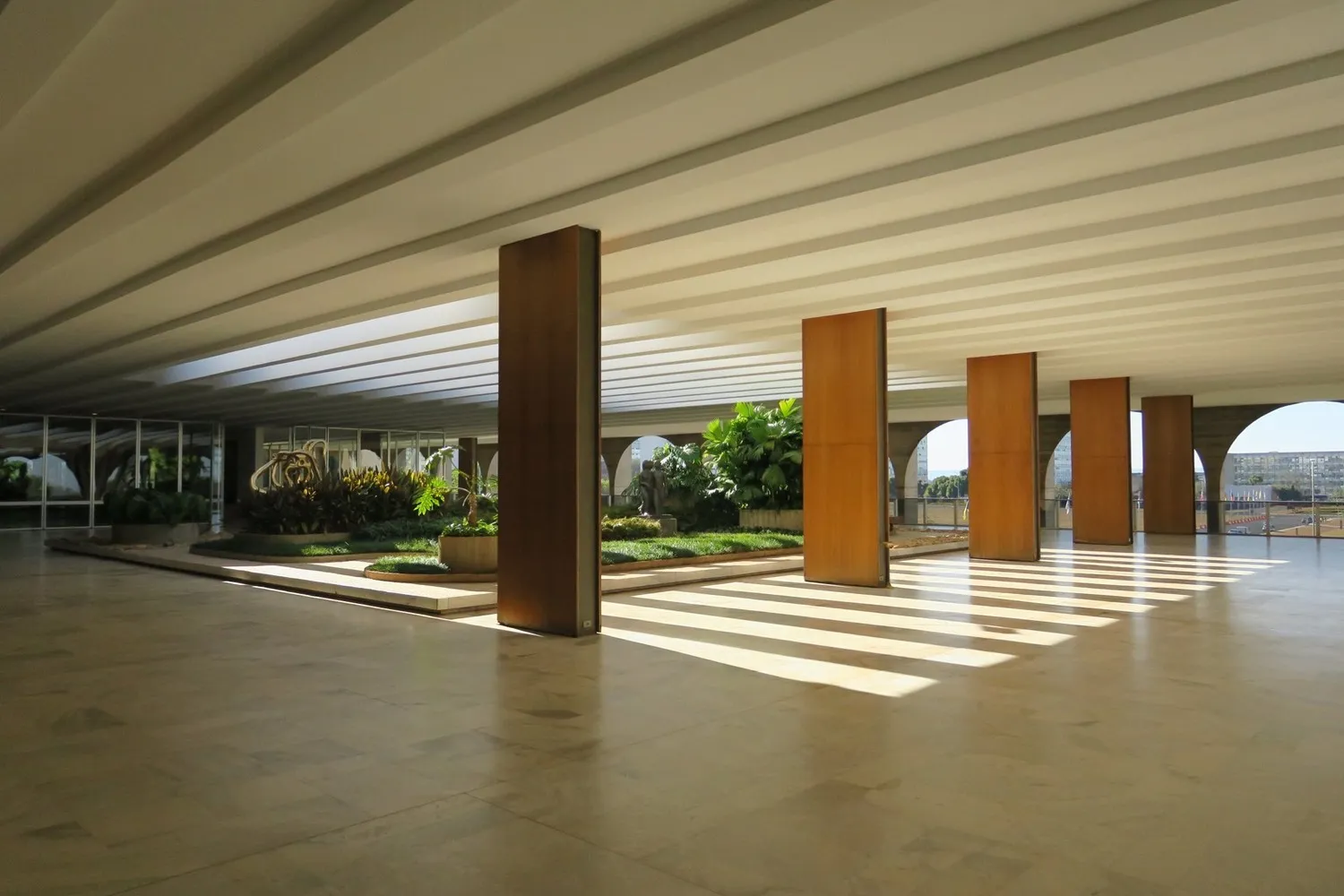
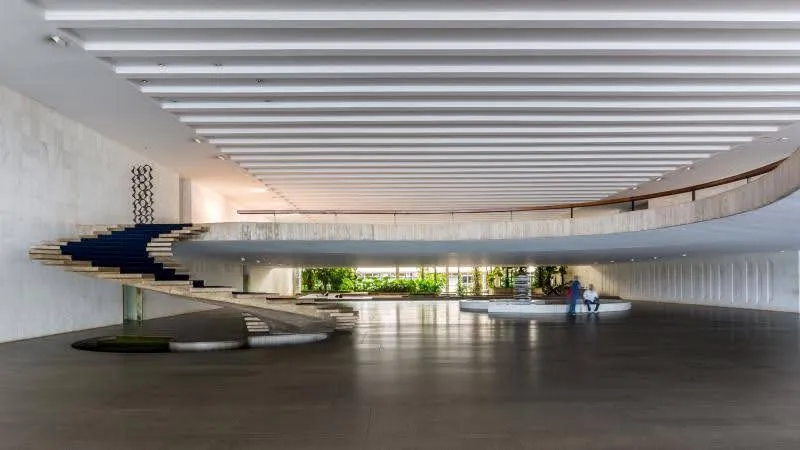
Open-plan spaces are designed with the intention of achieving visual continuity and multipurpose functionality. Modulated ceiling heights and judiciously placed atria achieve deep penetration of natural light, reducing the need for artificial lighting.
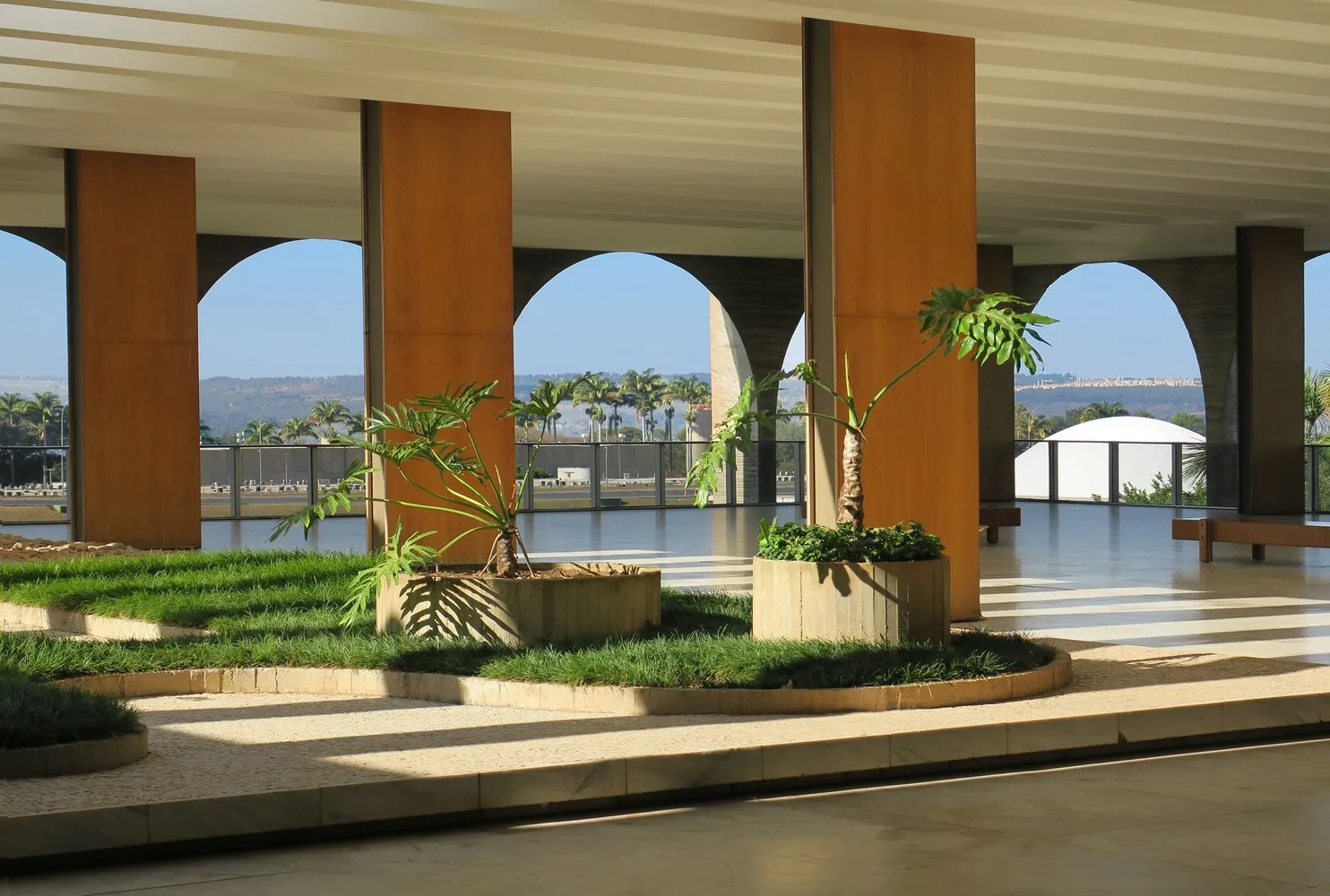
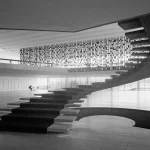
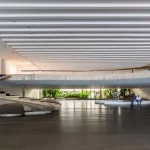
Niemeyer’s genius is perhaps most evident in the way he manipulates light and volume. Varying ceiling heights produce a range of atmospheres. Reception halls soar with monumental dimensions, instilling a sense of authority and awe. Meanwhile, offices and meeting rooms clustered around courtyards provide intimacy and focus.

Materiality and Environmental Performance
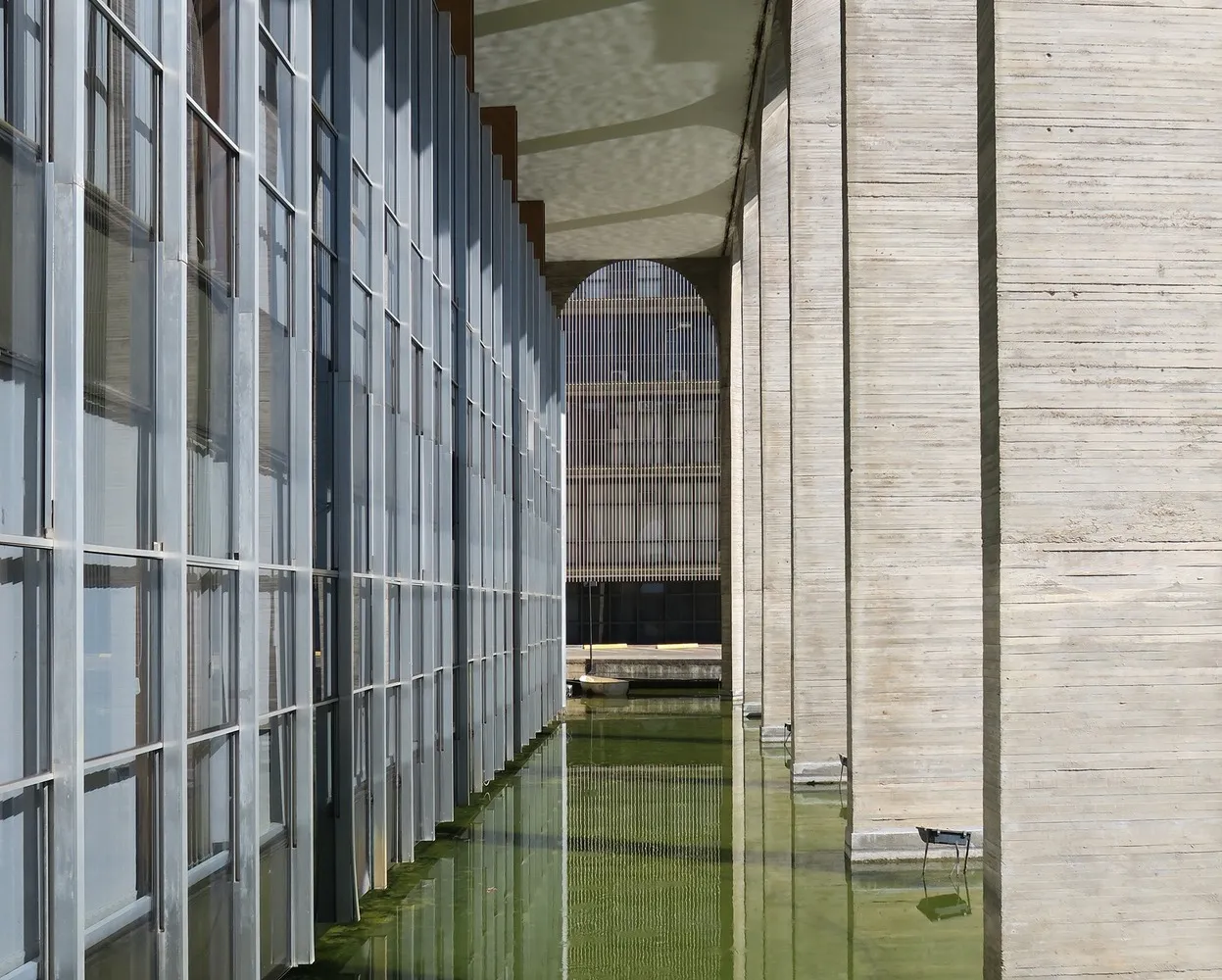
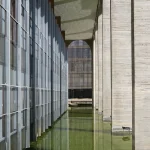
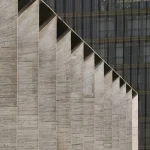
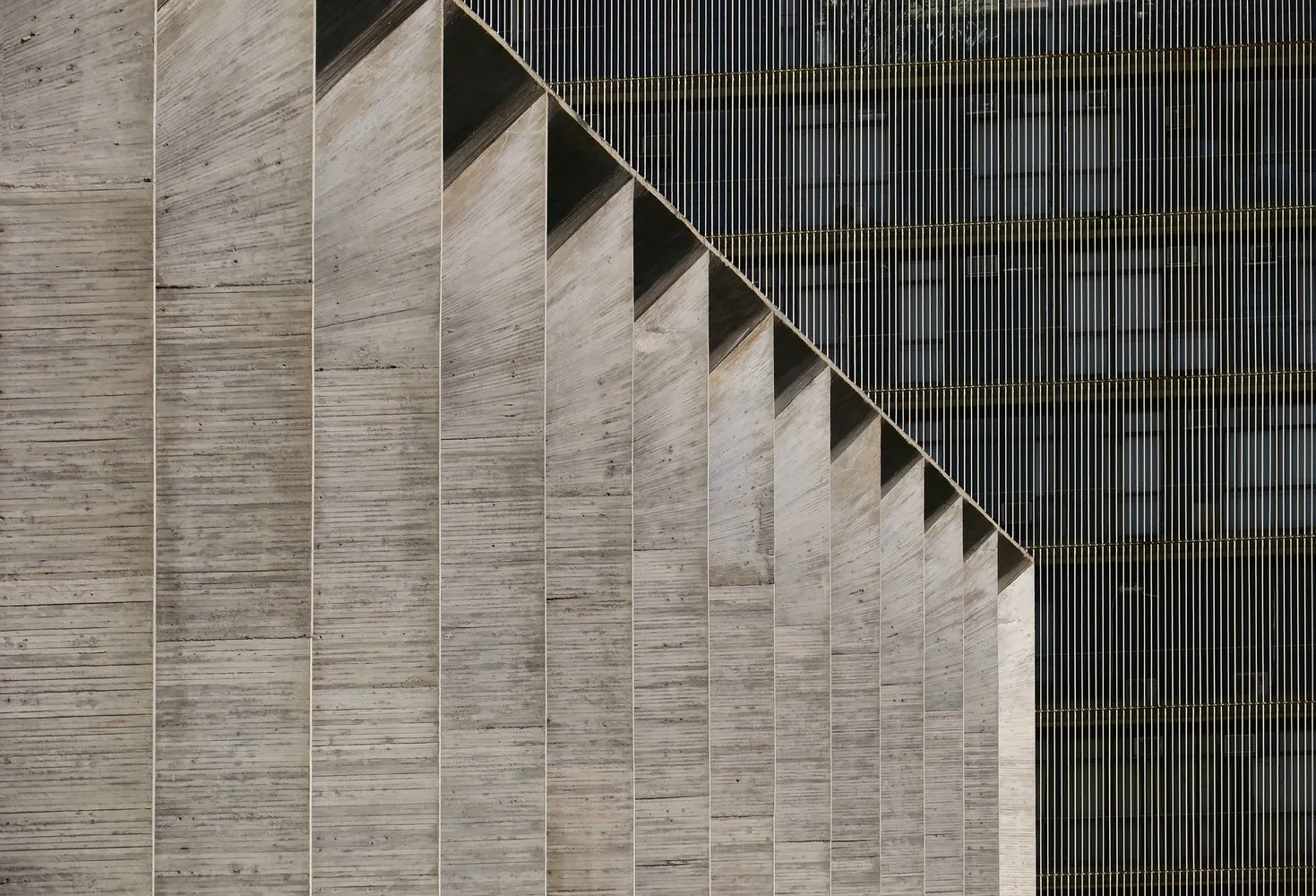
Material selection blends aesthetic value and technical performance. Locally sourced stone and polished marble provide durability and permanence, while timber detailing adds tactile characteristics and warmth. Sun-shading elements incorporated into the facade minimize Brasília’s solar radiation, ensuring thermal comfort and reducing energy consumption.
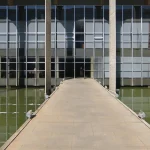
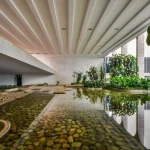
Courtyards and landscaped spaces provide passive cooling and microclimatic control, while water features enhance natural ventilation and thermal control. These are early sustainable design processes in modernist architecture.
Interior Spatial Experience and Human Scale
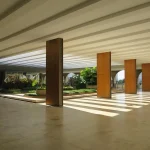
Interior organization reconciles monumental scale with human scale. Ceremonial spaces feature expansive, open volumes that proclaim authority and openness. Offices and meeting spaces are situated around courtyards to provide quiet, contemplative settings.
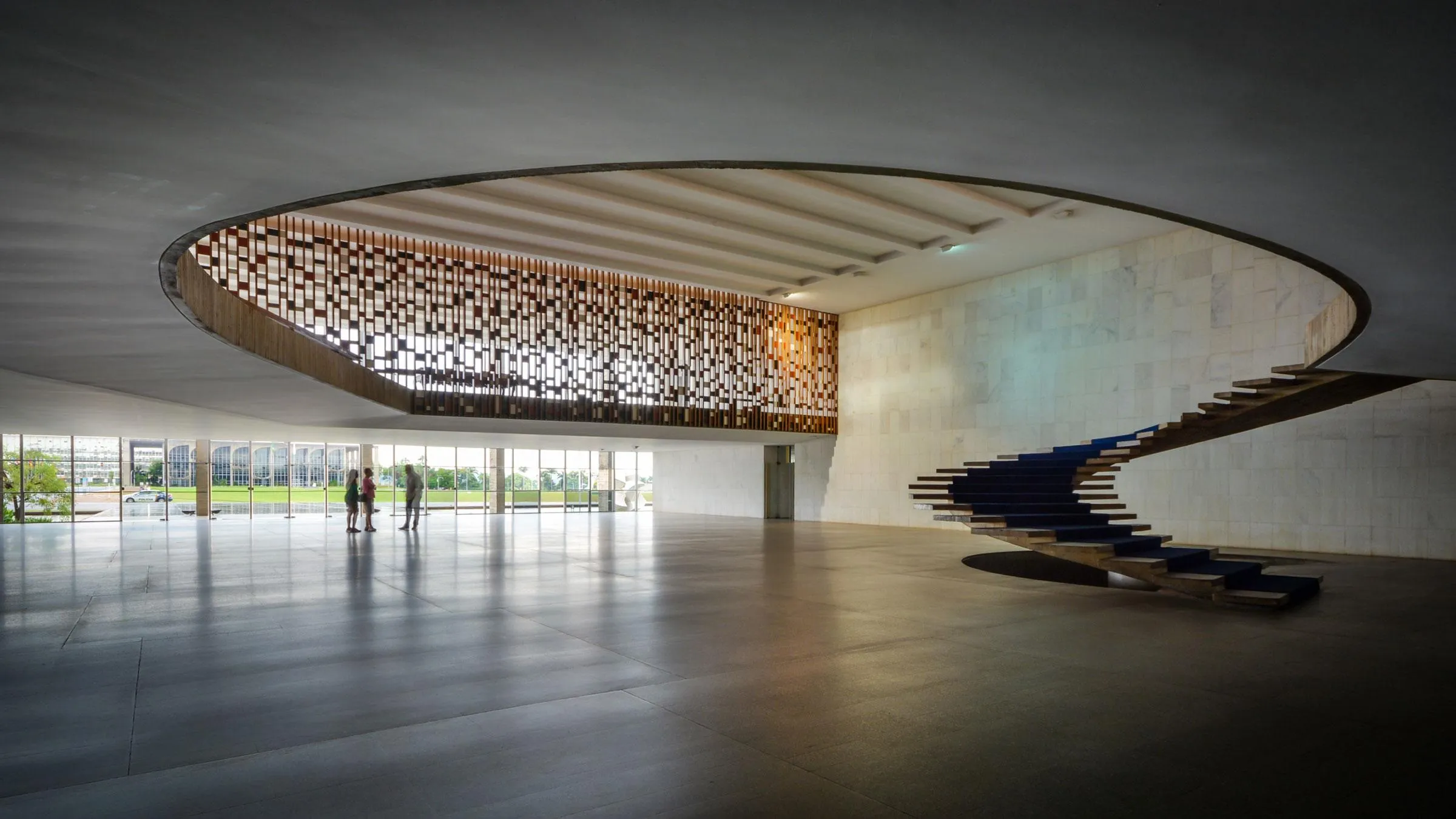
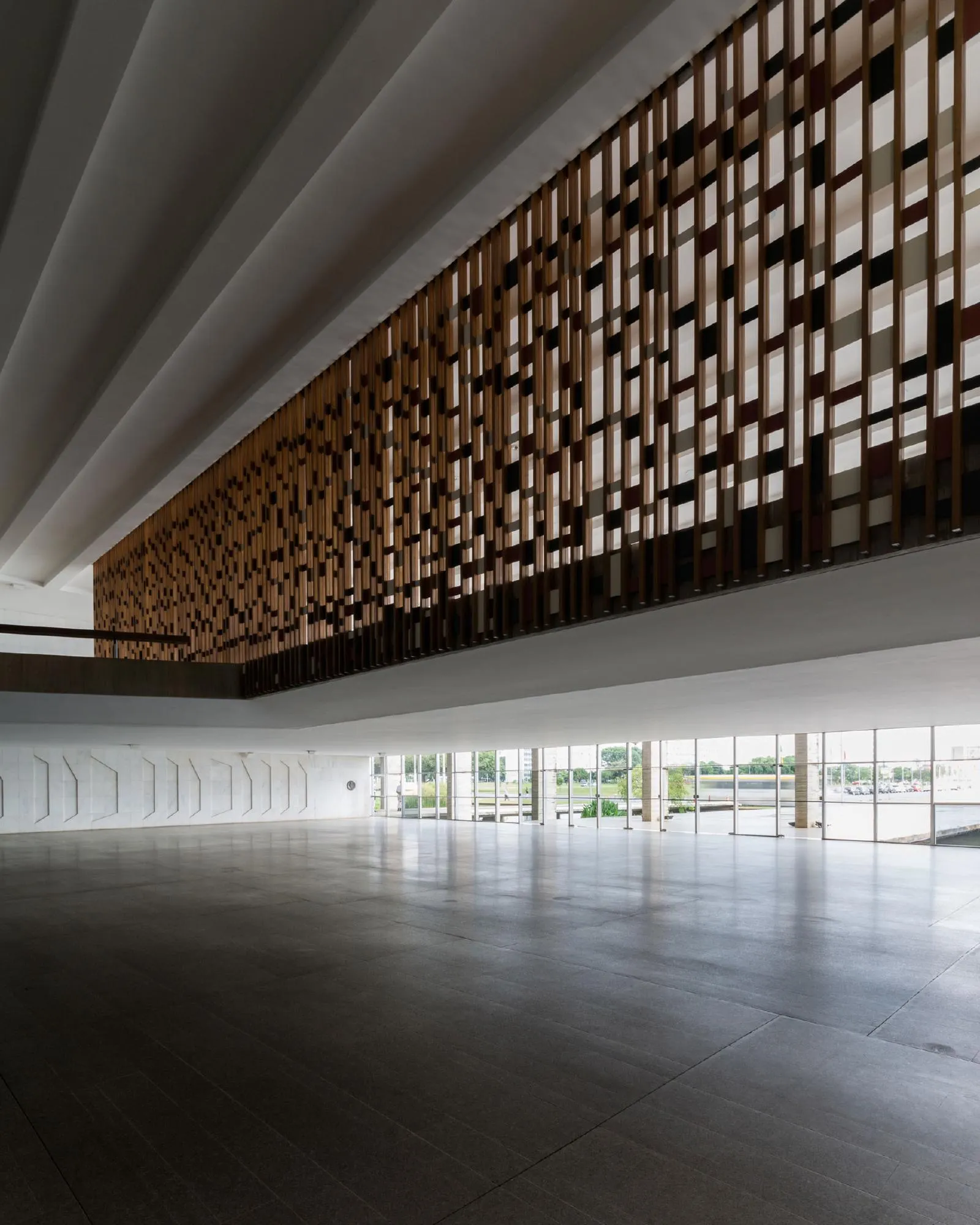
Line of sight, interaction between natural light and reflective surfaces, and spatial continuity all contribute to adding depth, with respectful detailing serving to complement tactile interaction. The spatial rhythm of wide public areas alternating with more intimate areas reflects the dual purpose of the building as an office and a monument.
Urban Context and Site Integration
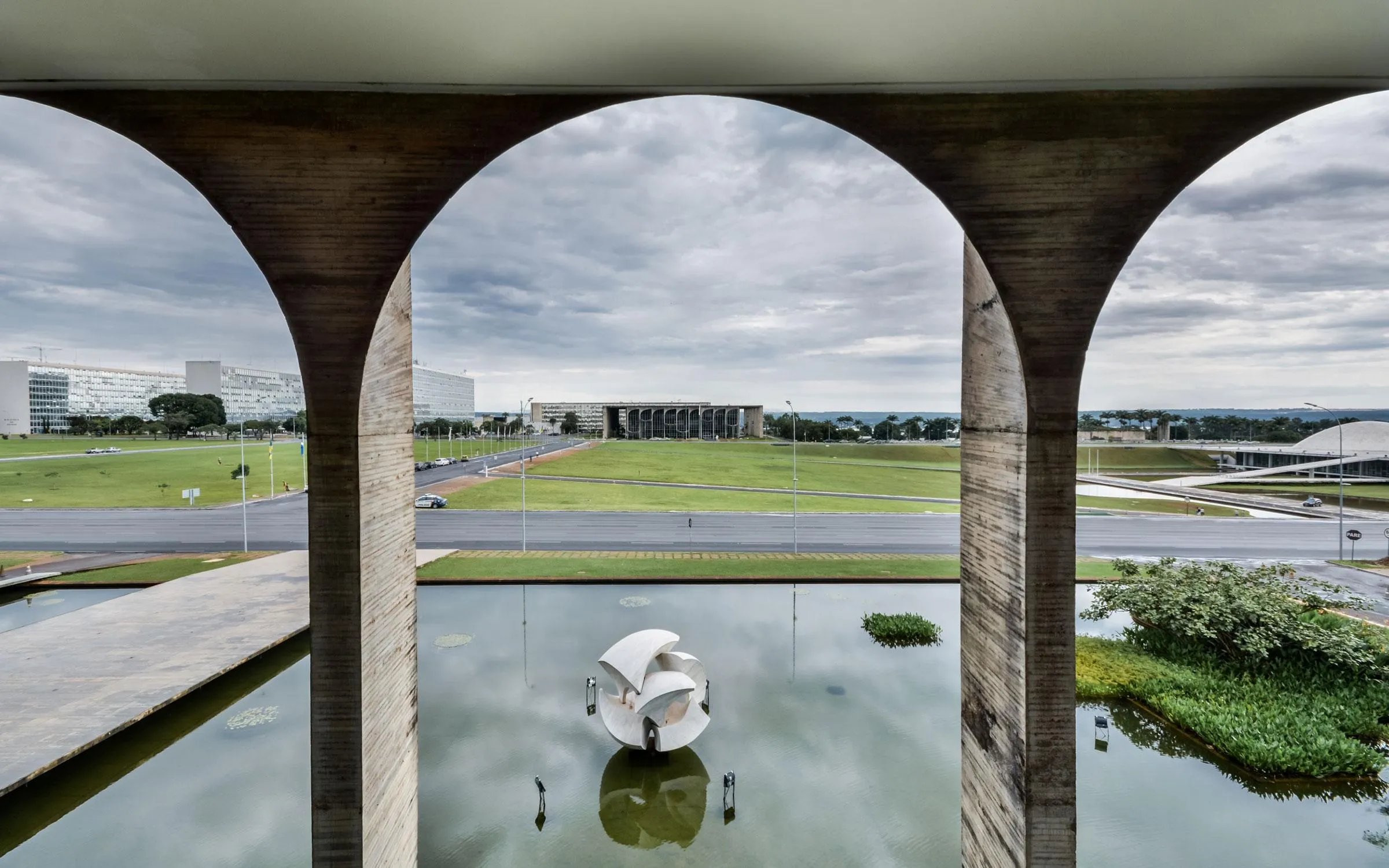
Strategically positioned within the civic nucleus of Brasília, the Itamaraty Palace serves as an interface between monumental avenues and open public spaces. Its positioning maximizes visibility and produces a measured passage from city streets to controlled, secure areas.
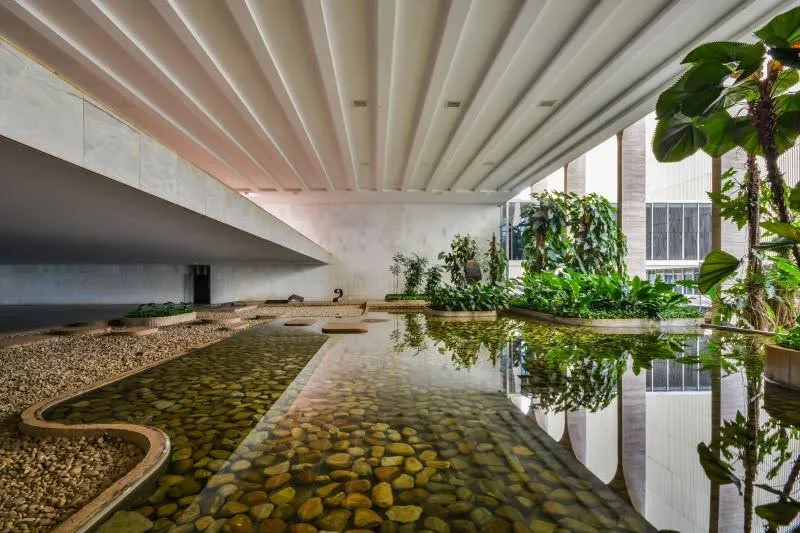
Open courtyards and public routes are used to create a dialogue between the building and its urban context, and while subtle, this dialogue provides spaces for civic interaction and respects the scale and circulation of the surrounding structure.
Itamaraty Palace is a representation of modernist architectural principles. Its clear spatial organization, construction, and materials ensure effectiveness while representing national identity. The approach involves openness, precision, and respect, showing how public architecture achieves a reconciliation between function, user comfort, and cultural expression.
Itamaraty Palace Project Details
Project Name: Itamaraty Palace (Palácio dos Arcos)
Architect: Oscar Niemeyer
Landscape Architect: Roberto Burle Marx
Year: April 21, 1970
Location: Brasília, Brazil